Hollow Crown Pastinake
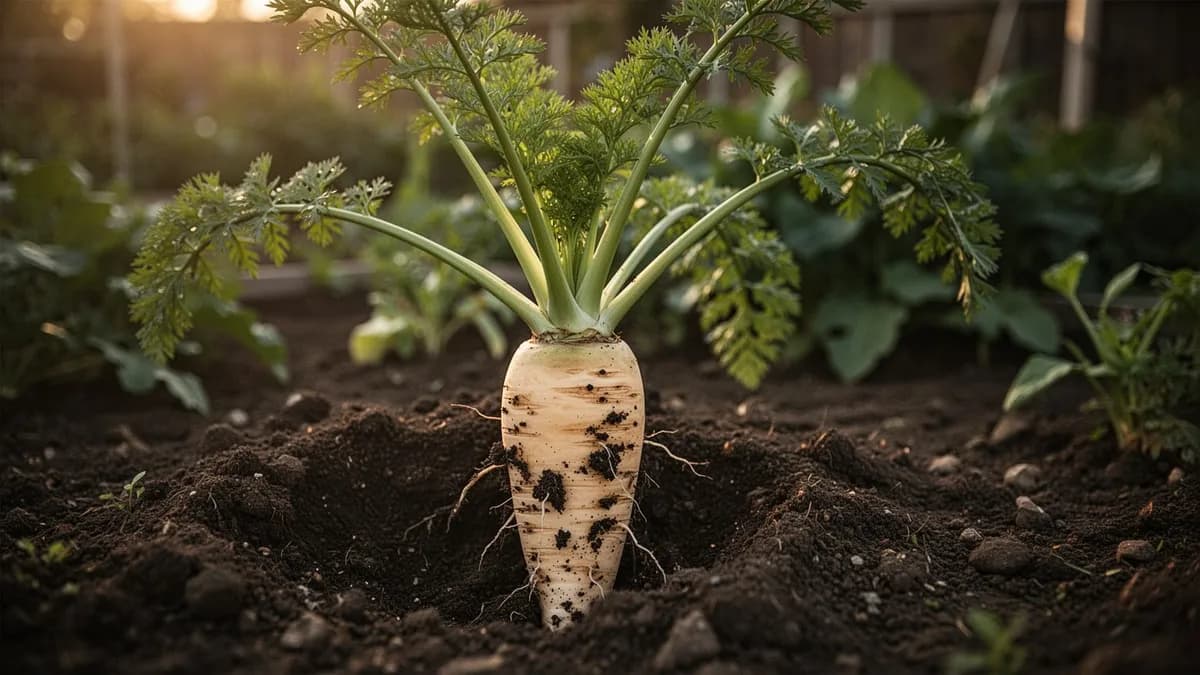
Die klassische Pastinakensorte, die lange, keilförmige weiße Wurzeln mit süßem, nussigem Geschmack produziert, der sich nach Frosteinwirkung intensiviert.





Auf dieser SeiteÜberblick
Hollow Crown Pastinake im Überblick
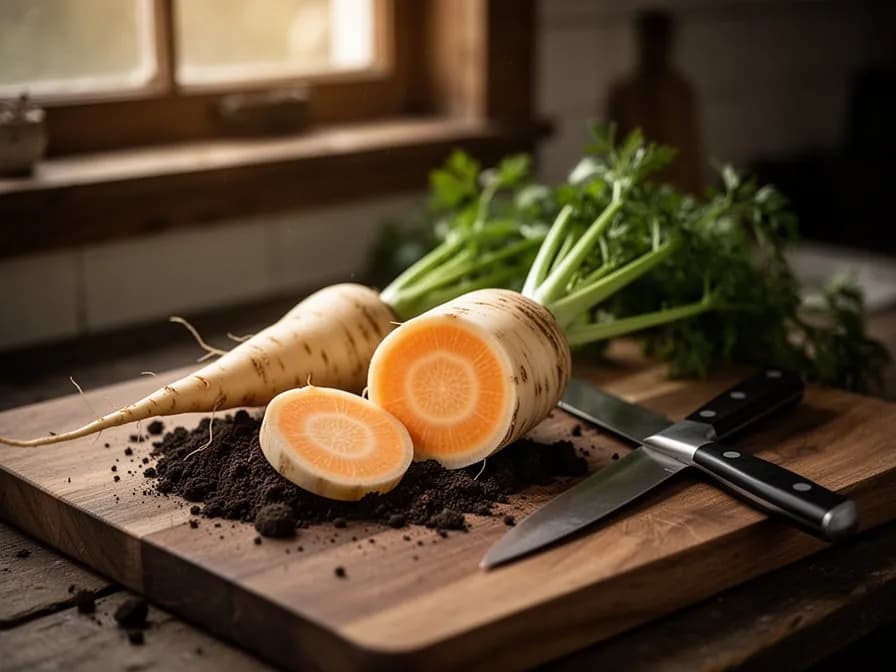
Die klassische Pastinakensorte, die lange, keilförmige weiße Wurzeln mit süßem, nussigem Geschmack produziert, der sich nach Frosteinwirkung intensiviert. Die Pflanzen benötigen tief gelockerten, steinfreien Boden, um gerade, glatte Wurzeln von bis zu 30 cm Länge zu bilden. Verwenden Sie jedes Jahr frisches Saatgut, da Pastinakensamen schnell ihre Keimfähigkeit verlieren und die Keimung langsam ist und zwei bis drei Wochen dauert. Lassen Sie die Wurzeln über den Winter im Boden und ernten Sie nach Bedarf, da Kälte Stärke in Zucker umwandelt.
Wann Hollow Crown Pastinake pflanzen
Säen Sie Pastinaken immer direkt aus, da sie sich aufgrund ihrer langen Pfahlwurzel nicht gut umpflanzen lassen. Verwenden Sie nur frisches Saatgut, das für die aktuelle Saison gekauft wurde, da die Keimfähigkeit von Pastinakensamen nach einem Jahr dramatisch nachlässt. Säen Sie die Samen im frühen bis mittleren Frühling 1 cm tief aus. Um die Keimung zu beschleunigen, weichen Sie die Samen vor der Aussaat 24 Stunden in warmem Wasser ein. Markieren Sie die Reihen mit schnell keimenden Radieschensamen, damit Sie die Pastinakenreihen erkennen können, bevor sie aufgehen. Vereinzeln Sie die Sämlinge auf 10 bis 15 cm Abstand, sobald sie ihre ersten echten Blätter haben.
Dein Hollow Crown Pastinake-Jahr
Abgestimmt auf Zone 7 · typische Saison · Frost geht um den 2. Apr. und kehrt um den 1. Nov. zurück
Hollow Crown Pastinake Mär – Mai pflanzen, Jan, Okt – Dez ernten. Beachte die Pflanzmethoden unten und wähle dein Klima für passende Zeiträume.
So baust du Hollow Crown Pastinake an
Pastinaken erfordern Geduld und sorgfältige Bodenvorbereitung für die besten Ergebnisse. Bereiten Sie das Beet vor, indem Sie mindestens 38 cm tief umgraben und alle Steine, Klumpen und Rückstände entfernen, die dazu führen könnten, dass die Wurzeln sich gabeln oder verformen. Arbeiten Sie gut verrotteten Kompost ein, vermeiden Sie jedoch frischen Mist, der ebenfalls Gabelung verursacht. Säen Sie die Samen direkt im Freiland im frühen bis mittleren Frühling aus, sobald der Boden bearbeitbar ist, und platzieren Sie sie 1 cm tief und 2,5 cm auseinander in Reihen mit 30 cm Abstand.
Die Keimung ist bekanntermaßen langsam und dauert je nach Bodentemperatur 14 bis 28 Tage. Halten Sie den Boden während dieser Zeit gleichmäßig feucht. Manche Gärtner legen eine Reihenabdeckung oder feuchtes Juteleinen über das Beet, um die Feuchtigkeit zu halten. Sobald die Sämlinge erscheinen, vereinzeln Sie auf 10 bis 15 cm Abstand. Pastinaken wachsen im Sommer langsam, benötigen aber keine starke Düngung. Gießen Sie bei Trockenheit tiefgründig, um Rissbildung zu vermeiden und ein gleichmäßiges Wurzelwachstum zu gewährleisten.
Die wahre Magie geschieht im Herbst, wenn Frosttemperaturen die Wurzelstärke in Zucker umwandeln und den Geschmack dramatisch verbessern. Mulchen Sie das Beet nach dem ersten starken Frost reichlich und ernten Sie den ganzen Winter über, indem Sie den Mulch zurückziehen und die Wurzeln mit einer Grabgabel herausheben. In den Zonen 2–5 ernten Sie, bevor der Boden vollständig durchfriert, oder isolieren Sie mit einer dicken Strohmulchschicht. Alle im Frühling verbliebenen Wurzeln werden in die Blüte gehen und sollten herausgezogen werden, bevor sie holzig werden.
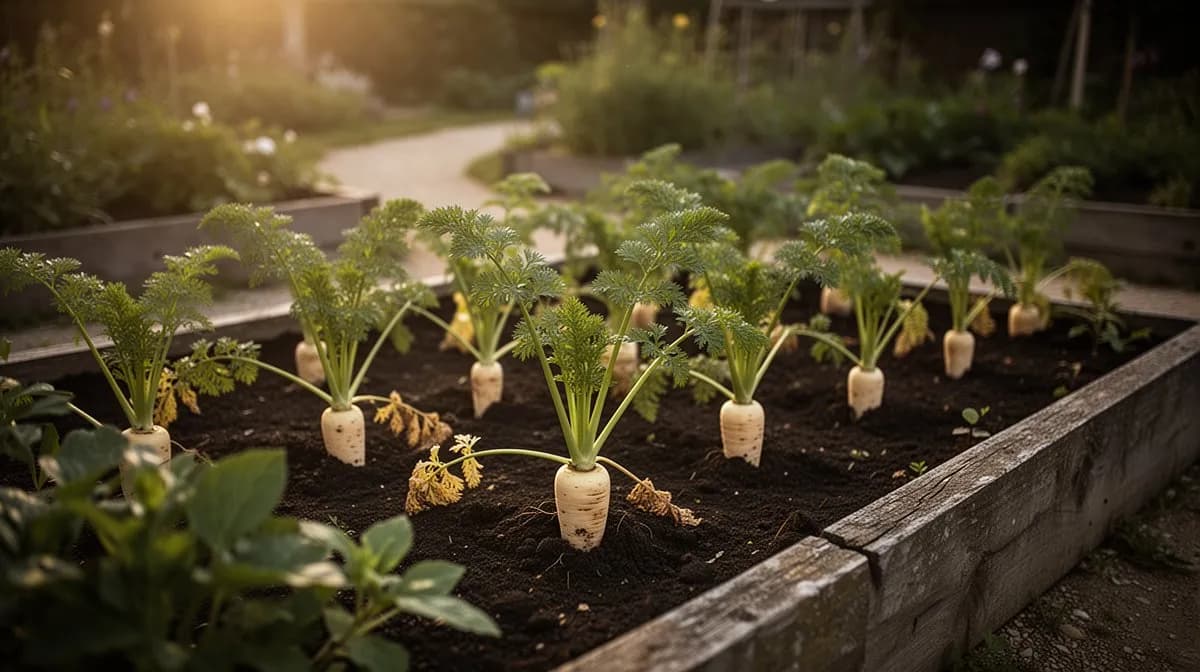
288 Pflanzen passen in ein Beet von 120 × 240 cm
Hollow Crown Pastinake braucht 10 cm Platz pro Pflanze. Der Planer hält diesen Abstand für dich ein — jede Pflanze, jedes Beet.
Die besten Nachbarn für Hollow Crown Pastinake
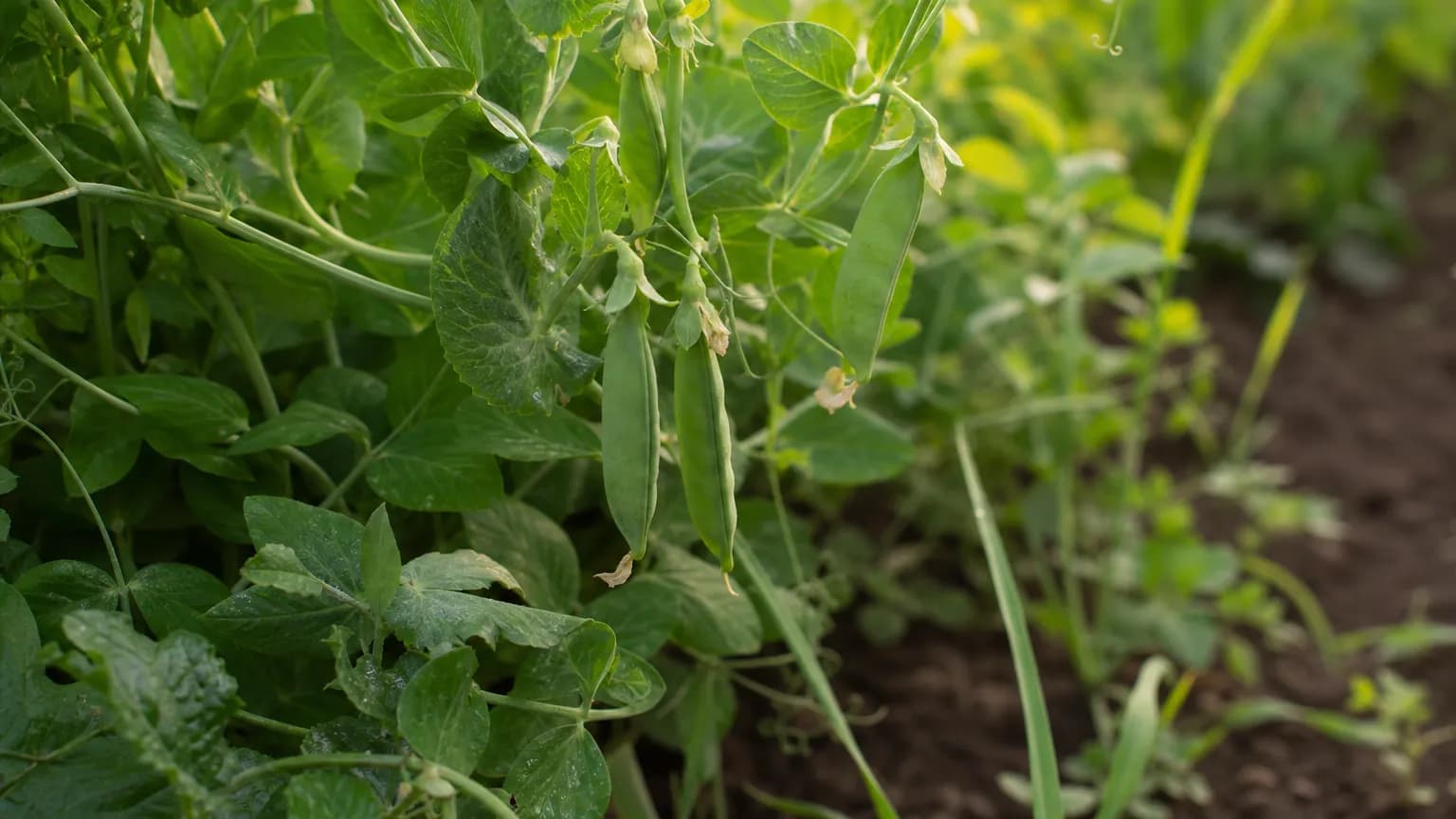
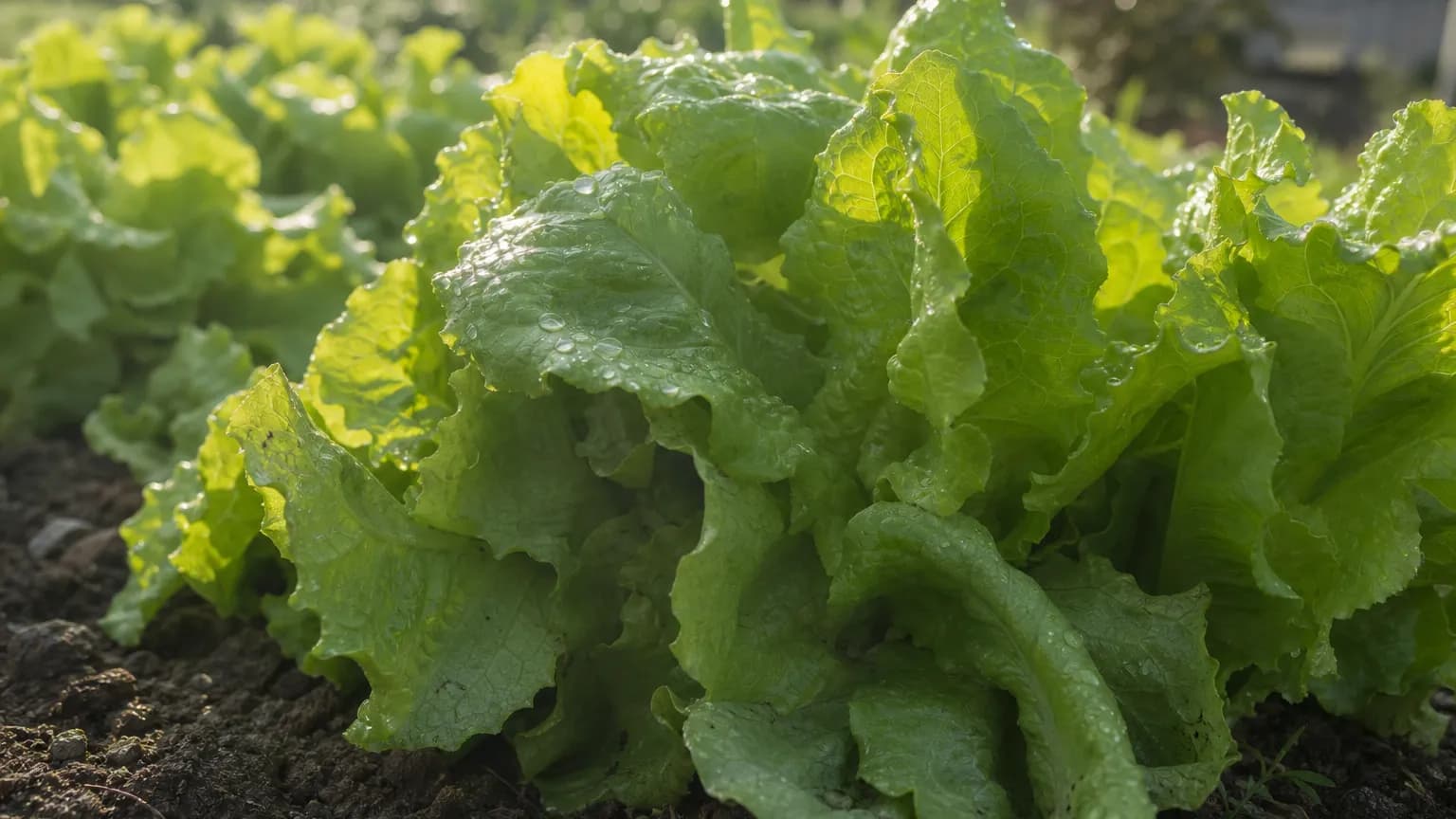
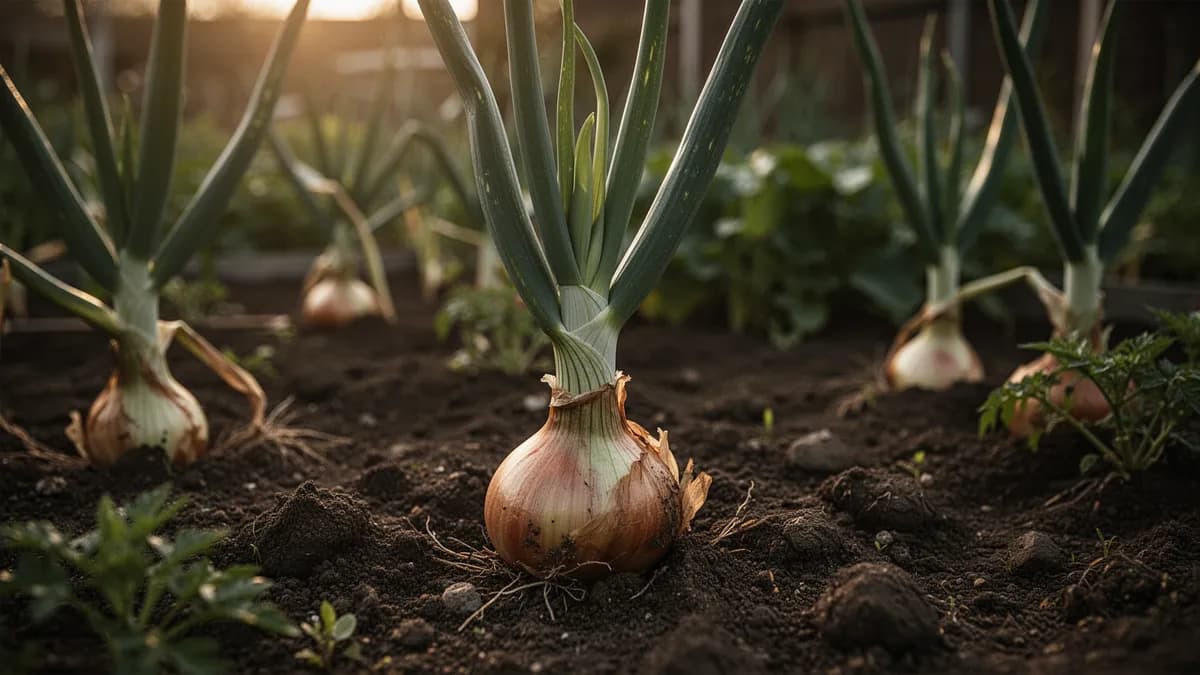
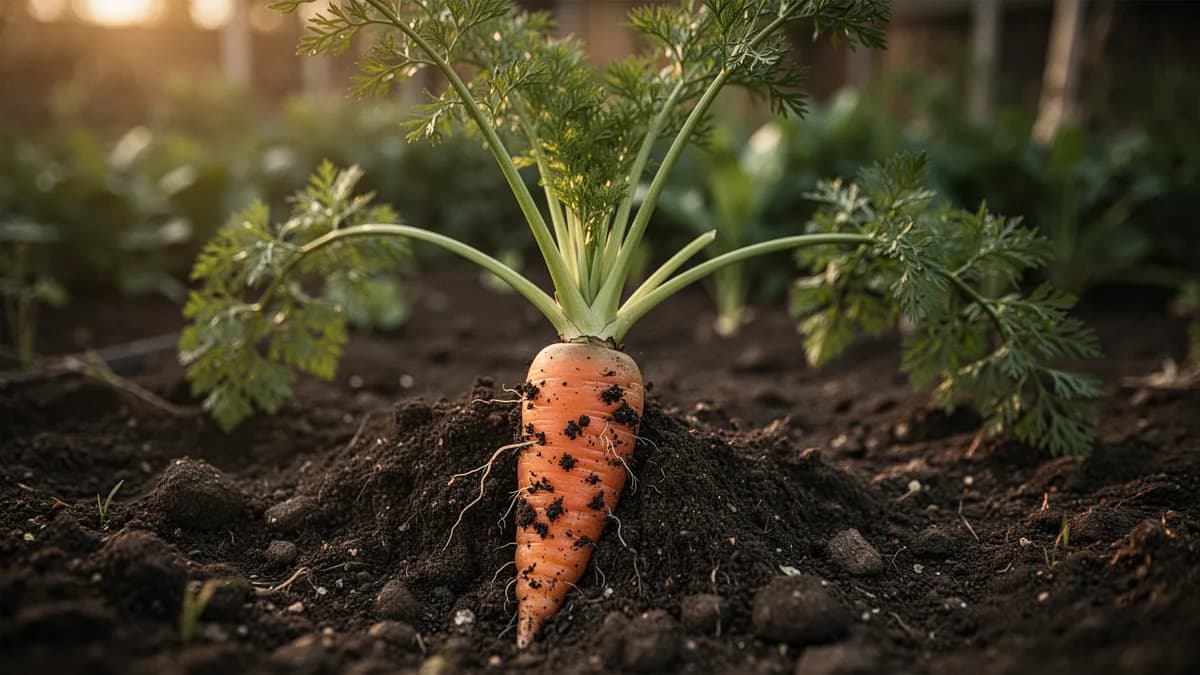
Pastinaken gedeihen gut neben Erbsen, die Stickstoff im Boden fixieren, und Salat, der zwischen den langsam wachsenden Reihen als effiziente Raumnutzung zwischengepflanzt werden kann. Zwiebeln und Knoblauch helfen, die Möhrenfliege, den Hauptschädling der Pastinaken, abzuwehren. Radieschen, die daneben gesät werden, markieren die Reihe und brechen die Bodenkruste für aufgehende Pastinakensämlinge auf. Vermeiden Sie das Pflanzen neben Möhren, Sellerie oder anderen Doldenblütlern, die dieselben Schädlinge und Krankheiten teilen und um ähnliche Bodennährstoffe konkurrieren.
Erbsen gehört daneben. Karotte nicht.
Altes Gärtnerwissen, geprüft an der echten Nachbartabelle von Hollow Crown Pastinake — teste jede Pflanze, die du anbaust.
Probiere Hollow Crown Pastinake direkt hier im Beet
Ein echtes Planer-Beet, Hollow Crown Pastinake steht schon drin. Tippe einen Begleiter an, platziere ihn und sieh, wie die Nachbarschaftsprüfung antwortet — grün für gute Nachbarn, rot bei Streit.


Passende Anbau-Ratgeber
Richtig düngen
Pastinaken verlangen tief kultivierten, steinfreien Boden für gerade Wurzelentwicklung. Sandiger Lehm ist ideal, aber jeder gut durchlässige Boden funktioniert, wenn er ausreichend tief vorbereitet wird. Arbeiten Sie gut verrotteten Kompost in die oberen 45 cm ein, verwenden Sie jedoch niemals frischen Mist, der Gabelung verursacht. Ein Boden-pH von 6,0 bis 7,0 ist optimal. Pastinaken sind Schwachzehrer, und übermäßiger Stickstoff fördert Blattwachstum auf Kosten der Wurzeln. Eine einmalige Nachdüngung mit ausgewogenem Dünger zur Saisonmitte ist ausreichend.
Ideale Temperatur
Winterhärtezone-Kompatibilität
Von der Saat zur Ernte, Schritt für Schritt
Samenkeimung
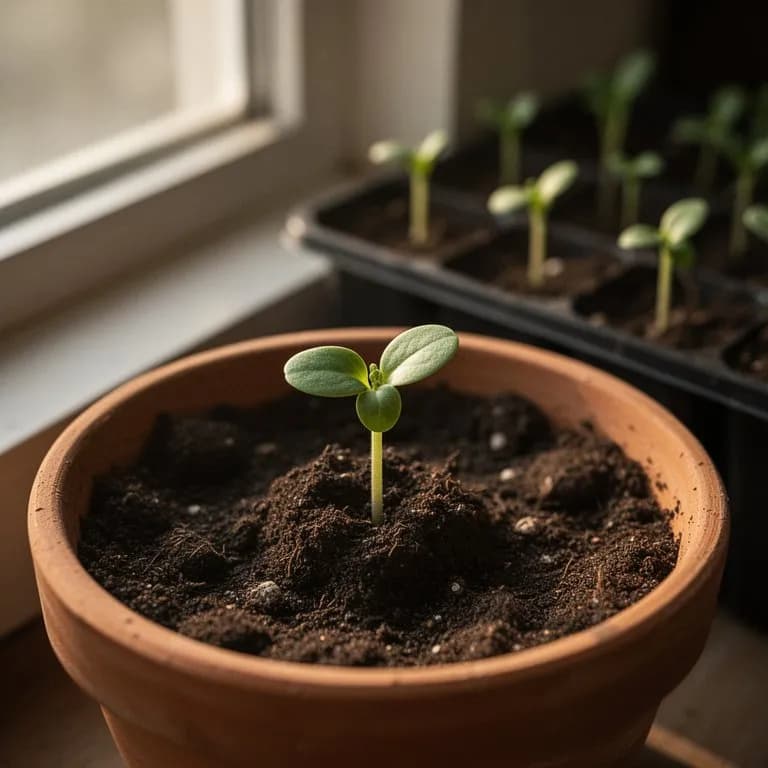
Pastinakensamen sind notorisch langsame und unregelmäßige Keimer — die mit Abstand anspruchsvollste Phase beim Anbau dieser Kultur. Frisches Saatgut ist absolut unerlässlich, da die Keimfähigkeit von Pastinakensamen bereits nach nur einem Jahr stark nachlässt. Winzige Sämlinge erscheinen mit schmalen, grasartigen Keimblättern, die leicht mit Unkraut verwechselt werden. Die Keimung erfordert gleichmäßige Bodenfeuchtigkeit über 14–28 Tage und Bodentemperaturen von mindestens 10 °C.
Sämlingsetablierung
Echte Blätter erscheinen mit der charakteristischen gefiederten, sellerieartigen Form. Das Wachstum ist anfangs langsam, da die Pflanze die Entwicklung ihres tiefen Pfahlwurzelsystems priorisiert. Sämlinge sind fragil und werden in dieser Phase leicht von Unkraut überwuchert. Die Krone der Wurzel beginnt sich knapp unter der Bodenoberfläche zu verdicken.
Vegetatives Wachstum
Das Laub wächst im Sommer kräftig und bildet ein üppiges Blätterdach aus gefiederten Blättern von 45–60 cm Höhe. Unter der Erde verlängert sich die Pfahlwurzel stetig nach unten in den Boden und erreicht 20–30 cm Länge. Die Wurzel verdickt sich von der Krone nach unten und entwickelt die charakteristische Keilform. Die Pflanze speichert in diesem Zeitraum Energie als Stärke in der Wurzel.
Wurzelreifung
Die Wurzel erreicht ihre volle Größe, typischerweise 5–8 cm Durchmesser an der Schulter und 25–35 cm Länge. Das Laub beginnt sein Wachstum zu verlangsamen, da die Pflanze verbleibende Energie in die Wurzel leitet. Stärke reichert sich stark im dichten weißen Fleisch an. Die Wurzel ist in diesem Stadium technisch erntereif, hat aber ihre volle Süße noch nicht entwickelt.
Frostsüßung und Ernte
Nach mehreren starken Frösten wandelt sich die Stärke in der Wurzel durch einen natürlichen Prozess, der durch nahezu gefrierende Temperaturen ausgelöst wird, in Zucker um. Diese Verwandlung verleiht Pastinaken ihren charakteristischen süßen, nussigen Geschmack, der sie von allen anderen Wurzelgemüsen unterscheidet. Die Wurzeln können in den meisten Klimazonen den Winter über im Boden bleiben und nutzen den Garten effektiv als Kühllager.
Frühjahrsschossen (Zweites Jahr)
Wenn die Wurzeln über den frühen Frühling hinaus im Boden bleiben, treibt die zweijährige Pflanze einen hohen Blütenstiel von 90–150 cm aus, der von flachen Dolden kleiner gelbgrüner Blüten ähnlich der Wilden Möhre gekrönt wird. Sobald das Schossen beginnt, wird die Wurzel holzig, faserig und ungenießbar. Die Blüten locken Nützlinge an und können zur Samengewinnung für die Wiederaussaat stehen gelassen werden.
Verwenden Sie nur frisches Saatgut, das in derselben Saison gekauft wurde — Pastinakensamen, die älter als ein Jahr sind, haben dramatisch reduzierte Keimraten. Säen Sie dicht, um unregelmäßige Keimung auszugleichen, und bedecken Sie mit einer dünnen Schicht Vermiculit, um Feuchtigkeit zu halten. Legen Sie ein feuchtes Jutetuch oder ein Holzbrett über die Reihe, um Austrocknung der Oberfläche zu verhindern, und kontrollieren Sie täglich — bei den ersten Anzeichen des Auflaufens entfernen.
Hollow Crown Pastinake Monat für Monat pflegen
Was du jeden Monat für deine Hollow Crown Pastinake tun solltest
Oktober
Aktueller MonatErste Fröste beginnen die essentielle Stärke-zu-Zucker-Umwandlung in den Wurzeln. Nach zwei oder drei starken Frösten mit der ersten Ernte beginnen — vorsichtig mit einer Grabgabel graben, die weit von den Wurzeln entfernt eingestochen wird, um Beschädigungen zu vermeiden. 15–20 cm Strohmulch über die verbleibenden Wurzeln auftragen.
Immer wissen, was jetzt im Garten zu tun ist
Eine E-Mail zum Monatsanfang: was du jetzt säen, pflanzen und anpacken solltest — für deine Hollow Crown Pastinake und alles, was drumherum wächst. Dazu ein kurzer Startkurs, der dich vor den klassischen Fehlern bewahrt.
- Was jetzt zu tun ist
- Passend zu deiner Saison
- Startkurs inklusive
Hollow Crown Pastinake ernten
Pastinaken können jederzeit geerntet werden, sobald sie eine nutzbare Größe erreicht haben, aber der Geschmack verbessert sich erheblich nach mehreren starken Frösten. Verwenden Sie eine Grabgabel, die tief neben der Reihe eingestochen wird, um den Boden zu lockern, bevor Sie ziehen, da die langen Pfahlwurzeln leicht brechen. In milden Klimazonen können die Wurzeln den ganzen Winter im Boden bleiben und nach Bedarf geerntet werden. In kälteren Zonen reichlich mulchen, um das Durchfrieren des Bodens zu verhindern. Ernten Sie alle verbliebenen Wurzeln bis zum frühen Frühling, bevor neues Blattwachstum beginnt, da die Wurzeln holzig werden, sobald die Pflanze in die Blüte geht.
angenommen, du pflanzt zu Beginn des Zeitraums — trage dein tatsächliches Datum ein
Ernte Hollow Crown Pastinake zügig, dann trägt die Pflanze weiter.
Lagerung & Konservierung
Frisch geerntete Pastinaken halten sich im Kühlschrank zwei bis vier Wochen in einem perforierten Plastikbeutel. Für längere Lagerung ungewaschene Wurzeln in feuchtem Sand in einem kühlen Erdkeller bei 0 bis 4 Grad Celsius einlagern, wo sie vier bis sechs Monate haltbar sind. Pastinaken lassen sich gut einfrieren, wenn sie geschält, gewürfelt, zwei Minuten blanchiert und in luftdichten Beuteln eingefroren werden. Sie können auch geröstet und püriert vor dem Einfrieren werden. Getrocknete Pastinakenchips sind ein nahrhafter, lagerfähiger Snack.
Was schiefgeht — und die Lösung
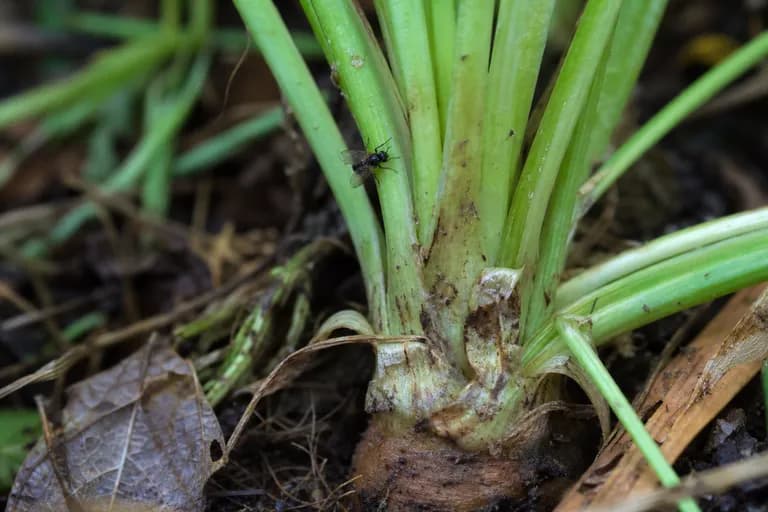
Möhrenfliege
SchädlingRostbraune Tunnel durch die Wurzeloberfläche, besonders in Kronennähe. Die Larven hinterlassen mit Kot gefüllte Gänge, die Sekundärfäule verursachen.
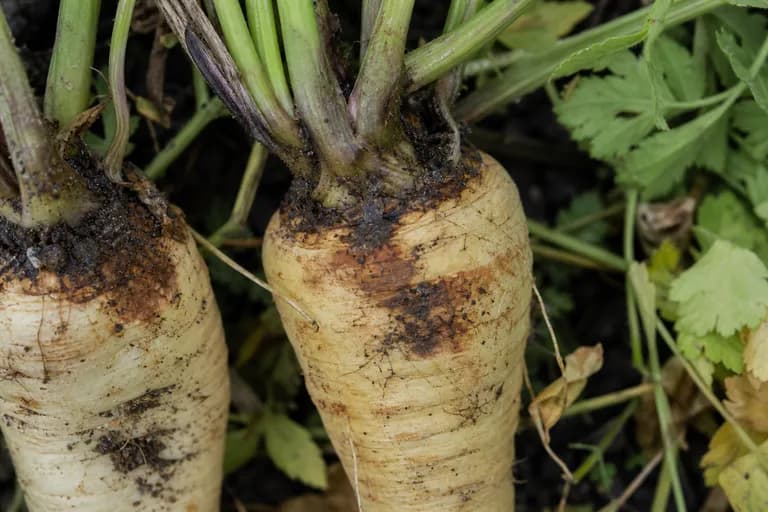
Pastinakenkrebs
KrankheitBraune, orange oder violette Faulstellen an den Wurzelschultern, die oft dort beginnen, wo die Wurzel auf die Bodenoberfläche trifft.
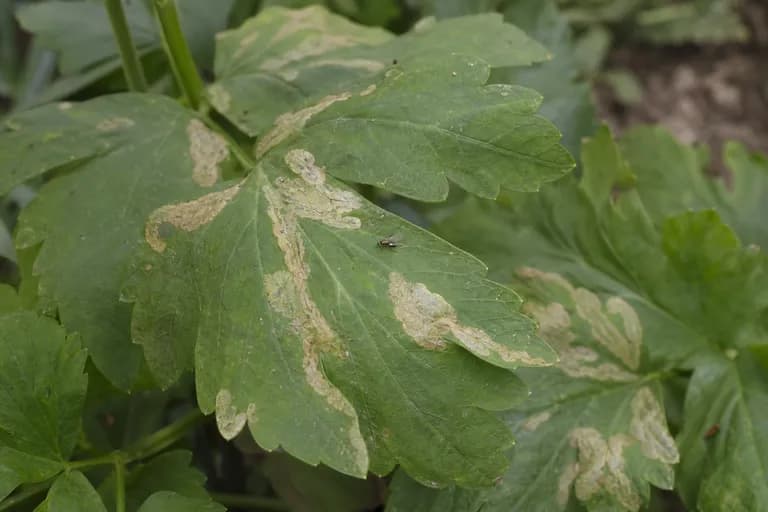
Selleriefliege
SchädlingBlasenartige Miniergänge in den Blättern, wo Larven zwischen den Blattoberflächen tunneln. Starker Befall verringert die Pflanzenvitalität und Wurzelgröße.
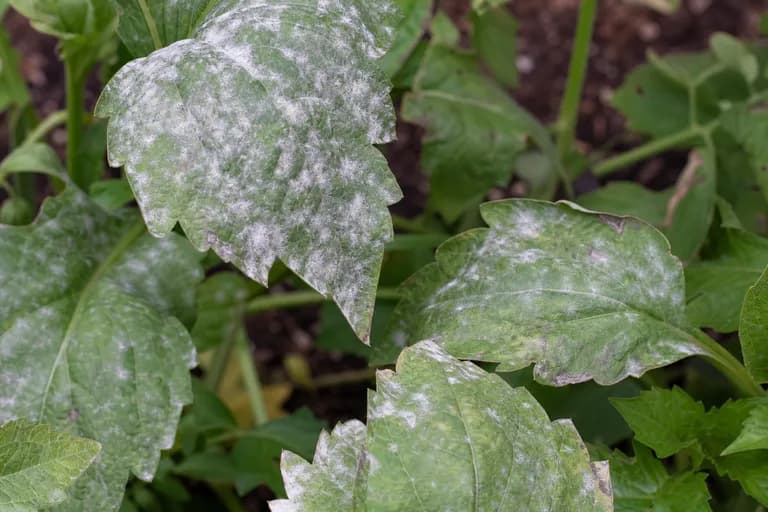
Echter Mehltau
KrankheitWeißer, pudriger Belag auf Blättern und Stängeln, der typischerweise im Spätsommer auftritt. Befallene Blätter können vergilben und vorzeitig absterben.
Fehlerbehebung bei häufigen Problemen
Langsame und ungleichmäßige Keimung ist das frustrierendste Problem für Pastinakengärtner. Verwenden Sie immer frisches Saatgut, das weniger als ein Jahr alt ist, und halten Sie den Boden im ersten Monat gleichmäßig feucht. Gegabelte oder verformte Wurzeln entstehen durch steinigen Boden, frischen Mist oder Wurzelbeschädigung beim Vereinzeln. Krebs an den Wurzelschultern ist bei feuchten Herbsten häufig und kann durch die Wahl resistenter Sorten und das Anhäufeln von Erde über den Kronen minimiert werden. Wurzeln, die über den frühen Frühling hinaus im Boden bleiben, werden holzig und ungenießbar, sobald die Pflanze in die Blüte geht.
Anbautipps
- Verwenden Sie immer frisches Saatgut, das in derselben Saison gekauft wurde, in der Sie aussäen möchten — das kann nicht genug betont werden. Die Keimfähigkeit von Pastinakensamen sinkt nach nur einem Jahr Lagerung unter 50 %, und zwei Jahre altes Saatgut ist praktisch unbrauchbar. Wenn Sie Restsaatgut vom letzten Jahr haben, entsorgen Sie es und kaufen Sie neues.
- Bereiten Sie den Boden vor der Aussaat tief vor, lockern Sie ihn bis zu einer Tiefe von 30–45 cm und entfernen Sie jeden Stein, Klumpen und jedes Stück Unrat. Pastinakenwurzeln gabeln, spalten und verformen sich, wenn sie auf ein Hindernis treffen. Hochbeete, gefüllt mit gesiebter, kompostreicher Erde, produzieren die geradesten Wurzeln.
- Seien Sie während der Keimung geduldig — 14–28 Tage sind völlig normal und bedeuten kein Versagen. Halten Sie die Bodenoberfläche während dieser gesamten Zeit gleichmäßig feucht. Das Abdecken der Reihe mit einem feuchten Jutetuch, Holzbrett oder Vliesabdeckung verhindert Verkrustung und Austrocknung der Oberfläche, die aufgehende Sämlinge abtötet.
- Säen Sie Radieschensamen in derselben Reihe als Begleitmarkierungskultur. Radieschen keimen in 3–5 Tagen und markieren die Reihe, damit Sie um die langsam aufgehenden Pastinaken herum jäten können. Die Radieschen werden lange vor den Pastinaken geerntet und brauchen den Platz nicht mehr.
- Pflanzen Sie Pastinaken nicht um — die lange Pfahlwurzel wird beim Umpflanzen leicht beschädigt oder geknickt, was gegabelte und verkümmerte Wurzeln ergibt. Säen Sie immer direkt am endgültigen Standort aus. Dies ist eines der wenigen Gemüse, bei denen Direktsaat wirklich unverzichtbar ist.
- Tragen Sie Handschuhe und lange Ärmel, wenn Sie bei sonnigem Wetter mit Pastinakenlaub arbeiten. Die Blätter und Stängel enthalten Furanocumarine, die schmerzhafte Blasenverbrennungen (Phytophotodermatitis) verursachen, wenn sie mit Haut in Kontakt kommen, die anschließend Sonnenlicht ausgesetzt wird. Die Reaktion kann schwerwiegend sein und eine monatelange Verfärbung hinterlassen.
- Lassen Sie die Wurzeln nach den ersten starken Frösten im Boden, anstatt sofort zu ernten. Die Kälte löst eine enzymatische Umwandlung von Stärke in Zucker aus und verbessert den Geschmack dramatisch. Pastinaken, die vor Frost gegraben werden, sind stärkehaltig und fade im Vergleich zu frostgesüßten Wurzeln — diese Verwandlung ist der eigentliche Sinn des Pastinakenanbaus.
- Mulchen Sie reichlich mit 15–20 cm Stroh, bevor der Boden vollständig durchfriert, um den Boden für die Winterernte zugänglich zu halten. Ohne Mulchschutz macht gefrorener Boden es unmöglich, Wurzeln bis zur Frühlingsschmelze auszugraben, was den Zweck dieser ausgezeichneten Erdlagerkultur zunichtemacht.
Bau deine beste Hollow Crown Pastinake an — und alles drumherum.
Starte heute kostenlos. Lege deine Beete an, setze deine Hollow Crown Pastinake ein und lass PlotMyGarden Timing, Abstände, Begleiter und Erinnerungen von der Saat bis zum Erntekorb übernehmen.
Finde deine Hollow Crown Pastinake
Hollow Crown
Die klassische Erbsorte, die lange, glatte, keilförmige Wurzeln von bis zu 30 cm produziert. Süßer, nussiger Geschmack, der sich nach Frost dramatisch verbessert.
Gladiator
Eine Hybride mit ausgezeichneter Krebsresistenz und glatter, weißer Haut. Produziert gleichmäßige Wurzeln mit hervorragendem Geschmack und guten Lagereigenschaften.
Albion
Moderne Sorte mit starker Krebsresistenz und keilförmigen Wurzeln. Glatte Haut und feinkörniges Fleisch machen sie zuverlässig für schwerere Böden.
Tender and True
Langwurzelige Erbsorte mit ausgezeichnetem Geschmack und minimalem Kern. Erfordert tief vorbereiteten Boden, belohnt aber mit großen, zarten Wurzeln.
Javelin
Schlanke, geradwurzelige Sorte, ideal für flache oder tonige Böden. Gute Krebsresistenz mit süßem Geschmack nach Frosteinwirkung.
Frische Pastinaken kosten im Lebensmittelhandel und auf Wochenmärkten 5–10 € pro Kilogramm, wobei die Preise im Winter bei höchster Nachfrage ihren Höhepunkt erreichen. Eine einzelne 3-Meter-Gartenreihe produziert 2,5–4 kg Wurzeln aus einem Saatgutpäckchen für 2–4 €, das Pastinaken im Wert von 12–40 € aus dem Laden ersetzt. Da Pastinaken außergewöhnlich gut den ganzen Winter über im Boden gelagert werden können, ohne Energie- oder Infrastrukturkosten, dient der Garten effektiv als kostenloser Erdkeller. Anders als die meisten Gemüsearten, die sofortige Ernte und Konservierung erfordern, können Pastinaken von November bis März frisch ausgegraben werden und bieten Monate an kostenlosem Ertrag ohne jeglichen Nachernteaufwand.
Schnelle Rezepte
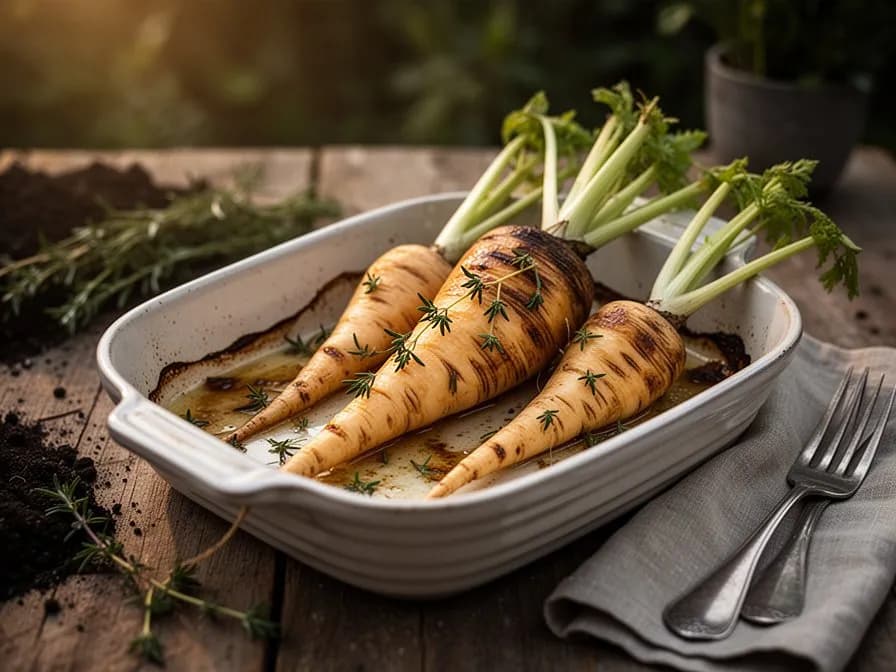
Honig-geröstete Pastinakenspalten
10 Min. Vorbereitung + 35 Min. RöstenDie einfachste und beliebteste Art, Hollow Crown Pastinaken zu genießen — grobe Spalten bei hoher Hitze geröstet, bis die natürlichen Zucker zu goldenen, knusprigen Rändern mit fluffig-süßem Inneren karamellisieren. Ein Schuss Honig und frischer Thymian heben diese bescheidene Wurzel auf ein außergewöhnliches Niveau.
6 ZutatenCremige Pastinaken-Apfel-Suppe
15 Min. Vorbereitung + 30 Min. KochenEine samtige Wintersuppe, die die süße Nussigkeit frostgeküsster Pastinaken mit säuerlichem Apfel und wärmenden Gewürzen kombiniert. Die natürliche Cremigkeit pürierter Pastinaken bedeutet, dass nur sehr wenig zusätzliche Sahne benötigt wird — die Wurzel erledigt die ganze Arbeit, um eine seidige, luxuriöse Textur zu schaffen.
10 ZutatenPastinaken-Kartoffel-Püree mit brauner Butter
10 Min. Vorbereitung + 25 Min. KochenEine luxuriöse Abwandlung des klassischen Kartoffelpürees — der Austausch der Hälfte der Kartoffeln durch Pastinaken fügt eine süße, nussige Komplexität hinzu, die diese Beilage verwandelt. Mit brauner Butter und einer Prise Muskatnuss abgerundet, ist dies Wohlfühlessen in Vollendung und die perfekte Begleitung zu Braten und Wintereintöpfen.
6 ZutatenKulinarische Verwendung
Rösten ist die ultimative Zubereitung für Pastinaken, bei der ihre natürlichen Zucker zu goldenen, knusprigen Außenseiten mit cremigem Kern karamellisieren. In Würfel schneiden und zu herzhaften Wintereintöpfen, Suppen und Schmorbraten hinzufügen. Geröstete Pastinaken mit Butter und Sahne zu einer eleganten Beilage pürieren. Pastinakenchips herstellen, indem man sie dünn aufschneidet und knusprig backt. Rohe Pastinake in Rohkostsalate reiben für einen süßen, nussigen Biss. Sie harmonieren wunderbar mit Honig, Thymian und brauner Butter.
Was drinsteckt
Gesundheitsvorteile
- Hervorragende Quelle für Ballaststoffe mit 4,9 g pro 100 g, die sowohl lösliche als auch unlösliche Ballaststoffe liefert, die die Verdauungsregelmäßigkeit unterstützen, nützliche Darmmikrobiota nähren und helfen, einen gesunden Cholesterinspiegel aufrechtzuerhalten — eine einzelne große Pastinake liefert über 25 % der täglich empfohlenen Ballaststoffaufnahme.
- Reich an Folsäure (Vitamin B9), essentiell für DNA-Synthese, Bildung roter Blutkörperchen und Neuralrohrentwicklung während der Schwangerschaft — Pastinaken liefern 17 % des Tageswertes pro 100 g, was sie zu einem wichtigen Gemüse für Frauen im gebärfähigen Alter macht.
- Enthält bedeutendes Kalium mit 375 mg pro 100 g, unterstützt die Herz-Kreislauf-Gesundheit durch Regulierung des Blutdrucks, Ausgleich von Natriumaufnahme aus der Ernährung und Aufrechterhaltung eines regelmäßigen Herzrhythmus und der Muskelfunktion.
- Liefert Mangan (0,56 mg pro 100 g, 24 % TW), ein Spurenelement, das für Knochengesundheit, Wundheilung, Stoffwechsel von Kohlenhydraten und Aminosäuren sowie die Aktivierung des antioxidativen Enzyms Superoxiddismutase entscheidend ist.
- Enthält Polyacetylene einschließlich Falcarinol und Falcarindiol, natürlich vorkommende bioaktive Verbindungen, die in Laborforschung entzündungshemmende und zytotoxische Wirkungen gegen bestimmte Krebszelllinien gezeigt haben — diese Verbindungen sind in der äußeren Schicht der Wurzel konzentriert.
- Gute Quelle für Vitamin C (17 mg pro 100 g) und Vitamin K (22,5 mcg pro 100 g), unterstützt Immunfunktion, Kollagensynthese, Blutgerinnung und Knochenstoffwechsel — die Kombination aus hohem Ballaststoffgehalt und moderater Kaloriendichte macht Pastinaken auch unterstützend für ein gesundes Gewichtsmanagement.
Woher Hollow Crown Pastinake stammt
Die Pastinake (Pastinaca sativa) stammt aus Eurasien, wobei ihr wilder Vorfahre über ein breites Gebiet von der Atlantikküste Europas über den Kaukasus bis nach Zentralasien vorkommt. Die Römer kultivierten Pastinaken ausgiebig, obwohl frühe historische Verweise dadurch verkompliziert werden, dass römische Autoren oft dasselbe Wort — pastinaca — sowohl für Pastinaken als auch für Möhren verwendeten, was es schwierig macht zu unterscheiden, welche Wurzel sie beschrieben. Kaiser Tiberius ließ Berichten zufolge Pastinaken von der Rheingrenze Germaniens importieren, wo das kältere Klima süßere Wurzeln hervorbrachte.
Während des gesamten Mittelalters war die Pastinake wohl das wichtigste Wurzelgemüse in Nordeuropa. Vor der Einführung der Kartoffel aus Amerika im späten 16. Jahrhundert und der Veredelung von Zucker aus Zuckerrohr und Zuckerrüben erfüllte die Pastinake beide Rollen — sie war das alltägliche stärkehaltige Grundnahrungsmittel und eine der wenigen Süßequellen, die dem einfachen Volk zur Verfügung standen. Mittelalterliche Köche verwendeten Pastinaken in allem, von Suppen und Eintöpfen bis hin zu süßen Krapfen, Pasteten und sogar Wein. Die Wurzel war so zentral für die Ernährung, dass sie in Klostergärten und herrschaftlichen Küchengärten in ganz England, Frankreich und den Niederlanden prominent vertreten war.
Die Sorte Hollow Crown entstand im frühen 19. Jahrhundert in England, wobei schriftliche Aufzeichnungen ihren Anbau mindestens bis in die 1820er Jahre zurückverfolgen. Sie wurde durch selektive Züchtung auf eine glatte, spitz zulaufende Wurzel mit einer charakteristischen hohlen oder eingebuchteten Krone entwickelt, wo die Blätter austreten. Die Sorte wurde schnell zur Standard-Marktpastinake im viktorianischen England aufgrund ihrer zuverlässigen Form, ihres süßen Geschmacks und ihrer ausgezeichneten Lagereigenschaften. Englische Siedler brachten Hollow Crown nach Nordamerika, wo sie in kolonialen und frühen amerikanischen Gärten ebenso beliebt wurde. Trotz des Aufstiegs der Kartoffel und des Rückgangs der kulinarischen Bedeutung der Pastinake hat sich Hollow Crown als Referenzsorte für Pastinaken seit über zwei Jahrhunderten behauptet und bleibt die am weitesten verbreitete Sorte sowohl in Hausgärten als auch in der kommerziellen Produktion in der gesamten englischsprachigen Welt.
Hollow Crown Pastinake: Schon gewusst?
Faszinierende Fakten über Hollow Crown Pastinake
Bevor die Kartoffel im späten 16. Jahrhundert aus Amerika nach Europa kam, war die Pastinake das wichtigste stärkehaltige Wurzelgemüse auf dem gesamten Kontinent — sie erfüllte dieselbe kulinarische Rolle, die heute die Kartoffel einnimmt, und diente jahrhundertelang als alltägliche Kohlenhydratquelle in Suppen, Eintöpfen und Braten.
Hollow Crown Pastinake: Fragen & Antworten
Wann sollte ich Hollow Crown Pastinake pflanzen?
Was sind gute Begleitpflanzen für Hollow Crown Pastinake?
In welchen Winterhärtezonen kann Hollow Crown Pastinake wachsen?
Wie viel Sonne braucht Hollow Crown Pastinake?
Welchen Abstand sollte ich zwischen Hollow Crown Pastinake lassen?
Welche Schädlinge und Krankheiten befallen Hollow Crown Pastinake?
Wie lagere ich Hollow Crown Pastinake nach der Ernte?
Was sind die besten Hollow Crown Pastinake-Sorten zum Anbauen?
Welchen Boden braucht Hollow Crown Pastinake?
Warum sind meine Pastinakensamen nicht gekeimt?
Warum sind meine Pastinaken gegabelt und verformt statt glatt und gerade?
Sind Pastinaken noch essbar, wenn das Laub braun geworden und abgestorben ist?
Kann ich einen Hautausschlag von Pastinakenpflanzen bekommen?
Wie lange kann ich Pastinaken im Boden lassen, bevor ich ernte?
Warum schmecken meine Pastinaken fade und stärkehaltig statt süß?
Du hast die Theorie gelesen. Jetzt baue sie auf Autopilot an.
Alles, was Hollow Crown Pastinake knifflig macht — das Timing, die Abstände, die Begleiter, das Erntefenster — genau das übernimmt PlotMyGarden für dich, für jede Pflanze im Garten.
Ein Plan, der dein Wetter kennt
Standort einmal festlegen. Aussaat-, Dünge- und Erntedaten rund um deinen echten letzten Frosttermin und die Live-Vorhersage — kein Raten mehr nach Saattüte.
Aus dem Abschnitt „Pflanzzeit“Beetplaner per Drag & Drop
Beete auf einem Raster gestalten. Jede Pflanze rastet im richtigen Abstand ein, und du siehst die ganze Saison, bevor du einen Cent für Saatgut ausgibst.
Aus dem Abschnitt „Anbau“Begleiter-Konflikte früh erkannt
Über 200 gute und schlechte Kombinationen werden beim Pflanzen live geprüft — so landet ein saisonruinierender Fehler nie in der Erde.
Aus dem Abschnitt „Begleiter“Erinnerungen, nach denen du wirklich handelst
„Gieß die Bohnen.“ „Heute ernten, bevor's umschlägt.“ Pünktlich, konkret und auf deine echten Pflanzen bezogen.
Aus dem Abschnitt „Ernte“Staffel-Aussaat, geplant
Sechs Wochen ernten statt sechs Tage? Die App verteilt deine Aussaaten automatisch und erinnert dich, wenn der nächste Satz fällig ist.
Aus dem Abschnitt „Pflanzzeit“Ein Verlauf, der schlauer wird
Jede protokollierte Ernte bringt der App deinen Garten bei. Der Plan fürs nächste Jahr startet bei dem, was in deinem Boden wirklich funktioniert hat.
Aus dem Abschnitt „Überblick“Pflanze diese neben Hollow Crown Pastinake
Weitere Wurzelgemüse
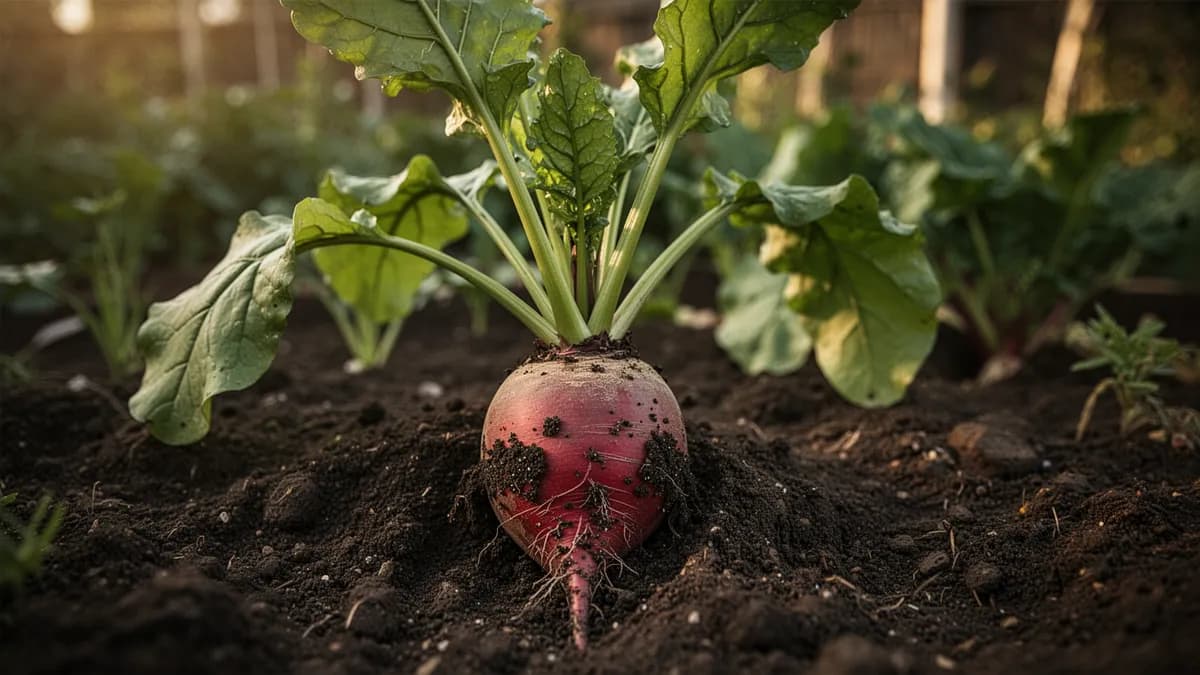
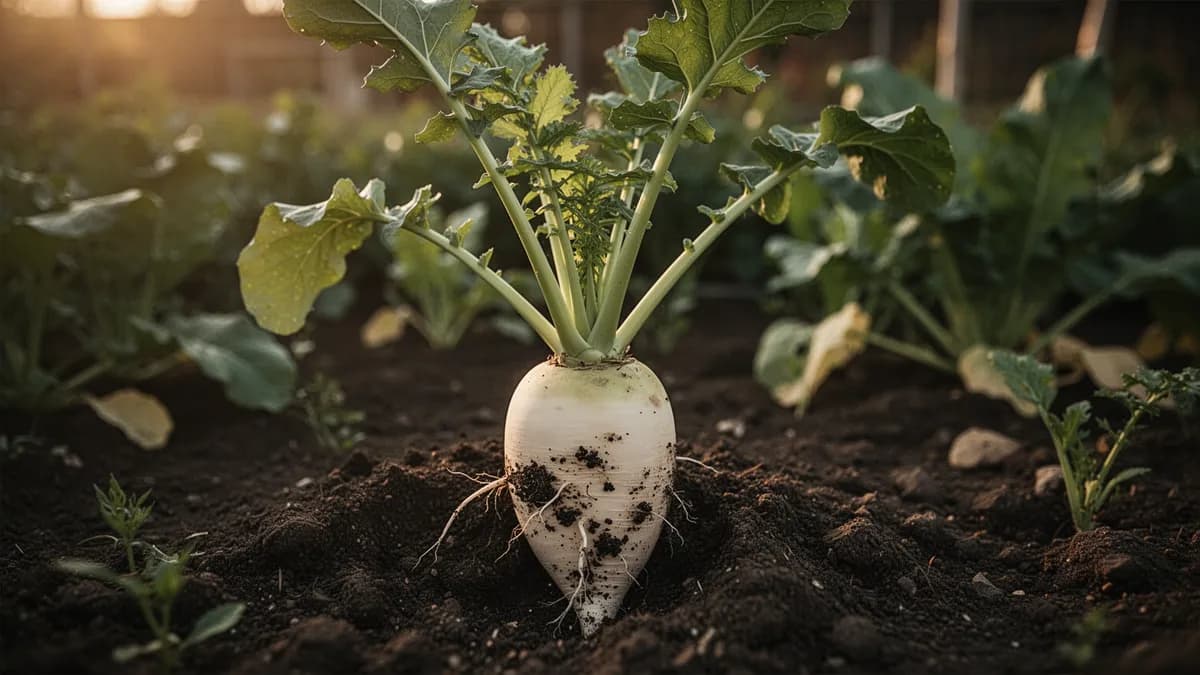
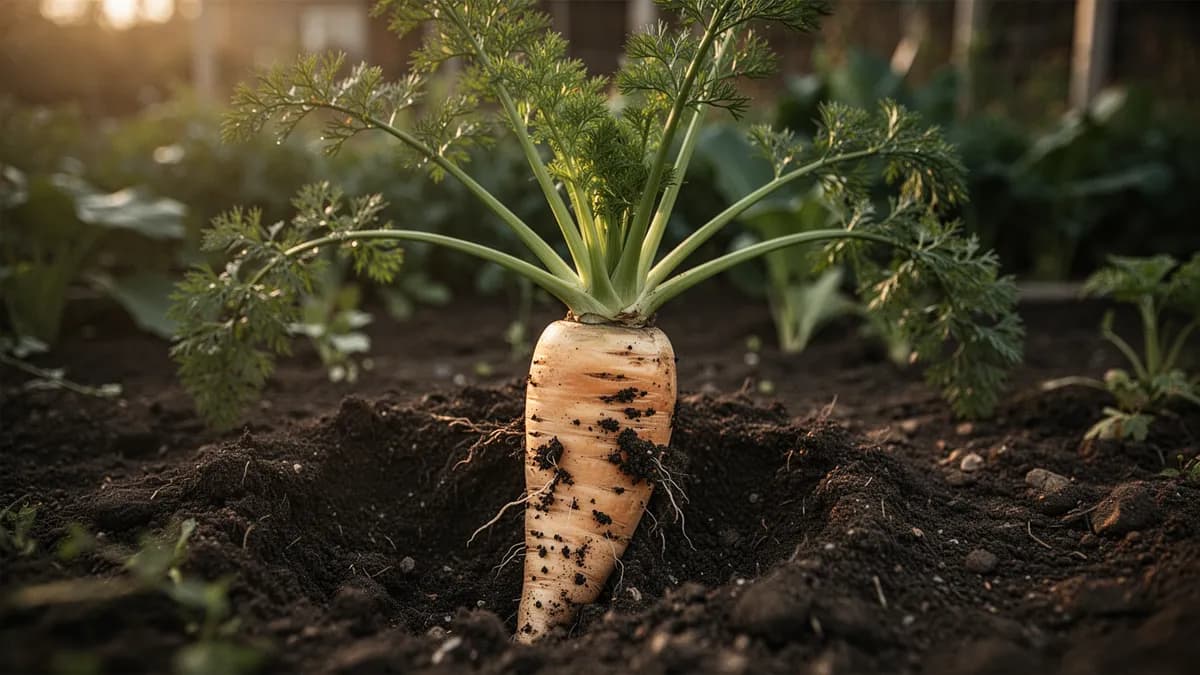
Halte Hollow Crown Pastinake von diesen fern
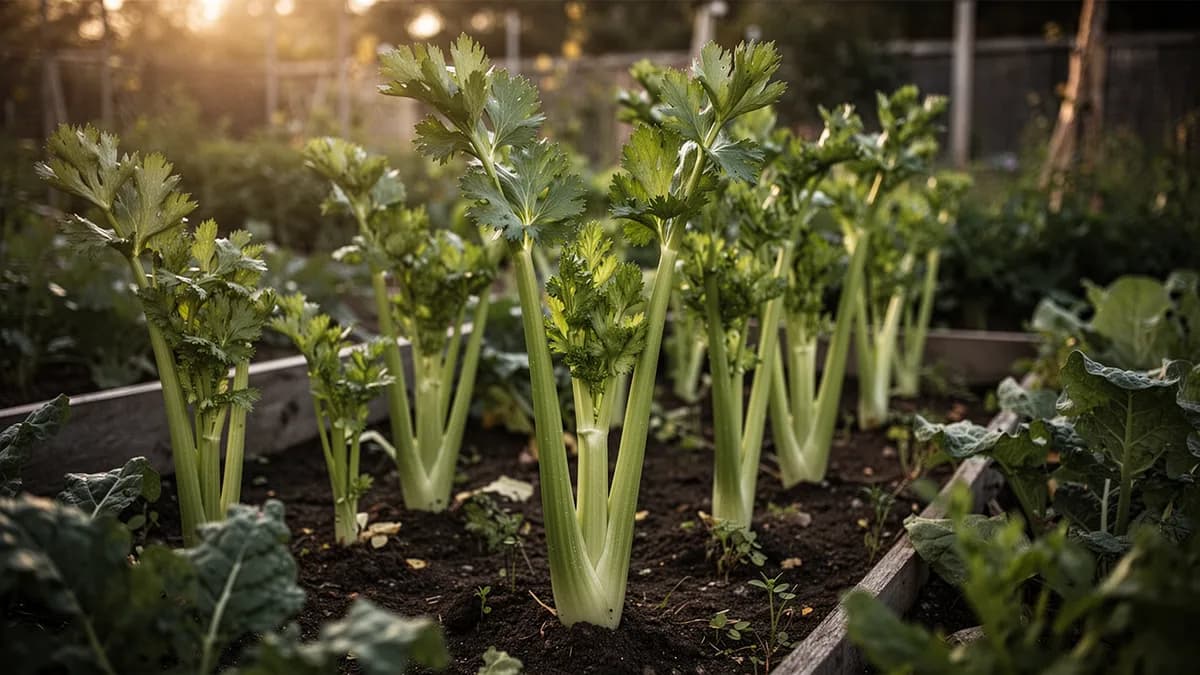
Bau deine beste Hollow Crown Pastinake an — und alles drumherum.
Starte heute kostenlos. Lege deine Beete an, setze deine Hollow Crown Pastinake ein und lass PlotMyGarden Timing, Abstände, Begleiter und Erinnerungen von der Saat bis zum Erntekorb übernehmen.