Perejil de Hamburgo
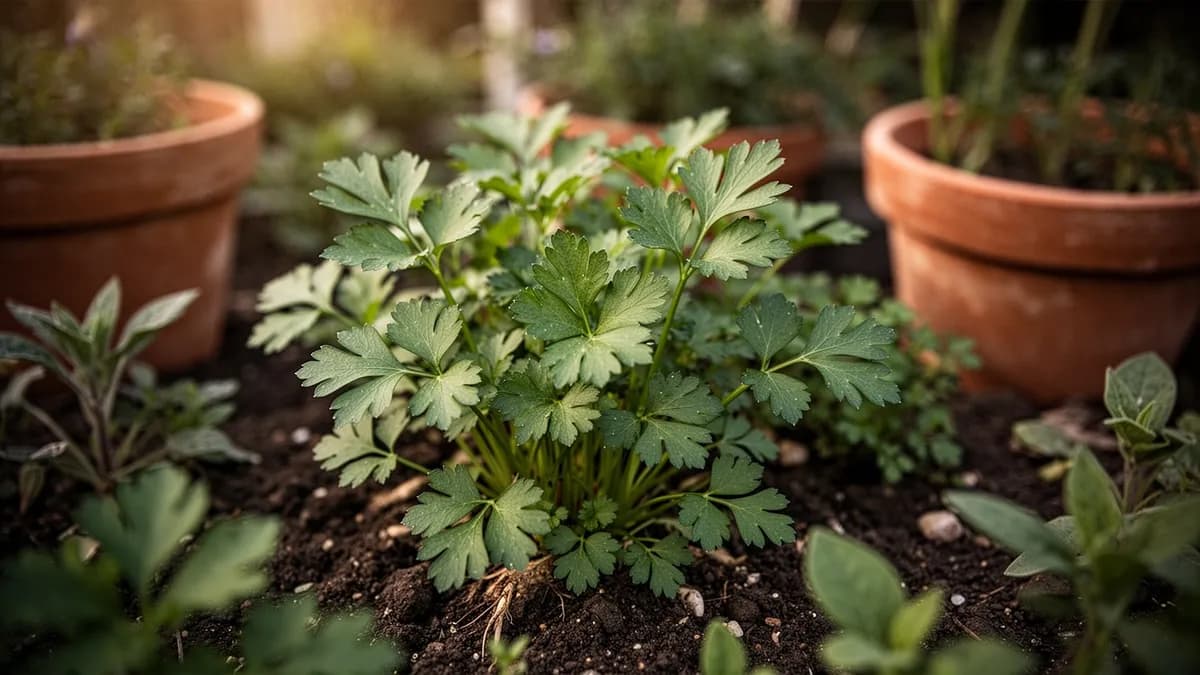
Una variedad de perejil de doble uso cultivada tanto por sus hojas planas como por su raíz gruesa, similar a la chirivía, con un concentrado sabor a perejil y apio.





En esta páginaResumen
Conoce Perejil de Hamburgo
Una variedad de perejil de doble uso cultivada tanto por sus hojas planas como por su raíz gruesa, similar a la chirivía, con un concentrado sabor a perejil y apio. Las raíces se emplean en sopas, guisos y caldos de verduras de Europa Central como aromatizante de base. Cosecha las raíces a finales de otoño, tras el primer toque de helada que las endulza, mientras usas las hojas como perejil de hoja plana convencional durante toda la temporada.
Cuándo plantar Perejil de Hamburgo
Siembra las semillas de perejil de Hamburgo directamente al exterior a comienzos de primavera, 3-4 semanas antes de la fecha de la última helada. Las semillas de perejil germinan muy lentamente: remójalas en agua tibia durante 24 horas antes de sembrar para acelerar la germinación. Siembra en pequeñas cantidades a 1 cm de profundidad en suelo bien preparado y de textura fina. Mantén el sustrato constantemente húmedo durante el período de germinación de 3-4 semanas. Aclara las plántulas a 20 cm de distancia cuando alcancen los 5 cm de altura. También puedes iniciar las semillas en interior en módulos profundos 8 semanas antes del trasplante, pero minimiza la alteración de la raíz pivotante.
Tu año de Perejil de Hamburgo
Ajustado a Zona 7 · temporada típica · la helada se va hacia el 2 abr y vuelve hacia el 1 nov
Planta Perejil de Hamburgo Mar – May y cosecha Sep – Nov. Consulta los métodos de plantación y elige tu clima para adaptar los periodos.
Cómo cultivar Perejil de Hamburgo
El perejil de Hamburgo es una hierba única de doble uso cultivada principalmente por su gruesa raíz pivotante, similar a la chirivía, aunque sus hojas de hoja plana se usan como el perejil convencional. Siembra las semillas directamente al exterior a comienzos de primavera, 3-4 semanas antes de la última helada, ya que esta bienal necesita una larga temporada de crecimiento para desarrollar raíces de tamaño considerable. Esparce las semillas a 5 cm entre sí en surcos separados 30 cm, aclarando a 20 cm una vez que las plántulas estén establecidas.
Prepara el suelo a una profundidad mínima de 30 cm, suelto, profundo y libre de piedras, para favorecer el desarrollo recto de las raíces. Incorpora compost bien descompuesto en el bancal antes de plantar, pero evita el estiércol fresco, que provoca raíces ramificadas. Mantén el suelo uniformemente húmedo durante toda la temporada de crecimiento: el riego irregular produce raíces agrietadas o leñosas. Un ligero acolchado ayuda a conservar la humedad y controlar las malas hierbas.
Cosecha las hojas durante toda la temporada sin retirar más de un tercio del follaje de una sola vez, ya que las hojas alimentan el desarrollo de la raíz. Las raíces están listas para cosechar a finales de otoño, generalmente 90-120 días después de la siembra. Las heladas suaves mejoran el sabor de la raíz al convertir los almidones en azúcares. En climas suaves, las raíces pueden dejarse en el suelo bajo un acolchado grueso y cosechar según se necesiten a lo largo del invierno.
72 plantas caben en un bancal de 120 × 240 cm
Cada Perejil de Hamburgo pide 20 cm de margen. El planificador guarda ese marco por ti — cada planta, cada bancal.
Los mejores vecinos de Perejil de Hamburgo
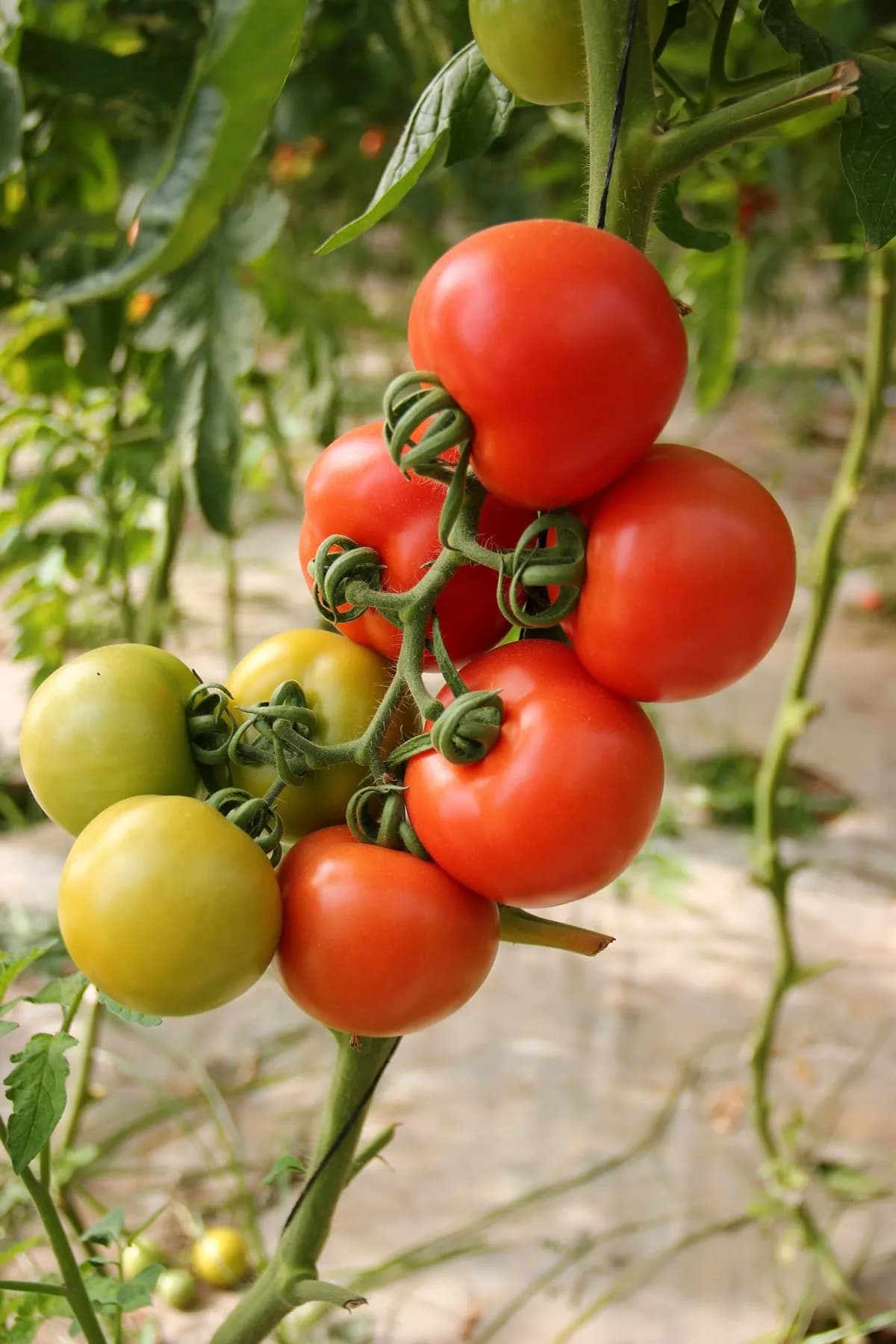
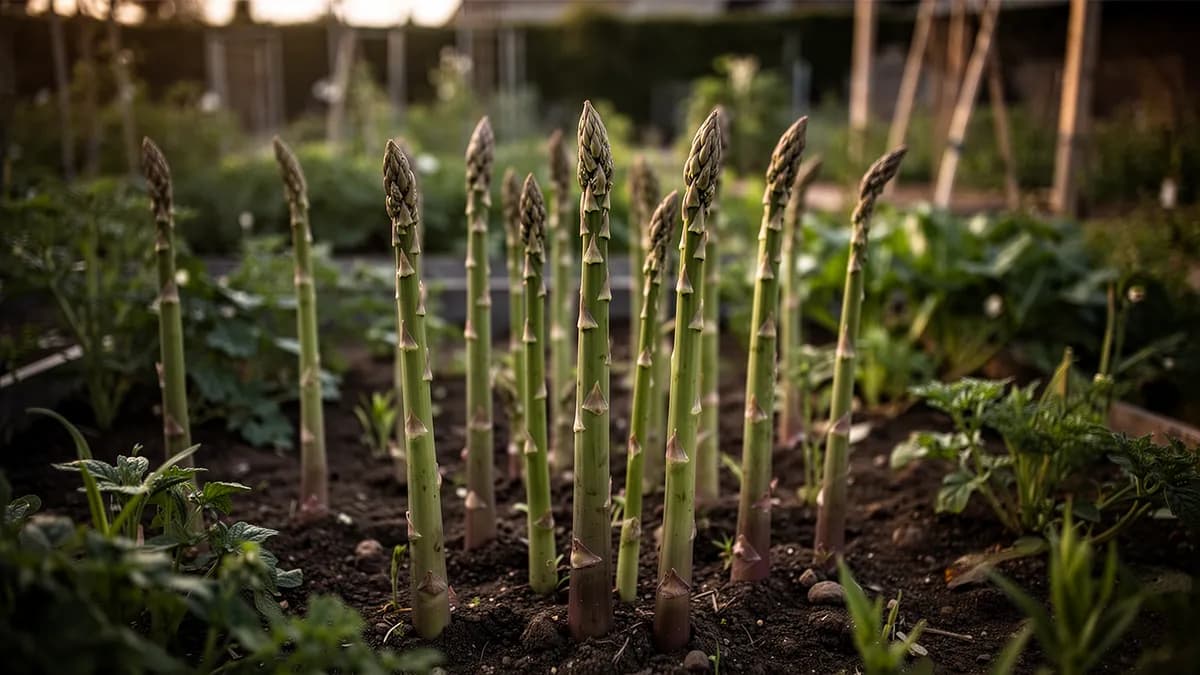
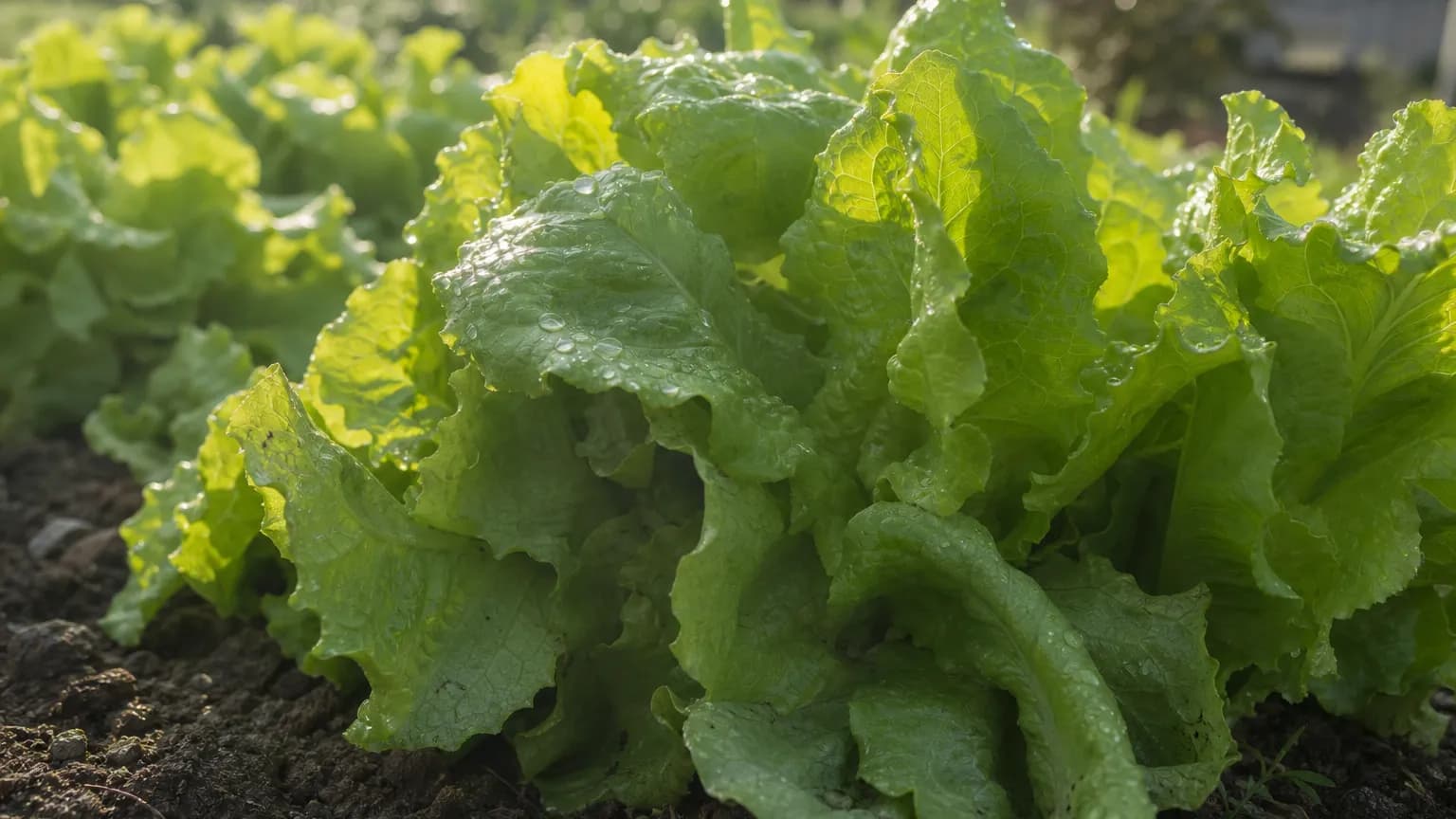
El perejil de Hamburgo comparte las mismas afinidades de cultivo asociado que el perejil común. Se beneficia de la interplantación con tomates, espárragos y rosas, donde puede ayudar a repeler ciertos insectos. Evita plantarlo junto a lechuga y otras umbelíferas (zanahorias, apio, eneldo) para prevenir problemas compartidos de plagas y enfermedades. La raíz pivotante profunda contribuye a romper las capas compactadas del suelo, beneficiando a las plantas vecinas con raíces más superficiales.
Tomate va a su lado. Lechuga no.
Saber de huerto de siempre, cotejado con la tabla real de Perejil de Hamburgo — prueba cualquier planta que cultives.
Prueba Perejil de Hamburgo en un bancal, aquí mismo
Un bancal real del planificador con Perejil de Hamburgo ya plantado. Toca una planta compañera para colocarla y mira cómo responde la comprobación de vecinos: verde para buenos vecinos, rojo si hay conflicto.


Guías de cultivo relacionadas
Abónalo bien
Requiere un suelo profundo, fértil y bien drenado, libre de piedras y terrones que provoquen raíces ramificadas. El pH ideal es de 6.0-7.0. Incorpora compost maduro en profundidad antes de plantar. Aplica un fertilizante rico en fósforo en el momento de la siembra para favorecer el desarrollo de la raíz. Abona lateralmente con fertilizante equilibrado una vez en la mitad de la temporada. Evita los abonos con alto contenido en nitrógeno, que promueven hojas exuberantes a expensas del crecimiento de la raíz. Un riego constante es más importante que una fertilización intensa.
Temperatura ideal
Compatibilidad de zonas de rusticidad
De la semilla a la cosecha, etapa por etapa
Germinación de la semilla
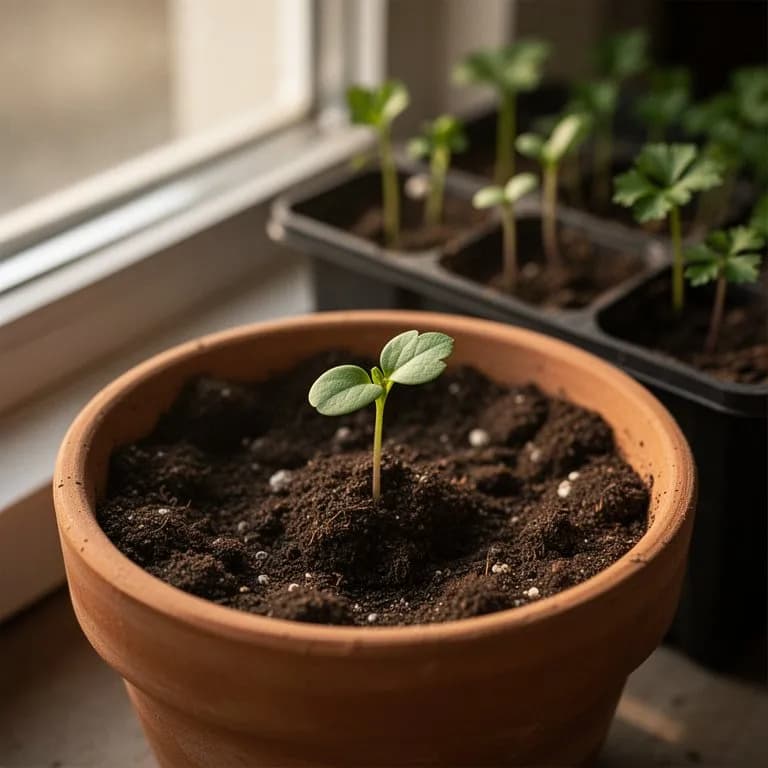
Las semillas del perejil de Hamburgo son notoriamente lentas en germinar. Remojar las semillas durante una noche en agua tibia puede acelerar el proceso. Las plántulas emergen como brotes finos y herbáceos antes de desarrollar sus primeras hojas verdaderas.
Desarrollo de la plántula
Aparecen las primeras hojas planas verdaderas y la planta establece su primera roseta. El desarrollo de la raíz comienza bajo la superficie del suelo. El crecimiento aéreo parece lento, ya que la energía se dirige hacia la raíz pivotante.
Crecimiento vegetativo
La roseta foliar se expande vigorosamente con follaje plano de color verde oscuro. La raíz pivotante comienza a engrosarse de forma notable. La planta puede alcanzar entre 30 y 40 cm de altura con una copa frondosa.
Engrosamiento de la raíz
Es la fase de crecimiento principal de la raíz. La raíz pivotante se engrosa y alarga rápidamente, alcanzando entre 3 y 5 cm de diámetro. Las hojas siguen siendo productivas y pueden cosecharse de forma selectiva.
Maduración
Las raíces alcanzan su tamaño definitivo, de 15-20 cm de largo. El crecimiento de las hojas se ralentiza y las hojas exteriores pueden comenzar a amarillear. La raíz desarrolla su sabor complejo y pleno, que se vuelve más dulce tras la exposición a heladas suaves.
Invernación y cosecha
En climas suaves, las raíces pueden invernar en el suelo bajo un acolchado grueso. El sabor mejora tras la exposición a las heladas, cuando el frío convierte los almidones en azúcares. Cosecha antes de que la planta espigue en su segunda primavera.
Mantén el semillero uniformemente húmedo con una ligera capa de vermiculita o compost fino. No dejes que la superficie se endurezca formando costra.
Cuidar Perejil de Hamburgo mes a mes
Qué hacer cada mes para tu Perejil de Hamburgo
Octubre
Mes actualMes principal de cosecha. Levanta las raíces con una horca de jardín para evitar roturas. Deja curar brevemente a la sombra antes de guardar en arena húmeda en un sótano fresco.
Ten claro qué hacer en tu huerto, cada mes
Un correo al empezar cada mes: qué sembrar, plantar y hacer ahora mismo — para tu Perejil de Hamburgo y todo lo que crece alrededor. Más un breve curso inicial para esquivar los errores clásicos.
- Qué hacer ahora mismo
- Ajustado a tu temporada
- Curso inicial incluido
Cosechar Perejil de Hamburgo
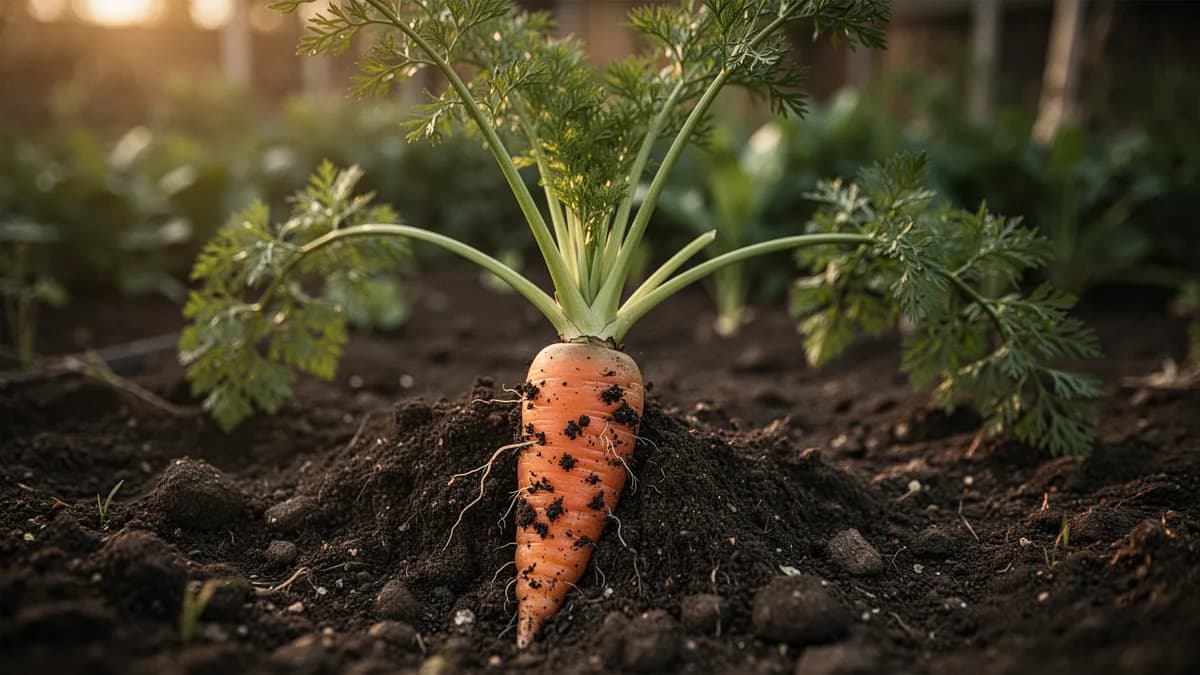
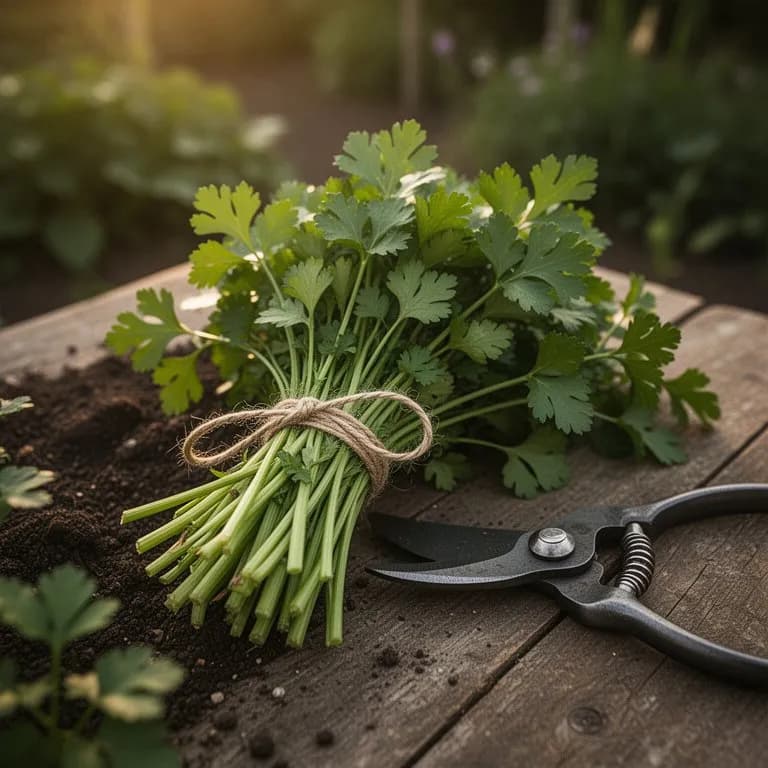
Cosecha las hojas del perejil de Hamburgo durante toda la temporada de crecimiento, cortando primero los tallos exteriores y sin retirar nunca más de un tercio del follaje a la vez para mantener el crecimiento de la raíz. Desentierra las raíces a finales de otoño, tras las primeras heladas suaves que endulzan el sabor. Usa una horca de jardín para levantar las raíces con cuidado sin romperlas. Las raíces miden típicamente entre 15-20 cm de largo y 3-5 cm de diámetro. Toda la planta es comestible: raíces, tallos y hojas tienen usos culinarios distintos.
se supone que plantas al comenzar el periodo — indica tu fecha real
Cosecha Perejil de Hamburgo a tiempo y la planta sigue produciendo.
Almacenamiento y conservación
Guarda las raíces sin lavar en arena húmeda en un sótano o garaje frío a 1-5 °C durante hasta 4 meses. También puedes refrigerarlas en bolsas de plástico perforadas durante 2-3 semanas. Las raíces pueden pelarse, cortarse en dados y congelarse para usar en caldos de sopa. Seca rodajas finas de raíz en un deshidratador para obtener un concentrado aromatizante de perejil y apio. Las hojas pueden congelarse en bandejas o secarse con los métodos habituales de conservación del perejil. Prepara un concentrado de caldo de verduras de raíz hirviéndolo a fuego lento hasta reducirlo.
Qué falla — y cómo solucionarlo
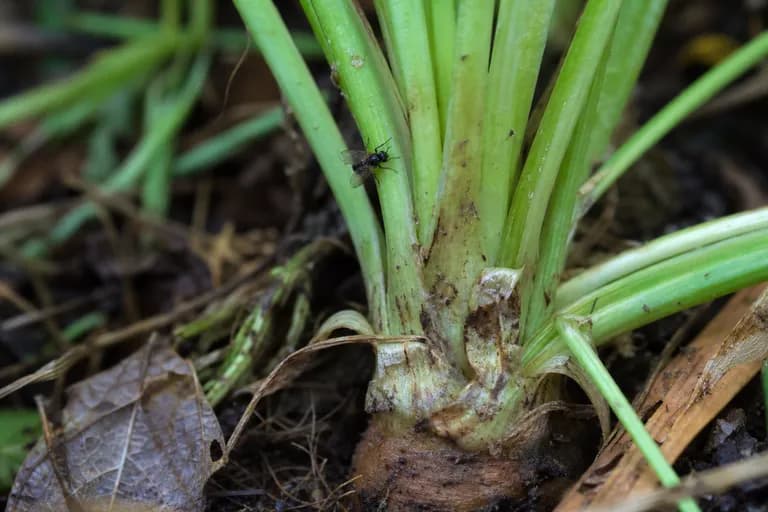
Mosca de la zanahoria
PlagaGalerías y túneles de color herrumbre en las raíces, marchitamiento de las hojas, crecimiento atrofiado. Las larvas se alimentan dentro de las raíces creando canales marrón oxidado.

Mancha foliar (Septoria)
EnfermedadPequeñas manchas marrones con bordes oscuros en las hojas inferiores, amarillamiento progresivo y caída de hojas de la base hacia arriba.
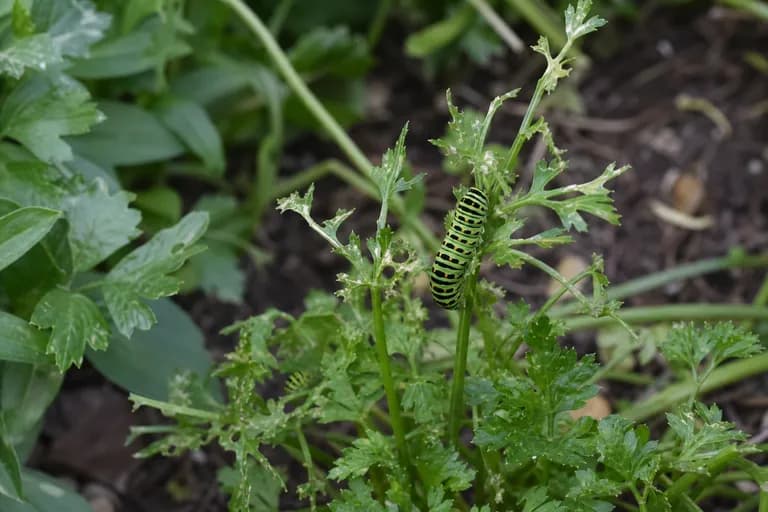
Oruga de la mariposa colachica (Gusano del perejil)
PlagaOrugas grandes de rayas verdes, negras y amarillas que devoran el follaje. Excrementos visibles sobre las hojas.
Solución de problemas comunes
Las raíces ramificadas o deformes son consecuencia de suelos pedregosos, compactados o abonados recientemente con estiércol fresco; prepara bancales profundos y de textura fina. La germinación deficiente es frecuente, ya que las semillas de perejil son notoriamente lentas (3-4 semanas); remoja las semillas durante una noche antes de sembrar para acelerar la brotación. El espigado en el segundo año es natural en esta bienal: cosecha las raíces antes de la primavera del segundo año. Las raíces delgadas suelen indicar exceso de densidad o profundidad de suelo insuficiente.
Consejos de cultivo
- Remoja las semillas en agua tibia durante 12-24 horas antes de sembrar para romper la dormancia y mejorar las tasas de germinación, que son naturalmente lentas, entre 14 y 28 días.
- Prepara los bancales con doble excavación hasta al menos 30 cm de profundidad y elimina todas las piedras, ya que los obstáculos provocan raíces ramificadas y deformes.
- Siembra las semillas directamente al exterior en lugar de trasplantar siempre que sea posible, ya que los cultivos de raíz pivotante no toleran bien la alteración de las raíces durante el trasplante.
- Mezcla semillas de rábano con las de perejil en el momento de la siembra: los rábanos de rápida germinación marcan la hilera y se cosechan antes de que el perejil necesite el espacio.
- Aclara con decisión a un espaciado de 10-15 cm una vez que las plántulas tengan dos hojas verdaderas; las plantas hacinadas producen raíces pequeñas y fibrosas que carecen de sabor.
- Aplica un fertilizante rico en potasio, como ceniza de madera o té de consuelda, desde mediados del verano en adelante para estimular el desarrollo de la raíz sobre el crecimiento foliar.
- Cubre las hileras con malla antiinsectos fina desde el momento de la siembra para prevenir la mosca de la zanahoria, que ataca las raíces del perejil de Hamburgo con la misma facilidad que las zanahorias.
- Deja las raíces en el suelo después de la primera helada y cúbrelas con 15 cm de paja de acolchado: las raíces endulzadas por el frío tienen un sabor notablemente mejor.
- Cosecha con una horca de jardín, no tirando de la planta, para evitar romper la raíz pivotante. Afloja el suelo en profundidad junto a la planta antes de levantar suavemente la raíz.
- Guarda unas pocas raíces para replantarlas en primavera y producir semillas: el perejil de Hamburgo es bienal y florecerá profusamente en su segundo año, atrayendo insectos beneficiosos.
Cultiva tu mejor Perejil de Hamburgo — y todo lo que la rodea.
Empieza un plan gratis hoy. Diseña tus bancales, coloca tu Perejil de Hamburgo y deja que PlotMyGarden gestione el momento, el espaciado, las asociaciones y los recordatorios de la semilla a la cesta.
Elige tu Perejil de Hamburgo
Hamburg Half Long
La variedad más común, con raíces de longitud media y forma de cuña y hojas planas vigorosas. Fiable y ampliamente adaptada.
Fakir
Una selección mejorada con raíces más lisas y uniformes y buena resistencia al espigado. Produce raíces abundantes y sabrosas.
Arat
Una variedad holandesa con raíces largas y rectas y excelente capacidad de conservación. Preferida por los cultivadores comerciales por su uniformidad.
El perejil de Hamburgo es un cultivo extraordinariamente económico para el huertero doméstico. Un solo sobre de semillas, que cuesta apenas unos pocos euros, puede producir docenas de raíces, cada una equivalente a un producto especial que se vende a 8-18 € por kilogramo en los mercados agrícolas cuando está disponible. Las raíces se conservan durante 4-6 meses en un sótano fresco o en el suelo bajo acolchado, proporcionando productos frescos durante el invierno sin ningún coste energético de refrigeración. Tanto las hojas como las raíces son comestibles, ofreciéndote esencialmente dos cosechas de una sola siembra. Una vez establecida la planta, puedes guardar semillas de los ejemplares del segundo año, eliminando incluso el coste de futuras compras de semillas.
Recetas rápidas

Crema de raíz de perejil de Hamburgo
35 minutosUna sopa aterciopelada y reconfortante que realza el singular sabor a apio-chirivía del perejil de Hamburgo. Perfecta para las frías noches de invierno, terminada con un hilo de nata y hojas frescas de perejil.
9 ingredientesRaíz de perejil de Hamburgo asada con miel y tomillo
45 minutosAsada en el horno hasta caramelizarse y dorarse, la dulzura natural de la raíz de perejil de Hamburgo se realza con miel y tomillo aromático. Un elegante acompañamiento que combina a la perfección con aves o cerdo asados.
7 ingredientesEnsalada cruda de raíz de perejil de Hamburgo y manzana
15 minutosUna ensalada cruda crujiente y refrescante que muestra la raíz en su forma más pura. La combinación de manzana ácida, aliño de mostaza y raíz de perejil rallada crea una vibrante ensalada invernal.
8 ingredientesUsos culinarios
Las raíces tienen un sabor concentrado a apio, perejil y chirivía esencial en la cocina centroeuropea y del este de Europa. Ráyalas crudas en ensaladas, ásalas junto a otras verduras de raíz, cuécelas a fuego lento en sopas y guisos, o machácalas con patatas y mantequilla. Las raíces son un ingrediente clave del Suppengrün alemán y del włoszczyzna polaco, los manojos de verduras aromáticas base de incontables sopas. Usa las hojas de hoja plana exactamente como el perejil italiano para adornar y cocinar.
Qué contiene
Beneficios para la salud
- Rico en vitamina C, que favorece la función inmunitaria y la producción de colágeno, especialmente valioso como verdura de cosecha invernal cuando la fruta fresca escasea.
- Contiene compuestos diuréticos naturales que favorecen la función renal y ayudan a reducir la retención de líquidos, un uso reconocido en la medicina herbal tradicional europea.
- El alto contenido en fibra dietética promueve una digestión saludable, sustenta la flora intestinal beneficiosa y contribuye a una saciedad duradera después de las comidas.
- Aporta vitaminas del grupo B esenciales, incluido el folato, fundamental para la síntesis del ADN, la división celular y especialmente importante durante el embarazo.
- Contiene compuestos antiinflamatorios como la apigenina y la miristicina, que pueden ayudar a reducir el estrés oxidativo y favorecer la salud cardiovascular.
- Buena fuente vegetal de hierro y manganeso, minerales esenciales para el transporte de oxígeno, la salud ósea y el funcionamiento de las enzimas metabólicas.
De dónde viene Perejil de Hamburgo
El perejil de Hamburgo (Petroselinum crispum var. tuberosum) es una verdura de doble uso con antiguos orígenes mediterráneos que alcanzó su mayor fama culinaria en las cocinas de Europa Central y del Este. Mientras que el perejil común se cultiva desde al menos el siglo III a. C. por griegos y romanos —quienes lo utilizaban principalmente para guirnaldas y fines medicinales—, la variedad formadora de raíz surgió mucho más tarde mediante selección, probablemente durante el período medieval tardío en el norte de Europa. Las primeras referencias documentadas a un perejil de raíz grande aparecen en textos hortícolas alemanes del siglo XVI, donde se describía como una vigorosa verdura de huerto adaptada a los climas más frescos de las regiones septentrionales. A pesar de que su nombre común sugiere un origen en Hamburgo, Alemania, los historiadores gastronómicos debaten aún el lugar exacto de su desarrollo. Lo que sí es seguro es que la variedad quedó profundamente arraigada en las tradiciones culinarias de Alemania, Polonia, la República Checa, Hungría y toda Escandinavia. En la cocina polaca, la raíz es indispensable como parte del clásico manojo de verduras de sopa conocido como włoszczyzna, junto con zanahorias, puerros, raíz de apio y repollo. En la cocina tradicional austriaca y alemana aparece en hearty guisos invernales y como verdura de raíz asada. El perejil de Hamburgo llegó a América del Norte con los inmigrantes europeos en el siglo XIX, pero nunca alcanzó la popularidad que disfruta en su Europa natal. Hoy vive un renacimiento entre los cultivadores de variedades patrimoniales y los chefs de cocina de temporada, quienes valoran su sabor único —una mezcla matizada de perejil, apio y chirivía— y sus excepcionales cualidades de conservación, que lo convirtieron en un alimento invernal vital mucho antes de la refrigeración moderna.
Perejil de Hamburgo: ¿sabías que?
Datos fascinantes sobre Perejil de Hamburgo
El perejil de Hamburgo es una de las pocas verduras que te ofrece dos cosechas en una: las hojas se usan como hierba aromática y la raíz se consume como verdura.
Perejil de Hamburgo: preguntas frecuentes
¿Cuándo debo plantar Perejil de Hamburgo?
¿Cuáles son buenas plantas acompañantes para Perejil de Hamburgo?
¿En qué zonas de rusticidad puede crecer Perejil de Hamburgo?
¿Cuánto sol necesita Perejil de Hamburgo?
¿A qué distancia debo espaciar Perejil de Hamburgo?
¿Qué plagas y enfermedades afectan a Perejil de Hamburgo?
¿Cómo almaceno Perejil de Hamburgo después de la cosecha?
¿Cuáles son las mejores variedades de Perejil de Hamburgo para cultivar?
¿Qué suelo necesita Perejil de Hamburgo?
¿Cuál es la diferencia entre el perejil de Hamburgo y el perejil común?
¿Cuánto tiempo tarda el perejil de Hamburgo en crecer desde la semilla hasta la cosecha?
¿Puedo cultivar perejil de Hamburgo en macetas?
¿Cómo conservo las raíces de perejil de Hamburgo tras la cosecha?
¿El perejil de Hamburgo es lo mismo que la chirivía?
¿Por qué las raíces del perejil de Hamburgo están ramificadas o deformes?
Acabas de leer la teoría. Ahora cultívala en piloto automático.
Todo lo que hace que Perejil de Hamburgo sea delicado — el momento, el espaciado, las asociaciones, la ventana de cosecha — es justo lo que PlotMyGarden resuelve por ti, para cada planta de tu huerto.
Un plan que conoce tu clima
Indica tu ubicación una vez. Recibe fechas de siembra, abonado y cosecha basadas en tu última helada real y el pronóstico en vivo — sin adivinar con un sobre genérico.
De la sección “Cuándo plantar”Planificador de bancales de arrastrar y soltar
Diseña bancales sobre una cuadrícula. Cada planta encaja con su espaciado correcto y ves toda la temporada antes de gastar un céntimo en semillas.
De la sección “Cultivo”Conflictos de asociación, detectados a tiempo
Más de 200 buenas y malas combinaciones comprobadas en vivo mientras plantas — para que un error que arruine la temporada nunca llegue a la tierra.
De la sección “Asociaciones”Recordatorios que sí vas a seguir
“Riega las judías.” “Recoge hoy antes de que se pase.” Oportunos, concretos y ligados a las plantas que de verdad cultivas.
De la sección “Cosecha”Escalonado, programado
¿Quieres cosechar seis semanas en vez de seis días? Reparte tus siembras automáticamente y te avisa cuando toca el siguiente lote.
De la sección “Cuándo plantar”Un registro que se vuelve más listo
Cada cosecha que registras le enseña tu huerto. El plan del año que viene parte de lo que de verdad funcionó en tu suelo, no en un manual.
De la sección “Resumen”Planta estos junto a Perejil de Hamburgo
Más Hierbas culinarias
Mantén Perejil de Hamburgo lejos de estos
Cultiva tu mejor Perejil de Hamburgo — y todo lo que la rodea.
Empieza un plan gratis hoy. Diseña tus bancales, coloca tu Perejil de Hamburgo y deja que PlotMyGarden gestione el momento, el espaciado, las asociaciones y los recordatorios de la semilla a la cesta.