Painted Tongue
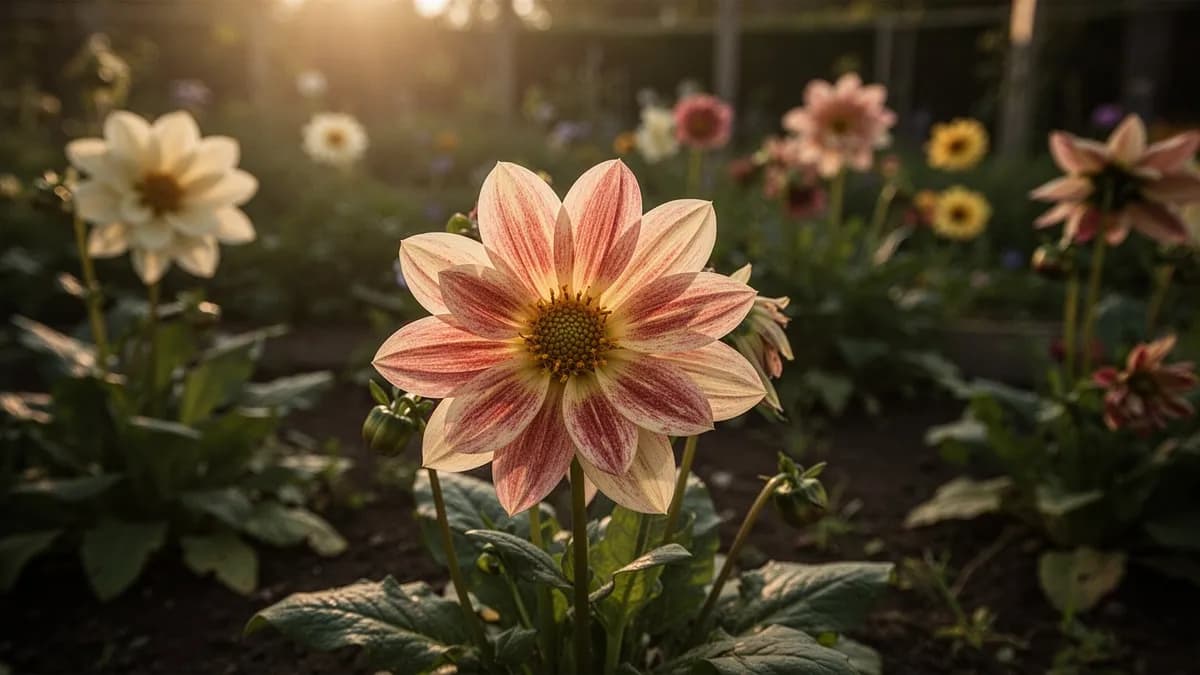
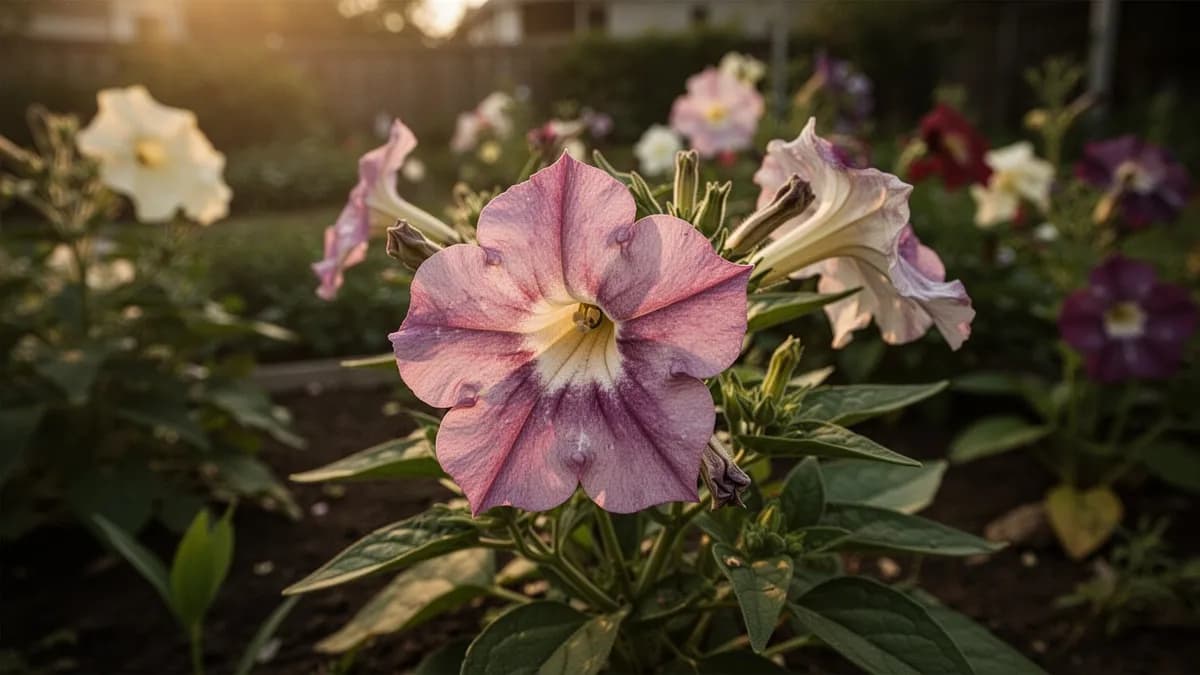
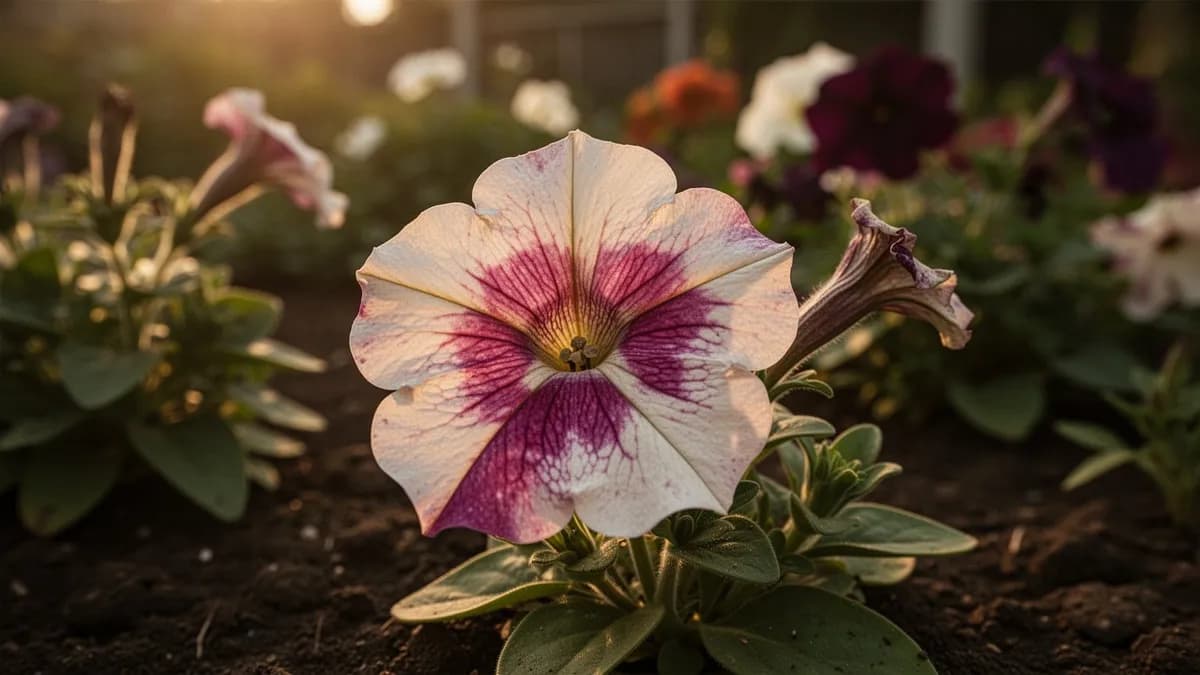
An exotic annual with velvety, petunia-like flowers veined in contrasting colors of gold, purple, chocolate, and crimson that look almost hand-painted.





On this pageOverview
Meet Painted Tongue
An exotic annual with velvety, petunia-like flowers veined in contrasting colors of gold, purple, chocolate, and crimson that look almost hand-painted. Painted tongue prefers cool temperatures and struggles in extreme heat, so it performs best in spring and fall plantings. Stake taller varieties and provide rich, well-drained soil for best results.
When to plant Painted Tongue
Start seeds indoors 8-10 weeks before the last frost. Sow on the surface of moist seed compost—seeds need light but also darkness for the first few days (cover with newspaper until sprouts appear). Keep at 70°F (21°C). Germination takes 7-14 days. Transplant seedlings to individual pots when they have two true leaves. Pinch tips at 4 inches to encourage branching. Harden off before planting outdoors after the last frost.
Your Painted Tongue Year
Composed for Zone 7 · typical seasons · frost passes Apr 2, returns Nov 1
Plant Painted Tongue Mar – Apr, pick Jun – Aug. Check the planting methods below and set your climate to personalize these windows.
How to grow Painted Tongue
Painted tongue is an underappreciated annual that produces some of the most strikingly marked flowers in the garden. Start seeds indoors 8-10 weeks before the last frost, pressing tiny seeds onto the surface of moist seed compost—they need light to germinate. Cover the tray with black plastic or newspaper, as darkness accelerates germination. Remove the cover as soon as sprouts appear (7-14 days).
Transplant seedlings outdoors after the last frost, spacing 10-12 inches apart in a sunny, sheltered location with rich, well-drained soil. Pinch the growing tips when seedlings are 4 inches tall to encourage branching and more flowers.
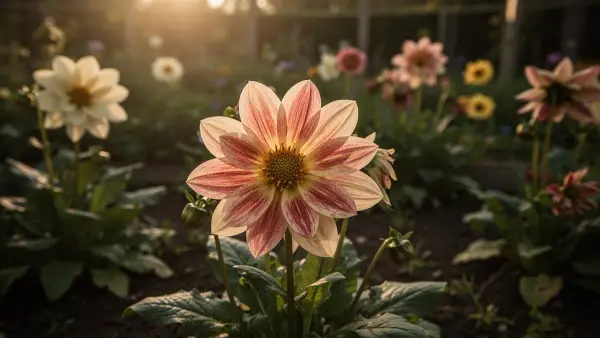
Painted tongue thrives in cool to moderate temperatures (60-75°F/15-24°C) and struggles in extreme heat. In hot climates, treat as a spring or autumn annual, or grow in light afternoon shade. The velvety, trumpet-shaped flowers display extraordinary veining patterns—each flower looks individually hand-painted in combinations of gold, purple, chocolate, and crimson.
36 plants fit a 4 × 8 ft bed
Each Painted Tongue wants 25 cm of elbow room. The planner keeps that spacing for you — every plant, every bed.
Painted Tongue's best neighbours
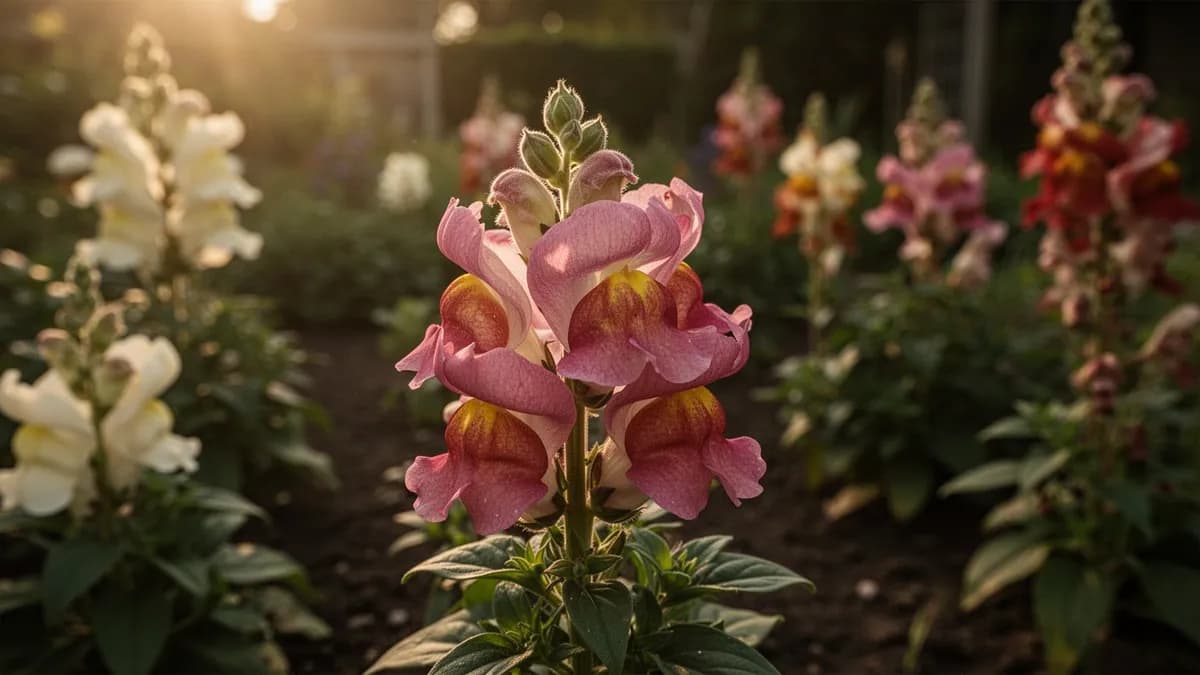
Painted tongue combines beautifully with other cool-season annuals like snapdragons, stock, and nicotiana. The exotic veining patterns contrast strikingly with solid-colored flowers. Plant alongside white daisies or pale blue forget-me-nots to allow the intricate patterns to stand out. In the cutting garden, pair with lisianthus and scabiosa for sophisticated mixed bouquets.
Snapdragon belongs beside it.
Old growers' knowledge, checked against Painted Tongue's real companion table below — test any plant you're growing.
Try Painted Tongue in a bed — right here
A real planner bed with Painted Tongue already in it. Tap a companion to place it and watch the pairing checks answer — green for good neighbours, red for a clash.


Related growing guides
Feed it well
Painted tongue performs best in rich, well-drained soil with a pH of 6.0-7.0. Amend beds with compost before planting. Apply a balanced slow-release fertilizer at planting time and supplement with liquid fertilizer every 2-3 weeks during the growing season. The plants are moderate feeders that appreciate consistent nutrition without excessive nitrogen.
Ideal Temperature
Hardiness Zone Compatibility
From seed to harvest, stage by stage
Seed Germination
Salpiglossis seeds are extremely fine and require light to germinate. Surface-sow them onto moist, well-drained seed-starting mix without covering. Germination is slow and sometimes erratic, typically taking 10 to 14 days at 21-24°C (70-75°F). The seeds need consistent moisture and indirect light during this period.
Seedling Development
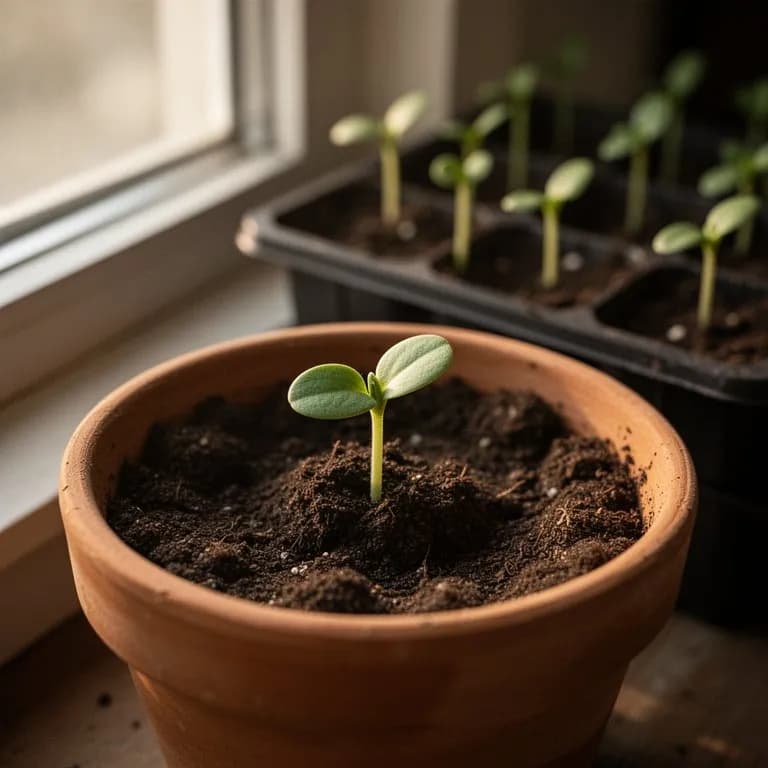
Tiny cotyledons appear first, followed by the first true leaves which are lance-shaped with slightly sticky, hairy surfaces. Seedlings are slender and somewhat fragile at this stage. Growth is initially slow as the plant establishes its root system before investing energy in above-ground growth.
Vegetative Growth
The plant develops a central upright stem with sticky, glandular hairs and begins branching. Leaves become more deeply lobed and the foliage takes on a slightly sticky texture that is characteristic of the species. The root system expands and the plant may reach 20-30 cm in height during this phase.
Bud Formation
Flower buds form at the tips of branching stems, initially appearing as tightly closed, slightly sticky green calyces. The buds gradually swell and hints of petal color become visible through the calyx. The plant may reach 45-60 cm in height and continues to produce new lateral shoots.
Peak Flowering
The trumpet-shaped flowers open in succession over several weeks, displaying their spectacular veined patterns in shades of purple, red, yellow, bronze, and pink. Each bloom lasts about five to seven days on the plant. The plant reaches its full height of 60-90 cm and produces flowers continuously if spent blooms are removed.
Seed Set and Decline
As temperatures rise in late summer, flowering slows and the plant begins to set seed. Seed capsules develop within the persistent calyx, each containing hundreds of tiny dark brown seeds. The foliage yellows and the plant gradually declines as it completes its annual life cycle.
Do not cover the seeds with soil as they need light to germinate. Mist the surface gently to keep it evenly moist. Use a clear plastic dome or wrap over the seed tray to maintain humidity. Bottom heat from a heat mat significantly improves germination rates for this species.
Caring for Painted Tongue month by month
What to do each month for your Painted Tongue
October
You are hereHarvest mature seed pods once they turn brown and papery. Dry seeds thoroughly in a well-ventilated area for several days before storing. Remove spent plants after the first light frost. Add plant debris to the compost heap if disease-free.
Know exactly what to do in your garden — every month
One email at the start of each month: what to sow, plant, and tackle right now — for your Painted Tongue and everything growing around it. Plus a short starter course that helps you dodge the classic mistakes.
- What to do, right now
- Matched to your season
- Starter course included
Harvesting Painted Tongue
Cut painted tongue flowers when they are fully open to appreciate the intricate veining patterns. Cut in the morning with long stems and place in warm water immediately. The flowers last 5-7 days in a vase and their exotic appearance adds drama to arrangements. Regular cutting encourages continued bloom production.
assuming you plant when the window opens — set your real date
Pick Painted Tongue promptly and the plant keeps producing.
Storage & Preservation
Painted tongue is an annual that does not store as bulbs. Save seed by allowing some flowers to develop seed capsules at the end of the season. Collect when capsules turn brown and dry. Store seeds in labeled envelopes in a cool, dry place. Seeds remain viable for 2-3 years. In mild climates, painted tongue may self-sow if conditions are favorable.
What goes wrong — and the fix
Aphids
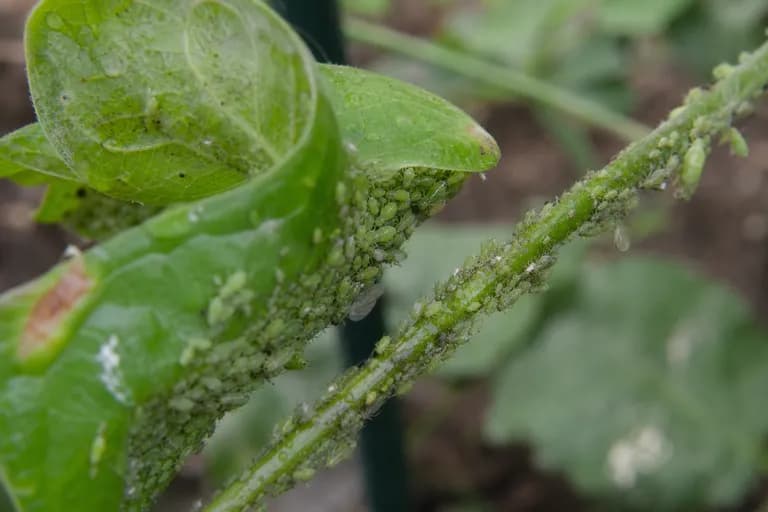
PestClusters on growing tips and buds. Distorted new growth and sticky honeydew.
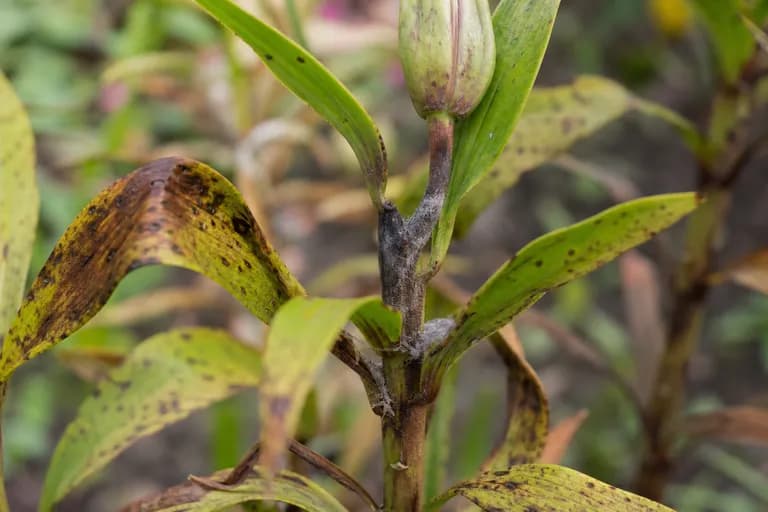
Botrytis Blight
DiseaseGray fuzzy mold on flowers and stems, especially in cool, damp weather. Flower buds rot before opening.
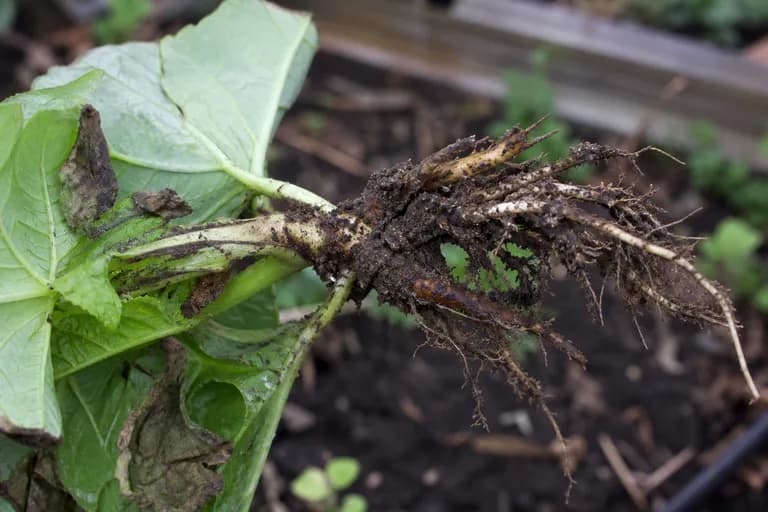
Root Rot
DiseasePlants wilt despite moist soil. Stems darken at the base. Roots are brown and mushy.
Troubleshooting Common Problems
Heat is the primary enemy—painted tongue stops flowering when temperatures consistently exceed 80°F (27°C). In hot areas, provide afternoon shade and generous mulching. Tall varieties may need staking, especially in exposed locations. Poor germination can occur if seeds are sown too deeply or given inconsistent moisture. The unique flower veining patterns vary between individual plants, which adds to their charm.
Growing Tips
- Start seeds indoors 6 to 8 weeks before the last frost date, as painted tongue has a long lead time from sowing to flowering and direct sowing often results in late or poor blooming.
- Surface-sow seeds without covering them, as Salpiglossis seeds require light for germination. Press them gently onto moist seed-starting mix and mist regularly to maintain surface moisture.
- Use bottom heat from a seedling heat mat set to 21-24°C (70-75°F) to improve germination rates, which can otherwise be erratic and disappointing without supplemental warmth.
- Pinch out the central growing tip when seedlings reach 15 cm tall to encourage lateral branching, which results in a bushier plant with significantly more flower stems.
- Choose a planting site with full morning sun and light afternoon shade in hot climates, as painted tongue performs poorly when exposed to prolonged temperatures above 30°C (86°F).
- Stake plants early using slender bamboo canes or grow-through supports, as the tall slender stems are prone to lodging in wind and heavy rain once they reach flowering height.
- Apply a thin layer of organic mulch around the base of plants to keep roots cool and conserve soil moisture, which is critical for sustained flowering during warm summer weather.
- Deadhead spent flowers every two to three days by snipping stems back to a lateral bud to promote continuous blooming and prevent the plant from channeling energy into seed production.
- Water consistently at the base of the plant, avoiding overhead irrigation which can spot the velvety petals and promote fungal diseases such as botrytis and powdery mildew on the foliage.
- Allow two or three of your best-colored plants to set seed at the end of the season for free plants next year, but be aware that seed-saved plants may not come true to the parent colors in hybrid varieties.
Grow your best Painted Tongue yet — and everything around it.
Start a free plan today. Lay out your beds, drop in your Painted Tongue, and let PlotMyGarden handle the timing, spacing, companions and reminders from seed to harvest basket.
Pick your Painted Tongue
Salpiglossis 'Royale' series
Richly veined flowers in deep, saturated colors on sturdy 24-inch stems. The most widely available and reliable series.
Salpiglossis 'Kew Blue'
Striking deep blue-purple flowers with gold veining. Particularly dramatic and sought-after by flower arrangers.
Salpiglossis 'Bolero' Mix
Compact 18-inch plants with heavily veined flowers in an exotic range of warm colors including chocolate and burgundy.
A single packet of painted tongue seeds typically costs between $2 and $4 and contains 100 to 200 seeds, enough to produce dozens of plants. Each mature plant can yield hundreds of cut flower stems throughout the growing season. Comparable specialty cut flowers from a florist cost $3 to $5 per stem, meaning a modest planting of ten to fifteen painted tongue plants can easily provide $200 to $400 worth of cut flowers over a single summer. Saving seeds from your best plants eliminates even the modest seed cost in subsequent years.
Quick recipes
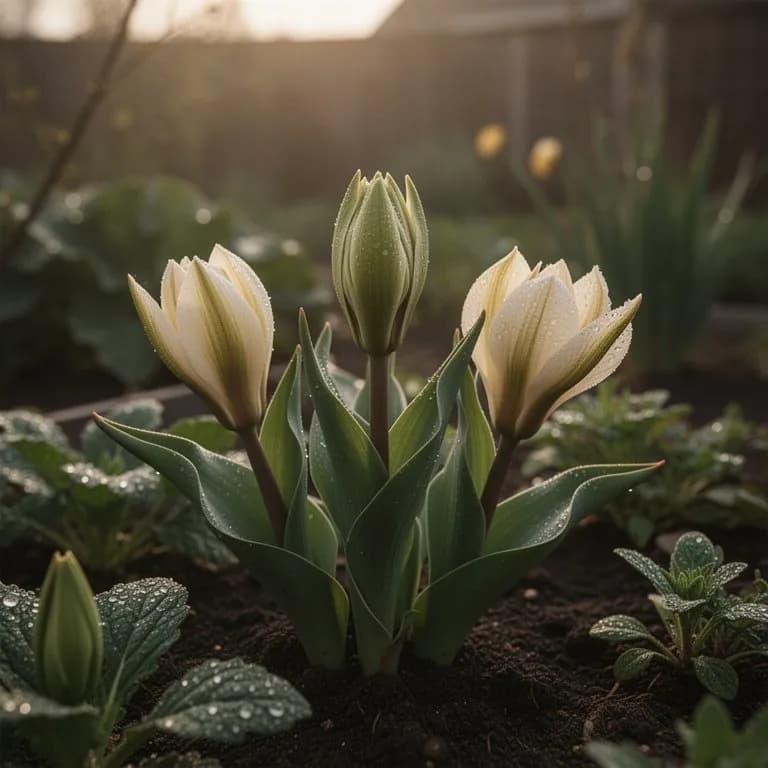
Jewel-Toned Mixed Bouquet
15 minutesCreate a stunning floral arrangement by combining freshly cut painted tongue stems with complementary flowers. Cut stems in the early morning when they are fully hydrated, choosing blooms that are just fully open for the longest vase life of seven to ten days.
5 ingredientsPressed Flower Botanical Art
10 minutes active, 2-3 weeks dryingThe intricate vein patterns of painted tongue flowers are perfectly suited for pressed flower art. Select freshly opened blooms with the most striking vein contrast, press them between sheets of parchment paper under heavy books, and use the dried flowers to create framed botanical displays or greeting cards.
5 ingredients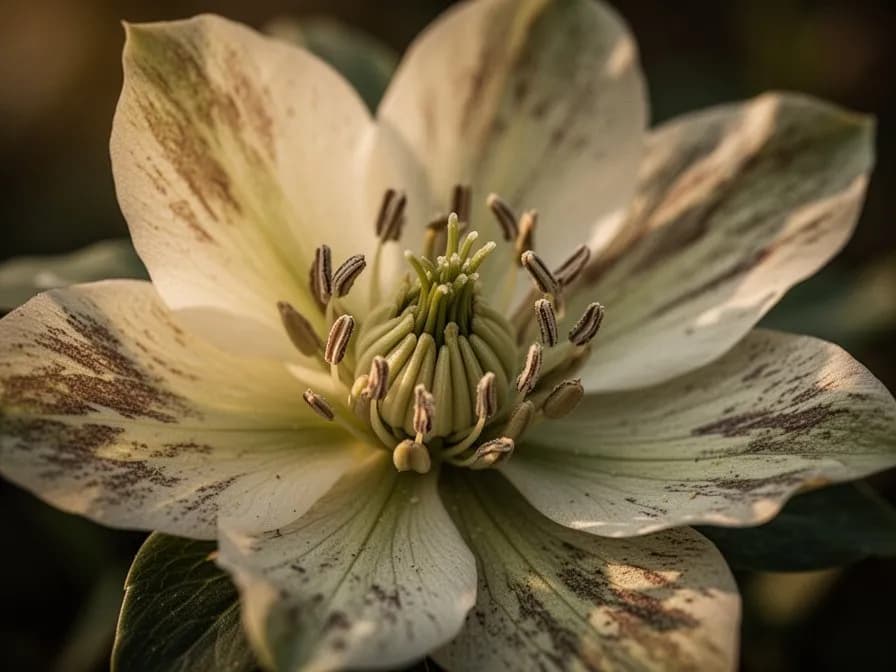
Dried Flower Wreath Accent
20 minutesAir-dry painted tongue blooms to preserve their rich colors for use in dried flower wreaths and arrangements. Hang small bunches upside down in a dark, well-ventilated room for two to three weeks. The velvety petals retain much of their color and veining detail when dried properly.
5 ingredientsWhat's inside
Health Benefits
- Growing painted tongue provides meaningful mental health benefits through the mindful, meditative practice of tending delicate seedlings and observing their gradual transformation into spectacular flowering plants.
- The vibrant jewel-toned colors of painted tongue blooms have been shown in horticultural therapy studies to elevate mood and reduce feelings of stress and anxiety in gardeners of all experience levels.
- Maintaining painted tongue plants encourages regular gentle outdoor physical activity including bending, reaching, and walking, which supports cardiovascular health and joint flexibility.
- The process of nurturing painted tongue from tiny seeds to full bloom fosters patience, attentiveness, and a rewarding sense of accomplishment that contributes positively to overall psychological well-being.
- Cut painted tongue arrangements bring natural beauty indoors, and studies suggest that the presence of fresh flowers in living and working spaces can improve concentration, creativity, and emotional resilience.
- Painted tongue flowers attract a diverse range of pollinators including bees and butterflies, supporting local biodiversity and connecting gardeners with the broader ecological community in their region.
Where Painted Tongue comes from
Salpiglossis sinuata, commonly known as painted tongue or velvet trumpet flower, is native to the southern regions of South America, primarily Chile and Argentina. The species was first collected by European botanists during eighteenth-century expeditions to South America and was formally described by the French botanist Hippolyte Ruiz Lopez and Jose Antonio Pavon in their landmark work Flora Peruvianae et Chilensis published in 1798. The plant naturally inhabits sandy coastal plains, rocky hillsides, and the semi-arid margins of the Atacama Desert, where it has adapted to grow in lean, well-drained soils with cool night temperatures and moderate daytime warmth. Spanish colonial botanists were among the first Europeans to note its remarkable flower patterns, and seeds were sent to the Royal Botanic Gardens in Madrid as early as the 1820s. The species gained widespread popularity in European gardens during the Victorian era, when its exotic vein patterns and rich color palette made it a prized specimen for formal bedding schemes and conservatory displays. British and German seed houses developed the first improved garden strains during the 1880s and 1890s, selecting for larger flowers, stronger stems, and a wider range of colors including deep crimson, royal purple, chocolate brown, and golden yellow. The Bolero and Casino series introduced in the twentieth century brought more compact growth habits and improved heat tolerance, expanding the geographic range in which the plant could be successfully cultivated. Today painted tongue remains a beloved cottage garden annual and specialty cut flower, appreciated by gardeners worldwide for its unmatched veining patterns and jewel-toned color combinations that few other annuals can rival.
Painted Tongue: did you know?
Fascinating facts about Painted Tongue
The name Salpiglossis comes from the Greek words 'salpinx' meaning trumpet and 'glossa' meaning tongue, referring to the tongue-like style inside the trumpet-shaped flower.
Painted Tongue questions, answered
When should I plant Painted Tongue?
What are good companion plants for Painted Tongue?
What hardiness zones can Painted Tongue grow in?
How much sun does Painted Tongue need?
How far apart should I space Painted Tongue?
What pests and diseases affect Painted Tongue?
How do I store Painted Tongue after harvest?
What are the best Painted Tongue varieties to grow?
What soil does Painted Tongue need?
Why are my painted tongue seeds not germinating?
Can painted tongue tolerate hot summer weather?
How do I get my painted tongue plants to produce more flowers?
Is painted tongue a perennial or an annual?
Are painted tongue flowers good for cutting?
What pests and diseases affect painted tongue?
You just read the theory. Now grow it on autopilot.
Everything that makes Painted Tongue fiddly — the timing, the spacing, the companions, the harvest window — is exactly what PlotMyGarden handles for you, for every plant in your garden.
A plan that knows your weather
Set your location once. Get sow, feed and harvest dates built around your real last-frost date and live forecast — no more guessing from a generic seed packet.
From the “When to plant” sectionDrag-and-drop bed planner
Design beds on a grid. Every plant snaps to its proper spacing, and you can see your whole season laid out before you spend a cent on seed.
From the “Growing guide” sectionCompanion conflicts, caught early
200+ good-and-bad pairings checked live as you plant — so a season-wrecking mistake never makes it into the ground.
From the “Companions” sectionReminders you'll actually act on
“Water the beans.” “Pick today before it turns.” Timely, specific, and tied to the plants you're really growing.
From the “Harvest” sectionSuccession, scheduled
Want a harvest for six weeks, not six days? It spaces your sowings automatically and reminds you when each new block is due.
From the “When to plant” sectionA record that gets smarter
Every harvest you log teaches it your garden. Next year's plan starts from what actually worked in your soil, not a textbook's.
From the “Overview” sectionPlant these alongside Painted Tongue
More Annuals
Grow your best Painted Tongue yet — and everything around it.
Start a free plan today. Lay out your beds, drop in your Painted Tongue, and let PlotMyGarden handle the timing, spacing, companions and reminders from seed to harvest basket.