Navel Orange
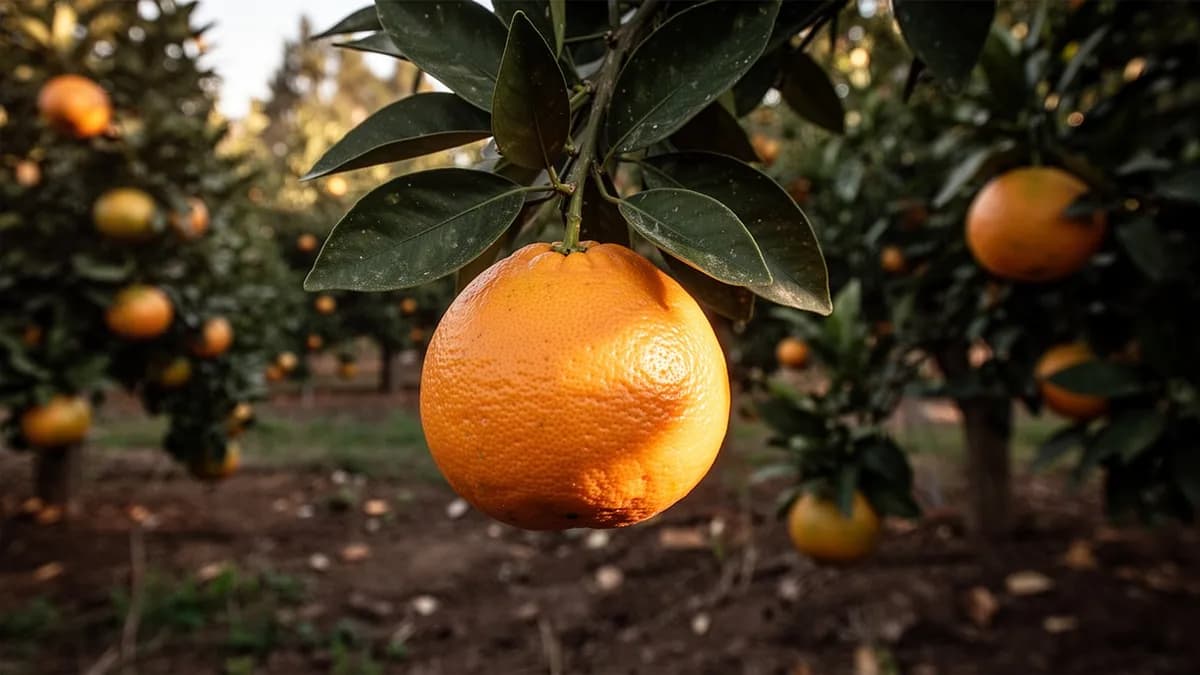
The most popular eating orange, recognized by the characteristic navel-like formation at the blossom end.





On this pageOverview
Meet Navel Orange
The most popular eating orange, recognized by the characteristic navel-like formation at the blossom end. Navel oranges are seedless, easy to peel, and have a sweet, low-acid flavor ideal for fresh consumption. They do not juice well for storage as the juice turns bitter within hours due to a compound called limonin.
When to plant Navel Orange
Navel oranges cannot be grown from seed because they are seedless and propagated exclusively by grafting bud wood from existing trees onto compatible rootstocks. This vegetative propagation ensures every navel orange tree is genetically identical, tracing back to the single mutation discovered in Brazil in the early 1800s. Common rootstocks for home garden navel oranges include Trifoliata for cold hardiness, Carrizo citrange for vigor, and sour orange for well-drained soils. Purchase grafted nursery trees, which typically begin bearing fruit within three to four years of planting.
Your Navel Orange Year
Composed for Zone 7 · typical seasons · frost passes Apr 2, returns Nov 1
Plant Navel Orange Mar – May, pick Jan – Mar, Dec. Check the planting methods below and set your climate to personalize these windows.
How to grow Navel Orange
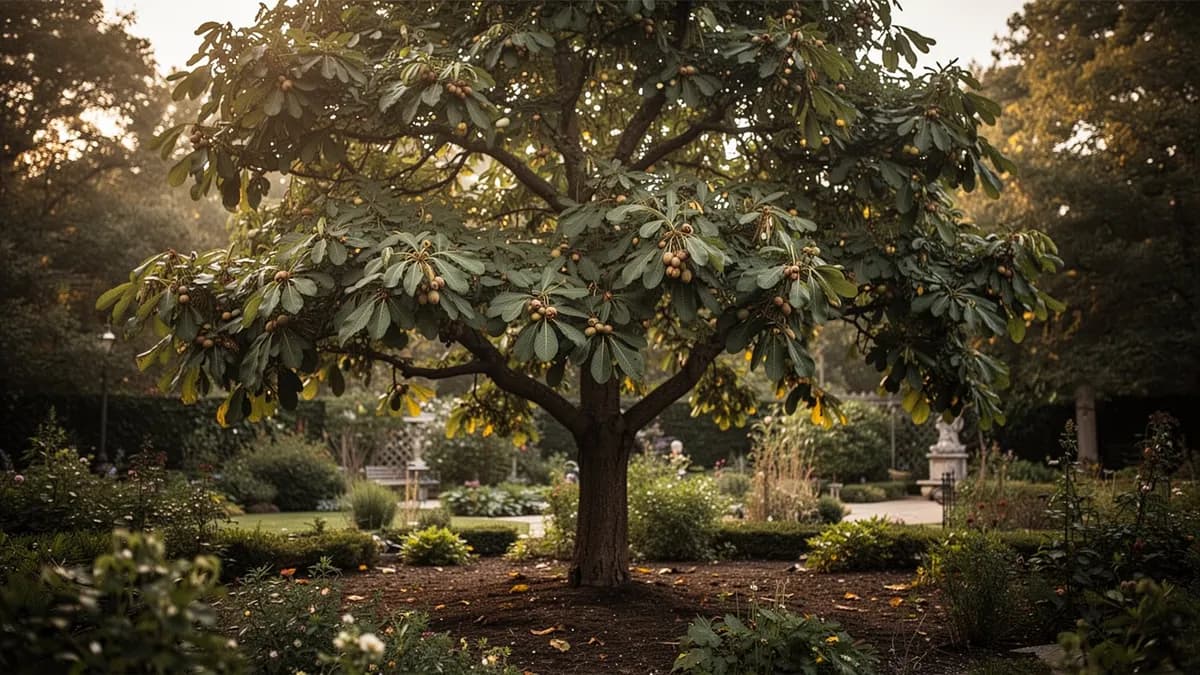
Navel orange trees grow into large, attractive specimens reaching 20 to 30 feet tall in the landscape, making them both productive fruit trees and beautiful ornamentals. They require a climate with warm summers and mild winters, thriving in zones 9 through 11 where winter temperatures stay above 28 degrees Fahrenheit. The navel formation at the blossom end is actually a conjoined twin fruit, a mutation that renders all navel oranges seedless.
Select a planting site with full sun, good air drainage, and protection from cold north winds. Dig the planting hole three times wider than the root ball but no deeper, ensuring the graft union remains several inches above the soil surface. Water deeply at planting and establish a regular irrigation schedule providing about one inch of water per week, increasing during hot, dry periods and reducing during winter dormancy.
Fertilize navel oranges three times annually with a citrus-specific formula in late January, April, and June. Avoid late-season fertilization that stimulates tender new growth susceptible to frost damage. Navel oranges are self-fertile and do not require a pollinator, though they benefit from bee activity for optimal fruit development. Prune only to remove dead wood, water sprouts, and rootstock suckers, as heavy pruning reduces fruit production.
Navel Orange needs more room than a 4 × 8 ft bed gives
Each Navel Orange wants 360 cm of elbow room. The planner keeps that spacing for you — every plant, every bed.
Navel Orange's best neighbours
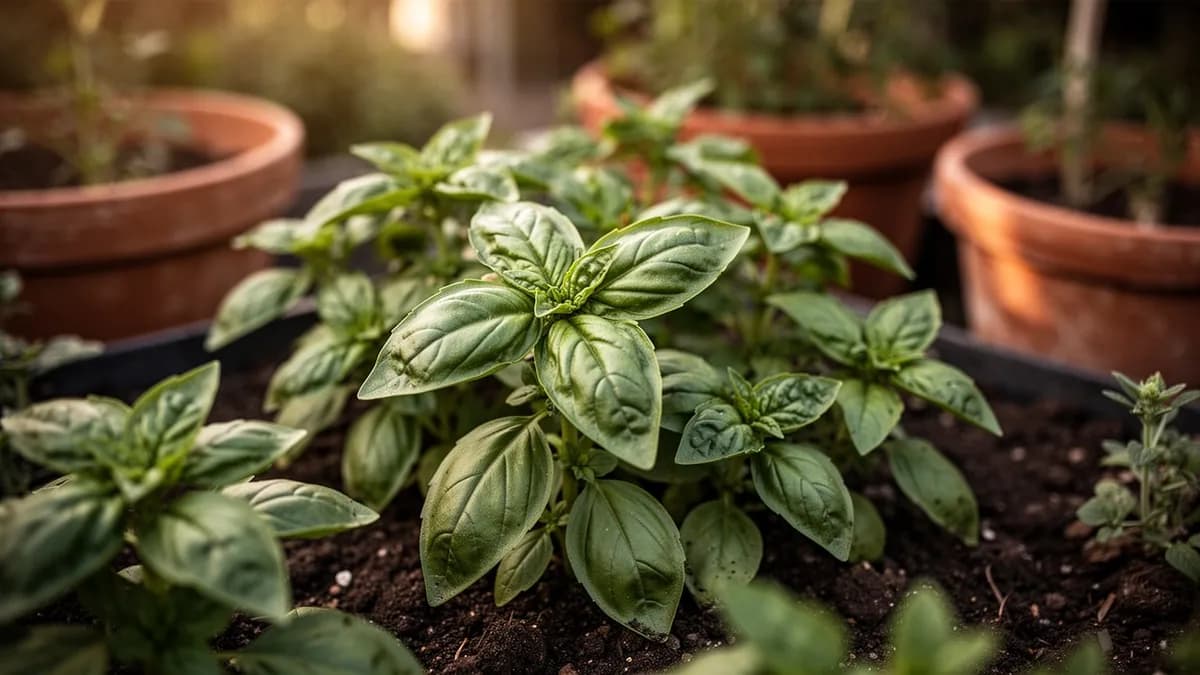
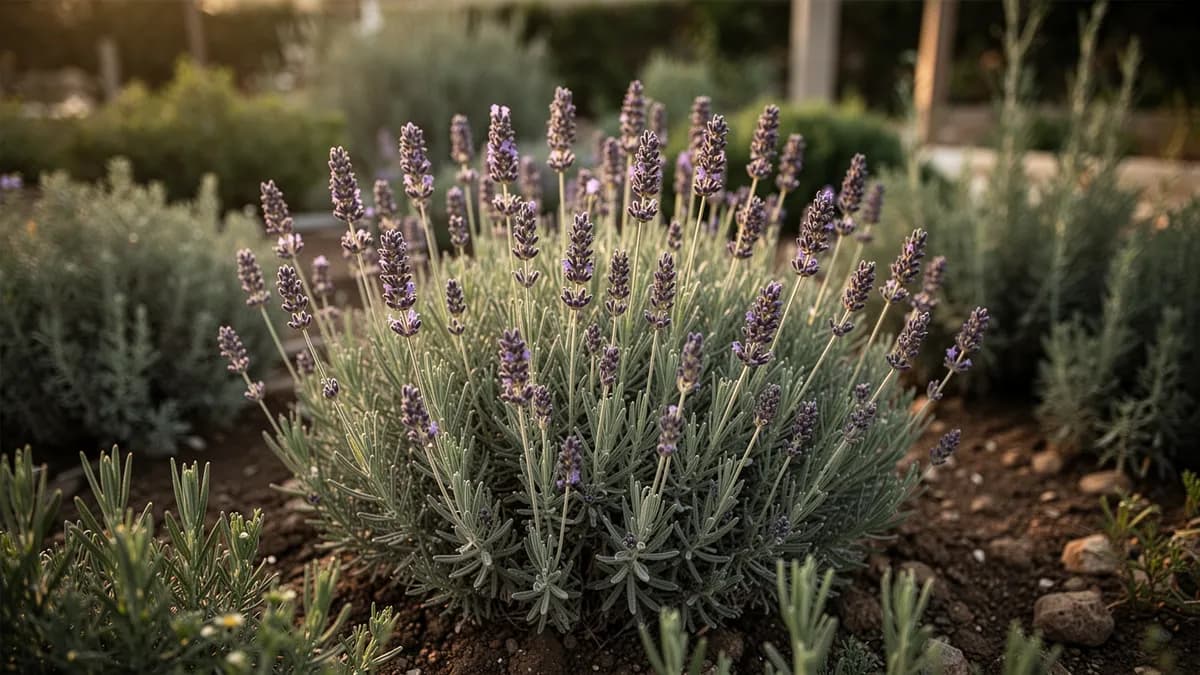
Underplant navel orange trees with nitrogen-fixing clover or vetch to naturally enrich the soil. Dill and fennel attract beneficial predatory wasps that help control citrus pests. Plant aromatic herbs like rosemary and lavender nearby to attract pollinators during bloom. Wildflower borders encourage beneficial insect diversity in the orchard. Avoid planting bermudagrass near orange trees, as it competes aggressively for water and nutrients and harbors citrus nematodes.
Basil belongs beside it. Walnut Tree doesn't.
Old growers' knowledge, checked against Navel Orange's real companion table below — test any plant you're growing.
Try Navel Orange in a bed — right here
A real planner bed with Navel Orange already in it. Tap a companion to place it and watch the pairing checks answer — green for good neighbours, red for a clash.


Related growing guides
Feed it well
Navel oranges grow best in deep, well-drained sandy loam or loam soil with a pH of 6.0 to 7.5. They tolerate slightly alkaline conditions better than most citrus. Apply a citrus fertilizer with a 2-1-1 NPK ratio plus micronutrients three times during the growing season. Supplement with gypsum in heavy clay soils to improve drainage and calcium availability. Avoid excess nitrogen, which promotes vegetative growth at the expense of fruit production and can delay fruit coloring.
Ideal Temperature
Hardiness Zone Compatibility
From seed to harvest, stage by stage
Establishment and Root Development
A newly planted grafted Washington Navel tree focuses its energy almost entirely on establishing its root system during the first 8–12 weeks. Top growth is minimal at this stage as the tree builds the foundation it needs for decades of productive life. Grafted trees establish far more quickly than seedlings and begin root activity within days of planting in warm soil.
Vegetative Growth
The tree begins putting on vigorous above-ground growth in flushes, producing dark, glossy citrus foliage and developing the scaffold branch structure that will support future crops. Multiple growth flushes occur through the warm season — spring, early summer, and early autumn. The canopy fills in quickly in warm climates and more slowly in cooler regions.
First Flowering
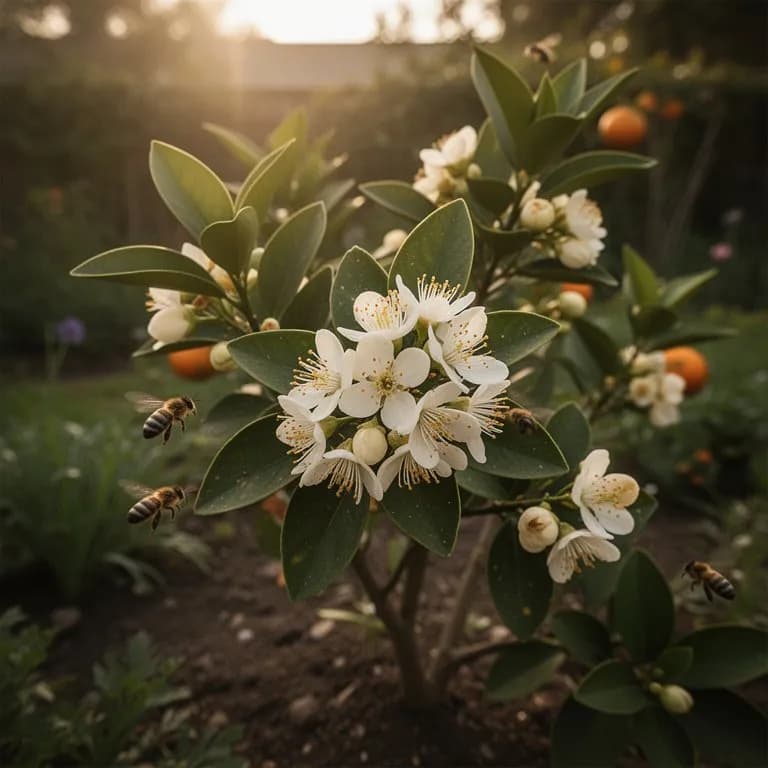
Grafted Washington Navel trees typically produce their first flowers in their second or third year. Flowering is concentrated in late winter to early spring, triggered by cool winter temperatures followed by warming days. The white five-petaled blossoms appear in clusters and emit a powerfully sweet fragrance. Because navel oranges are seedless and essentially parthenocarpic (developing fruit without fertilization), pollination is not strictly required for fruit development.
Fruit Set and Development
After flowers drop, small fruitlets form and begin their long, slow development. Navel oranges have one of the longest fruit development periods of any common citrus — typically 10–12 months from fruit set to harvest. A natural June drop sheds many fruitlets; this is entirely normal and healthy. The remaining fruit gradually sizes up through summer and early autumn, accumulating sugars and developing flavor.
Color Development and Ripening
As autumn temperatures drop and nights cool, the green chlorophyll in the fruit rind begins to break down and the characteristic deep orange color develops. In warm climates without cold nights, fruit may remain partially green despite being ripe internally — color is not a reliable ripeness indicator. Navel oranges ripen from November through March in the Northern Hemisphere, with peak quality typically in December through February.
Harvest
Washington Navel oranges are harvested over a window of several weeks rather than all at once. Ripe fruit is large, heavy for its size, yields slightly to gentle thumb pressure, and the navel end shows a fully formed secondary fruit. The flavor of a tree-ripened navel orange is dramatically superior to anything available commercially — intensely sweet with balanced acidity and rich aromatic complexity.
Post-Harvest Rest
After the main harvest concludes in late winter, the tree enters a brief recovery period before the next flowering cycle begins. This is the ideal time for any structural pruning, removal of deadwood, and application of dormant oil sprays for pest management. The tree's energy reserves are replenished through the root system before the next round of flowering.
Water thoroughly at planting and maintain consistent soil moisture for the first three months — never allow the root zone to dry out completely, but never waterlog it either. Stake the young tree against wind to prevent root disturbance. Hold off on fertilizing for the first 4–6 weeks to avoid burning new roots.
Caring for Navel Orange month by month
What to do each month for your Navel Orange
October
You are hereEarly color change may begin appearing on fruit in cooler climates. Reduce watering frequency further as autumn temperatures moderate. Apply a final slow-release fertilizer for the season. Prepare frost protection materials if you are in a marginal climate. Do a taste test to begin tracking ripeness progress.
Know exactly what to do in your garden — every month
One email at the start of each month: what to sow, plant, and tackle right now — for your Navel Orange and everything growing around it. Plus a short starter course that helps you dodge the classic mistakes.
- What to do, right now
- Matched to your season
- Starter course included
Harvesting Navel Orange
Navel oranges ripen in winter, typically from December through March depending on climate and cultivar. The fruit is ripe when it reaches full orange color and feels heavy for its size, indicating high juice content. Unlike many fruits, oranges do not continue to ripen after picking. Taste-test one fruit before harvesting the crop, as color alone is not a reliable indicator of sweetness. Cut fruit from the tree with clippers to avoid tearing the rind. Navel oranges can remain on the tree for weeks after ripening without significant loss of quality.
assuming you plant when the window opens — set your real date
Pick Navel Orange promptly and the plant keeps producing.
Storage & Preservation
Store navel oranges at room temperature for up to one week for peak flavor, or refrigerate for three to four weeks. The juice must be consumed immediately after squeezing, as the limonin compound causes bitterness within 30 minutes. Navel orange segments freeze well for use in smoothies and desserts. The zest can be dried or candied. Make marmalade from a blend of navel and other orange types to balance the limonin bitterness. Dehydrated orange slices make fragrant decorations and snacks.
What goes wrong — and the fix
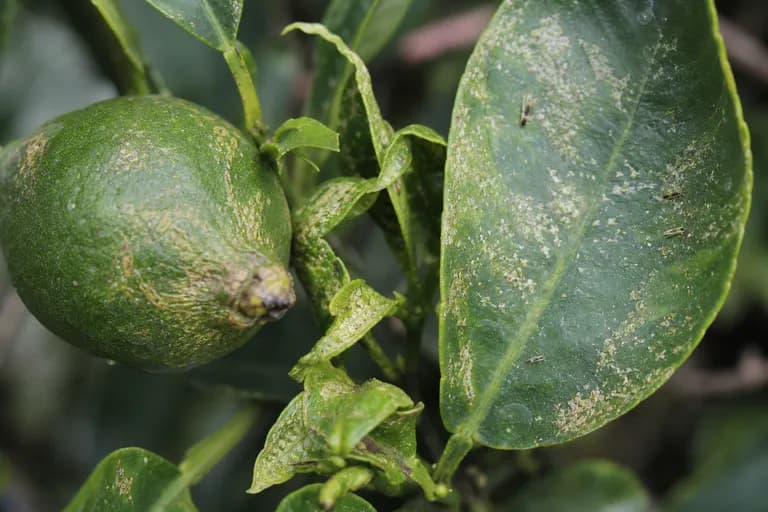
Citrus Thrips
PestSilvery scarring on young fruit skin, distorted young leaves, and ring-shaped scars on mature fruit that reduce visual appeal.
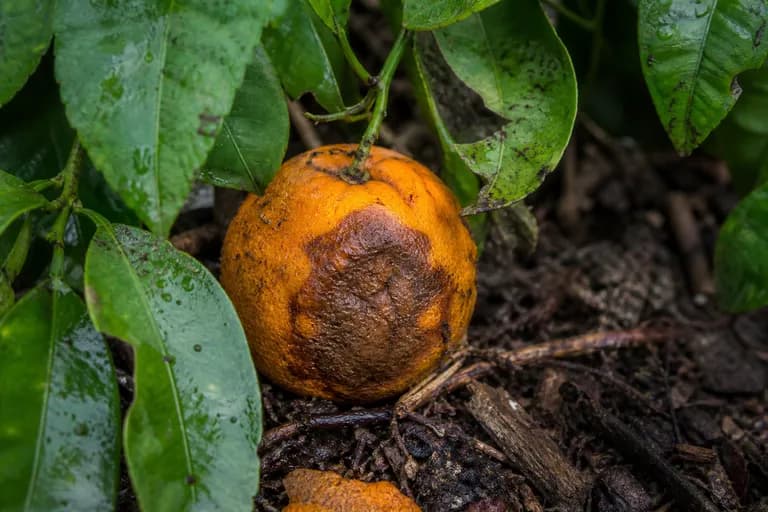
Citrus Brown Rot
DiseaseBrown, leathery patches on fruit near the ground, particularly during wet weather. Infected fruit develops a pungent odor and falls prematurely.
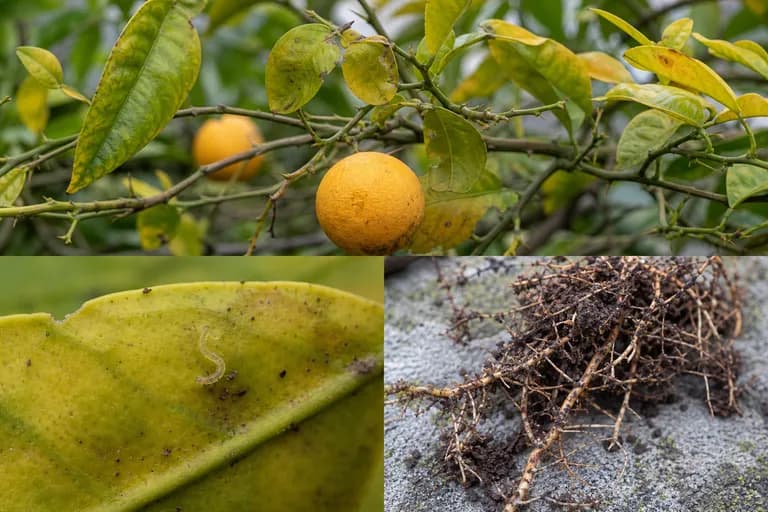
Citrus Nematode
PestSlow tree decline, reduced fruit size and yield, sparse foliage, and feeder root damage visible when roots are examined.
Troubleshooting Common Problems
Navel oranges are highly susceptible to creasing, a cosmetic disorder where the rind develops sunken lines over the segments. This is caused by rapid fruit growth due to heavy irrigation after drought. Fruit splitting occurs in fall when heavy rains follow dry summer conditions. The juice-bitterness issue from limonin limits the use of navel oranges for juice production. Alternating bearing, where trees produce heavily one year and lightly the next, can be managed by thinning fruit in heavy-crop years.
Growing Tips
- Always purchase a grafted Washington Navel orange tree from a reputable citrus nursery rather than attempting to grow from cuttings or seed. Grafted trees begin bearing in 3–5 years and produce true-to-type fruit. Navel oranges are sterile and cannot be grown from seed.
- Site your tree in the warmest, sunniest position available — a south or southwest-facing location with shelter from cold northerly winds is ideal in the Northern Hemisphere. A wall that absorbs heat during the day and radiates it at night can protect marginally hardy trees from frost damage.
- Navel oranges require cool autumn and winter nights (8–15°C) to develop full sweetness and deep orange color. In climates that are warm year-round without cool winters, the fruit tends to remain greenish and less intensely flavored. This temperature differential is non-negotiable for premium quality.
- Drainage is critical — navel orange trees cannot tolerate waterlogged roots even briefly. If your soil is heavy clay, construct a raised bed or mound, amend generously with coarse grit and compost, and plant on a slight elevation. Never plant in a frost pocket or drainage hollow.
- Feed your tree with a dedicated citrus fertilizer (not a general all-purpose fertilizer) that contains trace elements including magnesium, iron, zinc, and manganese. Citrus in alkaline soils frequently develop interveinal chlorosis (yellow leaves with green veins) from micronutrient deficiency — treat with chelated iron and acidify the root zone with sulfur or acidic mulch.
- Mulch the root zone with a 10–15 cm layer of wood chips or composted bark, keeping mulch pulled back 15 cm from the trunk to prevent collar rot. A good mulch layer is one of the highest-value investments you can make for a citrus tree — it conserves moisture, moderates soil temperature, suppresses weeds, and feeds soil biology.
- Do not over-prune. Washington Navel orange trees fruit best on two- to three-year-old wood and require minimal pruning compared to deciduous fruit trees. Confine pruning to removing dead and diseased wood, suckers below the graft union, and branches that cross or shade the canopy interior. Heavy pruning delays the next crop significantly.
- In cool temperate climates, grow a dwarf navel orange in the largest container you can manage — at least 60 cm diameter. Use a specialist citrus compost with excellent drainage. Move it outside to full sun from late spring through early autumn, then overwinter in a cool (5–10°C), bright space such as a conservatory or frost-free greenhouse. The cool winter rest triggers the following spring's flowering.
- Water container-grown trees regularly through summer — they may need watering every 1–2 days in peak heat. Never allow the pot to sit in standing water. Feed every 2–3 weeks through the growing season with a liquid citrus fertilizer and switch to a potassium-rich formula in late summer to support fruit ripening.
- The most significant pest of navel oranges in home gardens is the citrus scale complex — soft brown scale and California red scale are most common. A late-winter dormant oil spray coating all stems and leaf surfaces is the single most effective preventive treatment. Encourage natural predators including parasitic wasps, lacewings, and ladybirds by avoiding broad-spectrum insecticide sprays.
Grow your best Navel Orange yet — and everything around it.
Start a free plan today. Lay out your beds, drop in your Navel Orange, and let PlotMyGarden handle the timing, spacing, companions and reminders from seed to harvest basket.
Pick your Navel Orange
Washington
The original navel orange cultivar and still the standard for home gardens, producing large, sweet, easy-to-peel fruit in winter.
Cara Cara
A navel orange mutation with gorgeous pink-red flesh, lower acid, and a distinctive cranberry-like sweetness unique among oranges.
Lane Late
A late-maturing navel that extends the harvest season into April and May, with fruit that holds well on the tree.
Robertson
An early-maturing navel ripening two to three weeks before Washington, with similar fruit quality on a slightly smaller tree.
A mature Washington Navel orange tree in a suitable climate typically produces 100–300 large fruit per season. Navel oranges are among the most expensive citrus varieties at retail — organic navel oranges commonly sell for $1.20–$2.50 each at specialty grocers and farmers markets. A productive home tree can therefore yield the equivalent of $120–$750 worth of premium organic fruit annually. Over a 30-year productive lifespan, a single well-maintained tree represents $3,600–$22,500 in savings at current prices, excluding the premium for freshness and the certainty of chemical-free growing practices. Container-grown dwarf trees produce less — typically 30–80 fruit per year — but still represent meaningful savings versus store-bought premium navel oranges and deliver far superior flavor.
Quick recipes

Winter Navel Orange and Burrata Salad
15 minutesA stunning seasonal salad that lets the deep flavor of tree-ripened navel oranges take center stage. Supreme the oranges by cutting away all peel and pith, then slice into rounds. Arrange on a platter with torn burrata, thinly sliced red onion, and pitted Castelvetrano olives. Drizzle generously with your best extra-virgin olive oil, scatter flaky sea salt, cracked black pepper, and fresh basil leaves. A light splash of aged balsamic completes the dish.
8 ingredients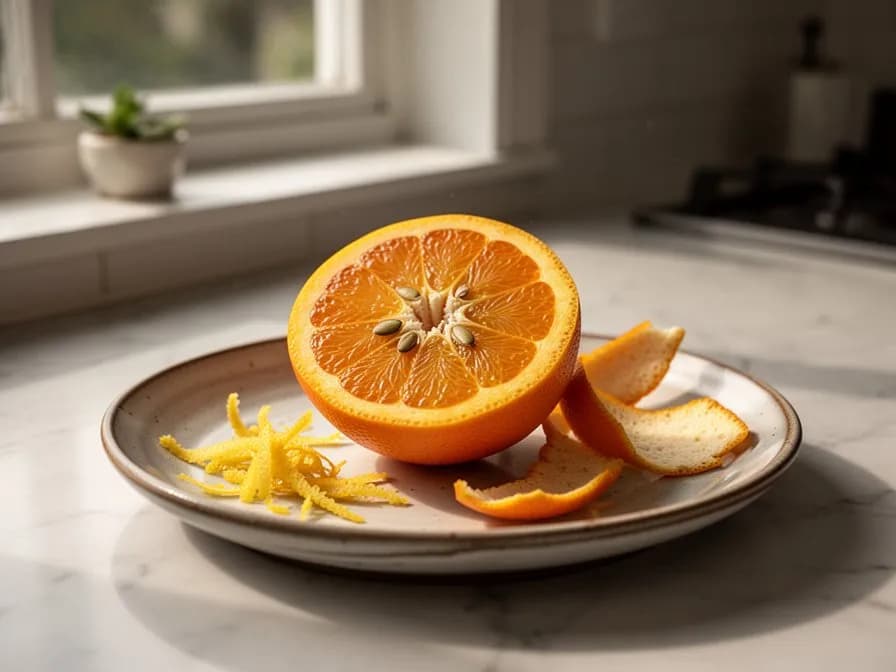
Navel Orange Vinaigrette
5 minutesA bright, sweet-sharp dressing that transforms everyday salads using the fresh juice and zest of home-grown navel oranges. Whisk together freshly squeezed orange juice, zest, Dijon mustard, and a touch of honey, then slowly stream in olive oil to emulsify. Season well. Use immediately over salad greens, grain bowls, roasted vegetables, or as a marinade for grilled chicken or salmon. Keeps refrigerated for 4–5 days.
7 ingredientsNavel Orange Marmalade
30 minutes prep, 2 hours cookingA classic whole-fruit marmalade that captures the rich, complex flavor of home-grown navel oranges in a jar. Because navel oranges have less pectin than bitter Seville oranges, this recipe uses the pith and pips in a muslin bag to boost setting. Slice the oranges and peel finely, simmer with water until tender, add sugar and the juice of two lemons, then boil to setting point. Pour into sterilized jars while hot. The result — deeply flavored, glossy marmalade — is utterly different from anything in a shop.
6 ingredientsCulinary Uses
Navel oranges are the premier fresh-eating orange due to their seedless segments, easy peeling, and balanced sweetness. They excel in fruit salads, citrus supremes, and as garnishes. Use the segments in winter salads with fennel, olives, and arugula. The zest adds bright flavor to cakes, cookies, and sauces. While not ideal for juice storage, freshly squeezed navel orange juice consumed immediately is sweet and delicious.
What's inside
Health Benefits
- Exceptional source of vitamin C — a single large navel orange supplies more than 100% of an adult's recommended daily intake, powerfully supporting immune system function, collagen synthesis for skin and joint health, and the body's ability to absorb iron from plant-based foods
- Rich in hesperidin and other citrus flavonoids with well-documented anti-inflammatory and vasculo-protective properties, associated in clinical studies with improved blood vessel flexibility, reduced LDL cholesterol oxidation, and lower cardiovascular disease risk
- High fiber content — particularly soluble pectin fiber — promotes digestive regularity, feeds beneficial gut microbiome bacteria, slows glucose absorption to moderate blood sugar responses, and contributes to satiety and healthy weight management
- Provides meaningful amounts of folate (vitamin B9), essential for DNA replication and cell division, with particular importance during pregnancy when adequate folate intake significantly reduces the risk of neural tube defects in the developing fetus
- Contains potassium (approximately 232 mg per orange) which plays a vital role in regulating blood pressure by counteracting dietary sodium, supporting heart muscle function, and maintaining healthy fluid balance in cells
- Regular consumption of fresh citrus including navel oranges is associated in epidemiological research with reduced risk of kidney stones, partly through the urinary excretion of citrate — a naturally occurring inhibitor of calcium oxalate crystal formation
Where Navel Orange comes from
The Washington Navel orange (Citrus sinensis 'Washington Navel') has one of the most remarkable and precisely documented origin stories of any cultivated fruit variety. Unlike most fruit cultivars whose origins are lost to antiquity, the navel orange can be traced to a single event: a spontaneous genetic mutation discovered in the early 1820s in the orchards of a Franciscan monastery near Bahia (now Salvador), Brazil. A single branch on one sweet orange tree began producing fruit with a distinctive secondary fruit formation at the blossom end — the embryonic 'navel' that would eventually give the variety its name. The monks recognized that this fruit was exceptional: large, richly flavored, seedless, and easy to peel. They propagated cuttings and the Bahia Navel, as it was first known, slowly spread through Brazilian orchards.
The variety's transformation from a Brazilian curiosity to a global icon came through the deliberate efforts of the United States Department of Agriculture. In 1870, the USDA began actively searching the world for promising new fruit varieties, and navel orange cuttings from Bahia came to their attention. In 1873, USDA agent William Saunders obtained twelve rooted cuttings of the Bahia Navel orange. Two of these small trees were sent to Eliza and Luther Tibbets, settlers in Riverside, California, who had written to the USDA requesting interesting plants for their property.
The Riverside climate — warm, dry, frost-light winters with cool nights to develop fruit color and sweetness — proved to be perfectly suited to the navel orange. The Tibbets' two trees thrived and produced fruit of extraordinary quality. The Riverside community quickly recognized that they had something exceptional, and budwood from those two trees was propagated and sold throughout southern California. The name 'Washington Navel' is believed to have come from the USDA's Washington D.C. headquarters, distinguishing the variety from other navel types.
The California citrus boom that followed transformed both the agricultural landscape and the cultural identity of the American West. By the turn of the 20th century, Washington Navel orange groves covered hundreds of thousands of acres across California and Arizona. Refrigerated railcars, developed in the same era, allowed fresh California oranges to reach East Coast cities for the first time, and aggressive marketing campaigns — including the iconic 'Sunkist' brand — made the California orange a symbol of health, sunshine, and the American good life.
One of the original Tibbets trees still survives in Riverside, California, protected as a State Historical Landmark and a National Historic Site. It continues to produce fruit, making it the living grandmother of hundreds of millions of Washington Navel orange trees growing across the globe. From Australia to Spain to South Africa to Chile, wherever navel oranges grow today, their lineage traces back to that single mutant branch in a Brazilian monastery orchard two centuries ago.
Navel Orange: did you know?
Fascinating facts about Navel Orange
The Washington Navel orange originated as a single spontaneous bud mutation discovered in a monastery orchard in Bahia, Brazil around 1820. All Washington Navel orange trees in the world today are clonal descendants of that one original tree, propagated through cuttings and grafting.
Navel Orange questions, answered
When should I plant Navel Orange?
What are good companion plants for Navel Orange?
What hardiness zones can Navel Orange grow in?
How much sun does Navel Orange need?
How far apart should I space Navel Orange?
What pests and diseases affect Navel Orange?
How do I store Navel Orange after harvest?
What are the best Navel Orange varieties to grow?
What soil does Navel Orange need?
Why do my navel orange tree flowers drop without setting fruit?
My navel orange fruit has excellent flavor but stays green — is it ripe?
Can I use navel oranges for fresh-squeezed juice?
When is the best time to plant a Washington Navel orange tree?
How is a Washington Navel orange different from a regular sweet orange?
How do I protect my navel orange tree from frost?
You just read the theory. Now grow it on autopilot.
Everything that makes Navel Orange fiddly — the timing, the spacing, the companions, the harvest window — is exactly what PlotMyGarden handles for you, for every plant in your garden.
A plan that knows your weather
Set your location once. Get sow, feed and harvest dates built around your real last-frost date and live forecast — no more guessing from a generic seed packet.
From the “When to plant” sectionDrag-and-drop bed planner
Design beds on a grid. Every plant snaps to its proper spacing, and you can see your whole season laid out before you spend a cent on seed.
From the “Growing guide” sectionCompanion conflicts, caught early
200+ good-and-bad pairings checked live as you plant — so a season-wrecking mistake never makes it into the ground.
From the “Companions” sectionReminders you'll actually act on
“Water the beans.” “Pick today before it turns.” Timely, specific, and tied to the plants you're really growing.
From the “Harvest” sectionSuccession, scheduled
Want a harvest for six weeks, not six days? It spaces your sowings automatically and reminds you when each new block is due.
From the “When to plant” sectionA record that gets smarter
Every harvest you log teaches it your garden. Next year's plan starts from what actually worked in your soil, not a textbook's.
From the “Overview” sectionPlant these alongside Navel Orange
More Citrus
Keep Navel Orange away from these
Grow your best Navel Orange yet — and everything around it.
Start a free plan today. Lay out your beds, drop in your Navel Orange, and let PlotMyGarden handle the timing, spacing, companions and reminders from seed to harvest basket.