New Jersey Tea
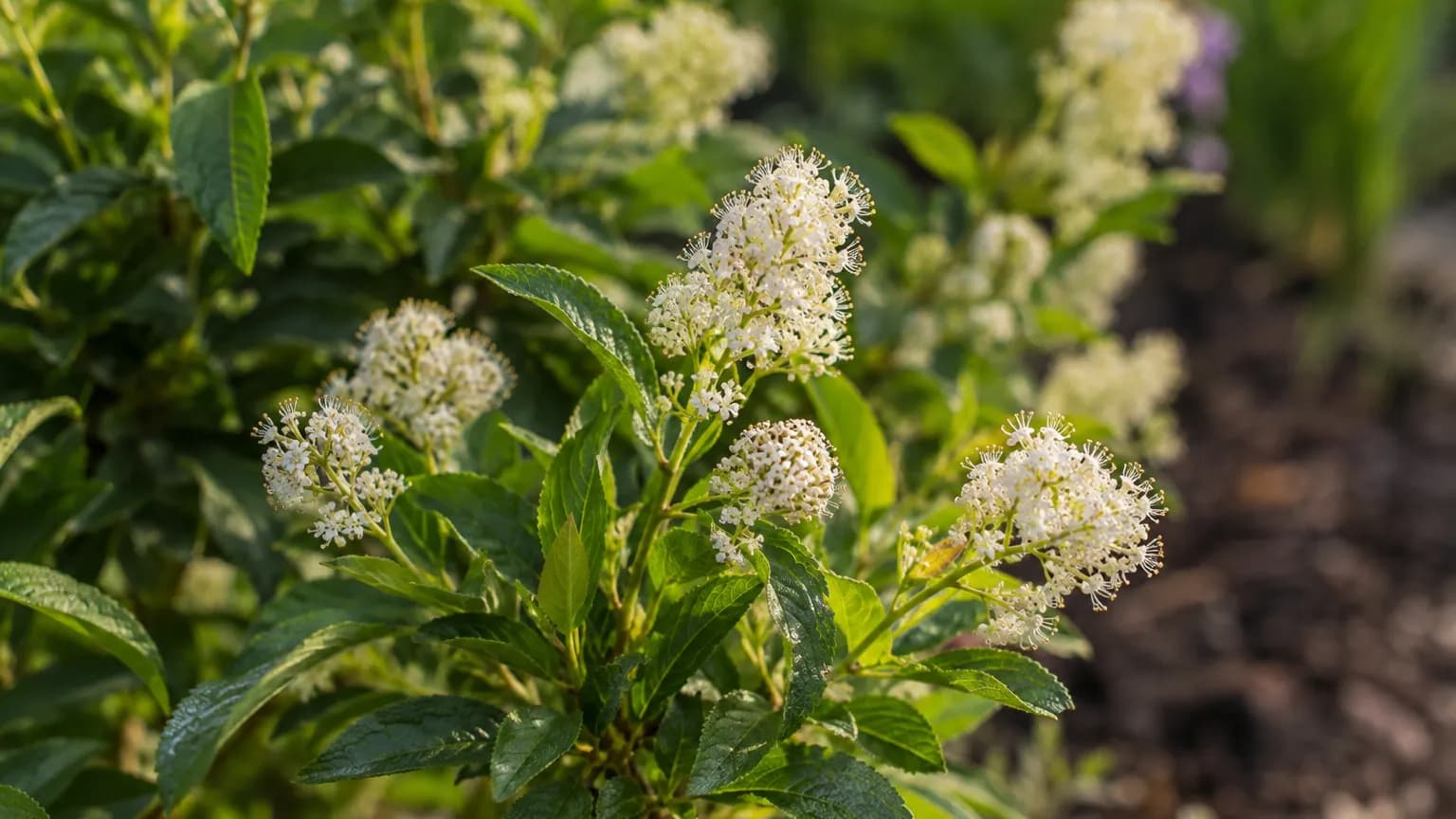
A compact deciduous native shrub of the North American prairies and open woodlands, smothered in early summer by clouds of fragrant white flower clusters that draw native bees by the dozen.





On this pageOverview
Meet New Jersey Tea
A compact deciduous native shrub of the North American prairies and open woodlands, smothered in early summer by clouds of fragrant white flower clusters that draw native bees by the dozen. Its deep brick-red taproot makes established plants remarkably drought-proof, though it also means the shrub strongly resents transplanting and is best planted young and small. Symbiotic bacteria in its root nodules fix atmospheric nitrogen, so New Jersey tea thrives in lean, sandy, or rocky soil without any fertilizer. The dried leaves brew a pleasant caffeine-free tea that became famous as a patriotic substitute during the American Revolution.
When to plant New Jersey Tea
Growing New Jersey tea from seed takes patience because the hard seed coat resists water uptake. Collect capsules in late summer just as they turn tan, placing them in a paper bag: the dry capsules split explosively and fling the seeds several metres. Scarify the seed by pouring hot water (about 80 to 90 degrees Celsius) over it and soaking for 12 to 24 hours, then cold-stratify in moist sand or peat at 1 to 5 degrees Celsius for 60 to 90 days. Sow about 5 mm deep in a gritty, low-nutrient seed mix and keep at 18 to 22 degrees Celsius; germination is slow and erratic, often spread over 2 to 8 weeks. Grow seedlings in deep pots that accommodate the rapidly descending taproot, and transplant to the permanent site while plants are still under 15 cm tall. Softwood cuttings taken in early summer root reasonably well with rooting hormone under mist and produce plants identical to the parent.
Your New Jersey Tea Year
Composed for Zone 7 · typical seasons · frost passes Apr 2, returns Nov 1
Plant New Jersey Tea Feb – Apr, Oct, pick Jun – Jul. Check the planting methods below and set your climate to personalize these windows.
How to grow New Jersey Tea
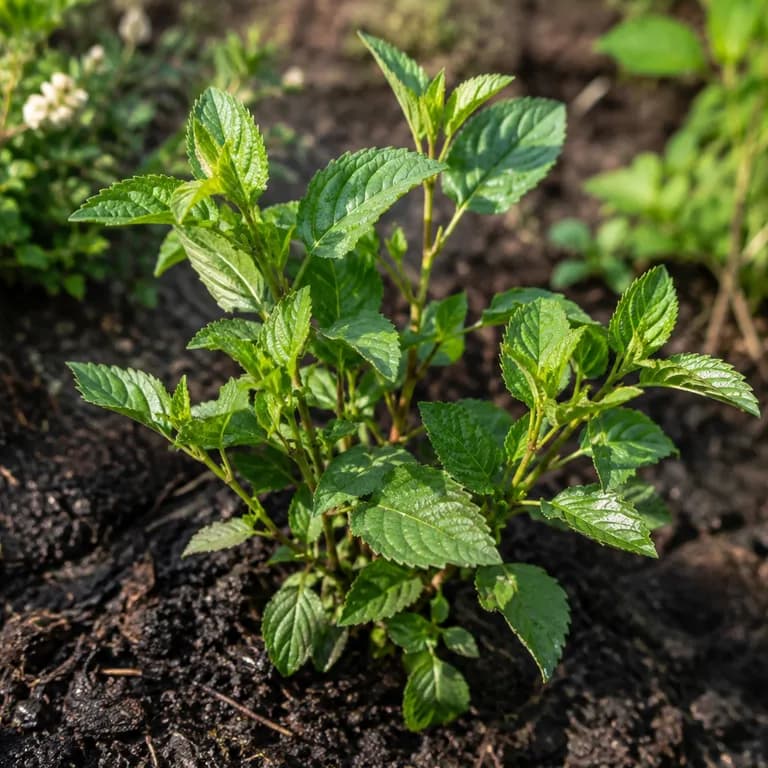
New Jersey tea is one of the easiest native shrubs to grow once you respect its two non-negotiable needs: full sun and sharp drainage. Choose a permanent site carefully, because the deep taproot that makes the plant so drought-tolerant also makes it nearly impossible to move once established. Plant small container-grown specimens in spring as soon as the soil can be worked, setting them at the same depth they grew in the pot and spacing them about 90 cm apart. Do not amend the planting hole with compost or rich soil and never add fertilizer: this is a nitrogen-fixing shrub that performs best in lean, sandy, gravelly, or rocky ground with a pH anywhere from 5.0 to 8.0. Rich soil produces soft, floppy growth with fewer flowers.
Water newly planted shrubs deeply once a week during their first growing season, applying roughly 10 litres per plant so moisture reaches the developing taproot. From the second year onward, established plants need supplemental water only during prolonged drought. A thin ring of gravel or fine bark mulch conserves moisture and suppresses weeds, but keep all mulch several centimetres away from the crown to prevent rot. Avoid overhead irrigation in humid climates.
Maintenance is minimal and mostly confined to pruning. New Jersey tea blooms on the current season's wood, so any winter damage can be cut back in early spring without sacrificing the June-to-July flower display. After flowering, shear the shrub lightly to preserve its neat mounded outline and to remove spent clusters; avoid cutting into thick old wood, which sprouts poorly. Every few years, remove one or two of the oldest stems at ground level in late winter to keep the plant vigorous. Established shrubs are long-lived, essentially pest-free, and need no staking, spraying, or feeding.
2 plants fit a 4 × 8 ft bed
Each New Jersey Tea wants 90 cm of elbow room. The planner keeps that spacing for you — every plant, every bed.
New Jersey Tea's best neighbours
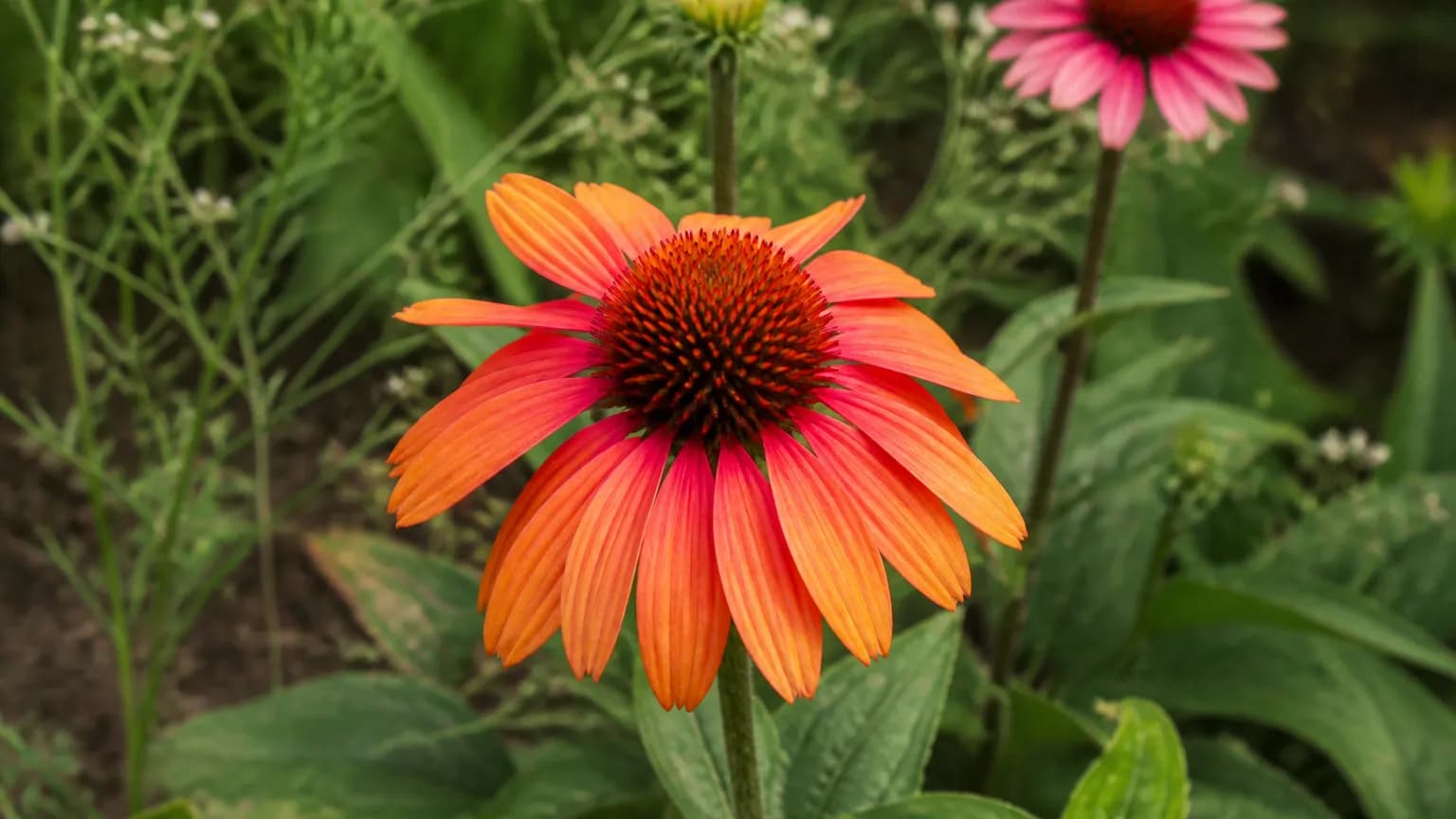
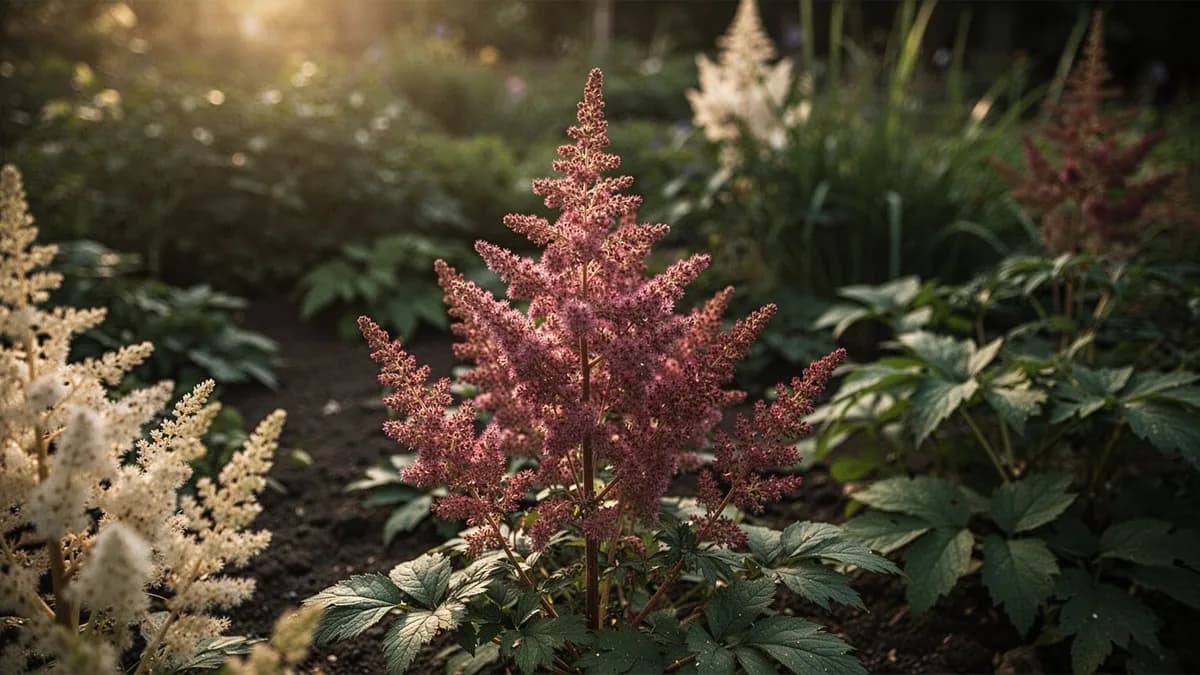
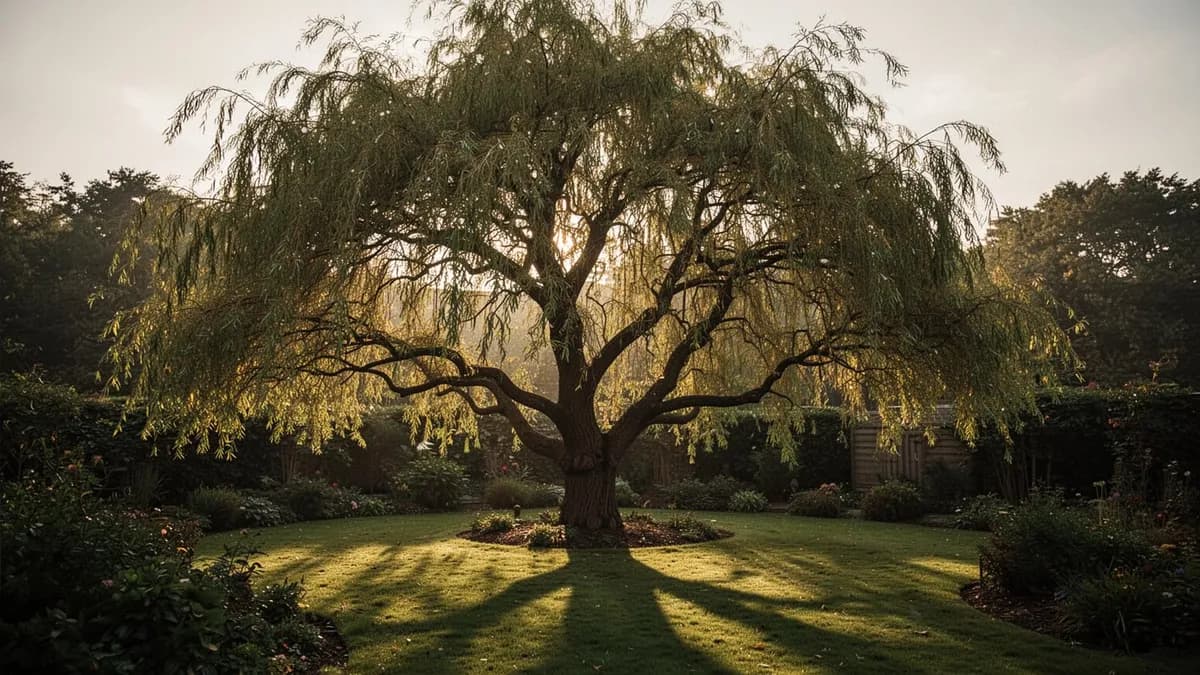
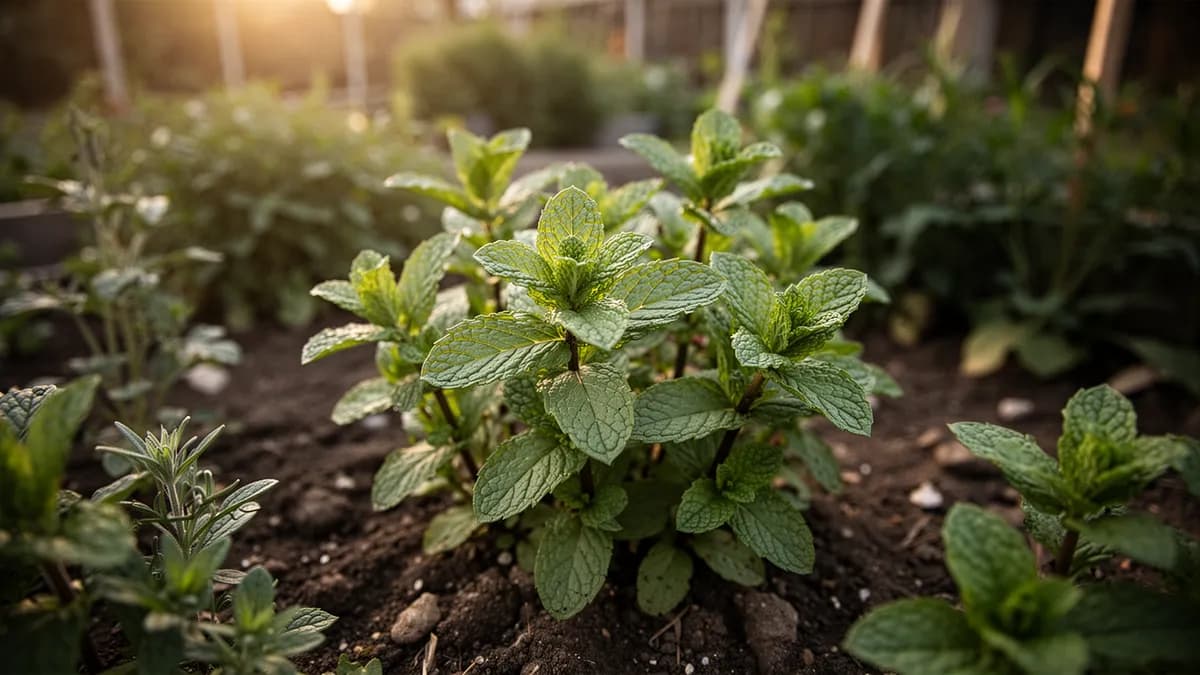
New Jersey tea anchors a classic dry-prairie planting with butterfly weed, coneflower, and black-eyed susan, all of which share its love of full sun, lean soil, and low water; native bunchgrasses such as little bluestem complete the community. Its nitrogen-fixing roots gently enrich impoverished ground for neighbouring perennials without the need for fertilizer. The bloom overlaps with butterfly weed's, creating an exceptional pollinator display for native bees and butterflies, and the shrub serves as a larval host for the spring azure butterfly. Avoid pairing it with thirsty or greedy plants such as astilbe, mint, or willows: their irrigation and fertility demands conflict directly with the dry, lean regime this shrub requires.
Butterfly Weed belongs beside it. Astilbe doesn't.
Old growers' knowledge, checked against New Jersey Tea's real companion table below — test any plant you're growing.
Try New Jersey Tea in a bed — right here
A real planner bed with New Jersey Tea already in it. Tap a companion to place it and watch the pairing checks answer — green for good neighbours, red for a clash.


Related growing guides


Feed it well
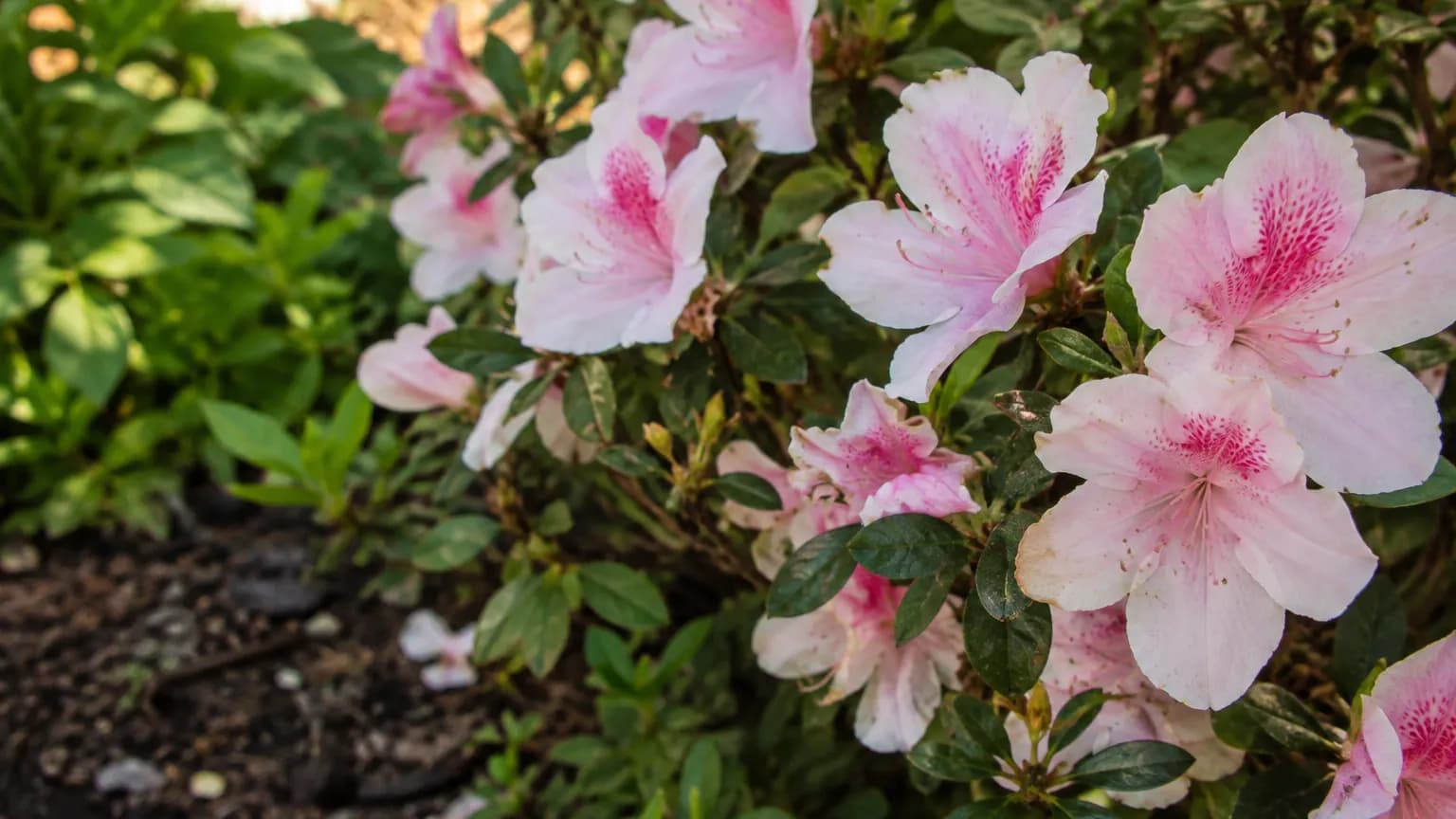
New Jersey tea wants lean, sharply drained soil and actively dislikes rich ground. Sandy loam, gravelly, or rocky soil with a pH from 5.0 to 8.0 is ideal; heavy clay must be avoided or corrected with a raised bed. Because root-nodule bacteria (Frankia) fix atmospheric nitrogen, the shrub feeds itself: apply no fertilizer at all, or at most a whisper-thin top-dressing of compost in early spring. High-nitrogen feeding produces weak, sappy growth, fewer flowers, and more aphids. A thin ring of gravel mulch keeps the crown dry and suppresses weeds without enriching the soil.
Ideal Temperature
Hardiness Zone Compatibility
From seed to harvest, stage by stage
Seed and Stratification
The hard-coated seed will not germinate without pretreatment. Hot-water scarification followed by 60 to 90 days of cold, moist stratification breaks dormancy, mimicking the fire-and-winter cycle the seed evolved with. In the wild, seeds can persist in the soil seed bank for decades before disturbance triggers germination.
Seedling and Taproot Establishment
Seedlings look modest above ground while driving a deep, reddish taproot downward through their first season. Top growth of 10 to 30 cm is normal. This underground investment is what makes the mature shrub so drought-proof, and it is why plants must go into their permanent position while still small.
Shrub Development
Through the second season the plant builds a woody root crown and fills out into a low, rounded shrub of slender stems with ovate, three-veined leaves. Nitrogen-fixing nodules establish on the roots, so the shrub greens up even in impoverished soil. Flower buds form on the new wood produced this season.
First Flowering
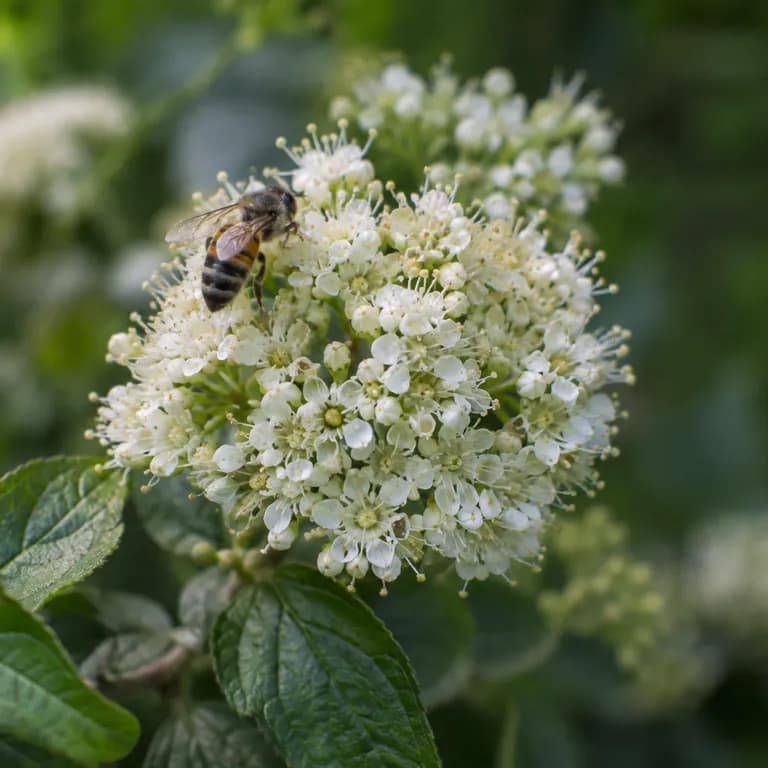
In June of the second or third year the first rounded white panicles open at the tips of the new stems. The honey-scented bloom runs for three to four weeks and is worked constantly by native bees, honeybees, hoverflies, and butterflies; the shrub is also a larval host for the spring azure.
Bloom and Leaf Harvest Window
Peak bloom in June and July is the moment to gather leaves for the historic caffeine-free tea, when young foliage is at its most aromatic. Three-angled seed capsules form behind the flowers and ripen by late summer, splitting explosively to scatter the seed.
Maturity and Winter Dormancy
The fully established shrub drops its leaves in autumn and stands dormant through winter, hardy to about minus 34 degrees Celsius. In exposed zone 4 sites some stem tips may die back, but flowering is unaffected because bloom forms on new wood. Mature shrubs are long-lived and need almost no attention.
Pour water at 80 to 90 degrees Celsius over the seed, soak 12 to 24 hours, then stratify in barely moist sand at 1 to 5 degrees Celsius before sowing 5 mm deep in gritty, low-nutrient mix.
Caring for New Jersey Tea month by month
What to do each month for your New Jersey Tea
September
You are hereReduce watering so new growth hardens before winter. In humid spells check for powdery mildew, which is cosmetic and needs no action. Do not feed or prune hard this late in the season.
Know exactly what to do in your garden — every month
One email at the start of each month: what to sow, plant, and tackle right now — for your New Jersey Tea and everything growing around it. Plus a short starter course that helps you dodge the classic mistakes.
- What to do, right now
- Matched to your season
- Starter course included
Harvesting New Jersey Tea
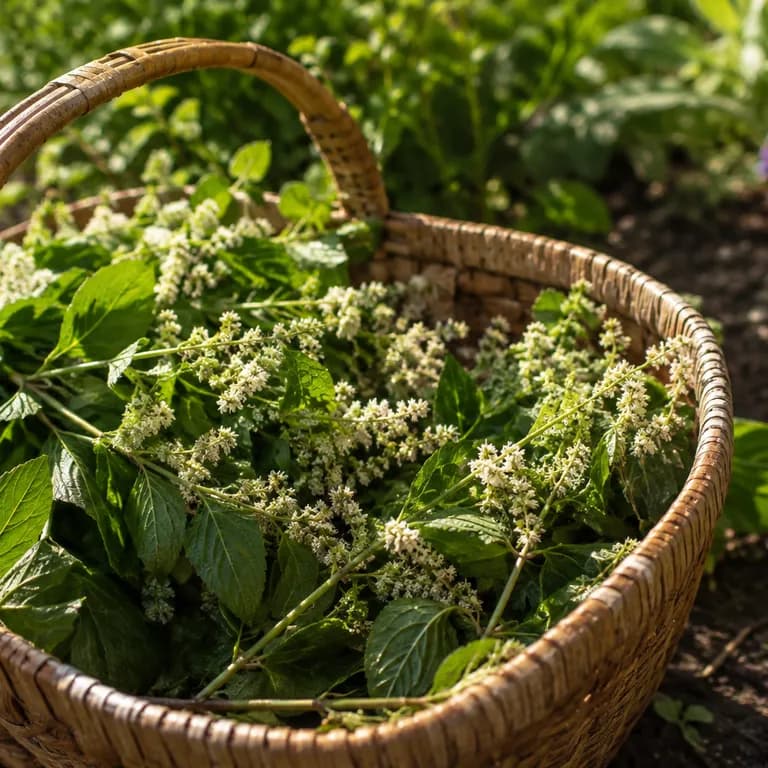
The ornamental harvest is the bloom itself: expect clouds of honey-scented white panicles in June and July, beginning in the second or third year from seed. If you want to try the historic tea, gather young healthy leaves during flowering on a dry morning, taking no more than a third of the foliage from any shrub. Spread the leaves in thin layers in a warm, shaded, airy spot for 5 to 10 days until crisp, then store them airtight away from light. Steep a teaspoon of crushed dried leaf per cup for about 5 minutes for a mild, caffeine-free, slightly tannic brew. To save seed, tie a paper bag over ripening capsule clusters in late summer, since the dry capsules eject their seeds suddenly.
assuming you plant when the window opens — set your real date
During peak June-to-July bloom, on a dry morning
What goes wrong — and the fix
Aphids
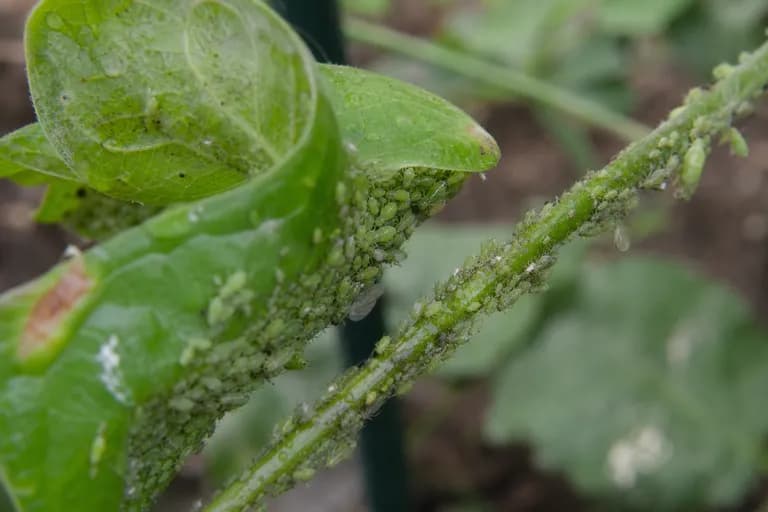
PestClusters of small soft-bodied insects on tender shoot tips and flower buds in spring, often with sticky honeydew and curled new leaves.
Spider Mites
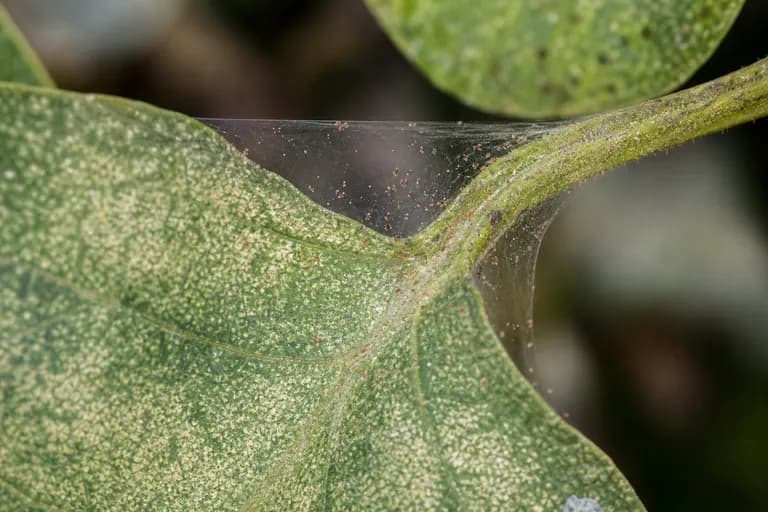
PestFine pale stippling on leaves during hot, dry, dusty weather, with tiny moving dots and delicate webbing on the leaf undersides in heavier infestations.
Powdery Mildew
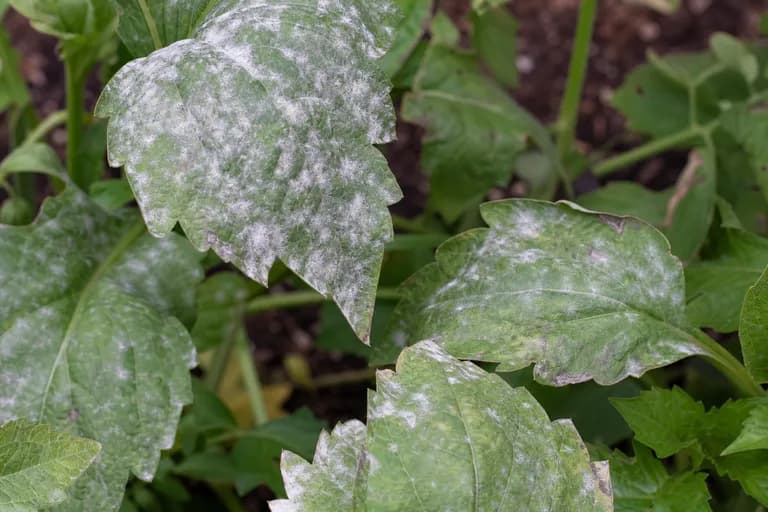
DiseaseWhite to gray powdery patches on leaves and young stems in late summer, most common on shrubs growing in shade or still, humid air.
Root and Crown Rot
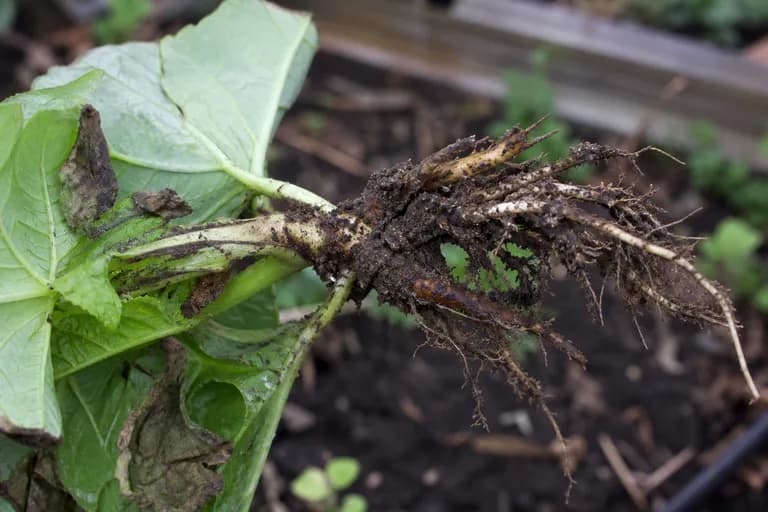
DiseaseWilting despite moist soil, yellowing foliage, blackened mushy roots, and a soft dark crown. Almost always follows waterlogged conditions in heavy clay.
Troubleshooting Common Problems
The most common failure is transplant loss: the deep taproot breaks easily, and shrubs moved after their first season often die, so plant small and plant once. Root and crown rot strikes wherever drainage is poor, especially in wet clay or low spots that collect water. In too much shade the shrub grows leggy and produces few flowers, while over-fertilized plants become soft and floppy and attract aphids. At the colder edge of zone 4, harsh winters can kill stem tips, but because flowers form on new wood the summer bloom is unaffected after a spring tidy-up. Spider mites may stipple foliage during hot, dusty droughts, and powdery mildew can appear in humid shade, both of which are cosmetic rather than fatal.
Growing Tips
- Buy the smallest container-grown plant you can find, ideally under 30 cm tall, because the deep taproot makes larger specimens very likely to fail after transplanting.
- Choose the permanent site before you buy the plant: full sun, sharp drainage, and no plan to ever move it. This shrub rewards gardeners who plant it once and leave it alone.
- If your soil is heavy clay, plant on a raised bed or slope with plenty of grit worked in, since waterlogged roots are the one thing that reliably kills New Jersey tea.
- Never fertilize. The shrub fixes its own nitrogen, and rich feeding only produces soft, floppy stems, fewer flowers, and more aphids.
- Water deeply once a week through the first growing season, then wean the plant off irrigation entirely; from year two it should need water only in extreme drought.
- Use a thin ring of gravel or coarse grit as mulch instead of thick bark, and keep every kind of mulch several centimetres away from the crown to prevent rot.
- Prune lightly right after the June-to-July bloom to keep the mound dense, and remove winter-killed tips in early spring; avoid cutting back into thick old wood, which resprouts poorly.
- Plant it with butterfly weed, coneflower, and black-eyed susan rather than thirsty border perennials, so the whole grouping can share one lean, low-water regime.
- Expect flowers in the second or third year from seed; the plant spends its first season investing almost everything into the taproot.
- If deer or rabbits browse the young stems, guard the plant for its first two winters; established shrubs usually outgrow casual browsing on their own.
Grow your best New Jersey Tea yet — and everything around it.
Start a free plan today. Lay out your beds, drop in your New Jersey Tea, and let PlotMyGarden handle the timing, spacing, companions and reminders from seed to harvest basket.
Pick your New Jersey Tea
Straight Species (Wild Type)
The unimproved species from regional native-plant nurseries, grown from local-ecotype seed. The toughest choice for zones 4 and 5 and the best option for prairie restorations and dry, lean sites.
Ceanothus x delilianus Gloire de Versailles
A historic French hybrid of C. americanus crossed with C. coeruleus, raised in the 19th century, with large powder-blue panicles from midsummer onward. Larger and less cold-hardy (about zone 6) than the species and prefers a sheltered site.
Ceanothus x delilianus Henri Desfosse
Sister hybrid to Gloire de Versailles bearing deeper violet-blue flower clusters on a shrub to about 1.5 metres. Hardy to roughly zone 6 and valued for its long summer bloom.
Ceanothus x pallidus Marie Simon
A deciduous hybrid descending from C. americanus with soft pale-pink, fragrant panicles from June into autumn on a shrub of 1 to 1.5 metres. Rated about zone 6; drought-tolerant once established.
Ceanothus x pallidus Perle Rose
Compact rose-pink hybrid that has earned the RHS Award of Garden Merit. Free-flowering and mound-forming to about 1 metre, for gardens in zone 6 and warmer.
Ceanothus x pallidus Minmari (Marie Bleu)
A modern compact selection with lilac-blue flower clusters on a dense shrub of just 60 to 90 cm, sized like the wild species and suitable for small borders in zones 6 to 9.
Where New Jersey Tea comes from
Ceanothus americanus is native to eastern and central North America, where it grew on dry prairies, rocky slopes, and open woodland edges long before European settlement. Indigenous peoples brewed the leaves as a beverage and used the astringent root bark in traditional medicine and as a source of reddish dye, and the plant carried names such as redroot, wild snowball, and mountain sweet. The genus name Ceanothus descends from keanothos, an ancient Greek word for a spiny plant, while the species epithet americanus simply records its New World home.
The shrub's moment of fame came with the American Revolution. After the Boston Tea Party in 1773, drinking imported tea became an act of political disloyalty, and households across the colonies dried New Jersey tea leaves as a patriotic, caffeine-free substitute that many considered surprisingly close to genuine bohea tea. It was sold and traded widely through the war years, then quietly faded from use once normal tea imports resumed after independence.
In the 19th century French hybridists crossed C. americanus with the tender blue-flowered C. coeruleus of Central America, producing the Ceanothus x delilianus race of garden hybrids such as Gloire de Versailles that remain popular in European gardens. The wild species itself returned to prominence only with the late 20th-century native plant movement, which prized its drought-proof taproot, nitrogen-fixing roots, and extraordinary value to native pollinators. Today it is a staple of prairie restorations and dry, low-input gardens across its homeland.
New Jersey Tea: did you know?
Fascinating facts about New Jersey Tea
After the Boston Tea Party of 1773, colonists boycotting British tea turned to New Jersey tea leaves as their favourite caffeine-free stand-in, and the brew remained popular through the Revolutionary War.
New Jersey Tea questions, answered
When should I plant New Jersey Tea?
What are good companion plants for New Jersey Tea?
What hardiness zones can New Jersey Tea grow in?
How much sun does New Jersey Tea need?
How far apart should I space New Jersey Tea?
What pests and diseases affect New Jersey Tea?
What are the best New Jersey Tea varieties to grow?
What soil does New Jersey Tea need?
Can you really make tea from New Jersey tea?
Why did my transplanted New Jersey tea die?
Does New Jersey tea need fertilizer?
How big does New Jersey tea get?
Is New Jersey tea deer resistant?
Will New Jersey tea grow in clay soil?
You just read the theory. Now grow it on autopilot.
Everything that makes New Jersey Tea fiddly — the timing, the spacing, the companions, the harvest window — is exactly what PlotMyGarden handles for you, for every plant in your garden.
A plan that knows your weather
Set your location once. Get sow, feed and harvest dates built around your real last-frost date and live forecast — no more guessing from a generic seed packet.
From the “When to plant” sectionDrag-and-drop bed planner
Design beds on a grid. Every plant snaps to its proper spacing, and you can see your whole season laid out before you spend a cent on seed.
From the “Growing guide” sectionCompanion conflicts, caught early
200+ good-and-bad pairings checked live as you plant — so a season-wrecking mistake never makes it into the ground.
From the “Companions” sectionReminders you'll actually act on
“Water the beans.” “Pick today before it turns.” Timely, specific, and tied to the plants you're really growing.
From the “Harvest” sectionSuccession, scheduled
Want a harvest for six weeks, not six days? It spaces your sowings automatically and reminds you when each new block is due.
From the “When to plant” sectionA record that gets smarter
Every harvest you log teaches it your garden. Next year's plan starts from what actually worked in your soil, not a textbook's.
From the “Overview” sectionPlant these alongside New Jersey Tea
More Deciduous
Keep New Jersey Tea away from these
Grow your best New Jersey Tea yet — and everything around it.
Start a free plan today. Lay out your beds, drop in your New Jersey Tea, and let PlotMyGarden handle the timing, spacing, companions and reminders from seed to harvest basket.