Nemesie
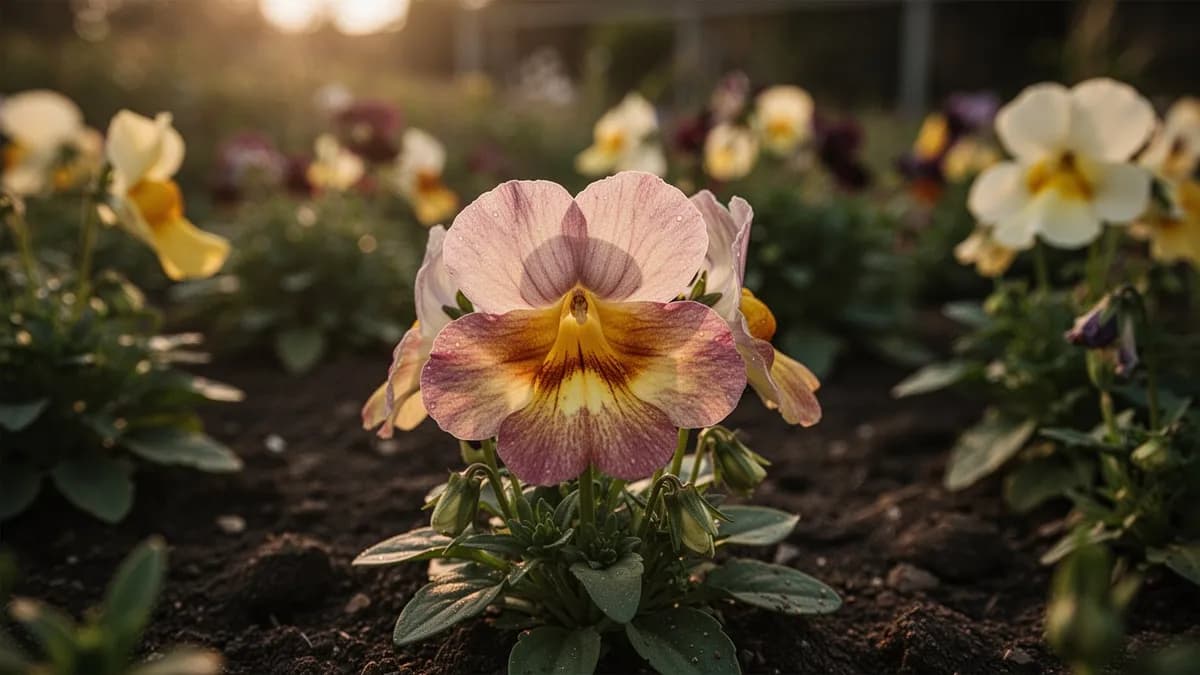
Eine südafrikanische einjährige Pflanze mit süß duftenden, löwenmaulartigen Blüten in zweifarbigen Kombinationen aus Gelb, Orange, Rosa und Violett.





Auf dieser SeiteÜberblick
Nemesie im Überblick
Eine südafrikanische einjährige Pflanze mit süß duftenden, löwenmaulartigen Blüten in zweifarbigen Kombinationen aus Gelb, Orange, Rosa und Violett. Nemesie gedeiht am besten bei kühlem Wetter und ist ideal für Frühlings- und Herbstpflanzungen in Kübeln und Beeten. Nach der ersten Blüte zurückschneiden, um eine erneute Blüte zu fördern, wenn die Temperaturen sinken.
Wann Nemesie pflanzen
Samenechte Nemesie-Sorten sollten acht bis zehn Wochen vor dem letzten Frost drinnen ausgesät werden. Säen Sie die winzigen Samen auf die Oberfläche feuchter Aussaaterde und drücken Sie sie leicht an, ohne sie zu bedecken, da Licht die Keimung fördert. Halten Sie die Temperaturen bei 13 bis 18 Grad Celsius für beste Ergebnisse. Die Samen keimen in sieben bis vierzehn Tagen. Ziehen Sie die Sämlinge bei kühlen Bedingungen von etwa 10 bis 13 Grad auf, um kompakte, kräftige Pflanzen zu erhalten. Pflanzen Sie sie im frühen Frühling ins Freie, wenn die Nachttemperaturen über 2 Grad liegen. Die meisten Hybridsorten werden als Jungpflanzen gekauft.
Dein Nemesie-Jahr
Abgestimmt auf Zone 7 · typische Saison · Frost geht um den 2. Apr. und kehrt um den 1. Nov. zurück
Nemesie Mär – Apr, Sep pflanzen, Apr – Jun, Okt – Nov ernten. Beachte die Pflanzmethoden unten und wähle dein Klima für passende Zeiträume.
So baust du Nemesie an
Nemesie wird in der Regel als Jungpflanze aus der Gärtnerei gekauft, da viele moderne Sorten Hybridkultivare sind, die vegetativ vermehrt werden. Pflanzen Sie sie im frühen Frühling oder Herbst ins Freie, wenn die Temperaturen kühl sind, mit einem Abstand von 15 bis 20 Zentimetern in voller Sonne bis Halbschatten. Nemesie gedeiht bei Temperaturen zwischen 10 und 18 Grad Celsius und hat Schwierigkeiten, wenn das Thermometer dauerhaft über 24 Grad steigt.
Verwenden Sie nährstoffreiche, feuchte, gut durchlässige Erde mit reichlich organischer Substanz. Gießen Sie regelmäßig, um den Boden gleichmäßig feucht, aber niemals staunass zu halten. Nemesie reagiert empfindlich sowohl auf Trockenstress als auch auf Überwässerung. Mulchen Sie leicht, um kühle Bodentemperaturen zu erhalten und die Feuchtigkeit zu bewahren. In warmen Klimazonen pflanzen Sie an einem Standort mit Morgensonne und Nachmittagsschatten für die längste Blütezeit.
Wenn die erste Blüte im späten Frühling nachlässt, schneiden Sie die Pflanzen um die Hälfte zurück, um frisches Wachstum zu fördern. Setzen Sie die Düngung mit einem ausgewogenen Flüssigdünger fort, und die Pflanzen werden kräftig wieder blühen, wenn die Herbsttemperaturen sinken. In milden Wintergebieten der Zonen 9 bis 11 kann Nemesie den ganzen Winter über blühen. Knipsen Sie die Triebspitzen junger Pflanzen ab, um die Verzweigung und einen buschigeren Wuchs zu fördern. Düngen Sie während des aktiven Wachstums alle zwei Wochen.
72 Pflanzen passen in ein Beet von 120 × 240 cm
Nemesie braucht 20 cm Platz pro Pflanze. Der Planer hält diesen Abstand für dich ein — jede Pflanze, jedes Beet.
Die besten Nachbarn für Nemesie
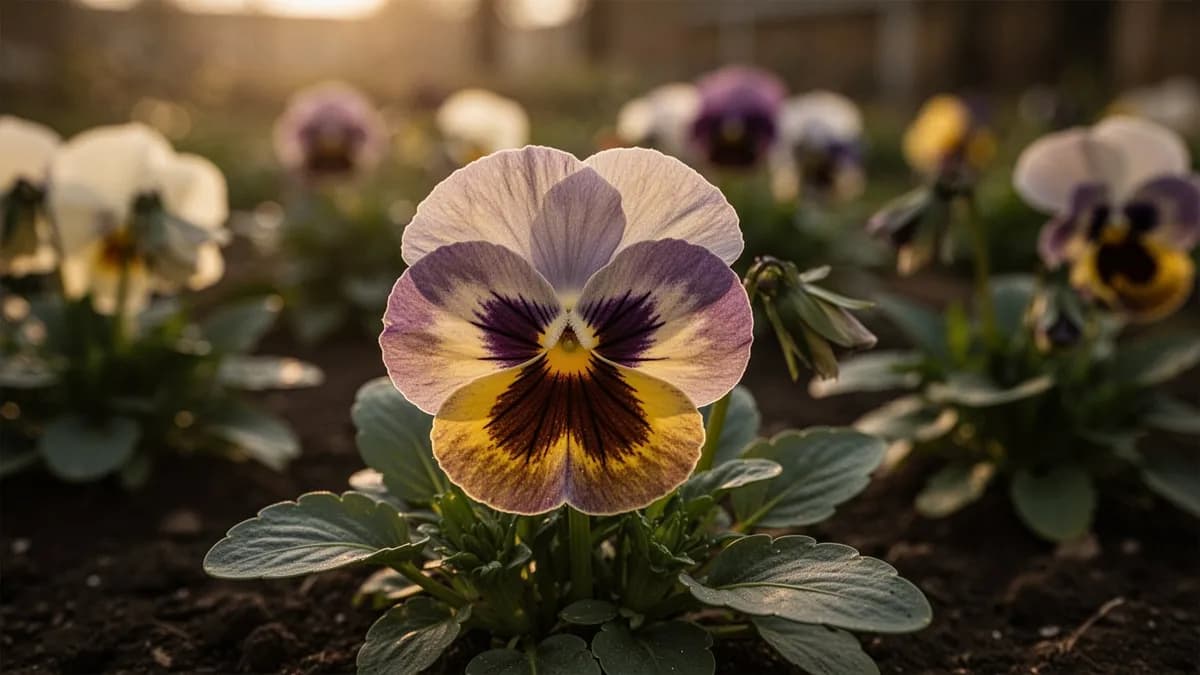
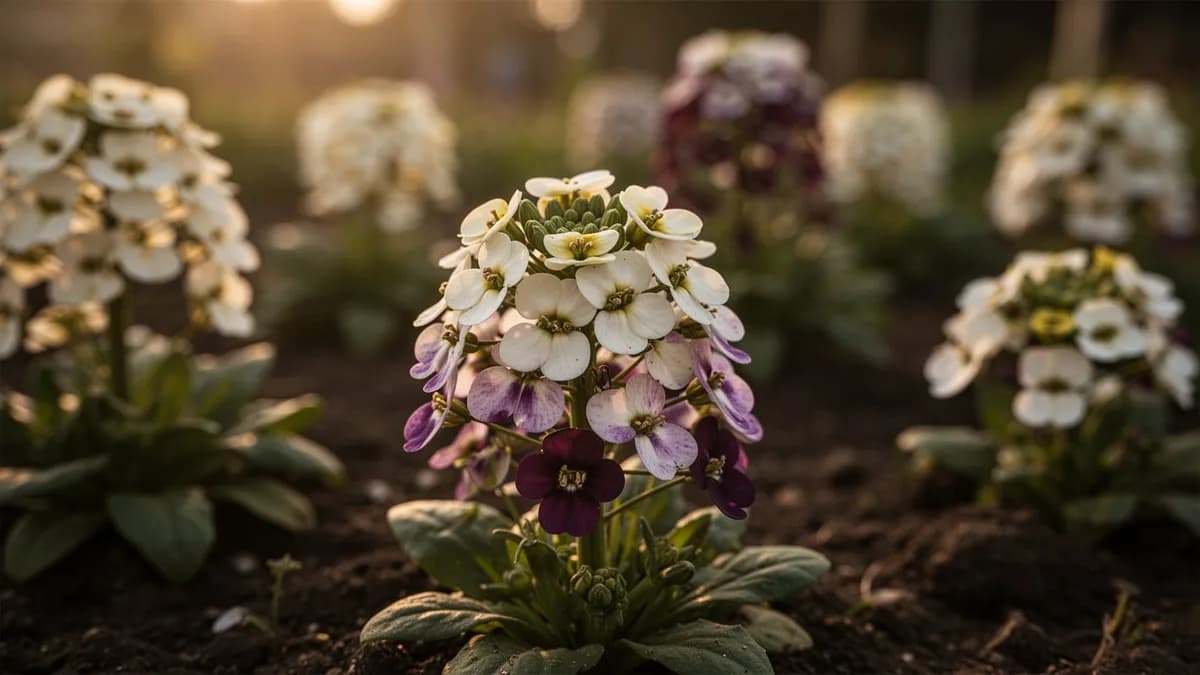
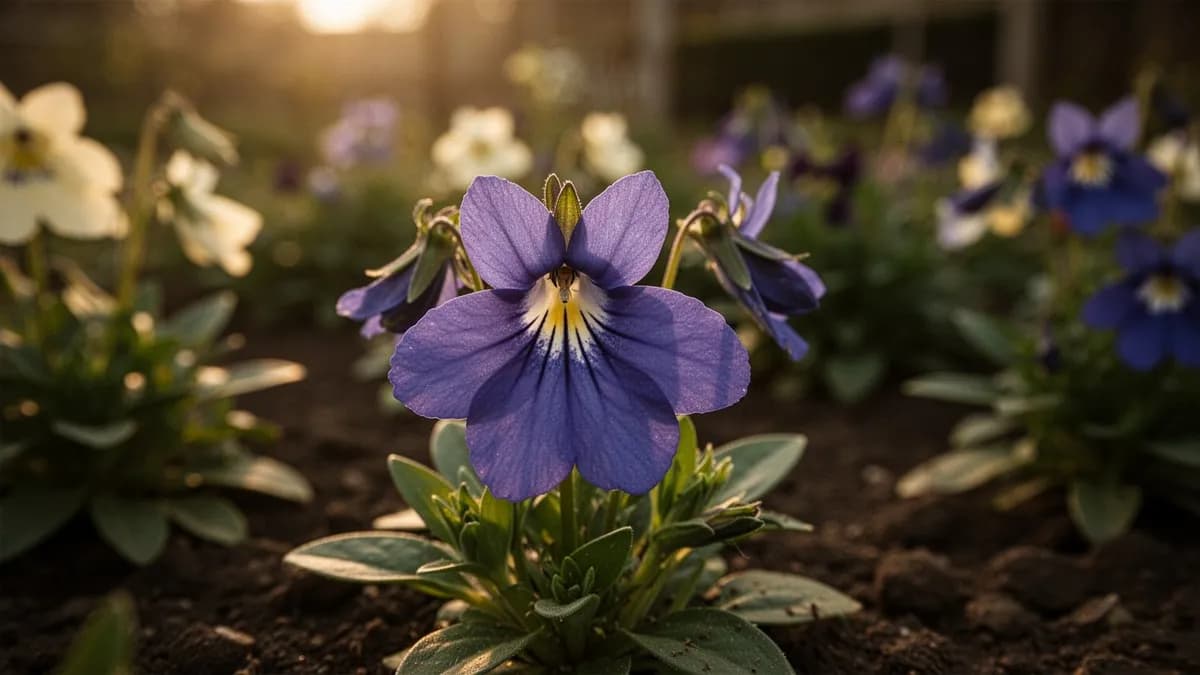
Nemesie kombiniert sich wunderschön mit anderen kühlwetterliebenden Blumen wie Stiefmütterchen, Hornveilchen, Steinkraut und Lobelien in Frühlings- und Herbstkübeln und -beeten. Ihr süßer Duft und kompakter Wuchs machen sie zu einer hervorragenden Beetvordergrundpflanze. Kombinieren Sie sie mit höheren Kühlwetterblumen wie Löwenmäulchen und Levkojen für gestaffelte Frühlingsarrangements. Nemesie eignet sich gut für Mischpflanzungen in Kübeln mit hängenden Calibrachoa und aufrechtem Kapkörbchen für saisonale Farbkombinationen.
Stiefmütterchen gehört daneben.
Altes Gärtnerwissen, geprüft an der echten Nachbartabelle von Nemesie — teste jede Pflanze, die du anbaust.
Probiere Nemesie direkt hier im Beet
Ein echtes Planer-Beet, Nemesie steht schon drin. Tippe einen Begleiter an, platziere ihn und sieh, wie die Nachbarschaftsprüfung antwortet — grün für gute Nachbarn, rot bei Streit.


Passende Anbau-Ratgeber
Richtig düngen
Nemesie bevorzugt nährstoffreiche, feuchte, gut durchlässige Erde mit einem pH-Wert von 5,5 bis 6,5, also im sauren Bereich. Verbessern Sie die Pflanzflächen mit Kompost und Torfmoos, um ein organisch reichhaltiges Substrat zu schaffen. Düngen Sie während der aktiven Blütezeit alle zwei Wochen mit einem ausgewogenen Flüssigdünger. Kübelpflanzen profitieren von einem Langzeitdünger, der in die Blumenerde eingemischt wird. Reduzieren Sie die Düngung bei heißem Wetter, wenn die Pflanzen ruhen. Eisenhaltige Dünger helfen, Blattvergilbung in alkalischen Böden zu verhindern.
Ideale Temperatur
Winterhärtezone-Kompatibilität
Von der Saat zur Ernte, Schritt für Schritt
Samenkeimung
Nemesie-Samen sind winzig und sollten auf feuchte, gut durchlässige Aussaaterde oberflächlich ausgesät werden. Sie benötigen Licht zur Keimung und sollten nicht mit Erde bedeckt werden. Die Keimung erfolgt am besten bei Temperaturen zwischen 13 und 18 Grad Celsius. Halten Sie das Substrat in dieser kritischen Phase gleichmäßig feucht, aber nicht staunass.
Sämlingsentwicklung
Sobald die Sämlinge ihr erstes Paar echter Blätter entwickelt haben, können sie vorsichtig in einzelne Zellen oder kleine Töpfe umgepflanzt werden. In diesem Stadium etablieren die jungen Pflanzen ihr Wurzelsystem und entwickeln ihre charakteristischen gegenständigen Blattpaare. Sorgen Sie für mindestens sechs Stunden helles, indirektes Licht täglich.
Vegetatives Wachstum
Die Pflanzen treten in eine schnelle vegetative Phase ein und bilden verzweigte Stängel und dichtes Laub. Die lanzettlichen, gezähnten Blätter füllen sich, während die Pflanze ihre Struktur aufbaut. Dies ist die Phase, in der die Nemesie das Gerüst aufbaut, das ihre üppige Blütenpracht tragen wird. Die Pflanzen erreichen in dieser Phase typischerweise eine Höhe von 20 bis 30 Zentimetern.
Knospenbildung
An den Spitzen der verzweigten Stängel beginnen sich Blütenknospen zu bilden. Die Trauben entwickeln sich allmählich, wobei zunächst kleine Knospen sichtbar sind, die im Laufe von ein bis zwei Wochen anschwellen. Die Pflanze kann ihr vegetatives Wachstum verlangsamen, da die Energie auf die Blütenproduktion umgeleitet wird. Dieser Übergang signalisiert die nahende Blütezeit.
Volle Blüte
Die Nemesie erreicht ihren Höhepunkt mit Büscheln röhrenförmiger, zweilippiger Blüten an aufrechten Trauben. Jede Blüte ist etwa 2,5 Zentimeter breit und kann einfarbig oder zweifarbig sein. Die Blütezeit kann sich unter kühlen Bedingungen über mehrere Wochen erstrecken. Die Pflanzen sind in dieser Phase besonders attraktiv für Bestäuber, insbesondere Bienen und Schmetterlinge.
Verjüngung in der Saisonmitte
Wenn die erste Blüte nachlässt, besonders bei wärmerem Wetter, profitieren die Pflanzen von einem kräftigen Rückschnitt. Die Stängel können um etwa ein Drittel zurückgeschnitten werden, um einen frischen Wachstumsschub und eine zweite Blütenwelle anzuregen. Diese Verjüngungsphase dauert in der Regel zwei bis drei Wochen, bevor neue Blüten erscheinen.
Spätsaison und Samenbildung
In der letzten Phase des einjährigen Zyklus beginnen die Nemesie-Pflanzen Samen zu bilden, wenn verblühte Blüten an den Stängeln belassen werden. Die kleinen Kapseln trocknen und platzen auf, um feine Samen freizusetzen. Die Pflanzen gehen allmählich zurück, wenn die Temperaturen über ihren Wohlfühlbereich steigen oder wenn Herbstfröste einsetzen, abhängig von der Pflanzzeit und Klimazone.
Besprühen Sie die Oberfläche vorsichtig mit einer Sprühflasche, anstatt von oben zu gießen, da die feinen Samen durch starkes Gießen leicht verlagert werden können.
Nemesie Monat für Monat pflegen
Was du jeden Monat für deine Nemesie tun solltest
Oktober
Aktueller MonatDie Herbstblüte in Regionen mit mildem Herbst genießen. Samen aus reifen Kapseln für das nächste Jahr sammeln. Rund um die Basis mehrjähriger Sorten für den Winterschutz mulchen.
Immer wissen, was jetzt im Garten zu tun ist
Eine E-Mail zum Monatsanfang: was du jetzt säen, pflanzen und anpacken solltest — für deine Nemesie und alles, was drumherum wächst. Dazu ein kurzer Startkurs, der dich vor den klassischen Fehlern bewahrt.
- Was jetzt zu tun ist
- Passend zu deiner Saison
- Startkurs inklusive
Nemesie ernten
Nemesie-Blüten sind klein und werden am besten an der Pflanze genossen, anstatt als Schnittblumen verwendet zu werden. Für Kübeldekorationen stellen Sie die Töpfe einfach auf Terrassen und an Eingänge, wo der süße Duft genossen werden kann. Verblühtes regelmäßig ausputzen, um die kontinuierliche Blüte zu fördern. Wenn die erste große Blüte nachlässt, schneiden Sie die gesamte Pflanze mit einer Schere um die Hälfte zurück, um einen neuen Wachstums- und Blütezyklus auszulösen. Samenechte Sorten können zur Samengewinnung ausreifen gelassen werden, wobei Hybridsorten unzuverlässige Nachkommen hervorbringen.
angenommen, du pflanzt zu Beginn des Zeitraums — trage dein tatsächliches Datum ein
Ernte Nemesie zügig, dann trägt die Pflanze weiter.
Lagerung & Konservierung
Nemesie eignet sich aufgrund ihrer kleinen Blütengröße und zarten Struktur nicht zum Schneiden oder Trocknen. In kalten Klimazonen nehmen Sie im Spätsommer Stängelstecklinge Ihrer bevorzugten Hybridsorten, bewurzeln Sie diese in feuchtem Perlit und kultivieren Sie sie über den Winter drinnen an einem kühlen, hellen Fenster. Kübelpflanzen können vor dem Frost ins Haus geholt werden. Die Überwinterung erfordert kühle Temperaturen von etwa 10 bis 13 Grad und helles Licht. Samen von samenfesten Sorten sind ein bis zwei Jahre bei kühlen, trockenen Bedingungen haltbar.
Was schiefgeht — und die Lösung
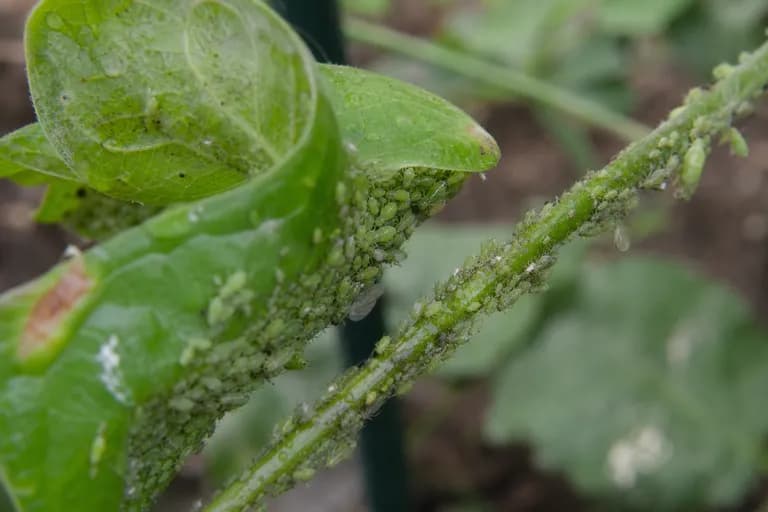
Blattläuse
SchädlingAnsammlungen kleiner grüner oder schwarzer Insekten an Stängeln und Blütenknospen, klebriger Honigtau, verformte Blüten und Neutriebe.
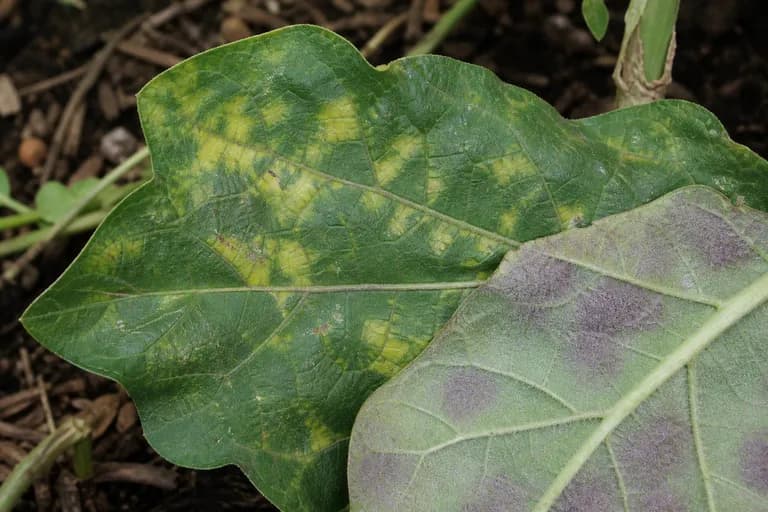
Falscher Mehltau
KrankheitGelbe Flecken auf der Blattoberseite mit grau-violettem, pelzigem Belag auf der Unterseite. Blätter welken und werden bei kühlen, feuchten Bedingungen braun.
Wurzelfäule
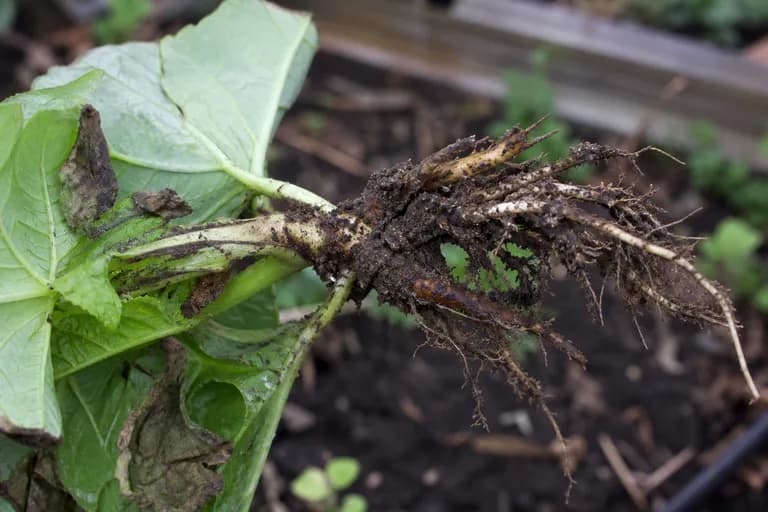
KrankheitWelken trotz feuchter Erde, Vergilben der unteren Blätter, dunkle und matschige Wurzeln, übler Geruch aus dem Wurzelbereich.
Fehlerbehebung bei häufigen Problemen
Hitzeempfindlichkeit ist die größte Einschränkung der Nemesie. Die Pflanzen hören auf zu blühen und können nachlassen, wenn die Temperaturen dauerhaft über 24 Grad Celsius steigen. Planen Sie in den meisten Klimazonen Blüteperioden im Frühling und Herbst ein. Überwässerung führt zu Wurzelfäule, während Unterwässerung Welken und Blütenfall verursacht. In alkalischen Böden verursacht Eisenchlorose eine Vergilbung zwischen den Blattadern. Nemesie profitiert von einem kräftigen Rückschnitt nach der ersten Blüte, um das Wachstum für die Herbstblüte zu regenerieren.
Anbautipps
- Säen Sie Nemesie-Samen auf die Oberfläche des Substrats und drücken Sie sie leicht an, ohne sie zu bedecken, da die Samen Licht für eine erfolgreiche Keimung benötigen.
- Halten Sie die Temperaturen für die Aussaat zwischen 13 und 18 Grad Celsius für die besten Keimraten, da höhere Temperaturen die Keimung hemmen können.
- Knipsen Sie die Triebspitzen junger Pflanzen ab, sobald sie vier bis sechs echte Blätter entwickelt haben, um die Verzweigung und einen volleren, blütenreicheren Wuchs zu fördern.
- Pflanzen Sie Nemesie in gut durchlässige, mit Kompost angereicherte Erde, da die Art auf sandigen Böden heimisch ist und bei schweren, staunassen Bedingungen an Wurzelfäule leiden wird.
- Sorgen Sie in Regionen, wo die Sommertemperaturen regelmäßig 25 Grad Celsius überschreiten, für Morgensonne und Nachmittagsschatten, um Hitzestress zu vermeiden und die Blütezeit zu verlängern.
- Gießen Sie Nemesie gleichmäßig auf Bodenniveau statt von oben, um das Risiko von Pilzkrankheiten wie Botrytis und Mehltau an Laub und Blüten zu reduzieren.
- Düngen Sie während des aktiven Wachstums alle zwei Wochen mit einem ausgewogenen Flüssigdünger in halber Konzentration und wechseln Sie zu einer phosphorreichen Formel, wenn sich Knospen bilden.
- Schneiden Sie die Pflanzen um ein Drittel zurück, wenn die Blüte im Hochsommer nachlässt, um einen zweiten Blütenflor zu fördern, wenn kühlere Herbsttemperaturen einsetzen.
- Säen Sie in milden Winterklimaten Nemesie-Samen im frühen Herbst für eine lebhafte Winter- und Frühlingsblütenpracht, die die kühlen Wachstumsbedingungen nutzt.
- Pflanzen Sie Nemesie zusammen mit kompatiblen Kühlwetterbegleitern wie Lobelien, Diascia, Kapkörbchen und Steinkraut für eine harmonische Mischpflanzung in Kübeln oder Beeten.
Bau deine beste Nemesie an — und alles drumherum.
Starte heute kostenlos. Lege deine Beete an, setze deine Nemesie ein und lass PlotMyGarden Timing, Abstände, Begleiter und Erinnerungen von der Saat bis zum Erntekorb übernehmen.
Finde deine Nemesie
Sunsatia-Serie
Kräftige, hängende Sorte, ideal für Ampeln und Kübel, mit einer langen Blütezeit in Zitronen-, Kokosnuss-, Blutorange- und Cranberry-Tönen.
Aromance-Serie
Duftende, kompakte Pflanzen mit großen Blüten in Rosa, Pink, Weiß und Blau, gezüchtet für verbesserte Hitzetoleranz.
Poetry-Serie
Sanfte Pastellblüten in Lavendel, Rosa und Weiß mit süßem Duft, die ein elegantes, romantisches Erscheinungsbild schaffen.
Nesia-Serie
Hitzetoleranter Hybrid mit verbesserter Sommerleistung, erhältlich in zweifarbigen Kombinationen aus Gelb, Rosa und Violett.
Eine einzelne Packung Nemesie-Samen kostet typischerweise zwischen 2 und 5 Euro und enthält 200 bis 500 Samen, genug, um mehrere Kübel und Gartenbeete zu füllen. Im Vergleich dazu kosten Sechserpacks von in der Gärtnerei gezogenen Nemesie-Jungpflanzen jeweils 4 bis 8 Euro. Die Aussaat ab Samen kann 80 bis 90 Prozent gegenüber dem Kauf von Jungpflanzen einsparen, und da Nemesie sich unter günstigen Bedingungen leicht selbst aussät, können Sie aus einem einzigen Erstkauf ohne zusätzliche Kosten Blüten über mehrere Saisons erhalten.
Schnelle Rezepte
Nemesie-Pressblumen-Grußkarten
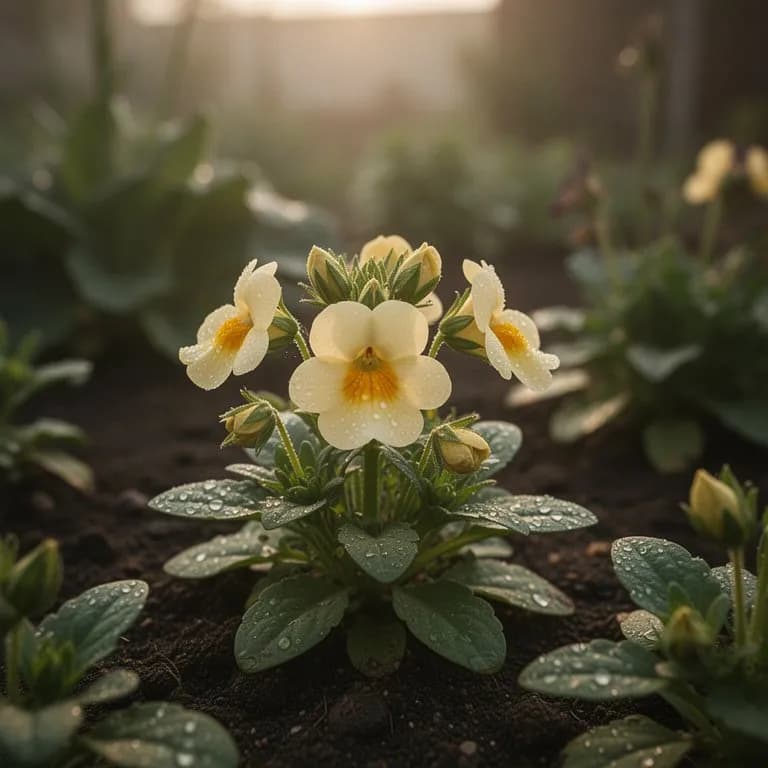
30 Min. plus 2 Wochen TrocknungszeitErstellen Sie wunderschöne handgemachte Grußkarten mit gepressten Nemesie-Blüten. Die leuchtend zweifarbigen Blüten behalten beim Trocknen und Pressen einen Großteil ihrer Farbe, was sie ideal für botanische Kunst und personalisiertes Briefpapier macht.
6 Zutaten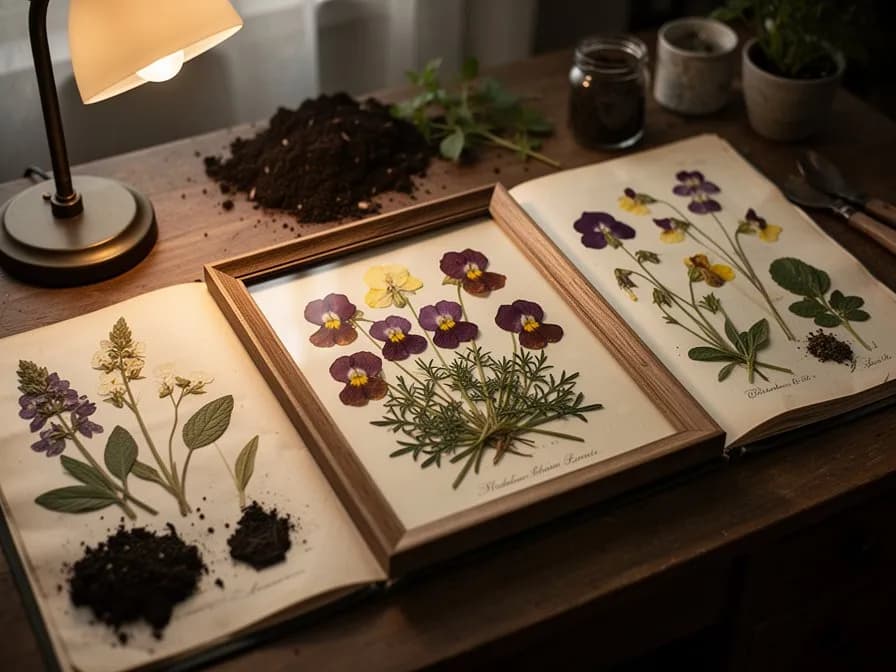
Nemesie-Blumenarrangement für den Frühlingstisch
20 Min.Arrangieren Sie frisch geschnittene Nemesie-Stängel mit ergänzenden Blumen für ein fröhliches Frühlingsmittelstück. Die zarten Blütentrauben der Nemesie fügen gemischten Sträußen Textur und Farbvielfalt hinzu und halten sich bei richtiger Konditionierung fünf bis sieben Tage gut im Wasser.
6 ZutatenNemesie-Potpourri-Mischung
15 Min. plus 3 bis 4 Wochen TrocknungszeitDuftende Nemesie-Hybridblüten können getrocknet und mit anderen aromatischen Materialien kombiniert werden, um ein zartes Potpourri herzustellen. Die dezenten Vanille- und Kokosnussnoten duftender Sorten verleihen selbstgemachten Duftsäckchen und Dekorschalen einen einzigartigen Charakter.
6 ZutatenWas drinsteckt
Gesundheitsvorteile
- Nemesie ist eine reine Zierpflanze und wird nicht für gesundheitliche Vorteile verzehrt, aber das Anbauen und Pflegen von Blühpflanzen senkt nachweislich den Cortisolspiegel und fördert die Entspannung.
- Die duftenden Sorten der Nemesie können im Garten eine sanfte Aromatherapie bieten, mit Düften, die als Vanille und Kokosnuss beschrieben werden und dazu beitragen können, eine beruhigende Außenumgebung zu schaffen.
- Gartenarbeiten wie das Pflanzen, Gießen und Ausputzen von Nemesie bieten leichte körperliche Betätigung, die die Gelenkflexibilität und Feinmotorik unterstützt.
- Farbenfrohe Nemesie-Pflanzungen in Gartenbeeten und Kübeln können die Stimmung und das psychische Wohlbefinden verbessern, da Forschungen den Kontakt mit Blühpflanzen mit einer Verringerung von Angst- und Depressionssymptomen in Verbindung gebracht haben.
- Der Anbau von Nemesie unterstützt lokale Bestäuberpopulationen, indem er Bienen und Schmetterlingen Nektar und Pollen bietet und so zur ökologischen Gesundheit des umgebenden Gartenökosystems beiträgt.
- Die Pflege von Nemesie während ihres gesamten Wachstumszyklus fördert Achtsamkeit und ein Gefühl der Erfüllung, die als anerkannte Faktoren für das allgemeine psychische Wohlbefinden gelten.
Woher Nemesie stammt
Nemesia strumosa stammt aus den sandigen Küstenebenen und felsigen Hängen der Westkap-Region Südafrikas, wo sie als Wildblume in den nährstoffarmen, gut durchlässigen Böden des Fynbos-Bioms wächst. Die Gattung wurde erstmals 1803 vom französischen Botaniker Étienne Pierre Ventenat formal beschrieben, basierend auf Exemplaren, die während früher botanischer Expeditionen zum Kap der Guten Hoffnung gesammelt wurden. Der Name Nemesia leitet sich vermutlich von einem altgriechischen Begriff ab, den der Arzt Dioskurides für eine löwenmaulähnliche Pflanze verwendete, obwohl die Verbindung zwischen der griechischen Pflanze und der südafrikanischen Gattung rein nominell und nicht botanisch ist. Europäische Pflanzensammler brachten Nemesie-Samen im frühen neunzehnten Jahrhundert in botanische Gärten in England und den Niederlanden, wo die Art schnell als Beetpflanze für die kühle Jahreszeit beliebt wurde, dank ihrer leuchtenden Farbvielfalt und ihres kompakten Wuchses. Bis Mitte des zwanzigsten Jahrhunderts hatten gezielte Zuchtprogramme in Europa und Japan die verfügbare Farbpalette von den ursprünglichen gelben und weißen Wildformen auf tiefes Blau, Violett, Rosa, Orange, Rot und auffällige zweifarbige Kombinationen erweitert. Ein großer Durchbruch gelang in den 1990er und frühen 2000er Jahren, als Züchter interspezifische Hybriden durch Kreuzung von Nemesia strumosa mit der mehrjährigen Art Nemesia caerulea entwickelten und dabei Kultivare mit verbesserter Hitzetoleranz, einer längeren Blütezeit und bemerkenswertem Duft hervorbrachten. Diese modernen Hybriden, die unter Markennamen wie Sunsatia, Aromance und Nesia vermarktet werden, verwandelten die Nemesie von einer Nischenpflanze für kühle Klimazonen in eine weit verbreitete Zierpflanze für Kübel, Beete und Hängeampeln in gemäßigten Gärten weltweit. Heute bleibt die Nemesie ein fester Bestandteil der Frühlings- und Herbstbepflanzung in Regionen mit mildem Klima, geschätzt für ihre fröhlichen Blüten und Anpassungsfähigkeit.
Nemesie: Schon gewusst?
Faszinierende Fakten über Nemesie
Nemesie ist nach dem griechischen Wort ‚nemesion' benannt, das vom antiken Arzt Dioskurides verwendet wurde, um eine ähnlich aussehende, löwenmaulförmige Pflanze in seinen Kräutertexten aus dem ersten Jahrhundert zu beschreiben.
Nemesie: Fragen & Antworten
Wann sollte ich Nemesie pflanzen?
Was sind gute Begleitpflanzen für Nemesie?
In welchen Winterhärtezonen kann Nemesie wachsen?
Wie viel Sonne braucht Nemesie?
Welchen Abstand sollte ich zwischen Nemesie lassen?
Welche Schädlinge und Krankheiten befallen Nemesie?
Wie lagere ich Nemesie nach der Ernte?
Was sind die besten Nemesie-Sorten zum Anbauen?
Welchen Boden braucht Nemesie?
Warum hat meine Nemesie mitten im Sommer aufgehört zu blühen?
Kann Nemesie als Staude kultiviert werden?
Wie verhindere ich, dass Nemesie sparrig und lückenhaft wird?
Ist Nemesie sicher für die Pflanzung in der Nähe von Haustieren und Kindern?
Welche Schädlinge und Krankheiten befallen Nemesie häufig?
Kann ich Samen von Hybrid-Nemesie-Sorten sammeln und aufbewahren?
Du hast die Theorie gelesen. Jetzt baue sie auf Autopilot an.
Alles, was Nemesie knifflig macht — das Timing, die Abstände, die Begleiter, das Erntefenster — genau das übernimmt PlotMyGarden für dich, für jede Pflanze im Garten.
Ein Plan, der dein Wetter kennt
Standort einmal festlegen. Aussaat-, Dünge- und Erntedaten rund um deinen echten letzten Frosttermin und die Live-Vorhersage — kein Raten mehr nach Saattüte.
Aus dem Abschnitt „Pflanzzeit“Beetplaner per Drag & Drop
Beete auf einem Raster gestalten. Jede Pflanze rastet im richtigen Abstand ein, und du siehst die ganze Saison, bevor du einen Cent für Saatgut ausgibst.
Aus dem Abschnitt „Anbau“Begleiter-Konflikte früh erkannt
Über 200 gute und schlechte Kombinationen werden beim Pflanzen live geprüft — so landet ein saisonruinierender Fehler nie in der Erde.
Aus dem Abschnitt „Begleiter“Erinnerungen, nach denen du wirklich handelst
„Gieß die Bohnen.“ „Heute ernten, bevor's umschlägt.“ Pünktlich, konkret und auf deine echten Pflanzen bezogen.
Aus dem Abschnitt „Ernte“Staffel-Aussaat, geplant
Sechs Wochen ernten statt sechs Tage? Die App verteilt deine Aussaaten automatisch und erinnert dich, wenn der nächste Satz fällig ist.
Aus dem Abschnitt „Pflanzzeit“Ein Verlauf, der schlauer wird
Jede protokollierte Ernte bringt der App deinen Garten bei. Der Plan fürs nächste Jahr startet bei dem, was in deinem Boden wirklich funktioniert hat.
Aus dem Abschnitt „Überblick“Pflanze diese neben Nemesie
Weitere Einjährige
Bau deine beste Nemesie an — und alles drumherum.
Starte heute kostenlos. Lege deine Beete an, setze deine Nemesie ein und lass PlotMyGarden Timing, Abstände, Begleiter und Erinnerungen von der Saat bis zum Erntekorb übernehmen.