Naranjilla
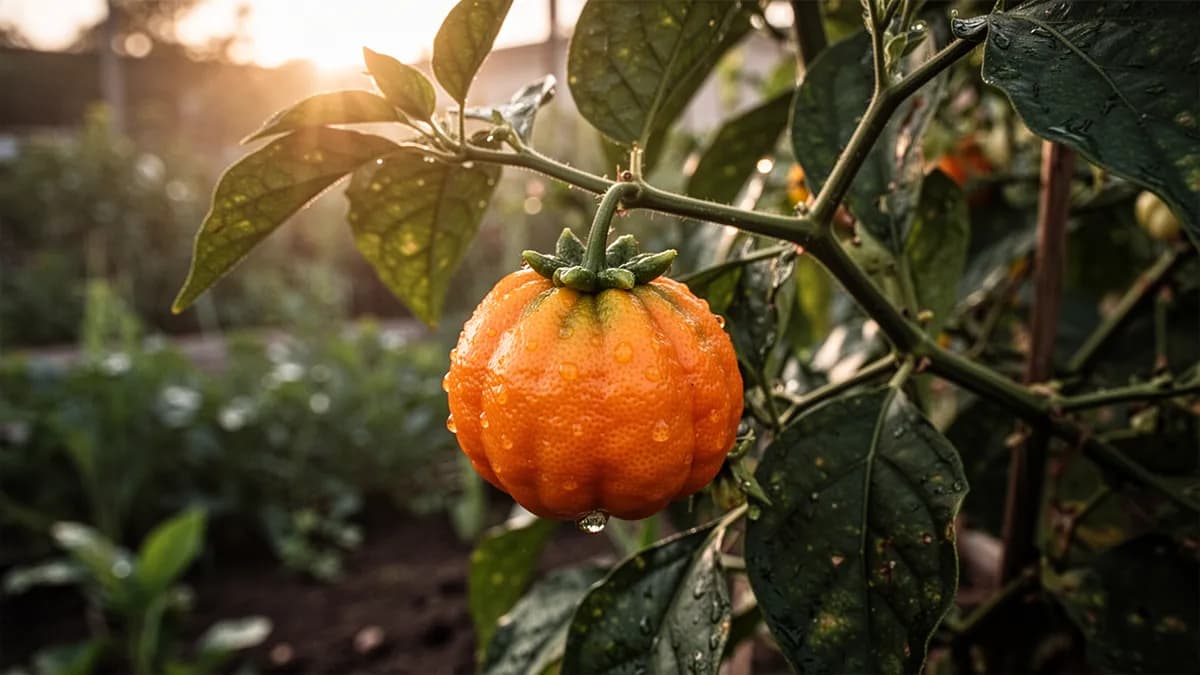
La naranjilla o lulo (Solanum quitoense) es un arbusto frutal perenne originario de los Andes de Colombia, Ecuador y Perú, que produce frutos redondos de color naranja brillante cubiertos de una fina pelusa.





En esta páginaResumen
Conoce Naranjilla
La naranjilla o lulo (Solanum quitoense) es un arbusto frutal perenne originario de los Andes de Colombia, Ecuador y Perú, que produce frutos redondos de color naranja brillante cubiertos de una fina pelusa. Su pulpa verde-amarillenta es extremadamente aromática y de sabor ácido-dulce único, descrito como una mezcla de piña, limón y fresa. Es una de las frutas tropicales más apreciadas en Sudamérica para la preparación de jugos, helados y cócteles.
Cuándo plantar Naranjilla
Las semillas de naranjilla se extraen de frutos completamente maduros, se lavan, se secan a la sombra y se siembran en bandejas con sustrato estéril a 0,5 cm de profundidad. La germinación es lenta e irregular, tardando entre 15 y 30 días a una temperatura constante de 20-25 °C. Mantener el sustrato húmedo y en semisombra; trasplantar a macetas individuales cuando las plántulas tengan 4-5 hojas verdaderas y al terreno definitivo cuando alcancen 15-20 cm de altura, aproximadamente 2-3 meses después de la siembra.
Tu año de Naranjilla
Ajustado a Zona 7 · temporada típica · la helada se va hacia el 2 abr y vuelve hacia el 1 nov
Planta Naranjilla Mar – May y cosecha Sep – Nov. Consulta los métodos de plantación y elige tu clima para adaptar los periodos.
Cómo cultivar Naranjilla
La naranjilla prospera en altitudes medias (1000-2400 msnm) con temperaturas entre 15 y 25 °C y alta humedad ambiental. Preparar el terreno con abundante materia orgánica, ya que esta planta requiere suelos ricos, profundos y bien drenados. Trasplantar las plántulas cuando tengan 15-20 cm de altura a un marco de 2 × 2 metros, en un lugar con luz filtrada o semisombra, ya que la luz solar directa intensa puede quemar el follaje.
El riego debe ser regular y abundante, manteniendo el suelo constantemente húmedo pero sin encharcamiento. La naranjilla es muy exigente en nutrientes, requiriendo fertilización mensual con un abono completo rico en potasio durante la fase de fructificación. Podar las ramas laterales inferiores para mejorar la ventilación y facilitar la cosecha, manteniendo una estructura abierta con 3-4 ramas principales.
La planta alcanza 1,5-2,5 metros de altura y comienza a producir frutos entre 9 y 12 meses después del trasplante. En regiones templadas, se puede cultivar como planta anual en invernadero o en macetas grandes que se protejan del frío invernal. Es muy sensible a temperaturas inferiores a 10 °C y no tolera las heladas en absoluto. La producción se mantiene durante 2-3 años antes de que la planta decline y necesite reemplazo.
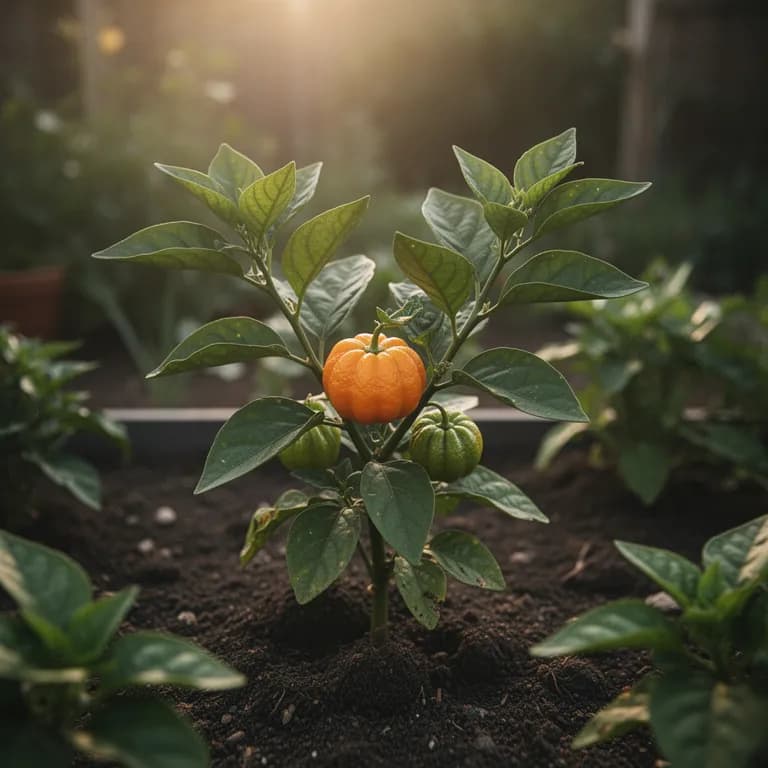
2 plantas caben en un bancal de 120 × 240 cm
Cada Naranjilla pide 120 cm de margen. El planificador guarda ese marco por ti — cada planta, cada bancal.
Los mejores vecinos de Naranjilla
La naranjilla se asocia bien con árboles de sombra parcial como plátanos, guamos y aguacates, que le proporcionan la luz filtrada que necesita. Las leguminosas como el frijol de árbol plantadas intercaladamente aportan nitrógeno al suelo y sirven como cortavientos. Evitar asociar con otras solanáceas (tomate, papa, ají) para reducir la propagación de enfermedades y nematodos compartidos.
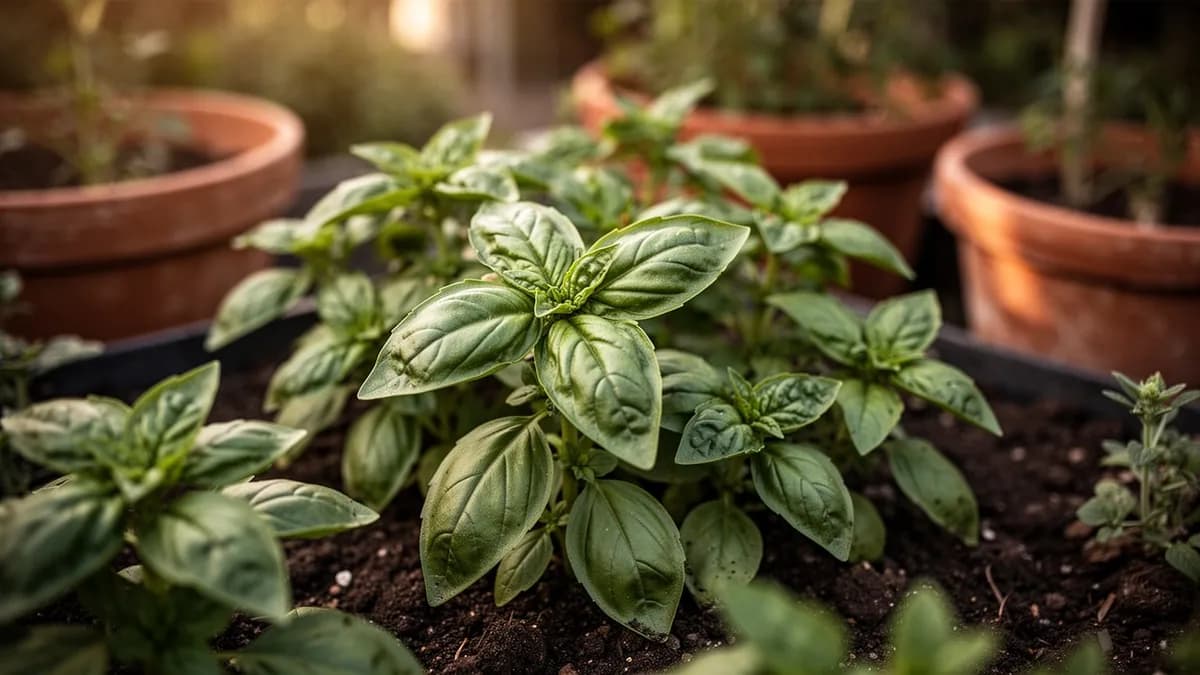
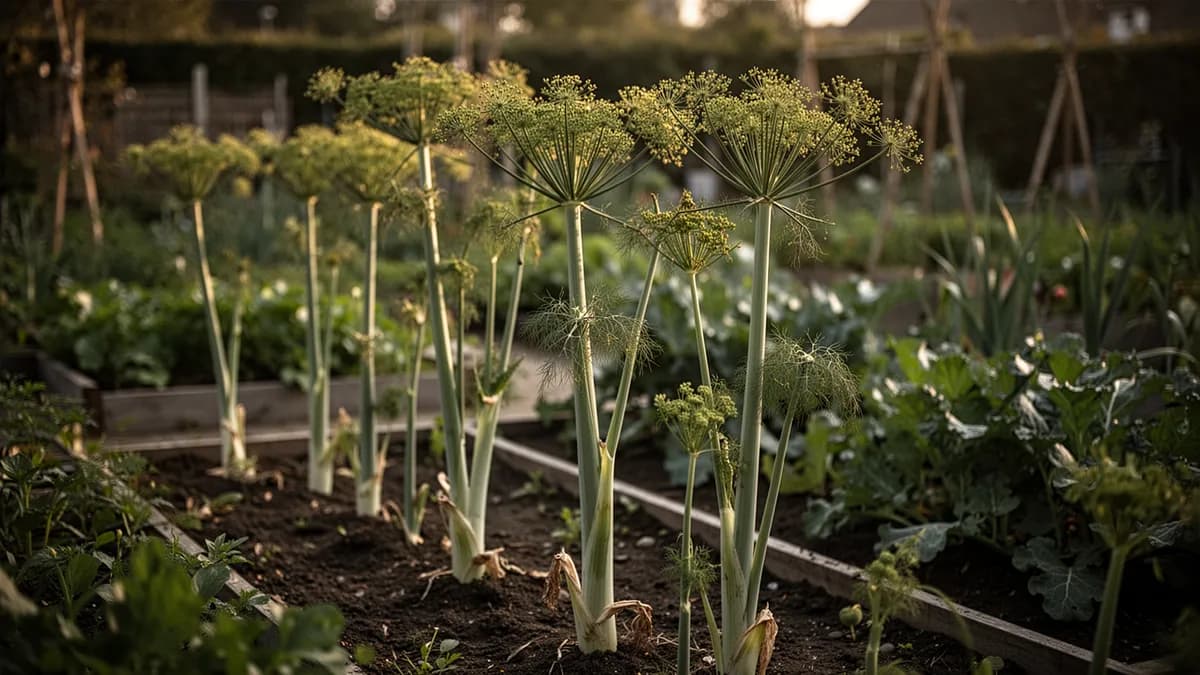
Albahaca va a su lado. Hinojo no.
Saber de huerto de siempre, cotejado con la tabla real de Naranjilla — prueba cualquier planta que cultives.
Prueba Naranjilla en un bancal, aquí mismo
Un bancal real del planificador con Naranjilla ya plantado. Toca una planta compañera para colocarla y mira cómo responde la comprobación de vecinos: verde para buenos vecinos, rojo si hay conflicto.


Guías de cultivo relacionadas
Abónalo bien
La naranjilla requiere suelos fértiles, profundos y bien drenados, ricos en materia orgánica, con un pH entre 5,5 y 6,5. Incorporar 5-8 kg de compost por planta al momento de la plantación y fertilizar mensualmente con un abono completo (10-30-10) durante la fase productiva. El aporte de calcio y magnesio es importante para prevenir la pudrición apical de los frutos, y se recomienda aplicar micronutrientes foliarmente cada 2-3 meses.
Temperatura ideal
Compatibilidad de zonas de rusticidad
De la semilla a la cosecha, etapa por etapa
Germinación
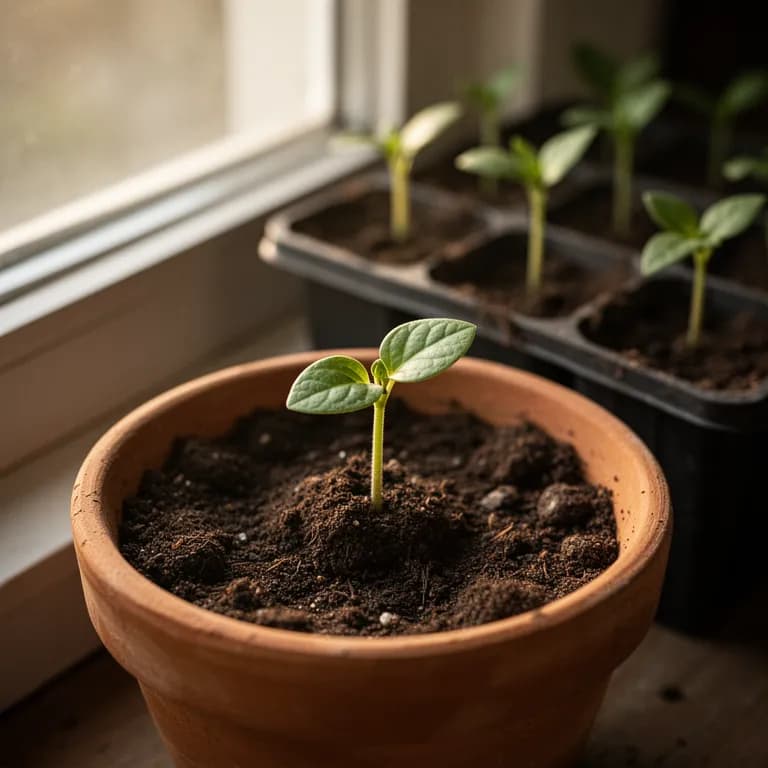
Las semillas de naranjilla germinan de forma lenta e irregular y tardan de 15 a 30 días en emerger. Las semillas diminutas necesitan luz para germinar y deben sembrarse en la superficie de un medio húmedo y mantenerse a 20–25 °C. Las plántulas aparecen primero como brotes pequeños y poco llamativos con cotiledones redondeados.
Desarrollo de plántula
Las hojas verdaderas aparecen con la textura vellosa y las nervaduras moradas características que distinguen a la naranjilla de otras especies de Solanum. Las plántulas crecen lentamente al principio, desarrollando un tallo central fuerte y hojas anchas y aterciopeladas. El sistema radicular se establece durante esta fase crítica.
Crecimiento vegetativo
Las plantas crecen rápidamente hasta convertirse en arbustos frondosos de 1,5 a 2,5 metros de altura, con hojas enormes y lobuladas de hasta 60 cm de ancho. Los tallos desarrollan una base leñosa y varias ramas laterales. El follaje de nervaduras moradas hace que la planta sea muy ornamental en esta fase. Algunas variedades desarrollan pequeñas espinas blandas en los tallos y las nervaduras de las hojas.
Floración
En las uniones de las ramas aparecen racimos de flores blancas fragantes con el envés púrpura. Las flores miden aproximadamente 3 cm de diámetro y son principalmente autopolinizantes, aunque la visita de insectos mejora el cuajado. Cada racimo puede producir de 5 a 10 flores durante varias semanas.
Desarrollo del fruto
De las flores polinizadas se forman frutos redondos verdes cubiertos de densos pelos marrones. Los frutos alcanzan 4–6 cm de diámetro en 8–12 semanas y van perdiendo gradualmente su cubierta vellosa a medida que maduran. La pulpa interna desarrolla su característico color verde brillante y un sabor cítrico complejo.
Cosecha
Los frutos maduran de verde a naranja brillante en 1–2 semanas y se vuelven ligeramente blandos al presionarlos con suavidad. Los pelos marrones desaparecen de forma natural en el fruto maduro, dejando una piel naranja lisa. En climas tropicales, una sola planta produce frutos de forma continua durante 2–3 años, con la mayor producción en los primeros 18 meses.
No entierres las semillas: presiónalas suavemente sobre la superficie de un sustrato húmedo para siembra y cúbrelas con plástico transparente para mantener la humedad. Usa calor de fondo a 22–25 °C. La paciencia es esencial; la germinación es lenta y desigual durante 2–4 semanas.
Cuidar Naranjilla mes a mes
Qué hacer cada mes para tu Naranjilla
Octubre
Mes actualDeveloping fruits grow and begin the transition from green to orange. In temperate zones, prepare to bring container plants indoors before first frost. Reduce fertilizer frequency to monthly. Harvest any ripe fruits promptly.
Ten claro qué hacer en tu huerto, cada mes
Un correo al empezar cada mes: qué sembrar, plantar y hacer ahora mismo — para tu Naranjilla y todo lo que crece alrededor. Más un breve curso inicial para esquivar los errores clásicos.
- Qué hacer ahora mismo
- Ajustado a tu temporada
- Curso inicial incluido
Cosechar Naranjilla
Los frutos de naranjilla se cosechan cuando han alcanzado un color naranja uniforme y ceden ligeramente a la presión, generalmente entre 150 y 200 días después del trasplante. Se recomienda usar guantes durante la cosecha, ya que los pequeños pelos de los frutos pueden irritar la piel. Los frutos se desprenden girándolos suavemente del pedúnculo, y es preferible cosechar con un poco de tallo para prolongar su conservación.
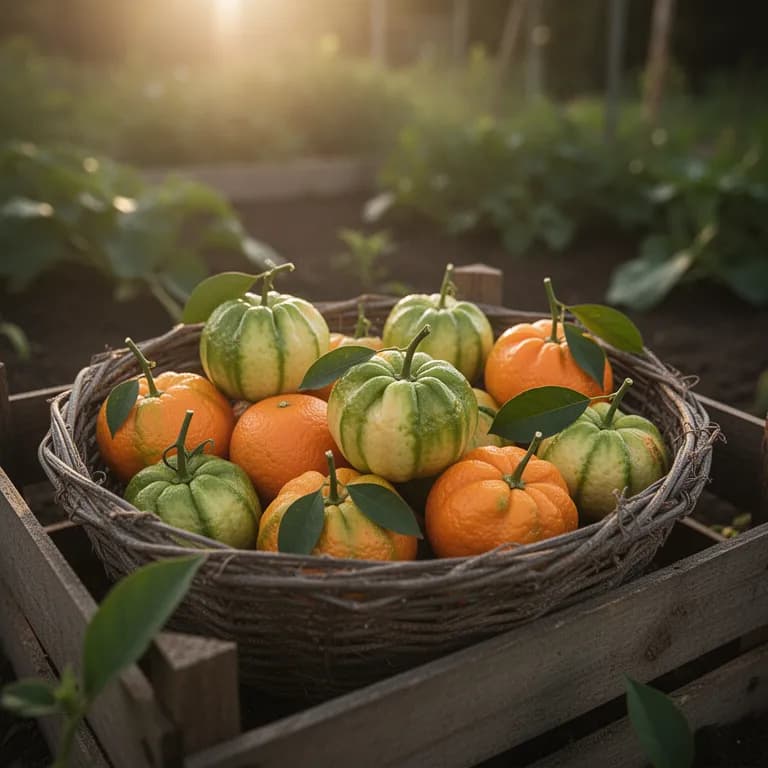
se supone que plantas al comenzar el periodo — indica tu fecha real
Sujeta las ramas cargadas de frutos con estacas o ataduras para evitar roturas. Mantén una humedad constante: el riego irregular provoca grietas en los frutos. Los pelos marrones de los frutos en desarrollo pueden frotarse suavemente para comprobar el avance de la madurez.
Almacenamiento y conservación
Los frutos maduros de naranjilla se conservan a temperatura ambiente durante 3-5 días o en refrigeración durante 1-2 semanas. Para conservación a largo plazo, extraer la pulpa, colarla y congelarla en porciones individuales, donde se mantiene en buen estado hasta 6 meses. También se puede procesar en mermeladas, jaleas, concentrados y pulpas pasteurizadas que se conservan durante varios meses.
Qué falla — y cómo solucionarlo
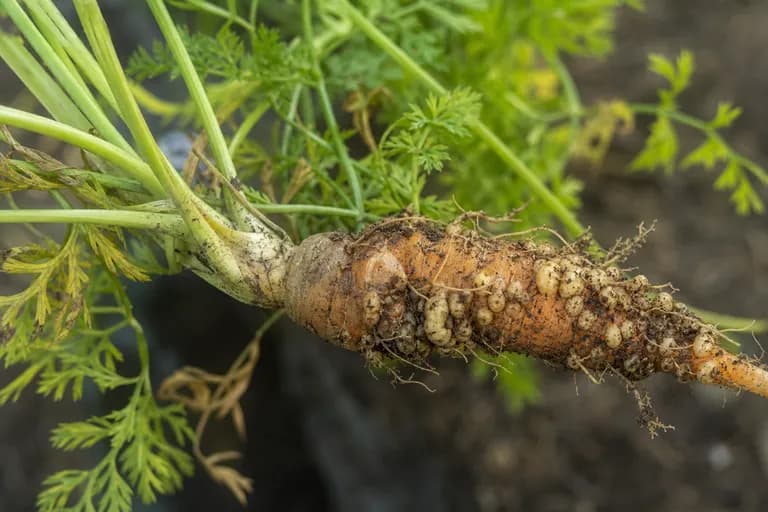
Nematodos del nudo (Meloidogyne spp.)
PlagaFormación de agallas o nódulos en las raíces que impiden la absorción normal de agua y nutrientes, provocando marchitez, enanismo y amarillamiento generalizado de la planta.
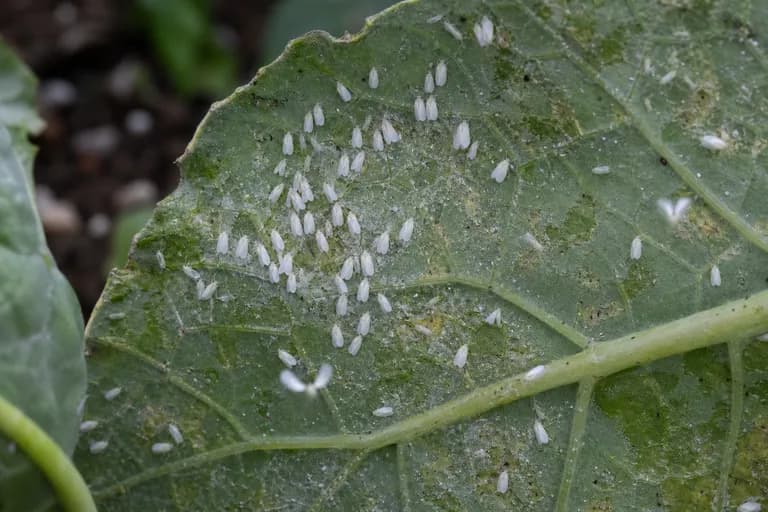
Tizón tardío (Phytophthora infestans)
EnfermedadManchas acuosas de color marrón oscuro en las hojas que se expanden rápidamente en condiciones húmedas, necrosis del tallo y pudrición blanda de los frutos con olor desagradable.
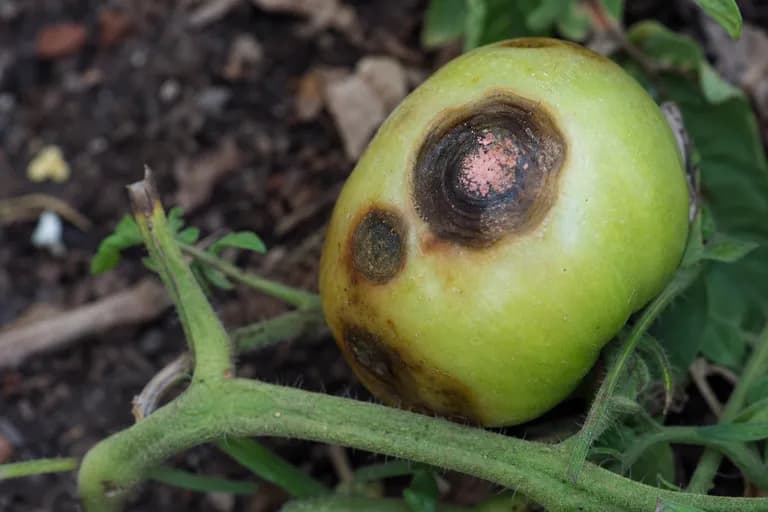
Perforador del fruto (Neoleucinodes elegantalis)
PlagaPequeños orificios de entrada en los frutos por donde penetran las larvas, que se alimentan internamente de la pulpa causando pudrición y caída prematura de los frutos.
Solución de problemas comunes
La susceptibilidad extrema a nematodos del nudo radicular es el mayor desafío del cultivo, limitando severamente la vida productiva de la planta en suelos infestados. La naranjilla no tolera temperaturas inferiores a 10 °C ni heladas, lo que restringe su cultivo a zonas tropicales de altitud media o invernaderos climatizados. La alta humedad ambiental necesaria para su crecimiento también favorece el desarrollo de enfermedades fúngicas, requiriendo un manejo preventivo constante.
Consejos de cultivo
- Provide filtered or dappled light rather than full blazing sun. Unlike most fruiting plants, naranjilla evolved in the understory of Andean cloud forests and performs best with morning sun and afternoon shade, or under 30-50% shade cloth in hot climates.
- Keep temperatures cool for a tropical plant. Naranjilla fruits best at 17-28°C (62-82°F) and actively struggles above 35°C (95°F). In hot climates, grow on the east or north side of a building where afternoon shade provides relief.
- Use extremely rich, organic soil. Naranjilla is a heavy feeder that thrives in composted, humus-rich soil with excellent drainage. Mix generous amounts of aged compost, worm castings, and aged manure into the planting site.
- Protect from wind at all costs. The enormous leaves act like sails and are easily shredded by strong gusts, dramatically reducing the plant's ability to photosynthesize. Plant near a wall, fence, or windbreak.
- Grafting onto disease-resistant rootstock is the single most impactful technique for serious growers. Solanum torvum (turkey berry) rootstock provides excellent resistance to root-knot nematodes and bacterial wilt, which are the primary killers of naranjilla plants worldwide.
- Maintain consistently moist but never waterlogged soil. Naranjilla's shallow root system is sensitive to both drought and standing water. Mulch heavily with organic material to moderate soil moisture and temperature.
- Pinch the growing tip when the plant reaches about 1 meter tall to force lateral branching. Naranjilla naturally grows as a single-stemmed plant, but pinching creates a bushier form with more flowering points and significantly higher fruit yields.
- In temperate climates, treat naranjilla as a large container plant that overwinters indoors. Use a pot of at least 40 liters (10 gallons) on casters for easy movement. The plant makes a stunning tropical houseplant even if fruiting is limited.
Cultiva tu mejor Naranjilla — y todo lo que la rodea.
Empieza un plan gratis hoy. Diseña tus bancales, coloca tu Naranjilla y deja que PlotMyGarden gestione el momento, el espaciado, las asociaciones y los recordatorios de la semilla a la cesta.
Elige tu Naranjilla
Naranjilla de Quito
Variedad ecuatoriana tradicional sin espinas en el tallo, frutos grandes de 5-7 cm de diámetro con pulpa muy ácida y aromática, la más cultivada comercialmente en Ecuador.
Naranjilla de Selva
Ecotipo colombiano más rústico y resistente a enfermedades, con frutos ligeramente más pequeños pero de sabor más intenso, adaptado a altitudes de 1200-2000 msnm.
INIAP Quitoense-2009
Variedad mejorada desarrollada en Ecuador con mayor resistencia a nematodos y tizón tardío, producción precoz y frutos uniformes de excelente calidad para procesamiento industrial.
Híbrido de Cocona
Cruce entre naranjilla y cocona (Solanum sessiliflorum) que combina el sabor de la naranjilla con la mayor resistencia a enfermedades y nematodos de la cocona, adaptado a zonas más bajas y cálidas.
Fresh naranjilla is extremely rare in North American and European markets, and when available at specialty Latin American grocery stores, individual fruits sell for $1-3 each. Frozen naranjilla pulp (the most common form outside South America) costs $5-10 per 500g package. A single productive naranjilla plant can yield 50-150 fruits annually, representing a value of $50-450 per year at specialty market prices. Given the near-impossibility of finding fresh naranjilla outside of South America, the true value of growing your own is access to a flavor experience money simply cannot buy in most of the world.
Recetas rápidas
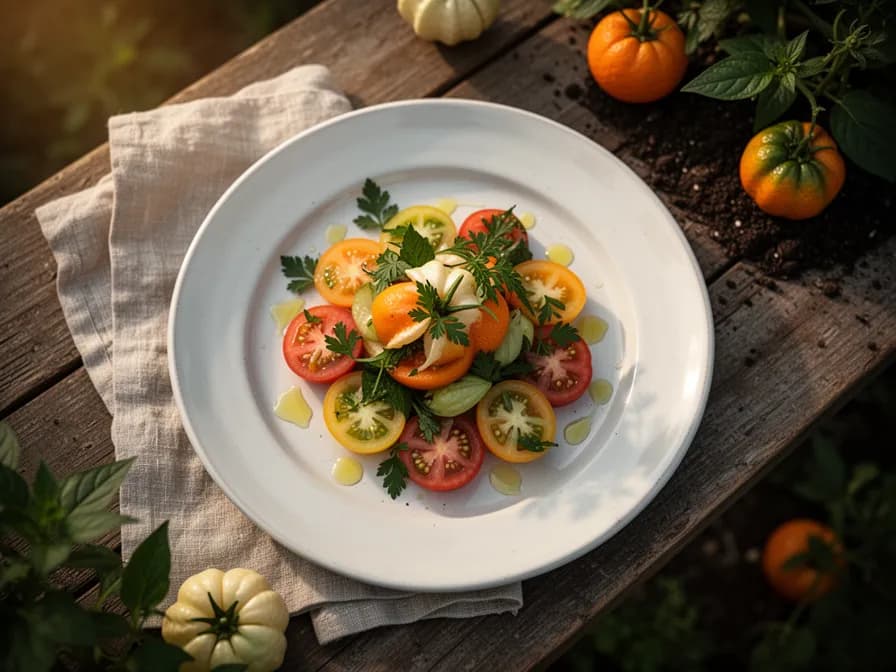
Lulada (Colombian Naranjilla Drink)
10 minColombia's beloved iced naranjilla drink — ripe pulp is mashed (not blended) with sugar and lime, then served over crushed ice for a refreshing, chunky beverage with an explosive citrus-tropical flavor unlike anything else.
6 ingredientesNaranjilla Sauce for Grilled Meat
15 minA tangy, vibrant sauce that pairs exceptionally well with grilled chicken, pork, or fish. The natural acidity of naranjilla cuts through rich flavors while adding a complex citrusy brightness that bottled sauces cannot replicate.
7 ingredientesNaranjilla Mousse
25 min + 4 hr chillA light, ethereal dessert that showcases naranjilla's unique citrus-pineapple flavor. The vivid green color of the pulp creates a stunning presentation that tastes as extraordinary as it looks.
7 ingredientesUsos culinarios
El jugo de naranjilla o lulada es una de las bebidas más populares de Colombia y Ecuador, preparado licuando la pulpa con agua y azúcar. La pulpa se utiliza ampliamente en la elaboración de helados, sorbetes, mermeladas, salsas agridulces y aderezos para carnes y pescados. En la cocina contemporánea se emplea en ceviches, mousses, cheesecakes y cócteles, y es un ingrediente esencial del tradicional champús colombiano y la colada ecuatoriana.
Qué contiene
Beneficios para la salud
- Rich in vitamin A and carotenoids that support eye health, immune function, and skin cell regeneration — particularly valuable for maintaining night vision and protecting against age-related macular degeneration.
- Contains significant antioxidant compounds including phenolic acids and flavonoids that neutralize free radicals and may help reduce the risk of chronic diseases including certain cancers and cardiovascular disease.
- The high water content (approximately 90%) combined with electrolytes including potassium makes naranjilla juice an excellent natural hydration drink, especially in hot climates.
- Pectin and soluble fiber in the pulp support healthy digestion, promote beneficial gut bacteria growth, and may help regulate blood cholesterol levels by binding bile acids in the intestine.
- Contains pepsin-like enzymes that aid protein digestion — traditional Andean medicine has long used naranjilla juice as a digestive aid after heavy meals.
- Low glycemic index and minimal caloric content (25 calories per 100g) make naranjilla suitable for blood sugar management and weight-conscious diets while providing essential vitamins and minerals.
De dónde viene Naranjilla
Naranjilla (Solanum quitoense) is native to the cloud forests and mountain slopes of the Andes in Colombia, Ecuador, and Peru, where it grows naturally at elevations between 1,200 and 2,400 meters in the cool, humid understory of subtropical forests. The species name 'quitoense' references Quito, the capital of Ecuador, reflecting the plant's deep connection to Andean culture. Archaeological and botanical evidence suggests that naranjilla was cultivated by indigenous peoples of the Andes long before European contact, prized for its intensely flavored juice and its ease of growth in the cool mountain climate.
Spanish colonizers encountered naranjilla in the 16th century and named it 'naranjilla' (little orange) for its appearance, though the fruit bears no botanical relation to citrus. The plant became a commercial crop in Colombia and Ecuador during the 20th century, where its juice became one of the most popular beverages in both countries. In Colombian markets, lulo (as it is known locally) is as common as oranges or apples are in temperate countries, and 'jugo de lulo' appears on virtually every restaurant menu and street vendor cart.
Despite its popularity in its native range, naranjilla has proven stubbornly resistant to commercial cultivation elsewhere. The plant's extreme susceptibility to root-knot nematodes, bacterial wilt, and various soil-borne diseases has frustrated attempts to establish large-scale production outside the Andes. Researchers at institutions across Central and South America have worked for decades on grafting naranjilla onto resistant rootstocks of related wild Solanum species, with some success. Small-scale cultivation has spread to parts of Central America, Southeast Asia, and subtropical regions of Australia, but naranjilla remains a rarity in global commerce. For home gardeners in frost-free and subtropical climates, naranjilla represents a fascinating opportunity to grow one of the world's most flavorful yet least-known tropical fruits.
Naranjilla: ¿sabías que?
Datos fascinantes sobre Naranjilla
Naranjilla means 'little orange' in Spanish, but the fruit is actually a member of the nightshade family (Solanaceae) and is more closely related to tomatoes and eggplants than to any citrus fruit — its bright orange exterior is entirely coincidental.
Naranjilla: preguntas frecuentes
¿Cuándo debo plantar Naranjilla?
¿Cuáles son buenas plantas acompañantes para Naranjilla?
¿En qué zonas de rusticidad puede crecer Naranjilla?
¿Cuánto sol necesita Naranjilla?
¿A qué distancia debo espaciar Naranjilla?
¿Qué plagas y enfermedades afectan a Naranjilla?
¿Cómo almaceno Naranjilla después de la cosecha?
¿Cuáles son las mejores variedades de Naranjilla para cultivar?
¿Qué suelo necesita Naranjilla?
Can I grow naranjilla in a temperate climate?
Why does my naranjilla plant wilt and die even with adequate watering?
How do I know when naranjilla fruits are ripe enough to harvest?
What does naranjilla taste like?
How long does it take for naranjilla to produce fruit from seed?
Is naranjilla the same as the fruit called 'lulo'?
Acabas de leer la teoría. Ahora cultívala en piloto automático.
Todo lo que hace que Naranjilla sea delicado — el momento, el espaciado, las asociaciones, la ventana de cosecha — es justo lo que PlotMyGarden resuelve por ti, para cada planta de tu huerto.
Un plan que conoce tu clima
Indica tu ubicación una vez. Recibe fechas de siembra, abonado y cosecha basadas en tu última helada real y el pronóstico en vivo — sin adivinar con un sobre genérico.
De la sección “Cuándo plantar”Planificador de bancales de arrastrar y soltar
Diseña bancales sobre una cuadrícula. Cada planta encaja con su espaciado correcto y ves toda la temporada antes de gastar un céntimo en semillas.
De la sección “Cultivo”Conflictos de asociación, detectados a tiempo
Más de 200 buenas y malas combinaciones comprobadas en vivo mientras plantas — para que un error que arruine la temporada nunca llegue a la tierra.
De la sección “Asociaciones”Recordatorios que sí vas a seguir
“Riega las judías.” “Recoge hoy antes de que se pase.” Oportunos, concretos y ligados a las plantas que de verdad cultivas.
De la sección “Cosecha”Escalonado, programado
¿Quieres cosechar seis semanas en vez de seis días? Reparte tus siembras automáticamente y te avisa cuando toca el siguiente lote.
De la sección “Cuándo plantar”Un registro que se vuelve más listo
Cada cosecha que registras le enseña tu huerto. El plan del año que viene parte de lo que de verdad funcionó en tu suelo, no en un manual.
De la sección “Resumen”Planta estos junto a Naranjilla
Más Solanáceas
Mantén Naranjilla lejos de estos
Cultiva tu mejor Naranjilla — y todo lo que la rodea.
Empieza un plan gratis hoy. Diseña tus bancales, coloca tu Naranjilla y deja que PlotMyGarden gestione el momento, el espaciado, las asociaciones y los recordatorios de la semilla a la cesta.