Mirto
Arbusto perenne mediterráneo de hoja perenne con fragantes flores blancas y aromáticas bayas oscuras utilizadas en perfumería y cocina mediterránea.





En esta páginaResumen
Conoce Mirto
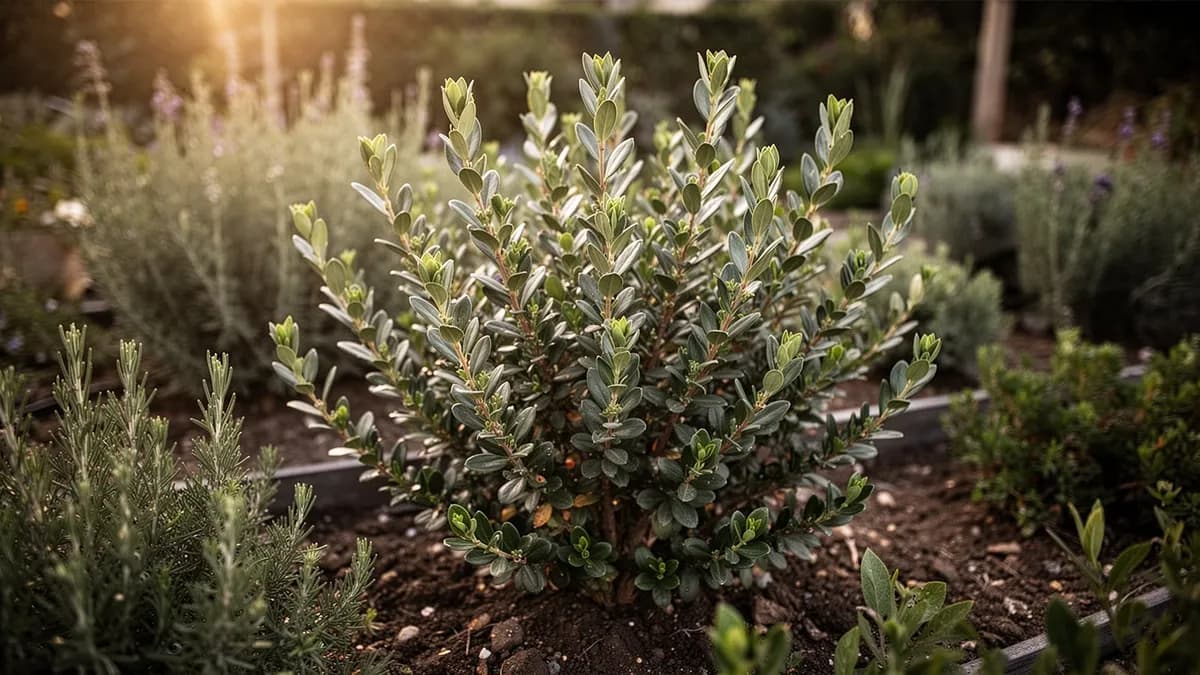
Arbusto perenne mediterráneo de hoja perenne con fragantes flores blancas y aromáticas bayas oscuras utilizadas en perfumería y cocina mediterránea. Las hojas de mirto tienen un aroma resinoso similar al enebro y se usan para condimentar carnes asadas, especialmente en la cocina sarda. Cultívelo a pleno sol con suelo bien drenado y pode para darle forma de seto formal o topiario.
Cuándo plantar Mirto
El mirto puede cultivarse a partir de semillas, aunque es un proceso lento: remoje las semillas frescas en agua tibia durante 24 horas y siémbrelas sobre sustrato húmedo a 18-22 °C. La germinación tarda entre 4 y 12 semanas y puede ser irregular. Las plántulas crecen lentamente durante el primer año. Los esquejes semileñosos tomados en verano son más fiables: tome esquejes de talón de 7-10 cm, sumérjalos en hormona de enraizamiento e insértelos en una mezcla de sustrato arenoso. Mantenga humedad y calor. Las raíces se desarrollan en 6-10 semanas. El acodo de ramas bajas es un método de propagación fácil y con poco esfuerzo.
Tu año de Mirto
Ajustado a Zona 7 · temporada típica · la helada se va hacia el 2 abr y vuelve hacia el 1 nov
Planta Mirto Mar – May y cosecha Jun – Sep. Consulta los métodos de plantación y elige tu clima para adaptar los periodos.
Cómo cultivar Mirto
El mirto es un elegante arbusto de hoja perenne cargado de historia, sagrado para Afrodita en la mitología griega y todavía presente en los ramos nupciales de la realeza británica. Con una altura de 1-3 metros dependiendo de la poda, presenta hojas pequeñas, brillantes y de un verde intenso, fragantes flores blancas en verano y aromáticas bayas azul-negruzcas en otoño. Plántelo a pleno sol en suelo bien drenado y en una posición resguardada.
En climas suaves (zonas 8-11), el mirto resulta excelente como seto, ejemplar de topiario o arbusto de pared. En zonas más frías, cultívelo en macetas grandes que puedan pasar el invierno en un invernadero libre de heladas o en un porche resguardado. La planta tolera heladas ligeras de hasta -5 °C una vez establecida, pero sufre daños con las heladas intensas, especialmente combinadas con vientos fríos.
Pode para darle forma a finales de primavera, una vez pasado el riesgo de heladas. El mirto responde excepcionalmente bien al recorte y puede entrenarse como seto formal, espaldera, cono o bola. Riegue regularmente durante el primer año y luego reduzca, ya que el mirto establecido es bastante tolerante a la sequía. Abone las plantas en maceta mensualmente durante la temporada de crecimiento. El follaje aromático libera su fragancia resinosa al calentarse con el sol o al rozarlo.
2 plantas caben en un bancal de 120 × 240 cm
Cada Mirto pide 90 cm de margen. El planificador guarda ese marco por ti — cada planta, cada bancal.
Los mejores vecinos de Mirto
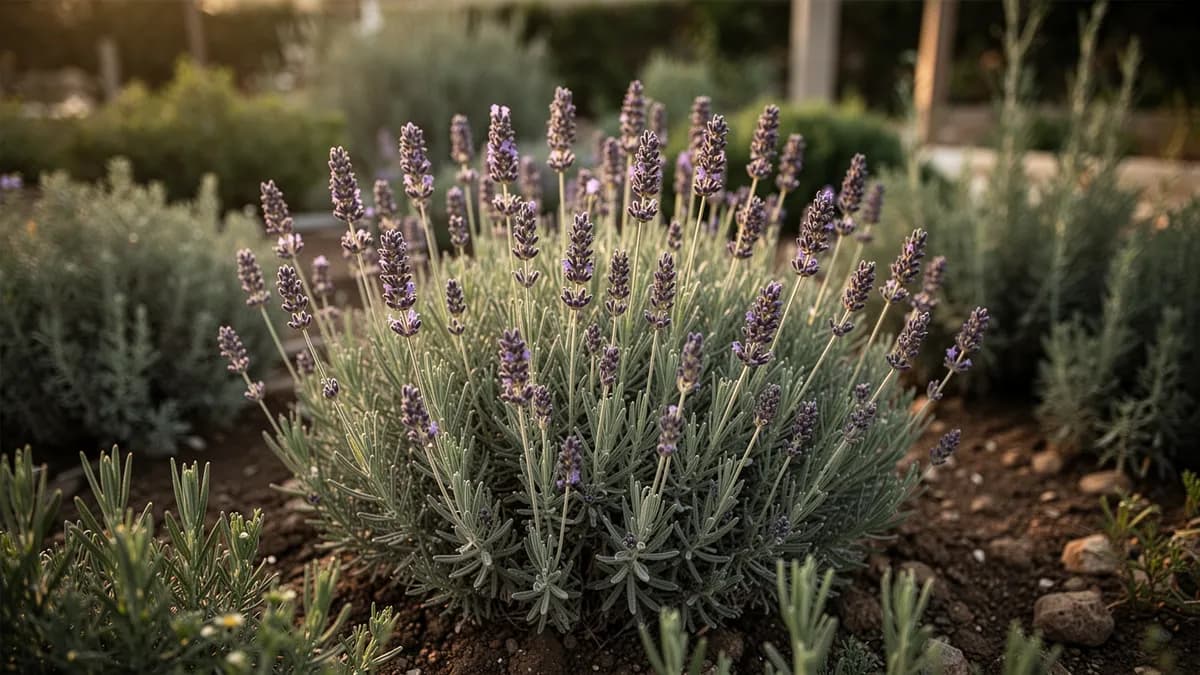
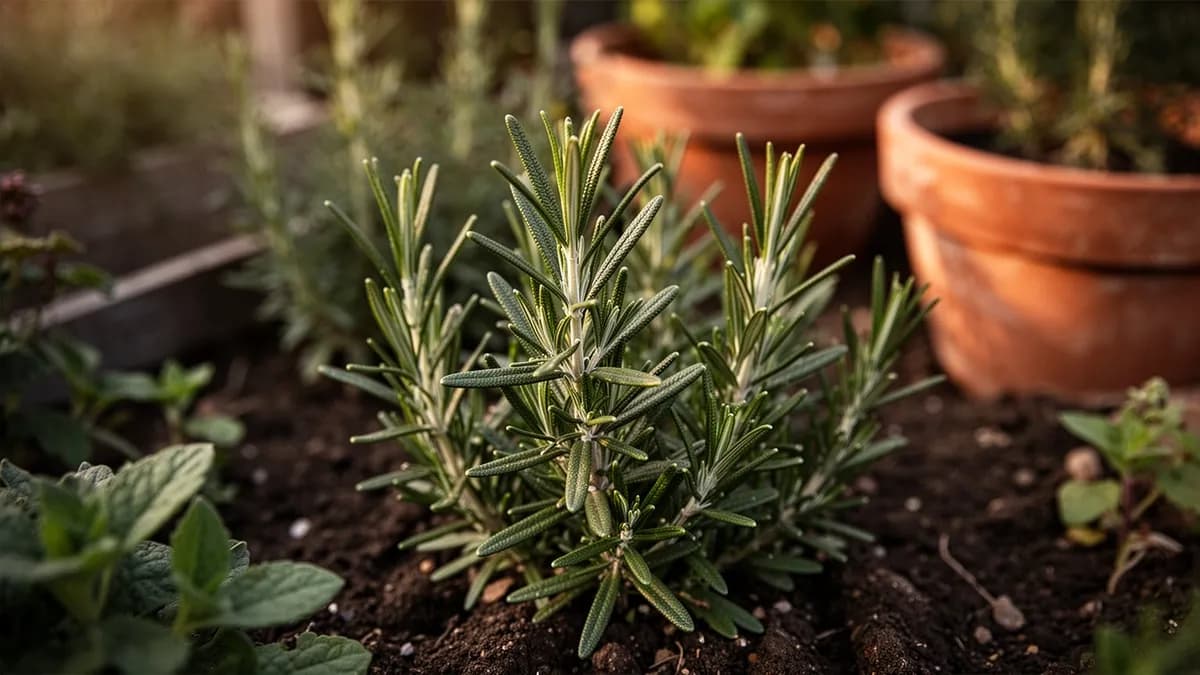
El mirto crece de forma natural junto a otros arbustos mediterráneos como el romero, la lavanda y el laurel. En jardines formales, forma un excelente seto recortado que bordea los jardines de hierbas. Las fragantes flores atraen abejas y las bayas proporcionan alimento otoñal para los pájaros. En colecciones en maceta, colóquelo cerca de las zonas de descanso, donde el follaje calentado por el sol libera sus aceites aromáticos.
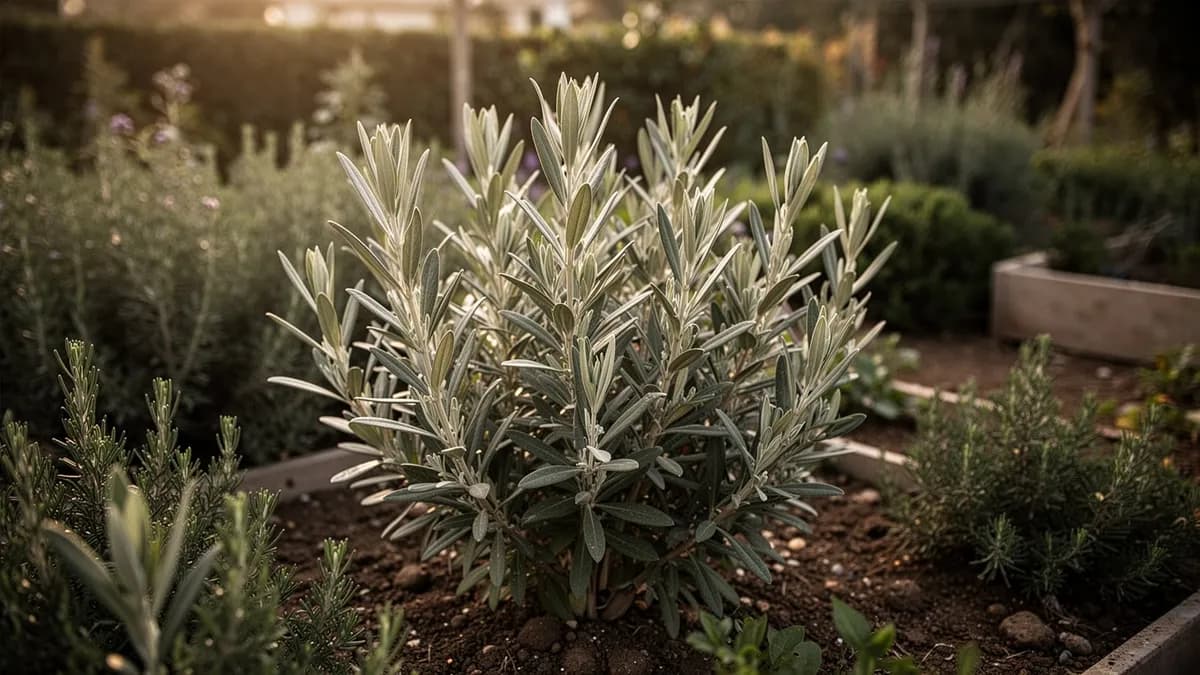
Lavanda va a su lado.
Saber de huerto de siempre, cotejado con la tabla real de Mirto — prueba cualquier planta que cultives.
Prueba Mirto en un bancal, aquí mismo
Un bancal real del planificador con Mirto ya plantado. Toca una planta compañera para colocarla y mira cómo responde la comprobación de vecinos: verde para buenos vecinos, rojo si hay conflicto.


Guías de cultivo relacionadas
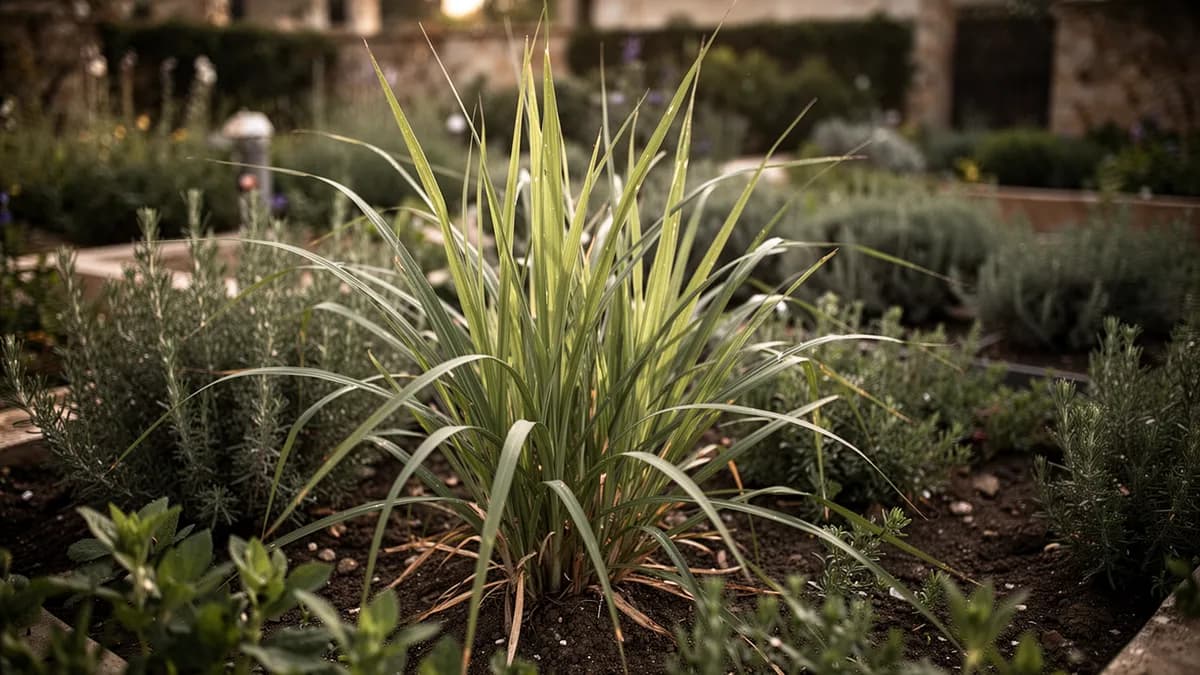
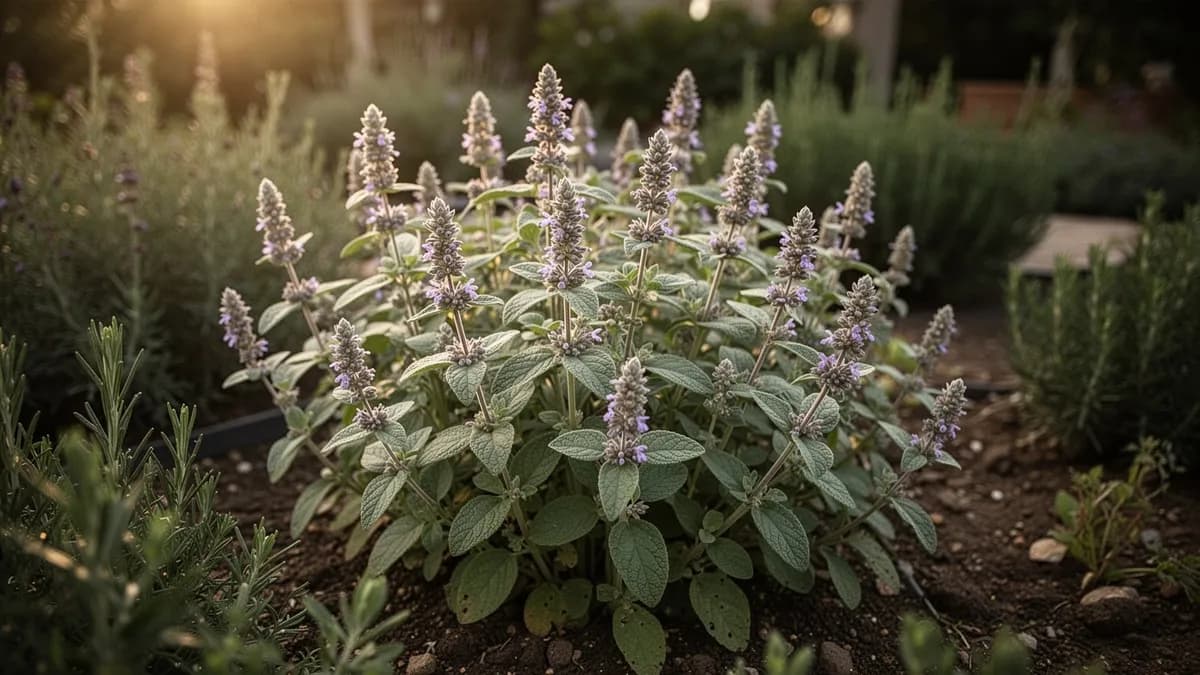
Abónalo bien
El mirto prospera en suelos bien drenados y moderadamente fértiles con un pH de 6.0-8.0. Tolera suelos calcáreos, arenosos y limosos. Evite las arcillas pesadas a menos que se enmienden para mejorar el drenaje. Abone las plantas en maceta mensualmente durante la temporada de crecimiento con un fertilizante líquido equilibrado. El mirto en jardín se beneficia de una capa anual de compost en primavera. En suelos alcalinos, un abono ericáceo ocasional ayuda a mantener el color de las hojas.
Temperatura ideal
Compatibilidad de zonas de rusticidad
De la semilla a la cosecha, etapa por etapa
Germinación de la semilla
Las semillas de mirto son pequeñas y requieren condiciones cálidas y constantemente húmedas para germinar. Siembre las semillas en la superficie de un sustrato fino para semillero y presione suavemente sin cubrirlas, ya que la luz favorece la germinación. Mantenga temperaturas de unos 20-24 °C. La germinación es lenta e irregular, y suele tardar entre 2 y 4 semanas o más.
Desarrollo de plántulas
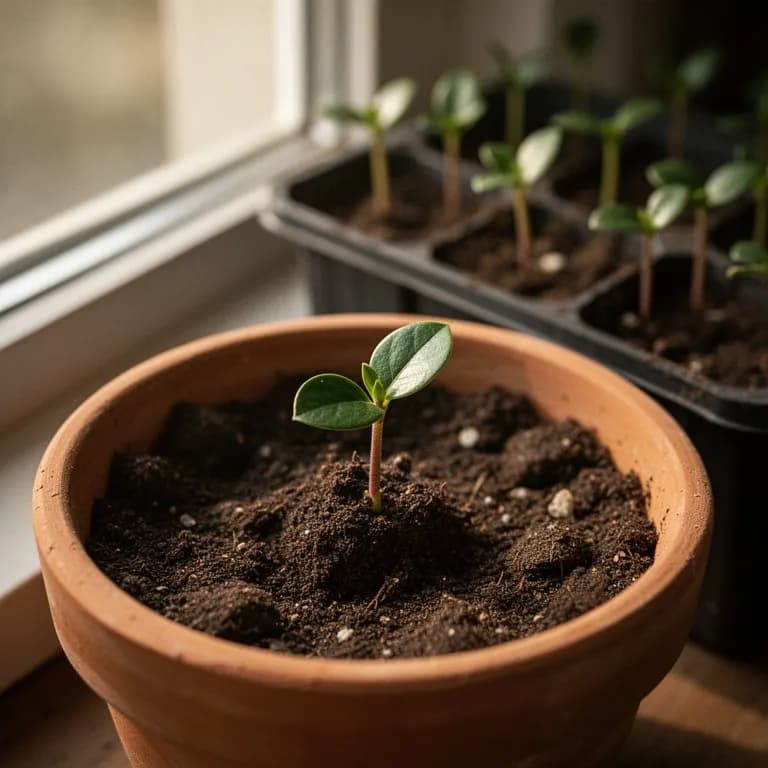
Las diminutas plántulas emergen con pequeñas hojas opuestas y brillantes. El crecimiento es lento durante esta fase, ya que la planta se centra en desarrollar un sistema radicular fuerte. Las plántulas son delicadas y requieren humedad constante sin encharcamiento.
Crecimiento vegetativo
La planta joven desarrolla su característica forma densa y arbustiva con follaje aromático de hoja perenne. Los tallos comienzan a adquirir una textura ligeramente leñosa en la base. Las hojas son brillantes, de un verde intenso, y liberan una fragancia agradable al triturarlas. El crecimiento se acelera en condiciones cálidas con riego regular.
Primera floración
El mirto suele comenzar a florecer en su segundo o tercer año desde la semilla, o en el primer año a partir de una planta de vivero. A finales de primavera y en pleno verano aparecen pequeñas flores blancas en forma de estrella con estambres prominentes. Las flores son intensamente fragantes y atraen a numerosos polinizadores.
Formación de bayas
Tras la polinización, se desarrollan pequeñas bayas verdes donde estaban las flores. Estas se hinchan gradualmente y maduran a lo largo de varios meses, pasando del verde al azul-negruzco intenso. Cada baya contiene varias semillas pequeñas. Las bayas tienen un sabor aromático y ligeramente resinoso.
Arbusto maduro
En su tercer a quinto año, el mirto se convierte en un arbusto de hoja perenne sustancial con un dosel denso de hojas aromáticas, floración anual fiable y producción constante de bayas. La corteza se vuelve lisa y de color marrón rojizo. Con los cuidados adecuados, un arbusto de mirto puede vivir décadas e incluso siglos.
Remoje las semillas en agua tibia durante 24 horas antes de sembrarlas para ablandar la cubierta seminal y mejorar las tasas de germinación. Use una cúpula de humedad para mantener la humedad.
Cuidar Mirto mes a mes
Qué hacer cada mes para tu Mirto
Octubre
Mes actualComplete la cosecha de bayas antes de las primeras heladas. Realice la poda ligera final para ordenar la forma antes del invierno. Mueva el mirto en maceta a una posición resguardada o trasládelo al interior en las regiones más frías.
Ten claro qué hacer en tu huerto, cada mes
Un correo al empezar cada mes: qué sembrar, plantar y hacer ahora mismo — para tu Mirto y todo lo que crece alrededor. Más un breve curso inicial para esquivar los errores clásicos.
- Qué hacer ahora mismo
- Ajustado a tu temporada
- Curso inicial incluido
Cosechar Mirto
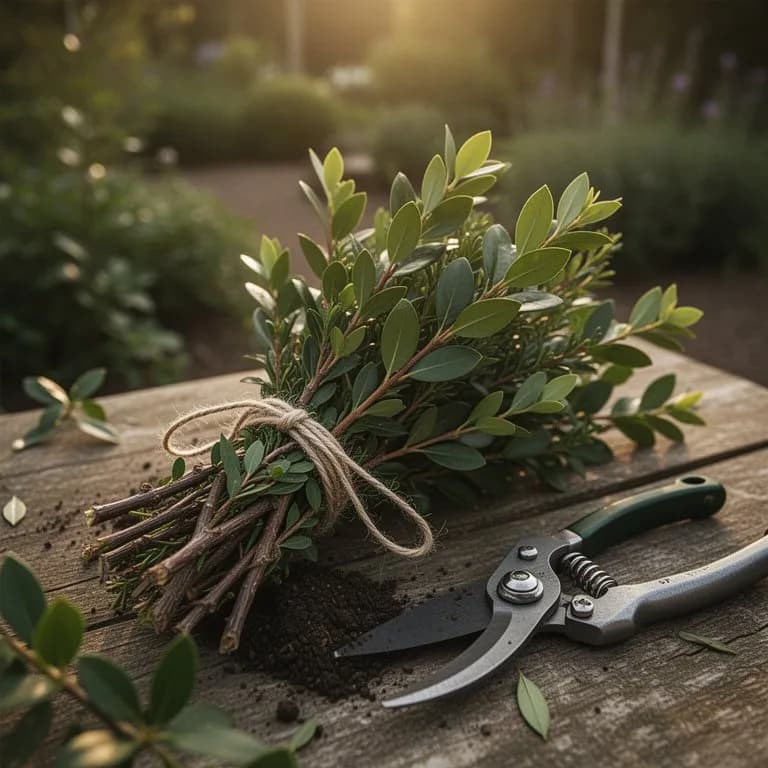
Coseche hojas de mirto en cualquier momento de plantas establecidas cortando pequeñas ramas o recogiendo hojas individuales. Las hojas son más aromáticas durante el tiempo cálido. Recolecte los capullos justo cuando se abren para obtener la mayor intensidad de fragancia. Recoja las bayas cuando adquieran el color azul-negruzco en otoño. La madera de mirto de las ramas podadas tiene un grano fino y un aroma dulce; guarde las podas más grandes para ahumar carnes o como combustible para barbacoa.
se supone que plantas al comenzar el periodo — indica tu fecha real
Cosecha Mirto a tiempo y la planta sigue produciendo.
Almacenamiento y conservación
Seque las hojas de mirto sobre rejillas o formando manojos colgados en un lugar cálido y bien ventilado. Las hojas secas conservan su fragancia resinosa durante 12-18 meses en tarros de vidrio herméticos. Las bayas se pueden secar y usar como especia similar a las bayas de enebro: extiéndalas en bandejas y deshidrate a 40 °C hasta que estén duras. Guarde las bayas secas en frascos pequeños. Las hojas frescas se conservan bien en el refrigerador durante 1-2 semanas. El aceite o el vinagre infusionados con mirto capturan el sabor de forma excelente.
Qué falla — y cómo solucionarlo
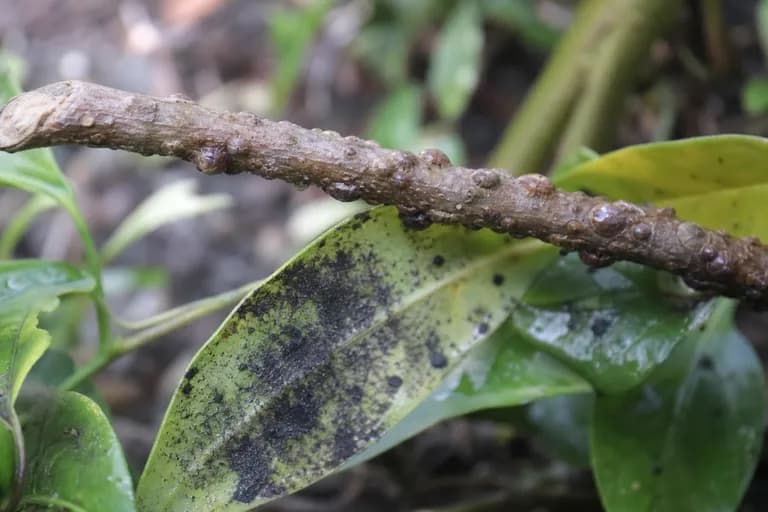
Cochinillas
PlagaProtuberancias marrones o blancas sobre tallos y superficies de hojas. Secreciones de melaza que favorecen la aparición de fumagina en las hojas.

Mancha foliar
EnfermedadManchas circulares marrones o negras en las hojas, a veces con halos amarillos. Más frecuente en condiciones de humedad elevada.
Solución de problemas comunes
El daño por frío es la principal preocupación: proteja la planta de las heladas intensas y de los vientos fríos. Las plantas establecidas se recuperan de las heladas ligeras si los tallos no resultan dañados. La caída de hojas en invierno en plantas en maceta suele indicar poca luz o cambios bruscos de temperatura. Una floración escasa indica sol insuficiente: se necesitan al menos 6 horas de luz solar directa diaria para una buena floración. En climas muy cálidos y secos, los ácaros araña pueden ser un problema; mantenga cierta humedad alrededor de las plantas.
Consejos de cultivo
- Plante el mirto en una posición resguardada orientada al sur donde reciba al menos 6 horas de luz solar directa al día. La protección frente a los vientos fríos del norte y del este es esencial en zonas de rustificidad límite.
- Use una mezcla de sustrato bien drenante con un pH ligeramente ácido a neutro de 5.5-7.5. El mirto no soporta las raíces encharcadas, por lo que enmiende los suelos arcillosos pesados con arena gruesa y materia orgánica antes de plantar.
- Riegue las plantas jóvenes regularmente durante sus dos primeras temporadas de crecimiento para establecer un sistema radicular fuerte. Una vez establecido, el mirto es razonablemente tolerante a la sequía, pero produce mejores flores y bayas con humedad estival constante.
- Abone con un fertilizante equilibrado de liberación lenta a principios de primavera y de nuevo a mediados del verano. Evite los abonos ricos en nitrógeno que promueven un crecimiento excesivo de hojas en detrimento de la floración y la producción de bayas.
- Pode tras la floración a finales de verano o principios de otoño para mantener la forma. El mirto responde excepcionalmente bien al recorte formal y puede moldearse en setos, espalderas, conos u otras formas de topiario.
- En regiones más frías que la zona 8 del USDA, cultive el mirto en una maceta usando una mezcla de compost a base de tierra y perlita. Lleve la planta al interior, a una habitación fresca y luminosa, antes de la primera helada intensa, manteniéndola entre 5-10 °C durante el invierno.
- Propague a partir de esquejes semileñosos tomados a finales de verano. Seleccione brotes sanos sin florecer de unos 10-15 cm de largo, retire las hojas inferiores, sumerja en hormona de enraizamiento e inserte en una mezcla arenosa de propagación. El calor de base acelera significativamente el enraizamiento.
- Esté atento a las cochinillas y la fumagina, que son los problemas de plagas más comunes del mirto. Trate las cochinillas con un spray de aceite hortícola y mejore la circulación del aire alrededor de la planta para desalentar los problemas fúngicos.
- Acolche la zona radicular con grava o cascajo en lugar de mantillo orgánico para reflejar el calor, mejorar el drenaje y replicar las condiciones de cultivo mediterráneas naturales de la planta.
- Coseche hojas en cualquier época del año para uso culinario fresco. Para obtener el sabor más intenso, recójalas por la mañana, tras evaporarse el rocío, cuando las concentraciones de aceites esenciales son más altas.
Cultiva tu mejor Mirto — y todo lo que la rodea.
Empieza un plan gratis hoy. Diseña tus bancales, coloca tu Mirto y deja que PlotMyGarden gestione el momento, el espaciado, las asociaciones y los recordatorios de la semilla a la cesta.
Elige tu Mirto
Myrtus communis (estándar)
El mirto mediterráneo clásico con hojas brillantes, flores blancas y bayas oscuras. Alcanza 2-3 metros de altura sin poda.
Myrtus communis subsp. tarentina
Variedad compacta con hojas más pequeñas y bayas blanco-rosadas. Más resistente al frío que el tipo estándar. Excelente para jardines pequeños y macetas.
Myrtus communis 'Variegata'
Hojas variegadas con bordes crema que mantienen las mismas propiedades aromáticas. De crecimiento más lento y ligeramente menos resistente, pero muy ornamental.
Una sola planta de mirto cuesta entre 8 y 15 € en un vivero y puede vivir décadas o incluso siglos, produciendo abundantes hojas aromáticas durante todo el año y bayas cada otoño. Las hojas secas de mirto se venden por 6-12 € la onza en tiendas especializadas de especias, y un arbusto maduro proporciona mucho más de lo que un hogar puede consumir. Las bayas de mirto para elaborar licor son raramente accesibles en el mercado y alcanzan precios elevados cuando se encuentran. Un mirto bien establecido en el jardín permite ahorrar fácilmente entre 50 y 80 € al año en hierbas secas y bayas, y propagar nuevas plantas a partir de esquejes no cuesta nada. A lo largo de una vida útil de 20 años, una sola planta puede suponer un ahorro de 1.000 € o más, al tiempo que aporta belleza ornamental, pantalla vegetal y hábitat para polinizadores sin ningún coste adicional.
Recetas rápidas
Licor de mirto sardo
15 minutos + 40 días de maceraciónEste digestivo sardo tradicional transforma las bayas maduras de mirto en un licor de intenso color púrpura y extraordinario aroma, con notas de enebro, laurel y especias dulces. Servido muy frío tras la comida, el mirto es el sabor por excelencia de las islas mediterráneas. El largo período de maceración permite que los sabores complejos se desarrollen plenamente.
6 ingredientesLomo de cerdo asado con mirto
20 minutos + 1 hora de asadoLas ramas y hojas frescas de mirto impregnan un lomo de cerdo asado con la fragancia aromática y ligeramente resinosa del maquis mediterráneo. Esta preparación clásica de Cerdeña y Córcega usa las hojas tanto como condimento como lecho natural para la carne, creando resultados tiernos y de sabor profundo.
6 ingredientesInfusión de bayas de mirto y miel
10 minutosUna reconfortante infusión de hierbas elaborada con bayas y hojas secas de mirto, endulzada con miel cruda. Esta calmante bebida se ha disfrutado en todo el Mediterráneo durante siglos como ayuda digestiva y bebida confortante invernal. Las bayas aportan una sutil profundidad afrutada al té, mientras que las hojas contribuyen con un suave aroma a eucalipto.
5 ingredientesUsos culinarios
El mirto es una hierba culinaria tradicional de la cocina sarda, corsa y mediterránea en general. Las hojas aromatizán las carnes asadas, especialmente el cerdo y la caza, aportando un sabor resinoso similar al enebro. Envuelva pescado o pollo en ramas de mirto para cocinar a la parrilla. Las bayas secas pueden molerse y usarse como especia similar a la pimienta. El licor de bayas de mirto (Mirto) es el famoso digestivo sardo. Los brotes jóvenes pueden utilizarse para aromatizar rellenos y marinadas.
Qué contiene
Beneficios para la salud
- El extracto de hojas de mirto contiene 1.8-cineol y alfa-pineno, compuestos con documentadas propiedades expectorantes y broncodilatadoras que se han usado tradicionalmente para favorecer la salud respiratoria y aliviar la congestión.
- Las bayas y hojas son ricas en polifenoles y flavonoides, incluidos la miricetina y el ácido gálico, que muestran una fuerte actividad antioxidante que puede ayudar a proteger las células del estrés oxidativo.
- La medicina mediterránea tradicional ha usado infusiones de mirto durante siglos para calmar el malestar digestivo, y estudios modernos sugieren que los taninos del mirto pueden ayudar a regular la motilidad intestinal.
- El aceite esencial de mirto ha demostrado actividad antimicrobiana contra varias cepas bacterianas y fúngicas comunes en estudios de laboratorio, respaldando su uso histórico como antiséptico natural para heridas menores.
- Investigaciones preliminares indican que los extractos de hojas de mirto pueden tener efectos suaves reguladores del azúcar en sangre, con compuestos de la planta que potencialmente apoyan un metabolismo saludable de la glucosa.
- La inhalación de aceite esencial de mirto ha sido estudiada por sus efectos calmantes sobre el sistema nervioso, con algunas evidencias que sugieren que puede ayudar a reducir el estrés y promover la relajación, de forma similar a otras hierbas aromáticas mediterráneas.
De dónde viene Mirto
El mirto común (Myrtus communis) es originario de la cuenca mediterránea, donde crece de forma silvestre en los matorrales costeros y las garrigas de la Europa meridional, el norte de África y el oeste de Asia. Prospera en las laderas rocosas y soleadas de Grecia, Italia, el sur de Francia, España, Turquía y el Levante, donde ha formado parte integral del paisaje durante milenios. La evidencia arqueológica y los textos antiguos confirman que el mirto se ha cultivado y venerado desde al menos la Edad de Bronce. Los antiguos egipcios conocían la planta y probablemente usaban sus aromáticas hojas en perfumería y rituales. En la civilización griega, el mirto ocupaba un estatus profundamente sagrado como planta de Afrodita, diosa del amor y la belleza. La mitología griega cuenta que Afrodita se escondió detrás de un arbusto de mirto cuando emergió del mar por primera vez, y la planta se convirtió en su emblema. Los atletas victoriosos en los Juegos Ístmicos eran coronados con guirnaldas de mirto en lugar de las coronas de olivo de Olimpia. Los romanos heredaron esta veneración y asociaron el mirto con Venus, usándolo ampliamente en ceremonias nupciales, decoraciones de templos y procesiones triunfales. El naturalista romano Plinio el Viejo documentó las propiedades medicinales del mirto y dejó constancia de que el vino de mirto era un tónico muy popular. A lo largo del período medieval, el mirto siguió siendo importante en los jardines de hierbas monásticos y se usó para tratar afecciones respiratorias, problemas digestivos y enfermedades de la piel. Los eruditos árabes profundizaron en el estudio de su química medicinal y extendieron su cultivo por el norte de África y la Península Ibérica. Durante el Renacimiento, el mirto se convirtió en símbolo del amor y el matrimonio en toda Europa, y elaborados topiarios de mirto adornaban los jardines formales de las villas italianas y los châteaux franceses. En Cerdeña y Córcega, el mirto desarrolló una identidad culinaria única a través del licor mirto, un digestivo tradicional elaborado macerando bayas maduras en alcohol. Los colonos y comerciantes europeos llevaron finalmente el mirto a América, Australia y otras regiones templadas, donde se convirtió en un ornamental muy apreciado. Hoy en día, Myrtus communis se cultiva en todo el mundo en climas mediterráneos y subtropicales por sus fragantes flores, sus aromáticas hojas, sus bayas comestibles y su duradera belleza ornamental.
Mirto: ¿sabías que?
Datos fascinantes sobre Mirto
En la mitología griega y romana, el mirto era sagrado para Afrodita y Venus, diosas del amor. Las novias llevaban coronas de mirto como símbolo de amor y fidelidad, una tradición que todavía se sigue en algunas ceremonias nupciales mediterráneas.
Mirto: preguntas frecuentes
¿Cuándo debo plantar Mirto?
¿Cuáles son buenas plantas acompañantes para Mirto?
¿En qué zonas de rusticidad puede crecer Mirto?
¿Cuánto sol necesita Mirto?
¿A qué distancia debo espaciar Mirto?
¿Qué plagas y enfermedades afectan a Mirto?
¿Cómo almaceno Mirto después de la cosecha?
¿Cuáles son las mejores variedades de Mirto para cultivar?
¿Qué suelo necesita Mirto?
¿Las bayas y hojas de mirto son comestibles y seguras?
¿Puedo cultivar mirto en un clima frío?
¿Cómo preparo el licor de mirto en casa?
¿Por qué mi mirto no florece?
¿Cuál es la diferencia entre el mirto común y el mirto crespón?
¿Con qué rapidez crece el mirto y qué tamaño alcanza?
Acabas de leer la teoría. Ahora cultívala en piloto automático.
Todo lo que hace que Mirto sea delicado — el momento, el espaciado, las asociaciones, la ventana de cosecha — es justo lo que PlotMyGarden resuelve por ti, para cada planta de tu huerto.
Un plan que conoce tu clima
Indica tu ubicación una vez. Recibe fechas de siembra, abonado y cosecha basadas en tu última helada real y el pronóstico en vivo — sin adivinar con un sobre genérico.
De la sección “Cuándo plantar”Planificador de bancales de arrastrar y soltar
Diseña bancales sobre una cuadrícula. Cada planta encaja con su espaciado correcto y ves toda la temporada antes de gastar un céntimo en semillas.
De la sección “Cultivo”Conflictos de asociación, detectados a tiempo
Más de 200 buenas y malas combinaciones comprobadas en vivo mientras plantas — para que un error que arruine la temporada nunca llegue a la tierra.
De la sección “Asociaciones”Recordatorios que sí vas a seguir
“Riega las judías.” “Recoge hoy antes de que se pase.” Oportunos, concretos y ligados a las plantas que de verdad cultivas.
De la sección “Cosecha”Escalonado, programado
¿Quieres cosechar seis semanas en vez de seis días? Reparte tus siembras automáticamente y te avisa cuando toca el siguiente lote.
De la sección “Cuándo plantar”Un registro que se vuelve más listo
Cada cosecha que registras le enseña tu huerto. El plan del año que viene parte de lo que de verdad funcionó en tu suelo, no en un manual.
De la sección “Resumen”Planta estos junto a Mirto
Más Hierbas aromáticas
Cultiva tu mejor Mirto — y todo lo que la rodea.
Empieza un plan gratis hoy. Diseña tus bancales, coloca tu Mirto y deja que PlotMyGarden gestione el momento, el espaciado, las asociaciones y los recordatorios de la semilla a la cesta.