Mignonette
An old-fashioned cottage garden annual prized not for its modest appearance but for its intensely sweet, raspberry-like fragrance.





On this pageOverview
Meet Mignonette
An old-fashioned cottage garden annual prized not for its modest appearance but for its intensely sweet, raspberry-like fragrance. Mignonette prefers cool conditions and may stop blooming in extreme heat, so plant early and provide afternoon shade in hot climates. Place near windows, patios, or along pathways where its delightful scent can be appreciated.
When to plant Mignonette
Direct sow mignonette seeds in early spring, as soon as the soil can be worked. Scatter seeds on the soil surface and press in lightly—they need light to germinate. Keep moist until germination occurs in 10-14 days at 55-65°F (13-18°C). Thin seedlings to 8-10 inches apart. Mignonette resents transplanting, so direct sowing is strongly preferred. In mild climates, autumn sowing produces early spring flowers.
Your Mignonette Year
Composed for Zone 7 · typical seasons · frost passes Apr 2, returns Nov 1
Plant Mignonette Mar – Apr, pick May – Aug. Check the planting methods below and set your climate to personalize these windows.
How to grow Mignonette
Mignonette is a treasured old-fashioned annual grown almost entirely for its extraordinary sweet fragrance rather than its appearance. The flower spikes are modest—greenish-white to yellowish with conspicuous orange stamens—but the honeyed, raspberry-like scent is legendary. Direct sow seeds in early spring as soon as soil can be worked, as mignonette prefers cool conditions.
Scatter seeds on prepared soil and press in lightly—they need some light to germinate. Thin seedlings to 8-10 inches apart. Choose a partially shaded location in hot climates, as mignonette wilts and stops blooming in extreme heat. In cool-summer areas, full sun is ideal.
Mignonette performs best in moderately fertile, slightly alkaline soil that stays consistently moist. It resents transplanting, so always direct sow. For a continuous supply of fragrant flowers, make succession sowings every 3 weeks from early spring through early summer. In autumn, a final sowing in mild climates produces late-season fragrance.
72 plants fit a 4 × 8 ft bed
Each Mignonette wants 20 cm of elbow room. The planner keeps that spacing for you — every plant, every bed.
Mignonette's best neighbours
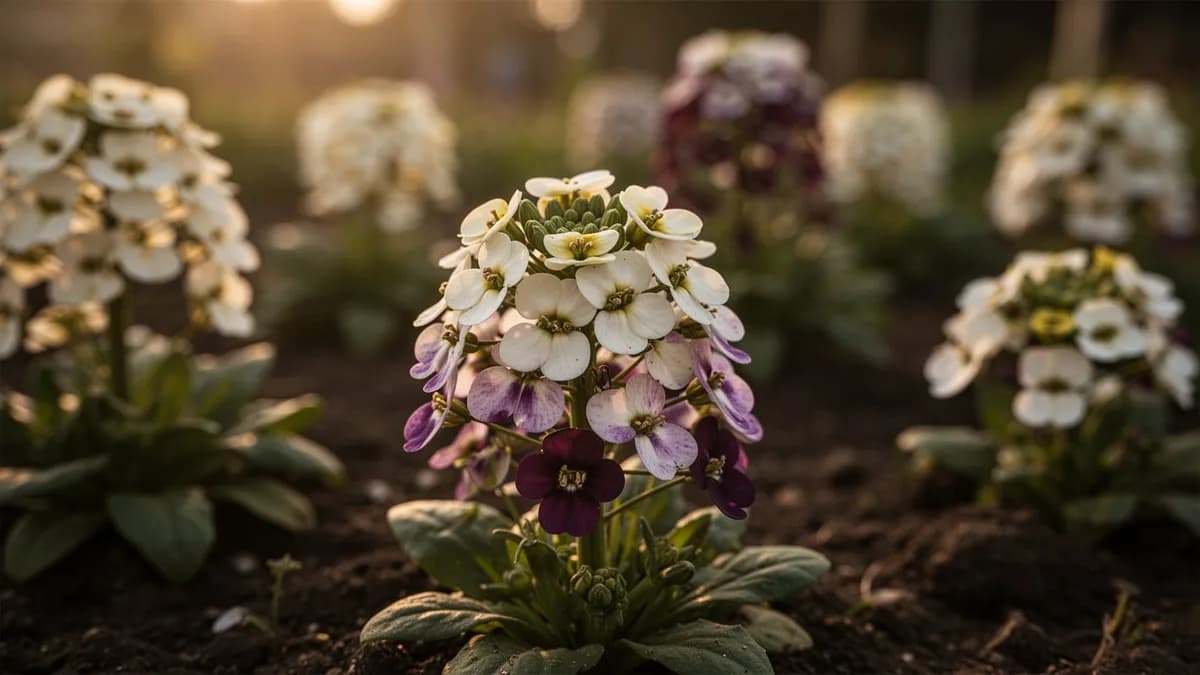
Mignonette is the ideal fragrance partner for visually stunning but scentless flowers. Plant alongside sweet peas, stocks, and nicotiana for a multi-layered fragrance garden. Position near roses—the combination of rose and mignonette scent was considered the epitome of garden perfume in Victorian times. Place along paths, near benches, and under windows where the fragrance can be most enjoyed.
Sweet Alyssum belongs beside it.
Old growers' knowledge, checked against Mignonette's real companion table below — test any plant you're growing.
Try Mignonette in a bed — right here
A real planner bed with Mignonette already in it. Tap a companion to place it and watch the pairing checks answer — green for good neighbours, red for a clash.


Related growing guides
Feed it well
Mignonette prefers moderately fertile, well-drained soil with a slightly alkaline pH of 6.5-7.5. It performs poorly in acid soils—add lime if your soil is acidic. Work compost into the planting area and apply a light dressing of balanced fertilizer. Avoid excessive nitrogen, which promotes leafy growth at the expense of fragrant flowers. Keep soil consistently moist but never waterlogged.
Ideal Temperature
Hardiness Zone Compatibility
From seed to harvest, stage by stage
Seed Germination
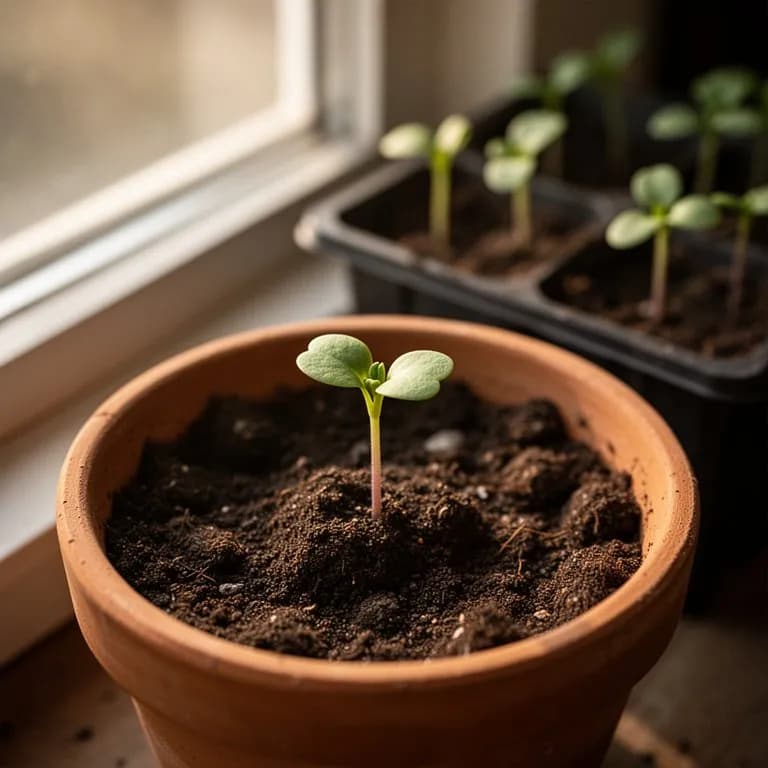
Mignonette seeds are tiny and require light to germinate. Sow on the surface of moist, well-drained soil and press gently without covering. Germination occurs in 7 to 14 days at temperatures between 15 and 20 degrees Celsius.
Seedling Development
Seedlings develop their first true leaves, which are small and spatula-shaped. The young plants form a loose rosette close to the ground before beginning to send up flowering stems.
Vegetative Growth
Plants grow upright stems reaching 30 to 60 centimetres tall. The foliage remains relatively sparse with narrow, lance-shaped leaves arranged alternately along the stems.
Flowering
Dense conical flower spikes emerge at the stem tips, bearing numerous tiny greenish-white to yellowish flowers with conspicuous orange-red stamens. The intensely sweet, raspberry-like fragrance is strongest in the evening hours.
Seed Set
After pollination, small rounded seed capsules develop along the spent flower spikes. Each capsule contains numerous tiny brown seeds. The plant begins to decline as energy shifts to seed production.
End of Season Decline
As an annual, mignonette naturally declines after seed set. Foliage yellows and stems become woody. In mild climates the plant may persist as a short-lived perennial but typically looks untidy.
Keep the soil consistently moist but not waterlogged. A light misting twice daily helps prevent the surface from drying out while avoiding seed displacement.
Caring for Mignonette month by month
What to do each month for your Mignonette
October
You are hereHarvest remaining seed capsules and store in labelled paper envelopes. Remove spent plants after the first hard frost. Add plant debris to the compost.
Know exactly what to do in your garden — every month
One email at the start of each month: what to sow, plant, and tackle right now — for your Mignonette and everything growing around it. Plus a short starter course that helps you dodge the classic mistakes.
- What to do, right now
- Matched to your season
- Starter course included
Harvesting Mignonette
Cut mignonette flower spikes when they are in full bloom for the strongest fragrance. The modest-looking flowers are best appreciated at close range in small posies and bud vases placed near seating areas, bedside tables, or windowsills. Combine with more visually striking flowers like roses and sweet peas—mignonette provides the scent while companions provide the visual impact. Flowers last 4-5 days in water.
assuming you plant when the window opens — set your real date
Pick Mignonette promptly and the plant keeps producing.
Storage & Preservation
Mignonette is not commonly dried, as the fragrance does not persist well when dried. For seed saving, allow some flower spikes to mature fully until seed capsules turn brown and dry. Collect seed by shaking dried spikes into an envelope. Store in a cool, dry place. Seeds remain viable for 2-3 years. In mild climates, mignonette self-sows gently if some flowers are allowed to set seed.
What goes wrong — and the fix
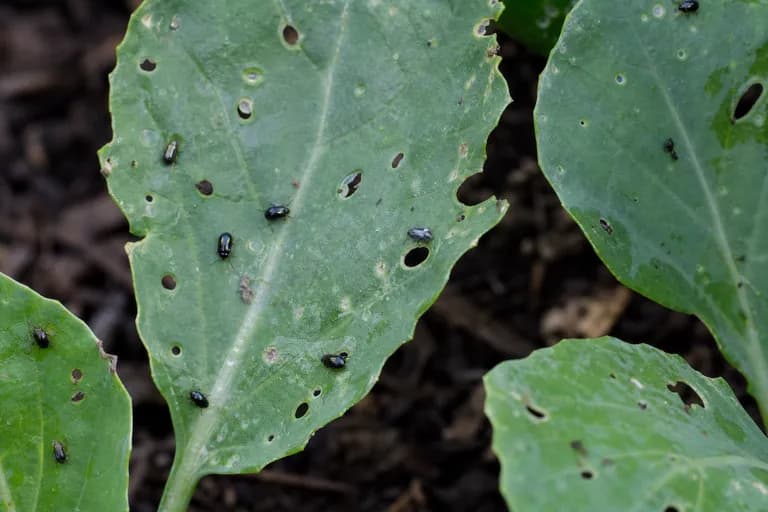
Flea Beetles
PestTiny round holes peppered across leaves, giving foliage a shot-hole appearance. Seedlings may be severely damaged.
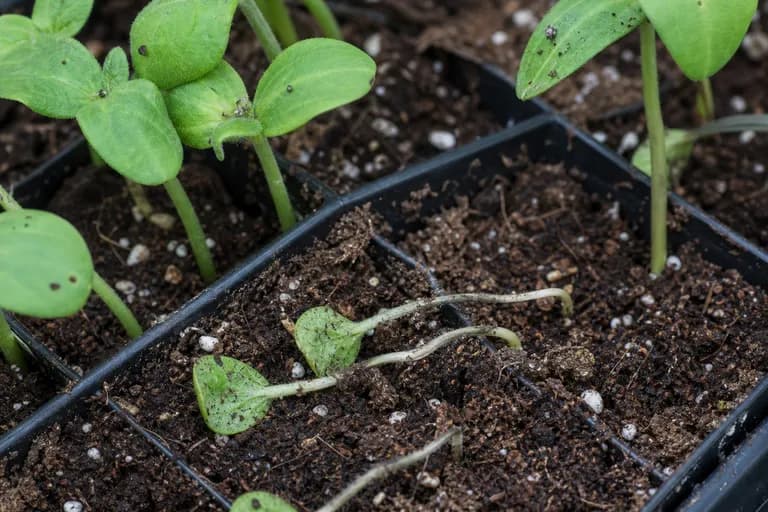
Damping Off
DiseaseSeedlings collapse at soil level, stems turning dark and pinched. Occurs in cool, wet conditions.
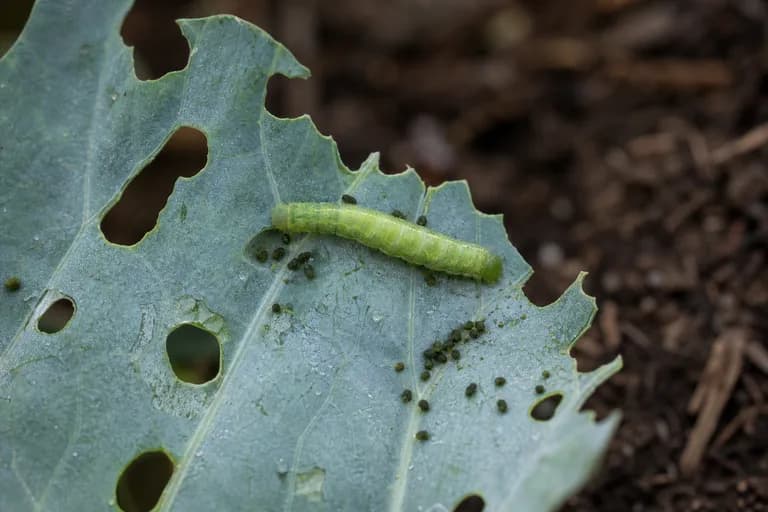
Caterpillars
PestIrregular holes chewed in leaves and flower buds. Frass (droppings) visible on remaining foliage.
Troubleshooting Common Problems
Heat is the main enemy—mignonette stops blooming when temperatures regularly exceed 80°F (27°C). In hot climates, plant early and provide afternoon shade. The modest appearance disappoints gardeners expecting showy blooms—grow mignonette purely for its extraordinary fragrance. Poor germination often results from sowing too deeply or in overly warm soil; cool conditions and surface sowing give the best results.
Growing Tips
- Sow mignonette seeds directly where they are to grow, as the taproot makes transplanting difficult and often results in stunted plants that never reach their full potential.
- Press seeds gently onto the soil surface without covering them, as mignonette requires light for germination. A light dusting of vermiculite can help retain moisture without blocking light.
- Choose a spot near windows, doorways, or seating areas where the evening fragrance can be enjoyed, as the scent intensifies during cool evening hours and on overcast days.
- Grow mignonette in slightly alkaline to neutral soil with a pH between 6.5 and 7.5. The plant is native to limestone regions and performs poorly in acidic conditions.
- Avoid rich, heavily fertilised soil which encourages lush foliage at the expense of flowers and fragrance. Lean to moderately fertile soil produces the most intensely scented blooms.
- Water consistently but moderately, allowing the top centimetre of soil to dry between waterings. Overwatering leads to root rot, while drought stress causes premature bolting.
- Make successive sowings every two to three weeks from early spring through midsummer to ensure continuous blooms and fragrance from late spring well into autumn.
- Grow mignonette alongside taller companion plants such as cosmos or cleome that provide light afternoon shade in hot climates, helping to extend the flowering period.
- In containers, use a gritty, free-draining potting mix with added perlite or coarse sand. Terracotta pots are ideal as they allow excess moisture to evaporate through the pot walls.
- Save seeds by allowing a few flower spikes to mature fully on the plant. Harvest the capsules when they turn brown and papery, and store seeds in a cool, dry location for up to three years.
Grow your best Mignonette yet — and everything around it.
Start a free plan today. Lay out your beds, drop in your Mignonette, and let PlotMyGarden handle the timing, spacing, companions and reminders from seed to harvest basket.
Pick your Mignonette
Reseda 'Grandiflora'
The improved garden form with slightly larger, more conspicuous flower spikes and the same intoxicating fragrance as the species.
Reseda 'Red Monarch'
Reddish flower spikes that add a touch of warm color while retaining excellent fragrance. More ornamental than the species.
Reseda 'Machet'
Compact plants at 12 inches with dense, reddish-green flower spikes. An old, reliable variety prized by Victorian gardeners.
Mignonette is exceptionally economical to grow. A single packet of seeds costing two to three dollars can produce dozens of plants that bloom for months. The plants self-sow freely in favourable conditions, providing free plants in subsequent years. As a premium bee plant, mignonette indirectly supports fruit and vegetable yields through improved pollination. Dried flowers can replace purchased potpourri, and homemade floral syrups rival expensive artisan products at a fraction of the cost.
Quick recipes
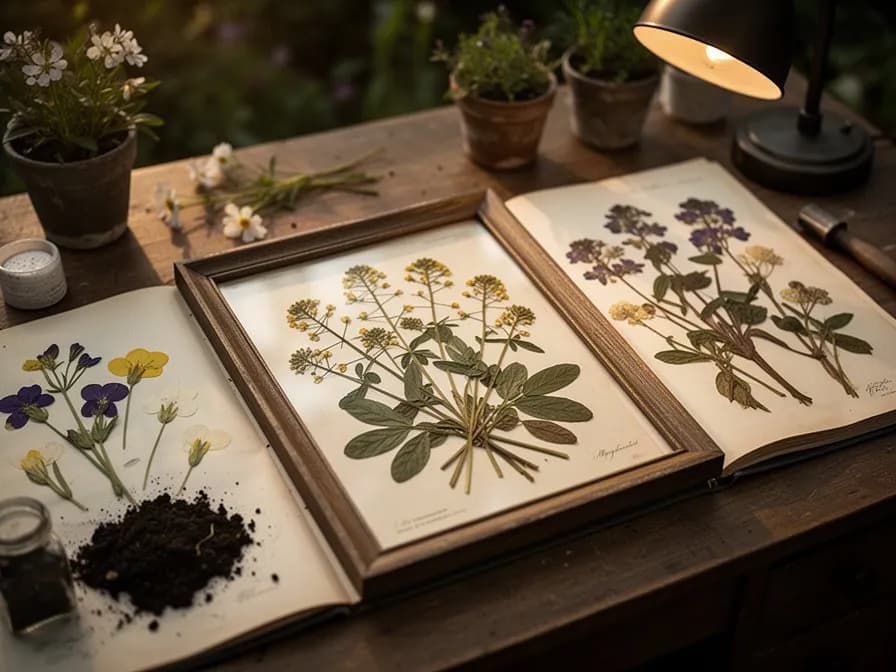
Mignonette Flower Syrup
20 minutes plus overnight steepingA delicately scented floral syrup that captures mignonette's sweet, raspberry-like fragrance. Use it to flavour sparkling water, cocktails, or drizzle over vanilla ice cream and fresh fruit desserts.
5 ingredientsMignonette Potpourri Sachets
30 minutes plus 2 weeks dryingHarvest and dry mignonette flower spikes to create fragrant sachets for drawers, wardrobes, and linen closets. The dried flowers retain their sweet scent for several months and can be refreshed with a drop of essential oil.
5 ingredients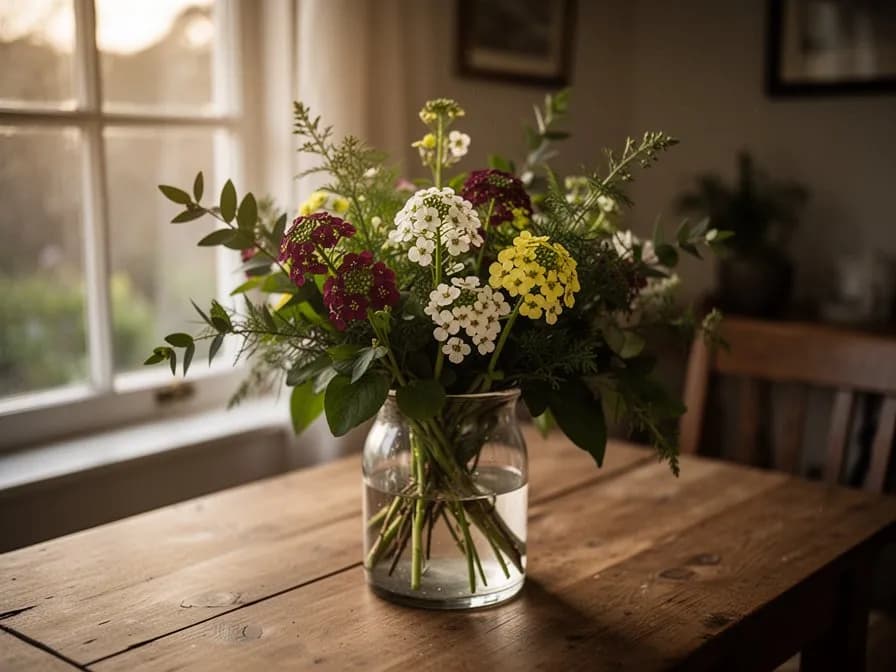
Mignonette and Herb Salad
10 minutesYoung mignonette leaves add a mild, slightly peppery note to spring salads. Combined with other edible flowers and herbs, this salad celebrates the garden's early season bounty with a light citrus vinaigrette.
6 ingredientsWhat's inside
Health Benefits
- Contains luteolin, a flavonoid studied for its anti-inflammatory effects that may help reduce swelling and support joint comfort
- Traditional herbalists used mignonette infusions as a gentle calming agent to ease nervous tension and promote restful sleep
- The plant's phenolic compounds act as antioxidants, helping to neutralise free radicals and protect cells from oxidative stress
- In North African folk medicine, mignonette tea was used as a mild digestive aid to soothe stomach discomfort after meals
- Aromatherapy practitioners value mignonette's sweet fragrance for its mood-lifting properties and its ability to reduce feelings of anxiety
- Young leaves provide small amounts of vitamin C and potassium, contributing to immune function and healthy blood pressure when consumed as a salad green
Where Mignonette comes from
Mignonette (Reseda odorata) is native to the limestone regions of North Africa, primarily Egypt, Libya, and parts of the Mediterranean basin. Archaeological evidence suggests the ancient Egyptians cultivated mignonette for its fragrance, and traces of the plant have been found in pharaonic burial sites, where it may have been used in ceremonial garlands and perfumed unguents. The Romans also valued the plant, both as a source of fragrance and for the closely related species Reseda luteola, which provided an important yellow dye known as weld. However, mignonette largely faded from European cultivation during the Middle Ages. Its modern resurgence began in the early 18th century when French botanists reintroduced seeds from North Africa. By the mid-1700s, mignonette had become enormously popular across France, particularly in Paris, where it was grown in window boxes and market gardens. Its French name, meaning little darling, reflects the deep affection Parisians held for the plant despite its modest, unshowy blooms. The plant's popularity spread rapidly to England, Germany, and the Netherlands during the 19th century, becoming a staple of Victorian cottage gardens and conservatories. Plant breeders developed improved varieties such as Machet, with its compact habit and red-tinged flowers, and Grandiflora, selected for exceptionally strong fragrance. Mignonette also crossed the Atlantic with European settlers and was widely grown in colonial American gardens by the early 1800s. Thomas Jefferson recorded growing mignonette at Monticello. Though its popularity declined in the 20th century as showy hybrid flowers dominated garden fashion, mignonette has experienced a revival among heritage garden enthusiasts, pollinator-focused gardeners, and natural perfumers who prize its uniquely sweet, complex scent.
Mignonette: did you know?
Fascinating facts about Mignonette
Mignonette was so popular in Victorian-era Paris that flower sellers sold bunches on every street corner, and window boxes filled with it scented entire boulevards.
Mignonette questions, answered
When should I plant Mignonette?
What are good companion plants for Mignonette?
What hardiness zones can Mignonette grow in?
How much sun does Mignonette need?
How far apart should I space Mignonette?
What pests and diseases affect Mignonette?
How do I store Mignonette after harvest?
What are the best Mignonette varieties to grow?
What soil does Mignonette need?
Why does my mignonette have very little fragrance?
Can mignonette be grown indoors or in containers?
Is mignonette safe for pets and children?
How can I extend the mignonette flowering season?
Will mignonette self-sow in my garden?
What pests and diseases affect mignonette?
You just read the theory. Now grow it on autopilot.
Everything that makes Mignonette fiddly — the timing, the spacing, the companions, the harvest window — is exactly what PlotMyGarden handles for you, for every plant in your garden.
A plan that knows your weather
Set your location once. Get sow, feed and harvest dates built around your real last-frost date and live forecast — no more guessing from a generic seed packet.
From the “When to plant” sectionDrag-and-drop bed planner
Design beds on a grid. Every plant snaps to its proper spacing, and you can see your whole season laid out before you spend a cent on seed.
From the “Growing guide” sectionCompanion conflicts, caught early
200+ good-and-bad pairings checked live as you plant — so a season-wrecking mistake never makes it into the ground.
From the “Companions” sectionReminders you'll actually act on
“Water the beans.” “Pick today before it turns.” Timely, specific, and tied to the plants you're really growing.
From the “Harvest” sectionSuccession, scheduled
Want a harvest for six weeks, not six days? It spaces your sowings automatically and reminds you when each new block is due.
From the “When to plant” sectionA record that gets smarter
Every harvest you log teaches it your garden. Next year's plan starts from what actually worked in your soil, not a textbook's.
From the “Overview” sectionPlant these alongside Mignonette
More Annuals
Grow your best Mignonette yet — and everything around it.
Start a free plan today. Lay out your beds, drop in your Mignonette, and let PlotMyGarden handle the timing, spacing, companions and reminders from seed to harvest basket.