Mayhaw
A native Southern hawthorn producing small, cranberry-like fruits in spring that make a prized, tart-sweet jelly that is a Gulf Coast culinary tradition.





On this pageOverview
Meet Mayhaw
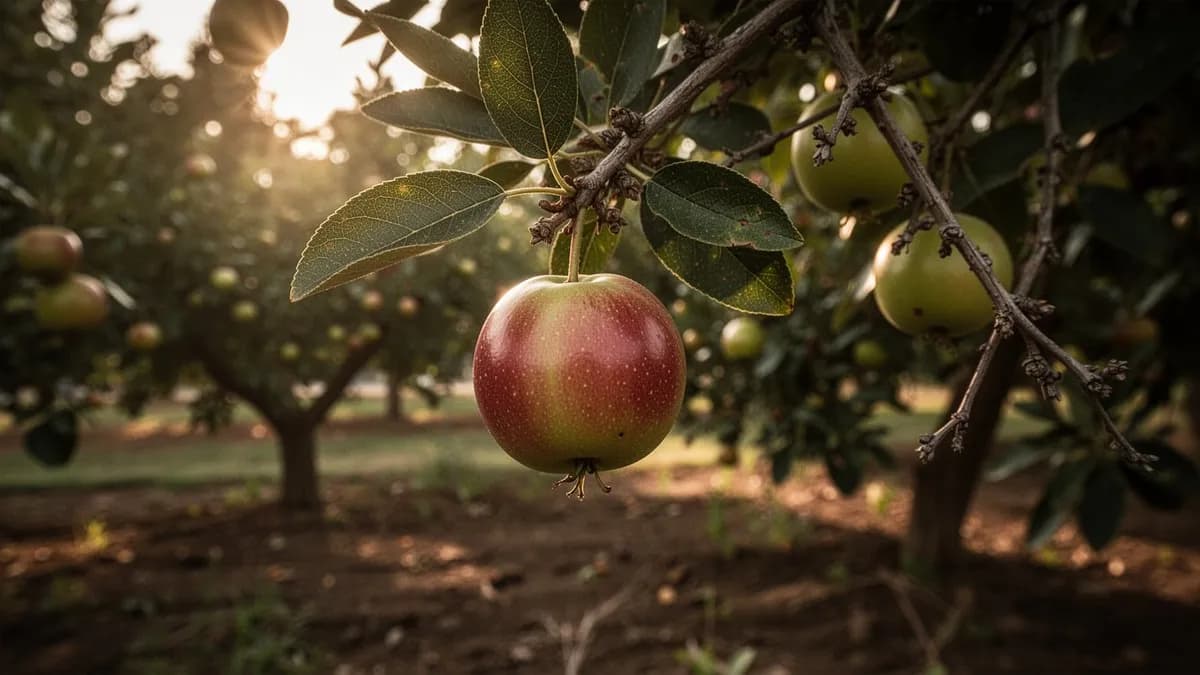
A native Southern hawthorn producing small, cranberry-like fruits in spring that make a prized, tart-sweet jelly that is a Gulf Coast culinary tradition. Mayhaws naturally grow in swampy, poorly drained soils where few other fruit trees survive, though improved varieties also perform well on regular garden soil. Plant at least two varieties for best cross-pollination.
When to plant Mayhaw
Mayhaw seeds have a double dormancy and require both warm and cold stratification for germination. Soak seeds in warm water for 24 hours, then stratify in warm, moist conditions at 70 degrees Fahrenheit for 90 days, followed by cold stratification at 33 to 40 degrees Fahrenheit for another 90 days. Plant in spring and expect germination in two to four weeks. Seedling trees take four to six years to fruit. Grafted varieties from reputable nurseries are preferred for named cultivars.
Your Mayhaw Year
Composed for Zone 7 · typical seasons · frost passes Apr 2, returns Nov 1
Plant Mayhaw Jan – Mar, pick Apr – May. Check the planting methods below and set your climate to personalize these windows.
How to grow Mayhaw
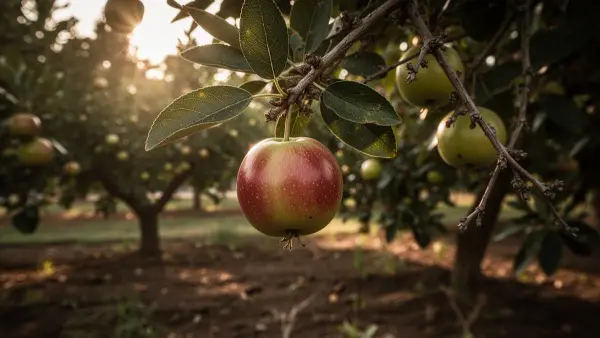
Plant mayhaw trees in late winter or early spring while dormant, in full sun with moist to wet soil. Unlike most fruit trees, mayhaw naturally grows in swampy, poorly drained areas and tolerates periodic flooding, making it ideal for low-lying garden areas where other fruits fail. Space trees 15 to 20 feet apart. Plant at least two different varieties for cross-pollination and best fruit set.
Water generously, as mayhaw prefers consistently moist to wet soil conditions. While it adapts to well-drained garden soil, it performs best with abundant moisture. The tree is highly adaptable and surprisingly easy to grow once established, tolerating both wet feet and moderate drought.
Fertilize in early spring with a balanced fertilizer. Mayhaw requires minimal pruning beyond removing dead wood and crossing branches. The tree blooms very early in spring, often in February or March, with delicate white blossoms that precede most other fruit trees. Protect blossoms from late frosts if possible, as they are vulnerable to cold snaps. The small, cranberry-like fruits ripen in April and May, giving the tree its common name.
Mayhaw needs more room than a 4 × 8 ft bed gives
Each Mayhaw wants 400 cm of elbow room. The planner keeps that spacing for you — every plant, every bed.
Related growing guides
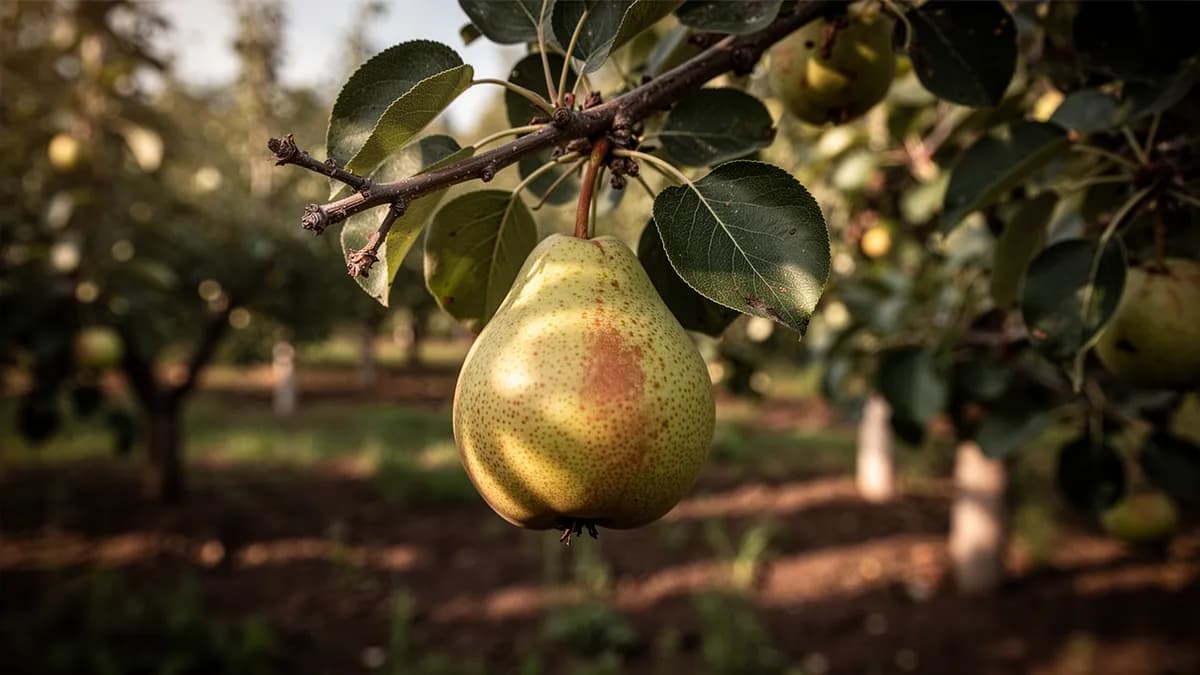
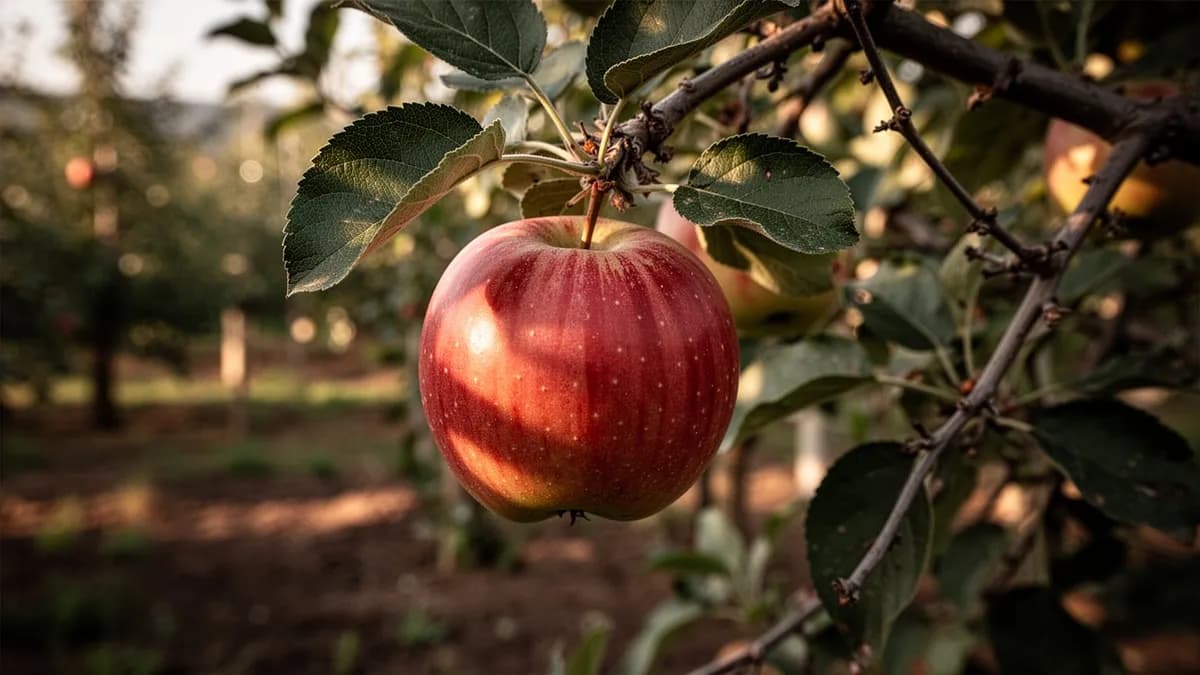
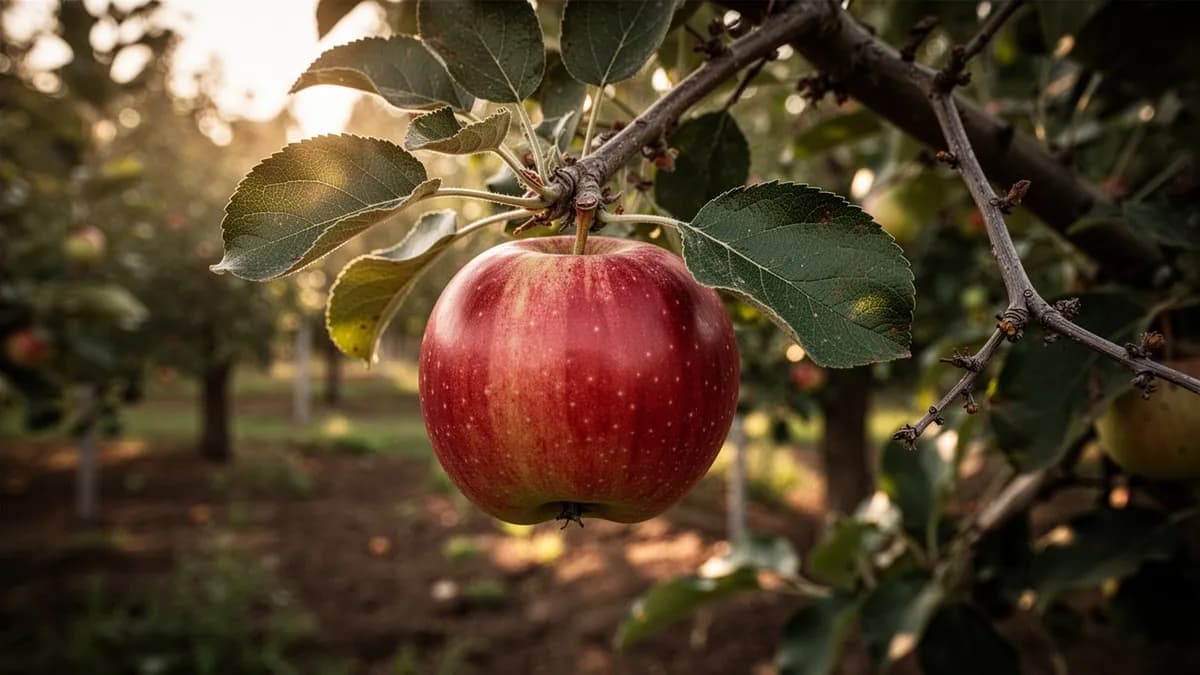
Feed it well
Mayhaw thrives in moist to wet, acidic soil with a pH of 5.0 to 6.5, reflecting its native habitat in Southern swamps and creek bottoms. It grows well in clay, sandy, and organic soils. While tolerant of wet conditions, improved varieties also perform well in regular garden soil with adequate irrigation. Apply a balanced fertilizer in early spring. Acidic mulch like pine straw helps maintain preferred soil conditions.
Ideal Temperature
Hardiness Zone Compatibility
From seed to harvest, stage by stage
Winter Dormancy
The mayhaw tree enters dormancy in late November and remains leafless through January. Unlike many fruit trees, mayhaw requires only 350 to 600 chill hours below 7 °C, making it well suited to the mild winters of the Deep South. During dormancy the tree conserves energy while its root system continues to absorb moisture from the characteristically wet soils it prefers. The tree is highly cold-hardy, tolerating temperatures down to -23 °C once fully dormant.
Bud Break and Flowering
Mayhaw is one of the earliest-blooming fruit trees in the southeastern United States, with flower buds swelling and opening from late February through mid-March. Clusters of small white to pale pink five-petalled flowers appear before or alongside emerging leaves. Each flower lasts only a few days, and the entire bloom period spans roughly two to three weeks. Cross-pollination by insects significantly improves fruit set, though some cultivars are partially self-fertile.
Fruit Set and Development
After successful pollination, petals drop and small green fruitlets begin to form. The tree simultaneously pushes out a full canopy of glossy green foliage. Some natural fruit drop occurs as the tree sheds unpollinated or poorly developing fruitlets. The remaining fruits grow steadily, reaching roughly 1 to 2 cm in diameter. Internal sugar and acid development begins during this phase, building the distinctive tart flavour that makes mayhaw prized for preserves.
Fruit Ripening
From mid-April through late May, mayhaw fruits undergo rapid colour change, transitioning from green to yellow and finally to bright red or deep orange-red at maturity. Ripe fruits soften slightly and detach easily from the stem when the branch is shaken. Sugar content peaks while acidity remains high, producing the tart, apple-like flavour characteristic of mayhaw. Fruits that fall into standing water beneath the tree can be scooped up with nets — a traditional harvesting technique in swamp-dwelling wild populations.
Post-Harvest Vegetative Growth
After fruit harvest in May, the mayhaw tree enters a long period of vigorous vegetative growth through summer and early autumn. The tree adds new shoots, thickens existing branches, and builds energy reserves in the form of stored carbohydrates. Flower buds for the following spring begin to differentiate during this period, particularly from midsummer onward. The tree maintains its dense, rounded canopy shape naturally with minimal intervention.
Autumn Leaf Colour and Senescence
As day length shortens and temperatures cool in October and November, mayhaw foliage turns attractive shades of yellow, orange, and russet-red before leaf drop. The tree is actively translocating nutrients from leaves back into the woody tissues and root system. This stored energy will fuel the early spring bloom the following year. The tree gradually enters dormancy, with leaf fall usually complete by late November in most of the growing range.
Apply a dormant oil spray on a calm, dry day above 4 °C to control scale insects and overwintering pests. Inspect the canopy for dead or crossing branches and plan pruning cuts. Avoid heavy soil compaction around the root zone, especially in waterlogged conditions.
Caring for Mayhaw month by month
What to do each month for your Mayhaw
October
You are hereEnjoy the autumn foliage display. Rake and remove any fallen diseased leaves. Apply a 2.5 cm layer of well-rotted compost as a top dressing over the root zone to replenish organic matter heading into winter.
Know exactly what to do in your garden — every month
One email at the start of each month: what to sow, plant, and tackle right now — for your Mayhaw and everything growing around it. Plus a short starter course that helps you dodge the classic mistakes.
- What to do, right now
- Matched to your season
- Starter course included
Harvesting Mayhaw
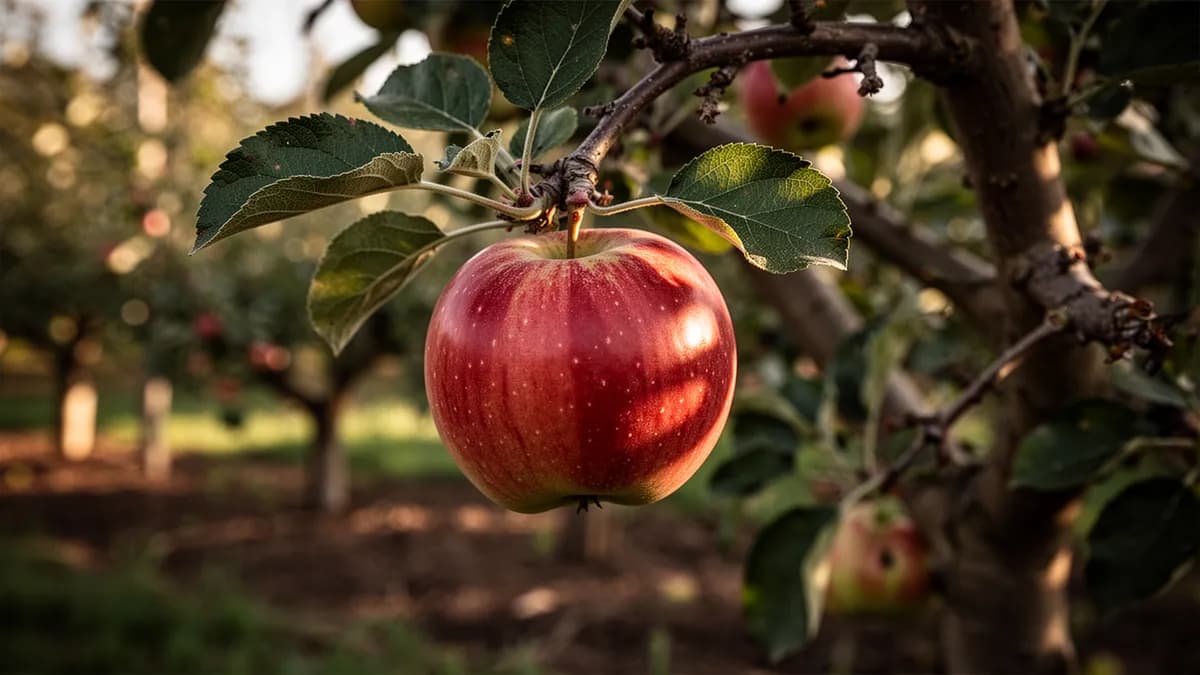
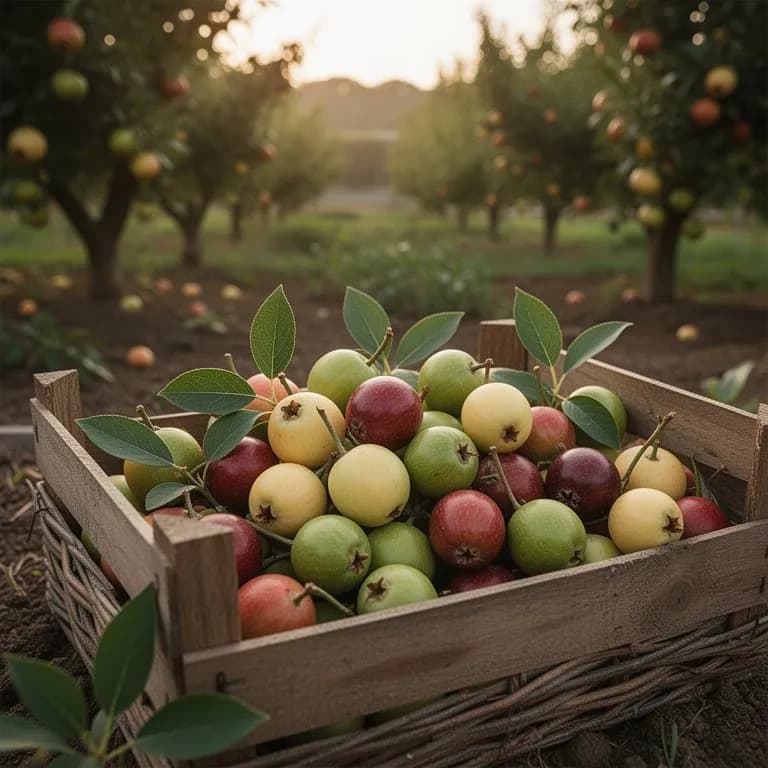
Mayhaw fruits ripen in April and May, much earlier than any other pome fruit. The small, cranberry-like fruits turn from green to bright red when ripe and drop from the tree. The traditional harvest method is to shake branches over tarps or nets spread beneath the tree. Fruits can also be harvested from the water surface if the tree grows near a pond, as many mayhaws naturally do. Pick or collect fruit when fully red for the best jelly flavor.
assuming you plant when the window opens — set your real date
Pick Mayhaw promptly and the plant keeps producing.
Storage & Preservation
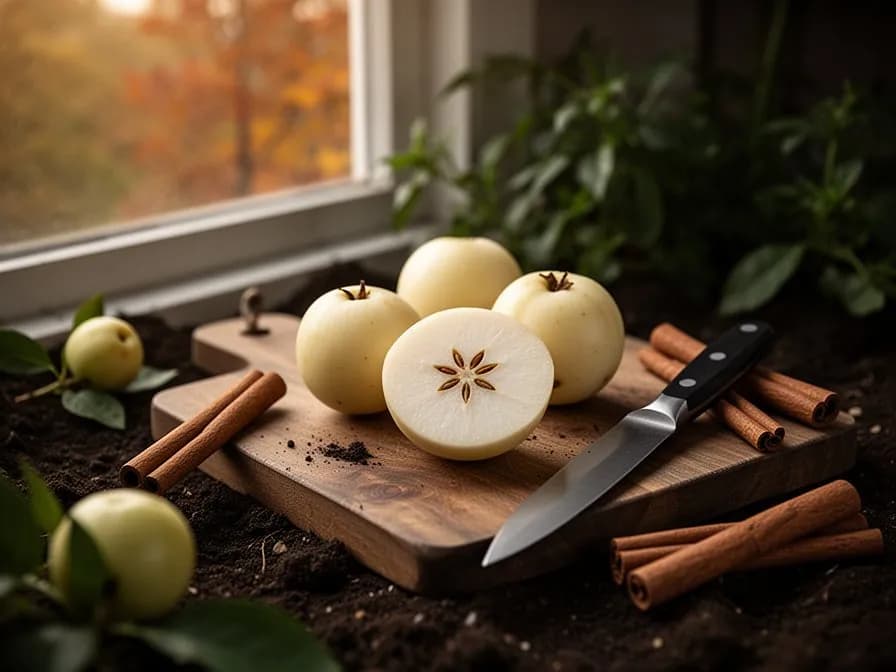
Fresh mayhaws keep in the refrigerator for up to two weeks. The primary use is making mayhaw jelly, a prized Gulf Coast culinary tradition with a tart-sweet, cranberry-apple flavor and beautiful clear red color. The high pectin content makes jelly-making easy. Freeze whole fruits for later processing. Mayhaw juice makes excellent syrup, wine, and sauces. Mayhaw butter and preserves are also traditional Southern preparations.
What goes wrong — and the fix
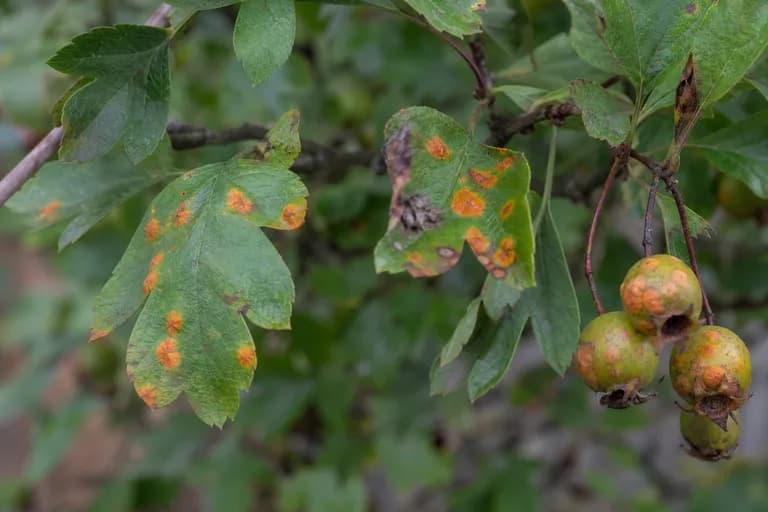
Cedar Hawthorn Rust
DiseaseYellow-orange spots on leaves with raised, spore-producing structures; defoliation in severe cases; possible fruit spots.
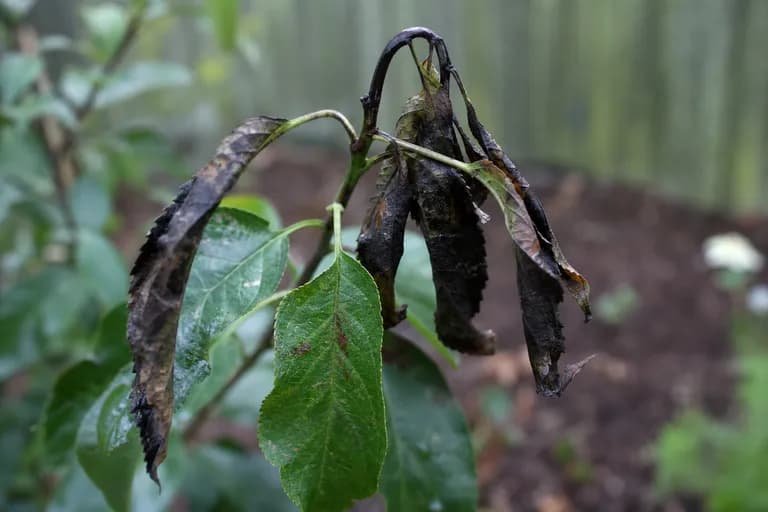
Fire Blight
DiseaseBlackened shoot tips curving downward; oozing cankers; blighted blossoms turning brown and remaining on the tree.
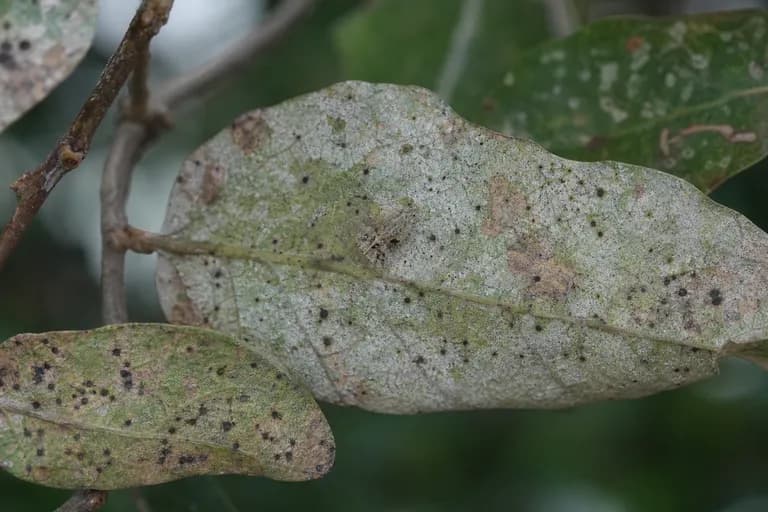
Hawthorn Lace Bug
PestStippled, bleached leaves with dark excrement spots on undersides; leaves take on a silvery, washed-out appearance.
Troubleshooting Common Problems
Late spring frosts can damage the early blossoms, reducing or eliminating the crop. Cross-pollination with a different variety is important for best fruit set. The small fruit size makes harvesting labor-intensive without the shake-and-catch technique. Cedar hawthorn rust can be problematic where Eastern red cedar is prevalent. Some varieties are alternate-bearing, producing heavy crops every other year. Birds consume ripe fruit rapidly if not harvested promptly.
Growing Tips
- Plant at least two different mayhaw cultivars within 15 metres of each other for reliable cross-pollination and maximum fruit set — even partially self-fertile varieties produce substantially more fruit with a pollination partner.
- Choose a planting site with acidic soil in the pH range of 5.5 to 6.5 — mayhaw is a native of acidic swamp soils and performs poorly in alkaline conditions above pH 7.0.
- Mayhaw tolerates and even thrives in poorly drained soils and seasonal flooding, making it an excellent fruit tree choice for low-lying garden areas, rain gardens, and creek margins where other species would suffer root rot.
- Purchase grafted named cultivars such as Super Spur, Texas Star, Maxine, or Big Red from specialty nurseries rather than growing from seed — grafted trees bear fruit years earlier and produce larger, more consistent berries.
- Apply a thick 7 to 10 cm layer of pine bark or pine straw mulch over the entire root zone to maintain soil acidity, conserve moisture, and suppress competing weeds — refresh the mulch layer annually in spring.
- Prune after harvest in late May or June rather than during winter dormancy to shape the canopy, remove water sprouts, and improve air circulation while minimising stress on the tree during its early bloom period.
- Protect young trees from deer browse with wire cages for the first three to four years — the tender new growth and bark of young mayhaw trees are highly attractive to deer in rural and suburban settings.
- Fertilise established trees once per year in late spring or early summer with a balanced slow-release fertiliser formulated for acid-loving plants — avoid high-nitrogen feeds that promote excessive vegetative growth at the expense of fruiting.
- Monitor closely for cedar-quince rust if Eastern red cedar (Juniperus virginiana) grows within 300 metres — this fungal disease requires both a juniper host and a hawthorn host to complete its life cycle and can disfigure fruit.
- Harvest promptly when fruit colours fully to bright red, as ripe mayhaw berries soften and begin to ferment quickly in warm spring temperatures — shake branches over tarps and process or freeze the fruit within 24 hours.
Grow your best Mayhaw yet — and everything around it.
Start a free plan today. Lay out your beds, drop in your Mayhaw, and let PlotMyGarden handle the timing, spacing, companions and reminders from seed to harvest basket.
Pick your Mayhaw
Super Spur
A heavy-bearing cultivar from Louisiana with large, bright red fruit and reliable annual production.
Texas Star
A Texas selection with good fruit size, early ripening, and outstanding jelly-making qualities.
T.O. Warren
A widely planted cultivar known for consistent heavy production and excellent fruit quality for preserves.
Lindsey
A large-fruited selection from Louisiana with good disease resistance and reliable annual crops.
A single established mayhaw tree can produce 15 to 30 kg of fruit annually, yielding approximately 30 to 50 jars of premium jelly worth $6 to $10 each at farmers markets. With artisanal mayhaw jelly retailing for $8 to $12 per jar in specialty shops, a mature tree can generate $240 to $600 worth of preserves per season. The tree requires minimal purchased inputs once established and thrives in wet, acidic soils unsuitable for most other fruit trees, effectively converting otherwise unproductive garden areas into a valuable harvest.
Quick recipes
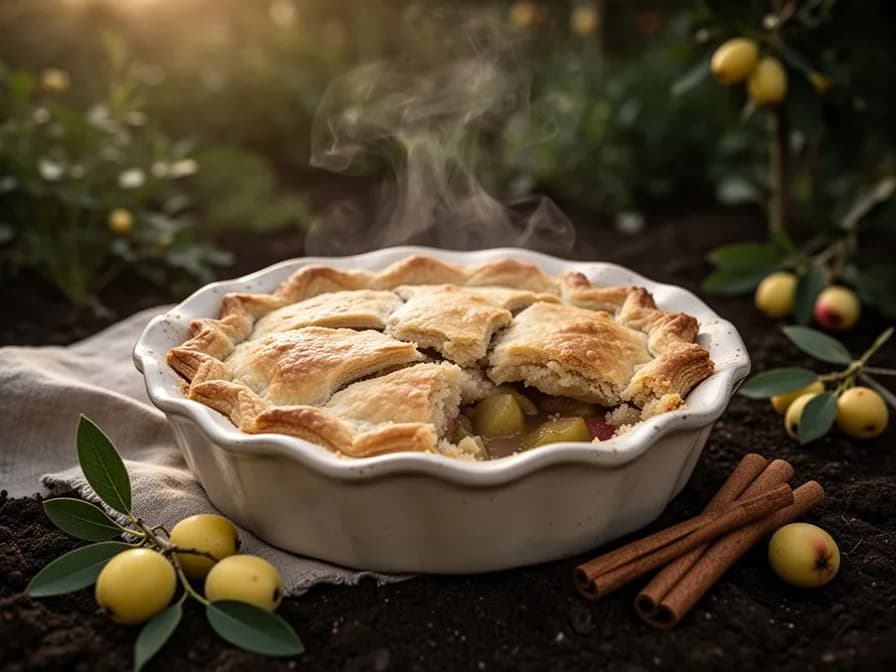
Classic Mayhaw Jelly
45 minutes plus overnight dripThe iconic Southern preserve that showcases mayhaw at its best. The fruit's naturally high pectin content produces a beautifully set jelly with a jewel-like ruby colour and a distinctive tart-sweet flavour that pairs perfectly with buttered biscuits, cornbread, or soft cheese.
5 ingredients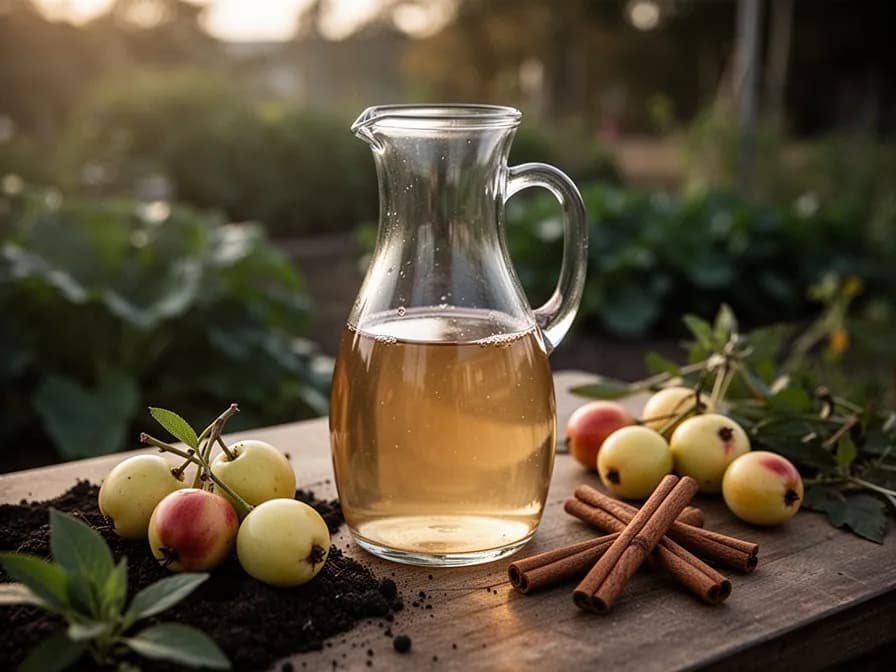
Mayhaw Syrup
30 minutesA versatile condiment that drizzles beautifully over pancakes, waffles, and vanilla ice cream. Thinner than jelly but full of concentrated mayhaw flavour, this syrup also makes an excellent base for cocktails, mocktails, and sparkling lemonade when mixed with soda water.
4 ingredientsMayhaw Vinaigrette
10 minutesA bright, tangy dressing that transforms simple salad greens into something special. The natural tartness of mayhaw juice balances the richness of olive oil, while a touch of honey rounds out the flavour. Excellent drizzled over arugula and goat cheese or grilled chicken salads.
6 ingredientsCulinary Uses
Mayhaw jelly is a Gulf Coast culinary tradition, prized for its brilliant red color and unique tart-sweet flavor that combines elements of cranberry and apple. The jelly pairs beautifully with biscuits, cornbread, and cream cheese. Mayhaw syrup over pancakes is a Southern breakfast delicacy. The juice makes refreshing drinks and cocktail mixers. Mayhaw wine and vinegar are specialty products.
What's inside
Health Benefits
- High pectin content acts as a soluble fibre that helps lower LDL cholesterol levels and supports cardiovascular health when consumed regularly as part of a balanced diet.
- Rich in polyphenolic antioxidants including quercetin and chlorogenic acid, which help neutralise free radicals and may reduce chronic inflammation.
- Provides a meaningful dose of vitamin C per serving, supporting immune function, iron absorption, and collagen production for healthy skin and connective tissue.
- The combination of soluble fibre and organic acids in mayhaw fruit supports healthy digestion and may help regulate blood sugar responses after meals.
- Contains flavonoids traditionally associated with improved circulation and vascular health, consistent with the long folk-medicine use of hawthorn-family fruits for heart health.
- Low glycaemic impact when consumed as whole fruit or minimally sweetened preserves, making it a better choice than many processed fruit spreads for blood sugar management.
Where Mayhaw comes from
The mayhaw (Crataegus aestivalis and Crataegus opaca) is a small fruit-bearing tree native to the swamps, floodplains, and bottomland forests of the southeastern United States. Its natural range stretches from eastern Texas through Louisiana, Mississippi, Alabama, Georgia, and into the coastal Carolinas and northern Florida. For centuries before European colonisation, Native American peoples of the region gathered the tart red berries for food, using them fresh and dried. The fruit was especially valued because it ripened in late spring — a time when few other wild fruits were yet available.
Early European settlers in the Deep South quickly adopted mayhaw into their foodways, and by the nineteenth century, mayhaw jelly had become a beloved tradition in rural Southern kitchens. Families would venture into swamps and creek bottoms each spring to shake wild trees and collect the fallen berries from the water's surface using hand-held nets and sieves. This annual "mayhaw gathering" became a social event and cultural touchstone in communities across Louisiana, Mississippi, and Georgia.
Serious horticultural interest in mayhaw began in the 1960s and 1970s, when researchers at Louisiana State University and Auburn University started selecting superior wild clones for fruit size, yield, and flavour. Named cultivars such as Super Spur, Texas Star, and Maxine were released from the 1980s onward, enabling reliable orchard production for the first time. These grafted varieties offered advantages over wild seedlings, including earlier bearing, larger fruit, fewer thorns, and more predictable harvests. Today small commercial mayhaw orchards operate across the Gulf South, supplying fruit for artisanal jelly, syrup, and wine production. The fruit has experienced a resurgence of interest as part of the broader movement to celebrate and preserve native Southern food plants and heritage crops.
Mayhaw: did you know?
Fascinating facts about Mayhaw
Mayhaw is named for the month it typically ripens — May — combined with "haw," the traditional English word for hawthorn berries.
Mayhaw questions, answered
When should I plant Mayhaw?
What hardiness zones can Mayhaw grow in?
How much sun does Mayhaw need?
How far apart should I space Mayhaw?
What pests and diseases affect Mayhaw?
How do I store Mayhaw after harvest?
What are the best Mayhaw varieties to grow?
What soil does Mayhaw need?
Can I grow mayhaw outside the southeastern United States?
How long does it take for a mayhaw tree to produce fruit?
Does mayhaw need a pollination partner?
What is the best way to harvest mayhaw fruit?
What can I make with mayhaw berries besides jelly?
Is mayhaw susceptible to any serious pests or diseases?
You just read the theory. Now grow it on autopilot.
Everything that makes Mayhaw fiddly — the timing, the spacing, the companions, the harvest window — is exactly what PlotMyGarden handles for you, for every plant in your garden.
A plan that knows your weather
Set your location once. Get sow, feed and harvest dates built around your real last-frost date and live forecast — no more guessing from a generic seed packet.
From the “When to plant” sectionDrag-and-drop bed planner
Design beds on a grid. Every plant snaps to its proper spacing, and you can see your whole season laid out before you spend a cent on seed.
From the “Growing guide” sectionCompanion conflicts, caught early
200+ good-and-bad pairings checked live as you plant — so a season-wrecking mistake never makes it into the ground.
From the “Companions” sectionReminders you'll actually act on
“Water the beans.” “Pick today before it turns.” Timely, specific, and tied to the plants you're really growing.
From the “Harvest” sectionSuccession, scheduled
Want a harvest for six weeks, not six days? It spaces your sowings automatically and reminds you when each new block is due.
From the “When to plant” sectionA record that gets smarter
Every harvest you log teaches it your garden. Next year's plan starts from what actually worked in your soil, not a textbook's.
From the “Overview” sectionMore Pome Fruits
Grow your best Mayhaw yet — and everything around it.
Start a free plan today. Lay out your beds, drop in your Mayhaw, and let PlotMyGarden handle the timing, spacing, companions and reminders from seed to harvest basket.