Lotus Root
An aquatic vegetable producing hollow, lace-patterned rhizomes that are a staple in Asian cuisine for stir-fries, soups, and tempura.





On this pageOverview
Meet Lotus Root
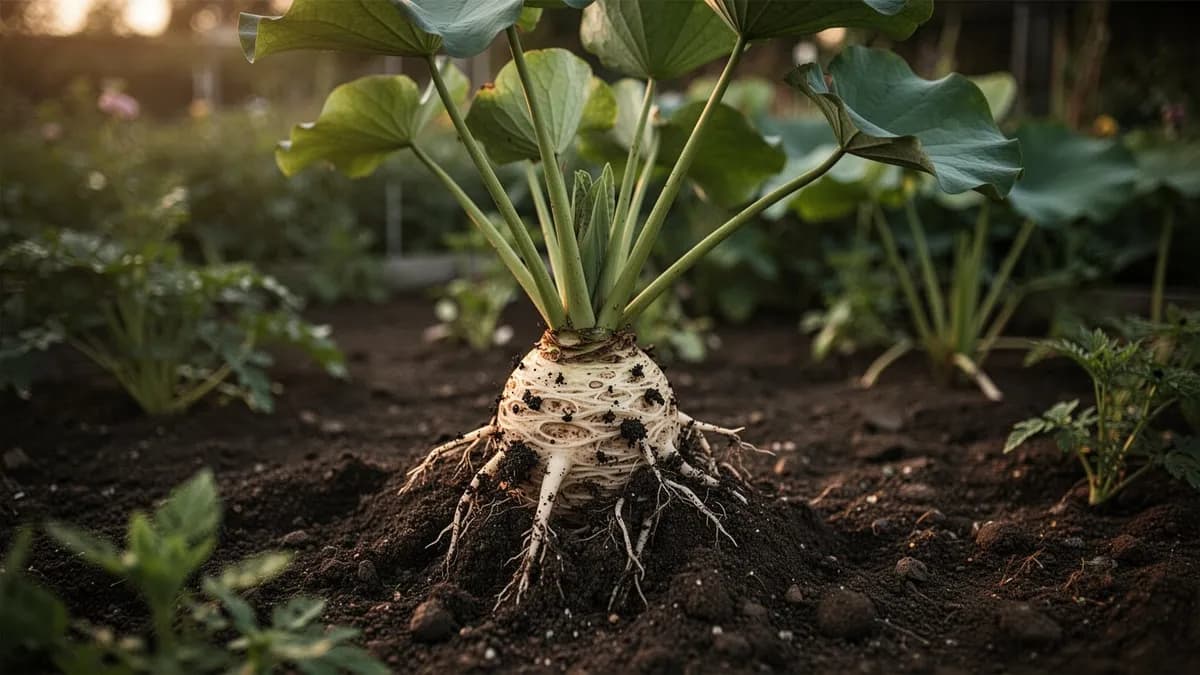
An aquatic vegetable producing hollow, lace-patterned rhizomes that are a staple in Asian cuisine for stir-fries, soups, and tempura. Plants require standing water at least six inches deep in a pond, large tub, or flooded bed. The dramatic circular leaves and stunning pink flowers make lotus an ornamental water garden feature as well. Harvest rhizomes in fall after leaves die back, being careful not to damage the segmented roots.
When to plant Lotus Root
Lotus can be started from seeds or rhizome divisions, with divisions being the preferred method for edible varieties. To start from seed, file through the hard seed coat with a metal file until the cream-colored interior is visible, then soak in warm water. Seeds germinate in four to five days, producing small floating leaves. Transplant seedlings to pots with clay soil once they have several leaves. Rhizome divisions are planted in spring with the growing tip just above the soil surface.
Your Lotus Root Year
Composed for Zone 7 · typical seasons · frost passes Apr 2, returns Nov 1
Plant Lotus Root Apr – May, pick Sep – Nov. Check the planting methods below and set your climate to personalize these windows.
How to grow Lotus Root
Lotus root cultivation begins in spring once water temperatures reach at least 70 degrees Fahrenheit. Plant rhizome sections with at least one growing eye horizontally in a container filled with heavy loam or clay soil, covering them with two to four inches of soil. Place the container in a pond, large tub, or flooded bed with six to twelve inches of standing water above the soil surface. Lotus needs at least six hours of direct sunlight daily for vigorous growth.
As leaves emerge and float on the water surface, maintain consistent water levels and fertilize monthly with aquatic plant tablets pushed into the soil. The first year focuses on establishing the root system, so flowering may be limited. By the second season, plants produce their iconic circular leaves that can reach two feet across and spectacular pink or white blooms. Keep the growing area free of algae and competing aquatic weeds.
In cooler climates (zones 4-7), the rhizomes can overwinter if the tubers remain below the frost line underwater. In containers, move them to a frost-free location or insulate heavily. Divide and replant rhizomes every three to four years to maintain vigor. In tropical regions, lotus grows year-round and may need containment to prevent aggressive spreading in natural water features.
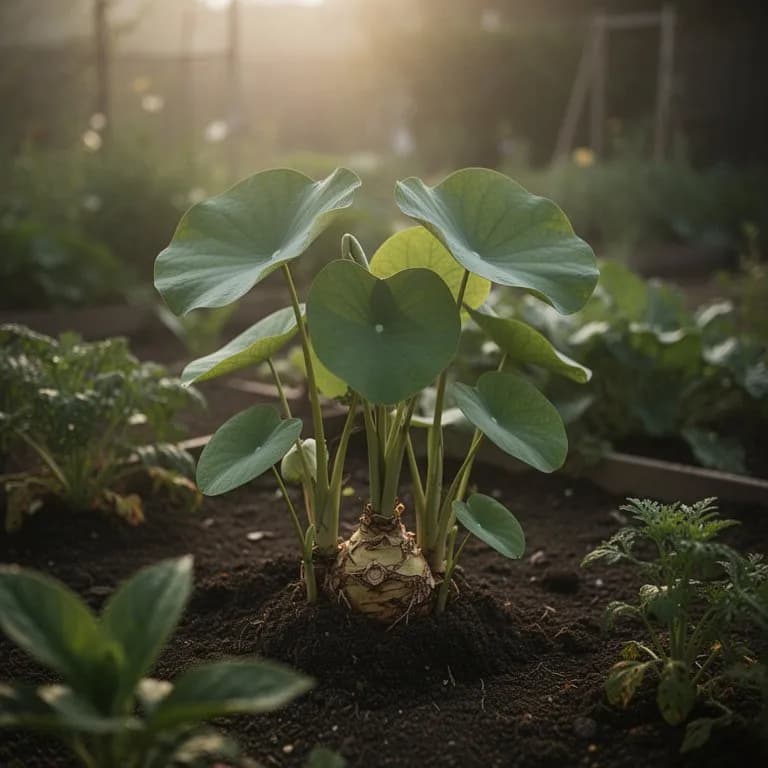
2 plants fit a 4 × 8 ft bed
Each Lotus Root wants 120 cm of elbow room. The planner keeps that spacing for you — every plant, every bed.
Related growing guides
Feed it well
Lotus requires heavy clay or loam soil that holds its shape underwater without dissolving. Avoid lightweight potting mixes or sandy soils that cloud the water. Enrich the soil with slow-release fertilizer tablets designed for aquatic plants, pushing them into the soil monthly during the growing season. Do not use liquid fertilizers that promote algae growth. A pH between 6.0 and 8.0 is acceptable. Add a thin layer of gravel or sand on top of the soil to prevent it from floating into the water column.
Ideal Temperature
Hardiness Zone Compatibility
From seed to harvest, stage by stage
Rhizome Planting
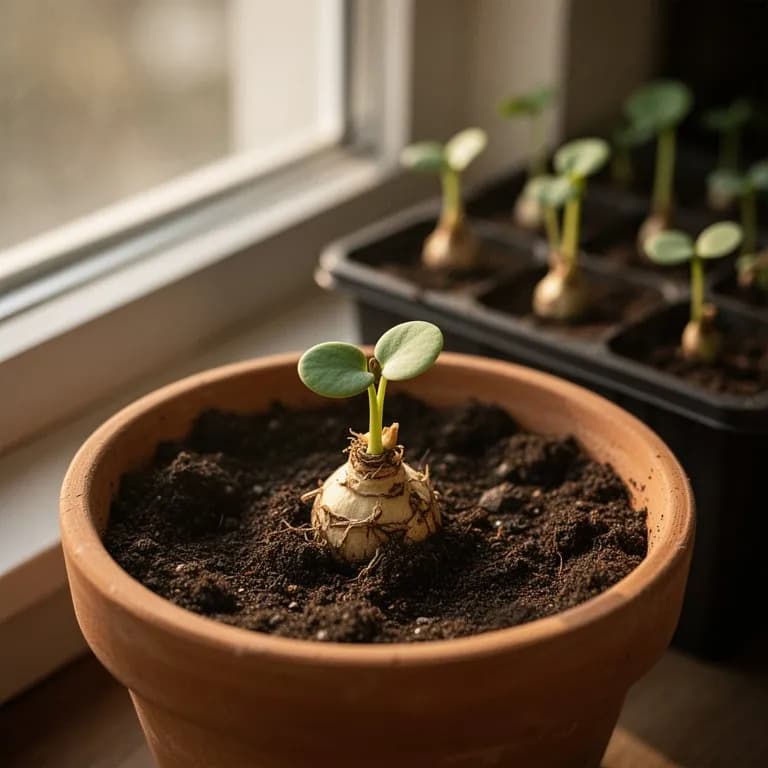
Dormant rhizome sections or whole tubers are placed horizontally in heavy loam or clay soil beneath 10-15 cm of warm, still water. The growing tip must not be buried or damaged. Within 1-3 weeks, a pale shoot emerges from the terminal bud, curving upward toward the water surface. Water temperature must be at least 15°C (60°F) for sprouting to begin.
Floating Leaf Stage
The first leaves are small, rounded, and float flat on the water surface like lily pads. These floating leaves photosynthesize and fuel the underground rhizome's expansion. Each new leaf is slightly larger than the last, and the plant may produce 3-6 floating leaves before any stand above the water.
Aerial Leaf Growth
As the rhizome gains energy, leaves begin to emerge on stiff, thorny petioles that rise 60-150 cm above the water. These large, circular aerial leaves can span 30-60 cm across and are distinctly cupped, channeling rain to the center. The waxy, self-cleaning surface (the lotus effect) keeps leaves disease-free.
Flowering
Flower buds rise above the foliage canopy on strong, dedicated stalks. Each bloom opens over three consecutive mornings, closing each afternoon. On the first day the petals are deep pink and the flower is receptive to pollination. By the third day the petals have faded to blush white and begin to fall, revealing the distinctive flat-topped seed pod.
Rhizome Expansion
After flowering, the plant channels most of its energy underground. The rhizome system expands rapidly, producing elongated storage segments packed with starch — these are the edible lotus roots. Each segment develops the characteristic air channels visible in cross-section. The rhizomes can spread 1-2 meters in a single season in open ponds.
Dormancy and Harvest
As autumn temperatures drop below 15°C (60°F), aerial leaves yellow, brown, and collapse. The plant translocates remaining nutrients into the rhizome for winter storage. Harvest begins once most leaves have died back, typically 6-8 months after planting. The rhizomes lie 15-30 cm deep in heavy mud and must be carefully excavated to avoid breakage.
Handle rhizomes gently — a broken growing tip will not regenerate. Place the rhizome at a 20-degree angle with the cut end against the container wall and the growing tip pointing toward the center. Maintain water temperature above 21°C (70°F) for fastest emergence.
Caring for Lotus Root month by month
What to do each month for your Lotus Root
October
You are hereLeaves begin yellowing and collapsing — this is the signal that rhizomes are approaching harvestable maturity. In zones 8-11, you can begin harvesting by carefully tipping the container and extracting rhizomes from the mud. Leave at least one section with a growing tip for next year.
Know exactly what to do in your garden — every month
One email at the start of each month: what to sow, plant, and tackle right now — for your Lotus Root and everything growing around it. Plus a short starter course that helps you dodge the classic mistakes.
- What to do, right now
- Matched to your season
- Starter course included
Harvesting Lotus Root
Harvest lotus roots in late fall after the leaves have died back and turned brown, typically 180 to 200 days after planting. Carefully drain the water and dig around the rhizomes by hand to avoid breaking the segmented links. Each segment is hollow with a distinctive lace pattern when sliced crosswise. Handle gently as damaged roots deteriorate quickly. Leave some rhizome sections in the soil for next year's growth. Wash harvested roots carefully and use or store promptly.
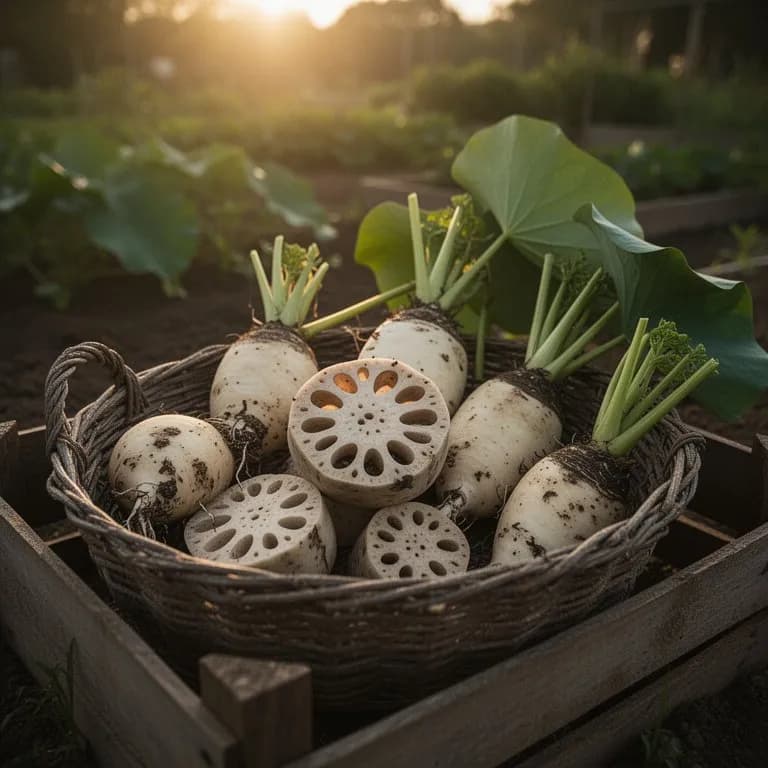
assuming you plant when the window opens — set your real date
Pick Lotus Root promptly and the plant keeps producing.
Storage & Preservation
Fresh lotus root keeps in the refrigerator for up to two weeks when wrapped in damp paper towels inside a plastic bag. For longer storage, peel and slice the roots, then blanch briefly and freeze for up to six months. Lotus root can also be pickled in rice vinegar with sugar for a tangy condiment that lasts several months refrigerated. Dried lotus root slices store in airtight containers for up to a year and reconstitute well in soups and stews.
What goes wrong — and the fix
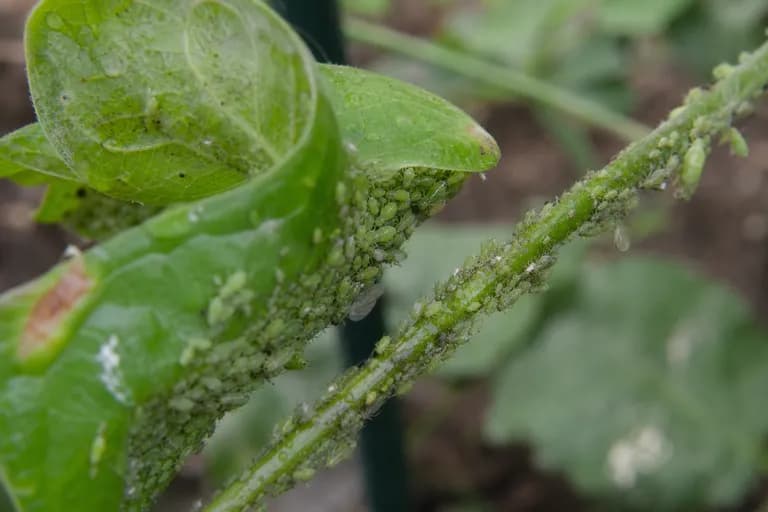
Aphids
PestClusters of small insects on leaf undersides and stems, causing curled or yellowed leaves and sticky honeydew residue.
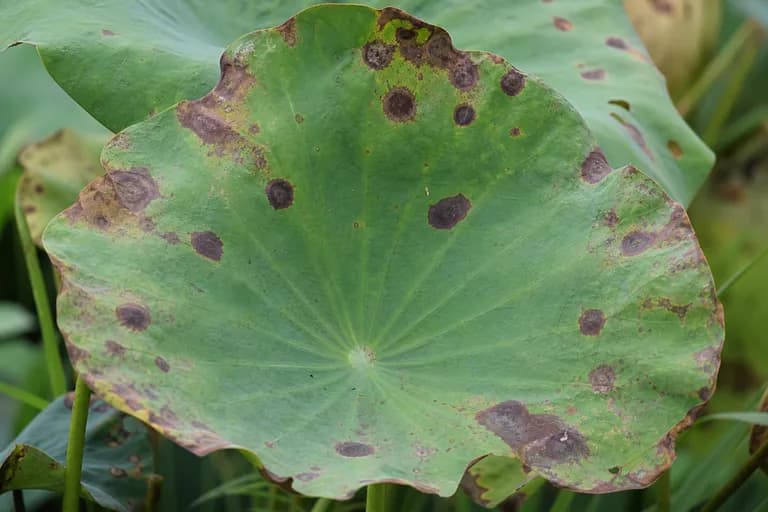
Lotus Leaf Spot
DiseaseBrown or black circular spots on leaves that may merge, causing leaves to yellow and decay prematurely.
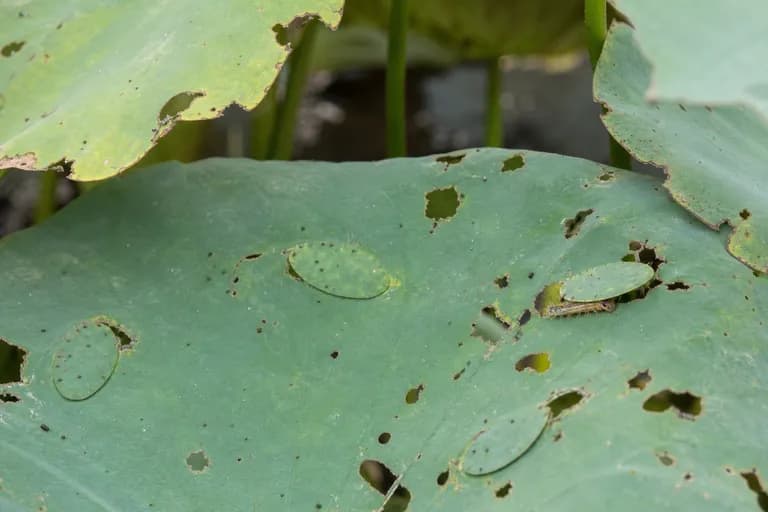
China Mark Moth
PestCaterpillars cut oval pieces from leaves and attach them to the leaf underside as shelters, creating visible holes and ragged edges.
Root Rot
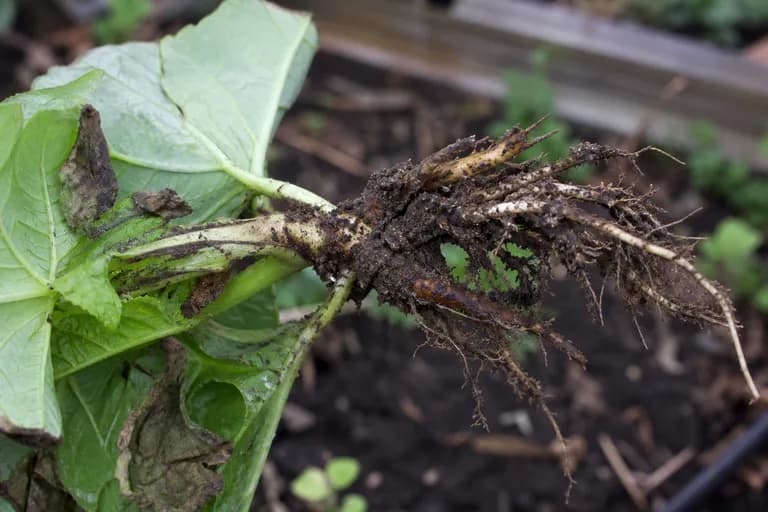
DiseaseRhizomes become soft, brown, and foul-smelling. Above-water growth wilts and yellows despite adequate water levels.
Troubleshooting Common Problems
Insufficient sunlight is the most common cause of poor growth and lack of flowering. Lotus needs a minimum of six hours of direct sun. Fluctuating water levels stress plants and can expose rhizomes to air, causing rot. In cold climates, inadequate winter protection leads to rhizome death. Overfertilization promotes excessive leaf growth at the expense of rhizome development. Crowded containers result in small, misshapen roots, so divide plants every few years to maintain quality harvests.
Growing Tips
- Always grow edible lotus in a container rather than directly in a garden pond. Lotus rhizomes spread aggressively and can completely take over a small pond within two seasons, making them nearly impossible to remove once established.
- Use heavy clay or garden loam soil, never potting mix. Lightweight potting mixes containing peat, perlite, or bark will float when submerged, creating a muddy mess. Dense soil anchors the rhizome and provides the anaerobic environment lotus roots prefer.
- Full sun is non-negotiable — lotus requires a minimum of 6 hours of direct sunlight daily, and 8-10 hours is ideal. Insufficient light produces abundant leaves but no flowers and thin, starchy rhizomes not worth harvesting.
- Fertilize aggressively during the growing season. Lotus is an extremely heavy feeder and depletes soil nutrients rapidly. Push aquatic fertilizer tablets into the soil every 2-3 weeks from the appearance of aerial leaves until 6 weeks before harvest.
- Do not disturb the growing tip of the rhizome at any point — it is the sole source of new growth and cannot regenerate if broken. When planting, handling, or dividing, always protect the terminal bud above all else.
- Maintain consistent water depth. Sudden fluctuations stress the plant and can rot emerging shoots. Top off evaporated water regularly with warm water rather than a sudden cold refill, especially during the early growing stages.
- Harvest carefully by tipping the entire container onto a tarp rather than digging in the mud. Lotus roots are brittle and break easily — broken segments oxidize and spoil rapidly. A gentle approach yields intact, beautiful roots that store well.
- Overwinter successfully by ensuring the dormant rhizome never freezes solid. In cold zones (5-7), sink the container into a deeper water body, insulate it heavily with straw bales, or move it to a cool garage where temperatures stay above 0°C (32°F).
Grow your best Lotus Root yet — and everything around it.
Start a free plan today. Lay out your beds, drop in your Lotus Root, and let PlotMyGarden handle the timing, spacing, companions and reminders from seed to harvest basket.
Pick your Lotus Root
Chinese Double Petal
Vigorous grower with large edible rhizomes and showy double pink flowers. Excellent dual-purpose variety for food and ornamental use.
Zhonghualian
A high-yielding Chinese variety prized for its long, straight rhizome segments with crisp texture and mild, sweet flavor.
Carolina Queen
Cold-hardy selection that overwinters reliably to zone 4. Produces abundant rhizomes and large pink blooms.
Asiatic Lotus
Traditional variety with long history of cultivation for food. Produces thick, starchy rhizomes ideal for soups and stir-fries.
Fresh lotus root sells for $4-8 per pound ($9-18 per kg) at Asian grocery stores and significantly more at specialty markets. A single container-grown plant producing 2-4 kg of roots saves $18-72 per season. The savings compound in subsequent years since the plant regenerates from left-behind rhizome sections — you never need to buy another starter. Lotus root chips, a popular snack selling for $5-8 per small bag, can be made in large batches from your harvest for a fraction of the cost.
Quick recipes
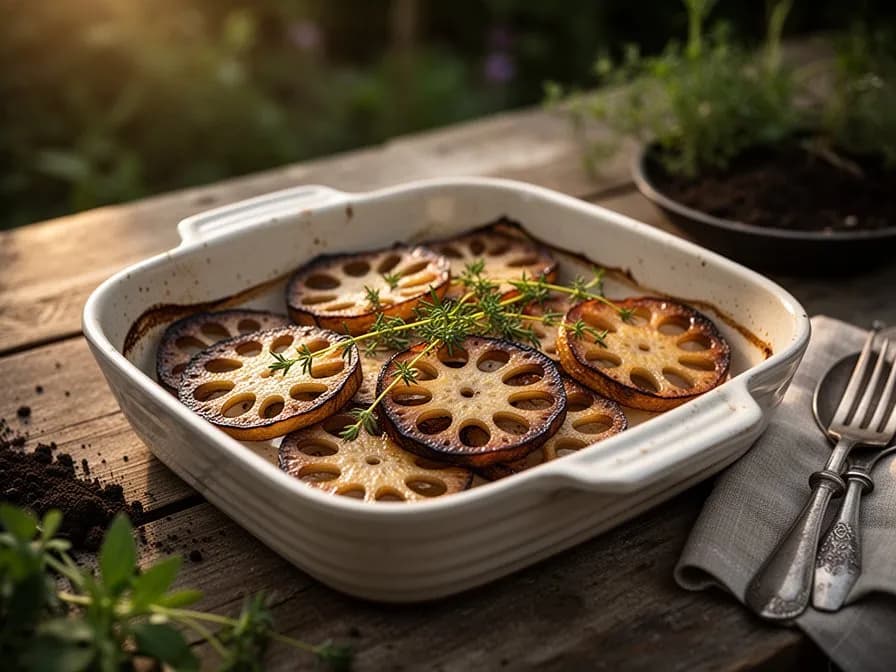
Crispy Lotus Root Chips
25 minPaper-thin lotus root slices fried or baked until golden and shatteringly crisp, revealing the beautiful lace-like hole pattern in every chip. Lightly salted and irresistible — a stunning appetizer or snack.
5 ingredientsKinpira Lotus Root (Japanese Stir-Fry)
15 minA classic Japanese side dish of lotus root and carrot slices quickly sauteed in sesame oil with soy sauce, mirin, and a touch of chili. The lotus root stays wonderfully crunchy with a savory-sweet glaze.
8 ingredientsLotus Root and Pork Rib Soup
90 minA nourishing Cantonese slow-simmered soup where lotus root softens into a meltingly tender texture while flavoring a clear, deeply savory pork broth. Traditionally served as a restorative autumn and winter dish.
7 ingredientsCulinary Uses
Lotus root is incredibly versatile in Asian cuisine. Slice thinly for crispy tempura, stir-fry with soy sauce and sesame, or simmer in soups and hot pots. The decorative cross-section makes it a beautiful addition to any dish. Stuff the holes with glutinous rice for a traditional Chinese dessert. Grate raw lotus root to make savory pancakes or thicken sauces. It pairs well with pork, shrimp, and mushrooms.
What's inside
Health Benefits
- Rich in vitamin C (49% DV per 100g), supporting immune defense, collagen synthesis for skin health, and enhancing iron absorption from plant-based foods — an unusually high level for a root vegetable.
- Excellent source of dietary fiber (4.9g per 100g), with a mix of soluble and insoluble types that promote healthy digestion, support blood sugar regulation, and help maintain healthy cholesterol levels.
- High potassium content (556mg per 100g) helps regulate blood pressure by counteracting the effects of sodium, supports proper muscle contraction, and maintains healthy fluid balance throughout the body.
- Contains significant amounts of copper (29% DV per 100g), essential for red blood cell production, maintaining healthy nerve cells, strengthening the immune system, and forming collagen in bones and connective tissue.
- Provides tannins and other polyphenolic compounds with antioxidant and anti-inflammatory properties — traditionally used in Chinese medicine to stop bleeding, reduce inflammation, and support respiratory health.
- Low glycemic index despite its starch content, due to the type of resistant starch present in lotus root, making it a suitable root vegetable option for people managing blood sugar levels.
Where Lotus Root comes from
The edible lotus (Nelumbo nucifera) originated in tropical Asia, with wild populations still found across a vast range from Iran and the Caspian Sea region through India, Southeast Asia, and into northern Australia. Archaeological evidence shows lotus cultivation in China dating back at least 7,000 years, with lotus seeds and rhizome fragments found at Neolithic sites along the Yangtze River. The plant was independently cultivated in ancient India, where it held deep spiritual significance in Hindu and Buddhist traditions as a symbol of purity, creation, and enlightenment.
In China, lotus root (lian ou) has been a cornerstone vegetable for millennia. The Han Dynasty agricultural text 'Fan Shengzhi Shu' from the 1st century BC describes lotus pond management techniques remarkably similar to those used today. Chinese cuisine developed hundreds of lotus root preparations — stir-fried, braised, stuffed, pickled, dried, and ground into starch for desserts. The plant's cultural importance is reflected in Chinese art, poetry, and philosophy, where the lotus emerging clean from muddy water became a powerful metaphor for moral integrity.
Lotus cultivation spread throughout East and Southeast Asia along Buddhist trade and pilgrimage routes. Japan developed distinct culinary traditions around lotus root (renkon), particularly the vinegared and stir-fried preparations central to New Year celebration dishes, where the holes in the root symbolize the ability to see clearly into the future. Korea, Vietnam, and Thailand each developed their own lotus cuisines and cultivars.
Today, lotus root is commercially cultivated across China, Japan, Korea, India, and increasingly in other countries with suitable climates. Modern varieties have been bred for larger rhizomes, higher starch content, and resistance to root rot. In Western countries, lotus root has gained popularity through Asian grocery stores and restaurants, and adventurous home gardeners now grow it in container ponds and water gardens from USDA zones 5-11.
Lotus Root: did you know?
Fascinating facts about Lotus Root
Lotus seeds are among the longest-lived of any plant species. In 1995, a team of botanists successfully germinated a sacred lotus seed recovered from a dry lakebed in China that was radiocarbon-dated to approximately 1,300 years old — and it grew into a healthy plant.
Lotus Root questions, answered
When should I plant Lotus Root?
What hardiness zones can Lotus Root grow in?
How much sun does Lotus Root need?
How far apart should I space Lotus Root?
What pests and diseases affect Lotus Root?
How do I store Lotus Root after harvest?
What are the best Lotus Root varieties to grow?
What soil does Lotus Root need?
Can I grow lotus root in a regular garden bed without standing water?
How do I know when lotus roots are ready to harvest?
Will lotus survive winter in cold climates?
Why is my lotus not flowering?
How do I prevent the cut surface of lotus root from browning?
What is the difference between edible lotus and water lily?
You just read the theory. Now grow it on autopilot.
Everything that makes Lotus Root fiddly — the timing, the spacing, the companions, the harvest window — is exactly what PlotMyGarden handles for you, for every plant in your garden.
A plan that knows your weather
Set your location once. Get sow, feed and harvest dates built around your real last-frost date and live forecast — no more guessing from a generic seed packet.
From the “When to plant” sectionDrag-and-drop bed planner
Design beds on a grid. Every plant snaps to its proper spacing, and you can see your whole season laid out before you spend a cent on seed.
From the “Growing guide” sectionCompanion conflicts, caught early
200+ good-and-bad pairings checked live as you plant — so a season-wrecking mistake never makes it into the ground.
From the “Companions” sectionReminders you'll actually act on
“Water the beans.” “Pick today before it turns.” Timely, specific, and tied to the plants you're really growing.
From the “Harvest” sectionSuccession, scheduled
Want a harvest for six weeks, not six days? It spaces your sowings automatically and reminds you when each new block is due.
From the “When to plant” sectionA record that gets smarter
Every harvest you log teaches it your garden. Next year's plan starts from what actually worked in your soil, not a textbook's.
From the “Overview” sectionMore Root Vegetables
Grow your best Lotus Root yet — and everything around it.
Start a free plan today. Lay out your beds, drop in your Lotus Root, and let PlotMyGarden handle the timing, spacing, companions and reminders from seed to harvest basket.