Lufa Lisa
La lufa lisa (Luffa aegyptiaca, sin.





En esta páginaResumen
Conoce Lufa Lisa
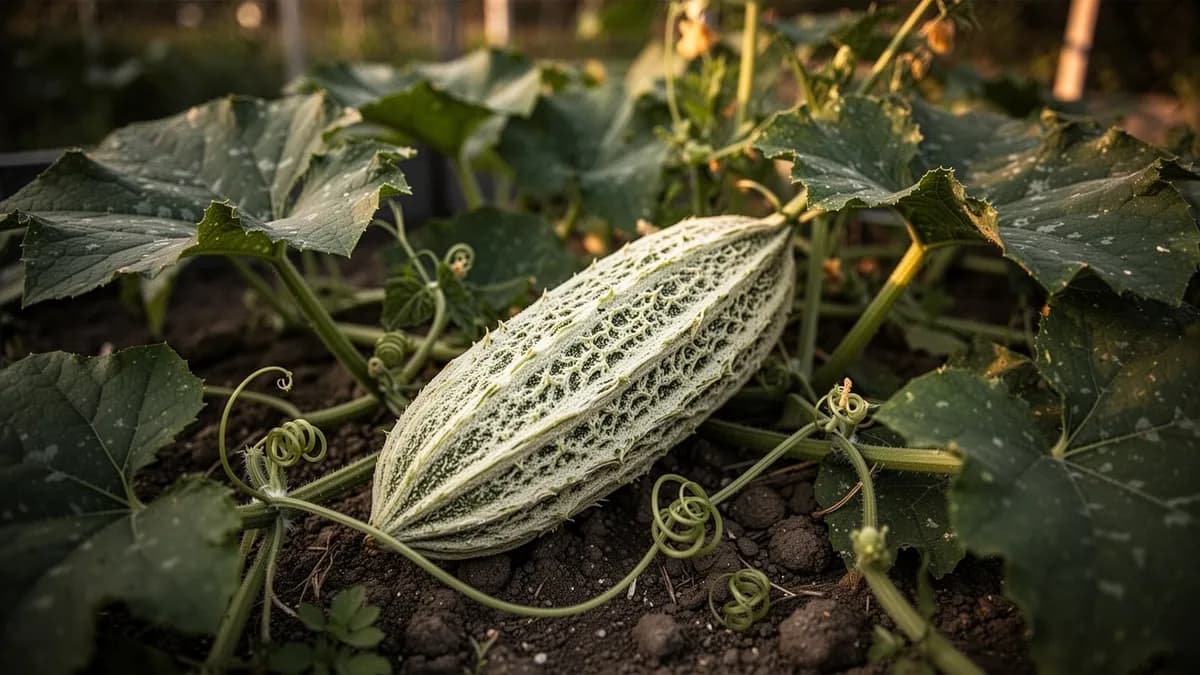
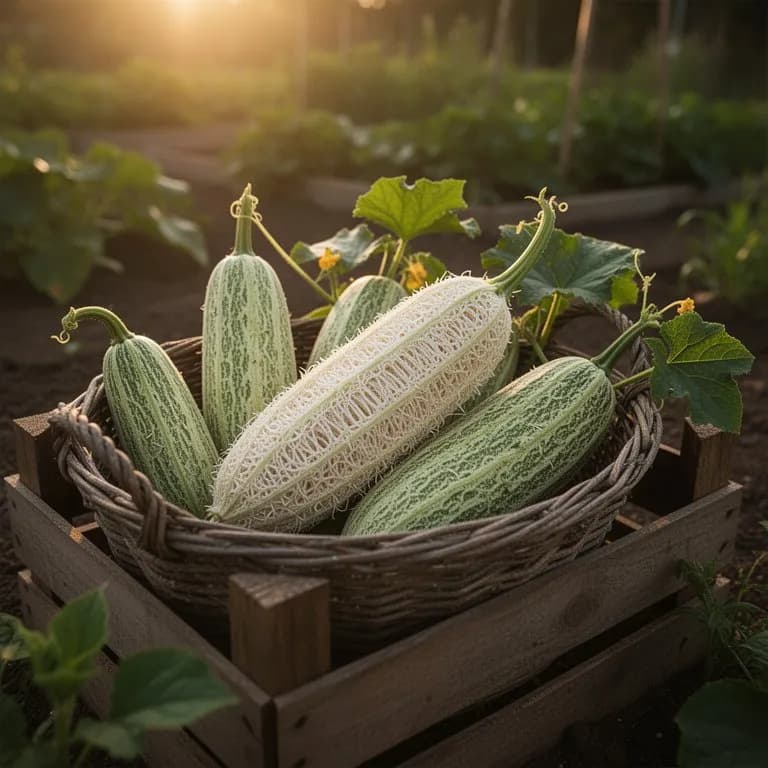
La lufa lisa (Luffa aegyptiaca, sin. L. cylindrica) es una cucurbitácea trepadora tropical originaria del sur de Asia, cultivada tanto como verdura comestible cuando es joven como para producir las populares esponjas vegetales naturales cuando madura. Sus frutos cilíndricos pueden alcanzar 30-60 cm de longitud y contienen una red fibrosa interna que se endurece al madurar.
Cuándo plantar Lufa Lisa
Remoje las semillas en agua tibia durante 24 horas para ablandar la cubierta dura. Siembre en macetas individuales de 8-10 cm con sustrato cálido a 2 cm de profundidad, manteniendo temperatura constante de 25-30°C. La germinación tarda 7-14 días. Trasplante al exterior solo cuando las noches superen los 15°C, endureciendo las plántulas durante una semana.
Tu año de Lufa Lisa
Ajustado a Zona 7 · temporada típica · la helada se va hacia el 2 abr y vuelve hacia el 1 nov
Planta Lufa Lisa Abr – Jun y cosecha Jul – Sep. Consulta los métodos de plantación y elige tu clima para adaptar los periodos.
Cómo cultivar Lufa Lisa
La lufa lisa necesita una temporada de crecimiento larga y cálida de al menos 150-200 días sin heladas. En climas con veranos cortos, inicie las semillas en interior 6-8 semanas antes de la última helada. Remoje las semillas en agua tibia durante 24 horas antes de sembrar para ablandar la cubierta dura y acelerar la germinación, que tarda entre 7 y 14 días a 25-30°C.
Trasplante al exterior cuando las temperaturas nocturnas superen los 15°C de forma constante, espaciando las plantas 90-120 cm junto a un enrejado robusto o pérgola de al menos 2-3 metros de altura. La lufa es una trepadora vigorosa que puede cubrir grandes superficies. Riegue abundantemente y de forma regular, al menos 2,5 cm de agua por semana, aumentando durante la floración y formación de frutos.
Fertilice mensualmente con un fertilizante equilibrado durante el crecimiento vegetativo, cambiando a uno rico en fósforo y potasio cuando comience la floración para favorecer la formación de frutos. Pode los brotes laterales excesivos y limite el número de frutos a 6-8 por planta para obtener esponjas de mejor calidad.
8 plantas caben en un bancal de 120 × 240 cm
Cada Lufa Lisa pide 60 cm de margen. El planificador guarda ese marco por ti — cada planta, cada bancal.
Los mejores vecinos de Lufa Lisa
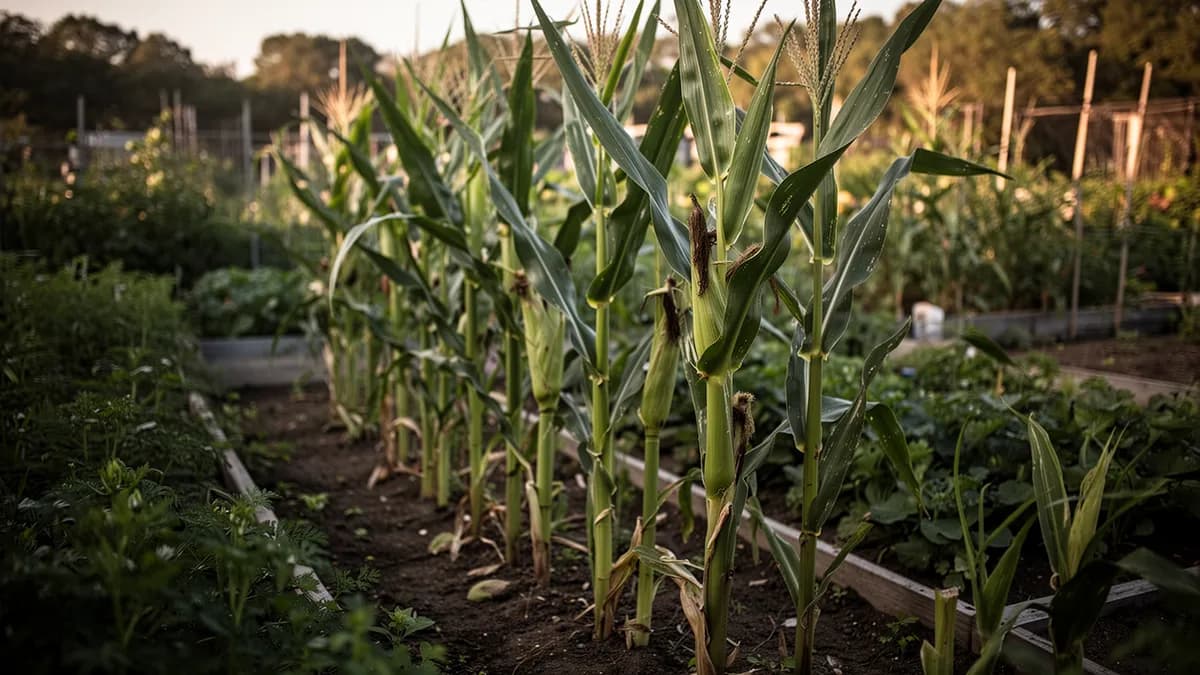
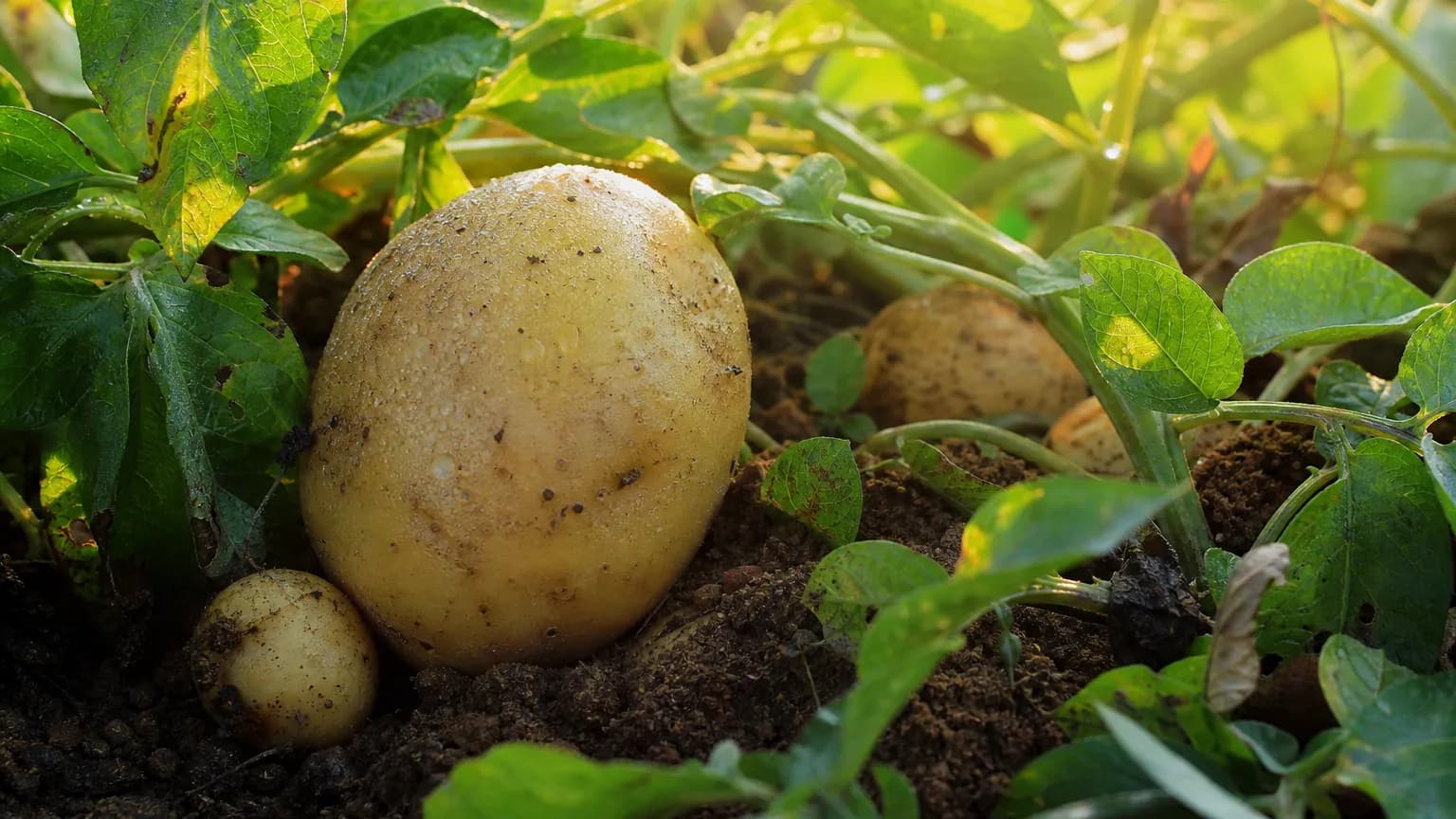
Crece bien con maíz (que puede servir como soporte parcial), frijoles y girasoles. Las plantas de la familia de las cucurbitáceas comparten polinizadores, así que cultivar varias especies cercanas puede mejorar la polinización. Evite plantarla junto a patatas y hierbas aromáticas intensas.
Maíz va a su lado. Papa no.
Saber de huerto de siempre, cotejado con la tabla real de Lufa Lisa — prueba cualquier planta que cultives.
Prueba Lufa Lisa en un bancal, aquí mismo
Un bancal real del planificador con Lufa Lisa ya plantado. Toca una planta compañera para colocarla y mira cómo responde la comprobación de vecinos: verde para buenos vecinos, rojo si hay conflicto.


Guías de cultivo relacionadas
Abónalo bien
Requiere suelos profundos, fértiles y bien drenados con alto contenido de materia orgánica y pH entre 6,0 y 7,0. Prepare el terreno incorporando abundante compost maduro y estiércol descompuesto antes de plantar. Aplique fertilizante equilibrado mensualmente y cambie a formulación rica en fósforo-potasio durante la floración.
Temperatura ideal
Compatibilidad de zonas de rusticidad
De la semilla a la cosecha, etapa por etapa
Inicio de semillas
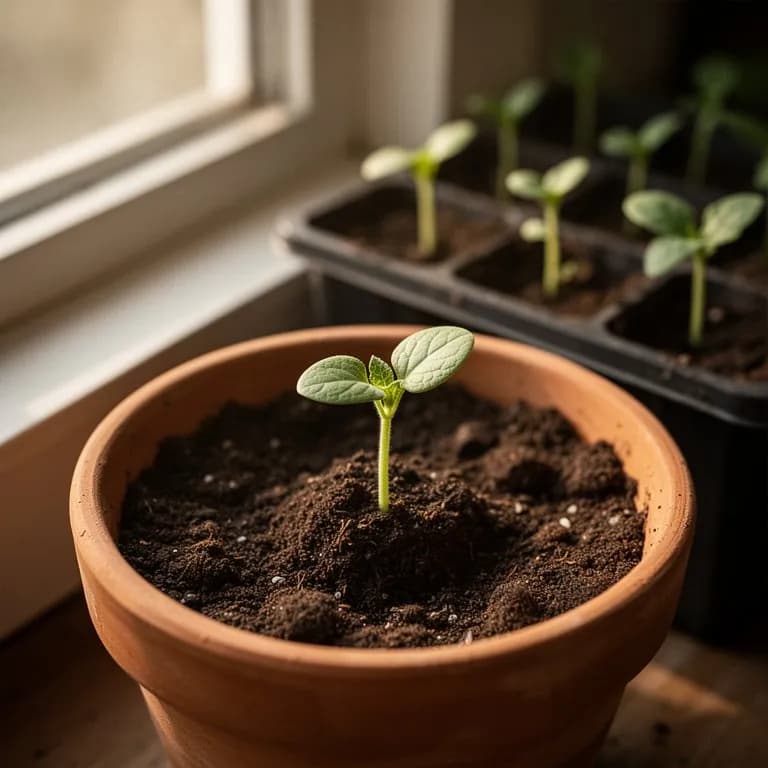
Las semillas de lufa lisa tienen una cáscara muy dura y oscura que dificulta la entrada de humedad. Después del remojo o la escarificación, la radícula blanca emerge en 7-14 días en condiciones cálidas. Grandes cotiledones en forma de corazón atraviesan el sustrato, seguidos por las primeras hojas verdaderas con su característico lobulado palmado. La temperatura del suelo debe alcanzar al menos 21 °C para una germinación fiable.
Establecimiento de la enredadera
Las hojas verdaderas se desarrollan rápidamente con lóbulos palmados profundos. Surgen zarcillos finos y la enredadera empieza a buscar activamente soporte vertical. El sistema radicular se expande con fuerza bajo tierra. El crecimiento se mantiene moderado hasta que las temperaturas diurnas superan de forma constante los 24 °C; después la planta acelera con producción diaria de hojas y zarcillos.
Crecimiento rápido de la enredadera
Las enredaderas entran en un crecimiento explosivo, trepando 15-30 cm por día con clima cálido y alcanzando 6-9 metros de longitud total. Las grandes hojas palmeadas crean un dosel denso que da sombra. Las ramas laterales se extienden con fuerza y los zarcillos se aferran a cualquier soporte disponible con una fuerza notable. La planta se vuelve cada vez más pesada a medida que los tallos se engrosan y el follaje se acumula.
Floración y polinización
Aparecen en abundancia flores de color amarillo brillante con cinco pétalos. Las flores masculinas surgen primero en racimos sobre tallos largos, seguidas por flores femeninas solitarias reconocibles por el pequeño ovario alargado (mini calabaza) en la base. Las flores se abren temprano por la mañana y se cierran al mediodía. La polinización por abejas es esencial para el cuajado, aunque la polinización manual mejora mucho la producción en zonas con poca actividad de polinizadores.
Desarrollo del fruto
Las flores femeninas polinizadas se desarrollan en calabazas cilíndricas de piel lisa que crecen rápidamente cuando cuelgan en vertical del enrejado. Los frutos jóvenes de 10-20 cm son comestibles y tienen una pulpa tierna y suave, similar a la del calabacín. Si se dejan madurar, las calabazas se alargan hasta 30-60 cm mientras la pulpa interna se transforma gradualmente en la densa red de fibras vasculares característica de la esponja de lufa.
Maduración y cosecha de la esponja
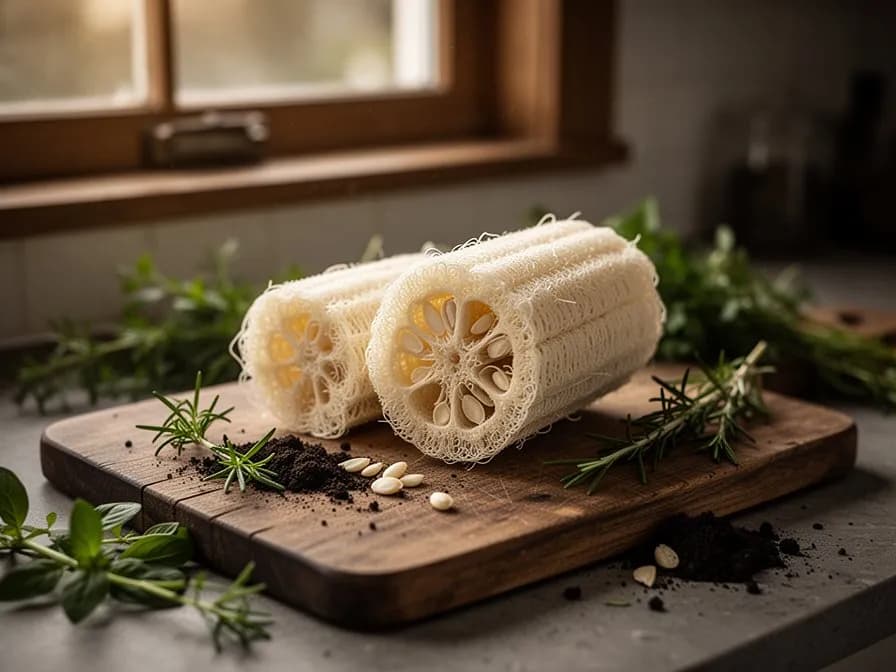
Las calabazas que permanecen en la enredadera siguen secándose mientras la pulpa interior se transforma por completo en una matriz fibrosa densa e interconectada. La piel exterior pasa de verde a amarilla y luego marrón, y la calabaza se vuelve cada vez más ligera a medida que se evapora la humedad. Cuando están completamente secas, las semillas suenan libres en su interior al agitarlas. En climas de temporada más corta, las calabazas pueden cosecharse cuando la piel empieza a amarillear y terminar de secarse en interiores.
Remoja las semillas en agua tibia durante 24 horas o haz un pequeño corte en la punta con un cortaúñas para romper la cubierta dura. Empieza en interior 6-8 semanas antes de la última helada en macetas profundas de 10 cm sobre una esterilla térmica ajustada a 27 °C. No dañes la raíz pivotante en desarrollo al trasplantar.
Cuidar Lufa Lisa mes a mes
Qué hacer cada mes para tu Lufa Lisa
Octubre
Mes actualLeave gourds on the vine as long as possible — the fiber network continues developing even as the vine declines. Mature gourds turn brown and feel lightweight when shaken. Harvest before hard frost, or bring partially yellowed gourds indoors to finish drying.
Ten claro qué hacer en tu huerto, cada mes
Un correo al empezar cada mes: qué sembrar, plantar y hacer ahora mismo — para tu Lufa Lisa y todo lo que crece alrededor. Más un breve curso inicial para esquivar los errores clásicos.
- Qué hacer ahora mismo
- Ajustado a tu temporada
- Curso inicial incluido
Cosechar Lufa Lisa
Para consumo como verdura, coseche los frutos jóvenes de 10-15 cm de longitud, cuando son tiernos y la piel cede al presionar con la uña, entre 60 y 80 días. Para obtener esponjas, deje los frutos en la planta hasta que la piel se torne marrón y se sienta ligero y seco al agitarlo, entre 120 y 180 días.
se supone que plantas al comenzar el periodo — indica tu fecha real
Cosecha los frutos jóvenes cuando midan 10-20 cm, estén tiernos y la piel ceda fácilmente al presionarla con la uña; para esponjas, deja que los frutos maduren por completo.
Almacenamiento y conservación
Los frutos jóvenes para consumo se conservan en el refrigerador durante 3-5 días. Para las esponjas, pele la piel seca del fruto maduro, sacuda las semillas y sumerja la fibra en agua con lejía diluida (1:10) durante unas horas para blanquear. Enjuague bien y seque al sol completamente antes de almacenar.
Qué falla — y cómo solucionarlo
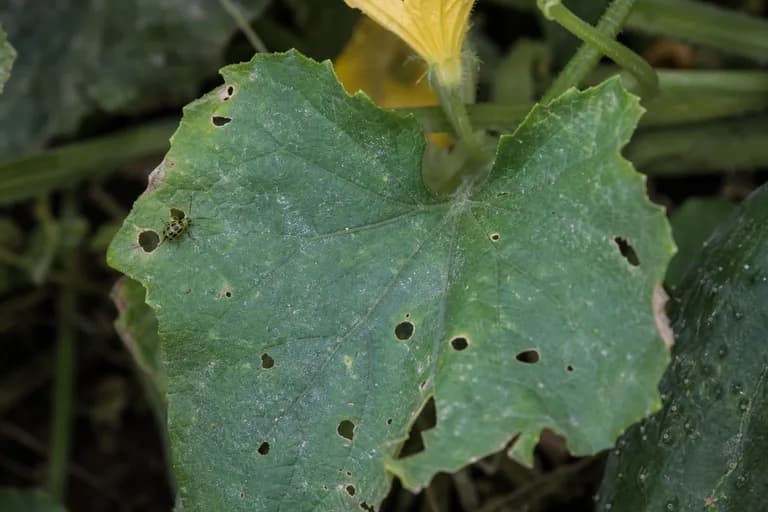
Escarabajo rayado del pepino
PlagaMordeduras circulares en hojas y flores. Los adultos raspan la superficie de los frutos jóvenes dejando cicatrices. Además transmiten la marchitez bacteriana.
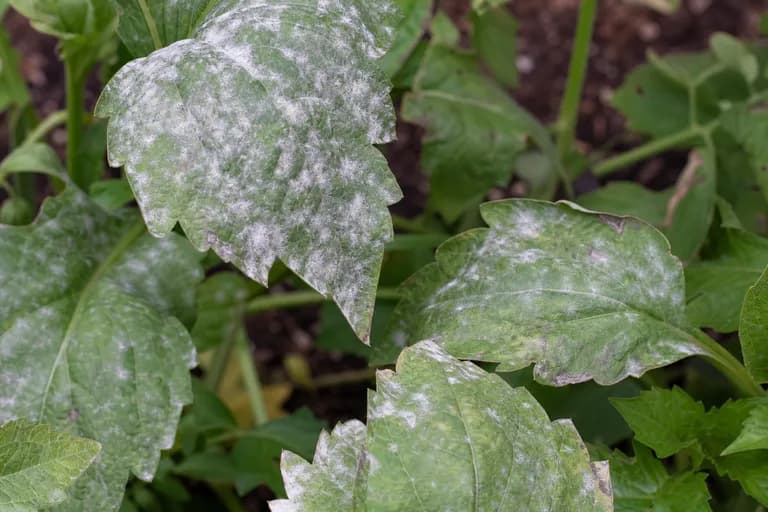
Mildiú polvoriento
EnfermedadManchas blancas polvorientas en la superficie de las hojas que se expanden y fusionan, cubriendo toda la hoja. Las hojas afectadas amarillean y se secan prematuramente.
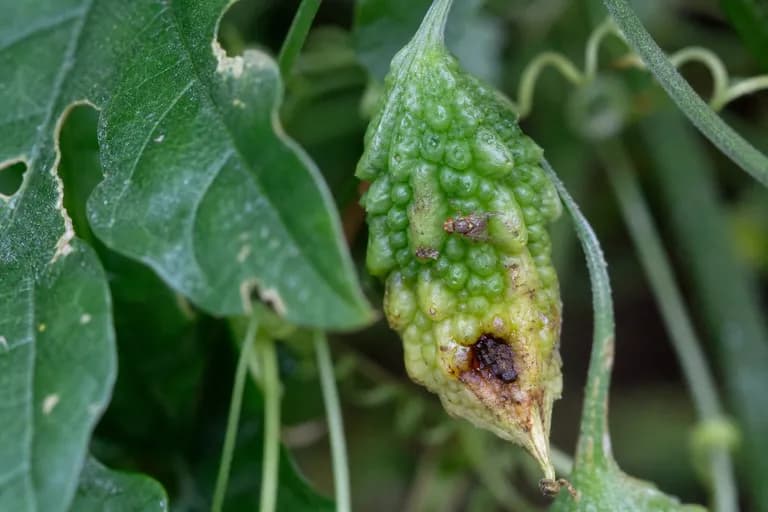
Mosca blanca
PlagaPequeños insectos blancos alados en el envés de las hojas que vuelan al agitar la planta. Producen melaza pegajosa que favorece la aparición de negrilla (fumagina).
Solución de problemas comunes
El mayor desafío es la necesidad de una temporada cálida muy larga; en climas con veranos cortos, los frutos pueden no madurar completamente para producir esponjas. Las flores masculinas aparecen primero y abundantemente antes que las femeninas, lo que puede preocupar a jardineros novatos. El exceso de nitrógeno produce mucho follaje pero pocos frutos.
Consejos de cultivo
- A massively sturdy trellis is the single most critical investment for successful smooth loofah growing. Vines laden with mature gourds can weigh 25-30 kg. Use cattle panels on steel T-posts, heavy-gauge wire fencing, or thick timber pergola structures — anything less will buckle and collapse by midsummer.
- Start seeds indoors in all but the warmest climates (zones 10-12). Smooth loofah needs 150-200 frost-free days for sponge production. Indoor starting 6-8 weeks before last frost gives you a critical head start that often determines whether you harvest mature sponges or lose green gourds to early frost.
- Always grow smooth loofah vertically, never sprawling on the ground. Gourds developing while hanging from an overhead trellis grow straighter, stay cleaner, dry more evenly, and suffer far less rot and insect damage than those lying on moist soil.
- Hand-pollinate every morning for dramatically higher yields. Pick a freshly opened male flower (thin stem, no gourd behind it), peel back the petals, and press the pollen-covered stamens directly onto the sticky stigma inside an open female flower. Female flowers are receptive for only one day.
- Water deeply and consistently — at least 5 cm per week during active growth, increasing during fruit development. The massive leaf canopy transpires enormous volumes of water in hot weather. Mulch heavily around the base to retain soil moisture and reduce watering frequency.
- For sponge production, patience is essential. Leave gourds on the vine until the skin turns completely brown, the gourd feels very light when lifted, and seeds rattle freely inside when shaken. Harvesting too early produces weak, underdeveloped fiber that falls apart quickly.
- If frost threatens before gourds are fully dried on the vine, harvest any gourd whose skin has begun turning yellow. Hang it in a warm, dry location with good airflow to complete the drying process indoors. The resulting sponge quality is nearly as good as vine-dried gourds.
- Save seeds from your largest, most well-formed gourds. Smooth loofah seeds remain viable for 4-5 years when stored in a cool, dry place. Each mature gourd contains 50-100 flat, dark seeds — more than enough to share with fellow gardeners.
Cultiva tu mejor Lufa Lisa — y todo lo que la rodea.
Empieza un plan gratis hoy. Diseña tus bancales, coloca tu Lufa Lisa y deja que PlotMyGarden gestione el momento, el espaciado, las asociaciones y los recordatorios de la semilla a la cesta.
Elige tu Lufa Lisa
Smooth Luffa (Luffa cylindrica)
La variedad estándar para producción de esponjas con frutos cilíndricos lisos de hasta 60 cm. Fibra densa y uniforme de alta calidad. Madura en 120-150 días.
Long Green
Variedad con frutos extra largos de hasta 90 cm, preferida como verdura en la cocina asiática. Piel suave y pulpa tierna cuando se cosecha joven. Madura en 70-90 días para consumo.
Truncheon
Variedad compacta con frutos más cortos y gruesos, ideales para espacios reducidos. Produce esponjas densas y firmes de excelente calidad. Madura en 110-130 días.
A single smooth loofah vine grown from a $2-3 seed packet can produce 15-25 natural sponges per season, replacing store-bought loofah sponges that sell for $5-12 each. One productive vine easily saves $75-200 per year on bath and kitchen sponges alone. The savings multiply further when you factor in replacing synthetic kitchen scrubbers, exfoliating pads, and cleaning sponges — all of which homegrown loofah replaces as a completely biodegradable, zero-waste alternative. Harvesting young gourds for cooking adds additional value, as fresh loofah sells for $3-6 per pound in Asian grocery stores.
Recetas rápidas
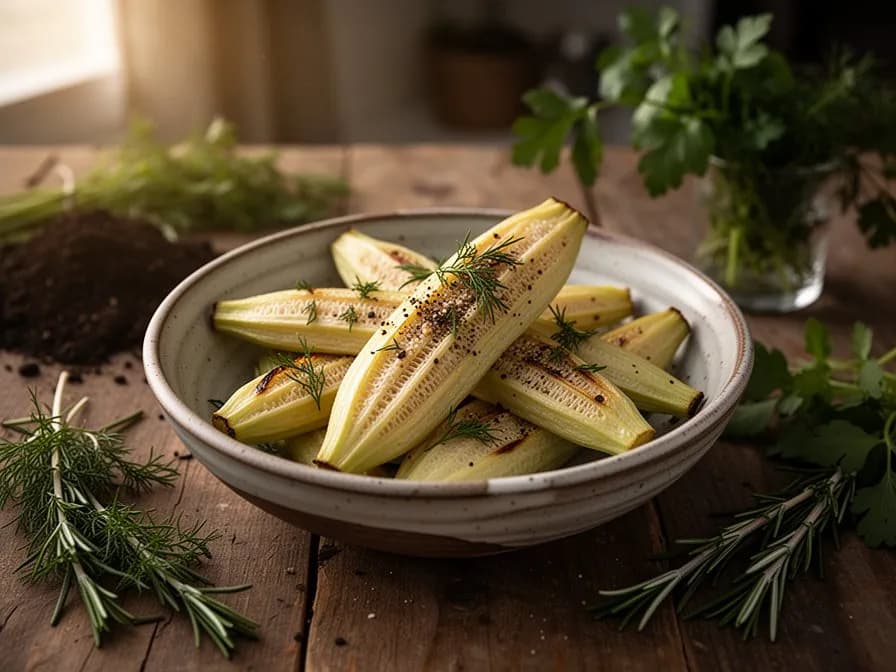
Garlic Smooth Loofah Stir-Fry
15 minA staple of Chinese home cooking where peeled young loofah is sliced and flash-fried until it softens into a silky, almost custard-like texture. The natural mild sweetness of smooth loofah pairs perfectly with garlic, a splash of soy sauce, and a drizzle of sesame oil.
7 ingredientesSmooth Loofah and Egg Drop Soup
20 minA gentle, nourishing broth-based soup where tender slices of peeled loofah simmer until melt-in-your-mouth soft, then swirled with beaten egg to create silky golden ribbons. This is quintessential Chinese comfort food — light, clean, and deeply satisfying.
8 ingredientesBraised Smooth Loofah with Glass Noodles
25 minYoung loofah braised with glass noodles in a savory broth until the gourd is silken and the noodles have absorbed all the rich flavors. A popular Vietnamese one-pot dish that is light yet satisfying, perfect for hot weather dining.
7 ingredientesUsos culinarios
Los frutos jóvenes de lufa lisa se preparan como el calabacín: salteados, en sopas, currys y tempura. En la cocina china y del sudeste asiático es un ingrediente popular en sopas con fideos y salteados con gambas. Su textura suave y sabor delicado recuerdan al calabacín pero con un toque más dulce.
Qué contiene
Beneficios para la salud
- Young smooth loofah is extremely low in calories (just 20 per 100g) with over 90% water content, making it an excellent hydrating vegetable for weight management and refreshing summer meals.
- Provides vitamin C that supports immune defense, promotes collagen synthesis for healthy skin, and acts as an antioxidant to neutralize free radicals and reduce oxidative stress.
- Contains vitamin A as beta-carotene, essential for maintaining healthy vision, supporting immune cell production, and preserving the integrity of skin and mucosal barriers.
- The dietary fiber in young smooth loofah promotes regular bowel movements, supports beneficial gut bacteria, and contributes to a healthy intestinal microbiome.
- Rich in B-complex vitamins including riboflavin (B2) and thiamine (B1), which are essential for energy metabolism, red blood cell formation, and proper nervous system function.
- In traditional Chinese and Ayurvedic medicine, smooth loofah has been used for centuries to support respiratory health, cool internal heat, and promote healthy skin — the vine sap, seeds, and young fruit all have distinct traditional medicinal applications.
De dónde viene Lufa Lisa
Smooth loofah (Luffa aegyptiaca, syn. Luffa cylindrica) is native to tropical South and Southeast Asia, with wild ancestors still found growing in parts of India, Myanmar, and Malaysia. Despite the species name 'aegyptiaca' suggesting Egyptian origins, this was a misnomer by early European botanists — the plant reached Egypt through ancient trade routes long after its initial domestication in Asia. Archaeological evidence and historical texts confirm that smooth loofah was cultivated in India and China for thousands of years, valued both as a food crop and for the unique fibrous sponge produced by its mature fruits.
Smooth loofah traveled along maritime and overland trade networks from Asia to the Middle East and Africa well before European contact. Arab merchants carried it across the Indian Ocean to East Africa and Egypt, where the plant's ability to thrive in hot, arid conditions made it a useful addition to irrigated gardens. Portuguese and Spanish explorers subsequently introduced smooth loofah to the Americas in the 16th and 17th centuries, where it naturalized quickly in the tropical climates of Central America, the Caribbean, and Brazil.
Today, China and India dominate global smooth loofah production, growing it primarily as a culinary vegetable sold fresh in markets under names such as si gua (Mandarin), turai (Hindi), and muop huong (Vietnamese). In Western countries, smooth loofah is far better known as a natural sponge product than as food, and commercial sponge farming operations have expanded in Paraguay, Colombia, and the southern United States to meet growing consumer demand for sustainable, biodegradable alternatives to synthetic scrubbers and sponges. The plant remains uniquely versatile among garden crops — delicious when young, useful as a household tool when mature, and increasingly valued as a source of sustainable industrial fiber.
Lufa Lisa: ¿sabías que?
Datos fascinantes sobre Lufa Lisa
Smooth loofah (Luffa aegyptiaca) is the only commercially cultivated plant in the world grown specifically to produce natural bath sponges. Despite looking and feeling similar to sea sponges, loofah sponges are entirely plant-derived — they are the dried vascular skeleton of a mature gourd.
Lufa Lisa: preguntas frecuentes
¿Cuándo debo plantar Lufa Lisa?
¿Cuáles son buenas plantas acompañantes para Lufa Lisa?
¿En qué zonas de rusticidad puede crecer Lufa Lisa?
¿Cuánto sol necesita Lufa Lisa?
¿A qué distancia debo espaciar Lufa Lisa?
¿Qué plagas y enfermedades afectan a Lufa Lisa?
¿Cómo almaceno Lufa Lisa después de la cosecha?
¿Cuáles son las mejores variedades de Lufa Lisa para cultivar?
¿Qué suelo necesita Lufa Lisa?
How long does smooth loofah take to produce mature sponges?
Can I eat smooth loofah and also grow it for sponges from the same plant?
Why are my smooth loofah flowers dropping without setting fruit?
How do I turn a smooth loofah gourd into a usable sponge?
Can I grow smooth loofah in a short-season climate (zones 5-7)?
What is the difference between smooth loofah and ridge loofah?
Acabas de leer la teoría. Ahora cultívala en piloto automático.
Todo lo que hace que Lufa Lisa sea delicado — el momento, el espaciado, las asociaciones, la ventana de cosecha — es justo lo que PlotMyGarden resuelve por ti, para cada planta de tu huerto.
Un plan que conoce tu clima
Indica tu ubicación una vez. Recibe fechas de siembra, abonado y cosecha basadas en tu última helada real y el pronóstico en vivo — sin adivinar con un sobre genérico.
De la sección “Cuándo plantar”Planificador de bancales de arrastrar y soltar
Diseña bancales sobre una cuadrícula. Cada planta encaja con su espaciado correcto y ves toda la temporada antes de gastar un céntimo en semillas.
De la sección “Cultivo”Conflictos de asociación, detectados a tiempo
Más de 200 buenas y malas combinaciones comprobadas en vivo mientras plantas — para que un error que arruine la temporada nunca llegue a la tierra.
De la sección “Asociaciones”Recordatorios que sí vas a seguir
“Riega las judías.” “Recoge hoy antes de que se pase.” Oportunos, concretos y ligados a las plantas que de verdad cultivas.
De la sección “Cosecha”Escalonado, programado
¿Quieres cosechar seis semanas en vez de seis días? Reparte tus siembras automáticamente y te avisa cuando toca el siguiente lote.
De la sección “Cuándo plantar”Un registro que se vuelve más listo
Cada cosecha que registras le enseña tu huerto. El plan del año que viene parte de lo que de verdad funcionó en tu suelo, no en un manual.
De la sección “Resumen”Planta estos junto a Lufa Lisa
Más Cucurbitáceas
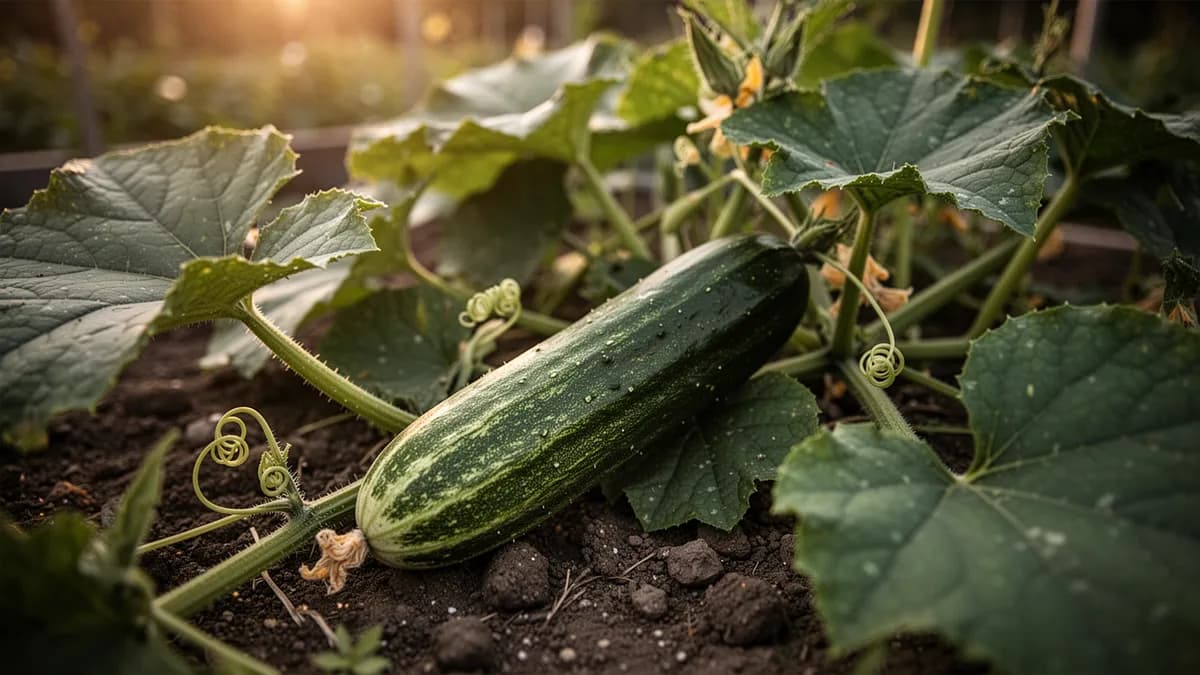
Mantén Lufa Lisa lejos de estos
Cultiva tu mejor Lufa Lisa — y todo lo que la rodea.
Empieza un plan gratis hoy. Diseña tus bancales, coloca tu Lufa Lisa y deja que PlotMyGarden gestione el momento, el espaciado, las asociaciones y los recordatorios de la semilla a la cesta.