Loganberry
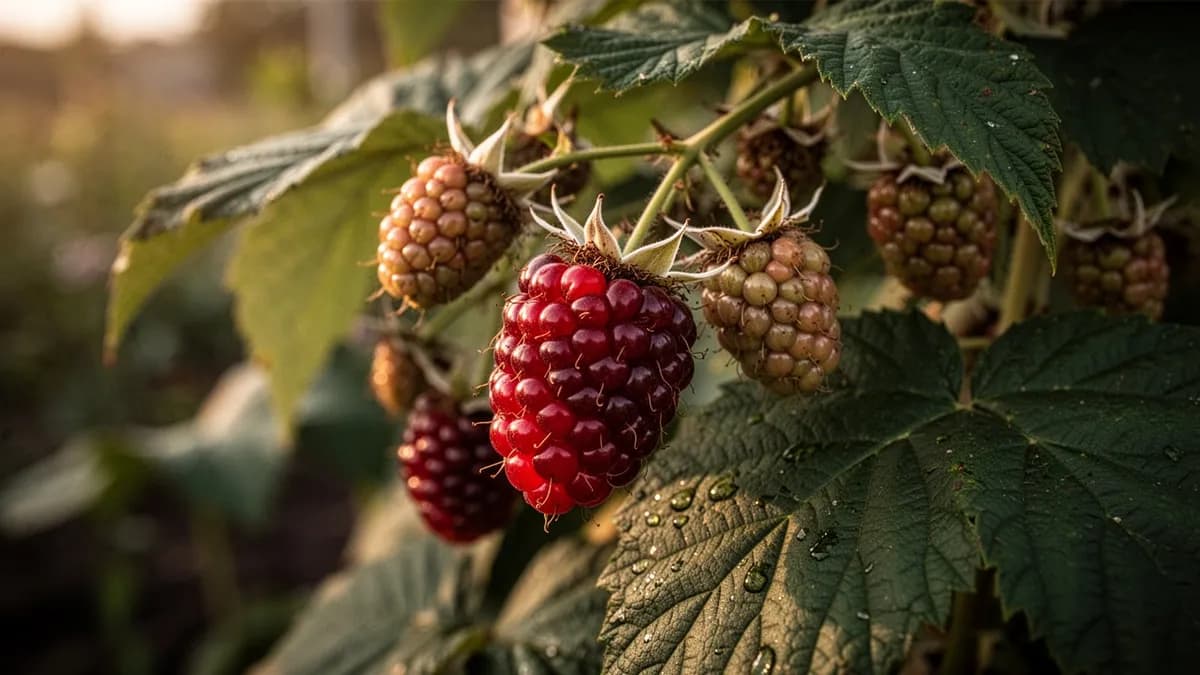
Un híbrido de frambuesa y zarzamora que produce bayas alargadas, de color rojo oscuro, con un sabor ácido y punzante, perfecto para cocinar y conservar.





En esta páginaResumen
Conoce Loganberry
Un híbrido de frambuesa y zarzamora que produce bayas alargadas, de color rojo oscuro, con un sabor ácido y punzante, perfecto para cocinar y conservar. Las cañas de la loganberry son vigorosas y espinosas, por lo que requieren un emparrado resistente y un manejo cuidadoso durante la poda. Su sabor ácido se suaviza de maravilla al cocinarla con azúcar para mermeladas, tartas y vino.
Cuándo plantar Loganberry
Las loganberries se propagan de forma vegetativa y no por semilla. El acodo por punta es el método tradicional: a finales del verano, dobla la punta de una primocane vigorosa hasta el suelo y entiérrala unos 8 cm de profundidad. La punta enterrada echará raíces durante el invierno y podrá separarse y trasplantarse la primavera siguiente. Los esquejes de raíz tomados de plantas en reposo a finales del invierno también enraízan con fiabilidad. Empieza siempre con material certificado, libre de enfermedades, procedente de un vivero de confianza para evitar introducir virus.
Tu año de Loganberry
Ajustado a Zona 7 · temporada típica · la helada se va hacia el 2 abr y vuelve hacia el 1 nov
Planta Loganberry Mar – Abr y cosecha Jul – Ago. Consulta los métodos de plantación y elige tu clima para adaptar los periodos.
Cómo cultivar Loganberry
Las loganberries son frutales de caña rastrera muy vigorosos que necesitan un emparrado sólido con alambres a unos 90 cm y 1.5 m de altura. Elige un lugar soleado, con buen drenaje, y enriquece el suelo con compost antes de plantar. Coloca las plantas con una separación de 150 a 180 cm a comienzos de la primavera. Las cañas espinosas pueden superar los 3.5 metros, así que deja espacio de sobra para guiarlas.
Como otras bayas híbridas, las loganberries fructifican en las floricanes del segundo año. Durante el primer año, guía las nuevas primocanes en una dirección a lo largo del emparrado. El verano siguiente esas cañas producirán fruta, mientras que las nuevas primocanes seguirán creciendo y deben conducirse en la dirección opuesta para mantener separadas y ordenadas ambas generaciones de cañas.
Después de la cosecha, elimina todas las floricanes agotadas a ras de suelo y sujeta el nuevo crecimiento de la temporada. Riega de forma constante durante el desarrollo del fruto y acolcha la zona de raíces con paja o corteza para conservar la humedad. Aplica un fertilizante de uso general a comienzos de la primavera. Las loganberries son algo sensibles al frío invernal, así que en zonas marginales conviene soltar las cañas después de la caída de las hojas y dejarlas sobre el suelo bajo una capa protectora de acolchado hasta la primavera.
Para Loganberry un bancal de 120 × 240 cm se queda corto
Cada Loganberry pide 150 cm de margen. El planificador guarda ese marco por ti — cada planta, cada bancal.
Los mejores vecinos de Loganberry
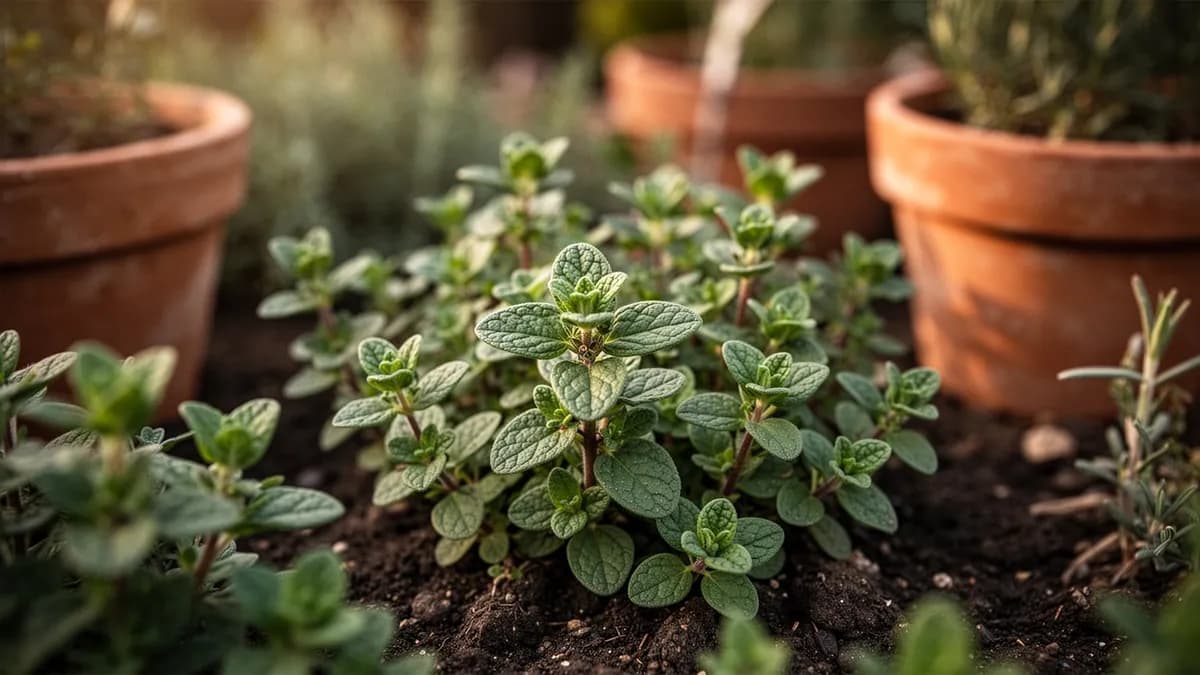
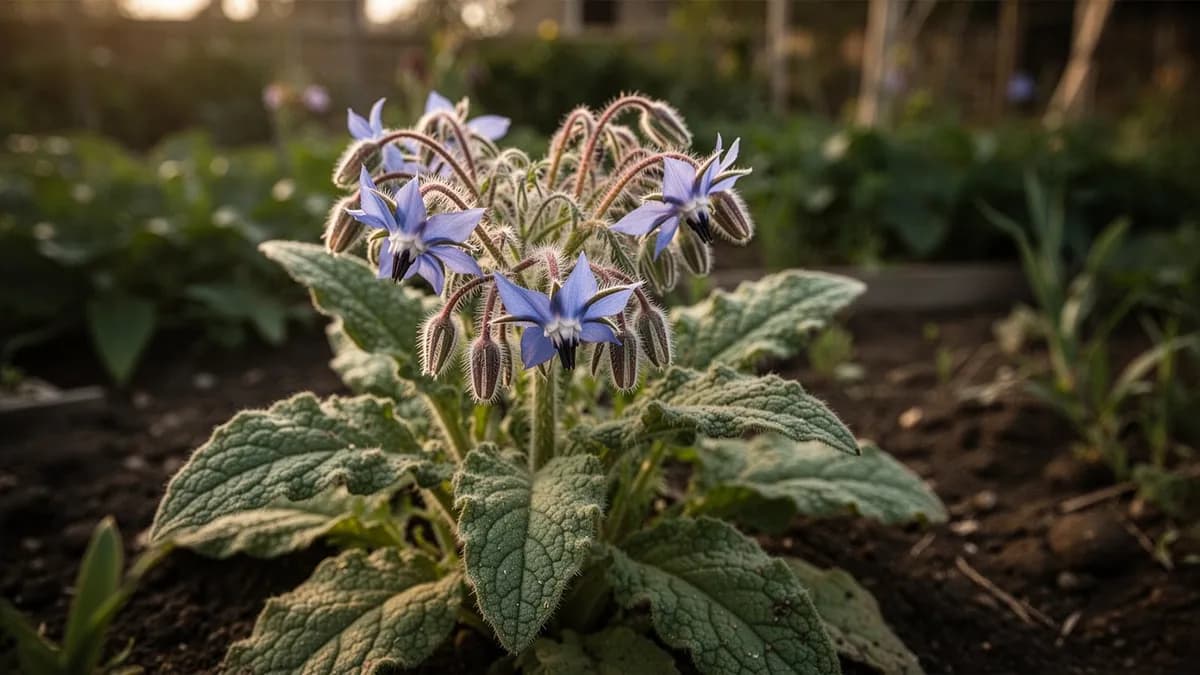
Tomillo y borraja plantados cerca de las loganberries atraen polinizadores beneficiosos e insectos depredadores que ayudan a controlar las plagas. Las aliáceas como el ajo y el cebollino pueden disuadir a los pulgones si se plantan a lo largo de la hilera. Evita plantarlas cerca de frambuesas y otras especies de Rubus para prevenir la propagación de enfermedades compartidas. Las plantas fijadoras de nitrógeno, como el trébol, pueden cultivarse como acolchado vivo entre las hileras para mejorar la fertilidad del suelo de forma natural.
Tomillo va a su lado. Frambuesa no.
Saber de huerto de siempre, cotejado con la tabla real de Loganberry — prueba cualquier planta que cultives.
Prueba Loganberry en un bancal, aquí mismo
Un bancal real del planificador con Loganberry ya plantado. Toca una planta compañera para colocarla y mira cómo responde la comprobación de vecinos: verde para buenos vecinos, rojo si hay conflicto.


Guías de cultivo relacionadas
Abónalo bien
Las loganberries prefieren un suelo fértil, bien drenado y ligeramente ácido, con un pH de 6.0 a 6.5 y rico en materia orgánica. Mejora los suelos pobres con compost y estiércol bien descompuesto antes de plantar. Aplica un fertilizante NPK equilibrado a comienzos de la primavera y añade compost alrededor de la base después del cuajado. Evita el exceso de nitrógeno, que favorece el crecimiento vegetativo en detrimento de la fructificación. Los enmiendas ricas en potasio, como la ceniza de madera, ayudan a un buen desarrollo de las cañas y a una excelente calidad del fruto.
Temperatura ideal
Compatibilidad de zonas de rusticidad
De la semilla a la cosecha, etapa por etapa
Reposo y establecimiento de raíces
Las loganberries a raíz desnuda o en contenedor se plantan mejor en otoño o a comienzos de la primavera, mientras están en reposo. Durante este periodo la planta dirige toda su energía a desarrollar un sistema radicular profundo y fibroso. El crecimiento aéreo es mínimo, pero un buen desarrollo de raíces en esta fase determina la productividad a largo plazo de la planta. La corona debe quedar al nivel del suelo y las cañas deben recortarse a 20-25 cm después de plantar.
Crecimiento de cañas del primer año
Las primocanes (cañas del primer año) emergen de la corona y crecen con vigor durante la primavera y el verano, alcanzando 2-3 metros o más de longitud. Estas cañas vegetativas no florecerán ni fructificarán en su primer año, pero están acumulando las reservas de energía que alimentarán la fructificación del año siguiente. Las hojas son grandes y están compuestas por tres a cinco folíolos con una textura ligeramente arrugada heredada del progenitor de frambuesa.
Floración (floricanes del segundo año)
En su segundo año, las primocanes que han pasado el invierno (ahora llamadas floricanes) producen brotes laterales con racimos de flores de cinco pétalos, de blanco rosado pálido, a finales de la primavera y comienzos del verano. Las loganberries son autopolinizantes, así que una sola planta dará fruto sin necesidad de otra variedad, aunque la actividad de las abejas aumenta mucho el rendimiento. Cada racimo floral puede producir de 5 a 15 bayas individuales.
Desarrollo del fruto
Después de la polinización, las bayas se desarrollan durante 4-6 semanas, pasando de verde pálido a rojo y finalmente al característico color burdeos oscuro a rojo púrpura de las loganberries plenamente maduras. El fruto es alargado y algo cónico, parecido a una frambuesa grande y estilizada, y puede alcanzar de 3 a 4 cm de largo. El sabor se va formando en esta fase, construyendo el carácter agridulce tan apreciado de la fruta.
Cosecha
Las loganberries maduran de forma progresiva durante un periodo de 2 a 4 semanas a mediados o finales del verano, normalmente de julio a agosto en el hemisferio norte. El fruto maduro es de un rojo púrpura intenso, ligeramente blando al tacto y se desprende limpiamente del receptáculo al tirar con suavidad. A diferencia de las zarzamoras, el receptáculo no queda dentro de la baya al cosecharla. El fruto tiene mucho jugo y un sabor intenso y ácido, más marcado que el de cualquiera de sus dos progenitores.
Renovación de cañas después de la cosecha
Una vez terminada la fructificación, las floricanes que han dado fruto comienzan a secarse de forma natural. Esas cañas agotadas deben eliminarse para que las nuevas primocanes, que han estado creciendo durante todo el verano, ocupen su lugar. Este ciclo anual de renovación es la clave para mantener una planta productiva y evitar la acumulación de enfermedades. La planta entra en una fase de ralentización gradual del crecimiento a medida que los días se acortan y las temperaturas descienden hacia el otoño.
Riega bien después de plantar y acolcha generosamente alrededor de la base con compost bien descompuesto o virutas de madera para conservar la humedad y frenar las malas hierbas. Evita los fertilizantes altos en nitrógeno durante las primeras semanas, porque favorecen un crecimiento débil de la parte aérea antes de que las raíces se establezcan.
Cuidar Loganberry mes a mes
Qué hacer cada mes para tu Loganberry
Octubre
Mes actualAsegúrate de que todas las cañas que fructificaron se hayan retirado por completo. Las primocanes jóvenes pueden despuntarse ligeramente si se vuelven excesivamente largas y difíciles de manejar. Las loganberries suelen ser resistentes, pero las plantas expuestas pueden agradecer algo de protección en la corona con una capa gruesa de acolchado.
Ten claro qué hacer en tu huerto, cada mes
Un correo al empezar cada mes: qué sembrar, plantar y hacer ahora mismo — para tu Loganberry y todo lo que crece alrededor. Más un breve curso inicial para esquivar los errores clásicos.
- Qué hacer ahora mismo
- Ajustado a tu temporada
- Curso inicial incluido
Cosechar Loganberry
Las loganberries maduran a mediados del verano y pasan de rojo a un profundo color vino oscuro cuando están completamente maduras. Incluso en su punto óptimo son claramente más ácidas que las boysenberries o las tayberries, y ese es precisamente su sabor distintivo. Cosecha cuando las bayas tengan un color intenso y se desprendan del receptáculo con un suave tirón. Usa guantes gruesos, porque las cañas espinosas hacen dolorosa la recolección. Coloca las bayas en recipientes poco profundos y procésalas enseguida, ya que se ablandan rápidamente después de cosecharse.
se supone que plantas al comenzar el periodo — indica tu fecha real
Cosecha Loganberry a tiempo y la planta sigue produciendo.
Almacenamiento y conservación
Las loganberries frescas son perecederas y solo se conservan de dos a tres días en el frigorífico. Su alta acidez las hace excepcionales para conservar. Congélalas extendidas en bandejas y luego pásalas a bolsas, donde aguantan hasta diez meses. Las loganberries producen uno de los mejores vinos de fruta gracias a su sabor ácido y complejo y a su color intenso. También dan una mermelada, gelatina y jarabe excelentes. El envasado en almíbar ligero conserva su color vibrante y su carácter ácido.
Qué falla — y cómo solucionarlo
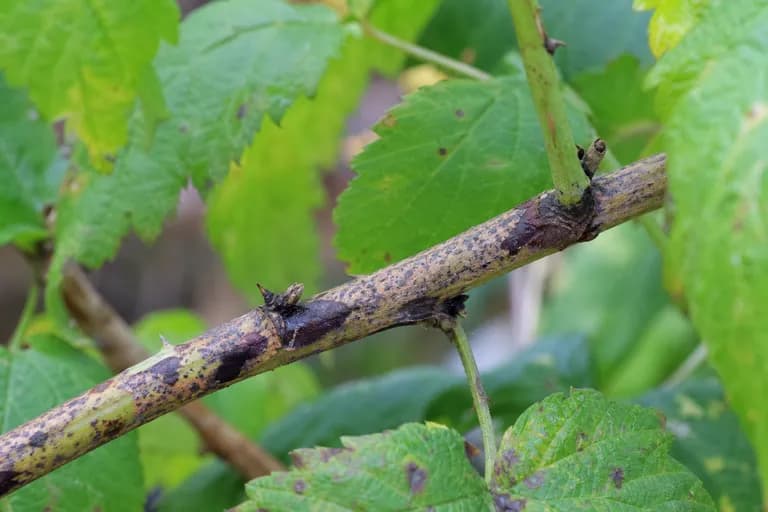
Roya de los Espolones
EnfermedadManchas marrón violáceas alrededor de los nudos foliares en las cañas a finales del verano; las yemas de los nudos afectados no brotan o producen brotes débiles.
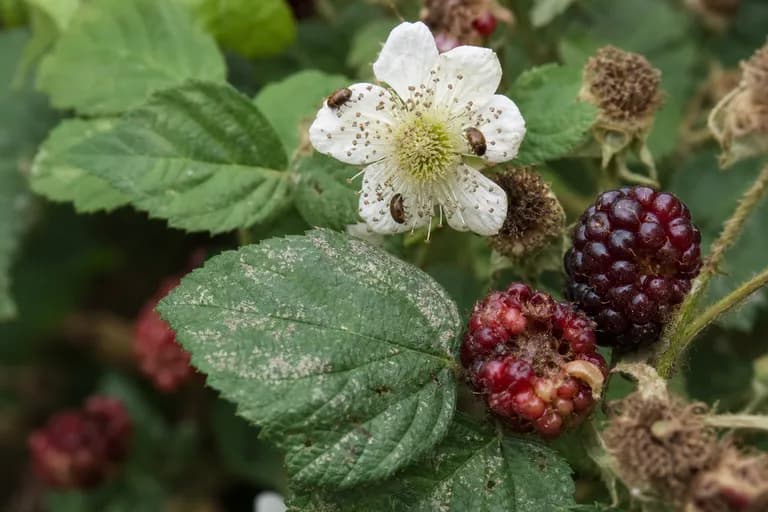
Escarabajo de la Frambuesa
PlagaPequeños escarabajos marrones que se alimentan de las flores; las larvas aparecen dentro de los frutos maduros, causando bayas con gusanos y reduciendo su valor comercial.
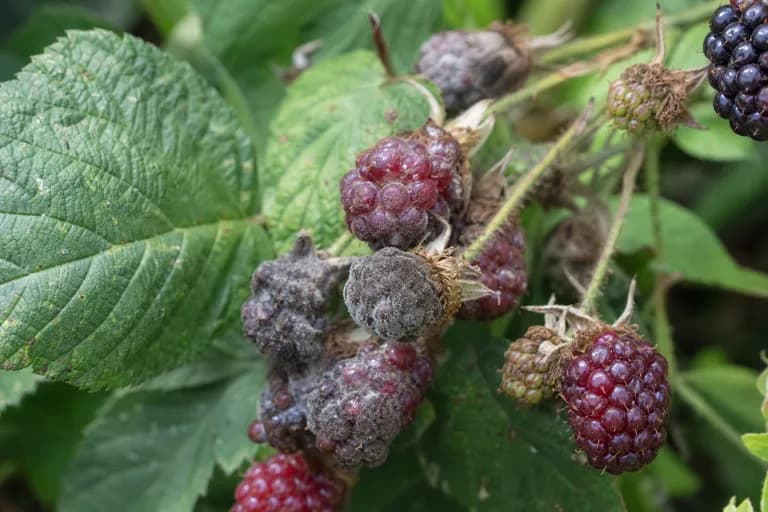
Podredumbre Gris del Fruto
EnfermedadMoho gris y algodonoso en las bayas que maduran y en las ya cosechadas; el fruto se vuelve blando y pastoso, sobre todo en clima húmedo y lluvioso.
Solución de problemas comunes
Las cañas espinosas son el mayor reto práctico, porque complican la poda, el guiado y la cosecha. Las variedades sin espinas resuelven este problema. Las loganberries son susceptibles a las mismas enfermedades que las frambuesas, así que evita plantarlas donde hayan crecido especies de Rubus en los últimos cinco años. Un cuajado deficiente puede deberse a una polinización insuficiente en tiempo frío o lluvioso durante la floración. Las cañas que no se guían acaban formando una maraña incontrolable que favorece las enfermedades.
Consejos de cultivo
- Planta las loganberries a pleno sol y en una posición protegida para obtener las cosechas más abundantes. Tolerarán la semisombra, pero el rendimiento cae de forma notable con menos de 6 horas de sol directo y el sabor del fruto es menos concentrado en lugares más sombríos.
- Instala un sistema de soporte robusto antes de plantar, no después. Los alambres horizontales a 50 cm, 1 m y 1.5 m sobre postes resistentes durarán toda la vida de la planta y facilitarán el guiado anual de las cañas. Las cañas de loganberry pueden alcanzar 3 m y necesitan un soporte seguro.
- Si el espacio es limitado, guía las cañas de loganberry en forma de abanico contra una pared o valla orientada al sur o al oeste. El calor reflejado por una pared de mampostería favorece una maduración más temprana y suele producir la fruta más dulce.
- Mantén las nuevas primocanes separadas de las floricanes productivas durante toda la temporada de crecimiento. Un método sencillo consiste en atar las primocanes verticalmente al poste central o a un lado del soporte, dejando las cañas fructíferas extendidas horizontalmente sobre los alambres.
- Nunca dejes que la zona alrededor de la base de la planta se seque por completo durante la temporada de fructificación. Un riego irregular mientras las bayas engordan provoca frutos rajados y favorece el moho gris (Botrytis). Un acolchado orgánico profundo alrededor de la zona radicular reduce de forma notable la necesidad de riego.
- Renueva las plantas de loganberry descuidadas cortando cada caña a ras del suelo a finales del invierno y empezando de nuevo el ciclo bienal. Aunque perderás una temporada de fruta, esta renovación drástica suele producir una planta más vigorosa y productiva que intentar manejar una maraña de cañas viejas y nuevas.
- Propaga las loganberries por acodo de punta a finales del verano. Elige una primocane larga y sana, dobla la punta hasta el nivel del suelo y entierra los últimos 15 cm en un pequeño hoyo enriquecido con compost. Para el otoño, la punta habrá enraizado y podrá separarse de la planta madre y trasplantarse la primavera siguiente.
- Elige la variedad LY59 sin espinas para la mayoría de los jardines domésticos. Produce tanto como los tipos espinosos, da bayas de calidad equivalente y hace que la cosecha, el guiado y la poda sean mucho más seguros y agradables, especialmente si hay niños.
- Aplica a comienzos de la primavera un fertilizante especial para frutales rico en potasio, como sulfato potásico, y repite la aplicación cuando el fruto empiece a colorearse. El potasio impulsa el desarrollo de azúcares en la fruta, mejorando el dulzor y la profundidad del sabor de la cosecha.
- Vigila los signos de roya de las cañas, una enfermedad fúngica que provoca marchitez repentina y la muerte de cañas individuales, y elimina de inmediato las cañas afectadas a ras de suelo con tijeras limpias, desinfectando las hojas entre cortes con alcohol de quemar para evitar la propagación del patógeno.
Cultiva tu mejor Loganberry — y todo lo que la rodea.
Empieza un plan gratis hoy. Diseña tus bancales, coloca tu Loganberry y deja que PlotMyGarden gestione el momento, el espaciado, las asociaciones y los recordatorios de la semilla a la cesta.
Elige tu Loganberry
LY 59
La loganberry espinosa estándar, con excelente calidad de fruto, que produce bayas grandes, alargadas y de color rojo oscuro con sabor intenso.
Loganberry sin espinas (LY 654)
Una mutación sin espinas que hace la cosecha mucho más fácil sin perder la acidez clásica ni la productividad de la loganberry.
American Thornless
Una selección vigorosa sin espinas, bien adaptada a las condiciones de cultivo de Norteamérica y con cosechas abundantes y fiables.
Una sola planta adulta de loganberry, que normalmente se vende por 8-15 £ como ejemplar en contenedor o por 5-10 £ a raíz desnuda, puede producir entre 3 y 5 kg de fruta al año una vez establecida. Con precios habituales de mercado o de cosecha propia de 4-8 £ por 500 g, cada planta representa entre 24 y 80 £ de fruta por temporada. A lo largo de una vida productiva de 10-15 años, el valor total de la cosecha de una sola planta puede superar las 400-1.000 £, lo que supone un retorno de 30 a 80 veces el coste inicial de plantación, incluso teniendo en cuenta modestos insumos anuales de mantenimiento como fertilizante y malla.
Recetas rápidas
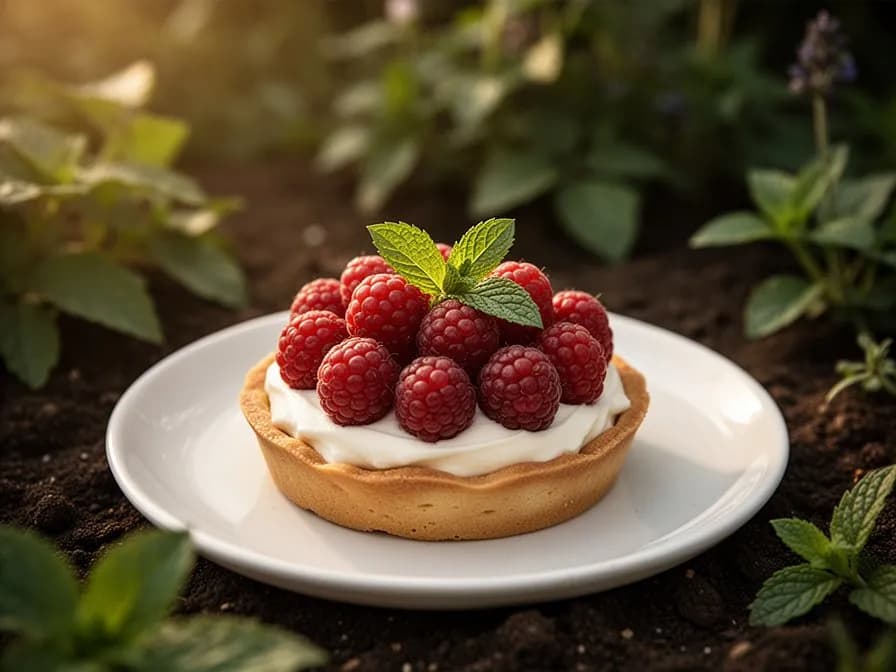
Mermelada de Loganberry
45 minutosUna conserva clásica que captura la acidez intensa y el profundo sabor afrutado de la loganberry. Las loganberries tienen de forma natural mucho pectina gracias a su parentesco con la zarzamora, así que esta mermelada cuaja de maravilla sin añadir pectina comercial. El resultado tiene un color rojo púrpura vibrante y un sabor complejo, mucho más interesante que la mermelada de frambuesa estándar. Excelente sobre pan de masa madre, scones o mezclada con yogur natural.
5 ingredientes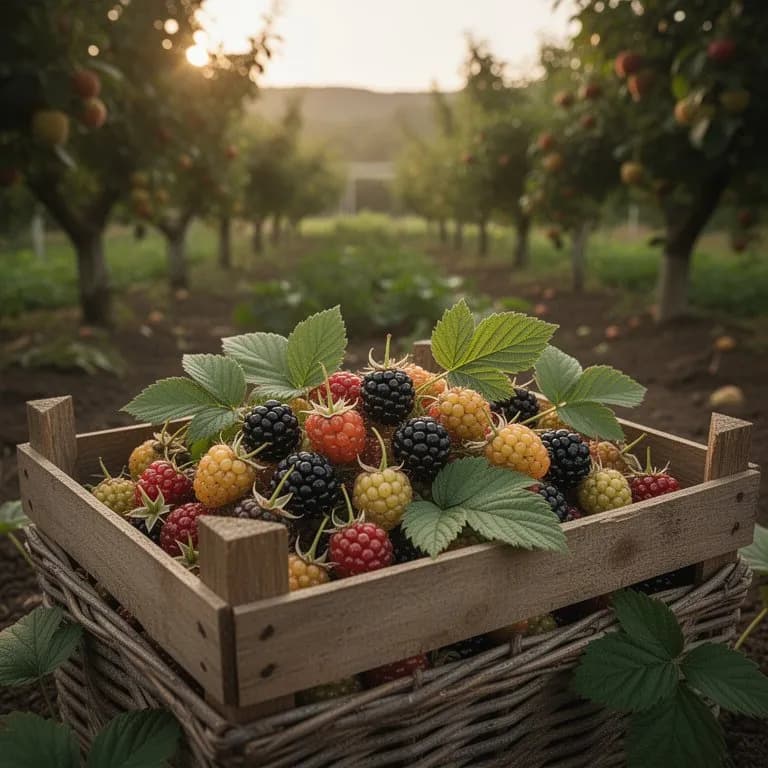
Crumble de Loganberry
20 minutos de preparación, 35 minutos de hornoUn postre horneado sencillo y muy satisfactorio, de estilo británico, que combina la acidez de la loganberry con una cobertura de crumble de avena y mantequilla. El relleno lleva apenas azúcar para que destaque el carácter natural de la fruta, y una pizca de vainilla en el crumble aporta calidez sin eclipsarla. Sírvelo templado con nata espesa, natillas de vainilla o una bola de buen helado de vainilla.
8 ingredientesCoulis de Loganberry
10 minutosUna salsa de fruta vibrante y fluida que puede prepararse en menos de 10 minutos y transforma postres sencillos. La salsa equilibra la acidez natural de la loganberry con la cantidad justa de azúcar para redondear el sabor y luego se cuela hasta quedar lisa para obtener una textura elegante y brillante. Úsala sobre panna cotta de vainilla, alrededor de un fondant de chocolate, removida en un cheesecake o como base de salsa para cócteles y bebidas sin alcohol.
5 ingredientesUsos culinarios
Las loganberries son ante todo una baya para cocinar más que para comer fresca, ya que su marcada acidez se complementa mejor con azúcar y calor. Dan tartas, crumbles y salsas de fruta excelentes. El vino y el zumo de loganberry se consideran algunas de las mejores bebidas de fruta. Su sabor ácido combina de maravilla con carnes intensas y de caza como componente de salsas. Son ricas en vitamina C y antioxidantes.
Qué contiene
Beneficios para la salud
- Alto contenido de ácido elágico, un compuesto polifenólico natural concentrado en las semillas y la piel de las loganberries, que ha sido objeto de una investigación considerable por sus propiedades antioxidantes y potencialmente protectoras de las células
- Ricas en pigmentos antocianínicos responsables del color rojo púrpura intenso de la fruta, que funcionan como potentes antioxidantes y ayudan a reducir el estrés oxidativo, además de favorecer la salud cardiovascular al mejorar la flexibilidad de los vasos sanguíneos
- Excelente fuente de fibra dietética, con más de 5 g por 100 g, que favorece una microbiota intestinal saludable, apoya una digestión regular y contribuye a niveles estables de glucosa en sangre al ralentizar la absorción de carbohidratos
- Buena fuente de vitamina C, que apoya al sistema inmunitario, favorece la síntesis de colágeno en la piel para la cicatrización y mejora de forma notable la absorción del hierro no hemo de los alimentos vegetales cuando se consumen juntos
- Contiene manganeso, un mineral traza esencial que activa enzimas implicadas en la mineralización ósea y la formación de cartílago, por lo que las loganberries aportan una contribución útil a la salud esquelética a largo plazo
- Bajas en calorías (aproximadamente 55 kcal por 100 g) y con un índice glucémico bajo gracias a su alto contenido en fibra, lo que convierte a las loganberries en un alimento muy denso en nutrientes que favorece un control saludable del peso dentro de una dieta equilibrada
De dónde viene Loganberry
La loganberry (Rubus × loganobaccus) tiene una de las historias de origen mejor documentadas en la historia de la fruta cultivada. A comienzos de la década de 1880, el juez James Harvey Logan, antiguo fiscal de distrito y horticultor aficionado, cultivaba una colección de variedades de zarzamora junto a una hilera de frambuesas Red Antwerp en su jardín de Santa Cruz, California. Su intención era mejorar las variedades de zarzamora mediante cruces deliberados, pero en 1881 observó plántulas con características que no se parecían a las de ninguno de los progenitores. Las plantas resultantes dieron frutos alargados, de color rojo intenso, con un sabor que combinaba elementos de zarzamora y frambuesa, pero con una acidez distintiva que las diferenciaba de ambas. Logan presentó la nueva fruta al público en 1883, y más tarde fue descrita formalmente y bautizada como loganberry en su honor.
Posteriormente, los botánicos debatieron durante décadas si la loganberry era un híbrido verdadero o una mutación poliploide casual de la zarzamora. Los análisis cromosómicos modernos la han confirmado como un híbrido anfidiploide natural, que combina los juegos completos de cromosomas de ambas especies parentales. Ese vigor híbrido se refleja en el crecimiento robusto de la planta, su abundante producción y su adaptabilidad a una amplia gama de climas.
Aunque la acogida inicial en California fue modesta, la loganberry se introdujo en Gran Bretaña en la década de 1890 y ganó popularidad rápidamente en el clima suave y húmedo de las Islas Británicas. A comienzos del siglo XX, se establecieron plantaciones comerciales de loganberry en el West Country, Escocia y, sobre todo, en el Vale of Evesham. Los mejoradores británicos desempeñaron un papel importante en la mejora de la variedad, especialmente a través del trabajo en la East Malling Research Station de Kent, que en 1950 lanzó el clon LY59 sin espinas, todavía hoy la variedad más cultivada.
En Estados Unidos, el cultivo comercial de loganberry alcanzó su punto álgido en el noroeste del Pacífico y el norte de California durante las décadas de 1920 y 1930, donde la fruta se destinaba a zumos, conservas y vino. La producción comercial declinó a mediados del siglo XX, a medida que las fresas y frambuesas más dulces y suaves ganaban popularidad entre los consumidores, pero la loganberry conservó un grupo fiel de aficionados entre jardineros domésticos, elaboradores de mermeladas y productores artesanales de bebidas. Hoy vive un modesto renacimiento entre los entusiastas de las frutas patrimoniales y los pequeños productores que valoran su sabor intenso, su resistencia a enfermedades y su generoso rendimiento.
Loganberry: ¿sabías que?
Datos fascinantes sobre Loganberry
La loganberry se creó por accidente hacia 1880 en Santa Cruz, California, cuando el juez James Harvey Logan intentaba cruzar dos variedades de zarzamora en su jardín, pero terminó hibridando sin querer una zarzamora con una frambuesa, creando así una fruta completamente nueva.
Loganberry: preguntas frecuentes
¿Cuándo debo plantar Loganberry?
¿Cuáles son buenas plantas acompañantes para Loganberry?
¿En qué zonas de rusticidad puede crecer Loganberry?
¿Cuánto sol necesita Loganberry?
¿A qué distancia debo espaciar Loganberry?
¿Qué plagas y enfermedades afectan a Loganberry?
¿Cómo almaceno Loganberry después de la cosecha?
¿Cuáles son las mejores variedades de Loganberry para cultivar?
¿Qué suelo necesita Loganberry?
¿Cuál es la diferencia entre una loganberry y una boysenberry?
¿Las loganberries necesitan una planta polinizadora?
¿Cuándo debo podar mi loganberry y cómo?
¿Por qué mis hojas de loganberry se ponen amarillas con manchas oscuras?
¿Puedo cultivar loganberries en un contenedor?
¿Cómo sé cuándo las loganberries están completamente maduras y listas para recoger?
Acabas de leer la teoría. Ahora cultívala en piloto automático.
Todo lo que hace que Loganberry sea delicado — el momento, el espaciado, las asociaciones, la ventana de cosecha — es justo lo que PlotMyGarden resuelve por ti, para cada planta de tu huerto.
Un plan que conoce tu clima
Indica tu ubicación una vez. Recibe fechas de siembra, abonado y cosecha basadas en tu última helada real y el pronóstico en vivo — sin adivinar con un sobre genérico.
De la sección “Cuándo plantar”Planificador de bancales de arrastrar y soltar
Diseña bancales sobre una cuadrícula. Cada planta encaja con su espaciado correcto y ves toda la temporada antes de gastar un céntimo en semillas.
De la sección “Cultivo”Conflictos de asociación, detectados a tiempo
Más de 200 buenas y malas combinaciones comprobadas en vivo mientras plantas — para que un error que arruine la temporada nunca llegue a la tierra.
De la sección “Asociaciones”Recordatorios que sí vas a seguir
“Riega las judías.” “Recoge hoy antes de que se pase.” Oportunos, concretos y ligados a las plantas que de verdad cultivas.
De la sección “Cosecha”Escalonado, programado
¿Quieres cosechar seis semanas en vez de seis días? Reparte tus siembras automáticamente y te avisa cuando toca el siguiente lote.
De la sección “Cuándo plantar”Un registro que se vuelve más listo
Cada cosecha que registras le enseña tu huerto. El plan del año que viene parte de lo que de verdad funcionó en tu suelo, no en un manual.
De la sección “Resumen”Planta estos junto a Loganberry
Más Bayas
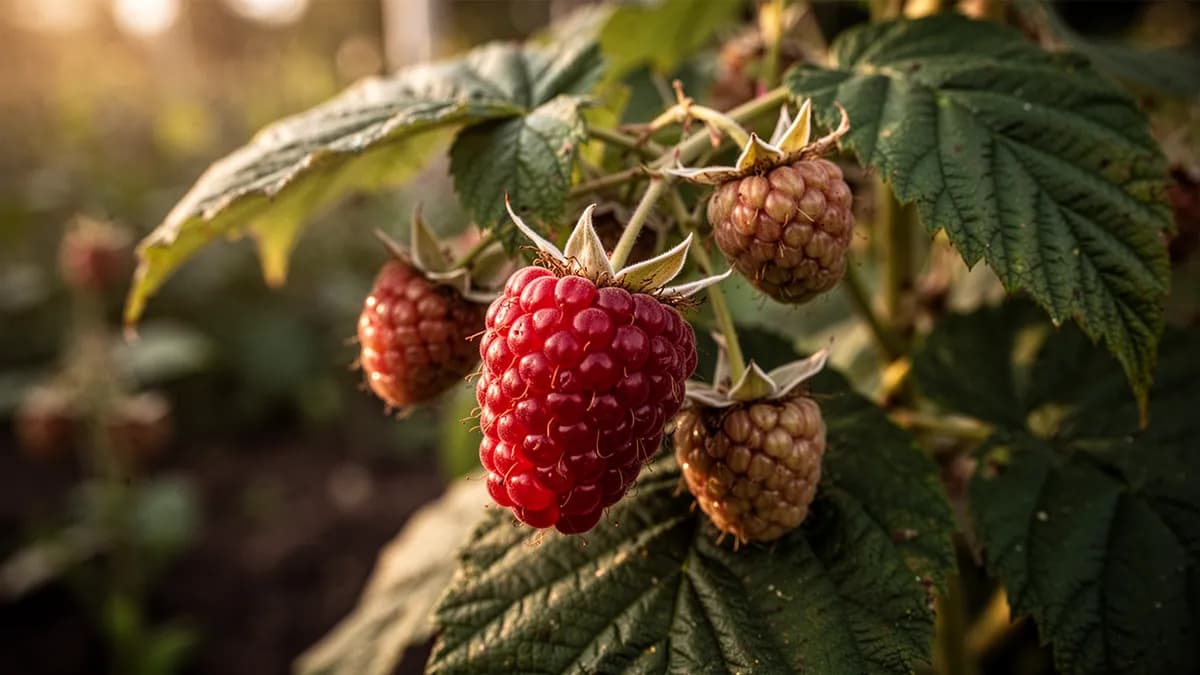
Mantén Loganberry lejos de estos
Cultiva tu mejor Loganberry — y todo lo que la rodea.
Empieza un plan gratis hoy. Diseña tus bancales, coloca tu Loganberry y deja que PlotMyGarden gestione el momento, el espaciado, las asociaciones y los recordatorios de la semilla a la cesta.