Lisianthus
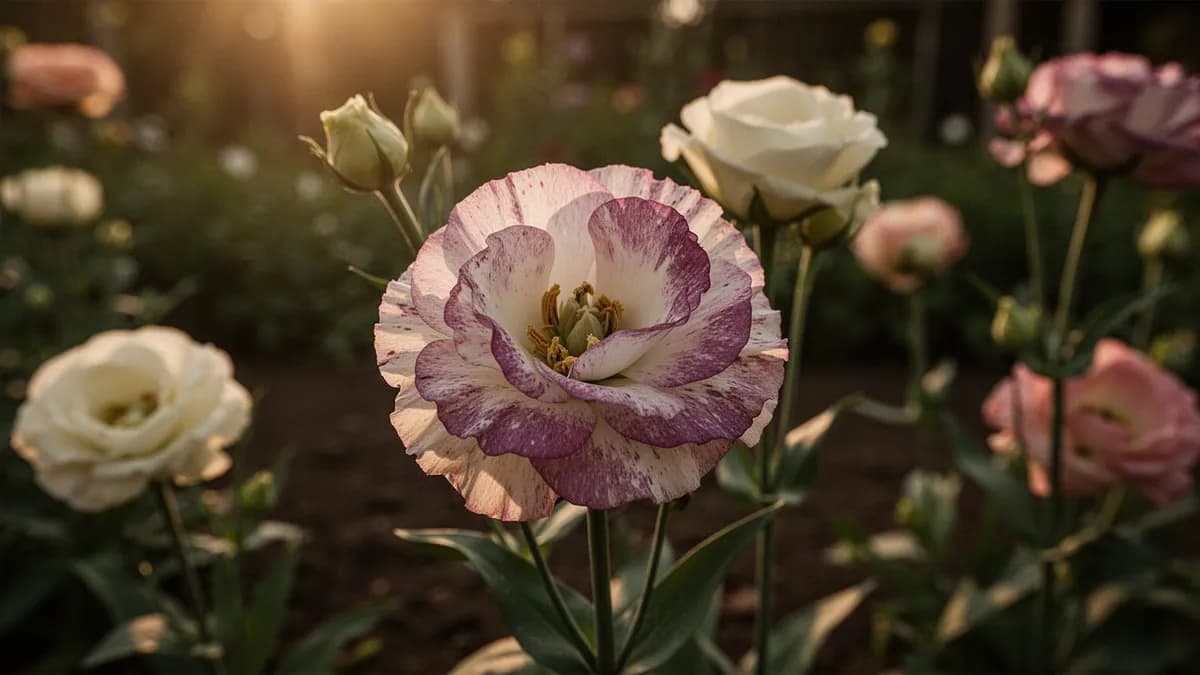
A premium cut flower with ruffled, rose-like blooms in pastel shades of purple, pink, white, and green that last exceptionally long in vases.





On this pageOverview
Meet Lisianthus
A premium cut flower with ruffled, rose-like blooms in pastel shades of purple, pink, white, and green that last exceptionally long in vases. Lisianthus requires a long growing season with seeds started very early indoors under lights. Despite being challenging to grow, the exquisite blooms rival roses in beauty at a fraction of the cost.
When to plant Lisianthus
Start seeds 16-20 weeks before the last frost (December-January for most areas). Sow microscopic seeds on the surface of moist, fine-textured seed-starting mix—do not cover. Place under grow lights for 14-16 hours daily and maintain 70-75°F (21-24°C). Keep soil consistently moist but not soggy using a spray bottle or bottom watering. Germination takes 10-20 days. Seedlings grow very slowly for 8-10 weeks—this is normal. Transplant to larger cells when they have 4-6 true leaves. Never let temperatures drop below 60°F (15°C) during the seedling stage.
Your Lisianthus Year
Composed for Zone 7 · typical seasons · frost passes Apr 2, returns Nov 1
Plant Lisianthus Jan – Feb, Apr – May, Dec, pick Jul – Sep. Check the planting methods below and set your climate to personalize these windows.
How to grow Lisianthus
Lisianthus is one of the most challenging annuals to grow from seed but rewards patient gardeners with exquisite rose-like blooms that rival any florist flower. Seeds are microscopic (dust-like) and need light to germinate. Sow on the surface of moist seed-starting mix under grow lights 16-20 weeks before the last frost—yes, start them in December or January for summer blooms.
Maintain temperatures of 70-75°F (21-24°C) during germination, which takes 10-20 days. Seedlings grow agonizingly slowly for the first 8-10 weeks, producing only tiny rosettes. Resist the urge to over-water or give up—this slow phase is normal. Once warm weather arrives and plants are transplanted, growth accelerates dramatically.
Transplant hardened-off seedlings outdoors after the last frost, spacing 6-8 inches apart in full sun. Lisianthus demands excellent drainage and abhors wet feet. Provide consistent moisture from below—drip irrigation is ideal. The flowers appear in mid to late summer and continue through autumn, with each plant producing multiple stems of 3-5 large blooms.
72 plants fit a 4 × 8 ft bed
Each Lisianthus wants 20 cm of elbow room. The planner keeps that spacing for you — every plant, every bed.
Lisianthus's best neighbours
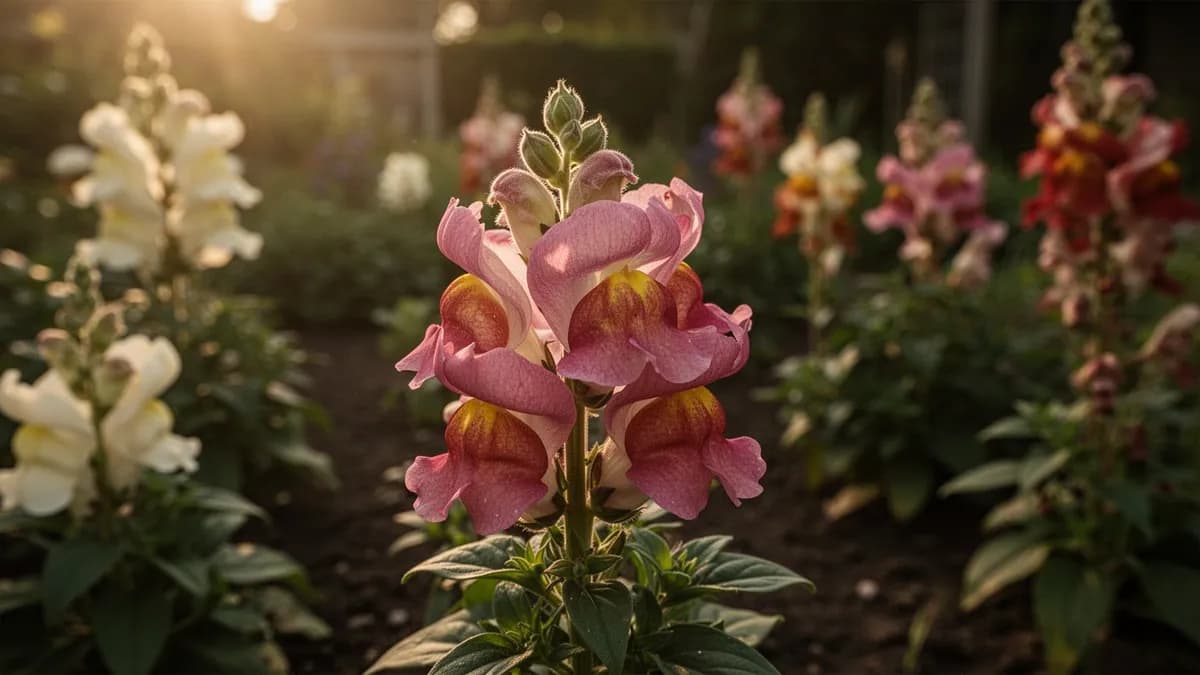
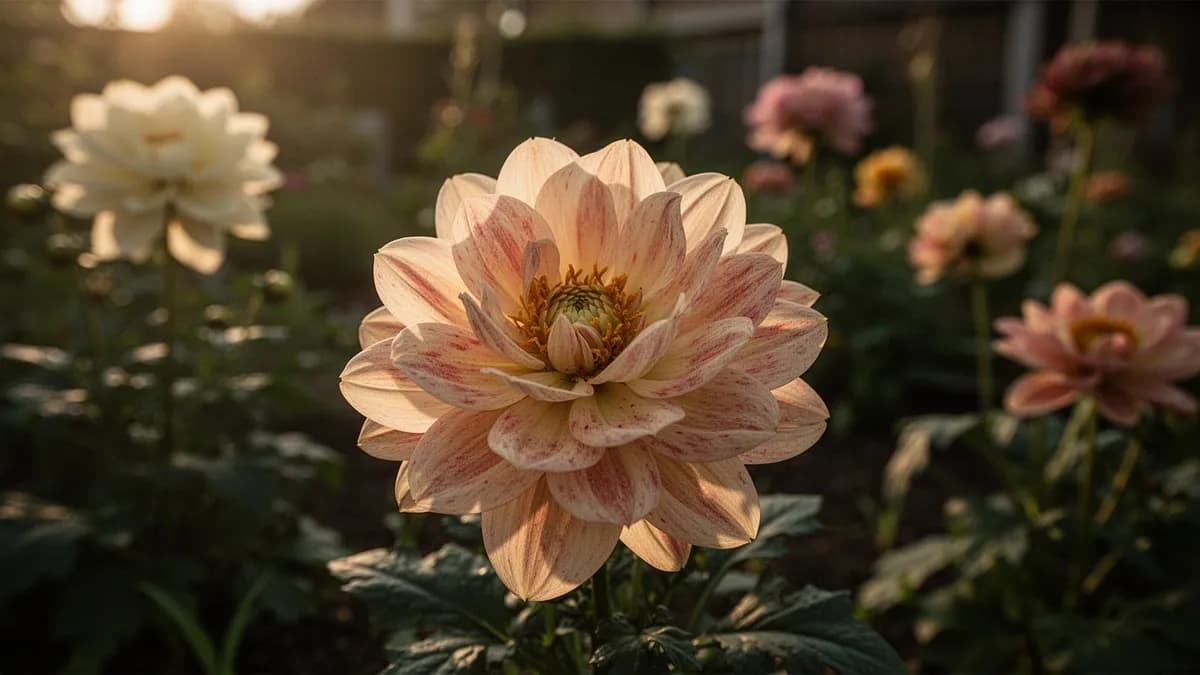
Lisianthus pairs elegantly with other premium cut flowers in the cutting garden: dahlias, snapdragons, stock, and scabiosa. The soft, romantic blooms complement bolder flowers without competing. In borders, plant among lavender, salvia, and ornamental grasses for a sophisticated, pastel-toned display. The flowers attract butterflies and look beautiful alongside roses and garden phlox.
Snapdragon belongs beside it.
Old growers' knowledge, checked against Lisianthus's real companion table below — test any plant you're growing.
Try Lisianthus in a bed — right here
A real planner bed with Lisianthus already in it. Tap a companion to place it and watch the pairing checks answer — green for good neighbours, red for a clash.


Related growing guides
Feed it well
Lisianthus requires well-drained, slightly alkaline soil with a pH of 6.5-7.0. They are native to prairies and prefer soil that is not overly rich. Amend with perlite or coarse sand if drainage is poor. Apply a balanced slow-release fertilizer at planting time. During active growth, feed every 2 weeks with a liquid fertilizer balanced in nitrogen, phosphorus, and potassium. Avoid acidic soil conditions.
Ideal Temperature
Hardiness Zone Compatibility
From seed to harvest, stage by stage
Seed Sowing & Germination
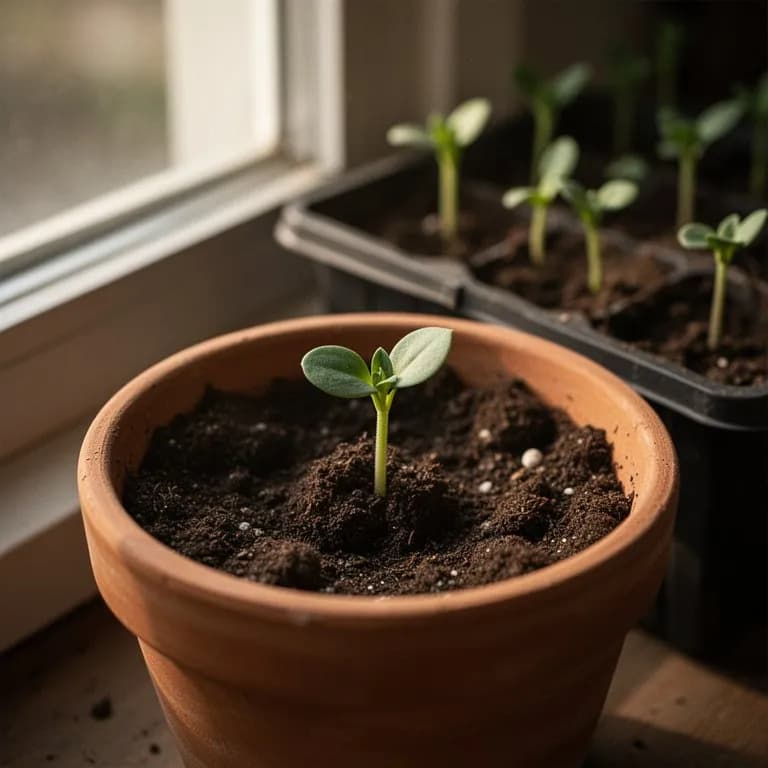
Lisianthus seeds are dust-fine and require light to germinate. Sow pelleted seeds on the surface of a sterile, moist seed-starting mix and press gently without covering. Maintain consistent warmth of 21-24 degrees Celsius and high humidity using a dome or plastic wrap. Germination is slow, typically taking 10 to 21 days.
Seedling Development
Seedlings are extremely small and grow very slowly during this phase. The first true leaves appear as tiny oval shapes. Growth can seem almost imperceptible for weeks. This is normal for lisianthus and patience is essential. Seedlings should be kept under supplemental lighting for 14 to 16 hours per day.
Rosette Stage
Plants form a compact rosette of waxy blue-green leaves held close to the soil surface. If exposed to temperatures consistently below 15 degrees Celsius during this stage the plant may enter a prolonged rosette phase and delay or skip flowering entirely. Maintaining warm temperatures is critical.
Stem Elongation & Branching
The central stem begins to elongate rapidly and lateral branches develop at leaf nodes. Plants may reach 30 to 60 centimeters in height depending on the cultivar. The foliage takes on a distinctly blue-green waxy appearance. Staking or netting may be needed for taller varieties.
Bud Formation
Tightly furled buds appear at the tips of each stem and branch. The buds resemble miniature rosebuds and gradually swell over two to three weeks. Color becomes visible through the outer sepals as buds mature. Each stem typically produces three to five buds in a spray.
Flowering
Blooms open sequentially from the terminal bud downward, providing a long display period. Double varieties produce layered ruffled petals while single types show a graceful cup shape. Each individual flower lasts seven to ten days on the plant. The flowering period extends over four to six weeks with successive buds opening.
Second Flush & Season End
After the first wave of flowers is spent or harvested, lisianthus can produce a second flush of blooms from lateral buds if conditions remain warm. The second flush typically produces slightly smaller flowers on shorter stems. Plants decline as temperatures drop below 10 degrees Celsius in autumn.
Use pelleted seed for easier handling. Bottom heat from a seedling mat significantly improves germination rates. Never let the surface dry out but avoid waterlogging.
Caring for Lisianthus month by month
What to do each month for your Lisianthus
October
You are hereEnjoy the last flush of flowers. Remove spent plants after the first frost kills foliage. Clean up plant debris to prevent overwintering of fungal spores.
Know exactly what to do in your garden — every month
One email at the start of each month: what to sow, plant, and tackle right now — for your Lisianthus and everything growing around it. Plus a short starter course that helps you dodge the classic mistakes.
- What to do, right now
- Matched to your season
- Starter course included
Harvesting Lisianthus
Lisianthus is a premier cut flower with outstanding vase life of 10-14 days—longer than most roses. Cut when the first flower on the stem is fully open and other buds show good color. Cut stems long in the early morning. The remaining buds will continue to open in the vase, providing an evolving display. Re-cut stems every few days and change the water frequently to maximize longevity.
assuming you plant when the window opens — set your real date
Pick Lisianthus promptly and the plant keeps producing.
Storage & Preservation
Lisianthus cut flowers can be stored dry at 36-40°F (2-4°C) for several days before arranging without losing quality. This makes them practical for event and wedding work. For seed saving, allow a few flowers to mature fully on the plant until capsules dry and split. Collect the tiny seeds and store in a cool, dry place. Seeds remain viable for 2-3 years. Note that F1 hybrid seed will not come true.
What goes wrong — and the fix
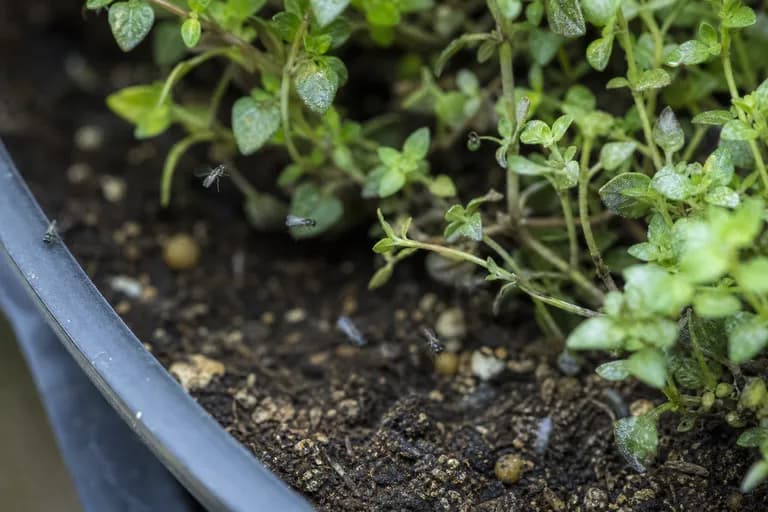
Fungus Gnats
PestTiny flying insects around soil surface of seedlings. Larvae feed on fine roots, causing seedling collapse.
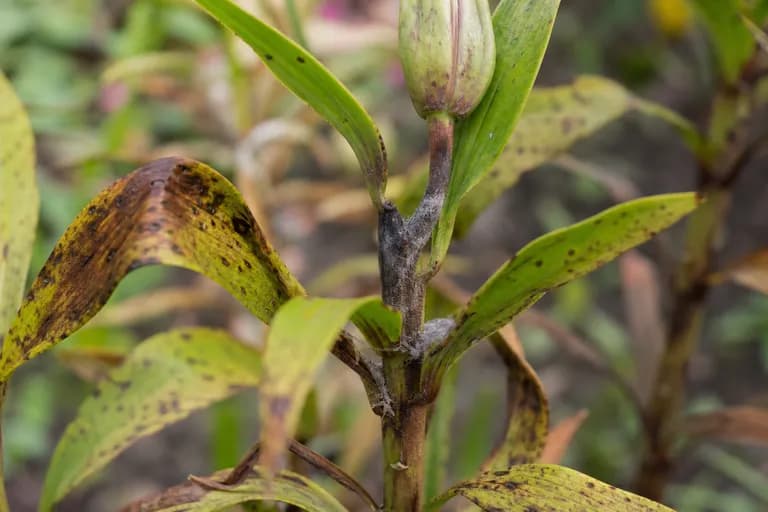
Botrytis Blight
DiseaseGray fuzzy mold on petals and buds, especially in cool, damp conditions. Flowers rot before fully opening.
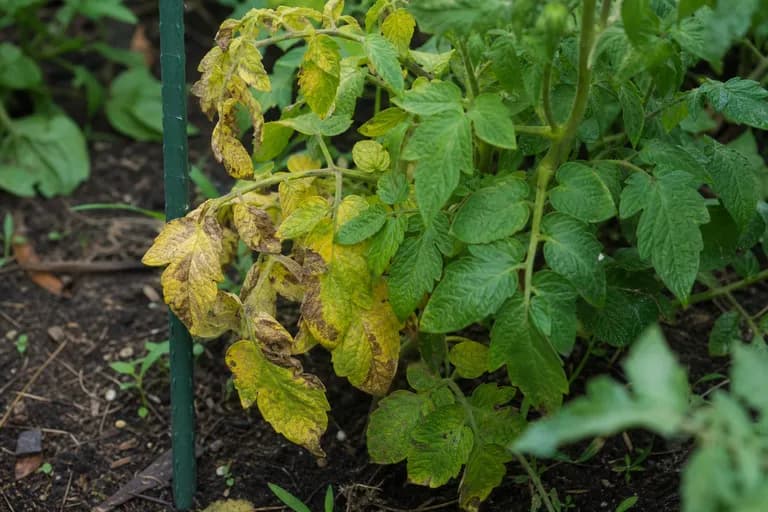
Fusarium Wilt
DiseaseOne side of the plant wilts. Stems show brown vascular discoloration when cut. Plants collapse and die.
Troubleshooting Common Problems
The biggest challenge is the extremely long growing period from seed—16-20 weeks to transplant size. Most failures stem from starting too late, overwatering tiny seedlings, or exposing them to temperatures below 60°F (15°C), which triggers a rosetting response (plants stay as flat rosettes and refuse to bolt upward). Maintaining warm temperatures during the seedling stage is absolutely critical for success.
Growing Tips
- Start seeds extremely early, ideally 12 to 16 weeks before your last frost date, because lisianthus seedlings grow painfully slowly during their first two months and need a long head start.
- Use pelleted seed exclusively as raw lisianthus seeds are nearly microscopic and almost impossible to sow evenly without the clay coating.
- Maintain temperatures above 15 degrees Celsius at all times during the seedling stage to prevent the plant from entering a vegetative rosette that may never bolt to flower.
- Provide 14 to 16 hours of supplemental light daily for seedlings using full-spectrum grow lights positioned 10 to 15 centimeters above the foliage.
- Pinch the central growing tip after three to four leaf pairs develop to encourage branching and produce significantly more flowering stems per plant.
- Plant in well-drained slightly alkaline soil with a pH between 6.5 and 7.0 as lisianthus is sensitive to acidic conditions and poorly drained sites.
- Water at the base of the plant and avoid wetting the foliage to reduce the risk of botrytis gray mold and other fungal diseases that thrive on moist leaves.
- Install horizontal netting or a grid support system before plants reach 20 centimeters tall to prevent stems from bending or snapping under the weight of heavy double blooms.
- Harvest cut stems when the first flower on a spray is fully open and the remaining buds are showing color for maximum vase life of two to three weeks.
- Apply a balanced slow-release fertilizer at transplanting and supplement with liquid feed every two weeks during active growth to sustain the long flowering period.
Grow your best Lisianthus yet — and everything around it.
Start a free plan today. Lay out your beds, drop in your Lisianthus, and let PlotMyGarden handle the timing, spacing, companions and reminders from seed to harvest basket.
Pick your Lisianthus
Eustoma 'ABC' series
Professional-grade double-flowered series in lavender, blue, pink, white, and rose. Long stems and exceptional vase life.
Eustoma 'Rosanne' series
Fully double flowers that closely resemble garden roses. Available in green, brown, and unique bicolor combinations.
Eustoma 'Echo' series
Large double flowers on sturdy, branching stems. Blue, champagne, pink, and white. Good for home gardeners.
Eustoma 'Voyage' series
Single-flowered variety with satin-textured petals in soft pastels. Elegant and understated compared to doubles.
A single packet of lisianthus seed costing around 4 to 8 dollars can produce 50 to 100 plants. Each mature plant yields 8 to 15 cut flower stems over the season. With premium lisianthus stems selling for 3 to 6 dollars each at florists and farmers markets, a single plant can produce 25 to 90 dollars worth of cut flowers. A modest planting of 20 plants can generate over 500 dollars in equivalent floral value across the cutting season, making lisianthus one of the highest-value flowers a home gardener can grow despite the long lead time from seed to bloom.
Quick recipes
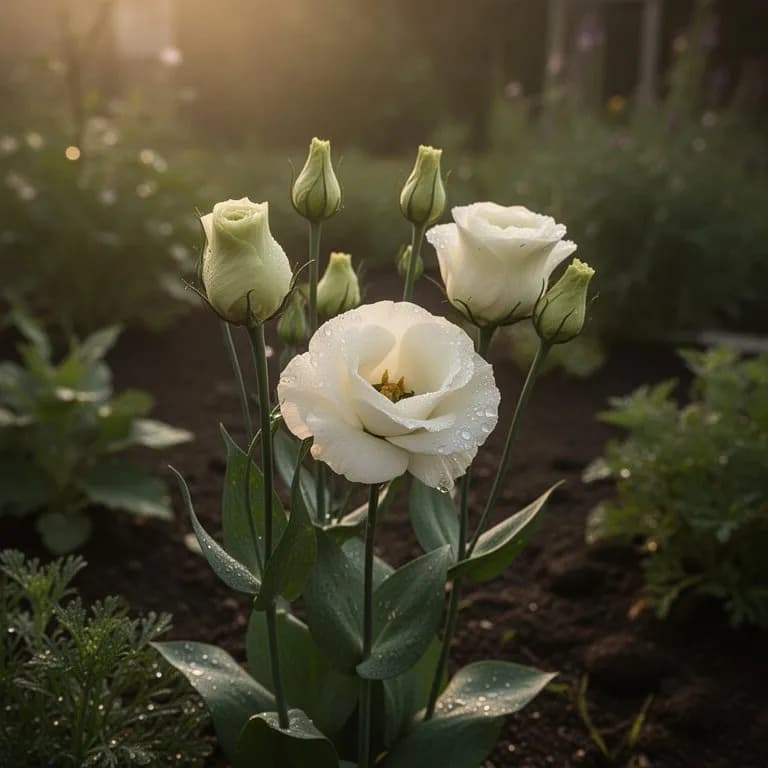
Classic Lisianthus Bridal Bouquet
30 minutesCreate an elegant hand-tied bridal bouquet featuring double lisianthus blooms in soft white and blush tones. The ruffled petals provide a romantic rose-like appearance at a fraction of the cost of garden roses while lasting significantly longer throughout the wedding day.
7 ingredients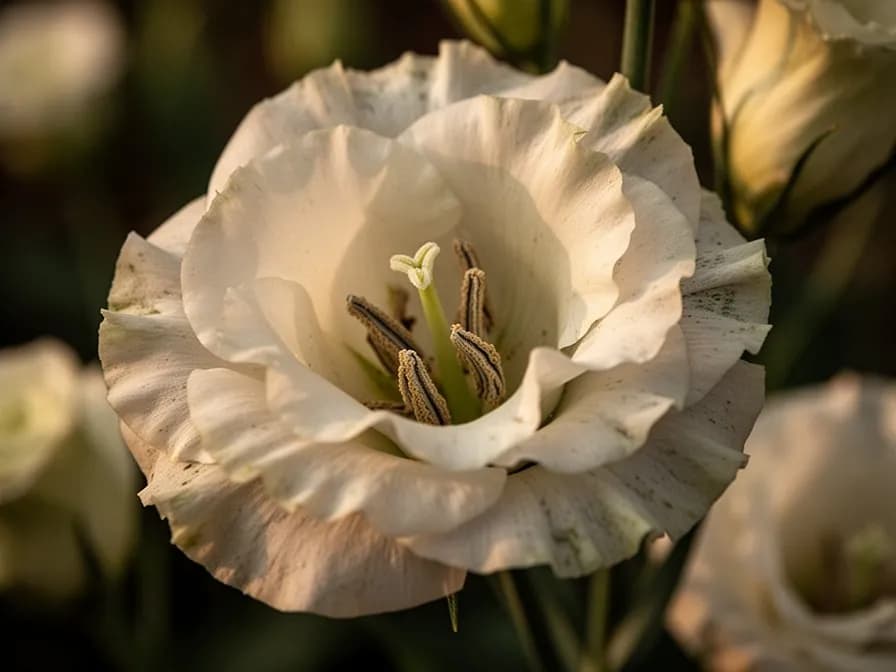
Garden-to-Vase Mixed Arrangement
20 minutesCombine freshly cut lisianthus with complementary garden flowers for a lush seasonal arrangement. The long vase life of lisianthus means this arrangement will continue looking fresh long after companion flowers have faded and can be refreshed with new additions.
7 ingredientsDried Lisianthus Shadow Box Display
15 minutes active plus 2 weeks drying timePreserve your most beautiful lisianthus blooms by air drying them and mounting in a shadow box frame. Dried lisianthus retains its shape and much of its color remarkably well, creating a lasting keepsake from your garden harvest.
7 ingredientsWhat's inside
Health Benefits
- Growing lisianthus provides meaningful stress reduction and mental health benefits through the meditative focus required by the slow and attentive seed-starting process
- Tending lisianthus encourages regular time spent outdoors in the garden during the growing season which supports physical activity and vitamin D synthesis
- The presence of fresh cut lisianthus flowers indoors has been associated with improved mood and reduced anxiety according to horticultural therapy research
- The extended patience required to grow lisianthus from seed builds mindfulness and delayed-gratification skills that benefit overall psychological well-being
- Arranging lisianthus in bouquets and floral designs engages fine motor skills and creative expression which support cognitive health
- Sharing homegrown lisianthus bouquets with friends and neighbors fosters social connection and strengthens community bonds which are linked to improved longevity
Where Lisianthus comes from
Lisianthus, botanically known as Eustoma grandiflorum, is native to the warm grasslands, prairies, and riverbanks of the southern Great Plains of the United States, stretching from Nebraska south through Texas and into northern Mexico. The plant was first collected and described by European botanists in the early nineteenth century, and for over a hundred years it remained a relatively obscure wildflower known mainly to prairie enthusiasts and regional botanists under the common name prairie gentian. The wild species produces modest single-petaled flowers in shades of blue-violet, a far cry from the opulent double blooms seen in modern cultivars. The transformation of lisianthus from prairie wildflower to global floral sensation began in Japan during the 1930s, when Japanese horticulturists recognized the flower's potential and began systematic breeding programs. Through decades of careful selection and hybridization, Japanese breeders developed the first double-flowered varieties and expanded the color palette to include white, pink, cream, deep purple, and bicolor forms with picotee edges. By the 1980s these improved cultivars had entered the international cut flower trade and lisianthus quickly gained popularity in Europe and North America. Today Japan remains the world leader in lisianthus breeding with major seed companies continuing to release new series featuring improved vase life, disease resistance, and novel color patterns each year. The flower has become a staple of the global floriculture industry valued for its extraordinary vase longevity, elegant rose-like form, and versatility in both formal arrangements and casual garden settings. In its native habitat the wild prairie gentian faces declining populations due to habitat loss from agriculture and urban development, making it an increasingly rare sight on the open grasslands where it once flourished.
Lisianthus: did you know?
Fascinating facts about Lisianthus
Lisianthus is native to the prairies, grasslands, and river bottoms of the central and southern United States, where it grows wild as a modest single-petaled wildflower known as prairie gentian.
Lisianthus questions, answered
When should I plant Lisianthus?
What are good companion plants for Lisianthus?
What hardiness zones can Lisianthus grow in?
How much sun does Lisianthus need?
How far apart should I space Lisianthus?
What pests and diseases affect Lisianthus?
How do I store Lisianthus after harvest?
What are the best Lisianthus varieties to grow?
What soil does Lisianthus need?
Why are my lisianthus seedlings growing so slowly?
What is lisianthus rosetting and how do I prevent it?
Can I grow lisianthus in containers?
How long do cut lisianthus flowers last in a vase?
Is lisianthus a perennial or an annual?
What pests and diseases affect lisianthus?
You just read the theory. Now grow it on autopilot.
Everything that makes Lisianthus fiddly — the timing, the spacing, the companions, the harvest window — is exactly what PlotMyGarden handles for you, for every plant in your garden.
A plan that knows your weather
Set your location once. Get sow, feed and harvest dates built around your real last-frost date and live forecast — no more guessing from a generic seed packet.
From the “When to plant” sectionDrag-and-drop bed planner
Design beds on a grid. Every plant snaps to its proper spacing, and you can see your whole season laid out before you spend a cent on seed.
From the “Growing guide” sectionCompanion conflicts, caught early
200+ good-and-bad pairings checked live as you plant — so a season-wrecking mistake never makes it into the ground.
From the “Companions” sectionReminders you'll actually act on
“Water the beans.” “Pick today before it turns.” Timely, specific, and tied to the plants you're really growing.
From the “Harvest” sectionSuccession, scheduled
Want a harvest for six weeks, not six days? It spaces your sowings automatically and reminds you when each new block is due.
From the “When to plant” sectionA record that gets smarter
Every harvest you log teaches it your garden. Next year's plan starts from what actually worked in your soil, not a textbook's.
From the “Overview” sectionPlant these alongside Lisianthus
More Annuals
Grow your best Lisianthus yet — and everything around it.
Start a free plan today. Lay out your beds, drop in your Lisianthus, and let PlotMyGarden handle the timing, spacing, companions and reminders from seed to harvest basket.