Persische Limette
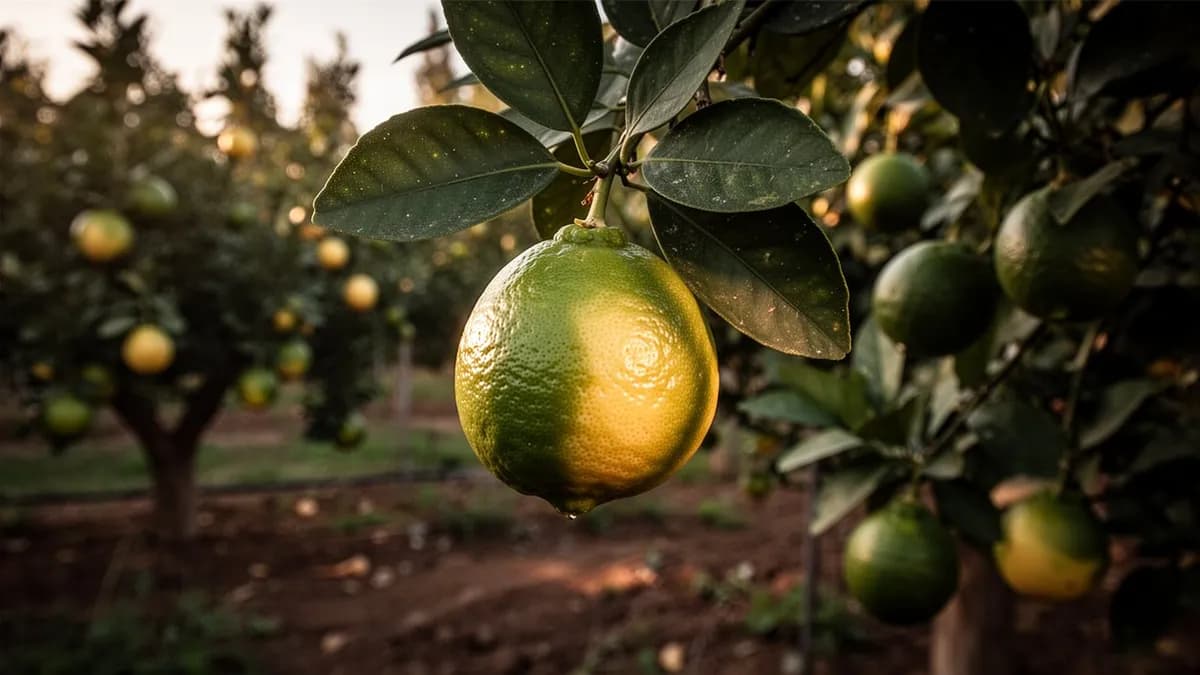
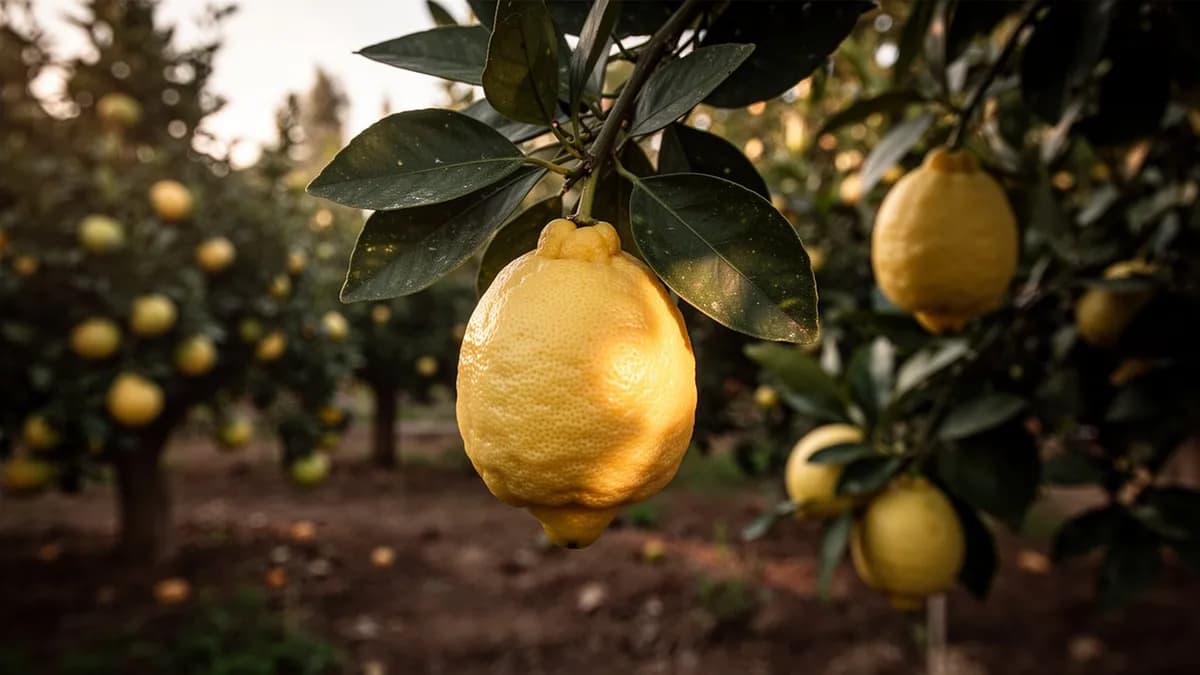
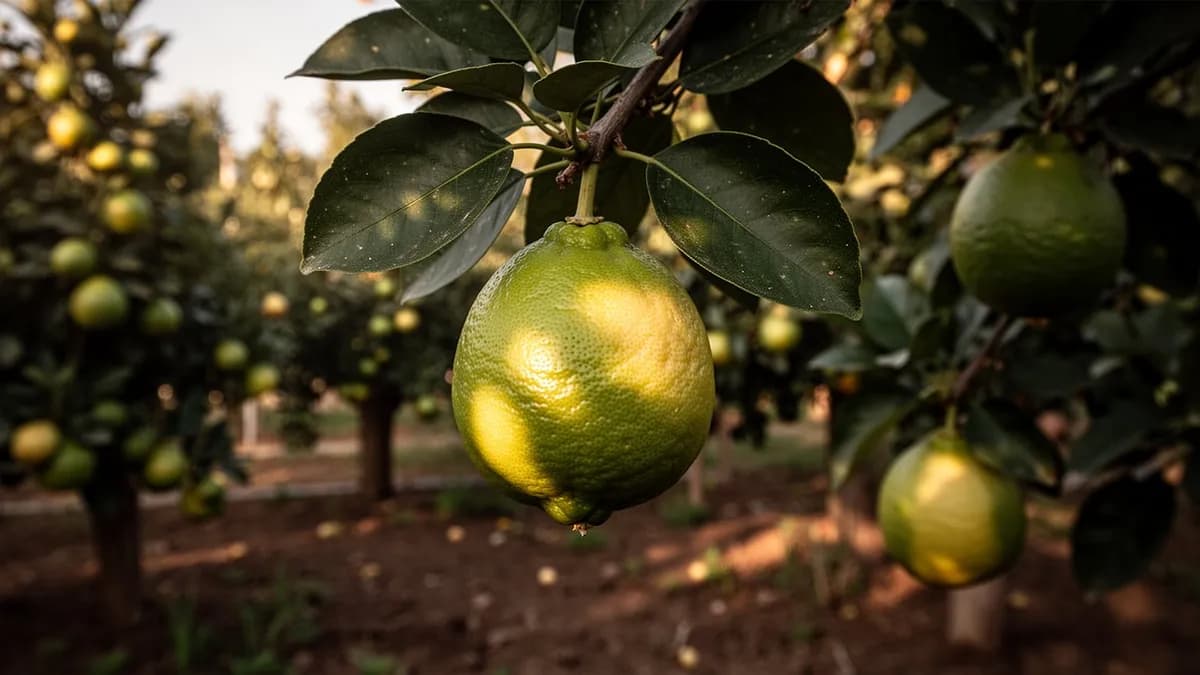
Die Standard-Limette aus dem Supermarkt, größer und kernlos im Vergleich zu Mexikanischen Limetten, mit dicker grüner Schale und saftigem, säurehaltigem Fruchtfleisch.





Auf dieser SeiteÜberblick
Persische Limette im Überblick
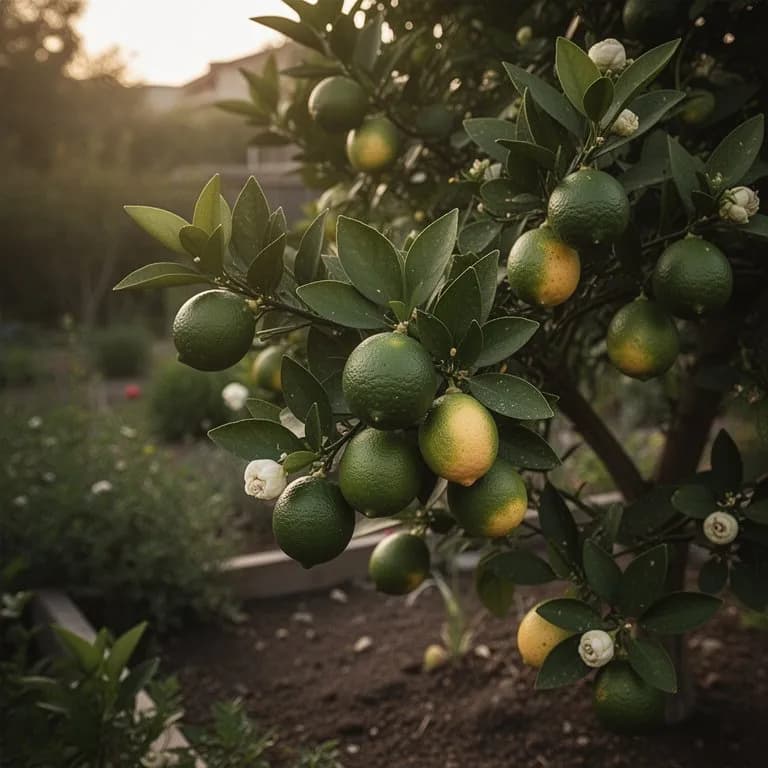
Die Standard-Limette aus dem Supermarkt, größer und kernlos im Vergleich zu Mexikanischen Limetten, mit dicker grüner Schale und saftigem, säurehaltigem Fruchtfleisch. Persische Limetten sind aufgrund ihrer Kernlosigkeit und längeren Haltbarkeit die weltweit am häufigsten kommerziell angebaute Limettenart. Sie sind nahezu dornenlos, was die Ernte erleichtert, und tragen in warmen Klimazonen das ganze Jahr über Früchte.
Wann Persische Limette pflanzen
Persische Limetten sind triploide Hybriden und produzieren praktisch keine keimfähigen Samen, weshalb die Samenvermehrung für diese Sorte unpraktisch ist. Die Vermehrung erfolgt ausschließlich durch Veredelung oder Okulation auf kompatible Unterlagen wie Bitterorange, Cleopatra-Mandarine oder Swingle-Citrumelo. Abmoosen ist eine alternative Vermehrungsmethode, die bewurzelte Äste hervorbringt, die genetisch identisch mit dem Mutterbaum sind. Kaufen Sie veredelte Baumschulbäume für den schnellsten Weg zur Fruchternte, da veredelte Bäume in der Regel innerhalb von zwei bis drei Jahren nach der Pflanzung Früchte tragen.
Dein Persische Limette-Jahr
Abgestimmt auf Zone 7 · typische Saison · Frost geht um den 2. Apr. und kehrt um den 1. Nov. zurück
Persische Limette Mär – Mai pflanzen, Mai – Okt ernten. Beachte die Pflanzmethoden unten und wähle dein Klima für passende Zeiträume.
So baust du Persische Limette an
Persische Limetten sind die nachsichtigste Limettenart für Hobbygärtner, da sie etwas kühlere Temperaturen als Mexikanische Limetten vertragen und in den Zonen 9 bis 12 zuverlässig Früchte tragen. Die Bäume wachsen im Freiland kräftig auf 4,5 bis 6 Meter Höhe, bleiben in Kübeln jedoch handlich bei 1,8 bis 2,4 Metern. Wählen Sie einen sonnigen, südlich ausgerichteten Standort mit Windschutz und stellen Sie sicher, dass der Boden frei dräniert, um Wurzelfäule zu verhindern.
Pflanzen Sie Containerbäume im Frühjahr und setzen Sie den Wurzelballen auf die gleiche Tiefe wie im Kinderstubentopf, wobei die Veredelungsstelle deutlich über der Bodenoberfläche liegen sollte. Gießen Sie während der Anwachsphase zweimal wöchentlich durchdringend und reduzieren Sie dann in kühleren Monaten auf einmal wöchentlich. Persische Limetten reagieren empfindlich sowohl auf Überwässerung als auch auf Trockenheit, daher ist eine gleichmäßige Bodenfeuchtigkeit für eine stetige Fruchtproduktion unerlässlich.
Bringen Sie im Februar, Mai und September einen Langzeit-Zitrusdünger aus und ergänzen Sie mit Blatt-Mikronährstoffsprühungen, falls Blattvergilbung auftritt. Persische Limettenbäume bilden das ganze Jahr über mehrere Blütewellen, sodass Sie gleichzeitig Früchte in verschiedenen Reifestadien am Baum erwarten können. Schneiden Sie minimal, konzentrieren Sie sich auf das Entfernen kreuzender Äste und die Erhaltung einer offenen Vasenform, die Sonnenlicht ins Innere der Krone eindringen lässt.
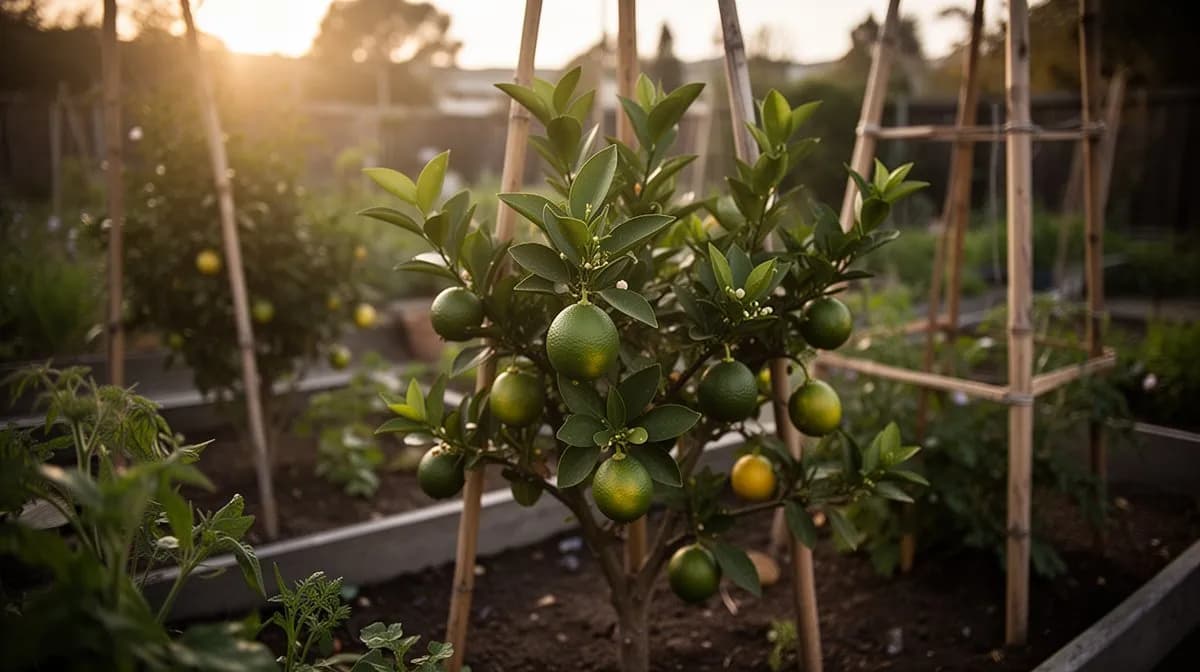
Für Persische Limette ist ein Beet von 120 × 240 cm zu klein
Persische Limette braucht 300 cm Platz pro Pflanze. Der Planer hält diesen Abstand für dich ein — jede Pflanze, jedes Beet.
Die besten Nachbarn für Persische Limette
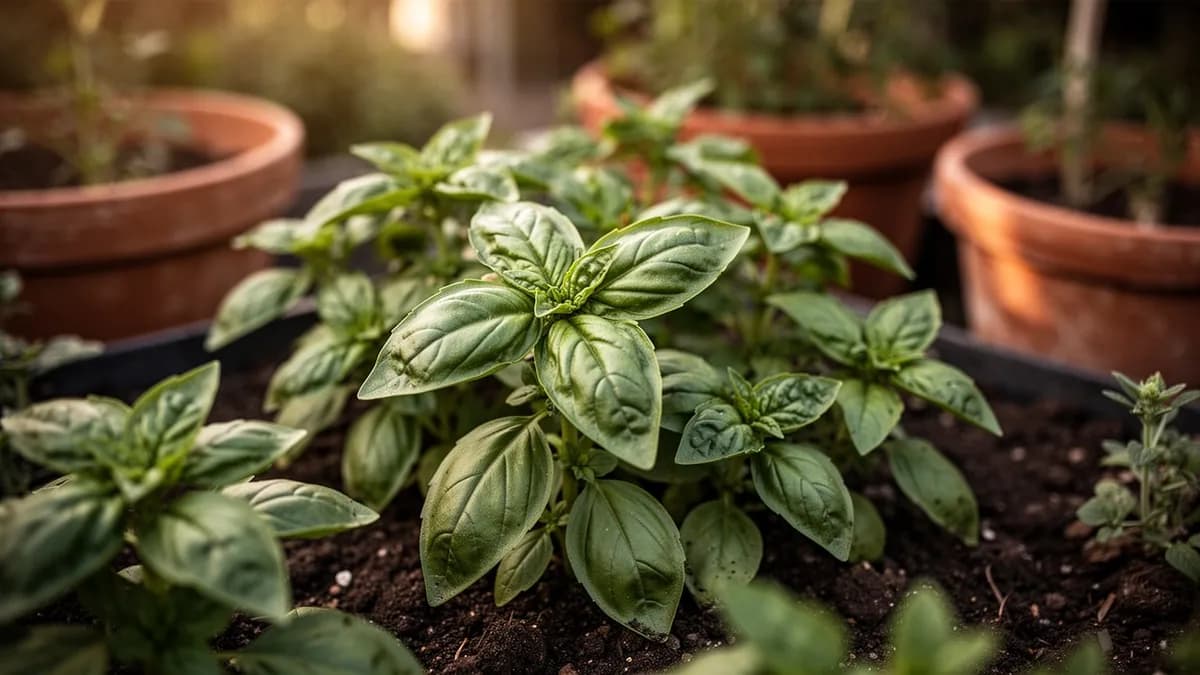
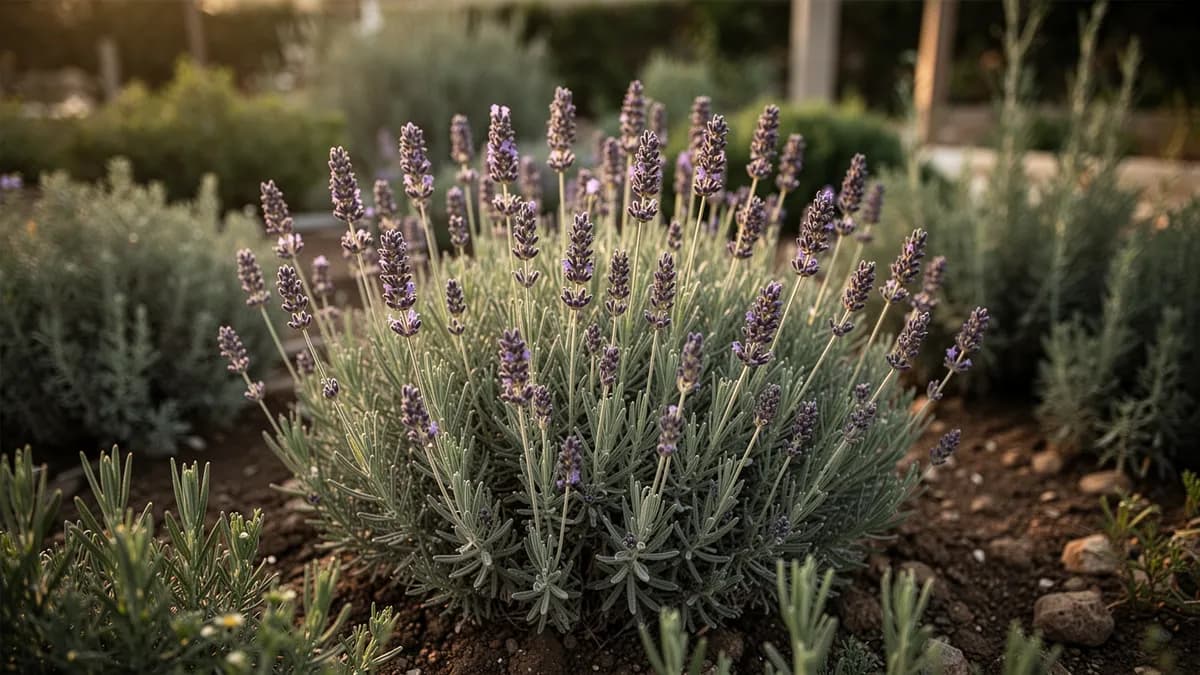
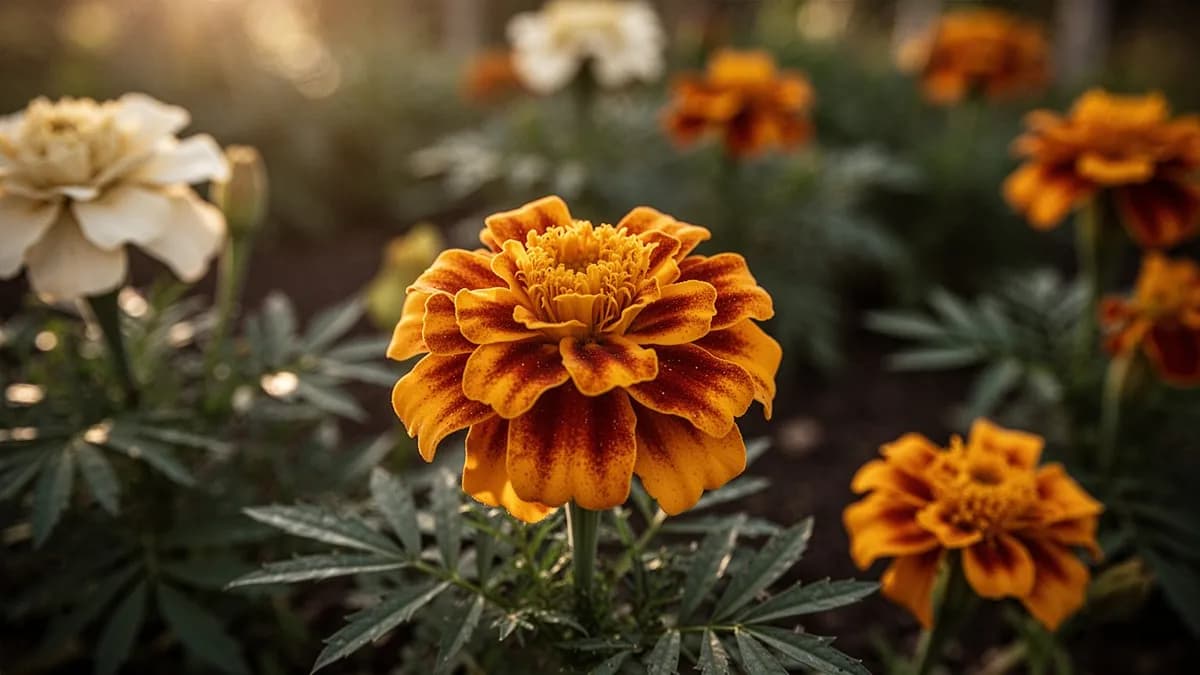
Pflanzen Sie Persische Limetten zusammen mit aromatischen Kräutern wie Basilikum, Rosmarin und Zitronengras, um Bestäuber anzulocken und Schädlingsinsekten durch konkurrierende Düfte zu verwirren. Tagetes, die um den Traufbereich gepflanzt werden, helfen, Wurzelgallennematoden zu unterdrücken, die Zitruswurzeln schädigen können. Weißklee als Bodendecker fixiert Stickstoff und lockt Nützlinge an. Vermeiden Sie das Pflanzen in der Nähe von Eukalyptus- und Walnussbäumen, die beide allelopathische Substanzen absondern, welche das Zitruswachstum hemmen. Beinwell, der geerntet und als Mulch verwendet wird, liefert kaliumreiches organisches Material.
Basilikum gehört daneben. Walnussbaum nicht.
Altes Gärtnerwissen, geprüft an der echten Nachbartabelle von Persische Limette — teste jede Pflanze, die du anbaust.
Probiere Persische Limette direkt hier im Beet
Ein echtes Planer-Beet, Persische Limette steht schon drin. Tippe einen Begleiter an, platziere ihn und sieh, wie die Nachbarschaftsprüfung antwortet — grün für gute Nachbarn, rot bei Streit.


Passende Anbau-Ratgeber
Richtig düngen
Persische Limetten gedeihen am besten in sandigem Lehm oder lehmigem Boden mit einem pH-Wert von 6,0 bis 7,0 und ausgezeichneter Drainage. Verbessern Sie Tonböden gründlich mit Kompost und Perlite oder pflanzen Sie in Hochbeete. Bringen Sie dreimal jährlich einen ausgewogenen Zitrusdünger mit einem NPK-Verhältnis von etwa 6-4-6 plus Mikronährstoffen aus. Ergänzen Sie bei Auftreten von Interkostalchlorose mit chelatiertem Eisen und Mangan. Halten Sie einen acht Zentimeter breiten Mulchring aus Holzhackschnitzeln oder Kiefernrinde um den Baum, wobei das Material 15 Zentimeter vom Stamm entfernt bleiben sollte.
Ideale Temperatur
Winterhärtezone-Kompatibilität
Von der Saat zur Ernte, Schritt für Schritt
Anwachsphase (frisch gepflanzter Baum)
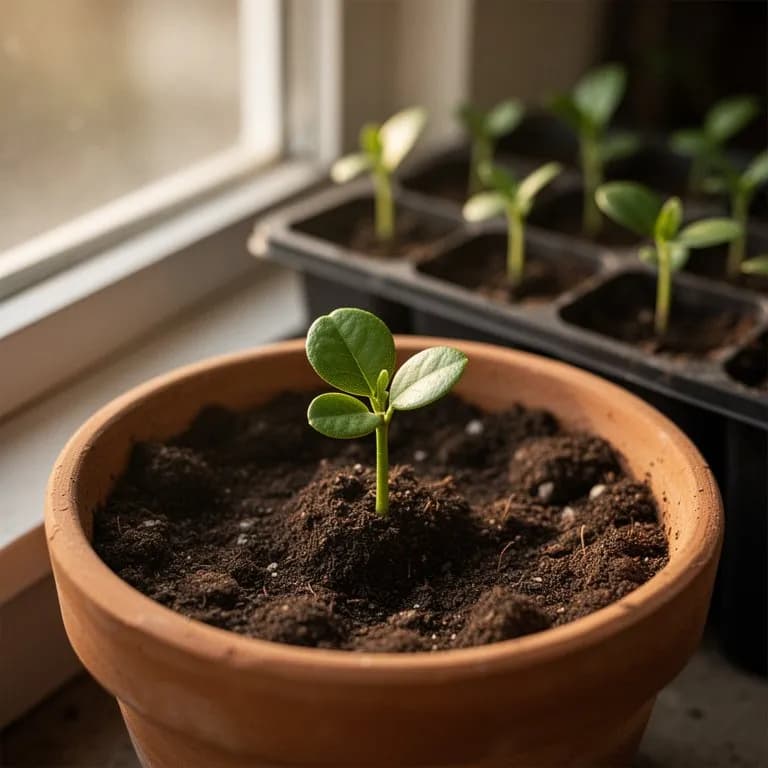
Persische Limetten werden fast ausschließlich aus Stecklingen oder durch Veredelung auf Unterlagen vermehrt — aus Samen gezogene Bäume wären aufgrund der triploiden Natur der Sorte steril oder würden abweichende Ergebnisse liefern. Nach dem Pflanzen eines Baumschulbaums konzentriert sich die Anwachsphase auf die Wurzelentwicklung statt auf das oberirdische Wachstum. Der Baum kann anfänglich einige Blätter verlieren, während er sich an seine neue Umgebung anpasst. Trockenstress und Verpflanzungsschock sind die Hauptrisiken in dieser Phase.
Juvenile Wachstumsphase
Junge Persische Limettenbäume legen in ihrer ersten Saison erhebliches vegetatives Wachstum zu und entwickeln das Holzgerüst der Äste, das künftige Ernten tragen wird. Das Wachstum erfolgt in deutlichen Schüben — der Baum treibt rasch neues Laub aus, ruht dann und treibt erneut. Junge Bäume sollten in dieser Phase keinen Fruchtansatz bilden dürfen, da das Tragen von Früchten zu früh Energie vom Strukturwachstum ablenkt.
Erste Blüte und Fruchtansatz
Typischerweise ab dem zweiten Jahr beginnen Persische Limettenbäume, ihre charakteristischen Büschel intensiv duftender weißer Blüten zu bilden. Die Blüte erfolgt in mehreren Schüben während der warmen Monate. Im ersten Fruchtjahr ist der Ansatz oft bescheiden und die Früchte können kleiner sein als bei ausgewachsenen Bäumen. Dies ist normal, da der Baum seine Traglast kalibriert. Jeder Blütenbstand kann 1-5 Früchte hervorbringen, wobei der Baum Überschüssiges durch den Junifall natürlich ausdünnt.
Aktive Fruchtentwicklung
Vom Fruchtansatz bis zur erntereichen Limette vergehen etwa 4-5 Monate ab dem Blütenblattfall. Junge Fruchtansätze sind blassgrün und hart. Im Laufe der Entwicklungszeit schwellen sie stetig an, die Schale glättet sich und das Fruchtfleisch entwickelt seinen charakteristischen sauren Saft. Persische Limetten werden reif, aber noch vollständig grün geerntet — lässt man sie am Baum gelb werden, verschlechtert sich die Säure und Geschmacksqualität.
Erntereife
Persische Limetten sind erntereif, wenn sie ihre volle Größe erreicht haben (typischerweise 5-6 cm Durchmesser), die Schale glatt und gleichmäßig dunkelgrün ist und die Frucht bei sanftem Fingerdruck leicht nachgibt. Ein Probedrücken sollte reichlich Saft ergeben. Im Gegensatz zu Mexikanischen Limetten ist der Säuregehalt und der Gehalt an ätherischen Ölen am höchsten, wenn die Frucht noch grün ist. Früchte, die am Baum verbleiben, werden weiterhin gelb und fallen schließlich ab, wobei ihr charakteristischer scharfer Geschmack nachlässt.
Nachernte-Ruhephase und neuer Austrieb
Nach einer reichlichen Ernte durchlaufen Persische Limettenbäume typischerweise eine kurze Ruhephase, bevor sie den nächsten Blüteschub einleiten. In tropischen und subtropischen Klimazonen finden jährlich mehrere Blüte- und Erntezyklen statt. In mediterranen und warmgemäßigten Klimazonen gibt es einen Hauptproduktionszyklus pro Jahr mit einem möglichen kleineren zweiten Schub. Die Nachernteflege beeinflusst maßgeblich die Vitalität des nächsten Blüteschubs.
Pflanzen Sie in volle Sonne in gut dränierenden, leicht sauren Boden (pH 5,5-6,5). Gießen Sie durchdringend, aber nicht zu häufig — lassen Sie die oberen 5 cm des Bodens zwischen den Wassergaben abtrocknen. Düngen Sie in den ersten 6-8 Wochen nach dem Umpflanzen nicht, um ein Verbrennen der sich entwickelnden Wurzeln zu vermeiden. Mulchen Sie um den Traufbereich, halten Sie den Mulch jedoch 15-20 cm vom Stamm entfernt.
Persische Limette Monat für Monat pflegen
Was du jeden Monat für deine Persische Limette tun solltest
Oktober
Aktueller MonatDie Ernte geht bei Bäumen mit reifen Früchten weiter. Bereiten Sie in kühleren Klimazonen Kübelbäume für die Überwinterung im Haus vor — reinigen Sie den Topf, kontrollieren Sie auf Schädlinge und behandeln Sie vorbeugend mit Neemöl, bevor Sie die Bäume hereinholen. Beginnen Sie, die Gießhäufigkeit mit sinkenden Temperaturen zu reduzieren. Letzte Düngergabe der Freiluftsaison.
Immer wissen, was jetzt im Garten zu tun ist
Eine E-Mail zum Monatsanfang: was du jetzt säen, pflanzen und anpacken solltest — für deine Persische Limette und alles, was drumherum wächst. Dazu ein kurzer Startkurs, der dich vor den klassischen Fehlern bewahrt.
- Was jetzt zu tun ist
- Passend zu deiner Saison
- Startkurs inklusive
Persische Limette ernten
Persische Limetten werden geerntet, wenn sie ihre volle Größe von etwa fünf bis sechs Zentimetern Durchmesser erreicht haben und die Schale noch dunkelgrün und glänzend ist. Die Frucht ist kernlos und produziert in diesem Stadium reichlich Saft. Limetten, die länger am Baum hängen bleiben, werden blassegrün bis gelb und dabei süßer und weniger sauer. Schneiden Sie die Frucht mit einer Gartenschere vom Ast, wobei ein kurzer Stielstummel verbleibt. Persische Limetten lagern aufgrund ihrer dickeren Schale besser als Mexikanische Limetten, was sie zur weltweit bevorzugten kommerziellen Sorte macht.
angenommen, du pflanzt zu Beginn des Zeitraums — trage dein tatsächliches Datum ein
Ernte Persische Limette zügig, dann trägt die Pflanze weiter.
Lagerung & Konservierung
Persische Limetten halten sich bei Raumtemperatur bis zu einer Woche und im Kühlschrank drei bis vier Wochen, deutlich länger als Mexikanische Limetten. Für eine längere Aufbewahrung pressen Sie die Limetten aus und frieren den Saft in Eiswürfelformen oder kleinen Behältern bis zu zehn Monate ein. Limettenabrieb kann auf einem mit Backpapier ausgelegten Blech eingefroren und dann in Gefrierbeutel umgefüllt werden. Stellen Sie Limettensirup für Cocktails und zum Kochen her. Getrocknete Limettenscheiben in luftdichten Behältern halten monatelang und eignen sich hervorragend als Getränkegarnitur.
Was schiefgeht — und die Lösung
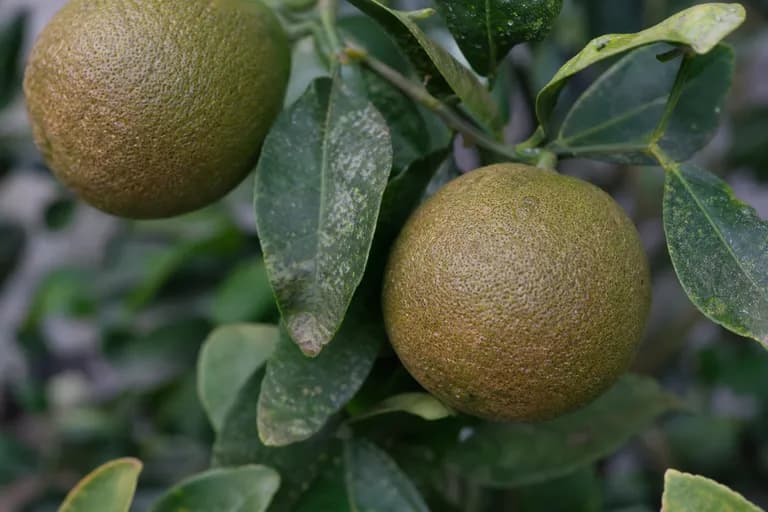
Zitrusrostmilbe
SchädlingBronzefarbenes oder rostiges Erscheinungsbild auf der Fruchtschale, das den Limetten eine stumpfe bräunliche Oberfläche verleiht, was die Vermarktungsfähigkeit mindert, aber die Saftqualität nicht beeinträchtigt.

Phytophthora-Wurzelfäule
KrankheitVergilbende und welkende Blätter, Gummifluss am unteren Stamm, dunkle wassergetränkte Rinde auf Bodenhöhe und allgemeiner Rückgang des Baumes.
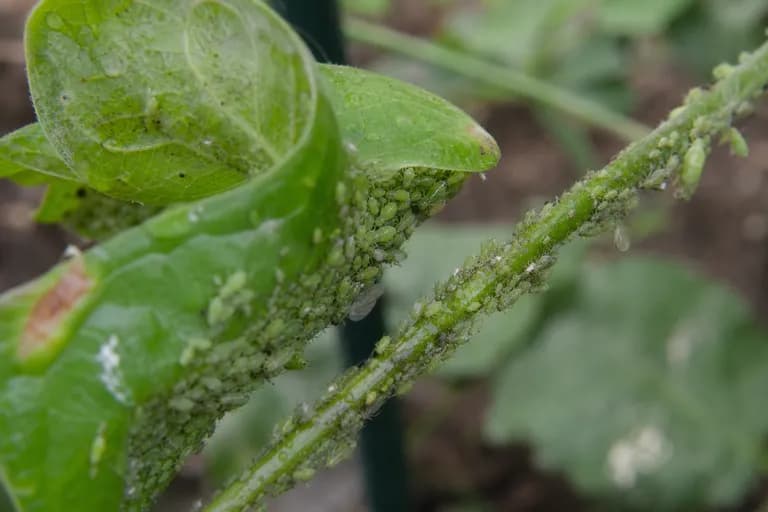
Blattläuse
SchädlingAnsammlungen kleiner grüner oder schwarzer Insekten an Neutrieben und Blütenknospen, klebriger Honigtau auf Blättern sowie gekräuselte oder verformte junge Blätter.
Fehlerbehebung bei häufigen Problemen
Persische Limettenbäume zeigen häufig Blattfall, wenn sie zwischen Innen- und Außenbereichen bewegt werden, verursacht durch den drastischen Wechsel von Licht und Luftfeuchtigkeit. Früchte, die am Baum aufplatzen, deuten in der Regel auf unregelmäßiges Gießen hin, insbesondere starken Regen nach einer Trockenperiode. Ausbleibender Fruchtansatz trotz reichlicher Blüte kann auf unzureichende Bestäubung bei kaltem, nassem Frühlingswetter zurückzuführen sein. Nährstoffblockaden in alkalischen Böden führen zu Eisen- und Zinkmangel, erkennbar an Interkostalvergilbung junger Blätter.
Anbautipps
- Persische Limetten benötigen täglich mindestens 6-8 Stunden direkte Sonneneinstrahlung für zuverlässiges Fruchten. Im Halbschatten wachsen die Bäume gut, aber die Blüten- und Fruchtproduktion ist drastisch reduziert. Wählen Sie den sonnigsten Platz in Ihrem Garten oder stellen Sie Kübel in die volle Sonne, und verschieben Sie sie bei Bedarf, um der Sonne im Jahresverlauf zu folgen.
- Lassen Sie einen Persischen Limettenbaum niemals in staunassem Boden stehen. Zitruswurzeln sind äußerst anfällig für Phytophthora-Wurzelfäule, die die häufigste einzelne Todesursache für Zitrusbäume im Hausgarten ist. Stellen Sie sowohl in Gartenbeeten als auch in Kübeln eine ausgezeichnete Drainage sicher und verwenden Sie in Gebieten mit schwerem Tonboden stets einen erhöhten Pflanzhügel.
- Düngen Sie Persische Limetten häufig, aber mäßig, anstatt selten mit hohen Dosen. Ein Zeitplan mit kleinen Gaben von Zitrusdünger alle 6-8 Wochen während der Wachstumssaison liefert bessere Ergebnisse als zwei große jährliche Anwendungen. Ergänzen Sie mit Mikronährstoffen (Magnesium, Zink, Eisen), da diese bei Zitrus häufig defizitär sind und eine charakteristische Blattvergilbung verursachen.
- Bei kühler Kübelkultur ist die kritischste Phase der Spätwinter bis zum frühen Frühjahr. Wenn die Tage länger werden, aber die Temperaturen noch niedrig sind, neigen Bäume dazu, bei unzureichendem Licht neues Wachstum zu treiben. Halten Sie die Innentemperaturen so kühl wie möglich (8-15°C) und stellen Sie die Bäume nach draußen, sobald die Nachttemperaturen zuverlässig über 10°C liegen, um den neuen Austrieb richtigem Licht auszusetzen.
- Schneiden Sie Persische Limettenbäume leicht und regelmäßig statt mit schweren jährlichen Schnitten. Entfernen Sie totes Holz, kreuzende Äste und ins Kroneninnere wachsende Triebe zu jeder Jahreszeit. Starker Rückschnitt erfolgt am besten im frühen Frühjahr kurz vor dem Hauptaustrieb, aber Persische Limetten benötigen selten drastische Schnittmaßnahmen — sie bilden natürlich eine attraktive, abgerundete Krone mit minimalem Eingriff.
- Veredelte Persische Limettenbäume treiben gelegentlich kräftige Triebe unterhalb der Veredelungsstelle (Wildtriebe). Diese müssen sofort und vollständig entfernt werden — sie werden die Persische Limettenedelsorte verdrängen, wenn sie stehen bleiben, und andere, oft minderwertige Früchte tragen. Wildtriebe haben typischerweise eine andere Blattform oder -größe und entstehen unterhalb der Veredelungsnarbe nahe der Stammbasis.
- Optimieren Sie den Erntezeitpunkt, indem Sie die Früchte auf das charakteristische leichte Nachgeben bei sanftem Drücken prüfen, kombiniert mit einem schweren Gefühl für ihre Größe. Die Schale sollte glatt, vollständig dunkelgrün sein und einen leichten Glanz aufweisen. Früchte, die am Blütenende gelblich-grün werden, nähern sich der optimalen Qualität, sollten aber geerntet werden, bevor die vollständige Gelbfärbung einsetzt, die einen Rückgang des Säure- und ätherischen Ölgehalts signalisiert.
- Erhöhen Sie in trockenen, heißen Klimazonen oder bei Zimmerkultur die Luftfeuchtigkeit um Persische Limettenbäume, um Spinnmilbenbefall vorzubeugen, der in trockenen Bedingungen gedeiht. Ein leichtes Besprühen des Laubs (nicht der Blüten) an heißen Nachmittagen oder das Aufstellen einer mit Wasser gefüllten Kiesschale unter Kübelbäumen kann die lokale Luftfeuchtigkeit deutlich erhöhen und den Milbendruck verringern.
- Konservieren Sie eine reiche Limettenernte, indem Sie Persischen Limettensirup herstellen, Limetten vor dem Entsaften abreiben und den Abrieb in Eiswürfelformen einfrieren, oder Salzlimetten zubereiten — eine einfache Zubereitung, bei der ganze Limetten in Salz eingelegt und einen Monat lang reifen gelassen werden, was ein intensiv aromatisches Gewürz ergibt, das in der nordafrikanischen und nahstöstlichen Küche weit verbreitet ist.
- Topfen Sie Persische Limettenbäume in Kübelkultur alle 2-3 Jahre in einen um eine Größe größeren Kübel mit hochwertiger zitrusspezifischer Blumenerde um. Ein Baum, der in einem zu kleinen Kübel eingeengt ist, zeigt Stress durch vergilbende Blätter, abgeworfene Blüten und reduzierte Fruchtgröße, selbst bei korrekter Düngung und Bewässerung. Die endgültige Kübelgröße für einen ausgewachsenen Baum sollte mindestens 50-80 Liter betragen.
Bau deine beste Persische Limette an — und alles drumherum.
Starte heute kostenlos. Lege deine Beete an, setze deine Persische Limette ein und lass PlotMyGarden Timing, Abstände, Begleiter und Erinnerungen von der Saat bis zum Erntekorb übernehmen.
Finde deine Persische Limette
Bearss
Die vorherrschende Persische-Limetten-Sorte in den Vereinigten Staaten, die große, kernlose, saftige Früchte an kräftigen, nahezu dornenlosen Bäumen hervorbringt.
Tahiti
Die Standard-Persische-Limetten-Sorte, die in tropischen Regionen angebaut wird, praktisch identisch mit Bearss und von den meisten Taxonomen als dieselbe Sorte betrachtet.
USDA 88-2
Eine kältetolerante Persische-Limetten-Selektion aus dem USDA-Zuchtprogramm, die kurzzeitige Temperaturstürze bis etwa minus vier Grad Celsius verträgt.
Bearss auf Flying Dragon
Ein halbzwergiger Baum, der auf schwachwachsende Unterlage veredelt wurde, nur 1,5 bis 2,4 Meter Höhe erreicht und ideal für Kübelkultur und überdachte Terrassen geeignet ist.
Bio-Persische Limetten kosten im Einzelhandel 0,70-1,80 € pro Stück, und hochwertige Bio-Limetten können bei Spezialhändlern 2,50-3,50 € pro Frucht kosten. Ein ausgewachsener Persischer Limettenbaum, der auch nur bescheidene 50 kg pro Saison produziert, würde etwa 400-500 Früchte liefern — was einem Einzelhandelswert von 350-900 € oder mehr entspricht, je nach Ihrem lokalen Markt. Ein Baumschulbaum kostet 18-55 € und produziert, in geeignetem Klima in den Boden gepflanzt, wirtschaftlich bedeutende Ernten über 30-50 Jahre. Zusätzlich zu frischen Früchten ermöglicht Ihnen eine Hausernte die Herstellung von Persischem Limetten-Curd, Sirup, eingelegten Limetten und getrocknetem Abrieb — Produkte, die auf Wochenmärkten für 7-13 € pro Glas verkauft werden. Für Haushalte, die regelmäßig Limetten zum Kochen, für Getränke und zum Backen verwenden, amortisiert sich ein einzelner Baum bereits im ersten Ertragsjahr.
Schnelle Rezepte
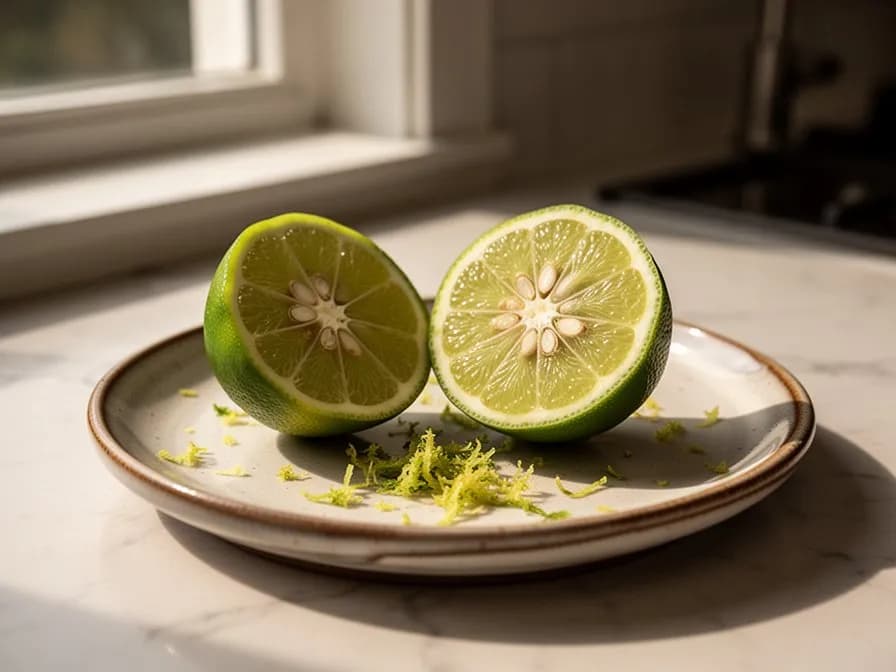
Klassische Margarita
5 Min.Der ultimative Persische-Limetten-Cocktail — eine perfekte Balance aus frischem, säuerlichem Limettensaft, hochwertigem Tequila und Orangenlikör auf Eis, serviert in einem salzberandeten Glas. Die hohe Saftausbeute und die klare Säure der Persischen Limette machen sie zur Limette der Wahl professioneller Barkeeper für dieses ikonische Getränk.
6 ZutatenLimetten-Chili-Grillmais
20 Min.Mexikanisch inspirierter Grillmais (Elote), eingerieben mit Chilibutter, abgerundet mit einer großzügigen Portion Persischem Limettensaft und gebröseltem Käse. Die Säure der Limette durchbricht die Reichhaltigkeit von Butter und Käse, und die Kombination aus Schärfe, Limette und Salz ist unwiderstehlich. Ein perfektes Beispiel für Limette als abschließende Geschmacksnote.
8 ZutatenPersischer Limetten-Curd
25 Min.Ein samtiger, intensiv aromatischer Limetten-Curd, der sowohl Saft als auch Abrieb Persischer Limetten für maximale aromatische Wirkung nutzt. Auf Toast streichen, Tartes füllen, durch Joghurt schwenken oder in Schichtkuchen einarbeiten — dieses vielseitige Rezept holt das Beste aus einer reichen Limettenernte heraus und hält sich im Kühlschrank bis zu drei Wochen.
5 ZutatenKulinarische Verwendung
Persische Limetten sind die erste Wahl für Cocktails, darunter Daiquiris, Gin Tonic und Caipirinhas. Ihr kernloser Saft eignet sich hervorragend für Guacamole, Salsas und Ceviche. Verwenden Sie den Abrieb in Backwaren, Limetten-Curd und thailändisch inspirierten Pfannengerichten. Der Saft macht Fleisch in Marinaden zart und verleiht Suppen und Currys Frische. Persische Limetten sind eine gute Quelle für Vitamin C und enthalten Flavonoide mit antioxidativen Eigenschaften.
Was drinsteckt
Gesundheitsvorteile
- Außergewöhnlich reich an Vitamin C, das etwa 32 % der empfohlenen Tageszufuhr pro 100 g liefert — eine einzelne in Wasser oder über Speisen gepresste Limette liefert eine bedeutsame immunstärkende, kollagenaufbauende Dosis dieses essentiellen antioxidativen Vitamins.
- Enthält Limonoide, eine Klasse von Phytochemikalien, die einzigartig für Zitrusfrüchte sind und in mehreren Laborstudien eine signifikante krebshemmende Aktivität gezeigt haben, indem sie die Apoptose (programmierten Zelltod) in Krebszellen fördern und die Tumorbildung in Tiermodellen hemmen.
- Reich an Zitronensäure, die die Aufnahme von Nicht-Häm-Eisen aus pflanzlichen Lebensmitteln signifikant verbessert — die Zugabe von frischem Limettensaft zu Mahlzeiten mit Linsen, Bohnen, Spinat oder angereicherten Getreideprodukten kann die Eisenaufnahme um bis zu 70 % erhöhen, was Limette zu einem wertvollen Ernährungsinstrument für Vegetarier und Veganer mit Eisenmangelrisiko macht.
- Liefert eine Reihe antioxidativer Flavonoide, darunter Quercetin, Hesperidin und Kaempferol, die in klinischen und epidemiologischen Studien mit verminderter systemischer Entzündung, niedrigerem Blutdruck und verbesserten kardiovaskulären Gesundheitsmarkern in Verbindung gebracht wurden.
- Die alkalisierende Wirkung des verstoffwechselten Limettensafts — trotz seines sauren Geschmacks — kann dazu beitragen, einen gesunden Blut-pH-Wert aufrechtzuerhalten und die Belastung durch metabolische Azidose zu verringern, die mit einer an tierischem Eiweiß und verarbeiteten Lebensmitteln reichen Ernährung verbunden ist.
- Limettensaft und Schalenextrakte haben in Laborstudien antimikrobielle Aktivität gegen eine Reihe von Bakterien und Pilzen gezeigt, darunter Erreger, die für Lebensmittelverderb und Hautinfektionen verantwortlich sind, was den traditionellen Einsatz von Limettensaft als Lebensmittelkonservierungsmittel und topisches Desinfektionsmittel unterstützt.
Woher Persische Limette stammt
Die Persische Limette (Citrus × latifolia) ist ein natürlich vorkommender triploider Hybrid, höchstwahrscheinlich eine Kreuzung zwischen der Mexikanischen Limette (Citrus × aurantiifolia) und einer Zitronatzitrone (Citrus medica), der irgendwo in den warmen Zitrusanbauregionen Kleinasiens oder des Nahen Ostens — möglicherweise in Persien (dem heutigen Iran) oder der umliegenden Region — im 18. oder frühen 19. Jahrhundert entstand. Die triploide Natur der Frucht, die sie kernlos und fortpflanzungsunfähig macht, bedeutet, dass sie nicht über Samenverbreitung zurückverfolgt werden kann und ihr genauer Ursprung etwas ungewiss bleibt. Bekannt ist, dass sie über Handelsrouten nach Tahiti gelangte und dort ausgiebig kultiviert wurde, was ihren alternativen gängigen Namen Tahiti-Limette begründete.
Die europäische und amerikanische Bekanntheit der Persischen Limette wuchs in der zweiten Hälfte des 19. Jahrhunderts erheblich. Die Frucht wurde über Kalifornien in die Vereinigten Staaten eingeführt, wo sie aus Stecklingen kultiviert wurde, die aus Tahiti und dem Mittelmeerraum stammten. Florida wurde in den späten 1800er Jahren zu einem frühen Zentrum des Persischen Limettenanbaus, doch Hurrikane und Zitruskrebs verwsteten Floridas Limettenindustrie im 20. Jahrhundert mehrfach, was zu einer dramatischen Verlagerung der kommerziellen Produktion nach Brasilien führte.
Brasiliens Aufstieg zum weltweit führenden Produzenten Persischer Limetten ist eine der bemerkenswertesten Geschichten der modernen Agrargeschichte. Beginnend in den 1950er Jahren und sich in den 1970er und 1980er Jahren beschleunigend, erkannten brasilianische Anbauer, dass das tropische Klima des Landes, die ausgedehnten landwirtschaftlichen Flächen und die niedrigen Produktionskosten es ideal für den Limettenanbau machten. Heute liefert Brasilien den Großteil der weltweiten Persischen Limetten, insbesondere an nord- und südamerikanische sowie europäische Märkte. Mexiko, Argentinien, Kolumbien und mehrere afrikanische Länder sind ebenfalls bedeutende Produzenten.
In der Hausgarten-Kultur ist die Persische Limette zum weltweit am häufigsten angepflanzten Limettenbaum in subtropischen und warmgemäßigten Gärten geworden. Ihre dornenlose Natur, die kernlosen Früchte, die Eignung für Kübelkultur und die Fähigkeit, in geeigneten Klimazonen fast ganzjährig Früchte zu tragen, haben sie zum Standard-Limettenbaum für Hobbygärtner von Kalifornien und Florida bis Australien, Südafrika und dem Mittelmeerraum gemacht. Der Baum hat seine ungewissen geografischen Ursprünge längst überwunden und ist zu einem wahrlich globalen Gartenklassiker geworden.
Persische Limette: Schon gewusst?
Faszinierende Fakten über Persische Limette
Die Persische Limette (Citrus × latifolia) ist ein triploider Hybrid — sie besitzt drei Chromosomensätze statt der normalen zwei — weshalb sie keine Samen bildet. Diese genetische Besonderheit, die natürlich als Kreuzung zwischen Mexikanischer Limette und Zitronatzitrone entstand, macht die Pflanze fortpflanzungsunfähig, und jeder Persische Limettenbaum muss durch Stecklinge oder Veredelung statt aus Samen vermehrt werden.
Persische Limette: Fragen & Antworten
Wann sollte ich Persische Limette pflanzen?
Was sind gute Begleitpflanzen für Persische Limette?
In welchen Winterhärtezonen kann Persische Limette wachsen?
Wie viel Sonne braucht Persische Limette?
Welchen Abstand sollte ich zwischen Persische Limette lassen?
Welche Schädlinge und Krankheiten befallen Persische Limette?
Wie lagere ich Persische Limette nach der Ernte?
Was sind die besten Persische Limette-Sorten zum Anbauen?
Welchen Boden braucht Persische Limette?
Warum blüht mein Persischer Limettenbaum, setzt aber nie Früchte an?
Kann ich einen Persischen Limettenbaum ganzjährig in Innenräumen halten?
Wie viel Kälte verträgt ein Persischer Limettenbaum, und wie schütze ich ihn vor Frost?
Wann sind Persische Limetten erntereif, und wie lange kann ich sie lagern?
Was ist der Unterschied zwischen Persischer Limette und Mexikanischer Limette?
Was sind die braunen oder gelben Flecken auf meinen Persischen Limettenblättern?
Du hast die Theorie gelesen. Jetzt baue sie auf Autopilot an.
Alles, was Persische Limette knifflig macht — das Timing, die Abstände, die Begleiter, das Erntefenster — genau das übernimmt PlotMyGarden für dich, für jede Pflanze im Garten.
Ein Plan, der dein Wetter kennt
Standort einmal festlegen. Aussaat-, Dünge- und Erntedaten rund um deinen echten letzten Frosttermin und die Live-Vorhersage — kein Raten mehr nach Saattüte.
Aus dem Abschnitt „Pflanzzeit“Beetplaner per Drag & Drop
Beete auf einem Raster gestalten. Jede Pflanze rastet im richtigen Abstand ein, und du siehst die ganze Saison, bevor du einen Cent für Saatgut ausgibst.
Aus dem Abschnitt „Anbau“Begleiter-Konflikte früh erkannt
Über 200 gute und schlechte Kombinationen werden beim Pflanzen live geprüft — so landet ein saisonruinierender Fehler nie in der Erde.
Aus dem Abschnitt „Begleiter“Erinnerungen, nach denen du wirklich handelst
„Gieß die Bohnen.“ „Heute ernten, bevor's umschlägt.“ Pünktlich, konkret und auf deine echten Pflanzen bezogen.
Aus dem Abschnitt „Ernte“Staffel-Aussaat, geplant
Sechs Wochen ernten statt sechs Tage? Die App verteilt deine Aussaaten automatisch und erinnert dich, wenn der nächste Satz fällig ist.
Aus dem Abschnitt „Pflanzzeit“Ein Verlauf, der schlauer wird
Jede protokollierte Ernte bringt der App deinen Garten bei. Der Plan fürs nächste Jahr startet bei dem, was in deinem Boden wirklich funktioniert hat.
Aus dem Abschnitt „Überblick“Pflanze diese neben Persische Limette
Weitere Zitrusfrüchte
Halte Persische Limette von diesen fern

Bau deine beste Persische Limette an — und alles drumherum.
Starte heute kostenlos. Lege deine Beete an, setze deine Persische Limette ein und lass PlotMyGarden Timing, Abstände, Begleiter und Erinnerungen von der Saat bis zum Erntekorb übernehmen.