Mirto de Limón
Árbol de la selva lluviosa australiana con el mayor contenido de citral de cualquier planta conocida, que produce un té y aromatizante culinario de intenso sabor a limón.





En esta páginaResumen
Conoce Mirto de Limón
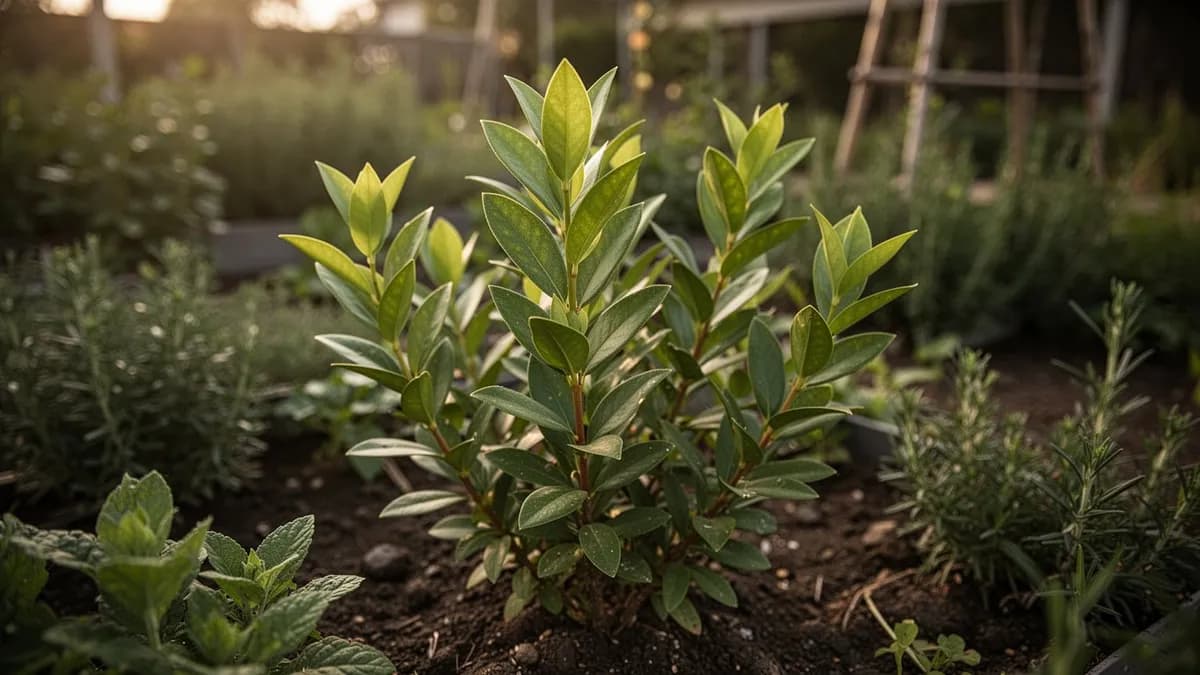
Árbol de la selva lluviosa australiana con el mayor contenido de citral de cualquier planta conocida, que produce un té y aromatizante culinario de intenso sabor a limón. Las hojas del mirto de limón elaboran un té sin cafeína con un sabor limónico puro y poderoso que supera ampliamente al de la hierba de limón o la verbena de limón. Cultívelo en climas sin heladas o como planta en maceta que se lleva al interior durante el invierno.
Cuándo plantar Mirto de Limón
El mirto de limón puede cultivarse a partir de semillas frescas, aunque la germinación es lenta e irregular y puede tardar entre 4 y 12 semanas. Siembre las semillas en la superficie de un sustrato de siembra fino y húmedo sin cubrirlas, ya que requieren luz para germinar. Mantenga una temperatura constante de entre 21 y 27 grados Celsius y alta humedad con una cubierta transparente o una cúpula de propagación. Las plántulas crecen lentamente durante su primer año y pueden tardar 2 o más años en alcanzar el tamaño de trasplante. Los esquejes de madera semidura tomados a finales del verano con calor de base y hormona de enraizamiento son un método más rápido. El acodo aéreo de ramas establecidas también funciona bien para la propagación.
Tu año de Mirto de Limón
Ajustado a Zona 7 · temporada típica · la helada se va hacia el 2 abr y vuelve hacia el 1 nov
Planta Mirto de Limón Mar – May y cosecha Ene – Dic. Consulta los métodos de plantación y elige tu clima para adaptar los periodos.
Cómo cultivar Mirto de Limón
El mirto de limón es un árbol de hoja perenne nativo de las selvas lluviosas subtropicales de Queensland, Australia. En su hábitat natural puede alcanzar 20 metros, pero en cultivo generalmente se mantiene entre 3 y 5 metros mediante podas regulares. El árbol produce hojas brillantes en forma de lanza con una extraordinaria fragancia a limón gracias a su excepcionalmente alto contenido de citral, el mayor de cualquier planta conocida.
Plante en una posición resguardada con pleno sol o sombra ligera, en suelo bien drenado y ligeramente ácido enriquecido con materia orgánica. En zonas propensas a las heladas (por debajo de la zona 9), cultívelo en macetas grandes que puedan trasladarse a un lugar luminoso y libre de heladas durante el invierno. Los ejemplares en maceta suelen alcanzar entre 1.5 y 2 metros y responden bien a la poda para mantener una forma compacta y arbustiva.
Riegue con regularidad durante la temporada de crecimiento, manteniendo el suelo consistentemente húmedo pero nunca encharcado. Reduzca el riego en invierno pero no permita que el cepellón se seque completamente. El mirto de limón se beneficia de una fertilización regular con un abono formulado para plantas acidófilas desde la primavera hasta el otoño. Protéjalo de los vientos fríos y las heladas, que pueden dañar o matar el follaje. Los árboles establecidos toleran períodos breves de hasta aproximadamente menos 2 grados Celsius, pero el frío sostenido por debajo de cero es fatal.
2 plantas caben en un bancal de 120 × 240 cm
Cada Mirto de Limón pide 90 cm de margen. El planificador guarda ese marco por ti — cada planta, cada bancal.
Guías de cultivo relacionadas
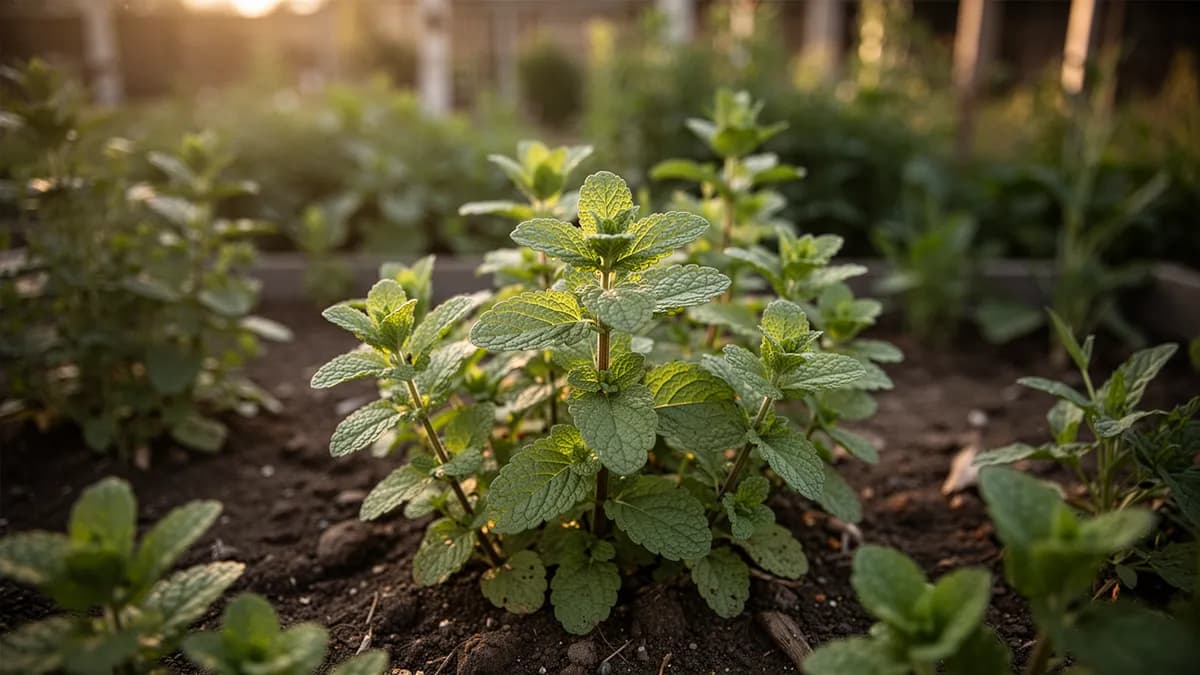
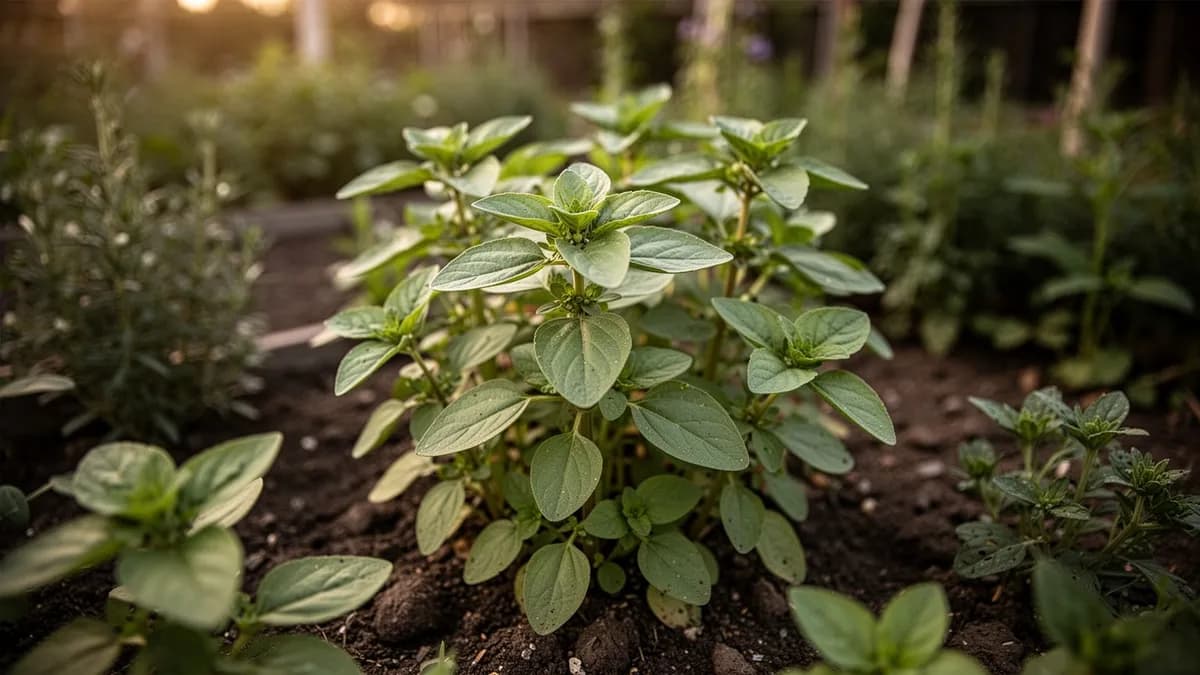
Abónalo bien
El mirto de limón prefiere un suelo bien drenado y ligeramente ácido con un pH de 5.5 a 6.5, enriquecido con compost o materia orgánica bien descompuesta. En suelos de arcilla pesada, plante sobre un montículo elevado o en un bancal elevado para garantizar un drenaje adecuado. Abone cada 4 a 6 semanas durante la temporada de crecimiento con un fertilizante formulado para plantas acidófilas, como el abono para azaleas o camelias. Evite los fertilizantes con alto contenido de fósforo, ya que las plantas nativas australianas son sensibles al exceso de este nutriente. Una capa de mantillo orgánico alrededor de la base ayuda a mantener la humedad y la acidez del suelo.
Temperatura ideal
Compatibilidad de zonas de rusticidad
De la semilla a la cosecha, etapa por etapa
Germinación de la semilla
Las semillas del mirto de limón son finas y germinan lentamente. Siémbralas en la superficie de un sustrato de siembra húmedo y bien drenado y mantenga una temperatura constante de 22-25 °C. Las semillas necesitan luz para germinar, así que presiónelas suavemente sobre la superficie sin cubrirlas. La germinación suele ser irregular y puede producirse entre los 14 y los 42 días.
Establecimiento de la plántula
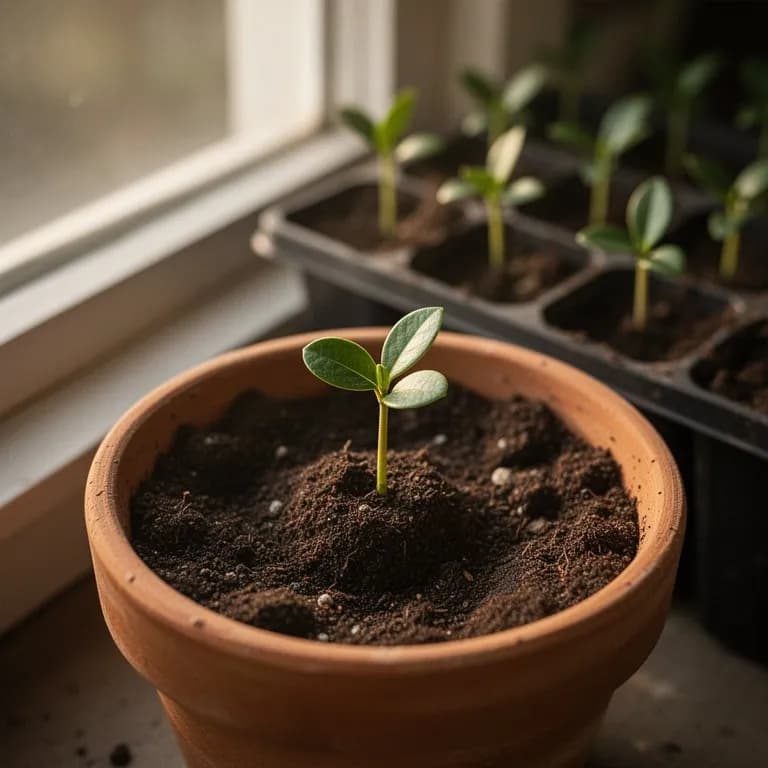
Las diminutas plántulas emergen con pequeños cotiledones redondeados seguidos de sus primeras hojas verdaderas, que ya desprenden un tenue aroma a limón al frotarlas. El crecimiento es lento durante esta fase mientras se establece el sistema radicular. Proporcione luz indirecta brillante y proteja de la exposición directa al sol intenso.
Crecimiento juvenil
Las plantas jóvenes comienzan a desarrollar sus características hojas brillantes en forma de lanza y una estructura de tallo más definida. El crecimiento se acelera durante los meses cálidos. La fragancia a limón se intensifica notablemente a medida que las hojas maduran. Las plantas pueden alcanzar entre 30 y 60 cm durante su primer año en condiciones óptimas.
Crecimiento vegetativo rápido
En los años segundo y tercero, el mirto de limón entra en una fase de crecimiento vigoroso. La planta desarrolla un dosel denso de follaje aromático y el tronco comienza a endurecerse. En condiciones subtropicales ideales, las plantas pueden crecer entre 50 y 80 cm por año. Las hojas ya son lo suficientemente grandes para una cosecha culinaria regular.
Primera floración
Las plantas maduras comienzan a producir racimos de pequeñas flores blanco cremosas en las puntas de las ramas durante el verano. Cada racimo contiene docenas de flores individuales ricas en néctar. El período de floración suele durar entre 4 y 6 semanas y las propias flores desprenden una dulce fragancia a limón.
Producción en madurez
A partir del tercer año, el mirto de limón alcanza la madurez productiva. Los árboles pueden crecer entre 3 y 6 metros en el suelo o mantenerse entre 1.5 y 2 metros en macetas. Las cosechas anuales de hojas aumentan sustancialmente. La planta florece con regularidad cada verano y puede producir pequeñas cápsulas de semillas leñosas tras la polinización.
Utilice una cúpula de humedad transparente o papel film para mantener una humedad constante. Rocíe con suavidad en lugar de regar desde arriba para no desplazar las diminutas semillas.
Cuidar Mirto de Limón mes a mes
Qué hacer cada mes para tu Mirto de Limón
Octubre
Mes actualLleve las plantas al interior en regiones propensas a las heladas. Colóquelas cerca de la ventana más luminosa, preferiblemente orientada al sur. Reduzca el riego y permita que los primeros centímetros del suelo se sequen entre riegos. Deje de fertilizar hasta la primavera.
Ten claro qué hacer en tu huerto, cada mes
Un correo al empezar cada mes: qué sembrar, plantar y hacer ahora mismo — para tu Mirto de Limón y todo lo que crece alrededor. Más un breve curso inicial para esquivar los errores clásicos.
- Qué hacer ahora mismo
- Ajustado a tu temporada
- Curso inicial incluido
Cosechar Mirto de Limón
Coseche las hojas de mirto de limón durante todo el año en plantas establecidas, cortando hojas individuales o pequeñas puntas de rama. Las hojas pueden usarse frescas o secas. Para obtener el sabor a limón más intenso, coseche a media mañana, una vez que el rocío se haya evaporado y el contenido de aceite esencial esté en su punto máximo. Las hojas más jóvenes tienden a tener un sabor más delicado, mientras que las hojas maduras son más intensamente aromáticas. La cosecha regular y la poda ligera favorecen un crecimiento arbustivo y compacto, y garantizan un suministro continuo de hojas frescas. Evite retirar más de una cuarta parte del dosel de una sola vez.

se supone que plantas al comenzar el periodo — indica tu fecha real
Cosecha Mirto de Limón a tiempo y la planta sigue produciendo.
Almacenamiento y conservación
Seque las hojas de mirto de limón sobre rejillas en un lugar cálido y bien ventilado, alejado de la luz solar directa, durante 5 a 7 días, o utilice un deshidratador a 35 grados Celsius. Las hojas secas conservan su intenso aroma a limón durante más de un año cuando se almacenan en tarros de cristal herméticos lejos de la luz. Las hojas frescas pueden congelarse enteras en bolsas selladas hasta 6 meses. Muela las hojas secas para obtener un polvo versátil con sabor a limón que se conserva hasta 18 meses en un lugar fresco y oscuro. El aceite esencial puede extraerse mediante destilación al vapor para un uso más concentrado.
Qué falla — y cómo solucionarlo
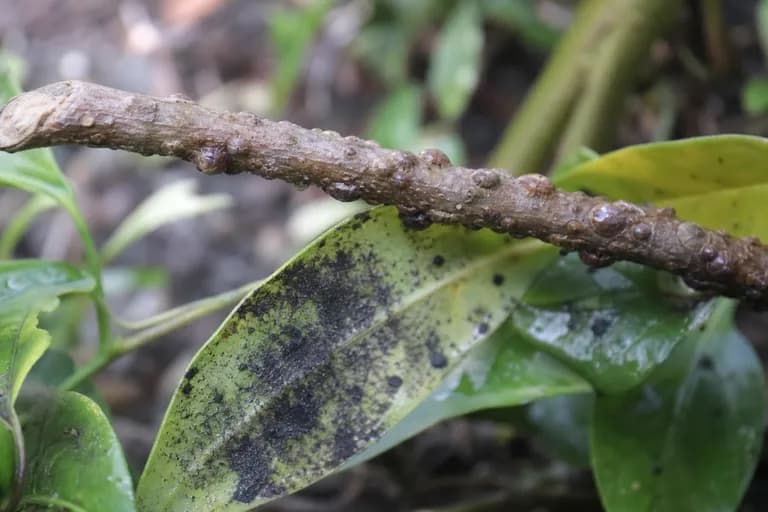
Cochinillas de caparazón
PlagaPequeños bultos marrones o blancos en tallos y envés de las hojas, depósitos pegajosos de melaza en las hojas y crecimiento de hollín sobre la melaza.
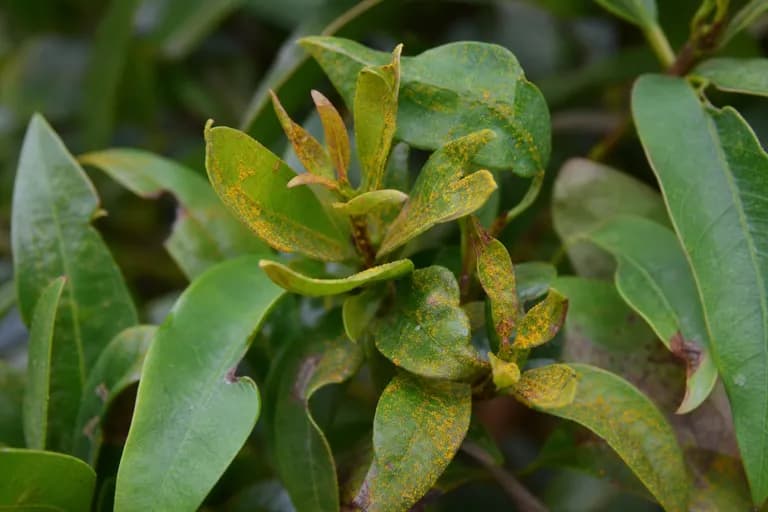
Roya del mirto
EnfermedadManchas en polvo amarillas o anaranjadas brillantes en hojas jóvenes y puntas de los brotes, que provocan crecimiento deformado y defoliación en casos graves.
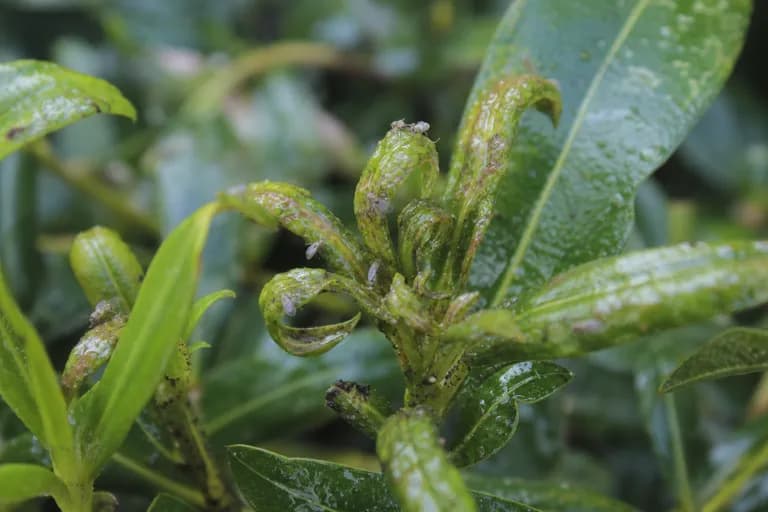
Psílidos
PlagaEnrollamiento y deformación de los nuevos brotes, melaza pegajosa en las hojas y presencia de pequeños insectos alados en los brotes jóvenes.
Solución de problemas comunes
El problema más frecuente es el daño por frío en climas marginales. Las hojas quemadas por las heladas se vuelven marrones y crujientes, pero pueden podarse en primavera cuando aparezcan los nuevos brotes. El exceso de riego y el mal drenaje provocan la pudrición de raíces, que se manifiesta como amarillamiento de las hojas inferiores y un deterioro general. En ambientes interiores muy secos, las puntas de las hojas pueden ponerse marrones por la baja humedad. La roya del mirto es una amenaza emergente en las zonas donde la enfermedad se ha introducido. Las plantas en maceta pueden quedar con las raíces apelmazadas y necesitan ser trasplantadas a una maceta ligeramente más grande con sustrato ácido fresco cada 2 a 3 años.
Consejos de cultivo
- Elija una posición cálida y resguardada con buena iluminación. El mirto de limón rinde mejor con pleno sol a sombra parcial, pero las plantas jóvenes se benefician de protección frente al sol intenso de la tarde en climas cálidos.
- Use un sustrato bien drenado enriquecido con compost para el cultivo en maceta. Una mezcla formulada para plantas nativas australianas o camelias funciona bien. Asegúrese de que las macetas tengan grandes agujeros de drenaje para evitar el encharcamiento.
- Riegue con regularidad durante la temporada de crecimiento, manteniendo el suelo consistentemente húmedo pero nunca empapado. El mirto de limón no es tolerante a la sequía como muchas plantas nativas australianas y perderá hojas si el suelo se seca completamente.
- Abone con un fertilizante equilibrado de liberación lenta en primavera y de nuevo a mediados del verano. Evite los fertilizantes con alto contenido de fósforo, ya que el mirto de limón es sensible al exceso de este nutriente, como muchos miembros de la familia Myrtaceae.
- Pode a finales del invierno o principios de la primavera antes de que comience el nuevo crecimiento. Retire las ramas muertas o cruzadas y recorte para dar forma. La cosecha regular de las puntas de las hojas durante la temporada mantiene la planta compacta y arbustiva.
- Proteja de las heladas. En climas donde las temperaturas caen por debajo de 5 °C, cultive el mirto de limón en una maceta que pueda llevarse al interior o a un lugar resguardado durante el invierno.
- Propague a partir de esquejes de madera semidura tomados a finales del verano o en otoño. Seleccione tallos sanos sin flores, retire las hojas inferiores, sumerja en hormona de enraizamiento y coloque en una mezcla de perlita y turba. Proporcione calor de base de 22-25 °C para mejores resultados.
- Controle las plagas comunes, como cochinillas, negrilla y ocasionales minadores de hojas. Trate las cochinillas con un spray de aceite hortícola aplicado en el envés de las hojas. Una buena circulación del aire reduce los problemas fúngicos.
- Si cultiva la planta en interior durante el invierno, colóquela cerca de la ventana más luminosa disponible y mantenga la humedad pulverizando el follaje varias veces por semana o colocando la maceta sobre una bandeja con piedras húmedas.
- Coseche las hojas en cualquier momento durante la temporada de crecimiento cortando hojas individuales o pequeñas puntas de rama. La cosecha matutina proporciona el mayor contenido de aceite esencial. Use las hojas frescas de inmediato o séquelas en una sola capa lejos de la luz solar directa.
Cultiva tu mejor Mirto de Limón — y todo lo que la rodea.
Empieza un plan gratis hoy. Diseña tus bancales, coloca tu Mirto de Limón y deja que PlotMyGarden gestione el momento, el espaciado, las asociaciones y los recordatorios de la semilla a la cesta.
Elige tu Mirto de Limón
Backhousia citriodora (variedad estándar)
La especie pura es la forma más comúnmente disponible. Produce las características hojas de intenso aroma a limón y racimos de pequeñas flores blancas en verano.
Backhousia citriodora 'Dorado'
Un cultivar compacto seleccionado para el cultivo en maceta, que no supera los 2 a 3 metros. Su porte denso y arbustivo lo hace ideal para setos o ejemplares en maceta.
Backhousia citriodora 'Afterdark'
Una llamativa variedad ornamental con nuevos brotes de un intenso color borgoña-púrpura que maduran hasta el verde oscuro. Conserva el excelente sabor a limón con un atractivo visual añadido.
Una pequeña planta de mirto de limón cuesta entre 10 y 20 euros en un vivero y puede proporcionar hojas frescas durante décadas con un mantenimiento mínimo. La hoja seca de mirto de limón se vende a entre 15 y 30 euros los 50 gramos en tiendas especializadas y en línea, mientras que una sola planta en maceta produce mucho más que eso cada año. El aceite esencial de mirto de limón se vende a entre 25 y 60 euros por frasco de 15 ml. Al cultivar el suyo propio, elimina por completo estos costes recurrentes. A lo largo de cinco años, una sola planta puede ahorrarle entre 200 y 500 euros en comparación con la compra de hojas secas y mezclas de té. El exceso de hojas se seca fácilmente en casa y es un regalo muy apreciado.
Recetas rápidas
Té de hierbas de mirto de limón
5 minutosUn té sin cafeína de aroma exquisito que ofrece un sabor a limón brillante y limpio sin acidez alguna. El té de mirto de limón es reconfortante y refrescante tanto servido caliente como con hielo. Las hojas secas se infusionan en una pálida infusión dorada con un dulce aroma cítrico que perfuma toda la estancia.
5 ingredientesGalletas de mantequilla con mirto de limón
20 minutos + 30 min de reposo en frío + 12 min de horneadoLas clásicas galletas de mantequilla infusionadas con mirto de limón molido para un elegante toque australiano. El mirto de limón añade una fragante nota cítrica más compleja y aromática que la ralladura de limón, creando una refinada galletita perfecta para el té de la tarde o como regalo artesanal.
7 ingredientesPesto de mirto de limón y macadamia
10 minutosUna versión singularmente australiana del pesto que combina el golpe cítrico del mirto de limón con la rica cremosidad de las nueces de macadamia. Este versátil condimento funciona de maravilla mezclado con pasta, untado en pescado a la plancha o como dip con pan crujiente.
7 ingredientesUsos culinarios
El mirto de limón es una versátil hierba culinaria con un sabor a limón limpio e intenso. Use hojas frescas o secas para preparar un refrescante té sin cafeína con un puro sabor cítrico. Añada hojas secas molidas a galletas de mantequilla, tarta de queso, helado y productos horneados como aromatizante de limón. Use hojas frescas enteras en pescado en papillote, marinadas y salsas de crema. El mirto de limón combina a la perfección con mariscos, aves de corral y frutas tropicales. Cada vez más chefs profesionales lo utilizan como sustituto superior de la ralladura de limón.
Qué contiene
Beneficios para la salud
- El aceite de las hojas del mirto de limón es rico en citral, que ha demostrado en estudios de laboratorio ejercer potentes propiedades antimicrobianas frente a una amplia gama de bacterias y hongos, incluyendo Staphylococcus aureus y Candida albicans.
- El alto contenido antioxidante de las hojas del mirto de limón, incluyendo luteína y folato, puede ayudar a proteger las células del estrés oxidativo y reforzar la función inmunológica general cuando se consume regularmente en forma de té.
- El té de mirto de limón se ha utilizado tradicionalmente en la medicina herbal australiana para aliviar los síntomas del resfriado y la gripe, ayudando a despejar la congestión y calmar el dolor de garganta gracias a sus cualidades antisépticas naturales.
- El citral y otros terpenos del mirto de limón poseen documentadas propiedades antiinflamatorias que pueden ayudar a reducir la inflamación cuando se consume como parte de una dieta regular.
- El mirto de limón no contiene cafeína y es bajo en taninos, lo que lo convierte en una alternativa suave al té negro o verde que puede disfrutarse a lo largo del día sin alterar los patrones de sueño.
- Investigaciones preliminares sugieren que los compuestos del mirto de limón pueden favorecer la salud digestiva, ayudando a calmar el malestar estomacal y reducir la hinchazón después de las comidas.
De dónde viene Mirto de Limón
El mirto de limón (Backhousia citriodora) es un árbol de hoja perenne nativo de las selvas lluviosas subtropicales del sureste de Queensland, Australia. Su área de distribución natural se extiende a lo largo del litoral interior desde alrededor de Mackay por el norte hasta algo al sur de Brisbane, donde crece como árbol de sotobosque o de dosel medio en ambientes selváticos cálidos y húmedos. Miles de años antes de la colonización europea, los aborígenes australianos ya reconocían las notables propiedades aromáticas de las hojas del mirto de limón: las utilizaban para aromatizar alimentos, como fragante complemento en prácticas ceremoniales y como remedio herbal calmante. Las hojas se machacaban para liberar su intenso aroma a limón y se preparaban en infusiones terapéuticas. Los botánicos europeos describieron formalmente la especie por primera vez en el siglo XIX, y fue bautizada como Backhousia citriodora por Ferdinand von Mueller en 1853, en honor al botánico inglés James Backhouse, quien había explorado extensamente la flora australiana. A pesar de este reconocimiento científico temprano, el mirto de limón permaneció relativamente desconocido fuera de Australia durante más de un siglo. No fue hasta la década de 1990, cuando el creciente interés por los alimentos silvestres nativos australianos desencadenó una revolución comercial en torno al mirto de limón. Investigadores de universidades y organismos gubernamentales analizaron el aceite de sus hojas y descubrieron que contenía la mayor concentración de citral de cualquier planta conocida, muy superior a la de la hierba de limón, la verbena de limón e incluso los limones reales. Este descubrimiento catapultó al mirto de limón al escenario global como un aromatizante natural y un ingrediente de fragancia de potencia única. Se establecieron plantaciones en todo el sureste de Queensland subtropical y tropical y el norte de Nueva Gales del Sur, transformando lo que había sido un árbol de selva lluviosa silvestre en un cultivo de importancia comercial. Hoy en día, el mirto de limón se emplea en tés, condimentos, salsas, confitería, aceites esenciales, productos de cuidado de la piel y artículos de limpieza. Se ha convertido en una de las especies emblema de la industria alimentaria nativa australiana y actualmente se cultiva comercialmente en climas apropiados de todo el mundo, desde Sudáfrica hasta el sur de Europa y partes de América.
Mirto de Limón: ¿sabías que?
Datos fascinantes sobre Mirto de Limón
El mirto de limón contiene la concentración de citral más alta conocida de cualquier planta del mundo, con un aceite de hoja que puede contener hasta el 98% de citral, frente al 3-5% que contienen los limones reales.
Mirto de Limón: preguntas frecuentes
¿Cuándo debo plantar Mirto de Limón?
¿En qué zonas de rusticidad puede crecer Mirto de Limón?
¿Cuánto sol necesita Mirto de Limón?
¿A qué distancia debo espaciar Mirto de Limón?
¿Qué plagas y enfermedades afectan a Mirto de Limón?
¿Cómo almaceno Mirto de Limón después de la cosecha?
¿Cuáles son las mejores variedades de Mirto de Limón para cultivar?
¿Qué suelo necesita Mirto de Limón?
¿Puedo cultivar mirto de limón en un clima frío?
¿En qué se diferencia el mirto de limón de la hierba de limón o la verbena de limón?
¿Es seguro usar el mirto de limón en la cocina y en infusiones?
¿Por qué se ponen amarillas y caen las hojas de mi mirto de limón?
¿Cómo seco y almaceno las hojas de mirto de limón?
¿Cuál es el mejor momento para cosechar las hojas de mirto de limón?
Acabas de leer la teoría. Ahora cultívala en piloto automático.
Todo lo que hace que Mirto de Limón sea delicado — el momento, el espaciado, las asociaciones, la ventana de cosecha — es justo lo que PlotMyGarden resuelve por ti, para cada planta de tu huerto.
Un plan que conoce tu clima
Indica tu ubicación una vez. Recibe fechas de siembra, abonado y cosecha basadas en tu última helada real y el pronóstico en vivo — sin adivinar con un sobre genérico.
De la sección “Cuándo plantar”Planificador de bancales de arrastrar y soltar
Diseña bancales sobre una cuadrícula. Cada planta encaja con su espaciado correcto y ves toda la temporada antes de gastar un céntimo en semillas.
De la sección “Cultivo”Conflictos de asociación, detectados a tiempo
Más de 200 buenas y malas combinaciones comprobadas en vivo mientras plantas — para que un error que arruine la temporada nunca llegue a la tierra.
De la sección “Asociaciones”Recordatorios que sí vas a seguir
“Riega las judías.” “Recoge hoy antes de que se pase.” Oportunos, concretos y ligados a las plantas que de verdad cultivas.
De la sección “Cosecha”Escalonado, programado
¿Quieres cosechar seis semanas en vez de seis días? Reparte tus siembras automáticamente y te avisa cuando toca el siguiente lote.
De la sección “Cuándo plantar”Un registro que se vuelve más listo
Cada cosecha que registras le enseña tu huerto. El plan del año que viene parte de lo que de verdad funcionó en tu suelo, no en un manual.
De la sección “Resumen”Más Hierbas para té
Cultiva tu mejor Mirto de Limón — y todo lo que la rodea.
Empieza un plan gratis hoy. Diseña tus bancales, coloca tu Mirto de Limón y deja que PlotMyGarden gestione el momento, el espaciado, las asociaciones y los recordatorios de la semilla a la cesta.