Kalette
A cross between kale and Brussels sprouts producing open, frilly rosettes on a tall stalk with a sweet, nutty flavor.





On this pageOverview
Meet Kalette
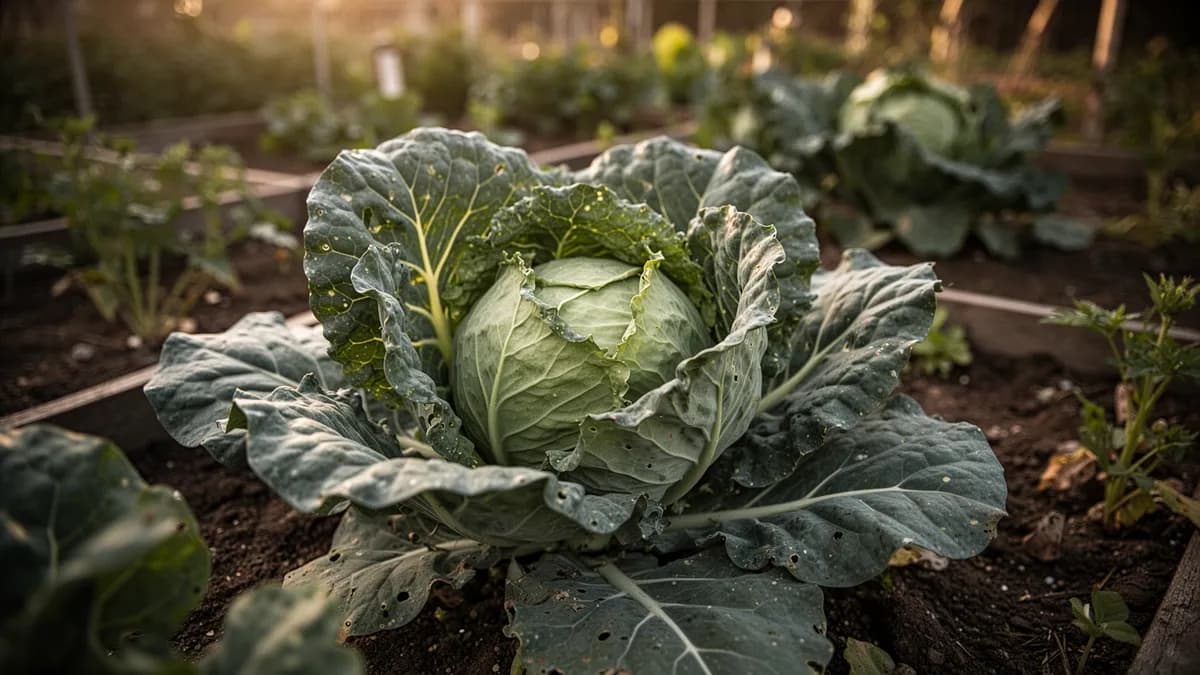
A cross between kale and Brussels sprouts producing open, frilly rosettes on a tall stalk with a sweet, nutty flavor. Plants grow similarly to Brussels sprouts but the loose rosettes are easier to clean and prepare than tight sprouts. Flavor improves dramatically after frost exposure, so delay harvest until after several cold nights. Excellent sauteed, roasted, or added raw to salads for texture and color.
When to plant Kalette
Start seeds indoors 10 to 14 weeks before the first expected fall frost. Sow one-quarter inch deep in moist seed-starting mix at 65 to 70 degrees Fahrenheit. Germination occurs in 5 to 8 days. Grow seedlings under bright light at 60 to 65 degrees. Transplant to individual 3-inch pots at the 2 true leaf stage. Harden off for 10 to 14 days before planting out in mid to late summer.
Your Kalette Year
Composed for Zone 7 · typical seasons · frost passes Apr 2, returns Nov 1
Plant Kalette Apr – May, pick Oct – Dec. Check the planting methods below and set your climate to personalize these windows.
How to grow Kalette
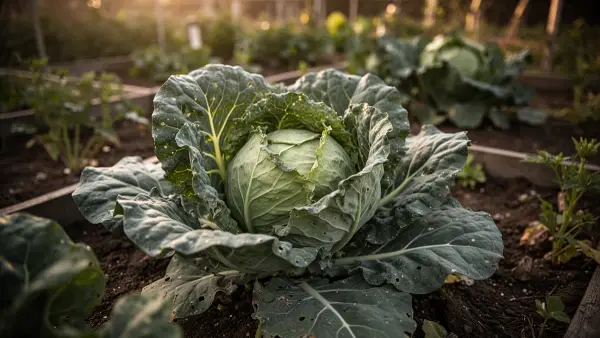
Kalettes are a hybrid cross between Brussels sprouts and kale, producing loose, frilly rosettes along a tall central stalk. Start seeds indoors 10 to 14 weeks before the first fall frost, sowing one-quarter inch deep at 65 to 70 degrees Fahrenheit. Germination takes 5 to 8 days.
Transplant seedlings outdoors in mid to late summer, spacing 24 inches apart in rows 30 inches apart. Kalettes need a long growing season of 110 to 120 days and prefer cool fall weather for best flavor development. Stake plants as they grow tall to prevent wind damage.
Water consistently, providing 1 to 1.5 inches per week. Side-dress with balanced fertilizer monthly. Remove lower yellowing leaves as the plant grows to improve air circulation. Kalettes improve in flavor after frost exposure. Harvest the small rosettes when they are 2 to 3 inches across, starting from the bottom of the stalk and working upward as they mature.
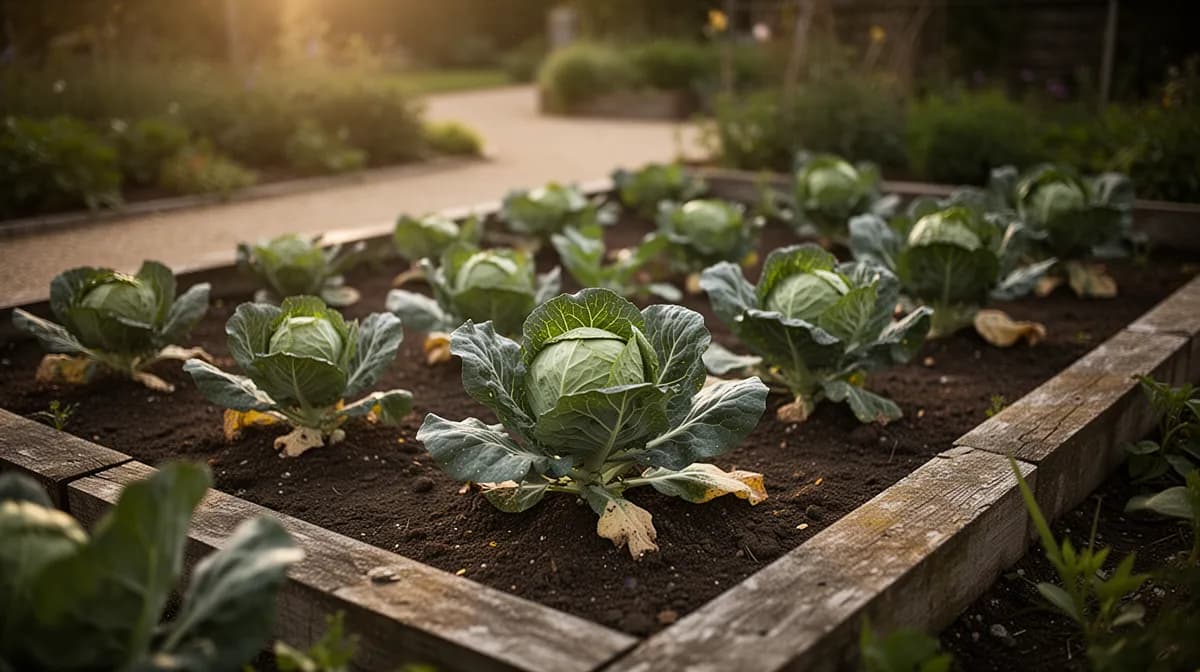
8 plants fit a 4 × 8 ft bed
Each Kalette wants 60 cm of elbow room. The planner keeps that spacing for you — every plant, every bed.
Kalette's best neighbours
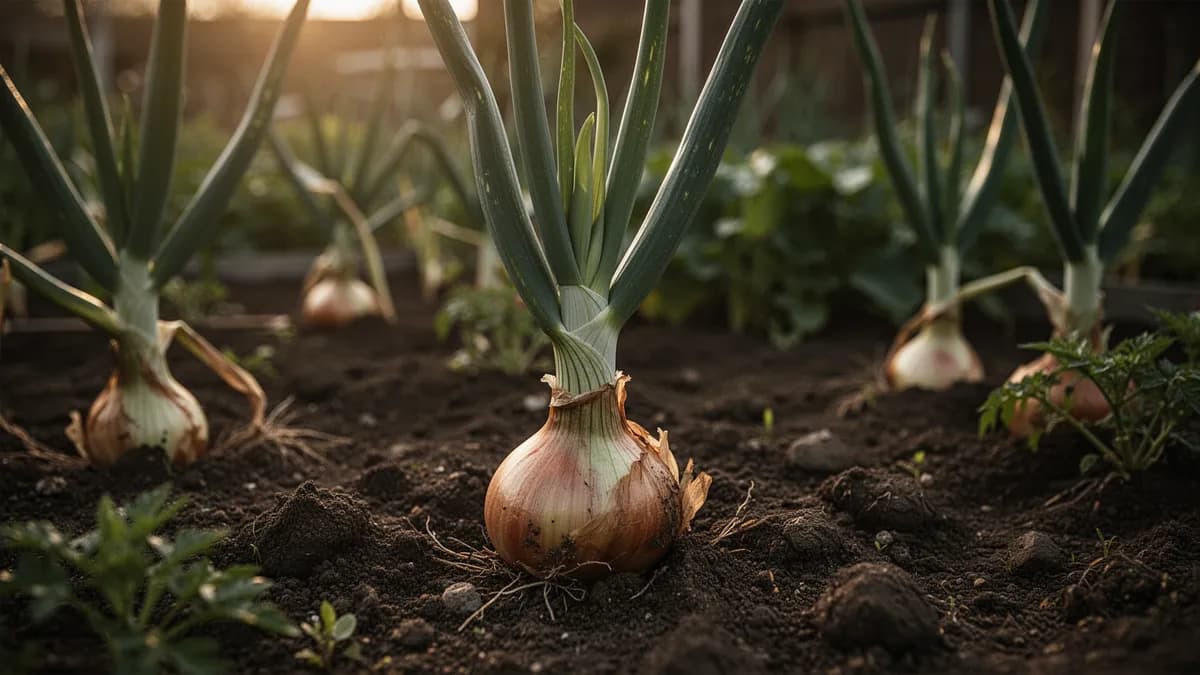
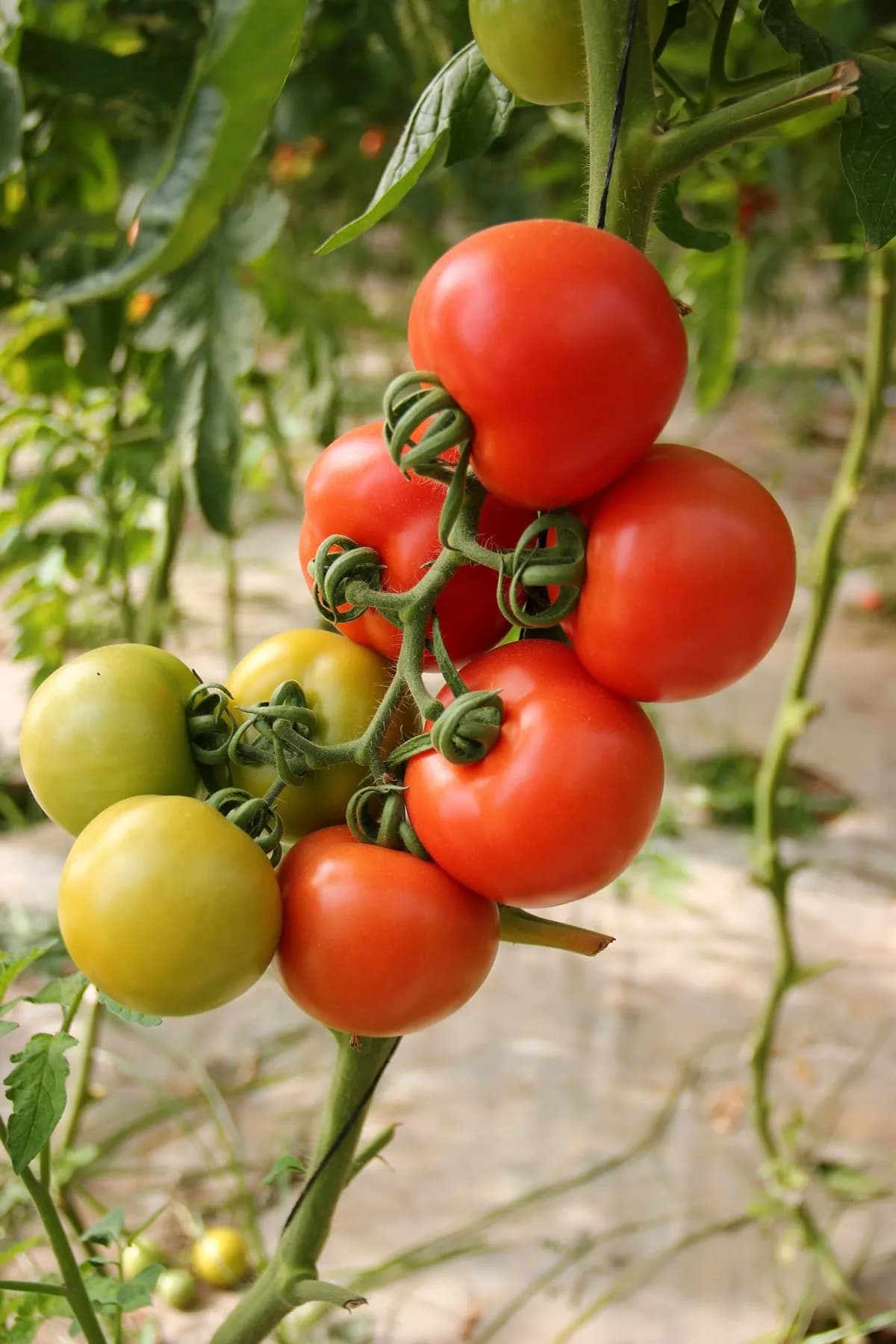
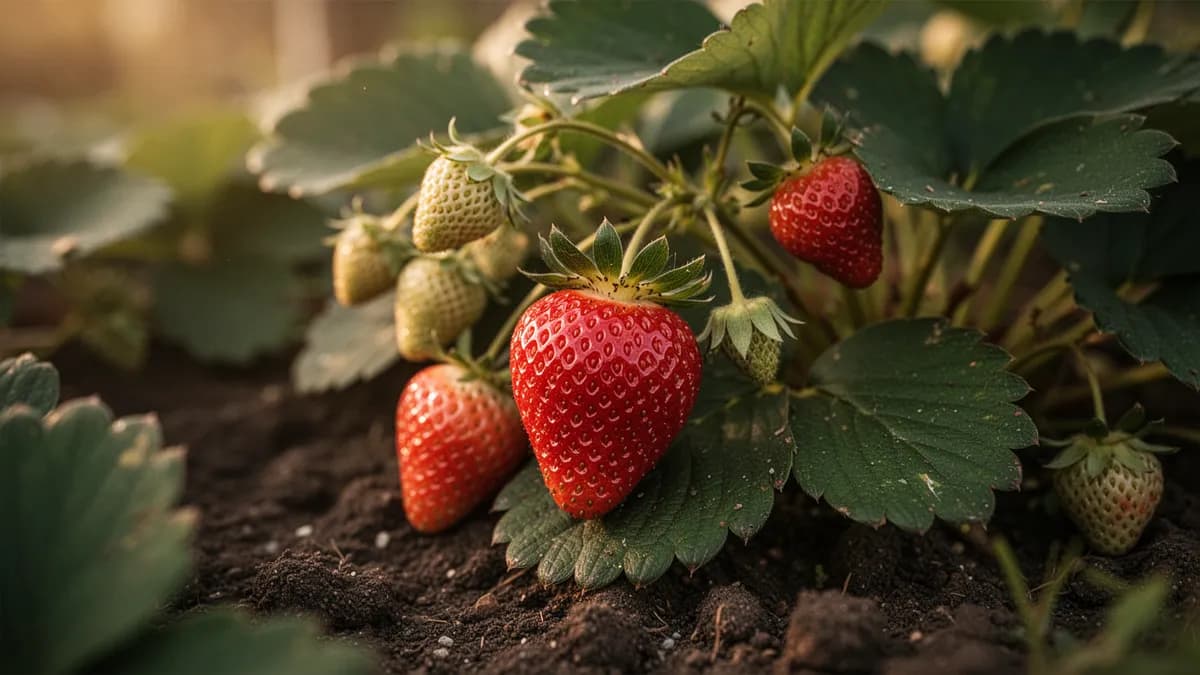
Grow kalettes alongside aromatic herbs like thyme, sage, and rosemary to help deter cabbage family pests. Onions and garlic are beneficial companions. Avoid planting near tomatoes and strawberries. Clover or other nitrogen-fixing ground covers planted around the base help feed these heavy-feeding plants.
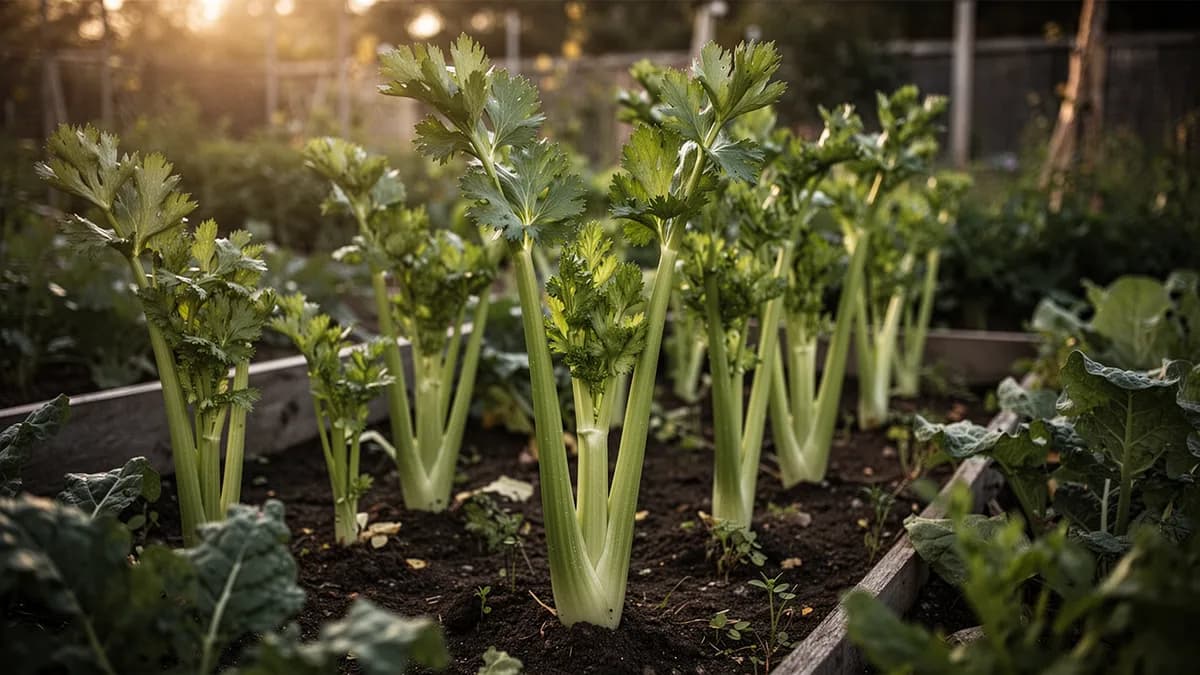
Celery belongs beside it. Tomato doesn't.
Old growers' knowledge, checked against Kalette's real companion table below — test any plant you're growing.
Try Kalette in a bed — right here
A real planner bed with Kalette already in it. Tap a companion to place it and watch the pairing checks answer — green for good neighbours, red for a clash.


Related growing guides
Feed it well
Kalettes thrive in rich, well-drained soil with a pH between 6.5 and 7.0. Amend with generous compost and balanced granular fertilizer before planting. Side-dress with nitrogen-rich fertilizer monthly during the growing season. Like Brussels sprouts, kalettes are heavy feeders that benefit from consistent nutrition. Add calcium to prevent internal browning of rosettes.
Ideal Temperature
Hardiness Zone Compatibility
From seed to harvest, stage by stage
Seed Starting
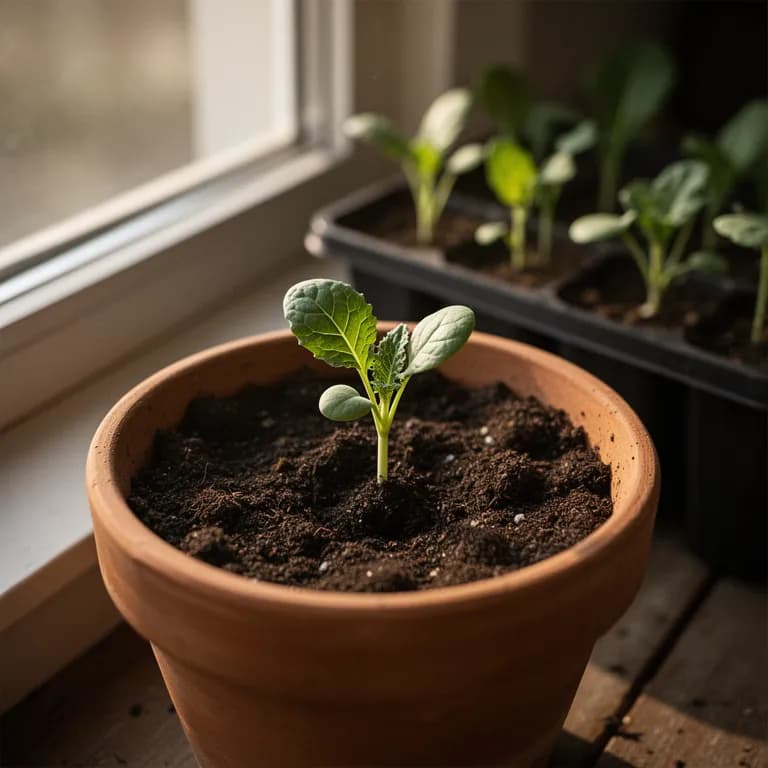
Seeds germinate in cool to moderate conditions, producing small rounded cotyledon leaves followed by the first true leaves with slightly ruffled edges. Germination takes 5-10 days at soil temperatures of 10-24°C (50-75°F). Seedlings are slow-growing initially and benefit from consistent moisture and bright light.
Transplant and Establishment
Seedlings are hardened off over 7-10 days and transplanted outdoors. The developing root system anchors deeply as the central stem begins to thicken. Broad, blue-green leaves expand rapidly to capture sunlight, and the plant builds the energy reserves needed for rosette production later.
Vegetative Growth
The sturdy central stalk elongates steadily, producing large fan-shaped leaves at regular intervals. The stem thickens to support the weight of future rosettes. This is the plant's most vigorous phase, with noticeable height gain each week as the plant reaches toward its mature height of 60-90 cm.
Rosette Formation
Miniature rosettes begin forming at each leaf axil along the stalk, starting from the bottom and progressing upward. Each rosette unfurls into a loose, ruffled cluster of tiny leaves — distinctly different from the tight heads of Brussels sprouts. Purple pigmentation intensifies as temperatures cool.
Harvest Window
Rosettes reach harvestable size of 3-5 cm across, with fully developed ruffled leaves showing rich green and purple coloring. Harvest begins at the bottom of the stalk where rosettes matured first and progresses upward over several weeks. Flavor sweetens dramatically after exposure to frost.
Extended Harvest
In cool climates, kalette plants continue producing and sweetening through multiple frosts and into early winter. The stalks remain upright and productive even as lower leaves yellow and drop. A mature plant can yield 50-80 rosettes over the full harvest window, with the sweetest rosettes coming after nights below -2°C (28°F).
Start seeds indoors 6-8 weeks before the planned transplant date. Use sterile seed-starting mix and keep soil consistently moist at 18-21°C (65-70°F). Provide strong light immediately after emergence to prevent leggy seedlings.
Caring for Kalette month by month
What to do each month for your Kalette
October
You are herePrimary harvest month begins. Snap or cut rosettes from the bottom of the stalk upward when they reach 3-5 cm across. Harvest every 5-7 days as new rosettes reach size. Flavor improves noticeably after the first light frosts — cold triggers sugar accumulation in the leaves.
Know exactly what to do in your garden — every month
One email at the start of each month: what to sow, plant, and tackle right now — for your Kalette and everything growing around it. Plus a short starter course that helps you dodge the classic mistakes.
- What to do, right now
- Matched to your season
- Starter course included
Harvesting Kalette
Harvest kalettes when the small rosettes along the stalk reach 2 to 3 inches across and have developed their characteristic frilly, open shape. Pick from the bottom of the stalk upward as lower rosettes mature first. Twist or snap individual rosettes from the stalk, or cut with a sharp knife. Flavor sweetens significantly after the first frost. Continue harvesting into winter in mild climates.
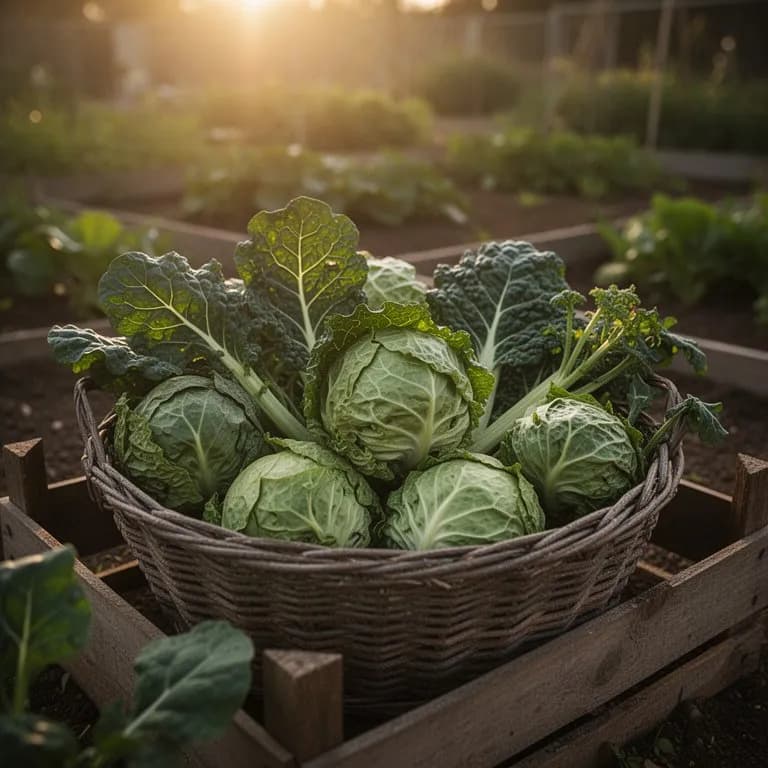
assuming you plant when the window opens — set your real date
Pick Kalette promptly and the plant keeps producing.
Storage & Preservation
Fresh kalettes store for 1 to 2 weeks in the refrigerator in a perforated bag. Their open, frilly structure makes them quick to cook without the need for halving like Brussels sprouts. For freezing, blanch whole rosettes for 2 minutes, ice-bath, drain, and freeze on trays. They are best enjoyed fresh-roasted or sauteed to showcase their unique texture.
What goes wrong — and the fix
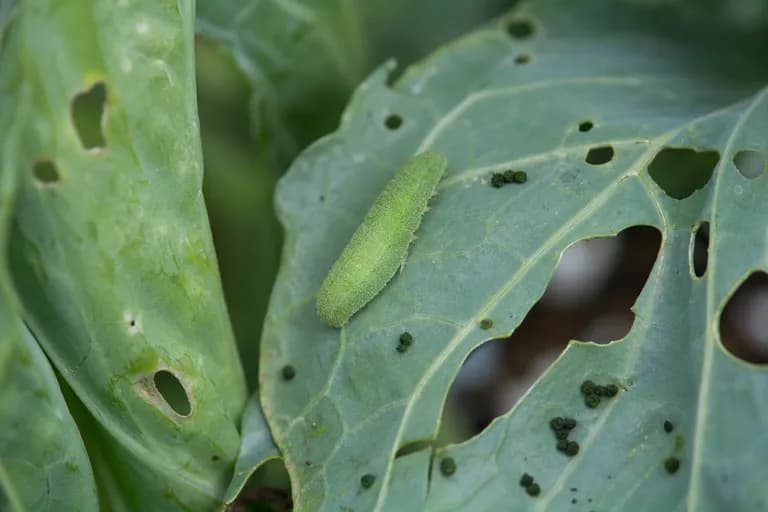
Cabbage Worms
PestHoles in the frilly leaves, green caterpillars visible among the open rosettes.
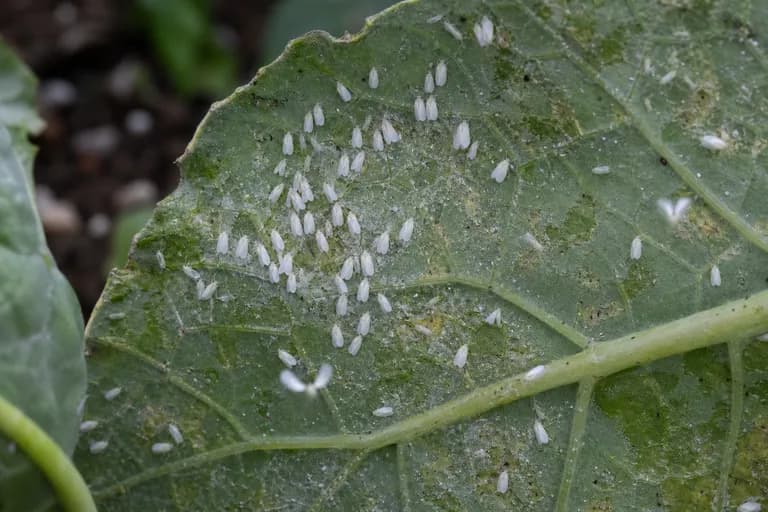
Whiteflies
PestTiny white flies rising from foliage when disturbed, yellowing leaves, and sticky honeydew.
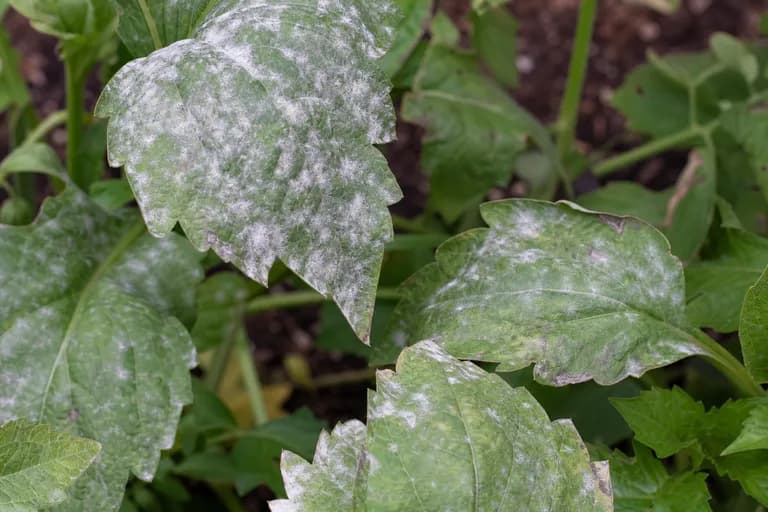
Powdery Mildew
DiseaseWhite powdery patches on older leaves, reduced vigor, and premature leaf drop.
Troubleshooting Common Problems
Loose, floppy rosettes may result from temperatures above 75 degrees during formation or excessive nitrogen. Plants can grow quite tall and become top-heavy, requiring staking in windy locations. The open rosette structure makes them more susceptible to caterpillar damage than tight Brussels sprouts. Availability of seed can be limited as kalettes are a relatively new vegetable.
Growing Tips
- Start seeds indoors rather than direct-sowing for the most reliable results. Kalette has a long growing season (110-150 days to harvest) and benefits from a head start. Begin seeds 6-8 weeks before your planned transplant date in deep cell trays to accommodate the developing taproot.
- Time your planting so that rosette development coincides with cool autumn weather. Kalette rosettes that form during hot summer temperatures are often loose, bitter, and pale. Count backward 110-120 days from your first expected autumn frost to determine the ideal transplant date.
- Soil fertility is critical for this heavy-feeding crop. Work generous amounts of compost into the bed before transplanting and side-dress with balanced fertilizer every 3-4 weeks through the vegetative growth phase. Switch to potassium-rich feed once rosettes begin forming.
- Space plants at least 60 cm (24 inches) apart — kalette plants are large brassicas that need good air circulation to prevent fungal diseases. Crowded plants produce fewer and smaller rosettes and are more susceptible to aphid infestations in the dense foliage.
- Protect young plants from cabbage white butterflies using lightweight floating row covers from transplant through early autumn. The caterpillars can devastate kalette foliage in days. Remove covers only if pollination is needed for other crops in the same bed.
- Do not harvest too early. Wait until rosettes are fully developed at 3-5 cm across with distinct ruffled leaves. Unlike Brussels sprouts, kalette rosettes should remain slightly open — do not wait for them to close into tight heads, as that will not happen with this variety.
- Let frost work its magic before harvesting the bulk of your crop. Light frosts down to -4°C (25°F) trigger the plant to convert starch into sugars as a natural antifreeze response, dramatically sweetening the rosettes and reducing any lingering bitterness.
- Harvest from the bottom of the stalk upward, snapping or cutting rosettes as they reach maturity. This allows the upper rosettes to continue developing and extends the harvest window over 8-12 weeks rather than a single all-at-once pick.
Grow your best Kalette yet — and everything around it.
Start a free plan today. Lay out your beds, drop in your Kalette, and let PlotMyGarden handle the timing, spacing, companions and reminders from seed to harvest basket.
Pick your Kalette
Flower Sprout
The original kalette variety with green and purple frilly rosettes and mild, sweet-nutty flavor.
Autumn Star
An early-maturing selection with uniform rosettes and excellent cold tolerance for fall harvest.
Snowdrop
A later-maturing variety with lighter green rosettes that holds well on the stalk into winter.
Kalette is one of the most expensive specialty vegetables at retail, typically selling for $4-6 per small 200g clamshell package — that is $9-14 per pound. A single plant producing 0.5-1 kg of rosettes represents $5-14 worth of produce from a single $3-5 transplant or a few cents worth of seed. Growing just 4-6 plants can yield 2-5 kg of kalette worth $20-70 at retail prices. The savings are particularly significant because kalette is rarely available at standard grocery stores, often requiring trips to specialty markets or premium organic sections where prices are highest.
Quick recipes
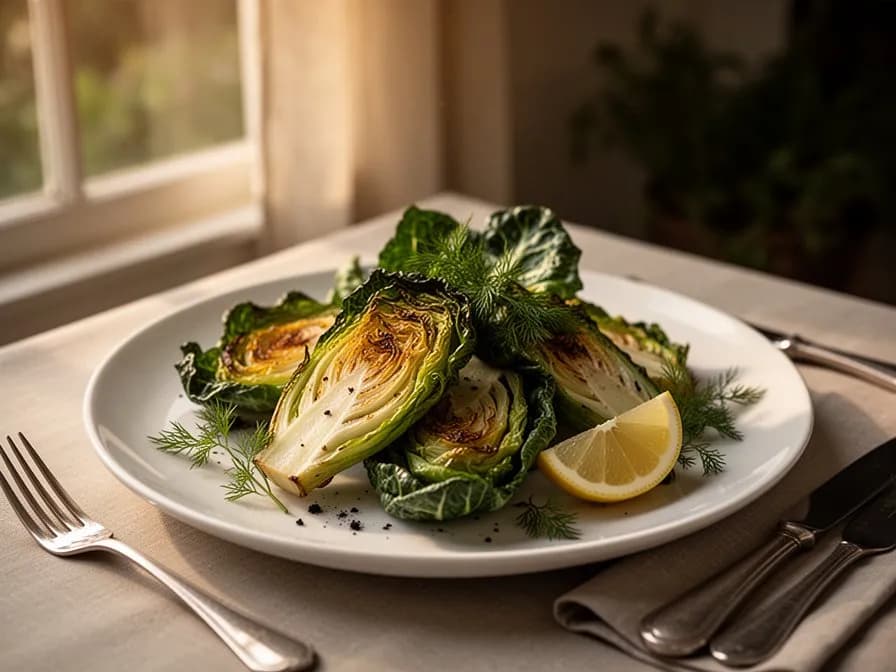
Crispy Roasted Kalettes with Balsamic Glaze
20 minThe simplest and most popular way to enjoy kalette — high-heat roasting caramelizes the ruffled leaf edges while keeping the centers tender. A drizzle of balsamic reduction adds sweet-tart depth to the nutty, slightly sweet flavor.
7 ingredientsKalette and Pomegranate Autumn Salad
15 minRaw kalette rosettes are tender enough to eat fresh without cooking — their mild, sweet flavor and delicate texture make them ideal for salads. Pomegranate seeds add jewel-like color and tart contrast to this vibrant autumn dish.
8 ingredientsSauteed Kalettes with Pancetta and Lemon
15 minA quick pan-seared side dish that brings out kalette's natural sweetness. Crispy pancetta adds salty richness while a squeeze of lemon brightens every bite — ready in minutes with restaurant-quality results.
7 ingredientsCulinary Uses
Kalettes are delicious roasted at high heat with olive oil until edges are crispy, which takes only 10 to 15 minutes due to their open structure. Saute with garlic and chili flakes for a quick side dish. Their attractive appearance makes them an excellent garnish. Toss raw into salads for a mild, nutty brassica flavor with interesting texture.
What's inside
Health Benefits
- Exceptionally rich in vitamin C, delivering over 100% of the daily value per 100g — supporting immune defense, wound healing, collagen production, and enhanced iron absorption from plant-based foods.
- Contains high concentrations of glucosinolates inherited from both kale and Brussels sprout parent lines — these sulfur compounds are converted to sulforaphane and indole-3-carbinol in the body, which have been extensively studied for anti-cancer properties.
- Outstanding source of vitamin K, essential for proper blood clotting, bone mineralization, and calcium metabolism — a single serving provides well over 100% of the daily requirement.
- Rich in lutein and zeaxanthin, two carotenoid antioxidants that specifically accumulate in the macula of the eye and are associated with reduced risk of age-related macular degeneration and cataracts.
- Provides significant dietary fiber (4.1g per 100g) that supports digestive regularity, feeds beneficial gut bacteria, and may help lower LDL cholesterol levels through bile acid binding.
- Contains anti-inflammatory compounds including kaempferol and quercetin — flavonoid antioxidants linked to reduced risk of chronic inflammatory conditions including cardiovascular disease and metabolic syndrome.
Where Kalette comes from
Kalette is one of the few entirely new vegetables to emerge in modern times, created through an ambitious 15-year breeding program by Tozer Seeds, a family-owned British seed company based in Surrey, England. The project began in the late 1990s when plant breeders set out to combine the best qualities of two closely related brassica crops: the robust, open-leaf structure and nutrient density of curly kale with the prolific budding habit and compact growing form of Brussels sprouts. Using only traditional cross-pollination techniques — no genetic modification was involved — breeders hand-pollinated thousands of plants across multiple generations, selecting for flavor, texture, appearance, and growing reliability.
The first commercial variety was released to UK growers around 2010 under the name 'Flower Sprouts,' reflecting the rosettes' flower-like appearance. The vegetable was an immediate hit with British chefs and food writers who praised its versatility, visual appeal, and approachable flavor profile that lacked the polarizing bitterness of Brussels sprouts. By 2014, the vegetable had been rebranded as 'Kalette' for international markets — a portmanteau of 'kale' and the French diminutive suffix '-ette,' meaning 'little kale.' This name proved far more marketable during the global kale trend of the mid-2010s.
Kalette reached North American markets in 2014-2015, initially as a specialty item in premium grocery stores and farmers markets. Commercial production expanded rapidly across the UK, the Netherlands, Spain, and parts of North America as growers discovered the crop's reliable yields and extended harvest window. The vegetable thrives in cool maritime and temperate climates, producing sweeter rosettes after frost exposure — making it an ideal crop for autumn and early winter harvest. Today, kalette remains a protected variety controlled by Tozer Seeds, with licensed growers producing it commercially in over a dozen countries. Home gardeners gained access to kalette seeds in the late 2010s, and the vegetable has become increasingly popular in kitchen gardens for its ornamental beauty, prolific production, and genuinely unique eating quality.
Kalette: did you know?
Fascinating facts about Kalette
Kalette is a genuinely new vegetable — it was created by the British seed company Tozer Seeds through 15 years of traditional cross-pollination between kale (Brassica oleracea var. sabellica) and Brussels sprouts (Brassica oleracea var. gemmifera), without any genetic modification.
Kalette questions, answered
When should I plant Kalette?
What are good companion plants for Kalette?
What hardiness zones can Kalette grow in?
How much sun does Kalette need?
How far apart should I space Kalette?
What pests and diseases affect Kalette?
How do I store Kalette after harvest?
What are the best Kalette varieties to grow?
What soil does Kalette need?
What exactly is a kalette — is it genetically modified?
Why are my kalette rosettes loose and bitter instead of sweet?
Can I eat kalette raw or does it need to be cooked?
How long does it take to grow kalette from seed to harvest?
Do I need to remove the lower leaves like with Brussels sprouts?
Will kalette survive winter and come back next year?
You just read the theory. Now grow it on autopilot.
Everything that makes Kalette fiddly — the timing, the spacing, the companions, the harvest window — is exactly what PlotMyGarden handles for you, for every plant in your garden.
A plan that knows your weather
Set your location once. Get sow, feed and harvest dates built around your real last-frost date and live forecast — no more guessing from a generic seed packet.
From the “When to plant” sectionDrag-and-drop bed planner
Design beds on a grid. Every plant snaps to its proper spacing, and you can see your whole season laid out before you spend a cent on seed.
From the “Growing guide” sectionCompanion conflicts, caught early
200+ good-and-bad pairings checked live as you plant — so a season-wrecking mistake never makes it into the ground.
From the “Companions” sectionReminders you'll actually act on
“Water the beans.” “Pick today before it turns.” Timely, specific, and tied to the plants you're really growing.
From the “Harvest” sectionSuccession, scheduled
Want a harvest for six weeks, not six days? It spaces your sowings automatically and reminds you when each new block is due.
From the “When to plant” sectionA record that gets smarter
Every harvest you log teaches it your garden. Next year's plan starts from what actually worked in your soil, not a textbook's.
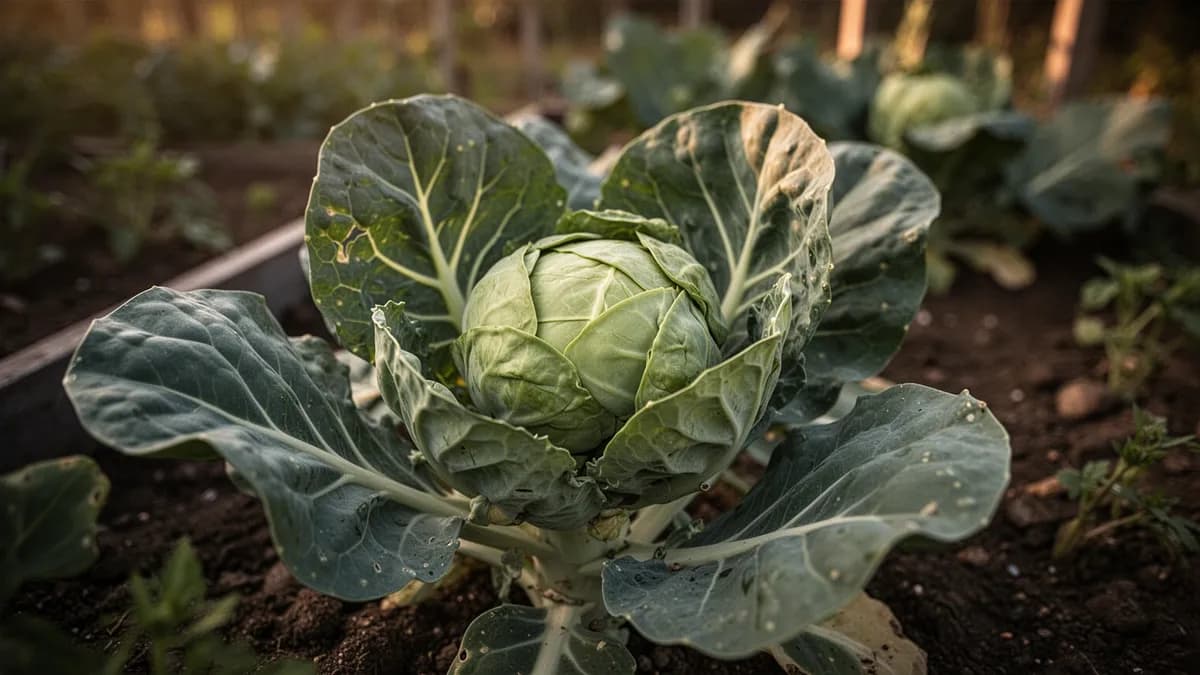
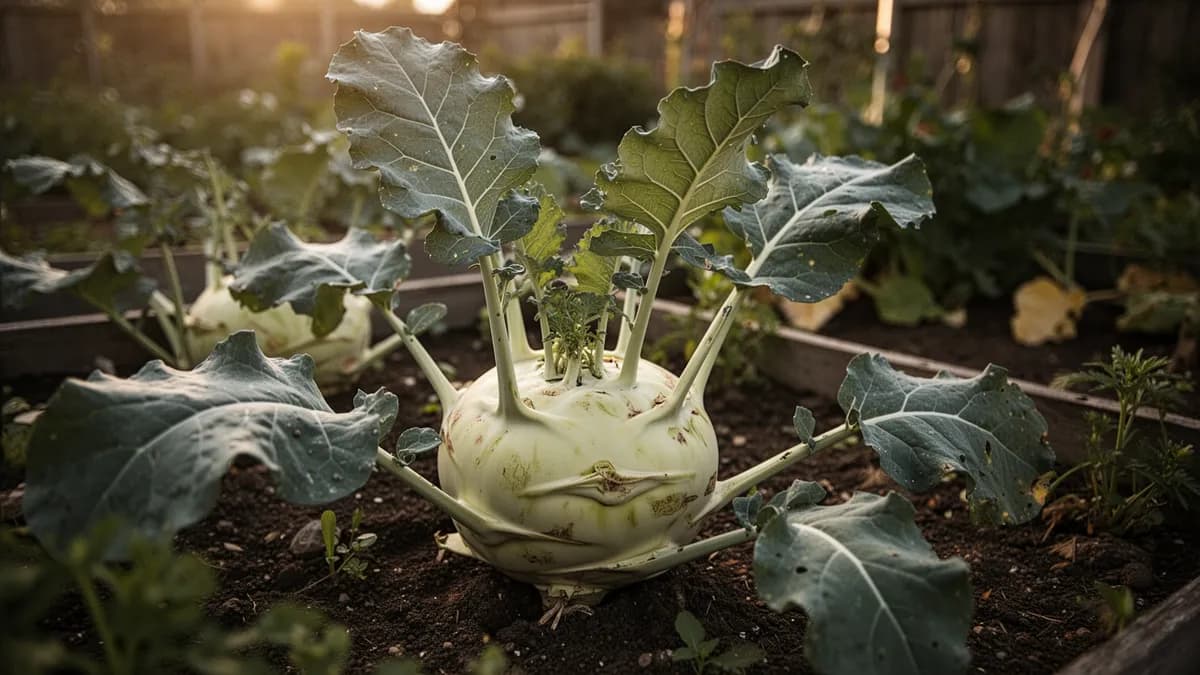
From the “Overview” sectionPlant these alongside Kalette
More Cruciferous
Keep Kalette away from these
Grow your best Kalette yet — and everything around it.
Start a free plan today. Lay out your beds, drop in your Kalette, and let PlotMyGarden handle the timing, spacing, companions and reminders from seed to harvest basket.