Felsenbirne
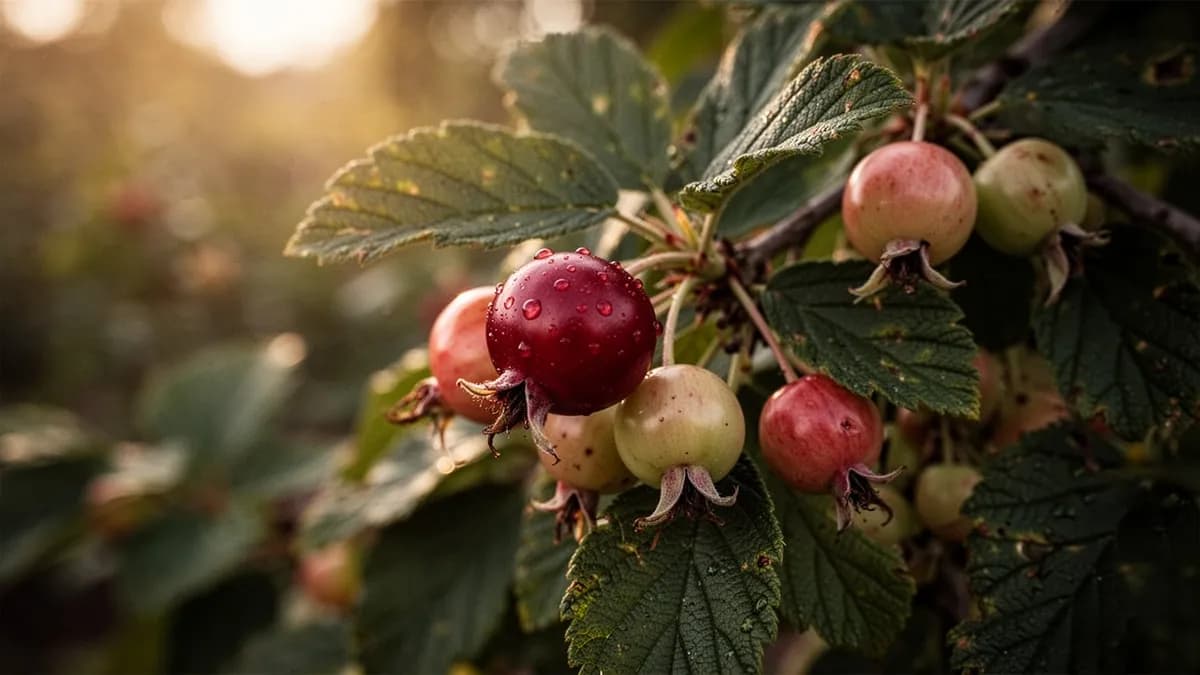
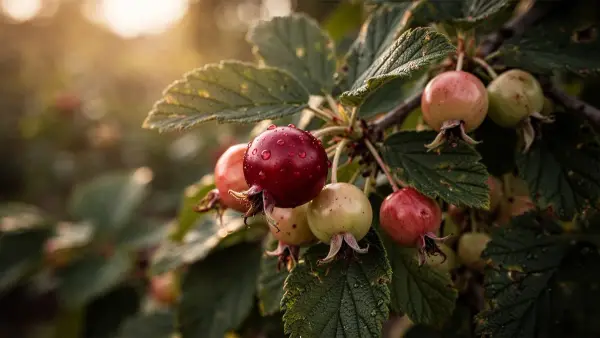
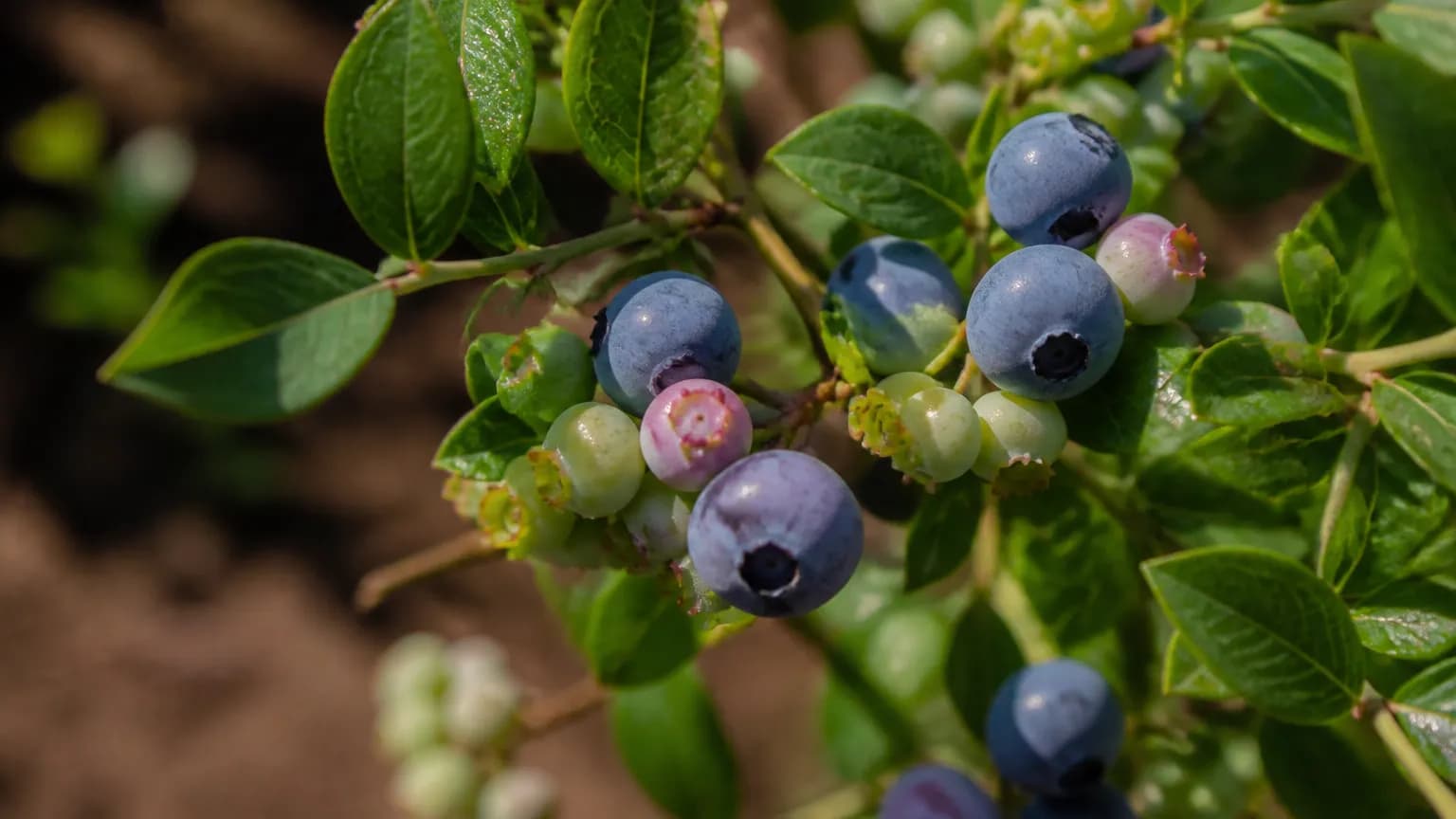
Ein mehrstämmiger Strauch oder kleiner Baum, der im Frühsommer süße, heidelbeerähnliche Früchte mit einem milden Mandelaroma produziert.





Auf dieser SeiteÜberblick
Felsenbirne im Überblick
Ein mehrstämmiger Strauch oder kleiner Baum, der im Frühsommer süße, heidelbeerähnliche Früchte mit einem milden Mandelaroma produziert. Felsenbirnen sind eng mit Amelanchier-Arten verwandt und bieten atemberaubende weiße Frühlingsblüten, gefolgt von brillantem Herbstlaub. Sie sind extrem winterhart und anpassungsfähig und benötigen nach dem Anwachsen nur minimale Pflege.
Wann Felsenbirne pflanzen
Felsenbirnen-Samen benötigen eine Kältestratifizierung von 90 bis 120 Tagen bei 1 Grad Celsius in feuchtem Sand oder Torf vor der Aussaat. Reinigen Sie Samen aus reifen Beeren, indem Sie sie zerdrücken und das Fruchtfleisch abschwemmen. Säen Sie stratifizierte Samen im Frühjahr 0,5 Zentimeter tief in feuchte Anzuchterde. Die Keimung dauert zwei bis sechs Wochen. Sämlinge wachsen mäßig und können nach einem Jahr umgepflanzt werden. Benannte Sorten werden durch Weichholzstecklinge im Frühsommer, Teilung von Ausläufertrieben oder Veredelung auf Sämlingsunterlagen vermehrt. Gewebekultur wird für die kommerzielle Vermehrung ausgewählter Elitesorten verwendet.
Dein Felsenbirne-Jahr
Abgestimmt auf Zone 7 · typische Saison · Frost geht um den 2. Apr. und kehrt um den 1. Nov. zurück
Felsenbirne Mär – Apr pflanzen, Jun – Jul ernten. Beachte die Pflanzmethoden unten und wähle dein Klima für passende Zeiträume.
So baust du Felsenbirne an
Die Felsenbirne gehört zu den anpassungsfähigsten und pflegeleichtesten fruchttragenden Sträuchern für Gärten in nördlichen Breiten. Pflanzen Sie sie in voller Sonne bis Halbschatten in gut durchlässigen Boden mit einem pH-Wert von 5,5 bis 7,0. Setzen Sie mehrstämmige Sträucher im Abstand von 1,80 bis 2,40 Metern oder 3,60 bis 4,50 Metern, wenn sie als kleine Bäume gezogen werden. Pflanzen Sie wurzelnackte Ware im zeitigen Frühjahr oder Containerware jederzeit während der Vegetationsperiode. Wässern Sie nach dem Pflanzen gründlich und mulchen Sie großzügig mit organischem Material.
Felsenbirnen sind selbstfruchtbar und tragen auch ohne Bestäuber Früchte, obwohl Kreuzbestäubung durch nahe gelegene Felsenbirnen-Pflanzen den Ertrag und die Beerengröße steigert. Die atemberaubenden weißen Blütentrauben erscheinen im zeitigen Frühjahr, oft zusammen mit Narzissen, und bieten eine spektakuläre Schau, bevor die Blätter vollständig austreiben. Die Frucht entwickelt sich schnell und reift etwa zwei Monate nach der Blüte.
Schneiden Sie im Spätwinter, um die Form zu erhalten und tote, beschädigte oder sich kreuzende Äste zu entfernen. Bei mehrstämmigen Formen entfernen Sie alle paar Jahre ältere Triebe an der Basis, um kräftigen Neuaustrieb zu fördern. Felsenbirnen sind extrem winterhart und nach dem Anwachsen trockenheitstolerant; sie benötigen nur während längerer Trockenperioden zusätzliches Wasser. Bringen Sie im zeitigen Frühjahr einen ausgewogenen Dünger aus und halten Sie organischen Mulch rund um die Wurzelzone aufrecht. Die Pflanzen sind langlebig und können bei minimaler Pflege über Jahrzehnte Früchte tragen.
Für Felsenbirne ist ein Beet von 120 × 240 cm zu klein
Felsenbirne braucht 180 cm Platz pro Pflanze. Der Planer hält diesen Abstand für dich ein — jede Pflanze, jedes Beet.
Die besten Nachbarn für Felsenbirne
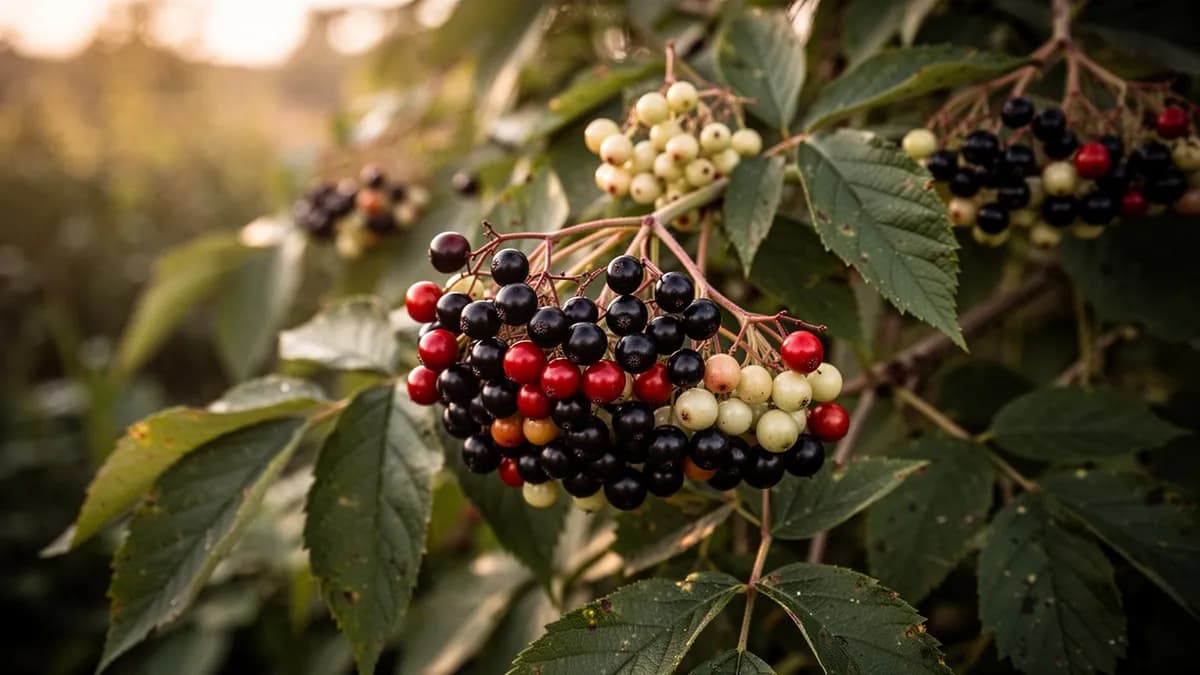
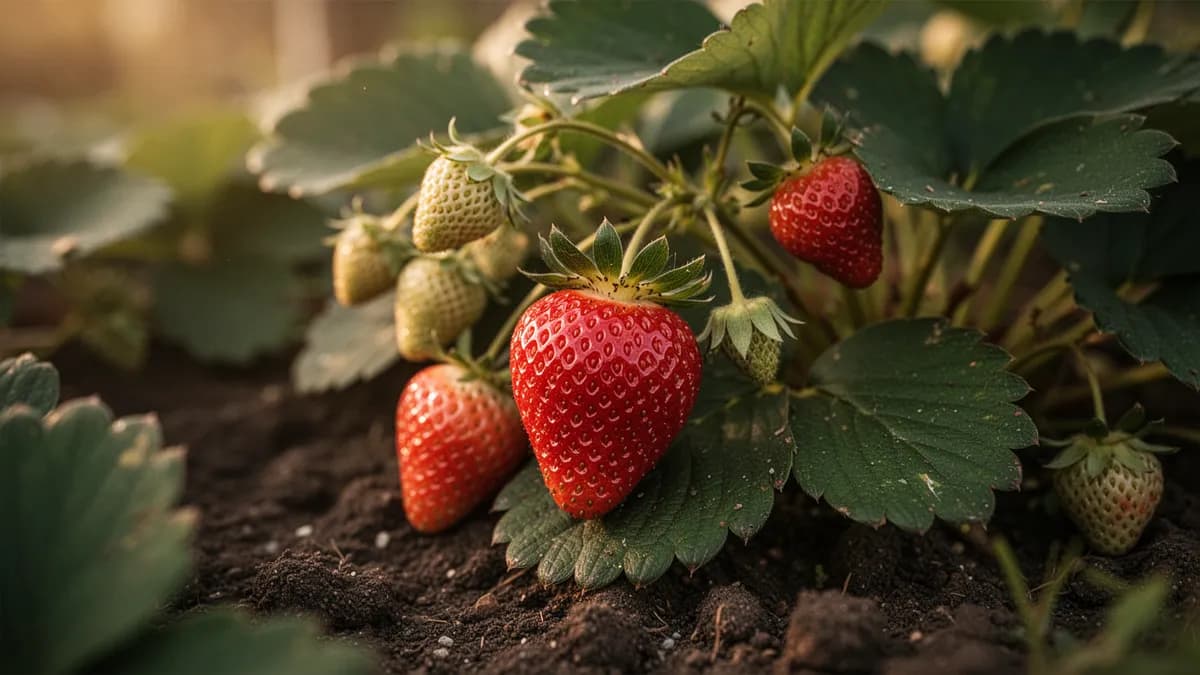
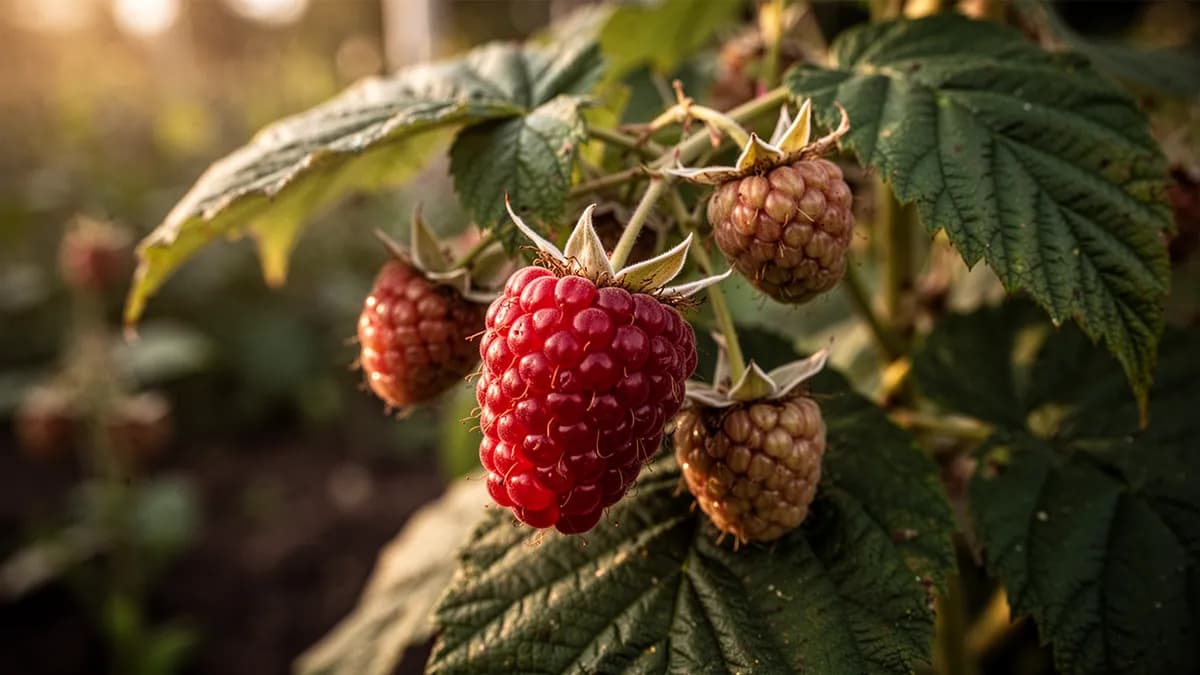
Die Felsenbirne harmoniert natürlich mit Heidelbeere und Holunder in einer vielfältigen heimischen Obstpflanzung. Die frühen weißen Blüten locken und unterstützen einheimische Bestäuber, die für den Garten unverzichtbar sind. Unterpflanzen Sie mit niedrig wachsenden Erdbeeren oder Kriech-Thymian für eine produktive Bodenschicht. Die mehrstämmige Form bietet Nisthabitat für Singvögel. Vermeiden Sie die Pflanzung in unmittelbarer Nähe von Ost-Roten-Zedern oder anderen Wacholdern, um den Rostdruck zu reduzieren. Die Felsenbirne eignet sich gut als Hecken- oder Sichtschutzpflanze, die auch Nahrung liefert.
Heidelbeere gehört daneben.
Altes Gärtnerwissen, geprüft an der echten Nachbartabelle von Felsenbirne — teste jede Pflanze, die du anbaust.
Probiere Felsenbirne direkt hier im Beet
Ein echtes Planer-Beet, Felsenbirne steht schon drin. Tippe einen Begleiter an, platziere ihn und sieh, wie die Nachbarschaftsprüfung antwortet — grün für gute Nachbarn, rot bei Streit.


Passende Anbau-Ratgeber
Richtig düngen
Die Felsenbirne passt sich an eine breite Palette von Böden an, von sandigem Lehm bis zu mäßigem Ton, mit einem bevorzugten pH-Wert von 5,5 bis 7,0. Sie verträgt sowohl leicht saure als auch mild alkalische Bedingungen. Die Pflanze ist kein starker Zehrer; bringen Sie im zeitigen Frühjahr einen ausgewogenen Dünger aus und ergänzen Sie jährlich mit Kompost oder gut verrottetem Mist. Vermeiden Sie übermäßigen Stickstoff, der vegetatives Wachstum auf Kosten der Fruchtbildung fördert. Mulchen Sie mit organischem Material, um die Bodenfeuchtigkeit zu erhalten und Unkraut zu unterdrücken. Die Felsenbirne ist nach dem Anwachsen mäßig trockenheitstolerant.
Ideale Temperatur
Winterhärtezone-Kompatibilität
Von der Saat zur Ernte, Schritt für Schritt
Ruhende Etablierung
Die frisch gepflanzte Felsenbirne konzentriert ihre Energie auf die Wurzeletablierung. Das oberirdische Wachstum ist minimal, während das Wurzelsystem sich verankert und den umgebenden Boden erkundet. Wurzelnackte Pflanzen mögen leblos erscheinen, entwickeln sich aber aktiv unter der Oberfläche.
Frühes vegetatives Wachstum
Neue Triebe und Blätter treiben kräftig aus, sobald die Wurzeln etabliert sind. Die Pflanze legt mehrere Zentimeter Wachstum zu und beginnt, ihre charakteristische mehrstämmige Form zu entwickeln. Die Blattfarbe ist ein frisches Hellgrün, bevor sie zu einem dunkleren Ton heranreift.
Erste Blüte
Im zweiten Frühjahr bringt die Felsenbirne ihren ersten bedeutenden Schub weißer Blüten hervor. Die Blüten erscheinen in Trauben (Rispen) vor oder zusammen mit den austreibenden Blättern und erzeugen ein spektakuläres Schauspiel. Jede kleine fünfblättrige Blüte ist eine potenzielle Frucht.
Fruchtentwicklung und Reife
Kleine grüne Fruchtansätze entwickeln sich nach der Bestäubung und schwellen über sechs bis acht Wochen an. Sie durchlaufen Schattierungen von Hellgrün, Cremegelb, Rosa, Rot und schließlich tiefem Purpurschwarz bei voller Reife. Der Zuckergehalt steigt in den letzten zwei Wochen dramatisch an.
Nachernte-Abhärtung
Nach der Ernte lenkt die Pflanze ihre Energie auf die Einlagerung von Kohlenhydraten für den Winter und die Anlage der Blütenknospen für das nächste Jahr. Die Blätter entwickeln ihre charakteristische Herbstfärbung, bevor sie abfallen. Der Strauch tritt in eine Abhärtungsphase ein, die ihn auf die Winterkälte vorbereitet.
Winterruhe
Der Strauch befindet sich in vollständiger Ruhe ohne aktives Wachstum. Im Herbst angelegte Blütenknospen sind an den Triebspitzen sichtbar und werden im zeitigen Frühjahr aufbrechen. Diese Kälteperiode (Kältestunden) ist entscheidend für eine gleichmäßige Blüte und Fruchtbildung in der folgenden Saison.
Wässern Sie ein- bis zweimal pro Woche gründlich statt täglich oberflächlich, um tiefes Wurzelwachstum zu fördern. Düngen Sie in dieser Phase nicht.
Felsenbirne Monat für Monat pflegen
Was du jeden Monat für deine Felsenbirne tun solltest
Oktober
Aktueller MonatGenießen Sie das brillante orange und rote Herbstlaub. Blattfall signalisiert die Annäherung an die vollständige Winterruhe. Sammeln und kompostieren Sie gefallenes Laub. Pflanzen Sie jetzt Containerware für einen Vorsprung vor dem Winter.
Immer wissen, was jetzt im Garten zu tun ist
Eine E-Mail zum Monatsanfang: was du jetzt säen, pflanzen und anpacken solltest — für deine Felsenbirne und alles, was drumherum wächst. Dazu ein kurzer Startkurs, der dich vor den klassischen Fehlern bewahrt.
- Was jetzt zu tun ist
- Passend zu deiner Saison
- Startkurs inklusive
Felsenbirne ernten
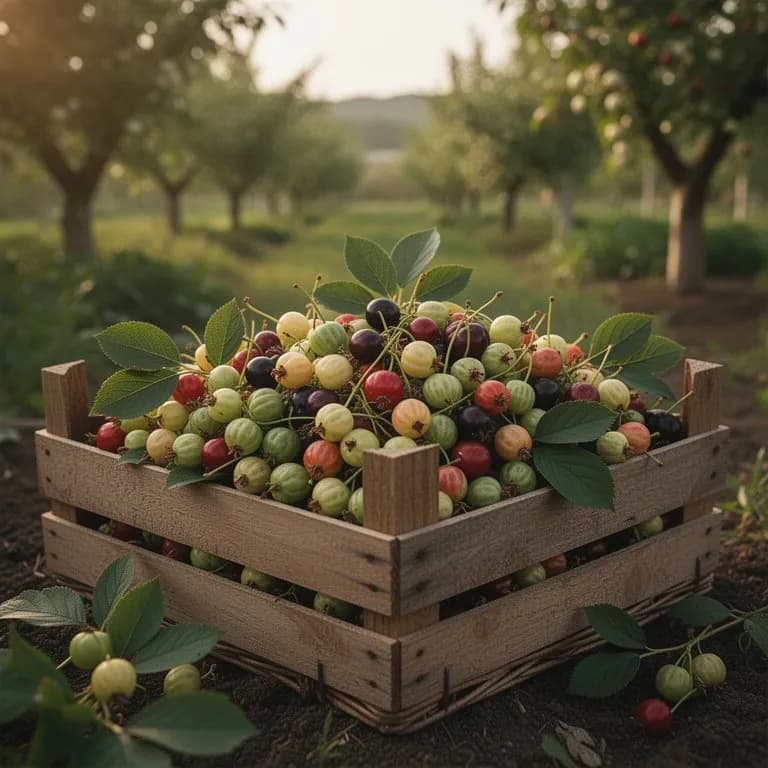
Felsenbirnen reifen von Juni bis Anfang Juli und verfärben sich von grün über rot bis dunkel purpurblau bei voller Reife. Die Beeren schmecken am besten, wenn sie eine tiefe purpurblaue Farbe erreicht haben und sich leicht weich anfühlen. Pflücken Sie von Hand und ziehen Sie reife Beeren vorsichtig aus der Traube. Die Beeren reifen innerhalb einer Traube ungleichmäßig, sodass über ein bis zwei Wochen mehrere Ernten nötig sind. Ernten Sie zeitnah, da Vögel intensiv um die süßen Früchte konkurrieren. Ein einzelner etablierter Strauch kann 4,5 bis 7 Kilogramm Früchte pro Jahr produzieren.
angenommen, du pflanzt zu Beginn des Zeitraums — trage dein tatsächliches Datum ein
Ernte Felsenbirne zügig, dann trägt die Pflanze weiter.
Lagerung & Konservierung
Frische Felsenbirnen halten sich gekühlt drei bis fünf Tage, ähnlich wie Heidelbeeren. Sie lassen sich hervorragend auf flachen Tabletts einfrieren, bevor sie in Beutel umgefüllt werden, und behalten den ganzen Winter über ausgezeichnete Qualität für Smoothies und Backen. Felsenbirnen-Marmelade und -Kuchen sind hervorragend, mit einem Geschmack, der an Heidelbeere mit einer dezenten Mandelnote erinnert. Die Beeren können im Dörrgerät für Studentenfutter und Müsli getrocknet werden. Felsenbirnen-Wein hat ein reichhaltiges, komplexes Aroma, und die Beeren ergeben hervorragendes Fruchtleder. In den meisten Rezepten können sie austauschbar mit Heidelbeeren verwendet werden.
Was schiefgeht — und die Lösung
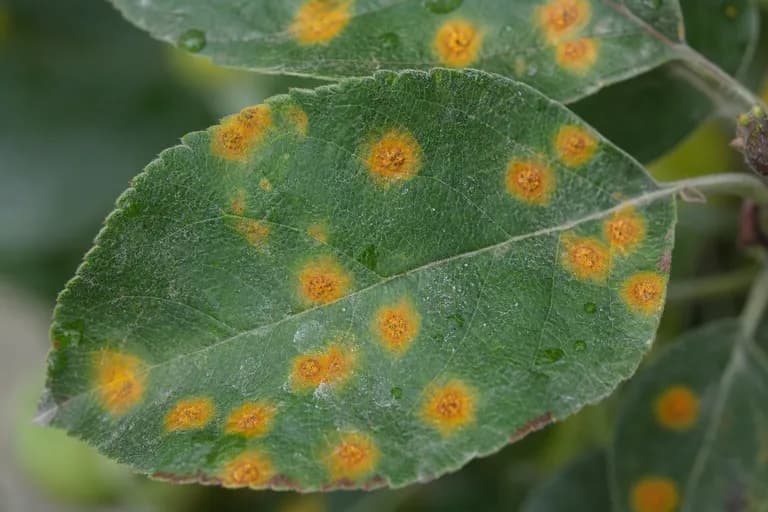
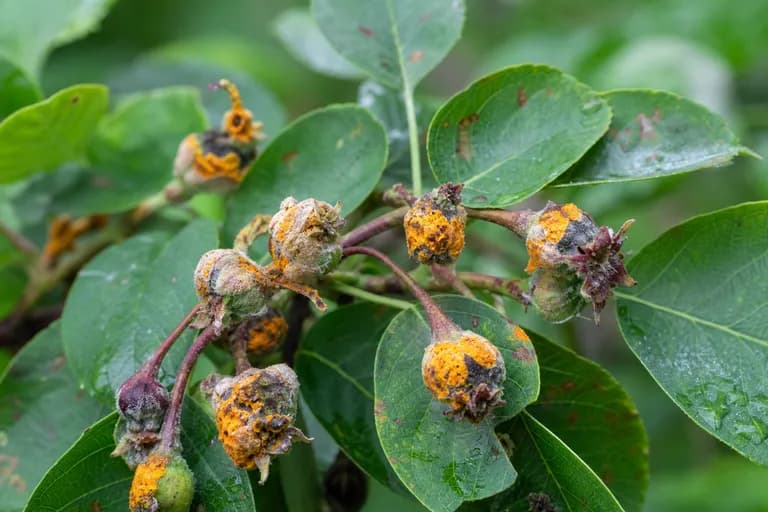
Zedern-Apfel-Rost
KrankheitOrange Flecken auf Blättern im Frühjahr und Frühsommer; Blattverlust in schweren Fällen; leichte Fruchtflecken.
Saskatoon-Wacholder-Rost
KrankheitGelb-orange Pusteln auf Blättern und sich entwickelnden Früchten; vorzeitiger Fruchtfall; reduzierte Erträge in schweren Jahren.
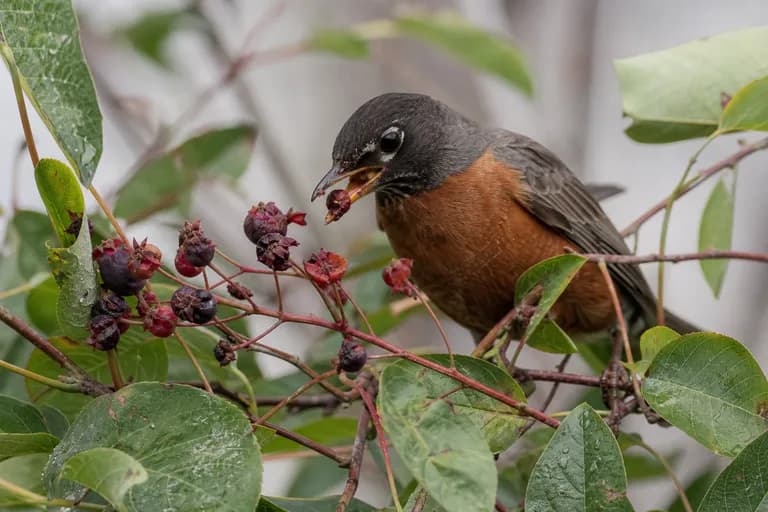
Vögel
SchädlingFehlende oder teilweise angefressene Beeren; die gesamte Ernte kann von Amseln, Seidenschwänzen und anderen fruchtfressenden Vögeln verzehrt werden.
Fehlerbehebung bei häufigen Problemen
Vögel sind bei weitem die größte Herausforderung für Felsenbirnen-Anbauer. Seidenschwänze, Amseln und andere fruchtfressende Vögel können eine gesamte Ernte an einem einzigen Tag abernten, oft bevor der Gärtner bemerkt, dass die Beeren reif sind. Netze sind für eine zuverlässige Ernte unerlässlich. Zedern-Rost-Krankheiten können in Gebieten mit vielen Wacholderbäumen Blattflecken und Blattverlust verursachen, obwohl sie die Pflanze selten abtöten. Echter Mehltau befällt einige Sorten in feuchten Klimazonen. Ausläuferbildende Sorten können sich in unerwünschte Bereiche ausbreiten, wenn sie nicht gepflegt werden. Saskatoon-Blattwespenlarven entlauben gelegentlich Pflanzen in Prärieregionen.
Anbautipps
- Pflanzen Sie die Felsenbirne in voller Sonne bis leichtem Halbschatten — mindestens sechs Stunden direkte Sonneneinstrahlung pro Tag sind für zuverlässige Fruchtbildung erforderlich, obwohl die Pflanze mehr Schatten verträgt als die meisten fruchttragenden Sträucher, ohne vollständig aufzuhören zu tragen.
- Die Felsenbirne ist außergewöhnlich anpassungsfähig an Bodentypen und wächst in Ton, Lehm oder Sandboden, erzielt aber die besten Ergebnisse in mäßig fruchtbarem, leicht saurem bis neutralem Boden (pH 6,0–7,0) mit guter Drainage und gleichmäßiger Feuchtigkeit.
- Obwohl die Felsenbirne teilweise selbstfruchtbar ist, verbessert das Pflanzen von zwei oder mehr Exemplaren verschiedener Arten oder Sorten die Bestäubung, den Beerenansatz und den Gesamtertrag erheblich — ein Abstand von 3–5 Metern zwischen den Pflanzen funktioniert in den meisten Gärten gut.
- Netzen Sie Ihre Felsenbirne ein, sobald die Beeren Farbe zeigen — Vögel, insbesondere Stare, Drosseln und Amseln, werden eine Pflanze innerhalb von Stunden nach Erreichen der vollen Reife kahl fressen und sind hartnäckige Konkurrenten.
- Anders als viele fruchttragende Pflanzen ist die Felsenbirne in allen vier Jahreszeiten wirklich schön: weiße Frühlingsblüten, attraktives Sommerlaub, essbare Sommerfrüchte, brillante Herbstfärbung und elegante Winterverzweigung machen sie zu einer der vielseitigsten Pflanzen für Gärtner.
- Schneiden Sie die Felsenbirne im Spätwinter oder unmittelbar nach der Ernte, indem Sie die ältesten und dicksten Triebe bodennah entfernen, um jungen, kräftigen Ersatzaustrieb zu fördern — ein Rotationszyklus der Triebe alle sieben bis zehn Jahre hält die Pflanze produktiv und gesund.
- Die Felsenbirne lässt sich problemlos umpflanzen und kann auch in recht großem Zustand erfolgreich versetzt werden, was sie zu einer flexiblen Pflanze für Gartenumgestaltungen macht; wässern Sie vor und nach dem Umsetzen immer gründlich, um den Pflanzschock zu reduzieren.
- Die Pflanze bildet mäßig Ausläufer und breitet sich langsam zu einer Kolonie aus, wenn die Ausläufer belassen werden — eine wünschenswerte Eigenschaft für naturalistische Pflanzungen und Hecken, aber unerwünschte Ausläufer sollten umgehend entfernt werden, wenn eine ordentliche, kompakte Form bevorzugt wird.
- Rehe verbeißen Felsenbirnen mäßig, insbesondere junge Pflanzen und Neuaustrieb im zeitigen Frühjahr — schützen Sie junge Exemplare mit Wildschutzzaun oder Vergrämungsmitteln, bis sie groß genug sind, um starkem Verbiss zu entwachsen.
- Die Felsenbirne harmoniert wunderbar mit anderen früh fruchtenden Pflanzen wie der Honigbeere (Lonicera caerulea) und der Stachelbeere in einem produktiven Frühlings-Obstgarten, wobei sich überlappende Blütezeiten die gegenseitige Bestäuberanlockung unterstützen und die Frühsaisonernte maximieren.
Bau deine beste Felsenbirne an — und alles drumherum.
Starte heute kostenlos. Lege deine Beete an, setze deine Felsenbirne ein und lass PlotMyGarden Timing, Abstände, Begleiter und Erinnerungen von der Saat bis zum Erntekorb übernehmen.
Finde deine Felsenbirne
Smokey
Die am weitesten verbreitete kommerzielle Sorte mit großen, süßen, mild aromatischen Beeren in dichten Trauben; kompakter Wuchs.
Thiessen
Sehr große Früchte mit ausgezeichnetem süßem Geschmack an einem kräftigen, aufrechten Strauch; eine der am frühesten reifenden Sorten.
Martin
Mittelgroße Beeren, die gleichmäßig reifen und eine konzentrierte Ernte ermöglichen; kompakte Strauchform, ideal für Hecken.
Northline
Eine ertragreiche Strauchform mit süßen Beeren und Ausläuferbildung für dichte Hecken; extrem winterhart.
Honeywood
Große, süße Beeren mit gutem Geschmack an einem ausladenden Strauch; aus Wildpopulationen in Saskatchewan selektiert.
Ein einzelner ausgewachsener Felsenbirnenstrauch (3–5 Jahre alt) kann jährlich 3–8 kg frische Beeren produzieren. Frische Felsenbirnen als Spezialität, wenn sie auf Bauernmärkten oder bei Feinkosthändlern erhältlich sind, werden aufgrund ihrer extrem begrenzten kommerziellen Verfügbarkeit und kurzen Haltbarkeit typischerweise für 8–15 € pro Kilogramm verkauft. Ein gut etabliertes Gartenexemplar kann daher den Gegenwert von 50–100 € an erstklassigem Frischobst pro Jahr liefern. Darüber hinaus sind Felsenbirnen außerhalb des westlichen Kanadas und bestimmter Bauernmärkte kaum kommerziell erhältlich, was bedeutet, dass der Eigenanbau oft der einzige praktische Weg ist, an diese außergewöhnliche Frucht zu gelangen. Berücksichtigt man die über 40-jährige produktive Lebensdauer der Pflanze, ist der Lebenszeitwert eines einzelnen gut platzierten Felsenbirnenstrauchs beträchtlich.
Schnelle Rezepte
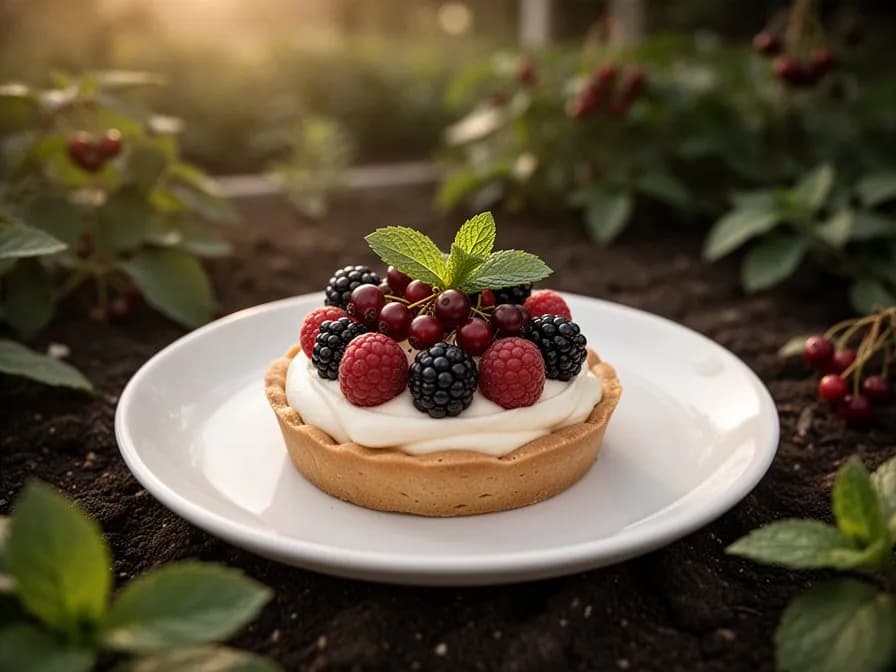
Klassische Felsenbirnen-Marmelade
45 Min.Eine einfache, traditionelle Konserve, die den vollen süß-säuerlichen Geschmack frischer Felsenbirnen einfängt. Diese unkomplizierte Marmelade benötigt kein Pektin, da Felsenbirnen genug natürliches Pektin enthalten, um allein mit Zucker und einem Spritzer Zitronensaft wunderbar zu gelieren. Auf Toast streichen, in Joghurt einrühren oder als Füllung für Gebäck verwenden.
5 Zutaten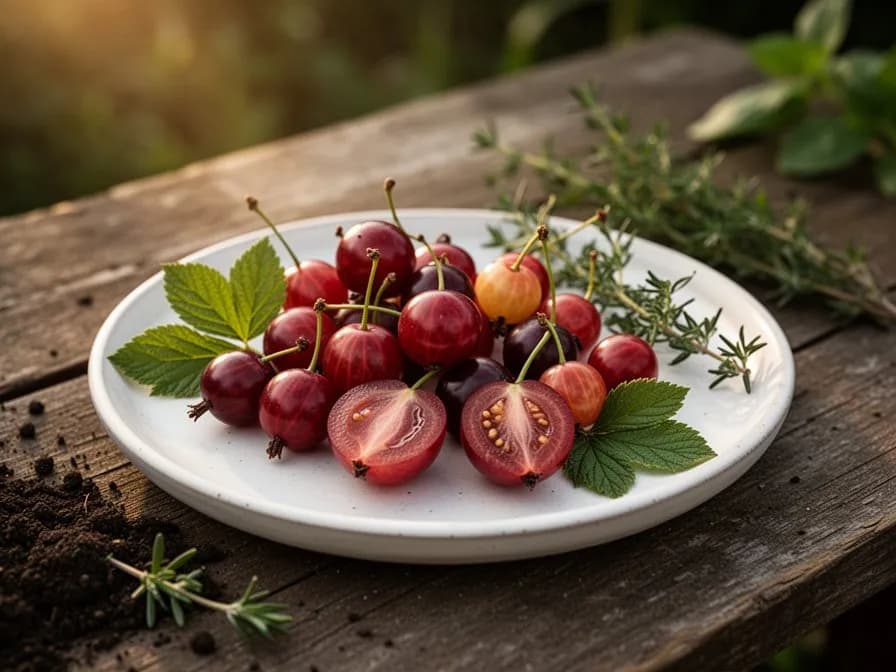
Felsenbirnen-Galette mit Mandelcreme
35 Min. Vorbereitung, 30 Min. BackenEine rustikale Tarte in freier Form, die die natürliche Schönheit und den Geschmack der Felsenbirnen zur Geltung bringt. Die Mandelcreme-Füllung greift die dezente Mandelnote der Beeren selbst auf und schafft eine harmonische Kombination. Perfekt als müheloses Sommerdessert, warm serviert mit Crème fraîche.
8 ZutatenFelsenbirnen-Smoothie-Bowl
10 Min.Ein lebhaftes, nährstoffreiches Frühstück, das Felsenbirnen in ihrer frischesten Form präsentiert. Gefrorene Felsenbirnen werden zu einer dicken, tieffarbigen Basis mit einem Geschmack, der an Heidelbeere und Kirsche erinnert, gemixt. Garniert mit Müsli und frischem Obst ist dies ein wunderschöner und nahrhafter Start in jeden Sommermorgen.
6 ZutatenKulinarische Verwendung
Felsenbirnen können in praktisch jedem Rezept als Ersatz für Heidelbeeren verwendet werden, mit einem etwas komplexeren Geschmack, der eine dezente Mandelnote von den kleinen Samen aufweist. Sie eignen sich hervorragend für Kuchen, Muffins, Scones und Pfannkuchen. Felsenbirnen-Marmelade hat einen reichhaltigen, weinartigen Charakter, den Heidelbeermarmelade nicht bietet. Die Beeren sind ausgezeichnet in Smoothies, auf Müsli und Joghurt sowie in Frucht-Crumbles und -Aufläufen. Indigene Völker trockneten Felsenbirnen traditionell und mischten sie mit getrocknetem Fleisch und Fett zu Pemmikan. Die Beeren ergeben auch feinen Wein und Sirup.
Was drinsteckt
Gesundheitsvorteile
- Felsenbirnen gehören zu den Früchten mit dem höchsten Antioxidantiengehalt. Ihr Anthocyangehalt ist vergleichbar mit dem wilder Heidelbeeren und unterstützt den zellulären Schutz vor oxidativem Stress sowie die Verringerung von Markern systemischer Entzündungen, die mit chronischen Erkrankungen verbunden sind.
- Der hohe Ballaststoffgehalt der Felsenbirnen — fast 5 g pro 100 g — unterstützt die Verdauungsregulation, nährt nützliche Darmbakterien und trägt zum Sättigungsgefühl bei, das bei einem gesunden Gewichtsmanagement helfen kann.
- Der regelmäßige Verzehr anthocyanreicher Beeren wie der Felsenbirne wird in epidemiologischen Studien mit verbesserten kardiovaskulären Ergebnissen in Verbindung gebracht, darunter reduzierte LDL-Oxidation, niedrigerer Blutdruck und verbesserte arterielle Flexibilität.
- Felsenbirnen liefern eine nennenswerte Menge Eisen zusammen mit Vitamin C, das die Aufnahme von Nicht-Häm-Eisen dramatisch verbessert — was sie zu einem besonders nützlichen Lebensmittel für Personen macht, die sich pflanzenbasiert ernähren und ihre Eisenaufnahme optimieren müssen.
- Die in Felsenbirnen enthaltenen Polyphenole haben in Laborstudien neuroprotektive Eigenschaften gezeigt. Neue Forschungsergebnisse deuten darauf hin, dass regelmäßiger Beerenverzehr dazu beitragen kann, die kognitive Funktion zu erhalten und den altersbedingten kognitiven Abbau zu verringern.
- Felsenbirnen enthalten Resveratrol, dieselbe nützliche Verbindung, die in Rotwein und Trauben vorkommt und die umfassend auf ihre potenziellen Rollen bei Langlebigkeit, entzündungshemmenden Signalwegen und der Hemmung von Krebszellen in Labormodellen untersucht wurde.
Woher Felsenbirne stammt
Die Felsenbirne (Amelanchier-Arten, am häufigsten Amelanchier alnifolia, Amelanchier canadensis und Amelanchier lamarckii) ist eine Pflanze mit tiefen historischen Wurzeln auf dem nordamerikanischen Kontinent. Lange vor der europäischen Besiedlung hatten Dutzende indigener Nationen eine enge Beziehung zu diesem großzügigen Strauch entwickelt. Die Cree nannten ihn ‚Misaskwatomina', die Blackfoot ‚Okonok', und verschiedene andere Nationen hatten jeweils eigene Namen für eine Pflanze, die in das Gefüge des jahreszeitlichen Lebens eingewoben war. Felsenbirnen wurden während des kurzen, aber reichlichen Erntefensters frisch verzehrt und in großen Mengen für den Winter getrocknet. Gemischt mit ausgelassenem Fett und getrocknetem Fleisch bildeten sie die Grundlage von Pemmikan — wohl dem wichtigsten Konservierungslebensmittel der Great Plains, das Jäger, Reisende und ganze Gemeinschaften durch harte Winter ernährte, wenn andere Nahrungsquellen knapp waren.
Frühe europäische Entdecker und Pelzhändler erkannten schnell den Wert der Beere. Der Entdecker Samuel Hearne notierte die Bedeutung der Beere für indigene Gemeinschaften bereits in den 1770er Jahren, und die Hudson's Bay Company integrierte Felsenbirnen in Handelsbeziehungen auf dem gesamten Kontinent. Mit der Ausdehnung der europäischen Besiedlung nach Westen wurden Felsenbirnen zu einem vertrauten und beliebten saisonalen Genuss für Pionierfamilien, die sie unterschiedlich als Serviceberries, Saskatoons (im westlichen Kanada), Shadberries und Sugarplums bezeichneten.
Der Name ‚Serviceberry' hat eine charmante historische Erklärung: Frühe Kolonialgemeinschaften in den Appalachen beobachteten, dass die Pflanze genau dann blühte, wenn der Boden im Frühling ausreichend aufgetaut war, um eine Bestattungszeremonie für jene abzuhalten, die während des Winters gestorben waren — ein natürlicher Kalendermarker für einen düsteren, aber notwendigen Ritus. Der alternative Name ‚Shadbush' bezieht sich auf den Maifisch (Shad), dessen Laichwanderungen flussaufwärts in östlichen Flüssen historisch mit der Frühlingsblüte der Pflanze zusammenfielen.
Im westlichen Kanada verdankt die Stadt Saskatoon in Saskatchewan ihren Namen dem Cree-Wort für die Beere — ein Zeugnis dafür, wie zentral Amelanchier alnifolia für das Prärieleben war. Bis heute produziert die Saskatoon-Beeren-Industrie im westlichen Kanada Tonnen kommerziell angebauter Früchte, die frisch, gefroren und verarbeitet als Marmeladen, Weine und Säfte verkauft werden.
In den letzten Jahrzehnten haben Gärtner und Lebensmittelproduzenten in ganz Europa die Felsenbirne begeistert aufgenommen, insbesondere Amelanchier lamarckii, und pflanzen sie weit verbreitet als Zierpflanze, die nebenbei auch köstliche Früchte trägt — eine Kombination, die perfekt zum modernen Ethos der essbaren Landschaftsgestaltung passt.
Felsenbirne: Schon gewusst?
Faszinierende Fakten über Felsenbirne
Die Felsenbirne verdankt ihren englischen Namen ‚Juneberry' ihrer traditionellen Reifezeit im Juni in weiten Teilen Nordamerikas, obwohl die Beeren in wärmeren Regionen schon Ende Mai reifen können.
Felsenbirne: Fragen & Antworten
Wann sollte ich Felsenbirne pflanzen?
Was sind gute Begleitpflanzen für Felsenbirne?
In welchen Winterhärtezonen kann Felsenbirne wachsen?
Wie viel Sonne braucht Felsenbirne?
Welchen Abstand sollte ich zwischen Felsenbirne lassen?
Welche Schädlinge und Krankheiten befallen Felsenbirne?
Wie lagere ich Felsenbirne nach der Ernte?
Was sind die besten Felsenbirne-Sorten zum Anbauen?
Welchen Boden braucht Felsenbirne?
Was ist der Unterschied zwischen Juneberry, Serviceberry, Saskatoon und Shadbush?
Wie lange dauert es, bis eine Felsenbirne nach der Pflanzung Früchte trägt?
Brauche ich mehr als eine Felsenbirne für die Bestäubung?
Warum sind meine Felsenbirnen klein oder spärlich, obwohl die Pflanze gut blüht?
Kann die Felsenbirne im Kübel oder kleinen Stadtgarten angebaut werden?
Sind Teile der Felsenbirne giftig oder schädlich?
Du hast die Theorie gelesen. Jetzt baue sie auf Autopilot an.
Alles, was Felsenbirne knifflig macht — das Timing, die Abstände, die Begleiter, das Erntefenster — genau das übernimmt PlotMyGarden für dich, für jede Pflanze im Garten.
Ein Plan, der dein Wetter kennt
Standort einmal festlegen. Aussaat-, Dünge- und Erntedaten rund um deinen echten letzten Frosttermin und die Live-Vorhersage — kein Raten mehr nach Saattüte.
Aus dem Abschnitt „Pflanzzeit“Beetplaner per Drag & Drop
Beete auf einem Raster gestalten. Jede Pflanze rastet im richtigen Abstand ein, und du siehst die ganze Saison, bevor du einen Cent für Saatgut ausgibst.
Aus dem Abschnitt „Anbau“Begleiter-Konflikte früh erkannt
Über 200 gute und schlechte Kombinationen werden beim Pflanzen live geprüft — so landet ein saisonruinierender Fehler nie in der Erde.
Aus dem Abschnitt „Begleiter“Erinnerungen, nach denen du wirklich handelst
„Gieß die Bohnen.“ „Heute ernten, bevor's umschlägt.“ Pünktlich, konkret und auf deine echten Pflanzen bezogen.
Aus dem Abschnitt „Ernte“Staffel-Aussaat, geplant
Sechs Wochen ernten statt sechs Tage? Die App verteilt deine Aussaaten automatisch und erinnert dich, wenn der nächste Satz fällig ist.
Aus dem Abschnitt „Pflanzzeit“Ein Verlauf, der schlauer wird
Jede protokollierte Ernte bringt der App deinen Garten bei. Der Plan fürs nächste Jahr startet bei dem, was in deinem Boden wirklich funktioniert hat.
Aus dem Abschnitt „Überblick“Pflanze diese neben Felsenbirne
Weitere Beeren
Bau deine beste Felsenbirne an — und alles drumherum.
Starte heute kostenlos. Lege deine Beete an, setze deine Felsenbirne ein und lass PlotMyGarden Timing, Abstände, Begleiter und Erinnerungen von der Saat bis zum Erntekorb übernehmen.