Jicama
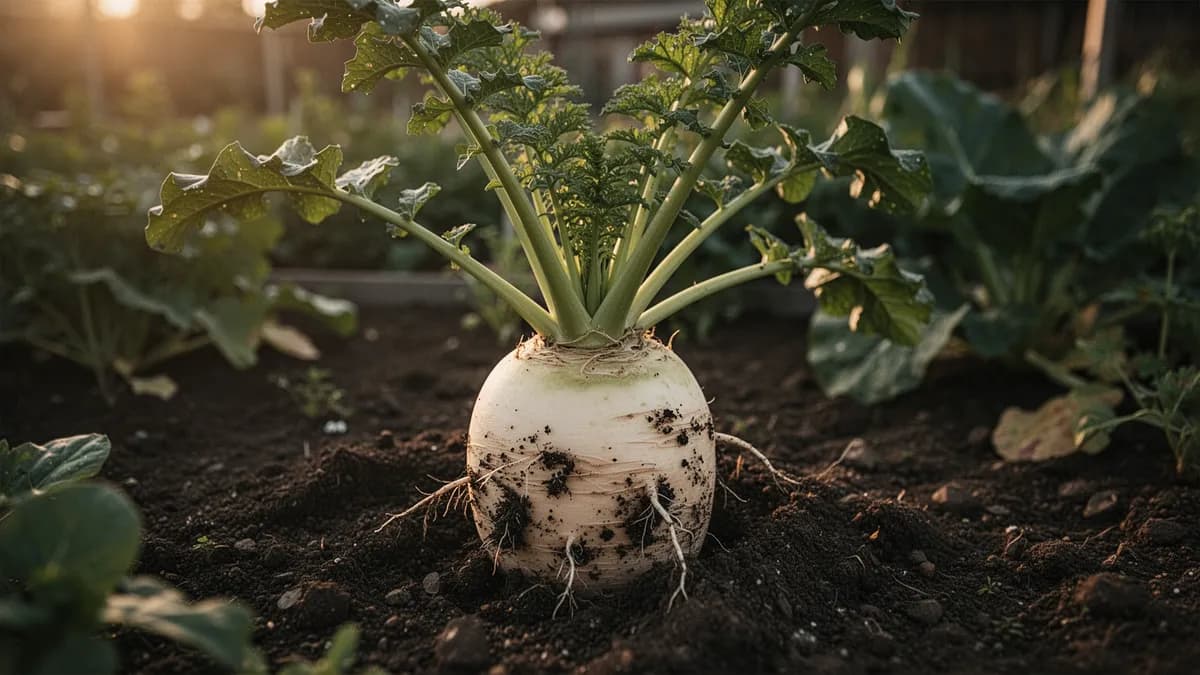
Eine knackige, süßliche, stärkehaltige Wurzelknolle mit einem Geschmack, der an Wasserkastanien erinnert und in der mexikanischen sowie asiatischen Küche sehr beliebt ist.





Auf dieser SeiteÜberblick
Jicama im Überblick
Eine knackige, süßliche, stärkehaltige Wurzelknolle mit einem Geschmack, der an Wasserkastanien erinnert und in der mexikanischen sowie asiatischen Küche sehr beliebt ist. Jicama benötigt eine sehr lange warme Vegetationsperiode von mindestens fünf Monaten, um verwertbare Knollen zu bilden, was den Anbau in Regionen mit kurzer Saison zur Herausforderung macht. Nur die Knolle ist essbar; die Blätter, Stängel und Samen enthalten Rotenon und sind giftig. Schälen Sie die papierartige braune Haut, um das saftige weiße Fruchtfleisch freizulegen, das sich hervorragend roh in Salaten, Krautsalaten und mit Chili-Limetten-Würze genießen lässt.
Wann Jicama pflanzen
Weichen Sie die Samen über Nacht ein, bevor Sie sie 2,5 cm tief drinnen 8–10 Wochen vor dem letzten Frost aussäen. Die Keimung dauert 10–20 Tage bei 21–29 °C. Verwenden Sie eine Heizmatte für beste Ergebnisse. Pflanzen Sie die Setzlinge nach dem letzten Frost ins Freie, wenn der Boden warm ist. Jicama lässt sich nicht leicht umpflanzen, verwenden Sie daher große Töpfe und behandeln Sie die Wurzelballen vorsichtig. Direktsaat ist nur in Gebieten mit langer Saison in tropischen und subtropischen Regionen möglich.
Dein Jicama-Jahr
Abgestimmt auf Zone 7 · typische Saison · Frost geht um den 2. Apr. und kehrt um den 1. Nov. zurück
Jicama Apr – Mai pflanzen, Okt – Nov ernten. Beachte die Pflanzmethoden unten und wähle dein Klima für passende Zeiträume.
So baust du Jicama an
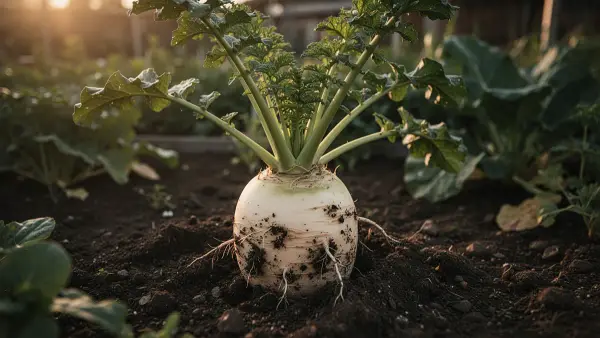
Säen Sie Jicama-Samen 8–10 Wochen vor dem letzten Frost drinnen vor und weichen Sie die Samen über Nacht ein, bevor Sie sie 2,5 cm tief pflanzen. Die Keimung dauert 10–20 Tage bei 21–29 °C. Pflanzen Sie die Setzlinge nach dem letzten Frost ins Freie, sobald der Boden warm ist (18 °C+). Setzen Sie die Pflanzen in einem Abstand von 30–45 cm. Jicama ist eine tropische Rankpflanze, die eine sehr lange, warme Vegetationsperiode von über 150 Tagen benötigt.
Stellen Sie ein Spalier oder eine Stütze für die kräftigen Ranken bereit, die 4,5–6 Meter erreichen können. Volle Sonne und gleichmäßige Wärme sind unerlässlich. Gießen Sie während der Wachstumsperiode regelmäßig. Entfernen Sie Blüten, sobald sie erscheinen, um die Energie auf die Knollenentwicklung umzulenken. Entfernen Sie alle Samenhülsen, da sie giftig sind.
In den meisten gemäßigten Klimazonen wird Jicama aufgrund der kurzen Vegetationsperiode nicht vollständig ausreifen. Nutzen Sie Techniken zur Saisonverlängerung wie schwarze Kunststoffmulchfolie, Vliesabdeckungen und Gewächshausanbau. Ernten Sie vor dem ersten Frost. Auch kleinere Knollen sind essbar. Die stärkehaltige Knolle wird süßer und saftiger, je reifer sie wird.
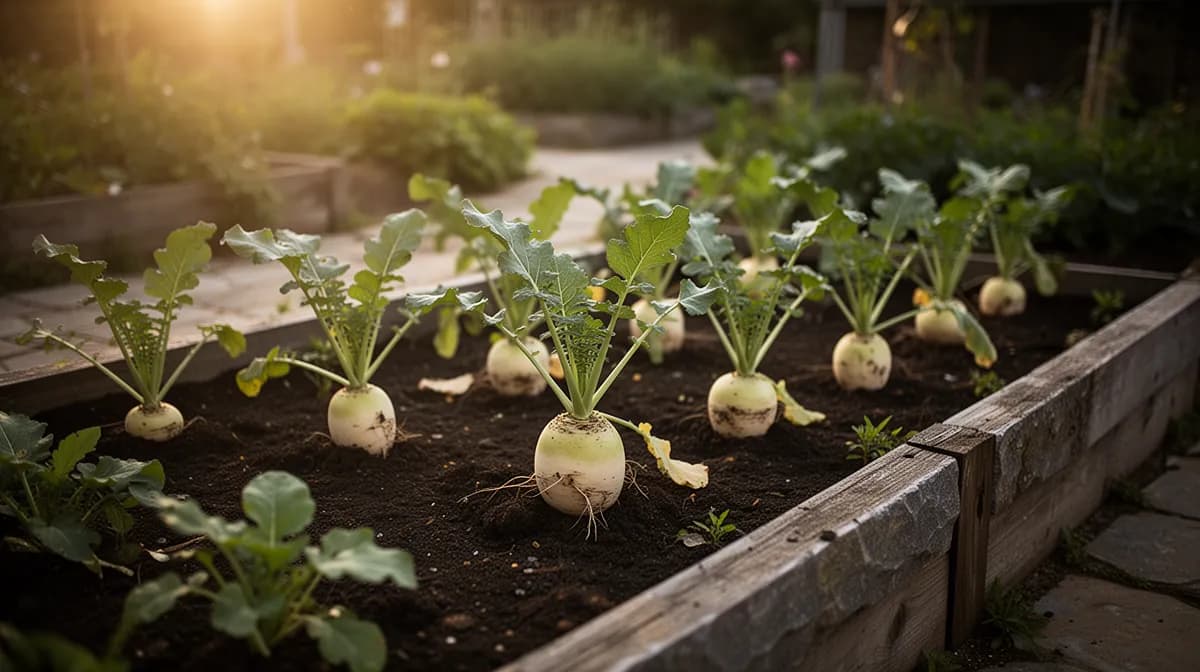
10 Pflanzen passen in ein Beet von 120 × 240 cm
Jicama braucht 45 cm Platz pro Pflanze. Der Planer hält diesen Abstand für dich ein — jede Pflanze, jedes Beet.
Die besten Nachbarn für Jicama
Jicama ist eine Hülsenfrucht, die Stickstoff im Boden fixiert und so benachbarte und nachfolgende Kulturen begünstigt. Leiten Sie die Ranken an Spalieren entlang, wo sie hitzeempfindlichen Pflanzen darunter Schatten spenden. Die tropischen Wachstumsanforderungen bedeuten, dass Jicama am besten mit anderen wärmeliebenden Kulturen wie Paprika, Tomaten und Kürbis kombiniert wird. Halten Sie ausreichend Abstand zu anderen Wurzelgemüsen, die um Bodenraum konkurrieren.
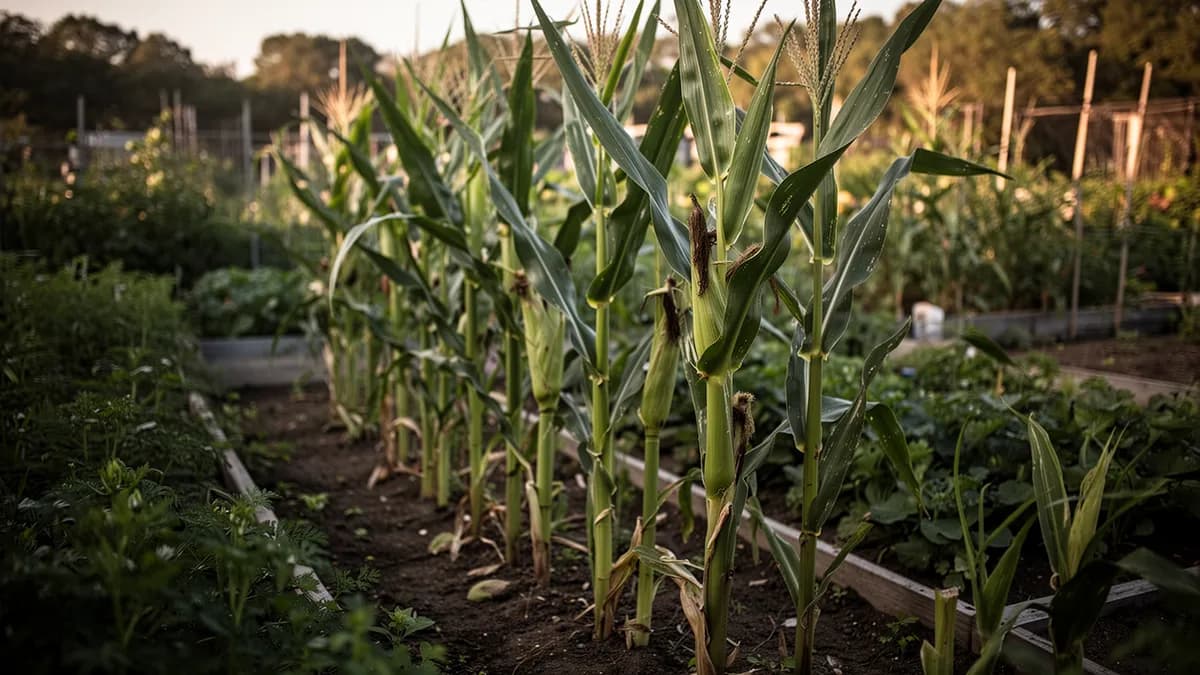
Mais gehört daneben.
Altes Gärtnerwissen, geprüft an der echten Nachbartabelle von Jicama — teste jede Pflanze, die du anbaust.
Probiere Jicama direkt hier im Beet
Ein echtes Planer-Beet, Jicama steht schon drin. Tippe einen Begleiter an, platziere ihn und sieh, wie die Nachbarschaftsprüfung antwortet — grün für gute Nachbarn, rot bei Streit.


Passende Anbau-Ratgeber
Richtig düngen
Jicama benötigt lockeren, sandigen, gut durchlässigen Boden mit einem pH-Wert von 6,0–6,8. Schwere oder lehmige Böden hemmen die Knollenentwicklung. Verbessern Sie den Boden mit Kompost und Sand für eine gute Drainage. Bringen Sie bei der Pflanzung und monatlich während des Wachstums einen ausgewogenen Dünger aus. Kalium fördert die Knollenentwicklung. Vermeiden Sie übermäßigen Stickstoff, der das Rankenwachstum begünstigt. Warmer Boden ist entscheidend; verwenden Sie in kühleren Klimazonen schwarze Kunststoffmulchfolie.
Ideale Temperatur
Winterhärtezone-Kompatibilität
Von der Saat zur Ernte, Schritt für Schritt
Aussaat
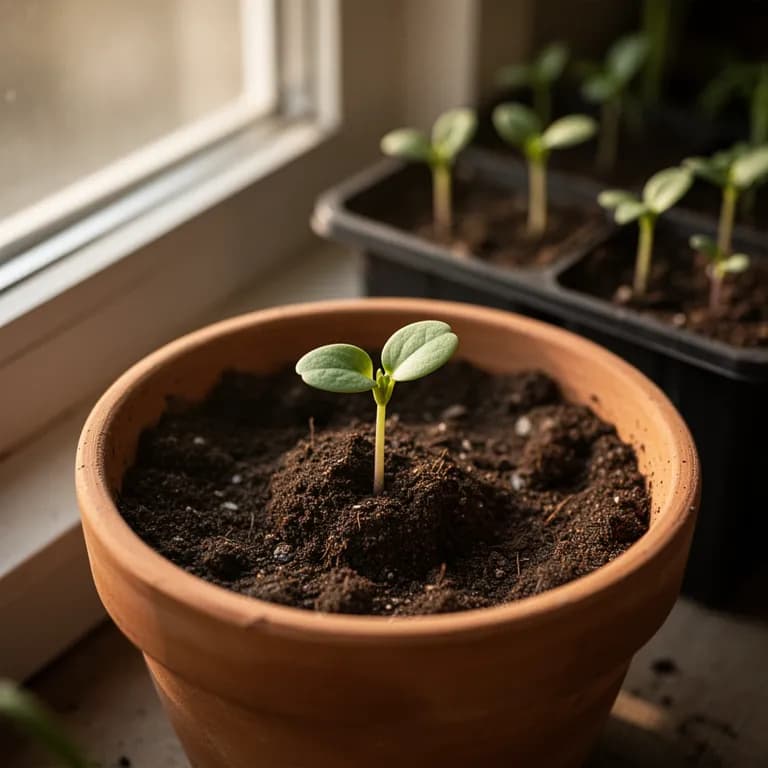
Die Samen werden über Nacht eingeweicht, um die harte Hülsenfrucht-Samenschale aufzuweichen, und dann 2,5 cm tief in warmen Boden gepflanzt. Die Keimung verläuft langsam und ungleichmäßig und dauert 10–20 Tage bei Bodentemperaturen von 21–29 °C (70–85 °F). Die ersten Blätter sind einfach und abgerundet, gefolgt von den charakteristischen dreiteiligen Blättern der Hülsenfruchtfamilie.
Rankenentwicklung
Die Pflanze entwickelt windende Ranken mit dreiteiligen Blättern und beginnt aggressiv zu klettern. Stickstofffixierende Wurzelknöllchen bilden sich in Verbindung mit Rhizobium-Bakterien und reichern den umgebenden Boden an. Bei warmen Bedingungen können die Ranken 15–30 cm pro Woche wachsen und ihre Kletterhilfe schnell bedecken.
Kräftiges Wachstum
Die Ranken erreichen ihre volle Ausdehnung von 4–6 Metern und bilden dichtes Laub. Die unterirdische Knolle beginnt anzuschwellen, da die Pflanze Kohlenhydrate einlagert. Dies ist die kritische Phase, in der gleichmäßige Wärme und Feuchtigkeit die endgültige Knollengröße bestimmen. Die Wurzel verdickt sich Woche für Woche sichtbar.
Blütezeit
Büschel attraktiver purpurblauer Blüten, die Erbsenblüten ähneln, erscheinen entlang der Ranken. Wenn sie ausreifen dürfen, bilden die Blüten Samenhülsen mit giftigen Samen. Die Blüte leitet erhebliche Energie von der Knollenentwicklung ab und muss für maximalen Wurzelertrag kontrolliert werden.
Knollenwachstum
Mit entfernten Blüten leitet die Pflanze alle Energie in die schnelle Knollenvergrößerung. Die unterirdische Wurzel schwillt von faustgroß auf 1–2 kg oder mehr während dieser letzten Wachstumsphase an. Die Knolle reichert Stärke und das Oligofructose-Inulin an und entwickelt ihre charakteristische süße, knackige Konsistenz.
Ernte
Die Knollen sind erntereif, sobald sie eine verwertbare Größe erreicht haben, typischerweise 150+ Tage nach der Pflanzung. In tropischen Regionen können die Knollen länger im Boden belassen werden, um 5+ kg zu erreichen. In gemäßigten Gebieten ernten Sie vor dem ersten Frost, der die Ranken abtötet. Die papierartige braune Haut lässt sich abziehen und gibt das knackige weiße Fruchtfleisch frei.
Verwenden Sie eine Heizmatte, die auf 27 °C (80 °F) eingestellt ist, um gleichmäßige Wärme zu gewährleisten. Beginnen Sie die Aussaat in tiefen, biologisch abbaubaren Töpfen, um Wurzelstörungen beim Umpflanzen zu minimieren, da Jicama früh eine empfindliche Pfahlwurzel entwickelt.
Jicama Monat für Monat pflegen
Was du jeden Monat für deine Jicama tun solltest
Oktober
Aktueller MonatErntemonat in den meisten Zonen. Graben Sie die Knollen vorsichtig mit einer Grabegabel vor dem ersten Frost aus. Auch kleinere Knollen sind essbar und süß. Entfernen und entsorgen Sie alle Ranken, Blätter und Samenhülsen sicher — diese sind giftig.
Immer wissen, was jetzt im Garten zu tun ist
Eine E-Mail zum Monatsanfang: was du jetzt säen, pflanzen und anpacken solltest — für deine Jicama und alles, was drumherum wächst. Dazu ein kurzer Startkurs, der dich vor den klassischen Fehlern bewahrt.
- Was jetzt zu tun ist
- Passend zu deiner Saison
- Startkurs inklusive
Jicama ernten
Ernten Sie Jicama vor dem ersten Frost, in der Regel 150+ Tage nach der Pflanzung. Die Knollen können je nach Länge der Vegetationsperiode zwischen 0,5 und 2,5+ kg wiegen. Graben Sie vorsichtig mit einer Grabegabel, um die runde Knolle nicht zu beschädigen. Bürsten Sie die Erde vorsichtig ab. Alle Pflanzenteile außer dem Knollenfleisch sind giftig (Ranken, Blätter, Samen, Haut). Schälen Sie die dicke braune Haut vor dem Verzehr. Auch kleine, unreife Knollen sind süß und essbar.
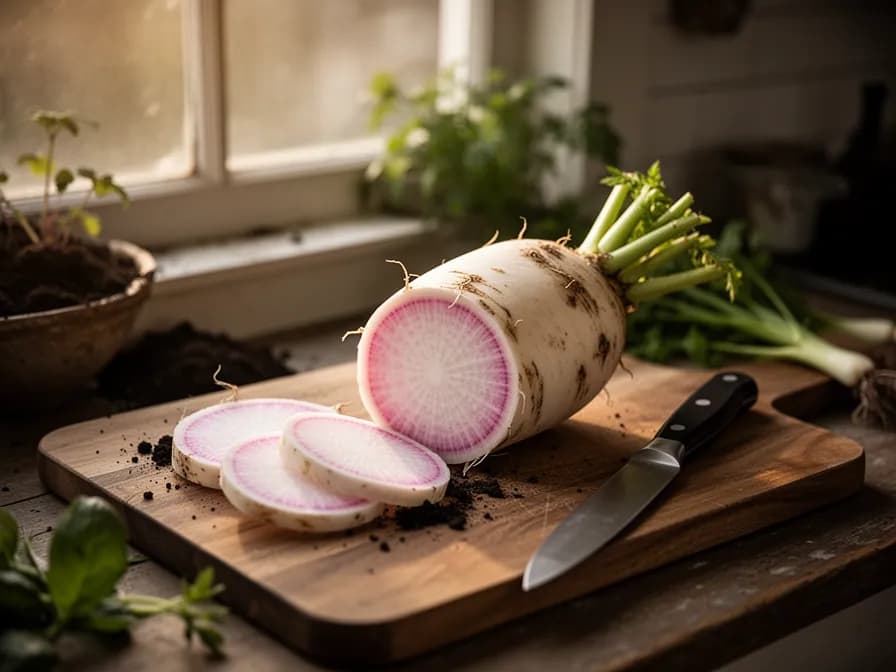
angenommen, du pflanzt zu Beginn des Zeitraums — trage dein tatsächliches Datum ein
Ernte Jicama zügig, dann trägt die Pflanze weiter.
Lagerung & Konservierung
Lagern Sie ganze, ungeschälte Jicama bei Raumtemperatur 1–2 Wochen oder im Kühlschrank 2–3 Wochen. Einmal angeschnitten, wickeln Sie sie fest ein und lagern Sie sie bis zu 1 Woche im Kühlschrank. Das Fruchtfleisch bräunt nicht wie bei anderen geschnittenen Wurzelgemüsen. Jicama kann in Stifte geschnitten und eingefroren werden, wobei die Konsistenz weicher wird. Einkochen ist nicht empfehlenswert. Am besten genießen Sie Jicama frisch wegen ihres charakteristischen knackigen, saftigen Bisses.
Was schiefgeht — und die Lösung
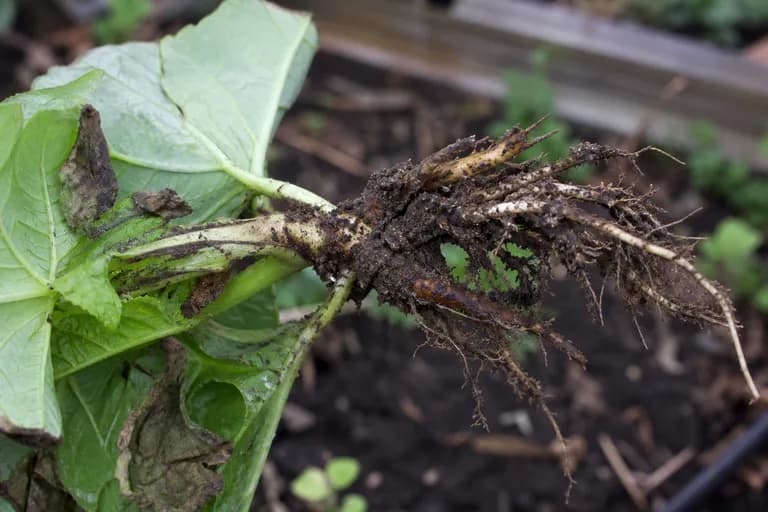
Wurzelfäule
KrankheitWeiche, verfärbte Knollen, welkende Ranken trotz ausreichender Bewässerung, matschige Knollen.
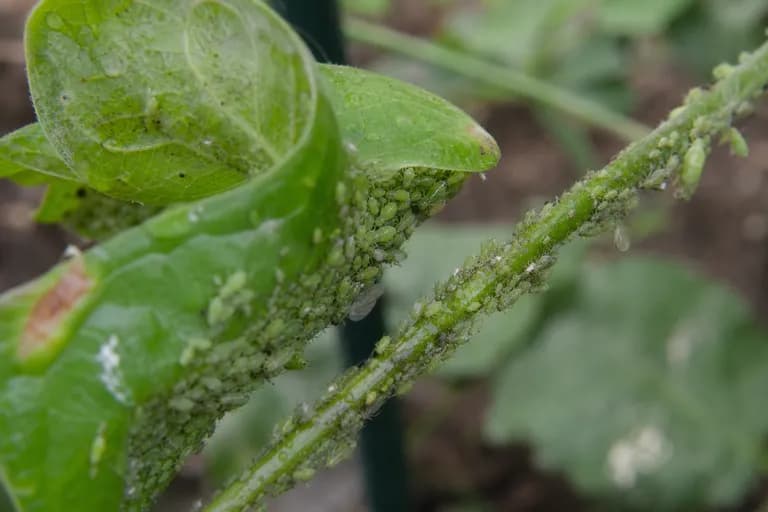
Blattläuse
SchädlingAnsammlungen an Rankspitzen und Blütenknospen, klebriger Honigtau, verkümmertes Wachstum.
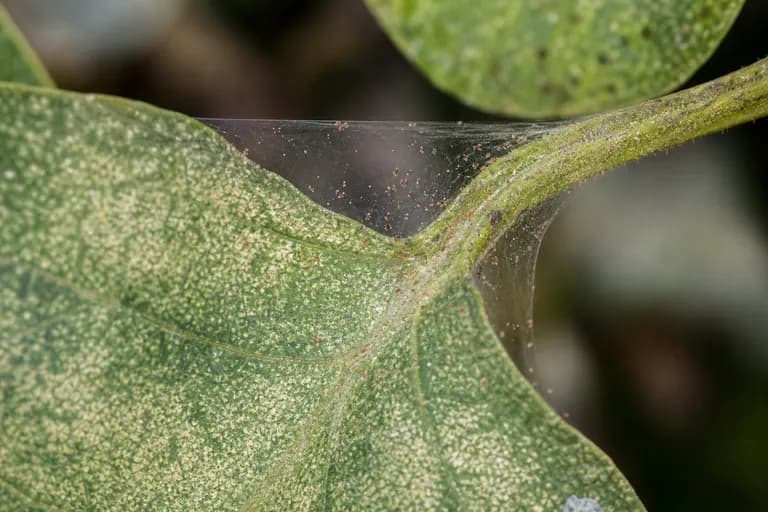
Spinnmilben
SchädlingGesprenkelte, vergilbende Blätter, feine Gespinste auf den Blattunterseiten.
Fehlerbehebung bei häufigen Problemen
Die extrem lange Vegetationsperiode (150+ Tage) macht es in den meisten nördlichen Klimazonen unmöglich, Jicama vollständig ausreifen zu lassen. Nutzen Sie jede verfügbare Technik zur Saisonverlängerung. Giftige Ranken, Blätter und Samen müssen von Kindern und Haustieren ferngehalten werden. Entfernen Sie alle Blüten und Samenhülsen. Die dicke Haut muss vor dem Verzehr immer geschält werden. Kalte Bodentemperaturen verlangsamen das Wachstum dramatisch; pflanzen Sie erst, wenn der Boden wirklich warm ist.
Anbautipps
- Beginnen Sie die Aussaat in gemäßigten Klimazonen ausnahmslos früh und drinnen. Jicama braucht jeden möglichen warmen Wachstumstag. Ein Start 8–10 Wochen vor dem letzten Frost drinnen gibt den Pflanzen einen entscheidenden Vorsprung, der sich direkt in größeren Knollen bei der Ernte niederschlägt.
- Schwarze Kunststoffmulchfolie ist außerhalb der Tropen unverzichtbar. Sie erhöht die Bodentemperatur um 3–5 °C (5–10 °F) und ahmt damit den warmen tropischen Boden nach, den Jicama benötigt. Legen Sie die Folie 2–3 Wochen vor dem Umpflanzen aus und schneiden Sie Schlitze für jede Pflanze.
- Entfernen Sie jede Blüte ohne Ausnahme. Dies ist die wirkungsvollste Maßnahme für Jicama-Hobbygärtner. Die Blüte signalisiert der Pflanze, Samen zu produzieren, statt ihre Knolle zu vergrößern. Kontrollieren Sie die Ranken alle 2–3 Tage während der Blütezeit und entfernen Sie alle Blüten sofort.
- Stellen Sie ein hohes, stabiles Spalier bereit. Jicama-Ranken sind kräftige Kletterer, die 4–6 Meter erreichen. Ein Spalier hält die Ranken vom Boden fern, verbessert die Luftzirkulation, reduziert den Krankheitsdruck und erleichtert die Blütenentfernung erheblich.
- Lassen Sie den Boden während des Knollenwachstums (ungefähr Tag 100–150) niemals austrocknen. Selbst kurzer Trockenstress in dieser kritischen Phase hemmt die Knollenentwicklung dauerhaft. Eine gleichmäßige Feuchtigkeit von 2,5–5 cm pro Woche ist unerlässlich.
- Verwenden Sie einen kaliumreichen Dünger, sobald die Knollenbildung beginnt. Übermäßiger Stickstoff produziert üppige Ranken, aber kleine Knollen. Wechseln Sie ab der 8. Woche von einem ausgewogenen Dünger zu einer kaliumbetonten Formulierung (wie 5-10-15 oder Kaliumsulfat).
- Behandeln Sie alle Pflanzenteile außer der geschälten Knolle als giftig. Die Ranken, Blätter, Blüten und Samen enthalten Rotenon. Tragen Sie beim Umgang mit den Ranken Handschuhe, halten Sie Kinder und Haustiere fern und entsorgen Sie Pflanzenreste über die kommunale Abfuhr statt auf dem Hauskompost.
- Erwägen Sie in Gebieten mit kurzer Saison den Anbau von Jicama in großen Kübeln innerhalb eines Gewächshauses oder Folientunnels. Selbst ein bescheidener Temperaturvorteil von wenigen Grad kann die effektive Vegetationsperiode um 30–45 Tage verlängern und die Knollengröße dramatisch steigern.
Bau deine beste Jicama an — und alles drumherum.
Starte heute kostenlos. Lege deine Beete an, setze deine Jicama ein und lass PlotMyGarden Timing, Abstände, Begleiter und Erinnerungen von der Saat bis zum Erntekorb übernehmen.
Finde deine Jicama
Jicama de Agua
Die gängige Sorte mit runden, rübenförmigen Knollen und süßem, saftigem Fruchtfleisch. Am weitesten verbreitet.
Jicama de Leche
Weniger verbreitete Sorte mit länglichen Knollen und milchigerem Saft. Etwas stärkehaltigere Konsistenz.
Jicama kostet im Lebensmittelhandel typischerweise 4–8 € pro Kilogramm und auf Wochenmärkten 8–12 € pro Kilogramm, wobei Bio-Jicama noch höhere Preise erzielt. Eine einzelne gut gewachsene Pflanze, die eine 1–2 kg schwere Knolle hervorbringt, entspricht einem Einzelhandelswert von 4–24 €, ausgehend von einem Samenkorn, das weniger als 1 € kostet. Der Anbau von 4–6 Pflanzen kann pro Saison Jicama im Wert von 20–80 € ergeben. Die tatsächlichen Einsparungen sind noch größer, wenn Sie in einem Gebiet leben, in dem frische Jicama schwer zu finden ist oder über weite Strecken transportiert werden muss, da selbst angebaute Knollen bei optimaler Frische mit überlegener Knackigkeit und Süße geerntet werden.
Schnelle Rezepte
Klassische Jicama-Stifte mit Chili-Limette
10 minDer typisch mexikanische Straßensnack — knackige Jicama-Stifte mit frischem Limettensaft, Chilipulver und einer Prise Salz. Kein Kochen erforderlich, und der erfrischende Biss ist perfekt an einem heißen Tag. Dies ist die einfachste und weltweit beliebteste Art, Jicama zu genießen.
5 Zutaten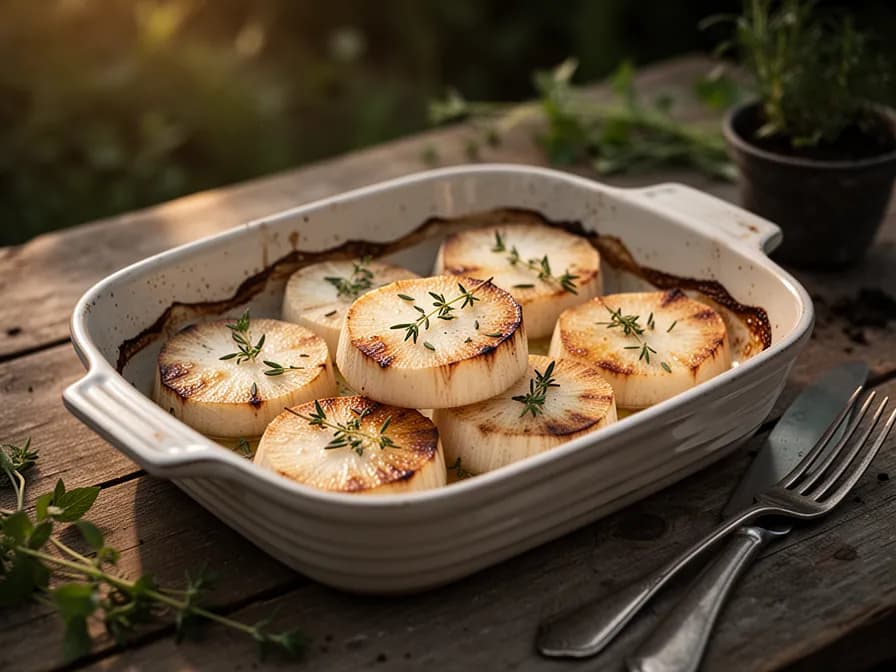
Jicama-Mango-Salat mit Koriander
15 minEin lebhafter, erfrischender Salat, der den knackigen Biss der Jicama mit süßer Mango, roten Zwiebeln und frischem Koriander in einem spritzigen Limettendressing vereint. Die kontrastierenden Texturen und Aromen machen diesen Salat zu einer beeindruckenden Beilage für gegrilltes Fleisch oder Fisch-Tacos.
8 ZutatenJicama-Pfanne mit Sesam und Ingwer
20 minDünn geschnittene Jicama, kurz angebraten, behält ihren typischen Biss bei und nimmt gleichzeitig die herzhaften Aromen von Soja, Ingwer und Sesam auf. Diese asiatisch inspirierte Zubereitung zeigt Jicama als hervorragenden kohlenhydratarmen Ersatz für Wasserkastanien in jedem Pfannengericht.
8 ZutatenKulinarische Verwendung
Jicama wird für ihr knackiges, saftiges, leicht süßliches Fruchtfleisch geschätzt, das auch nach dem Schneiden knusprig bleibt. Essen Sie sie roh als Stifte mit Limettensaft und Chilipulver (ein klassischer mexikanischer Straßensnack). Fügen Sie sie in Obstsalate und Krautsalate für erfrischenden Biss hinzu. Würfeln Sie sie in Salsas. Braten Sie sie kurz an für asiatisch inspirierte Gerichte. Verwenden Sie sie in Sommerrollen. Schneiden Sie sie in feine Streifen für vietnamesische Salate. Der neutrale, leicht süße Geschmack harmoniert sowohl mit herzhaften als auch süßen Zubereitungen.
Was drinsteckt
Gesundheitsvorteile
- Besonders reich an präbiotischem Inulin-Ballaststoff, der nützliche Darmbakterien (Bifidobacterium und Lactobacillus) nährt und so ein gesundes Mikrobiom, eine verbesserte Verdauung und eine erhöhte Mineralstoffaufnahme unterstützt.
- Sehr niedriger glykämischer Index trotz der Eigenschaft als Wurzelgemüse — der Inulin-Ballaststoff lässt den Blutzucker nicht ansteigen, was Jicama zu einer klugen Kohlenhydratwahl für Menschen mit Diabetes oder Blutzuckerkontrolle macht.
- Liefert 22 % des Tagesbedarfs an Vitamin C pro 100 g und unterstützt damit die Immunabwehr, die Kollagenproduktion für gesunde Haut und den antioxidativen Schutz gegen Schäden durch freie Radikale.
- Der hohe Wassergehalt von 85–90 % in Kombination mit bedeutenden Kaliumwerten unterstützt die richtige Hydratation, einen gesunden Blutdruck und das Elektrolytgleichgewicht — besonders wertvoll bei heißem Wetter oder nach dem Sport.
- Enthält Eisen, Magnesium und B-Vitamine, die den Sauerstofftransport im Blut, den Energiestoffwechsel und die Funktion des Nervensystems unterstützen.
- Geringe Kaloriendichte (38 Kalorien pro 100 g) bei gleichzeitig hohem Ballaststoff- und Wassergehalt erzeugt ein lang anhaltendes Sättigungsgefühl, was Jicama zu einem der wirksamsten Snacks für das Gewichtsmanagement macht.
Woher Jicama stammt
Jicama (Pachyrhizus erosus) stammt aus Mexiko und Mittelamerika, wo sie seit über tausend Jahren angebaut wird. Archäologische Funde deuten darauf hin, dass vorkolumbianische Zivilisationen wie die Azteken und Maya Jicama als Grundnahrungsmittel im warmen Tiefland Südmexikos und Guatemalas kultivierten. Das Nahuatl-Wort 'xicamatl' gab der Pflanze ihren modernen Namen, und sie wurde für ihre Fähigkeit geschätzt, eine knackige, hydrierende Knolle unter den heißen, trockenen Bedingungen der mexikanischen Tropen zu produzieren.
Nach der spanischen Eroberung Mexikos im 16. Jahrhundert wurde die Jicama über die Handelsroute der Manila-Galeone über den Pazifik auf die Philippinen gebracht. Von den Philippinen aus verbreitete sie sich rasch in ganz Südostasien, wo das tropische Klima ideal für ihren Anbau war. Sie wurde zu einer wichtigen Nutzpflanze in Indonesien (Bengkuang), Vietnam (Củ Sắn), China (Sha Ge), Thailand und Malaysia und integrierte sich in die lokalen Küchen auf eine Weise, die oft wenig Ähnlichkeit mit ihren mexikanischen Ursprüngen hat. In vielen Teilen Südostasiens wird Jicama in Frühlingsrollen, Popiah und verschiedenen Pfannengerichten verwendet.
Heute bleibt Mexiko der größte Produzent und Verbraucher von Jicama, wo sie frisch von Straßenverkäufern mit Limette und Chili als beliebter Snack verkauft wird. China, südostasiatische Nationen und Teile Südamerikas produzieren ebenfalls beträchtliche Mengen. In den Vereinigten Staaten wird Jicama in kleinen Mengen kommerziell in Südkalifornien, Florida und Hawaii angebaut, wobei der Großteil des Angebots aus Mexiko importiert wird. Die Kultur bleibt für Hobbygärtner außerhalb tropischer Zonen eine Herausforderung aufgrund der Anforderung von über 150 frostfreien Tagen, aber Techniken zur Saisonverlängerung haben es ermöglicht, in warm-gemäßigten Klimazonen kleine, aber lohnende Ernten zu erzielen.
Jicama: Schon gewusst?
Faszinierende Fakten über Jicama
Jicama ist eine Hülsenfrucht — sie gehört zur Familie der Schmetterlingsblütler (Fabaceae) und fixiert über Wurzelknöllchen Stickstoff im Boden, wodurch das Gartenbeet für zukünftige Kulturen angereichert wird, obwohl sie ausschließlich wegen ihrer stärkehaltigen Knolle und nicht wegen ihrer Samen oder Hülsen angebaut wird.
Jicama: Fragen & Antworten
Wann sollte ich Jicama pflanzen?
Was sind gute Begleitpflanzen für Jicama?
In welchen Winterhärtezonen kann Jicama wachsen?
Wie viel Sonne braucht Jicama?
Welchen Abstand sollte ich zwischen Jicama lassen?
Welche Schädlinge und Krankheiten befallen Jicama?
Wie lagere ich Jicama nach der Ernte?
Was sind die besten Jicama-Sorten zum Anbauen?
Welchen Boden braucht Jicama?
Kann ich Jicama in einem nördlichen Klima mit kurzen Sommern anbauen?
Warum muss ich die Blüten meiner Jicama-Pflanze entfernen?
Stimmt es, dass Jicama-Ranken und -Samen giftig sind?
Woran erkenne ich, wann die Jicama erntereif ist?
Kann ich Jicama im Kübel anbauen?
Wie schmeckt Jicama und wie bereite ich sie zu?
Du hast die Theorie gelesen. Jetzt baue sie auf Autopilot an.
Alles, was Jicama knifflig macht — das Timing, die Abstände, die Begleiter, das Erntefenster — genau das übernimmt PlotMyGarden für dich, für jede Pflanze im Garten.
Ein Plan, der dein Wetter kennt
Standort einmal festlegen. Aussaat-, Dünge- und Erntedaten rund um deinen echten letzten Frosttermin und die Live-Vorhersage — kein Raten mehr nach Saattüte.
Aus dem Abschnitt „Pflanzzeit“Beetplaner per Drag & Drop
Beete auf einem Raster gestalten. Jede Pflanze rastet im richtigen Abstand ein, und du siehst die ganze Saison, bevor du einen Cent für Saatgut ausgibst.
Aus dem Abschnitt „Anbau“Begleiter-Konflikte früh erkannt
Über 200 gute und schlechte Kombinationen werden beim Pflanzen live geprüft — so landet ein saisonruinierender Fehler nie in der Erde.
Aus dem Abschnitt „Begleiter“Erinnerungen, nach denen du wirklich handelst
„Gieß die Bohnen.“ „Heute ernten, bevor's umschlägt.“ Pünktlich, konkret und auf deine echten Pflanzen bezogen.
Aus dem Abschnitt „Ernte“Staffel-Aussaat, geplant
Sechs Wochen ernten statt sechs Tage? Die App verteilt deine Aussaaten automatisch und erinnert dich, wenn der nächste Satz fällig ist.
Aus dem Abschnitt „Pflanzzeit“Ein Verlauf, der schlauer wird
Jede protokollierte Ernte bringt der App deinen Garten bei. Der Plan fürs nächste Jahr startet bei dem, was in deinem Boden wirklich funktioniert hat.
Aus dem Abschnitt „Überblick“Pflanze diese neben Jicama
Weitere Wurzelgemüse
Bau deine beste Jicama an — und alles drumherum.
Starte heute kostenlos. Lege deine Beete an, setze deine Jicama ein und lass PlotMyGarden Timing, Abstände, Begleiter und Erinnerungen von der Saat bis zum Erntekorb übernehmen.