Wilder Wein (Boston-Efeu)
Eine kräftig wachsende, selbsthaftende Kletterpflanze mit glänzenden, dreilappigen Blättern, die sich im Herbst in leuchtende Scharlach- und Karmesinrottöne färben.





Auf dieser SeiteÜberblick
Wilder Wein (Boston-Efeu) im Überblick
Eine kräftig wachsende, selbsthaftende Kletterpflanze mit glänzenden, dreilappigen Blättern, die sich im Herbst in leuchtende Scharlach- und Karmesinrottöne färben. Wilder Wein ist die klassische Kletterpflanze zur Begrünung großer Mauerflächen, wie man sie an efeubedeckten Universitätsgebäuden sieht. Winzige Blüten bringen blauschwarze Beeren hervor, die eine wertvolle Nahrungsquelle für Vögel darstellen.
Wann Wilder Wein (Boston-Efeu) pflanzen
Wilder Wein kann aus Samen gezogen werden, die im Herbst aus reifen blauschwarzen Beeren gewonnen werden. Reinigen Sie die Samen vom Fruchtfleisch und stratifizieren Sie sie zwei bis drei Monate lang kalt in feuchtem Sand. Säen Sie im Frühling in Töpfe mit Standard-Blumenerde. Die Keimung erfolgt typischerweise innerhalb von drei bis sechs Wochen. Sämlinge wachsen nach der Etablierung schnell. Halbreife Stecklinge im Hochsommer sind schneller und bewurzeln sich mit Bewurzelungshormon in vier bis sechs Wochen. Absenker eignen sich gut, um einige neue Pflanzen aus vorhandenen Exemplaren zu gewinnen.
Dein Wilder Wein (Boston-Efeu)-Jahr
Abgestimmt auf Zone 7 · typische Saison · Frost geht um den 2. Apr. und kehrt um den 1. Nov. zurück
Wilder Wein (Boston-Efeu) Mär – Mai pflanzen, Sep – Okt ernten. Beachte die Pflanzmethoden unten und wähle dein Klima für passende Zeiträume.
So baust du Wilder Wein (Boston-Efeu) an
Pflanzen Sie Wilden Wein im Frühling oder Herbst in jeden vernünftigen Gartenboden, von voller Sonne bis Halbschatten. Diese kräftig wachsende, selbsthaftende Kletterpflanze befestigt sich an Oberflächen durch Haftscheiben an den Spitzen ihrer Ranken und kann riesige Wände bedecken, wobei sie schließlich achtzehn Meter oder mehr erreicht. Sie ist die klassische Kletterpflanze efeubedeckter Universitätsgebäude und bietet eine spektakuläre Herbstfärbung in leuchtenden Scharlach- und Karmesinrottönen.
Wilder Wein ist bemerkenswert anpassungsfähig und pflegeleicht, sobald er sich etabliert hat. Er verträgt städtische Luftverschmutzung, mageren Boden sowie trockene und feuchte Bedingungen. Gießen Sie im ersten Jahr regelmäßig zur Etablierung, danach ist zusätzliches Gießen selten nötig. Düngen Sie in den ersten Jahren im zeitigen Frühling mit einem ausgewogenen Granulatdünger. Etablierte Pflanzen auf nährstoffreichem Boden benötigen selten Düngung.
Schneiden Sie im Spätwinter, um die Pflanze in ihren vorgesehenen Grenzen zu halten, und entfernen Sie Wuchs von Fenstern, Dachrinnen und Bereichen, wo er unerwünscht ist. Wilder Wein wächst schnell und kann pro Jahr zwei bis drei Meter zulegen, weshalb ein jährlicher Rückschnitt erforderlich ist, um zu verhindern, dass er alles überwuchert. Die Haftscheiben können Spuren auf Oberflächen hinterlassen, wenn sie entfernt werden – berücksichtigen Sie dies bei der Wahl des Pflanzstandorts. Auf intaktem Mauerwerk schützt die Pflanze die Wände sogar vor Witterungsschäden.
Für Wilder Wein (Boston-Efeu) ist ein Beet von 120 × 240 cm zu klein
Wilder Wein (Boston-Efeu) braucht 300 cm Platz pro Pflanze. Der Planer hält diesen Abstand für dich ein — jede Pflanze, jedes Beet.
Die besten Nachbarn für Wilder Wein (Boston-Efeu)
Wilder Wein wird typischerweise als eigenständige Wandbegrünung verwendet und nicht mit anderen Kletterpflanzen kombiniert. Sein dichtes Laub erzeugt tiefen Schatten am Fuß von Mauern und bildet so einen guten Hintergrund für schattenverträgliche Pflanzen wie Farne, Funkien und Waldwildblumen. Frühjahrszwiebeln können am Fuß gepflanzt werden, um frühes Interesse zu bieten, bevor die Pflanze austreibt. Verhindern Sie, dass sich die Pflanze in angrenzende Gartenbereiche ausbreitet, wo sie kleinere Pflanzen ersticken könnte.
Engelmanns Efeu gehört daneben.
Altes Gärtnerwissen, geprüft an der echten Nachbartabelle von Wilder Wein (Boston-Efeu) — teste jede Pflanze, die du anbaust.
Probiere Wilder Wein (Boston-Efeu) direkt hier im Beet
Ein echtes Planer-Beet, Wilder Wein (Boston-Efeu) steht schon drin. Tippe einen Begleiter an, platziere ihn und sieh, wie die Nachbarschaftsprüfung antwortet — grün für gute Nachbarn, rot bei Streit.


Passende Anbau-Ratgeber
Richtig düngen
Wilder Wein wächst in praktisch jedem Bodentyp von sandig bis schwer lehmig, mit einem pH-Wert von 5,5 bis 8,0. Er ist bemerkenswert anspruchslos bezüglich der Bodenbedingungen und gedeiht sowohl in nährstoffreichen als auch in mageren Böden. Für etablierte Pflanzen auf durchschnittlichem Boden ist keine zusätzliche Düngung erforderlich. Für neu gepflanzte Exemplare beschleunigt ein ausgewogener Granulatdünger im Frühling in den ersten zwei bis drei Jahren die Etablierung. Mulch ist vorteilhaft, aber nicht unbedingt erforderlich.
Ideale Temperatur
Winterhärtezone-Kompatibilität
Von der Saat zur Ernte, Schritt für Schritt
Winterruhe & Knospenschwellung
Vom Spätwinter bis zum zeitigen Frühling ruht der Wilde Wein mit kahlen, holzigen Trieben, die über Haftscheiben an Oberflächen befestigt sind. Wenn die Temperaturen über 5 °C steigen, beginnen die Knospen an den Trieben zu schwellen und bereiten sich auf die Vegetationsperiode vor.
Blattentfaltung & frühes Wachstum
Neue Blätter entfalten sich im mittleren bis späten Frühling, zunächst als kleine, glänzend grüne oder leicht bronzefarbene Blätter. Ranken mit Haftscheiben an den Spitzen beginnen sich vom Trieb aus zu strecken und suchen nach Oberflächen zum Anhaften. Das Wachstum ist in dieser Etablierungsphase moderat.
Schnelles vegetatives Wachstum
Im Sommer tritt der Wilde Wein in seine stärkste Wachstumsphase ein und streckt bei etablierten Pflanzen Triebe von bis zu 3 Metern in einer einzigen Saison. Das Laub wird dicht und bildet eine dicke, überlappende Schicht aus großen dreilappigen Blättern, die Wände und Strukturen vollständig bedecken kann.
Blüte & Fruchtbildung
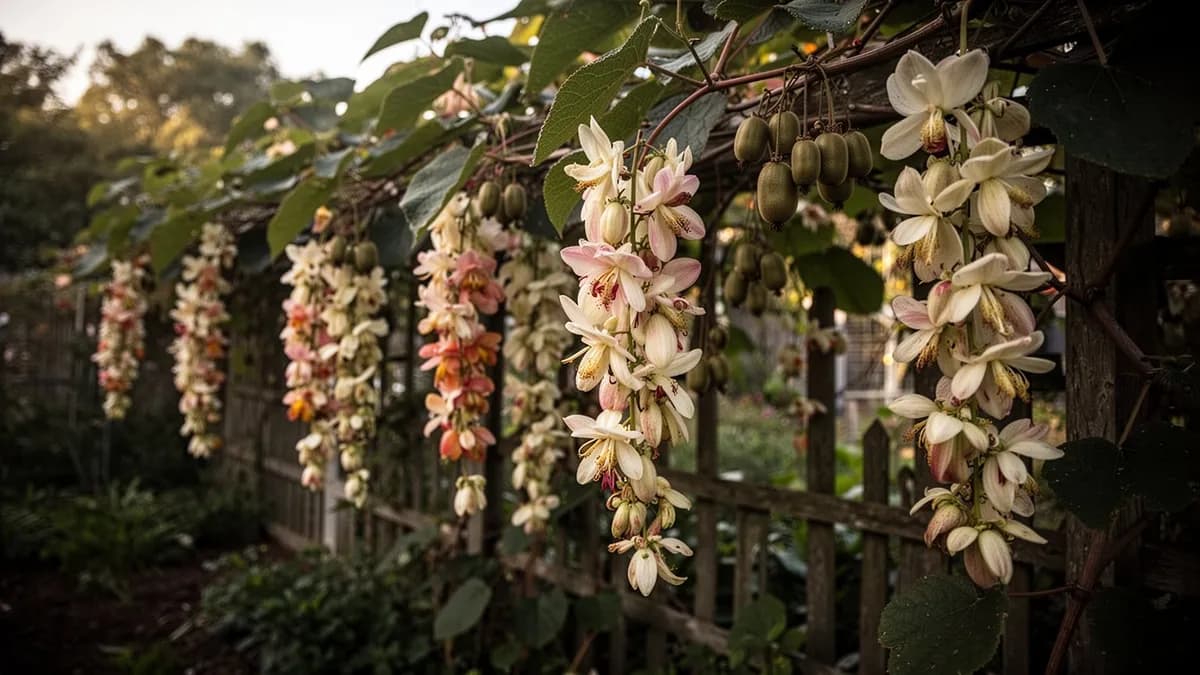
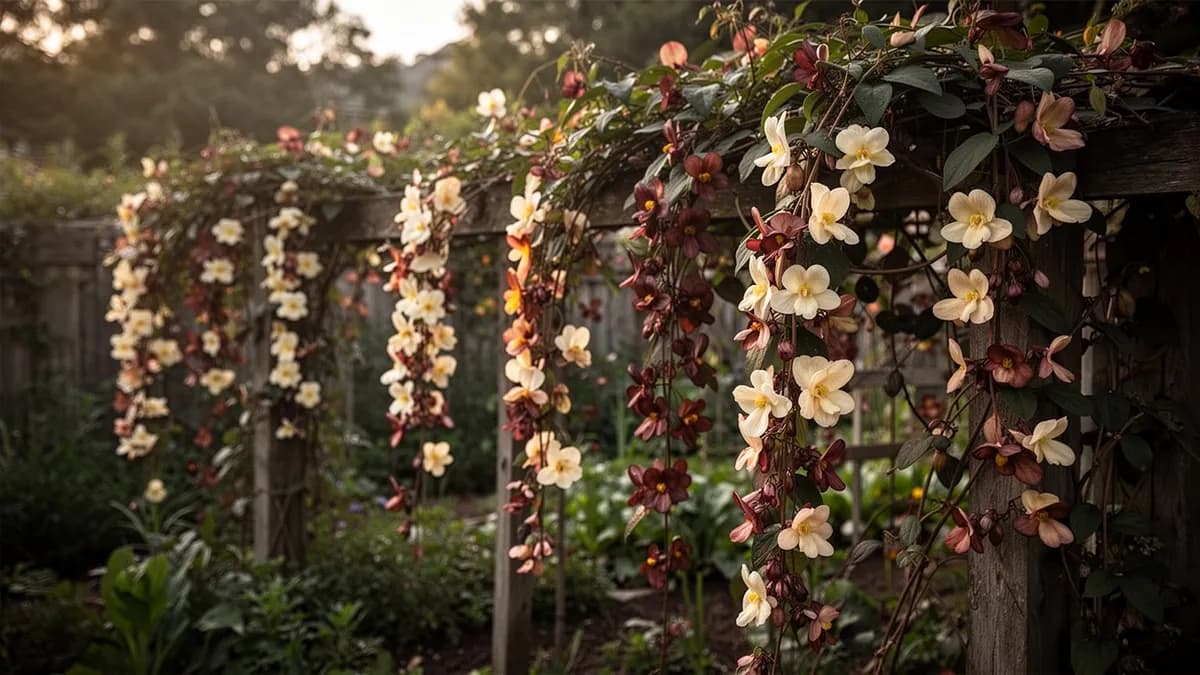
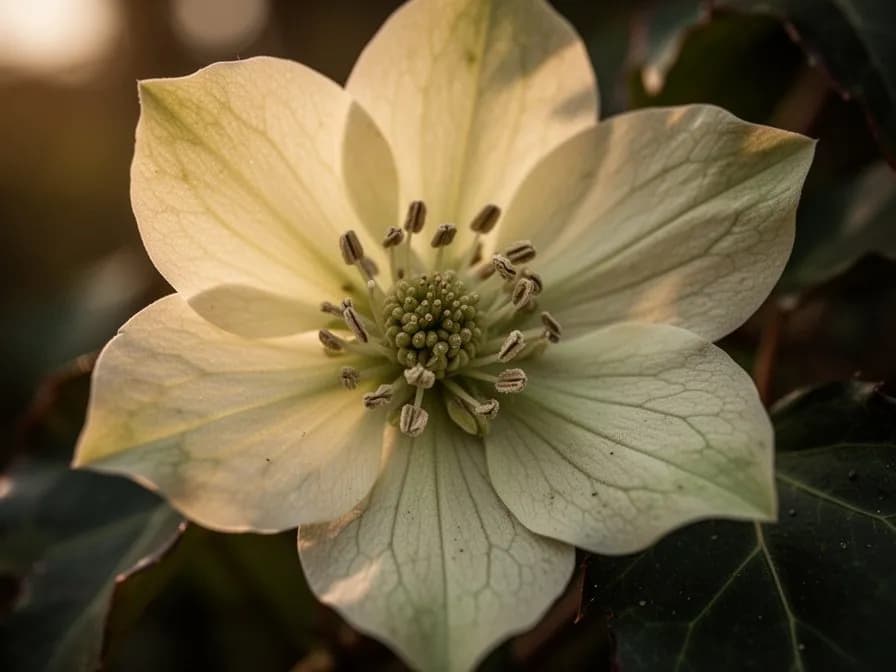
Unauffällige grünlich-gelbe Blütentrauben erscheinen im Früh- bis Hochsommer an ausgereiften Pflanzen. Darauf folgen kleine dunkel blauschwarze Beeren im Spätsommer und Frühherbst. Die Beeren sind eine wichtige Nahrungsquelle für Vögel wie Drosseln, Seidenschwänze und Amseln.
Herbstfärbung
Wilder Wein zeigt eine der spektakulärsten Herbstfärbungen aller Kletterpflanzen. Die Blätter wechseln von Grün über Orange-, Scharlach- und Karmesinrottöne bis hin zu tiefem Burgunderrot. Der Farbwechsel beginnt typischerweise an der Spitze und den äußeren Rändern des Blätterdachs und schreitet nach innen fort.
Blattfall & Aushärtung
Nach der Herbstfärbung fallen die Blätter ab und geben das holzige Triebgerüst und das Netzwerk der fest an der Wandoberfläche haftenden Haftscheiben frei. Die Pflanze beginnt ihren Abhärtungsprozess und bereitet das Holzgewebe auf die Winterkälte vor.
Winterruhe
Die Pflanze ist vollständig in der Winterruhe, mit kahlen holzigen Trieben und verbleibenden Haftscheiben an den Oberflächen. Wilder Wein ist winterhart in den USDA-Zonen 4 bis 8 und verträgt Temperaturen bis etwa -30 °C ohne Schäden bei etablierten Pflanzen.
Schneiden Sie abgestorbene, beschädigte oder unerwünschte Triebe im Spätwinter zurück, bevor der Neuaustrieb beginnt. Dies ist der ideale Zeitpunkt für größere Formschnitte und das Entfernen von Dachrinnen, Fenstern oder Dachkanten.
Wilder Wein (Boston-Efeu) Monat für Monat pflegen
Was du jeden Monat für deine Wilder Wein (Boston-Efeu) tun solltest
Oktober
Aktueller MonatHöhepunkt der Herbstfärbung; keinen Rückschnitt durchführen, um das Farbspiel zu erhalten. Herabgefallenes Laub von Gartenbeeten und Rasenflächen zusammenharken. Größere Winterschnitt- oder Pflanzentfernungsprojekte planen
Immer wissen, was jetzt im Garten zu tun ist
Eine E-Mail zum Monatsanfang: was du jetzt säen, pflanzen und anpacken solltest — für deine Wilder Wein (Boston-Efeu) und alles, was drumherum wächst. Dazu ein kurzer Startkurs, der dich vor den klassischen Fehlern bewahrt.
- Was jetzt zu tun ist
- Passend zu deiner Saison
- Startkurs inklusive
Wilder Wein (Boston-Efeu) ernten
Wilder Wein wird wegen seines architektonischen Laubs angebaut und nicht wegen Blüten oder Früchten. Schneiden Sie während der Vegetationsperiode belaubte Triebe als Grünschmuck für Blumenarrangements. Die Herbstfärbung ist besonders eindrucksvoll, und geschnittene Zweige in Scharlach- und Karmesinrot sind eine spektakuläre Ergänzung für herbstliche Dekorationen. Die kleinen blauschwarzen Beeren im Herbst sind eine wertvolle Nahrungsquelle für Vögel, aber nicht essbar für Menschen. Triebe halten sich im Wasser etwa eine Woche.
angenommen, du pflanzt zu Beginn des Zeitraums — trage dein tatsächliches Datum ein
Ernte Wilder Wein (Boston-Efeu) zügig, dann trägt die Pflanze weiter.
Lagerung & Konservierung
Wilder Wein benötigt als vollständig winterharte, sommergrüne Kletterpflanze keine besondere Lagerung. Herbstblätter können für Bastelarbeiten gepresst und konserviert werden, wobei sie ihre satte rote Färbung beibehalten, wenn sie zwischen Papierbögen mit Silikagel getrocknet werden. Zur Vermehrung nehmen Sie im Hochsommer halbreife Stecklinge oder im Spätherbst Hartholzstecklinge. Stecklinge bewurzeln sich leicht. Absenker sind ebenfalls effektiv. Samen aus reifen Beeren benötigen eine Kältestratifikation vor der Frühjahrsaussaat.
Was schiefgeht — und die Lösung
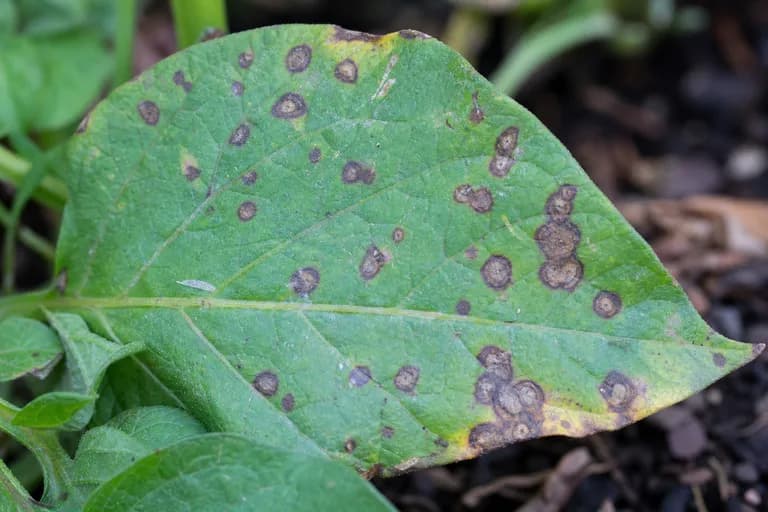
Blattfleckenkrankheit
KrankheitBraune oder schwarze Flecken auf den Blättern, manchmal mit konzentrischen Ringen. Kann in nassen Jahreszeiten zu vorzeitigem Blattfall führen.
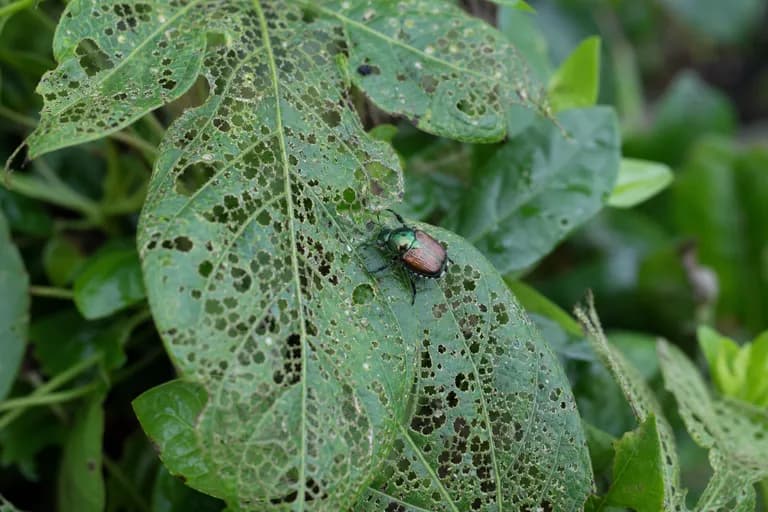
Japankäfer
SchädlingSkelettierte Blätter, besonders an sonnenexponierten Teilen der Pflanze. Starker Fraß kann im Hochsommer zu erheblichem Blattfall führen.
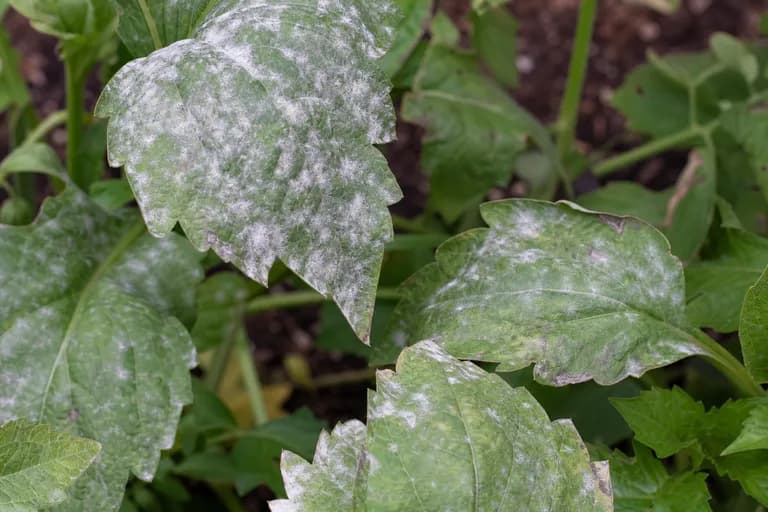
Echter Mehltau
KrankheitWeißer, pudriger Belag auf den Blättern im Spätsommer, besonders an geschützten Standorten mit schlechter Luftzirkulation.
Fehlerbehebung bei häufigen Problemen
Die Hauptprobleme bei Wildem Wein sind die Kontrolle seines aggressiven Wachstums und die Spuren, die die Haftscheiben hinterlassen, wenn die Pflanze von Oberflächen entfernt wird. Auf intaktem Mauerwerk ist die Pflanze im Allgemeinen vorteilhaft, isoliert Wände und schützt sie vor Regen. Auf gestrichenen Oberflächen, Holzverkleidungen und altem Mörtel können die Haftscheiben Schäden verursachen. Die Pflanze muss durch regelmäßigen Schnitt von Fenstern, Dachrinnen und Dachkanten ferngehalten werden. Die Beeren sind bei Verschlucken leicht giftig.
Anbautipps
- Pflanzen Sie Wilden Wein am Fuß einer Mauer mit dem Wurzelballen 15 bis 20 Zentimeter von der Mauer entfernt und neigen Sie die Triebe zur Oberfläche, um das Anhaften zu fördern.
- Bieten Sie in den ersten ein bis zwei Jahren vorübergehende Stützen wie kleine Stäbe, Schnüre oder ein kurzes Spalierstück an, um junge Triebe zur Wand zu leiten, bis die Haftscheiben sichere Verbindungen bilden.
- Wilder Wein wächst auf praktisch jeder Oberfläche einschließlich Ziegel, Stein, Beton, Putz und Holz, aber vermeiden Sie die Pflanzung an Wänden mit brüchigem Mörtel oder abblätternder Farbe, da die Haftscheiben bestehende Schäden verschlimmern können.
- Wählen Sie einen Pflanzstandort, der mindestens vier Stunden direkte Sonneneinstrahlung pro Tag erhält, für die beste Herbstfärbung. Pflanzen in tiefem Schatten wachsen, produzieren aber weniger leuchtende Herbstfarben.
- Gießen Sie in den ersten zwei Vegetationsperioden einmal pro Woche durchdringend, um ein starkes Wurzelsystem aufzubauen. Nach der Etablierung ist Wilder Wein bemerkenswert trockenheitstolerant und benötigt selten zusätzliche Bewässerung.
- Bringen Sie eine 7 bis 10 Zentimeter dicke Schicht organischen Mulch um den Pflanzenfuß auf, halten Sie dabei 5 Zentimeter Abstand zum Stamm, um Stammfäule zu vermeiden und gleichzeitig die Bodenfeuchtigkeit zu bewahren.
- Schneiden Sie zwei- bis dreimal während der Vegetationsperiode, um zu verhindern, dass Triebe in Dachrinnen, unter Dachziegel, über Fensterrahmen oder in Lüftungsöffnungen wachsen, wo sie strukturelle Probleme verursachen können.
- Wenn Sie Wilden Wein von einer Wand entfernen müssen, schneiden Sie alle Triebe am Fuß ab und lassen Sie den oberen Wuchs mehrere Wochen absterben und trocknen, bevor Sie ihn abziehen. Dies reduziert Wandschäden im Vergleich zum Entfernen lebender Pflanzen.
- Wilder Wein lässt sich leicht durch halbreife Stecklinge im Hoch- bis Spätsommer vermehren. Nehmen Sie 15 Zentimeter lange Stecklinge, entfernen Sie die unteren Blätter, tauchen Sie sie in Bewurzelungshormon und pflanzen Sie sie in feuchte Blumenerde.
- Befestigen Sie an windigen oder exponierten Standorten junge Triebe locker mit weichen Bändern, bis sie starke Haftscheiben-Verbindungen entwickeln, was an glatten Oberflächen typischerweise ein bis zwei Vegetationsperioden dauert.
Bau deine beste Wilder Wein (Boston-Efeu) an — und alles drumherum.
Starte heute kostenlos. Lege deine Beete an, setze deine Wilder Wein (Boston-Efeu) ein und lass PlotMyGarden Timing, Abstände, Begleiter und Erinnerungen von der Saat bis zum Erntekorb übernehmen.
Finde deine Wilder Wein (Boston-Efeu)
Veitchii
Die beliebteste Form mit kleineren, feiner strukturierten Blättern als die Art, die eine ordentlichere Wandbegrünung und noch lebendigere Herbstfärbung erzeugt.
Fenway Park
Eine einzigartige gelbblättrige Sorte, die im Frühling leuchtend gelbgrün austreibt, im Sommer zu Grün reift und sich im Herbst orangerot verfärbt.
Green Showers
Eine wüchsige Auslese mit großen, glänzenden Blättern und zuverlässiger scharlachroter Herbstfärbung, hervorragend geeignet zur schnellen Begrünung großer Flächen.
Wilder Wein ist eine der kosteneffektivsten Fassadenbegrünungslösungen überhaupt. Eine einzelne Pflanze, die für 10 bis 25 Euro erworben wird, kann innerhalb von fünf bis zehn Jahren 30 bis 50 Quadratmeter Wandfläche bedecken, während technische Grünfassadensysteme 500 bis 1.500 Euro pro Quadratmeter installiert kosten. Forschungen mehrerer europäischer Universitäten haben gezeigt, dass efeubedeckte Wände die sommerlichen Kühlkosten um 20 bis 30 Prozent und die winterlichen Heizkosten um bis zu 8 Prozent durch Isolierungseffekte senken. Die Pflanze erfordert nur minimale Pflege über den jährlichen Rückschnitt hinaus, benötigt nach der Etablierung in den meisten Klimazonen keine Bewässerung und kann jahrzehntelang überdauern, was die langfristige Kapitalrendite im Vergleich zu jeder anderen Wandbehandlung außergewöhnlich hoch macht.
Schnelle Rezepte
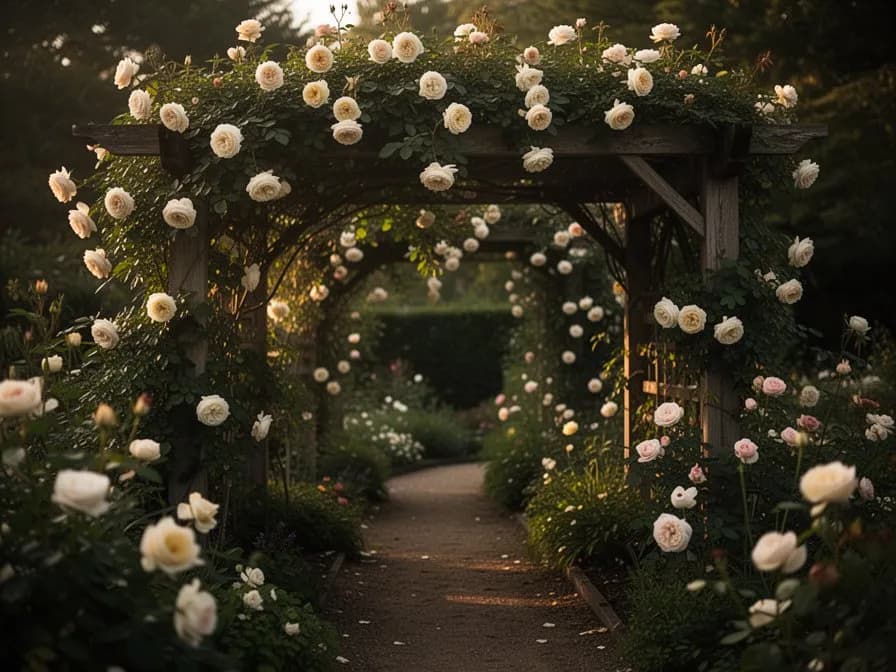
Herbstkranz aus Wildem Wein
45 Min.Gestalten Sie einen beeindruckenden Dekokranz aus frisch geschnittenen Trieben des Wilden Weins in ihrer intensivsten Herbstfärbung. Die biegsamen grünen oder rotlaubigen Triebe werden im noch geschmeidigen Zustand um einen Drahtrahmen geflochten und ergeben einen natürlichen, lebendigen Kranz, der über mehrere Wochen wunderschön trocknet.
5 Zutaten
Gepresste Blattkunst aus Wildem Wein
30 Min. aktiv, 2 Wochen TrocknungszeitBewahren Sie die leuchtenden Herbstfarben der Blätter des Wilden Weins durch Pressen und Rahmen. Wählen Sie Blätter in verschiedenen Stadien der Farbveränderung für einen Verlaufseffekt von Grün über Orange bis Tiefrot und schaffen Sie ein natürliches Kunstwerk, das die Schönheit des Herbstes das ganze Jahr über einfängt.
5 ZutatenNaturfärbebad mit Wildem Wein
2 StundenDie Herbstblätter des Wilden Weins enthalten Anthocyan-Pigmente, die auf Naturfasern sanfte Mauve-, Rosa- und Graugrüntöne erzeugen können. Diese traditionelle Handwerkstechnik nutzt herabgefallene Blätter, um einzigartige, pflanzengefärbte Textilien mit subtilen, erdigen Farbvariationen herzustellen.
6 ZutatenWas drinsteckt
Gesundheitsvorteile
- Wilder Wein an Gebäudefassaden filtert nachweislich Feinstaub aus der Luft, fängt Staub, Ruß und feine Partikel auf Blattoberflächen ab und reduziert die lokale Luftverschmutzung in messbarem Umfang.
- Die dichte Blattbedeckung bietet erhebliche Lärmreduzierung. Studien zeigen, dass efeubedeckte Wände die Lärmdurchdringung von außen um 2 bis 3 Dezibel verringern können, was zu ruhigeren und weniger stressbelasteten Innenräumen beiträgt.
- Die Verdunstung durch das Laub des Wilden Weins kann die umgebende Lufttemperatur im Sommer um mehrere Grad senken, was den städtischen Wärmeinseleffekt reduziert und den Aufenthaltskomfort im Freien in Städten verbessert.
- Grüne Wandbegrünung einschließlich Wildem Wein wird mit reduziertem Stressniveau und verbessertem psychischem Wohlbefinden bei Bewohnern begrünter Gebäude in Verbindung gebracht, wie in umweltpsychologischer Forschung dokumentiert.
- Wilder Wein bietet Lebensraum und Nahrung für städtische Wildtiere und unterstützt die Biodiversität, die zu gesünderen städtischen Ökosystemen beiträgt. Vögel, die in der Begrünung nisten, helfen, Schadinsektenpopulationen auf natürliche Weise zu kontrollieren.
- Durch die Senkung des Energieverbrauchs von Gebäuden für Kühlung im Sommer und Heizung im Winter reduziert Wilder Wein indirekt die Emissionen aus der Stromerzeugung und trägt so zur Verbesserung der regionalen Luftqualität bei.
Woher Wilder Wein (Boston-Efeu) stammt
Wilder Wein (Parthenocissus tricuspidata) stammt aus Ostasien, wo er natürlich in den gemäßigten Wäldern Japans, Koreas und Nordchinas wächst. Die Art wurde erstmals wissenschaftlich vom deutschen Botaniker Philipp Franz von Siebold während seiner botanischen Erkundungen in Japan in den 1830er und 1840er Jahren beschrieben. Sie wurde formal in die Weinrebengewächse (Vitaceae) eingeordnet, zu denen auch die Jungfernrebe und echte Weinreben gehören.
Die Pflanze wurde in den frühen 1860er Jahren durch botanischen Austausch zwischen asiatischen und amerikanischen Institutionen nach Nordamerika eingeführt. Sie gewann schnell an Beliebtheit im Nordosten der Vereinigten Staaten, besonders in der Bostoner Region, wo ihre Fähigkeit, ohne äußere Stütze an Ziegel und Stein zu haften, sie zur idealen Zierpflanze für die vielen Mauerwerksgebäude der Region machte. In den 1880er Jahren war der Wilde Wein zur charakteristischen Pflanze großer akademischer Einrichtungen in ganz Neuengland geworden und inspirierte schließlich den heute berühmten Begriff ‚Ivy League' für die Elite-Universitäten im Nordosten.
In seinem natürlichen Lebensraum wächst der Wilde Wein an Waldrändern, felsigen Hängen und entlang von Bachufern in Höhen bis zu 1.500 Metern. Er hat spezialisierte Haftscheibenranken entwickelt, die eine natürliche Zementverbindung produzieren, die es ihm ermöglicht, senkrechte Felswände und Baumstämme in freier Natur zu besiedeln. Diese Anpassung machte die Art einzigartig geeignet zur Fassadenbegrünung in städtischen Umgebungen.
Im Laufe des zwanzigsten Jahrhunderts verbreitete sich der Wilde Wein nach Europa, Südamerika und in andere gemäßigte Regionen weltweit. Er wurde zum prägenden Merkmal institutioneller Architektur und bedeckte Universitäten, Bibliotheken, Kirchen und Regierungsgebäude. In den letzten Jahrzehnten hat die Forschung zu grünem Bauen das Interesse am Wilden Wein erneuert, da er nachweislich den Energieverbrauch von Gebäuden senkt, Luftschadstoffe filtert, Lärm dämpft und die städtische Biodiversität unterstützt, indem er Lebensraum für Vögel und Insekten bietet.
Wilder Wein (Boston-Efeu): Schon gewusst?
Faszinierende Fakten über Wilder Wein (Boston-Efeu)
Trotz seines englischen Namens ‚Boston Ivy' stammt der Wilde Wein aus Ostasien, genauer gesagt aus Japan, Korea und China. Den Namen ‚Boston Ivy' erhielt er wegen seiner weit verbreiteten Pflanzung an Gebäuden in Boston und ganz Neuengland im späten 19. Jahrhundert.
Wilder Wein (Boston-Efeu): Fragen & Antworten
Wann sollte ich Wilder Wein (Boston-Efeu) pflanzen?
Was sind gute Begleitpflanzen für Wilder Wein (Boston-Efeu)?
In welchen Winterhärtezonen kann Wilder Wein (Boston-Efeu) wachsen?
Wie viel Sonne braucht Wilder Wein (Boston-Efeu)?
Welchen Abstand sollte ich zwischen Wilder Wein (Boston-Efeu) lassen?
Welche Schädlinge und Krankheiten befallen Wilder Wein (Boston-Efeu)?
Wie lagere ich Wilder Wein (Boston-Efeu) nach der Ernte?
Was sind die besten Wilder Wein (Boston-Efeu)-Sorten zum Anbauen?
Welchen Boden braucht Wilder Wein (Boston-Efeu)?
Beschädigt Wilder Wein Wände und Gebäude?
Was ist der Unterschied zwischen Wildem Wein und Gemeinem Efeu?
Wie schnell wächst Wilder Wein und wie groß wird er?
Ist Wilder Wein giftig für Haustiere oder Kinder?
Kann Wilder Wein in Kübeln oder auf einem Balkon angebaut werden?
Wann ist die beste Pflanzzeit für Wilden Wein?
Du hast die Theorie gelesen. Jetzt baue sie auf Autopilot an.
Alles, was Wilder Wein (Boston-Efeu) knifflig macht — das Timing, die Abstände, die Begleiter, das Erntefenster — genau das übernimmt PlotMyGarden für dich, für jede Pflanze im Garten.
Ein Plan, der dein Wetter kennt
Standort einmal festlegen. Aussaat-, Dünge- und Erntedaten rund um deinen echten letzten Frosttermin und die Live-Vorhersage — kein Raten mehr nach Saattüte.
Aus dem Abschnitt „Pflanzzeit“Beetplaner per Drag & Drop
Beete auf einem Raster gestalten. Jede Pflanze rastet im richtigen Abstand ein, und du siehst die ganze Saison, bevor du einen Cent für Saatgut ausgibst.
Aus dem Abschnitt „Anbau“Begleiter-Konflikte früh erkannt
Über 200 gute und schlechte Kombinationen werden beim Pflanzen live geprüft — so landet ein saisonruinierender Fehler nie in der Erde.
Aus dem Abschnitt „Begleiter“Erinnerungen, nach denen du wirklich handelst
„Gieß die Bohnen.“ „Heute ernten, bevor's umschlägt.“ Pünktlich, konkret und auf deine echten Pflanzen bezogen.
Aus dem Abschnitt „Ernte“Staffel-Aussaat, geplant
Sechs Wochen ernten statt sechs Tage? Die App verteilt deine Aussaaten automatisch und erinnert dich, wenn der nächste Satz fällig ist.
Aus dem Abschnitt „Pflanzzeit“Ein Verlauf, der schlauer wird
Jede protokollierte Ernte bringt der App deinen Garten bei. Der Plan fürs nächste Jahr startet bei dem, was in deinem Boden wirklich funktioniert hat.
Aus dem Abschnitt „Überblick“Pflanze diese neben Wilder Wein (Boston-Efeu)
Weitere Kletterpflanzen
Bau deine beste Wilder Wein (Boston-Efeu) an — und alles drumherum.
Starte heute kostenlos. Lege deine Beete an, setze deine Wilder Wein (Boston-Efeu) ein und lass PlotMyGarden Timing, Abstände, Begleiter und Erinnerungen von der Saat bis zum Erntekorb übernehmen.