Horehound
A woolly-leaved perennial with a strongly bitter taste, historically used in cough drops and lozenges for respiratory relief.





On this pageOverview
Meet Horehound
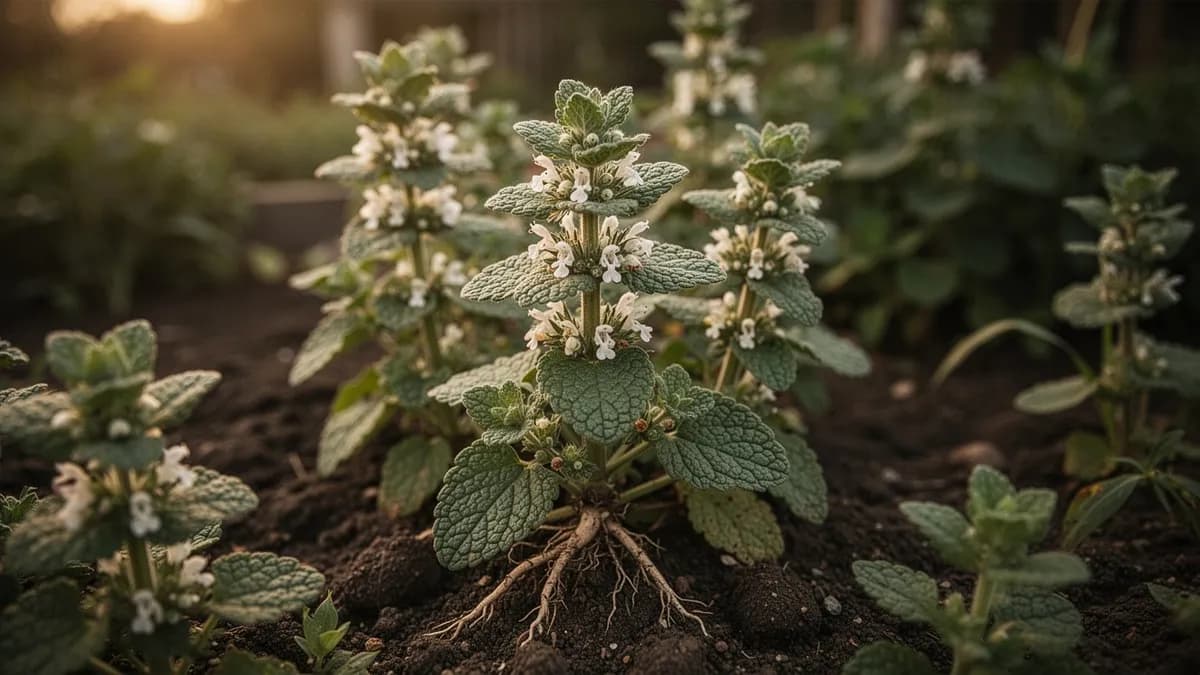
A woolly-leaved perennial with a strongly bitter taste, historically used in cough drops and lozenges for respiratory relief. Horehound thrives in poor, dry soil and full sun, tolerating drought and neglect once established. The wrinkled, grey-green leaves are harvested before flowering and used in syrups, candies, and bitter herbal teas.
When to plant Horehound
Sow horehound seeds on the surface of well-draining seed-starting mix in spring—seeds need light for germination. Germination is reliable in 2-3 weeks at 18-22°C. Seeds can also be direct sown outdoors after the last frost. Thin seedlings to 30cm apart. Once established, horehound self-sows freely and requires no replanting. Division of established clumps in spring is also easy. Stem cuttings root readily in sandy mix during summer.
Your Horehound Year
Composed for Zone 7 · typical seasons · frost passes Apr 2, returns Nov 1
Plant Horehound Mar – May, pick Jun – Aug. Check the planting methods below and set your climate to personalize these windows.
How to grow Horehound
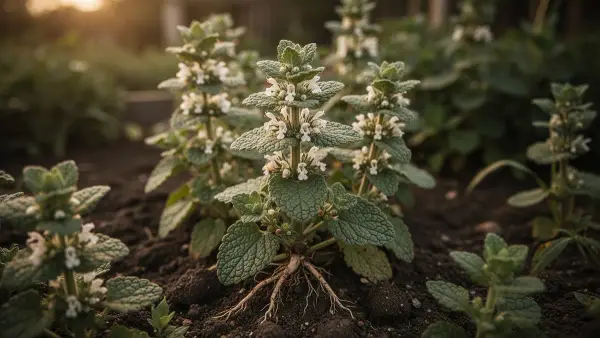
Horehound is a woolly-leaved perennial mint family member that thrives in the poor, dry, neglected conditions where many herbs fail. Growing 30-60cm tall with distinctive wrinkled, grey-green leaves covered in dense white hairs, it has been used for centuries in cough drops, lozenges, and bitter herbal teas. Plant in full sun with well-drained, poor to average soil, spacing 30cm apart.
This is one of the easiest medicinal herbs to grow—it demands nothing but sun and drainage. Native to Mediterranean wastelands and dry roadsides, horehound tolerates drought, poor soil, heat, and cold with equal indifference. Avoid rich, moist soil, which produces lush but weakly flavored growth prone to disease. Lean, dry conditions concentrate the bitter marrubiin compounds that give horehound its medicinal character.
Horehound self-seeds readily and can become weedy in suitable conditions—the small, burr-like seed clusters cling to clothing and animal fur for dispersal. Manage by deadheading before seeds mature. In some regions, horehound is considered an invasive species. Despite its weedy tendencies, it remains an important traditional remedy plant with a long history of safe use in cough and cold preparations.
32 plants fit a 4 × 8 ft bed
Each Horehound wants 30 cm of elbow room. The planner keeps that spacing for you — every plant, every bed.
Horehound's best neighbours
Horehound grows well alongside other drought-tolerant Mediterranean herbs like thyme, rosemary, and lavender. Its bitter compounds and woolly texture make it unpalatable to most pests, providing some indirect benefit to neighboring plants. The small white flowers attract hoverflies and other beneficial insects. Plant in dry, poor areas of the garden where more demanding herbs will not grow. Useful for naturalizing in waste ground and dry banks.
Thyme belongs beside it.
Old growers' knowledge, checked against Horehound's real companion table below — test any plant you're growing.
Try Horehound in a bed — right here
A real planner bed with Horehound already in it. Tap a companion to place it and watch the pairing checks answer — green for good neighbours, red for a clash.


Related growing guides
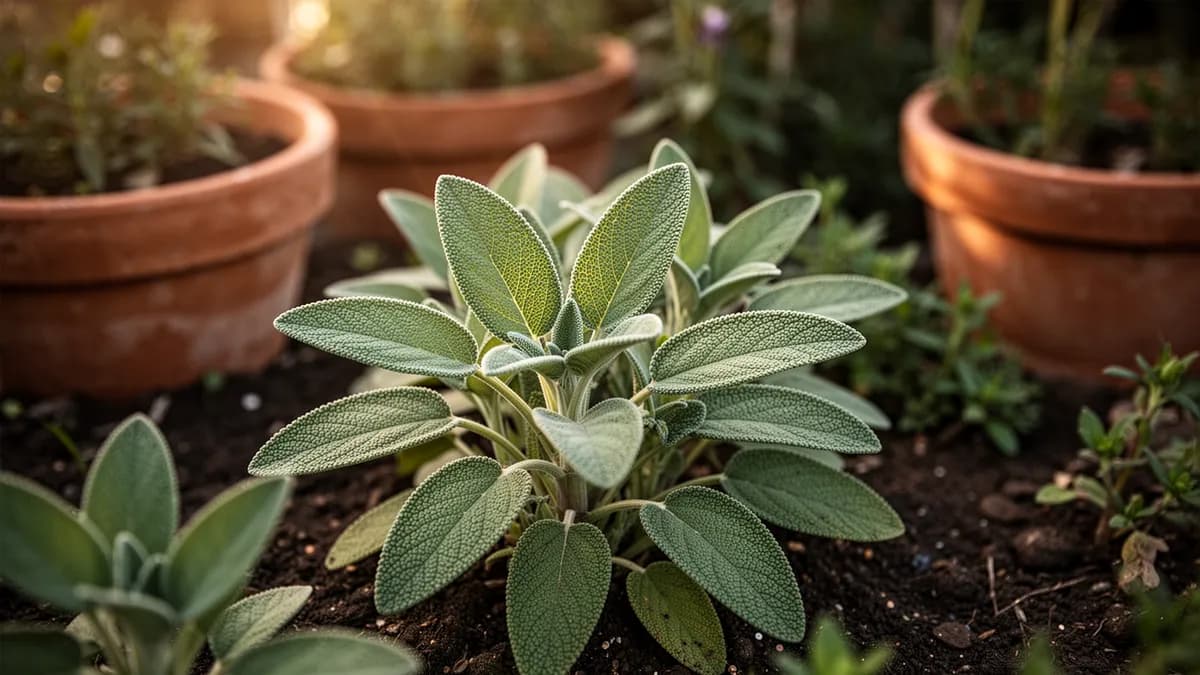
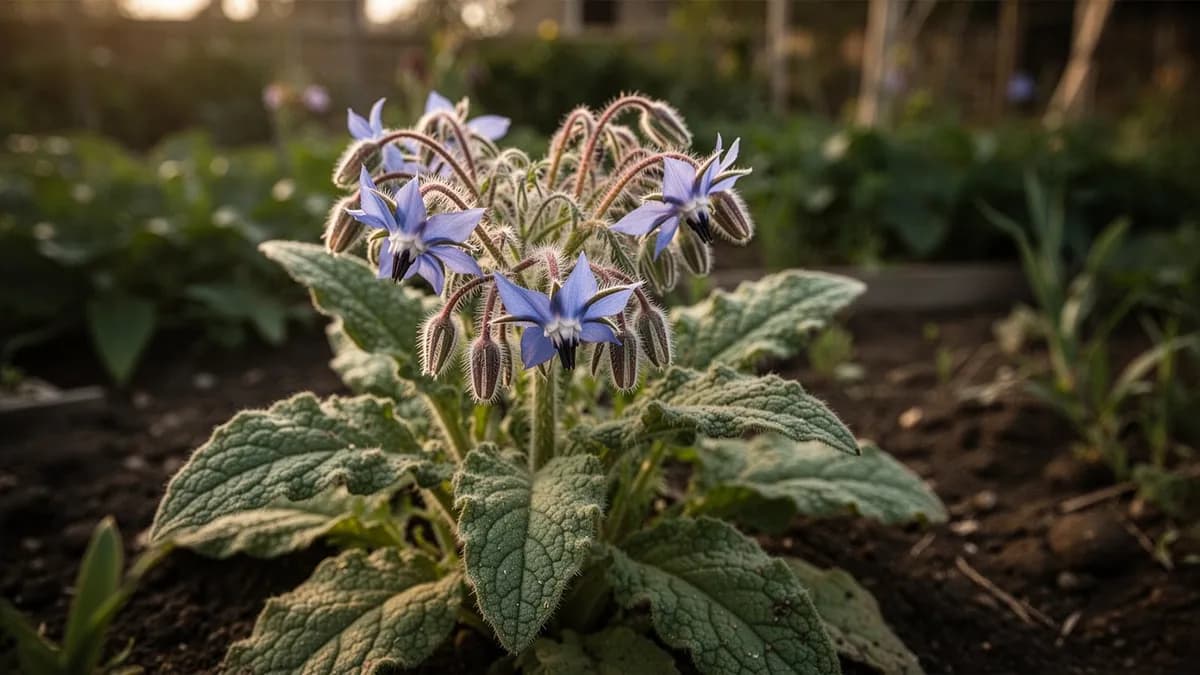
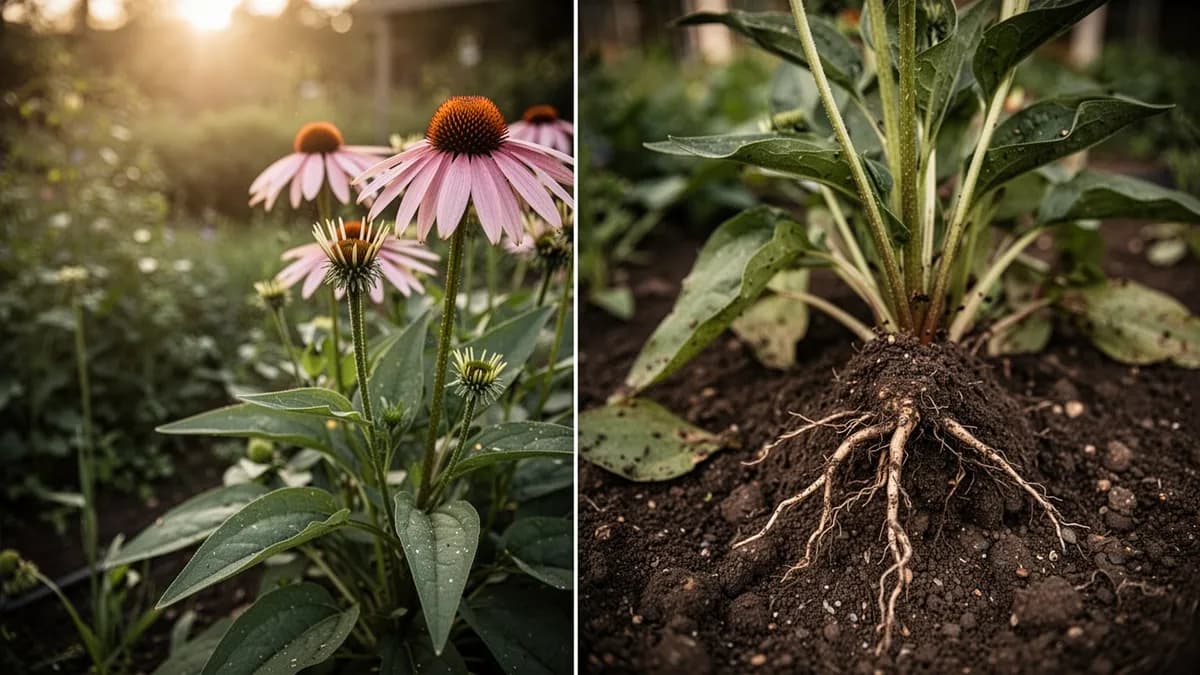
Feed it well
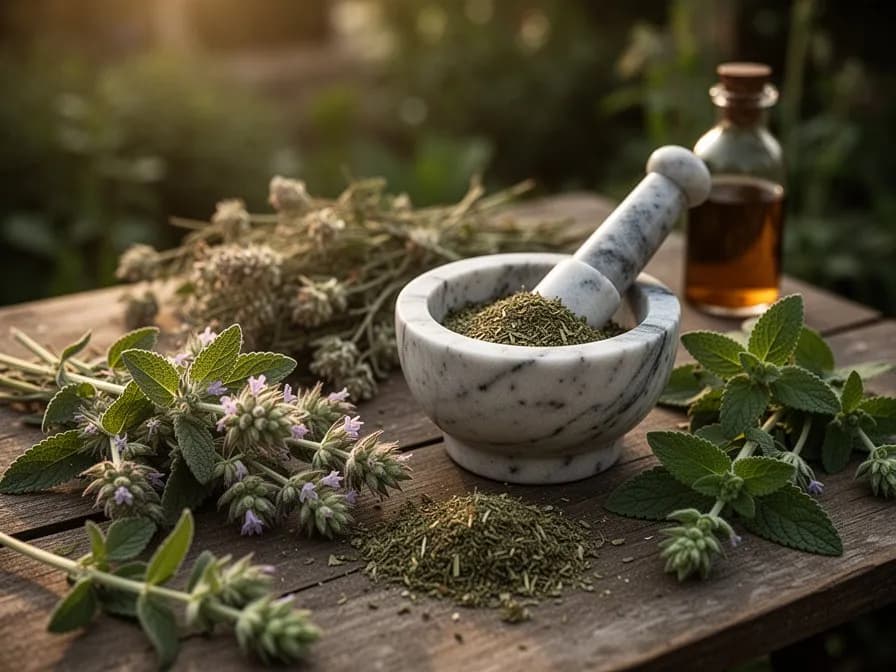
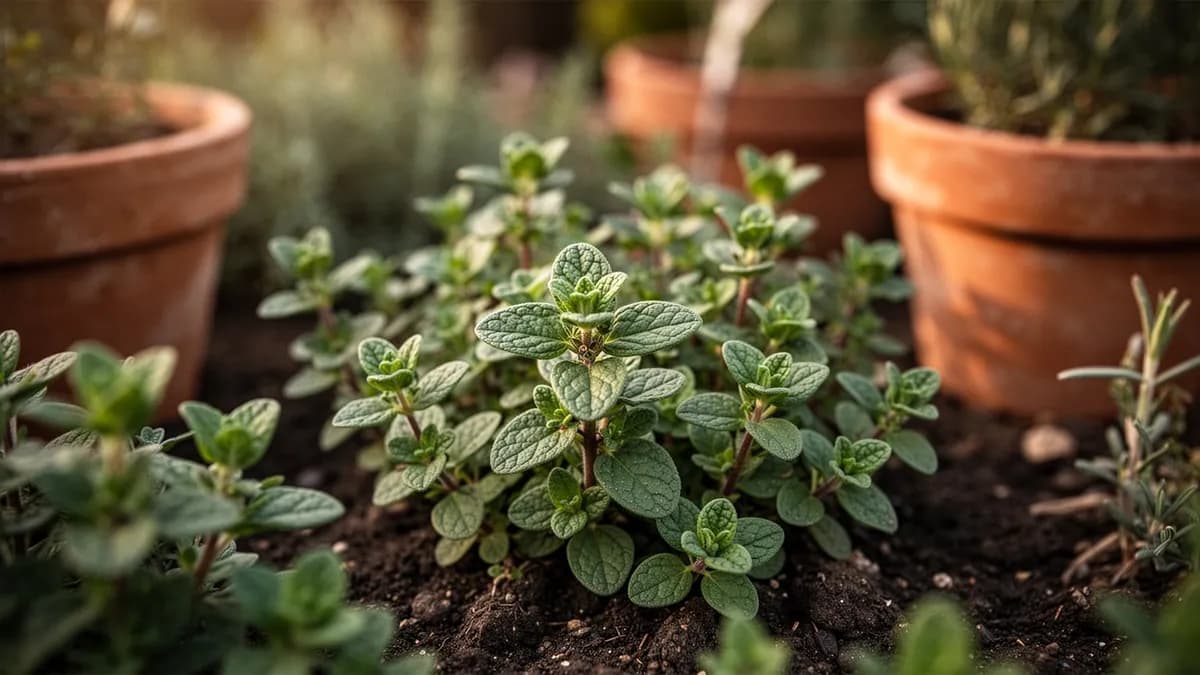
Grow in lean, poor, well-drained soil with pH 6.0-8.0. Horehound thrives in the worst garden soil—sandy, rocky, alkaline, and dry conditions produce the most medicinally potent plants. No fertilization is needed or desired. Rich soil produces lush, bland growth. In containers, use a gritty, free-draining mix with minimal organic matter. This is one herb that genuinely performs best when neglected. Top-dress with gravel rather than compost.
Ideal Temperature
Hardiness Zone Compatibility
From seed to harvest, stage by stage
Germination
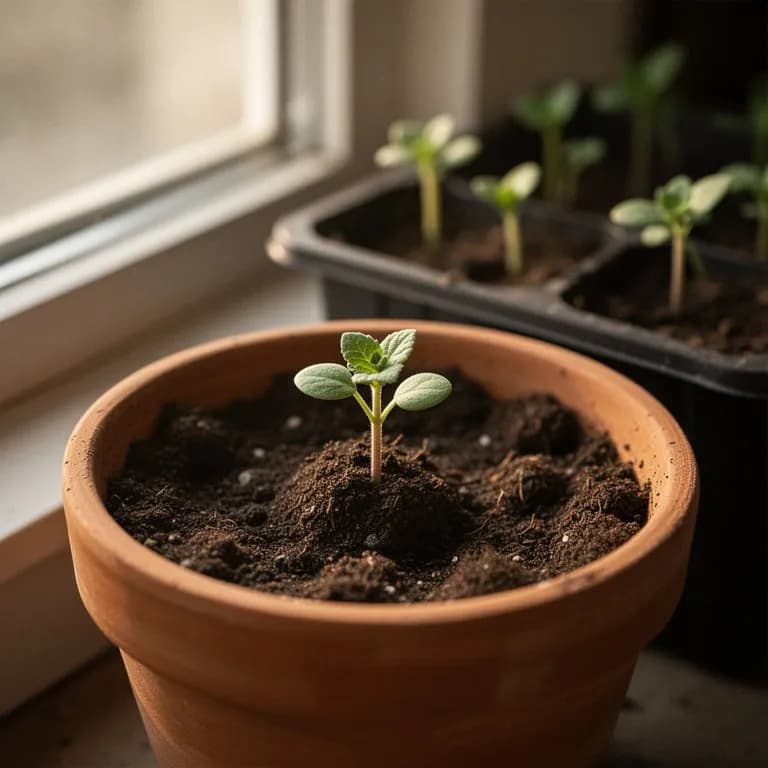
Horehound seeds are tiny and require light to germinate, so they should be surface-sown or barely covered with a fine layer of soil. Under favorable conditions with temperatures between 15-21°C, germination occurs within 7-14 days. The small seedlings emerge with a pair of rounded cotyledon leaves that already display a faint covering of the fine white hairs that will become more pronounced as the plant matures.
Rosette Development
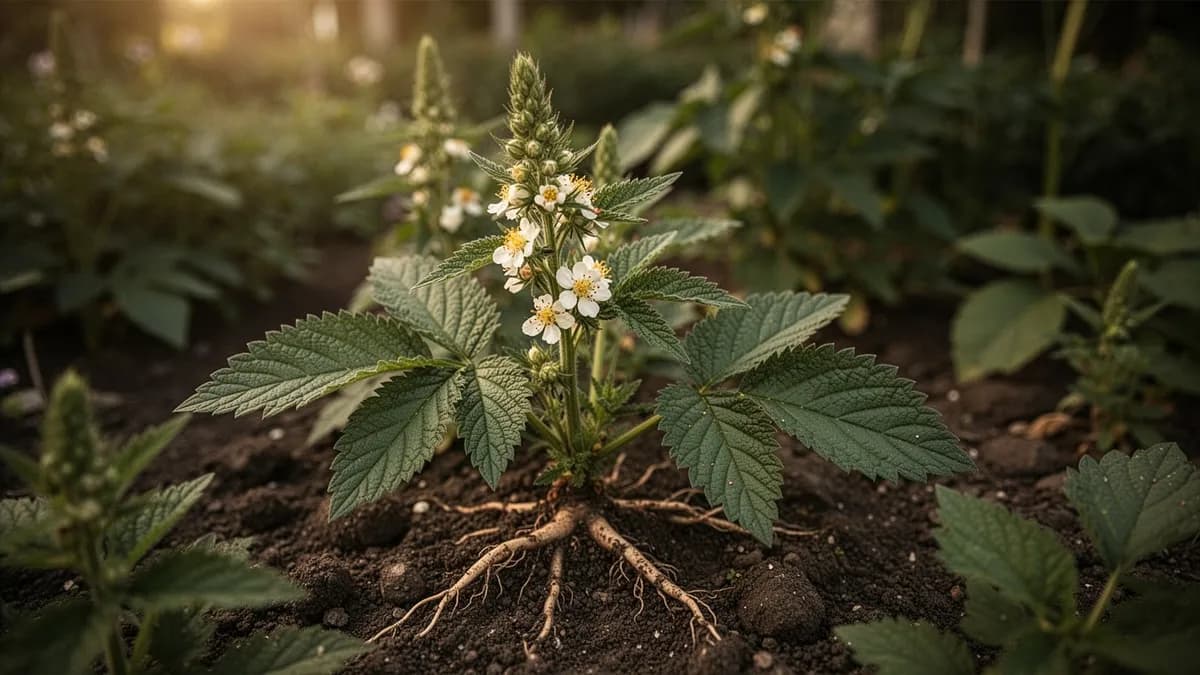
The seedling develops a compact basal rosette of opposite, rounded leaves with deeply wrinkled surfaces and prominent veining. The leaves become increasingly covered in dense white woolly hairs, giving the entire plant a silvery-gray appearance. The root system begins to establish a deep taproot that will later enable the plant's remarkable drought tolerance.
Vegetative Growth
Multiple square stems emerge from the rosette and grow upright to 40-60 cm tall, branching freely from the base. The stems are distinctly four-angled, a hallmark of the mint family, and covered in white downy hairs. Opposite pairs of crinkled, toothed leaves develop along each stem with decreasing size toward the top. The plant begins to form a bushy, multi-stemmed clump during this vigorous growth phase.
Flowering
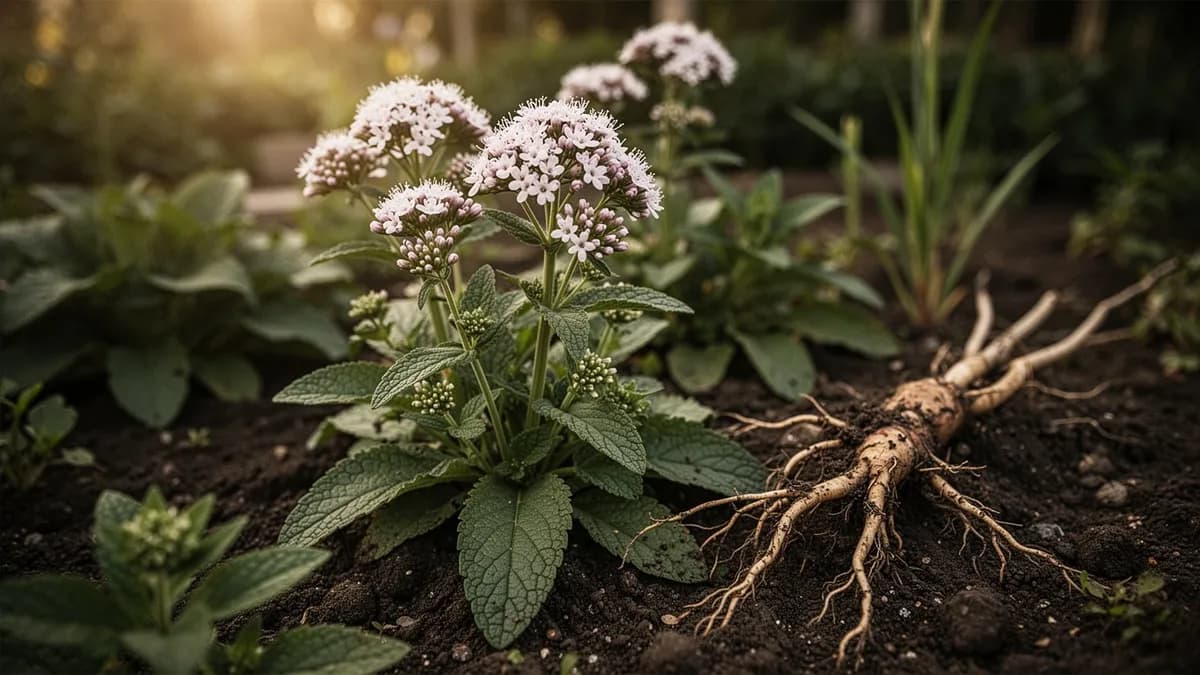
Dense rounded clusters of small white tubular flowers appear in whorls at each leaf node along the upper portions of the stems. The flowers are two-lipped and approximately 5-8 mm long, surrounded by a ring of hooked calyx teeth. Flowering progresses upward over several weeks, with lower whorls setting seed while upper ones continue blooming. Bees are strongly attracted to the nectar-rich flowers, and horehound is considered an excellent bee plant.
Seed Set and Dispersal
After pollination, the calyx teeth harden into rigid hooks that surround the developing nutlets. Each flower produces four small brown nutlets enclosed within this spiny burr-like structure. The hooked calyces catch on animal fur, feathers, and clothing, dispersing seeds widely. Horehound can self-sow prolifically if seed heads are not removed, and in some regions it is considered a naturalized weed due to this efficient dispersal strategy.
Dormancy and Overwintering
In cold climates, the aerial growth dies back partially or fully after hard frosts, though the woody base and root crown remain alive below ground. In mild winter regions (zones 8-10), horehound may remain semi-evergreen with some basal foliage persisting through the cold months. The deep taproot stores energy reserves for vigorous spring regrowth. Established plants are hardy to approximately -20°C and reliably perennial in USDA zones 4-10.
Surface-sow seeds on moist, well-drained soil and press gently without covering deeply. Keep consistently moist with a fine mist spray until germination occurs. Starting seeds indoors 6-8 weeks before the last frost gives plants a head start, as horehound is slow to establish in its first season.
Caring for Horehound month by month
What to do each month for your Horehound
October
You are hereAerial growth begins to die back in cold climates. Cut back spent stems to just above the woody base once they are fully brown. In zones 4-6, apply a thin mulch of gravel or coarse sand over the crown for winter drainage protection rather than organic mulch which retains too much moisture.
Know exactly what to do in your garden — every month
One email at the start of each month: what to sow, plant, and tackle right now — for your Horehound and everything growing around it. Plus a short starter course that helps you dodge the classic mistakes.
- What to do, right now
- Matched to your season
- Starter course included
Harvesting Horehound
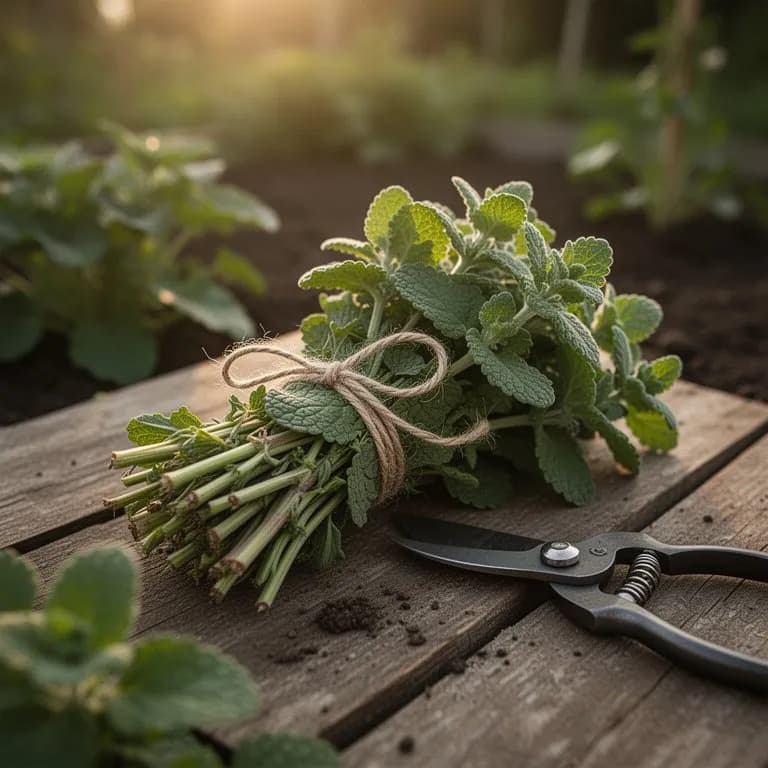
Harvest horehound leaves and flowering tops just before the plant blooms when the bitter marrubiin content is highest. Cut stems to 10cm above ground level and the plant will regrow for a second harvest. The intensely bitter taste is the defining characteristic—this is a medicinal herb, not a culinary one. Dry promptly by hanging small bundles in a warm, dark, well-ventilated area. The woolly leaves dry quickly due to their already-dry texture.
assuming you plant when the window opens — set your real date
Pick Horehound promptly and the plant keeps producing.
Storage & Preservation
Dry horehound by hanging small bundles upside down for 1-2 weeks. Strip dried leaves from stems and store in airtight jars away from light for up to 2 years. The dried herb retains its intense bitterness well. Make horehound cough drops by simmering dried herb, straining, adding honey and sugar, and boiling to hard-crack stage. Tincture in alcohol for a concentrated preparation. Horehound ale and tea are traditional European remedies.
What goes wrong — and the fix
Root Rot
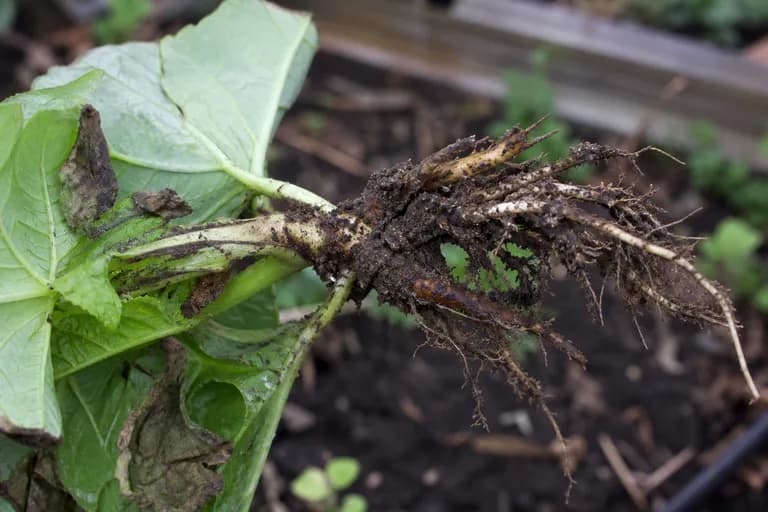
DiseaseWilting, yellowing, and collapse of plants in wet conditions. The woolly foliage traps moisture, worsening the problem.
No Significant Pests
PestHorehound is remarkably pest-free. The intensely bitter compounds and woolly texture deter virtually all insect herbivores.
Troubleshooting Common Problems
Self-seeding can make horehound weedy—deadhead before the burr-like seeds mature. In some regions it is classified as an invasive weed. The intensely bitter taste surprises those expecting a pleasant herbal tea; sweeten with honey. The woolly leaves can harbor moisture in humid climates, leading to fungal issues; ensure good air circulation. Plants may become leggy in partial shade—full sun produces the most compact, productive growth.
Growing Tips
- Horehound seeds are tiny and need light to germinate. Surface-sow on well-drained soil or seed-starting mix and press gently without covering. Maintain consistent moisture with a fine mist until seedlings emerge in 10-14 days. Starting seeds indoors gives plants a crucial head start in their slow first season.
- Choose the driest, sunniest spot in your garden for horehound. This Mediterranean native thrives in poor, gravelly, or sandy soils where many other herbs struggle. It actually produces more potent medicinal compounds when grown in lean soil without fertilizer, as nutrient stress concentrates the bitter principles.
- Excellent drainage is the single most important factor for growing horehound successfully. Raised beds, gravel mulch, and sandy soil amendments help prevent the root rot and crown rot that kill more horehound plants than cold temperatures or drought ever will.
- Space plants 25-30 cm apart to allow good air circulation around the woolly foliage. In humid climates, wider spacing of 35-40 cm helps prevent moisture-related fungal problems. Avoid overhead irrigation, which causes the dense leaf hairs to trap water against the leaf surface.
- Pinch growing tips when stems reach 15 cm tall to promote branching and create bushier plants with more harvestable leaf mass. Without pinching, horehound tends to grow tall and leggy with fewer lateral stems and a lower overall yield of dried herb.
- Harvest the leafy flowering tops just as the first flower whorls begin to open, cutting stems to 10 cm above the woody base. This timing captures peak marrubiin content. Hang small bundles upside down in a warm, dry, well-ventilated area out of direct sunlight until crispy dry, typically 7-10 days.
- Control self-seeding vigilantly by removing flower heads before the hooked calyx burrs mature and disperse. Horehound can become weedy in favorable conditions, and the burrs are notoriously difficult to remove from clothing, pet fur, and sheep fleece. Deadheading also redirects energy into producing more leafy growth.
- Horehound is exceptionally drought-tolerant once established and requires virtually no supplemental watering in most climates. Overwatering is the most common mistake growers make with this herb. Water only newly planted seedlings and container-grown plants during extended hot, dry periods.
- Propagate established plants by division in early spring for faster results than growing from seed. Dig up the entire root mass, divide into sections each containing 2-3 growth points and some roots, and replant immediately at the same depth. Divisions establish quickly and may flower in their first season.
- Grow horehound alongside other Mediterranean herbs like lavender, rosemary, sage, and thyme that share its preference for full sun, lean soil, and dry conditions. It also pairs well visually with ornamental grasses and silver-leaved plants like artemisia and lamb's ear in xeriscape plantings.
Grow your best Horehound yet — and everything around it.
Start a free plan today. Lay out your beds, drop in your Horehound, and let PlotMyGarden handle the timing, spacing, companions and reminders from seed to harvest basket.
Pick your Horehound
Marrubium vulgare (White Horehound)
The standard medicinal species used in cough drops and bitter teas. Woolly grey-green leaves. Hardy perennial.
Ballota nigra (Black Horehound)
A related but different species with an unpleasant smell. Used in herbal medicine for nausea. Not a substitute for white horehound.
Dried horehound herb costs $10-18 per 100g from herbal suppliers, and commercial horehound cough drops typically sell for $5-8 per small bag. A single established plant producing 80-120g of dried herb annually replaces $10-20 worth of purchased herb. Since one seed packet costing $3-4 provides enough plants for years of homemade cough drops, tea, and syrup, the savings add up quickly. A small patch of 3-4 plants can easily save $60-120 over five years compared to purchasing commercial horehound cough preparations and dried herb.
Quick recipes
Old-Fashioned Horehound Cough Drops
45 minThese traditional amber-colored lozenges have been a folk remedy for coughs and sore throats for centuries. The bitter horehound extract is combined with sugar and cooked to hard-crack stage, creating a soothing candy that slowly releases expectorant compounds as it dissolves in the mouth. A batch keeps for months stored in an airtight container and makes a thoughtful homemade gift during cold season.
6 ingredients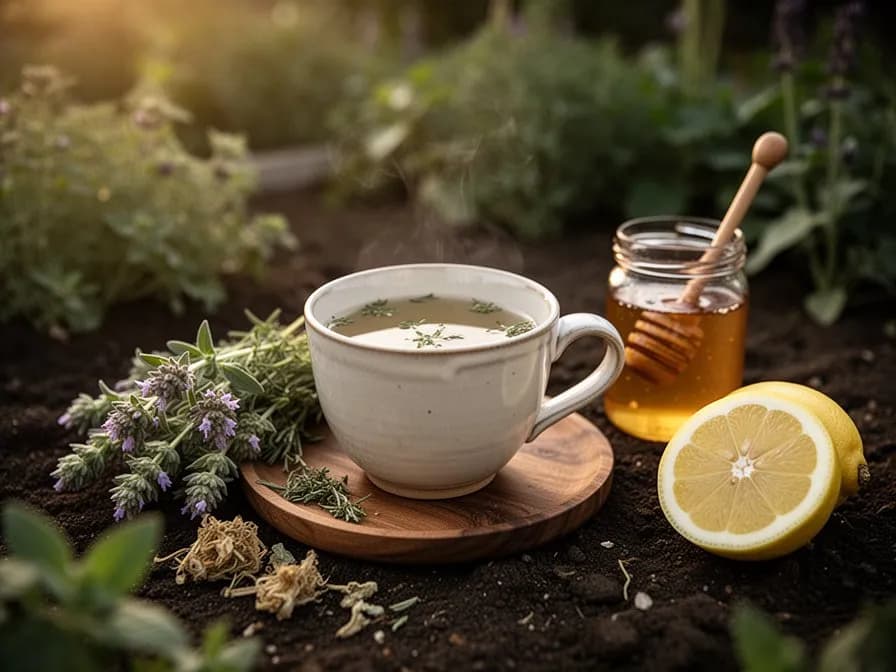
Soothing Horehound and Honey Tea
10 minA time-honored herbal tea that combines the expectorant and cough-calming properties of horehound with the throat-coating benefits of raw honey. The intensely bitter flavor of horehound is an acquired taste, but the honey transforms it into a palatable and genuinely effective respiratory remedy that has been relied upon across cultures for millennia.
5 ingredientsHorehound Cough Syrup
30 minA concentrated herbal syrup that preserves horehound's respiratory benefits in a shelf-stable form. This traditional preparation creates a thick, honey-sweetened syrup that can be taken by the spoonful to ease coughs, clear congestion, and soothe irritated airways. The syrup keeps for several weeks refrigerated and is far more economical than commercial cough preparations.
5 ingredientsWhat's inside
Health Benefits
- Contains marrubiin, a scientifically studied diterpene lactone with proven expectorant properties that helps loosen and expel mucus from the respiratory tract, making it one of the most effective herbal remedies for productive coughs and chest congestion.
- The bitter compounds in horehound stimulate digestive secretions including bile and gastric acid, improving appetite, supporting healthy digestion, and helping to relieve bloating, gas, and indigestion when taken as a tea before meals.
- Traditionally used as a mild febrifuge to help reduce low-grade fevers associated with colds and flu, horehound tea promotes gentle perspiration that supports the body's natural fever-management processes.
- Laboratory studies have demonstrated anti-inflammatory properties of marrubiin and related compounds, supporting traditional use of horehound preparations for soothing inflamed mucous membranes in sore throats and upper respiratory infections.
- The flavonoids apigenin and luteolin found in horehound possess antioxidant and mild antispasmodic effects, which may help relax bronchial smooth muscle and ease the spasmodic coughing associated with bronchitis and persistent respiratory irritation.
- Historical use as a liver-protective and bile-stimulating herb has been partially supported by modern research suggesting that horehound extracts may help promote healthy liver function and support the body's natural detoxification processes.
Where Horehound comes from
Horehound (Marrubium vulgare) is native to the Mediterranean basin, central Asia, and parts of North Africa, where it grows wild on dry, rocky hillsides, waste ground, and along roadsides in poor, well-drained soils. The genus name Marrubium is believed to derive from the ancient Hebrew word 'marrob' meaning bitter juice, a fitting description for one of the most intensely bitter herbs in the traditional pharmacopoeia.
Horehound ranks among the oldest recorded medicinal plants in human history. Ancient Egyptian priests called it the 'seed of Horus' and prescribed it extensively for respiratory complaints. The Ebers Papyrus, dating to approximately 1550 BC, includes horehound in several formulations for coughs and breathing difficulties. Greek and Roman physicians including Hippocrates, Dioscorides, and Galen all recommended horehound for lung ailments, making it one of the most consistently prescribed herbs across ancient Mediterranean civilizations.
Throughout the Middle Ages, horehound was cultivated in virtually every European monastery herb garden and featured prominently in herbals by Hildegard von Bingen, John Gerard, and Nicholas Culpeper. Gerard described it as a remedy that 'prevaileth against the cough' and recommended it sweetened with honey. The practice of making horehound candy as a cough remedy appears to have originated in medieval England and became enormously popular by the 18th and 19th centuries. American colonists brought horehound seeds to the New World, where the herb quickly became a staple of frontier medicine cabinets and general store candy jars alike.
Modern pharmacological research has validated many traditional uses. The compound marrubiin, isolated from horehound, has demonstrated expectorant, antispasmodic, and mild analgesic properties in laboratory studies. Despite competition from synthetic cough preparations, horehound remains widely used in European and American herbal medicine, and horehound cough drops continue to be commercially produced by several manufacturers. The plant has naturalized across temperate regions worldwide, thriving in the same dry, disturbed habitats it favors in its native range.
Horehound: did you know?
Fascinating facts about Horehound
Horehound is one of the five bitter herbs traditionally eaten during the Jewish Passover Seder, where it represents the bitterness of slavery in Egypt. Its intensely bitter taste makes it particularly memorable among the ritual herbs.
Horehound questions, answered
When should I plant Horehound?
What are good companion plants for Horehound?
What hardiness zones can Horehound grow in?
How much sun does Horehound need?
How far apart should I space Horehound?
What pests and diseases affect Horehound?
How do I store Horehound after harvest?
What are the best Horehound varieties to grow?
What soil does Horehound need?
What is horehound used for?
How do you make horehound cough drops at home?
Is horehound safe to consume?
Does horehound spread aggressively in the garden?
Why does my horehound taste so bitter?
Can horehound be grown in containers?
You just read the theory. Now grow it on autopilot.
Everything that makes Horehound fiddly — the timing, the spacing, the companions, the harvest window — is exactly what PlotMyGarden handles for you, for every plant in your garden.
A plan that knows your weather
Set your location once. Get sow, feed and harvest dates built around your real last-frost date and live forecast — no more guessing from a generic seed packet.
From the “When to plant” sectionDrag-and-drop bed planner
Design beds on a grid. Every plant snaps to its proper spacing, and you can see your whole season laid out before you spend a cent on seed.
From the “Growing guide” sectionCompanion conflicts, caught early
200+ good-and-bad pairings checked live as you plant — so a season-wrecking mistake never makes it into the ground.
From the “Companions” sectionReminders you'll actually act on
“Water the beans.” “Pick today before it turns.” Timely, specific, and tied to the plants you're really growing.
From the “Harvest” sectionSuccession, scheduled
Want a harvest for six weeks, not six days? It spaces your sowings automatically and reminds you when each new block is due.
From the “When to plant” sectionA record that gets smarter
Every harvest you log teaches it your garden. Next year's plan starts from what actually worked in your soil, not a textbook's.
From the “Overview” sectionPlant these alongside Horehound
More Medicinal Herbs
Garden plans featuring Horehound
Grow your best Horehound yet — and everything around it.
Start a free plan today. Lay out your beds, drop in your Horehound, and let PlotMyGarden handle the timing, spacing, companions and reminders from seed to harvest basket.