Avellano
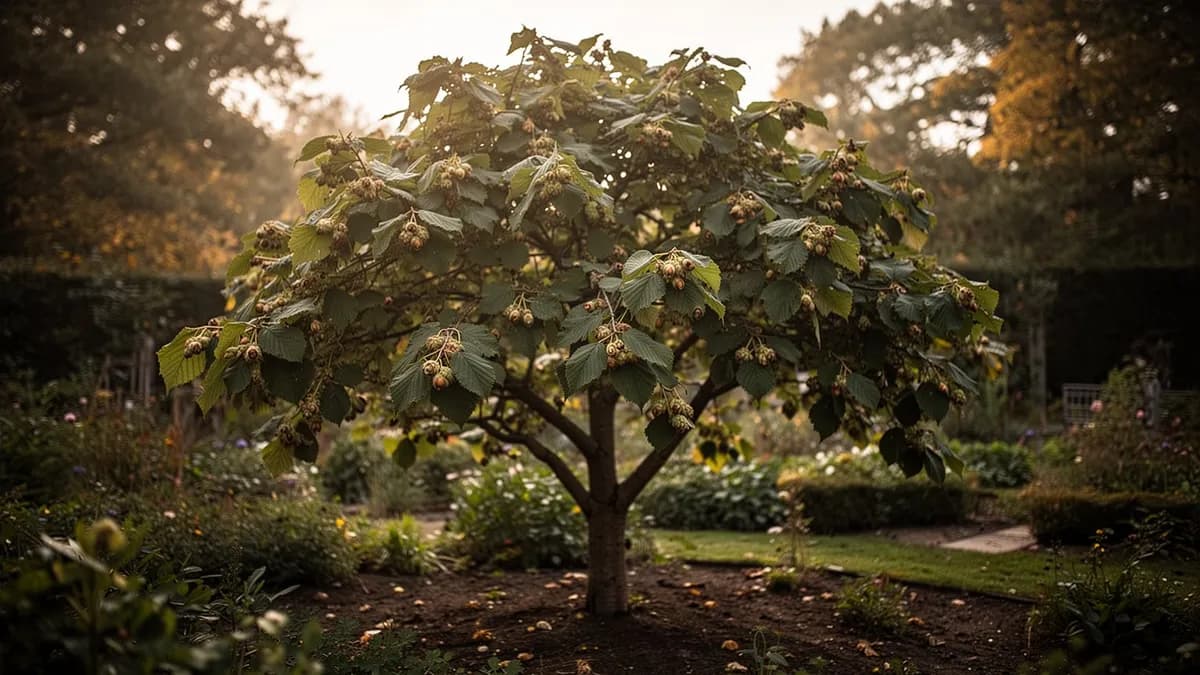
Un árbol arbustivo de múltiples troncos que produce deliciosas avellanas en atractivos racimos envueltos en involucros a finales del verano y en otoño.





En esta páginaResumen
Conoce Avellano
Un árbol arbustivo de múltiples troncos que produce deliciosas avellanas en atractivos racimos envueltos en involucros a finales del verano y en otoño. Los avellanos son polinizados por el viento y necesitan una variedad polinizadora compatible cerca, por lo que conviene plantar al menos dos cultivares diferentes. Prosperan en climas templados y toleran la sombra parcial mejor que la mayoría de los árboles de frutos secos. La plaga del avellano oriental (Eastern Filbert Blight) es la principal preocupación para los cultivadores del este de las Montañas Rocosas, por lo que se recomienda elegir variedades resistentes cuando estén disponibles.
Cuándo plantar Avellano
Los avellanos se propagan por varios métodos. El acodo, en el que una rama baja se dobla hasta el suelo, se cubre con tierra y se deja enraizar, es el método casero tradicional y produce plantas idénticas a la variedad madre. El acodo por atadura o el acodo de montículo de toda la base del arbusto son ambos eficaces. Las estaquillas de madera dura tomadas a finales del invierno pueden enraizar con hormona de enraizamiento. Las semillas requieren de 3 a 4 meses de estratificación fría y producen plantones variables. Las variedades con nombre se propagan comercialmente por acodo o cultivo de tejidos para garantizar la uniformidad.
Tu año de Avellano
Ajustado a Zona 7 · temporada típica · la helada se va hacia el 2 abr y vuelve hacia el 1 nov
Planta Avellano Mar – Abr, Nov y cosecha Sep – Oct. Consulta los métodos de plantación y elige tu clima para adaptar los periodos.
Cómo cultivar Avellano
Los avellanos, también conocidos como filberts, son árboles arbustivos de múltiples troncos que alcanzan entre 3.5 y 6 metros de altura. Prosperan en climas templados con inviernos frescos y húmedos y veranos suaves, similares a los del noroeste del Pacífico o la Europa atlántica. Plante a pleno sol o en sombra parcial en un suelo bien drenado con un pH de 6.0 a 7.0. Los avellanos toleran más sombra que cualquier otro árbol de frutos secos, pero producen las mejores cosechas a pleno sol. Deje una separación de 4.5 a 6 metros entre árboles.
Los avellanos son polinizados por el viento y requieren polinización cruzada de una variedad compatible que libere polen al mismo tiempo. Este requisito temporal es crítico porque los avellanos florecen a finales del invierno: los amentos masculinos liberan polen en enero y febrero, cuando las diminutas flores femeninas rojas son receptivas. Plante al menos dos variedades diferentes a menos de 15 metros de distancia entre sí. Riegue con regularidad durante los primeros 2 a 3 años; después, reduzca a riegos complementarios durante los períodos secos.
Los avellanos crecen de forma natural como arbustos de múltiples tallos, pero pueden conducirse como tronco único o como pequeño árbol. Si se cultivan como arbusto, permita entre 3 y 5 tallos principales y elimine los chupones que broten de la base para evitar que la plantación se convierta en una espesura impenetrable. Pode a finales del invierno para retirar madera muerta, aclarar el interior y favorecer la circulación del aire, y mantener la forma. Empiece a cosechar avellanas a los 3 o 4 años de edad, con plena producción en torno a los 8 años. Los rendimientos anuales típicos oscilan entre 5 y 12 kg por arbusto.
Para Avellano un bancal de 120 × 240 cm se queda corto
Cada Avellano pide 500 cm de margen. El planificador guarda ese marco por ti — cada planta, cada bancal.
Los mejores vecinos de Avellano
Los avellanos encajan bien en setos mixtos y sistemas agroforestales, proporcionando hábitat para la fauna silvestre al tiempo que producen frutos secos. Plante debajo coberturas tolerantes a la sombra como trébol blanco, acedera silvestre o violetas nativas. En diseños de bosques comestibles, los avellanos ocupan el estrato arbustivo entre los árboles de dosel más grandes y las plantas a nivel del suelo. La consuelda plantada cerca aporta material de acolchado rico en nutrientes. Evite plantar cerca de nogales por la posible sensibilidad a la juglona. Los bulbos primaverales y las flores silvestres prosperan bajo la copa ligera del avellano.
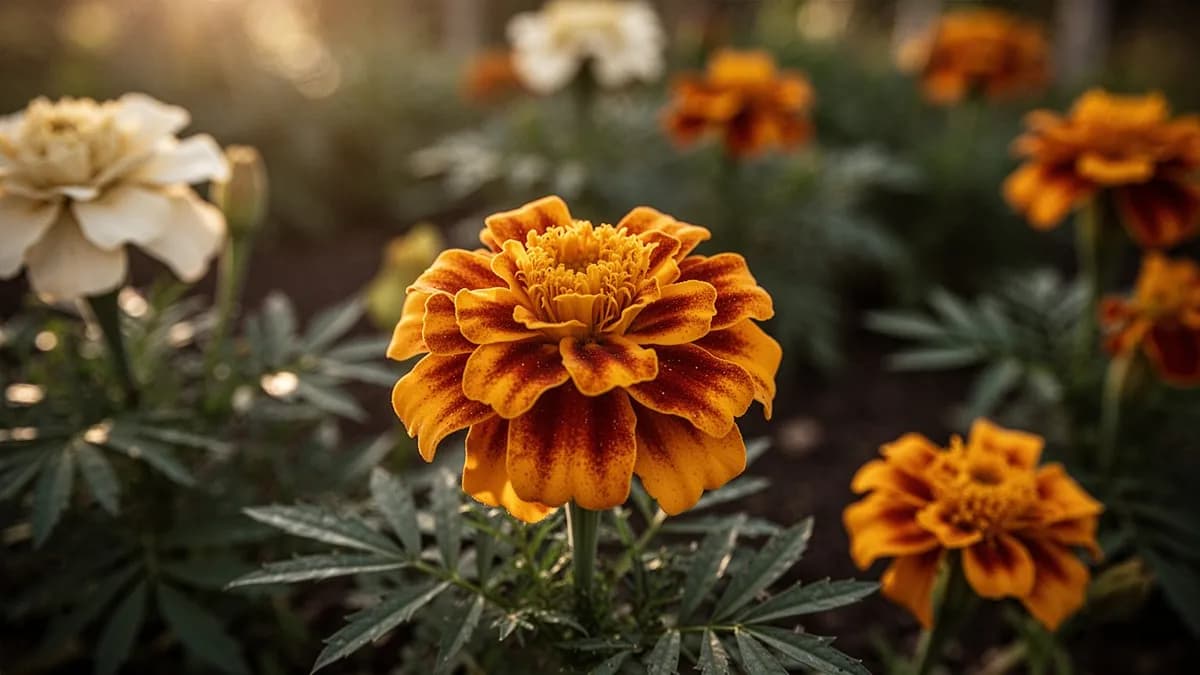
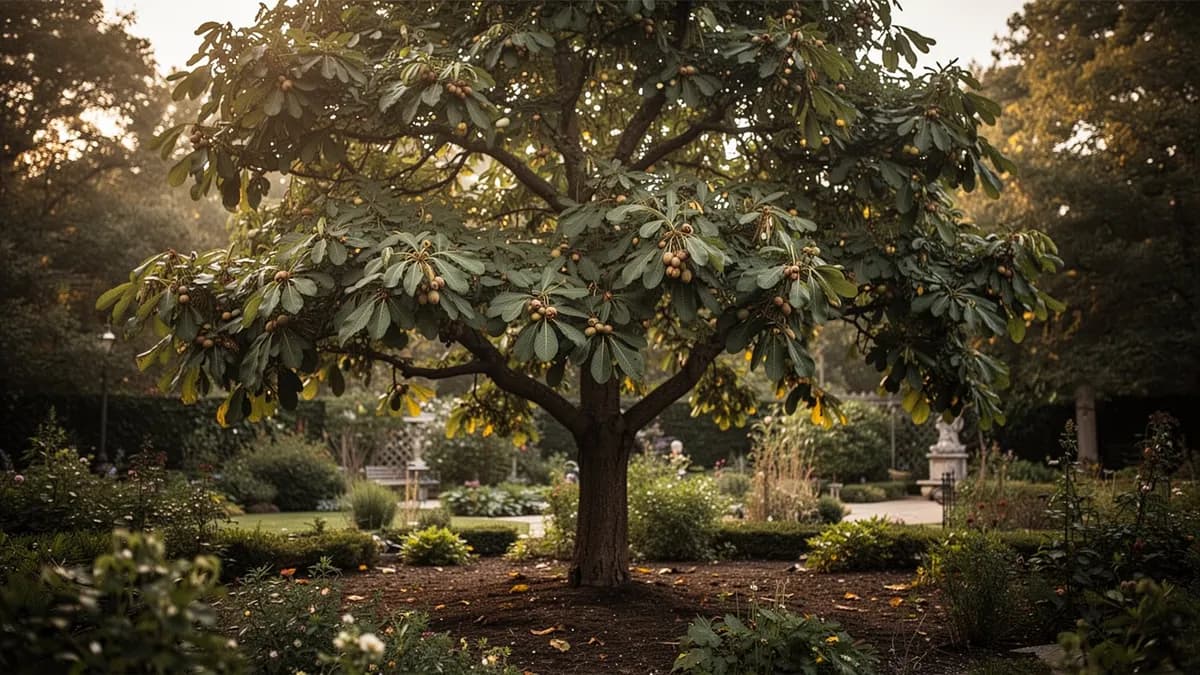
Tagete va a su lado. Nogal no.
Saber de huerto de siempre, cotejado con la tabla real de Avellano — prueba cualquier planta que cultives.
Prueba Avellano en un bancal, aquí mismo
Un bancal real del planificador con Avellano ya plantado. Toca una planta compañera para colocarla y mira cómo responde la comprobación de vecinos: verde para buenos vecinos, rojo si hay conflicto.


Guías de cultivo relacionadas
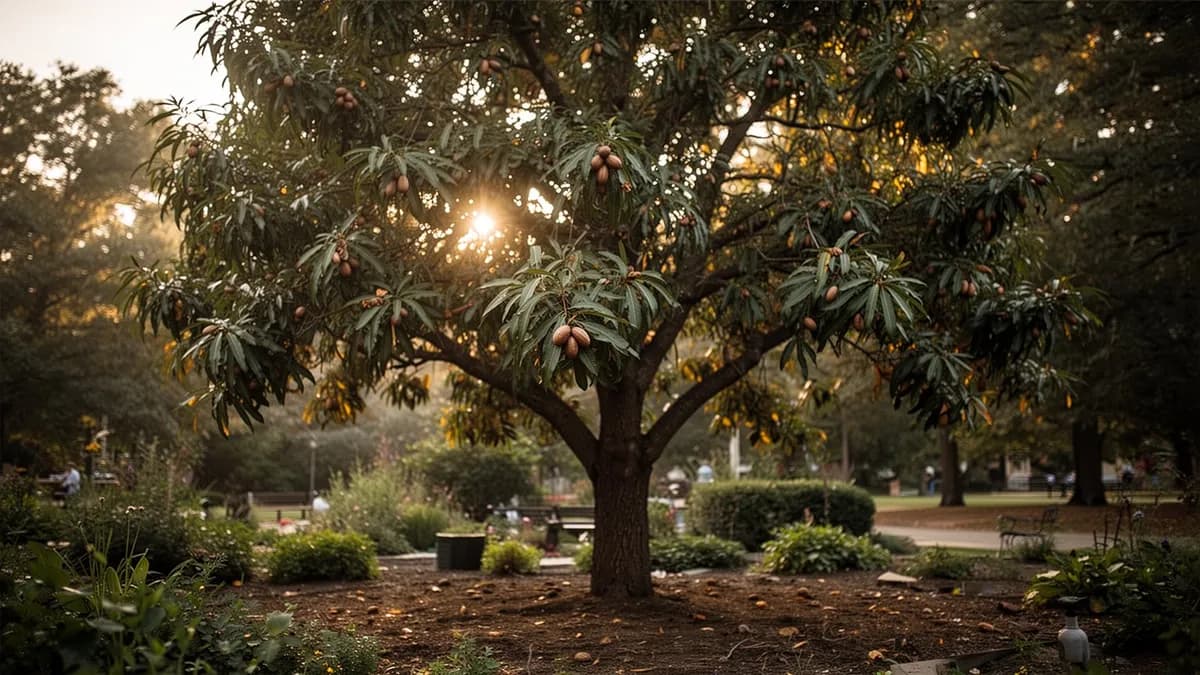
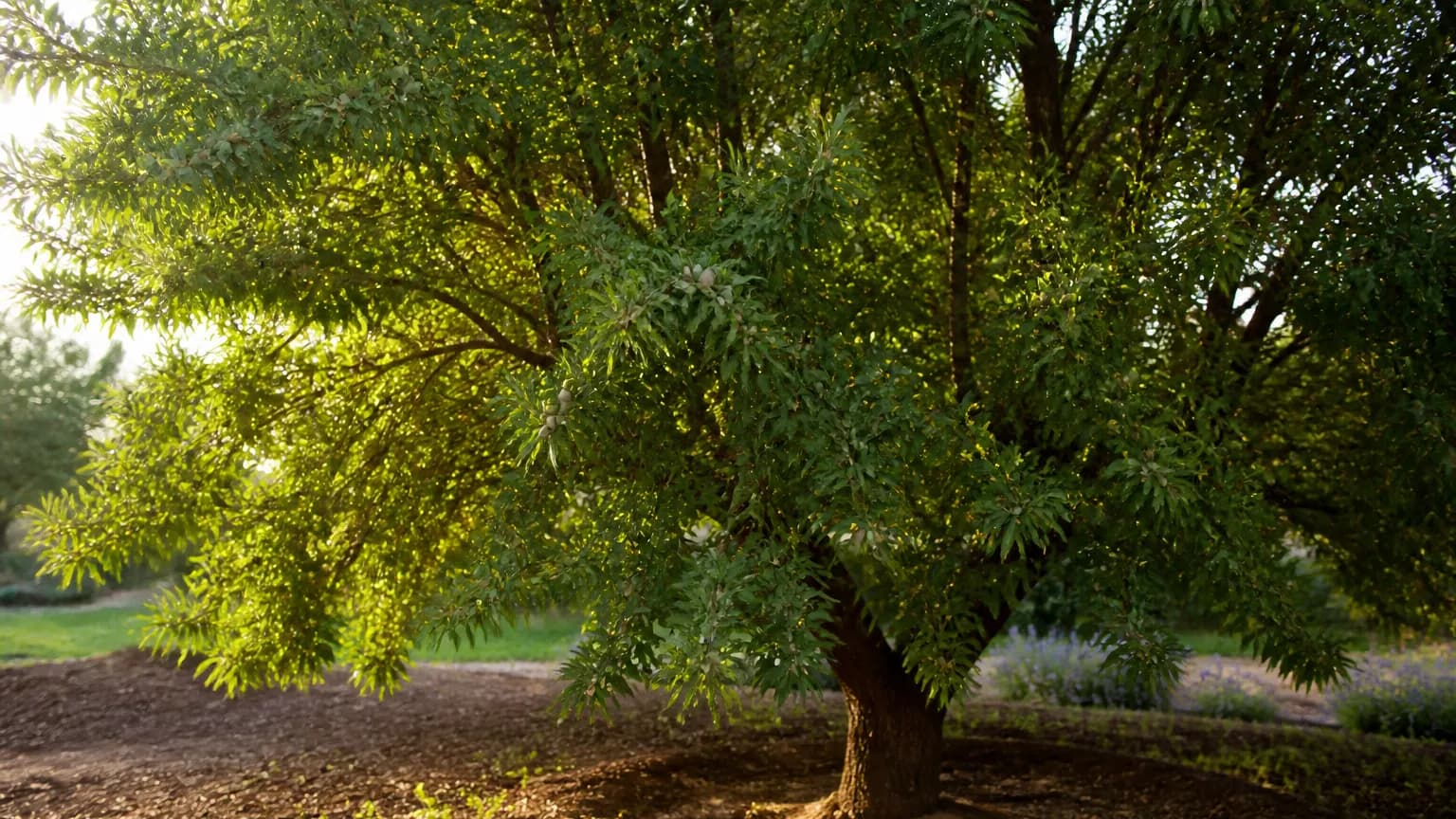
Abónalo bien
Los avellanos prefieren suelos francos bien drenados con un pH de 6.0 a 7.0. Toleran una gama de condiciones más amplia que la mayoría de los árboles de frutos secos, pero tienen dificultades en arcillas pesadas encharcadas o en suelos extremadamente arenosos. Aplique un fertilizante equilibrado a principios de primavera, utilizando aproximadamente un cuarto de libra de nitrógeno real por año de edad del árbol. La deficiencia de boro provoca avellanas huecas y un desarrollo deficiente del grano; aplique bórax a razón de 30 gramos por árbol al año si se sospecha deficiencia. Evite el exceso de nitrógeno, que favorece el crecimiento vegetativo en detrimento de la producción de fruto.
Temperatura ideal
Compatibilidad de zonas de rusticidad
De la semilla a la cosecha, etapa por etapa
Reposo Vegetativo y Plantación
Los avellanos a raíz desnuda se plantan durante el período de reposo invernal, cuando el árbol ha perdido todas sus hojas y la energía se almacena en el sistema radicular y el tejido leñoso. Los avellanos necesitan entre 800 y 1200 horas de frío por debajo de 7 °C para romper la latencia correctamente, lo que los hace muy adecuados para climas templados. Durante esta fase, el sistema radicular comienza a establecerse en el suelo circundante aunque no se observa crecimiento aéreo.
Desarrollo de Amentos y Flores
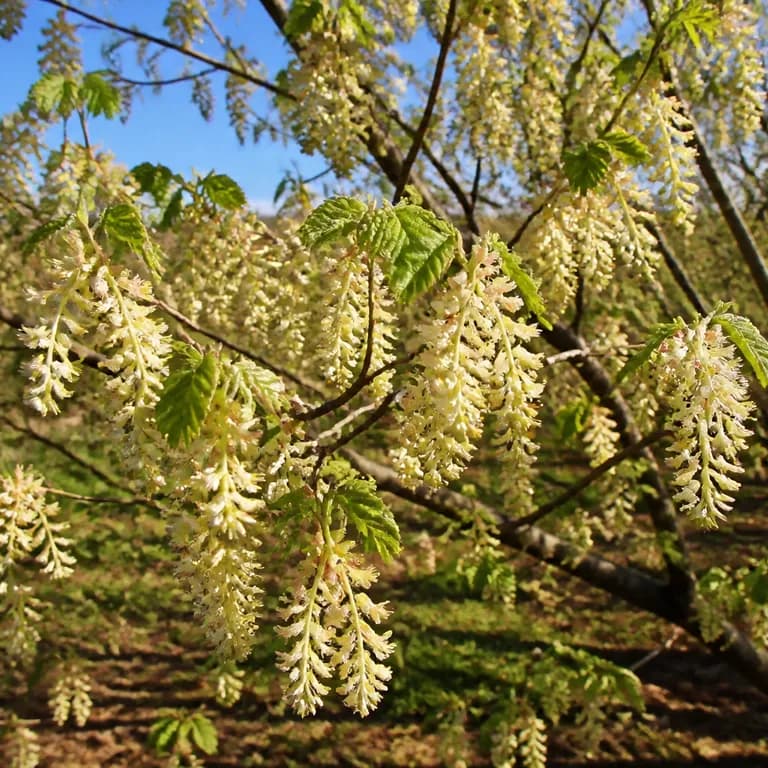
Desde finales de enero hasta marzo, el avellano es uno de los primeros árboles en florecer. Los largos amentos masculinos péndulos se elongan y liberan nubes de polen amarillo al viento. Las diminutas flores femeninas, visibles únicamente como estigmas rojos brillantes que asoman de las yemas, reciben este polen. La polinización cruzada desde una variedad diferente es esencial para una buena cuaja de fruto, ya que la mayoría de los cultivares son autoincompatibles.
Expansión Foliar y Crecimiento de Brotes
Tras la polinización, el árbol despliega hojas anchas y redondeadas con márgenes aserrados y brotes nuevos vigorosos. Las flores femeninas fecundadas comienzan a desarrollarse en pequeños racimos de avellanas verdes encerradas en involucros foliáceos. Durante esta fase el árbol canaliza su energía tanto en el crecimiento vegetativo como en las primeras etapas de la formación del fruto, construyendo la estructura que sostendrá las cosechas futuras.
Desarrollo y Llenado de la Avellana
A lo largo del verano, los granos se hinchan dentro de sus cáscaras protectoras. Las cáscaras se endurecen durante julio y los granos se llenan de pulpa rica en aceite durante agosto. Este es el período más crítico en cuanto a riego para el avellano, ya que el estrés hídrico dará lugar a granos poco desarrollados o arrugados. A finales de agosto los involucros empiezan a pasar de verde a marrón, señalando la proximidad de la cosecha.
Cosecha y Caída de las Avellanas
En septiembre y octubre, las avellanas maduras se sueltan de sus involucros y caen de forma natural al suelo. Los involucros se secan y se abren, liberando las avellanas de cáscara marrón. La cosecha consiste simplemente en recoger las avellanas caídas del suelo cada pocos días. Las avellanas completamente maduras tendrán una cáscara marrón firme y un grano blanco a crema en su interior que se quiebra limpiamente al partirlo.
Postcosecha y Caída de la Hoja
Tras la cosecha, el avellano se torna amarillo dorado antes de desprenderse de sus hojas en otoño. Las hojas caídas forman una capa de acolchado rica en nutrientes. El árbol entra en su fase de reposo y los amentos de la siguiente temporada comienzan a formarse como pequeñas yemas verdosas sobre la madera del año en curso. Este período de descanso es vital para acumular las reservas de energía necesarias para la floración y la producción de frutos del año siguiente.
Plante los avellanos a raíz desnuda a finales del otoño o principios del invierno mientras estén en pleno reposo. Cave un hoyo del doble de ancho que el cepellón y lo suficientemente profundo para que la línea de tierra original en el tronco quede al nivel del suelo. Riegue abundantemente tras la plantación y aplique una capa de 10 cm de acolchado orgánico como corteza triturada alrededor de la base, manteniéndolo a 10 cm del tronco para prevenir la pudrición de la corteza.
Cuidar Avellano mes a mes
Qué hacer cada mes para tu Avellano
Octubre
Mes actualComplete la cosecha a medida que caen las últimas avellanas del árbol. Las hojas comienzan a volverse amarillo dorado. Retire y composte las avellanas momificadas que queden en las ramas para reducir la transmisión de enfermedades. Evalúe la forma general del árbol y planifique los trabajos de poda para la temporada de reposo.
Ten claro qué hacer en tu huerto, cada mes
Un correo al empezar cada mes: qué sembrar, plantar y hacer ahora mismo — para tu Avellano y todo lo que crece alrededor. Más un breve curso inicial para esquivar los errores clásicos.
- Qué hacer ahora mismo
- Ajustado a tu temporada
- Curso inicial incluido
Cosechar Avellano
Las avellanas maduran en septiembre y octubre, lo que se reconoce porque los involucros se vuelven marrones y la avellana se separa fácilmente de ellos. Deje que las avellanas caigan de forma natural o sacuda las ramas para desprender los racimos maduros. Recójalas del suelo a diario para evitar daños por humedad y el robo por parte de las ardillas. Retire los involucros y seque las avellanas en un lugar cálido y bien ventilado durante 2 a 4 semanas, hasta que el grano se quiebre limpiamente al partirlo. Las avellanas correctamente secas suenan al agitarlas dentro de la cáscara.
se supone que plantas al comenzar el periodo — indica tu fecha real
Cosecha Avellano a tiempo y la planta sigue produciendo.
Almacenamiento y conservación
Las avellanas secas con cáscara se conservan a temperatura ambiente entre 3 y 4 meses, y en el frigorífico hasta un año. Los granos pelados se mantienen mejor en el congelador en recipientes herméticos hasta 2 años. El tostado resalta el característico sabor de la avellana y facilita el desprendimiento de la fina piel marrón. Las avellanas son excepcionales molidas como harina, convertidas en crema de avellana o combinadas con chocolate en cremas para untar y confitería. El aceite de avellana es un preciado aceite culinario para aliños de ensaladas y como toque final en platos.
Qué falla — y cómo solucionarlo
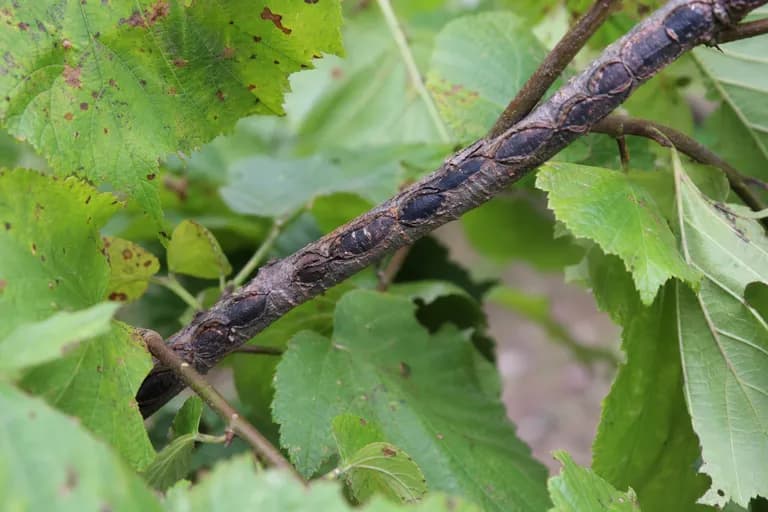
Plaga del Avellano Oriental (Eastern Filbert Blight)
EnfermedadHileras de estromas negros con forma de balón de fútbol americano erupcionan a través de la corteza de las ramas infectadas. Las ramas desarrollan cancros y mueren en un plazo de 2 a 5 años. Finalmente resulta letal para los árboles susceptibles.
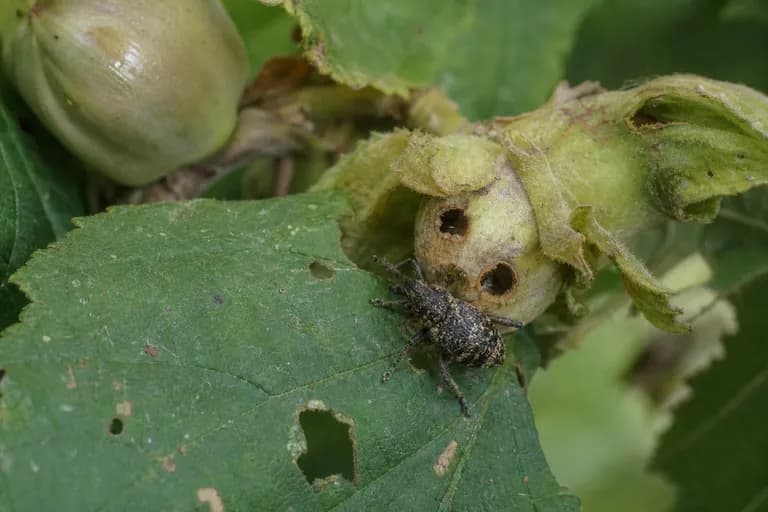
Gorgojo del Avellano (Filbert Weevil)
PlagaLos gorgojos adultos perforan orificios en las avellanas en desarrollo para depositar huevos. Las larvas consumen el grano, dejando una avellana vacía o parcialmente comida con un orificio circular de salida.
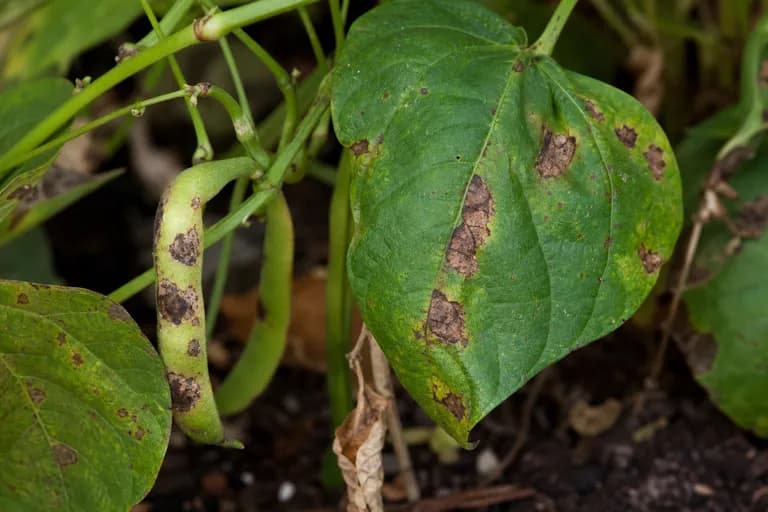
Tizón Bacteriano
EnfermedadPequeñas manchas angulares acuosas en las hojas que se tornan marrones. Muerte regresiva de ramillas con cancros oscuros y hundidos. Los amentos pueden ennegrecerse y arrugarse.
Solución de problemas comunes
La plaga oriental del avellano (Eastern Filbert Blight) es la enfermedad más devastadora para los avellanos cultivados al este de la cadena de las Cascadas y puede matar a los árboles susceptibles en pocos años. Elegir variedades resistentes es la decisión más importante para los cultivadores en zonas afectadas. Las avellanas vacías sin grano se deben a una polinización deficiente o a una deficiencia de boro. Las ardillas son el principal competidor por la cosecha, recolectando con frecuencia los frutos antes que el horticultor. El rebrote de chupones desde la base requiere una eliminación regular para evitar que la plantación se convierta en una maraña inmanejable.
Consejos de cultivo
- Plante siempre al menos dos variedades diferentes de avellano a menos de 15 metros entre sí para asegurar la polinización cruzada, ya que la mayoría de los cultivares son autoincompatibles y producirán cáscaras vacías sin un polinizador compatible cerca.
- Conduzca los arbustos de avellano como árbol de tronco único o como copa abierta de múltiples tallos con seis a ocho ramas principales, eliminando todos los chupones y rebrotes basales de forma regular durante los tres o cuatro primeros años tras la plantación.
- Aplique un anillo de acolchado de 10 a 15 cm de profundidad con corteza, virutas de madera o paja alrededor de la base de cada árbol hasta la línea de goteo, manteniendo el acolchado a 10 cm del tronco para prevenir la pudrición de la corteza y el refugio de roedores.
- Riegue de forma profunda y constante durante el período de llenado del grano de julio a septiembre, ya que el estrés hídrico durante esta ventana crítica provoca granos poco desarrollados, avellanas vacías y una reducción del rendimiento general.
- Pode durante el pleno reposo vegetativo entre noviembre y febrero, eliminando la madera muerta, las ramas cruzadas y los chupones nuevos en la base, al tiempo que mantiene un centro abierto para una buena penetración de la luz y circulación del aire.
- Proteja los árboles jóvenes del daño de ardillas y arrendajos instalando jaulas de malla metálica o redes alrededor de los racimos de avellanas en desarrollo a partir de agosto, cuando los frutos resultan atractivos para la fauna.
- Analice el pH del suelo anualmente y manténgalo entre 5.5 y 7.0 para una absorción óptima de nutrientes; los avellanos prefieren suelos de ligeramente ácidos a neutros y pueden desarrollar clorosis en condiciones muy alcalinas por encima de pH 7.5.
- Aplique un fertilizante orgánico equilibrado a principios de primavera justo cuando las yemas comiencen a hincharse, utilizando aproximadamente 100 gramos por año de edad del árbol distribuidos uniformemente bajo la línea de goteo de la copa y regados a fondo.
- Vigile la presencia de la plaga oriental del avellano en las regiones donde está presente inspeccionando las ramas en busca de cancros oscuros en verano; retire y queme de inmediato la madera infectada al menos 60 cm por debajo del margen visible del cancro.
- Coseche las avellanas con prontitud a medida que caen de forma natural en septiembre y octubre, recogiéndolas del suelo cada dos o tres días, y cúrelas en bandejas de secado en un lugar cálido y bien ventilado durante dos a tres semanas antes de almacenarlas.
Cultiva tu mejor Avellano — y todo lo que la rodea.
Empieza un plan gratis hoy. Diseña tus bancales, coloca tu Avellano y deja que PlotMyGarden gestione el momento, el espaciado, las asociaciones y los recordatorios de la semilla a la cesta.
Elige tu Avellano
Jefferson
Una variedad desarrollada por la Universidad Estatal de Oregón con excelente resistencia a la plaga oriental y avellanas grandes y redondas de sabor excepcional. Actualmente es la variedad líder tanto para plantaciones domésticas como comerciales.
Yamhill
Árbol compacto con muy buena resistencia a la plaga y granos de alta calidad. Un excelente polinizador para Jefferson y otras variedades.
Theta
Una variedad muy resistente a la plaga con buena calidad de fruto y porte moderado. Muy adecuada para la producción en el huerto doméstico.
Barcelona
La variedad comercial estándar tradicional con avellanas grandes y crecimiento vigoroso. Susceptible a la plaga oriental del avellano; óptima para el noroeste del Pacífico.
Un solo avellano maduro puede producir entre 11 y 25 kg de avellanas con cáscara al año, lo que equivale aproximadamente a entre 5 y 12 kg de granos pelados. Con precios minoristas de avellanas peladas de calidad que oscilan entre 15 y 25 euros por kilogramo, un árbol productivo puede aportar entre 75 y 300 euros en frutos secos al año. Los avellanos empiezan a dar una pequeña cosecha hacia el tercer o cuarto año y alcanzan la plena producción entre el octavo y el décimo año, manteniéndola durante 40 a 80 años con unos insumos mínimos. Cultivar los propios avellanos elimina los residuos de envases y el transporte de mercancías, a la vez que garantiza una frescura que supera cualquier producto disponible en tienda. Una pequeña plantación de tres a cinco árboles constituye un vergel con polinización cruzada capaz de abastecer un hogar con suficientes avellanas para consumo durante todo el año, repostería y crema de avellanas casera.
Recetas rápidas
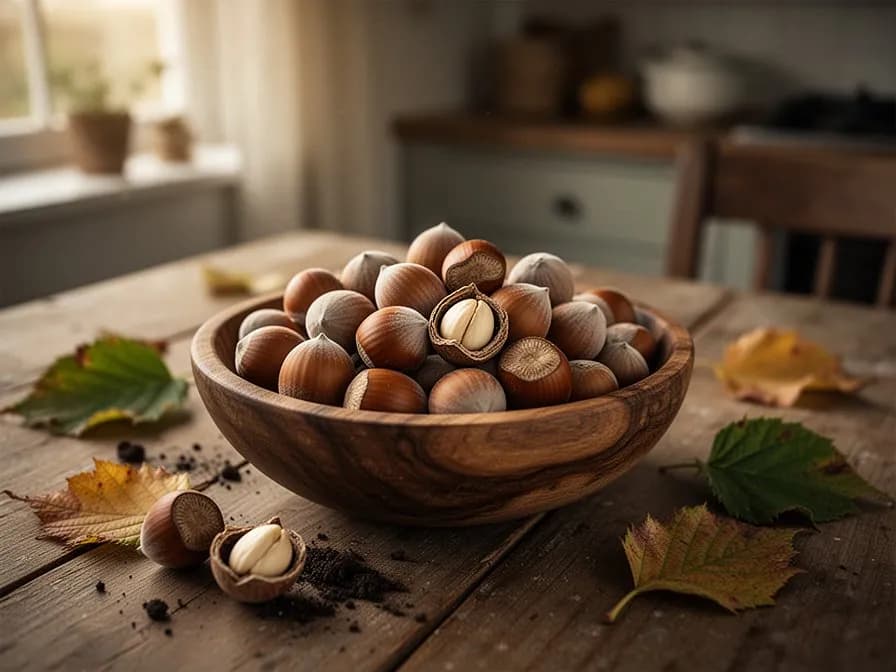
Avellanas Tostadas con Sal Marina y Romero
15 minutosAvellanas enteras mezcladas con aceite de oliva, romero fresco y escamas de sal marina, tostadas al horno hasta que estén aromáticas y doradas. El romero añade una nota herbácea que complementa el rico sabor mantecoso de las avellanas recién tostadas. Sirva calientes como aperitivo sencillo o envase en tarros como regalo casero.
5 ingredientesCrema de Avellanas Casera
20 minutosAvellanas recién tostadas procesadas en un robot de cocina hasta que liberan sus aceites naturales y se transforman en una crema suave y untuosa. Esta versión casera no contiene azúcar añadido, aceite de palma ni conservantes, dejando que el puro sabor del fruto seco brille. Úntela en tostadas, mézclela con gachas de avena o úsela como base para salsas y aliños.
4 ingredientes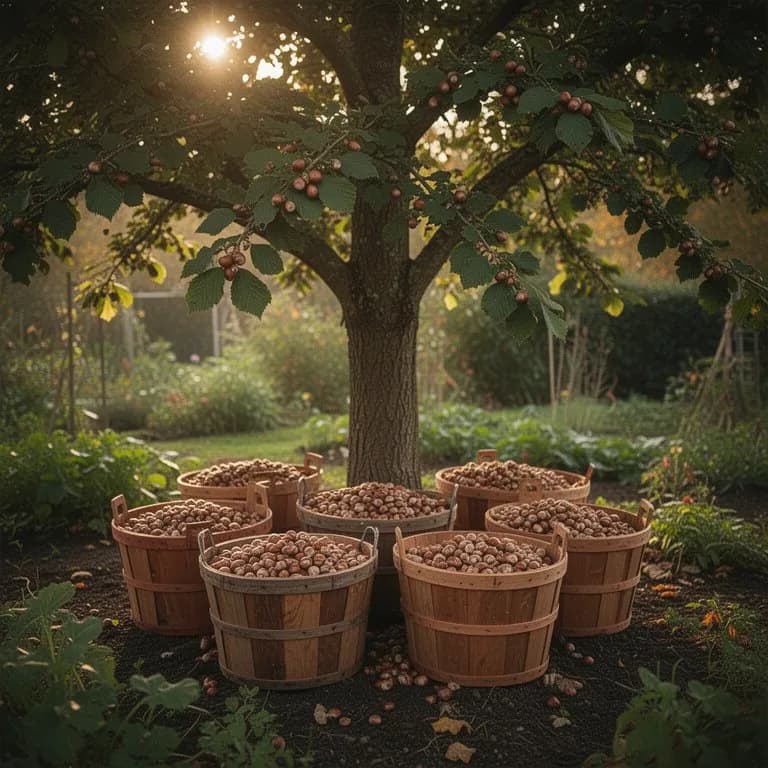
Biscotti de Avellana y Chocolate
50 minutosCrujientes biscotti italianos horneados dos veces, repletos de avellanas del huerto troceadas gruesas y trozos de chocolate negro. Los frutos secos aportan un crujido satisfactorio y un sabor intenso que combina a la perfección con el chocolate amargo. Perfectos para mojar en café o vino de postre, se conservan bien en una lata hermética hasta tres semanas.
8 ingredientesUsos culinarios
Las avellanas poseen un sabor característicamente rico y dulce que las convierte en uno de los frutos secos más apreciados en la gastronomía mundial. La clásica combinación de avellana y chocolate se luce en cremas para untar, trufas y pastelería. La harina de avellana aporta riqueza a bizcochos, galletas y macarons. Las avellanas tostadas son excelentes en ensaladas, platos de pasta y bowls de cereales. El aceite de avellana es un aceite de acabado de primera categoría. El Frangelico y otros licores de avellana son populares en postres y cócteles.
Qué contiene
Beneficios para la salud
- Ricas en ácidos grasos monoinsaturados, en particular ácido oleico, que según estudios clínicos reduce el colesterol LDL y disminuye el riesgo de enfermedad cardiovascular cuando se consume de forma regular como parte de una dieta equilibrada.
- Alto contenido en vitamina E (alfa-tocoferol), un potente antioxidante liposoluble que protege las membranas celulares del daño oxidativo, apoya la función inmunitaria y puede contribuir a reducir el riesgo de deterioro cognitivo asociado a la edad.
- Excelente fuente de manganeso dietético, un oligoelemento esencial que desempeña un papel fundamental en la formación ósea, la coagulación sanguínea y el metabolismo de hidratos de carbono, aminoácidos y colesterol.
- Contienen cantidades significativas de magnesio (163 mg por 100 g), que favorece la función muscular y nerviosa, ayuda a regular los niveles de azúcar en sangre y participa en más de 300 reacciones enzimáticas del organismo.
- El alto contenido en fibra dietética (9.7 g por 100 g) promueve una digestión saludable, alimenta las bacterias intestinales beneficiosas y contribuye a mantener niveles estables de azúcar en sangre tras las comidas al ralentizar la absorción de glucosa.
- Las proantocianidinas antioxidantes concentradas en la piel de la avellana han demostrado propiedades antiinflamatorias en estudios de investigación y pueden contribuir a reducir el riesgo de enfermedades crónicas como ciertos cánceres y la diabetes tipo 2.
De dónde viene Avellano
El avellano común (Corylus avellana) es originario de Europa y el oeste de Asia, donde ha crecido de forma silvestre desde el final de la última Edad de Hielo hace aproximadamente 10 000 años. A medida que los glaciares retrocedían hacia el norte, el avellano fue una de las primeras especies arbóreas pioneras en colonizar el paisaje recién expuesto, formando densos matorrales en gran parte de la Europa templada mucho antes de que los árboles forestales de mayor porte pudieran establecerse. Las pruebas arqueológicas de yacimientos mesolíticos en Gran Bretaña, Irlanda y Escandinavia muestran que las primeras comunidades humanas recolectaban y procesaban avellanas a escala enorme, tostándolas en fosas y almacenándolas como fuente de alimento invernal imprescindible. Los romanos cultivaron avellanos de forma extensiva y se les atribuye la difusión de variedades mejoradas por todo su imperio, denominando al fruto 'nux avellana' en honor a la localidad de Avella, en la región italiana de Campania, donde se cultivaban variedades superiores. Durante la Edad Media, los bosques de avellano gestionados en monte bajo fueron un recurso renovable en toda la Europa septentrional, proporcionando no solo frutos sino también varas rectas para cercados, zarzos, puntas para techumbres de paja y producción de carbón vegetal. El avellano llegó a Norteamérica con los colonos europeos en el siglo XVII, aunque una especie nativa, Corylus americana, ya crecía silvestre en la mitad oriental del continente. La producción comercial moderna de avellanas está dominada por Turquía, seguida de Italia, Azerbaiyán y Estados Unidos, donde el Valle de Willamette en Oregón produce más del 99 por ciento de la cosecha estadounidense. Los programas de mejora genética en Oregón y otros lugares han desarrollado cultivares resistentes a la plaga oriental que han transformado la industria y permitido la expansión de los cultivos de avellano a regiones antes inadecuadas debido a esta enfermedad.
Avellano: ¿sabías que?
Datos fascinantes sobre Avellano
Las avellanas han sido un alimento básico en Europa durante más de 9000 años, con evidencias de procesamiento a gran escala encontradas en yacimientos arqueológicos mesolíticos de Escocia que datan de aproximadamente 7000 a. C.
Avellano: preguntas frecuentes
¿Cuándo debo plantar Avellano?
¿Cuáles son buenas plantas acompañantes para Avellano?
¿En qué zonas de rusticidad puede crecer Avellano?
¿Cuánto sol necesita Avellano?
¿A qué distancia debo espaciar Avellano?
¿Qué plagas y enfermedades afectan a Avellano?
¿Cómo almaceno Avellano después de la cosecha?
¿Cuáles son las mejores variedades de Avellano para cultivar?
¿Qué suelo necesita Avellano?
¿Cuánto tarda un avellano en empezar a producir avellanas?
¿Necesito más de un avellano para obtener frutos?
¿Cómo sé cuándo las avellanas están maduras y listas para cosechar?
¿Debería cultivar el avellano como arbusto o como árbol de un solo tronco?
¿Qué plagas y enfermedades debo vigilar en los avellanos?
¿Cómo debo almacenar las avellanas cosechadas para mantener su frescura?
Acabas de leer la teoría. Ahora cultívala en piloto automático.
Todo lo que hace que Avellano sea delicado — el momento, el espaciado, las asociaciones, la ventana de cosecha — es justo lo que PlotMyGarden resuelve por ti, para cada planta de tu huerto.
Un plan que conoce tu clima
Indica tu ubicación una vez. Recibe fechas de siembra, abonado y cosecha basadas en tu última helada real y el pronóstico en vivo — sin adivinar con un sobre genérico.
De la sección “Cuándo plantar”Planificador de bancales de arrastrar y soltar
Diseña bancales sobre una cuadrícula. Cada planta encaja con su espaciado correcto y ves toda la temporada antes de gastar un céntimo en semillas.
De la sección “Cultivo”Conflictos de asociación, detectados a tiempo
Más de 200 buenas y malas combinaciones comprobadas en vivo mientras plantas — para que un error que arruine la temporada nunca llegue a la tierra.
De la sección “Asociaciones”Recordatorios que sí vas a seguir
“Riega las judías.” “Recoge hoy antes de que se pase.” Oportunos, concretos y ligados a las plantas que de verdad cultivas.
De la sección “Cosecha”Escalonado, programado
¿Quieres cosechar seis semanas en vez de seis días? Reparte tus siembras automáticamente y te avisa cuando toca el siguiente lote.
De la sección “Cuándo plantar”Un registro que se vuelve más listo
Cada cosecha que registras le enseña tu huerto. El plan del año que viene parte de lo que de verdad funcionó en tu suelo, no en un manual.
De la sección “Resumen”Planta estos junto a Avellano
Más Árboles de frutos secos
Mantén Avellano lejos de estos
Cultiva tu mejor Avellano — y todo lo que la rodea.
Empieza un plan gratis hoy. Diseña tus bancales, coloca tu Avellano y deja que PlotMyGarden gestione el momento, el espaciado, las asociaciones y los recordatorios de la semilla a la cesta.