Ginseng Americano
El primo americano del ginseng asiático, con un perfil energético más suave y refrescante muy apreciado en la medicina tradicional china.





En esta páginaResumen
Conoce Ginseng Americano
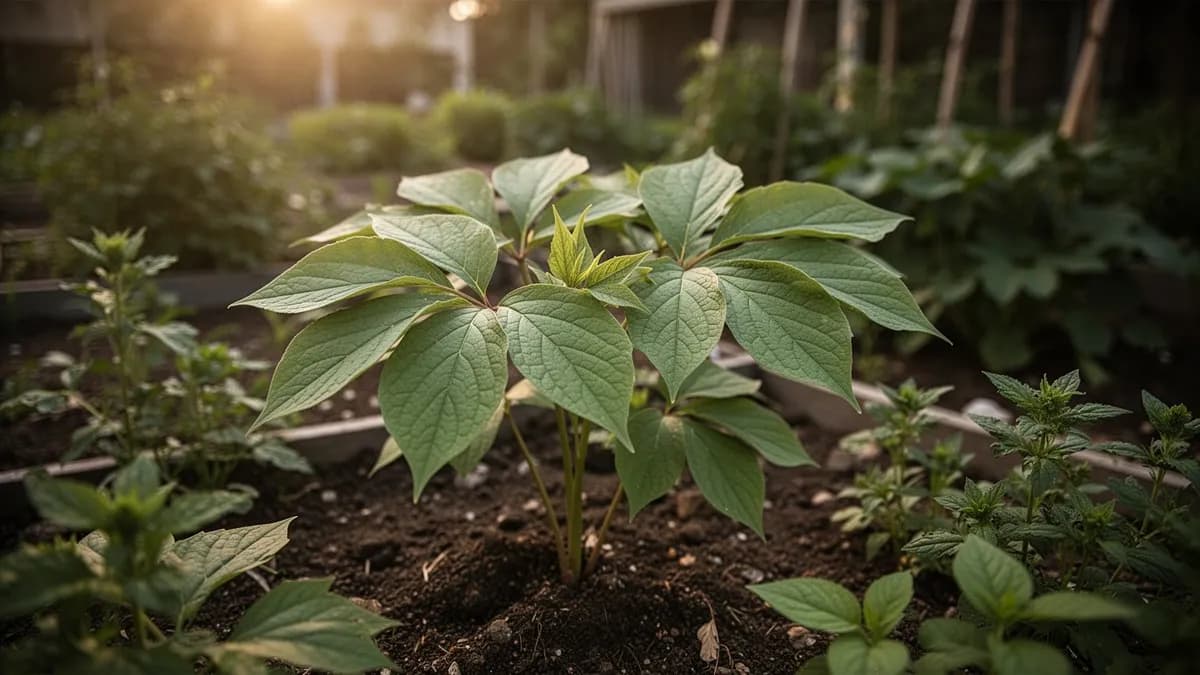
El primo americano del ginseng asiático, con un perfil energético más suave y refrescante muy apreciado en la medicina tradicional china. Las raíces de ginseng americano se cortan en láminas y se preparan como té adaptógeno calmante. Cultívelo bajo un 80 por ciento de sombra en suelo forestal bien drenado y espere al menos cinco años antes de cosechar las preciadas raíces.
Cuándo plantar Ginseng Americano
Las semillas de ginseng requieren dieciocho meses de estratificación en frío antes de germinar. Adquiera semillas estratificadas de proveedores de confianza para plantarlas en otoño. Siembre las semillas a 2 cm de profundidad y 3 cm de separación en lechos forestales preparados, cubriéndolas con una fina capa de mantillo de hojas. Las semillas germinan la primavera siguiente, produciendo una única hoja compuesta en el primer año. Alternativamente, plante raicillas de un año a 5 cm de profundidad en un ángulo de 45 grados con la yema apuntando hacia arriba. Espere un crecimiento muy lento durante los primeros años.
Tu año de Ginseng Americano
Ajustado a Zona 7 · temporada típica · la helada se va hacia el 2 abr y vuelve hacia el 1 nov
Planta Ginseng Americano Sep – Nov y cosecha Sep – Oct. Consulta los métodos de plantación y elige tu clima para adaptar los periodos.
Cómo cultivar Ginseng Americano
El ginseng americano es una planta de bosque que requiere paciencia, sombra y condiciones de cultivo similares a las del bosque natural. Seleccione una ladera orientada al norte bajo árboles caducifolios maduros que proporcionen entre el 75 y el 80 por ciento de sombra. El dosel ideal incluye robles, arces, álamos o tuliperos. Evite las zonas bajo nogales o coníferas, ya que su química inhibe el crecimiento del ginseng.
Plante semillas estratificadas o raicillas de un año en otoño, espaciándolas de 15 a 20 cm en hileras de 20 cm de ancho. Siembre las semillas a 2 cm de profundidad en suelo forestal suelto y bien drenado, rico en mantillo de hojas. El pH del suelo debe estar entre 5.0 y 6.0 con alto contenido en calcio. No enmiende con fertilizantes comerciales, ya que pueden dañar las delicadas raíces y reducir el aspecto silvestre tan valorado.
El ginseng es una planta perenne de crecimiento lento que requiere de cinco a diez años para producir raíces comercializables. Durante este tiempo, mantenga el lecho cubierto con 5 a 7 cm de hojas de árboles caducifolios para imitar el suelo del bosque. Riegue solo durante períodos secos prolongados, ya que el dosel forestal y el mantillo suelen proporcionar la humedad suficiente. Elimine las cabezas florales durante los primeros años para dirigir la energía hacia el crecimiento de las raíces. Marque las plantas con cuidado, ya que desaparecen completamente en invierno.
72 plantas caben en un bancal de 120 × 240 cm
Cada Ginseng Americano pide 20 cm de margen. El planificador guarda ese marco por ti — cada planta, cada bancal.
Los mejores vecinos de Ginseng Americano
El ginseng prospera junto a otras plantas nativas del bosque que comparten su preferencia por la sombra intensa y el suelo forestal. El sello de oro, el cohosh negro, la sanguinaria y el trilio son compañeros excelentes que ayudan a crear un jardín forestal diverso. Los helechos y los musgos indican un hábitat adecuado para el ginseng. El Jack-in-the-pulpit y el jengibre silvestre también crecen bien en sus proximidades. Evite las plantas de expansión agresiva que puedan desplazar a las lentas plantas de ginseng.
Ginseng va a su lado.
Saber de huerto de siempre, cotejado con la tabla real de Ginseng Americano — prueba cualquier planta que cultives.
Prueba Ginseng Americano en un bancal, aquí mismo
Un bancal real del planificador con Ginseng Americano ya plantado. Toca una planta compañera para colocarla y mira cómo responde la comprobación de vecinos: verde para buenos vecinos, rojo si hay conflicto.


Guías de cultivo relacionadas
Abónalo bien
El ginseng requiere suelo forestal limoso bien drenado, con alto contenido en materia orgánica y un pH de 5.0 a 6.0. El calcio es fundamental, por lo que debe analizar el suelo y añadir yeso o crosita si los niveles están por debajo de 1500 ppm. No utilice fertilizantes sintéticos, ya que producen raíces artificialmente grandes que carecen de valor comercial. Cubra los lechos anualmente con mantillo de hojas caducifolias, permitiendo la descomposición natural para alimentar el suelo. Un exceso de fertilidad provoca enfermedades en las raíces.
Temperatura ideal
Compatibilidad de zonas de rusticidad
De la semilla a la cosecha, etapa por etapa
Estratificación de semillas
Las semillas de ginseng americano tienen un embrión profundamente dormante que requiere de 18 a 22 meses de estratificación en frío y humedad antes de que pueda producirse la germinación. Las semillas frescas cosechadas en otoño se mezclan con arena húmeda y se mantienen a 1-4 °C durante dos ciclos completos de invierno-primavera. Durante esta prolongada dormancia, el embrión poco desarrollado madura lentamente dentro de la cubierta de la semilla. Sin este largo tratamiento de frío, las tasas de germinación caen a casi cero. Este es uno de los requisitos de estratificación más largos de cualquier hierba cultivada.
Plántula de primer año
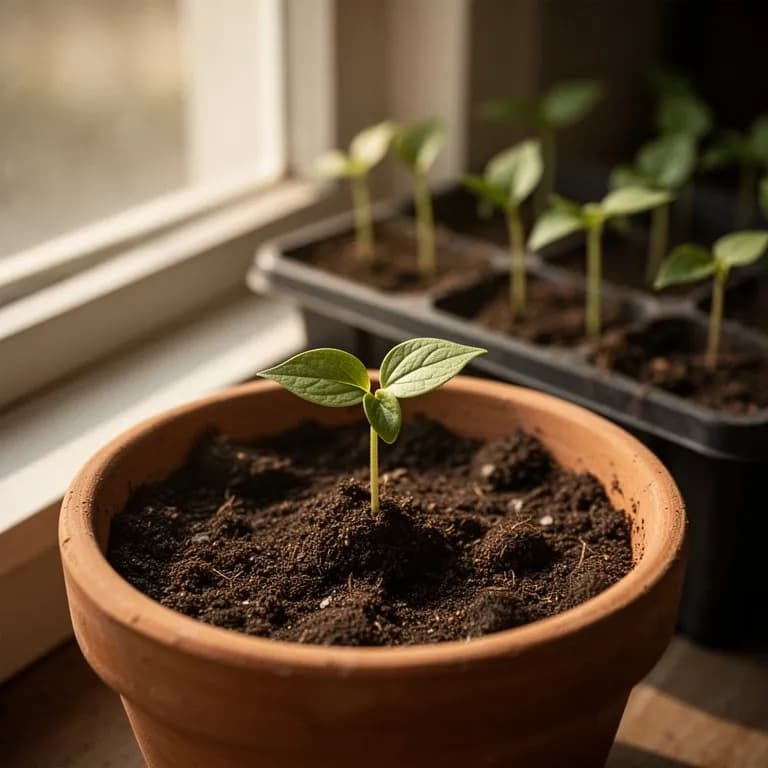
La plántula emerge a mediados de primavera como un único tallo delgado coronado por una hoja compuesta con tres folíolos. La planta mide solo de 5 a 10 cm de altura y pasa fácilmente desapercibida entre la vegetación del suelo forestal. Bajo tierra, una pequeña raíz pivotante blanca no más gruesa que un lápiz comienza a almacenar carbohidratos y ginsenósidos. Este primer año es la etapa más vulnerable: la mortalidad de plántulas por damping-off, babosas y desecación puede superar el 50 % sin una preparación adecuada del sitio.
Crecimiento juvenil (años 2-3)
En el segundo año, la planta desarrolla una o dos hojas compuestas, cada una con cinco folíolos: la forma foliar clásica del ginseng americano. En el tercer año, la mayoría de las plantas producen dos o tres ramificaciones foliares y alcanzan de 15 a 25 cm de altura. La raíz se engrosa progresivamente, desarrollando los anillos de crecimiento concéntricos y la epidermis arrugada que se utilizan para datar los ejemplares silvestres. La acumulación de ginsenósidos se acelera durante esta fase a medida que la raíz acumula las reservas metabólicas necesarias para la eventual floración.
Floración y formación de semillas (años 3-5)
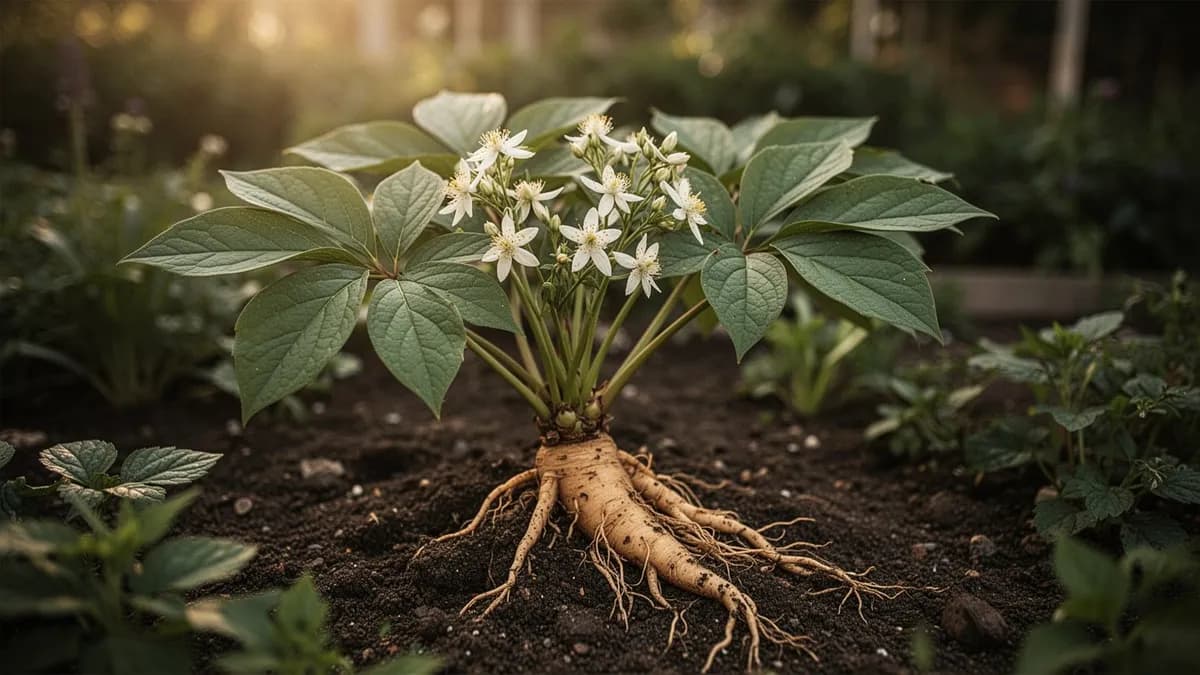
Las plantas maduras producen un único tallo floral esbelto desde el centro del verticilo foliar en junio o julio, portando una pequeña umbela esférica de diminutas flores blanquecinas verdosas. Las flores del ginseng americano son autofértiles y no requieren polinización por insectos, aunque pequeñas abejas y moscas pueden visitarlas. En agosto se desarrolla un apretado racimo de brillantes bayas rojas, cada una con una o dos semillas planas en forma de disco. La producción de semillas desvía algo de energía del crecimiento de las raíces, pero proporciona material para ampliar las plantaciones.
Maduración de la raíz (años 5-7)
La raíz alcanza su tamaño óptimo de cosecha entre los cinco y los siete años de edad, pesando de 15 a 50 gramos en fresco según las condiciones de cultivo. Las raíces maduras de ginseng americano son de color más claro y más esbeltas que su homólogo asiático, con una superficie más lisa y menos raicillas laterales. La planta ahora alcanza de 30 a 45 cm de altura con tres o cuatro verticilos foliares. El contenido de ginsenósidos alcanza su punto máximo durante esta etapa, en particular los ginsenósidos Rb1 y Re que distinguen al ginseng americano del Panax ginseng.
Cosecha y secado
Las raíces se cosechan en septiembre u octubre, una vez recogidas las bayas y cuando el follaje comienza a amarillarse. Cada raíz se desentierra a mano con cuidado usando una horca de jardín insertada de 15 a 20 cm del tallo para no cortar ni romper la raíz pivotante. Las raíces recién desenterradas se lavan suavemente con agua fría para eliminar la tierra sin dañar las finas raicillas. El secado se realiza lentamente a entre 20 y 30 °C en un espacio bien ventilado durante dos a cuatro semanas hasta que las raíces estén firmes y se partan limpiamente al doblarlas.
Ahorre toda una temporada comprando semillas preestrificadas a un vivero certificado. Si estratifica las suyas, mezcle una parte de semillas con tres partes de arena gruesa húmeda (no encharcada) en una bolsa de plástico perforada y refrigérela. Compruebe mensualmente si hay moho y humedezca si la arena está seca. Plante en el segundo otoño tras la recolección.
Cuidar Ginseng Americano mes a mes
Qué hacer cada mes para tu Ginseng Americano
Octubre
Mes actualComplete toda la cosecha de raíces antes de que el suelo se congele. Recoja las semillas restantes de los racimos de bayas marchitas. Aplique mantillo fresco de hojas de frondosas de 8 a 10 cm de profundidad sobre todos los lechos a medida que el follaje muere por completo. Plante semillas recién estratificadas en lechos preparados a 2 cm de profundidad y con un espaciado de 5 a 8 cm.
Ten claro qué hacer en tu huerto, cada mes
Un correo al empezar cada mes: qué sembrar, plantar y hacer ahora mismo — para tu Ginseng Americano y todo lo que crece alrededor. Más un breve curso inicial para esquivar los errores clásicos.
- Qué hacer ahora mismo
- Ajustado a tu temporada
- Curso inicial incluido
Cosechar Ginseng Americano
Las raíces de ginseng americano no deben cosecharse hasta que tengan al menos cinco años, aunque de siete a diez años producen raíces de calidad superior. Coseche en otoño una vez que las bayas hayan madurado y se hayan vuelto rojas. Cave con cuidado alrededor de la raíz con una pequeña horca o un palo puntiagudo para evitar romper las valiosas ramificaciones de la raíz. La característica forma humanoide y el recuento de anillos en el cuello de la raíz indican la edad y la calidad. Lave las raíces con suavidad y séquelas lentamente a baja temperatura.
se supone que plantas al comenzar el periodo — indica tu fecha real
Cosecha Ginseng Americano a tiempo y la planta sigue produciendo.
Almacenamiento y conservación
Seque las raíces de ginseng cosechadas lentamente sobre rejillas en una habitación cálida y bien ventilada a entre 20 y 30 grados Celsius durante tres a seis semanas hasta que se partan limpiamente al doblarlas. No use calor alto, ya que degrada los ginsenósidos activos. Almacene las raíces secas enteras en bolsas de papel o recipientes transpirables en un lugar fresco, oscuro y seco durante varios años. Para uso en té, corte las raíces secas en láminas finas antes de guardarlas. Las raíces frescas se conservan refrigeradas durante varias semanas.
Qué falla — y cómo solucionarlo
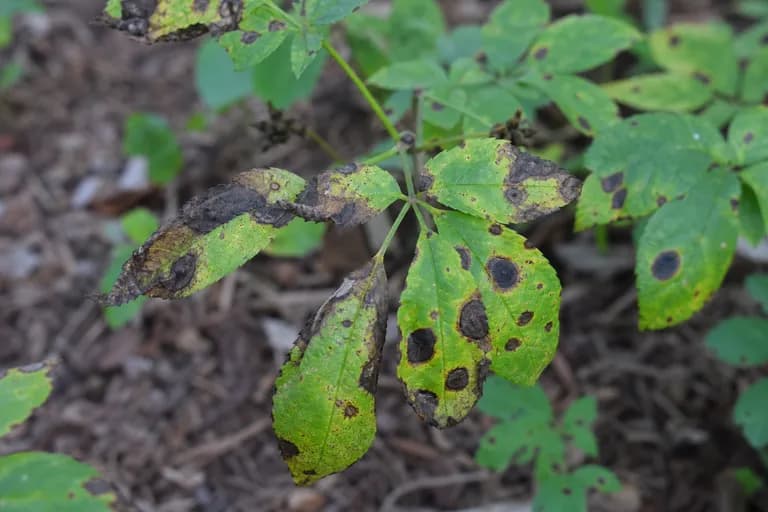
Tizón por Alternaria
EnfermedadLesiones de color marrón oscuro o negro en las hojas que comienzan en los bordes o puntas, patrones de anillos concéntricos dentro de las manchas, defoliación rápida en tiempo húmedo, los tallos pueden desarrollar cancros oscuros
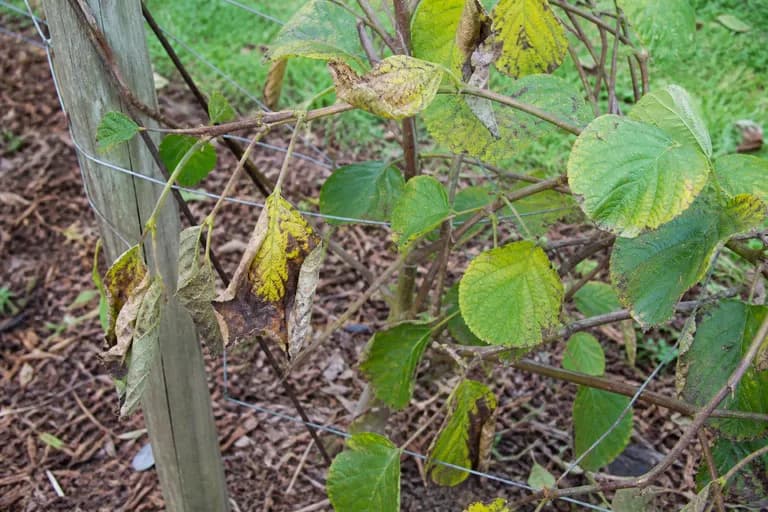
Pudrición de raíces (Phytophthora)
EnfermedadMarchitamiento y amarillamiento a pesar de tener humedad adecuada, raíces blandas y decoloradas con un interior de color marrón oxidado, crecimiento atrofiado, colapso de la planta
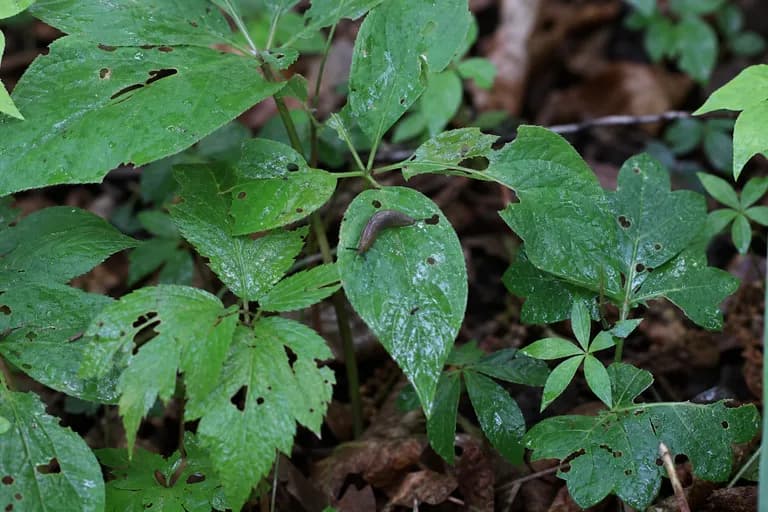
Babosas y topillos
PlagaAgujeros irregulares masticados en las hojas, rastros de baba en el follaje, raíces roídas o desaparecidas, suelo alterado alrededor de las plantas
Solución de problemas comunes
El principal reto es la espera de cinco a diez años para obtener raíces cosechables, lo que exige un compromiso a largo plazo. La enfermedad de replante impide cultivar ginseng en el mismo suelo dos veces, ya que los hongos patógenos persisten durante décadas. Los ciervos ramonean el follaje del ginseng y pueden destruir plantaciones enteras. El furtivismo es una preocupación grave para el ginseng silvestre y el cultivado en bosque. La sombra insuficiente provoca quemaduras solares y la muerte de las plantas, mientras que un exceso de humedad favorece la podredumbre radical fatal.
Consejos de cultivo
- Seleccione un sitio de plantación bajo frondosas maduras: el arce de azúcar, el roble rojo, el tulipero y el tilo americano son especies de dosel ideales que proporcionan la sombra del 75 al 80 % que requiere el ginseng americano. Las laderas orientadas al norte o al este con buen drenaje de aire reducen la presión de enfermedades y previenen la acumulación de calor estival.
- El ginseng americano prefiere un suelo ligeramente más ácido que el ginseng asiático, prosperando en un rango de pH de 5.0 a 6.0. Analice el suelo antes de plantar y enmiende con azufre elemental si el pH supera 6.5. El suelo forestal rico y limoso con alto contenido en materia orgánica es esencial para el desarrollo de raíces de calidad.
- Asegure un excelente drenaje del suelo: el ginseng americano no tolera el agua estancada ni los suelos arcillosos pesados. En sitios planos, construya lechos elevados de 15 a 20 cm de altura usando suelo forestal nativo mezclado con hojas de frondosas compostadas para crear la zona radicular suelta y bien aireada que la planta necesita.
- Plante semillas preestrificadas en otoño a 2 cm de profundidad y con un espaciado de 5 a 8 cm, cubriéndolas con 5 a 8 cm de mantillo de hojas de frondosas trituradas. Para las raicillas, plante en un ángulo de 45 grados con la yema de crecimiento apuntando hacia arriba y cubierta por 2 a 3 cm de tierra. Riegue suavemente tras la plantación.
- Evite todos los fertilizantes sintéticos y el estiércol fresco: estos favorecen un crecimiento blando y propenso a enfermedades y reducen el contenido de ginsenósidos que da valor a la raíz. En su lugar, cubra anualmente con compost de hojas de frondosas envejecido o mantillo de corteza bien descompuesto para alimentar la biología del suelo de la que depende el ginseng.
- El manejo de las enfermedades fúngicas es la práctica cultural más importante. Asegure una buena circulación de aire aclarando los arbustos del sotobosque, espacie adecuadamente las plantas, retire y destruya el follaje infectado con prontitud y no riegue nunca desde arriba. El tizón por Alternaria y la pudrición de raíces por Phytophthora son los patógenos más destructivos.
- Proteja los lechos del ramoneo de los ciervos con cercas de malla ligera y disuada a los topillos y ardillas instalando malla metálica de un cuarto de pulgada justo bajo la superficie del suelo alrededor de las zonas de plantación. Las babosas pueden devastar las plántulas: use cebo de fosfato de hierro alrededor de los lechos en primavera y a principios de verano.
- Considere el cultivo silvestre simulado para obtener la mayor calidad y valor: disperse semillas estratificadas en hábitat forestal adecuado y deje crecer las plantas con una intervención humana mínima durante ocho a diez años. Las raíces de ginseng americano de cultivo silvestre simulado son prácticamente indistinguibles de las silvestres y alcanzan precios superiores.
- Mantenga la confidencialidad de la ubicación de su plantación de ginseng. El furtivismo de ginseng cultivado y silvestre simulado está muy extendido en muchas regiones debido al alto valor de las raíces maduras. Use marcadores discretos y permanentes para localizar los lechos y considere el uso de cámaras de rastreo en plantaciones forestales remotas.
- Planifique la plantación escalonada desde el principio. Dado que el ginseng es un cultivo de cosecha única que requiere cinco o más años para madurar, establezca nuevos lechos o disperse nuevas semillas cada año para tener plantaciones de diferentes edades que lleguen a la madurez en una rotación escalonada.
Cultiva tu mejor Ginseng Americano — y todo lo que la rodea.
Empieza un plan gratis hoy. Diseña tus bancales, coloca tu Ginseng Americano y deja que PlotMyGarden gestione el momento, el espaciado, las asociaciones y los recordatorios de la semilla a la cesta.
Elige tu Ginseng Americano
Ginseng americano silvestre simulado
Cultivado bajo el dosel forestal natural para imitar las condiciones silvestres, produce raíces con el aspecto característico y el alto contenido en ginsenósidos valorado por los compradores; alcanza precios superiores.
Ginseng americano de bosque cultivado
Cultivado bajo sombra natural con gestión moderada, ofrece un equilibrio entre la calidad del silvestre simulado y el rendimiento del cultivado en campo; popular entre los productores a pequeña escala.
Ginseng rojo coreano (Panax ginseng)
La especie asiática cocida al vapor y secada para producir ginseng rojo con propiedades caloríticas; es una especie distinta al ginseng americano, pero a menudo cultivada por los mismos entusiastas para comparación.
La raíz de ginseng americano seca se vende al por menor entre 40 y 100 dólares por onza para raíces cultivadas, con raíces de cultivo silvestre simulado que alcanzan entre 400 y 1.200 dólares por libra a los precios actuales del mercado. Un paquete de 50 semillas preestrificadas cuesta aproximadamente entre 15 y 25 dólares y puede producir raíces por valor de 200 a 500 dólares tras cinco a siete años de crecimiento. Si bien la espera de varios años requiere paciencia, el ginseng americano ofrece uno de los mayores rendimientos por metro cuadrado de cualquier hierba cultivada en casa. Las plantaciones de cultivo silvestre simulado bajo doseles de bosques existentes requieren casi ningún coste continuo más allá de las semillas y el mantillo, lo que hace que la cosecha eventual sea casi un beneficio puro para los propietarios de tierras forestales.
Recetas rápidas
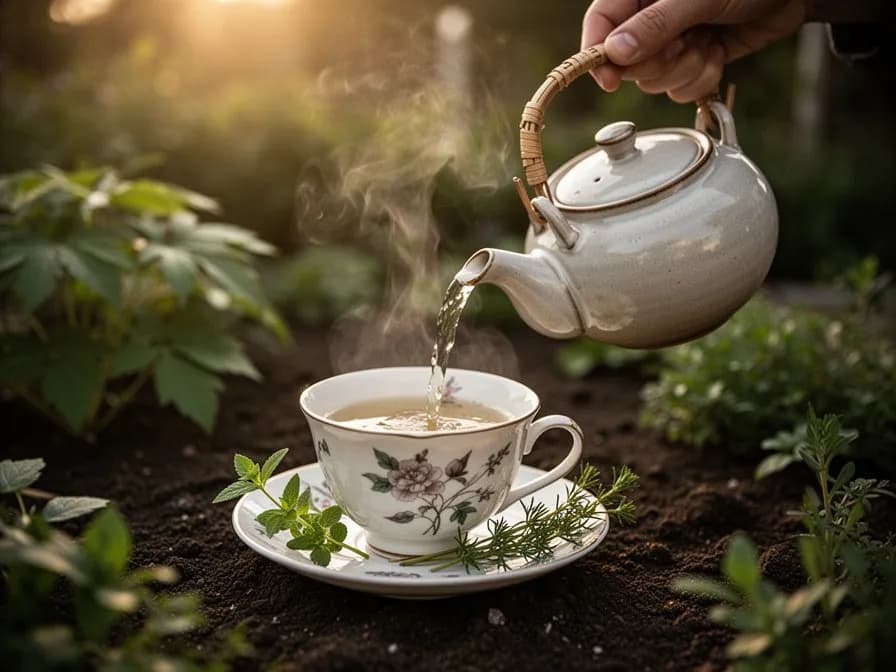
Té de raíz de ginseng americano
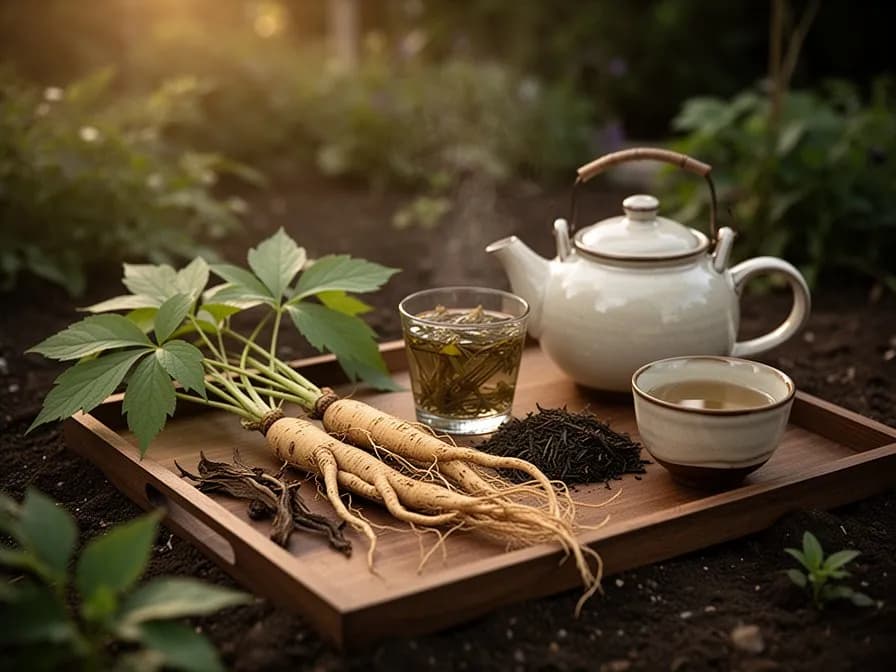
15 minUn té suave y ligeramente dulce que destaca el carácter más suave y refrescante del ginseng americano en comparación con su homólogo asiático. Las finas rodajas de raíz se cuecen brevemente para obtener una infusión delicada y terrosa que puede disfrutarse caliente o fría. Tradicionalmente se consume por la tarde o por la noche como tónico calmante y restaurador.
5 ingredientesCongee de ginseng y pollo
60 minUn nutritivo puré de arroz infusionado con raíz de ginseng americano, siguiendo la tradición del este asiático de combinar el ginseng con cereales cocidos a fuego lento para obtener una comida reconstituyente. La cocción lenta y suave extrae los ginsenósidos hacia el caldo mientras el arroz se transforma en una papilla sedosa y reconfortante, perfecta para las mañanas frías o para la recuperación de una enfermedad.
8 ingredientesJarabe de miel y ginseng
25 minUn versátil jarabe casero que conserva los beneficios del ginseng americano en una forma que puede disolverse en agua caliente, verterse sobre yogur o mezclarse en cócteles y agua con gas. El método de infusión suave mantiene el sabor equilibrado y evita el amargor que proviene de una extracción excesiva.
6 ingredientesUsos culinarios
Corte la raíz de ginseng seca en láminas finas y déjelas en infusión en agua recién hervida durante cinco a diez minutos para obtener un té suave, terroso y ligeramente dulce. Hierva las láminas con dátiles jujube y miel para preparar una bebida tónica coreana tradicional. Añada finas rodajas de raíz a un caldo de pollo para obtener un consomé reconstituyente. El ginseng combina muy bien con flores de crisantemo y bayas de goji en tés de hierbas mezclados.
Qué contiene
Beneficios para la salud
- Ampliamente estudiado por su efecto regulador del azúcar en sangre: múltiples ensayos clínicos han demostrado que el ginseng americano puede reducir los picos de glucosa postprandial hasta en un 20 %, lo que lo convierte en una de las hierbas con más evidencia científica para el apoyo a la salud metabólica.
- Clasificado como adaptógeno calmante que ayuda al organismo a gestionar el estrés sin los efectos estimulantes asociados al ginseng asiático, lo que lo hace adecuado para personas sensibles a la cafeína o propensas a la ansiedad y la sobreestimulación.
- Una investigación del Centro Canadiense de Medicina Funcional demostró que el extracto de ginseng americano (COLD-fX) redujo la frecuencia y la gravedad de las infecciones de las vías respiratorias superiores al potenciar la actividad de las células NK y las defensas inmunitarias de las mucosas.
- Contiene ginsenósidos neuroprotectores, en particular el Rb1, que en estudios preclínicos han demostrado favorecer la consolidación de la memoria, reducir la neuroinflamación y proteger las células cerebrales del daño oxidativo asociado al envejecimiento.
- Utilizado tradicionalmente para combatir la fatiga crónica y mejorar la energía sostenida sin nerviosismo: la evidencia clínica sugiere que el ginseng americano mejora tanto la resistencia física como la resistencia mental durante períodos prolongados de esfuerzo o concentración.
- Proporciona apoyo cardiovascular a través de efectos vasodilatadores leves y actividad antioxidante que ayuda a proteger las paredes de los vasos sanguíneos del daño oxidativo, contribuyendo a una circulación saludable y al mantenimiento de la tensión arterial a lo largo del tiempo.
De dónde viene Ginseng Americano
El ginseng americano (Panax quinquefolius) es originario de los bosques caducifolios del este de América del Norte, desde el sur de Quebec y Ontario a través de los montes Apalaches hasta el norte de Georgia y hacia el oeste hasta Minnesota y Arkansas. Durante siglos antes del contacto europeo, numerosos pueblos indígenas, incluidos los cheroquis, los iroqueses y los ojibwes, utilizaban la raíz de forma medicinal para dolencias que iban desde los problemas digestivos hasta el agotamiento y la fiebre. La planta crecía abundantemente en el rico sotobosque sombreado de los antiguos bosques caducifolios junto a arces de azúcar, robles y tuliperos.
La historia del ginseng americano como producto básico mundial comenzó a principios del siglo XVIII, cuando el sacerdote jesuita Joseph-François Lafitau, destinado cerca de Montreal, supo de sus vecinos mohawk la existencia de una raíz forestal que se parecía sorprendentemente al ginseng asiático tan apreciado en la medicina china. Lafitau recopiló especímenes y los envió a corresponsales en Francia y China, confirmando que la planta norteamericana era un pariente cercano del Panax ginseng. La noticia se extendió rápidamente y, hacia 1750, un próspero comercio de exportación enviaba toneladas de ginseng americano silvestre a Cantón. El comercio era enormemente rentable y atraía a colonos, tramperos y pioneros, incluidos Daniel Boone y John Jacob Astor, que desenterraban raíces junto a sus otras actividades comerciales.
Hacia mediados del siglo XIX, la sobreexplotación había agotado gravemente las poblaciones silvestres en gran parte del área de distribución de la especie. Los primeros esfuerzos de cultivo comenzaron en la década de 1870 en el estado de Nueva York, y a principios del siglo XX se establecieron granjas comerciales en Wisconsin, que sigue siendo la región productora dominante en la actualidad. La ciudad de Wausau, Wisconsin, celebra un festival anual del ginseng y el condado de Marathon circundante produce la gran mayoría del ginseng americano cultivado destinado a la exportación a Hong Kong, China y el Sudeste Asiático. La investigación moderna ha identificado el perfil único de ginsenósidos del ginseng americano, en particular sus altas concentraciones de los compuestos Rb1 y Re, que lo distinguen farmacológicamente del ginseng asiático y sustentan su clasificación tradicional como tónico calmante y restaurador más que estimulante. Hoy en día, el ginseng americano silvestre está protegido por la normativa CITES y las leyes estatales de cosecha, mientras que la producción cultivada y silvestre simulada sigue creciendo a medida que la demanda mundial de esta hierba medicinal distinctivamente norteamericana se mantiene fuerte.
Ginseng Americano: ¿sabías que?
Datos fascinantes sobre Ginseng Americano
El ginseng americano (Panax quinquefolius) fue exportado por primera vez a China en 1720 por misioneros jesuitas en Quebec, y en pocas décadas se convirtió en uno de los productos de exportación más valiosos de la América del Norte colonial, superado solo por las pieles en algunas regiones.
Ginseng Americano: preguntas frecuentes
¿Cuándo debo plantar Ginseng Americano?
¿Cuáles son buenas plantas acompañantes para Ginseng Americano?
¿En qué zonas de rusticidad puede crecer Ginseng Americano?
¿Cuánto sol necesita Ginseng Americano?
¿A qué distancia debo espaciar Ginseng Americano?
¿Qué plagas y enfermedades afectan a Ginseng Americano?
¿Cómo almaceno Ginseng Americano después de la cosecha?
¿Cuáles son las mejores variedades de Ginseng Americano para cultivar?
¿Qué suelo necesita Ginseng Americano?
¿Cuál es la diferencia entre el ginseng americano y el ginseng asiático?
¿Puedo cultivar ginseng americano en mi jardín sin bosque?
¿Cómo sé cuándo las raíces de ginseng americano están listas para cosechar?
¿Por qué mis plantas de ginseng americano se vuelven marrones y se marchitan?
¿Es legal cosechar y vender ginseng americano silvestre?
¿Cómo debo secar y almacenar las raíces de ginseng americano tras la cosecha?
Acabas de leer la teoría. Ahora cultívala en piloto automático.
Todo lo que hace que Ginseng Americano sea delicado — el momento, el espaciado, las asociaciones, la ventana de cosecha — es justo lo que PlotMyGarden resuelve por ti, para cada planta de tu huerto.
Un plan que conoce tu clima
Indica tu ubicación una vez. Recibe fechas de siembra, abonado y cosecha basadas en tu última helada real y el pronóstico en vivo — sin adivinar con un sobre genérico.
De la sección “Cuándo plantar”Planificador de bancales de arrastrar y soltar
Diseña bancales sobre una cuadrícula. Cada planta encaja con su espaciado correcto y ves toda la temporada antes de gastar un céntimo en semillas.
De la sección “Cultivo”Conflictos de asociación, detectados a tiempo
Más de 200 buenas y malas combinaciones comprobadas en vivo mientras plantas — para que un error que arruine la temporada nunca llegue a la tierra.
De la sección “Asociaciones”Recordatorios que sí vas a seguir
“Riega las judías.” “Recoge hoy antes de que se pase.” Oportunos, concretos y ligados a las plantas que de verdad cultivas.
De la sección “Cosecha”Escalonado, programado
¿Quieres cosechar seis semanas en vez de seis días? Reparte tus siembras automáticamente y te avisa cuando toca el siguiente lote.
De la sección “Cuándo plantar”Un registro que se vuelve más listo
Cada cosecha que registras le enseña tu huerto. El plan del año que viene parte de lo que de verdad funcionó en tu suelo, no en un manual.
De la sección “Resumen”Planta estos junto a Ginseng Americano
Más Hierbas para té
Cultiva tu mejor Ginseng Americano — y todo lo que la rodea.
Empieza un plan gratis hoy. Diseña tus bancales, coloca tu Ginseng Americano y deja que PlotMyGarden gestione el momento, el espaciado, las asociaciones y los recordatorios de la semilla a la cesta.