Yellow Ginger
A premium culinary ginger variety with golden-yellow flesh and intense, spicy-sweet flavor favored in Asian and Caribbean cooking.





On this pageOverview
Meet Yellow Ginger
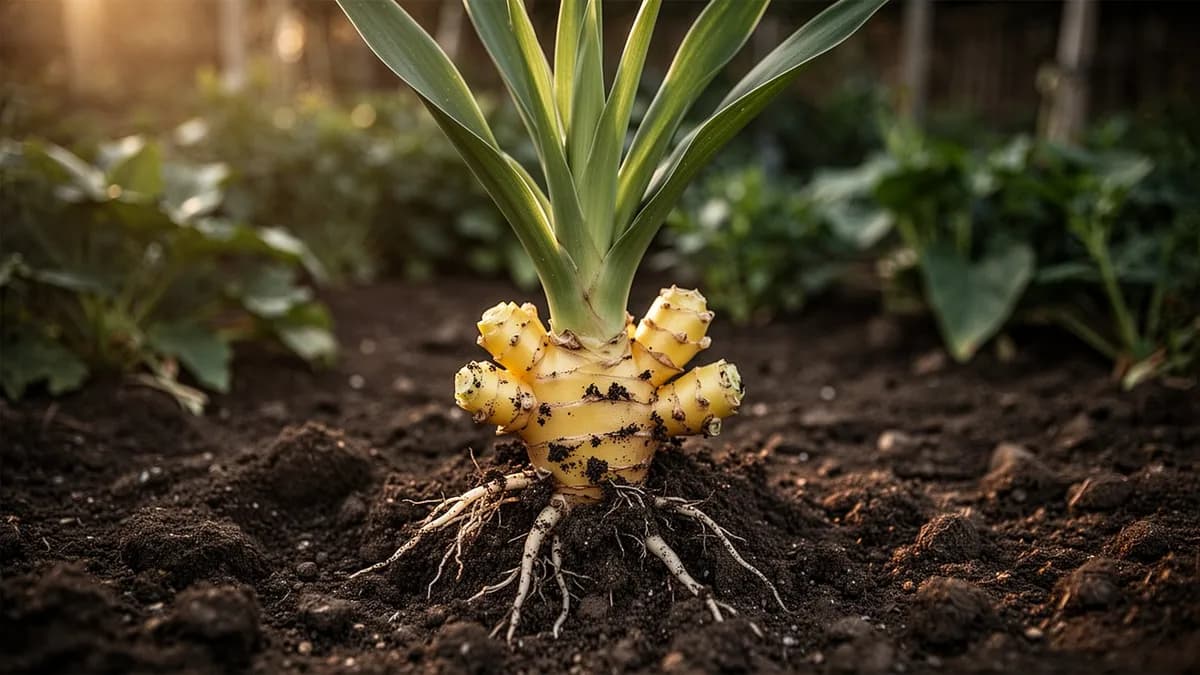
A premium culinary ginger variety with golden-yellow flesh and intense, spicy-sweet flavor favored in Asian and Caribbean cooking. Plant rhizome pieces with visible growth buds in rich, well-drained soil with consistent moisture and warmth. Harvest baby ginger after four months for mild, tender roots or wait eight months for mature, fibrous, more pungent ginger. Grows well in containers where it can be moved to follow seasonal warmth.
When to plant Yellow Ginger
Ginger is propagated from rhizome pieces, not seeds. Select fresh, firm rhizomes with plump growth buds from organic groceries or garden suppliers. Cut into pieces of 3-5 cm, each with at least two buds. Let cut surfaces dry overnight before planting. Soak in warm water for 12 hours to break dormancy. Plant 5 cm deep in warm, moist compost at a minimum soil temperature of 20°C. Place on a heat mat for fastest sprouting, which takes two to four weeks. Start indoors in February or March for the longest possible growing season.
Your Yellow Ginger Year
Composed for Zone 7 · typical seasons · frost passes Apr 2, returns Nov 1
Plant Yellow Ginger Mar – May, pick Oct – Nov. Check the planting methods below and set your climate to personalize these windows.
How to grow Yellow Ginger
Yellow ginger is a tropical perennial grown for its aromatic, spicy rhizomes. Start with fresh, plump rhizome pieces from a garden supplier or organic grocery store, ensuring each piece has at least two visible growth buds. Plant rhizomes 5 cm deep in rich, well-drained compost with buds facing upward. In zones 8-9, plant outdoors in the warmest, most sheltered location after the last frost. In cooler areas, grow in large containers at least 30 cm wide.
Ginger requires warmth, humidity, and consistent moisture throughout its long growing season of 8-10 months. Ideal temperatures are 20-30°C. Provide dappled shade or morning sun with afternoon protection, as intense direct sun can scorch the foliage. Keep soil consistently moist but never waterlogged. Mulch heavily around plants to retain moisture and maintain warm soil temperatures. Feed regularly with a balanced liquid fertilizer every two weeks during active growth.
Plants grow 60-90 cm tall with narrow, lance-shaped leaves on reed-like stems. Growth slows as days shorten in autumn, and leaves yellow naturally as the rhizomes mature. For baby ginger, harvest a portion of the rhizomes after four months while still pink-skinned and mild. For full-flavored mature ginger, wait until the foliage dies back completely at 8-10 months. In containers, reduce watering gradually as foliage yellows and allow a brief dormant period before restarting growth in spring.
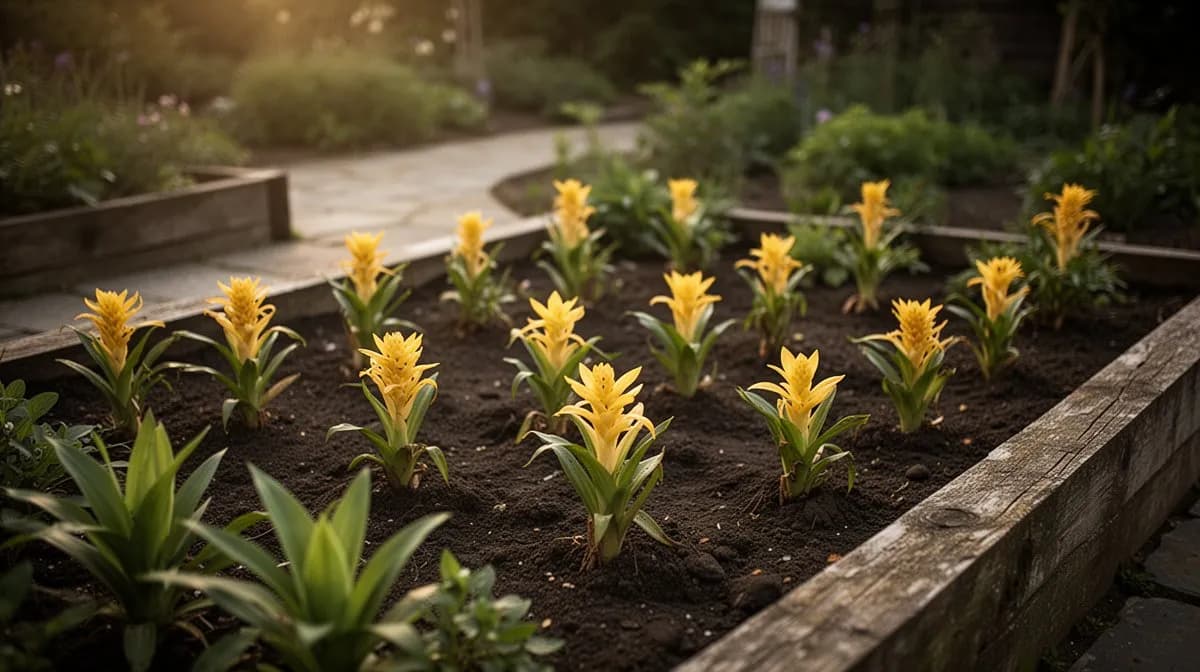
32 plants fit a 4 × 8 ft bed
Each Yellow Ginger wants 30 cm of elbow room. The planner keeps that spacing for you — every plant, every bed.
Yellow Ginger's best neighbours
Yellow ginger grows well alongside turmeric and galangal, which share identical growing requirements for warmth, moisture, and partial shade. Plant these tropical rhizomes together in large containers or dedicated warm garden beds. Lemongrass and chili peppers are also compatible companions. The ginger foliage provides living ground cover in tropical gardens when planted under taller crops like bananas or papayas. Avoid planting near plants that require dry, well-drained conditions like rosemary or lavender.
Turmeric belongs beside it.
Old growers' knowledge, checked against Yellow Ginger's real companion table below — test any plant you're growing.
Try Yellow Ginger in a bed — right here
A real planner bed with Yellow Ginger already in it. Tap a companion to place it and watch the pairing checks answer — green for good neighbours, red for a clash.


Related growing guides
Feed it well
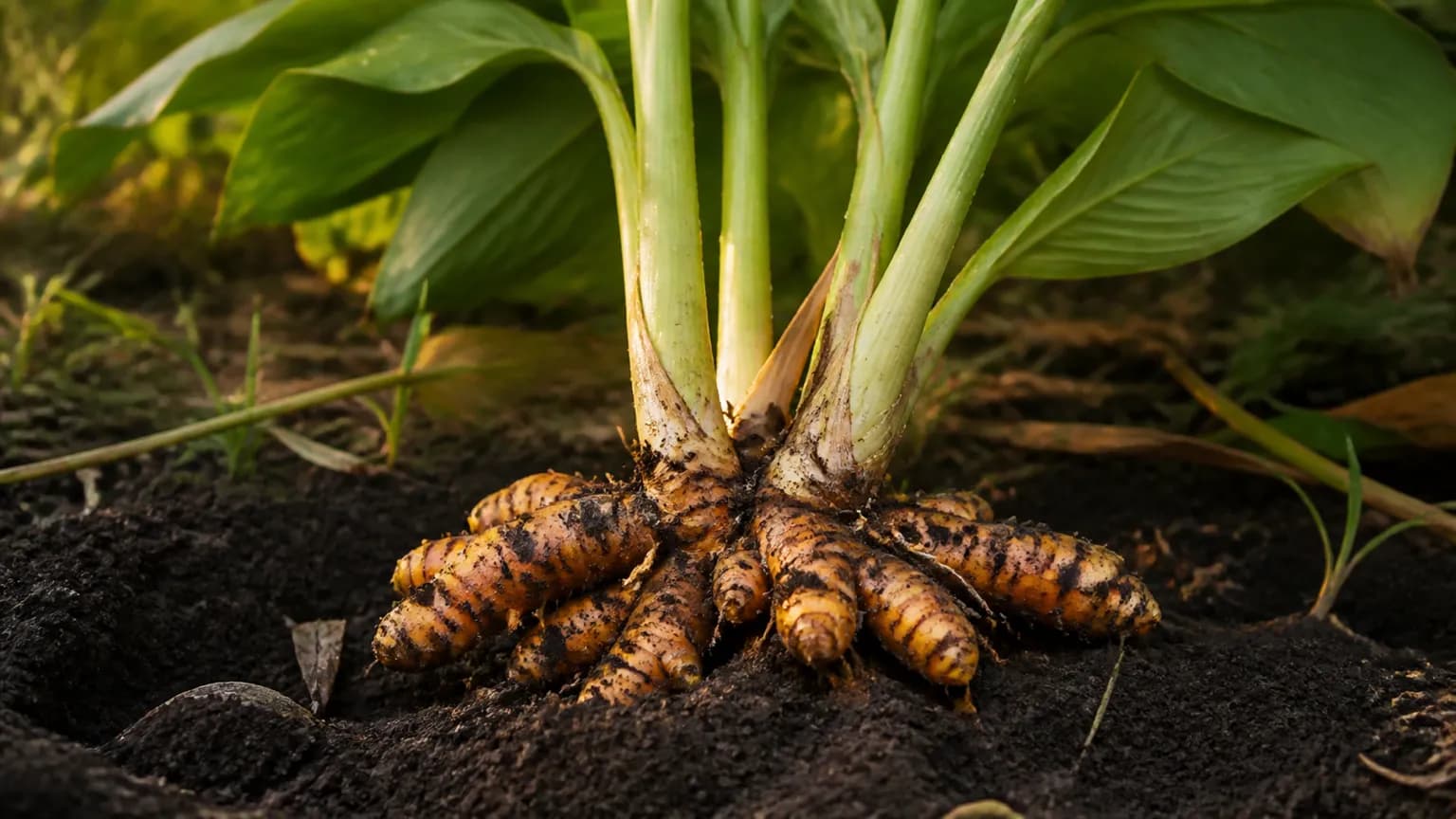
Yellow ginger demands rich, fertile, well-drained soil with high organic matter content. Mix compost, coconut coir, and perlite for an ideal container medium that retains moisture while allowing excess to drain. The preferred pH is 5.5-6.5. Feed with a balanced liquid fertilizer every two weeks from spring through early autumn. Switch to a high-potassium feed in late summer to encourage rhizome development. Mulch heavily with compost or straw to maintain moisture and add nutrients gradually.
Ideal Temperature
Hardiness Zone Compatibility
From seed to harvest, stage by stage
Rhizome Sprouting
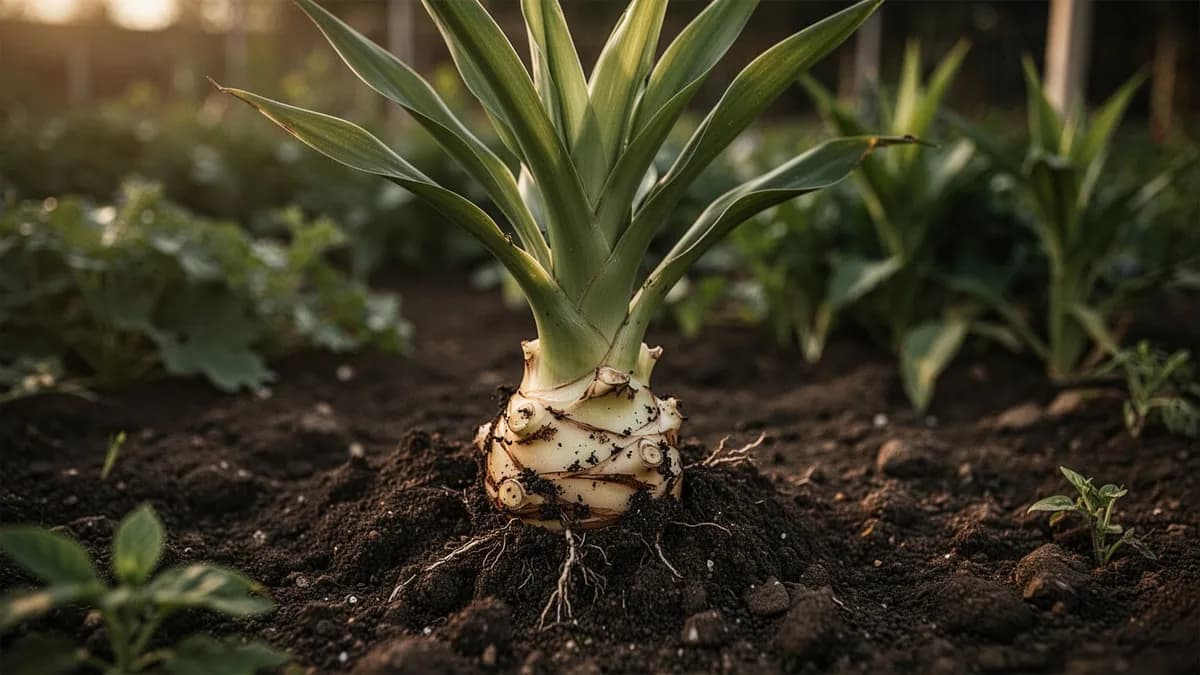
A plump rhizome piece with at least two visible eye buds is planted 5 cm deep in warm, moist soil. The eyes swell over 1-3 weeks as internal growth hormones activate, and a pale green or pinkish shoot tip breaks through the soil surface. Root nubs begin extending from the underside of the rhizome to anchor the plant.
Early Leaf Growth
The first tightly rolled leaf unfurls into an elegant lance shape, followed by additional leaves emerging from the same pseudostem. Each pseudostem grows 2-4 leaves per month. Roots extend outward and downward, establishing the plant's moisture-gathering network. Growth is slow but steady in these early weeks.
Active Vegetative Growth
Multiple pseudostems emerge from the expanding rhizome mass, each producing alternating ranks of aromatic lance-shaped leaves. The plant develops a lush, reed-like clump reaching 60-90 cm tall. Underground, the rhizome is actively branching and growing new fingers in all directions. This is the most vigorous growth phase.
Rhizome Bulking
The underground rhizome system expands rapidly, with individual fingers thickening and developing their characteristic golden interior. The plant reaches full height of 90-120 cm with a dense canopy of aromatic foliage. In some cases, a waxy flower spike may emerge from the base of the plant. Most of the plant's energy is now directed underground.
Maturation and Senescence
Leaf tips begin to yellow and dry as the plant redirects all remaining energy into the rhizome for storage. Stems gradually brown from the top down over several weeks. The rhizome skin toughens and the flesh becomes more fibrous and intensely flavored. Once most foliage has died back, the rhizome is fully mature and ready for harvest.
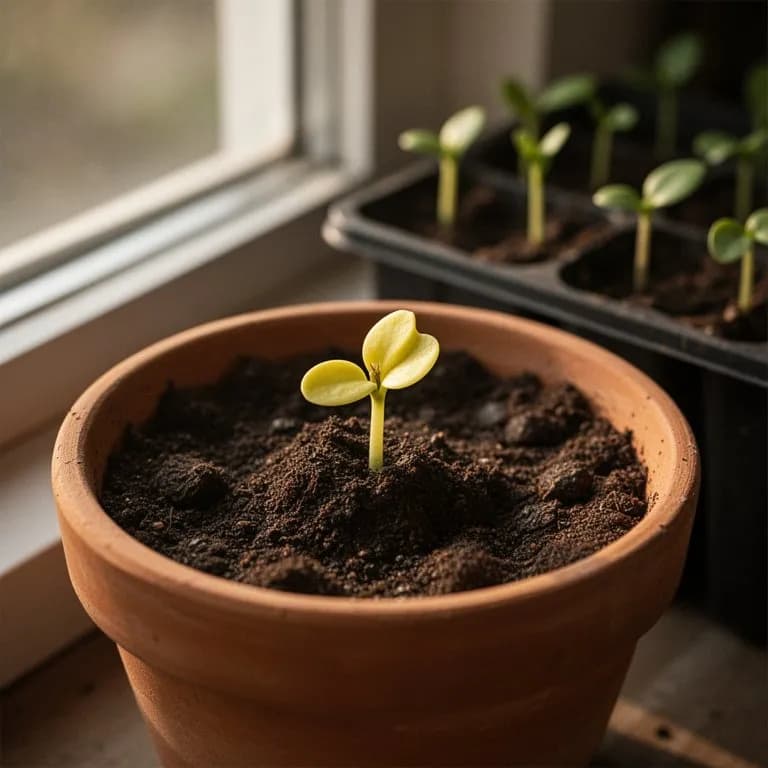
Pre-sprout rhizomes indoors by placing them on a tray of damp sphagnum moss in a warm spot (25-28°C / 77-82°F) for 2-3 weeks before planting. This dramatically improves success rates and shortens the waiting period.
Caring for Yellow Ginger month by month
What to do each month for your Yellow Ginger
October
You are hereMove container ginger indoors in zones 7-8 before first frost. Place in a bright, warm location. In zones 9-12, continue outdoor growth but reduce watering as leaves begin to yellow naturally. This senescence signals that the rhizome is maturing.
Know exactly what to do in your garden — every month
One email at the start of each month: what to sow, plant, and tackle right now — for your Yellow Ginger and everything growing around it. Plus a short starter course that helps you dodge the classic mistakes.
- What to do, right now
- Matched to your season
- Starter course included
Harvesting Yellow Ginger
For baby ginger, harvest small portions four to five months after planting by carefully scraping away soil at the edge of the clump and snapping off young, pink-skinned rhizomes. Baby ginger is tender, juicy, and mild enough to eat raw. For mature ginger, wait 8-10 months until the foliage yellows and dies back naturally. Tip the entire container or dig carefully to lift the whole rhizome cluster. Snap off individual pieces and save the plumpest ones with healthy buds for replanting the following season.
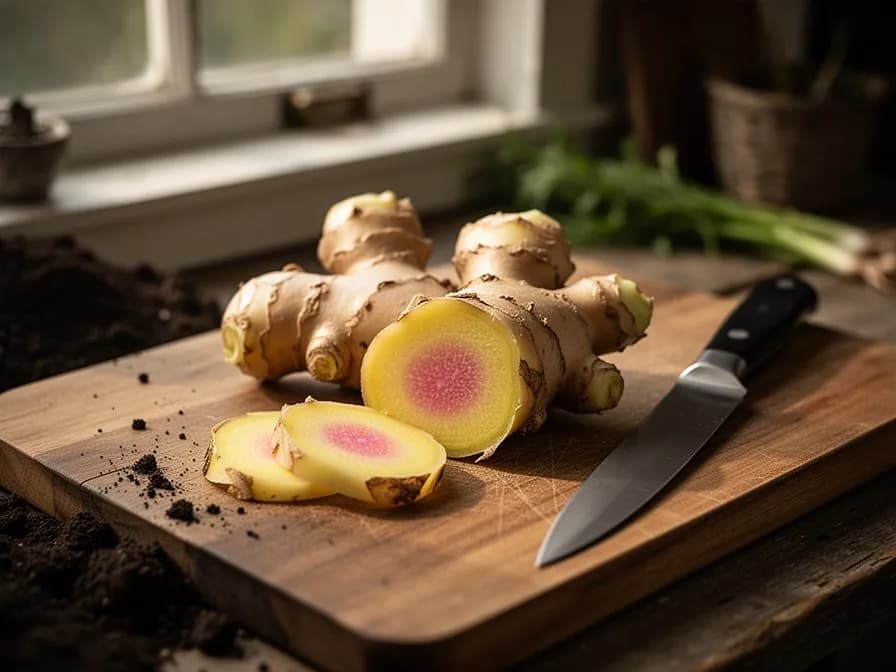
assuming you plant when the window opens — set your real date
From bulbs, tubers or cloves
Pick Yellow Ginger promptly and the plant keeps producing.
Storage & Preservation
Fresh ginger stores in the refrigerator for up to three weeks when wrapped in paper towel inside a zip-lock bag. For longer storage, peel and freeze whole rhizomes or sliced pieces for up to six months; grate directly from frozen as needed. Make ginger paste by blending peeled ginger with a splash of oil and freeze in ice cube trays. Pickle young ginger in rice vinegar and sugar for Japanese-style gari. Dehydrate slices for ginger tea or grind into ginger powder. Preserve in syrup for candied ginger.
What goes wrong — and the fix
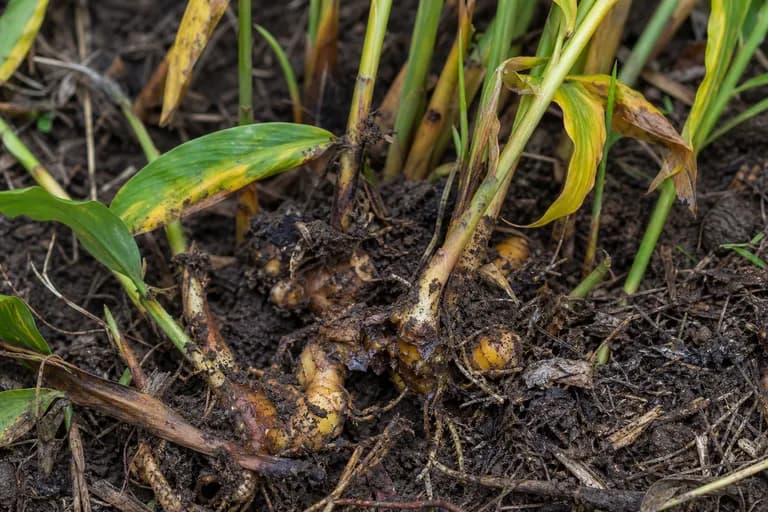
Rhizome Rot
DiseaseRhizomes turn soft, brown, and mushy with a foul smell. Stems yellow and collapse at the base. Caused by Pythium or Fusarium fungi in wet conditions.
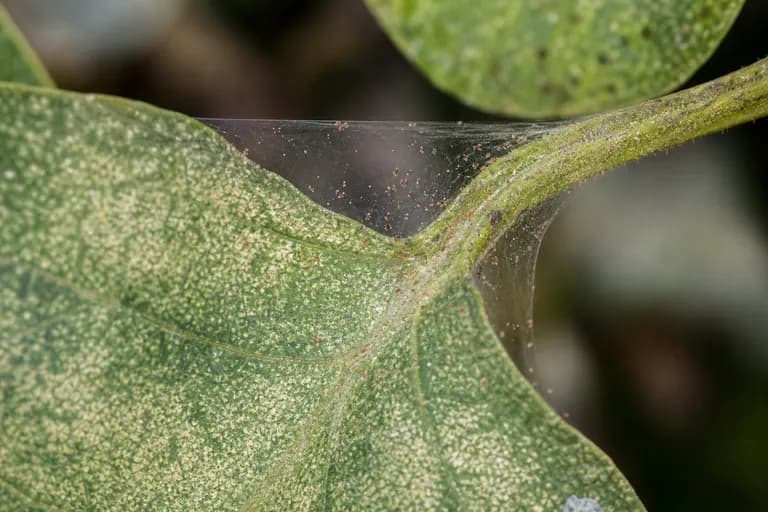
Spider Mites
PestFine stippling and yellowing of leaves, tiny webs visible on undersides of foliage, particularly in dry indoor conditions.
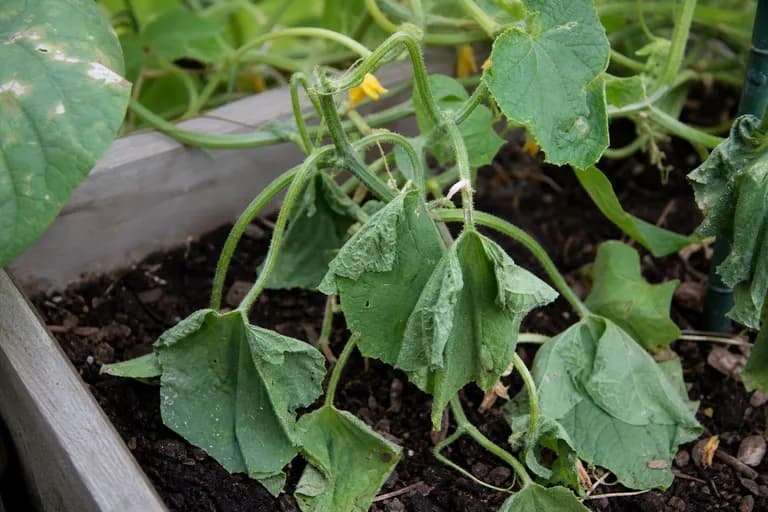
Bacterial Wilt
DiseaseSudden wilting of leaves despite adequate moisture. Stems become water-soaked at the base. Rhizomes show dark, wet decay inside.
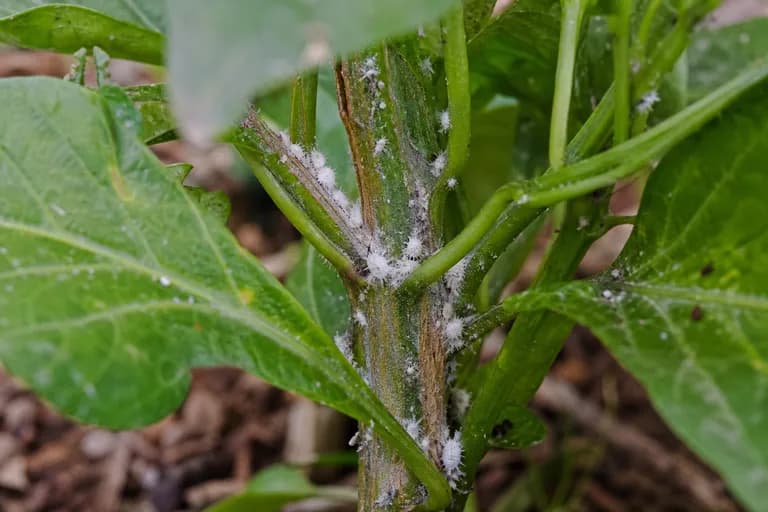
Mealybugs
PestWhite, cottony masses on stems and leaf bases. Stunted growth and sticky honeydew deposits. Plants become weakened over time.
Troubleshooting Common Problems
Insufficient warmth is the most frequent issue in temperate climates. Ginger stalls below 15°C and will not grow actively under 20°C. Use heat mats for starting and choose the warmest locations. Root rot from overwatering or poor drainage is the most common disease. Brown, crispy leaf tips indicate low humidity, so mist regularly. Pale, leggy growth results from insufficient light. Some supermarket ginger is treated with growth inhibitors, so source organic rhizomes or buy from garden suppliers. The long growing season requires patience.
Growing Tips
- Source your seed ginger carefully. Grocery store ginger is often treated with growth inhibitors to prevent sprouting on shelves. Buy certified organic seed ginger from a reputable garden supplier or farmer for the best sprouting success.
- Pre-sprout before planting — this is the single most important step for success in temperate climates. Place rhizomes on damp sphagnum moss in a warm spot (25-28°C) for 2-3 weeks until shoots emerge. This eliminates the most failure-prone period.
- Ginger does not want full sun. In its native habitat, ginger grows beneath the rainforest canopy in dappled light. Provide morning sun with afternoon shade, or grow under a shade cloth delivering 50-70% filtered light. Harsh midday sun scorches the leaves.
- Use a rich, well-draining soil mix. Combine equal parts compost, coconut coir, and perlite for container growing. Ginger needs abundant organic matter but absolutely cannot sit in waterlogged soil — rhizome rot is the number one killer of ginger plants.
- Plant shallowly with the eyes facing up. Cover rhizome pieces with only 3-5 cm of soil. As the plant grows, hill up additional mulch or compost around the base — similar to how you would hill potatoes. This gives expanding rhizomes room to develop.
- Container growing is often superior to in-ground planting outside the tropics. Use a wide, shallow container of at least 30 liters (8 gallons) — ginger rhizomes spread horizontally, not deeply. Containers can be moved indoors when temperatures drop.
- Feed regularly but gently. Ginger is a moderate feeder that benefits from consistent nutrition rather than heavy doses. Apply diluted organic liquid fertilizer every 2-3 weeks during active growth. Avoid synthetic fertilizers that can burn the sensitive rhizome.
- Harvest baby ginger at 6-8 months for the most tender, juicy, and mild product — perfect for pickling, tea, and fresh eating. Wait the full 10-12 months for mature ginger with more intense heat and deeper flavor suitable for cooking and drying.
Grow your best Yellow Ginger yet — and everything around it.
Start a free plan today. Lay out your beds, drop in your Yellow Ginger, and let PlotMyGarden handle the timing, spacing, companions and reminders from seed to harvest basket.
Pick your Yellow Ginger
Chinese Yellow
The most common culinary variety with golden flesh, strong spicy-sweet flavor, and good productivity in containers.
Jamaican Yellow
Caribbean variety with particularly intense, pungent flavor preferred for Caribbean cooking and ginger beer.
Indian Nadia
Indian variety with high essential oil content, making it excellent for both cooking and medicinal preparations.
Baby Ginger
Any variety harvested young at 4-5 months, producing mild, pink-skinned rhizomes with no fibrous core.
Buderim Gold
Australian-bred variety with mild, sweet flavor and high yield, popular for crystallized ginger production.
A single organic ginger rhizome piece costs $2-5 to plant and produces 500g-1kg of fresh ginger over one season. Organic fresh ginger retails for $8-15 per pound at grocery stores and farmers markets, meaning each planted piece returns $8-30 worth of ginger — a 4-10x return on investment. The savings are even more dramatic compared to specialty items like pickled ginger ($6-10 per jar), crystallized ginger ($10-15 per bag), or ground ginger ($5-8 per small jar). Growing just 4-6 plants provides a year's supply of fresh ginger for a typical household.
Quick recipes
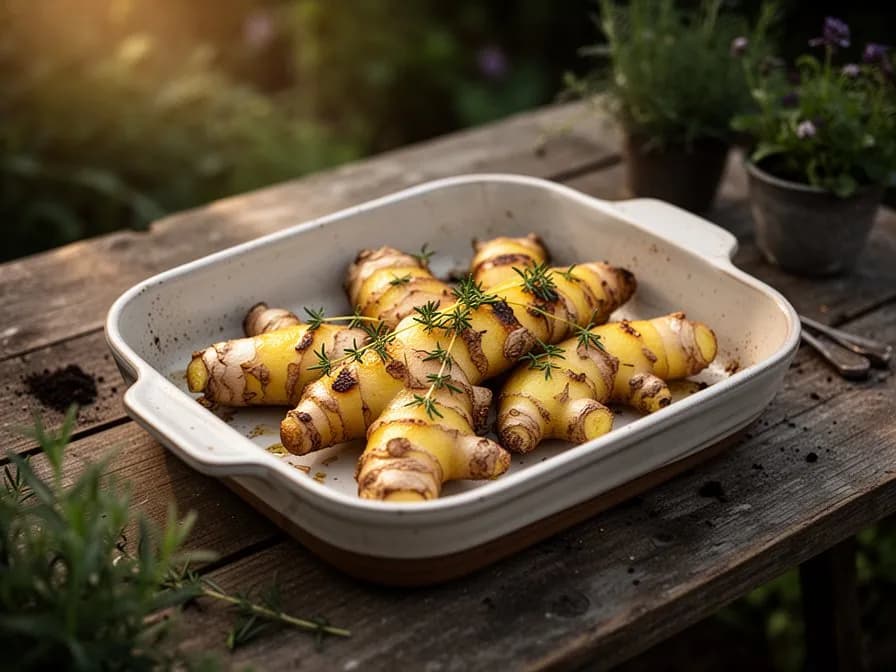
Golden Ginger Tea with Honey and Lemon
10 minA soothing, immune-boosting tea made by steeping fresh yellow ginger slices in hot water until the liquid turns a rich golden color. The natural warmth and spice of yellow ginger are perfectly balanced by raw honey and a bright squeeze of lemon.
6 ingredientsGinger Garlic Stir-Fry Paste
15 minA versatile aromatic paste that forms the flavor base for countless Asian stir-fries, curries, and marinades. Yellow ginger's intense flavor means a little goes a long way. Make a batch and refrigerate for up to two weeks or freeze in ice cube trays for instant flavor bombs.
6 ingredientsPickled Yellow Ginger (Gari-Style)
30 min + 24h restingThinly sliced yellow ginger pickled in seasoned rice vinegar — similar to the pink ginger served with sushi but with a deeper golden hue and more assertive flavor. Perfect as a palate cleanser, sushi accompaniment, or tangy addition to grain bowls and salads.
6 ingredientsCulinary Uses
Yellow ginger is one of the world's most versatile spices. Grate or mince into stir-fries, curries, and marinades. Slice thinly for soups, teas, and infusions. Blend into smoothies, juices, and health drinks. Make pickled ginger for sushi accompaniment. Create ginger syrup for cocktails and desserts. Use in baking for gingerbread, biscuits, and cakes. Baby ginger is mild enough to use raw in salads. The intense, warming flavor complements both sweet and savory dishes across Asian, Caribbean, and European cuisines.
What's inside
Health Benefits
- Gingerols — the primary bioactive compounds in fresh yellow ginger — have potent anti-inflammatory effects comparable to ibuprofen in some studies, and may help reduce joint pain and stiffness associated with osteoarthritis.
- One of the most clinically validated natural remedies for nausea, with multiple studies confirming ginger's effectiveness against morning sickness during pregnancy, post-operative nausea, and motion sickness.
- Contains powerful antioxidants that help neutralize free radicals and reduce oxidative stress markers in the body, potentially lowering the risk of chronic diseases including cardiovascular disease and certain cancers.
- May help lower blood sugar levels by improving insulin sensitivity and increasing glucose uptake by muscle cells — a 2015 study found that 2g of ginger powder daily reduced fasting blood sugar by 12% in type 2 diabetes patients.
- Supports digestive health by accelerating gastric emptying, reducing bloating, and stimulating the production of saliva, bile, and digestive enzymes — ginger has been used to treat indigestion across cultures for millennia.
- Emerging research suggests that regular ginger consumption may help reduce LDL cholesterol and triglyceride levels, with some studies showing reductions of 10-15% with daily supplementation over 8-12 weeks.
Where Yellow Ginger comes from
Yellow ginger (Zingiber officinale) originated in the tropical rainforests of Maritime Southeast Asia, most likely in the region encompassing modern-day Malaysia, Indonesia, and the Philippines. The plant was domesticated so long ago — at least 5,000 years — that it no longer exists in a truly wild state and has lost the ability to reproduce from seed, surviving exclusively through human-mediated vegetative propagation. Ancient Austronesian peoples carried ginger rhizomes across the Pacific and Indian Oceans as they colonized new islands, spreading the plant throughout tropical Asia and eventually to East Africa.
Ginger reached China and India independently by at least 3,000 BCE, where it quickly became indispensable in both cuisine and medicine. Confucius wrote about eating ginger with every meal around 500 BCE, and ancient Ayurvedic texts from the same era called ginger 'vishwabhesaj' — the universal medicine. Indian and Chinese traders brought ginger to the Mediterranean via overland spice routes, and by the 1st century CE it was well known in the Roman Empire, where the physician Dioscorides prescribed it for digestive ailments.
Following the fall of Rome, Arab merchants dominated the ginger trade for centuries, deliberately obscuring its geographic origins to prevent European competitors from bypassing them. When the Portuguese reached the Malabar Coast in 1498, they broke this monopoly and established direct trade in ginger and other spices. Spanish colonists introduced ginger to the Caribbean and Central America in the early 1500s, where it thrived so well that Jamaica became a major exporter within decades. Today, India produces roughly 40% of the world's ginger, followed by Nigeria, China, Indonesia, and Nepal. Yellow-fleshed varieties are particularly prized in South and Southeast Asian cooking for their intense aroma, assertive heat, and higher concentrations of beneficial bioactive compounds.
Yellow Ginger: did you know?
Fascinating facts about Yellow Ginger
Yellow ginger (Zingiber officinale) has been cultivated for over 5,000 years, making it one of the earliest spices domesticated by humans. Ancient Sanskrit and Chinese texts from 3,000 BCE already reference ginger as both a culinary ingredient and a powerful medicine.
Yellow Ginger questions, answered
When should I plant Yellow Ginger?
What are good companion plants for Yellow Ginger?
What hardiness zones can Yellow Ginger grow in?
How much sun does Yellow Ginger need?
How far apart should I space Yellow Ginger?
What pests and diseases affect Yellow Ginger?
How do I store Yellow Ginger after harvest?
What are the best Yellow Ginger varieties to grow?
What soil does Yellow Ginger need?
Can I grow yellow ginger from store-bought rhizomes?
How long does ginger take to grow from planting to harvest?
Can I grow ginger indoors year-round?
What is baby ginger and how is it different from mature ginger?
How do I store freshly harvested ginger?
Why are the leaves on my ginger plant turning yellow?
You just read the theory. Now grow it on autopilot.
Everything that makes Yellow Ginger fiddly — the timing, the spacing, the companions, the harvest window — is exactly what PlotMyGarden handles for you, for every plant in your garden.
A plan that knows your weather
Set your location once. Get sow, feed and harvest dates built around your real last-frost date and live forecast — no more guessing from a generic seed packet.
From the “When to plant” sectionDrag-and-drop bed planner
Design beds on a grid. Every plant snaps to its proper spacing, and you can see your whole season laid out before you spend a cent on seed.
From the “Growing guide” sectionCompanion conflicts, caught early
200+ good-and-bad pairings checked live as you plant — so a season-wrecking mistake never makes it into the ground.
From the “Companions” sectionReminders you'll actually act on
“Water the beans.” “Pick today before it turns.” Timely, specific, and tied to the plants you're really growing.
From the “Harvest” sectionSuccession, scheduled
Want a harvest for six weeks, not six days? It spaces your sowings automatically and reminds you when each new block is due.
From the “When to plant” sectionA record that gets smarter
Every harvest you log teaches it your garden. Next year's plan starts from what actually worked in your soil, not a textbook's.
From the “Overview” sectionPlant these alongside Yellow Ginger
More Root Vegetables
Grow your best Yellow Ginger yet — and everything around it.
Start a free plan today. Lay out your beds, drop in your Yellow Ginger, and let PlotMyGarden handle the timing, spacing, companions and reminders from seed to harvest basket.