Durian
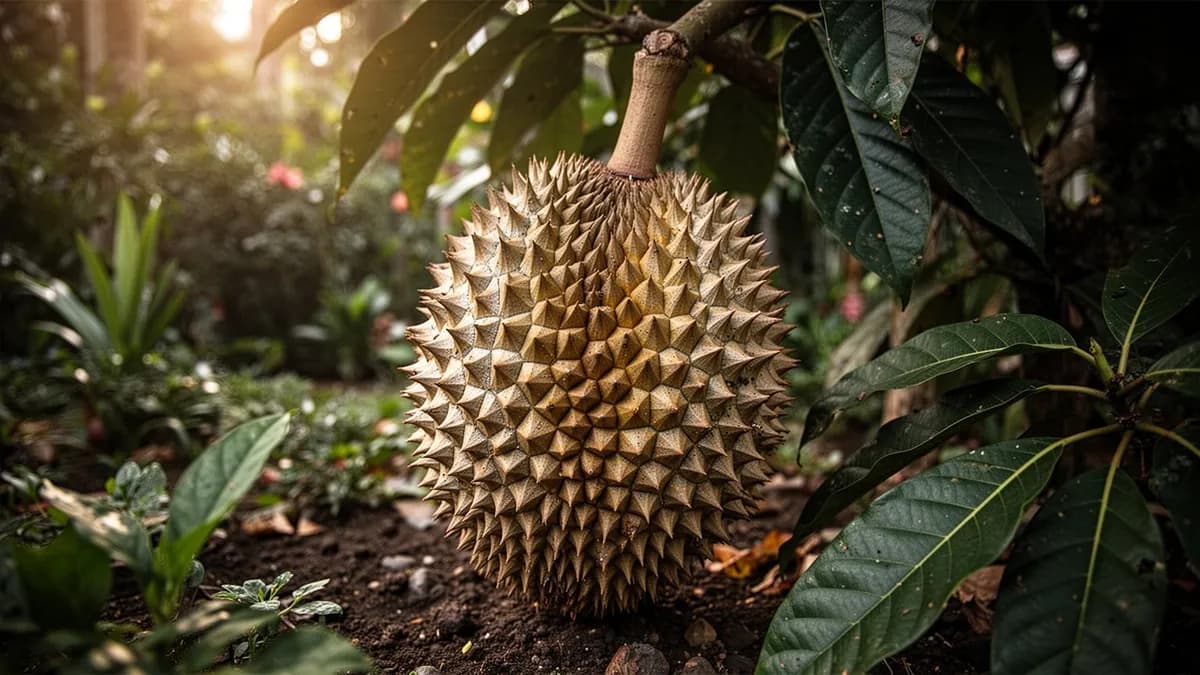
Known as the king of fruits in Southeast Asia, famous for its custard-like flesh and notoriously pungent aroma that bans it from many hotels.





On this pageOverview
Meet Durian
Known as the king of fruits in Southeast Asia, famous for its custard-like flesh and notoriously pungent aroma that bans it from many hotels. Durian trees require equatorial conditions with high humidity and no dry season. They take seven or more years to fruit from seed and produce massive, spiky fruits that fall when ripe.
When to plant Durian
Durian seeds are recalcitrant and must be planted within days of extraction, as they cannot be dried or stored. Plant the seed on its side about two inches deep in rich, moist potting mix. Keep warm at 80 to 90 degrees Fahrenheit with high humidity and consistent moisture. Germination occurs in three to fourteen days. Seedling trees take eight to twelve years to fruit and produce variable quality, so grafted trees from elite cultivars are strongly preferred for fruit production.
Your Durian Year
Composed for Zone 7 · typical seasons · frost passes Apr 2, returns Nov 1
Plant Durian Mar – May, pick May – Aug. Check the planting methods below and set your climate to personalize these windows.
How to grow Durian
Durian trees demand true equatorial tropical conditions with temperatures consistently between 75 and 90 degrees Fahrenheit, humidity above 75 percent, and annual rainfall of sixty to one hundred fifty inches. Select a site with deep, well-draining loamy soil and full sun exposure. Plant grafted trees in a generously sized hole amended with aged compost, spacing them at least thirty to forty feet apart. Water deeply and regularly, especially during the first three years of establishment.
These trees need a brief dry spell of two to four weeks to trigger flowering. Once flowers appear, resume heavy watering to support fruit development. Fertilize four times per year with a balanced fertilizer high in potassium, switching to a potassium-phosphorus-rich blend during fruiting. Durian trees have sensitive surface feeder roots, so apply mulch but avoid cultivating the soil near the trunk.
Durian trees can grow to one hundred feet tall if unpruned, so begin shaping early by selecting three to four main scaffold branches and removing competing leaders. Annual pruning after harvest keeps the tree at a manageable height for fruit collection. Durian flowers are pollinated by bats and large moths at night, so avoid pesticide sprays during the flowering period. Trees begin producing fruit five to seven years after grafting.
Durian needs more room than a 4 × 8 ft bed gives
Each Durian wants 900 cm of elbow room. The planner keeps that spacing for you — every plant, every bed.
Related growing guides
Feed it well
Durian requires deep, well-draining clay-loam or sandy-loam soil with a pH of 6.0 to 7.0 and high organic matter content. Waterlogged conditions are fatal, so raised planting mounds are recommended in flat terrain. Apply a complete fertilizer with micronutrients four times per year, with increased potassium during fruiting. Mature trees need substantial amounts of organic compost spread annually to the drip line. Calcium and boron supplementation prevents fruit cracking and poor seed development.
Ideal Temperature
Hardiness Zone Compatibility
From seed to harvest, stage by stage
Germination
Fresh durian seeds germinate rapidly, typically within 3–7 days when kept warm and moist. The radicle emerges first, followed by a single shoot. Seeds lose viability quickly and should be planted within a few days of extraction from the fruit.
Seedling
The seedling stage is characterized by rapid leaf development. Young plants produce broad, oblong leaves with a bronze-green sheen. Root development is vigorous during this period, establishing a deep taproot system.
Juvenile Tree
During the first 1–5 years, the durian establishes its main framework of branches. The tree grows vigorously but does not yet flower. Grafted trees progress through this stage significantly faster than seedling-grown trees.
First Flowering
Grafted durians typically begin flowering at 4–6 years. Flowers emerge directly from the trunk and older branches in clusters. Each creamy-white flower opens at night and is pollinated primarily by bats and large moths.
Fruit Development
After successful pollination, fruits develop over 90–120 days. The spiny husk grows rapidly and the flesh matures inside. Fruit thinning is sometimes practiced to improve individual fruit size and quality.
Ripening and Harvest
Ripe durians emit a strong aroma and typically fall from the tree on their own. The husk changes from green to yellow-green and the segments along the husk begin to separate slightly. Fallen fruits must be collected promptly as quality degrades quickly at ambient temperatures.
Keep seeds at 28–35°C with high humidity. Do not let seeds dry out — they are recalcitrant and cannot survive desiccation.
Caring for Durian month by month
What to do each month for your Durian
October
You are herePost-harvest recovery month. Prune the canopy to remove dead wood, water shoots, and any branches below the main scaffold. Apply a balanced slow-release fertilizer to support vegetative recovery. This is a good time to treat the soil with beneficial fungi (mycorrhizae) around young trees.
Know exactly what to do in your garden — every month
One email at the start of each month: what to sow, plant, and tackle right now — for your Durian and everything growing around it. Plus a short starter course that helps you dodge the classic mistakes.
- What to do, right now
- Matched to your season
- Starter course included
Harvesting Durian
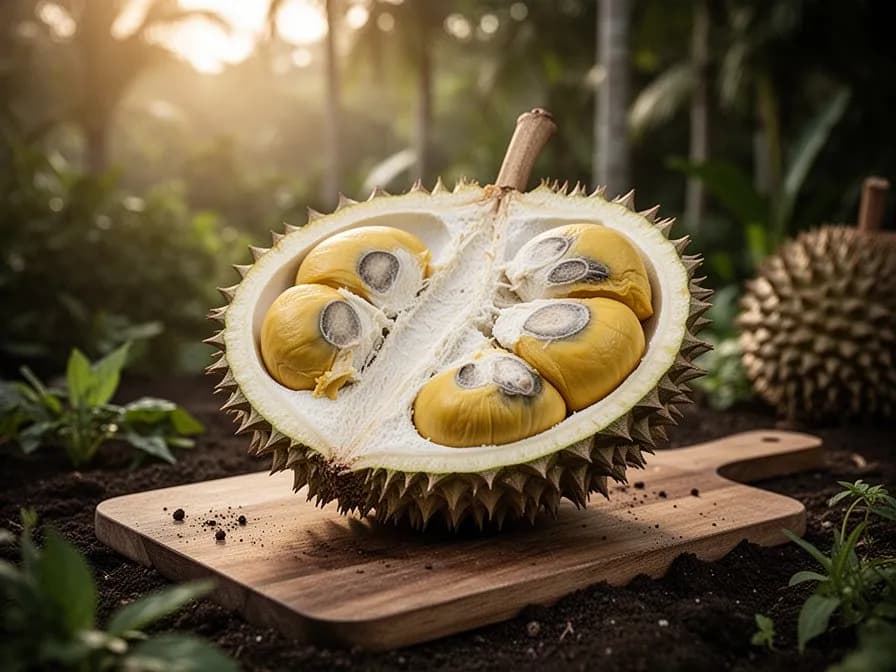
Durian fruits are harvested when they fall naturally from the tree, which indicates full ripeness. Commercial growers catch falling fruit with nets strung beneath the canopy to prevent damage. Never pull durian from the tree, as premature harvest results in poor flavor. Ripe fruit emits a strong characteristic aroma and the seams between segments begin to crack slightly. Wear protective gloves and hard hats when collecting, as falling durians are heavy and covered in sharp spikes.
assuming you plant when the window opens — set your real date
Pick Durian promptly and the plant keeps producing.
Storage & Preservation
Ripe durian should be consumed within two to five days at room temperature, as it overripens quickly. Refrigeration extends storage to one to two weeks but intensifies the aroma. For longer preservation, remove the flesh from the husk and freeze in airtight containers for up to two months. Commercially, durian is processed into frozen pulp, freeze-dried chips, paste, and candy. The flesh can also be fermented into tempoyak, a traditional condiment used in Southeast Asian cooking.
What goes wrong — and the fix
Phytophthora Root Rot
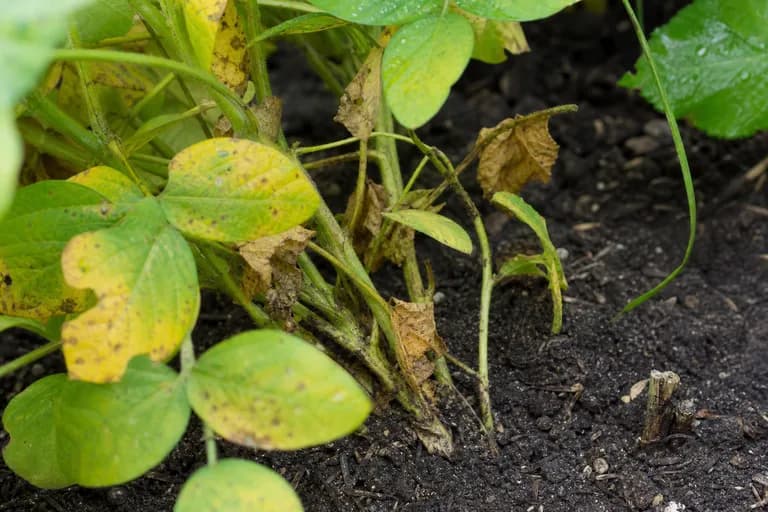
DiseaseYellowing and wilting of leaves, branch dieback starting from the tips, dark oozing patches on the trunk near soil level, sudden tree collapse.
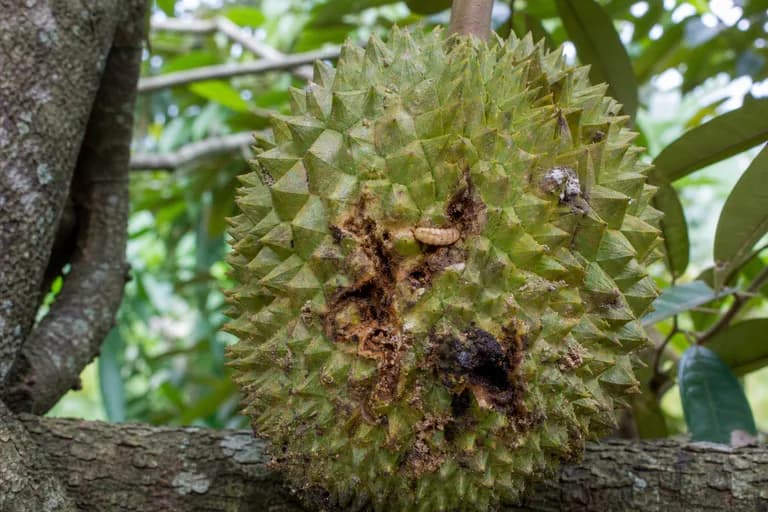
Durian Fruit Borer
PestEntry holes in the fruit husk with frass, larvae tunneling through the flesh, premature fruit drop, and secondary fungal infections in bore holes.
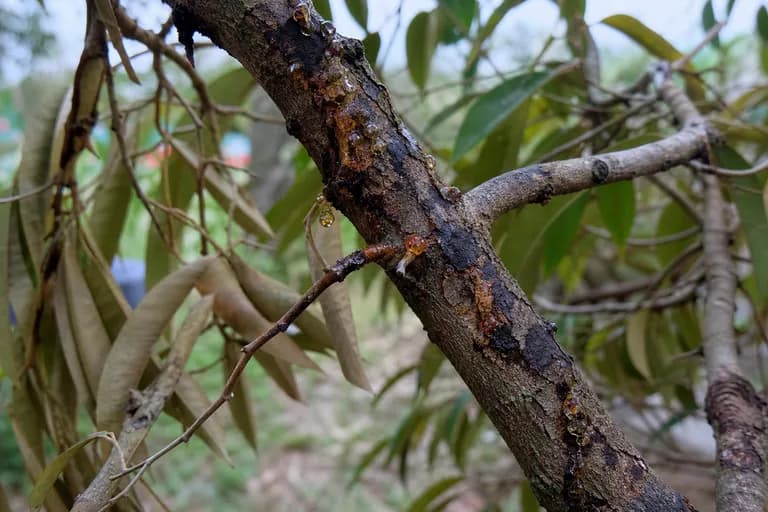
Patch Canker
DiseaseIrregular dark patches on the bark that crack and exude gum, branch dieback, reduced vigor, and eventual girdling of affected limbs.
Troubleshooting Common Problems
The most serious issue is Phytophthora root and stem rot, which can kill mature trees within months in waterlogged conditions. Poor fruit set results from insufficient bat and moth pollination or from rainy weather during flowering. The strong odor of ripe fruit attracts animals and is banned in many public spaces and hotels. Durian trees are slow to bear fruit, requiring patience of five to twelve years from planting. Strong winds can topple heavily laden trees with shallow root systems.
Growing Tips
- Durian trees are strictly tropical and will not survive frost; they require USDA hardiness zone 11 or warmer and thrive best in regions with year-round temperatures above 20°C and annual rainfall between 1,500 and 2,500 mm.
- Always purchase grafted trees from reputable nurseries rather than growing from seed — grafted trees of named varieties such as Musang King, D24, or Black Thorn fruit 4–6 years earlier and produce fruit with predictable, desirable flavor characteristics.
- Durian trees develop a deep, extensive taproot system and perform best when planted in deep, well-drained loamy or sandy-loam soil with a pH between 6.0 and 7.0; avoid planting in areas with high water tables or clay soils that remain waterlogged after rain.
- Pollinator habitat is critical for durian production — plant the tree near species that attract bats and nocturnal moths, or learn hand-pollination techniques using a soft watercolor brush to transfer pollen between flowers in the evening when blooms first open.
- To trigger flowering on mature trees, impose a controlled water stress period of 4–6 weeks in which irrigation is reduced significantly; this mimics the natural dry season that initiates flower bud development in the tree's native habitat.
- Apply a thick layer of organic mulch (wood chips, straw, or leaf litter) 10–15 cm deep around the base of the tree, extending to the drip line but kept clear of the trunk, to retain soil moisture, suppress weeds, and encourage the beneficial fungal networks that durian roots depend on.
- Fertilize young trees every 6–8 weeks with a balanced NPK fertilizer (such as 13-13-13); as trees mature and begin flowering, shift to a low-nitrogen, high-potassium formula during the pre-flowering and fruit development periods to maximize fruit quality and reduce excessive vegetative growth.
- String netting or old rice sacks beneath fruit-bearing branches several weeks before the expected harvest date to catch falling fruits and prevent bruising — a durian fruit falling from height can cause serious injury and split open on impact, dramatically reducing its shelf life.
- Durian is highly susceptible to Phytophthora palmivora root and trunk rot, a fungal disease that thrives in poorly drained or consistently wet soils; apply copper-based fungicide drenches preventively twice per year and ensure excellent drainage before planting.
- Container growing is possible for dwarf or compact durian varieties in large (200-liter or larger) containers for gardeners in marginal climates, provided the tree can be moved to a frost-free location during any cool periods and receives maximum sunlight and heat throughout the growing season.
Grow your best Durian yet — and everything around it.
Start a free plan today. Lay out your beds, drop in your Durian, and let PlotMyGarden handle the timing, spacing, companions and reminders from seed to harvest basket.
Pick your Durian
Musang King
The most sought-after variety from Malaysia, producing thick, creamy, bittersweet golden flesh with a small seed. Commands premium prices in international markets.
Monthong
The dominant Thai commercial variety with large fruit, thick sweet flesh, and relatively mild aroma. Good for durian beginners due to its less pungent smell.
D24
A popular Malaysian variety with pale yellow, slightly bitter-sweet flesh. Very creamy texture and moderate aroma. Widely available and more affordable than Musang King.
Red Prawn
Named for its distinctive reddish-orange flesh with a sweet, creamy flavor and slight alcoholic note. A premium variety from Penang, Malaysia.
Fresh durian is one of the most expensive tropical fruits available in markets outside Southeast Asia, often retailing for USD 15–50 per kilogram in the United States, Europe, and East Asia. Growing your own durian tree in a suitable tropical or warm subtropical climate can yield dozens to over a hundred fruits per season on a mature tree, representing potential annual savings of several hundred to several thousand dollars compared to market prices. Even a single grafted tree producing 30 fruits per season at an average weight of 3 kg per fruit could yield 90 kg of durian worth USD 1,350–4,500 at retail prices, making home cultivation extremely rewarding for enthusiasts in USDA zones 11–13.
Quick recipes
Durian Sticky Rice (Khao Niao Thurian)
30 minutesA classic Thai dessert pairing sweet glutinous rice cooked in coconut milk with fresh durian flesh. The richness of the durian complements the creamy coconut rice perfectly, and the combination is beloved across Thailand and Malaysia.
6 ingredients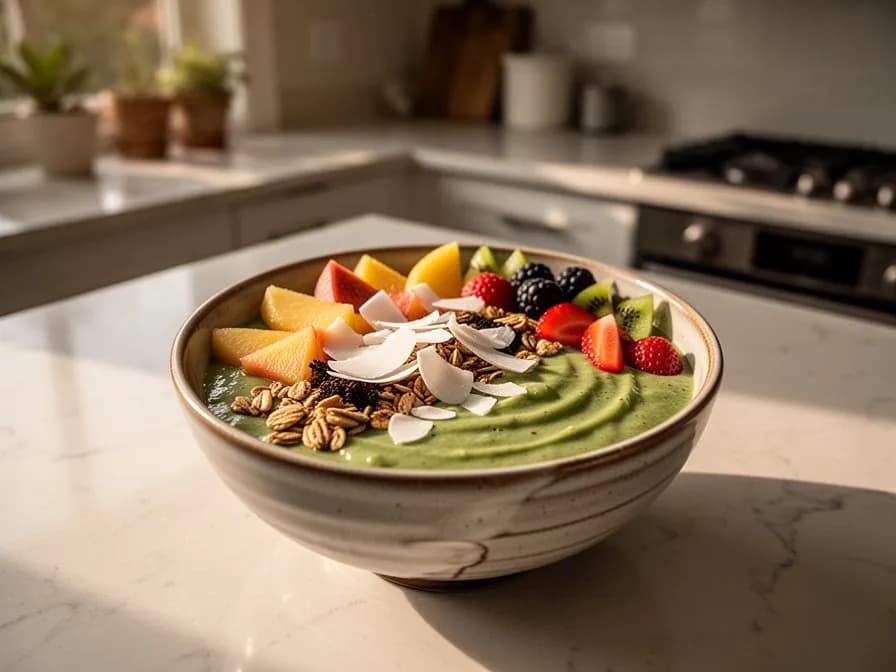
Durian Ice Cream
20 minutes active, 6 hours freezingA smooth, intensely flavored ice cream that captures the full complexity of fresh durian. The fruit's natural creaminess and fat content make it ideal for frozen desserts without the need for egg yolks. A popular street food treat throughout Southeast Asia.
6 ingredientsDurian Crepe Cake
90 minutesA show-stopping layered crepe cake filled with lightly sweetened durian cream. Each thin crepe layer is sandwiched with a whipped durian filling, creating a striking dessert with intense tropical flavor in every bite. A staple of modern Southeast Asian patisseries.
8 ingredientsCulinary Uses
Durian flesh is eaten fresh, prized for its rich, custard-like texture and complex flavor profile combining sweet, savory, and creamy notes. It is used in ice cream, pastries, candy, and milkshakes throughout Southeast Asia. The fermented flesh, called tempoyak, is used as a cooking condiment in curries and sambal. Durian seeds are edible when boiled or roasted. The fruit is also processed into chips, cakes, and puffs.
What's inside
Health Benefits
- Durian's high tryptophan content may help regulate sleep and mood by boosting serotonin and melatonin production, making it a traditional remedy for insomnia in parts of Southeast Asia.
- The fruit contains significant amounts of folate, which is essential for DNA synthesis and cell division, and is particularly important for pregnant women in the early stages of pregnancy.
- Durian is one of the richest plant sources of B vitamins, including thiamine (B1) and pyridoxine (B6), which support nervous system function and help the body convert food into usable energy.
- The fiber content in durian promotes digestive health by supporting beneficial gut bacteria, improving bowel regularity, and helping regulate blood sugar responses after meals.
- Organosulfur compounds unique to durian have been shown in preliminary studies to have antifungal and antimicrobial properties, and traditional medicine in Malaysia uses the fruit's husk and leaves to treat fever and skin conditions.
- Durian provides a meaningful source of iron, copper, and manganese, minerals that work together to support red blood cell production, immune function, and the body's antioxidant enzyme systems.
Where Durian comes from
The durian (Durio zibethinus) is native to the island of Borneo and the Malay Peninsula, where it has grown wild in the rainforests of what is now Malaysia, Indonesia, and Brunei for millennia. Fossil evidence and genetic studies suggest that the genus Durio has existed in this region for at least 20 million years, making it one of the most ancient cultivated fruits in human history. Indigenous peoples of Borneo have long relied on wild durian as a critical seasonal food source, and the trees were carefully tended near settlements long before formal agriculture began.
The first written accounts of durian in Western literature appear in the records of Niccolò de' Conti, an Italian explorer who traveled through Southeast Asia in the early fifteenth century and described a fruit with a remarkable flavor unlike anything known in Europe. Shortly after, Portuguese colonists recorded detailed observations of durian cultivation and consumption in Malacca during the early sixteenth century. The botanist Georg Eberhard Rumphius produced some of the earliest scientific descriptions of the plant in the seventeenth century, and Alfred Russel Wallace — the co-discoverer of evolution by natural selection — famously wrote an enthusiastic account of eating durian in Borneo in the 1850s, declaring that the experience alone was worth a voyage to the East Indies.
Over centuries, durian cultivation spread from Borneo and the Malay Peninsula throughout Southeast Asia, reaching Thailand, the Philippines, Vietnam, Cambodia, and eventually southern India and Sri Lanka. Thai growers were among the first to develop systematic breeding programs, producing named varieties with more consistent flavor, reduced odor, and improved yields. Today, hundreds of named durian cultivars exist, with Musang King, D24, Black Thorn, and Golden Phoenix being among the most commercially prestigious.
In recent decades, durian has undergone a global commercial revolution driven primarily by demand from mainland China, where the fruit has achieved luxury status. This has transformed durian farming from small-scale subsistence agriculture in rural Malaysia and Thailand into a multi-billion dollar agri-industry, with new plantations being established across Southeast Asia and even in northern Australia and South Florida, where growers are experimenting with tropical microclimates suitable for the demanding tree.
Durian: did you know?
Fascinating facts about Durian
Durian is banned on public transport and in many hotels across Singapore, Thailand, and Japan due to its notoriously powerful aroma, which some have described as a combination of ripe cheese, onions, and tropical fruit.
Durian questions, answered
When should I plant Durian?
What hardiness zones can Durian grow in?
How much sun does Durian need?
How far apart should I space Durian?
What pests and diseases affect Durian?
How do I store Durian after harvest?
What are the best Durian varieties to grow?
What soil does Durian need?
Why does durian smell so strongly and what causes the odor?
Is it true that you should not drink alcohol after eating durian?
How do I know when a durian is ripe and ready to eat?
Can I grow durian outside of Southeast Asia?
How long does it take for a durian tree to produce fruit?
What are the best companion plants for durian?
You just read the theory. Now grow it on autopilot.
Everything that makes Durian fiddly — the timing, the spacing, the companions, the harvest window — is exactly what PlotMyGarden handles for you, for every plant in your garden.
A plan that knows your weather
Set your location once. Get sow, feed and harvest dates built around your real last-frost date and live forecast — no more guessing from a generic seed packet.
From the “When to plant” sectionDrag-and-drop bed planner
Design beds on a grid. Every plant snaps to its proper spacing, and you can see your whole season laid out before you spend a cent on seed.
From the “Growing guide” sectionCompanion conflicts, caught early
200+ good-and-bad pairings checked live as you plant — so a season-wrecking mistake never makes it into the ground.
From the “Companions” sectionReminders you'll actually act on
“Water the beans.” “Pick today before it turns.” Timely, specific, and tied to the plants you're really growing.
From the “Harvest” sectionSuccession, scheduled
Want a harvest for six weeks, not six days? It spaces your sowings automatically and reminds you when each new block is due.
From the “When to plant” sectionA record that gets smarter
Every harvest you log teaches it your garden. Next year's plan starts from what actually worked in your soil, not a textbook's.
From the “Overview” sectionMore Tropical Fruits
Grow your best Durian yet — and everything around it.
Start a free plan today. Lay out your beds, drop in your Durian, and let PlotMyGarden handle the timing, spacing, companions and reminders from seed to harvest basket.