Fernleaf Dill
An award-winning dwarf dill cultivar that stays compact at 18 inches tall, perfect for containers and small gardens.





On this pageOverview
Meet Fernleaf Dill
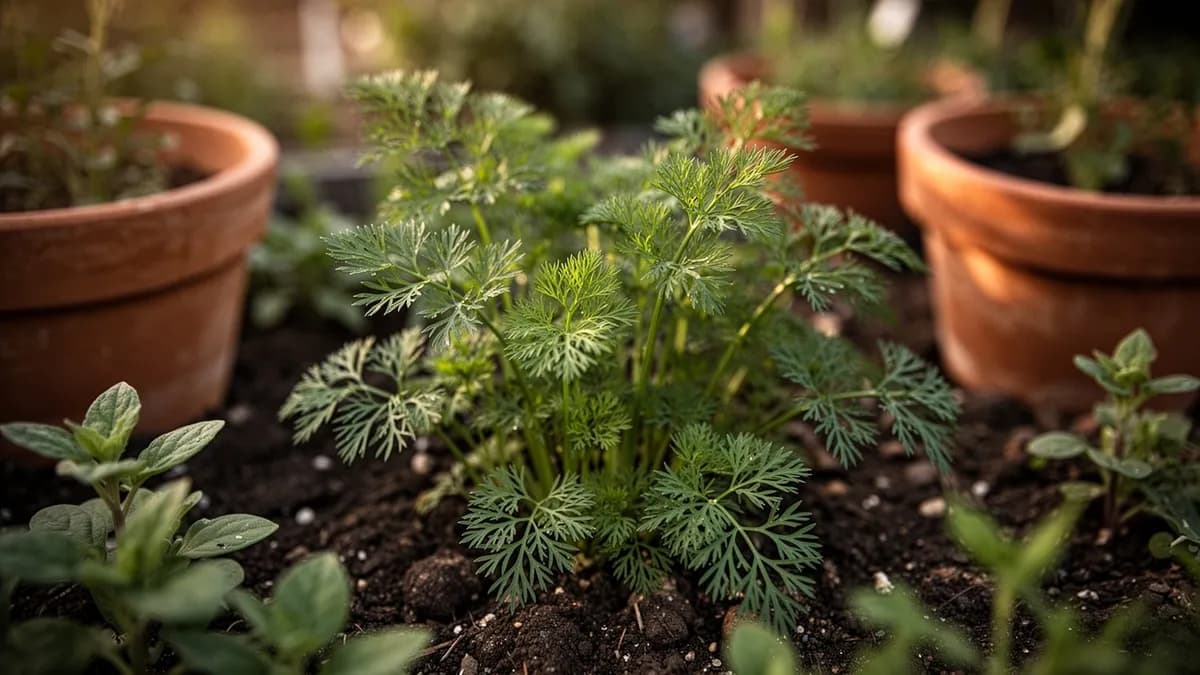
An award-winning dwarf dill cultivar that stays compact at 18 inches tall, perfect for containers and small gardens. Fernleaf is slower to bolt than standard dill, providing a longer harvest of feathery, flavorful fronds. Its manageable size makes it excellent for windowsill growing and interplanting in raised beds.
When to plant Fernleaf Dill
Direct sow Fernleaf dill seeds in containers or garden beds after the last frost. Press seeds onto the moist soil surface or cover with a thin 1/8-inch layer of fine soil, as seeds benefit from some light. Germination takes 7-14 days at 60-70°F. For indoor growing, sow in 8-12 inch pots filled with well-drained potting mix. Thin seedlings to 3-4 per pot for a full, bushy display. Unlike standard dill, Fernleaf can be started indoors in its permanent container since no transplanting is needed.
Your Fernleaf Dill Year
Composed for Zone 7 · typical seasons · frost passes Apr 2, returns Nov 1
Plant Fernleaf Dill Apr – May, pick Jun – Sep. Check the planting methods below and set your climate to personalize these windows.
How to grow Fernleaf Dill
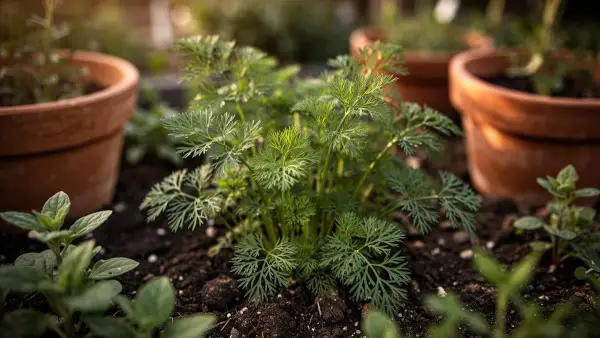
Fernleaf dill is an AAS (All-America Selections) winning dwarf variety ideal for container gardens, windowsills, and small-space growing. Unlike standard dill, Fernleaf stays compact at 18 inches and is bred for extended foliage production rather than seed heads. Sow seeds directly in containers or garden beds after the last frost, pressing them lightly into the soil surface.
Plant in full sun using well-drained potting mix or garden soil. Space plants 8-10 inches apart, or grow 3-4 plants per 12-inch container for a lush display. Seeds germinate in 7-14 days at soil temperatures of 60-70°F. Keep the soil evenly moist but not waterlogged during germination.
Fernleaf dill is significantly slower to bolt than Bouquet or Mammoth varieties, providing 4-6 weeks of additional frond harvest before flowering. Pinch off any flower buds that appear to further extend the foliage production period. Its compact, bushy growth habit makes it a beautiful ornamental addition to mixed herb containers and window boxes. Succession sow every 3-4 weeks for a continuous supply.
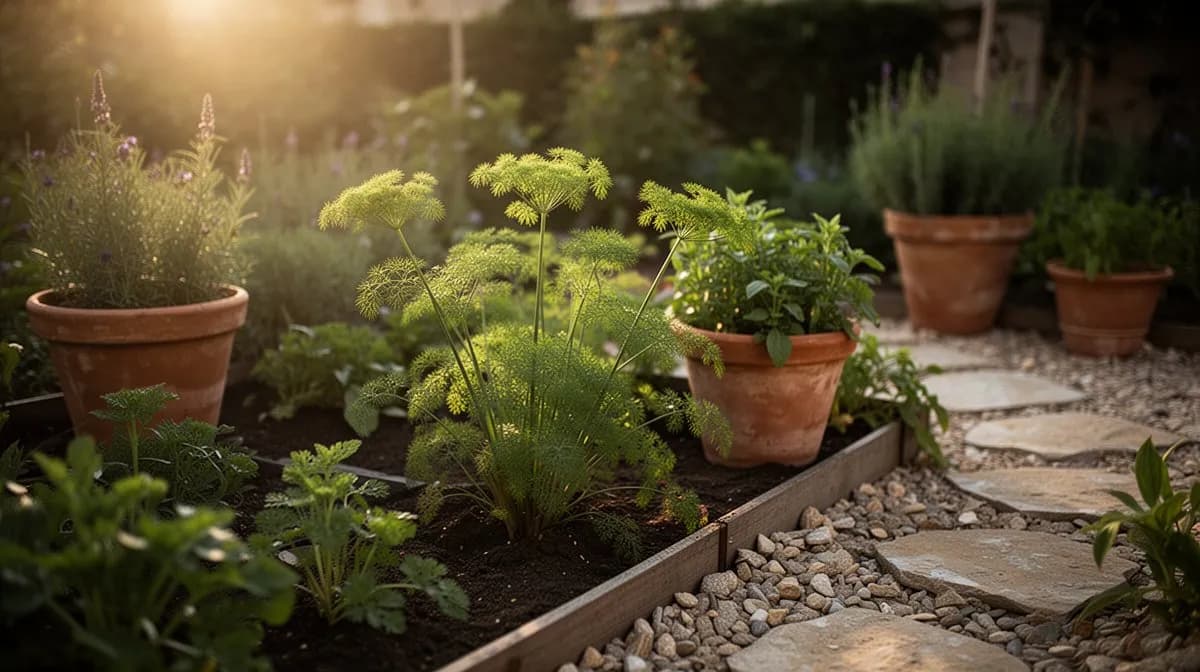
72 plants fit a 4 × 8 ft bed
Each Fernleaf Dill wants 20 cm of elbow room. The planner keeps that spacing for you — every plant, every bed.
Fernleaf Dill's best neighbours
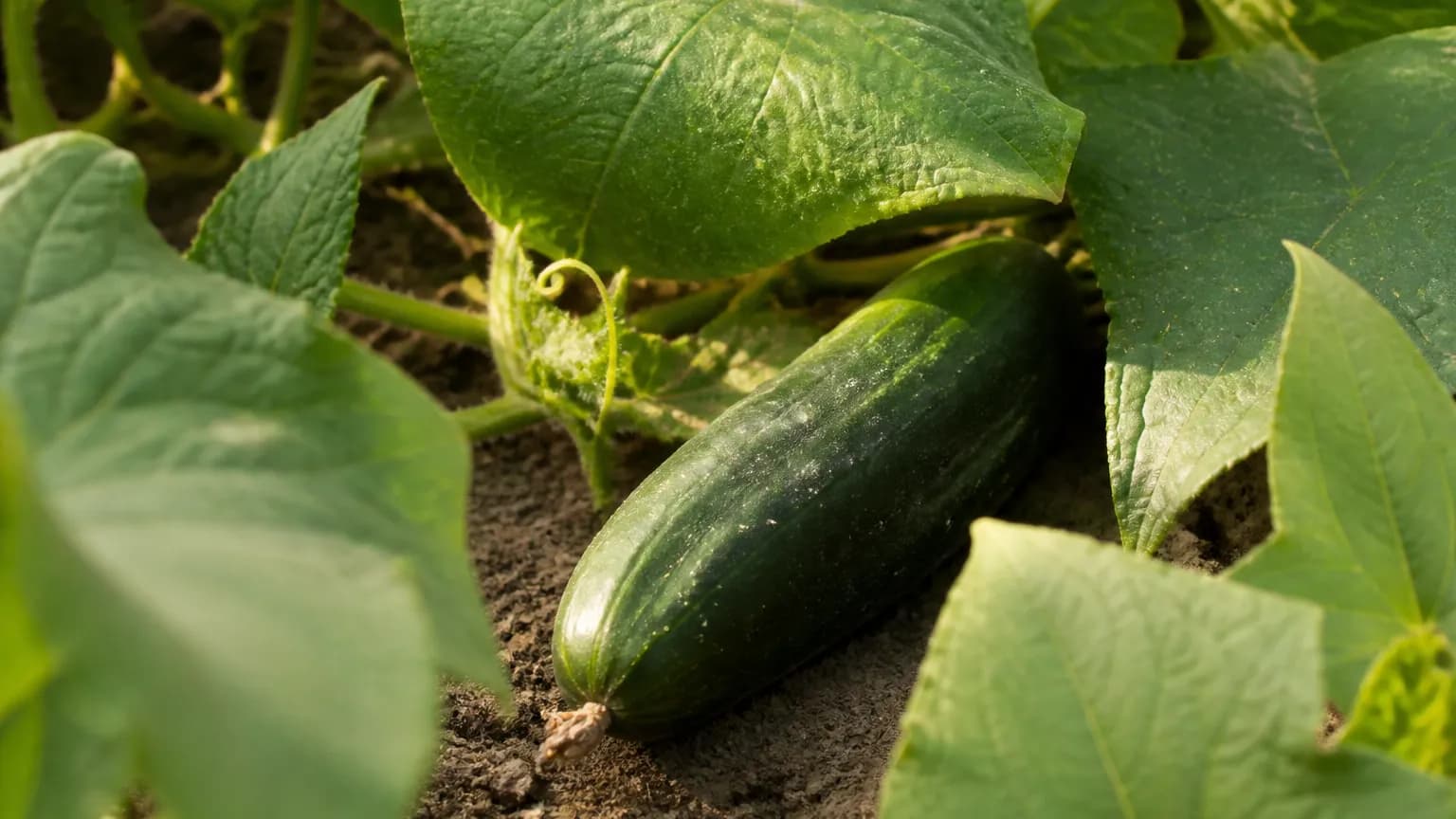
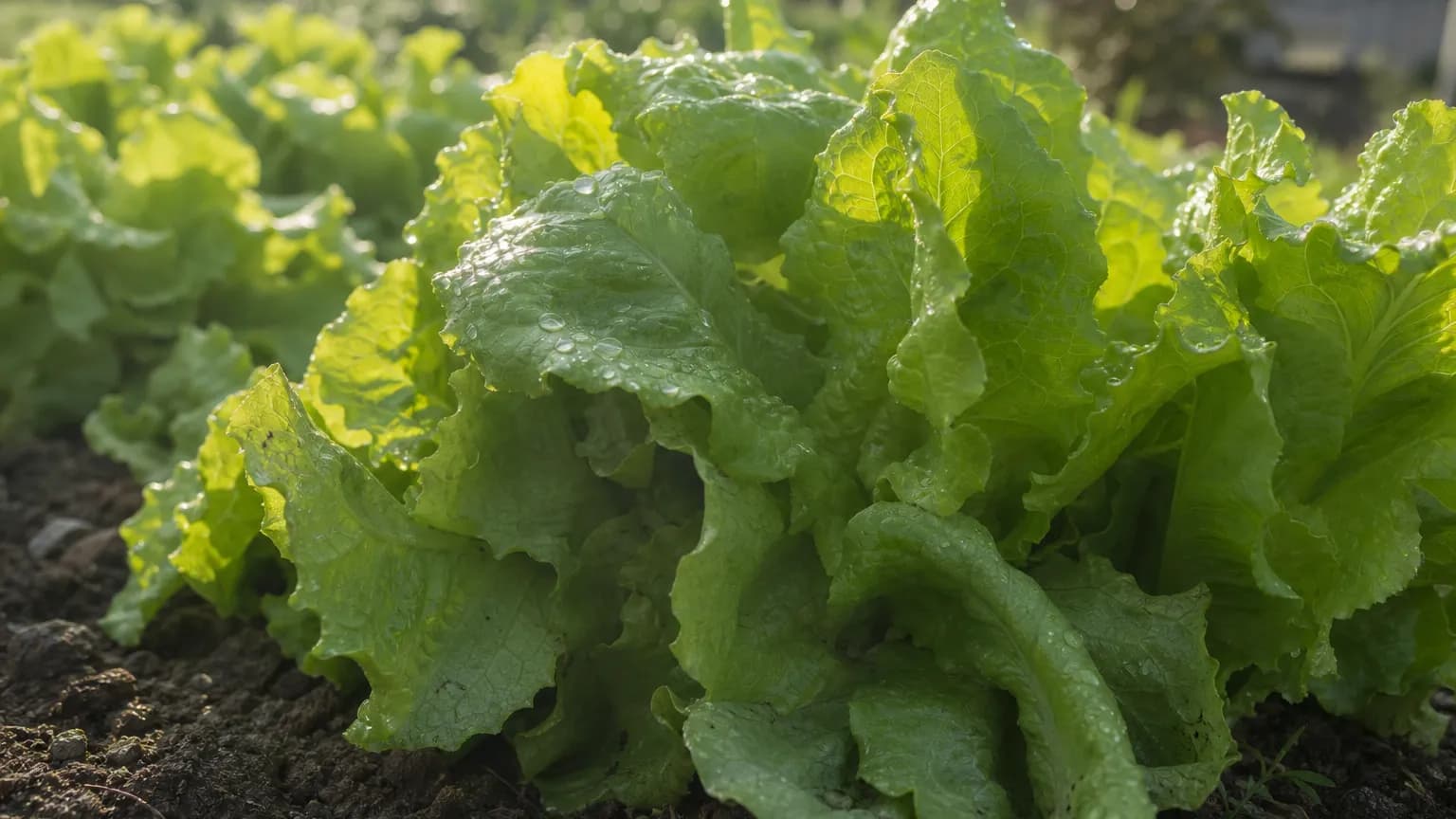
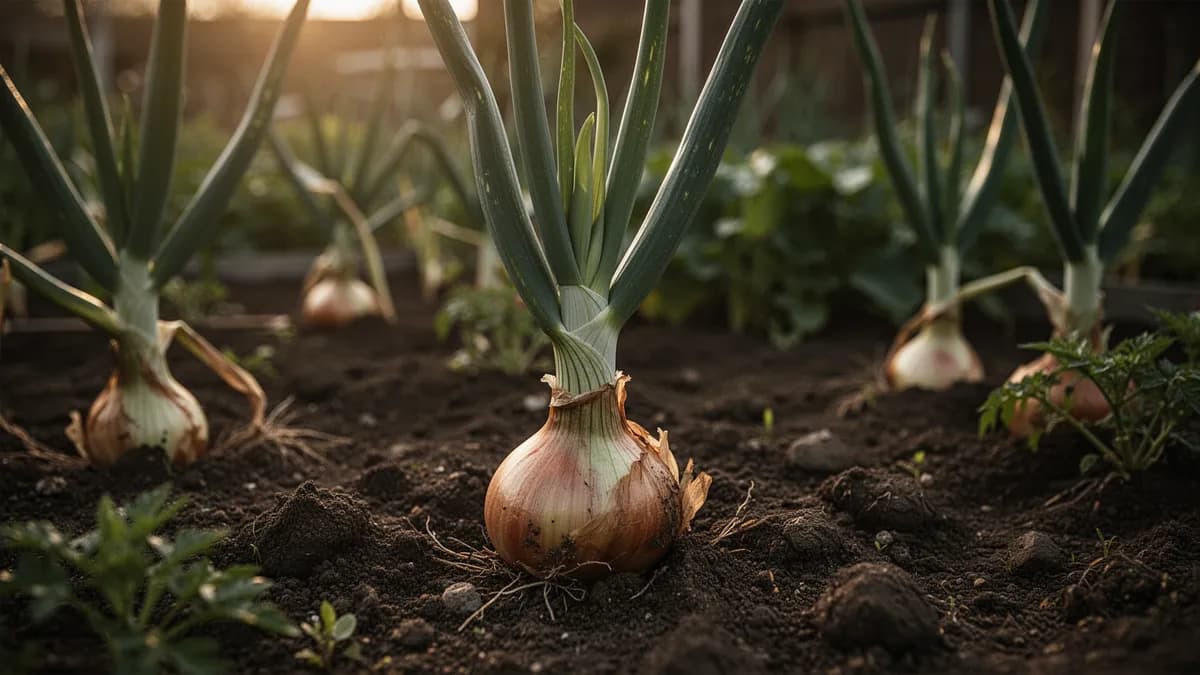
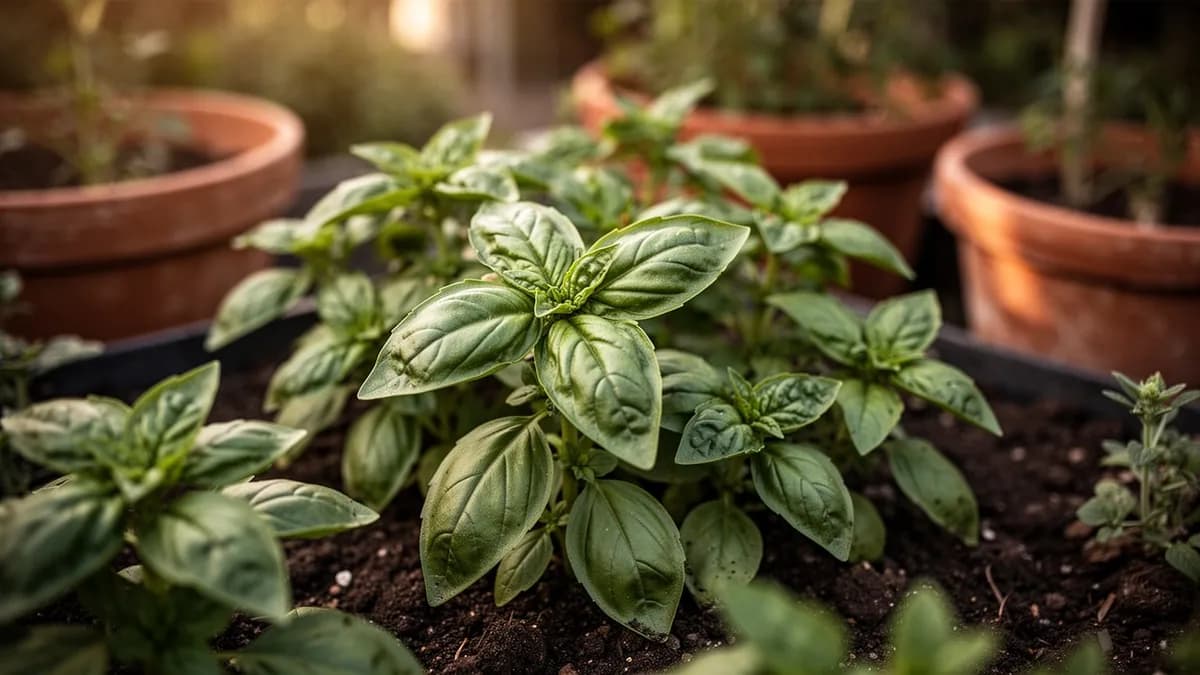
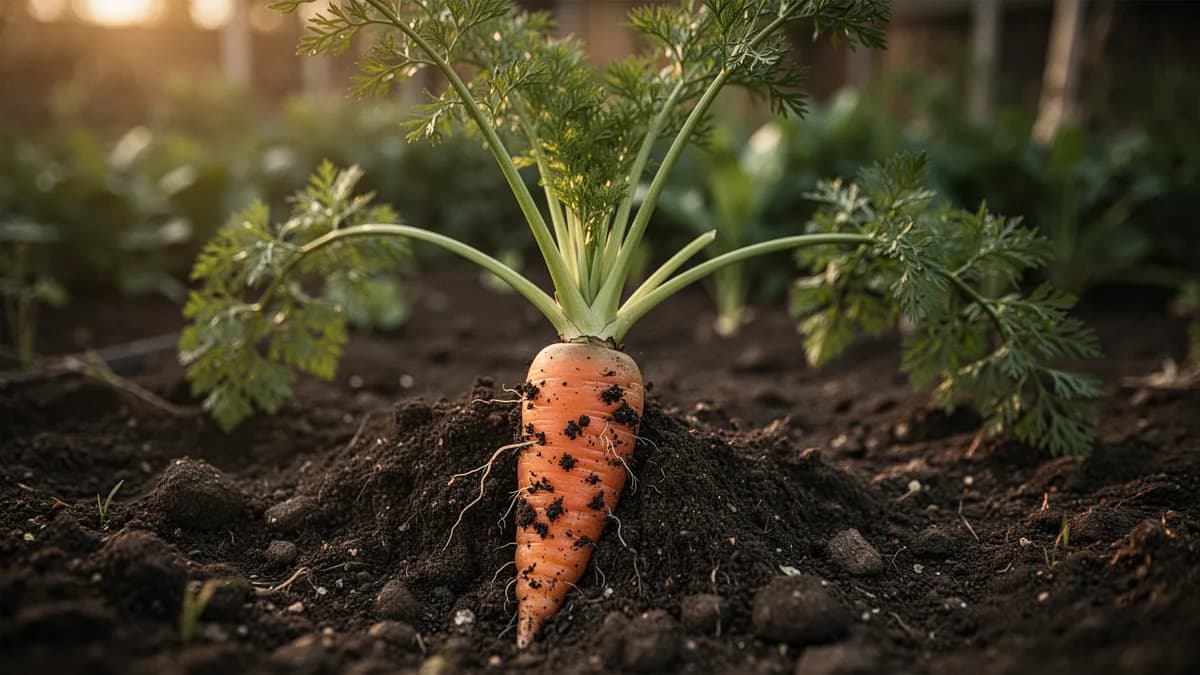
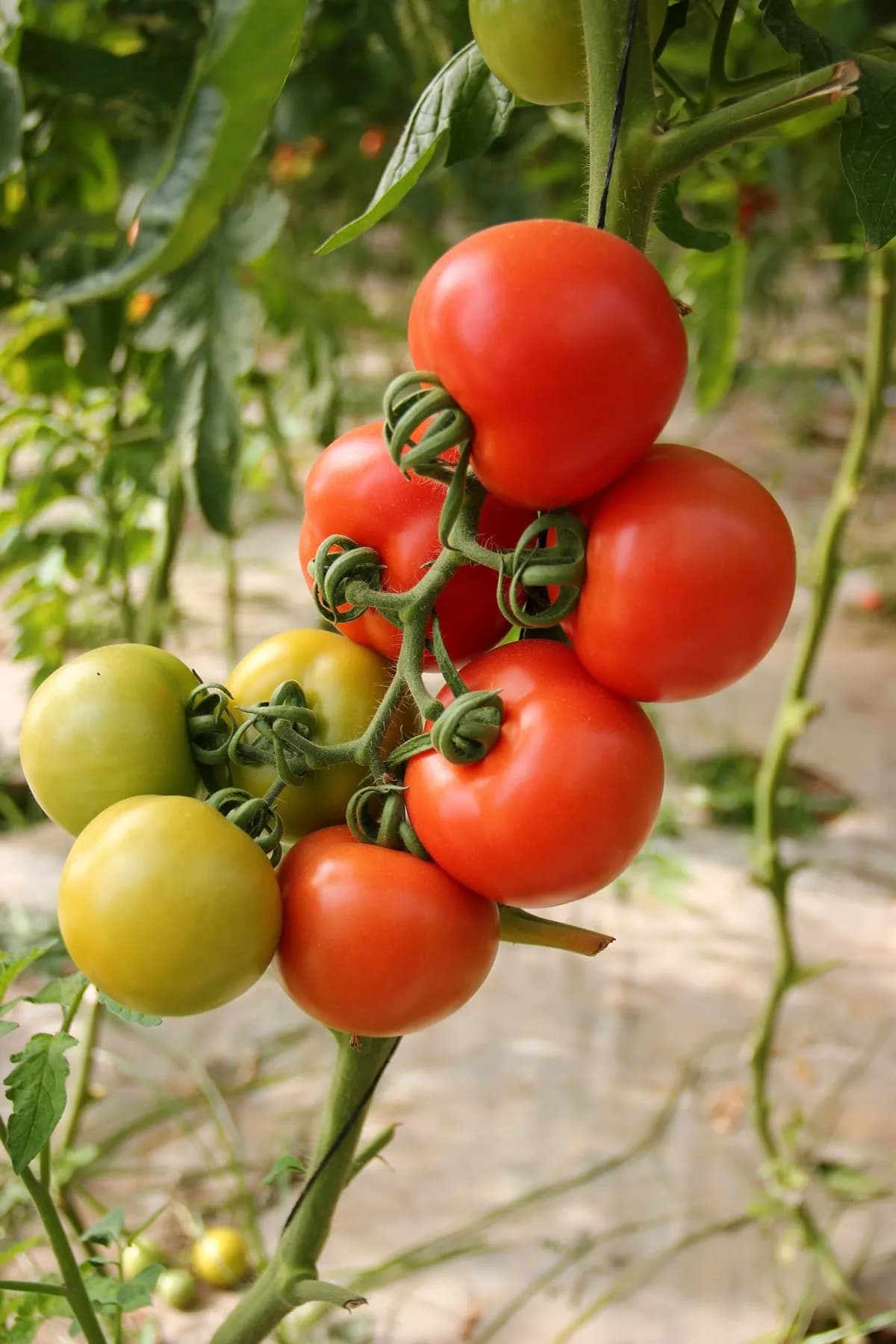
Fernleaf dill shares the beneficial insect-attracting qualities of all dill varieties but in a more manageable size for mixed plantings. Its compact form makes it an ideal companion in container gardens alongside lettuce, cucumbers, and other herbs. Like all dill, it attracts beneficial insects including parasitic wasps and hoverflies. Keep away from carrots to prevent cross-pollination and from tomatoes, as mature dill can inhibit tomato growth. Plant near onions for mutual pest deterrence.
Cucumber belongs beside it. Carrot doesn't.
Old growers' knowledge, checked against Fernleaf Dill's real companion table below — test any plant you're growing.
Try Fernleaf Dill in a bed — right here
A real planner bed with Fernleaf Dill already in it. Tap a companion to place it and watch the pairing checks answer — green for good neighbours, red for a clash.


Related growing guides
Feed it well
Fernleaf dill grows well in average to moderately fertile, well-drained soil with a pH of 5.5-6.5. In containers, use a quality all-purpose potting mix. Feed container-grown plants every 2-3 weeks with a diluted balanced liquid fertilizer to sustain the extended foliage production. Garden-grown plants need minimal fertilization; a light side-dressing of compost mid-season is usually adequate. Avoid heavy nitrogen applications, which can cause leggy growth even in this naturally compact variety.
Ideal Temperature
Hardiness Zone Compatibility
From seed to harvest, stage by stage
Seed Germination
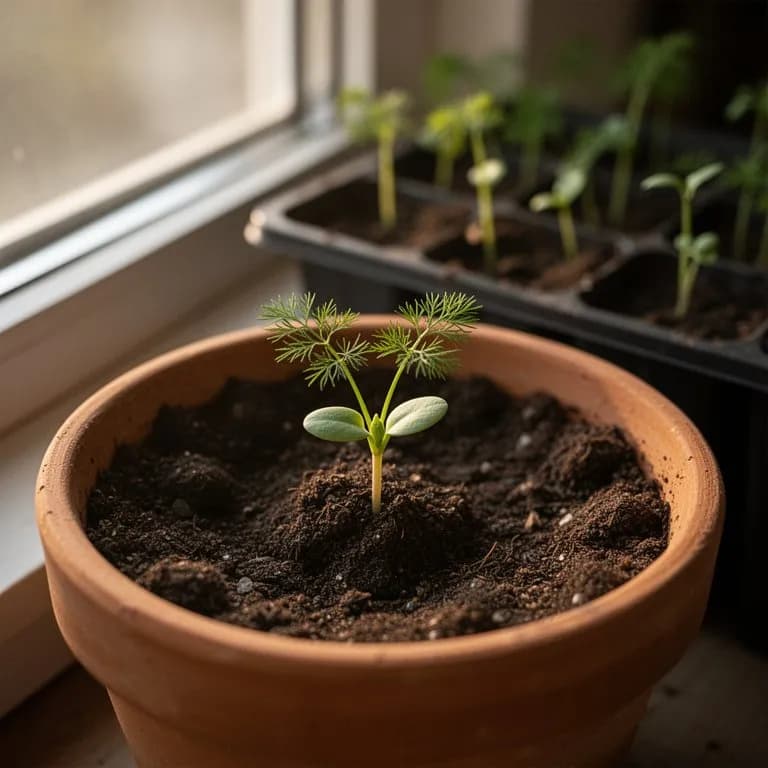
Dill seeds are slow to germinate, typically taking 10-14 days in warm soil. The flat, ribbed seeds absorb moisture gradually, and a single thread-like cotyledon emerges before the first true feathery leaf appears. Soil temperature of at least 15°C (60°F) is needed for reliable germination, though seeds can sprout in soil as cool as 10°C (50°F) with patience.
Seedling Establishment
The first true leaves unfurl as delicate, finely divided feathery fronds characteristic of dill. The seedling develops a slender taproot that anchors quickly into the soil. Growth appears slow at this stage as the plant invests energy in root development before pushing foliage. Seedlings are fragile and easily damaged by rough handling or heavy rain.
Vegetative Growth
Fernleaf dill enters its most productive foliage phase, developing a dense mound of finely cut, blue-green fronds reaching 30-45 cm tall. Unlike standard dill varieties that grow tall and leggy, fernleaf produces abundant lateral branching that creates a bushy, compact plant. The aromatic oils in the leaves intensify during warm, sunny weather.
Flowering
Flat-topped yellow flower clusters (umbels) rise above the foliage on slender stems. Each umbel consists of 15-25 tiny flowers arranged in a characteristic parasol shape. Fernleaf dill bolts significantly later than standard dill — often 2-3 weeks later — giving a much longer harvest window for fresh fronds. The flowers attract a wide range of beneficial insects including parasitic wasps, lacewings, and hoverflies.
Seed Development
After pollination, the tiny flowers develop into pairs of flat, oval seeds that gradually turn from green to tan-brown as they ripen. The seeds develop their distinctive warm, slightly bitter flavor that is essential in pickling spice blends. The plant begins to yellow and decline as it directs all remaining energy into seed maturation.
Sow seeds shallowly at 5 mm depth — dill needs some light to germinate. Press seeds into the surface and cover with a thin dusting of fine soil or vermiculite. Keep the surface consistently moist with a gentle mist sprayer until seedlings emerge. Do not let the soil crust over.
Caring for Fernleaf Dill month by month
What to do each month for your Fernleaf Dill
October
You are herePull spent dill plants and compost them. In mild climates (zones 8-10), sow a fall crop for winter harvesting. Process and store dried dill weed and seeds in airtight containers away from light. Clean and store containers used for growing dill.
Know exactly what to do in your garden — every month
One email at the start of each month: what to sow, plant, and tackle right now — for your Fernleaf Dill and everything growing around it. Plus a short starter course that helps you dodge the classic mistakes.
- What to do, right now
- Matched to your season
- Starter course included
Harvesting Fernleaf Dill
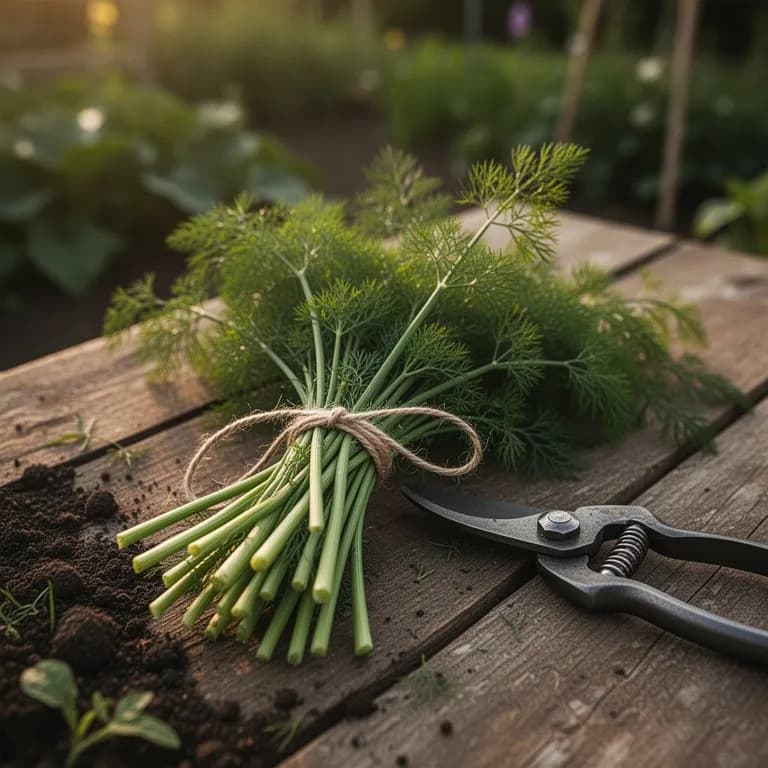
Begin harvesting Fernleaf dill fronds once plants are 6-8 inches tall, snipping individual stems from the outside of the plant. The compact growth habit allows for frequent light harvests without stressing the plant. Cut stems with scissors just above a leaf node to encourage branching and bushier growth. Fernleaf produces fewer seed heads than Bouquet dill, so harvest seeds only from mature plants you allow to flower late in the season. The extended foliage production period means you can harvest fresh fronds for weeks longer than standard varieties.
assuming you plant when the window opens — set your real date
Pick Fernleaf Dill promptly and the plant keeps producing.
Storage & Preservation
Fernleaf dill fronds are best used fresh for maximum flavor. Store cut stems in a glass of water at room temperature for 2-3 days, or wrap in damp paper towels and refrigerate for up to one week. The fine, feathery fronds freeze exceptionally well: spread on a baking sheet, freeze until solid, then store in airtight bags for up to 6 months. Frozen Fernleaf dill retains more color and flavor than dried. For drying, use a dehydrator at 95°F, as the delicate fronds dry quickly.
What goes wrong — and the fix
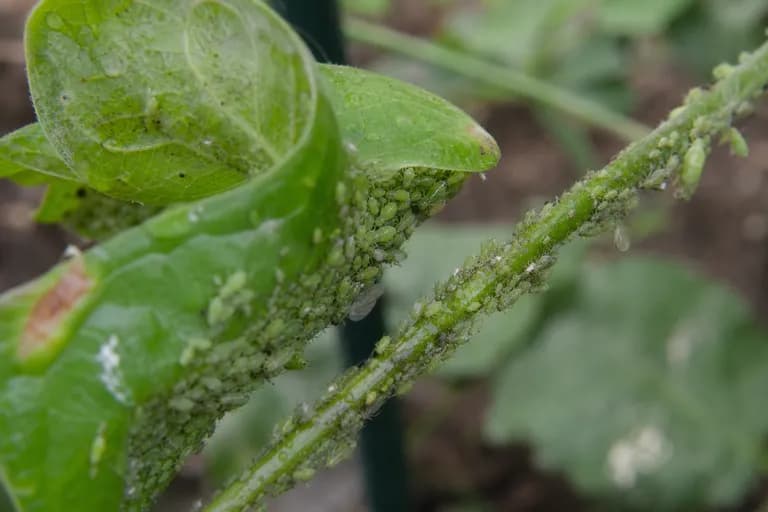
Aphids
PestSmall green or yellow insects clustered on new growth and leaf tips, sticky residue, yellowing leaves.
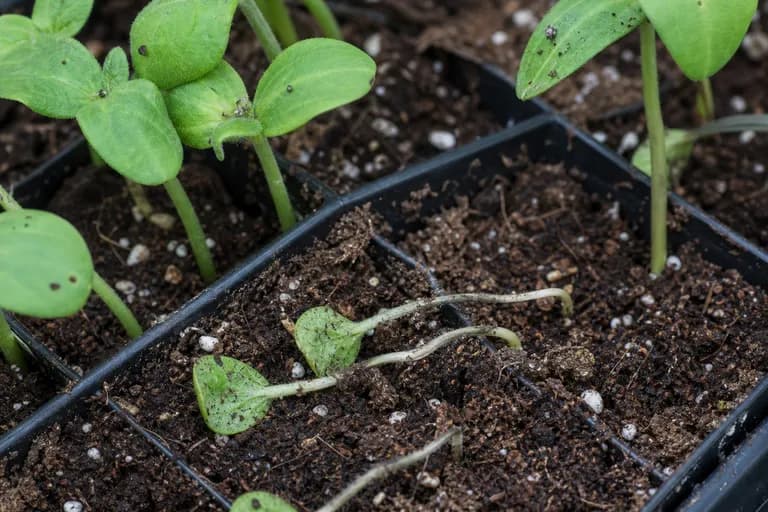
Damping Off
DiseaseSeedlings collapse at soil level, stems become thin and water-soaked, poor germination in patches.
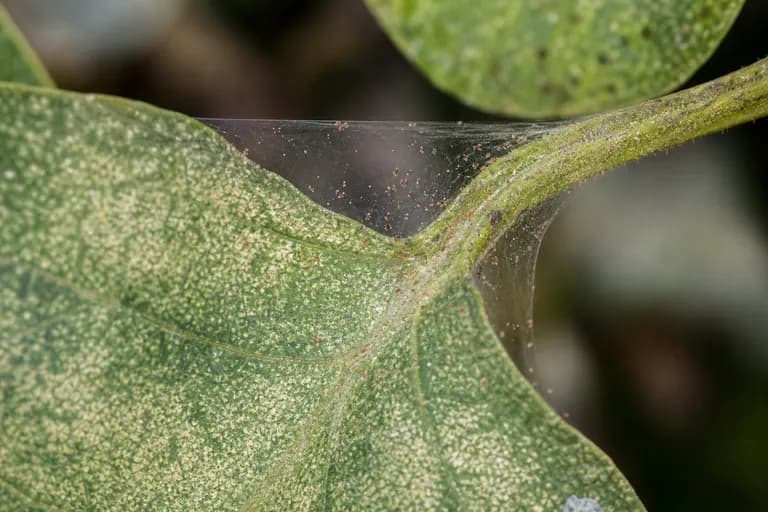
Spider Mites
PestFine webbing on leaf tips, stippled or bronzed foliage, tiny moving dots visible with magnification.
Troubleshooting Common Problems
Although Fernleaf is bolt-resistant, prolonged heat above 85°F will eventually trigger flowering. Provide afternoon shade in hot climates to delay bolting. Indoor plants may become leggy without sufficient light; provide at least 6 hours of direct sun or supplement with grow lights. Overwatering in containers leads to root rot, so ensure pots have adequate drainage. The fine fronds can dry out quickly in windy or dry conditions, so keep soil consistently moist. Sparse growth usually indicates insufficient light.
Growing Tips
- Direct-sow dill rather than transplanting whenever possible. Dill has a delicate taproot that resents disturbance — transplanted seedlings often bolt prematurely or grow poorly compared to direct-sown plants. If you must start indoors, use deep biodegradable pots that can be planted directly into the soil.
- Sow seeds in successive batches every 2-3 weeks from early spring through midsummer. This ensures a continuous supply of tender young fronds throughout the season rather than a single glut followed by bolting and decline.
- Choose a location with full sun (6-8 hours daily) and well-drained soil. Dill tolerates a wide range of soil types but performs best in moderately fertile, slightly acidic to neutral soil (pH 5.5-6.5). Avoid overly rich soil, which promotes leggy growth with less aromatic oil concentration.
- Water consistently but moderately — dill needs about 2.5 cm of water per week. The plant is moderately drought-tolerant once established, but water stress is the single fastest trigger for premature bolting. Mulch around plants to maintain even soil moisture and cool roots during summer heat.
- Harvest by cutting outer stems at the base rather than picking individual leaflets. This encourages the plant to produce new growth from the center. Never remove more than one-third of the plant at once, as over-harvesting weakens the plant and accelerates bolting.
- Plant dill near cucumbers, lettuce, onions, and brassicas — it is considered a beneficial companion that attracts predatory insects. However, keep dill away from carrots and fennel; dill and fennel can cross-pollinate, producing offspring with poor flavor, and dill may inhibit carrot growth.
- Fernleaf dill is the ideal variety for container growing. Use a pot at least 25 cm deep and 20 cm wide to accommodate the taproot. Ensure excellent drainage, water regularly, and feed with half-strength liquid fertilizer every 2-3 weeks. One container can hold 2-3 fernleaf dill plants comfortably.
- To preserve the harvest, freeze fresh dill fronds rather than drying them — drying causes significant flavor loss. Chop fronds and pack into ice cube trays, cover with water or olive oil, and freeze. Pop out cubes as needed for soups, sauces, and dressings all winter long.
- Allow a few plants to flower and set seed each season. Dill self-sows readily, and you may find volunteer seedlings appearing the following spring — free plants with no effort. Collect seed heads before they shatter if you prefer controlled placement.
- Watch for tomato hornworms and parsleyworms (swallowtail butterfly caterpillars), which occasionally feed on dill as an alternate host plant. Consider tolerating parsleyworms if possible — they become beautiful black swallowtail butterflies, and healthy dill plants can sustain light caterpillar feeding without significant damage.
Grow your best Fernleaf Dill yet — and everything around it.
Start a free plan today. Lay out your beds, drop in your Fernleaf Dill, and let PlotMyGarden handle the timing, spacing, companions and reminders from seed to harvest basket.
Pick your Fernleaf Dill
Fernleaf
The original AAS-winning dwarf variety, staying at 18 inches with dense, feathery foliage. The gold standard for container dill growing.
Ella
A newer compact dill bred specifically for hydroponic and greenhouse production. Very slow bolting with excellent frond density.
Teddy
An ultra-compact variety reaching only 12 inches, perfect for small windowsill pots. Dense, fine-textured foliage with mild dill flavor.
Compatto
An Italian compact dill selection with darker green foliage and strong aroma. Slightly taller than Fernleaf at 20 inches.
Fresh dill sells for $2-4 per small bunch (about 30g) at supermarkets and $3-6 at farmers' markets, yet a $2-3 seed packet grows 20-30 plants producing far more dill than most families can use fresh. A single fernleaf dill plant yields the equivalent of 3-4 store-bought bunches over its life, meaning one packet of seeds can produce $60-120 worth of fresh herbs. The savings multiply further when you factor in dried dill weed ($5-8 per jar) and dill seeds for pickling ($4-7 per jar), both of which you can harvest for free from your garden-grown plants. Growing dill also means access to peak-freshness fronds within steps of your kitchen — a quality advantage that no store-bought herb can match.
Quick recipes
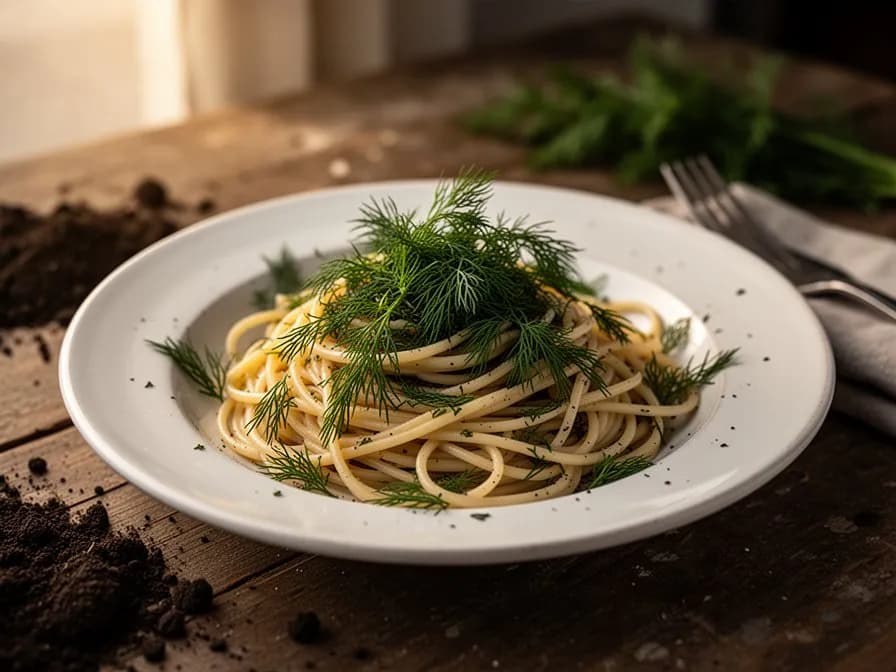
Classic Dill Refrigerator Pickles
20 min + 48 hr chillCrisp, tangy cucumber pickles infused with fresh dill, garlic, and a clean vinegar brine. No canning equipment needed — these quick pickles develop their best flavor after 48 hours in the refrigerator and keep for up to a month.
9 ingredientsLemon-Dill Butter Salmon
25 minPan-seared salmon fillets finished with a fragrant compound butter of fresh dill, lemon zest, and a hint of garlic. The butter melts over the hot fish to create an instant silky sauce that showcases the herb's bright, anise-like flavor.
7 ingredientsCreamy Dill and Cucumber Yogurt Dip (Tzatziki-Style)
15 minA cool, refreshing dip combining thick yogurt with grated cucumber and a generous amount of fresh dill. Perfect as a dip for vegetables and pita, a sauce for grilled meats, or a topping for baked potatoes. Best made 30 minutes ahead so the flavors meld.
7 ingredientsCulinary Uses
Fernleaf dill produces the same delicious fronds as standard dill but in a more accessible compact form. Use fresh fronds to garnish salmon, in tzatziki sauce, potato salads, and cream-based dips. The mild, feathery leaves add elegance to deviled eggs and cold soups. Snip fronds directly from windowsill containers for instant fresh seasoning. While not ideal for pickling due to smaller seed heads, the fronds complement quick refrigerator pickles beautifully.
What's inside
Health Benefits
- Rich in monoterpene compounds including d-carvone, d-limonene, and alpha-phellandrene, which laboratory studies show have antioxidant and antimicrobial properties — these are the same compounds responsible for dill's distinctive aroma.
- Traditional and clinically studied digestive aid — dill water (gripe water) has been used for centuries to relieve infant colic, gas, and bloating, and modern research supports its carminative (gas-reducing) and antispasmodic effects on the digestive tract.
- Excellent source of calcium (208mg per 100g fresh) and manganese (1.26mg per 100g), supporting bone density and skeletal health — particularly valuable for those who avoid dairy products.
- Contains flavonoid antioxidants vicenin and kaempferol that research associates with anti-inflammatory effects, potentially helping to reduce chronic inflammation linked to cardiovascular disease and metabolic syndrome.
- Provides meaningful amounts of iron (6.6mg per 100g fresh) and folate, supporting healthy red blood cell production and oxygen transport — especially beneficial when consumed alongside vitamin C-rich foods that enhance iron absorption.
- Preliminary research suggests that dill seed extract may help regulate blood sugar levels by improving insulin sensitivity, making it a subject of growing interest in diabetes-supportive nutrition research.
Where Fernleaf Dill comes from
Dill (Anethum graveolens) is native to the eastern Mediterranean region and western Asia, with its wild ancestors traced to an area stretching from southern Europe through Turkey and into Iran. Archaeological and textual evidence confirms that dill has been cultivated and valued for at least 5,000 years, making it one of the oldest herbs in continuous human use.
The ancient Egyptians recorded dill among their medicinal plants in the Ebers Papyrus around 1550 BCE, prescribing it for digestive ailments and headaches. Greek and Roman physicians, including Hippocrates and Pliny the Elder, documented dill's use as a carminative (gas-relieving) herb and a treatment for hiccups. Roman gladiators reportedly rubbed dill oil on their skin before combat, believing it promoted healing of wounds. The Romans are credited with spreading dill cultivation throughout Europe as their empire expanded, establishing it as a common kitchen and medicinal garden herb from Britain to North Africa.
During the Middle Ages, dill became deeply embedded in European folk medicine and superstition. It was prescribed as a remedy for colic in infants — the origin of 'gripe water,' a dill-based preparation still sold today. Charlemagne reportedly required dill to be available at his banquet tables for guests who overindulged, recognizing its digestive benefits. The herb became especially important in Scandinavian and Eastern European cuisines, where its affinity for fish, potatoes, and fermented vegetables made it indispensable.
The Fernleaf cultivar was developed in the late 20th century through selective breeding aimed at creating a dill variety suited to small gardens and container growing. Its compact, bushy habit (30-45 cm versus 60-90 cm for standard dill) and significantly delayed bolting earned it the prestigious All-America Selections award in 1992. Fernleaf quickly became the most popular dill variety for home gardeners worldwide, offering the same classic flavor in a more manageable plant that produces harvestable foliage for weeks longer than its taller relatives. Today, dill remains among the ten most widely grown culinary herbs globally, cultivated commercially across Europe, North America, India, and Egypt for its fresh leaves, dried weed, seeds, and essential oil.
Fernleaf Dill: did you know?
Fascinating facts about Fernleaf Dill
The name 'dill' derives from the Old Norse word 'dilla,' meaning 'to soothe or calm' — reflecting the herb's centuries-old reputation as a remedy for digestive discomfort and a calming agent for fussy babies.
Fernleaf Dill questions, answered
When should I plant Fernleaf Dill?
What are good companion plants for Fernleaf Dill?
What hardiness zones can Fernleaf Dill grow in?
How much sun does Fernleaf Dill need?
How far apart should I space Fernleaf Dill?
What pests and diseases affect Fernleaf Dill?
How do I store Fernleaf Dill after harvest?
What are the best Fernleaf Dill varieties to grow?
What soil does Fernleaf Dill need?
What makes fernleaf dill different from regular dill?
Why does my dill keep bolting before I can harvest enough leaves?
Can I grow fernleaf dill indoors year-round?
Is dill safe to use during pregnancy?
Can I use dill flowers in cooking or are they only for seeds?
How do I store fresh dill to keep it from wilting?
You just read the theory. Now grow it on autopilot.
Everything that makes Fernleaf Dill fiddly — the timing, the spacing, the companions, the harvest window — is exactly what PlotMyGarden handles for you, for every plant in your garden.
A plan that knows your weather
Set your location once. Get sow, feed and harvest dates built around your real last-frost date and live forecast — no more guessing from a generic seed packet.
From the “When to plant” sectionDrag-and-drop bed planner
Design beds on a grid. Every plant snaps to its proper spacing, and you can see your whole season laid out before you spend a cent on seed.
From the “Growing guide” sectionCompanion conflicts, caught early
200+ good-and-bad pairings checked live as you plant — so a season-wrecking mistake never makes it into the ground.
From the “Companions” sectionReminders you'll actually act on
“Water the beans.” “Pick today before it turns.” Timely, specific, and tied to the plants you're really growing.
From the “Harvest” sectionSuccession, scheduled
Want a harvest for six weeks, not six days? It spaces your sowings automatically and reminds you when each new block is due.
From the “When to plant” sectionA record that gets smarter
Every harvest you log teaches it your garden. Next year's plan starts from what actually worked in your soil, not a textbook's.
From the “Overview” sectionPlant these alongside Fernleaf Dill
More Culinary Herbs
Keep Fernleaf Dill away from these
Grow your best Fernleaf Dill yet — and everything around it.
Start a free plan today. Lay out your beds, drop in your Fernleaf Dill, and let PlotMyGarden handle the timing, spacing, companions and reminders from seed to harvest basket.