Dewberry
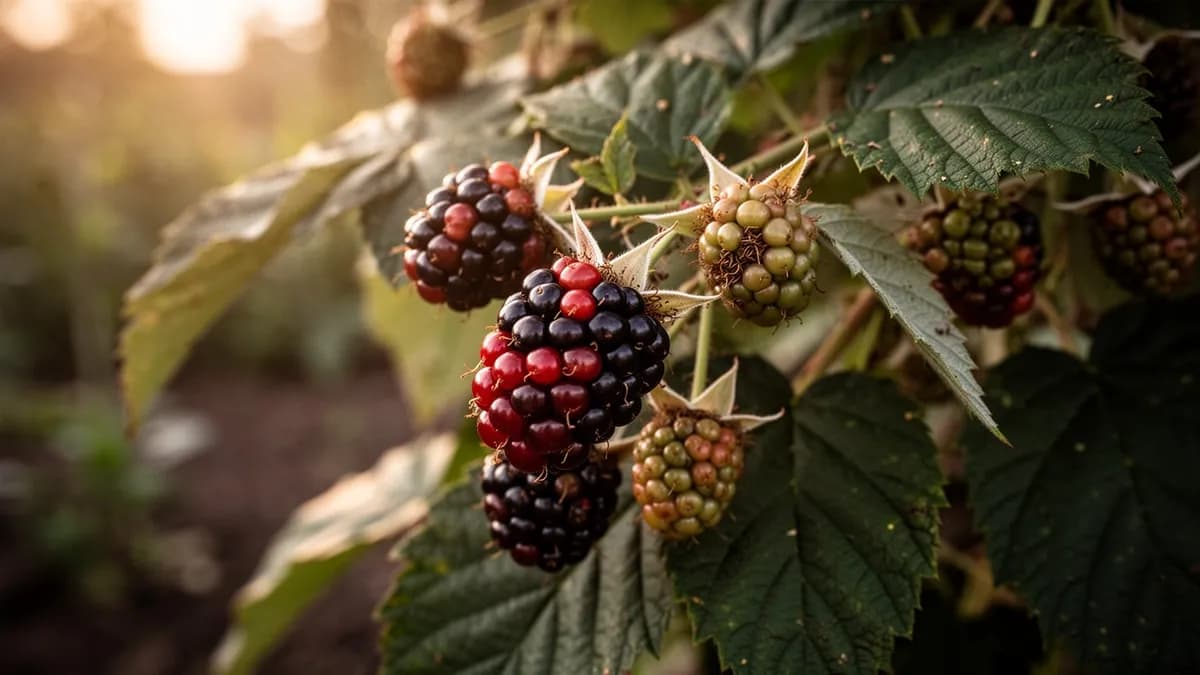
A low-growing trailing bramble producing glossy black berries earlier than most blackberries, with an intense sweet-tart flavor.





On this pageOverview
Meet Dewberry
A low-growing trailing bramble producing glossy black berries earlier than most blackberries, with an intense sweet-tart flavor. Dewberries sprawl along the ground and benefit from a low trellis or straw mulch to keep fruit clean. They tolerate sandy soils well and are often found growing wild in meadows and along roadsides.
When to plant Dewberry
Dewberries propagate most easily by tip layering in late summer. Bend a cane tip to the ground, bury it two inches deep, and anchor with a wire pin. Roots develop by autumn, and the new plant can be severed from the parent and transplanted in spring. For seed propagation, mash ripe berries and clean seeds by washing away the pulp. Cold-stratify seeds at 34 degrees Fahrenheit for 90 to 120 days. Sow on the surface of moist seed mix under bright light. Germination is slow and variable, taking weeks to months.
Your Dewberry Year
Composed for Zone 7 · typical seasons · frost passes Apr 2, returns Nov 1
Plant Dewberry Mar – Apr, pick Jun – Jul. Check the planting methods below and set your climate to personalize these windows.
How to grow Dewberry
Dewberries are trailing brambles that grow best in full sun with well-drained, sandy to loamy soil at a pH of 5.5 to 6.5. Plant bare-root or container-grown plants in early spring, spacing three feet apart in rows six feet apart. The trailing canes grow along the ground rather than upright, so provide a low trellis or wire support 18 to 24 inches high to keep fruit clean and accessible for harvest.
Dewberries produce fruit on second-year canes called floricanes. After fruiting, these canes die and should be cut to the ground. New primocanes growing from the crown will fruit the following year. Train primocanes along the trellis as they grow during summer. Thin to four to six of the strongest canes per plant for best production.
Water regularly during establishment and through fruit development, providing about one inch per week. Once established, dewberries are fairly drought-tolerant, especially in sandy soils where they thrive naturally. Apply a balanced fertilizer in early spring before growth begins. Mulch with straw or pine needles to keep fruit clean, suppress weeds, and maintain soil moisture. Dewberries fruit earlier than most blackberries, providing a berry harvest in June before the main blackberry season.
2 plants fit a 4 × 8 ft bed
Each Dewberry wants 90 cm of elbow room. The planner keeps that spacing for you — every plant, every bed.
Dewberry's best neighbours
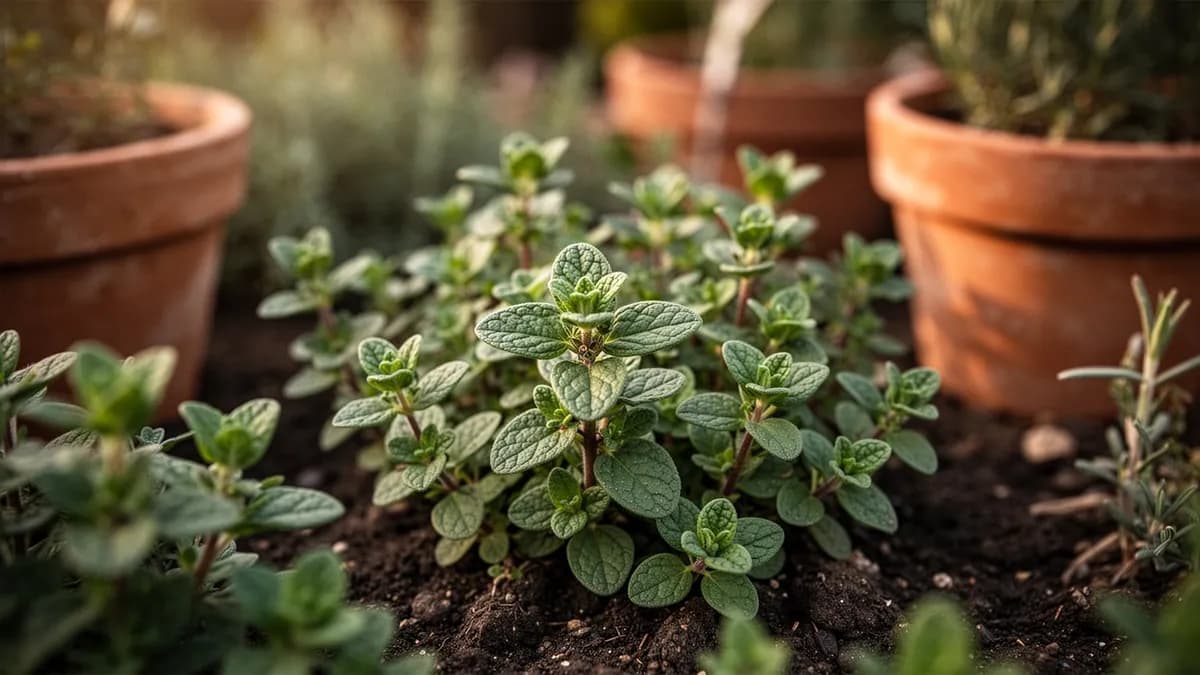
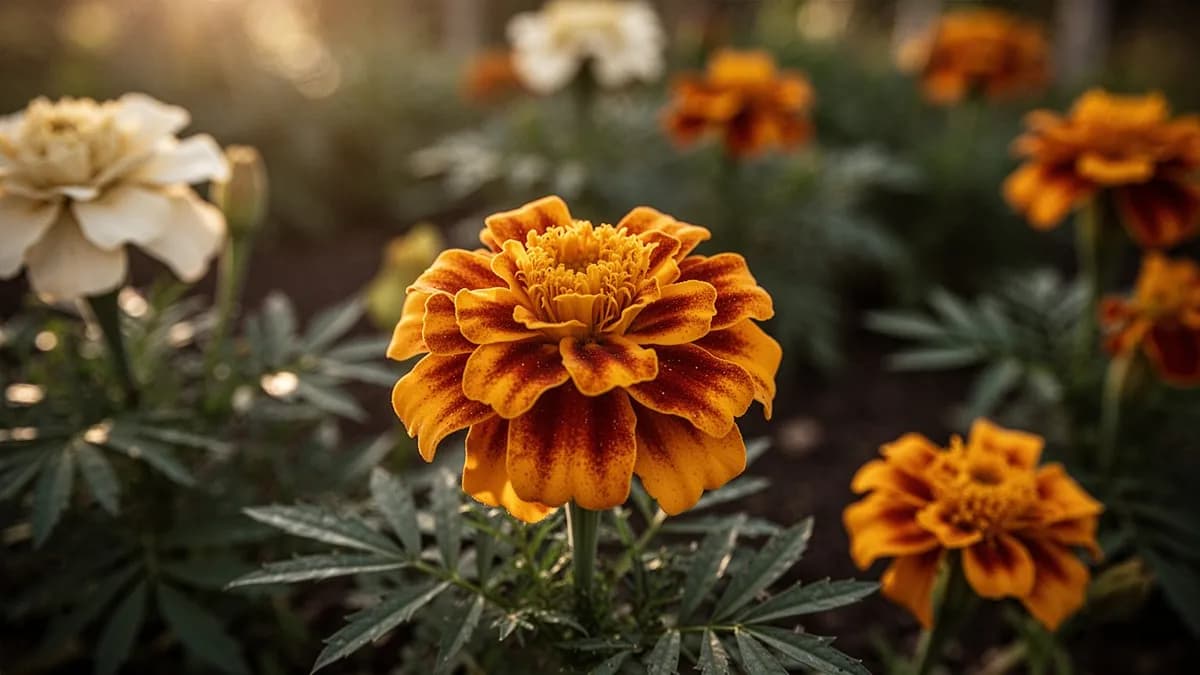
Dewberries pair well with thyme and marigold planted nearby to attract pollinators and deter pests. The trailing plants can serve as living ground cover in orchard settings, suppressing weeds between tree rows. Avoid planting near wild blackberries or raspberries, which can harbor shared diseases. Clover between rows fixes nitrogen and provides pollinator habitat. Keep dewberries away from areas where potatoes, tomatoes, or peppers have grown, as these nightshades can carry verticillium wilt that affects brambles.
Thyme belongs beside it. Raspberry doesn't.
Old growers' knowledge, checked against Dewberry's real companion table below — test any plant you're growing.
Try Dewberry in a bed — right here
A real planner bed with Dewberry already in it. Tap a companion to place it and watch the pairing checks answer — green for good neighbours, red for a clash.


Related growing guides
Feed it well
Dewberries thrive in sandy, well-drained soil with a pH of 5.5 to 6.5, performing well in lighter soils where blackberries might struggle. They tolerate poor, dry soils better than most brambles but produce larger fruit with moderate fertility. Apply a balanced fertilizer in early spring at about half the rate used for upright blackberries. Top-dress with compost annually and mulch with straw or pine needles. Avoid heavy clay soils, which promote root rot and crown gall.
Ideal Temperature
Hardiness Zone Compatibility
From seed to harvest, stage by stage
Dormancy & Root Establishment
Newly planted dewberry canes or rooted tip layers focus energy underground during their first weeks. Roots spread through loose soil before any significant top growth appears. This stage is critical for long-term plant vigor.
Spring Vegetative Flush
Canes break dormancy and push vigorous new leafy growth. Trailing stems begin extending along the ground, sometimes several inches per day in warm weather. Trifoliate leaves unfurl and the plant builds its photosynthetic capacity.
Flowering
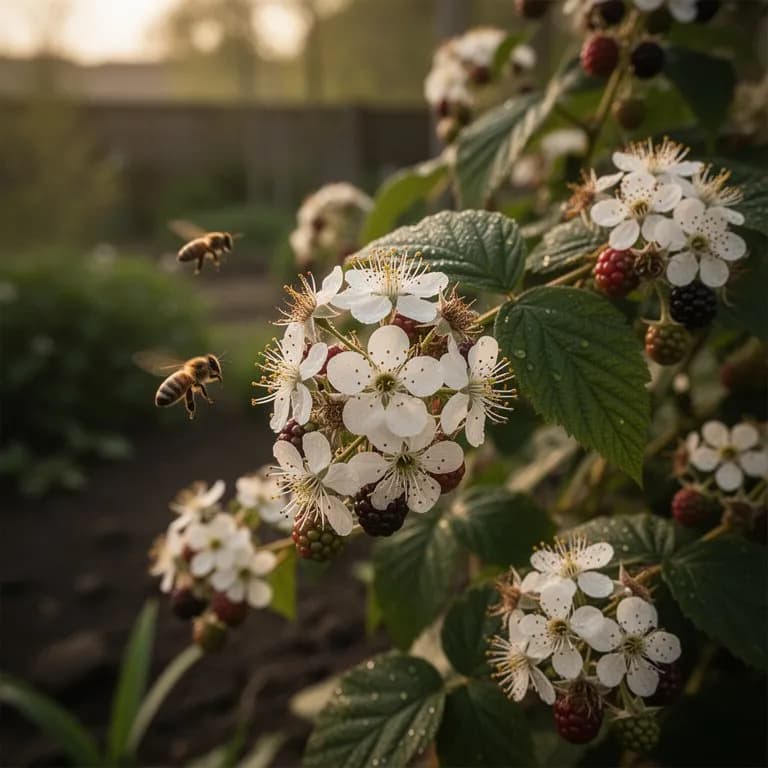
Clusters of white five-petaled flowers open along the previous season's canes. Each flower lasts two to four days and must be pollinated by insects to set fruit. Flowering typically occurs from late March through May depending on climate.
Fruit Development & Ripening
Fertilized flowers develop into drupelets that aggregate into the familiar berry clusters. Fruit passes through green, red, and finally deep black stages over four to six weeks. Dewberries ripen earlier than most blackberries, typically from late May through June.
Post-Harvest Primocane Growth
After fruiting, new primocanes (first-year canes) emerge vigorously from the crown. These canes will carry next year's fruit. Old floricanes that bore fruit begin to die back naturally and should be removed to improve air circulation.
Late-Season Hardening
Primocanes slow their extension and begin to harden off as days shorten and temperatures cool. Lateral buds on the canes differentiate into next year's fruiting spurs. The plant accumulates carbohydrate reserves in its crown and roots.
Winter Dormancy
Dewberry enters full dormancy as temperatures drop. The trailing canes remain at ground level and are naturally insulated by their low position. In very cold climates, a light mulch blanket provides additional frost protection for the crown.
Keep soil evenly moist but not waterlogged. Avoid fertilizing at this stage to prevent burning tender new roots.
Caring for Dewberry month by month
What to do each month for your Dewberry
October
You are hereComplete any bed renovation work. Lightly till between rows to disrupt overwintering pests in the soil. Begin applying a thick straw mulch to the crown area in colder climates before the first hard frost.
Know exactly what to do in your garden — every month
One email at the start of each month: what to sow, plant, and tackle right now — for your Dewberry and everything growing around it. Plus a short starter course that helps you dodge the classic mistakes.
- What to do, right now
- Matched to your season
- Starter course included
Harvesting Dewberry
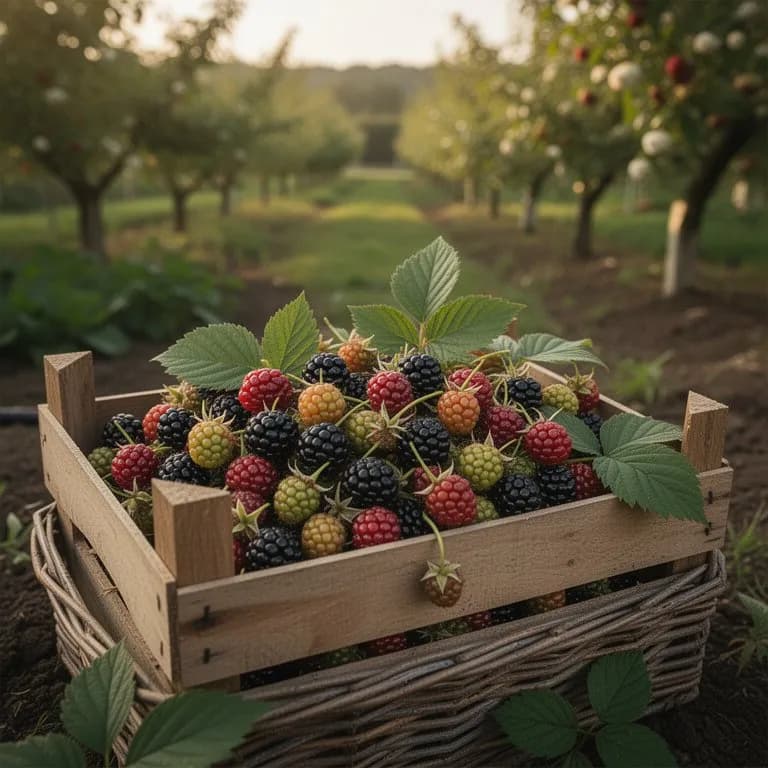
Dewberries ripen in June to early July, earlier than most blackberries, with fruit turning glossy black when ready. Pick berries when they detach easily from the stem with a gentle pull and are fully colored without any red or green areas. The fruit is softer and juicier than upright blackberries, so handle gently and pick into shallow containers. Harvest every two to three days during the ripening period, as fruit left too long on the vine becomes overripe quickly. Morning harvest when berries are cool extends shelf life.
assuming you plant when the window opens — set your real date
Pick Dewberry promptly and the plant keeps producing.
Storage & Preservation
Fresh dewberries keep for two to three days refrigerated but are best used the day of harvest. Their intense flavor makes outstanding jam and preserves that capture the taste of wild summer meadows. Dewberry cobbler and pie are classic Southern preparations. Freeze berries in single layers on trays before bagging for smoothies and winter baking. The juice makes excellent syrup and can be fermented into wine. Dewberries dehydrate well for trail mix, though the texture changes significantly.
What goes wrong — and the fix
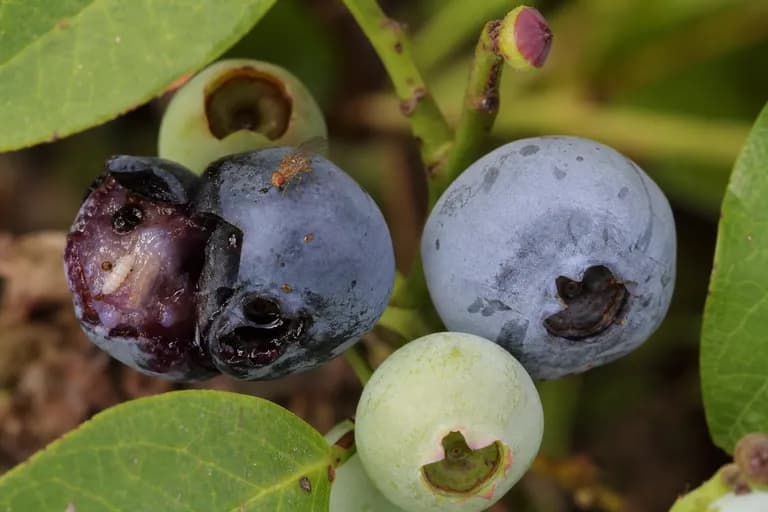
Spotted Wing Drosophila
PestSmall flies laying eggs in ripening fruit; larvae cause soft, collapsing areas in berries; fruit becomes mushy and fermented.
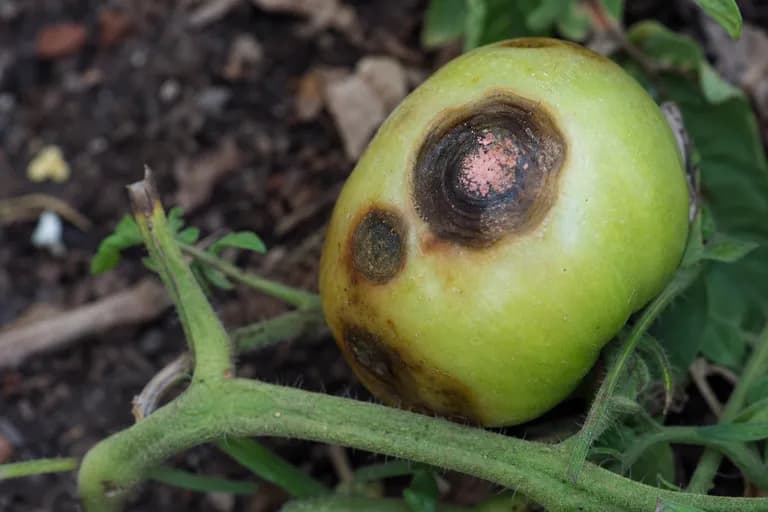
Anthracnose
DiseasePurple spots on canes that develop gray centers; cracking bark on infected canes; small spots on leaves and fruit.
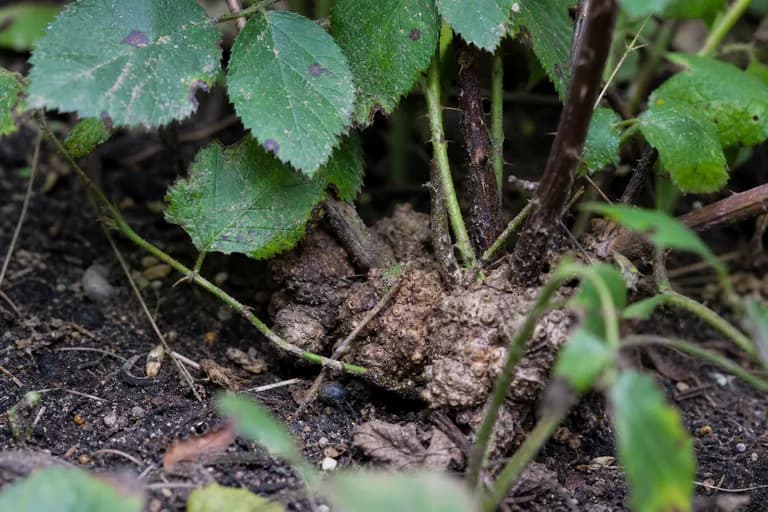
Crown Gall
DiseaseRough, warty galls at the base of canes and on roots; reduced plant vigor and declining yields over time.
Troubleshooting Common Problems
The trailing growth habit is the main challenge, as unmulched fruit touching bare soil attracts slugs and rots quickly. A low trellis or thick straw mulch is essential. Thorny varieties can be painful to harvest and manage. The plants can become invasive in favorable conditions, rooting wherever cane tips touch the ground. Spotted wing drosophila has become an increasingly serious pest, requiring vigilant harvesting and sanitation. Birds compete for the early-ripening fruit before many other berries are available.
Growing Tips
- Plant dewberry in a location where its trailing habit is an asset rather than a nuisance — along fence lines, down gentle slopes for erosion control, or as a productive ground cover beneath fruit trees where mowing is inconvenient.
- Dewberry thrives in slightly acidic soil with a pH between 5.5 and 6.5. Test your soil before planting and amend with elemental sulfur if your pH is above 7.0, as alkaline conditions cause yellowing leaves and poor fruit set.
- Space plants 1.2 to 1.8 meters apart in rows 2.4 meters wide to allow their natural spreading without immediate overcrowding. Within two to three seasons, plants will fill the space and form a productive continuous row.
- Water deeply and infrequently rather than shallowly and often. Dewberry roots penetrate 40 to 60 cm into the soil, and deep watering encourages roots to follow moisture downward, making plants more drought-resilient during summer heat.
- Tip-layer primocanes each August by burying the growing tip 8 to 10 cm deep and pinning it in place with a tent peg or bent wire. The buried tip will form roots within four to six weeks and can be severed from the mother plant and transplanted the following spring.
- Remove all spent floricanes (second-year canes that have fruited) immediately after harvest rather than waiting until fall. This single practice dramatically reduces the incidence of cane blight, spur blight, and anthracnose by improving air circulation through the patch.
- Apply a 5 to 8 cm layer of wood chip mulch between rows annually to suppress weeds, retain soil moisture, and feed soil biology as it breaks down. Avoid piling mulch directly against the canes or crown, as this can promote crown rot in humid climates.
- In areas with hot, dry summers, consider installing drip irrigation along the base of your rows. Consistent soil moisture during fruit development directly improves berry size, juice content, and overall flavor intensity.
- Train primocanes loosely along low horizontal wires or lay them in organized trails along the ground and pin at intervals. This organized approach makes harvest significantly easier and reduces the ankle-grabbing tangle that untrained dewberry patches create.
- If orange rust fungus appears — identified by bright orange spore masses on the undersides of leaves — remove and destroy affected plants entirely. Orange rust is systemic and incurable in brambles; affected plants will never recover and must be removed to protect neighboring plants.
Grow your best Dewberry yet — and everything around it.
Start a free plan today. Lay out your beds, drop in your Dewberry, and let PlotMyGarden handle the timing, spacing, companions and reminders from seed to harvest basket.
Pick your Dewberry
Rubus flagellaris
The common northern dewberry found wild across eastern North America; trailing habit with intense-flavored black fruit.
Austin Thornless
A thornless selection with large, sweet fruit on manageable trailing canes; excellent for home gardens.
Rubus trivialis
Southern dewberry with earlier ripening and adaptation to hot, humid conditions; vigorous trailing growth.
Lucretia
An heirloom selection prized for large, flavorful berries and reliable production; the most widely planted named dewberry.
A single established dewberry plant costs between $8 and $18 at nurseries and can produce 1 to 3 kilograms of fruit annually for 10 or more years with minimal inputs. Specialty fresh dewberries, when available, sell for $6 to $12 per kilogram at farmers markets, meaning a mature patch of four to six plants can yield $60 to $200 worth of fruit per season. Because dewberries propagate freely through tip-layering, you can expand your patch at no additional cost after the first year, compounding savings year over year while replacing expensive store-bought berries entirely during peak season.
Quick recipes
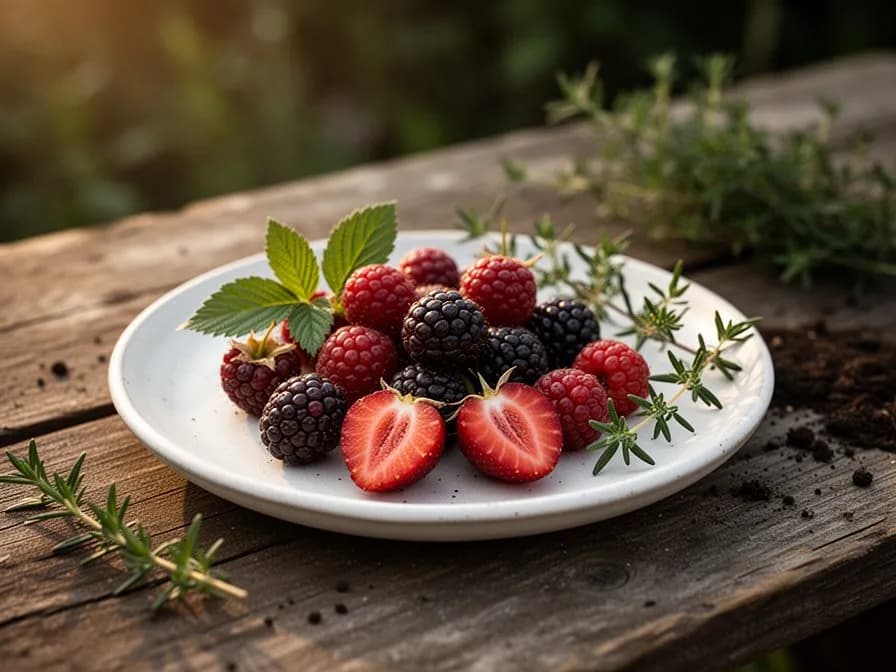
Dewberry Skillet Cobbler
15 minutesA rustic cast-iron cobbler that captures the essence of dewberry season with minimal preparation. The berries release their deep, tangy-sweet juices into a buttery biscuit topping that caramelizes beautifully at the edges. Perfect served warm with a scoop of vanilla ice cream.
9 ingredientsDewberry & Honey Shrub Drinking Vinegar
20 minutes (plus 3 days steeping)A shrub is a sweetened vinegar syrup that makes a sophisticated non-alcoholic mixer or a base for cocktails. This dewberry version balances the berry's natural tartness with raw honey and apple cider vinegar for a complex, refreshing drink concentrate. Mix two tablespoons with sparkling water for an instant summer refresher.
5 ingredientsDewberry Chia Overnight Oats
10 minutes (overnight)A nourishing breakfast that combines the antioxidant richness of dewberries with the sustained energy of oats and the omega-3 content of chia seeds. The berries are briefly macerated with a touch of honey to draw out their juices, which stain the oats a dramatic purple-black and infuse the whole bowl with deep berry flavor.
8 ingredientsCulinary Uses
Dewberries have a more intense, complex flavor than cultivated blackberries, with a perfect balance of sweetness and tartness. They make extraordinary jam, cobbler, and pie, particularly prized in Southern cuisine. Dewberry wine and cordial are traditional country preparations. The berries are excellent in smoothies, on cereal, or simply eaten fresh with cream and sugar. Their early season means they pair well with spring and early summer ingredients like rhubarb and elderflower.
What's inside
Health Benefits
- Dewberries are dense in anthocyanins, potent antioxidant pigments that neutralize free radicals linked to cellular aging, cardiovascular disease, and chronic inflammation.
- The high dietary fiber content — over 5 grams per 100 grams — supports healthy gut microbiome diversity, regular bowel movements, and may help lower LDL cholesterol levels over time.
- Vitamin C in dewberries contributes to immune resilience, supports wound healing through collagen synthesis, and enhances the bioavailability of plant-based iron when eaten alongside iron-rich foods.
- Ellagic acid and other polyphenols found in dewberries have been studied in laboratory settings for their potential to inhibit the proliferation of certain cancer cell lines, though human clinical evidence remains in early stages.
- Manganese in dewberries plays a key role in the activity of superoxide dismutase, an antioxidant enzyme that protects mitochondria from oxidative damage and is essential for normal bone density and cartilage formation.
- The low caloric density (approximately 43 calories per 100 grams) combined with high fiber and water content makes dewberry an excellent food for satiety and weight management without sacrificing micronutrient intake.
Where Dewberry comes from
Dewberry refers primarily to Rubus flagellaris and its close relatives within the Rubus subgenus Eubatus, a sprawling group of trailing brambles native to the eastern and central regions of North America. The plant grows naturally from the Atlantic coast westward through the Great Plains and south through Texas and into Mexico, thriving in open woodlands, field margins, roadsides, and disturbed ground where it receives ample sunlight.
Indigenous nations throughout its range incorporated dewberry into their food systems and materia medica long before European settlement. The Cherokee, Choctaw, and numerous other nations consumed the berries fresh, dried them for winter storage, and mashed them into pemmican-style cakes mixed with dried meat and fat. The astringent, tannin-rich leaves and roots were prepared as decoctions used to manage diarrhea, sore throats, and general digestive complaints, a practice that persisted in rural herbal medicine well into the twentieth century.
European colonists quickly adopted dewberry as a dependable wild food, and by the eighteenth century it was being cultivated in kitchen gardens alongside other brambles. Its willingness to grow in poor soils and its early ripening season made it especially valuable in frontier homesteads where food security depended on maximizing harvests across a long growing season. Dewberry preserves, pies, and cobblers became fixtures of Southern and Appalachian foodways, embedded in regional identity to a degree that rivals the status of the peach or the muscadine grape.
Formal horticultural attention to dewberry increased in the late nineteenth century when breeders began crossing it with upright blackberries to develop vigorous hybrid brambles. The youngberry and the boysenberry both carry dewberry genetics, inheriting its early season, large fruit size, and exceptional flavor complexity. Despite this influence on commercial berry breeding, the dewberry itself has remained largely a regional and home-garden crop rather than a commercial commodity, partly because its trailing habit makes mechanical harvesting difficult.
Today, dewberry is experiencing renewed interest among permaculture practitioners, native plant advocates, and foragers who appreciate its ecological value as a native ground cover that feeds wildlife, prevents erosion, and provides a productive early-season harvest with minimal inputs. Its deep roots in North American food culture and its adaptability to a wide range of soils and climates make it a compelling choice for gardeners seeking both historical connection and practical abundance.
Dewberry: did you know?
Fascinating facts about Dewberry
Dewberry (Rubus flagellaris and related species) is native to eastern North America and has been foraged by Indigenous peoples for thousands of years, with the berries, leaves, and roots all finding use in traditional food and medicine.
Dewberry questions, answered
When should I plant Dewberry?
What are good companion plants for Dewberry?
What hardiness zones can Dewberry grow in?
How much sun does Dewberry need?
How far apart should I space Dewberry?
What pests and diseases affect Dewberry?
How do I store Dewberry after harvest?
What are the best Dewberry varieties to grow?
What soil does Dewberry need?
What is the difference between a dewberry and a blackberry?
Do dewberries need a trellis or support structure?
How do I know when dewberries are fully ripe and ready to harvest?
Can dewberry be grown in containers?
How do I prevent dewberry from spreading too aggressively?
What pests and diseases should I watch for when growing dewberry?
You just read the theory. Now grow it on autopilot.
Everything that makes Dewberry fiddly — the timing, the spacing, the companions, the harvest window — is exactly what PlotMyGarden handles for you, for every plant in your garden.
A plan that knows your weather
Set your location once. Get sow, feed and harvest dates built around your real last-frost date and live forecast — no more guessing from a generic seed packet.
From the “When to plant” sectionDrag-and-drop bed planner
Design beds on a grid. Every plant snaps to its proper spacing, and you can see your whole season laid out before you spend a cent on seed.
From the “Growing guide” sectionCompanion conflicts, caught early
200+ good-and-bad pairings checked live as you plant — so a season-wrecking mistake never makes it into the ground.
From the “Companions” sectionReminders you'll actually act on
“Water the beans.” “Pick today before it turns.” Timely, specific, and tied to the plants you're really growing.
From the “Harvest” sectionSuccession, scheduled
Want a harvest for six weeks, not six days? It spaces your sowings automatically and reminds you when each new block is due.
From the “When to plant” sectionA record that gets smarter
Every harvest you log teaches it your garden. Next year's plan starts from what actually worked in your soil, not a textbook's.
From the “Overview” sectionPlant these alongside Dewberry
More Berries
Keep Dewberry away from these
Grow your best Dewberry yet — and everything around it.
Start a free plan today. Lay out your beds, drop in your Dewberry, and let PlotMyGarden handle the timing, spacing, companions and reminders from seed to harvest basket.