Hojas de Diente de León
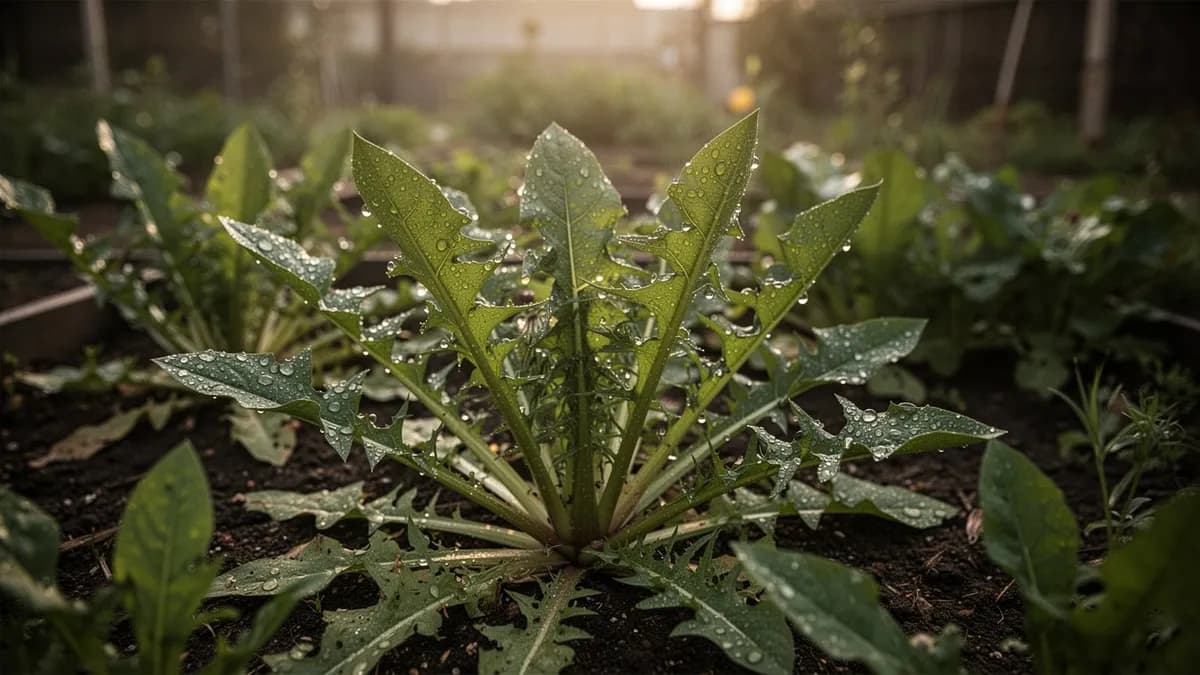
El diente de león cultivado (Taraxacum officinale) es una planta perenne ampliamente subestimada como verdura de hoja, a pesar de que sus hojas son más nutritivas que la espinaca y la col rizada.





En esta páginaResumen
Conoce Hojas de Diente de León
El diente de león cultivado (Taraxacum officinale) es una planta perenne ampliamente subestimada como verdura de hoja, a pesar de que sus hojas son más nutritivas que la espinaca y la col rizada. Las variedades cultivadas producen hojas más grandes, más tiernas y menos amargas que las silvestres, siendo apreciadas en las gastronomías francesa e italiana.
Cuándo plantar Hojas de Diente de León
Siembre directamente al aire libre en primavera temprana o a finales de verano a 0,5 cm de profundidad. Las semillas necesitan luz para germinar, así que cúbralas muy ligeramente. La germinación ocurre en 7-14 días a 15-20 °C. También puede dividir plantas establecidas en primavera u otoño. Para siembras de otoño, las plantas se establecen antes del invierno y proporcionan cosechas muy tempranas en primavera.
Tu año de Hojas de Diente de León
Ajustado a Zona 7 · temporada típica · la helada se va hacia el 2 abr y vuelve hacia el 1 nov
Planta Hojas de Diente de León Mar – May y cosecha Abr – Jun, Sep – Oct. Consulta los métodos de plantación y elige tu clima para adaptar los periodos.
Cómo cultivar Hojas de Diente de León
Siembre en una ubicación con pleno sol a sombra parcial. El diente de león es extremadamente adaptable y crece en casi cualquier tipo de suelo con pH entre 6,0 y 7,0, pero produce hojas más tiernas y grandes en suelos fértiles y ricos en humus. Incorpore compost antes de la siembra.
Siembre las semillas a 0,5 cm de profundidad en hileras separadas 25-30 cm, aclarando a 15-20 cm entre plantas. La germinación ocurre en 7-14 días. Para reducir el amargor, blanquee las hojas cubriendo las plantas con macetas invertidas o tela opaca durante 7-10 días antes de la cosecha.
Riegue regularmente para mantener un crecimiento tierno y evitar el exceso de amargor. Corte las flores antes de que formen semilla si no desea auto-siembra incontrolada. Como planta perenne, puede mantenerse productiva durante varios años. Divida las matas cada 3-4 años para rejuvenecer la plantación.
72 plantas caben en un bancal de 120 × 240 cm
Cada Hojas de Diente de León pide 20 cm de margen. El planificador guarda ese marco por ti — cada planta, cada bancal.
Los mejores vecinos de Hojas de Diente de León
Las raíces profundas del diente de león ayudan a romper suelos compactados y a traer nutrientes de capas profundas, beneficiando a las plantas vecinas. Se asocia bien con la mayoría de hortalizas del huerto. Su floración temprana atrae polinizadores beneficiosos. Evite dejar que se auto-siembre sin control junto a cultivos delicados.
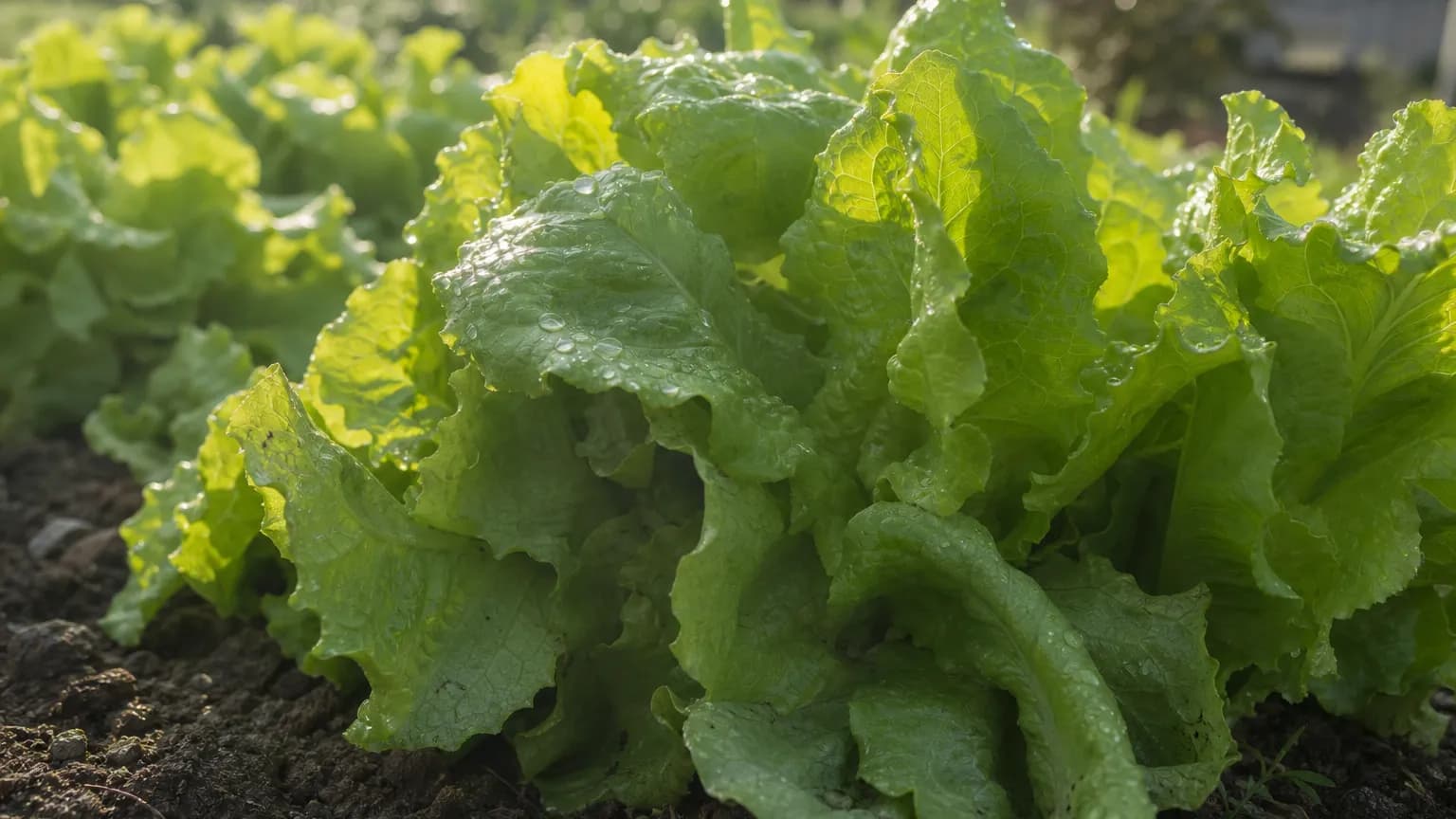
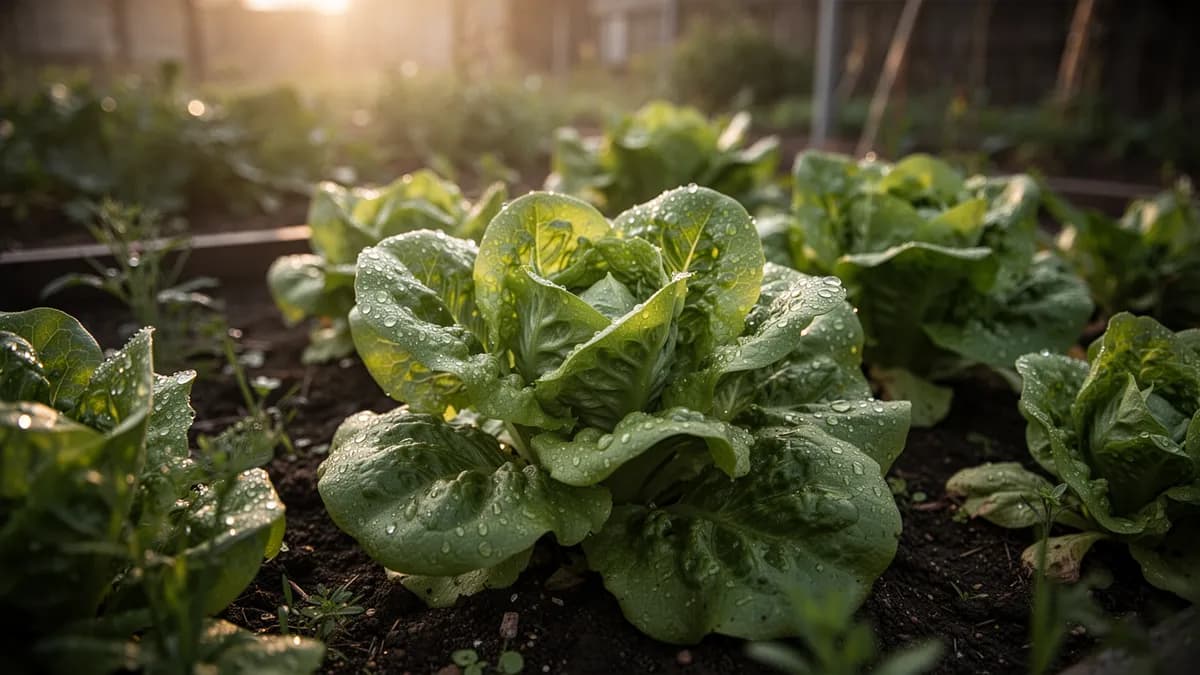
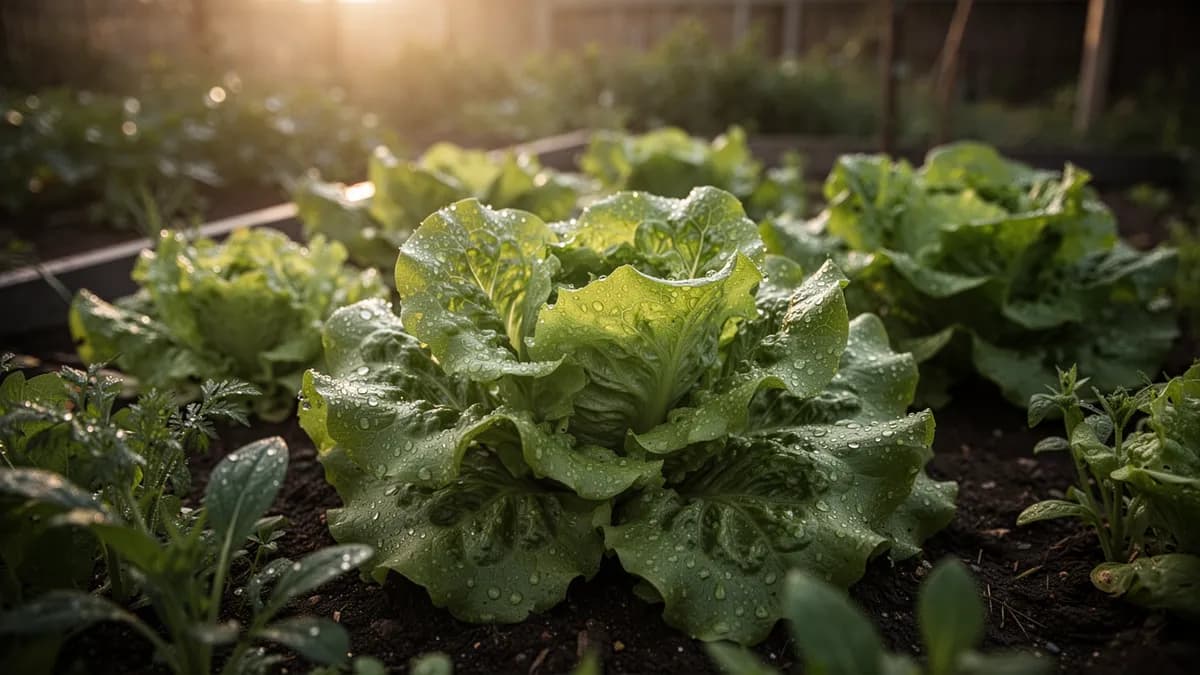
Lechuga va a su lado.
Saber de huerto de siempre, cotejado con la tabla real de Hojas de Diente de León — prueba cualquier planta que cultives.
Prueba Hojas de Diente de León en un bancal, aquí mismo
Un bancal real del planificador con Hojas de Diente de León ya plantado. Toca una planta compañera para colocarla y mira cómo responde la comprobación de vecinos: verde para buenos vecinos, rojo si hay conflicto.


Guías de cultivo relacionadas
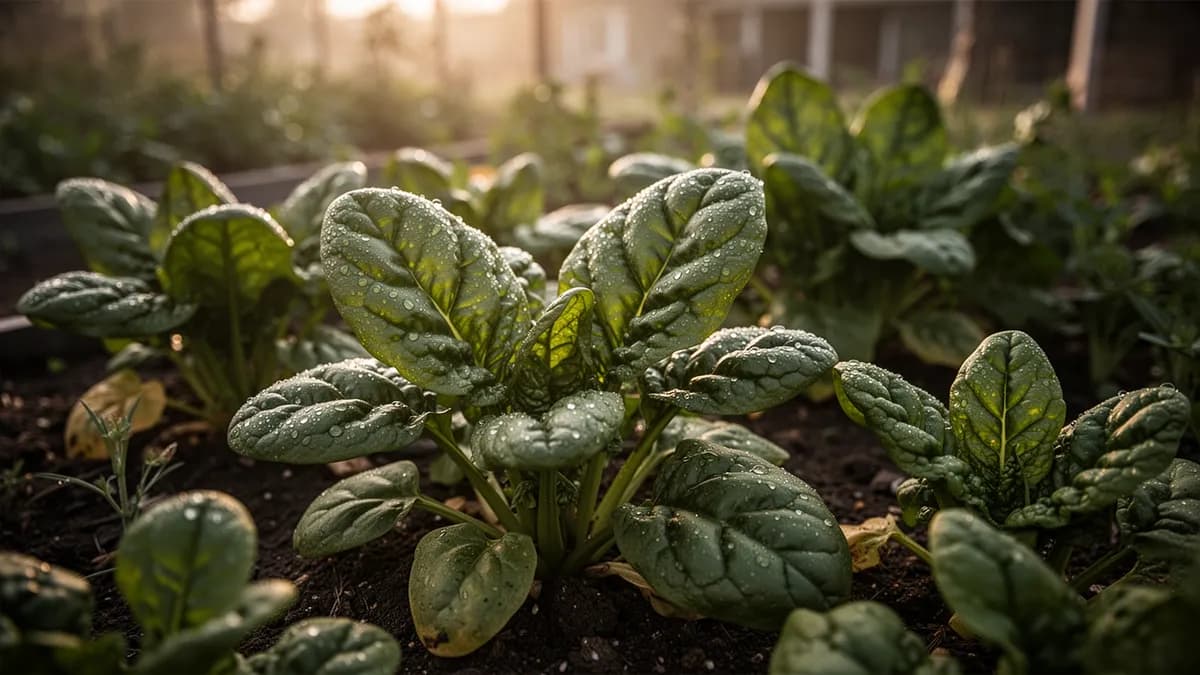
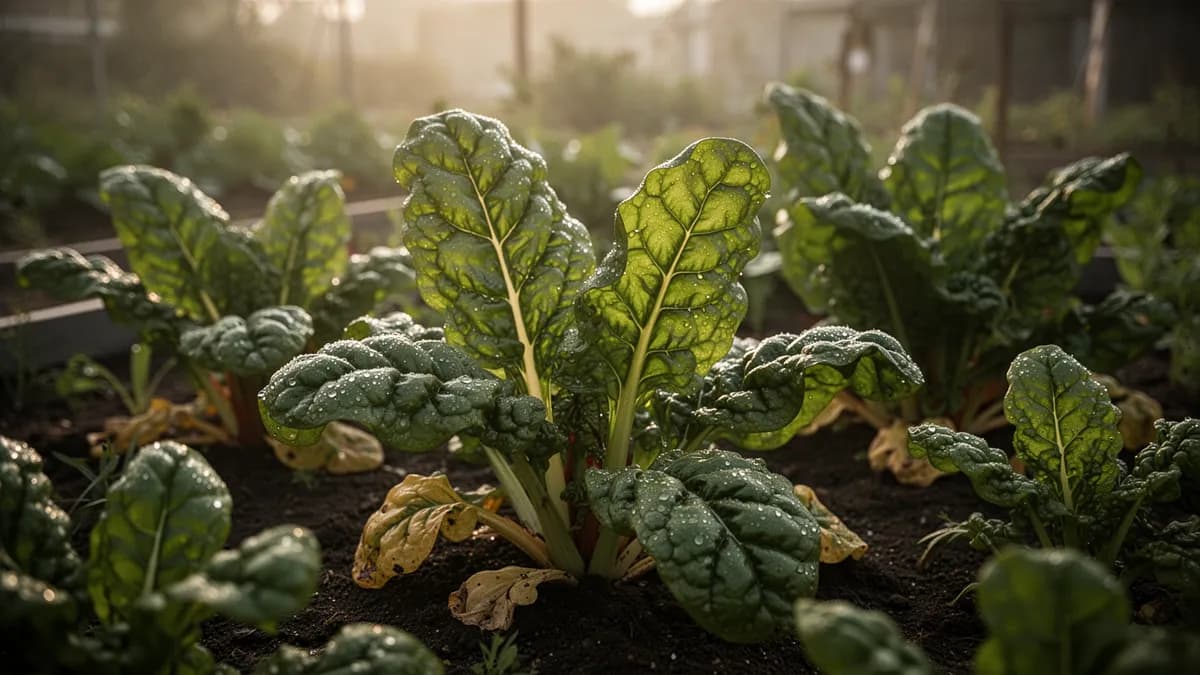
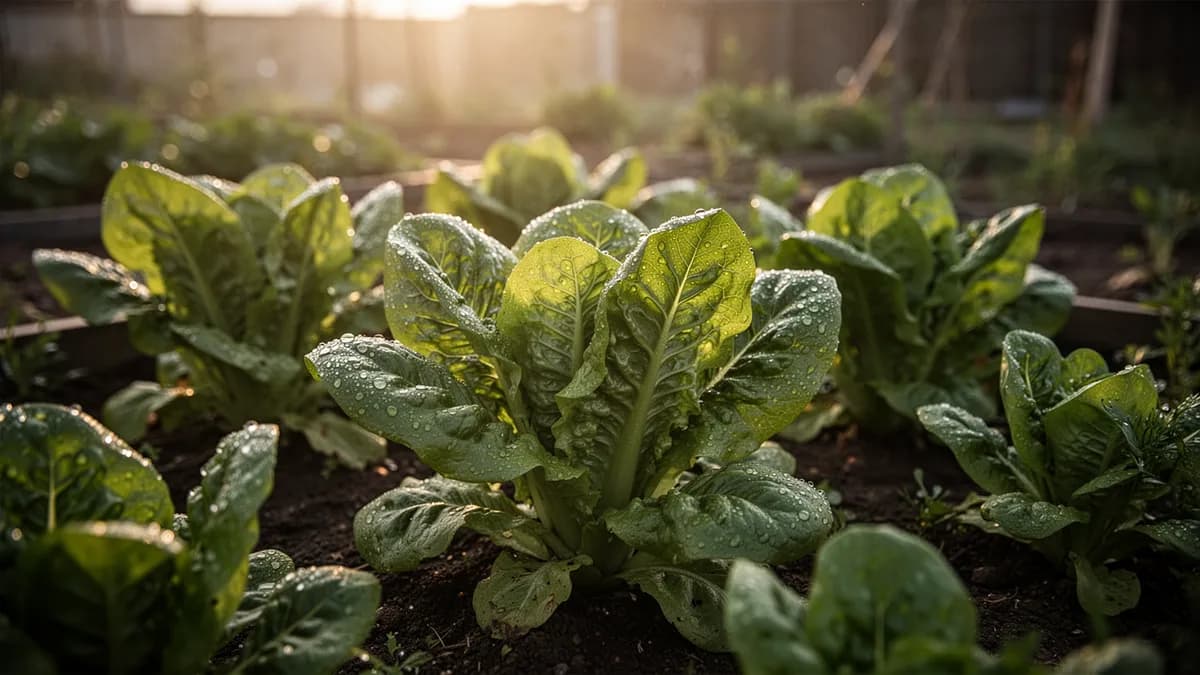
Abónalo bien
Crece en prácticamente cualquier suelo con pH entre 6,0 y 7,0, pero produce hojas más tiernas y menos amargas en suelos fértiles y bien drenados. Incorpore compost maduro antes de la siembra. Aplique un fertilizante equilibrado en primavera y después de cada cosecha abundante para estimular el rebrote vigoroso.
Temperatura ideal
Compatibilidad de zonas de rusticidad
De la semilla a la cosecha, etapa por etapa
Germinación de la semilla
Las diminutas semillas de diente de león germinan con facilidad en suelo fresco a templado sin ningún tratamiento previo.
Roseta de plántula
Las hojas verdaderas se desarrollan mientras se forma una roseta compacta cerca del suelo.
Crecimiento vegetativo
La roseta se expande rápidamente y la raíz pivotante crece en profundidad, haciendo que la planta sea muy resistente.
Espigado y floración
Surge un tallo floral hueco y las hojas se vuelven más amargas a medida que madura la planta.
Formación y dispersión de semillas
Tras la polinización, cada florete se convierte en una semilla unida a un penacho de filamentos blancos.
Invernada y rebrote
Esta resistente planta perenne se retira a su profunda raíz pivotante en invierno y rebota con vigor al inicio de la primavera.
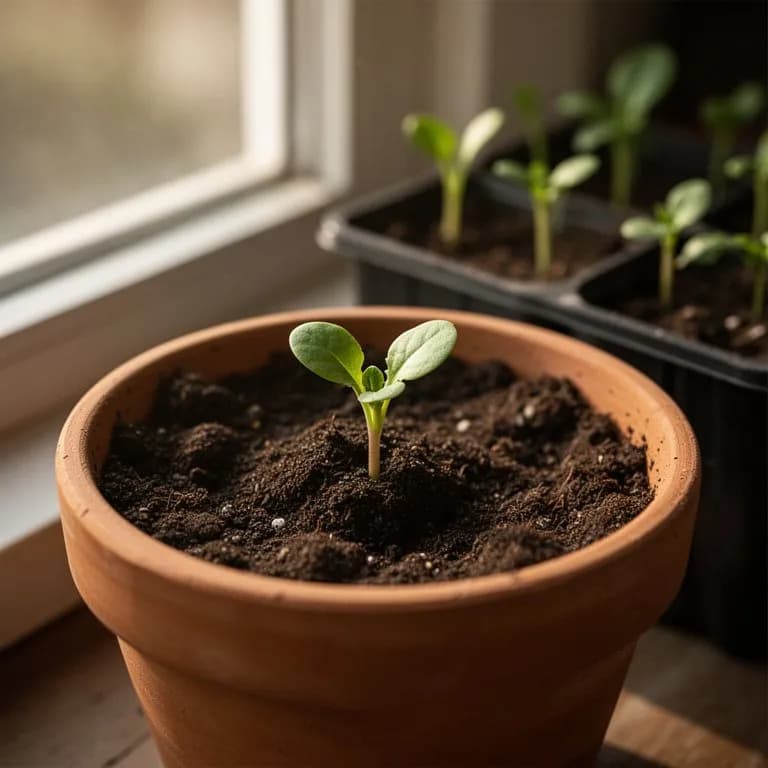
Siembra las semillas en la superficie y presiona suavemente; no cubras con más de 0,3 cm de tierra fina.
Cuidar Hojas de Diente de León mes a mes
Qué hacer cada mes para tu Hojas de Diente de León
Octubre
Mes actualHarvest fall greens at their peak flavor — cool nights sweeten the leaves noticeably. Mulch perennial crowns with 5-8 cm of straw or leaf litter before hard frost. Pot up a few roots and bring indoors for winter forcing.
Ten claro qué hacer en tu huerto, cada mes
Un correo al empezar cada mes: qué sembrar, plantar y hacer ahora mismo — para tu Hojas de Diente de León y todo lo que crece alrededor. Más un breve curso inicial para esquivar los errores clásicos.
- Qué hacer ahora mismo
- Ajustado a tu temporada
- Curso inicial incluido
Cosechar Hojas de Diente de León
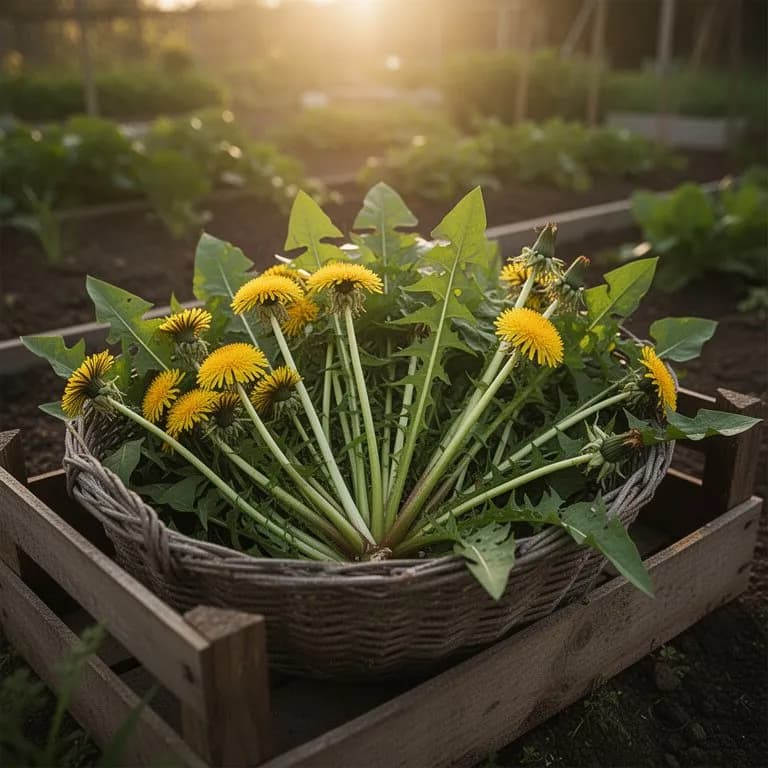
Coseche las hojas exteriores cuando tengan 15-20 cm de longitud, generalmente 30-60 días después de la siembra, cortando a nivel del suelo para permitir el rebrote. Las hojas jóvenes y tiernas son las menos amargas y más apreciadas en crudo. Para hojas más suaves, blanquee cubriendo la planta con una maceta opaca durante 7-10 días antes de la cosecha.
se supone que plantas al comenzar el periodo — indica tu fecha real
Cosecha cuando las hojas midan de 10 a 20 cm y antes de que aparezcan las flores para obtener el sabor más suave.
Almacenamiento y conservación
Las hojas frescas se conservan en el refrigerador durante 3-5 días envueltas en papel húmedo dentro de una bolsa perforada. Para prolongar la conservación, sumerja en agua helada tras la cosecha. Las hojas pueden blanquearse y congelarse para su uso en sopas y guisos. También pueden secarse para preparar infusiones medicinales.
Qué falla — y cómo solucionarlo
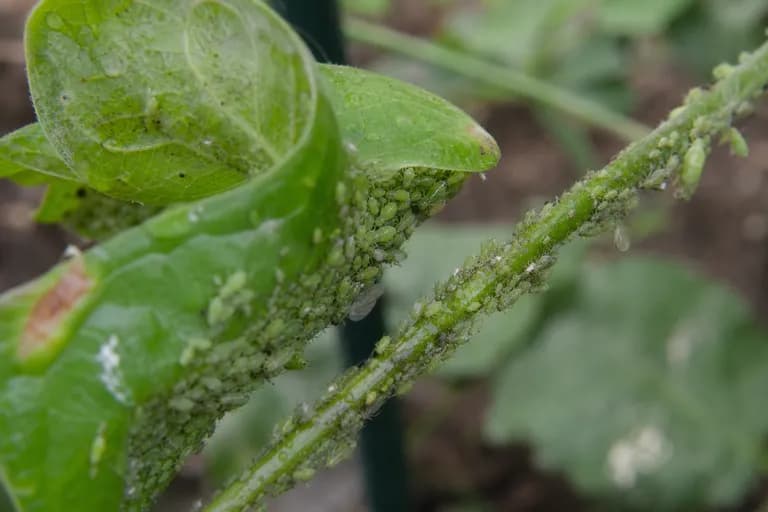
Pulgón de la lechuga (Nasonovia ribisnigri)
PlagaColonias de pequeños insectos verdes en el envés de las hojas y entre los pliegues, causando enrollamiento y deformación del follaje.
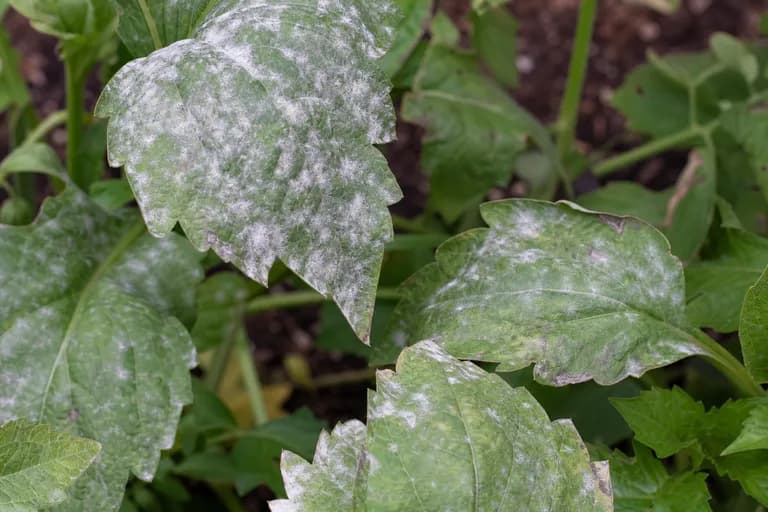
Oídio (Erysiphe cichoracearum)
EnfermedadPolvo blanco harinoso en la superficie de las hojas que progresa a manchas extensas, reduciendo la fotosíntesis y debilitando la planta.
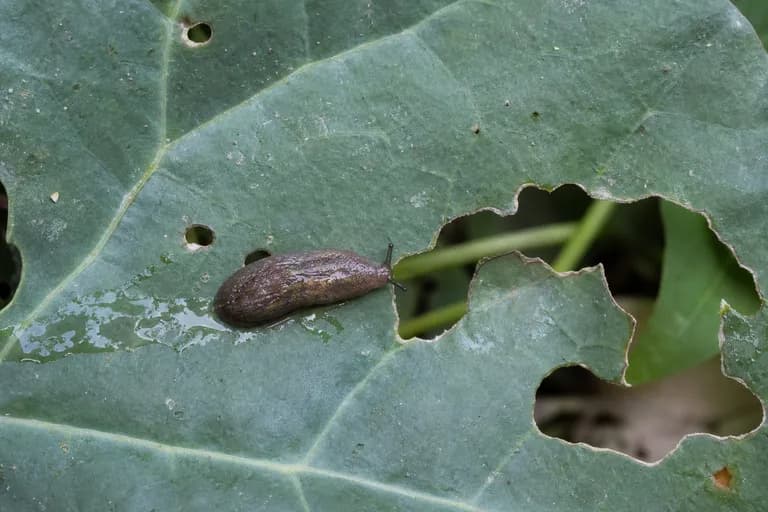
Caracoles y babosas
PlagaAgujeros irregulares en las hojas, especialmente en las rosetas jóvenes. Rastros de baba visibles en el suelo y las plantas.
Solución de problemas comunes
El exceso de amargor es la queja más frecuente, causado por hojas viejas, estrés hídrico o exposición excesiva al sol. Coseche hojas jóvenes y blanquee para sabor más suave. La auto-siembra agresiva puede convertir al diente de león en una plaga en el huerto si no se controlan las flores. Las raíces profundas dificultan la eliminación si decide retirar la planta.
Consejos de cultivo
- Surface-sow seeds and do not bury them — dandelion seeds require light to germinate. Press seeds gently onto moist soil and mist regularly. Covering with a thin layer of vermiculite rather than soil lets light through while retaining moisture.
- Harvest young outer leaves using the cut-and-come-again method, always leaving the central growing point intact. The plant will regenerate new leaves within 10-14 days, providing 4-6 harvests per season from each rosette.
- Blanch growing plants to dramatically reduce bitterness. Cover the entire rosette with an overturned pot, bucket, or thick layer of straw for 7-10 days before harvest. The resulting pale yellow leaves are tender, nutty, and far milder than sun-grown greens.
- Grow dandelion in partial shade during summer to produce more tender, less bitter leaves. Full sun in cool spring and autumn is ideal, but afternoon shade in summer prevents the heat stress that triggers rapid bolting and intense bitterness.
- Contain the spread by removing all flower heads before they go to seed, or grow dandelion in raised beds or large containers with solid bottoms. The deep taproot can penetrate surprisingly far, so use containers at least 30 cm deep.
- Harvest roots in autumn for the highest concentration of beneficial compounds including inulin. Dig carefully to extract the full taproot, which can be roasted at 175°C (350°F) until dark brown and ground as a caffeine-free coffee substitute.
- Succession-sow every 2-3 weeks from early spring through late summer to ensure a continuous supply of young, mild-flavored leaves. Older plants produce increasingly bitter greens, so fresh sowings maintain the best eating quality.
- Grow cultivated varieties rather than wild dandelion for dramatically better garden performance. French varieties like Ameliore produce leaves twice as large and significantly less bitter than wild types, while still providing the same nutritional benefits.
Cultiva tu mejor Hojas de Diente de León — y todo lo que la rodea.
Empieza un plan gratis hoy. Diseña tus bancales, coloca tu Hojas de Diente de León y deja que PlotMyGarden gestione el momento, el espaciado, las asociaciones y los recordatorios de la semilla a la cesta.
Elige tu Hojas de Diente de León
Clio
Variedad cultivada francesa con hojas grandes, anchas y de sabor más suave que las silvestres. Hojas profundamente dentadas y muy productivas. 40-45 días.
Améliore à Coeur Plein
Selección francesa mejorada con corazón denso y blanqueado naturalmente. Hojas anchas y tiernas con amargor reducido. Ideal para ensaladas. 45-50 días.
Vert de Montmagny
Variedad vigorosa con hojas verde oscuro profundamente recortadas. Sabor pronunciado pero equilibrado. Buena resistencia al frío. 50-55 días.
Dandelion greens sell for $4-8 per bunch (about 200g) at farmers markets and specialty grocery stores, and organic varieties command $6-10 per bunch. A $3 seed packet grows 50-100 plants that produce for multiple years as perennials, yielding greens worth $100-200 annually. Since dandelion is virtually indestructible and requires minimal inputs — no special soil amendments, no pest control, no trellising — it may be the single highest return-on-investment crop in the home garden. The roots, flowers, and greens are all edible, multiplying the value from every plant.
Recetas rápidas
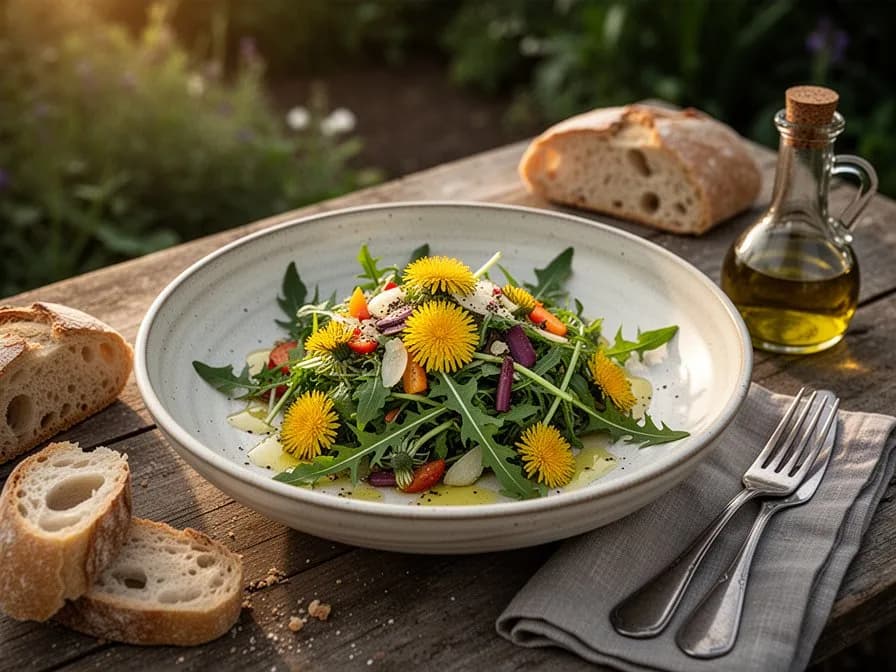
French Dandelion Salad with Warm Bacon Vinaigrette
20 minThe classic French 'salade de pissenlit' — young dandelion greens wilted with a warm bacon and shallot dressing, topped with a perfectly poached egg. The bitter greens, smoky bacon, and rich egg yolk create an iconic bistro dish that has been a spring tradition in France for centuries.
8 ingredientesGarlic-Sauteed Dandelion Greens
15 minA quick Italian-inspired side dish where dandelion greens are blanched briefly to tame bitterness, then sauteed with plenty of garlic, olive oil, and a squeeze of lemon. The high heat caramelizes the edges while keeping the centers tender and deeply flavorful.
7 ingredientesDandelion Green Pesto
10 minA bold, pleasantly bitter twist on classic basil pesto — raw dandelion greens blended with toasted walnuts, garlic, and Pecorino Romano. The bitterness of the greens is balanced by the richness of the nuts and cheese, creating a versatile sauce for pasta, grilled meats, or crostini.
7 ingredientesUsos culinarios
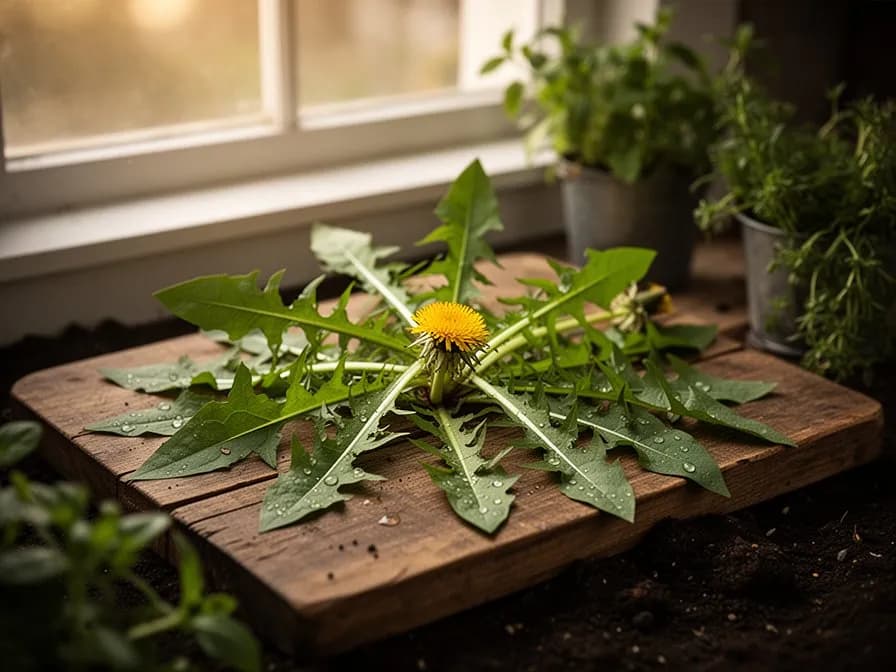
Las hojas jóvenes son excelentes crudas en ensaladas, tradicionalmente combinadas con trocitos de tocino crujiente y vinagreta de mostaza en la clásica salade de pissenlit francesa. Cocidas como la espinaca, se saltean con ajo y aceite de oliva como guarnición. Las raíces tostadas se utilizan como sustituto del café. Las flores pueden hacer vino de diente de león o freírse en tempura.
Qué contiene
Beneficios para la salud
- Dandelion greens provide over 500% of the daily value of vitamin K per 100g — the highest of any common vegetable — essential for proper blood clotting, bone mineralization, and prevention of arterial calcification.
- A potent natural diuretic that increases urine output without depleting potassium (unlike pharmaceutical diuretics), thanks to the plant's own high potassium content — traditionally used to reduce water retention and support kidney function.
- Contains bitter compounds (sesquiterpene lactones) that stimulate bile production and digestive enzyme secretion, supporting liver detoxification pathways and improving the digestion and absorption of dietary fats.
- Rich in prebiotic fiber including inulin, a fructo-oligosaccharide concentrated in the root that feeds beneficial Bifidobacterium and Lactobacillus species in the gut, supporting a healthy and diverse microbiome.
- Provides exceptional levels of beta-carotene and lutein — powerful antioxidants associated with reduced risk of age-related macular degeneration, cataracts, and chronic inflammatory conditions.
- Contains more iron per serving than spinach (3.1mg per 100g), along with sufficient vitamin C to enhance iron absorption — making dandelion greens a particularly valuable food for preventing iron-deficiency anemia.
De dónde viene Hojas de Diente de León
The common dandelion (Taraxacum officinale) is native to Eurasia and has been used as food and medicine for at least 5,000 years. Archaeological evidence suggests that dandelion was consumed by humans as far back as the Neolithic period, and its medicinal use was documented in ancient Chinese, Arabian, and European herbal traditions. The plant's genus name Taraxacum likely derives from the Arabic 'tarakhshaqun' or the Persian 'talkh chakok' (bitter herb), reflecting its long history of use across cultures and continents.
In medieval Europe, dandelion was cultivated in monastery gardens as a vital spring tonic — the first fresh green available after months of preserved and salted winter foods. Monks and herbalists prescribed dandelion root tea as a liver cleanser and the leaves as a diuretic, earning it the folk name 'piss-a-bed' in multiple European languages. The plant was so valued that European colonists deliberately brought dandelion seeds to North America in the 1600s, where it was grown as a potherb and medicinal crop long before it escaped into lawns and became considered a weed.
Today, cultivated dandelion greens are a significant crop in France, Italy, and increasingly in the United States. French market gardeners have bred improved varieties like 'Ameliore a Coeur Plein' and 'Vert de Montmagny' with broader, more tender leaves and reduced bitterness. In Italian cuisine, dandelion greens (cicoria selvatica) remain a staple spring ingredient, especially in the southern regions. The global dandelion market has grown substantially as modern nutrition science has confirmed what traditional herbalists always knew — that this humble plant is one of the most nutrient-dense foods on the planet. Commercial cultivation is expanding in the United States, where dandelion greens are now a regular offering at farmers markets and upscale grocery stores.
Hojas de Diente de León: ¿sabías que?
Datos fascinantes sobre Hojas de Diente de León
The name 'dandelion' comes from the French 'dent de lion' meaning 'lion's tooth,' referring to the deeply serrated, jagged edges of the leaves. In French, the plant is commonly called 'pissenlit' (wet the bed) — a reference to its powerful diuretic properties that has been recognized for centuries.
Hojas de Diente de León: preguntas frecuentes
¿Cuándo debo plantar Hojas de Diente de León?
¿Cuáles son buenas plantas acompañantes para Hojas de Diente de León?
¿En qué zonas de rusticidad puede crecer Hojas de Diente de León?
¿Cuánto sol necesita Hojas de Diente de León?
¿A qué distancia debo espaciar Hojas de Diente de León?
¿Qué plagas y enfermedades afectan a Hojas de Diente de León?
¿Cómo almaceno Hojas de Diente de León después de la cosecha?
¿Cuáles son las mejores variedades de Hojas de Diente de León para cultivar?
¿Qué suelo necesita Hojas de Diente de León?
Are dandelion greens from my lawn safe to eat?
How do I reduce the bitterness of dandelion greens?
Will dandelion take over my garden if I plant it?
Can I grow dandelion greens indoors in winter?
What is the difference between cultivated and wild dandelion varieties?
Are dandelion flowers and roots also edible?
Acabas de leer la teoría. Ahora cultívala en piloto automático.
Todo lo que hace que Hojas de Diente de León sea delicado — el momento, el espaciado, las asociaciones, la ventana de cosecha — es justo lo que PlotMyGarden resuelve por ti, para cada planta de tu huerto.
Un plan que conoce tu clima
Indica tu ubicación una vez. Recibe fechas de siembra, abonado y cosecha basadas en tu última helada real y el pronóstico en vivo — sin adivinar con un sobre genérico.
De la sección “Cuándo plantar”Planificador de bancales de arrastrar y soltar
Diseña bancales sobre una cuadrícula. Cada planta encaja con su espaciado correcto y ves toda la temporada antes de gastar un céntimo en semillas.
De la sección “Cultivo”Conflictos de asociación, detectados a tiempo
Más de 200 buenas y malas combinaciones comprobadas en vivo mientras plantas — para que un error que arruine la temporada nunca llegue a la tierra.
De la sección “Asociaciones”Recordatorios que sí vas a seguir
“Riega las judías.” “Recoge hoy antes de que se pase.” Oportunos, concretos y ligados a las plantas que de verdad cultivas.
De la sección “Cosecha”Escalonado, programado
¿Quieres cosechar seis semanas en vez de seis días? Reparte tus siembras automáticamente y te avisa cuando toca el siguiente lote.
De la sección “Cuándo plantar”Un registro que se vuelve más listo
Cada cosecha que registras le enseña tu huerto. El plan del año que viene parte de lo que de verdad funcionó en tu suelo, no en un manual.
De la sección “Resumen”Planta estos junto a Hojas de Diente de León
Más Hortalizas de hoja
Cultiva tu mejor Hojas de Diente de León — y todo lo que la rodea.
Empieza un plan gratis hoy. Diseña tus bancales, coloca tu Hojas de Diente de León y deja que PlotMyGarden gestione el momento, el espaciado, las asociaciones y los recordatorios de la semilla a la cesta.