Zypresse
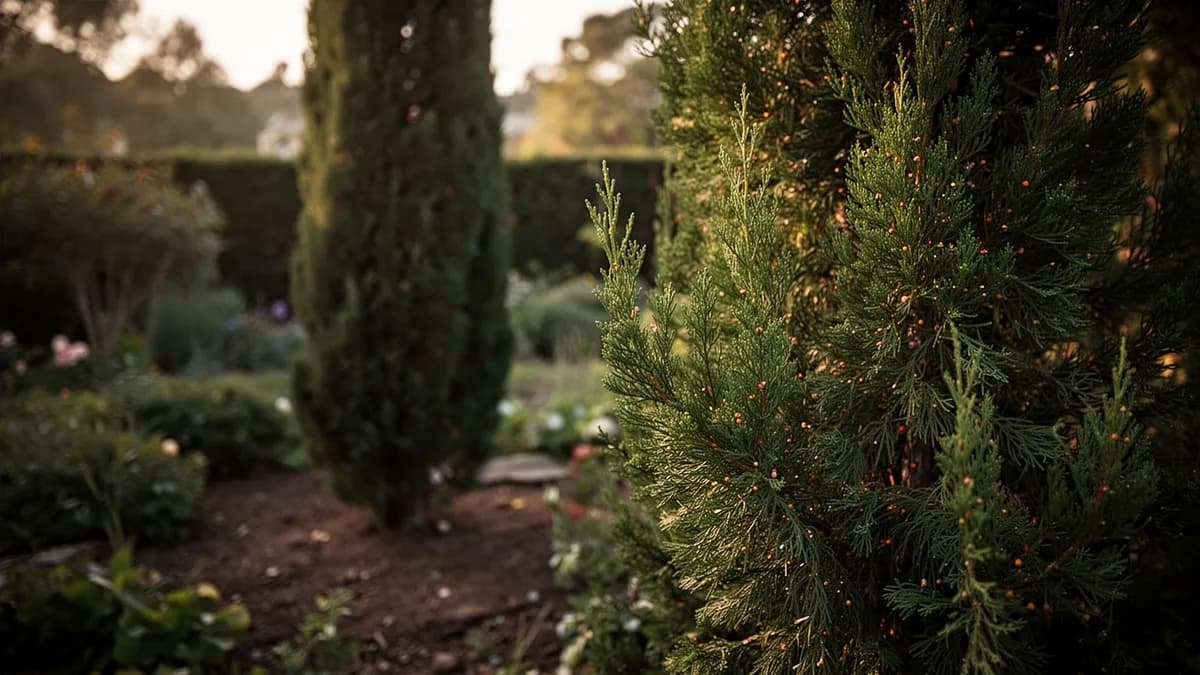
Eine ikonische mediterrane Immergrünpflanze mit einer schmalen, säulenförmigen Silhouette, die toskanische Landschaften und formale Gartengestaltung heraufbeschwört.





Auf dieser SeiteÜberblick
Zypresse im Überblick
Eine ikonische mediterrane Immergrünpflanze mit einer schmalen, säulenförmigen Silhouette, die toskanische Landschaften und formale Gartengestaltung heraufbeschwört. Die Italienische Zypresse ist bemerkenswert trockenheitstolerant und gedeiht in heißen, trockenen Sommern mit milden Wintern. Sie bilden eindrucksvolle vertikale Akzente neben Eingangstüren, Einfahrten oder Gartenwegen und können als schmaler Sichtschutz auf engem Raum dienen. In gut durchlässigen Boden pflanzen, da Wurzelfäule durch übermäßige Feuchtigkeit ihre größte Schwachstelle ist.
Wann Zypresse pflanzen
Zypressenzapfen sammeln, wenn sie beginnen sich braun zu färben. Drinnen trocknen, bis sich die Schuppen öffnen. Einige Arten profitieren von einer kurzen Kältestratifikation (30 Tage). Samen auf die Oberfläche eines gut durchlässigen Anzuchtsubstrats aussäen. Die Keimung erfolgt in 2 bis 4 Wochen. Benannte Sorten und Hybriden wie die Leyland-Zypresse müssen durch Stecklinge vermehrt werden, da sie nicht sortenecht aus Samen aufgehen.
Dein Zypresse-Jahr
Abgestimmt auf Zone 7 · typische Saison · Frost geht um den 2. Apr. und kehrt um den 1. Nov. zurück
Zypresse Mär – Mai pflanzen, — ernten. Beachte die Pflanzmethoden unten und wähle dein Klima für passende Zeiträume.
So baust du Zypresse an
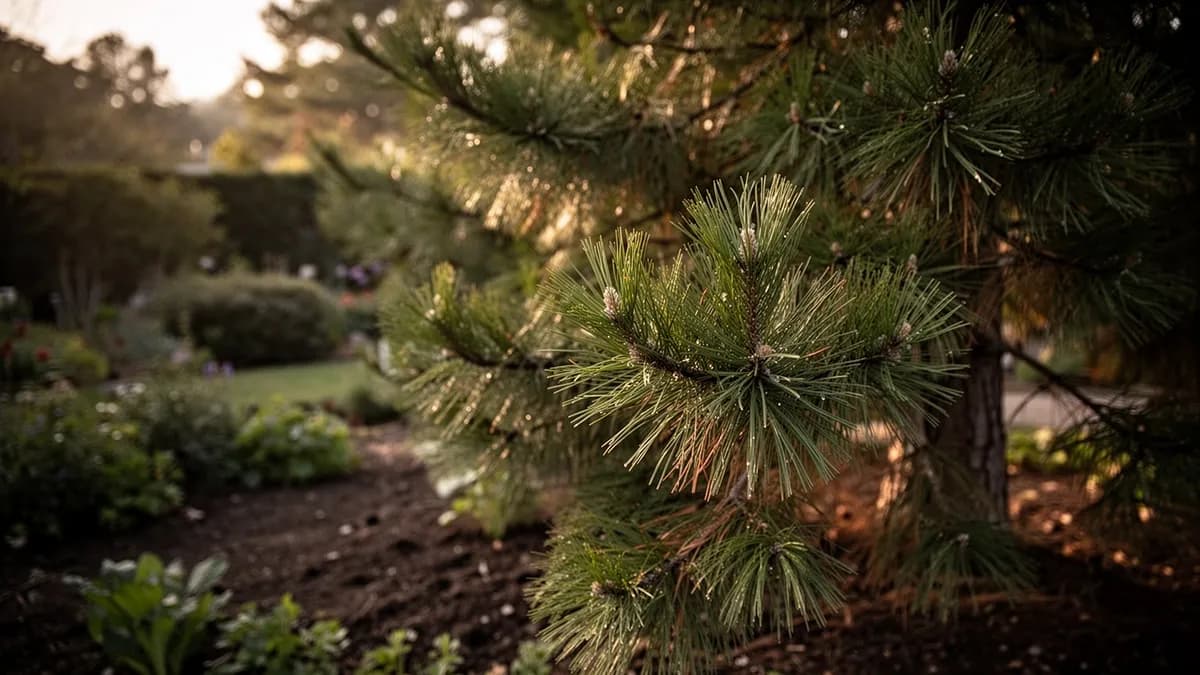
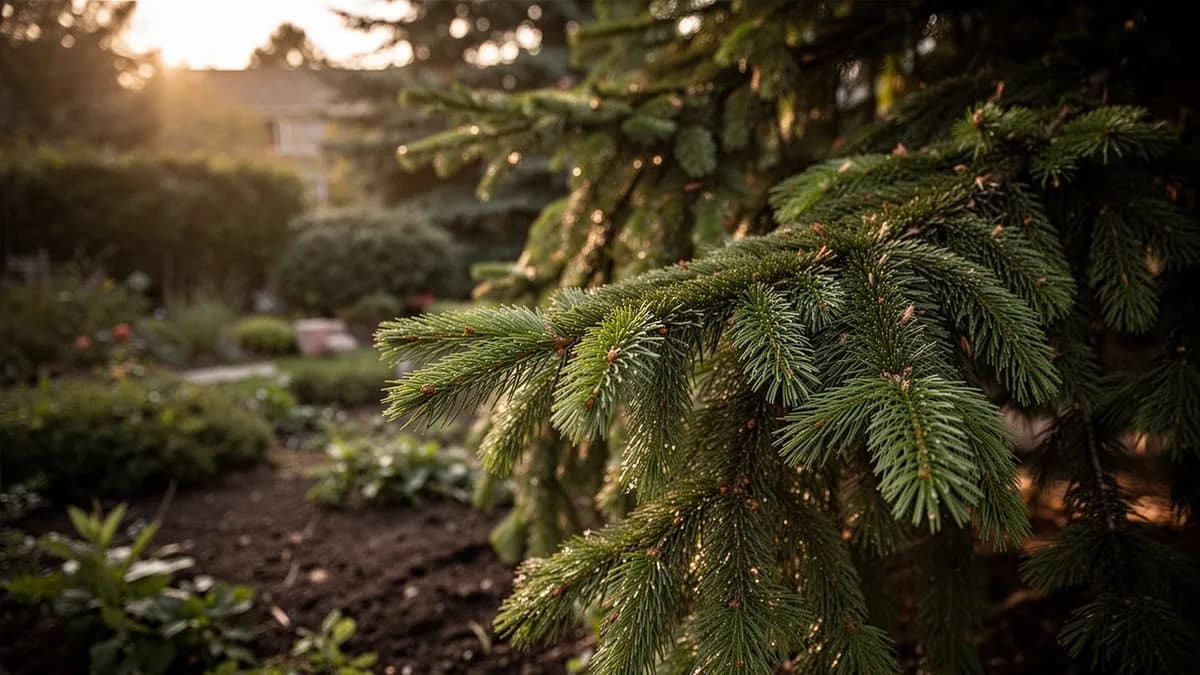
Die Italienische Zypresse setzt die ikonischen vertikalen Ausrufezeichen mediterraner Landschaften. Diese extrem schmalen, säulenförmigen Bäume können 12 bis 18 Meter hoch werden, sind aber nur 90 cm bis 1,5 Meter breit. An einem vollsonnigen Standort mit gut durchlässigem Boden pflanzen – sie sind nach der Etablierung bemerkenswert trockenheitstolerant.
Schwere Lehmböden und nasse Standorte vermeiden. Einmal etabliert, benötigt die Italienische Zypresse in mediterranen Klimaten kaum zusätzliche Bewässerung. Sie erfordert keinen Schnitt, um ihre Säulenform zu erhalten. In kühleren Zonen (7–8) an einem geschützten, südausgerichteten Standort pflanzen. Für eine dramatische Allee 1,8 bis 2,4 Meter Abstand einhalten, für einen dichten Sichtschutz 90 cm.
Für Zypresse ist ein Beet von 120 × 240 cm zu klein
Zypresse braucht 500 cm Platz pro Pflanze. Der Planer hält diesen Abstand für dich ein — jede Pflanze, jedes Beet.
Die besten Nachbarn für Zypresse
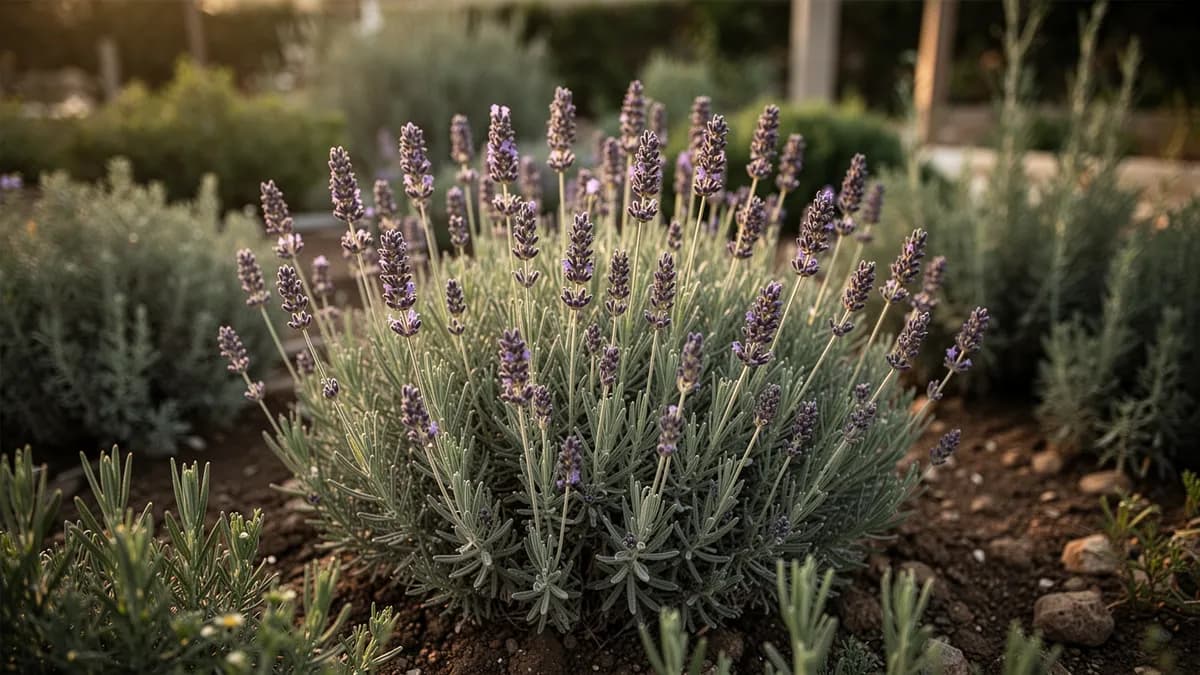
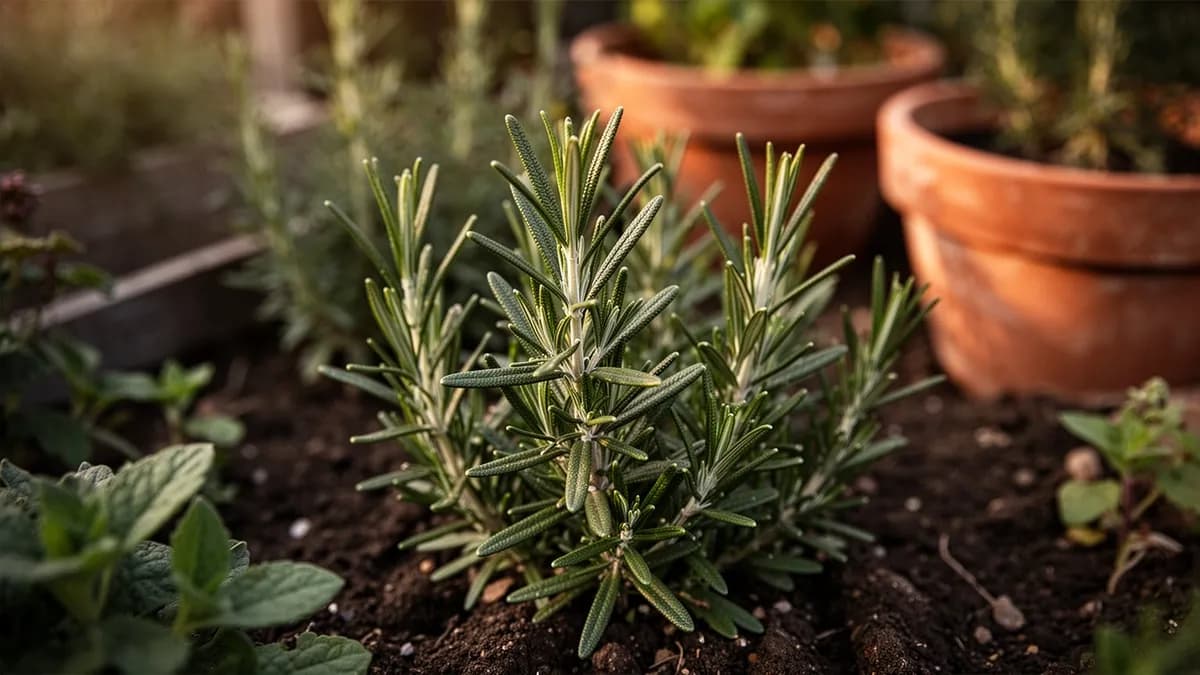
Mediterrane Begleiter passen hervorragend: Lavendel, Rosmarin, Olivenbäume und Ziergräser. Niedrige Bodendecker wie Thymian und Sedum eignen sich gut als Unterpflanzung. Zypressen in formalen Gärten werden häufig mit Rosen, Buchsbaum und Kieswegen kombiniert. Feuchtigkeitsliebende Pflanzen meiden, die eine mit den Ansprüchen der Zypresse unverträgliche Bewässerung erfordern.
Lavendel gehört daneben.
Altes Gärtnerwissen, geprüft an der echten Nachbartabelle von Zypresse — teste jede Pflanze, die du anbaust.
Probiere Zypresse direkt hier im Beet
Ein echtes Planer-Beet, Zypresse steht schon drin. Tippe einen Begleiter an, platziere ihn und sieh, wie die Nachbarschaftsprüfung antwortet — grün für gute Nachbarn, rot bei Streit.


Passende Anbau-Ratgeber
Richtig düngen
Zypressen gedeihen in gut durchlässigen Böden und sind bemerkenswert tolerant gegenüber armen, steinigen und alkalischen Verhältnissen. Die Italienische Zypresse bevorzugt trockene Bedingungen und mageren Boden. Die Leyland-Zypresse ist anpassungsfähiger, benötigt aber ebenfalls gute Drainage. Minimale Düngung erforderlich – eine leichte Gabe mit einem ausgewogenen Dünger im Frühjahr für junge Bäume. Etablierte Zypressen benötigen keine Düngung.
Ideale Temperatur
Winterhärtezone-Kompatibilität
Von der Saat zur Ernte, Schritt für Schritt
Samenkeimung
Zypressensamen benötigen Stratifikation und gleichmäßige Feuchtigkeit, um die Dormanz zu brechen. Die Keimung ist langsam und ungleichmäßig und dauert unter optimalen Bedingungen von 18–22 °C oft zwei bis vier Wochen.
Keimlingsetablierung
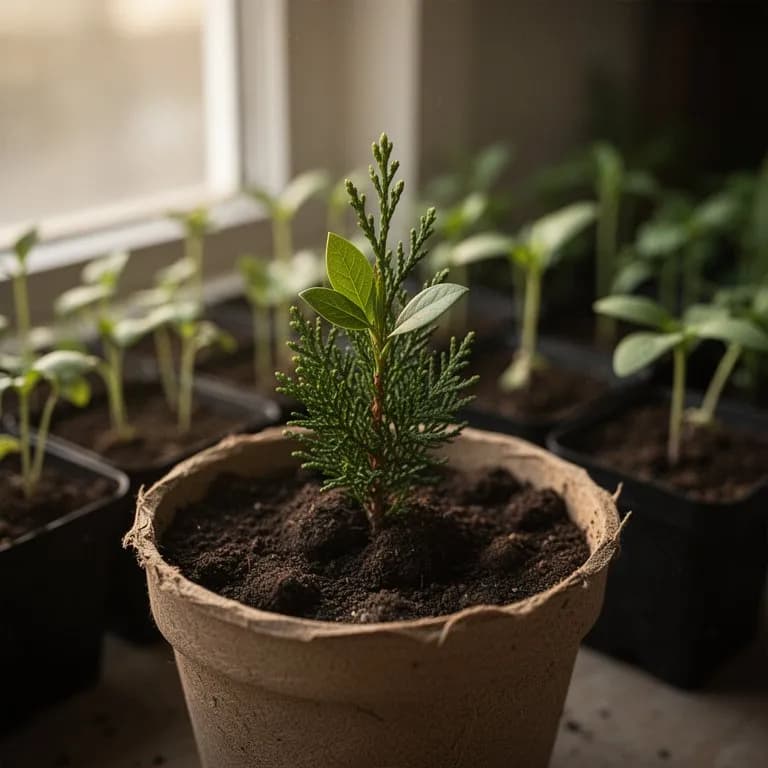
Keimlinge entwickeln juveniles, nadelförmiges Laub und beginnen, ein Wurzelsystem aufzubauen. Das Wachstum ist in diesem Stadium bescheiden und erreicht im ersten halben Jahr in der Regel eine Höhe von 10–15 cm.
Juveniles Wachstum
Der junge Baum wechselt vom juvenilen Nadellaub zu den adulten schuppenförmigen Blättern. Das Wachstum beschleunigt sich je nach Art und Bedingungen auf 30–60 cm pro Jahr. Das Wurzelsystem breitet sich erheblich aus.
Schnellwachstumsphase
Vom dritten bis zum siebten Jahr tritt die Zypresse in eine kräftige Wachstumsphase ein und legt jährlich 45–90 cm an Höhe zu. Die Krone füllt sich aus und der Stamm beginnt, seine charakteristische, faserige Borke zu entwickeln.
Halbausgewachsene Kronenentwicklung
Zwischen dem siebten und fünfzehnten Jahr entwickelt der Baum eine klar definierte Kronenform. Die Italienische Zypresse bildet eine eng säulenförmige Wuchsform, während die Monterey-Zypresse eine ausladende Krone ausbildet. Typischerweise beginnt die Zapfenproduktion.
Ausgewachsener Baum
Eine ausgewachsene Zypresse kann je nach Art eine Höhe von 20–35 Metern erreichen. Der Baum produziert regelmäßig Zapfen und benötigt minimale Pflege. Viele Zypressenarten sind außergewöhnlich langlebig, wobei einige Exemplare weit über tausend Jahre überleben.
Uraltes Exemplar
Zypressen können Jahrhunderte alt werden; der berühmte Sarv-e Abarkuh im Iran wird auf über 4.000 Jahre geschätzt. Uralt Exemplare entwickeln massive Stämme, knorrige Äste und werden zu wichtigen ökologischen Lebensräumen für die Tierwelt.
Samen vor der Aussaat 24 Stunden in Wasser einweichen und im Kühlschrank 4–6 Wochen kalt stratifizieren, um die Keimrate zu verbessern.
Zypresse Monat für Monat pflegen
Was du jeden Monat für deine Zypresse tun solltest
Oktober
Aktueller MonatHeruntergefallenes Laub von der Basis entfernen, um das Risiko von Pilzkrankheiten zu verringern. Junge Bäume an exponierten Standorten mit Windschutznetzen schützen. Hartholzstecklinge für die Vermehrung entnehmen und in einem Kaltkasten bewurzeln
Immer wissen, was jetzt im Garten zu tun ist
Eine E-Mail zum Monatsanfang: was du jetzt säen, pflanzen und anpacken solltest — für deine Zypresse und alles, was drumherum wächst. Dazu ein kurzer Startkurs, der dich vor den klassischen Fehlern bewahrt.
- Was jetzt zu tun ist
- Passend zu deiner Saison
- Startkurs inklusive
Zypresse ernten
Zypressen werden nicht als Nahrungsmittel geerntet. Das aromatische Holz ist für Holzarbeiten, Möbel und Truhen sehr geschätzt. Ätherisches Zypressenöl wird aus Laub und kleinen Ästen für die Aromatherapie destilliert. Kleine Zapfen können für dekorative Zwecke gesammelt werden. Zweige werden gelegentlich für Festtagsgestecke wegen ihrer einzigartigen säulenförmigen Sprossen verwendet.
angenommen, du pflanzt zu Beginn des Zeitraums — trage dein tatsächliches Datum ein
Ernte Zypresse zügig, dann trägt die Pflanze weiter.
Lagerung & Konservierung
Zypressenholz ist von Natur aus verrottungsbeständig und wird seit Jahrtausenden im Außenbau verwendet. Getrocknetes Laub behält seine Form gut für die Verwendung in Trockengestecken. Ätherisches Zypressenöl sollte in dunklen Glasflaschen, entfernt von Wärme, aufbewahrt werden. Kleine Zapfen trocknen gut für Bastelarbeiten.
Was schiefgeht — und die Lösung
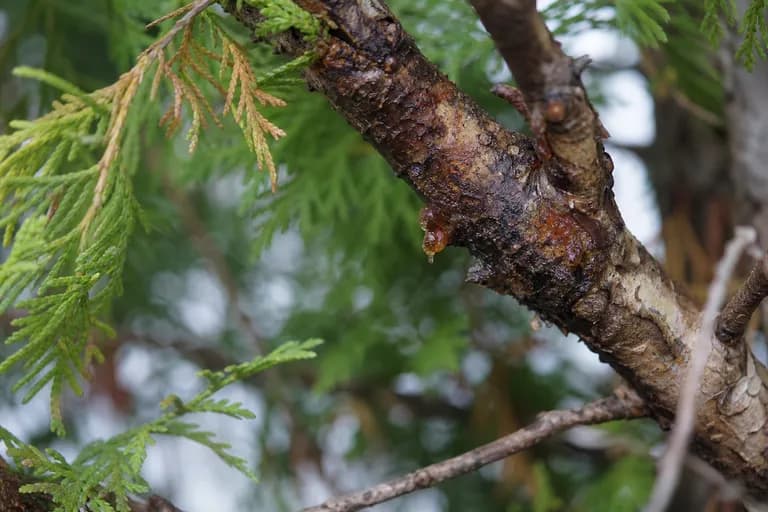
Zypressenkrebskrankheit (Seiridium)
KrankheitHarzkrebse an Ästen und Stamm. Aststerben mit Vergilbung und anschließender Verbräunung des Laubes. Kann ganze Äste abtöten.
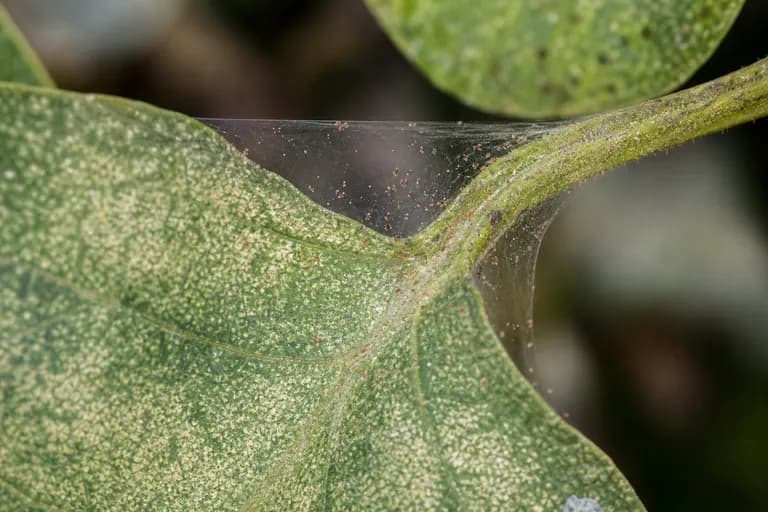
Spinnmilben
SchädlingLaub verfärbt sich matt bronzefarben oder graubraun. Feine Gespinste an den inneren Ästen. Am häufigsten bei heißem, trockenem Wetter.
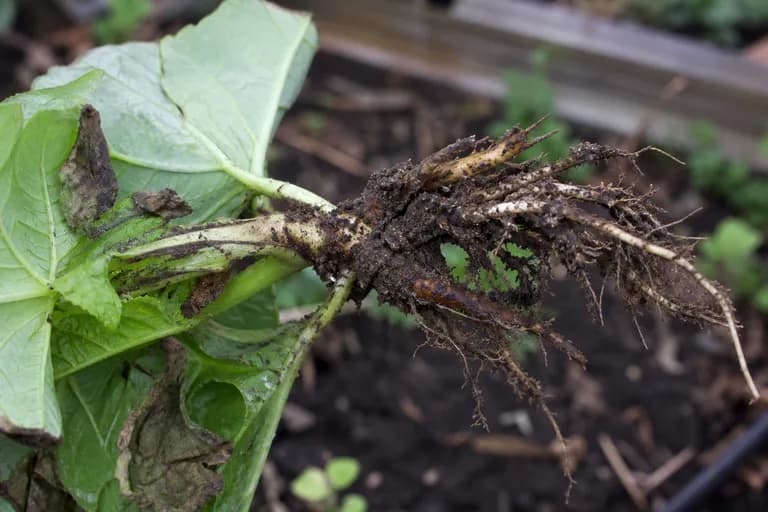
Wurzelfäule
KrankheitPlötzliches Vergilben und Absterben. Nasse Bodenbedingungen im Wurzelbereich. Rinde an der Basis dunkel verfärbt.
Fehlerbehebung bei häufigen Problemen
Seiridium-Krebs ist die schwerwiegendste Krankheit, die Äste und manchmal ganze Bäume abtötet. Die Leyland-Zypresse ist in feuchten Klimaten besonders anfällig für Krebskrankheiten. Wurzelfäule durch schlechte Drainage verläuft schnell tödlich. Spinnmilben treten hartnäckig bei heißen, trockenen Bedingungen auf. Die Italienische Zypresse kann bei strengen Wintern am Rande ihres Verbreitungsgebiets Kälteschäden erleiden.
Anbautipps
- Einen Standort mit voller Sonnenexposition für mindestens sechs Stunden pro Tag wählen, da Zypressen bei zu viel Schatten langstielig und spärlich werden.
- Auf gut durchlässigen Boden achten, da Zypressen bei Staunässe stark anfällig für Wurzelfäule sind. Sandiger Lehm oder kiesige Böden sind ideal.
- Neu gepflanzte Zypressen in den ersten zwei Vegetationsperioden einmal pro Woche tief wässern, um ein starkes Wurzelsystem aufzubauen, bevor die Bewässerung reduziert wird.
- Eine 7–10 cm dicke Schicht organischen Mulchs wie Rindenschrot um die Basis des Baumes auftragen und dabei mindestens 15 cm Abstand zum Stamm einhalten, um feuchtigkeitsbedingte Rindenkrankheiten zu verhindern.
- Formale Zypressenhecken zweimal jährlich im Spätfrühling und frühen Herbst schneiden, jedoch niemals ins alte, kahle Holz zurückschneiden, da die meisten Zypressenarten aus laublosem Holz nicht austreiben.
- Junge Zypressen durch das Aufstellen von Baumschutz oder Zäunen vor Wildverbiss schützen, da Rehe in den Wintermonaten häufig Rinde abschälen und frisches Laub abfressen.
- Bei der Pflanzung einer Windschutzreihe je nach Art 1,5 bis 3 Meter Abstand einhalten, wobei die Italienische Zypresse eher enger und die Leyland-Zypresse eher weiter gepflanzt wird.
- Auf Zypressenkrebs (Seiridium cardinale) überwachen, indem nach eingesunkenen dunklen Läsionen an Ästen gesucht wird, die Harz ausschwitzen, und befallene Äste mindestens 15 cm unterhalb des befallenen Bereichs mit sterilisierten Werkzeugen abschneiden.
- In Regionen mit starkem Schneefall angesammelten Schnee vorsichtig von Säulensorten abschütteln, um das Auseinanderspreizen der Äste und dauerhafte Verformung der schmalen Kronenform zu verhindern.
- Etablierte Zypressen einmal jährlich im zeitigen Frühjahr mit einem ausgewogenen körnigen Dünger düngen und diesen gleichmäßig über die Wurzelzone vom Stamm bis knapp hinter die Traufkante der Krone verteilen.
Bau deine beste Zypresse an — und alles drumherum.
Starte heute kostenlos. Lege deine Beete an, setze deine Zypresse ein und lass PlotMyGarden Timing, Abstände, Begleiter und Erinnerungen von der Saat bis zum Erntekorb übernehmen.
Finde deine Zypresse
Italienische Zypresse (Cupressus sempervirens Stricta)
Die klassische schmale Säulenform. Extrem vertikal, 12–18 Meter hoch und nur 90 cm bis 1,5 Meter breit. Ikonischer mediterraner Landschaftsbaum.
Leyland-Zypresse (x Cuprocyparis leylandii)
Schnell wachsende Hybride für Sichtschutz, bis 18–21 Meter hoch. 90 cm bis 1,2 Meter Wachstum pro Jahr. Verträgt Formschnitt für Hecken.
Arizona-Zypresse (Cupressus arizonica)
Silbrig-blaues Laub an einem breit pyramidalen Baum. Extrem hitze- und trockenheitstolerant. Heimisch im amerikanischen Südwesten.
Monterey-Zypresse (Cupressus macrocarpa)
Malerische Küstenart mit ausladender, windgeformter Krone. Am besten in Küstennähe, wo Nebel Feuchtigkeit liefert. Begrenzte Anpassungsfähigkeit im Landesinnern.
Obwohl Zypressen keine nahrungsproduzierenden Pflanzen sind, kann eine gut platzierte Reihe von Zypressenbäumen die Heizkosten erheblich senken, indem sie als wirksamer Windschutz dient, der die Windgeschwindigkeit um bis zu 50 % reduziert und die winterlichen Energiekosten um geschätzte 10–25 % senkt. Ausgewachsene Zypressenhecken steigern auch den Immobilienwert um 5–15 % durch verbesserte Attraktivität und Sichtschutz, und ihr dichtes immergrünes Blätterdach bietet ganzjährige Lärmreduzierung von nahe gelegenen Straßen.
Schnelle Rezepte

Zypresse-Aromatherapie-Dampfbad
10 Min.Eine beruhigende Dampfinhalation mit frischen Zypressenzweigen, um Nasenverstopfungen zu lösen und die Entspannung zu fördern. Die durch das warme Wasser freigesetzten natürlichen ätherischen Öle schaffen ein erfrischendes und beruhigendes aromatisches Erlebnis.
5 Zutaten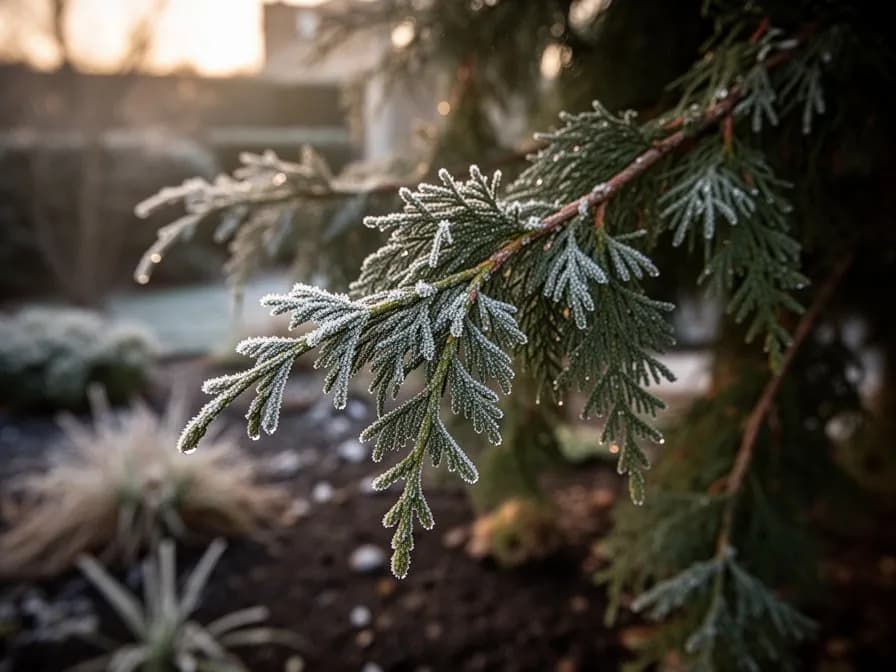
Zypresse-Rosmarin-Duftsäckchen
20 Min.Handgefertigte Duftsäckchen, gefüllt mit getrocknetem Zypressenlaub und Rosmarin, ideal für Schränke und Schubladen, um Motten auf natürliche Weise zu vertreiben und gelagerte Wäsche mit einem sauberen, holzigen Duft aufzufrischen.
5 Zutaten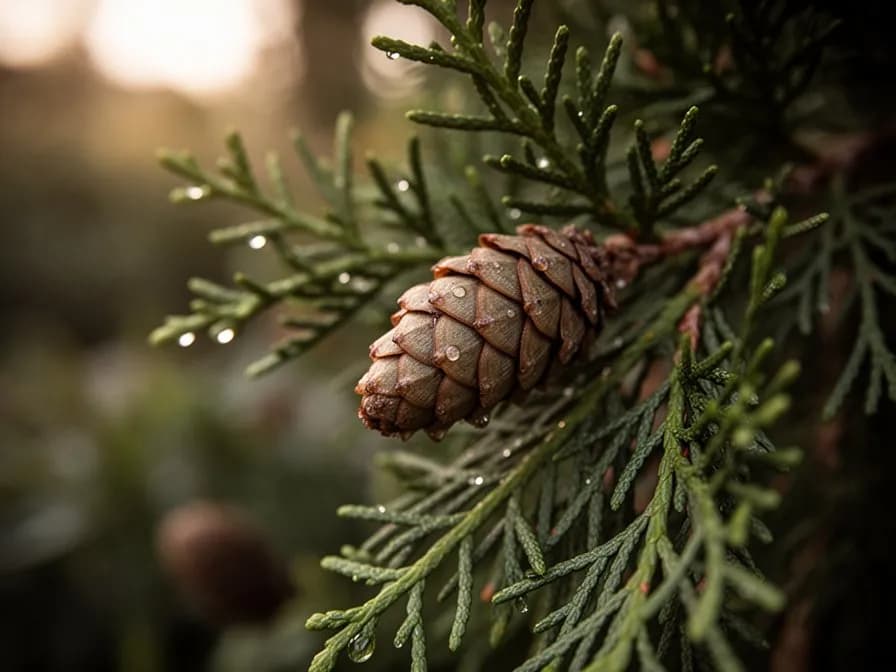
Zypresse-Fußbad
15 Min.Ein erfrischendes Kräuterfußbad, das Zypressenzweige mit Epsom-Salz und Pfefferminze kombiniert, um müde Füße zu beruhigen, Schwellungen zu reduzieren und die Haut nach einem langen Gartentag erfrischt zu hinterlassen.
5 ZutatenWas drinsteckt
Gesundheitsvorteile
- Ätherisches Zypressenöl enthält Alpha-Pinen und Cedrol, Verbindungen, die in begutachteten Studien entzündungshemmende Wirkungen gezeigt haben und bei der Dampfinhalation möglicherweise zur Verringerung von Atemwegsentzündungen beitragen.
- Die adstringierenden Eigenschaften von Zypressenextrakten wurden in der traditionellen europäischen Kräutermedizin genutzt, um die Venenzirkulation zu unterstützen und das Erscheinungsbild von Krampfadern zu reduzieren.
- Das Einatmen des Aromas von ätherischem Zypressenöl wurde in Aromatherapiestudien mit gesenkten Kortisolspiegeln und geringerem wahrgenommenem Stress in Verbindung gebracht und fördert ein Gefühl von Ruhe und emotionaler Ausgeglichenheit.
- Zypressenholz und -laub geben Phytonzide ab, flüchtige organische Verbindungen, die in japanischen Waldbadesforschungen mit gesteigerter natürlicher Killerzellaktivität und verbesserter Immunfunktion in Verbindung gebracht wurden.
- Die antimikrobiellen Eigenschaften von ätherischem Zypressenöl wurden in Laborumgebungen gegen mehrere häufige bakterielle und pilzliche Krankheitserreger nachgewiesen und unterstützen seine traditionelle Verwendung als natürliches Desinfektionsmittel.
- Zeit in Zypressenwäldern zu verbringen kann die Atemfunktion verbessern, da die Bäume Schwebstoffe aus der Luft filtern und nützliche Terpene freisetzen, die die Atemwege öffnen und das Atmen erleichtern können.
Woher Zypresse stammt
Die Gattung Cupressus umfasst etwa 16 bis 25 Arten immergrüner Nadelbäume, die in warmgemäßigten und subtropischen Regionen der Nordhemisphäre verbreitet sind. Die Evolutionslinie der Zypressen reicht bis in die späte Kreidezeit vor etwa 100 Millionen Jahren zurück und macht sie zu einer der ältesten noch existierenden Gruppen samenpflanzentragender Pflanzen. Fossilienbeweise von Zypressenvorfahren wurden in Europa, Asien und Nordamerika gefunden, was darauf hindeutet, dass die Gattung einst ein weitaus breiteres Verbreitungsgebiet hatte als heute.
Die Mittelmeer-Zypresse, Cupressus sempervirens, nimmt in der menschlichen Zivilisation einen besonders herausragenden Platz ein. Alte Phönizier verwendeten ihr dauerhaftes Holz für den Schiffbau, während Griechen und Römer sie ausgiebig rund um Tempel, öffentliche Gebäude und Begräbnisstätten pflanzten. Der Artname sempervirens, der immer lebend bedeutet, spiegelt sowohl die immergrüne Eigenschaft des Baumes als auch seine symbolische Verbindung mit dem ewigen Leben in klassischen Kulturen wider. Persische Gärten, einige davon über 2.500 Jahre alt, nutzten die Zypresse als zentrales Gestaltungselement, das die Achse zwischen Erde und Himmel darstellt.
In Ostasien wurden Arten wie Cupressus funebris (Chinesische Trauerzypress) seit Jahrhunderten in Tempelgärten und als Quelle aromatischen Holzes kultiviert. Die Japanische Hinoki-Zypresse, die zwar zur verwandten Gattung Chamaecyparis gehört, weist viele kulturelle Parallelen auf und wird seit über einem Jahrtausend beim Bau von Schreinen verwendet.
Während der Kolonialzeit führten europäische Siedler mediterrane und Monterey-Zypressen in Regionen auf der Südhemisphäre ein, darunter Australien, Neuseeland und Südafrika, wo sie weit verbreitet eingebürgert wurden. Heute spielen Zypressen weltweit in warmen Klimazonen wichtige Rollen als Windschutz, zur Erosionsbekämpfung, als Zierpflanzen sowie als Quellen für ätherische Öle und Holz.
Zypresse: Schon gewusst?
Faszinierende Fakten über Zypresse
Die älteste bekannte lebende Zypresse ist der Sarv-e Abarkuh in der Provinz Yazd im Iran, der auf 4.000 bis 5.000 Jahre geschätzt wird, und damit zu den ältesten lebenden Organismen der Erde gehört.
Zypresse: Fragen & Antworten
Wann sollte ich Zypresse pflanzen?
Was sind gute Begleitpflanzen für Zypresse?
In welchen Winterhärtezonen kann Zypresse wachsen?
Wie viel Sonne braucht Zypresse?
Welchen Abstand sollte ich zwischen Zypresse lassen?
Welche Schädlinge und Krankheiten befallen Zypresse?
Wie lagere ich Zypresse nach der Ernte?
Was sind die besten Zypresse-Sorten zum Anbauen?
Welchen Boden braucht Zypresse?
Wie schnell wachsen Zypressen?
Sind Zypressen giftig für Haustiere oder Kinder?
Warum wird meine Zypresse braun?
Können Zypressen in Kübeln gezogen werden?
Wie vermehre ich Zypressen durch Stecklinge?
Was ist der Unterschied zwischen echter Zypresse und Scheizypresse?
Du hast die Theorie gelesen. Jetzt baue sie auf Autopilot an.
Alles, was Zypresse knifflig macht — das Timing, die Abstände, die Begleiter, das Erntefenster — genau das übernimmt PlotMyGarden für dich, für jede Pflanze im Garten.
Ein Plan, der dein Wetter kennt
Standort einmal festlegen. Aussaat-, Dünge- und Erntedaten rund um deinen echten letzten Frosttermin und die Live-Vorhersage — kein Raten mehr nach Saattüte.
Aus dem Abschnitt „Pflanzzeit“Beetplaner per Drag & Drop
Beete auf einem Raster gestalten. Jede Pflanze rastet im richtigen Abstand ein, und du siehst die ganze Saison, bevor du einen Cent für Saatgut ausgibst.
Aus dem Abschnitt „Anbau“Begleiter-Konflikte früh erkannt
Über 200 gute und schlechte Kombinationen werden beim Pflanzen live geprüft — so landet ein saisonruinierender Fehler nie in der Erde.
Aus dem Abschnitt „Begleiter“Erinnerungen, nach denen du wirklich handelst
„Gieß die Bohnen.“ „Heute ernten, bevor's umschlägt.“ Pünktlich, konkret und auf deine echten Pflanzen bezogen.
Aus dem Abschnitt „Ernte“Staffel-Aussaat, geplant
Sechs Wochen ernten statt sechs Tage? Die App verteilt deine Aussaaten automatisch und erinnert dich, wenn der nächste Satz fällig ist.
Aus dem Abschnitt „Pflanzzeit“Ein Verlauf, der schlauer wird
Jede protokollierte Ernte bringt der App deinen Garten bei. Der Plan fürs nächste Jahr startet bei dem, was in deinem Boden wirklich funktioniert hat.
Aus dem Abschnitt „Überblick“Pflanze diese neben Zypresse
Weitere Immergrüne
Bau deine beste Zypresse an — und alles drumherum.
Starte heute kostenlos. Lege deine Beete an, setze deine Zypresse ein und lass PlotMyGarden Timing, Abstände, Begleiter und Erinnerungen von der Saat bis zum Erntekorb übernehmen.