Curry Plant
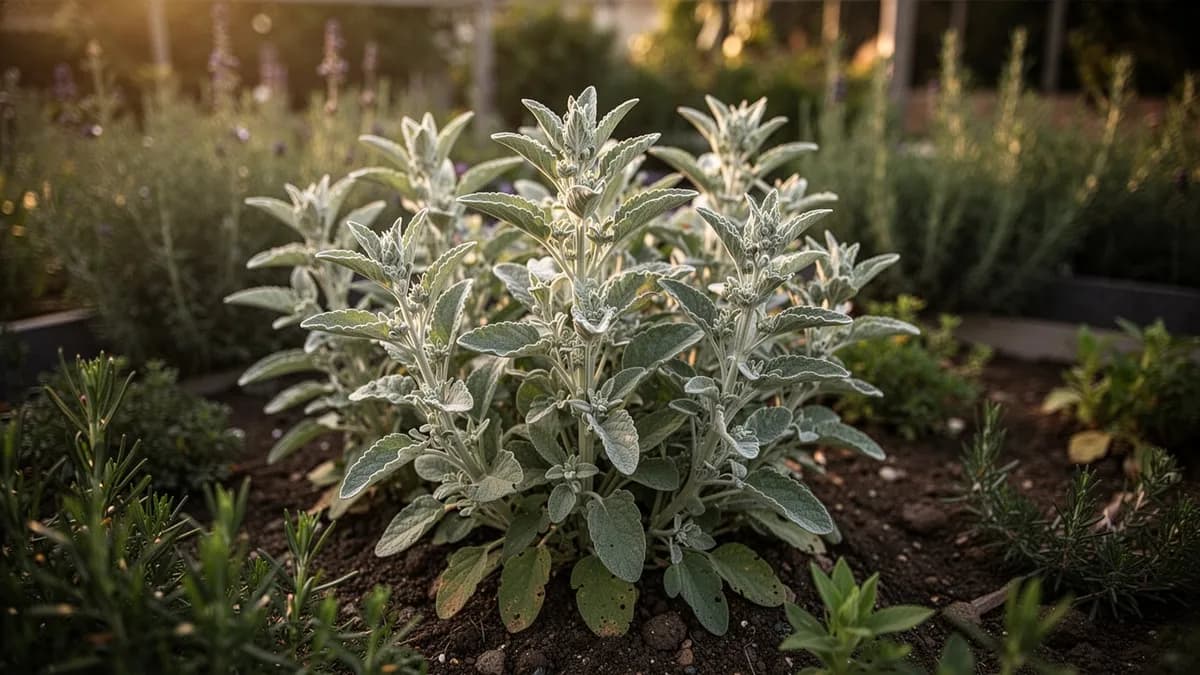
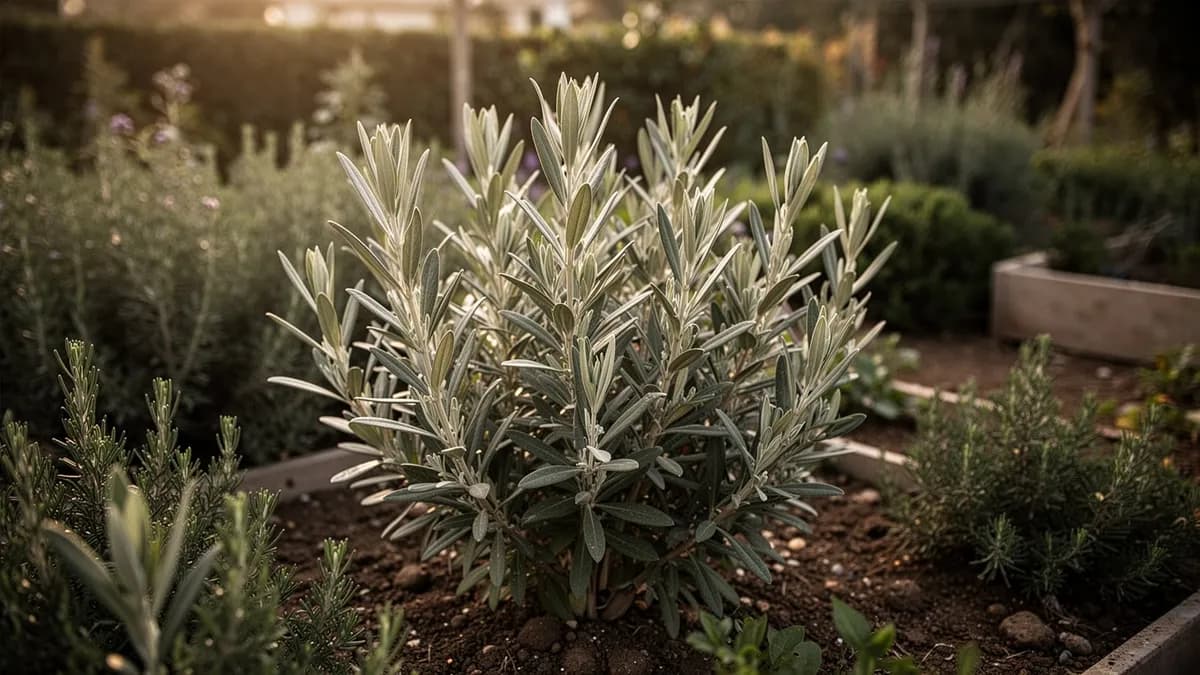
A silvery Mediterranean shrub with a powerful curry-like aroma, though it is not related to actual curry spices.





On this pageOverview
Meet Curry Plant
A silvery Mediterranean shrub with a powerful curry-like aroma, though it is not related to actual curry spices. The aromatic leaves can be used briefly in cooking to impart a mild curry scent, but should be removed before eating. Grow in hot, dry conditions with excellent drainage and prune after flowering to keep the silver mounds compact.
When to plant Curry Plant
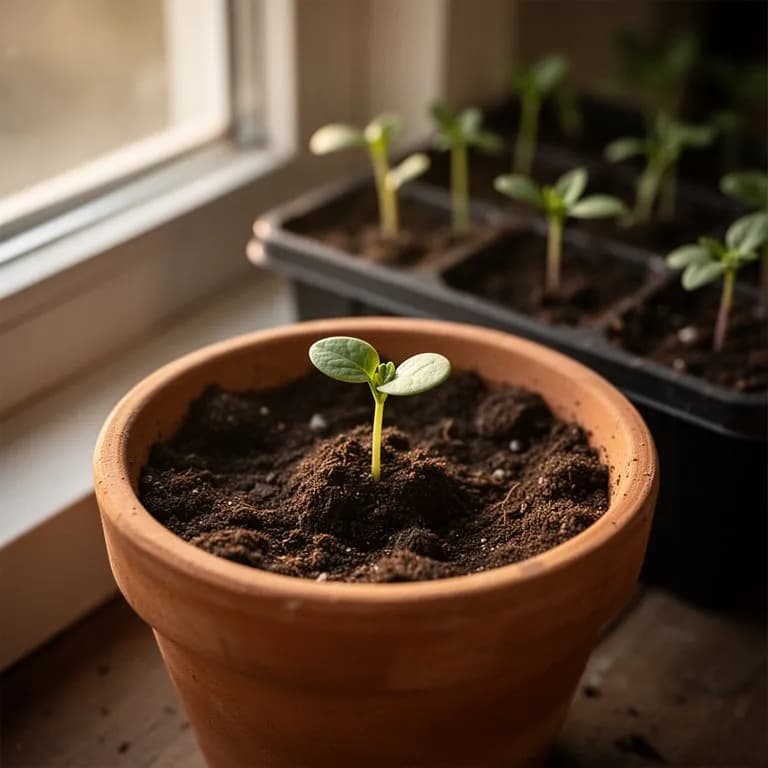
Curry plant is best propagated from semi-ripe cuttings taken in late summer. Select 7-10cm non-flowering shoot tips, strip lower leaves, dip in rooting hormone, and insert into a gritty mix of 50% perlite and 50% compost. Keep warm and moist but not wet—misting rather than watering works best. Roots develop in 3-6 weeks. Pot on and overwinter under cover before planting out the following spring. Seeds are available but germination is slow and erratic; cuttings are far more reliable.
Your Curry Plant Year
Composed for Zone 7 · typical seasons · frost passes Apr 2, returns Nov 1
Plant Curry Plant Mar – May, pick May – Sep. Check the planting methods below and set your climate to personalize these windows.
How to grow Curry Plant
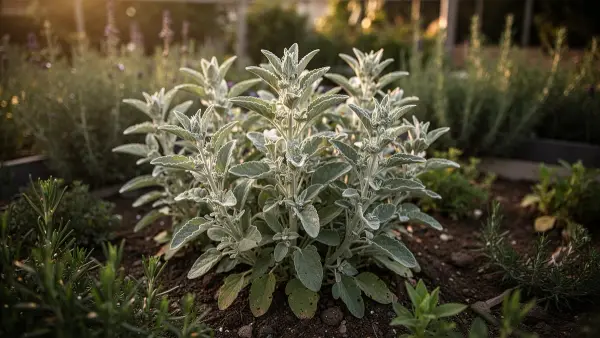
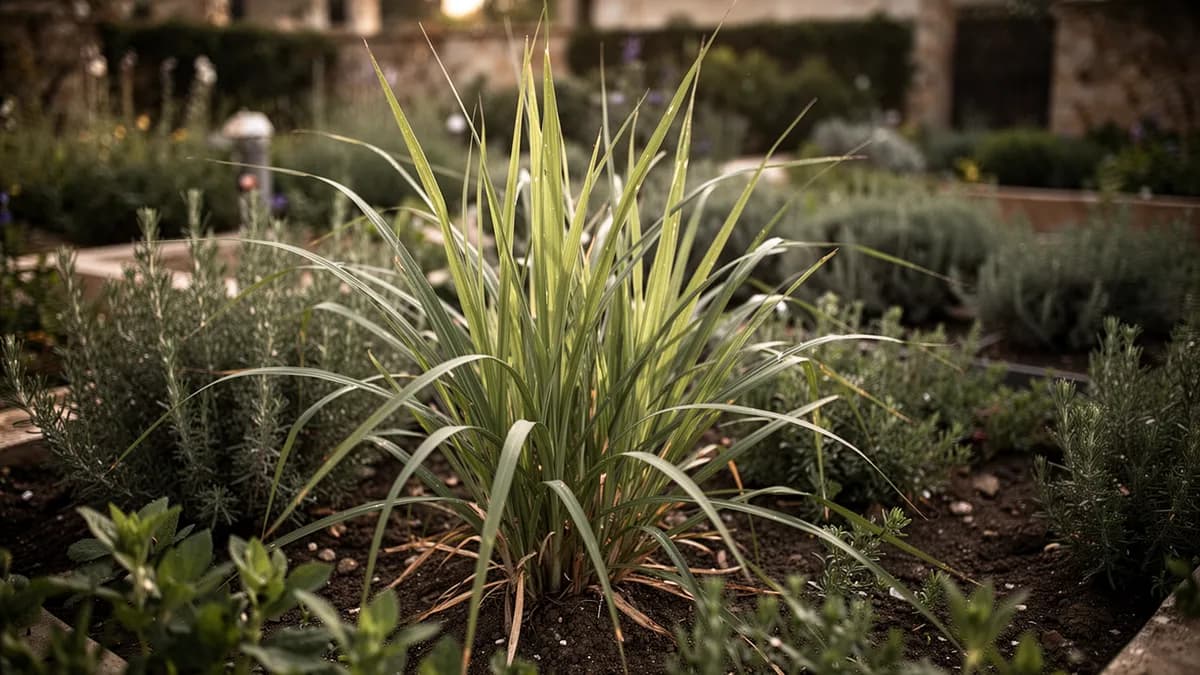
Curry plant is a beautiful, silver-leaved Mediterranean shrub that forms neat, rounded mounds 40-60cm tall and wide. Despite its powerful curry-like aroma, it is not related to curry spices—the scent comes from a unique combination of essential oils. Plant in full sun with excellent drainage in hot, sheltered positions. This is a plant that thrives on neglect in its ideal conditions.
In its Mediterranean homeland, curry plant grows in rocky, sun-baked hillsides and coastal cliffs. Replicate these conditions by planting in gravel gardens, raised beds, or south-facing walls. Sandy, gravelly, or chalky soils are perfect. Avoid heavy clay or any soil that stays wet in winter, which is reliably fatal.
Prune lightly after flowering in late summer, cutting back to just below the spent flower stems. This maintains the compact, silvery mound shape. Avoid cutting into old wood, as curry plant does not regenerate well from bare stems. In colder areas of its range (zone 7), provide winter protection with a cloche or deep gravel mulch around the crown. Container culture works well where winter drainage cannot be guaranteed.
18 plants fit a 4 × 8 ft bed
Each Curry Plant wants 40 cm of elbow room. The planner keeps that spacing for you — every plant, every bed.
Curry Plant's best neighbours
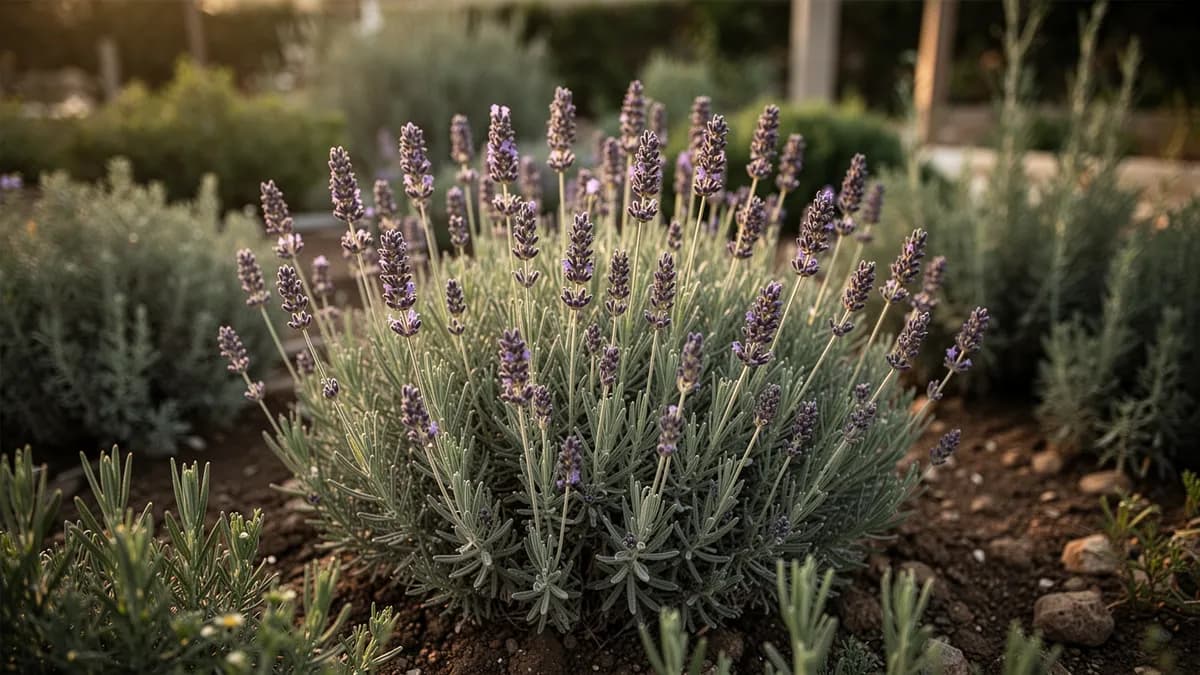
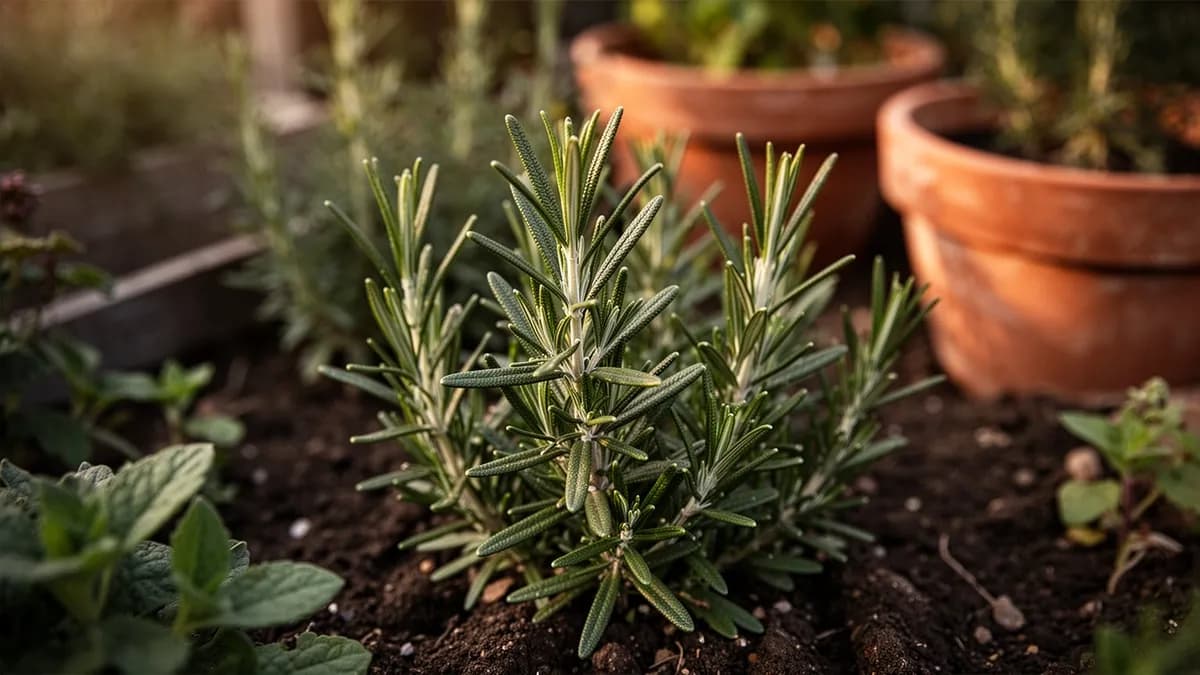
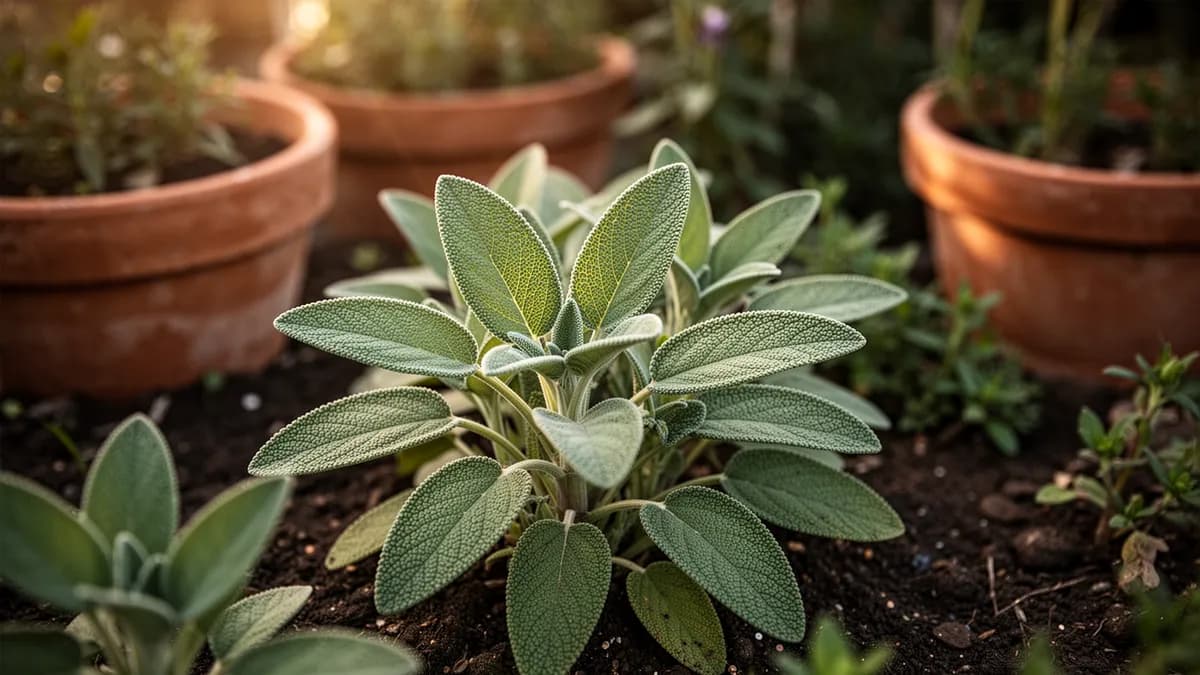
Curry plant is a natural companion for other silver-leaved Mediterranean herbs including lavender, rosemary, santolina, and artemisia in hot, dry garden borders. The combination of silver foliage plants creates a stunning, drought-tolerant display. Its aromatic leaves help deter some garden pests through scent confusion. Plant alongside pathways where brushing releases the curry fragrance.
Lavender belongs beside it.
Old growers' knowledge, checked against Curry Plant's real companion table below — test any plant you're growing.
Try Curry Plant in a bed — right here
A real planner bed with Curry Plant already in it. Tap a companion to place it and watch the pairing checks answer — green for good neighbours, red for a clash.


Related growing guides
Feed it well
Curry plant demands the sharpest drainage possible with a pH of 6.5-8.5. Alkaline, gravelly, or sandy soils are ideal—the plant thrives in poor conditions that would starve other herbs. Never add rich compost or manure. If planting in average garden soil, mix in at least 50% horticultural grit. No fertilizer is needed or wanted. This is a plant that produces its finest silver foliage and strongest scent under lean, stressed conditions.
Ideal Temperature
Hardiness Zone Compatibility
From seed to harvest, stage by stage
Cutting Propagation
Curry plant is almost exclusively propagated from semi-ripe cuttings taken in late summer, as seed germination is unreliable and slow. Cuttings of 8-10 cm are taken from non-flowering side shoots, dipped in rooting hormone, and placed in a gritty, free-draining propagation mix. Roots typically develop within 3-4 weeks under warm, humid conditions.
Establishment Phase
Once rooted, young curry plants are potted on into individual containers and allowed to develop a stronger root system. Growth is initially slow as the plant prioritizes root development over top growth. The characteristic silvery foliage begins to emerge more strongly during this period.
Vegetative Growth
The plant enters a period of active growth, developing its distinctive mounded habit with numerous silvery-green needle-like leaves. The aromatic foliage becomes increasingly fragrant and the woody stem base begins to develop. Plants reach roughly 30 cm in height by the end of their first full growing season.
First Flowering
In its second year, the curry plant produces its first clusters of small, bright yellow button-like flowers on upright stems above the foliage from June through August. These everlasting flowers are excellent for drying and attract a wide range of pollinators including bees, hoverflies, and butterflies.
Mature Shrub
The curry plant develops into a compact evergreen sub-shrub reaching 40-60 cm tall and wide. The lower stems become woody while the upper growth remains soft and herbaceous. The plant is now fully established and will flower reliably each summer, living for 5-10 years or more with proper care.
Renewal and Decline
After several years, curry plants gradually become increasingly woody and open at the base, with foliage concentrated at the branch tips. Flower production may increase but the plant loses its compact ornamental form. This is the natural time to propagate new plants from cuttings and plan for replacement.
Use a mix of perlite and peat-free compost for rooting. Cover cuttings with a clear plastic bag or propagator lid to maintain humidity, but ventilate daily to prevent fungal issues. Keep the medium just barely moist and provide bright indirect light.
Caring for Curry Plant month by month
What to do each month for your Curry Plant
October
You are herePrepare curry plants for winter by improving drainage around the root zone with a gravel mulch. Move tender container specimens to a frost-free greenhouse or cold frame. Take a final harvest of aromatic foliage before growth slows.
Know exactly what to do in your garden — every month
One email at the start of each month: what to sow, plant, and tackle right now — for your Curry Plant and everything growing around it. Plus a short starter course that helps you dodge the classic mistakes.
- What to do, right now
- Matched to your season
- Starter course included
Harvesting Curry Plant
Harvest curry plant sprigs anytime during the growing season by snipping stem tips. The silvery foliage is most aromatic in warm weather when essential oils are at their peak. For culinary use, add whole sprigs to cooking briefly to impart flavor, then remove before serving—the leaves become bitter if cooked too long. For dried arrangements, cut stems with flower buds just beginning to open. The yellow button flowers dry beautifully and retain their color.
assuming you plant when the window opens — set your real date
Pick Curry Plant promptly and the plant keeps producing.
Storage & Preservation
Dry curry plant sprigs by hanging bundles in a warm, dark space or laying on screens. The dried silvery foliage retains its curry scent for months and makes excellent additions to wreaths, dried arrangements, and potpourri. Store dried material in paper bags or airtight containers. The yellow flowers dry perfectly and hold their form and color indefinitely. For sachets, mix dried leaves with lavender and rosemary for a Mediterranean-scented blend.
What goes wrong — and the fix
Root Rot
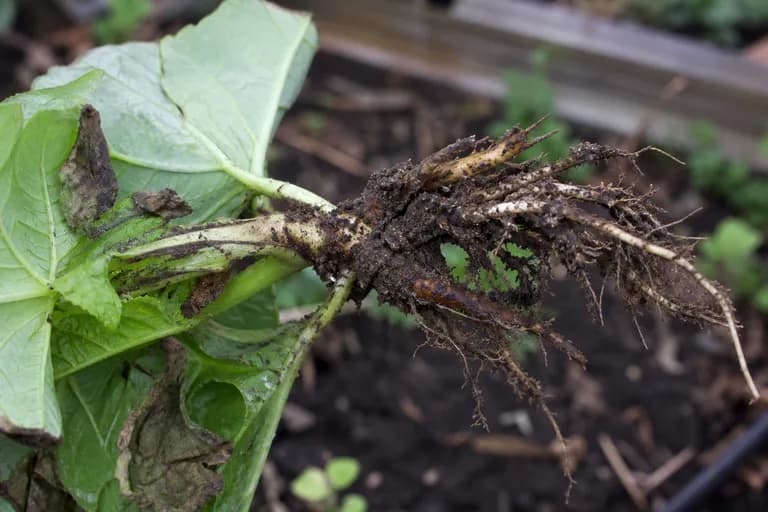
DiseaseBrowning foliage, wilting despite wet soil, mushy stem bases. Nearly always caused by poor drainage, especially in winter.
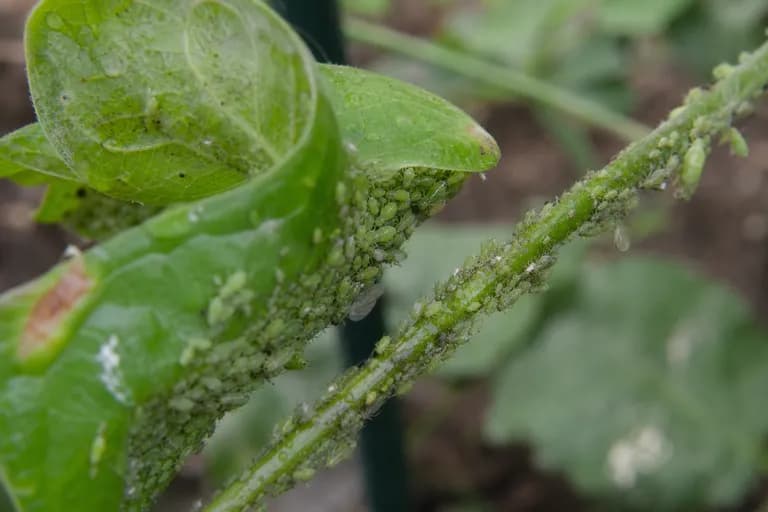
Aphids
PestClusters on new growth tips in spring, causing slight distortion. Not usually a serious problem on aromatic plants.
Troubleshooting Common Problems
Winter death from root rot in wet soils is the number one cause of failure. Ensure perfect drainage or grow in containers that can be sheltered from winter rain. Leggy, open growth means insufficient sun—relocate to the hottest, sunniest position available. Cutting into old bare wood rarely produces new growth; always prune to where green foliage exists. Brown, dead patches in the center indicate the plant is aging and may need replacing with new plants from cuttings.
Growing Tips
- Plant curry plant in the sunniest, most sheltered spot available with sharply draining soil. In heavy clay, either grow in raised beds amended with generous quantities of horticultural grit or cultivate in terracotta containers with a gritty compost mix.
- Avoid overwatering at all costs. Curry plant is a true Mediterranean native adapted to summer drought, and it will tolerate weeks without water far better than it tolerates consistently damp roots. Water only when the soil has dried out completely.
- Propagate exclusively from semi-ripe cuttings taken in late summer rather than from seed. Select non-flowering side shoots of 8-10 cm, strip the lower leaves, dip in rooting hormone, and insert into a mix of equal parts perlite and peat-free compost.
- Prune lightly after flowering in late summer, cutting back to fresh green growth but never into old bare wood. Curry plant will not regenerate from hard woody stems, so always leave visible green foliage on every branch you cut.
- Mulch around the base of outdoor plants with gravel or small stones rather than organic mulch. This improves drainage around the crown, reflects heat and light onto the foliage, and mimics the plant's natural rocky Mediterranean habitat.
- Protect from winter wet rather than winter cold. Curry plant tolerates brief frosts to around -5°C if the drainage is excellent, but will quickly rot in cold, waterlogged soil. In wet winter climates, consider growing under a rain shadow or covering with a cloche.
- Harvest young shoot tips rather than old woody growth for culinary use. The tender new growth contains the highest concentration of aromatic oils and provides the best flavor when infused into dishes during cooking.
- Feed sparingly with a low-nitrogen fertilizer once in spring. Curry plant naturally grows in poor, lean soils and excessive feeding produces lush but weakly scented growth that is more susceptible to winter damage.
- Position curry plant along garden paths or near seating areas where passersby will brush against the foliage, releasing its distinctive warm curry-like fragrance. The scent is strongest on hot sunny afternoons.
- Companion plant with other drought-tolerant Mediterranean herbs such as lavender, rosemary, thyme, and sage. These plants share identical cultural requirements and create a visually cohesive and low-maintenance aromatic garden.
Grow your best Curry Plant yet — and everything around it.
Start a free plan today. Lay out your beds, drop in your Curry Plant, and let PlotMyGarden handle the timing, spacing, companions and reminders from seed to harvest basket.
Pick your Curry Plant
Helichrysum italicum subsp. italicum
The standard curry plant with the strongest curry-like aroma. Silver-grey foliage and yellow button flowers. Most commonly grown form.
Helichrysum italicum 'Dartington'
Compact selection with dense silvery growth, ideal for low hedging and container growing. Slightly hardier than the species.
Helichrysum italicum 'Korma'
Dwarf variety reaching just 25cm tall with an intense curry fragrance. Excellent for rock gardens and small spaces.
A single curry plant costs $5-10 at a nursery and will produce aromatic foliage for 5-10 years with minimal care, providing a continuous supply of this specialty herb that is rarely available in supermarkets. Small bunches of fresh curry plant, when found at specialty markets, sell for $4-8 per bunch. Helichrysum italicum essential oil retails for $30-80 per small bottle, and while home extraction is impractical, growing your own plant provides fresh aromatic foliage at a fraction of the cost of purchased dried herb or oil-based products.
Quick recipes
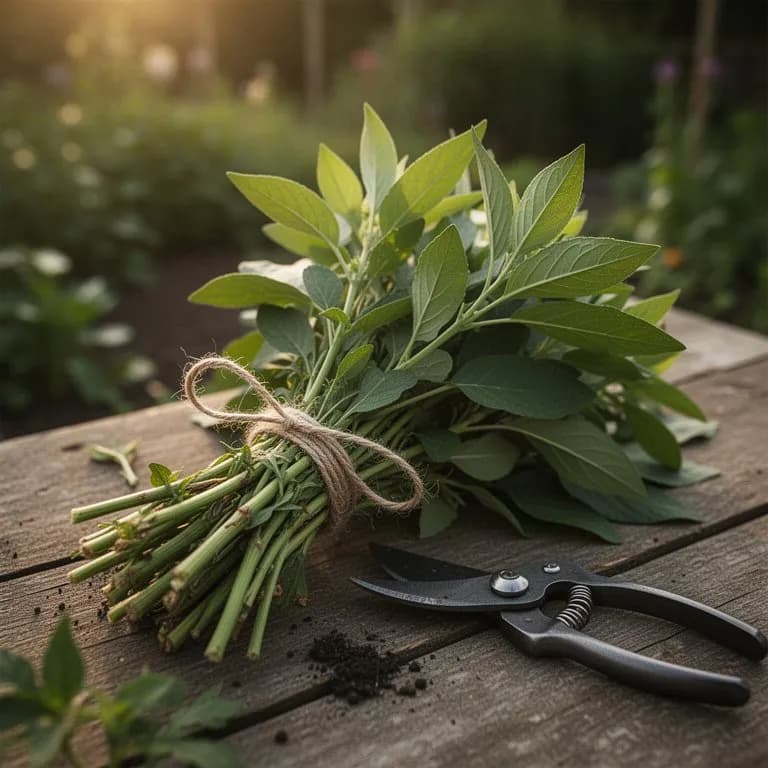
Curry Plant Infused Rice Pilaf
25 minutesA fragrant Mediterranean rice dish where fresh curry plant sprigs are simmered with the rice to impart a subtle warm, savory aroma. The sprigs are removed before serving, leaving behind a delicate curry-like flavor that pairs beautifully with grilled fish, roasted lamb, or seasonal vegetables.
8 ingredients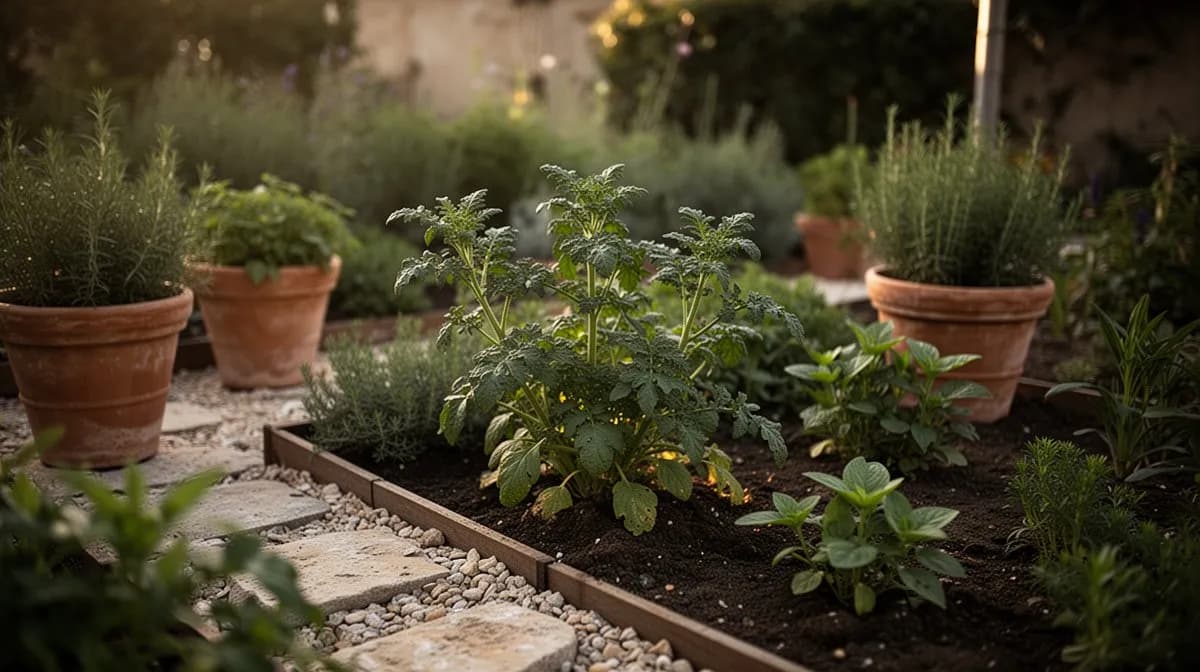
Helichrysum Herb Butter
10 minutesA simple compound butter infused with the distinctive warm aroma of fresh curry plant. Spread on crusty bread, melted over grilled fish or steamed vegetables, or used to finish a pan sauce, this fragrant butter captures the essence of Mediterranean herb gardens.
6 ingredientsRoasted Vegetables with Curry Plant
40 minutesAn easy Mediterranean-style roasted vegetable dish where curry plant sprigs are tucked among the vegetables during roasting, releasing their aromatic oils into the dish. The result is a warm, subtly spiced flavor that elevates simple root vegetables into something special.
7 ingredientsCulinary Uses
Despite smelling remarkably like curry powder, curry plant is used sparingly in cooking. Add whole sprigs to rice, soups, or vegetable dishes at the start of cooking to infuse a mild curry-like flavor, then remove before serving—prolonged cooking makes the leaves bitter. The flavor is subtle and does not replicate true curry spice blends. Some Mediterranean cuisines use it to flavor olive oil, egg dishes, and stuffings. It is primarily grown as an ornamental aromatic.
What's inside
Health Benefits
- Contains arzanol, a rare anti-inflammatory compound found almost exclusively in Helichrysum italicum, which has shown promise in laboratory studies for reducing inflammation markers comparable to some conventional anti-inflammatory agents
- Rich in antioxidant flavonoids including naringenin, apigenin, and luteolin that help neutralize free radicals and may protect cells from oxidative stress linked to aging and chronic disease
- Traditional Mediterranean remedy for digestive discomfort, with infusions of curry plant used for centuries to ease bloating, stimulate appetite, and support healthy liver and gallbladder function
- Essential oil demonstrates documented antimicrobial activity against several bacterial strains, supporting its traditional topical use for minor wounds, skin irritations, and fungal conditions
- May support skin health and wound healing, with Immortelle essential oil widely used in dermatology for its reputed ability to reduce the appearance of scars, bruises, and fine lines
- Contains anti-allergenic compounds including rosmarinic acid that may help modulate immune responses and reduce symptoms associated with seasonal allergies and respiratory sensitivities
Where Curry Plant comes from
Curry plant (Helichrysum italicum) is native to the sun-drenched rocky hillsides, garrigue, and coastal scrublands of the Mediterranean basin, where it grows wild from Portugal and Morocco east through southern France, Italy, the Balkans, and into Turkey. The species thrives in the thin, alkaline, stony soils of limestone landscapes and has been a characteristic component of the aromatic Mediterranean maquis vegetation for millennia. Ancient Greeks and Romans were familiar with various Helichrysum species and valued them for their long-lasting golden flowers, which they associated with the sun god and immortality. The flowers were woven into garlands for religious ceremonies and placed in temples as offerings. In the traditional folk medicine of Corsica, Sardinia, and the Dalmatian coast, curry plant held an important place for centuries. Local healers used infusions of the leaves and flowers to treat digestive complaints, respiratory ailments, and skin conditions. Poultices of crushed foliage were applied to bruises, burns, and swollen joints. These ethnobotanical traditions persisted largely unchanged well into the twentieth century in rural Mediterranean communities. The culinary use of curry plant developed primarily in Italian and Provencal cooking, where sprigs of the intensely aromatic foliage were added to rice dishes, soups, stews, and roasted vegetables to impart a subtle warm, savory flavor. The plant gained wider horticultural recognition in northern Europe during the late twentieth century, when Mediterranean-style garden design became fashionable. British and German gardeners embraced curry plant for its drought tolerance, ornamental silver foliage, and appealing fragrance, planting it in gravel gardens, herb spirals, and sunny borders. In recent decades, scientific interest in Helichrysum italicum has surged dramatically due to the discovery of potent bioactive compounds in its essential oil, particularly italidiones and arzanol. The essential oil, marketed under the names Immortelle and Everlasting, has become a cornerstone ingredient in premium skincare formulations, driving commercial cultivation in Corsica, Croatia, and Bosnia-Herzegovina.
Curry Plant: did you know?
Fascinating facts about Curry Plant
Despite its name, curry plant (Helichrysum italicum) is not related to curry powder or the curry tree (Murraya koenigii). Its common name comes purely from the warm curry-like aroma released by its foliage, especially on hot days or when brushed against.
Curry Plant questions, answered
When should I plant Curry Plant?
What are good companion plants for Curry Plant?
What hardiness zones can Curry Plant grow in?
How much sun does Curry Plant need?
How far apart should I space Curry Plant?
What pests and diseases affect Curry Plant?
How do I store Curry Plant after harvest?
What are the best Curry Plant varieties to grow?
What soil does Curry Plant need?
Is curry plant the same as the curry leaf tree used in Indian cooking?
Can you eat curry plant leaves directly?
Why is my curry plant dying in winter?
How do I prune curry plant without killing it?
Can I grow curry plant indoors?
What is Immortelle essential oil and can I make it at home?
You just read the theory. Now grow it on autopilot.
Everything that makes Curry Plant fiddly — the timing, the spacing, the companions, the harvest window — is exactly what PlotMyGarden handles for you, for every plant in your garden.
A plan that knows your weather
Set your location once. Get sow, feed and harvest dates built around your real last-frost date and live forecast — no more guessing from a generic seed packet.
From the “When to plant” sectionDrag-and-drop bed planner
Design beds on a grid. Every plant snaps to its proper spacing, and you can see your whole season laid out before you spend a cent on seed.
From the “Growing guide” sectionCompanion conflicts, caught early
200+ good-and-bad pairings checked live as you plant — so a season-wrecking mistake never makes it into the ground.
From the “Companions” sectionReminders you'll actually act on
“Water the beans.” “Pick today before it turns.” Timely, specific, and tied to the plants you're really growing.
From the “Harvest” sectionSuccession, scheduled
Want a harvest for six weeks, not six days? It spaces your sowings automatically and reminds you when each new block is due.
From the “When to plant” sectionA record that gets smarter
Every harvest you log teaches it your garden. Next year's plan starts from what actually worked in your soil, not a textbook's.
From the “Overview” sectionPlant these alongside Curry Plant
More Aromatic Herbs
Grow your best Curry Plant yet — and everything around it.
Start a free plan today. Lay out your beds, drop in your Curry Plant, and let PlotMyGarden handle the timing, spacing, companions and reminders from seed to harvest basket.