Schwarze Johannisbeere
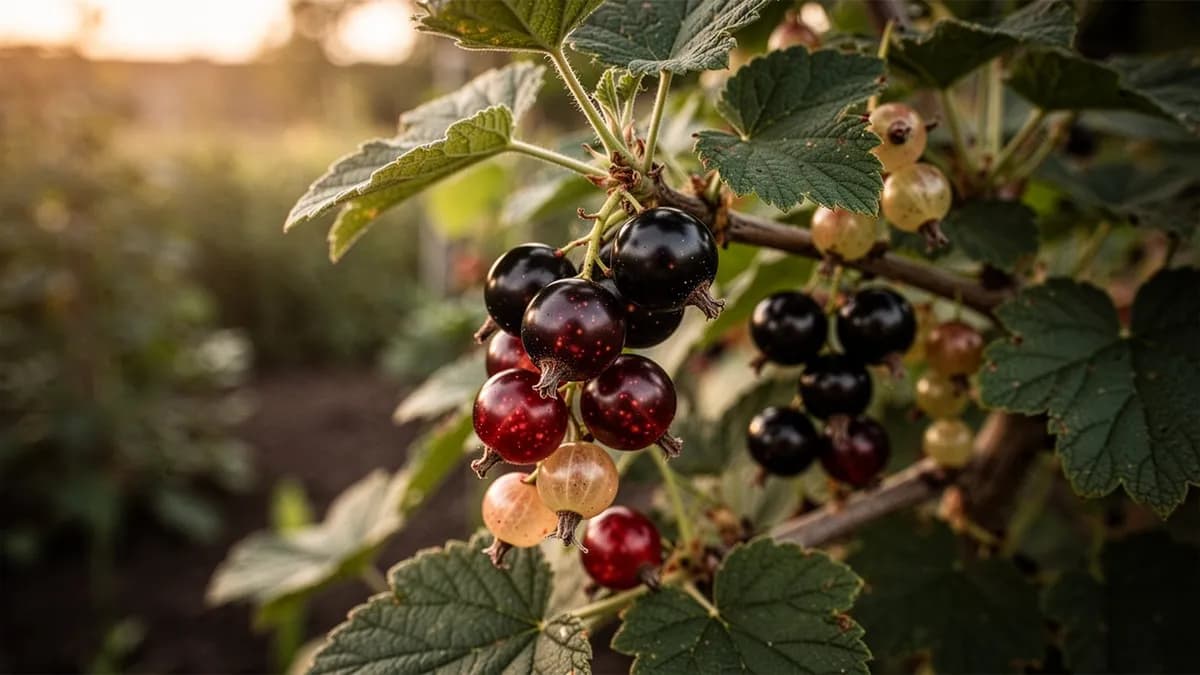
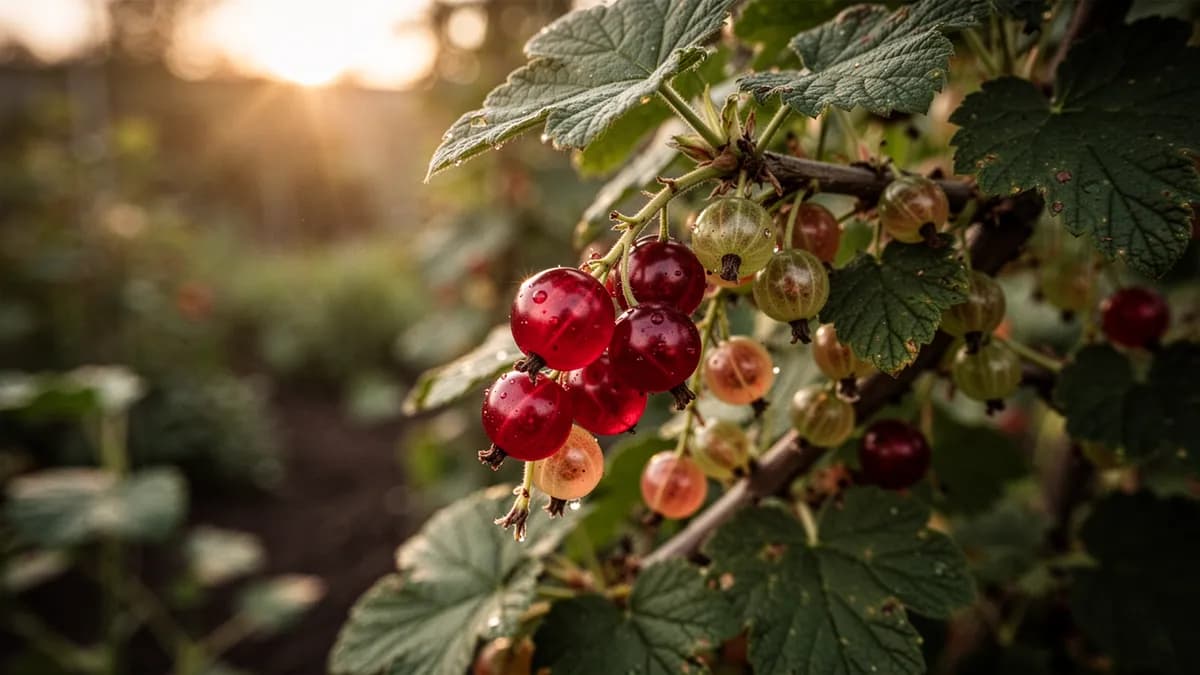
Ein kräftiger Strauch, der Trauben tief purpurschwarz gefärbter Beeren mit einem intensiven, moschusartigen Aroma trägt, das in der europäischen Küche sehr geschätzt wird.





Auf dieser SeiteÜberblick
Schwarze Johannisbeere im Überblick
Ein kräftiger Strauch, der Trauben tief purpurschwarz gefärbter Beeren mit einem intensiven, moschusartigen Aroma trägt, das in der europäischen Küche sehr geschätzt wird. Schwarze Johannisbeeren sind außergewöhnlich reich an Vitamin C und Anthocyanen und gelten daher als beliebtes Superfood. Wählen Sie moderne, krankheitsresistente Sorten und schneiden Sie die Pflanze jährlich zurück, um produktives junges Holz zu erhalten.
Wann Schwarze Johannisbeere pflanzen
Schwarze Johannisbeeren sind von allen Obstgehölzen am einfachsten aus Stecklingen zu vermehren. Schneiden Sie im Spätherbst nach dem Laubfall gerade Triebe von etwa 25 cm Länge aus kräftigem, gesunden Wuchs. Anders als bei Stecklingen roter Johannisbeeren sollten die unteren Knospen nicht entfernt werden, da schwarze Johannisbeeren davon profitieren, Ausläufer unterhalb der Erde zu bilden. Stecken Sie die Stecklinge 15 cm tief in feuchte Erde, wo sie über den Winter mit nahezu hundertprozentiger Erfolgsquote bewurzeln. Neue Sträucher können im darauffolgenden Herbst an ihren endgültigen Standort verpflanzt werden. Auch die Teilung etablierter, Ausläufer bildender Horste ist im frühen Frühjahr unkompliziert möglich.
Dein Schwarze Johannisbeere-Jahr
Abgestimmt auf Zone 7 · typische Saison · Frost geht um den 2. Apr. und kehrt um den 1. Nov. zurück
Schwarze Johannisbeere Mär – Apr pflanzen, Jul – Aug ernten. Beachte die Pflanzmethoden unten und wähle dein Klima für passende Zeiträume.
So baust du Schwarze Johannisbeere an
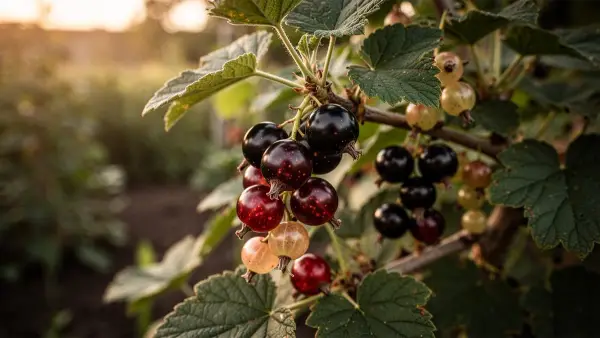
Schwarze Johannisbeeren gehören zu den nahrhaftesten Früchten, die man anbauen kann – sie enthalten viermal so viel Vitamin C wie Orangen sowie außergewöhnlich hohe Mengen an Anthocyanen und anderen Antioxidantien. Sie liefern reiche Ernten intensiv aromatischer, tief purpurschwarz gefärbter Beeren an kräftigen, pflegeleichten Sträuchern, die in kühlen, feuchten Klimazonen gedeihen. Setzen Sie wurzelnackte Sträucher im Spätherbst oder zeitigen Frühjahr an einem halbschattigen bis vollsonnigen Standort mit nährstoffreichem, feuchtigkeitsspeicherndem Boden, mit einem Pflanzabstand von 150 cm.
Schwarze Johannisbeeren erfordern ein anderes Schnittsystem als rote Johannisbeeren. Sie tragen am besten an einjährigem Holz, daher besteht das Ziel darin, ständig kräftige junge Triebe nachzuziehen. Entfernen Sie jeden Winter etwa ein Drittel der ältesten Triebe bodennah, wobei Sie vorrangig Holz anvisieren, das älter als drei Jahre ist. Diese jährliche Erneuerung hält den Strauch produktiv und vital. Anders als bei roten und weißen Johannisbeeren sollten schwarze Johannisbeersträucher fünf Zentimeter tiefer als im Baumschulcontainer gepflanzt werden, um eine kräftige Basaltriebbildung unterhalb der Bodenoberfläche zu fördern.
Moderne rostresistente Sorten haben dazu beigetragen, dass der Anbau schwarzer Johannisbeeren in den meisten US-Bundesstaaten wieder legal ist, wo sie einst als Zwischenwirte des Weymouthskiefern-Blasenrostes verboten waren. Wählen Sie zertifiziert resistente Sorten wie Consort, Crusader oder Titania, wenn Sie in der Nähe von Weißkiefernwäldern gärtnern. Schwarze Johannisbeeren sind außergewöhnlich winterhart und überstehen Temperaturen weit unter -20 °C; sie benötigen tatsächlich eine ausgeprägte Winterkälte, um gute Erträge zu bringen. Sie sind selbstfruchtbar, profitieren jedoch von der Fremdbestäubung durch eine weitere Sorte für maximale Erntemengen.
Für Schwarze Johannisbeere ist ein Beet von 120 × 240 cm zu klein
Schwarze Johannisbeere braucht 150 cm Platz pro Pflanze. Der Planer hält diesen Abstand für dich ein — jede Pflanze, jedes Beet.
Die besten Nachbarn für Schwarze Johannisbeere
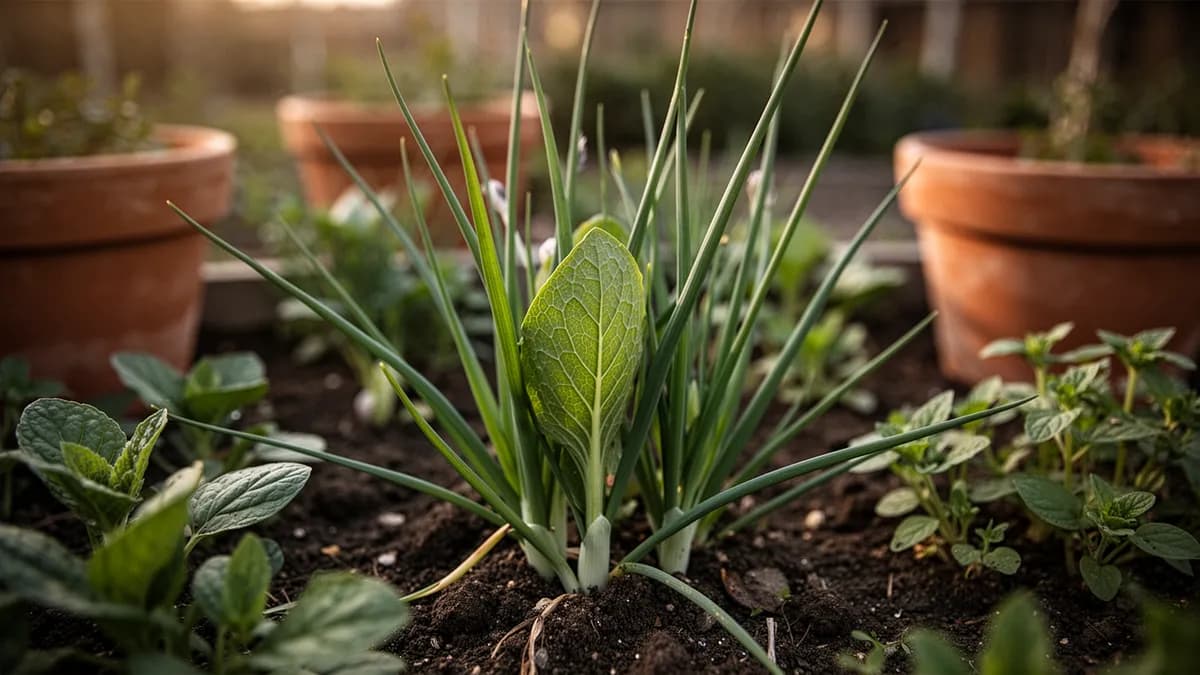
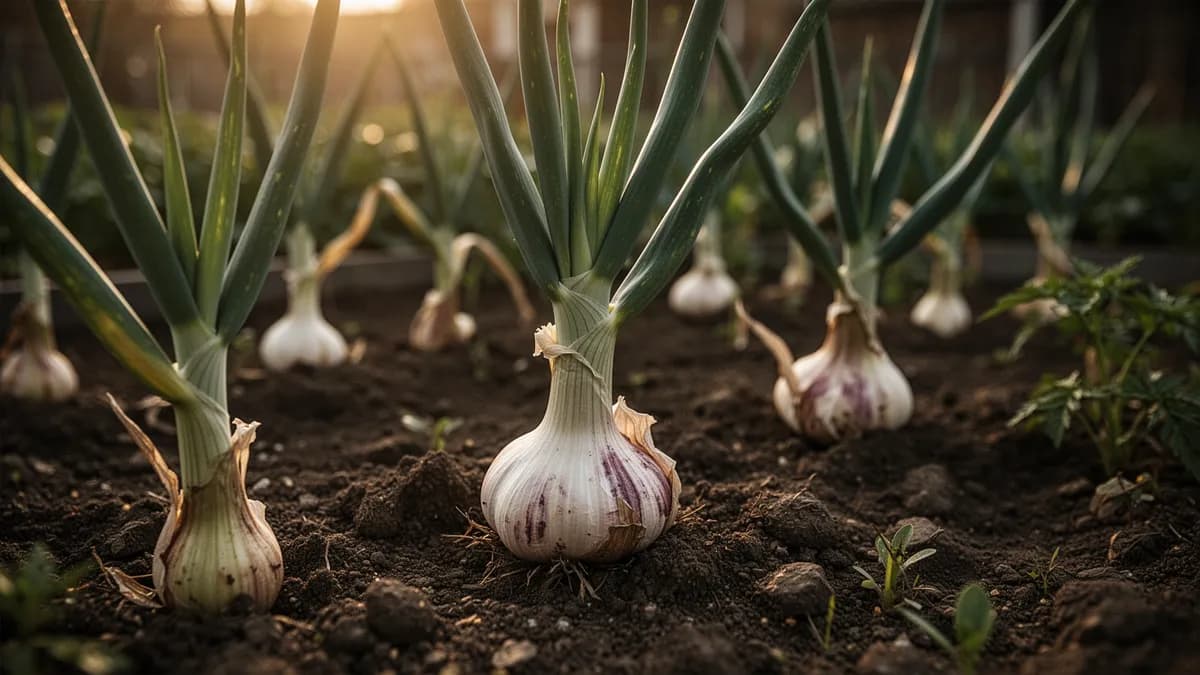
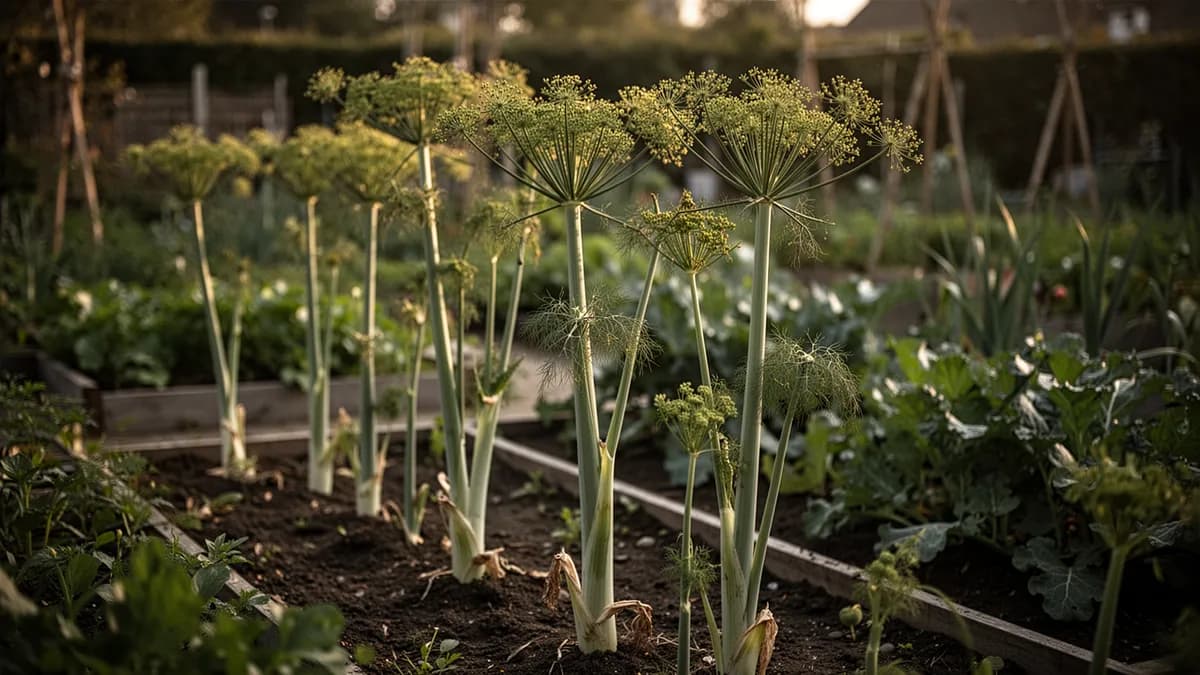
Schnittlauch und Knoblauch, um schwarze Johannisbeersträucher gepflanzt, helfen, die Blattläuse abzuschrecken, die Pflanzen schwächen und Krankheiten übertragen können. Beifuß ist eine traditionelle Begleitpflanze, der nachgesagt wird, Johannisbeerfruchtfliegen und Gallmilben fernzuhalten. Stickstoffbindende Pflanzen wie Klee oder Wicken, die als Bodendecke zwischen den Sträuchern wachsen, bereichern den Boden auf natürliche Weise, was diesen stark zehrenden Sträuchern zugute kommt. Rainfarn soll Johannisbeerbohrmotten abhalten. Vermeiden Sie die Nachbarschaft zu Fenchel, und halten Sie in regulierten Gebieten die vorgeschriebenen Abstände zu fünfnadeligen Kiefernarten ein.
Schnittlauch gehört daneben. Fenchel nicht.
Altes Gärtnerwissen, geprüft an der echten Nachbartabelle von Schwarze Johannisbeere — teste jede Pflanze, die du anbaust.
Probiere Schwarze Johannisbeere direkt hier im Beet
Ein echtes Planer-Beet, Schwarze Johannisbeere steht schon drin. Tippe einen Begleiter an, platziere ihn und sieh, wie die Nachbarschaftsprüfung antwortet — grün für gute Nachbarn, rot bei Streit.


Passende Anbau-Ratgeber
Richtig düngen
Schwarze Johannisbeeren sind die anspruchsvollsten Nährstoffzehrer unter allen Johannisbeerarten und benötigen einen reichen, fruchtbaren Boden mit einem pH-Wert von 6,0 bis 6,8 und einem großzügigen Gehalt an organischer Substanz. Sie gedeihen in feuchtigkeitsspeicherndem Lehmboden, der für viele andere Früchte zu feucht wäre. Tragen Sie im Spätwinter eine dicke Mulchschicht aus gut verrottetem Mist oder Kompost auf – dies ist die wichtigste Kulturmaßnahme für ertragreiche schwarze Johannisbeeren. Ergänzen Sie im Frühjahr mit einem stickstoffreichen Dünger, um das kräftige Neutriebwachstum zu unterstützen, das für die Ernte im nächsten Jahr entscheidend ist. Eine Kaliumergänzung zur Blütezeit verbessert die Beerenqualität.
Ideale Temperatur
Winterhärtezone-Kompatibilität
Von der Saat zur Ernte, Schritt für Schritt
Dormanz
Der Strauch ruht über den Winter mit kahlen Trieben. Dies ist die ideale Zeit, um altes Holz herauszuschneiden und eine dicke Mulchschicht aus gut verrottetem Kompost um die Basis aufzutragen.
Knospenaustrieb
Knospen schwellen an und beginnen sich im späten Winter bis frühen Frühjahr zu öffnen. In diesem Stadium auf Großknospenmilben achten – befallene Knospen sehen ungewöhnlich rund aus und sollten entfernt werden.
Blüte
Kleine, grünlich-weiße bis blassrosa glockenförmige Blüten erscheinen an hängenden Trauben. Schwarze Johannisbeeren sind weitgehend selbstfruchtbar, aber die Fremdbestäubung durch Bienen verbessert den Fruchtansatz erheblich.
Fruchtentwicklung
Grüne Beeren bilden sich entlang der Rispen und schwellen stetig durch den späten Frühling und frühen Sommer. Gleichmäßige Feuchtigkeit in dieser Phase ist entscheidend für große, saftige Beeren.
Reife
Beeren wechseln über mehrere Wochen von Grün zu tiefem Purpurschwarz. Alle Beeren einer Rispe reifen innerhalb weniger Tage nacheinander. Vor der Ernte probieren – vollreife Beeren verlieren ihre scharfe Adstringenz.
Ernte
Ganze Rispen pflücken, wenn alle Beeren gleichmäßig tiefgchwarz und leicht weich sind. Ernte in der kühlen Morgenstunde, um die Haltbarkeit zu verlängern. Beeren können durch Entlangfahren mit einer Gabel an der Rispe abgestreift werden.
Schnitt nach der Ernte
Nach dem Fruchtansatz ein Drittel der ältesten, dunkelsten Triebe bodennah entfernen, um kräftigen Neuaustrieb anzuregen. Neue Triebe tragen in der nächsten Saison die besten Früchte.
Schwarze Johannisbeere Monat für Monat pflegen
Was du jeden Monat für deine Schwarze Johannisbeere tun solltest
Oktober
Aktueller MonatGießen reduzieren, wenn der Strauch in die Dormanz übergeht. Gefallenes Laub aufhaken und kompostieren, um die Ausbreitung von Pilzkrankheitssporen einzudämmen. Neue wurzelnackte Sträucher aus Baumschulen pflanzen.
Immer wissen, was jetzt im Garten zu tun ist
Eine E-Mail zum Monatsanfang: was du jetzt säen, pflanzen und anpacken solltest — für deine Schwarze Johannisbeere und alles, was drumherum wächst. Dazu ein kurzer Startkurs, der dich vor den klassischen Fehlern bewahrt.
- Was jetzt zu tun ist
- Passend zu deiner Saison
- Startkurs inklusive
Schwarze Johannisbeere ernten
Schwarze Johannisbeeren ernten, wenn alle Beeren einer Rispe vollständig dunkel und glänzend sind. Anders als rote Johannisbeeren, die als ganze Trauben geerntet werden, können schwarze Johannisbeeren als vollständige Rispen gepflückt oder je nach Verwendungszweck einzeln abgestreift werden. Für Marmelade und Saft die ganzen Rispen ernten und die Beeren später mit einer Gabel abstreifen. Die Beeren einer Rispe reifen nicht gleichzeitig, daher stellt das Warten auf die letzten reifenden Beeren sicher, dass alle bereit sind. Reife schwarze Johannisbeeren halten sich ein bis zwei Wochen am Strauch, ohne zu verderben.
angenommen, du pflanzt zu Beginn des Zeitraums — trage dein tatsächliches Datum ein
Ernte Schwarze Johannisbeere zügig, dann trägt die Pflanze weiter.
Lagerung & Konservierung
Frische schwarze Johannisbeeren halten sich dank ihrer festen Schale im Kühlschrank ein bis zwei Wochen – länger als die meisten Beerenfrüchte. Zum Einfrieren auf einem Tablett ausbreiten, nach dem Gefrieren in Beutel füllen und bis zu zwölf Monate lagern. Schwarze Johannisbeeren werden aufgrund ihres intensiven, herb-säuerlichen Geschmacks selten frisch verzehrt und eignen sich am besten zur Verarbeitung. Zu den klassischen Zubereitungen zählen Marmelade, Gelee, Sirup, Saft und der berühmte französische Likör Cassis. Johannisbeersaft ist in Europa ein beliebtes Gesundheitsgetränk, und die getrockneten Beeren sind ein kraftvolles Superfood-Zusatz für Smoothies und Backwaren.
Was schiefgeht — und die Lösung
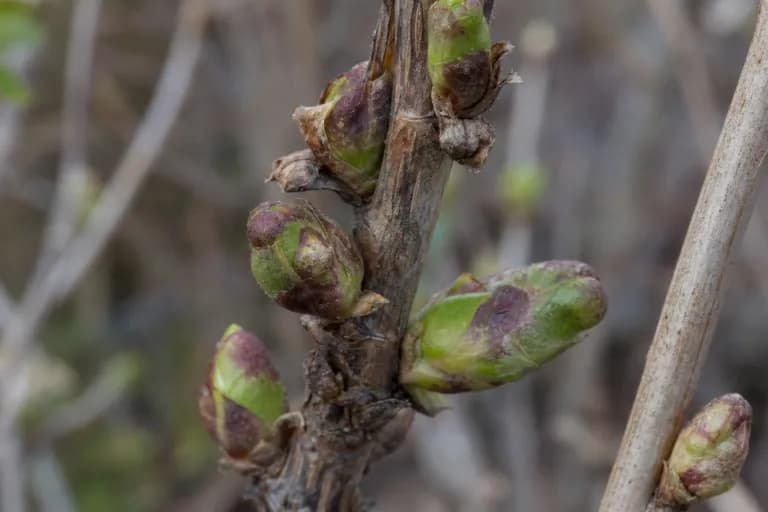
Johannisbeerknospen-Gallmilbe (Großknospenmilbe)
SchädlingUngewöhnlich aufgequollene, runde Knospen im Winter, die sich im Frühjahr nicht öffnen; die in den Knospen lebenden Milben übertragen zudem das Reversions-Virus.
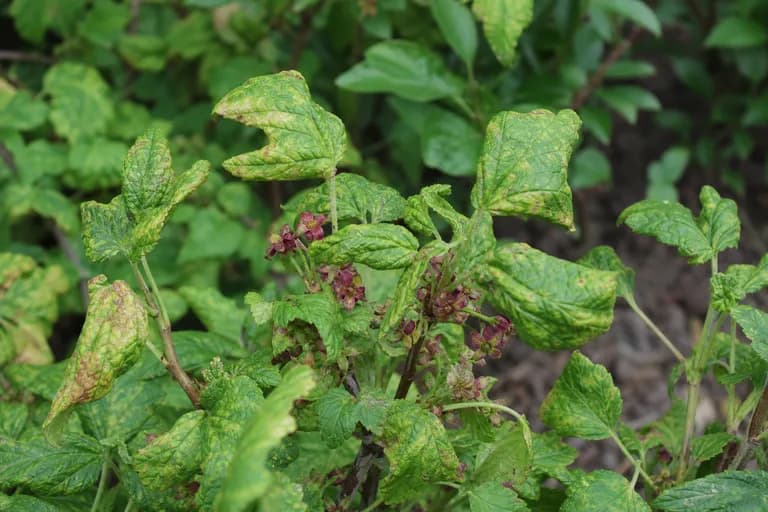
Reversion-Virus
KrankheitBlätter werden schmaler mit weniger Zähnen; Blüten verfärben sich von graurosa zu leuchtendem Magenta; Erträge gehen über die Jahre hinweg progressiv zurück.
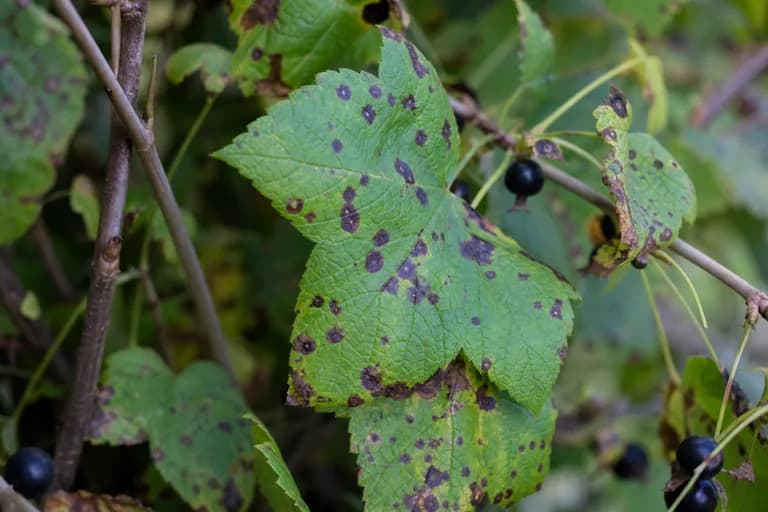
Blattfleckenkrankheit (Drepanopeziza ribis)
KrankheitKleine dunkle Flecken auf den Blättern, die sich ausdehnen und zusammenwachsen und ab Hochsommer zu vorzeitigem Laubfall führen; schwächt die Pflanzen über aufeinanderfolgende Jahre.
Fehlerbehebung bei häufigen Problemen
Die Großknospenmilbe ist der schädlichste Schädling an schwarzen Johannisbeeren – sowohl durch direkten Schaden als auch als Überträger des unheilbaren Reversion-Virus. Regelmäßige Kontrolle und Entfernung aufgequollener Knospen ist unverzichtbare Vorsorge. Schwarze Johannisbeeren sind in einigen US-Bundesstaaten und Landkreisen wegen des Weymouthskiefern-Blasenrostes verboten; überprüfen Sie stets die örtlichen Vorschriften und pflanzen Sie nur rostresistente Sorten. Spätfröste können frühe Blüten schädigen – wählen Sie daher in frostgefährdeten Gebieten spätblühende Sorten. Vögel sind weniger von den dunklen Beeren angezogen als von roten Johannisbeeren, können aber dennoch Schäden verursachen.
Anbautipps
- Schwarze Johannisbeeren 5 cm tiefer pflanzen als sie im Baumschulcontainer oder als wurzelnackte Ware gewachsen sind. Tieferes Pflanzen fördert die Entwicklung neuer Basaltriebe, die das produktivste Fruchtholz darstellen.
- Jedes Jahr unmittelbar nach der Ernte ein Drittel der ältesten, dunkelsten Triebe bodennah herausschneiden. Diese jährliche Erneuerung hält den Strauch jung, offen und produktiv, indem sie eine ständige Versorgung mit kräftigem Neuholz sicherstellt.
- Schwarze Johannisbeeren sind anspruchsvolle Zehrer – tragen Sie jeden Winter eine großzügige Gabe aus gut verrottetem Stallmist oder Gartenkompot um die Basis auf, gefolgt von einem kaliumreichen Granulat-Dünger im zeitigen Frühjahr beim Knospenaustrieb.
- Sträucher mit feinem Vogelnetz abdecken, sobald die Beeren anfangen, Farbe anzunehmen. Amseln und Stare können einen Strauch in einem einzigen Morgen leer fressen, oft Beeren, die erst zu drei Vierteln reif sind.
- Während der Beerenentwicklung im Juni und Anfang Juli tief und gleichmäßig gießen. Unregelmäßiges Gießen in dieser Phase führt dazu, dass Beeren platzen oder klein bleiben. Ein Tropfbewässerungssystem oder ein Sickerrohr unter dem Mulch ist ideal.
- Schwarze Johannisbeeren tragen am besten an ein- und zweijährigem Holz. Rispen an älterem Holz werden mit der Zeit kürzer und bringen kleinere Beeren hervor, weshalb das jährliche Entfernen alter Triebe notwendig und nicht optional ist.
- Einen geschützten, frostsicheren Standort für spätblühende Sorten wie 'Ben Hope' oder 'Ben Lomond' wählen, wenn im Garten regelmäßig Spätfrühlingsfrosts auftreten, da offene Blüten bei Temperaturen unter -2 °C absterben.
- Weitere Pflanzen einfach durch Hartholzstecklinge von 20–25 cm Länge aus gesundem Neutrieb im Herbst vermehren. Zwei Drittel des Stecklings in gut dränierten Kompost stecken, im Freien überwintern lassen und bewurzelte Stecklinge im darauffolgenden Herbst verpflanzen.
- Knospen im Spätwinter auf Großknospenmilben (Cecidophyopsis ribis) untersuchen, die dazu führen, dass Knospen zu runden, kohlkopfähnlichen Formen anschwellen. Betroffene Knospen sofort entfernen und vernichten – stark befallene Pflanzen sollten ausgegraben und ersetzt werden, um eine Ausbreitung zu verhindern.
- Schwarze Johannisbeeren als Teil einer gemischten Obsthecke neben roten Johannisbeeren, Stachelbeeren und Jostabeerengehölzen anbauen, um die Kreuzbestäubung zu maximieren, die Erntezeit zu strecken und eine produktive Hecke zu schaffen, die auch Lebensraum für nützliche Insekten bietet.
Bau deine beste Schwarze Johannisbeere an — und alles drumherum.
Starte heute kostenlos. Lege deine Beete an, setze deine Schwarze Johannisbeere ein und lass PlotMyGarden Timing, Abstände, Begleiter und Erinnerungen von der Saat bis zum Erntekorb übernehmen.
Finde deine Schwarze Johannisbeere
Ben Sarek
Eine kompakte, ertragreiche Sorte, die nur etwa 120 cm hoch wird – ideal für kleine Gärten, mit großen Beeren und ausgezeichneter Mehltauresistenz.
Titania
Eine schwedische Züchtung mit hervorragender Resistenz gegen Weymouthskiefern-Blasenrost, Mehltau und Blattfleckenkrankheit – die erste Wahl für Anbauer in den USA.
Ben Lomond
Eine spätblühende Sorte, die Spätfrostschäden vermeidet, und große Trauben wohlschmeckender Beeren an einem kompakten Strauch produziert.
Consort
Eine der ersten rostresistenten Sorten, gezüchtet in Kanada, zuverlässig und weiträumig angepasst, wenn auch mit kleineren Beeren als moderne Selektionen.
Ein einzelner etablierter schwarzer Johannisbeerstrauch liefert in der Regel 3–5 kg Beeren pro Saison. Zu Supermarktpreisen von 8–12 € pro Kilogramm für frische schwarze Johannisbeeren (sofern erhältlich) oder 3–5 € pro Glas für hochwertige Marmelade kann ein ausgewachsener Strauch jährlich frische Früchte im Wert von 25–60 € liefern. Da eine wurzelnackte Pflanze rund 5–10 € kostet und abgesehen von einer jährlichen Düngung und einem Schnitt kaum laufende Kosten verursacht, ist der Return on Investment ab dem zweiten oder dritten Jahr außergewöhnlich gut. Selbst angebaute Beeren übertreffen zudem bei Weitem den Geschmack importierter Handelsware, die für den Transport in der Regel unreif geerntet wird.
Schnelle Rezepte
Schwarze Johannisbeermarmelade
15 Min.1 kg schwarze Johannisbeeren mit 300 ml Wasser in einem schweren Topf vereinigen. Köcheln lassen, bis die Schalen weich werden, etwa 10 Min. 1,35 kg Zucker hinzufügen und bei schwacher Hitze unter Rühren auflösen. Zum schnellen, rollenden Kochen bringen und 8–10 Min. kochen, bis der Gelierpunkt erreicht ist (105 °C auf einem Zuckerthermometer). In sterilisierte Gläser füllen und sofort verschließen. Der hohe natürliche Pektingehalt schwarzer Johannisbeeren sorgt dafür, dass diese Marmelade zuverlässig ohne Zusatz von Pektin geliert.
Schwarzer Johannisbeersirup
10 Min.500 g schwarze Johannisbeeren mit 250 ml Wasser sanft erhitzen, bis die Beeren platzen. Durch ein Musselin-Tuch passieren, ohne zu pressen, damit der Sirup klar bleibt. Die Flüssigkeit zurück in den Topf geben, 350 g Feinzucker und den Saft einer Zitrone hinzufügen und bei schwacher Hitze rühren, bis sich der Zucker aufgelöst hat. In sterilisierte Flaschen füllen. 1 Teil Sirup auf 4–5 Teile kaltes oder Sprudelwasser verdünnen. Im Kühlschrank bis zu 3 Wochen haltbar oder für längere Lagerung in Eiswürfelbehältern einfrieren.
Schwarzes Johannisbeercrumble
15 Min.400 g schwarze Johannisbeeren mit 80 g Feinzucker und 1 TL Vanilleextrakt in einer Backform vermengen. Für den Belag 150 g kalte Butter mit 200 g Mehl verreiben, bis die Mischung Semmelbröseln ähnelt, dann 80 g Haferflocken und 60 g weichen braunen Zucker einrühren. Die Crumble-Mischung gleichmäßig über das Obst verteilen. Bei 190 °C (Umluft 170 °C) 30–35 Min. backen, bis der Belag goldbraun ist und das Obst an den Rändern sprudelt. Warm mit Vanillesauce oder Vanilleeis servieren.
Kulinarische Verwendung
Schwarze Johannisbeeren haben einen intensiven, moschusartigen und tief komplexen Geschmack, der zu den charakteristischsten der gesamten Obstwelt gehört. Sie sind die unverzichtbare Zutat in Cassis-Likör, Säften, Sirupen und Pastillen. Schwarze Johannisbeermarmelade und -gelee sind europäische Grundnahrungsmittel, geschätzt für ihre tiefe Farbe und ihr kräftiges Aroma. Der Saft lässt sich hervorragend mit Apfel zu einem ausgewogenen Getränk verbinden. Beim Backen verleihen schwarze Johannisbeeren Kuchen, Muffins und Scones Tiefe. Sie harmonieren besonders gut mit Schokolade, Minze, Wild und gereiftem Käse.
Was drinsteckt
Gesundheitsvorteile
- Liefert eine der höchsten natürlichen Vitamin-C-Konzentrationen unter allen gebräuchlichen Früchten und unterstützt damit die Immunfunktion, die Kollagensynthese und die Eisenaufnahme aus pflanzlichen Lebensmitteln.
- Die Anthocyan-Pigmente in schwarzen Johannisbeeren haben in klinischen Studien gezeigt, dass sie bei regelmäßigem Verzehr die Durchblutung verbessern, den Blutdruck senken und die kardiovaskuläre Gesundheit unterstützen.
- Untersuchungen legen nahe, dass die Anthocyane der schwarzen Johannisbeere helfen können, die kognitive Funktion aufrechtzuerhalten und den altersbedingten Rückgang der Sehschärfe – insbesondere bei schlechten Lichtverhältnissen – zu verringern.
- Polyphenole der schwarzen Johannisbeere zeigen eine starke entzündungshemmende und antimikrobielle Wirkung, unterstützen die Atemwegsgesundheit und können möglicherweise die Dauer von Halsschmerzen und Infektionen der oberen Atemwege verkürzen.
- Der hohe Ballaststoffgehalt (über 4 g pro 100 g) fördert die Verdauungsgesundheit, nährt nützliche Darmbakterien und unterstützt stabile Blutzuckerwerte nach den Mahlzeiten.
- Schwarzes Johannisbeersamenöl gehört zu den reichsten pflanzlichen Quellen für Stearidonicsäure und Gamma-Linolensäure, Fettsäuren, die die gesunde Hautbarrierefunktion unterstützen und die Symptome des atopischen Ekzems lindern können.
Woher Schwarze Johannisbeere stammt
Die schwarze Johannisbeere (Ribes nigrum) ist in den gemäßigten Regionen Mittel- und Nordeuropas sowie Nordasiens beheimatet und wächst wild an feuchten Waldrändern, Flussufern und Hecken von Skandinavien ostwärts durch Sibirien bis in den Himalaya. Die Art gedeiht in kühlen, feuchten Klimazonen und ist in diesen Regionen seit Jahrhunderten eng mit der menschlichen Kultur verflochten.
Die früheste dokumentierte Kultivierung der schwarzen Johannisbeere in europäischen Gärten geht auf das 17. Jahrhundert zurück, als flämische und niederländische Gartenbauer damit begannen, Pflanzen mit größeren, schmackhafteren Beeren auszulesen. Im 18. Jahrhundert war die schwarze Johannisbeere ein fester Bestandteil der Küchengärten in ganz Großbritannien, Frankreich und Deutschland. Ihr Anbau verbreitete sich nach Russland, wo sie unter dem Namen Smorodina tief in der Volksküche und -medizin verwurzelt wurde. Russische Klöster unterhielten insbesondere ausgedehnte schwarze Johannisbeerplantagen für kulinarische und medizinische Zwecke.
Traditionelle Kräuterkundige in ganz Nordeuropa nutzten jeden Teil der Pflanze. Blätter wurden zu Aufgüssen gegen Gicht, Nierenerkrankungen und Atemwegsinfektionen verarbeitet. Beerensaft wurde als Gurgelwasser bei Halsbeschwerden und Tonsillitis eingesetzt – eine Anwendung, die der modernen wissenschaftlichen Bestätigung der kraftvollen antimikrobiellen und entzündungshemmenden Verbindungen der schwarzen Johannisbeere vorweggriff. Die Beeren wurden auch zu Weinen und Likören vergoren; der französische Cassis de Dijon, ein schwarzer Johannisbeerlikör aus dem Burgund, der mindestens seit dem 16. Jahrhundert hergestellt wird, gilt nach wie vor als eines der renommiertesten Produkte seiner Art in der Welt.
Die industrielle Revolution in Großbritannien hob die schwarze Johannisbeere vom Küchengarten-Grundnahrungsmittel zur bedeutenden Handelsware. Während des Zweiten Weltkriegs, als Zitrusimporte stark eingeschränkt waren und Vitamin-C-Mangel zu einem öffentlichen Gesundheitsproblem wurde, förderte die britische Regierung aktiv den Anbau schwarzer Johannisbeeren und verteilte Ribena-Sirup kostenlos an Kinder. Diese Kriegskampagne schuf eine anhaltende kulturelle Verbundenheit mit dem Geschmack der schwarzen Johannisbeere in Großbritannien, die bis heute fortbesteht.
Moderne Pflanzenzüchter haben Dutzende von Sorten für unterschiedliche Klimazonen, Böden und Erntezeiträume entwickelt, darunter spätblühende Typen, die Spätfrostschäden vermeiden, milbenresistente Sorten und kompakte Formen für kleinere Gärten. Trotz des berüchtigten US-Verbots, das amerikanische Gärtner jahrzehntelang daran hinderte, die Pflanze zu genießen, erlebt die schwarze Johannisbeere in Nordamerika eine Renaissance, da rostresistente Sorten Zulassungen erhalten und das Interesse der Verbraucher an nährstoffdichten Superfrüchten weiter wächst.
Schwarze Johannisbeere: Schon gewusst?
Faszinierende Fakten über Schwarze Johannisbeere
Schwarze Johannisbeeren enthalten pro 100 g mehr Vitamin C als Orangen – eine einzige Portion von 80 g deckt weit mehr als den empfohlenen Tagesbedarf eines Erwachsenen.
Schwarze Johannisbeere: Fragen & Antworten
Wann sollte ich Schwarze Johannisbeere pflanzen?
Was sind gute Begleitpflanzen für Schwarze Johannisbeere?
In welchen Winterhärtezonen kann Schwarze Johannisbeere wachsen?
Wie viel Sonne braucht Schwarze Johannisbeere?
Welchen Abstand sollte ich zwischen Schwarze Johannisbeere lassen?
Welche Schädlinge und Krankheiten befallen Schwarze Johannisbeere?
Wie lagere ich Schwarze Johannisbeere nach der Ernte?
Was sind die besten Schwarze Johannisbeere-Sorten zum Anbauen?
Welchen Boden braucht Schwarze Johannisbeere?
Warum werden meine schwarzen Johannisbeerblüten jedes Jahr durch Frost geschädigt?
Woran erkenne ich, dass schwarze Johannisbeeren erntereif sind?
Mein schwarzer Johannisbeerstrauch produziert kaum Früchte, obwohl er gesund aussieht. Was stimmt nicht?
Sind schwarze Johannisbeeren in den Vereinigten Staaten legal anzubauen?
Kann ich schwarze Johannisbeeren in Containern anbauen?
Was ist der weiß-mehlige Belag, der im Sommer auf meinen schwarzen Johannisbeerblättern erscheint?
Du hast die Theorie gelesen. Jetzt baue sie auf Autopilot an.
Alles, was Schwarze Johannisbeere knifflig macht — das Timing, die Abstände, die Begleiter, das Erntefenster — genau das übernimmt PlotMyGarden für dich, für jede Pflanze im Garten.
Ein Plan, der dein Wetter kennt
Standort einmal festlegen. Aussaat-, Dünge- und Erntedaten rund um deinen echten letzten Frosttermin und die Live-Vorhersage — kein Raten mehr nach Saattüte.
Aus dem Abschnitt „Pflanzzeit“Beetplaner per Drag & Drop
Beete auf einem Raster gestalten. Jede Pflanze rastet im richtigen Abstand ein, und du siehst die ganze Saison, bevor du einen Cent für Saatgut ausgibst.
Aus dem Abschnitt „Anbau“Begleiter-Konflikte früh erkannt
Über 200 gute und schlechte Kombinationen werden beim Pflanzen live geprüft — so landet ein saisonruinierender Fehler nie in der Erde.
Aus dem Abschnitt „Begleiter“Erinnerungen, nach denen du wirklich handelst
„Gieß die Bohnen.“ „Heute ernten, bevor's umschlägt.“ Pünktlich, konkret und auf deine echten Pflanzen bezogen.
Aus dem Abschnitt „Ernte“Staffel-Aussaat, geplant
Sechs Wochen ernten statt sechs Tage? Die App verteilt deine Aussaaten automatisch und erinnert dich, wenn der nächste Satz fällig ist.
Aus dem Abschnitt „Pflanzzeit“Ein Verlauf, der schlauer wird
Jede protokollierte Ernte bringt der App deinen Garten bei. Der Plan fürs nächste Jahr startet bei dem, was in deinem Boden wirklich funktioniert hat.
Aus dem Abschnitt „Überblick“Pflanze diese neben Schwarze Johannisbeere
Weitere Beeren
Halte Schwarze Johannisbeere von diesen fern
Bau deine beste Schwarze Johannisbeere an — und alles drumherum.
Starte heute kostenlos. Lege deine Beete an, setze deine Schwarze Johannisbeere ein und lass PlotMyGarden Timing, Abstände, Begleiter und Erinnerungen von der Saat bis zum Erntekorb übernehmen.