Persian Cucumber
A small, thin-skinned, seedless cucumber variety prized for its crisp texture and sweet, never-bitter flavor.





On this pageOverview
Meet Persian Cucumber
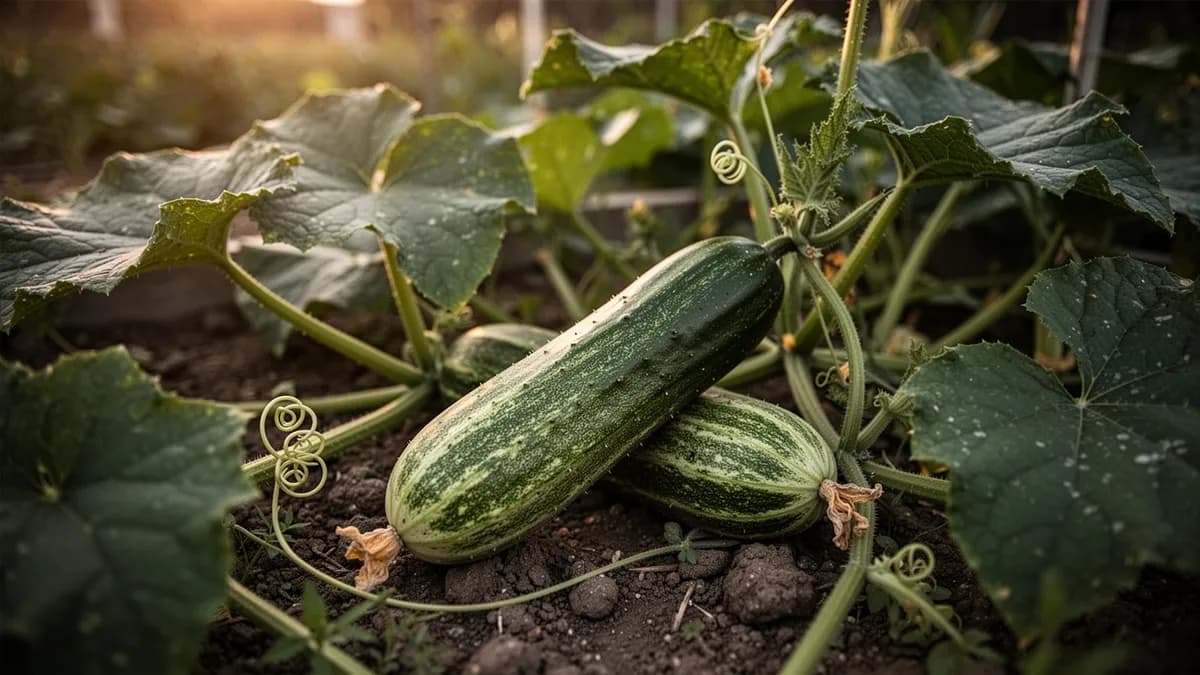
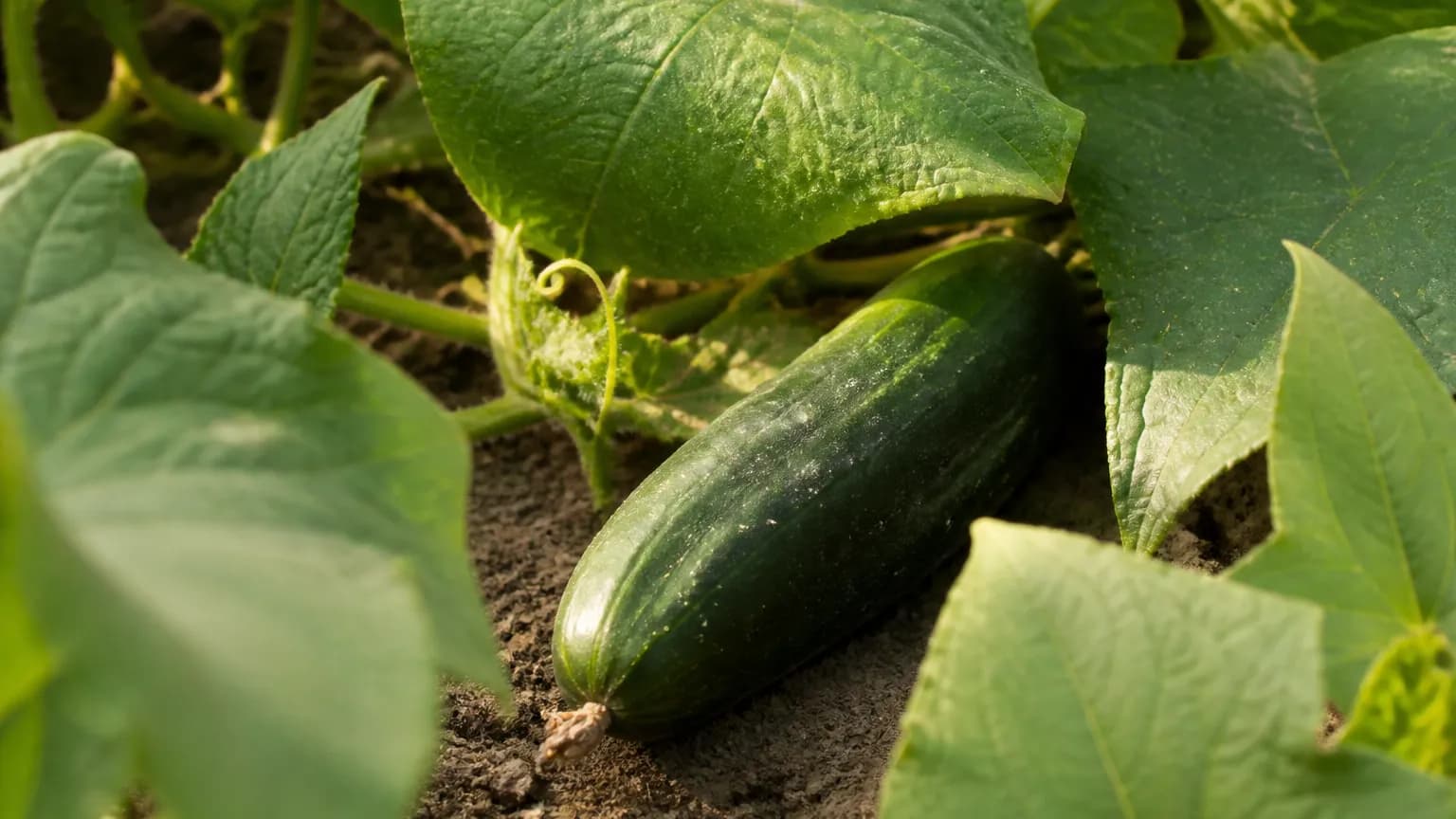
A small, thin-skinned, seedless cucumber variety prized for its crisp texture and sweet, never-bitter flavor. Fruits are harvested at five to six inches long and can be eaten whole without peeling or seeding. Plants are highly productive and benefit from trellising to keep fruits straight and clean. The thin skin means these cucumbers have a shorter shelf life than slicing types but superior fresh-eating quality.
When to plant Persian Cucumber
Start Persian cucumber seeds indoors 3-4 weeks before the last frost in individual biodegradable pots, as cucumbers resent root disturbance. Plant seeds 0.5 inch deep in warm starting mix, maintaining 75-85°F for optimal germination in 5-7 days. Harden off seedlings for a week before transplanting when soil temperatures reach 65°F. For direct sowing, plant 2-3 seeds per spot and thin to the strongest seedling. Seeds can also be pre-sprouted in a damp paper towel for faster emergence. Succession plant every 2-3 weeks for extended harvest.
Your Persian Cucumber Year
Composed for Zone 7 · typical seasons · frost passes Apr 2, returns Nov 1
Plant Persian Cucumber Apr – Jun, pick Jul – Sep. Check the planting methods below and set your climate to personalize these windows.
How to grow Persian Cucumber
Persian cucumbers thrive in warm weather and are among the most productive cucumber varieties for home gardens. Start seeds indoors 3-4 weeks before the last frost, or direct sow after soil temperatures reach 65°F. Plant seeds 0.5-1 inch deep, spacing plants 12-18 inches apart on a trellis or 24-36 inches apart if growing on the ground. Trellising is strongly recommended for straighter fruits and better air circulation.
Provide consistent, abundant moisture as cucumbers are 95% water and need regular irrigation to produce crisp, non-bitter fruits. Apply 1-2 inches of water per week through drip irrigation. Inconsistent watering is the primary cause of bitter cucumbers. Mulch heavily to maintain even soil moisture and keep fruits clean. Feed every 2-3 weeks with a balanced liquid fertilizer or compost tea once plants begin flowering.
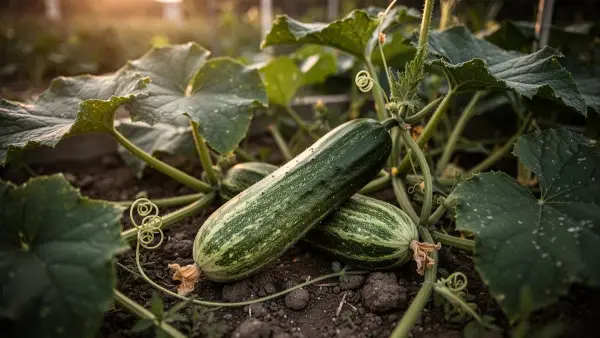
Persian cucumbers are parthenocarpic, meaning they set fruit without pollination, making them excellent for greenhouse growing where pollinators may be limited. Harvest fruits frequently at 5-6 inches to stimulate continued production. Pinch off the first few flowers to establish stronger plants. Train vines up a trellis by gently wrapping tendrils around the support structure.
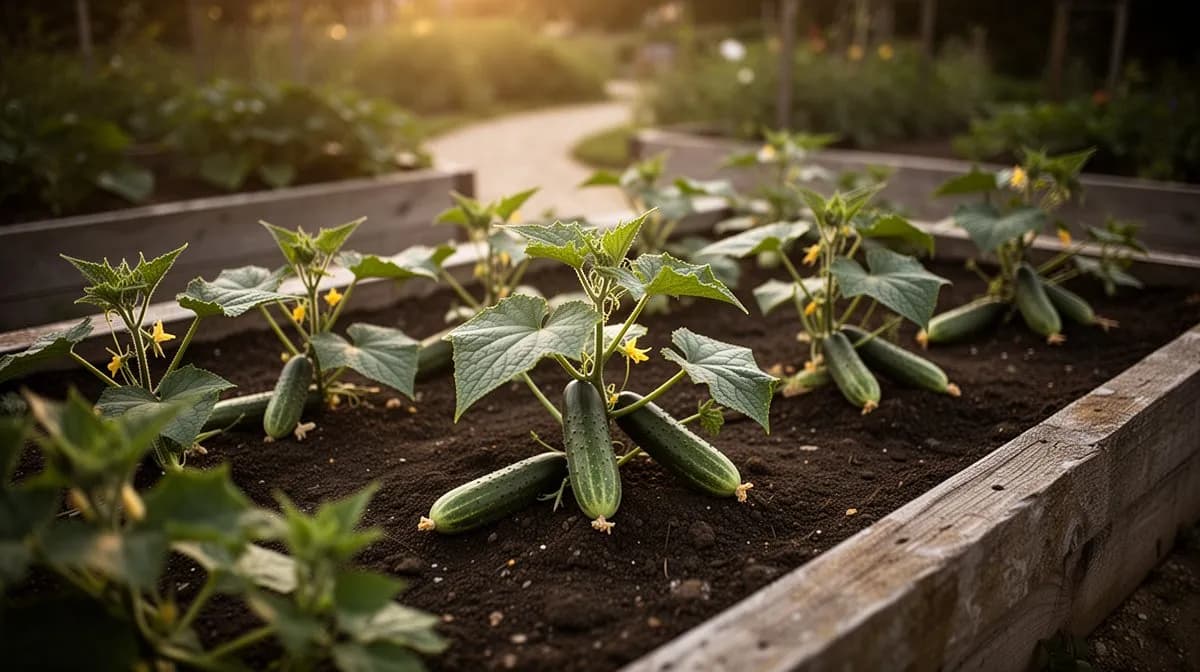
10 plants fit a 4 × 8 ft bed
Each Persian Cucumber wants 45 cm of elbow room. The planner keeps that spacing for you — every plant, every bed.
Persian Cucumber's best neighbours
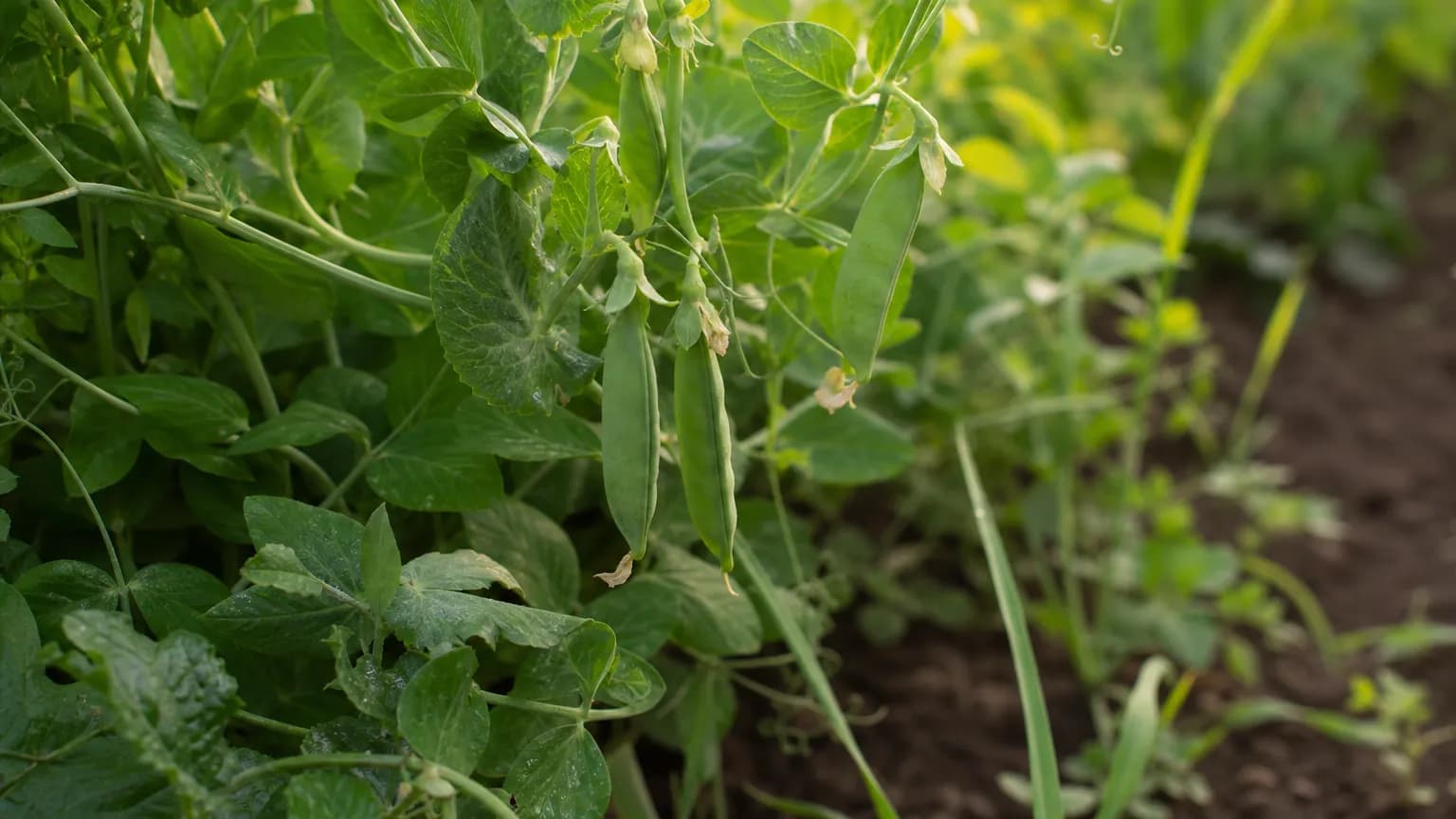
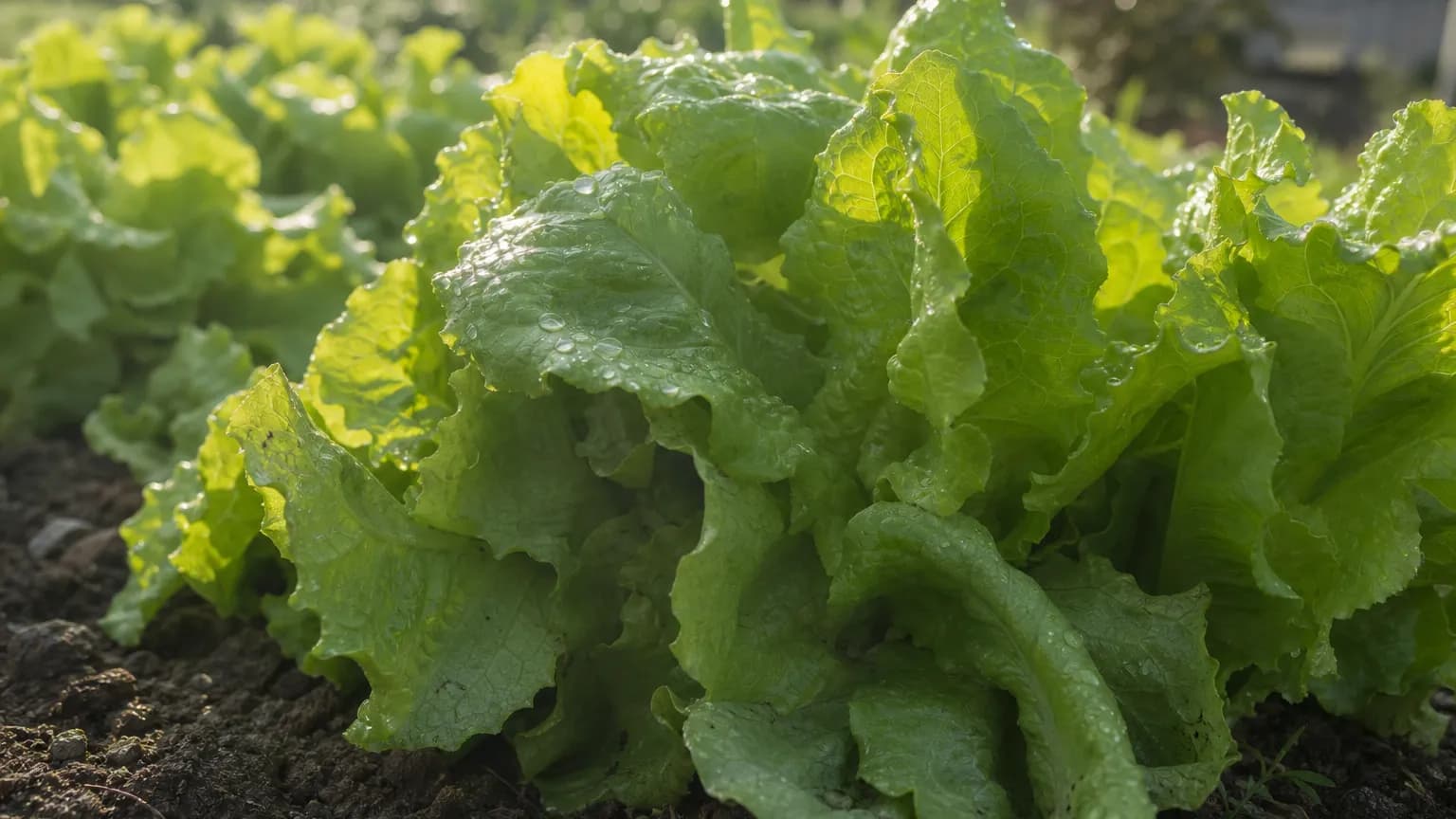
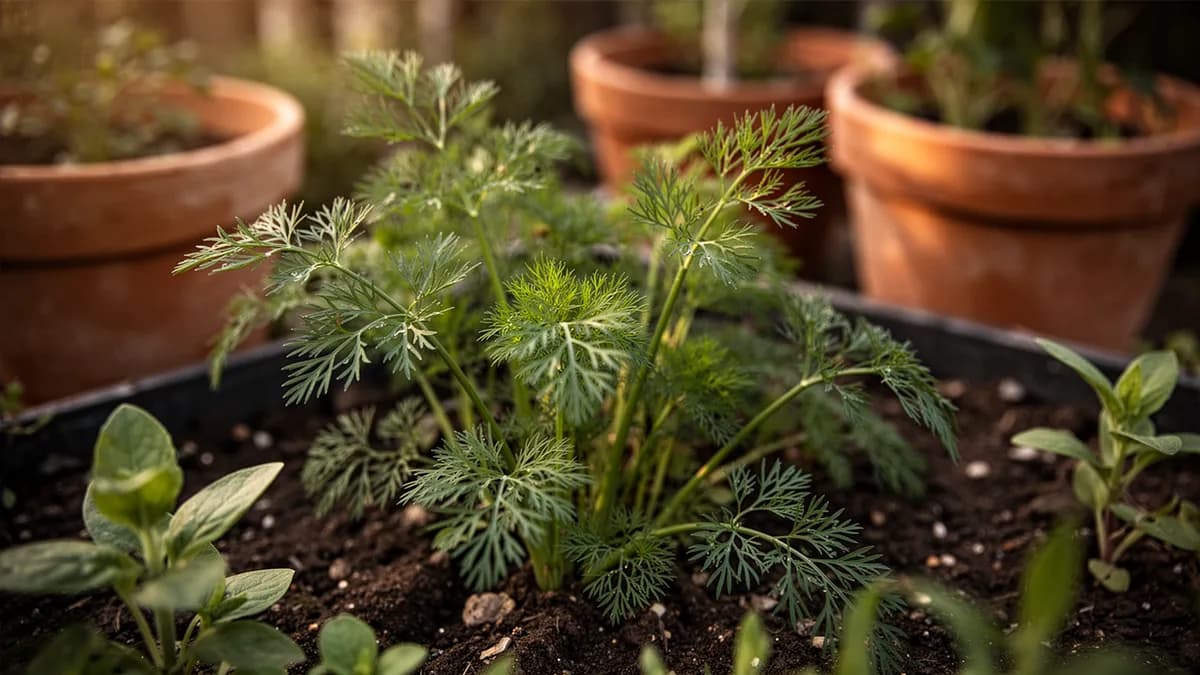
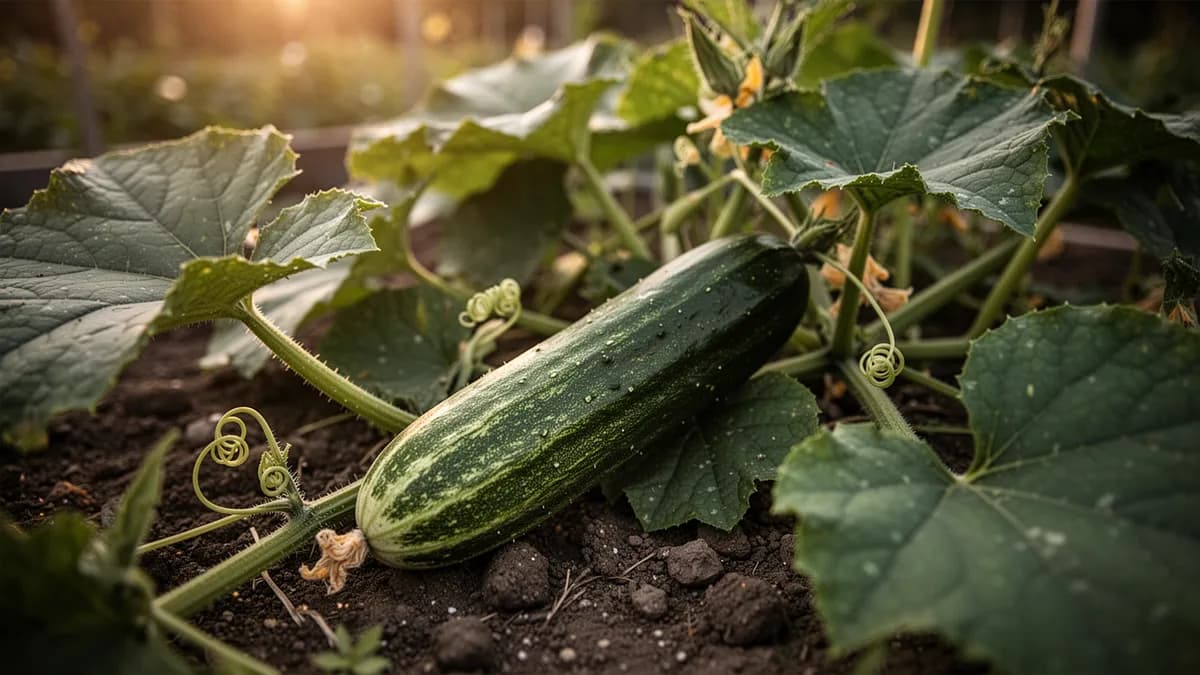
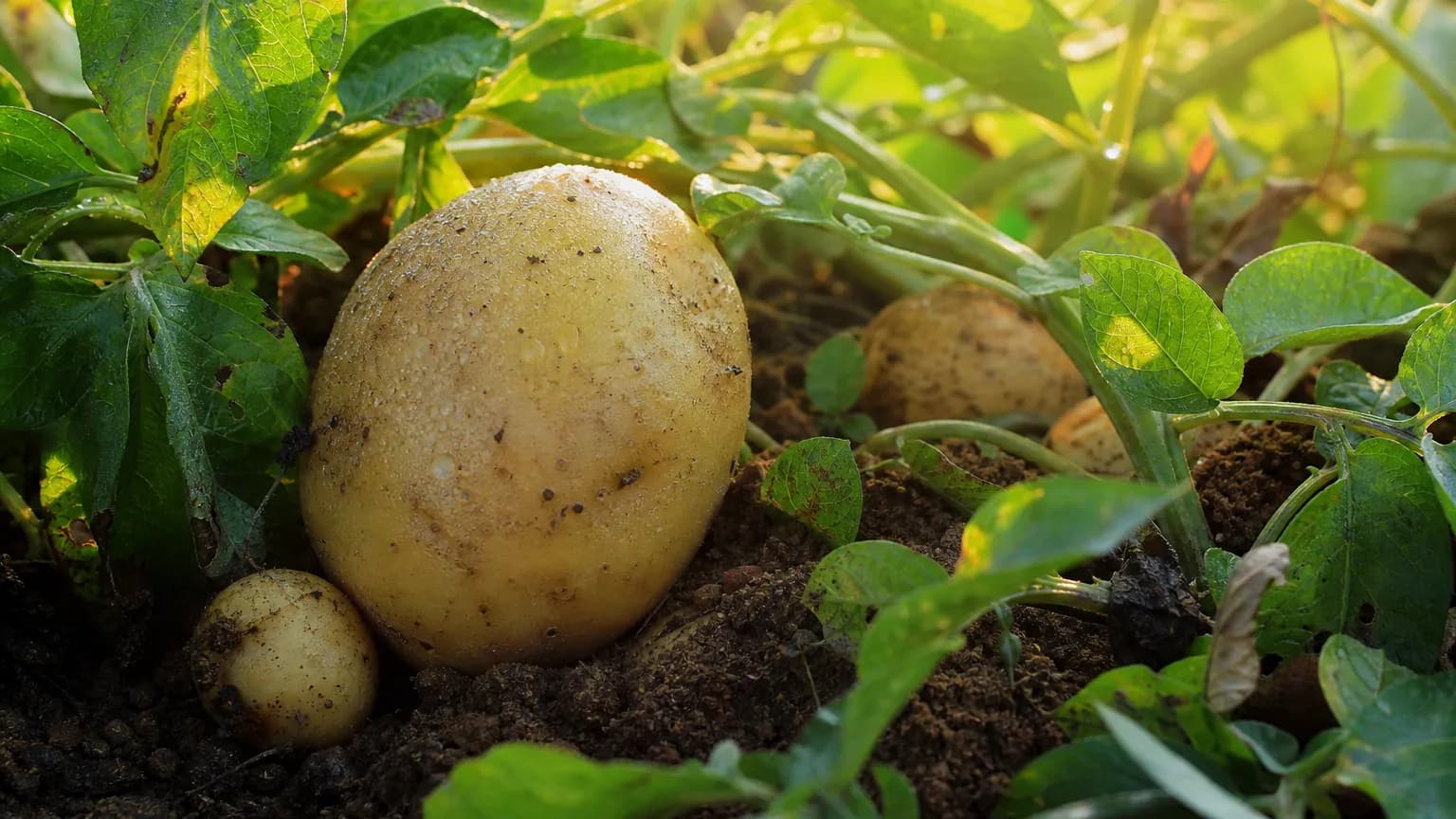
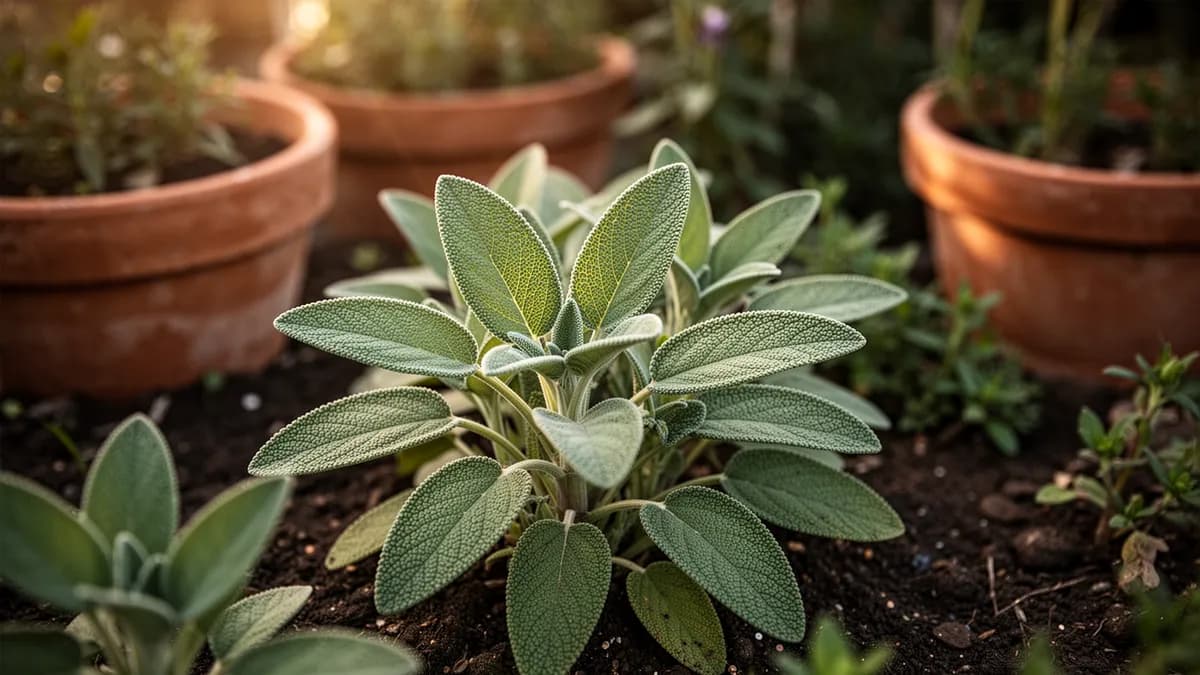
Persian cucumbers grow well with peas and beans that fix nitrogen and provide light shade. Lettuce planted as an understory crop benefits from the shade of cucumber-covered trellises. Dill attracts beneficial insects and is said to improve cucumber flavor. Marigolds and nasturtiums deter cucumber beetles and aphids. Avoid planting near potatoes and sage, which can inhibit cucumber growth. Sunflowers attract pollinators and provide afternoon shade in hot climates. Radishes serve as quick-maturing companion crops between cucumber plants.
Peas belongs beside it. Potato doesn't.
Old growers' knowledge, checked against Persian Cucumber's real companion table below — test any plant you're growing.
Try Persian Cucumber in a bed — right here
A real planner bed with Persian Cucumber already in it. Tap a companion to place it and watch the pairing checks answer — green for good neighbours, red for a clash.


Related growing guides
Feed it well
Persian cucumbers prefer rich, well-drained soil with high organic matter and a pH of 6.0-7.0. Amend planting areas with generous compost or aged manure before sowing. Apply a balanced fertilizer at planting and switch to a higher potassium formula when fruiting begins to support fruit quality. Feed every 2 weeks with liquid fertilizer or compost tea during peak production. Cucumbers are sensitive to both over and under-fertilization. Maintain adequate calcium and magnesium to prevent fruit quality issues.
Ideal Temperature
Hardiness Zone Compatibility
From seed to harvest, stage by stage
Seed Starting
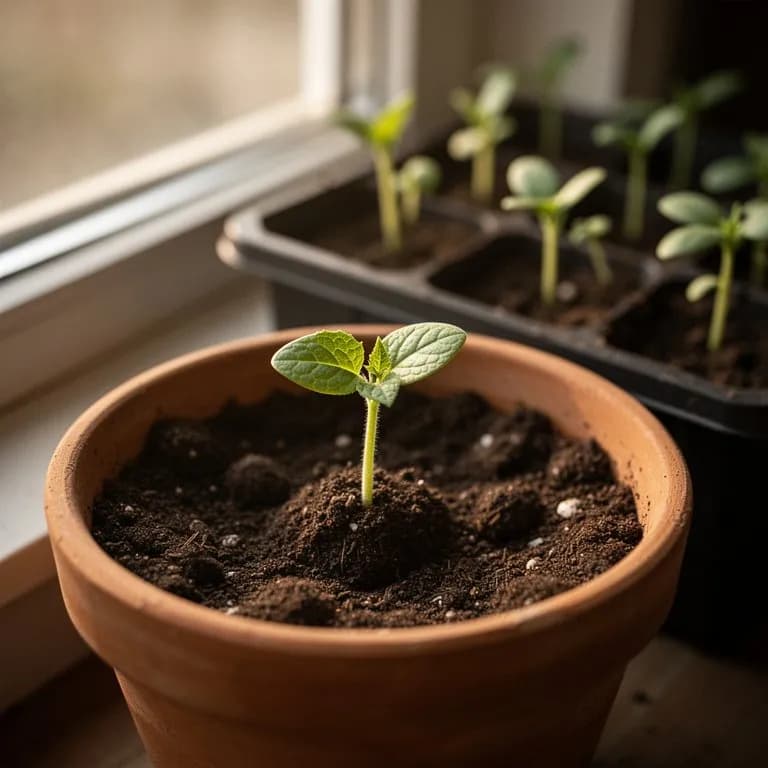
Seeds germinate rapidly in warm soil, typically within 3-7 days when soil temperature is above 21°C (70°F). The large, flat seeds push up rounded cotyledon leaves that are noticeably bigger than those of most garden vegetables. Persian cucumbers can be direct-sown or started indoors 3-4 weeks before the last frost date.
Seedling Development
True leaves emerge with the characteristic rough, triangular cucumber shape and toothed edges. The stem elongates and the first tendrils appear, signaling the plant is ready to climb. Root development is rapid in warm conditions and the seedling is surprisingly vigorous for its size.
Vine Growth
Plants enter vigorous vegetative growth, producing large leaves and extending vines rapidly — up to 15 cm per day in ideal conditions. Tendrils actively grip any available support. The vine develops lateral branches that will bear the majority of the fruit. Persian cucumber vines typically reach 150-200 cm in length.
Flowering
Bright yellow flowers appear in clusters along the vine. Male flowers typically appear first, followed by female flowers identifiable by the miniature cucumber swelling behind the petals. Many modern Persian cucumber varieties are gynoecious (predominantly female flowers) or parthenocarpic (setting fruit without pollination), which increases early yields.
Fruit Development
Pollinated female flowers develop into rapidly growing fruit. Persian cucumbers can grow 2-3 cm per day in warm weather and reach harvestable size (10-15 cm) within 7-10 days of pollination. The skin remains thin, smooth, and unwaxed, and seeds stay small and tender when harvested at the proper size.
Peak Harvest
Plants enter sustained production, simultaneously flowering and fruiting for 6-8 weeks. A healthy Persian cucumber plant can produce 3-5 fruit per week during peak season. Regular harvesting is essential to keep the plant productive — unharvested fruit signals the plant to slow flower production and shift energy to seed maturation.
Sow seeds 2 cm deep in moist soil or seed-starting mix. Maintain soil temperature at 24-30°C (75-85°F) for fastest germination. If starting indoors, use biodegradable pots to avoid disturbing the sensitive roots at transplant time.
Caring for Persian Cucumber month by month
What to do each month for your Persian Cucumber
October
You are hereFinal harvests in most zones as nighttime temperatures drop below 10°C (50°F). Pull spent vines and compost healthy plant material. Note which varieties performed best. Clean and store trellises for next season.
Know exactly what to do in your garden — every month
One email at the start of each month: what to sow, plant, and tackle right now — for your Persian Cucumber and everything growing around it. Plus a short starter course that helps you dodge the classic mistakes.
- What to do, right now
- Matched to your season
- Starter course included
Harvesting Persian Cucumber
Harvest Persian cucumbers when fruits reach 5-6 inches long and are uniformly dark green with firm, crisp flesh. Check plants daily as cucumbers grow rapidly in warm weather and quickly become oversized. Cut fruits from the vine with a sharp knife or pruners, never pull or twist. The thin skin bruises easily, so handle gently. Harvest in the morning when fruits are coolest and most turgid for best quality. Regular daily harvesting encourages the plant to continue producing and can yield 15-25 fruits per plant over the season.
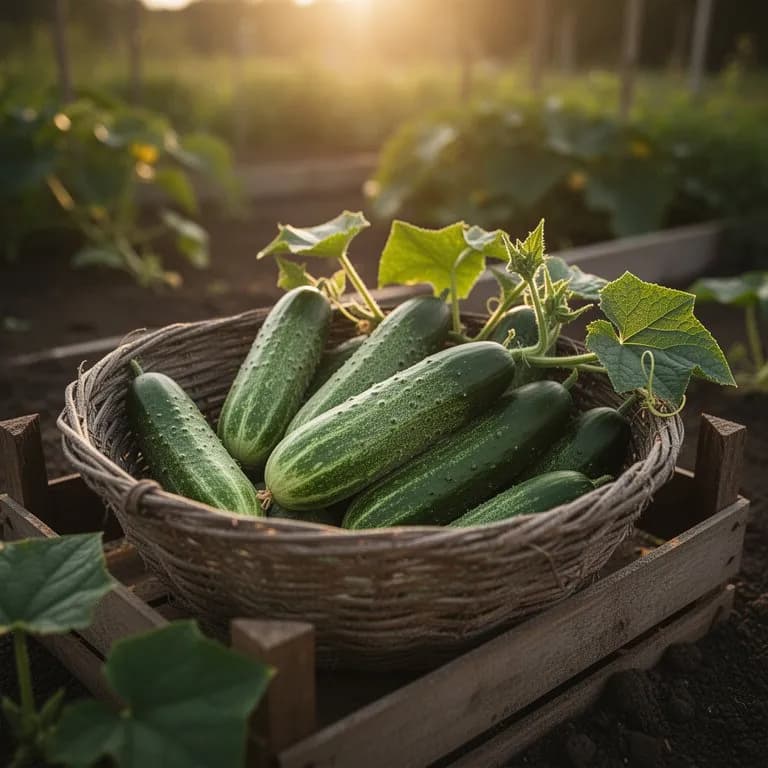
assuming you plant when the window opens — set your real date
Pick Persian Cucumber promptly and the plant keeps producing.
Storage & Preservation
Persian cucumbers have a shorter shelf life than thicker-skinned varieties due to their delicate skin. Store unwashed in the refrigerator for up to 5-7 days, loosely wrapped in a damp paper towel inside a plastic bag. Do not store near ethylene-producing fruits like tomatoes or bananas. For longer preservation, Persian cucumbers make excellent quick refrigerator pickles with vinegar and spices. They can be sliced and dehydrated for cucumber chips. Avoid freezing as the high water content causes mushy texture upon thawing.
What goes wrong — and the fix
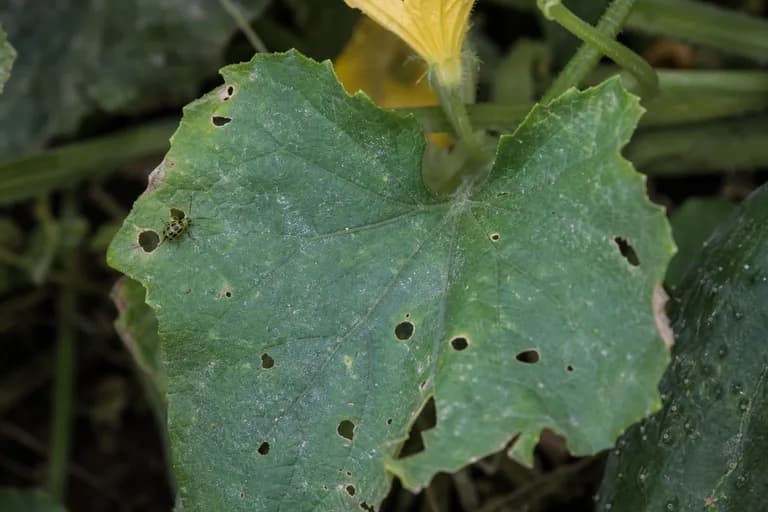
Cucumber Beetle
PestChewed holes in leaves and flowers, scarred fruit surfaces, plants wilting from bacterial wilt transmission.

Downy Mildew
DiseaseAngular yellow spots on upper leaf surfaces, grayish-purple fuzzy growth underneath, rapid leaf browning and death.

Spider Mites
PestFine stippling on leaves, tiny webbing on leaf undersides, bronzed and dry foliage, reduced plant vigor.

Powdery Mildew
DiseaseWhite powdery patches on leaves, yellowing and premature leaf drop, reduced fruit quality and yield.
Troubleshooting Common Problems
Bitter fruits are the most common complaint, caused primarily by inconsistent watering or temperature extremes. Always maintain even soil moisture. Poor fruit set in outdoor plantings can result from lack of pollinators, though parthenocarpic varieties avoid this issue. Cucumber beetles transmit bacterial wilt, which causes rapid vine death with no cure. Misshapen fruits often indicate poor pollination, nutrient deficiency, or water stress. The thin skin makes these cucumbers more susceptible to mechanical damage during harvest and transport.
Growing Tips
- Always grow Persian cucumbers vertically on a trellis, cage, or string support. Vertical growing produces straighter, cleaner fruit, improves air circulation to prevent disease, makes daily harvesting easier, and can double your yield per square meter compared to sprawling on the ground.
- Consistent moisture is the single most important factor for quality fruit. Irregular watering causes bitter, misshapen, or hollow cucumbers. Use drip irrigation or soaker hoses to deliver 2.5-5 cm of water per week, and mulch heavily to maintain even soil moisture between waterings.
- Harvest at 10-15 cm for the best flavor, crunch, and texture. Oversize Persian cucumbers develop larger seeds, tougher skin, and a watery, less flavorful interior. Daily harvesting during peak production is essential — a cucumber that is perfect today may be oversize tomorrow.
- Plant in succession every 2-3 weeks for a continuous harvest. A single planting produces heavily for 4-6 weeks before declining. Two or three staggered plantings ensure a steady supply from early summer through first frost.
- Prevent powdery mildew — the most common Persian cucumber disease — by ensuring excellent air circulation, watering at the base rather than overhead, and choosing resistant varieties. At the first sign of white spots on leaves, spray with a solution of potassium bicarbonate (1 tbsp per liter of water).
- Feed regularly but avoid excessive nitrogen, which produces lush vines with few fruit. Apply a balanced fertilizer at planting, then switch to a higher-potassium formula once flowering begins to support fruit development and sweetness.
- Pinch off the first 4-5 flowers or fruit that form on young plants. This seems counterintuitive but forces the plant to develop a stronger root system and more vine before bearing the heavy load of fruit production, resulting in higher total yields over the season.
- Watch for cucumber beetles from the moment seedlings emerge — these striped or spotted beetles not only damage plants directly but transmit bacterial wilt, a devastating disease that causes sudden vine collapse with no cure. Use row covers until flowering begins, then hand-pick or use yellow sticky traps.
Grow your best Persian Cucumber yet — and everything around it.
Start a free plan today. Lay out your beds, drop in your Persian Cucumber, and let PlotMyGarden handle the timing, spacing, companions and reminders from seed to harvest basket.
Pick your Persian Cucumber
Socrates
Gynoecious parthenocarpic hybrid ideal for greenhouse growing, seedless fruits with thin skin and excellent flavor.
Picolino
Compact vining hybrid perfect for trellises, produces uniform 4-5 inch fruits with outstanding crunch and sweetness.
Katrina
High-yielding hybrid with good disease resistance, produces smooth dark green fruits ideal for fresh eating.
Green Fingers
Prolific parthenocarpic variety for outdoor growing, tolerant of cooler temperatures, excellent for northern gardens.
Persian cucumbers typically sell for $2-4 per package of 5-6 cucumbers at grocery stores, with organic varieties costing $4-6. A single plant grown from a $3 seed packet (containing 15-30 seeds) can produce 20-50 cucumbers over the season — the equivalent of $8-40 in retail value from just one plant. Growing 4-6 plants provides an abundant summer supply worth $30-150 at store prices. The flavor difference between a sun-warmed cucumber picked minutes ago and a refrigerated supermarket cucumber shipped across the country is dramatic and cannot be bought at any price.
Quick recipes
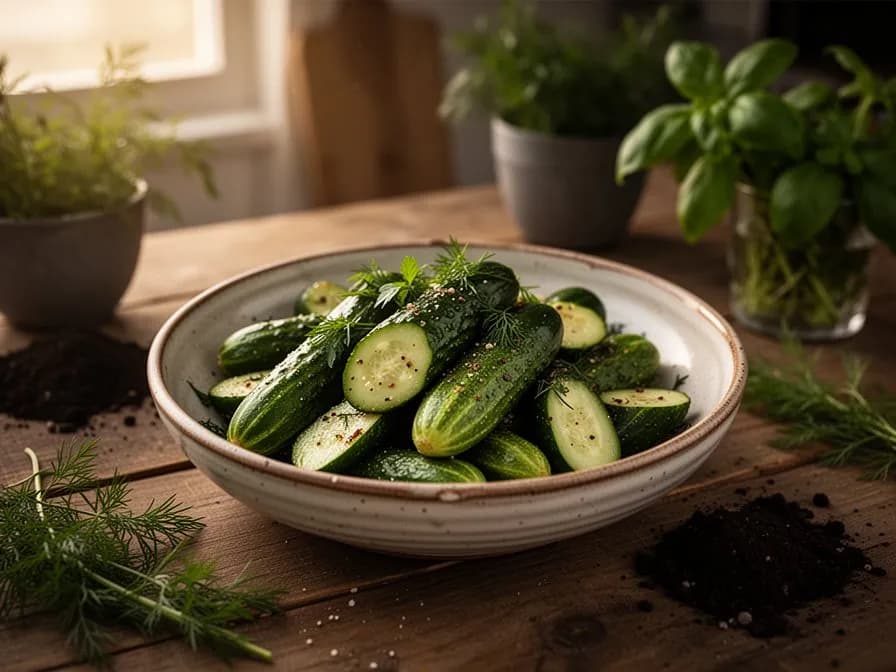
Classic Persian Cucumber and Tomato Salad (Salad Shirazi)
15 minA refreshing Iranian salad of finely diced Persian cucumbers, tomatoes, and red onion dressed with fresh lime juice and olive oil. The uniform crunch of Persian cucumbers makes this simple salad extraordinary — it is served alongside nearly every meal in Iranian cuisine.
8 ingredients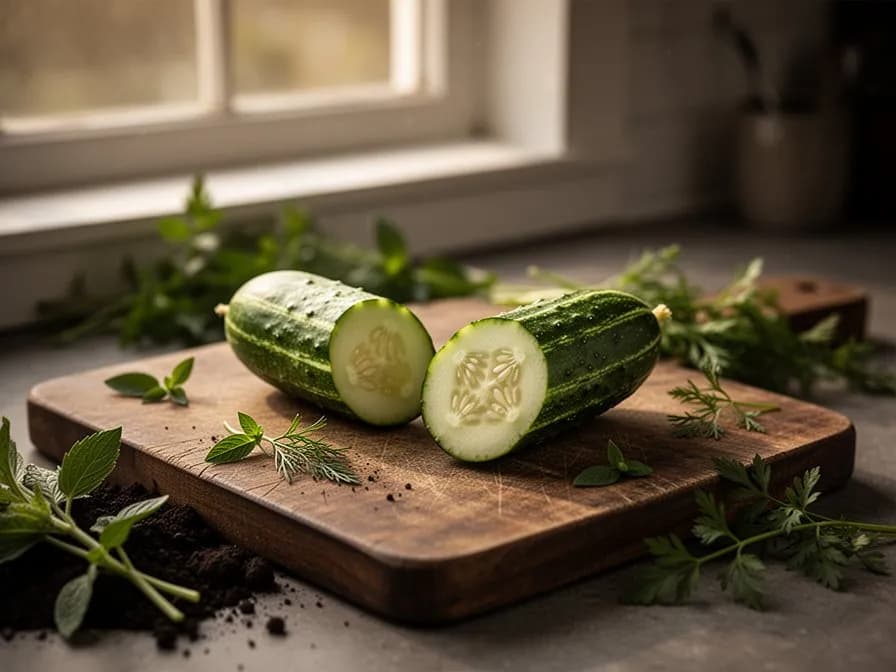
Creamy Tzatziki Sauce
10 minThe classic Greek yogurt and cucumber sauce that pairs perfectly with grilled meats, pita bread, and falafel. Persian cucumbers are the ideal variety for tzatziki because their low seed content and firm flesh produce a thick, creamy sauce without excess wateriness.
8 ingredientsSmashed Persian Cucumbers with Chili Oil (Pai Huang Gua)
15 minA popular Chinese cold dish where Persian cucumbers are smashed with the flat of a knife to create craggy, irregular pieces that absorb the spicy, garlicky dressing. The smashing technique ruptures cell walls and allows the seasoning to penetrate deeply into the flesh.
8 ingredientsCulinary Uses
Persian cucumbers are the premium fresh-eating cucumber, enjoyed whole as snacks without peeling or seeding. Their crisp, sweet flesh and thin, tender skin make them ideal for Mediterranean and Middle Eastern salads like fattoush and shirazi salad. They excel in tzatziki, raita, and cold cucumber soups. Sliced Persian cucumbers pair beautifully with hummus, labneh, and fresh herbs. They add crunch to sandwiches and wraps, and make elegant cocktail garnishes and quick refrigerator pickles.
What's inside
Health Benefits
- Exceptional hydration support — at 96% water content, Persian cucumbers are one of the most hydrating whole foods, contributing meaningfully to daily fluid intake especially during hot weather or after exercise.
- Very low in calories (15 per 100g) while providing satisfying crunch and volume, making them an ideal snack for weight management and calorie-conscious eating without feelings of deprivation.
- The thin, edible skin contains most of the cucumber's fiber and a concentration of vitamin K, silica, and antioxidant compounds — Persian cucumbers' tender skin means you get these nutrients without the unpleasant texture of thicker-skinned varieties.
- Contains lignans (pinoresinol, lariciresinol, and secoisolariciresinol), plant compounds that have been studied for their potential role in reducing the risk of cardiovascular disease and certain hormone-related cancers.
- Provides natural electrolytes including potassium and magnesium alongside high water content, making cucumbers a gentle, whole-food option for supporting hydration and electrolyte balance.
- The cooling, anti-inflammatory properties attributed to cucumbers in traditional medicine are supported by modern research showing that cucumber extracts can inhibit cyclooxygenase-2 (COX-2) enzyme activity, a key pathway in inflammatory responses.
Where Persian Cucumber comes from
Persian cucumbers (Cucumis sativus) trace their origins to ancient Persia, where they have been cultivated for at least 3,000 years. The broader species originated in the Indian subcontinent, with wild relatives (Cucumis sativus var. hardwickii) still growing in the foothills of the Himalayas. From India, cucumbers spread westward along ancient trade routes to Persia, where centuries of selective breeding produced the compact, thin-skinned, virtually seedless variety we now call the Persian cucumber. Ancient Persian gardeners prized these small cucumbers for their sweet flavor, crisp texture, and absence of the bitterness that plagued other varieties.
Cucumbers appear in ancient texts and records across the Middle East and Mediterranean. They were cultivated in ancient Mesopotamia, mentioned in the Epic of Gilgamesh, and referenced in the Hebrew Bible. The Romans grew cucumbers extensively, and Emperor Tiberius reportedly demanded them at his table every day of the year, leading to the development of early greenhouse-like growing structures. Persian cucumbers specifically remained central to the culinary traditions of Iran, Iraq, Turkey, and the Levant throughout the medieval period, featuring prominently in the sophisticated court cuisines of the Persian and Ottoman empires.
In the modern era, Persian cucumbers gained widespread international popularity beginning in the late 20th century as Middle Eastern and Mediterranean cuisines became globally fashionable. Commercial production expanded dramatically in the 1990s and 2000s, particularly in greenhouse operations in Mexico, Canada, and the Netherlands. Today, Persian cucumbers are one of the fastest-growing segments of the fresh produce market worldwide, valued for their snackable size, thin edible skin, crisp texture, and consistent sweetness. They have largely displaced traditional slicing cucumbers in many markets and are now a staple in grocery stores across North America, Europe, and beyond.
Persian Cucumber: did you know?
Fascinating facts about Persian Cucumber
Persian cucumbers originated in ancient Persia (modern-day Iran) and have been cultivated in the region for over 3,000 years. They remain the primary cucumber variety used in Iranian cuisine today, appearing in salads, yogurt dishes, and as a table accompaniment at virtually every meal.
Persian Cucumber questions, answered
When should I plant Persian Cucumber?
What are good companion plants for Persian Cucumber?
What hardiness zones can Persian Cucumber grow in?
How much sun does Persian Cucumber need?
How far apart should I space Persian Cucumber?
What pests and diseases affect Persian Cucumber?
How do I store Persian Cucumber after harvest?
What are the best Persian Cucumber varieties to grow?
What soil does Persian Cucumber need?
What is the difference between Persian cucumbers and regular cucumbers?
Why are my Persian cucumbers bitter?
Can I grow Persian cucumbers in containers?
Do Persian cucumbers need to be pollinated?
How do I prevent powdery mildew on my cucumber plants?
How should I store harvested Persian cucumbers?
You just read the theory. Now grow it on autopilot.
Everything that makes Persian Cucumber fiddly — the timing, the spacing, the companions, the harvest window — is exactly what PlotMyGarden handles for you, for every plant in your garden.
A plan that knows your weather
Set your location once. Get sow, feed and harvest dates built around your real last-frost date and live forecast — no more guessing from a generic seed packet.
From the “When to plant” sectionDrag-and-drop bed planner
Design beds on a grid. Every plant snaps to its proper spacing, and you can see your whole season laid out before you spend a cent on seed.
From the “Growing guide” sectionCompanion conflicts, caught early
200+ good-and-bad pairings checked live as you plant — so a season-wrecking mistake never makes it into the ground.
From the “Companions” sectionReminders you'll actually act on
“Water the beans.” “Pick today before it turns.” Timely, specific, and tied to the plants you're really growing.
From the “Harvest” sectionSuccession, scheduled
Want a harvest for six weeks, not six days? It spaces your sowings automatically and reminds you when each new block is due.
From the “When to plant” sectionA record that gets smarter
Every harvest you log teaches it your garden. Next year's plan starts from what actually worked in your soil, not a textbook's.
From the “Overview” sectionPlant these alongside Persian Cucumber
More Cucurbits
Keep Persian Cucumber away from these
Grow your best Persian Cucumber yet — and everything around it.
Start a free plan today. Lay out your beds, drop in your Persian Cucumber, and let PlotMyGarden handle the timing, spacing, companions and reminders from seed to harvest basket.