Crookneck Squash
A classic Southern summer squash with a curved neck, bright yellow warty skin, and buttery, tender flesh.





On this pageOverview
Meet Crookneck Squash
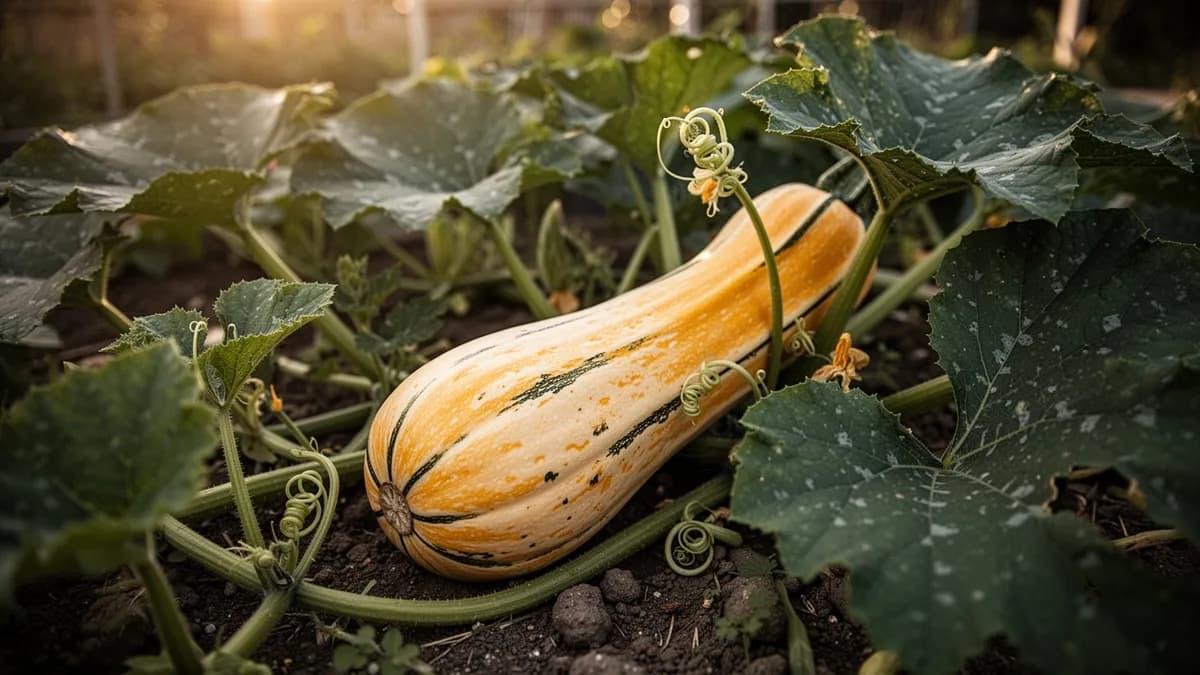
A classic Southern summer squash with a curved neck, bright yellow warty skin, and buttery, tender flesh. Harvest at six to eight inches for the most delicate texture and sweetest flavor before the skin toughens and seeds enlarge. Plants are compact bush types that produce prolifically through hot summer months. Excellent sauteed, grilled, or battered and fried as a traditional Southern side dish.
When to plant Crookneck Squash
Direct sowing is recommended for crookneck squash as transplanting can stress the sensitive taproot. Sow seeds 1 inch deep after soil temperatures reach 65-70°F, typically 1-2 weeks after the last frost date. Plant 3-4 seeds per hill and thin to 2 strongest seedlings. For an earlier start, begin seeds indoors 2-3 weeks before the last frost in biodegradable pots. Seeds germinate in 5-10 days at 70-85°F. Harden off transplants for a week before planting out. Succession plant every 3-4 weeks for continuous summer harvest.
Your Crookneck Squash Year
Composed for Zone 7 · typical seasons · frost passes Apr 2, returns Nov 1
Plant Crookneck Squash Apr – Jun, pick Jul – Sep. Check the planting methods below and set your climate to personalize these windows.
How to grow Crookneck Squash
Crookneck squash is one of the most productive and easiest summer squashes to grow. Direct sow seeds after all frost danger has passed and soil temperatures reach 65-70°F. Plant seeds 1 inch deep in mounds or rows, spacing plants 24-36 inches apart with 4-6 feet between rows. As a bush-type plant, crookneck squash is more compact than vining squashes but still needs good airflow around plants.
Water consistently, providing 1-1.5 inches per week through drip irrigation or soaker hoses to keep foliage dry. Mulch around plants with straw or shredded leaves to conserve moisture and suppress weeds. Apply a balanced fertilizer at planting and side-dress with compost when first flowers appear. Squash are heavy feeders that benefit from regular nutrient supplementation throughout the season.
Harvest frequently to encourage continued production. Plants left with overripe fruits will slow or stop producing new squash. Check plants daily during peak production, as fruits can grow from perfect size to oversized in just 1-2 days in warm weather. Bush plants typically produce for 6-8 weeks before declining. Succession plant every 3-4 weeks for continuous harvest through the entire summer season.
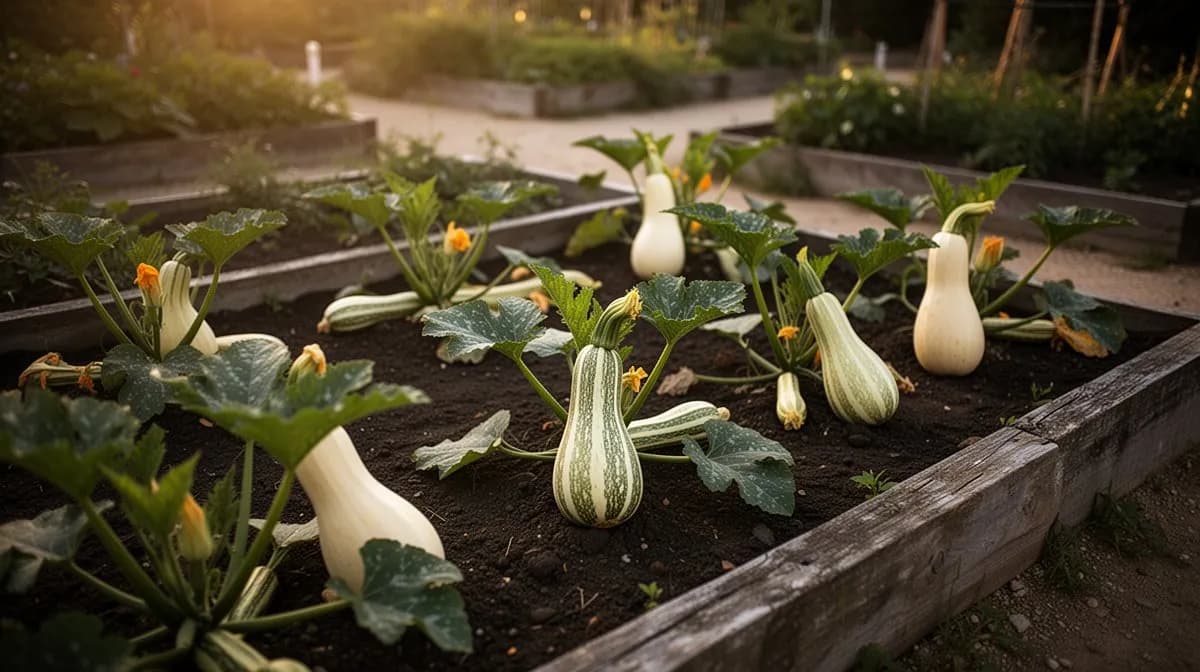
2 plants fit a 4 × 8 ft bed
Each Crookneck Squash wants 90 cm of elbow room. The planner keeps that spacing for you — every plant, every bed.
Crookneck Squash's best neighbours
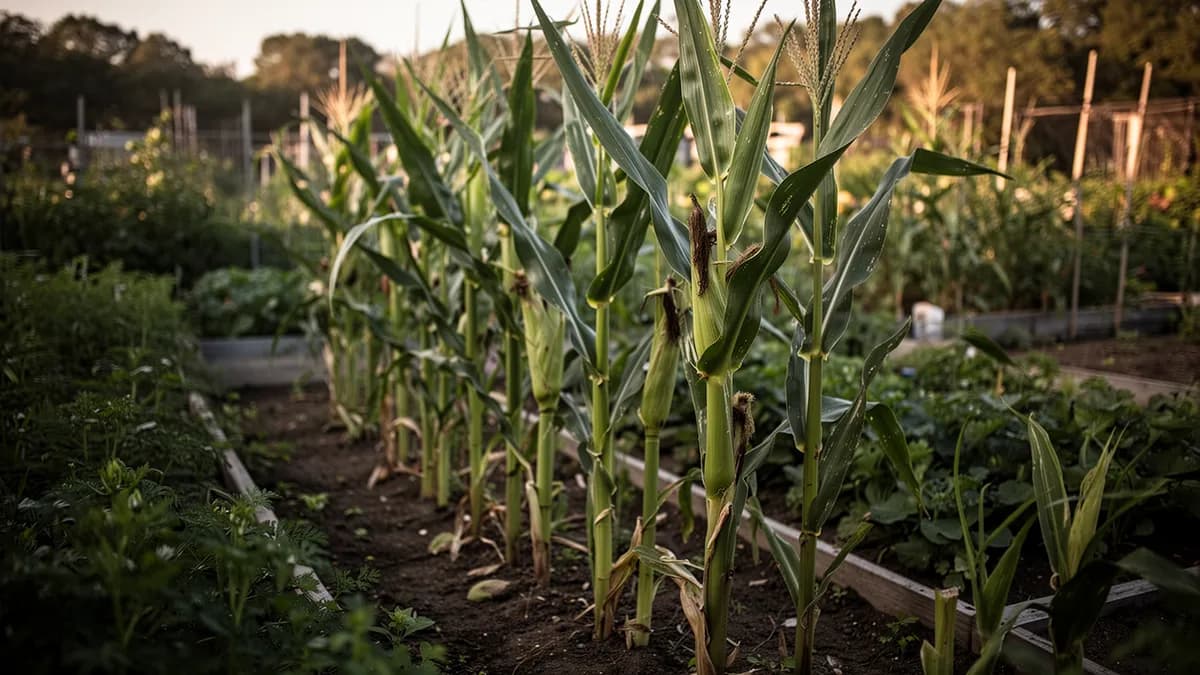
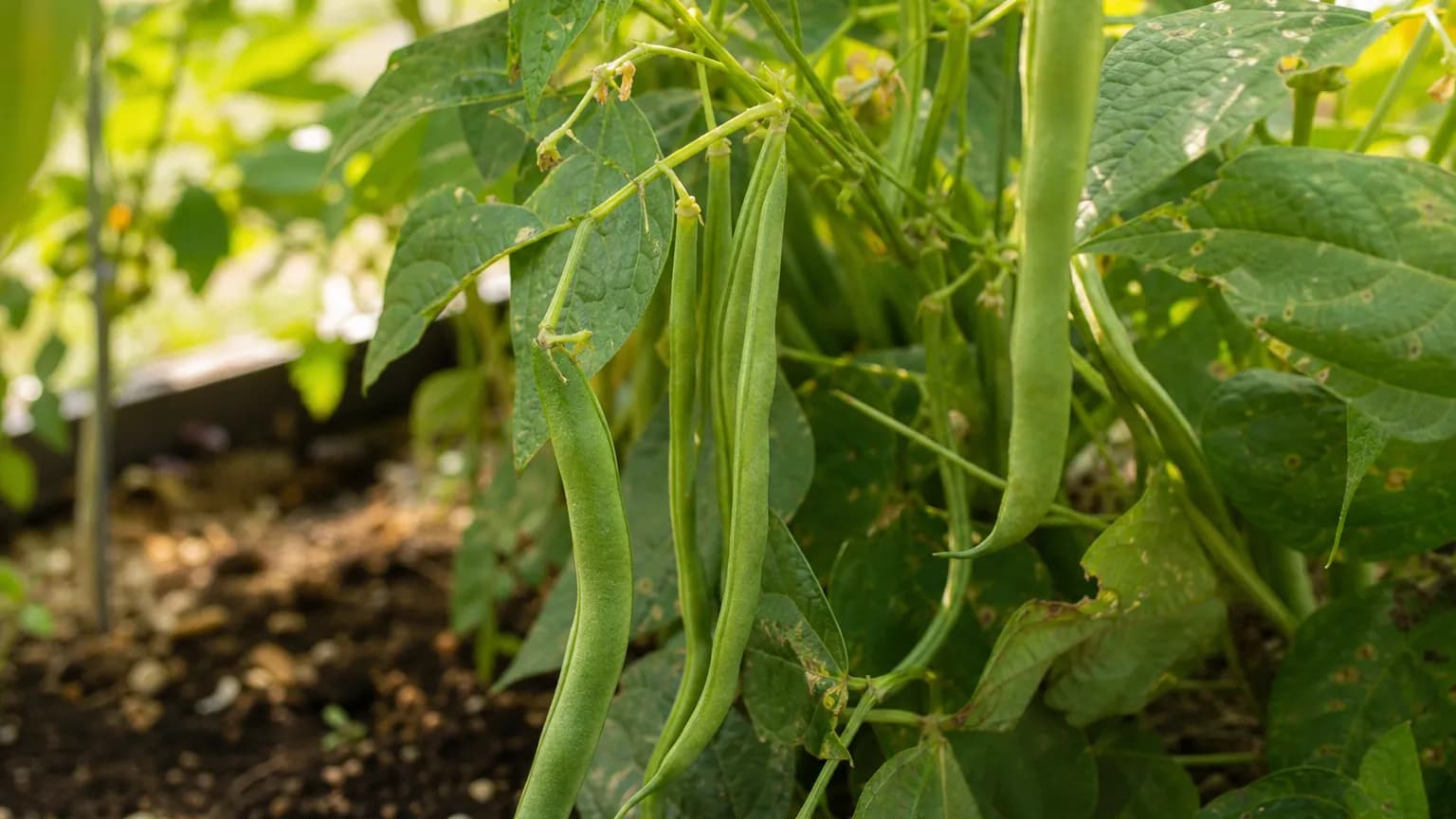
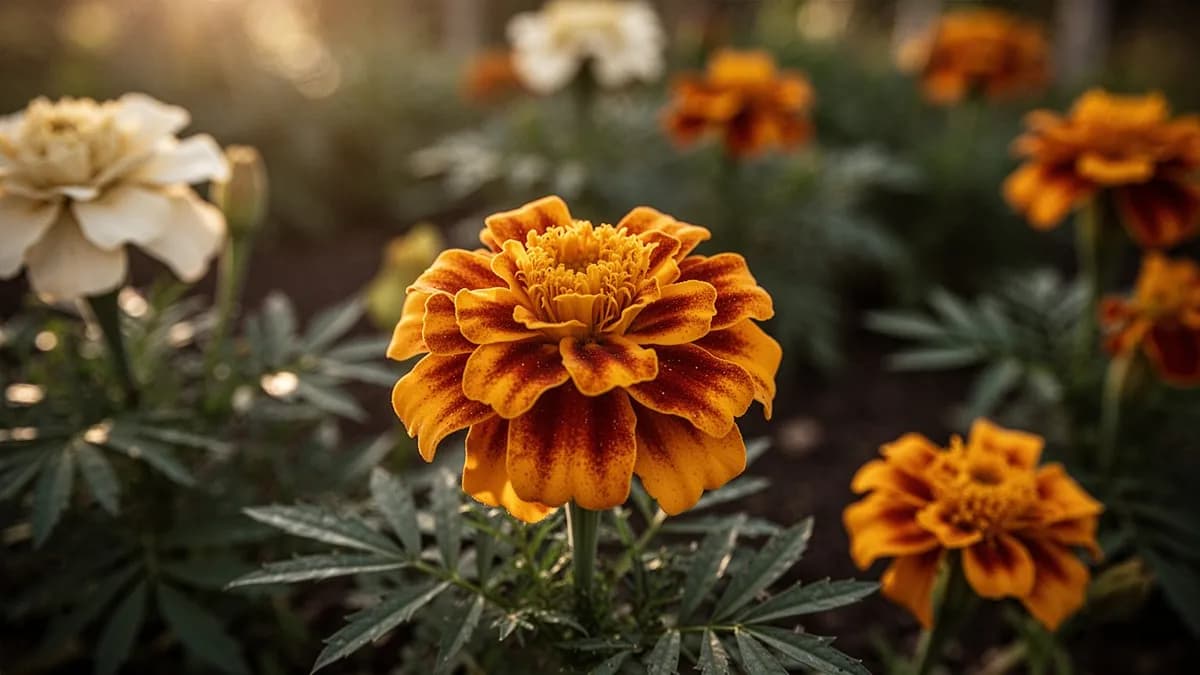
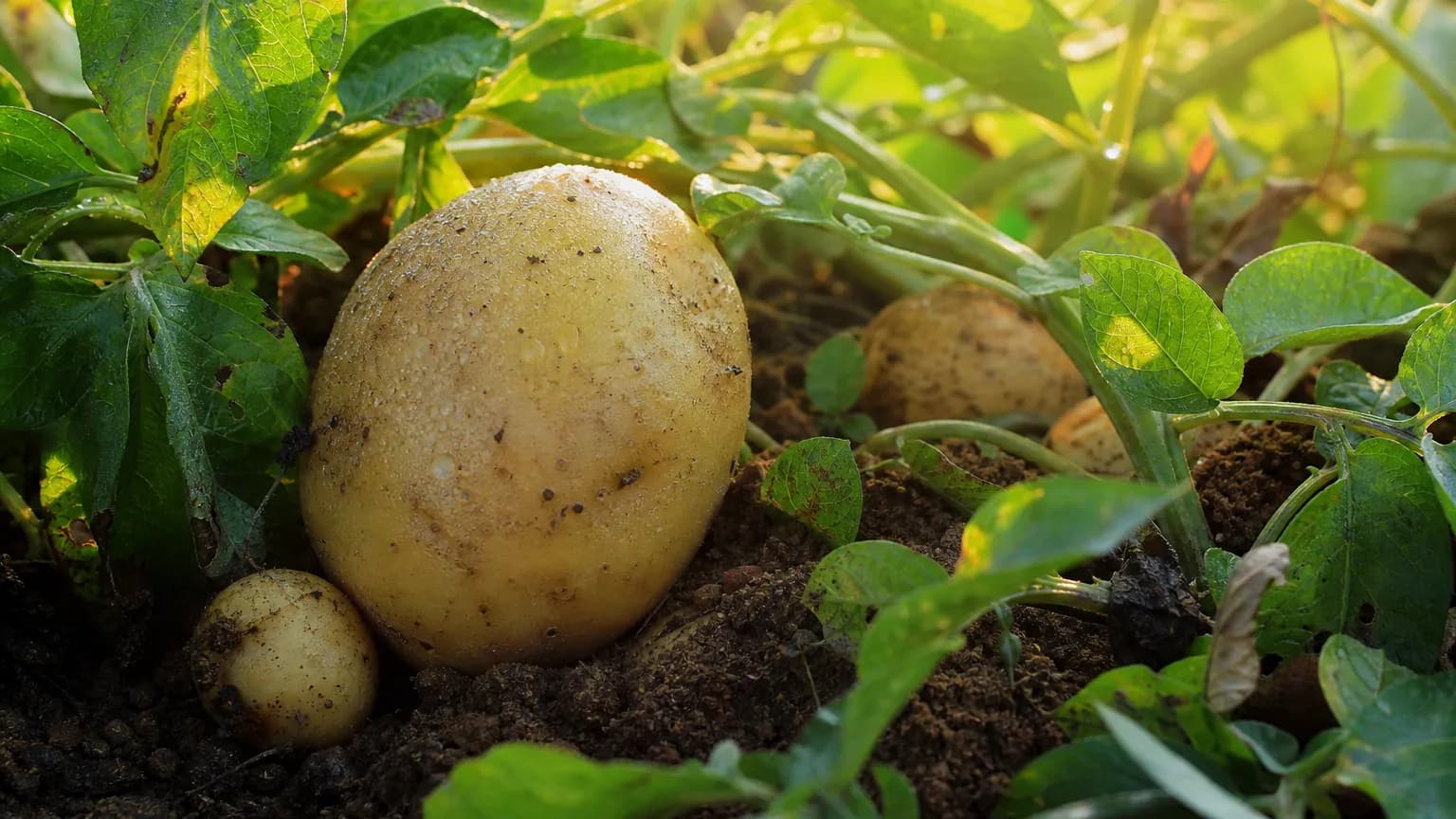
Crookneck squash benefits from the traditional Three Sisters planting with corn and beans, where corn provides a windbreak and beans fix nitrogen. Marigolds planted nearby deter squash bugs and cucumber beetles. Nasturtiums serve as trap crops for aphids. Radishes planted around squash hills can deter squash vine borers. Avoid planting near potatoes which compete for nutrients and harbor shared pests. Oregano and dill planted nearby attract beneficial predatory insects that help control squash pests.
Corn belongs beside it. Potato doesn't.
Old growers' knowledge, checked against Crookneck Squash's real companion table below — test any plant you're growing.
Try Crookneck Squash in a bed — right here
A real planner bed with Crookneck Squash already in it. Tap a companion to place it and watch the pairing checks answer — green for good neighbours, red for a clash.


Related growing guides
Feed it well
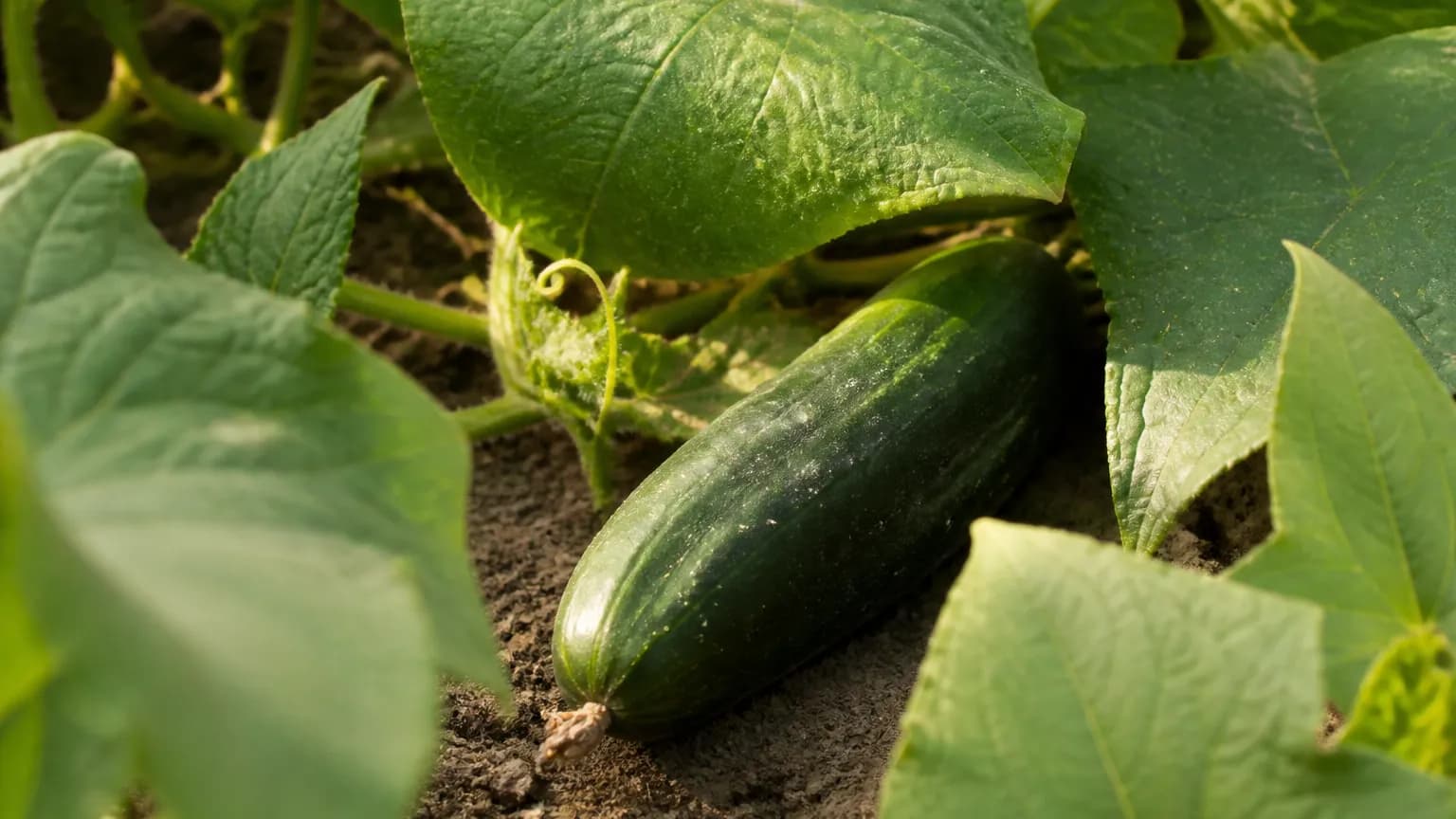
Crookneck squash thrives in rich, well-drained soil with a pH of 6.0-7.0 and high organic matter content. Prepare beds by incorporating generous amounts of compost or aged manure before planting. Apply a balanced 10-10-10 fertilizer at planting and side-dress with compost or liquid fertilizer every 2-3 weeks during the growing season. Squash are heavy feeders that deplete soil nutrients quickly. Ensure adequate calcium availability through lime application if needed, and maintain consistent soil moisture to prevent nutrient uptake issues.
Ideal Temperature
Hardiness Zone Compatibility
From seed to harvest, stage by stage
Seed Starting
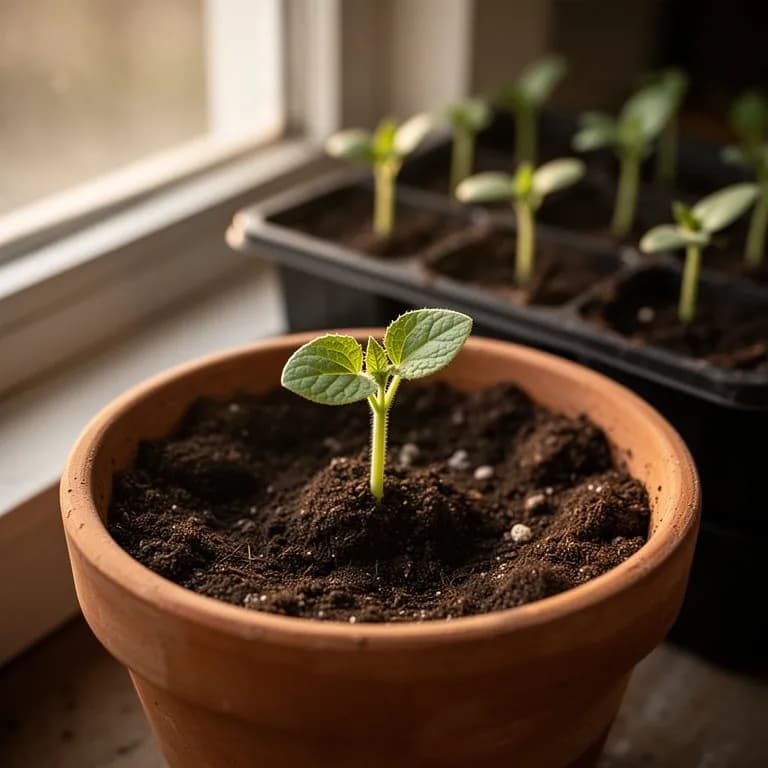
Seeds germinate rapidly in warm soil, sending up a sturdy hypocotyl that lifts two large, rounded cotyledon leaves above the surface. Crookneck squash seeds are among the fastest-germinating cucurbits, often emerging in 4-7 days when soil is warm. Soil temperature must be at least 18°C (65°F), with 24-30°C (75-85°F) being ideal.
Seedling Growth
True leaves develop with the characteristic rough, lobed shape typical of summer squash. The plant establishes a vigorous root system and begins to form its compact, bushy habit. Growth accelerates noticeably as daytime temperatures climb above 24°C (75°F).
Vegetative Growth
The plant expands rapidly into a broad, bushy mound of large, prickly leaves. Stems are thick and hollow with coarse, spiny hairs. The extensive leaf canopy shades the soil beneath, suppressing weeds and conserving moisture. Plants may spread 90-120 cm across.
Flowering
Large, brilliant golden-yellow flowers open each morning. Male flowers appear first on long, thin stems, followed a few days later by female flowers identifiable by the tiny swollen ovary at their base resembling a miniature squash. Each flower lasts only one day and relies on bee pollination.
Fruit Development
Pollinated female flowers develop into small, curved yellow fruits that grow astonishingly fast — often doubling in size every 24-48 hours in warm weather. The signature curved neck forms as the fruit elongates from the stem end while the blossom end remains bulbous. Skin is smooth and bright yellow when young.
Peak Harvest
The plant enters prolific continuous production, simultaneously flowering and fruiting for 6-8 weeks. A healthy plant can produce 3-5 harvestable squash per week during peak season. Consistent harvesting stimulates the plant to keep producing new flowers and fruit.
Direct sow seeds 2.5 cm deep in hills or rows after all frost danger has passed. If starting indoors, use large biodegradable pots to avoid disturbing the sensitive roots during transplanting.
Caring for Crookneck Squash month by month
What to do each month for your Crookneck Squash
October
You are hereFinal harvests in most zones. Pull spent vines and compost healthy plant material — do not compost any plants showing signs of disease. Note variety performance and pest issues for next year's planning.
Know exactly what to do in your garden — every month
One email at the start of each month: what to sow, plant, and tackle right now — for your Crookneck Squash and everything growing around it. Plus a short starter course that helps you dodge the classic mistakes.
- What to do, right now
- Matched to your season
- Starter course included
Harvesting Crookneck Squash
Harvest crookneck squash when fruits are 4-8 inches long and the skin is bright yellow and still easily dented with a fingernail. Check plants daily during peak production, as fruits grow rapidly in warm weather and can become oversized in 24-48 hours. Cut fruits from the plant with a sharp knife or pruners, leaving a short stem attached. Do not pull or twist fruits off as this damages the plant. Oversized fruits with hard skin and large seeds are best composted. Regular harvesting every 1-2 days stimulates the plant to continue producing new fruits.
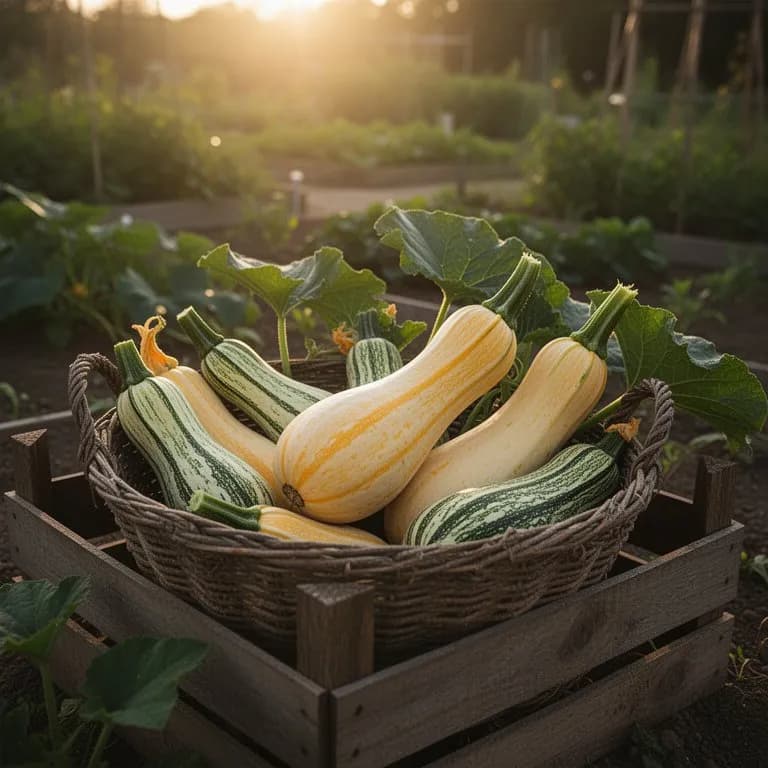
assuming you plant when the window opens — set your real date
Pick Crookneck Squash promptly and the plant keeps producing.
Storage & Preservation
Fresh crookneck squash stores in the refrigerator for up to 1 week in a perforated plastic bag. Do not wash before storing as moisture promotes decay. For longer preservation, slice or cube and blanch for 3 minutes before freezing in airtight containers for up to 10 months. Crookneck squash makes excellent pickled relish and can be dehydrated in thin slices for shelf-stable storage. Grated squash can be frozen in measured portions for adding to baked goods like zucchini bread. Avoid canning without proper pressure-canning equipment.
What goes wrong — and the fix
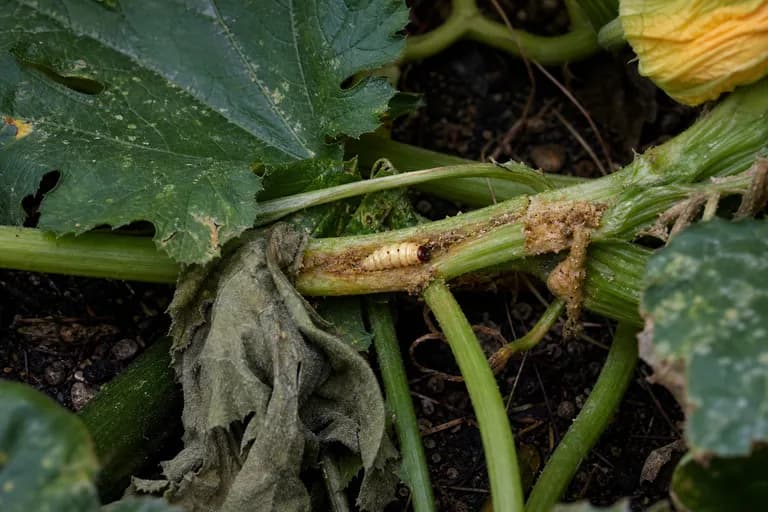
Squash Vine Borer
PestSudden wilting of entire vine sections, sawdust-like frass at base of stems, holes in lower stems with larvae inside.
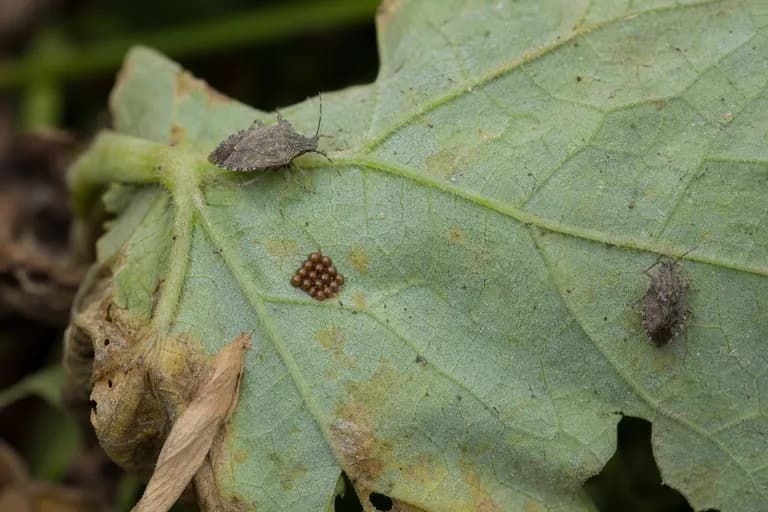
Squash Bug
PestBronze-brown shield-shaped bugs on undersides of leaves, wilting foliage, clusters of copper-colored eggs on leaves.
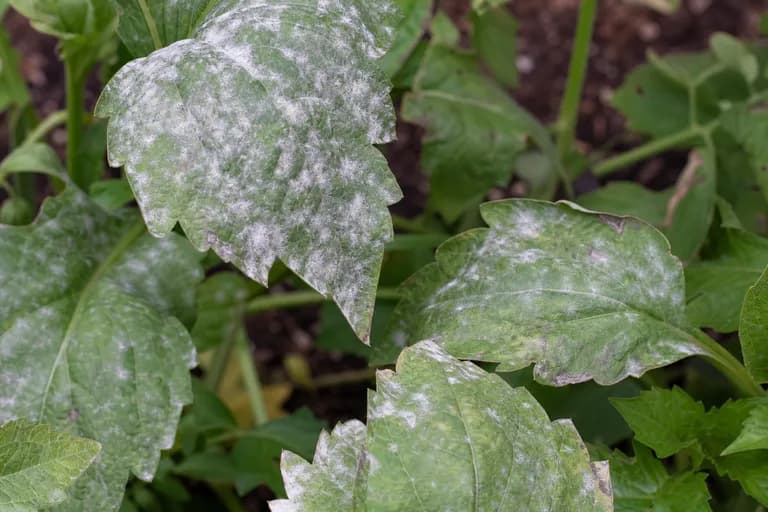
Powdery Mildew
DiseaseWhite powdery spots on upper leaf surfaces spreading to cover entire leaves, premature leaf death, reduced fruit production.
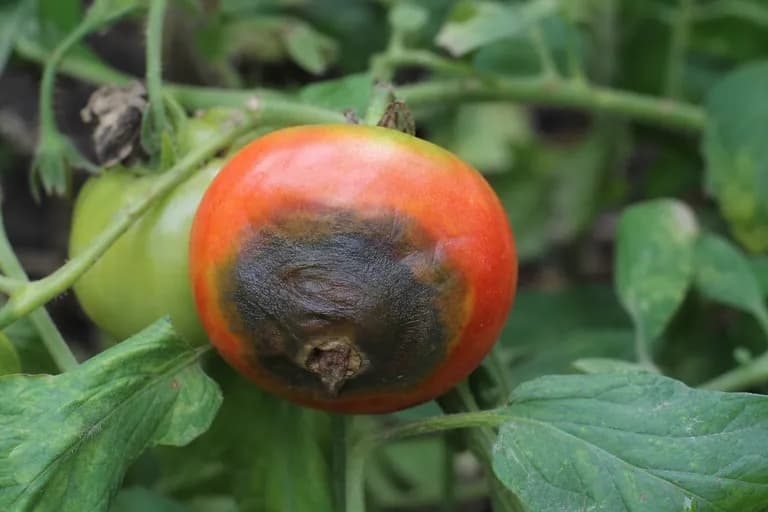
Blossom End Rot
DiseaseDark, sunken, leathery patches on the blossom end of developing fruits, often appearing during fruit enlargement.
Troubleshooting Common Problems
Squash vine borer is the most devastating pest, capable of killing plants overnight by tunneling through stems. Early detection is critical. Squash bugs cause wilting and plant death if populations are not managed. Powdery mildew appears in late summer and reduces plant vigor. Poor fruit set results from inadequate pollination, which can be remedied by hand pollination early in the morning. Bitter fruits occasionally develop during periods of stress from heat, drought, or irregular watering. Overproduction overwhelms many gardeners mid-season.
Growing Tips
- Plant in the richest soil you have. Crookneck squash is a heavy feeder that responds dramatically to generous amounts of compost and well-rotted manure worked into the planting area. Build hills or mounds with 50% compost for the best results.
- Full sun — a minimum of 6-8 hours of direct sunlight daily — is essential for healthy plants and prolific fruit production. Plants in partial shade produce more leaves than fruit and are far more susceptible to powdery mildew.
- Water deeply and consistently, providing 2.5-5 cm per week. Always water at the base of the plant rather than overhead to keep foliage dry and reduce the risk of fungal diseases. Drip irrigation or soaker hoses are ideal.
- Harvest young and harvest often — this is the single most important rule for crookneck squash. Pick fruit at 10-15 cm when the skin is still smooth, glossy, and easily pierced with a fingernail. Oversized fruit becomes seedy, watery, and tough-skinned.
- Do not let any fruit mature fully on the plant unless you are deliberately saving seeds. A single overlooked squash that grows to full size signals the plant to stop producing new flowers and fruit, dramatically reducing your total harvest.
- Monitor closely for squash vine borers from early summer onward. These devastating pests bore into the base of stems, causing sudden wilting and plant death. Wrap the lower 15 cm of stems with aluminum foil or row cover fabric as a physical barrier.
- Interplant with nasturtiums, marigolds, and radishes to deter common squash pests including aphids, squash bugs, and cucumber beetles. The strong scents confuse pests and the flowers attract beneficial predatory insects.
- Apply a thick layer of straw mulch around plants once they are established to conserve soil moisture, regulate root temperature, and keep developing fruit clean and free from soil-borne rot.
Grow your best Crookneck Squash yet — and everything around it.
Start a free plan today. Lay out your beds, drop in your Crookneck Squash, and let PlotMyGarden handle the timing, spacing, companions and reminders from seed to harvest basket.
Pick your Crookneck Squash
Early Summer Crookneck
Classic heirloom variety with bright yellow warty skin, prolific producer maturing in 50-55 days.
Dixie
Improved variety with better disease resistance, smooth to lightly warted skin, consistent curved neck.
Gentry
Hybrid with excellent powdery mildew resistance, smooth golden skin, strong bush habit, heavy yields.
Sundance
Bright yellow hybrid with smooth skin and compact plant habit, ideal for small gardens and containers.
A single crookneck squash plant grown from a packet of seeds costing $2-4 (enough for 10-20 plants) can produce 25-40 squash over a season. With summer squash priced at $2-4 per pound at grocery stores and $3-5 per pound at farmers markets, just 2-3 plants can easily save $50-100 over the growing season. The savings are especially significant for organic produce, where yellow squash often commands $4-6 per pound.
Quick recipes
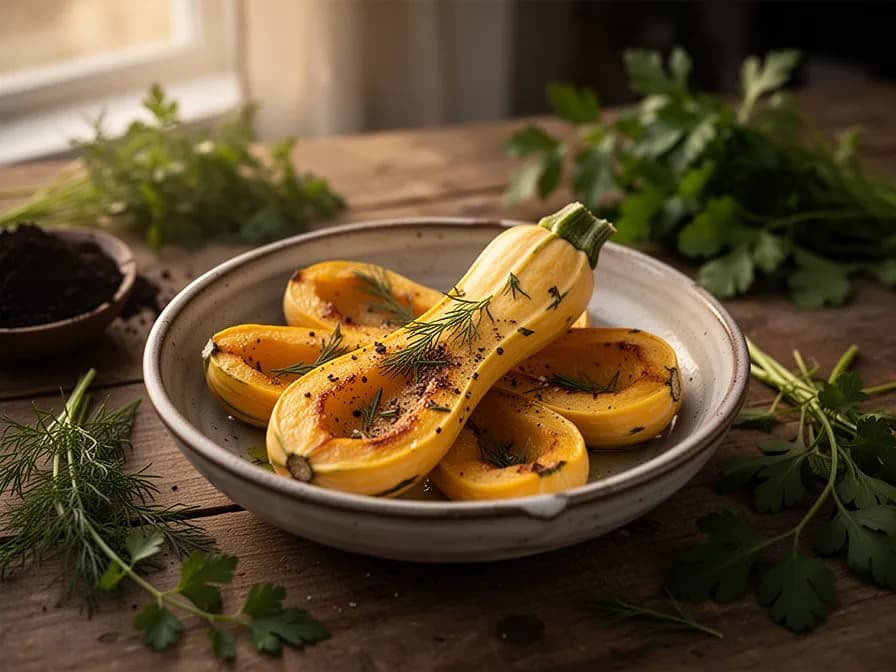
Garlic Butter Sautéed Crookneck Squash
15 minThe simplest and most popular way to enjoy crookneck squash — sliced into half-moons and quickly sautéed with garlic and butter until golden and just tender. The natural sweetness caramelizes beautifully against the rich butter.
6 ingredientsGrilled Crookneck Squash with Herb Vinaigrette
20 minHalved lengthwise and grilled over high heat until charred and tender, then drizzled with a bright herb vinaigrette. Grilling concentrates the flavor and adds a smoky sweetness that transforms this humble squash into a standout side dish.
7 ingredientsCheesy Crookneck Squash Casserole
45 minA beloved Southern comfort dish where sliced squash is baked in a creamy cheese sauce under a buttery cracker-crumb topping. This casserole is the traditional way to use up an abundant summer harvest and a staple at potlucks across the South.
8 ingredientsCulinary Uses
Crookneck squash is a staple of Southern American cooking. Young tender fruits are sliced and sauteed in butter, breaded and fried, grilled with olive oil, or added to casseroles. The curved neck pieces are prized for their dense, seedless flesh. It makes excellent additions to stir-fries, frittatas, and vegetable gratins. Grated crookneck works well in quick breads and muffins. Flowers can be stuffed with cheese and herbs, then battered and fried as a delicacy. Raw slices add color and crunch to salads and crudite platters.
What's inside
Health Benefits
- Extremely low calorie density at just 19 calories per 100g makes crookneck squash an ideal food for weight management — you can eat generous portions while consuming very few calories.
- Rich in vitamin C, providing 19% of the daily value per 100g, supporting immune function, collagen production, and iron absorption from plant-based foods.
- Contains significant amounts of lutein and zeaxanthin, yellow-pigmented carotenoids concentrated in the retina that protect against age-related macular degeneration and cataracts.
- Good source of potassium (262mg per 100g), an essential electrolyte that helps regulate blood pressure, fluid balance, and proper muscle and nerve function.
- The skin of yellow crookneck squash contains beta-carotene and other carotenoid antioxidants that the body converts to vitamin A, supporting vision, skin health, and immune function.
- High water content (approximately 94%) makes crookneck squash an excellent food for hydration, especially during the hot summer months when it is in peak season.
Where Crookneck Squash comes from
Crookneck squash (Cucurbita moschata and Cucurbita pepo varieties) traces its ancestry to the ancient agricultural civilizations of Mesoamerica, where wild squash species were among the very first plants domesticated by humans. Archaeological evidence from the Oaxaca Valley in Mexico dates squash cultivation to at least 8,000 BCE, making the squash family one of the oldest cultivated crops in the world — older than corn or beans. The crookneck form specifically developed through centuries of selective breeding by Native American farmers who favored the curved-neck shape for its dense, flavorful flesh and ease of handling.
Native Americans cultivated crookneck squash as a vital component of the Three Sisters agricultural system, planting it alongside corn and beans in a symbiotic arrangement where squash vines shaded the soil, corn provided climbing support for beans, and beans fixed nitrogen to feed all three crops. When European colonists arrived in North America, they encountered crookneck squash growing in Native gardens and quickly adopted it into their own food systems. By the 1700s, crookneck squash was a staple in colonial American kitchen gardens, valued for its prolific production and versatility in cooking.
The yellow crookneck squash became particularly iconic in the cuisine of the American South, where the long, hot summers provided ideal growing conditions and the squash became a cornerstone of traditional Southern cooking — especially in casseroles, fried preparations, and simple butter-sautéed side dishes. Today, crookneck squash remains one of the most popular summer squash varieties in North American home gardens, prized for its buttery flavor, tender texture when harvested young, and remarkably productive plants. Modern cultivars like Early Golden Summer and Dixie are bred for disease resistance and compact bush habit, but they maintain the same distinctive curved shape and golden color that Native American gardeners selected for thousands of years ago.
Crookneck Squash: did you know?
Fascinating facts about Crookneck Squash
Crookneck squash is one of the oldest cultivated vegetables in North America — archaeological evidence shows Native Americans were growing it as part of the Three Sisters (squash, corn, and beans) planting system over 5,000 years ago in what is now Mexico and the Southwestern United States.
Crookneck Squash questions, answered
When should I plant Crookneck Squash?
What are good companion plants for Crookneck Squash?
What hardiness zones can Crookneck Squash grow in?
How much sun does Crookneck Squash need?
How far apart should I space Crookneck Squash?
What pests and diseases affect Crookneck Squash?
How do I store Crookneck Squash after harvest?
What are the best Crookneck Squash varieties to grow?
What soil does Crookneck Squash need?
What is the difference between crookneck squash and yellow straightneck squash?
Why are my crookneck squash rotting on the end before they mature?
Why are my squash flowers falling off without producing fruit?
Can I eat the skin of crookneck squash?
How do I prevent powdery mildew on crookneck squash?
How many crookneck squash plants should I grow for a family?
You just read the theory. Now grow it on autopilot.
Everything that makes Crookneck Squash fiddly — the timing, the spacing, the companions, the harvest window — is exactly what PlotMyGarden handles for you, for every plant in your garden.
A plan that knows your weather
Set your location once. Get sow, feed and harvest dates built around your real last-frost date and live forecast — no more guessing from a generic seed packet.
From the “When to plant” sectionDrag-and-drop bed planner
Design beds on a grid. Every plant snaps to its proper spacing, and you can see your whole season laid out before you spend a cent on seed.
From the “Growing guide” sectionCompanion conflicts, caught early
200+ good-and-bad pairings checked live as you plant — so a season-wrecking mistake never makes it into the ground.
From the “Companions” sectionReminders you'll actually act on
“Water the beans.” “Pick today before it turns.” Timely, specific, and tied to the plants you're really growing.
From the “Harvest” sectionSuccession, scheduled
Want a harvest for six weeks, not six days? It spaces your sowings automatically and reminds you when each new block is due.
From the “When to plant” sectionA record that gets smarter
Every harvest you log teaches it your garden. Next year's plan starts from what actually worked in your soil, not a textbook's.
From the “Overview” sectionPlant these alongside Crookneck Squash
More Cucurbits
Keep Crookneck Squash away from these
Grow your best Crookneck Squash yet — and everything around it.
Start a free plan today. Lay out your beds, drop in your Crookneck Squash, and let PlotMyGarden handle the timing, spacing, companions and reminders from seed to harvest basket.