Cranberry
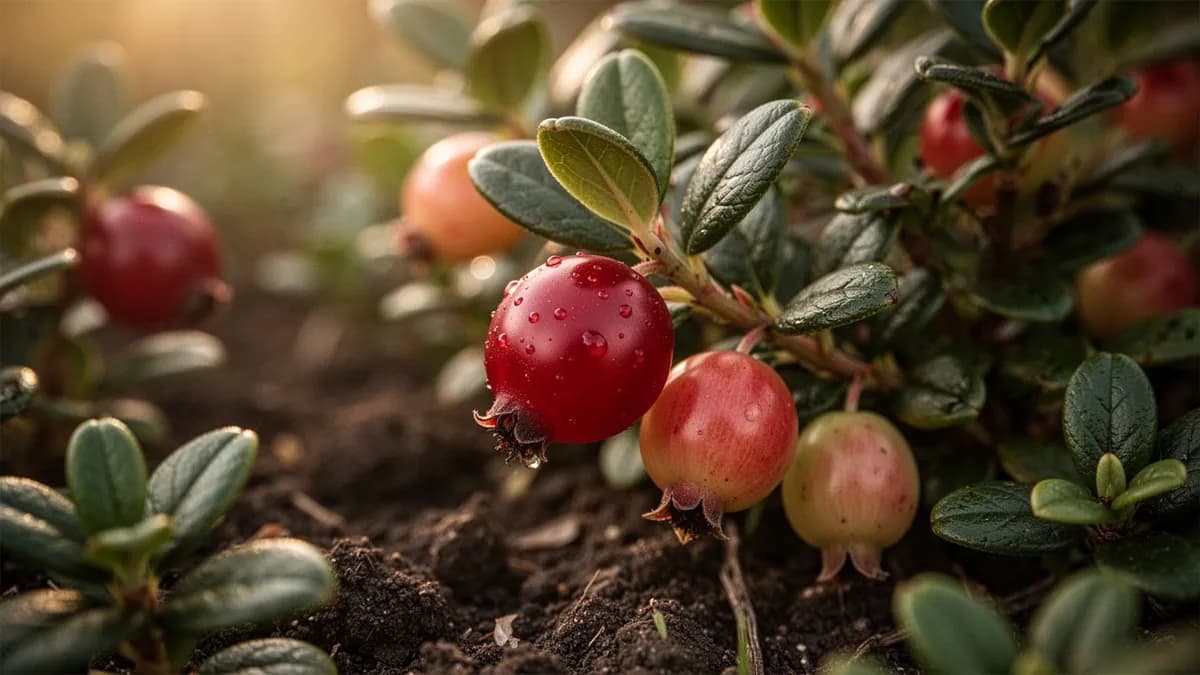
A low-growing, trailing evergreen shrub native to acidic bogs, producing tart red berries harvested in autumn.





On this pageOverview
Meet Cranberry
A low-growing, trailing evergreen shrub native to acidic bogs, producing tart red berries harvested in autumn. Cranberries require consistently moist, acidic soil and can be grown in garden beds lined with pond liner to retain moisture. Home growers do not need to flood their cranberry beds as is done commercially; simply maintain wet soil conditions.
When to plant Cranberry
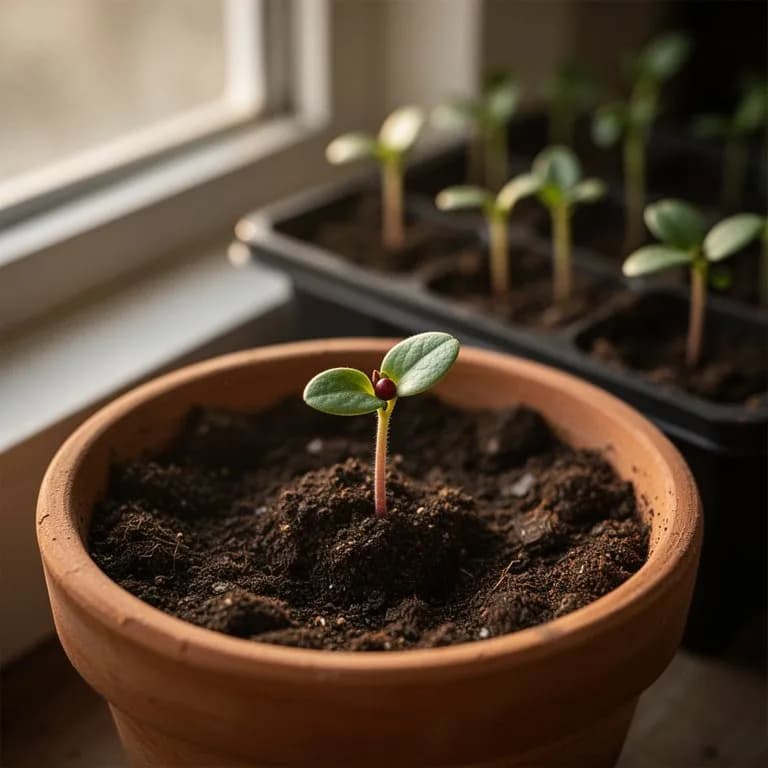
Cranberries are typically propagated by stem cuttings rather than seed, as seed germination is slow and unreliable. Take four-to-six-inch cuttings from healthy vines in spring, remove leaves from the lower half, and press them into moist peat-sand mixture. Keep consistently moist and in partial shade until roots develop in four to six weeks. Transplant rooted cuttings to the prepared cranberry bed in autumn. Plants take three to four years from cuttings to produce a harvestable crop.
Your Cranberry Year
Composed for Zone 7 · typical seasons · frost passes Apr 2, returns Nov 1
Plant Cranberry Apr – May, pick Sep – Oct. Check the planting methods below and set your climate to personalize these windows.
How to grow Cranberry
Cranberries require acidic soil with a pH of 4.0 to 5.5 and consistently moist to boggy conditions. Unlike commercial operations, home growers do not need to flood their beds. Prepare a planting area by excavating twelve inches of soil and lining the bed with pond liner punctured with a few drainage holes. Fill with a mix of peat moss and coarse sand in equal parts, which mimics the natural bog habitat.
Plant rooted cuttings or small transplants in spring, spacing them twelve inches apart. Press stems into the growing medium and water thoroughly. Cranberries spread via runners and will fill in over two to three seasons. Keep the soil constantly moist but not submerged during the growing season.
Apply a light application of acid-loving fertilizer in early spring and again after fruit set. Avoid heavy nitrogen as it promotes excessive vine growth at the expense of fruiting. Sand-top the bed every two to three years by spreading half an inch of coarse sand over the vines, which encourages new upright shoot growth and improves fruit production. Protect blossoms from late spring frosts with row cover.
32 plants fit a 4 × 8 ft bed
Each Cranberry wants 30 cm of elbow room. The planner keeps that spacing for you — every plant, every bed.
Cranberry's best neighbours
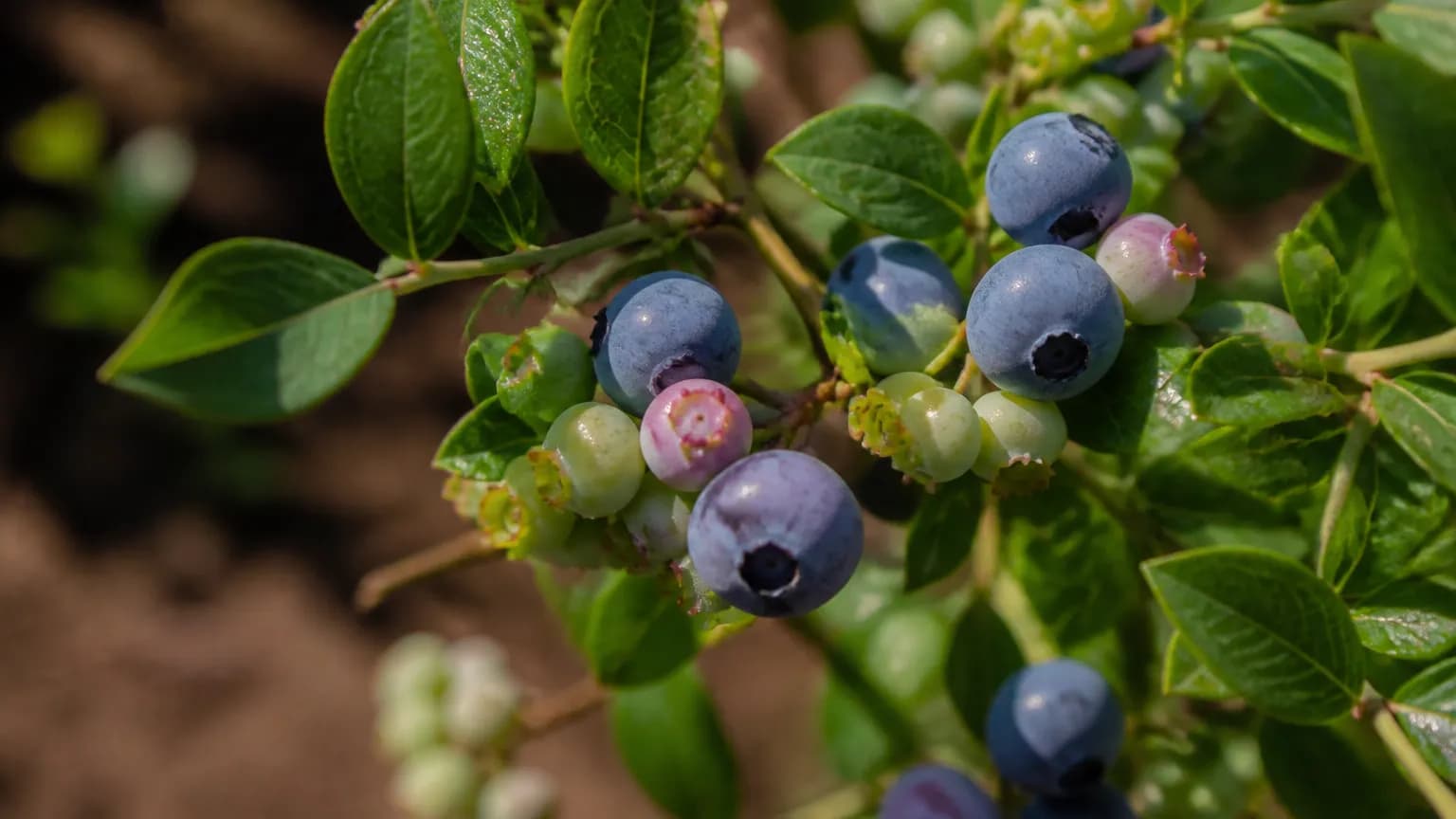
Cranberries grow well alongside other acid-loving plants such as blueberries, which share similar soil requirements. Azaleas and rhododendrons planted nearby create a compatible acidic garden ecosystem. Avoid planting near plants that prefer alkaline or neutral soil conditions, as their different fertilizer needs may conflict. Sphagnum moss can be used as a living mulch in cranberry beds, helping maintain moisture and acidity naturally.
Blueberry belongs beside it.
Old growers' knowledge, checked against Cranberry's real companion table below — test any plant you're growing.
Try Cranberry in a bed — right here
A real planner bed with Cranberry already in it. Tap a companion to place it and watch the pairing checks answer — green for good neighbours, red for a clash.


Related growing guides
Feed it well
Cranberries demand highly acidic soil with a pH of 4.0 to 5.5 composed primarily of peat and sand. Do not use standard garden soil or compost as these are too alkaline. Apply a small amount of ammonium sulfate or acid-forming fertilizer in early spring when new growth begins and again after fruit set. Avoid high-phosphorus fertilizers. Iron sulfate can be applied if foliage shows yellowing. Annual sand-topping with a thin layer encourages new upright growth and better fruiting.
Ideal Temperature
Hardiness Zone Compatibility
From seed to harvest, stage by stage
Dormancy and Root Establishment
Newly planted cranberry cuttings or rooted plugs spend their first weeks establishing a root system in the acidic growing medium. Above-ground growth is minimal at this stage as the plant prioritizes anchoring itself. Roots are fine and shallow, requiring consistent moisture. Plants planted in early spring may remain dormant-looking for several weeks before showing active growth.
Runner and Vine Development
The plant begins sending out horizontal runners (stolons) that spread across the soil surface, gradually forming a low mat. Short upright shoots called uprights grow from the runners and will eventually bear flowers and fruit. This spreading habit is one of cranberry's defining characteristics. Plants may grow 20–60 cm of new runner growth in a single season.
Flowering
In their second or third year, well-established cranberry plants produce small, nodding flowers in late spring to early summer. The petals are pale to deep pink and reflexed sharply backward, exposing a prominent yellow beak-like column of stamens that gives the flower a distinctive crane-like appearance. Flowers form on the tips of the previous year's upright shoots.
Berry Development
After successful pollination, small white-green berries begin to swell over several months. The berries grow from the size of a pea to a full-sized fruit (roughly 1–2 cm diameter) as summer progresses. They remain green and firm throughout summer, gradually accumulating the anthocyanin pigments that will turn them red in late summer to early autumn.
Ripening and Harvest
Cranberries ripen in late September through October, turning from white-green to deep red or wine-red as anthocyanin levels peak. Ripe berries are firm and will bounce when dropped on a hard surface — the 'bounce test' is a classic method growers use to check quality. Flavor at this point is intensely tart with an underlying mild sweetness.
Post-Harvest Dormancy
After harvest, the vines die back visually as temperatures drop but the root system and runners remain alive. In colder climates, a light flooding or heavy mulching with pine straw protects the shallow root system from freeze-thaw damage. The plant enters true dormancy through winter, re-emerging in spring with fresh upright shoots ready for the next fruiting cycle.
Keep soil evenly moist but never waterlogged. Use an acidic peat-and-coarse-sand mix with a pH of 4.0–5.0. Mulch with pine bark or sawdust to retain moisture and maintain acidity. Avoid adding lime or high-pH amendments anywhere near the planting area.
Caring for Cranberry month by month
What to do each month for your Cranberry
October
You are hereComplete the harvest before the first hard freeze. Freeze surplus berries in a single layer on a tray, then transfer to bags for long-term storage. After harvest, apply a balanced ericaceous slow-release fertilizer to replenish the soil for next year.
Know exactly what to do in your garden — every month
One email at the start of each month: what to sow, plant, and tackle right now — for your Cranberry and everything growing around it. Plus a short starter course that helps you dodge the classic mistakes.
- What to do, right now
- Matched to your season
- Starter course included
Harvesting Cranberry
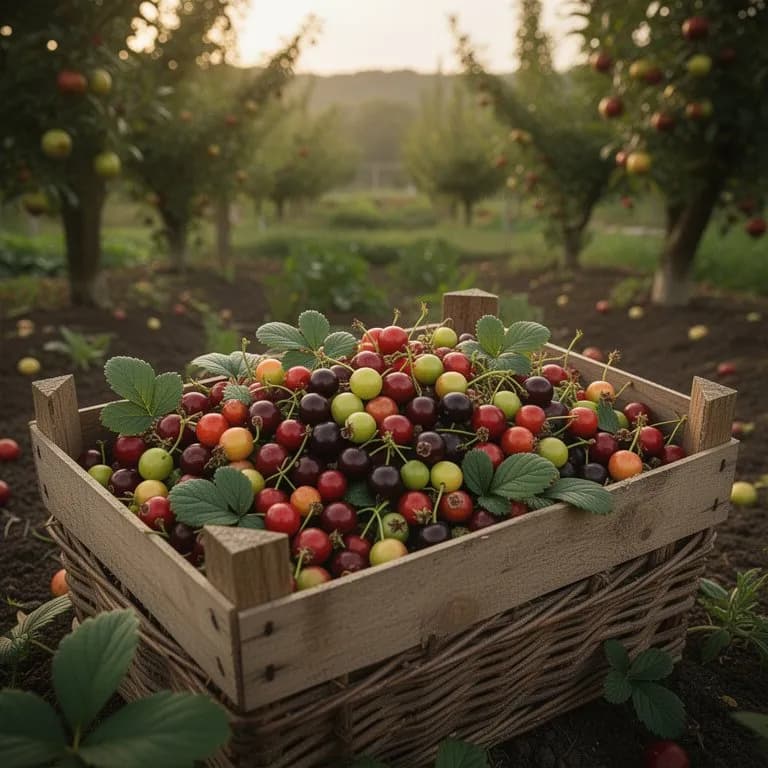
Harvest cranberries in autumn when the berries have turned deep red and feel firm to the touch, typically from late September through October. For home gardens, dry-harvest by hand, combing through the vines with your fingers or using a cranberry scoop. Ripe berries should bounce when dropped on a hard surface, a traditional test of quality. Avoid picking berries that are still pink or soft. Leave a few berries on the vine for wildlife and to reseed sparse areas.
assuming you plant when the window opens — set your real date
Pick Cranberry promptly and the plant keeps producing.
Storage & Preservation
Fresh cranberries store exceptionally well in the refrigerator for up to two months when kept dry in a breathable container. They freeze beautifully without any preparation; simply place dry berries in freezer bags for up to one year. Cranberries are naturally high in pectin and make outstanding sauces, relishes, and preserves. They can also be dried for trail mixes, baking, and long-term storage.
What goes wrong — and the fix
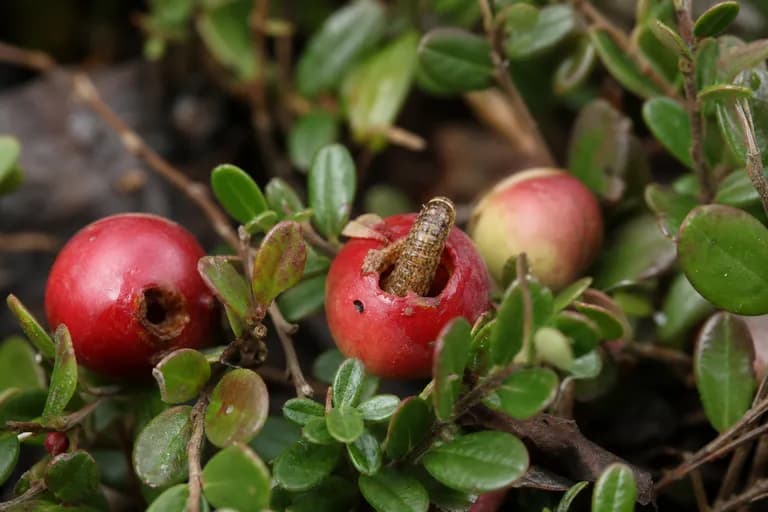
Cranberry Fruitworm
PestBerries prematurely turn red with small entry holes; larvae feed inside the fruit, causing it to hollow out and drop.
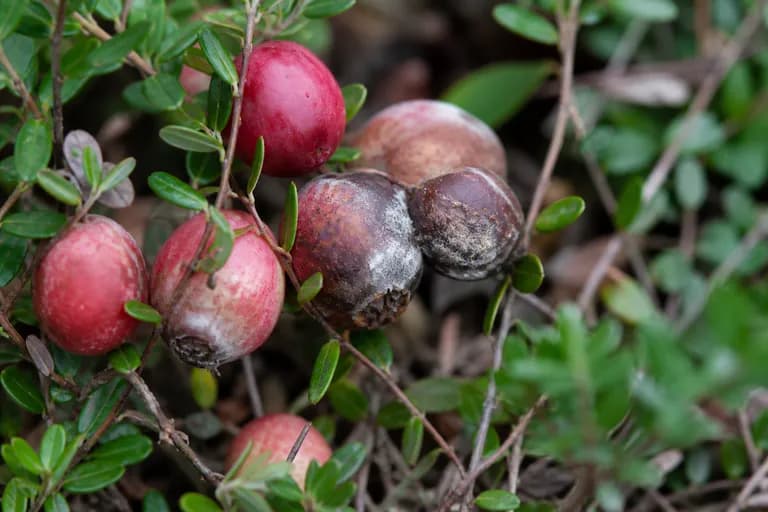
Fruit Rot (Various Fungi)
DiseaseBerries soften, discolor, and develop fuzzy mold; can affect fruit before or after harvest especially in warm, humid conditions.
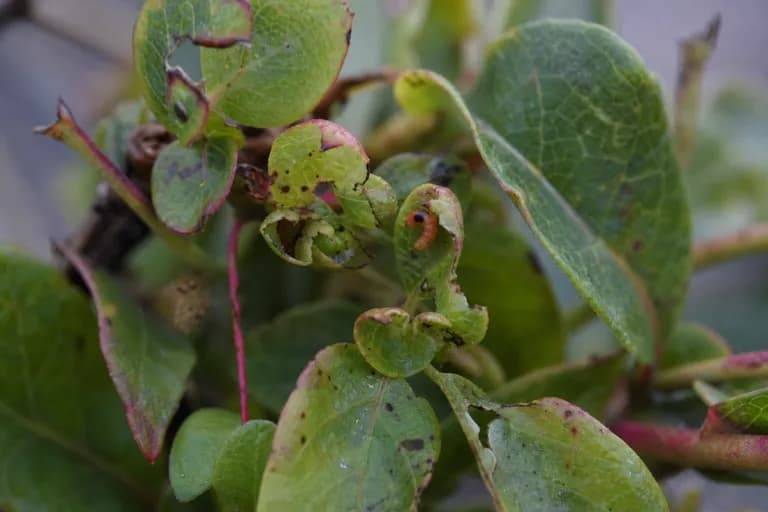
Cranberry Tipworm
PestGrowing tips of uprights become cupped and deformed, with small orange-pink larvae visible inside curled leaves.
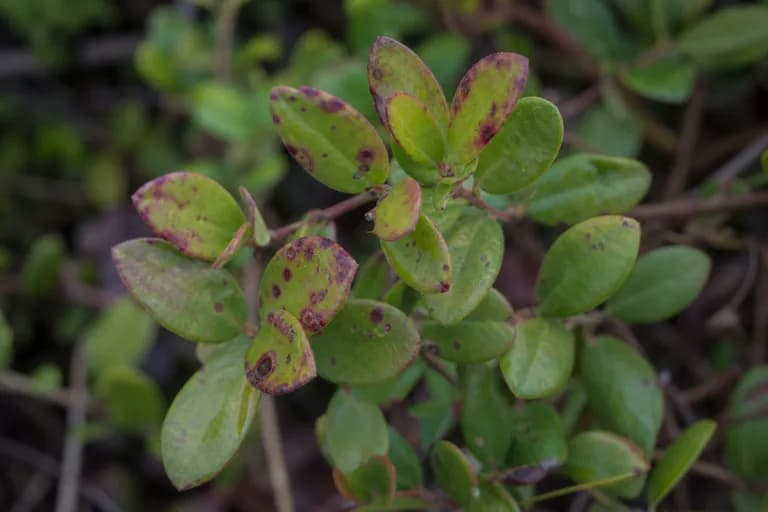
Red Leaf Spot
DiseaseSmall reddish-brown lesions appear on leaves, which can enlarge and cause defoliation in severe cases, weakening plants.
Troubleshooting Common Problems
The most common issue for home cranberry growers is insufficient moisture, as beds can dry out quickly in summer heat. Yellowing foliage typically indicates the soil pH is too high; test regularly and amend with sulfur as needed. Poor fruit set often results from lack of pollination; cranberries benefit from bumblebees and other native pollinators. Excessive vine growth with few uprights indicates too much nitrogen. Birds can be deterred with netting as berries color.
Growing Tips
- Soil pH is the single most critical factor for cranberry success. Before planting, test your soil and amend aggressively to bring the pH to 4.0–5.0 using sulfur, peat moss, or ericaceous compost. Cranberries grown in neutral or alkaline soil will show chronic yellowing and produce little or no fruit regardless of any other care you provide.
- Always use rainwater or pH-adjusted water for cranberries when possible. Most municipal tap water has a pH of 7.0–8.0, which will gradually raise your soil pH and starve the plants of iron and manganese. If rainwater is scarce, add a small amount of citric acid or diluted white vinegar to lower the pH of your tap water to 5.5–6.0 before applying.
- Cranberries thrive in a growing medium of approximately 50% coarse sand and 50% peat moss, which mimics the naturally boggy, acidic, well-aerated conditions of their native habitat. Avoid heavy clay soils entirely, which become waterlogged and promote root rot in the plant's fine, shallow roots.
- Do not be discouraged by slow establishment. Cranberries are slow-growing in their first two years as they develop their extensive runner network. Resist the temptation to fertilize heavily to speed growth — excess nitrogen produces lush foliage but suppresses fruiting. Use a dedicated ericaceous (acid) fertilizer at half the recommended rate in years one and two.
- Cranberries require full sun — a minimum of 6 hours of direct sunlight daily — to produce a meaningful crop. Shaded plants will grow vegetatively but rarely flower or fruit. If your available space receives partial shade, consider growing the plants in containers that can be positioned to follow the sun through the season.
- Pollination is the critical bottleneck in home cranberry production. The flowers are structured specifically for buzz pollination by bumblebees, which vibrate their thoracic muscles to shake pollen loose. Plant a diverse range of native wildflowers near your cranberry bed to attract and support bumblebee populations, and avoid all insecticide use from bud break through petal fall.
- In years where hard frost threatens during the flowering period (typically late May to early June in most temperate zones), protect flowers with a double layer of horticultural fleece overnight. Even a brief frost at -2°C can damage open flowers and eliminate most of the season's crop. Check forecasts regularly during this vulnerable window.
- Cranberry beds benefit from a light top-dressing of coarse washed sand every 2–3 years, applied at about 1–2 cm depth over the existing vines. This practice — mimicking the natural sand deposition that early farmers observed improved wild cranberry growth — encourages runners to root more vigorously and stimulates the production of new upright fruiting shoots.
- For container growing, choose a pot at least 40 cm wide and 30 cm deep with excellent drainage holes. Fill with a peat-and-sand mix adjusted to pH 4.5. Place a tray of water under the pot during summer to keep the root zone consistently moist, mimicking bog conditions — cranberries are one of the few plants that benefit from sitting in a shallow reservoir of water during the growing season.
- Harvest timing matters for both flavor and storage. Berries picked slightly before peak ripeness (when they are fully red but still very firm) store significantly longer than fully ripe fruit. For immediate cooking use, wait for deep red color and the characteristic bounce. For long-term freezing or sauce-making, harvest firm-ripe berries and freeze them whole — they keep their structure and flavor remarkably well for 12–18 months at -18°C.
Grow your best Cranberry yet — and everything around it.
Start a free plan today. Lay out your beds, drop in your Cranberry, and let PlotMyGarden handle the timing, spacing, companions and reminders from seed to harvest basket.
Pick your Cranberry
Stevens
The most widely grown commercial cranberry, producing large, deep red berries with consistent heavy yields and excellent storage quality.
Ben Lear
An early-ripening variety with large, dark red fruit, well-suited for home gardens due to its vigorous vine growth.
Pilgrim
A late-season variety producing very large berries with good color and flavor, popular in the northeastern United States.
Early Black
One of the oldest cultivated varieties, producing small, very dark berries with intense flavor, prized for sauces and baking.
Fresh cranberries retail for $4–7 per 340g bag during peak season, and premium cranberry juice costs $6–10 per litre. A mature cranberry patch of just 2 square metres can yield 1–2 kg of berries annually once established in years 3–4, worth $12–40 at retail prices. The real value compounds over decades: cranberry plants are productive for 50–100 years with minimal inputs, meaning the initial investment of $15–30 for starter plants can deliver returns for a lifetime. Growing your own also gives access to truly fresh cranberries — rich in intact proanthocyanidins that are partially degraded in commercial processing — a nutritional premium that is difficult to put a price on.
Quick recipes
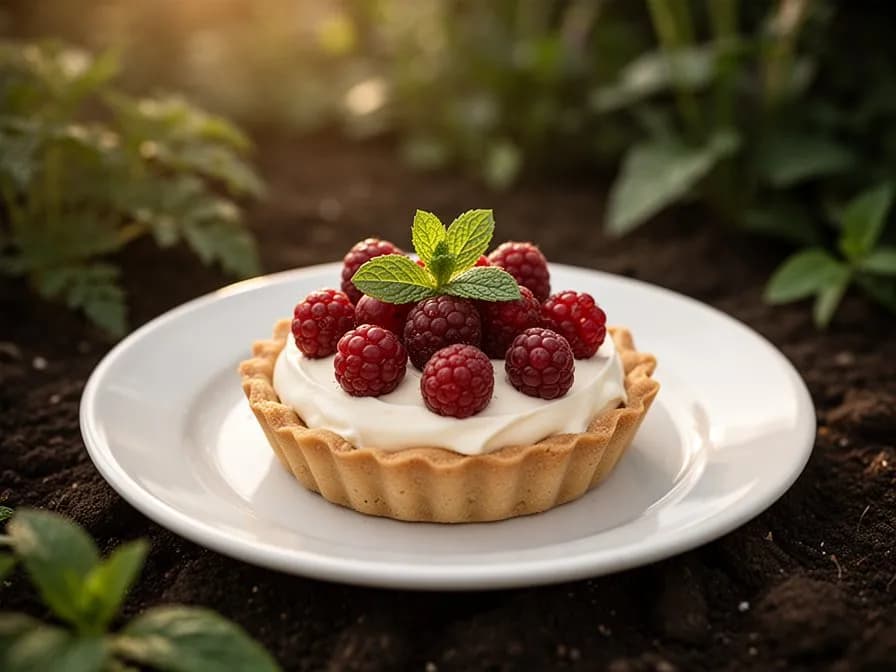
Classic Fresh Cranberry Sauce
15 minutesA bright, tart homemade cranberry sauce that bears no resemblance to the canned version. Fresh or freshly frozen cranberries burst open as they cook, releasing their natural pectin to create a thick, jewel-red sauce. Orange zest adds aromatic lift and a little cinnamon brings warmth. This sauce keeps refrigerated for two weeks and freezes beautifully for up to six months.
6 ingredientsCranberry and Walnut Overnight Oats
5 minutes active, overnight soakA nutritious, no-cook breakfast that showcases dried or fresh cranberries alongside earthy walnuts and creamy oats. The natural tartness of the cranberries brightens the entire dish and reduces the need for added sweetener. Prepare jars the night before for a ready-to-eat breakfast packed with fiber, antioxidants, and healthy fats.
8 ingredientsCranberry Vinaigrette
10 minutesA vibrant, ruby-red salad dressing that uses cranberries to add both color and a pleasantly tart counterpoint to sweet and savory salads. Particularly excellent with autumn salads featuring roasted squash, candied pecans, goat cheese, and mixed greens. The dressing keeps refrigerated for up to one week and can also be used as a glaze for roasted poultry.
7 ingredientsCulinary Uses
Cranberries are prized for their tart, astringent flavor in sauces, relishes, and baked goods. They pair naturally with orange, apple, and warm spices. Fresh cranberry sauce is a holiday staple, while dried cranberries add tang to salads, cereals, and trail mixes. Cranberry juice is valued for its high vitamin C and antioxidant content. They also make excellent chutney and fruit leather.
What's inside
Health Benefits
- The Type-A proanthocyanidins unique to cranberries have been shown in multiple clinical trials to reduce the frequency of urinary tract infections by preventing bacteria from adhering to the walls of the urinary tract — a mechanism distinct from any antibiotic action
- High levels of polyphenols including quercetin, myricetin, and peonidin may help reduce LDL cholesterol oxidation and arterial inflammation, contributing to a lower risk of cardiovascular disease with regular consumption
- Cranberry compounds have demonstrated antibiofilm activity against Helicobacter pylori, the bacterium associated with stomach ulcers and gastric cancer, suggesting a potential protective role for gastric health
- The anthocyanins responsible for cranberry's deep red color are associated in observational studies with improved memory, learning, and processing speed, particularly in older adults, due to their effects on neuroinflammation and cerebral blood flow
- Cranberries have a relatively low glycemic index (GI of approximately 45 for unsweetened berries) and their high fiber and polyphenol content helps moderate post-meal blood glucose spikes, making them a beneficial fruit for blood sugar management
- Emerging research indicates that regular cranberry consumption positively modulates the gut microbiome, increasing beneficial bacterial populations while reducing the abundance of potentially harmful species, supporting overall digestive and immune health
Where Cranberry comes from
The American cranberry (Vaccinium macrocarpon) is native to the boggy, acidic peatlands of northeastern North America, with a natural range extending from Newfoundland and Nova Scotia south to the Appalachian highlands and west into the Great Lakes region. The plant has grown wild in these cold, waterlogged environments for thousands of years, forming part of the ecological fabric of North American bogs alongside sphagnum moss, pitcher plants, and blueberries.
For Indigenous peoples of northeastern North America — including the Lenape, Wampanoag, Ojibwe, and many other nations — the cranberry was a culturally and nutritionally vital resource. The Algonquin-speaking peoples called the berry 'ibimi' or 'atoqua,' meaning 'bitter berry,' and used it in pemmican, a dense, high-energy travel food made by combining dried meat, rendered fat, and crushed cranberries. Cranberries were also used medicinally to treat bladder complaints, as a poultice for wounds and blood poisoning, and as a red dye for fabrics and ceremonial decorations.
European settlers in the early 17th century encountered cranberries through trade with and observation of Indigenous communities. The Pilgrim colonists at Plymouth Colony are believed to have included cranberries — taught to them by the Wampanoag — in the harvest festivals that form the historical basis of the American Thanksgiving tradition. By the late 17th century, cranberry sauce was appearing in written recipes, and the berry was being traded and exported to England.
The first commercial cultivation began in the early 19th century. Captain Henry Hall of Dennis, Massachusetts, is credited as the first cranberry farmer, noting around 1816 that wild cranberry vines thrived particularly well after sand blew over them from a nearby dune. This observation led to the practice of sanding bog beds, which became central to commercial cranberry production. By the mid-1800s, cranberry farming had spread throughout Massachusetts and New Jersey, and the industry expanded into Wisconsin and the Pacific Northwest in the 20th century.
Today, cranberries are one of North America's most economically significant fruit crops, consumed primarily as juice, sauce, and dried fruit. Research into their unique health-promoting phytochemicals, particularly their anti-adhesion proanthocyanidins, has generated renewed scientific and commercial interest, and the cranberry has become a subject of extensive nutritional research worldwide.
Cranberry: did you know?
Fascinating facts about Cranberry
The name 'cranberry' is derived from 'crane berry,' a term used by early Dutch and German settlers who noticed that the flower's curved stamens and reflexed petals closely resemble the head and bill of a sandhill crane in profile.
Cranberry questions, answered
When should I plant Cranberry?
What are good companion plants for Cranberry?
What hardiness zones can Cranberry grow in?
How much sun does Cranberry need?
How far apart should I space Cranberry?
What pests and diseases affect Cranberry?
How do I store Cranberry after harvest?
What are the best Cranberry varieties to grow?
What soil does Cranberry need?
Can I grow cranberries without a bog or flooding setup?
How long before my cranberry plants start producing fruit?
Why are my cranberry leaves turning yellow?
What pests and diseases should I watch for with cranberries?
Can cranberries be grown in containers or small urban gardens?
Are all red berries on my cranberry plant ready to harvest at the same time?
You just read the theory. Now grow it on autopilot.
Everything that makes Cranberry fiddly — the timing, the spacing, the companions, the harvest window — is exactly what PlotMyGarden handles for you, for every plant in your garden.
A plan that knows your weather
Set your location once. Get sow, feed and harvest dates built around your real last-frost date and live forecast — no more guessing from a generic seed packet.
From the “When to plant” sectionDrag-and-drop bed planner
Design beds on a grid. Every plant snaps to its proper spacing, and you can see your whole season laid out before you spend a cent on seed.
From the “Growing guide” sectionCompanion conflicts, caught early
200+ good-and-bad pairings checked live as you plant — so a season-wrecking mistake never makes it into the ground.
From the “Companions” sectionReminders you'll actually act on
“Water the beans.” “Pick today before it turns.” Timely, specific, and tied to the plants you're really growing.
From the “Harvest” sectionSuccession, scheduled
Want a harvest for six weeks, not six days? It spaces your sowings automatically and reminds you when each new block is due.
From the “When to plant” sectionA record that gets smarter
Every harvest you log teaches it your garden. Next year's plan starts from what actually worked in your soil, not a textbook's.
From the “Overview” sectionPlant these alongside Cranberry
More Berries
Grow your best Cranberry yet — and everything around it.
Start a free plan today. Lay out your beds, drop in your Cranberry, and let PlotMyGarden handle the timing, spacing, companions and reminders from seed to harvest basket.