Sulphur Cosmos
typical season: sow Apr – Jun · blooms Jul – Oct · set your climate
A heat-loving annual with semi-double flowers in vibrant shades of orange, yellow, and red on compact bushy plants.

On this pageOverview
Meet Sulphur Cosmos
A heat-loving annual with semi-double flowers in vibrant shades of orange, yellow, and red on compact bushy plants. Sulphur cosmos thrives in hot weather and poor soil where other flowers struggle, blooming prolifically without deadheading. Direct sow after all danger of frost for a carefree summer display that attracts butterflies.
When to plant Sulphur Cosmos
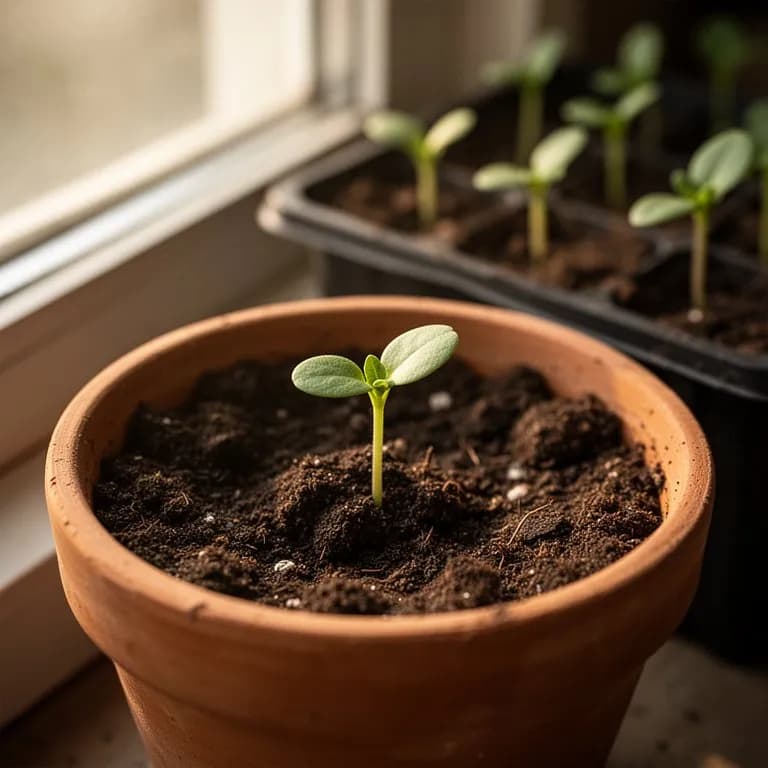
Direct sow sulphur cosmos seeds after all frost danger has passed and soil is warm. Press seeds 1/4 inch into the soil and water lightly. Germination takes just 5-7 days in warm soil. Thin seedlings to 12-18 inches apart. For earlier blooms, start seeds indoors 4-6 weeks before the last frost in individual pots to minimize transplant shock. Do not start too early—overgrown seedlings in small pots become root-bound and never establish well.
Your Sulphur Cosmos Year
Composed for Zone 7 · typical seasons · frost passes Apr 2, returns Nov 1
Plant Sulphur Cosmos Apr – Jun, in bloom Jul – Oct. Check the planting methods below and set your climate to personalize these windows.

Sowing Sulphur Cosmos this round? The next window opens Apr 1
One email two weeks before this window closes. We email you a few days before the next window opens where you garden. Plus one before the first autumn frost.
One email per milestone, never more than one a week. Unsubscribe with one tap. No account needed.
How to grow Sulphur Cosmos
Sulphur cosmos is a heat-loving annual that thrives where regular cosmos struggles in hot, humid climates. Direct sow seeds outdoors after all danger of frost, pressing them 1/4 inch into warm soil. Seeds germinate quickly in 5-7 days when soil temperatures reach 70°F (21°C). Thin seedlings to 12-18 inches apart.
Unlike its taller cousin Cosmos bipinnatus, sulphur cosmos has a compact, bushy habit typically reaching 18-36 inches. It prefers full sun and actually blooms more profusely in poor, dry soil—rich soil and excess fertilizer produce lots of foliage and fewer flowers. This makes it ideal for neglected garden corners and tough spots.
Sulphur cosmos blooms continuously from midsummer through the first frost without deadheading, though removing spent flowers keeps plants looking tidy. The semi-double flowers in warm shades of orange, yellow, and red attract a parade of butterflies, particularly monarchs and painted ladies. Allow some flowers to set seed for self-sowing in subsequent years.
32 plants fit a 4 × 8 ft bed
Each Sulphur Cosmos wants 30 cm of elbow room. The planner keeps that spacing for you — every plant, every bed.
Sulphur Cosmos's best neighbours
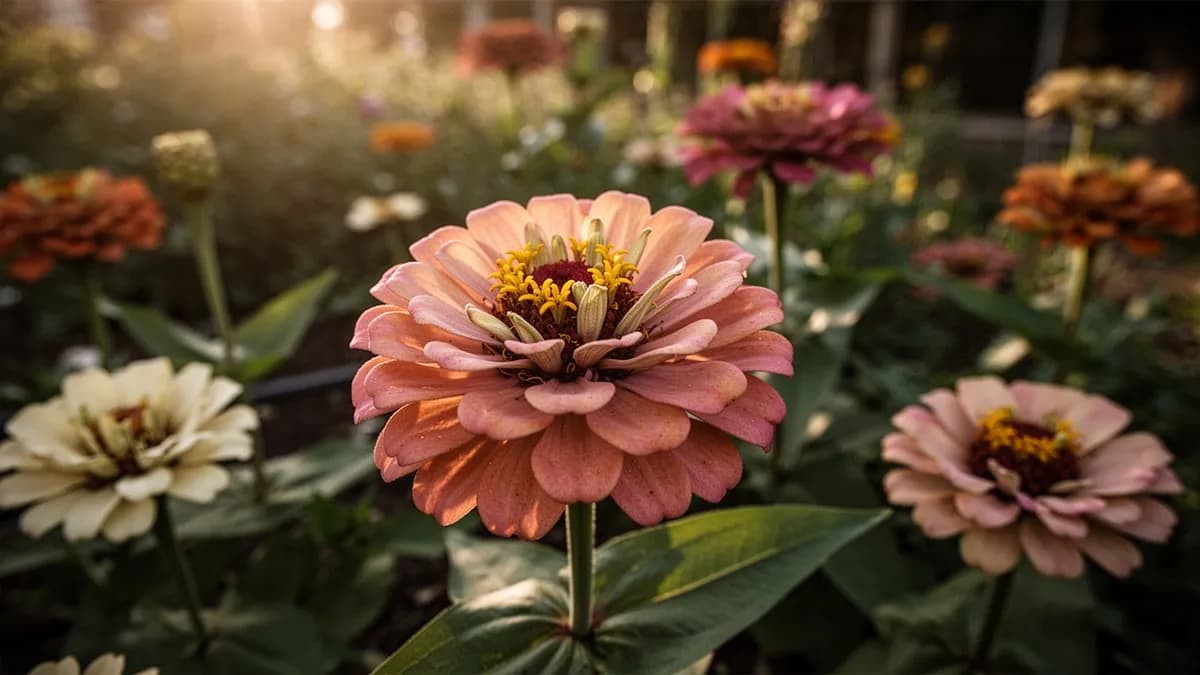
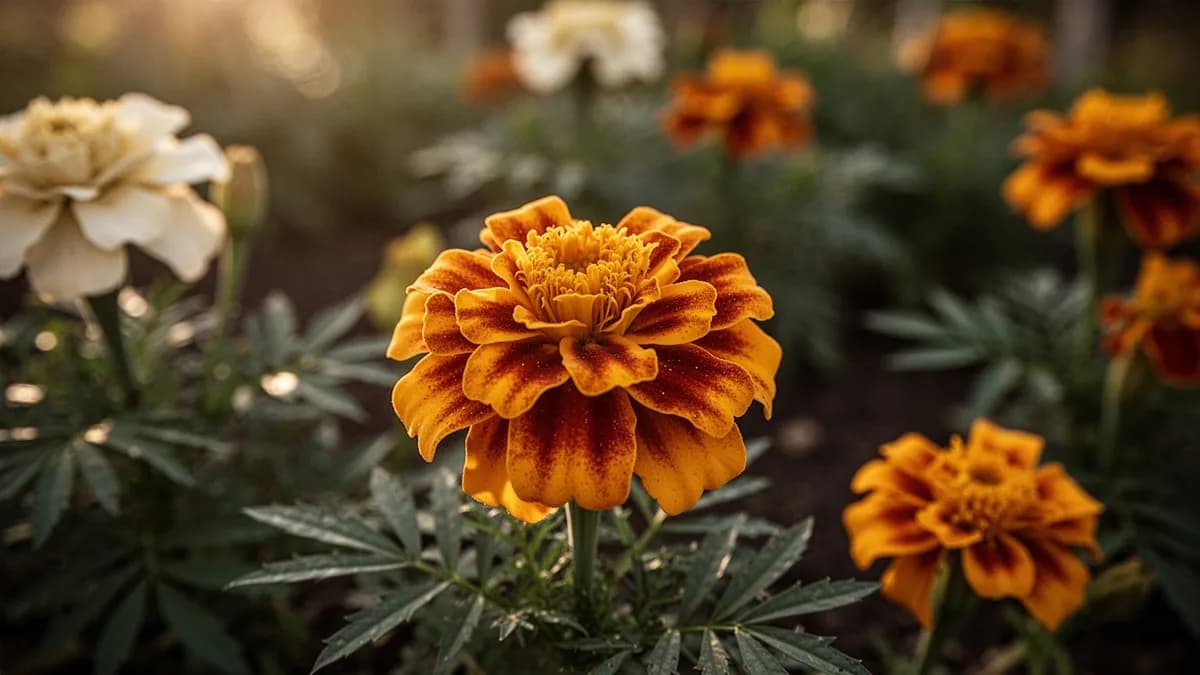
Sulphur cosmos is a superstar butterfly plant and an excellent addition to pollinator gardens alongside zinnias, lantana, and Mexican sunflower. The warm orange tones complement purple and blue flowers like salvia and ageratum. In the vegetable garden, cosmos attracts beneficial insects and provides a colorful border. Plant alongside marigolds and sunflowers for a vibrant, heat-loving summer display.
Cosmos belongs beside it.
Old growers' knowledge, checked against Sulphur Cosmos's real companion table below — test any plant you're growing.
Related growing guides


Feed it well
Sulphur cosmos thrives in poor to average, well-drained soil with a pH of 6.0-8.0. Rich, fertile soil promotes lush foliage at the expense of flowers—this is one plant that genuinely performs better with neglect. Fertilizer is unnecessary in most garden soil. In extremely poor, sandy soil, a single light application of balanced fertilizer at planting is sufficient. In containers, use a standard potting mix and fertilize sparingly.
Ideal Temperature
Hardiness Zone Compatibility
From seed to harvest, stage by stage
Seed Germination
Sow seeds directly outdoors after the last frost date or start indoors 4-6 weeks earlier. Seeds germinate best at soil temperatures of 18-24°C (65-75°F). Plant seeds 6 mm (1/4 inch) deep in well-drained soil. Cosmos sulphureus germinates reliably within 5-10 days under favorable conditions.
Seedling Establishment
Seedlings develop their first true leaves, which are opposite and pinnately divided with narrow leaflets. Stems begin to strengthen and the characteristic slightly hairy texture becomes visible. Thin seedlings to 30-45 cm (12-18 inches) apart to allow adequate airflow.
Vegetative Growth
Plants grow rapidly, reaching 30-60 cm tall depending on the cultivar. Branching intensifies and the foliage becomes bushy. Dwarf varieties like 'Bright Lights' and 'Cosmic' stay compact at 30-45 cm, while taller types like 'Diablo' can reach 90-120 cm.
Budding and First Bloom
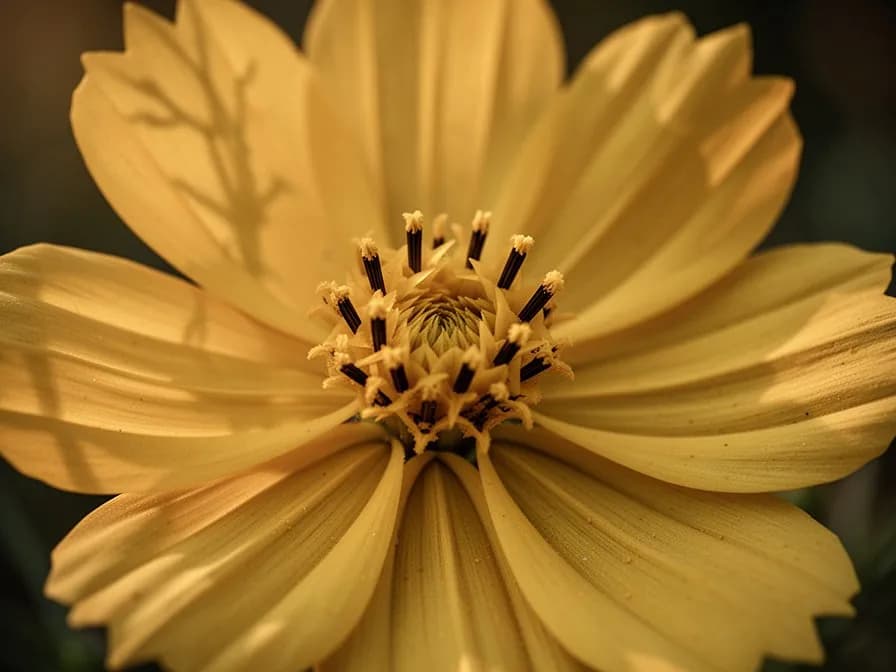
Flower buds form at the tips of branches and the first blooms open, revealing single, semi-double, or double flowers in shades of yellow, orange, and scarlet-red. Individual flowers are 5-8 cm (2-3 inches) across. Blooming begins approximately 8-10 weeks after sowing.
Peak Bloom and Continuous Flowering
Plants reach their peak flowering period and will continue to produce new blooms until the first hard frost. A single well-maintained plant can produce dozens of flowers over this period. Pollinators visit frequently, and seed heads begin forming on earlier blooms.
Seed Set and Senescence
As temperatures drop and day length shortens, the plant slows flower production and focuses energy on seed maturation. Seed heads dry to dark brown and contain long, narrow achene seeds. The plant yellows and eventually dies with the first hard frost, completing its annual life cycle.
Keep the soil consistently moist but not waterlogged during germination. Covering the bed with a thin layer of vermiculite helps retain moisture without compacting the surface.
Caring for Sulphur Cosmos month by month
What to do each month for your Sulphur Cosmos
November
You are hereClear remaining plant debris from beds. Store saved seeds in labeled paper envelopes in a cool, dry location. Reflect on what worked well and note planting dates, varieties, and locations for next season.
Harvesting Sulphur Cosmos
Cut sulphur cosmos flowers when fully open in the cool morning. The flowers last 5-7 days in a vase with fresh water. Their warm colors pair beautifully with zinnias and sunflowers in late-summer arrangements. Regular cutting encourages more bloom production. Leave some flowers on plants to mature seeds if you want self-sowing the following year.
assuming you plant when the window opens — set your real date
Deadhead Sulphur Cosmos regularly and it keeps flowering.
Storage & Preservation
Sulphur cosmos does not store as bulbs. To save seed, allow flower heads to dry on the plant until the seeds turn dark and detach easily. Gather seeds into envelopes and store in a cool, dry place. Seeds remain viable for 3-4 years. Self-sown seedlings usually appear reliably in the following year's garden, sometimes in unexpected but often welcome locations.
What goes wrong — and the fix

Aphids
PestClusters of small insects on stem tips and flower buds. Curled leaves and sticky honeydew.

Powdery Mildew
DiseaseWhite powdery coating on leaves, typically appearing late in the season when nights become cool and damp.

Bacterial Wilt
DiseaseSudden wilting of stems even with adequate moisture. Stems exude a milky sap when cut.
Troubleshooting Common Problems
Plants that produce abundant foliage but few flowers are getting too much nitrogen or too much water. Lean conditions promote the best flowering. In very hot, humid climates, powdery mildew may appear late in the season but rarely affects overall plant health. Sulphur cosmos is one of the most problem-free annuals available—its biggest 'issue' is enthusiastic self-sowing, which is easily managed by removing unwanted seedlings.
Growing Tips
- Sow seeds directly where they are to grow after all danger of frost has passed — sulphur cosmos develops a taproot and does not transplant as well as other annuals once established.
- Choose a location with full sun (at least 6-8 hours of direct sunlight daily). Sulphur cosmos tolerates partial shade but produces significantly fewer flowers and leggier growth in low-light conditions.
- Resist the urge to improve the soil with rich compost or fertilizer. Sulphur cosmos thrives in average to poor, well-drained soil and produces more flowers when slightly stressed. Rich soil leads to excessive foliage and fewer blooms.
- Water deeply but infrequently once plants are established. Sulphur cosmos is remarkably drought-tolerant and overwatering is a more common problem than underwatering, often leading to root rot in heavy or clay soils.
- Pinch out the growing tip when plants reach 25-30 cm (10-12 inches) tall. This single action dramatically increases branching and can double or triple the number of flowering stems per plant.
- Deadhead every 3-4 days by snipping spent blooms just above the next set of leaves or branch point. Consistent deadheading is the single most important practice for extending the bloom season from weeks to months.
- Stagger your sowing dates by planting a new batch of seeds every 3-4 weeks from late spring through midsummer. This succession planting ensures continuous waves of color from early summer until frost.
- Support taller cultivars (over 60 cm) with stakes, peony rings, or a framework of twiggy branches inserted early in the season. This prevents stems from flopping after heavy rain or wind.
- Leave the last flush of flowers in autumn to set seed naturally. The dried seed heads provide food for finches and other seed-eating birds, and self-sown seedlings may appear the following spring in mild climates.
- Interplant sulphur cosmos with vegetables like tomatoes, peppers, and squash. The flowers attract beneficial insects including hoverflies, lacewings, and parasitic wasps that prey on common garden pests such as aphids and whiteflies.
Pick your Sulphur Cosmos
Cosmos 'Bright Lights' Mix
The classic sulphur cosmos blend with semi-double flowers in gold, orange, and scarlet. Compact 36-inch plants perfect for borders.
Cosmos 'Cosmic Orange'
Vivid tangerine-orange semi-double flowers on compact 12-inch plants. An All-America Selections winner, excellent for containers.
Cosmos 'Cosmic Yellow'
Clear lemon-yellow flowers on neat 12-inch bushes. Pairs perfectly with Cosmic Orange for a warm-toned container display.
Cosmos 'Diablo'
Deep orange-red flowers with semi-double petals on bushy 24-inch plants. The most intensely colored sulphur cosmos.
Sulphur cosmos is one of the most cost-effective ornamental flowers you can grow. A single packet of seeds (typically containing 100-200 seeds) costs between $2-4 and can fill a 3-meter-long garden border. Because each plant produces hundreds of seeds, you only need to buy seeds once — after your first season, you can save enough seed to replant year after year at zero cost. Additionally, cut sulphur cosmos flowers last 5-7 days in a vase, saving $8-15 per week compared to purchasing similar cut flowers from a florist during the summer and autumn months.
Quick recipes

Sulphur Cosmos Petal Confetti Salad
10 minutesA vibrant summer salad that showcases the edible petals of sulphur cosmos as a colorful garnish over mixed greens. The mild petals add visual drama and a subtle floral note to a simple vinaigrette-dressed salad.
7 ingredientsCosmos Flower Ice Cubes
15 minutes active, 4 hours freezingBeautiful ice cubes with whole sulphur cosmos blooms frozen inside, perfect for summer lemonade, cocktails, or sparkling water. These stunning ice cubes make any drink feel like a garden party.
4 ingredientsPressed Cosmos Flower Shortbread Cookies
30 minutes active, 20 minutes bakingDelicate buttery shortbread cookies topped with pressed sulphur cosmos petals that bake into the surface, creating beautiful stained-glass-like edible art. These make wonderful gifts and garden party treats.
7 ingredientsWhat's inside
Health Benefits
- The carotenoid pigments (lutein and beta-carotene) found in orange and yellow sulphur cosmos petals act as antioxidants that help neutralize free radicals and may support eye health when consumed as part of a varied diet.
- In traditional Mexican herbal medicine, cosmos leaves and flowers were used as a mild infusion to soothe digestive discomfort and reduce bloating, though modern clinical studies are limited.
- Growing sulphur cosmos in the garden supports mental well-being — studies in horticultural therapy have shown that tending flowering plants reduces cortisol levels and improves mood and concentration.
- As a prolific pollinator plant, sulphur cosmos indirectly supports human health by sustaining populations of bees and butterflies that pollinate food crops, contributing to agricultural biodiversity and food security.
- The essential oils present in cosmos foliage contain mild insect-repellent compounds, and some gardeners report that interplanting cosmos near seating areas helps reduce mosquito activity during summer evenings.
- Spending time deadheading and tending cosmos plants provides gentle, low-impact physical activity that promotes joint flexibility and fine motor coordination, benefiting gardeners of all ages.
Where Sulphur Cosmos comes from
Cosmos sulphureus, commonly known as sulphur cosmos or yellow cosmos, is a flowering annual plant in the family Asteraceae, native to Mexico, Central America, and parts of northern South America. The species has been cultivated in its native range for centuries, both as an ornamental and as a useful component of traditional agricultural systems where it attracted pollinators to food crops. Spanish explorers encountered the plant in Mexico during the 16th century and were so impressed by the symmetrical arrangement of its petals that they named the genus 'Cosmos' after the Greek word for order and harmony. Seeds were sent back to Spain and distributed to botanical gardens across Europe during the late 1700s and early 1800s. The species gained popularity as a garden ornamental in Victorian-era England and was introduced to the United States in the mid-19th century, where it quickly became a cottage garden favorite. In the early 20th century, plant breeders in Japan and the United States developed improved cultivars with semi-double and double flower forms, as well as more compact growth habits suitable for borders and containers. Notable modern cultivars include the award-winning 'Bright Lights' mix (introduced 1966, AAS winner), 'Cosmic Orange' (AAS winner 2000), and 'Diablo', prized for its deep scarlet-orange blooms. Sulphur cosmos was introduced to tropical regions across Asia, Africa, and the Pacific Islands during the colonial period and has naturalized widely, sometimes becoming a weedy species in disturbed habitats. In the Philippines, Indonesia, and parts of West Africa, it now grows abundantly along roadsides and in fallow fields. Despite its occasional invasive tendencies in tropical climates, sulphur cosmos remains one of the most widely cultivated annual flowers worldwide, valued for its heat tolerance, drought resistance, ease of growth, and exceptional ability to attract butterflies, bees, and other beneficial insects to gardens.
Sulphur Cosmos: did you know?
Fascinating facts about Sulphur Cosmos
Sulphur cosmos (Cosmos sulphureus) is native to Mexico, Central America, and northern South America, where it grows wild along roadsides, in fields, and on disturbed land at elevations up to 1,600 meters.
Sulphur Cosmos questions, answered
When should I plant Sulphur Cosmos?
What are good companion plants for Sulphur Cosmos?
What hardiness zones can Sulphur Cosmos grow in?
How much sun does Sulphur Cosmos need?
How far apart should I space Sulphur Cosmos?
What pests and diseases affect Sulphur Cosmos?
How do I store Sulphur Cosmos after harvest?
What are the best Sulphur Cosmos varieties to grow?
What soil does Sulphur Cosmos need?
What is the difference between sulphur cosmos and regular cosmos?
Can sulphur cosmos grow in pots and containers?
Is sulphur cosmos deer resistant?
Why is my sulphur cosmos not blooming?
Will sulphur cosmos reseed itself?
How do I use sulphur cosmos as a cut flower?
Plant these alongside Sulphur Cosmos
More Annuals
Grow your best Sulphur Cosmos yet — and everything around it.
Start a free plan today. Lay out your beds, drop in your Sulphur Cosmos, and let PlotMyGarden handle the timing, spacing, companions and reminders from seed to harvest basket.
