Leisure Coriander
A dual-purpose coriander cultivar selected for both abundant leaf production and high-quality seed harvest.





On this pageOverview
Meet Leisure Coriander
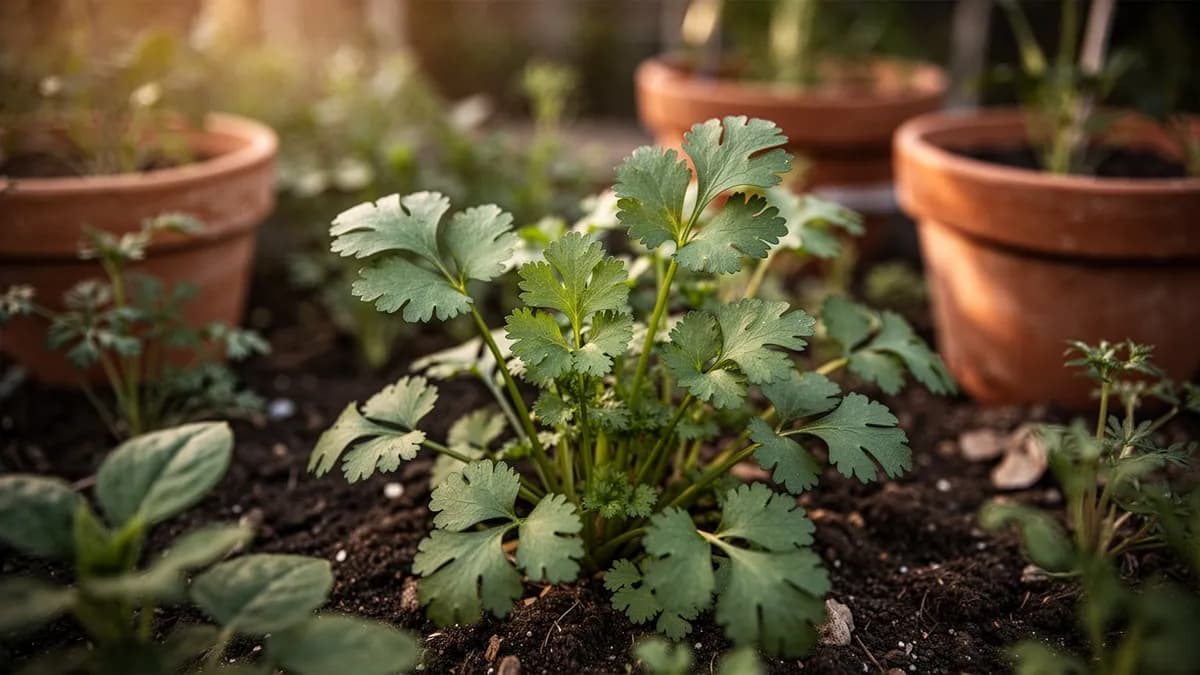
A dual-purpose coriander cultivar selected for both abundant leaf production and high-quality seed harvest. Leisure holds its basal leaves longer than most varieties before bolting, then produces large, well-flavored seeds. Succession sow every three weeks for a continuous supply of fresh leaves through the cooler months.
When to plant Leisure Coriander
Direct sow Leisure coriander seeds outdoors in early spring or late summer. Gently crush round seeds to separate the two half-seeds within each fruit for better germination. Soak crushed seeds for 12 to 24 hours. Sow a quarter inch deep and 1 inch apart in prepared soil. Germination takes 7 to 14 days. Thin to 4 to 6 inches apart for leaf production or 8 inches for seed production. Succession sow every 3 weeks for continuous leaf harvest.
Your Leisure Coriander Year
Composed for Zone 7 · typical seasons · frost passes Apr 2, returns Nov 1
Plant Leisure Coriander Mar – May, Sep, pick May – Jul, Oct – Nov. Check the planting methods below and set your climate to personalize these windows.
How to grow Leisure Coriander
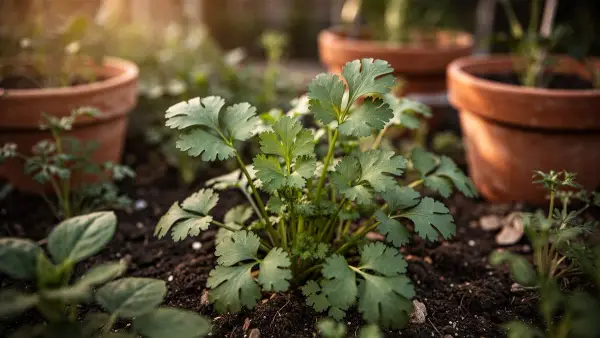
Leisure coriander is a dual-purpose cultivar selected for both abundant leaf harvest and quality seed production. It holds its basal rosette of broad, flat leaves longer than standard varieties before bolting, extending the fresh cilantro harvest. When it does bolt, it produces large, well-formed seeds with excellent flavor for use as whole or ground coriander spice.
Direct sow outdoors in early spring or late summer. Space 4 to 6 inches apart in rows 12 inches apart. Grow in partial shade in warm climates or full sun in cooler regions with moist, well-drained soil with a pH of 6.2 to 6.8. Succession sow every 3 weeks for continuous leaf production.
For seed harvest, allow plants to flower and develop seed heads. The tiny white to pink flowers attract beneficial insects. Seeds are ready to harvest when they turn from green to tan-brown and develop a warm, citrusy aroma. Cut seed heads when about two-thirds of the seeds have turned brown and hang upside down in paper bags to catch the seeds as they dry and fall.
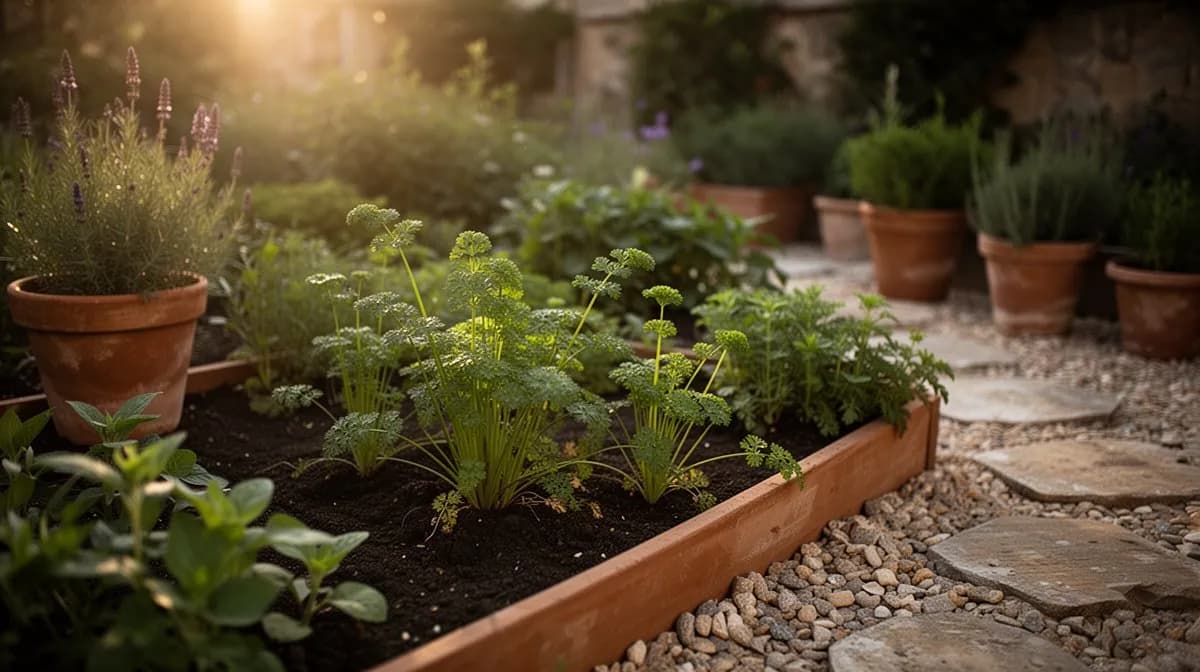
128 plants fit a 4 × 8 ft bed
Each Leisure Coriander wants 15 cm of elbow room. The planner keeps that spacing for you — every plant, every bed.
Leisure Coriander's best neighbours
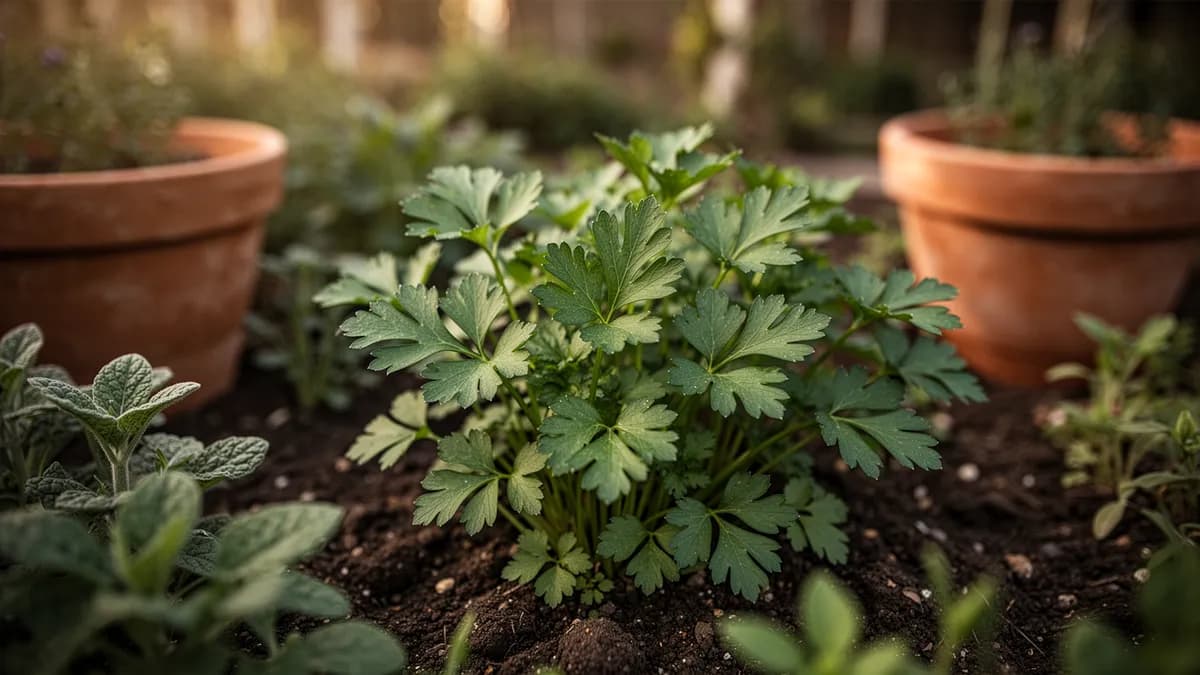
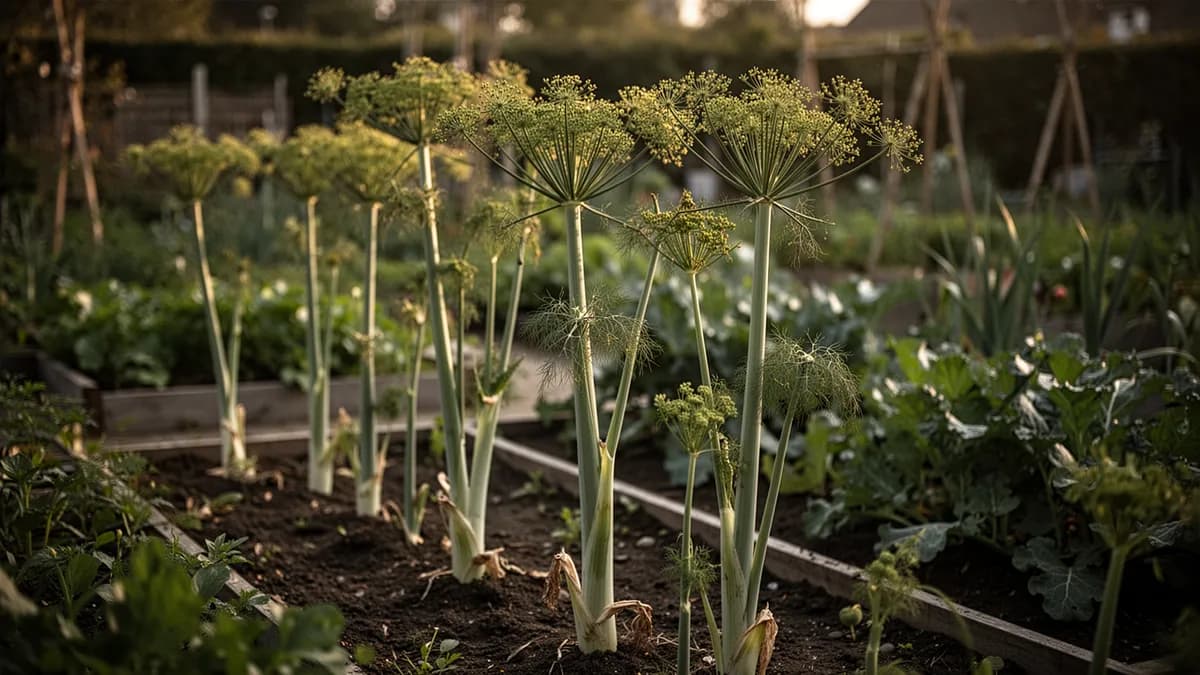
Coriander attracts beneficial insects including parasitic wasps, hover flies, and lacewings when flowering. Plant near vegetables that benefit from these predatory insects, such as brassicas and nightshades. Grows well alongside dill, parsley, and basil. Avoid planting near fennel, which may cross-pollinate and inhibit growth. The roots exude compounds that may help suppress some soil-borne diseases.
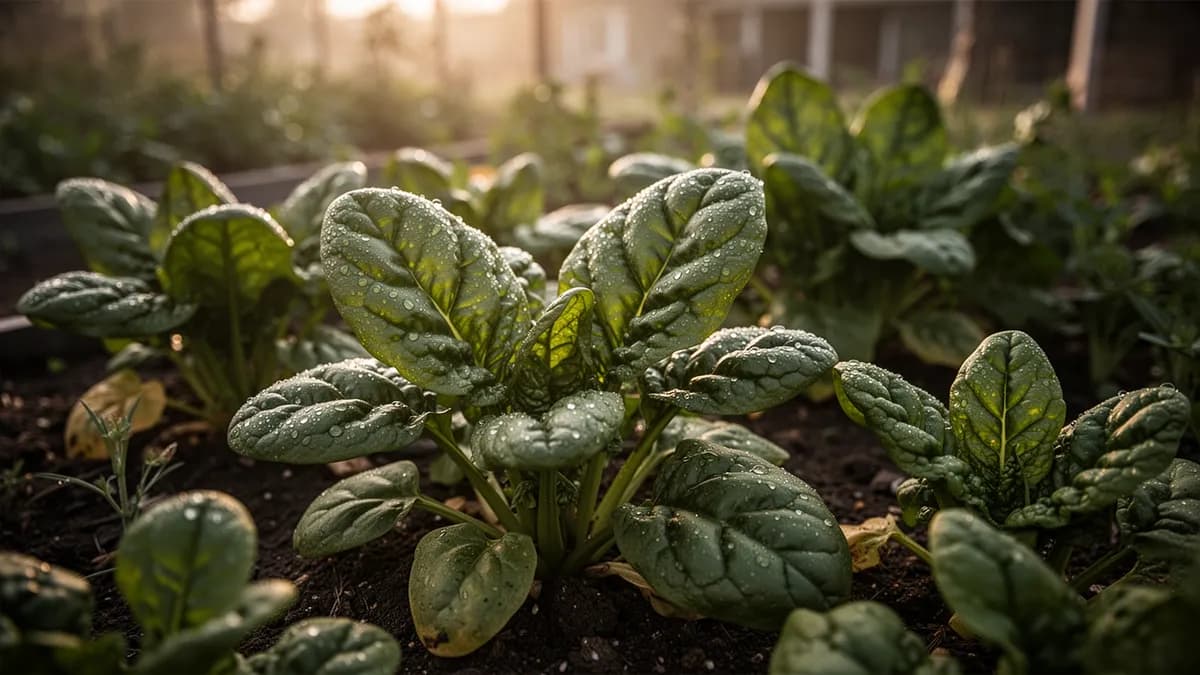
Spinach belongs beside it. Fennel doesn't.
Old growers' knowledge, checked against Leisure Coriander's real companion table below — test any plant you're growing.
Try Leisure Coriander in a bed — right here
A real planner bed with Leisure Coriander already in it. Tap a companion to place it and watch the pairing checks answer — green for good neighbours, red for a clash.


Related growing guides
Feed it well
Leisure coriander grows best in rich, moist, well-drained soil with a pH of 6.2 to 6.8. Amend with compost before sowing. A light application of balanced organic fertilizer at sowing supports vigorous growth. For seed production, avoid excessive nitrogen that promotes leaves at the expense of seed development. Keep soil evenly moist but not waterlogged. Mulch to maintain cool, even soil moisture.
Ideal Temperature
Hardiness Zone Compatibility
From seed to harvest, stage by stage
Germination
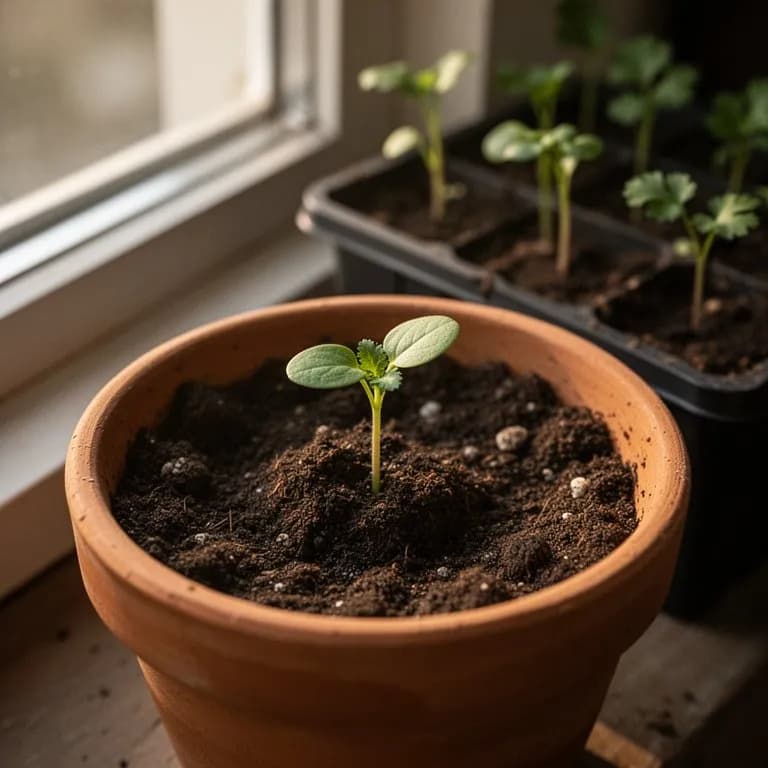
Coriander seeds are actually dry fruits (schizocarps) that each contain two seeds inside a hard, round husk. Germination takes 7-14 days and can be uneven if the husk is not cracked before sowing. The first structures to emerge are a pair of long, narrow cotyledon leaves that look nothing like the mature foliage — many new growers mistake them for grass.
Seedling Stage
The first true leaves appear with rounded, lobed edges quite different from the later feathery foliage. These juvenile leaves are broader and flatter, forming a small rosette close to the soil. The taproot establishes quickly during this stage, anchoring the plant firmly. Growth is steady in cool conditions but can stall in heat above 25°C.
Vegetative Growth
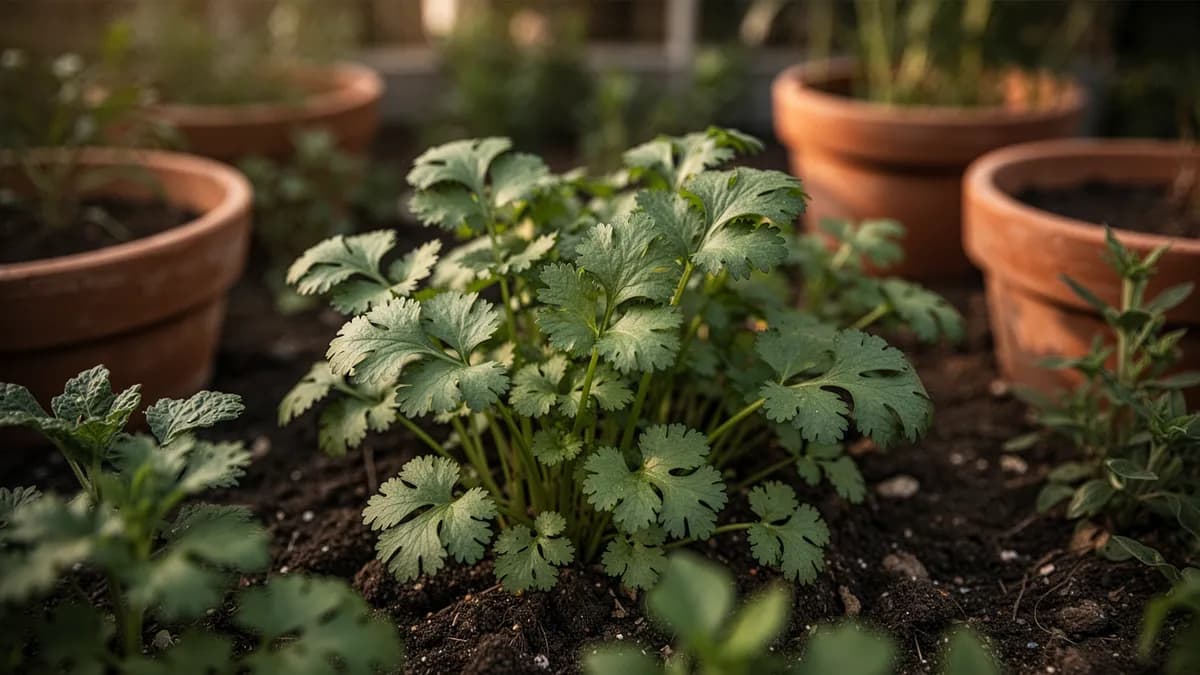
The Leisure variety truly distinguishes itself during this phase by producing abundant, large, deeply lobed leaves on sturdy stems. The plant forms a dense, bushy rosette 20-30 cm across. Leaf production is vigorous and continuous in cool weather, and the Leisure cultivar holds in this vegetative stage significantly longer than standard coriander — often 2-3 weeks more before showing any sign of bolting.
Bolting and Flowering
Eventually, especially as temperatures rise or days lengthen past 14 hours, the central stem elongates rapidly and the leaf shape changes dramatically — becoming finely divided and feathery (these thread-like leaves are called 'cilantro bolting leaves' or dill-like foliage). Delicate compound umbel flowers appear in white to pale pink clusters that are intensely attractive to beneficial insects.
Seed Development
After pollination, green seed clusters form and gradually dry on the plant, turning from green to tan to brown as they mature. Each umbel produces dozens of round seeds. The green immature seeds have a bright, citrusy flavor different from dried coriander. As seeds dry, their flavor mellows into the warm, slightly sweet, orange-peel character that defines the ground spice.
Gently crush the round seed husks between your palms or with a rolling pin before sowing to split them and speed germination by several days. Soak the split seeds in water for 12-24 hours before planting. Sow directly where plants will grow, as coriander resents transplanting due to its sensitive taproot.
Caring for Leisure Coriander month by month
What to do each month for your Leisure Coriander
October
You are hereHarvest autumn coriander at its peak — cool weather produces sweeter, more aromatic leaves. Protect plants with row cover or cloches as frost approaches. In mild zones (8-12), continue sowing for winter harvest. Collect any remaining seeds from dried plants.
Know exactly what to do in your garden — every month
One email at the start of each month: what to sow, plant, and tackle right now — for your Leisure Coriander and everything growing around it. Plus a short starter course that helps you dodge the classic mistakes.
- What to do, right now
- Matched to your season
- Starter course included
Harvesting Leisure Coriander
Harvest leaves continuously from 6 weeks after sowing by cutting outer leaves or pinching stem tips. For coriander seed, allow plants to bolt, flower, and set seed. Seeds are ready 2 to 3 weeks after flowering when they turn from green to tan-brown. Cut entire seed heads and place upside down in paper bags in a warm, dry area. Seeds will fall into the bag as they dry over 1 to 2 weeks. Thresh and winnow to separate seeds from chaff.
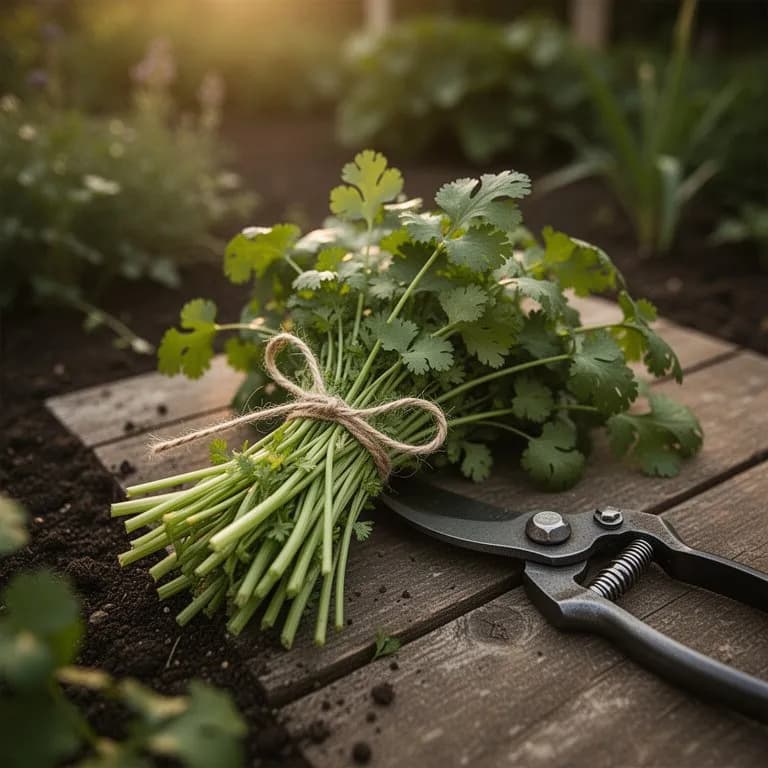
assuming you plant when the window opens — set your real date
Pick Leisure Coriander promptly and the plant keeps producing.
Storage & Preservation
Fresh coriander leaves store like regular cilantro, in a glass of water in the refrigerator for up to a week. Coriander seeds store exceptionally well in airtight containers in a cool, dark place for 3 to 4 years. Whole seeds retain flavor much longer than ground; grind just before use for the most aromatic results. Toast whole seeds briefly in a dry pan before grinding to intensify the warm, citrus flavor. Green (immature) coriander seeds can be pickled or frozen for a unique burst of fresh coriander flavor.
What goes wrong — and the fix
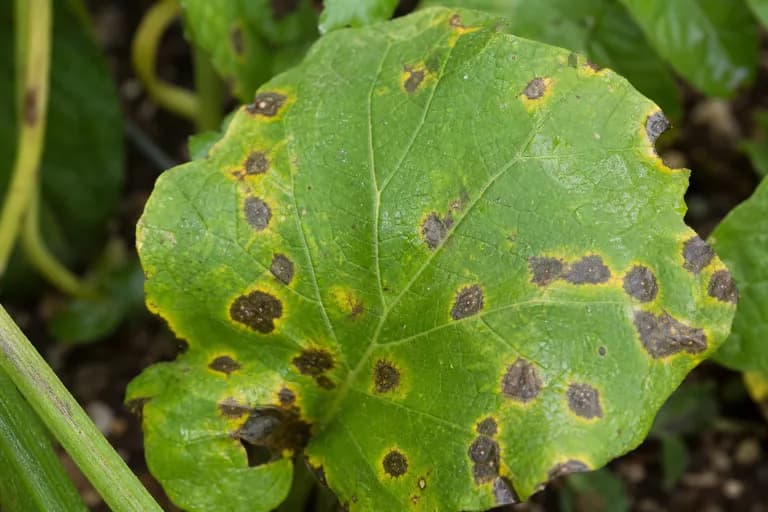
Bacterial Leaf Spot
DiseaseWater-soaked spots on leaves that turn brown with yellow halos. Most common during cool, wet weather. Can cause significant defoliation.
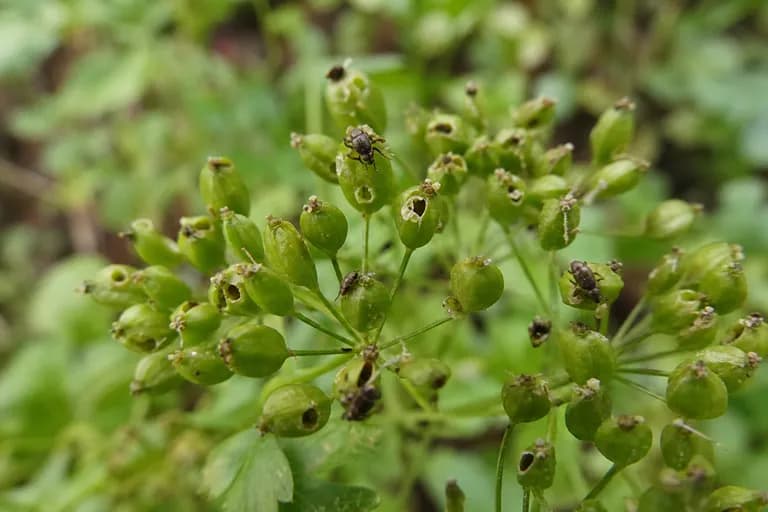
Seed Weevils
PestSmall holes in developing seeds. Adult weevils are tiny brown beetles visible on flower heads. Can reduce seed yield and quality.
Troubleshooting Common Problems
Even bolt-resistant varieties will eventually flower in warm weather. Sow in cool seasons for best leaf production. The taproot makes transplanting unreliable; always direct sow. Seed germination can be slow and spotty. For seed harvest, timing is critical; harvest too early and seeds lack flavor, too late and they shatter from the heads. Birds may eat developing seeds; cover with netting if necessary.
Growing Tips
- Always direct-sow coriander rather than transplanting. Coriander has a delicate taproot that, once disturbed, triggers stress-induced bolting. If you must start indoors, use deep modules or soil blocks that can be planted out without root disturbance.
- Crush the round seed husks gently before sowing — each 'seed' is actually a dry fruit containing two true seeds encased in a hard shell. Splitting this shell and soaking overnight in water speeds germination from 14 days to as few as 7 days.
- Succession sow every 2-3 weeks from early spring through early autumn. Even with the bolt-resistant Leisure variety, no single planting lasts all season. Overlapping sowings ensure an unbroken supply of fresh leaves for the kitchen.
- Choose a position with morning sun and afternoon shade during warm months. Full sun is fine in spring and autumn, but summer heat accelerates bolting even in Leisure. A spot that receives 4-6 hours of direct morning light and dappled shade in the afternoon is ideal.
- Water consistently but do not overwater. Coriander prefers evenly moist soil and will bolt faster under drought stress, but saturated roots invite damping off and root rot. Drip irrigation or a soaker hose on a timer produces the most consistent results.
- Harvest by cutting individual outer stems at the base rather than shearing the entire plant. This cut-and-come-again method allows the growing center to continue producing new stems and extends the total harvest from each plant by several weeks.
- Let a few plants bolt intentionally each season. The flowers attract an extraordinary range of beneficial insects — hoverflies, lacewings, parasitic wasps, and native bees — that provide natural pest control for the entire garden. The resulting seeds can be saved for replanting or used as a spice.
- Grow coriander in containers at least 20 cm deep to accommodate the taproot. Shallow pots cause root binding and premature bolting. A 30 cm pot can hold 5-6 plants and fits easily on a balcony or near the kitchen door for convenient snipping.
- Companion-plant coriander near tomatoes, peppers, and brassicas. Its aromatic foliage is said to confuse and deter aphids and whiteflies, while the flowers draw predatory insects. Avoid planting near fennel, which can cross-pollinate and inhibit coriander germination.
- For a winter windowsill crop, sow in a deep pot and place in the coolest bright spot available — an unheated but frost-free room near a south-facing window is ideal. Warmth and low light produce leggy, flavorless plants. A small LED grow light dramatically improves indoor winter coriander quality.
Grow your best Leisure Coriander yet — and everything around it.
Start a free plan today. Lay out your beds, drop in your Leisure Coriander, and let PlotMyGarden handle the timing, spacing, companions and reminders from seed to harvest basket.
Pick your Leisure Coriander
Leisure
A well-balanced dual-purpose cultivar. Large flat-leaved rosette for extended leaf harvest before bolting. Produces plump, well-flavored seeds. Good bolt resistance.
Santo
Another excellent dual-purpose variety with very slow bolting. Dark green leaves and large seed production. Widely recommended for home gardens.
A packet of Leisure coriander seeds costs $2-4 and contains 200-400 seeds — enough for an entire year of succession planting. A single bunch of fresh coriander at the supermarket costs $1.50-3.00 and wilts within 3-5 days. Growing your own with succession sowing every 3 weeks from spring through autumn can yield 15-20 generous harvests per season, replacing $25-60 worth of store-bought bunches. Because Leisure bolts so much later than standard varieties, each planting produces 2-3 times more usable leaf harvests, making it the most cost-effective coriander cultivar for home gardens. The bonus harvest of dried coriander seed from bolted plants adds further value — a jar of whole coriander seeds costs $4-6 at retail.
Quick recipes
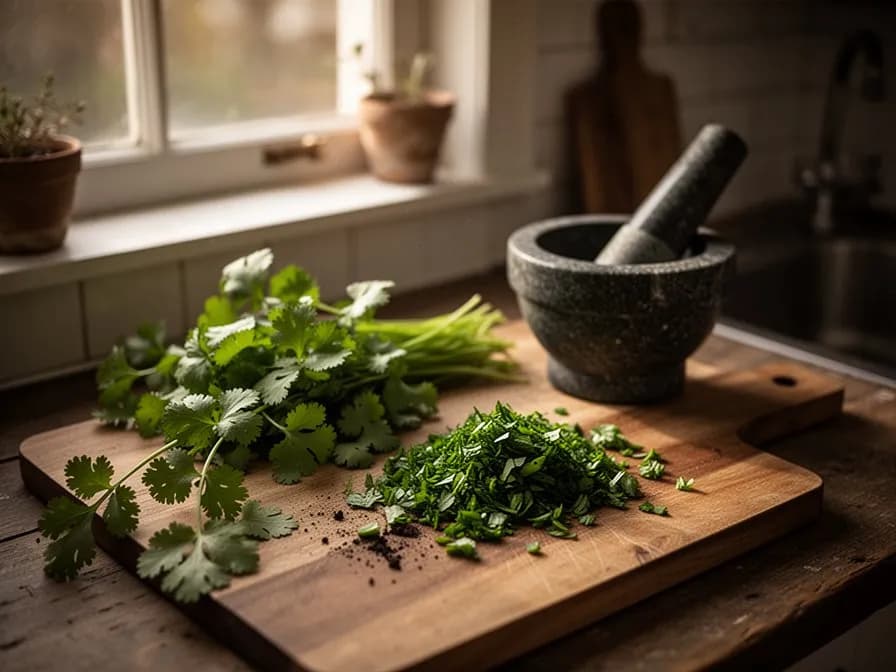
Classic Coriander-Lime Rice
20 minFragrant, fluffy rice studded with fresh coriander and brightened with lime — the perfect accompaniment to Mexican, Thai, or Indian dishes. This Chipotle-style rice transforms a simple side into something memorable with just a handful of fresh Leisure coriander.
7 ingredientsFresh Coriander and Green Chilli Chutney
10 minA vibrant, intensely flavored South Indian-style chutney that pairs with grilled meats, flatbreads, dosas, and rice dishes. This raw chutney showcases the full aromatic punch of freshly picked Leisure coriander leaves and stems blended with green chilli and lime.
9 ingredientsThai Coriander Pesto with Peanuts
15 minA Southeast Asian twist on classic basil pesto, swapping in coriander, roasted peanuts, and fish sauce for an umami-rich sauce perfect on noodles, grilled chicken, or as a dipping sauce for summer rolls. It captures the fresh, citrusy character of Leisure coriander beautifully.
9 ingredientsCulinary Uses
Leisure provides both fresh cilantro leaves for garnishing and coriander seeds for spice. The leaves are used in the same ways as any cilantro in Mexican, Asian, and Middle Eastern dishes. Coriander seeds have a warm, citrusy, slightly sweet flavor quite different from the leaves. Use ground coriander in curry powders, garam masala, and spice blends. Toast and grind seeds for marinades, rubs, and pickled vegetables. Green coriander seeds add a burst of fresh, complex flavor to salads and ceviches.
What's inside
Health Benefits
- Exceptionally dense in vitamin A as beta-carotene — even modest amounts of fresh coriander contribute meaningfully to daily vitamin A intake, supporting vision health, immune response, and skin integrity.
- Contains natural chelating compounds that have shown promise in laboratory studies for binding heavy metals, though clinical evidence in humans remains limited and coriander should not replace medical treatment.
- The essential oils in coriander leaves, particularly linalool and geranyl acetate, demonstrate antimicrobial activity in laboratory settings against several common foodborne bacteria including Salmonella and E. coli.
- Rich in quercetin and other flavonoid antioxidants that help neutralize free radicals and support the body's natural inflammatory balance, contributing to long-term cardiovascular and cellular health.
- Traditional medicine systems including Ayurveda and Traditional Chinese Medicine have used coriander for centuries as a digestive aid, and modern research suggests its volatile oils may support healthy digestive motility and reduce gas and bloating.
- Provides vitamin K in quantities that meaningfully support blood clotting and bone metabolism — just 10 grams of fresh leaves delivers over 30% of the recommended daily intake of this often-underconsumed vitamin.
Where Leisure Coriander comes from
Coriander (Coriandrum sativum) is one of humanity's oldest cultivated herbs, with origins in the eastern Mediterranean and western Asia. Archaeological evidence places its use as early as 5000 BCE in present-day Israel, and dried seeds were found among the funerary offerings in Egyptian tombs dating to 1500 BCE, including that of Tutankhamun. The ancient Egyptians valued it both as a culinary spice and a medicinal plant, and it was one of the bitter herbs mentioned in the Hebrew Bible as part of Passover traditions.
The Greeks and Romans spread coriander cultivation throughout Europe and into Britain. Roman soldiers carried coriander seeds as a food preservative and flavoring agent across their expanding empire. The Latin name Coriandrum derives from the Greek koris (bedbug), a reference to the pungent, somewhat insect-like aroma of the crushed unripe seeds and bruised leaves — an early acknowledgment of the polarizing scent that still divides opinion today.
Spanish and Portuguese explorers introduced coriander to the Americas, Mexico, and Southeast Asia in the 15th and 16th centuries, where it was eagerly adopted into local cuisines and became so deeply integrated that many people assume it is native to those regions. In Mexican and American English, the fresh leaves are called cilantro (from the Spanish), while the dried seeds retain the name coriander — a distinction not made in most other languages.
The Leisure cultivar represents modern Dutch breeding innovation aimed at solving the home gardener's greatest frustration with coriander: premature bolting. Developed through selective breeding for extended vegetative growth, Leisure produces larger, darker leaves on sturdier stems and remains harvestable for weeks longer than older varieties. This bolt-resistant characteristic has made it the most popular named coriander cultivar for temperate-climate home gardens across Europe and North America, where gardeners can now enjoy a meaningful harvest window rather than watching their plants rush to flower within days of reaching usable size.
Leisure Coriander: did you know?
Fascinating facts about Leisure Coriander
Coriander is the world's most widely used culinary herb — it features prominently in Mexican, Indian, Thai, Vietnamese, Chinese, Middle Eastern, and Portuguese cuisines, appearing on every continent except Antarctica.
Leisure Coriander questions, answered
When should I plant Leisure Coriander?
What are good companion plants for Leisure Coriander?
What hardiness zones can Leisure Coriander grow in?
How much sun does Leisure Coriander need?
How far apart should I space Leisure Coriander?
What pests and diseases affect Leisure Coriander?
How do I store Leisure Coriander after harvest?
What are the best Leisure Coriander varieties to grow?
What soil does Leisure Coriander need?
Why does my coriander bolt so quickly, and how is Leisure different?
Does coriander really taste like soap to some people?
Can I use the roots, stems, and flowers, or just the leaves?
How do I prevent coriander from bolting in summer?
Should I grow coriander from seed or buy transplants?
How do I save coriander seeds for replanting and cooking?
You just read the theory. Now grow it on autopilot.
Everything that makes Leisure Coriander fiddly — the timing, the spacing, the companions, the harvest window — is exactly what PlotMyGarden handles for you, for every plant in your garden.
A plan that knows your weather
Set your location once. Get sow, feed and harvest dates built around your real last-frost date and live forecast — no more guessing from a generic seed packet.
From the “When to plant” sectionDrag-and-drop bed planner
Design beds on a grid. Every plant snaps to its proper spacing, and you can see your whole season laid out before you spend a cent on seed.
From the “Growing guide” sectionCompanion conflicts, caught early
200+ good-and-bad pairings checked live as you plant — so a season-wrecking mistake never makes it into the ground.
From the “Companions” sectionReminders you'll actually act on
“Water the beans.” “Pick today before it turns.” Timely, specific, and tied to the plants you're really growing.
From the “Harvest” sectionSuccession, scheduled
Want a harvest for six weeks, not six days? It spaces your sowings automatically and reminds you when each new block is due.
From the “When to plant” sectionA record that gets smarter
Every harvest you log teaches it your garden. Next year's plan starts from what actually worked in your soil, not a textbook's.
From the “Overview” sectionPlant these alongside Leisure Coriander
More Culinary Herbs
Keep Leisure Coriander away from these
Grow your best Leisure Coriander yet — and everything around it.
Start a free plan today. Lay out your beds, drop in your Leisure Coriander, and let PlotMyGarden handle the timing, spacing, companions and reminders from seed to harvest basket.