Zitronatzitrone
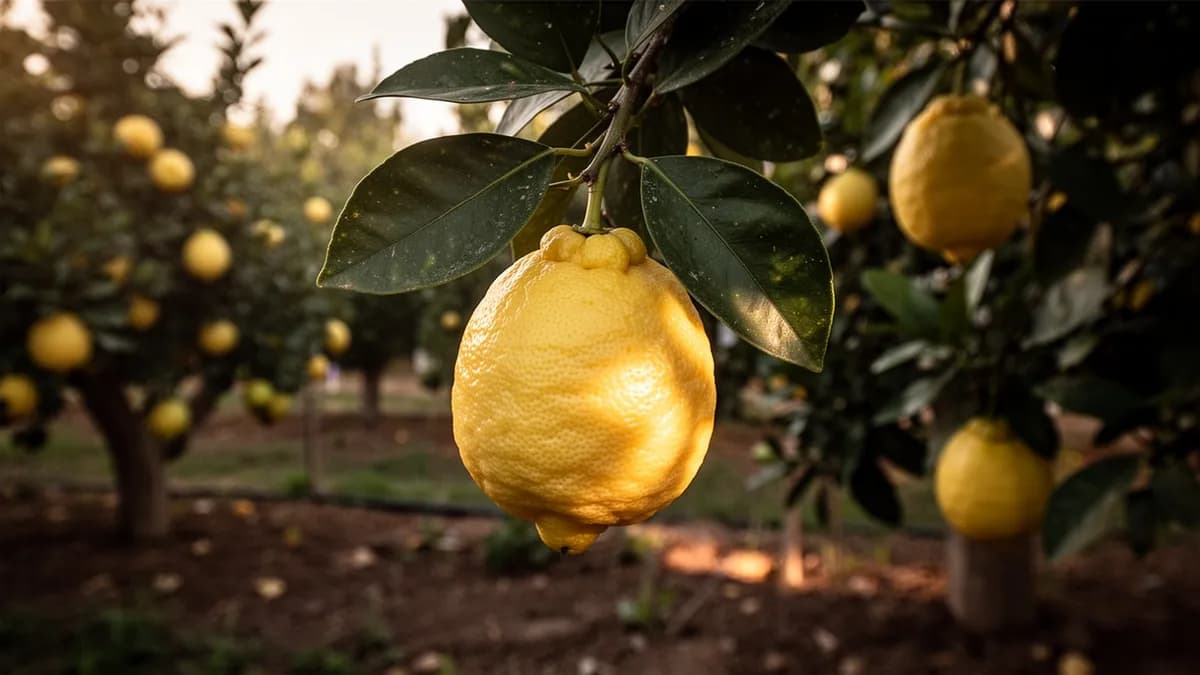
Eine der ursprünglichen Ahnenzitrusarten, die große, dickschalige Früchte mit sehr wenig Saft, aber intensiv aromatischer Schale produziert.





Auf dieser SeiteÜberblick
Zitronatzitrone im Überblick
Eine der ursprünglichen Ahnenzitrusarten, die große, dickschalige Früchte mit sehr wenig Saft, aber intensiv aromatischer Schale produziert. Die Buddhas-Hand-Varietät hat spektakuläre fingerartige Segmente und besteht vollständig aus Schale ohne Fruchtfleisch. Zitronatzitronen-Schale wird für Backwaren kandiert und in religiösen Zeremonien vieler Kulturen verwendet.
Wann Zitronatzitrone pflanzen
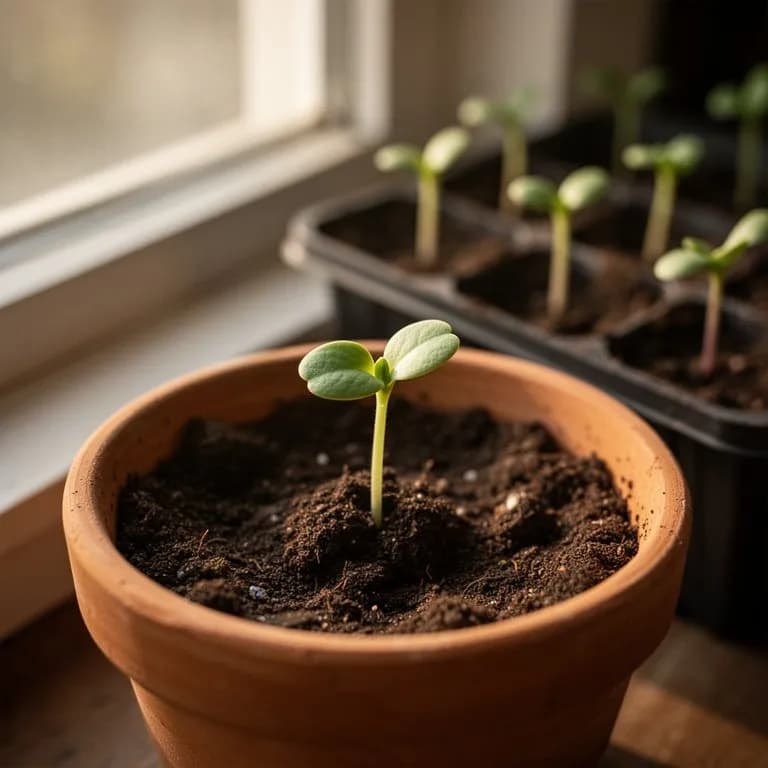
Die Zitronatzitrone wächst leicht aus Samen, wobei die Sämlinge relativ sortenecht sind. Samen sollten frisch aus reifen Früchten gepflanzt werden, da sie schnell ihre Keimfähigkeit verlieren. Einen Zentimeter tief in warme, feuchte Anzuchterde pflanzen und Temperaturen von 24 bis 29 Grad aufrechterhalten. Die Keimung erfolgt in drei bis sechs Wochen. Aus Samen gezogene Zitronatzitronen-Bäume können in vier bis sieben Jahren Früchte tragen. Für garantierte sortenspezifische Eigenschaften veredelte Bäume kaufen. Zitronatzitronen-Stecklinge wurzeln leichter als viele andere Zitrusarten und bieten eine weitere Vermehrungsmethode.
Dein Zitronatzitrone-Jahr
Abgestimmt auf Zone 7 · typische Saison · Frost geht um den 2. Apr. und kehrt um den 1. Nov. zurück
Zitronatzitrone Mär – Mai pflanzen, Jan, Okt – Dez ernten. Beachte die Pflanzmethoden unten und wähle dein Klima für passende Zeiträume.
So baust du Zitronatzitrone an
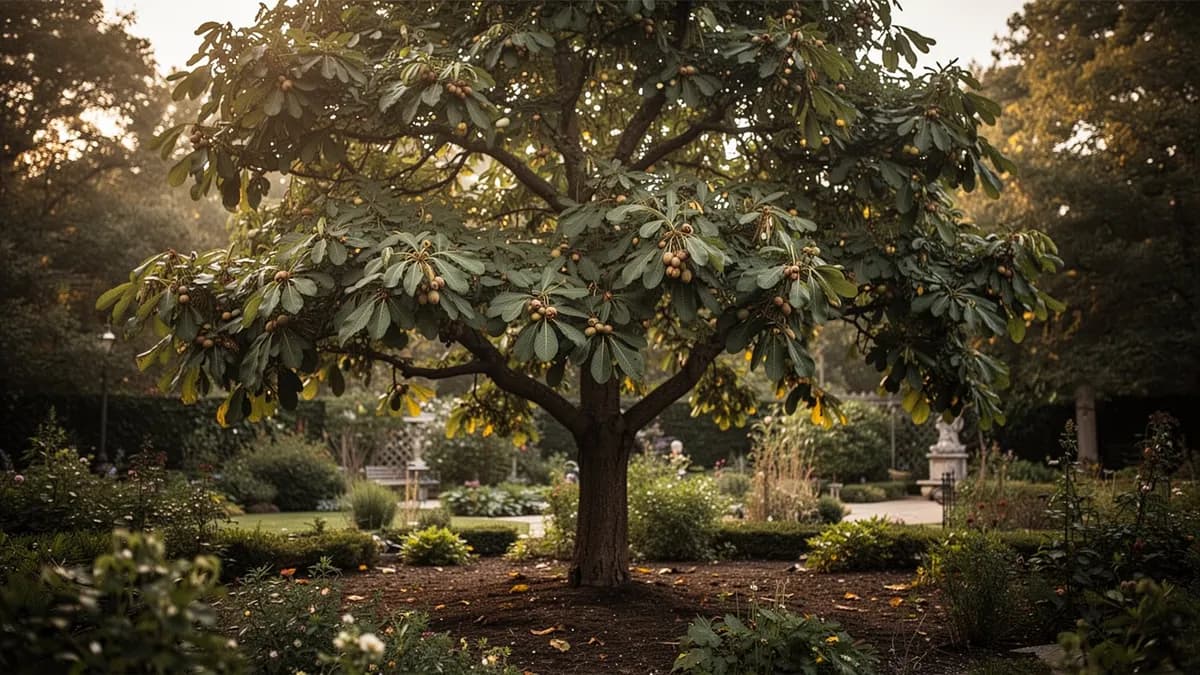
Die Zitronatzitrone ist eine der frostempfindlichsten Zitrusarten und gedeiht nur in den USDA-Zonen 10 bis 12 oder in Kübeln, die nach innen gebracht werden können. Pflanzen Sie in voller Sonne in gut drainiertem Boden mit einem Pflanzabstand von 3 bis 4,5 Metern. Zitronautzitronen-Bäume sind dornig und etwas unförmig und erreichen eine Höhe von 2,5 bis 4,5 Metern. Die großen, duftenden Blüten sind leicht violett getönt und blühen in tropischen Klimazonen das ganze Jahr über in Schüben.
Das Kübel-Anbau ist in den meisten Klimazonen praktikabel; verwenden Sie einen Topf von 75 bis 95 Litern mit hervorragender Drainage. Der Baum passt sich gut an die Kübelhaltung an und produziert auch im Behälter beeindruckende Früchte. Bringen Sie ihn nach innen, wenn die Temperaturen unter 4 Grad zu fallen drohen, da die Zitronatzitrone äußerst kälteempfindlich ist.
Regelmäßig gießen, aber Staunässe vermeiden. Die Zitronatzitrone bevorzugt gleichmäßige Feuchtigkeit während der Fruchtentwicklung. Dreimal jährlich mit Zitrusdünger düngen. Die dickschalige Frucht entwickelt sich über mehrere Monate und kann beeindruckende Größen von über zwei Kilogramm erreichen. Zur Größenkontrolle beschneiden und tote oder sich kreuzende Äste entfernen. Die Dornen sind erheblich, daher beim Arbeiten mit dem Baum Schutzhandschuhe tragen.
Für Zitronatzitrone ist ein Beet von 120 × 240 cm zu klein
Zitronatzitrone braucht 300 cm Platz pro Pflanze. Der Planer hält diesen Abstand für dich ein — jede Pflanze, jedes Beet.
Die besten Nachbarn für Zitronatzitrone
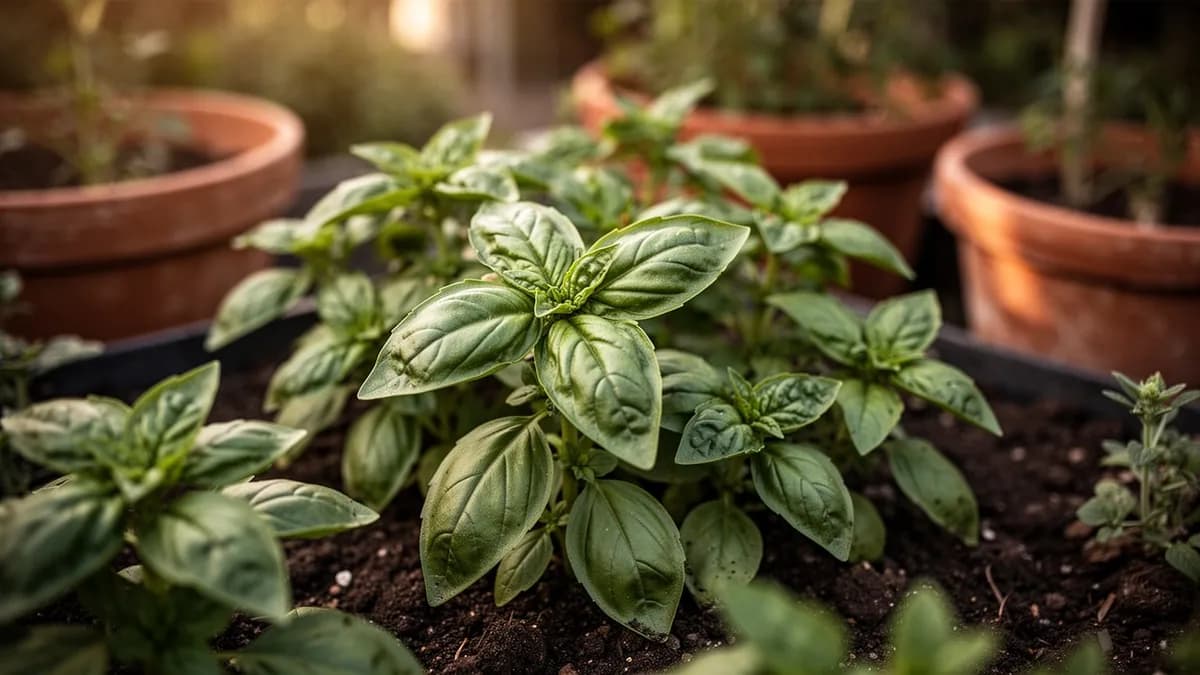
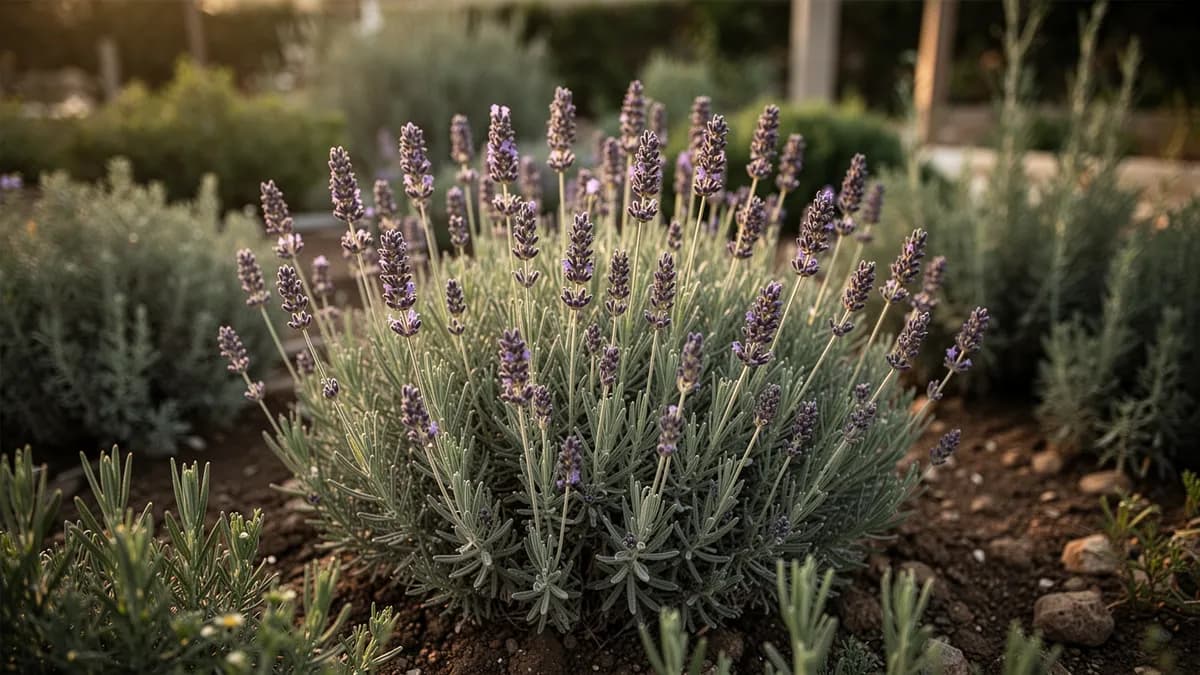
Die Zitronatzitrone harmoniert gut in tropischen und subtropischen Mischpflanzungen neben anderen frostempfindlichen Obstbäumen. In warmen Klimazonen Unterplanzungen mit tropischen Kräutern wie Zitronengras, Ingwer und Kurkuma vornehmen. Bei Kübel-Gruppierungen mit anderen duftenden Zitrusfrüchten wie Bergamotte und Kumquat für eine aromatische Sammlung kombinieren. Blühende Kräuter locken Bestäuber an und verbessern den Fruchtansatz. Konkurrierende Wurzelsysteme aggressiver Bäume oder Gräser vermeiden.
Basilikum gehört daneben. Walnussbaum nicht.
Altes Gärtnerwissen, geprüft an der echten Nachbartabelle von Zitronatzitrone — teste jede Pflanze, die du anbaust.
Probiere Zitronatzitrone direkt hier im Beet
Ein echtes Planer-Beet, Zitronatzitrone steht schon drin. Tippe einen Begleiter an, platziere ihn und sieh, wie die Nachbarschaftsprüfung antwortet — grün für gute Nachbarn, rot bei Streit.


Passende Anbau-Ratgeber
Richtig düngen
Die Zitronatzitrone benötigt gut drainierten Boden mit einem pH-Wert von 5,5 bis 6,5. Der Baum verträgt schlechte Drainage weniger als viele andere Zitrusarten. Sandiger Lehmboden ist ideal. Dreimal jährlich einen ausgewogenen Zitrusdünger in moderaten Mengen ausbringen. Die Zitronatzitrone benötigt keine starke Düngung. Bei Mangelerscheinungen mit Mikronährstoffen ergänzen. Für Kübelpflanzen eine gut durchlässige Zitruspflanzerde verwenden und während der Wachstumssaison monatlich mit verdünntem Flüssigdünger düngen.
Ideale Temperatur
Winterhärtezone-Kompatibilität
Von der Saat zur Ernte, Schritt für Schritt
Etablierung aus Steckling oder veredeltem Baum
Die Zitronatzitrone wird fast immer aus Stecklingen vermehrt oder als veredelter Baumschulbaum gekauft, anstatt aus Samen gezogen zu werden, da samengezogene Pflanzen viele Jahre bis zur Fruchtbildung brauchen und die genetische Variabilität hoch ist. Halbholzige Stecklinge, die im späten Frühjahr entnommen werden, wurzeln leicht, wenn sie mit Bewurzelungshormon behandelt und unter warmen, feuchten Bedingungen gehalten werden. Veredelte Bäume auf frostresistenter Unterlage etablieren sich schneller und tragen oft schon nach zwei bis drei Jahren Früchte.
Vegetatives Wachstum und Kronenentwicklung
Einmal etabliert, produziert der Zitronatzitrone-Baum kräftige Schübe neuen Wachstums, die durch große, breit ovale Blätter mit fein gezähnten Rändern und einer dicken, lederartigen Textur gekennzeichnet sind. Der Baum entwickelt kräftige, mit scharfen Dornen bewaffnete Äste und wächst unter warmen Bedingungen relativ schnell. Neue Wachstumsschübe erscheinen im Frühjahr, Sommer und gelegentlich im Herbst in frostfreien Klimazonen.
Erste Blüte
Zitronatzitrone-Bäume beginnen in der Regel ein bis drei Jahre nach dem Pflanzen zu blühen, abhängig von Vermehrungsmethode, Klima und Pflege. Die großen weißen Blüten mit violett getönten äußeren Blütenblättern erscheinen in kleinen Büscheln und verbreiten einen reichen, schweren Duft. Die Zitronatzitrone ist selbstfruchtbar und benötigt keinen zweiten Baum zur Bestäubung, obwohl Bestäuberaktivität den Fruchtansatz deutlich verbessert.
Fruchtentwicklung
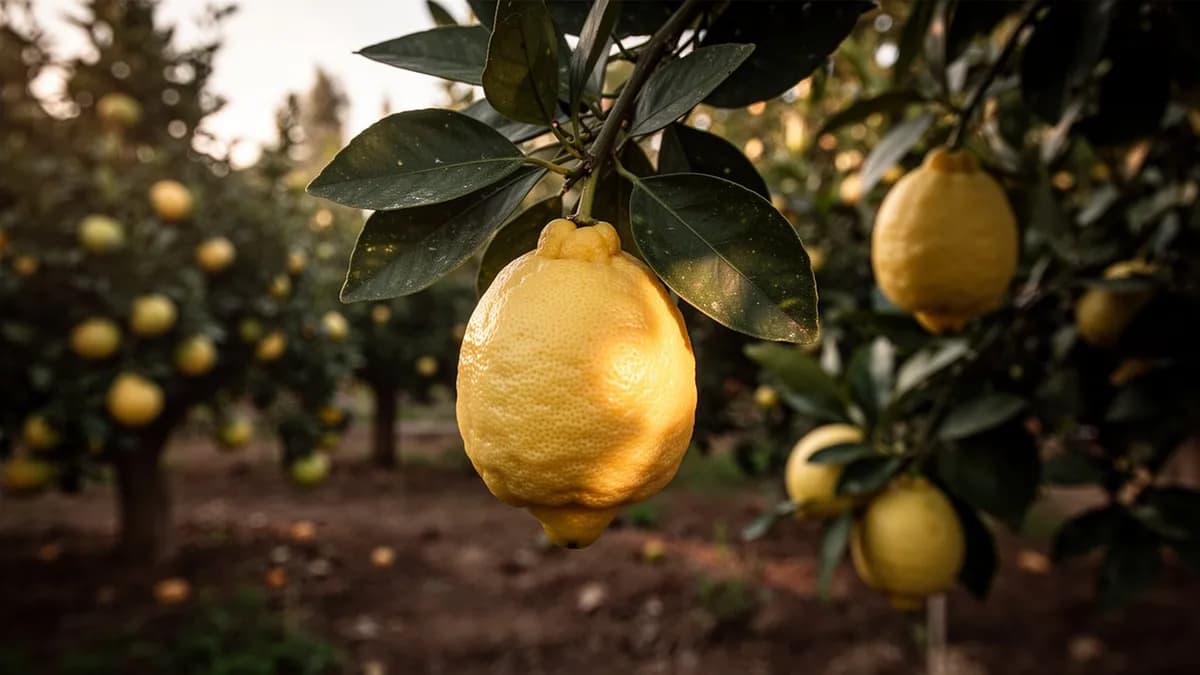
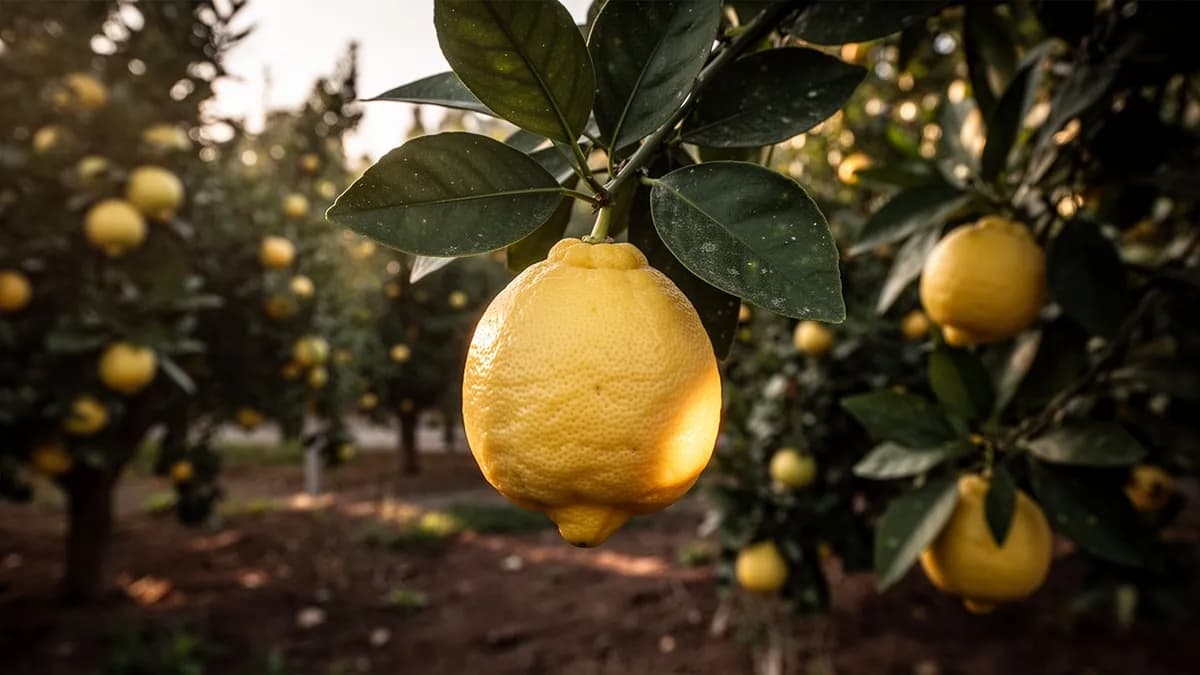
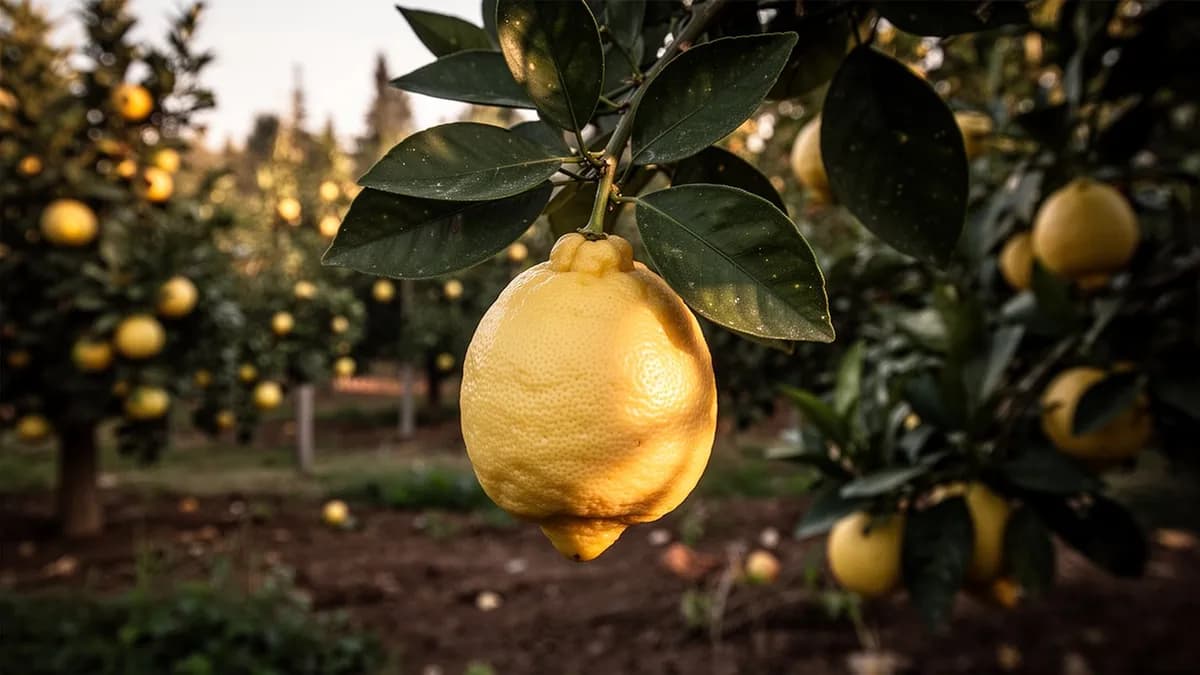
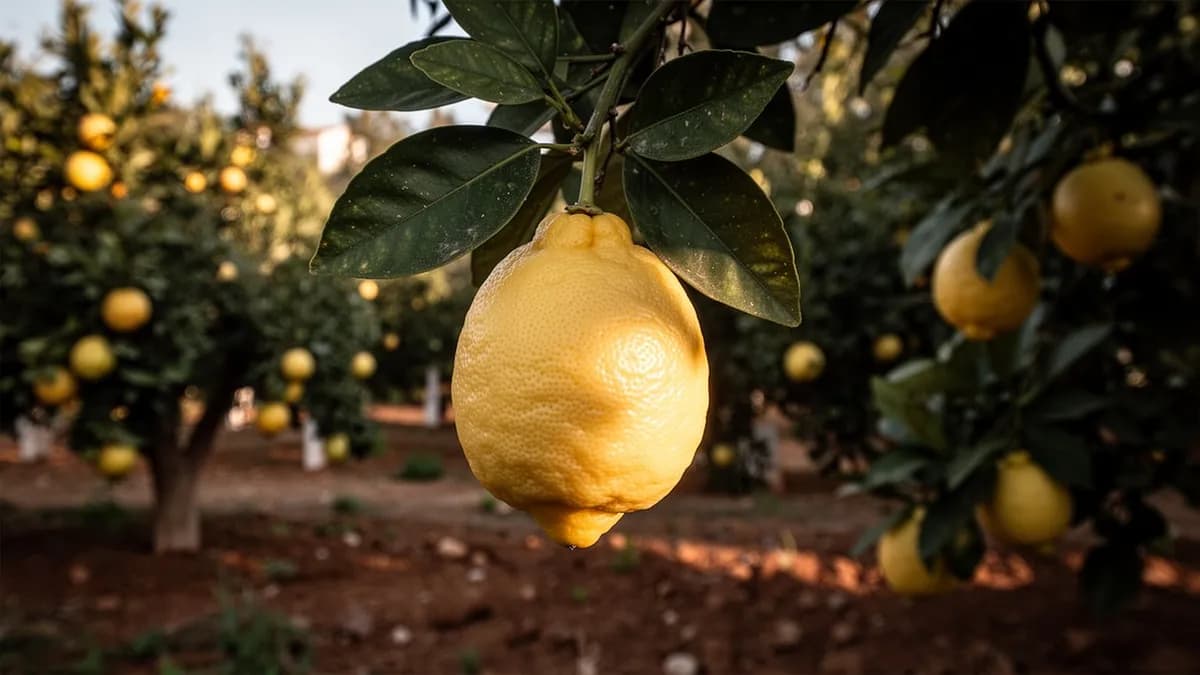
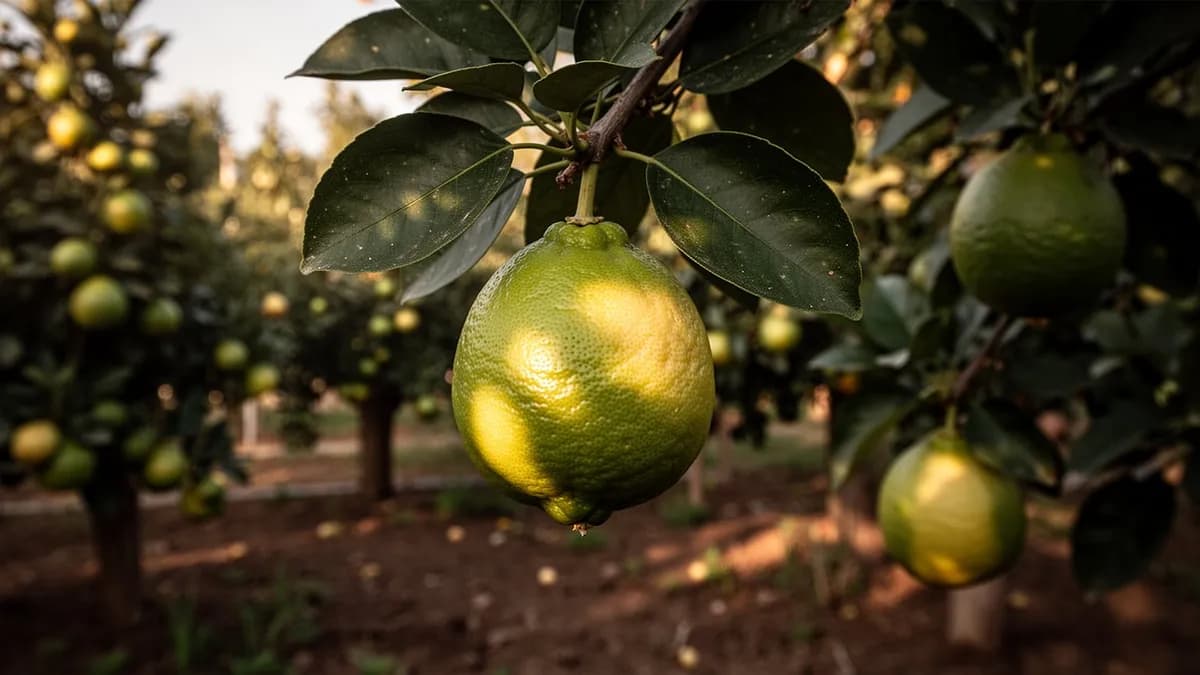
Nach der Bestäubung entwickeln sich Zitronatzitronen-Früchte langsam über sechs bis neun Monate. Die Früchte sind bemerkenswert groß und wachsen oft auf 15–25 cm Länge; sie sind stark gerippt mit einer dicken, rauen, unebenen Schale. Die sich entwickelnde Frucht durchläuft eine grüne Phase, bevor sie beim Reifen allmählich hellgelb wird. Die außerordentlich dicke Schale, die den größten Teil des Fruchtgewichts ausmacht, ist während der gesamten Entwicklung intensiv duftend durch ätherische Öle.
Reife und Ernte
Reife Zitronatzitronen nehmen ein tiefes, leuchtendes Gelb an und verströmen einen überwältigend intensiven Duft, der einen ganzen Raum parfümieren kann. Im Gegensatz zu den meisten Zitrusfrüchten sind die Saftsäcke der Zitronatzitrone spärlich und oft trocken, sodass die Frucht fast ausschließlich für ihre aromatische Schale, ihr dickes Mark und ihre ätherischen Öle geschätzt wird. Ein einziger ausgewachsener Zitronatzitrone-Baum kann unter warmen Bedingungen fünfzehn bis vierzig Früchte pro Jahr produzieren, die jeweils zwischen 500 g und über 2 kg wiegen.
Erholung nach der Ernte und Neuaustrieb
Nach der Ernte tritt der Zitronatzitrone-Baum in eine kurze Erholungsphase ein, bevor er einen neuen Schub vegetativen Wachstums treibt, der die Blüte der nächsten Saison trägt. In frostfreien Klimazonen können Zitronatzitrone-Bäume das ganze Jahr über zeitweise blühen und Früchte tragen. Die kräftige Wuchseigenschaft des Baumes bedeutet, dass er gut auf den Schnitt nach der Ernte reagiert, um die Krone zu formen und zu verjüngen.
In einem Kübel oder einem gut vorbereiteten Gartenbeet mit hervorragender Drainage pflanzen. Sanft, aber gleichmäßig gießen, um die Wurzelbildung zu fördern. In den ersten vier bis sechs Wochen nicht düngen, um das Verbrennen empfindlicher neuer Wurzeln zu vermeiden.
Zitronatzitrone Monat für Monat pflegen
Was du jeden Monat für deine Zitronatzitrone tun solltest
Oktober
Aktueller MonatZitronatzitrone-Bäume auf den ersten Frost vorbereiten. Kübelpflanzen an einen geschützten Außenstandort stellen oder mit dem Einzug nach innen beginnen. Die Bewässerungshäufigkeit mit sinkenden Temperaturen reduzieren. Verbleibende reife Früchte ernten, bevor kalte Temperaturen die Schale beschädigen.
Immer wissen, was jetzt im Garten zu tun ist
Eine E-Mail zum Monatsanfang: was du jetzt säen, pflanzen und anpacken solltest — für deine Zitronatzitrone und alles, was drumherum wächst. Dazu ein kurzer Startkurs, der dich vor den klassischen Fehlern bewahrt.
- Was jetzt zu tun ist
- Passend zu deiner Saison
- Startkurs inklusive
Zitronatzitrone ernten
Zitronatzitronen-Früchte reifen sechs bis acht Monate nach der Blüte, wobei sie von grün zu hellgelb werden. Die Frucht ist erntereif, wenn die dicke Schale duftet und vollständig gelb geworden ist. Im Gegensatz zu den meisten Zitrusfrüchten wird die Zitronatzitrone wegen ihrer dicken, aromatischen Schale und nicht wegen des spärlichen, sauren Saftes angebaut. Früchte mit einer Gartenschere vom Baum schneiden und dabei vorsichtig umgehen, um die ölreiche Schale nicht zu verletzen. Die großen Früchte können jeweils mehrere Kilogramm wiegen.
angenommen, du pflanzt zu Beginn des Zeitraums — trage dein tatsächliches Datum ein
Ernte Zitronatzitrone zügig, dann trägt die Pflanze weiter.
Lagerung & Konservierung
Frische Zitronatzitronen halten sich aufgrund ihrer dicken Schutzschale zwei bis drei Wochen bei Raumtemperatur. Die traditionelle Verwendung ist das Kandieren der Schale, was sie monatelang haltbar macht und in Früchtekuchen, Panettone und anderen Backwaren verwendet wird. Zitronatzitronen-Schale kann getrocknet und jahrelang gelagert werden. Der Abrieb lässt sich gut einfrieren. Zitronatzitronen können in Salzlake für herzhafte Anwendungen eingelegt werden. In der jüdischen Tradition wird die Etrog-Varietät sorgfältig für das Sukkot-Fest aufbewahrt und in Leinenstoff eingewickelt gelagert, um ihre Form zu schützen.
Was schiefgeht — und die Lösung
Zitrus-Knospenspinne
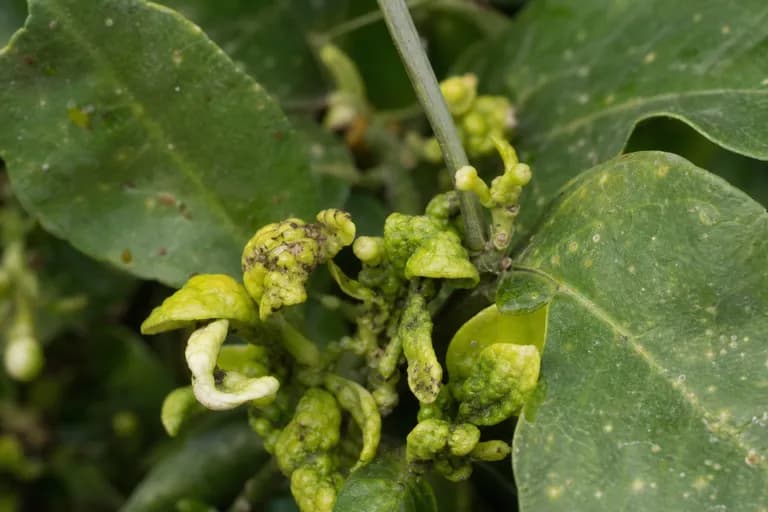
SchädlingVerzerrtes, rosettenartiges Wachstum an neuen Trieben. Deformierte Blüten, die keine Früchte bilden. Gallenartige und verdrehte Blattknospen.
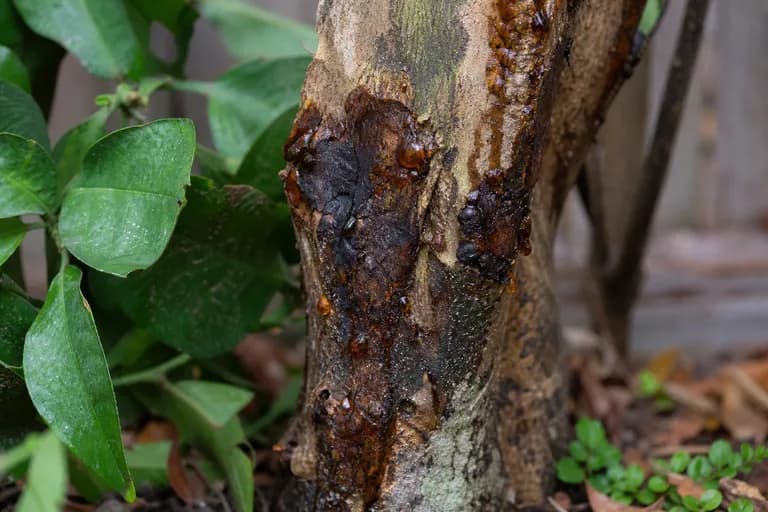
Phytophthora-Gummosis
KrankheitDunkle, wassergetränkte Rindenflecken am unteren Stamm, die bernsteinfarbenes Gummi ausscheiden. Rinde reißt und blättert ab. Kann den Baum schließlich ringeln und abtöten.
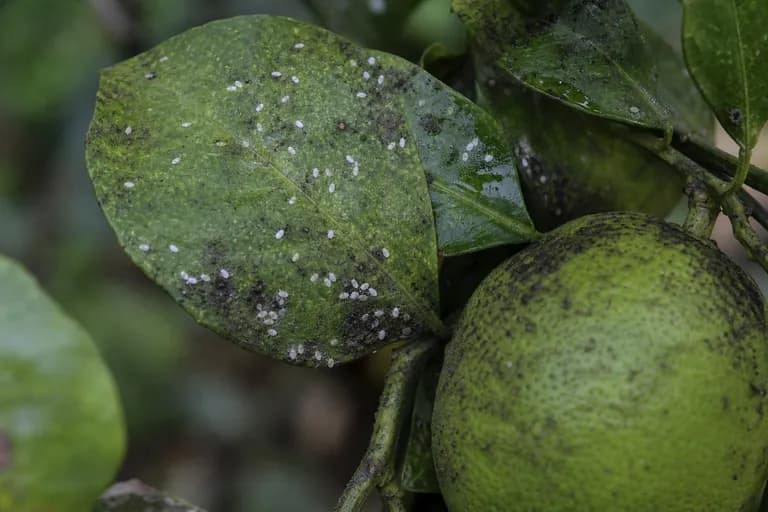
Zitrus-Mottenschildlaus
SchädlingKleine weiße fliegende Insekten auf der Blattunterseite. Honigtauproduktion führt zu schwarzem Rußtau. Blattvergelbung und verminderter Wuchs bei starkem Befall.
Fehlerbehebung bei häufigen Problemen
Extreme Kälteempfindlichkeit ist die größte Herausforderung, was die Zitronatzitrone für die meisten Gärtner ohne Kübelhaltung oder ein tropisches Klima unpraktisch macht. Der Baum ist dornig und unförmig und erfordert regelmäßigen Rückschnitt, um eine attraktive Form zu erhalten. Die Früchte enthalten fast keinen Saft, was Gärtner enttäuscht, die eine traditionelle Zitruserfahrung erwarten. Die dicke Schale entwickelt sich bei unzureichender Wärme und Feuchtigkeit schlecht. Kübelpflanzen können kleinere Früchte produzieren als Freilandexemplare in idealen Klimazonen.
Anbautipps
- Kaufen Sie einen veredelten Zitronatzitrone-Baum von einer Spezialbaumschule, anstatt zu versuchen, ihn aus Samen zu ziehen. Samengezogene Zitronatzitrone-Bäume sind sehr variabel, brauchen viele Jahre bis zur Fruchtbildung und produzieren oft minderwertige oder atypische Früchte. Veredelte Bäume auf Dreizack-Orange- oder Troyer-Zitrangen-Unterlage sind widerstandsfähiger und tragen innerhalb von zwei bis drei Jahren zuverlässig Früchte.
- Das wärmste, geschützteste Mikroklima bereitstellen, das verfügbar ist, beispielsweise an einer südwärts ausgerichteten Mauerwand, die nachts Wärme abstrahlt. Die Zitronatzitrone ist die frostempfindlichste gängige Zitrusart und wird bei Temperaturen knapp unter 0 °C geschädigt, weshalb die Standortwahl in jedem Klima mit Frostgefahr entscheidend ist.
- Eine schnell drainierende, leicht saure Anzuchtmischung für Zitrus verwenden, wenn in Kübeln angebaut wird, und immer Töpfe mit mehreren großen Drainagelöchern wählen. Die häufigste Einzelursache für das Scheitern der Zitronatzitrone in Kübeln ist Wurzelfäule durch schlecht drainiertes Substrat oder Töpfe ohne ausreichende Drainage.
- Tief gießen, aber die obere Erdschicht zwischen den Wassergaben antrocknen lassen. Die Zitronatzitrone reagiert schlecht sowohl auf Überfeuchten als auch auf Trockenstress. Einen gleichmäßigen Bewässerungsplan einhalten statt sporadischer Starkbewässerung, besonders während der Fruchtentwicklung, wenn unregelmäßige Feuchtigkeit Schalenrisse und Fruchtfall verursacht.
- Während der Wachstumssaison alle sechs bis acht Wochen mit einem hochwertigen Zitrusdünger düngen und dabei besonders auf Mikronährstoffe wie Eisen, Zink und Mangan achten. Die Zitronatzitrone, die in alkalischen Böden oder in Hartwater-Gebieten wächst, ist besonders anfällig für Mikronährstoff-Mängel, die Vergilbung zwischen den Blattadern verursachen (interveale Chlorose).
- Zitronatzitrone-Bäume jährlich im späten Winter oder frühen Frühjahr vor dem Neuaustrieb beschneiden. Jegliches Wachstum unterhalb der Veredlungsstelle sofort entfernen und die Krone auslichten, um den Lichteinfall und die Luftzirkulation zu verbessern, was den Pilzkrankheitsdruck verringert und die Fruchtqualität im gesamten Baum verbessert.
- Beim spezifischen Anbau der Buddhas-Hand-Zitronatzitrone die charakteristischen fingerartigen Auswüchse während ihrer Entwicklung nicht ausdünnen, da ihre Anzahl und Ausbreitung ein wesentliches Qualitätsmerkmal sind. Entwickelnde Früchte mit Sorgfalt handhaben, da selbst leichte Druckstellen die empfindliche Schale zum Bräunen und schnellen Verfall bringen.
- In Klimazonen mit kalten Wintern Kübel-Zitronatzitrone-Bäume vor dem ersten Frost nach innen holen, anstatt auf Kälteschäden zu warten. Zitronatzitrone-Bäume brauchen mehrere Wochen, um sich an Innenbedingungen zu gewöhnen, und verlieren Blätter, wenn sie abrupt versetzt werden. Schrittweises Abhärten in beide Richtungen verhindert den erheblichen Rückschlag durch Blattfall.
- Um den außergewöhnlichen Duft der Zitronatzitrone-Schale zu maximieren, Früchte morgens ernten, wenn der ätherische Ölgehalt am höchsten ist, und möglichst wenig anfassen. Eine frisch geerntete Zitronatzitrone in einer Schüssel im Inneren parfümiert einen Raum zwei bis vier Wochen lang – ein Merkmal, das von alten Zivilisationen geschätzt wurde und heute noch erfreulich ist.
- Bestäuber durch das Pflanzen nektarreicher Begleitpflanzen wie Lavendel, Borretsch und Steinkraut in der Nähe fördern. Obwohl die Zitronatzitrone selbstfruchtbar ist, verbessert Bienenaktivität den Fruchtansatz dramatisch und kann die Erträge im Vergleich zu Bäumen mit minimalem Bestäuberzugang um 30–50 % steigern.
Bau deine beste Zitronatzitrone an — und alles drumherum.
Starte heute kostenlos. Lege deine Beete an, setze deine Zitronatzitrone ein und lass PlotMyGarden Timing, Abstände, Begleiter und Erinnerungen von der Saat bis zum Erntekorb übernehmen.
Finde deine Zitronatzitrone
Buddhas Hand (Fingerzitrone)
Eine spektakuläre Varietät mit fingerartigen Segmenten und ohne Fruchtfleisch oder Saft. Vollständig aromatische Schale, verwendet zum Abreiben, Parfümieren und als Zierfrüchte.
Etrog
Die beim jüdischen Fest Sukkot verwendete Zitronatzitronen-Varietät. Muss spezifische religiöse Anforderungen hinsichtlich Größe, Form und makelloser Schale erfüllen. Wird kommerziell in Israel und Kalabrien angebaut.
Korsische Zitronatzitrone
Eine große, ovale Zitronatzitrone mit dicker, höllenartiger Schale und sehr wenig Saft. Traditionelle Sorte für die Herstellung von kandierter Schale in der mediterranen Konfiserie.
Diamante
Eine italienische Zitronatzitrone, die für ihre glatte, dicke Schale ideal zum Kandieren geschätzt wird. Die Standardsorte für die kommerzielle Herstellung von kandierter Zitronatzitronen-Schale.
Ein einziger ausgewachsener Zitronatzitrone-Baum (30–60 € von einer Spezialbaumschule) kann 15–40 große Früchte pro Jahr produzieren. Spezielle Zitronatzitronen und Buddhas-Hand-Varietäten werden auf Bauernmärkten und in Spezialitätengeschäften für 8–20 € pro Stück verkauft, was bedeutet, dass ein produktiver Baum jährlich Früchte im Wert von 120–800 € liefern kann. Selbst hergestellte kandierte Zitronatzitronen-Schale, die in Spezialitätengeschäften für 15–25 € pro 200 g verkauft wird, kann zum Preis von Zucker allein hergestellt werden. Für Hobby-Bäcker, die regelmäßig kandierte Zitronatzitrone in Feiertagsrezepten verwenden, amortisiert sich ein einzelner Baum bereits in der ersten produktiven Saison.
Schnelle Rezepte
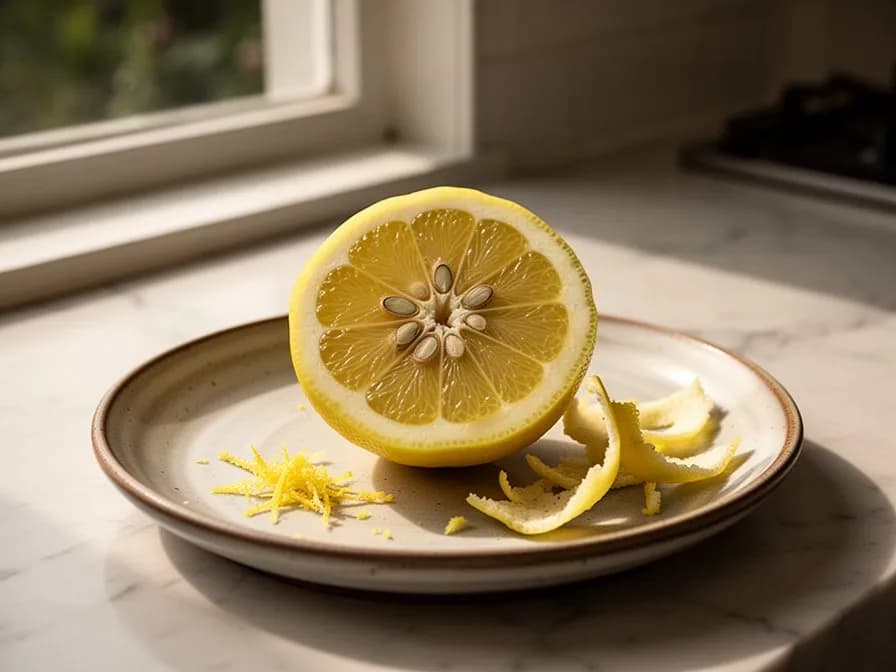
Klassisch kandierte Zitronatzitronen-Schale
30 Min. aktiv, 48 Stunden gesamtDie traditionellste Verwendung der Zitronatzitrone über zwei Jahrtausende europäischer und nahöstlicher Küche. Langsam in Zuckersirup gekocht, verwandelt sich die dicke Zitronatzitronen-Schale in eine durchscheinende, intensiv duftende Konfiserie, die in Feiertagsfrüchtekuchen, Panettone, Simnel-Kuchen und unzähligen regionalen Backwaren verwendet wird. Der Prozess ist bedächtig, aber zutiefst lohnend und ergibt eine Konfiserie, die jeder kommerziellen Version weit überlegen ist.
5 ZutatenZitronatzitrone-Kräuter-Salatdressing
8 Min.In Korsika und Kalabrien wird frisch geriebener Zitronatzitrone-Abrieb verwendet, um Salatdressings eine komplexe, intensiv blumige Zitrusnote zu verleihen, die Zitronen nicht nachahmen können. Dieses frische Vinaigrette hebt den einzigartig aromatischen Charakter der Zitronatzitrone-Schale hervor und macht es perfekt für bitteres Grün, Kornsalate und gegrillten Fisch.
7 Zutaten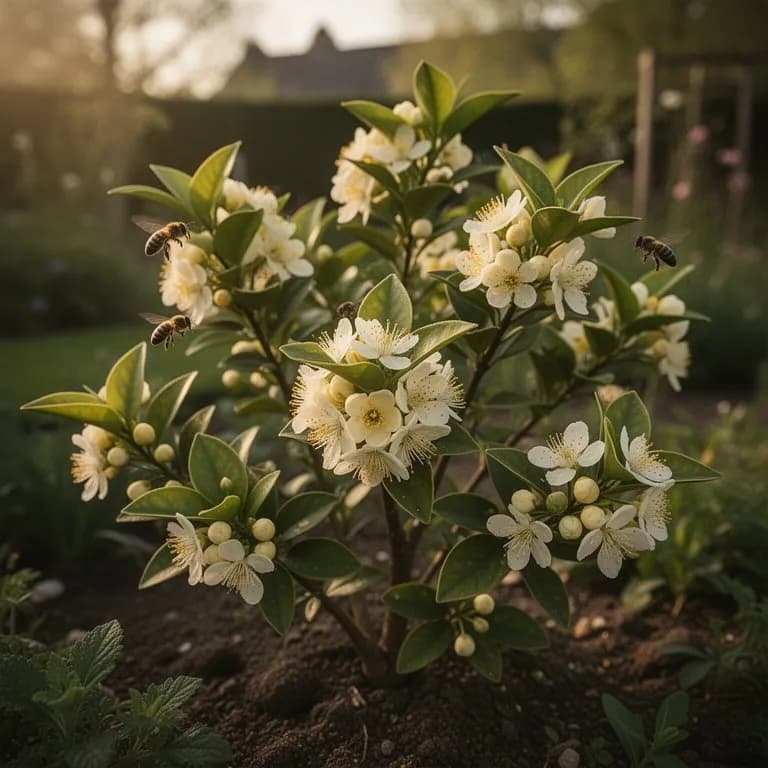
Zitronatzitrone-Honig-Aufguss
15 Min. aktiv, 1 Woche AufgussEin einfacher und luxuriöser Aufguss, der den außergewöhnlichen Duft frischer Zitronatzitrone in einem vielseitigen Würzmittel einfängt. Die ätherischen Öle der Zitronatzitrone-Schale ziehen langsam in warmen Honig ein und schaffen einen komplexen, blumig-zitrischen Aufstrich, der perfekt für Tee, Käsebretter, Joghurt und Backwaren ist. Buddhas-Hand-Zitronatzitrone ist bei dieser Zubereitung besonders spektakulär.
4 ZutatenKulinarische Verwendung
Die Zitronatzitrone wird fast ausschließlich für ihre aromatische Schale verwendet. Kandierte Zitronatzitronen-Schale ist ein klassischer Bestandteil von Panettone, Früchtekuchen und Stollen. Der Abrieb verleiht Backwaren, aufgegossenen Spirituosen und Sirupen eine intensiv duftende Zitrusnote. Buddhas-Hand-Zitronatzitrone wird dünn geschnitten, um Salate, Fischgerichte und Cocktails zu verfeinern. Zitronatzitrone-infundierter Wodka oder Limoncello ist außergewöhnlich aromatisch. Die Schale kann für die langfristige kulinarische Verwendung in Zucker oder Salz konserviert werden.
Was drinsteckt
Gesundheitsvorteile
- Außergewöhnlich reich an Ballaststoffen – insbesondere aus dem dicken Mark – was die Verdauungsgesundheit fördert, ein vielfältiges Darm-Mikrobiom unterstützt, die Blutzuckerreaktion nach Mahlzeiten mäßigt und zu längerem Sättigungsgefühl beiträgt
- Reich an Limonoiden einschließlich Limonin und Nomillin, konzentriert in Schale und Mark, die in Labor- und Tierstudien anti-krebsartige Aktivität gezeigt haben, indem sie Apoptose in Krebszellen induzieren und die Tumorentwicklung hemmen
- Enthält signifikante Mengen Vitamin C, das die Immunsystemfunktion unterstützt, die Synthese von Kollagen für Haut-, Gelenk- und Wundgesundheit fördert und die Aufnahme von Nicht-Häm-Eisen aus pflanzlichen Lebensmitteln verbessert
- Die ätherischen Öle und Flavonoide in der Zitronatzitrone-Schale haben in Forschungsstudien antimikrobielle Aktivität gegen eine Reihe von Bakterien und Pilzen gezeigt und unterstützen die historische Verwendung der Zitronatzitrone als Lebensmittelkonservierungsmittel und Heilmittel
- Flavonoide einschließlich Hesperidin und Diosmin im Zitronatzitrone-Mark haben nachweislich die Integrität der Blutgefäße verbessert, Entzündungen im Gefäßgewebe reduziert und die allgemeine Herz-Kreislauf-Gesundheit in klinischen und Beobachtungsstudien unterstützt
- Die aromatherapeutische Anwendung von Zitronatzitrone-ätherischem Öl, das hohe Konzentrationen von D-Limonen, Linalool und Citral enthält, wurde mit verringerter Angst, verbesserter Stimmung und milden schmerzlindernden Wirkungen in Verbindung gebracht und unterstützt das psychische Wohlbefinden neben der körperlichen Gesundheit
Woher Zitronatzitrone stammt
Die Zitronatzitrone (Citrus medica) hat die Besonderheit, eine der ältesten kultivierten Zitrusfrüchte in der Menschheitsgeschichte und einer von nur drei botanischen Vorfahren der gesamten domestizierten Zitrusfamilie zu sein. Ihre Ursprünge liegen in den Ausläufern des nordöstlichen Indiens und den umliegenden Himalaya-Regionen, wo heute noch Wildpopulationen in Bundesstaaten wie Assam und Meghalaya wachsen. Archäologische Belege und alte Sanskrit-Texte bestätigen den Anbau der Zitronatzitrone in Indien vor mindestens 2.500 Jahren, und die Frucht erscheint in alten chinesischen Aufzeichnungen aus dem vierten Jahrhundert v. Chr. unter dem Namen Xiang Yuan. Die Westward-Reise der Zitronatzitrone begann mit den Eroberungen Alexanders des Großen, dessen Feldzüge durch Persien und nach Indien im vierten Jahrhundert v. Chr. die Frucht in die Aufmerksamkeit griechischer Botaniker brachten. Theophrastos, der Vater der Botanik, beschrieb die Zitronatzitrone in seinem Werk Enquiry into Plants um 310 v. Chr., nannte sie den Persischen Apfel und wies auf ihren starken Duft und ihre medizinischen Eigenschaften hin. Im ersten Jahrhundert n. Chr. hatten die Römer den Anbau der Zitronatzitrone im gesamten Mittelmeerraum eingeführt, und die Frucht erscheint in den Fresken und Mosaiken von Pompeji. Jüdische Gemeinschaften in Judäa nahmen die Zitronatzitrone als Etrog an, die heilige Frucht des Sukkot-Festes, und brachten ihre geschätzten religiösen Varietäten mit in die Diaspora durch Europa, wodurch die Erhaltung alter Zitronatzitrone-Genetik sichergestellt wurde, die sonst durch Hybridisierung verloren gegangen wäre. Arabische Händler und Gelehrte verbreiteten den Zitronatzitrone-Anbau während des Islamischen Goldenen Zeitalters durch Nordafrika sowie nach Spanien und Portugal, und die Mauren gründeten die ersten großflächigen Zitronatzitrone-Obstgärten auf der Iberischen Halbinsel. Im mittelalterlichen Europa war die Zitronatzitrone die wichtigste verfügbare Zitrusfrucht und erzielte als Luxusgut und Medizin außerordentliche Preise. Die italienische Industrie für kandierte Zitronatzitronen-Schale, die in Kalabrien, Sizilien und später Korsika entstanden ist, entwickelte sich während der Renaissance und versorgte über Jahrhunderte den gesamten europäischen Konfiserie- und Backhandel mit kandierter Schale – eine Tradition, die bis heute fortbesteht. In Asien wurde die Buddhas-Hand-Varietät tief in der chinesischen, japanischen und südostasiatischen Kultur als religiöses Symbol und kulinarische Zutat verankert. Heute konzentriert sich der kommerzielle Zitronatzitrone-Anbau auf Korsika, Kalabrien, Israel, Griechenland und Teile Indiens und Chinas, obwohl die Frucht im Vergleich zu ihren Nachkommen Zitrone und Limette außerhalb von Spezialitätenmärkten und religiösen Gemeinschaften relativ unbekannt bleibt.
Zitronatzitrone: Schon gewusst?
Faszinierende Fakten über Zitronatzitrone
Die Zitronatzitrone (Citrus medica) ist eine der drei ursprünglichen Wildزitrusarten, von denen nahezu alle anderen domestizierten Zitrusfrüchte – darunter Zitronen, Limetten, Orangen und Grapefruits – durch jahrhundertelange natürliche Hybridisierung und menschliche Auslese abstammen.
Zitronatzitrone: Fragen & Antworten
Wann sollte ich Zitronatzitrone pflanzen?
Was sind gute Begleitpflanzen für Zitronatzitrone?
In welchen Winterhärtezonen kann Zitronatzitrone wachsen?
Wie viel Sonne braucht Zitronatzitrone?
Welchen Abstand sollte ich zwischen Zitronatzitrone lassen?
Welche Schädlinge und Krankheiten befallen Zitronatzitrone?
Wie lagere ich Zitronatzitrone nach der Ernte?
Was sind die besten Zitronatzitrone-Sorten zum Anbauen?
Welchen Boden braucht Zitronatzitrone?
Welchen Teil der Zitronatzitrone isst man eigentlich?
Was unterscheidet die Zitronatzitrone von einer Zitrone?
Kann ich die Zitronatzitrone in einem kalten Klima anbauen?
Was ist die Buddhas-Hand-Zitronatzitrone und wie verwende ich sie?
Warum ist die Zitronatzitrone in der jüdischen religiösen Tradition so wichtig?
Woran erkenne ich, dass meine Zitronatzitrone reif und erntereif ist?
Du hast die Theorie gelesen. Jetzt baue sie auf Autopilot an.
Alles, was Zitronatzitrone knifflig macht — das Timing, die Abstände, die Begleiter, das Erntefenster — genau das übernimmt PlotMyGarden für dich, für jede Pflanze im Garten.
Ein Plan, der dein Wetter kennt
Standort einmal festlegen. Aussaat-, Dünge- und Erntedaten rund um deinen echten letzten Frosttermin und die Live-Vorhersage — kein Raten mehr nach Saattüte.
Aus dem Abschnitt „Pflanzzeit“Beetplaner per Drag & Drop
Beete auf einem Raster gestalten. Jede Pflanze rastet im richtigen Abstand ein, und du siehst die ganze Saison, bevor du einen Cent für Saatgut ausgibst.
Aus dem Abschnitt „Anbau“Begleiter-Konflikte früh erkannt
Über 200 gute und schlechte Kombinationen werden beim Pflanzen live geprüft — so landet ein saisonruinierender Fehler nie in der Erde.
Aus dem Abschnitt „Begleiter“Erinnerungen, nach denen du wirklich handelst
„Gieß die Bohnen.“ „Heute ernten, bevor's umschlägt.“ Pünktlich, konkret und auf deine echten Pflanzen bezogen.
Aus dem Abschnitt „Ernte“Staffel-Aussaat, geplant
Sechs Wochen ernten statt sechs Tage? Die App verteilt deine Aussaaten automatisch und erinnert dich, wenn der nächste Satz fällig ist.
Aus dem Abschnitt „Pflanzzeit“Ein Verlauf, der schlauer wird
Jede protokollierte Ernte bringt der App deinen Garten bei. Der Plan fürs nächste Jahr startet bei dem, was in deinem Boden wirklich funktioniert hat.
Aus dem Abschnitt „Überblick“Pflanze diese neben Zitronatzitrone
Weitere Zitrusfrüchte
Halte Zitronatzitrone von diesen fern
Bau deine beste Zitronatzitrone an — und alles drumherum.
Starte heute kostenlos. Lege deine Beete an, setze deine Zitronatzitrone ein und lass PlotMyGarden Timing, Abstände, Begleiter und Erinnerungen von der Saat bis zum Erntekorb übernehmen.