Cilantro de Floración Lenta
Un cultivar de cilantro específicamente desarrollado para resistir el espigado en climas cálidos, prolongando la cosecha de hojas varias semanas.





En esta páginaResumen
Conoce Cilantro de Floración Lenta
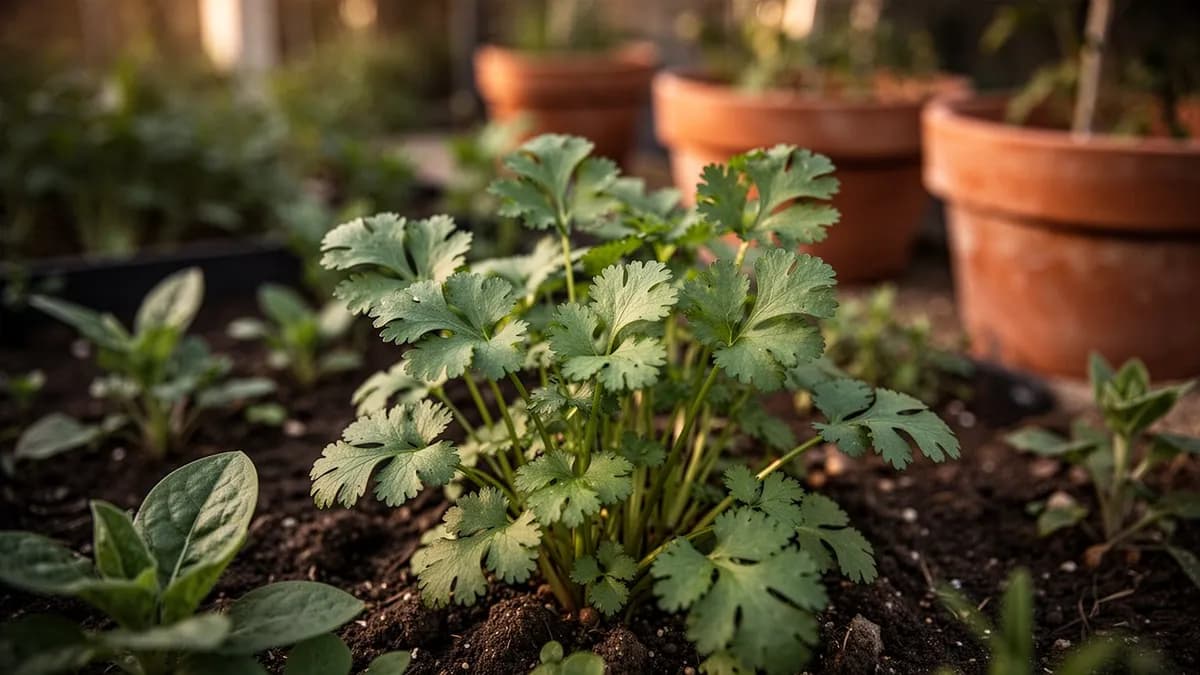
Un cultivar de cilantro específicamente desarrollado para resistir el espigado en climas cálidos, prolongando la cosecha de hojas varias semanas. Las variedades de floración lenta producen más follaje antes de florecer, brindando a los jardineros de zonas calurosas un suministro fiable de cilantro. Aunque prefiere condiciones frescas, tolera el calor mucho mejor que las variedades estándar.
Cuándo plantar Cilantro de Floración Lenta
Siembre directamente las semillas de cilantro de floración lenta al exterior de 2 a 3 semanas antes de la última fecha de heladas. Aplaste suavemente las cáscaras redondas entre las palmas de las manos para dividirlas, ya que cada cáscara contiene dos semillas. Siembre a 0.5 cm de profundidad, con una separación de 2-5 cm en hileras o en banda. Mantenga el suelo húmedo durante el período de germinación de 7-14 días. Aclare las plántulas a 10-15 cm de distancia. Para la cosecha otoñal, siembre de nuevo 6-8 semanas antes de la primera helada prevista. La siembra en interior es posible, pero no ideal dada la sensibilidad de la raíz pivotante del cilantro.
Tu año de Cilantro de Floración Lenta
Ajustado a Zona 7 · temporada típica · la helada se va hacia el 2 abr y vuelve hacia el 1 nov
Planta Cilantro de Floración Lenta Mar – May, Sep – Oct y cosecha May – Jul, Oct – Nov. Consulta los métodos de plantación y elige tu clima para adaptar los periodos.
Cómo cultivar Cilantro de Floración Lenta
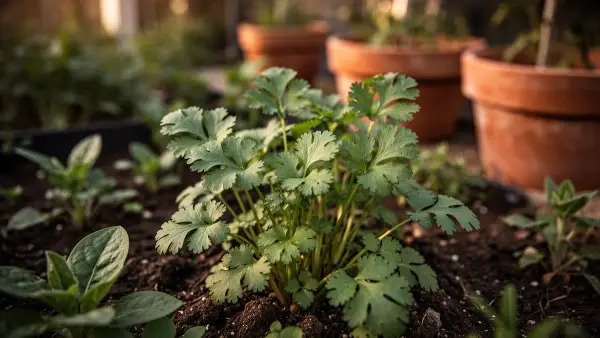
Las variedades de cilantro de floración lenta se han desarrollado para ampliar la ventana de cosecha de hojas resistiendo la floración prematura en climas cálidos. Siembre las semillas directamente al exterior de 2 a 3 semanas antes de la última fecha de heladas, ya que el cilantro germina bien en suelo fresco. Aplaste ligeramente las cáscaras redondas antes de plantar para acelerar la germinación. Siembre a una profundidad de 0.5 cm y mantenga el suelo húmedo. Las semillas germinan en 7-14 días a temperaturas de suelo de 13-20 °C.
Plante en semisombra para mantener las raíces frescas, especialmente en climas cálidos. Espacie las plantas 10-15 cm en hileras separadas 30 cm, o siembre en banda densa para obtener un parche abundante. El cilantro tiene una raíz pivotante y no se trasplanta bien, así que siembre siempre en el lugar definitivo. Cubra el suelo con mantillo alrededor de las plantas para mantener las raíces frescas y retener la humedad.
Incluso las variedades de floración lenta acabarán espigando cuando las temperaturas superen consistentemente los 27 °C. Realice siembras escalonadas cada 2-3 semanas desde principios de primavera hasta otoño para mantener un suministro continuo. En climas cálidos, plante en primavera temprana y de nuevo a finales del verano para la cosecha otoñal. Una vez que las plantas espiguen, deje algunas para recolectar semillas de cilantro o para la resiembra espontánea.
128 plantas caben en un bancal de 120 × 240 cm
Cada Cilantro de Floración Lenta pide 15 cm de margen. El planificador guarda ese marco por ti — cada planta, cada bancal.
Los mejores vecinos de Cilantro de Floración Lenta
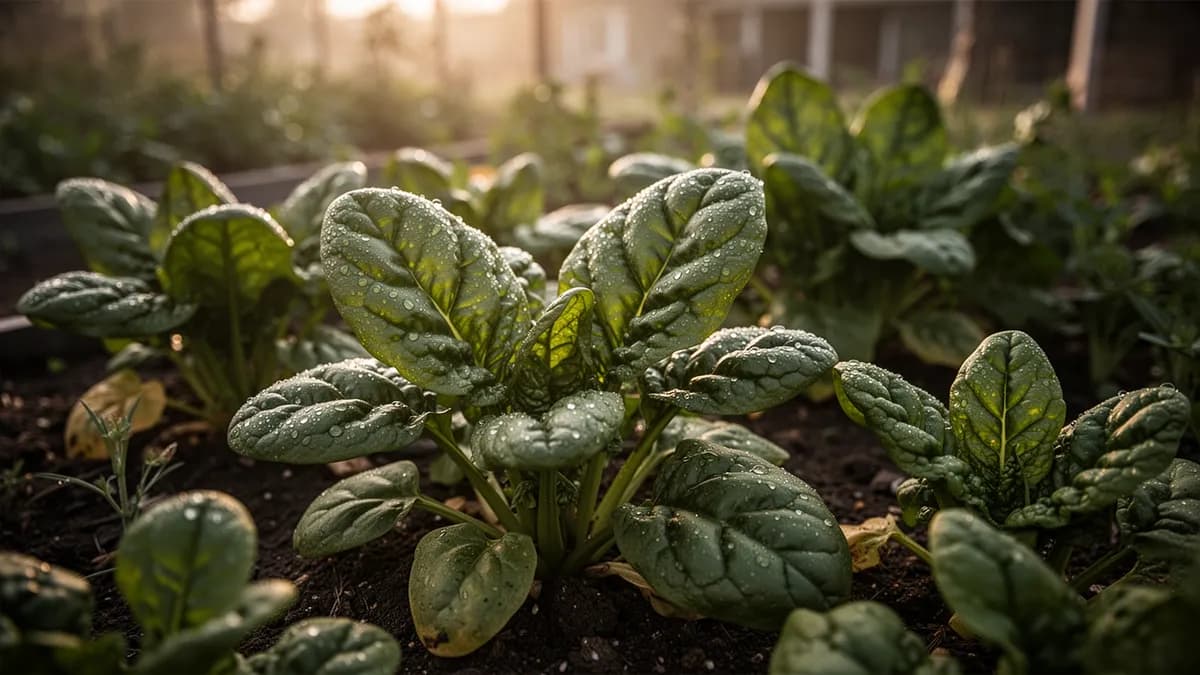
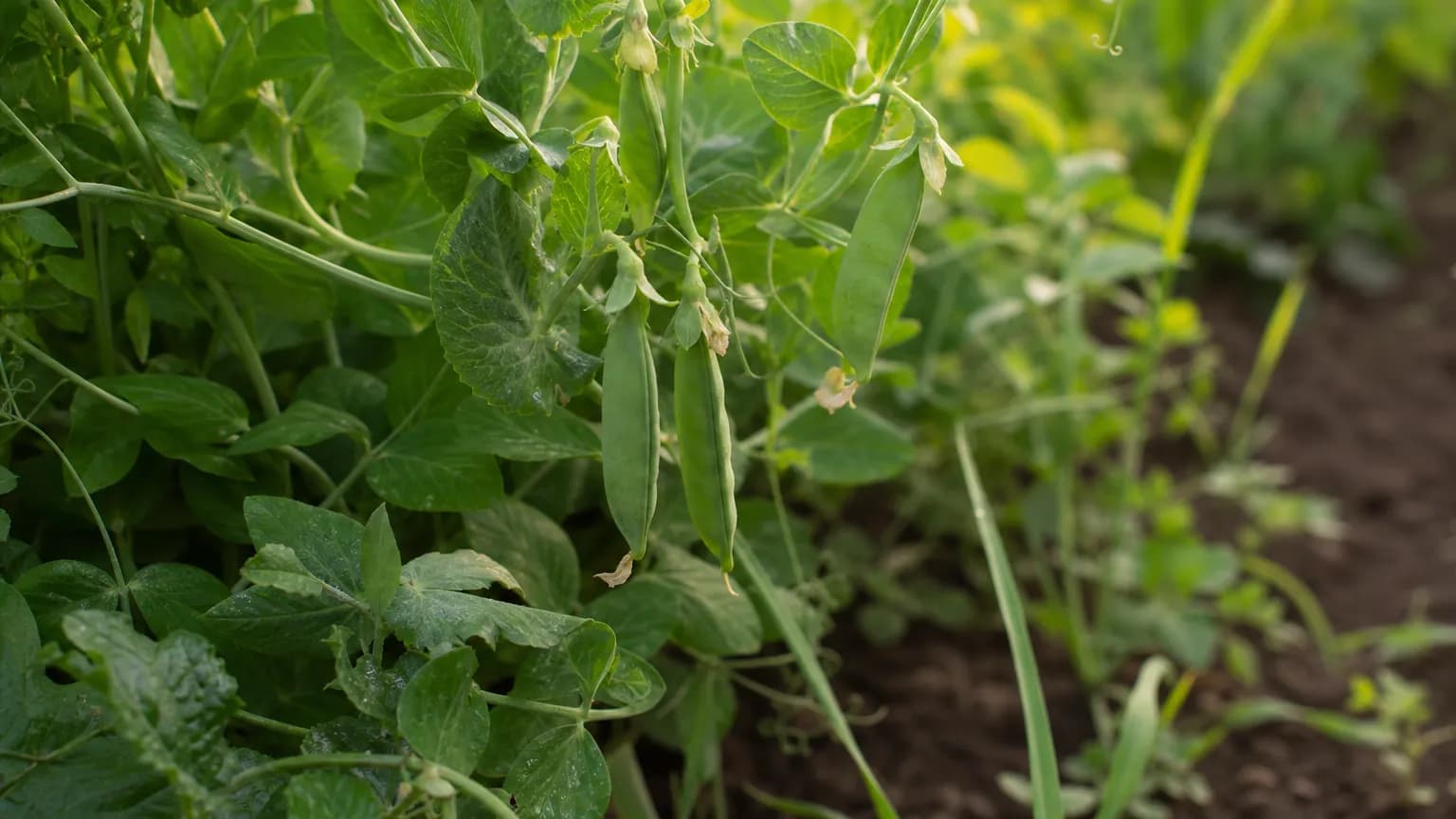
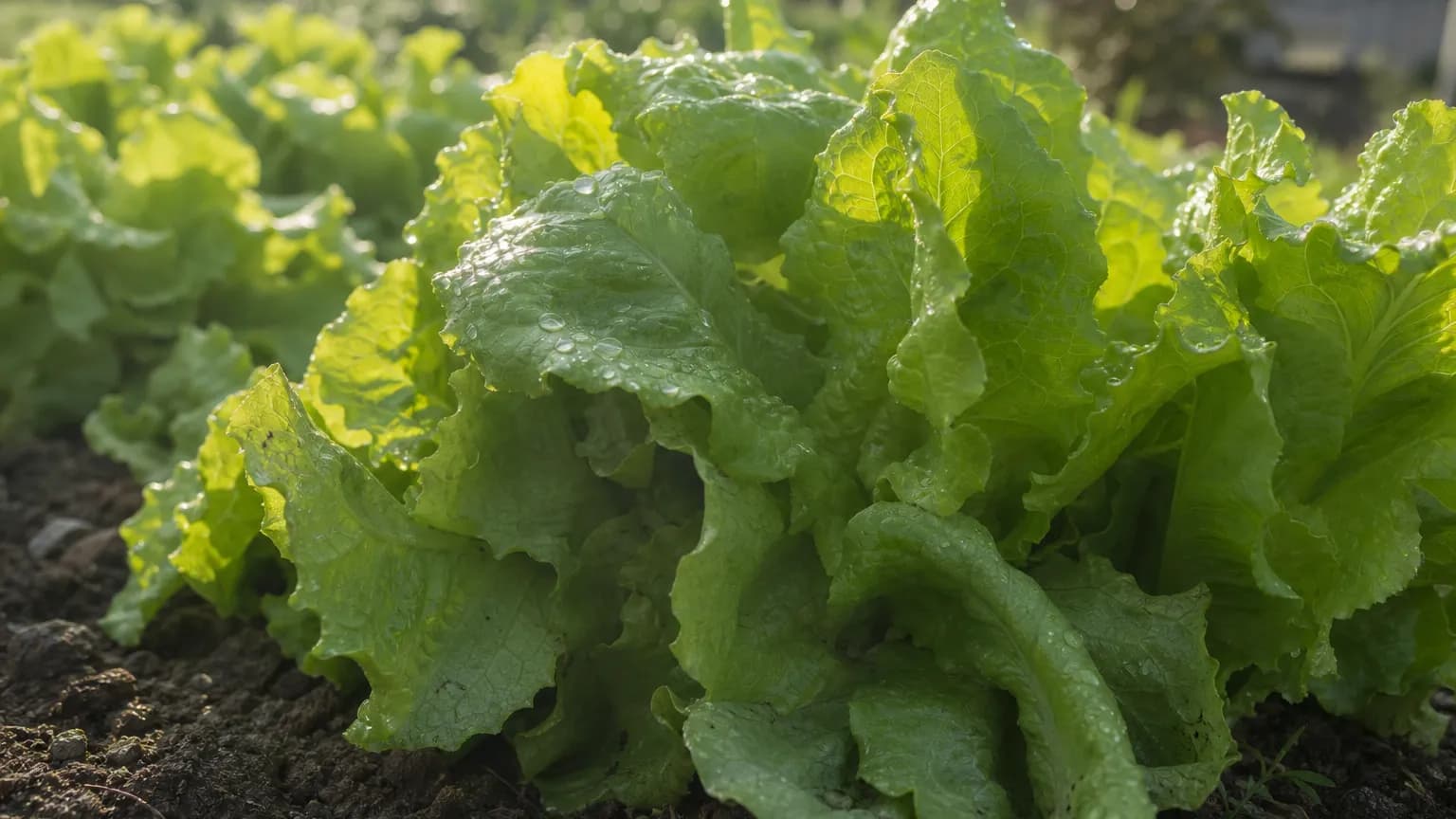
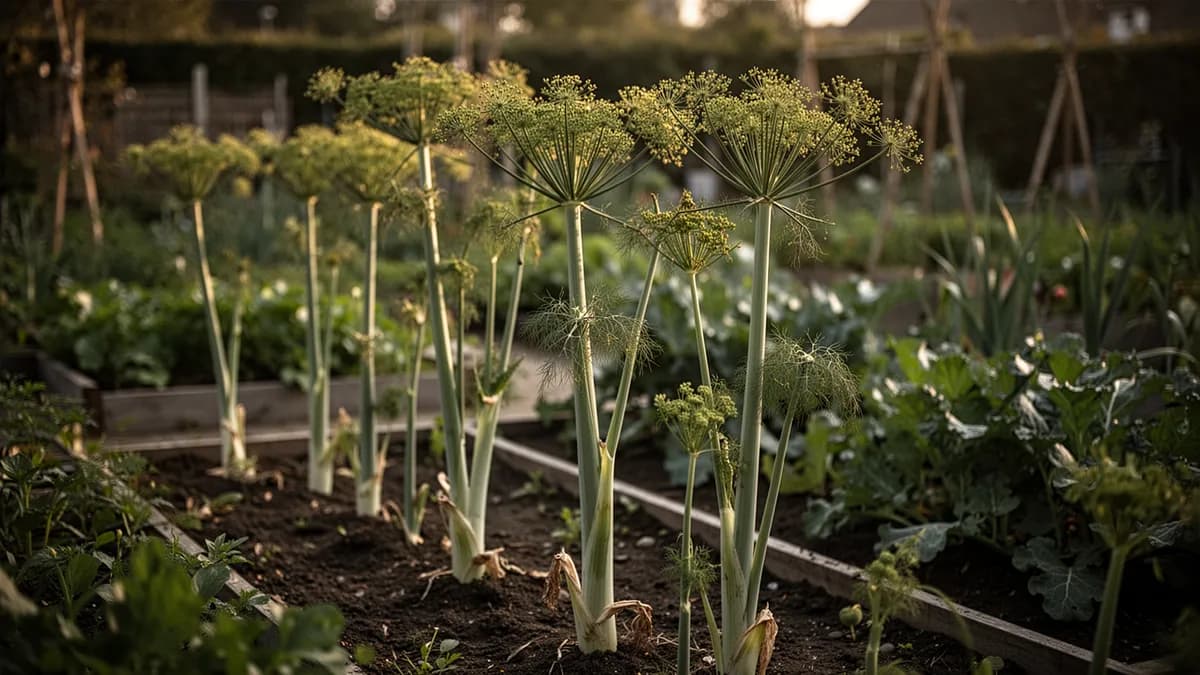
El cilantro es una valiosa planta compañera que atrae insectos beneficiosos, como avispas parasitoide, sírfidos y taquínidos, cuando se le permite florecer. Plántelo junto a espinacas y lechugas, ya que el cilantro proporciona sombra ligera y sus flores atraen polinizadores. Cultívelo al lado de guisantes y judías para beneficio mutuo. Evite plantarlo cerca del hinojo, que puede polinizar cruzado con el cilantro e inhibir su crecimiento. El cilantro plantado cerca de los tomates puede ayudar a repeler arañas rojas y pulgones.
Espinaca va a su lado. Hinojo no.
Saber de huerto de siempre, cotejado con la tabla real de Cilantro de Floración Lenta — prueba cualquier planta que cultives.
Prueba Cilantro de Floración Lenta en un bancal, aquí mismo
Un bancal real del planificador con Cilantro de Floración Lenta ya plantado. Toca una planta compañera para colocarla y mira cómo responde la comprobación de vecinos: verde para buenos vecinos, rojo si hay conflicto.


Guías de cultivo relacionadas
Abónalo bien
El cilantro de floración lenta crece mejor en suelo fértil y bien drenado con un pH de 6.2-6.8. Enmiende los bancales con 5-8 cm de compost antes de plantar. El cilantro tiene un consumo moderado de nutrientes; aplique un fertilizante líquido equilibrado cada 3-4 semanas o aporte compost como cobertura lateral. Evite el exceso de nitrógeno, que puede favorecer un crecimiento rápido y desencadenar un espigado prematuro. En macetas, use sustrato de calidad y abone quincenalmente con fertilizante a mitad de concentración. Mantenga el suelo uniformemente húmedo, pero nunca encharcado.
Temperatura ideal
Compatibilidad de zonas de rusticidad
De la semilla a la cosecha, etapa por etapa
Germinación de la Semilla
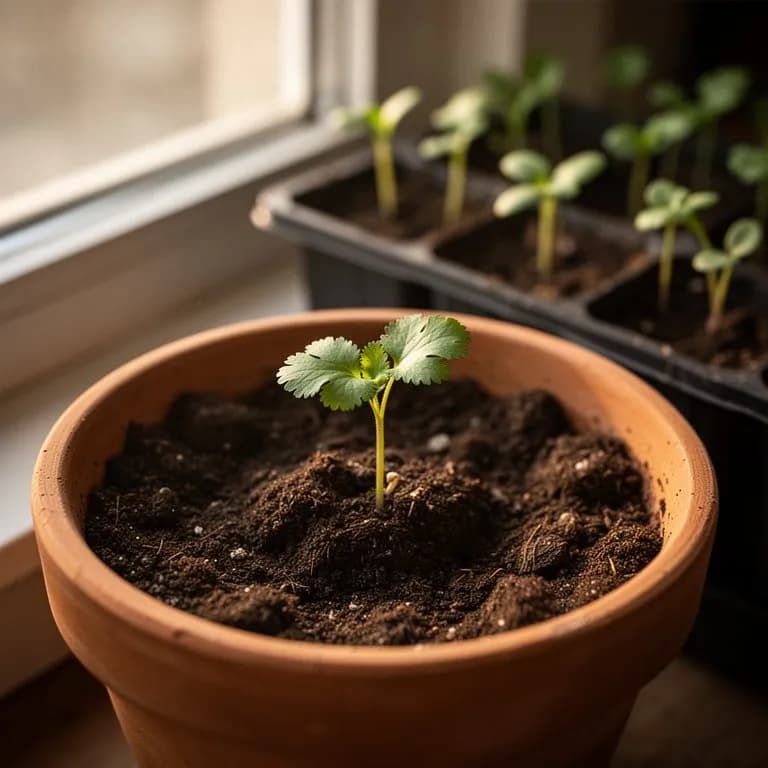
Las semillas de cilantro (técnicamente frutos que contienen dos semillas) se siembran directamente en suelo húmedo y bien preparado a una profundidad de 1-1.5 cm. Las cáscaras redondas y estriadas absorben agua lentamente, y la germinación tarda 7-10 días a temperaturas de suelo de 13-20 °C. Aplastar suavemente la cáscara antes de sembrar puede adelantar la germinación uno o dos días.
Cotiledones y Primeras Hojas Verdaderas
Primero emergen los cotiledones emparejados, estrechos y parecidos a hojas de hierba. En pocos días aparecen las primeras hojas verdaderas, redondeadas y ligeramente lobuladas, muy diferentes de las hojas finamente recortadas que vendrán después. La plántula establece su raíz pivotante durante esta etapa, lo que dificulta el trasplante a partir de este momento.
Crecimiento Vegetativo
La planta entra en una fase de producción vigorosa de hojas, formando una roseta de hojas inferiores amplias, planas y profundamente lobuladas (el follaje clásico del cilantro usado en cocina). Las variedades de floración lenta permanecen en esta etapa productiva durante un tiempo significativamente mayor que los tipos estándar, produciendo abundante follaje cosechable. La planta puede alcanzar 20-30 cm de altura con porte extendido.
Ventana de Cosecha Prolongada
Aquí es donde brilla la característica de floración lenta. El cilantro estándar ya estaría emitiendo tallos florales, pero las variedades de floración lenta continúan produciendo hojas amplias y aromáticas durante 2-3 semanas adicionales. Las hojas superiores comienzan a mostrar una división más fina y plumosa, pero siguen siendo sabrosas y cosechables. La planta puede alcanzar 35-45 cm de altura.
Espigado y Floración
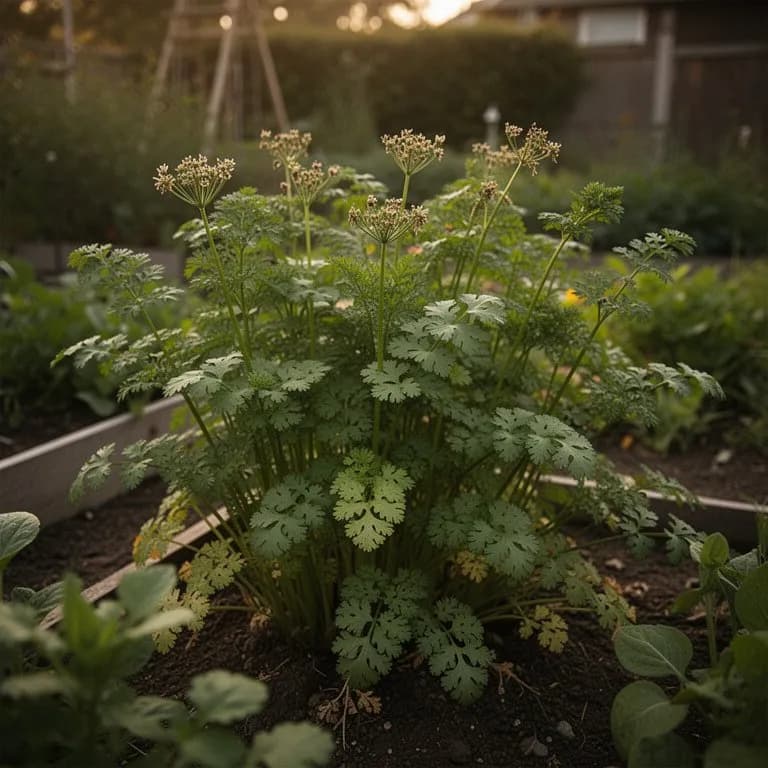
Finalmente, incluso el cilantro de floración lenta pasa a la fase de floración, emitiendo un tallo central alto con hojas finamente divididas y plumosas y umbelas de pequeñas flores blancas a rosadas pálidas. Las hojas se vuelven cada vez más filiformes y desarrollan un sabor más intenso y algo amargo. Las flores resultan muy atractivas para insectos beneficiosos como sírfidos, avispas parasitoide y crisopas.
Formación de Semillas y Cosecha
Tras la floración, se forman racimos de semillas verdes que maduran gradualmente hasta adquirir un tono dorado-marrón. Estas son las semillas de cilantro, una de las especias más utilizadas en el mundo. Las semillas están listas para cosechar cuando se tornan de color tostado y se desprenden fácilmente del tallo. Cada planta puede producir varias cucharadas de semillas. La planta muere al completar su ciclo reproductor.
Remoje las semillas en agua durante 12-24 horas antes de sembrar para ablandar la cáscara dura exterior y mejorar la velocidad y uniformidad de la germinación. Algunos jardineros aplastan suavemente los frutos redondos para separar las dos semillas interiores. Mantenga el semillero uniformemente húmedo, pero sin encharcamiento, y evite que la superficie se endurezca y forme costra.
Cuidar Cilantro de Floración Lenta mes a mes
Qué hacer cada mes para tu Cilantro de Floración Lenta
Octubre
Mes actualCoseche el cilantro de las siembras de agosto y septiembre. Instale túneles de forzado o campanas sobre las plantaciones en las zonas 5-7 para prolongar la temporada. Continúe sembrando en zonas templadas (8-11) para la producción invernal. Las temperaturas más frescas intensifican los aceites aromáticos y el sabor de la hierba.
Ten claro qué hacer en tu huerto, cada mes
Un correo al empezar cada mes: qué sembrar, plantar y hacer ahora mismo — para tu Cilantro de Floración Lenta y todo lo que crece alrededor. Más un breve curso inicial para esquivar los errores clásicos.
- Qué hacer ahora mismo
- Ajustado a tu temporada
- Curso inicial incluido
Cosechar Cilantro de Floración Lenta
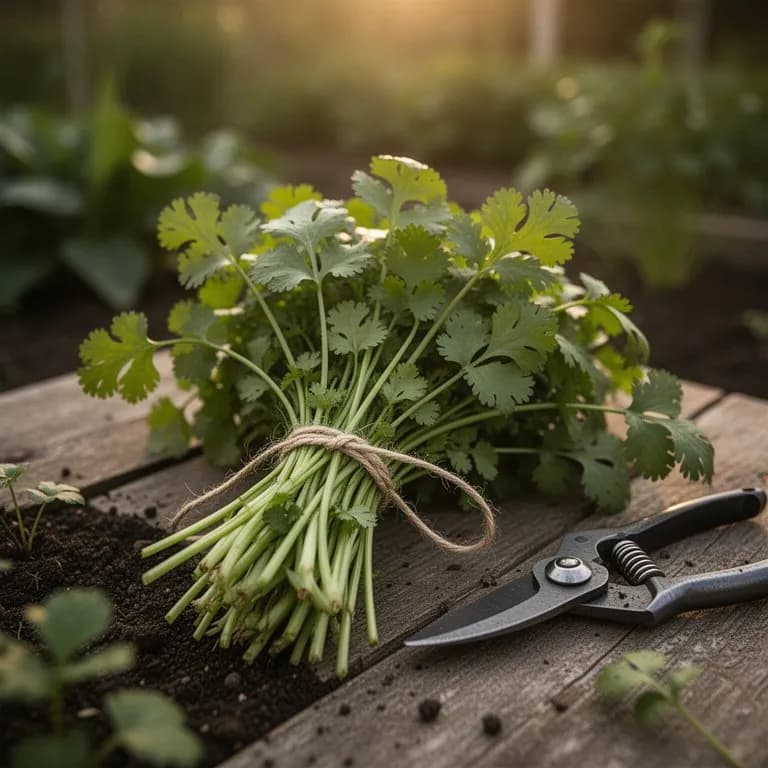
Comience a cosechar cilantro de floración lenta cuando las plantas tengan al menos seis hojas verdaderas, normalmente de 3 a 4 semanas después de la germinación. Corte las hojas exteriores por la base, dejando el centro en crecimiento intacto para una producción continua. Coseche por la mañana para obtener el mejor sabor. La característica de floración lenta le otorga 2-3 semanas adicionales de cosecha de hojas en comparación con el cilantro estándar. Una vez que comiencen a emerger los tallos florales, coseche toda la planta, ya que las hojas adquieren un sabor más intenso y se vuelven más finamente divididas. Deje que algunas plantas completen su ciclo para recolectar semillas de cilantro.
se supone que plantas al comenzar el periodo — indica tu fecha real
Cosecha Cilantro de Floración Lenta a tiempo y la planta sigue produciendo.
Almacenamiento y conservación
El cilantro fresco se marchita rápidamente, así que consérvelo con los tallos en un vaso con agua, cubierto holgadamente con una bolsa de plástico en el refrigerador hasta 2 semanas. Cambie el agua cada pocos días. Para conservarlo más tiempo, congele el cilantro picado en bandejas de hielo con agua o aceite de oliva. El cilantro no se seca bien, ya que pierde casi todo su característico aroma. Triture las hojas frescas en una pasta de cilantro con aceite, ajo y jugo de limón, y congele en pequeñas porciones. Las semillas de cilantro obtenidas de las plantas espigadas se secan bien y se conservan durante años.
Qué falla — y cómo solucionarlo
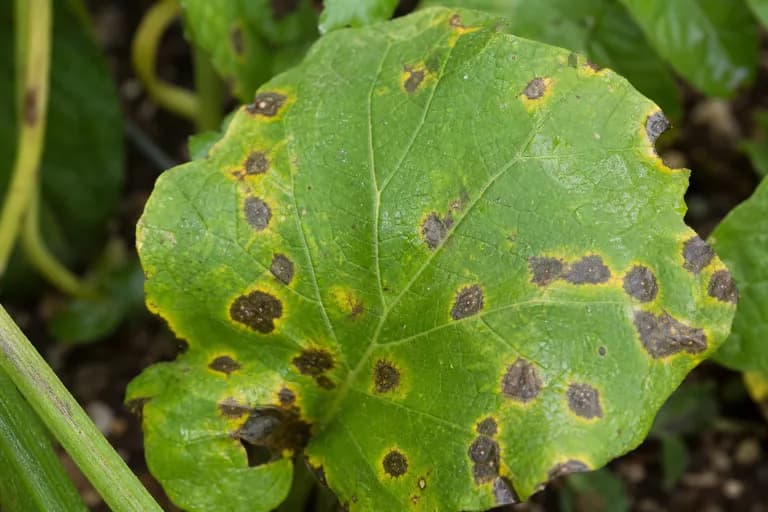
Mancha Bacteriana de las Hojas
EnfermedadManchas empapadas de agua en las hojas que se vuelven marrones y papiráceas; lesiones angulares entre las nervaduras foliares.
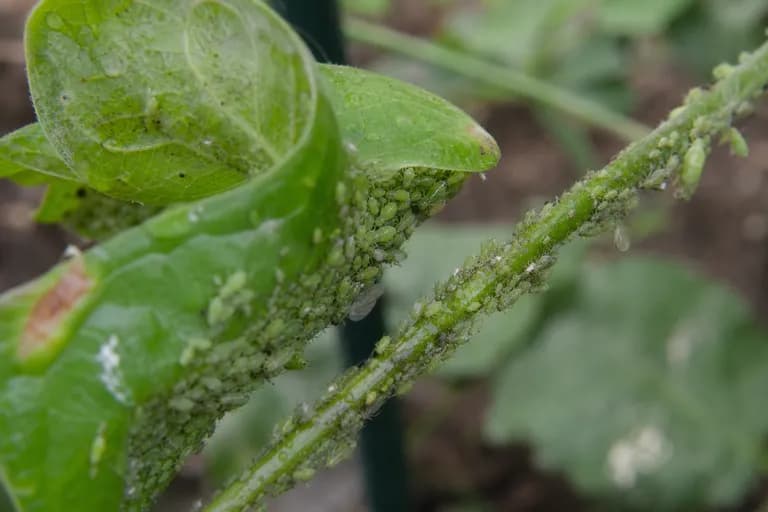
Pulgones
PlagaColonias de pequeños insectos verdes sobre los brotes tiernos y los tallos florales, hojas deformadas y melaza pegajosa.
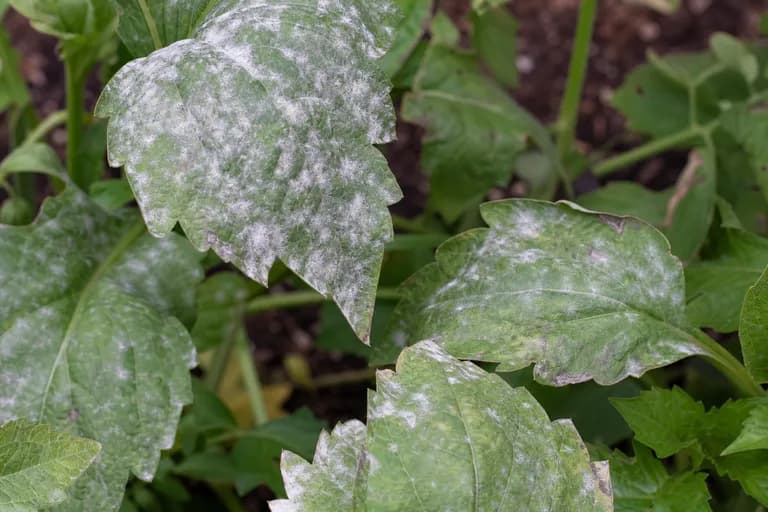
Oídio
EnfermedadManchas blancas y polvorientas en hojas y tallos, amarillamiento foliar y reducción del vigor en condiciones húmedas.
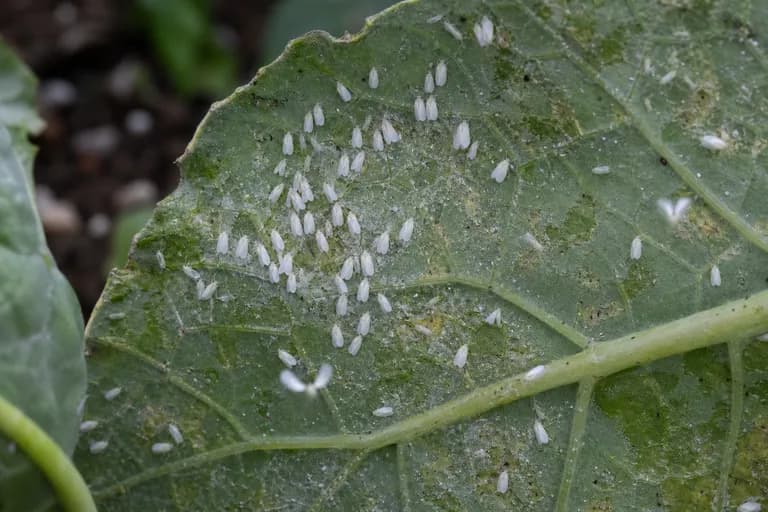
Mosca Blanca
PlagaPequeños insectos voladores blancos que salen volando al sacudir las plantas, amarillamiento de hojas y melaza pegajosa.
Solución de problemas comunes
Incluso las variedades de floración lenta acabarán espigando con calor sostenido por encima de 27 °C. Para maximizar la cosecha, plante en semisombra, cubra bien el suelo con mantillo y mantenga la humedad de forma constante. El cilantro tiene una raíz pivotante y no se puede trasplantar con éxito una vez establecido. La germinación deficiente suele deberse a semillas viejas; la viabilidad de las semillas de cilantro disminuye notablemente tras el primer año. El paso de las hojas inferiores planas a las hojas superiores plumosas indica un espigado inminente. Algunas personas perciben el cilantro con un sabor a jabón debido a una predisposición genética.
Consejos de cultivo
- Elija siempre variedades de floración lenta como Santo, Calypso, Leisure o Slow Bolt para el jardín doméstico. El cilantro estándar espiga en 3-4 semanas tras alcanzar el tamaño de cosecha en clima cálido, mientras que los tipos de floración lenta ofrecen 2-3 semanas adicionales de cosecha productiva de hojas.
- Siembre las semillas de cilantro directamente en el lugar donde crecerán en lugar de iniciarlas en interior y trasplantarlas. El cilantro desarrolla una raíz pivotante larga y delicada que resiente el movimiento, y las plántulas trasplantadas a menudo espiган prematuramente por el estrés radicular. Si debe iniciarlas en interior, use macetas biodegradables profundas.
- Aplaste o remoje las cáscaras redondas antes de plantar. Cada 'semilla' de cilantro es en realidad un fruto que contiene dos semillas dentro de una cáscara dura. Aplaste suavemente la cáscara con el plano de un cuchillo o remójela en agua durante 12-24 horas para ablandar la cubierta y mejorar la velocidad y uniformidad de la germinación.
- Realice siembras escalonadas cada 2-3 semanas sin excepción. El cilantro tiene la ventana productiva más corta de casi todas las hierbas de cocina, y ningún cuidado impedirá el espigado final. Tener siembras nuevas en distintas etapas garantiza un suministro ininterrumpido durante toda la temporada de cultivo.
- Coseche cortando tallos exteriores enteros por la base en lugar de arrancar hojas individuales. Este enfoque de corta y rebrote anima a la planta a producir nuevo crecimiento desde el centro y prolonga el período de cosecha global. No retire más de un tercio de la planta de una sola vez.
- Proporcione humedad constante pero garantice un drenaje perfecto. La raíz pivotante del cilantro es susceptible a la podredumbre en condiciones de encharcamiento, aunque la planta se marchita rápidamente en suelo seco. El riego por goteo o por manguera exudante ofrece el equilibrio ideal de humedad constante sin mojar el follaje.
- Use tela de sombreo o interplante con cultivos más altos para proporcionar sombra por la tarde durante los meses cálidos. Incluso las variedades de floración lenta espigarán rápidamente si se exponen de forma sostenida a temperaturas superiores a 30 °C. La sombra puede reducir las temperaturas del suelo y del aire en varios grados y prolongar la cosecha durante semanas.
- Deje que algunas plantas espiguen intencionadamente para atraer insectos beneficiosos y producir semillas de cilantro. Las flores de cilantro se encuentran entre las mejores plantas insectario del jardín, atrayendo sírfidos, crisopas, avispas parasitoide y otros predadores que ayudan a controlar los pulgones y orugas en los cultivos vecinos.
- Cultive cilantro en contenedores profundos (al menos 25 cm) si el espacio del jardín es limitado. La raíz pivotante necesita espacio para desarrollarse y las macetas poco profundas provocan un crecimiento raquítico y un espigado prematuro. Use un sustrato bien drenante y coloque los contenedores donde reciban sol matutino pero sombra por la tarde.
- Guarde las semillas de cilantro de sus plantas de floración más lenta para desarrollar gradualmente una variedad adaptada a sus condiciones locales. Seleccione semillas únicamente de las últimas plantas en espigar: con el tiempo, este sencillo proceso de selección produce un cilantro cada vez más resistente al espigado en su clima específico.
Cultiva tu mejor Cilantro de Floración Lenta — y todo lo que la rodea.
Empieza un plan gratis hoy. Diseña tus bancales, coloca tu Cilantro de Floración Lenta y deja que PlotMyGarden gestione el momento, el espaciado, las asociaciones y los recordatorios de la semilla a la cesta.
Elige tu Cilantro de Floración Lenta
Calypso
Una de las variedades de cilantro de floración más lenta disponibles, que produce un follaje abundante durante varias semanas más que los tipos estándar. Excelente para climas cálidos.
Slow Bolt (Santo)
La variedad de floración lenta más ampliamente disponible, con buena tolerancia al calor. Produce resultados fiables tanto en siembras de primavera como de otoño.
Leisure
Una selección europea de floración lenta con hojas grandes y brillantes y un sabor excelente. Buena resistencia a la necrosis de los bordes foliares en clima cálido.
Delfino
Un cilantro de hoja helechosa única con follaje delicado y encaje. Extremadamente lento para espigar y con un aspecto ornamental atractivo en el jardín.
El cilantro fresco en el supermercado suele costar 1.50-3.00 € por manojo pequeño (unos 30-50 g de hojas aprovechables), y el cilantro ecológico puede alcanzar los 3-5 € por manojo. Un sobre de semillas de cilantro de floración lenta cuesta 2-4 € y contiene semilla suficiente para múltiples siembras escalonadas a lo largo de toda la temporada, produciendo 2-4 kg de cilantro fresco. Cultivar el propio cilantro puede suponer un ahorro de 80-200 € por temporada, dependiendo de la frecuencia de consumo. El ahorro se multiplica porque el cilantro cultivado en casa se mantiene fresco mucho más tiempo que los manojos comprados en tienda, que a menudo se marchitan a los pocos días.
Recetas rápidas
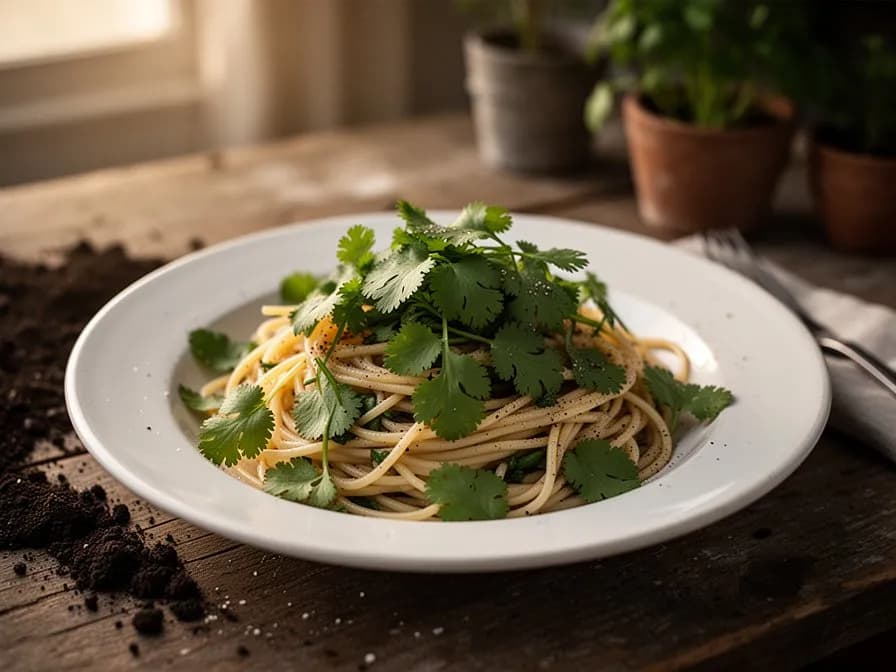
Arroz Clásico con Cilantro y Lima
20 minArroz basmati esponjoso mezclado con generosas cantidades de cilantro fresco finamente picado y el jugo vibrante de dos limas. Este acompañamiento combina a la perfección con tacos, carnes a la parrilla, currys o frijoles negros, transformando un arroz simple en algo lleno de color y aroma.
7 ingredientesChutney Fresco de Cilantro (Dhaniya Chutney)
10 minUn condimento indio de color verde vibrante que mezcla cilantro fresco con chile verde, jengibre y un toque de limón para obtener una salsa herbácea y sabrosa. Sírvalo con samosas, kebabs, dosa o rociado sobre verduras a la parrilla para un toque de sabor instantáneo.
8 ingredientesPesto de Cilantro con Pepitas
10 minUn giro atrevido al pesto clásico de albahaca que sustituye esta por cilantro y semillas de calabaza tostadas para obtener una salsa herbácea con un carácter único y cremoso. Mezcle con pasta, unte en sándwiches o utilice como marinada para pollo o pescado a la parrilla.
8 ingredientesUsos culinarios
El cilantro de floración lenta aporta el mismo sabor brillante y cítrico esencial en las salsas mexicanas, el guacamole y los tacos. Úselo generosamente en currys tailandeses, pho vietnamita y chutneys indios. Las hojas complementan los arroces, las sopas de legumbres y los rollitos de primavera frescos. Agregue siempre el cilantro al final de la cocción o como guarnición fresca, ya que el calor destruye sus delicados aceites volátiles. Los tallos concentran un sabor intenso y se pueden picar finamente para marinadas y aderezos.
Qué contiene
Beneficios para la salud
- El cilantro es rico en compuestos antioxidantes como quercetina, kaempferol y betacaroteno, que ayudan a proteger las células del daño oxidativo y pueden contribuir a reducir la inflamación en todo el organismo.
- Estudios sugieren que el cilantro puede favorecer niveles saludables de azúcar en sangre. Compuestos presentes en las hojas y las semillas han demostrado la capacidad de estimular la secreción de insulina y mejorar el metabolismo de la glucosa en estudios con animales.
- El cilantro fresco aporta excelentes cantidades de vitamina K (258 % del VD por 100 g), esencial para una coagulación sanguínea adecuada, la mineralización ósea y, según investigaciones recientes, la salud cardiovascular.
- Los aceites esenciales del cilantro, en particular el linalool y el acetato de geranilo, han demostrado actividad antimicrobiana frente a varios patógenos transmitidos por alimentos en entornos de laboratorio, respaldando su uso tradicional como conservante alimentario en climas cálidos.
- El cilantro es una buena fuente de minerales dietéticos como manganeso, hierro y magnesio. El contenido de hierro, combinado con su vitamina C, convierte al cilantro en un complemento útil para las dietas de base vegetal, donde la absorción del hierro no hemo puede ser limitada.
- Rico en vitamina A en forma de betacaroteno (135 % del VD por 100 g), el cilantro favorece la salud ocular, la función del sistema inmunitario y el mantenimiento de una piel y mucosas sanas en todo el organismo.
De dónde viene Cilantro de Floración Lenta
El cilantro (Coriandrum sativum) es originario de una amplia región que abarca el sur de Europa, el norte de África y el oeste de Asia. La evidencia arqueológica sitúa su cultivo más antiguo en el Mediterráneo oriental y el Próximo Oriente, con semillas de coriandro descubiertas en la cueva de Nahal Hemar, en Israel, datadas hacia el 6000 a. C., lo que lo convierte en una de las plantas condimentarias más antiguas en uso humano continuo. Los antiguos egipcios cultivaban el coriandro extensamente, colocando semillas en tumbas reales y haciendo referencia a la planta en el Papiro de Ebers, uno de los textos médicos más antiguos conocidos.
Desde sus orígenes mediterráneos, el coriandro se difundió por rutas comerciales en todas direcciones. Llegó a China en el siglo II a. C., transportado por comerciantes a lo largo de la Ruta de la Seda, y fue documentado en los primeros textos de medicina herbal china. Los romanos lo llevaron a lo largo de su imperio, utilizando tanto las hojas como las semillas en la cocina, la medicina y la conservación del vino. Cuando los exploradores españoles y portugueses llegaron a América en los siglos XV y XVI, llevaron consigo el coriandro, que se integró de forma natural en las cocinas de México, América Central y América del Sur, convirtiéndose con el tiempo en la hierba indispensable que conocemos como cilantro.
El desarrollo del cilantro de floración lenta representa un capítulo moderno en la historia de esta antigua planta. El cilantro estándar espiga rápidamente cuando las temperaturas superan los 27 °C o aumenta la duración del día, pasando a semilla en apenas 3-4 semanas tras alcanzar el tamaño de cosecha. A partir de la década de 1990, los fitomejoradores emprendieron programas sistemáticos de selección, identificando plantas con respuestas de floración naturalmente retrasadas y cruzándolas a lo largo de múltiples generaciones. Los cultivares de floración lenta resultantes, como Santo, Slow Bolt, Calypso y Leisure, amplían la ventana de cosecha foliar en 2-3 semanas respecto a las variedades tradicionales, haciendo que el cultivo de cilantro sea mucho más práctico para jardineros domésticos y productores comerciales en climas cálidos.
Cilantro de Floración Lenta: ¿sabías que?
Datos fascinantes sobre Cilantro de Floración Lenta
El cilantro y el coriandro provienen de la misma planta. En la mayor parte del mundo, 'coriandro' se refiere tanto a las hojas como a las semillas, pero en Norteamérica 'cilantro' designa específicamente las hojas frescas mientras que 'coriander' alude únicamente a las semillas secas. Esta distinción en la nomenclatura es propia del inglés americano.
Cilantro de Floración Lenta: preguntas frecuentes
¿Cuándo debo plantar Cilantro de Floración Lenta?
¿Cuáles son buenas plantas acompañantes para Cilantro de Floración Lenta?
¿En qué zonas de rusticidad puede crecer Cilantro de Floración Lenta?
¿Cuánto sol necesita Cilantro de Floración Lenta?
¿A qué distancia debo espaciar Cilantro de Floración Lenta?
¿Qué plagas y enfermedades afectan a Cilantro de Floración Lenta?
¿Cómo almaceno Cilantro de Floración Lenta después de la cosecha?
¿Cuáles son las mejores variedades de Cilantro de Floración Lenta para cultivar?
¿Qué suelo necesita Cilantro de Floración Lenta?
¿En qué se diferencia el cilantro de floración lenta del cilantro común?
¿Por qué el cilantro sabe a jabón para algunas personas?
¿Puedo cultivar cilantro en interior durante todo el año?
¿Debo eliminar las flores del cilantro o dejar que florezca?
¿Cómo conservo el cilantro fresco para que no se marchite?
¿Es cierto que el cilantro puede eliminar metales pesados del organismo?
Acabas de leer la teoría. Ahora cultívala en piloto automático.
Todo lo que hace que Cilantro de Floración Lenta sea delicado — el momento, el espaciado, las asociaciones, la ventana de cosecha — es justo lo que PlotMyGarden resuelve por ti, para cada planta de tu huerto.
Un plan que conoce tu clima
Indica tu ubicación una vez. Recibe fechas de siembra, abonado y cosecha basadas en tu última helada real y el pronóstico en vivo — sin adivinar con un sobre genérico.
De la sección “Cuándo plantar”Planificador de bancales de arrastrar y soltar
Diseña bancales sobre una cuadrícula. Cada planta encaja con su espaciado correcto y ves toda la temporada antes de gastar un céntimo en semillas.
De la sección “Cultivo”Conflictos de asociación, detectados a tiempo
Más de 200 buenas y malas combinaciones comprobadas en vivo mientras plantas — para que un error que arruine la temporada nunca llegue a la tierra.
De la sección “Asociaciones”Recordatorios que sí vas a seguir
“Riega las judías.” “Recoge hoy antes de que se pase.” Oportunos, concretos y ligados a las plantas que de verdad cultivas.
De la sección “Cosecha”Escalonado, programado
¿Quieres cosechar seis semanas en vez de seis días? Reparte tus siembras automáticamente y te avisa cuando toca el siguiente lote.
De la sección “Cuándo plantar”Un registro que se vuelve más listo
Cada cosecha que registras le enseña tu huerto. El plan del año que viene parte de lo que de verdad funcionó en tu suelo, no en un manual.
De la sección “Resumen”Planta estos junto a Cilantro de Floración Lenta
Más Hierbas culinarias
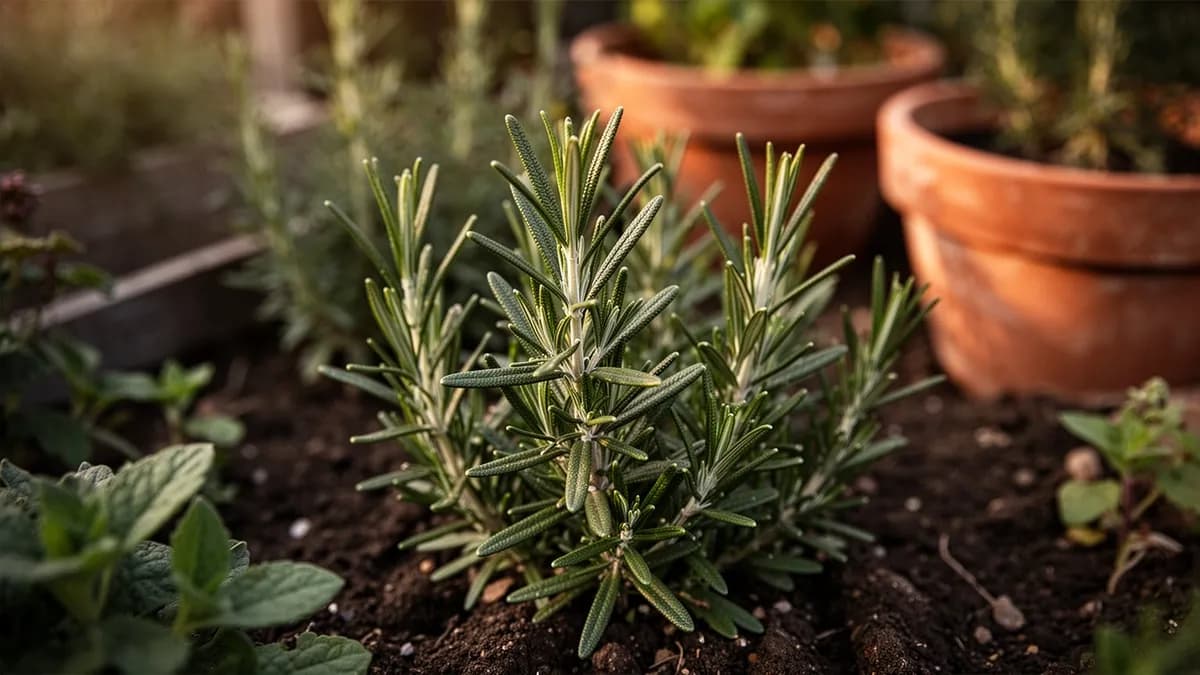
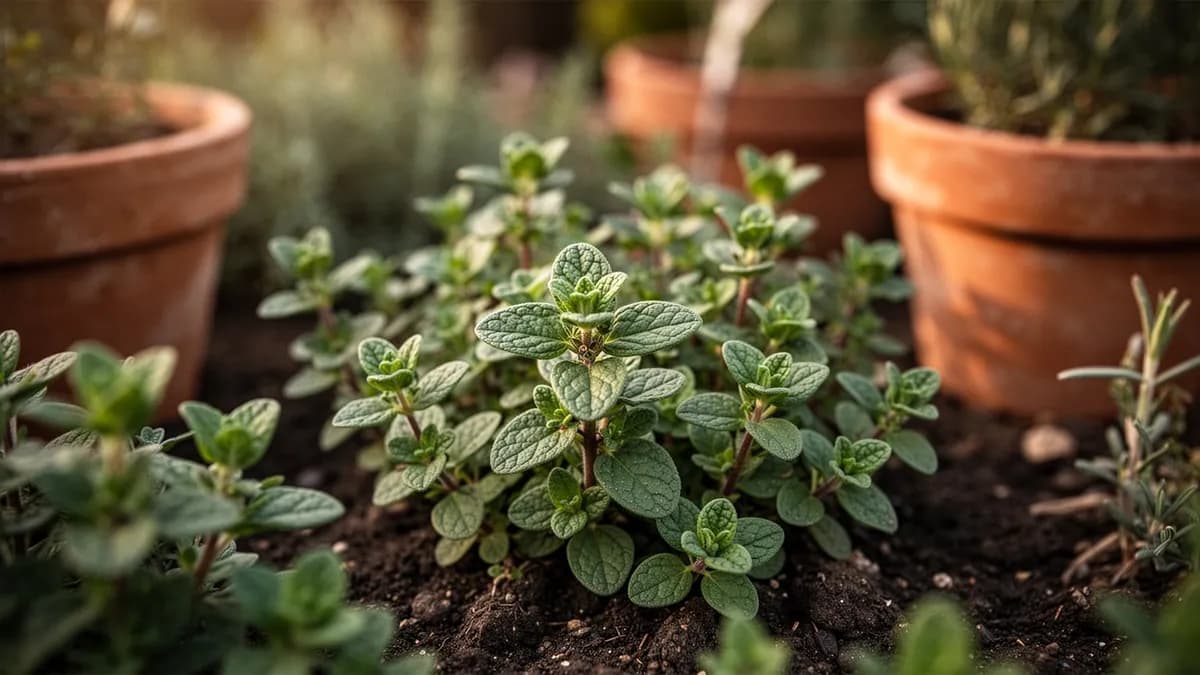
Mantén Cilantro de Floración Lenta lejos de estos
Cultiva tu mejor Cilantro de Floración Lenta — y todo lo que la rodea.
Empieza un plan gratis hoy. Diseña tus bancales, coloca tu Cilantro de Floración Lenta y deja que PlotMyGarden gestione el momento, el espaciado, las asociaciones y los recordatorios de la semilla a la cesta.