Coliflor Verde
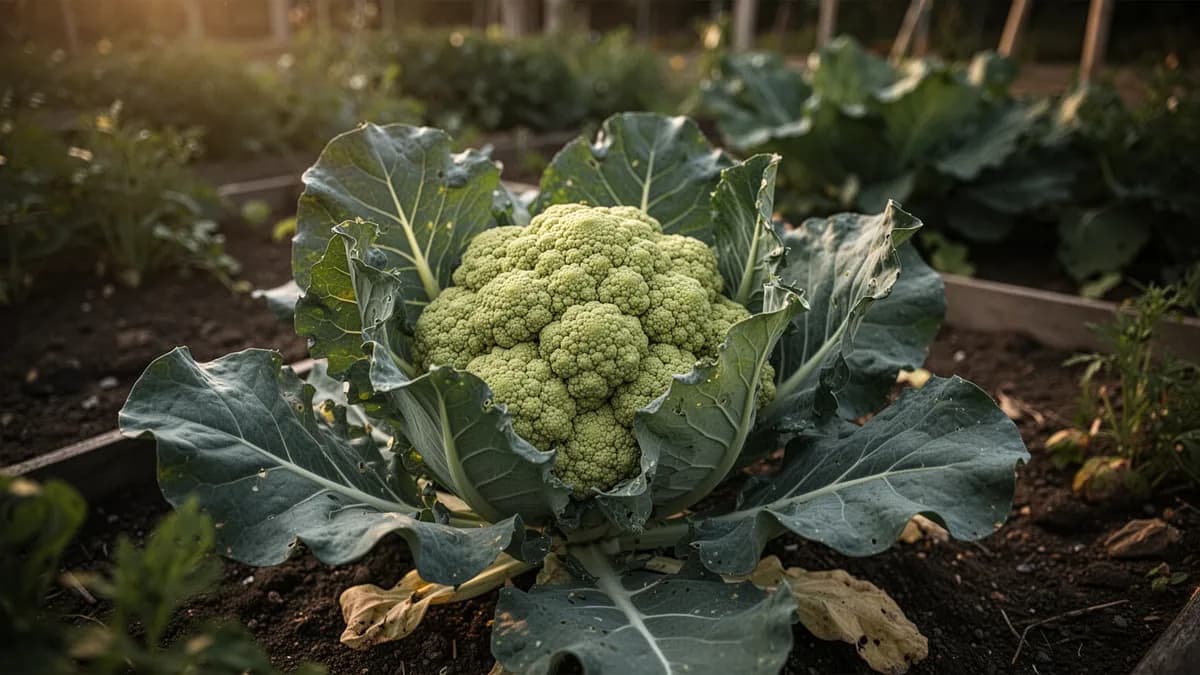
La coliflor verde (Brassica oleracea var. botrytis) es una variante de la coliflor tradicional que produce inflorescencias de color verde intenso, con un sabor más dulce y suave que la coliflor blanca.





En esta páginaResumen
Conoce Coliflor Verde
La coliflor verde (Brassica oleracea var. botrytis) es una variante de la coliflor tradicional que produce inflorescencias de color verde intenso, con un sabor más dulce y suave que la coliflor blanca. Incluye formas como el Romanesco, famoso por sus espirales fractales, y otras variedades de cabeza verde que son especialmente ricas en vitamina C, carotenoides y fibra dietética.
Cuándo plantar Coliflor Verde
Las semillas se siembran en semillero protegido entre junio y julio, a una profundidad de 1 cm en bandejas de alvéolos con sustrato fino. La germinación ocurre en 5-10 días a 18-22°C. Trasplantar al huerto cuando las plántulas tengan 4-6 hojas verdaderas y hayan sido endurecidas gradualmente durante una semana, espaciándolas 60-75 cm entre plantas.
Tu año de Coliflor Verde
Ajustado a Zona 7 · temporada típica · la helada se va hacia el 2 abr y vuelve hacia el 1 nov
Planta Coliflor Verde Mar – Abr, Ago – Sep y cosecha Jun – Jul, Oct – Nov. Consulta los métodos de plantación y elige tu clima para adaptar los periodos.
Cómo cultivar Coliflor Verde
La coliflor verde se cultiva de forma similar a la coliflor blanca, pero presenta la ventaja de no necesitar blanqueo, ya que su color verde es deseable. Se inicia el cultivo mediante semillero protegido entre junio y julio para trasplantar al huerto cuando las plántulas tengan 4-6 hojas verdaderas, espaciándolas entre 60 y 75 cm en hileras separadas 75 cm. Requiere un suelo profundo, fértil y con excelente retención de humedad.
El riego debe ser constante y abundante, ya que cualquier estrés hídrico puede provocar la formación de cabezas pequeñas o sueltas. Se recomienda aplicar un acolchado orgánico grueso para mantener la humedad del suelo y regular la temperatura de las raíces. La fertilización debe ser generosa, con aportes regulares de compost maduro y fertilizante rico en nitrógeno durante las primeras semanas de crecimiento vegetativo, reduciendo el nitrógeno cuando comienza la formación de la cabeza.
A diferencia de la coliflor blanca, la verde tolera ligeramente mejor las fluctuaciones de temperatura, aunque sigue prefiriendo clima fresco con temperaturas entre 15°C y 20°C. Las heladas ligeras pueden incluso mejorar el sabor al convertir almidones en azúcares. Es importante vigilar que no se produzca espigadura prematura por exposición prolongada a temperaturas superiores a 25°C durante la fase de formación de la cabeza.
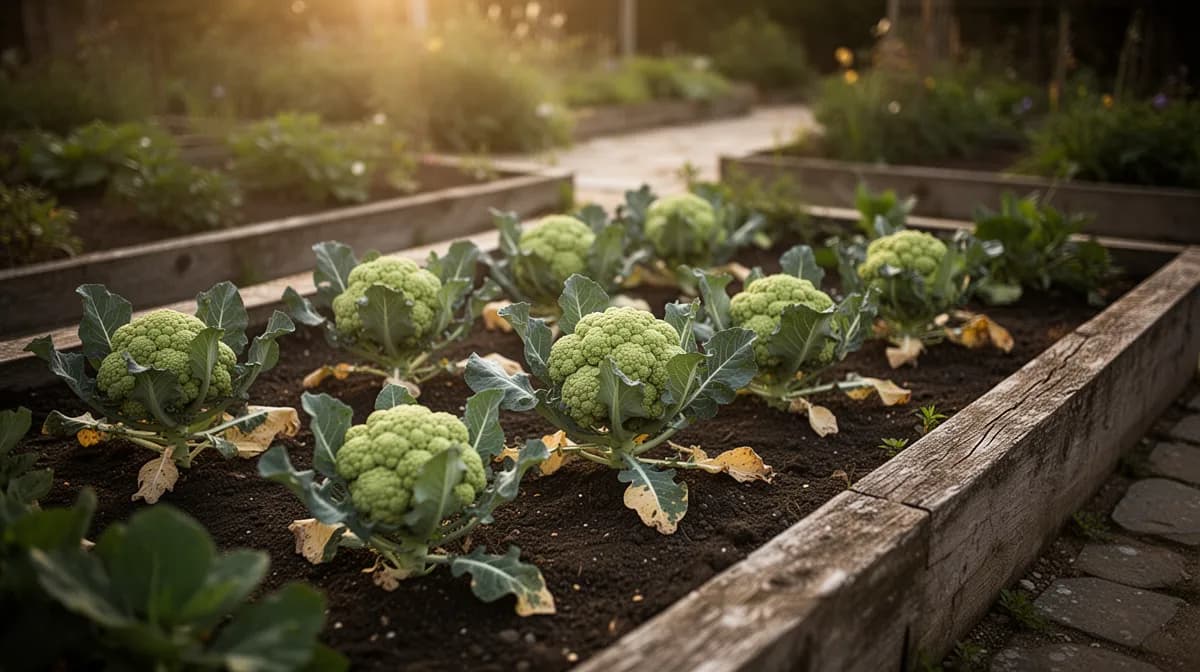
8 plantas caben en un bancal de 120 × 240 cm
Cada Coliflor Verde pide 60 cm de margen. El planificador guarda ese marco por ti — cada planta, cada bancal.
Los mejores vecinos de Coliflor Verde
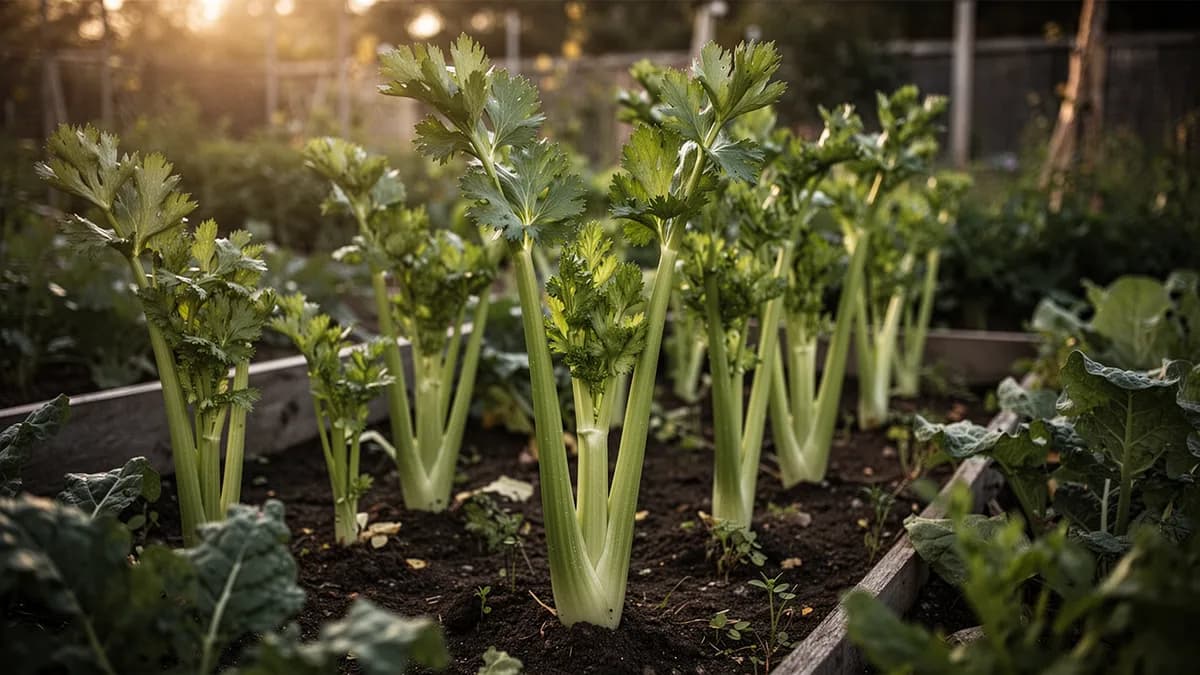
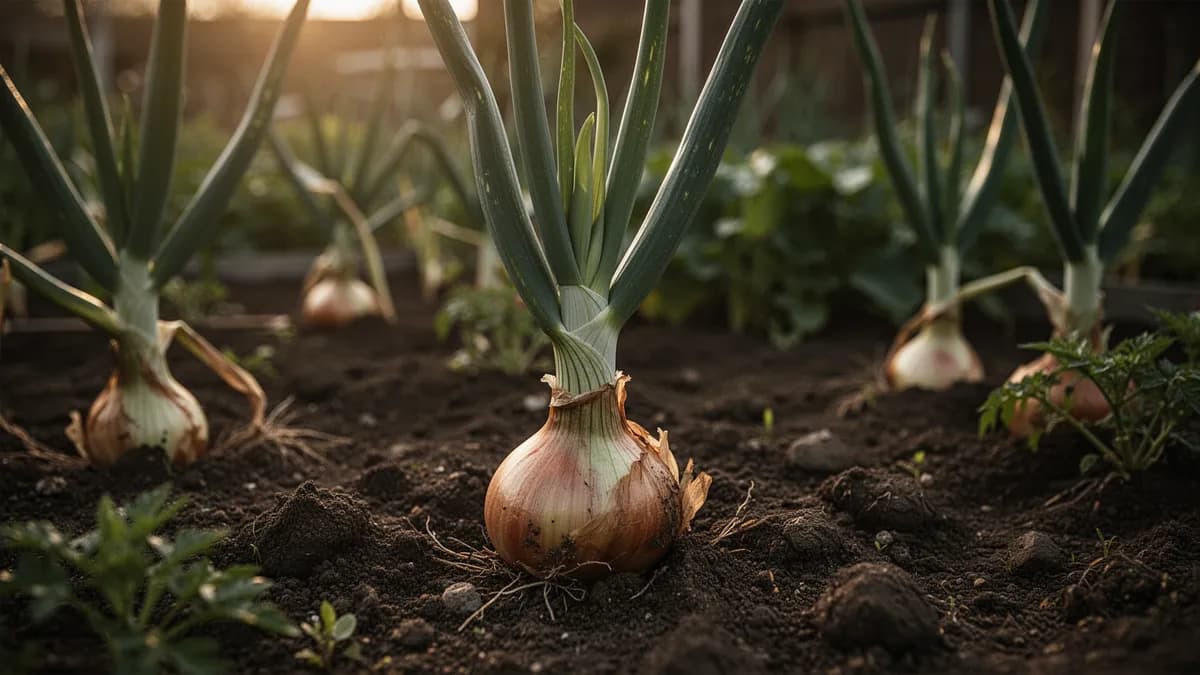
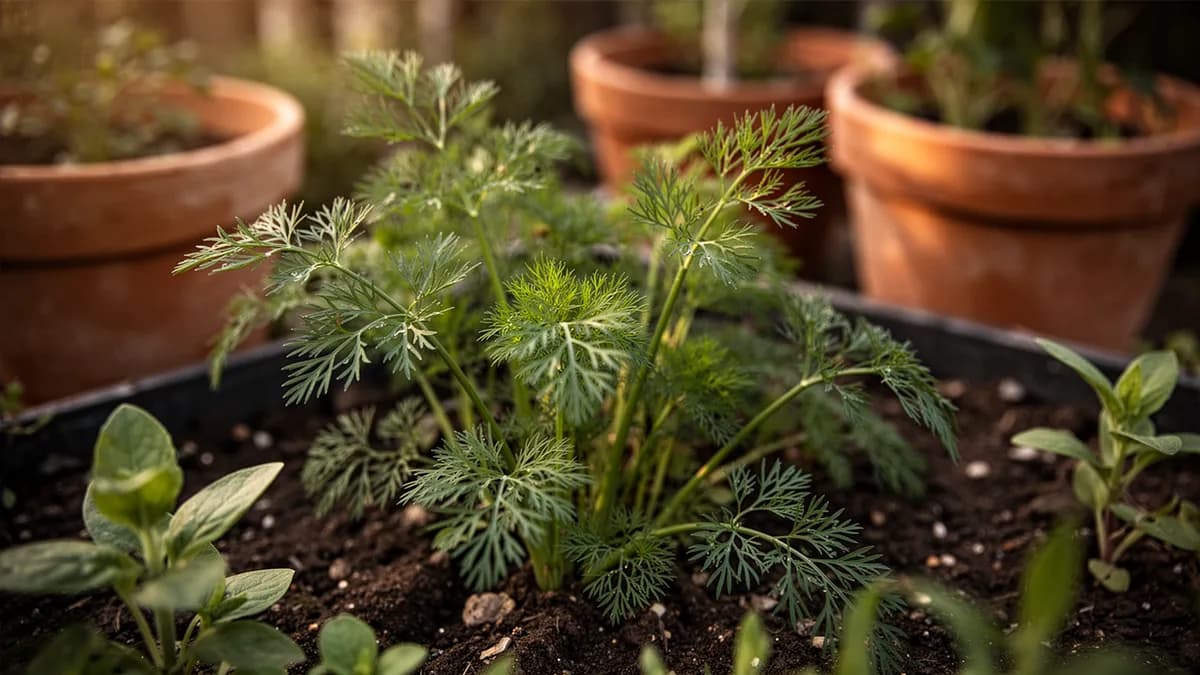
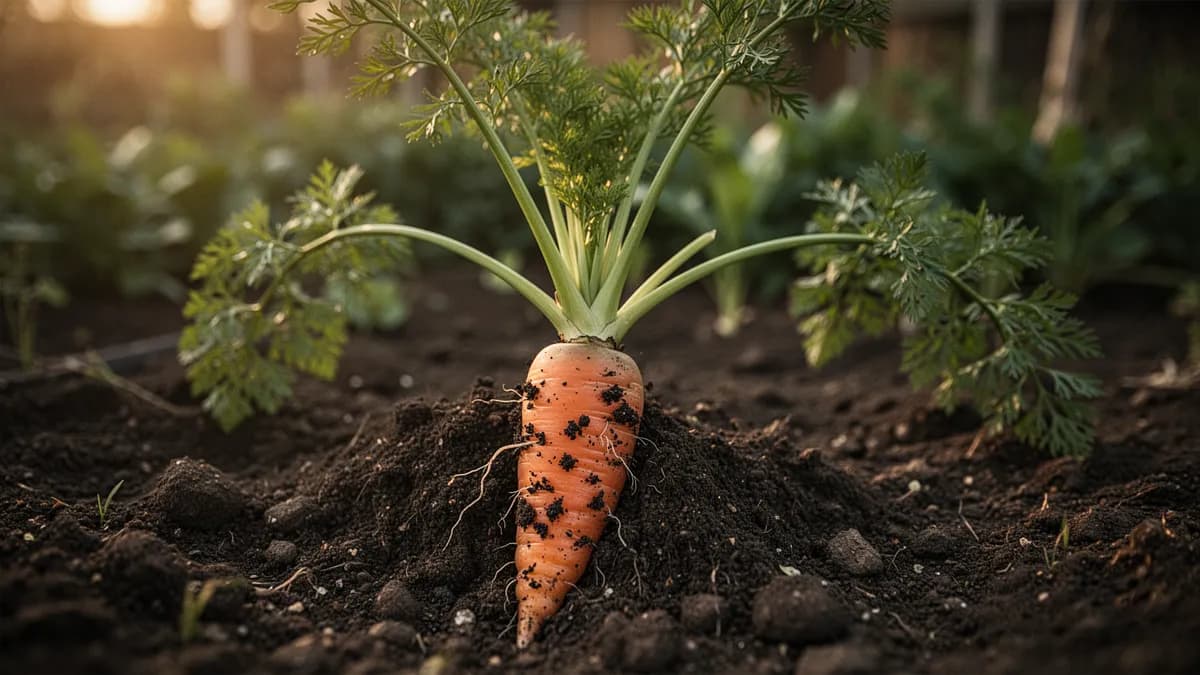
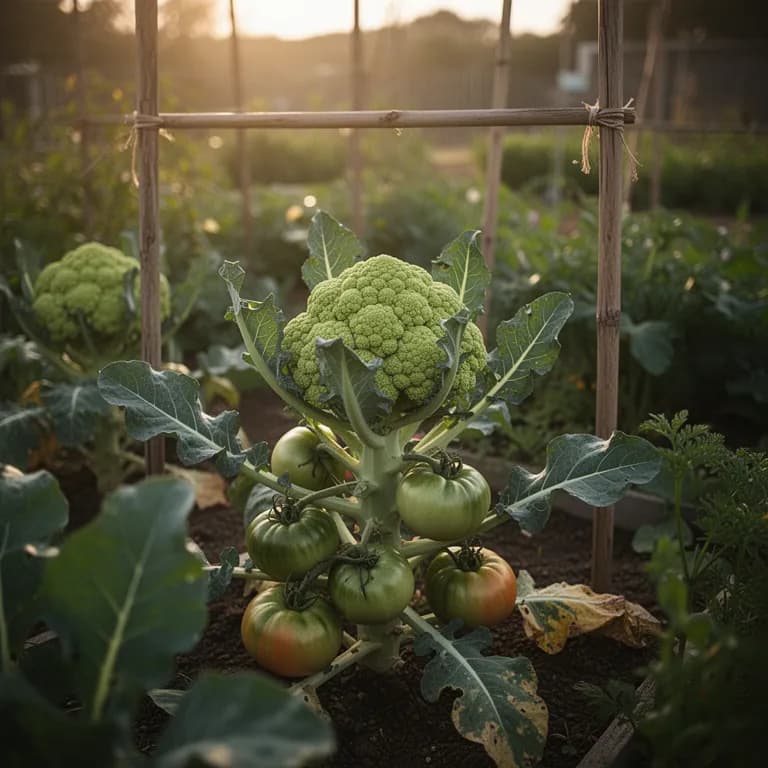
Se beneficia de la compañía de cebollas, apio, manzanilla y eneldo, que ayudan a repeler plagas de insectos. Evitar cultivar junto a fresas, tomates y otras solanáceas, ya que compiten por nutrientes y pueden favorecer la propagación de enfermedades comunes.
Apio va a su lado. Tomate no.
Saber de huerto de siempre, cotejado con la tabla real de Coliflor Verde — prueba cualquier planta que cultives.
Prueba Coliflor Verde en un bancal, aquí mismo
Un bancal real del planificador con Coliflor Verde ya plantado. Toca una planta compañera para colocarla y mira cómo responde la comprobación de vecinos: verde para buenos vecinos, rojo si hay conflicto.


Guías de cultivo relacionadas
Abónalo bien
La coliflor verde requiere un suelo profundo, fértil y bien drenado con un pH entre 6,5 y 7,5. Antes de la plantación, incorporar abundante compost maduro y un fertilizante completo rico en fósforo y potasio. Durante el crecimiento vegetativo, aplicar fertilizante nitrogenado cada 2-3 semanas, y añadir boro como micronutriente esencial para evitar tallos huecos y cabezas marrones.
Temperatura ideal
Compatibilidad de zonas de rusticidad
De la semilla a la cosecha, etapa por etapa
Siembra
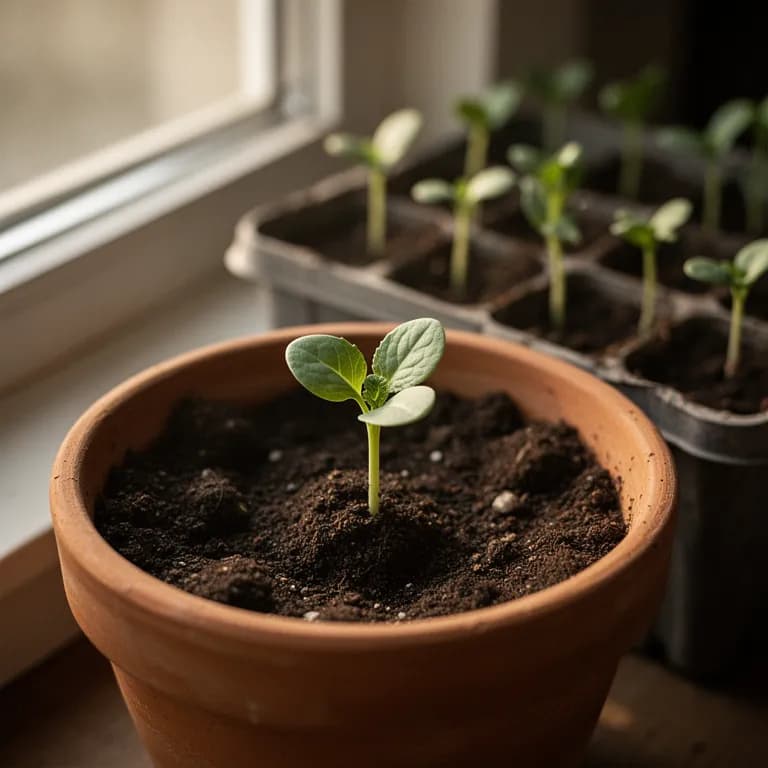
Las semillas germinan en interiores en 5-10 días a 18-24°C (65-75°F). Las semillas pequeñas y redondas producen primero un par de cotiledones anchos y después las hojas verdaderas arrugadas características de las brassicas. La siembra en interior permite controlar con precisión la temperatura, algo crucial para la coliflor.
Establecimiento tras el trasplante
Las plántulas desarrollan 4-6 hojas verdaderas y se aclimatan durante 7-10 días antes del trasplante al exterior. Las plantas jóvenes establecen un sistema radicular fuerte en su nuevo lugar y comienzan a producir grandes hojas envolventes, cerosas y azul verdosas, que luego protegerán la cabeza en formación.
Crecimiento vegetativo
La planta entra en una fase de rápida producción de hojas, desarrollando 12-18 grandes hojas envolventes que forman una roseta amplia. Estas hojas actúan como la fábrica que impulsa la formación de la cabeza: cuantas más hojas sanas tenga, mayor será la pella final. El sistema radicular profundiza y el tallo se engrosa para sostener la copa en crecimiento.
Formación de la cabeza
La pella verde empieza a emerger en el centro de la roseta de hojas como un grupo apretado de yemas florales inmaduras. A diferencia de la coliflor blanca, las variedades verdes contienen clorofila y no necesitan blanqueado; las cabezas mantienen su color verde lima intenso con la exposición directa al sol. La pella se expande rápidamente durante 2-3 semanas.
Maduración de la cabeza y cosecha
La cabeza alcanza su tamaño completo de 15-20 cm de diámetro, con una pella firme y densa de floretes verde brillante muy apretados. La ventana ideal de cosecha es estrecha —solo 5-7 días—, después de los cuales los floretes empiezan a soltarse y separarse cuando la planta se encamina al espigado. Corta la cabeza con 10-15 cm de tallo y algunas hojas envolventes para protegerla.
Producción de brotes laterales
Después de cosechar la cabeza principal, muchas variedades de coliflor verde producen brotes laterales más pequeños desde las axilas de las hojas durante las 3-5 semanas siguientes. Estas cabezas secundarias suelen medir 5-8 cm de diámetro y ofrecen una cosecha extra muy útil que prolonga la vida productiva de cada planta.
Siembra 5-7 semanas antes de la fecha prevista para el trasplante. Usa una mezcla estéril para semilleros y mantén el sustrato constantemente húmedo a 20-22°C (68-72°F). Proporciona luz intensa inmediatamente después de la germinación para evitar que las plántulas se espiguen.
Cuidar Coliflor Verde mes a mes
Qué hacer cada mes para tu Coliflor Verde
Octubre
Mes actualHeads begin forming on fall plantings. Maintain even moisture to prevent stress-induced buttoning. Light frosts actually improve flavor by converting starches to sugars. Have row cover or frost blankets ready for protection if hard freezes threaten developing heads.
Ten claro qué hacer en tu huerto, cada mes
Un correo al empezar cada mes: qué sembrar, plantar y hacer ahora mismo — para tu Coliflor Verde y todo lo que crece alrededor. Más un breve curso inicial para esquivar los errores clásicos.
- Qué hacer ahora mismo
- Ajustado a tu temporada
- Curso inicial incluido
Cosechar Coliflor Verde
La coliflor verde se cosecha cuando la cabeza está compacta, firme y ha alcanzado su tamaño completo, generalmente entre 75 y 100 días después del trasplante. En el caso del Romanesco, las espirales deben estar bien definidas y cerradas. Se corta con un cuchillo afilado por debajo de la cabeza, dejando algunas hojas envolventes para protegerla durante el transporte y almacenamiento.
se supone que plantas al comenzar el periodo — indica tu fecha real
Cuando las cabezas estén firmes, compactas y de color verde uniforme; cosecha a tiempo antes de que los floretes se aflojen.
Almacenamiento y conservación
Las cabezas frescas se conservan en el refrigerador envueltas en film perforado durante 1-2 semanas. Para congelación, se separan en ramilletes, se blanquean en agua hirviendo durante 3 minutos, se enfrían en agua con hielo y se escurren bien antes de empaquetar. También se pueden encurtir los ramilletes en vinagre con especias para una conservación de varios meses.
Qué falla — y cómo solucionarlo
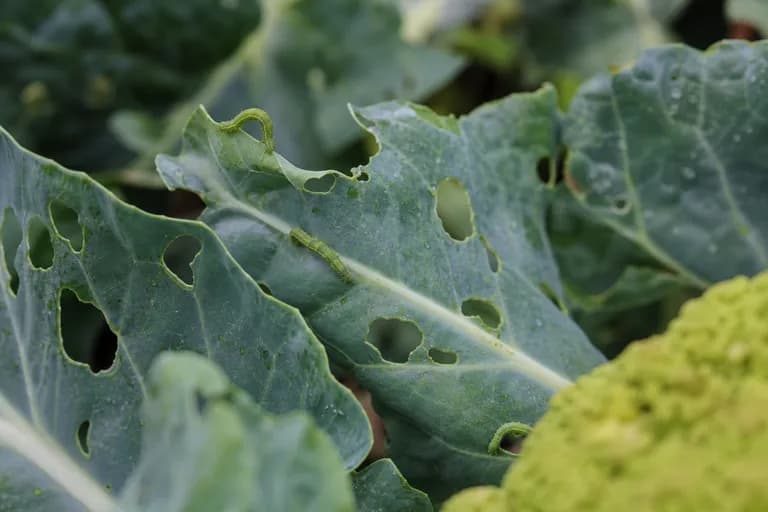
Mosca de la col (Delia radicum)
PlagaLas larvas atacan las raíces causando marchitez general de la planta, crecimiento atrofiado y coloración azulada de las hojas. Las plantas jóvenes pueden morir completamente.
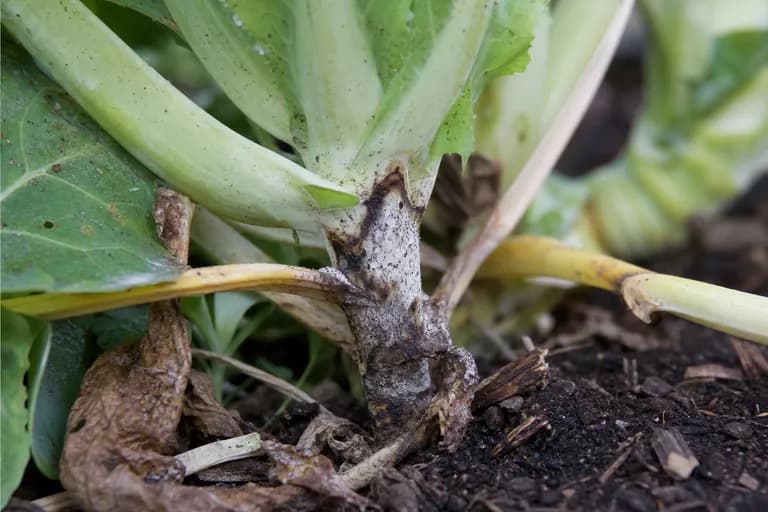
Hernia de la col (Plasmodiophora brassicae)
EnfermedadFormación de agallas deformes en las raíces que impiden la absorción de agua y nutrientes, causando marchitez durante el día que se recupera por la noche, y eventual enanismo de la planta.
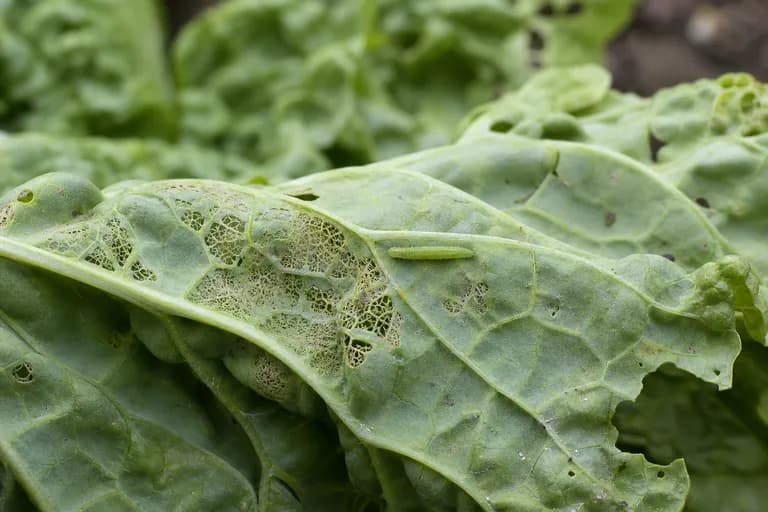
Oruga de la col (Pieris brassicae)
PlagaLas orugas verdes devoran las hojas dejando solo las nervaduras principales, produciendo excrementos oscuros visibles entre las hojas. Los daños severos debilitan la planta e impiden la formación adecuada de la cabeza.
Solución de problemas comunes
El problema más común es la formación de cabezas sueltas o granulosas causada por estrés térmico, riego irregular o deficiencia de boro. Las temperaturas superiores a 25°C durante la formación de la cabeza pueden provocar espigadura prematura o desarrollo de hojas entre los floretes, arruinando la cosecha.
Consejos de cultivo
- Timing is everything with cauliflower. The most common mistake is planting too late in spring, so the head forms during summer heat and turns loose and bitter. Count backward from your average last frost date and start seeds indoors 10-12 weeks before your target transplant date.
- Do not underestimate cauliflower's appetite. These are heavy feeders that need rich soil amended with 5-8 cm of compost plus a balanced granular fertilizer at planting. Side-dress with nitrogen every 2-3 weeks during vegetative growth, then switch to a phosphorus-rich formula when heads begin to form.
- Consistent moisture is the single most important factor after timing. Cauliflower has shallow roots and cannot tolerate drought — even brief dry spells during head formation cause buttoning, ricey texture, or premature bolting. Apply 5-8 cm of mulch and water 2.5 cm per week without fail.
- Skip the blanching process entirely with green cauliflower — unlike white varieties, the green curd is meant to be exposed to sunlight, which enhances both its color and nutritional content. This makes green cauliflower significantly easier to grow than white types.
- Plant your fall crop in late June or July for most zones. Fall-planted cauliflower almost always outperforms spring plantings because temperatures cool as the head matures rather than heat up, producing denser, sweeter curds with fewer quality problems.
- Protect young transplants with floating row cover from day one. This prevents cabbage white butterflies from laying eggs, blocks flea beetles, and provides 2-3°C of frost protection — solving three problems with a single intervention.
- Rotate brassica crops on a strict 3-4 year cycle and never plant green cauliflower where any member of the cabbage family grew in the previous 2-3 years. This prevents the buildup of clubroot, black rot, and other devastating brassica-specific soil diseases.
- After harvesting the main head, cut the stem cleanly at an angle but leave the plant and its root system in place. Many green cauliflower varieties produce 3-6 smaller side shoots over the following weeks, effectively extending your harvest from a single planting.
Cultiva tu mejor Coliflor Verde — y todo lo que la rodea.
Empieza un plan gratis hoy. Diseña tus bancales, coloca tu Coliflor Verde y deja que PlotMyGarden gestione el momento, el espaciado, las asociaciones y los recordatorios de la semilla a la cesta.
Elige tu Coliflor Verde
Romanesco
Variedad icónica con inflorescencias en forma de espirales fractales de color verde lima. Sabor delicado y textura firme, madura en 75-85 días y es muy apreciada tanto por su belleza como por su calidad culinaria.
Veronica F1
Híbrido de tipo Romanesco con espirales muy uniformes y compactas de color verde brillante. Planta vigorosa con buena tolerancia al frío, madura en 78-82 días.
Green Macerata
Variedad italiana tradicional de coliflor verde con cabezas grandes y ligeramente sueltas de color verde intenso. Sabor dulce y suave, ideal para climas mediterráneos, lista en 80-90 días.
Trevi F1
Híbrido moderno de coliflor verde con cabezas compactas de color verde esmeralda. Excelente adaptabilidad a diferentes condiciones climáticas y buena resistencia al espigado, madura en 75-80 días.
Green cauliflower and Romanesco are premium vegetables at retail, selling for $4-7 per head at grocery stores and $5-9 at farmers markets — often twice the price of standard white cauliflower due to limited commercial production. Growing 6-10 plants from a $3-4 seed packet yields $30-70 worth of produce at retail prices. The savings are even more significant for Romanesco varieties, which command the highest prices. Home-grown heads also far exceed store quality — you can harvest at peak freshness rather than days or weeks after cutting.
Recetas rápidas
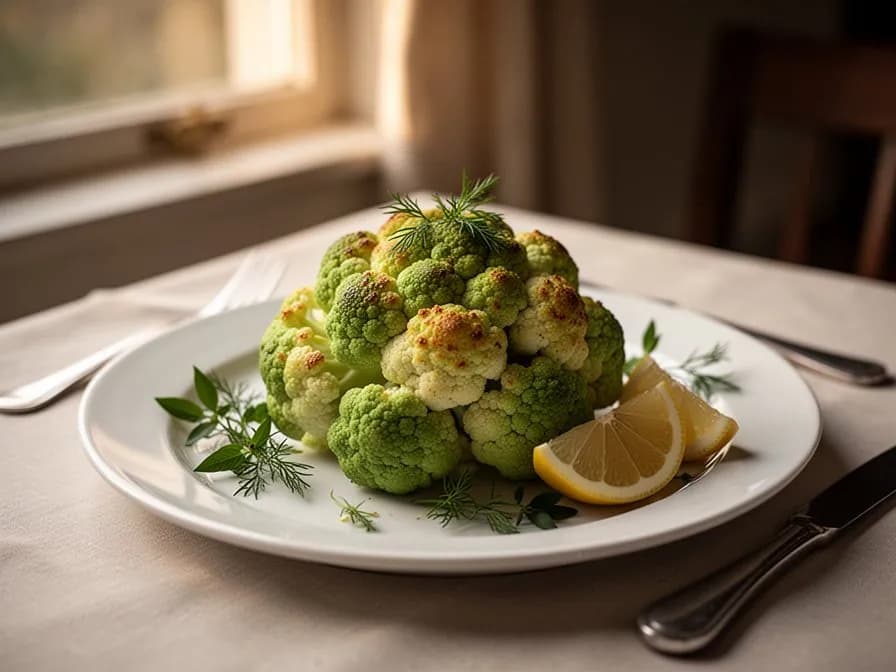
Roasted Green Cauliflower Steaks
35 minThick slices cut through the center of the head create dramatic 'steaks' that roast to golden perfection with caramelized edges. The green color deepens beautifully during roasting, and the nutty, sweet flavor needs little embellishment.
8 ingredientesGreen Cauliflower and Cheddar Soup
40 minA velvety, vibrant soup that showcases green cauliflower's naturally mild, sweet flavor. The green hue produces a stunning jade-colored soup that is far more visually appealing than the traditional white version.
9 ingredientesSpiced Green Cauliflower Rice Bowl
20 minPulsed into grain-sized pieces, green cauliflower makes a naturally colorful, low-carb rice substitute that holds spices beautifully. Paired with chickpeas and a turmeric-tahini dressing, this is a satisfying plant-based meal.
9 ingredientesUsos culinarios
La coliflor verde se puede consumir al vapor, salteada, asada al horno con aceite de oliva y especias, o cruda en ensaladas y crudités. El Romanesco es especialmente popular en la cocina italiana, donde se prepara salteado con ajo, guindilla y anchoas, o gratinado con bechamel y parmesano. Su sabor más dulce y textura firme la hacen superior a la coliflor blanca en muchas preparaciones.
Qué contiene
Beneficios para la salud
- Exceptionally rich in sulforaphane and other glucosinolates — compounds extensively studied for their ability to activate the body's natural detoxification enzymes and reduce the risk of several types of cancer.
- Contains nearly the full daily requirement of vitamin C per 100g serving, supporting immune defense, collagen production for skin health, and enhanced absorption of iron from plant-based foods.
- Provides meaningful amounts of choline, a nutrient essential for brain health, liver function, and nervous system signaling that many people do not get enough of from their diet.
- The combination of fiber, water content, and low calorie density (only 26 calories per 100g) makes green cauliflower one of the most effective foods for satiety and weight management.
- Rich in antioxidants including beta-carotene, quercetin, and kaempferol that help neutralize free radicals and reduce chronic inflammation linked to heart disease and cognitive decline.
- Contains indole-3-carbinol, a compound that supports healthy estrogen metabolism and has been studied for its potential protective effects against hormone-related cancers.
De dónde viene Coliflor Verde
Green cauliflower belongs to the species Brassica oleracea var. botrytis, the same species as white cauliflower, broccoli, cabbage, and kale — all descendants of a single wild mustard plant native to the coastal cliffs of the Mediterranean and Atlantic Europe. The cauliflower form, with its compact head of immature flower buds, was first developed in the eastern Mediterranean region, likely in what is now Syria and Turkey, over 2,000 years ago. Arab scholars and traders refined cauliflower cultivation extensively between the 11th and 14th centuries, and their detailed agricultural texts describe varieties with colored curds including green and purple forms.
Green cauliflower as we know it was most extensively developed in Italy, particularly in the regions around Rome and Naples. Italian farmers selected for varieties that retained their natural green pigmentation rather than breeding it out as was done with white cauliflower. The famous Romanesco type, with its spectacular fractal spirals, originated near Rome and has been cultivated since at least the 16th century. These Italian green varieties were prized for their stronger flavor, higher nutritional value, and the practical advantage of not requiring blanching — the labor-intensive process of tying leaves over the head to block sunlight and keep curds white.
Green cauliflower gained international popularity in the late 20th century as consumers became more interested in heirloom vegetables, nutritional density, and visual variety. Modern breeding programs in Europe, North America, and Japan have produced improved green varieties with better uniformity, pest resistance, and adaptability to different climates. Today, green cauliflower and Romanesco are grown commercially in Italy, France, Spain, the Netherlands, the United States, and parts of Asia. They command premium prices at farmers markets and specialty grocery stores, and are increasingly recognized by nutritionists as a superior alternative to white cauliflower due to their higher vitamin C, beta-carotene, and antioxidant content.
Coliflor Verde: ¿sabías que?
Datos fascinantes sobre Coliflor Verde
Green cauliflower is not a hybrid of broccoli and cauliflower as commonly believed — it is a naturally occurring variant of Brassica oleracea var. botrytis that retains chlorophyll in its curd, unlike white varieties that lack the pigment entirely.
Coliflor Verde: preguntas frecuentes
¿Cuándo debo plantar Coliflor Verde?
¿Cuáles son buenas plantas acompañantes para Coliflor Verde?
¿En qué zonas de rusticidad puede crecer Coliflor Verde?
¿Cuánto sol necesita Coliflor Verde?
¿A qué distancia debo espaciar Coliflor Verde?
¿Qué plagas y enfermedades afectan a Coliflor Verde?
¿Cómo almaceno Coliflor Verde después de la cosecha?
¿Cuáles son las mejores variedades de Coliflor Verde para cultivar?
¿Qué suelo necesita Coliflor Verde?
What is the difference between green cauliflower and Romanesco?
Why did my green cauliflower produce a tiny head and then bolt?
Is green cauliflower more nutritious than white cauliflower?
Can I grow green cauliflower in containers?
How do I know when green cauliflower is ready to harvest?
When should I plant green cauliflower for the best results?
Acabas de leer la teoría. Ahora cultívala en piloto automático.
Todo lo que hace que Coliflor Verde sea delicado — el momento, el espaciado, las asociaciones, la ventana de cosecha — es justo lo que PlotMyGarden resuelve por ti, para cada planta de tu huerto.
Un plan que conoce tu clima
Indica tu ubicación una vez. Recibe fechas de siembra, abonado y cosecha basadas en tu última helada real y el pronóstico en vivo — sin adivinar con un sobre genérico.
De la sección “Cuándo plantar”Planificador de bancales de arrastrar y soltar
Diseña bancales sobre una cuadrícula. Cada planta encaja con su espaciado correcto y ves toda la temporada antes de gastar un céntimo en semillas.
De la sección “Cultivo”Conflictos de asociación, detectados a tiempo
Más de 200 buenas y malas combinaciones comprobadas en vivo mientras plantas — para que un error que arruine la temporada nunca llegue a la tierra.
De la sección “Asociaciones”Recordatorios que sí vas a seguir
“Riega las judías.” “Recoge hoy antes de que se pase.” Oportunos, concretos y ligados a las plantas que de verdad cultivas.
De la sección “Cosecha”Escalonado, programado
¿Quieres cosechar seis semanas en vez de seis días? Reparte tus siembras automáticamente y te avisa cuando toca el siguiente lote.
De la sección “Cuándo plantar”Un registro que se vuelve más listo
Cada cosecha que registras le enseña tu huerto. El plan del año que viene parte de lo que de verdad funcionó en tu suelo, no en un manual.
De la sección “Resumen”Planta estos junto a Coliflor Verde
Más Crucíferas
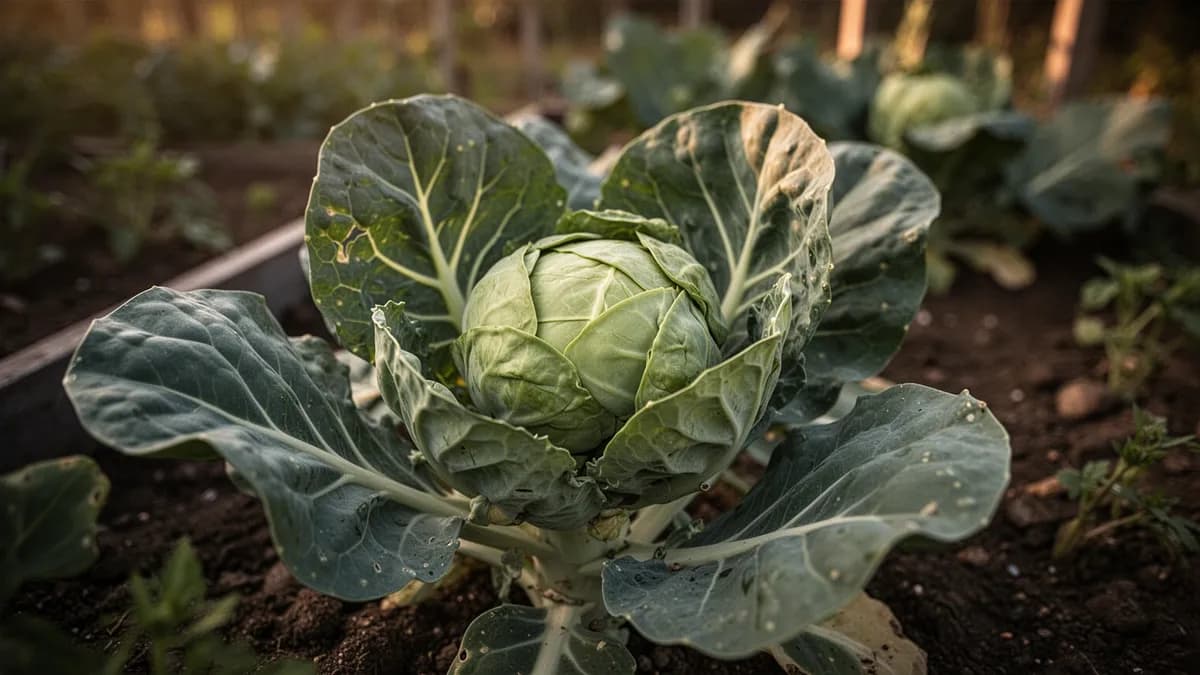
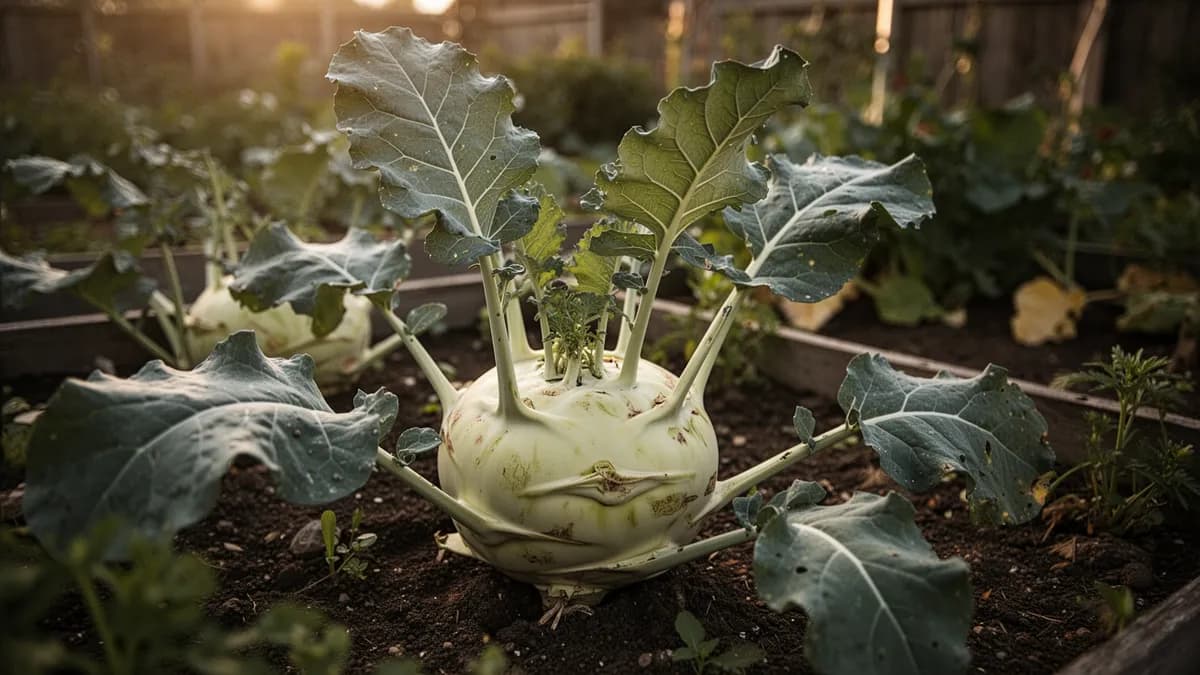
Mantén Coliflor Verde lejos de estos
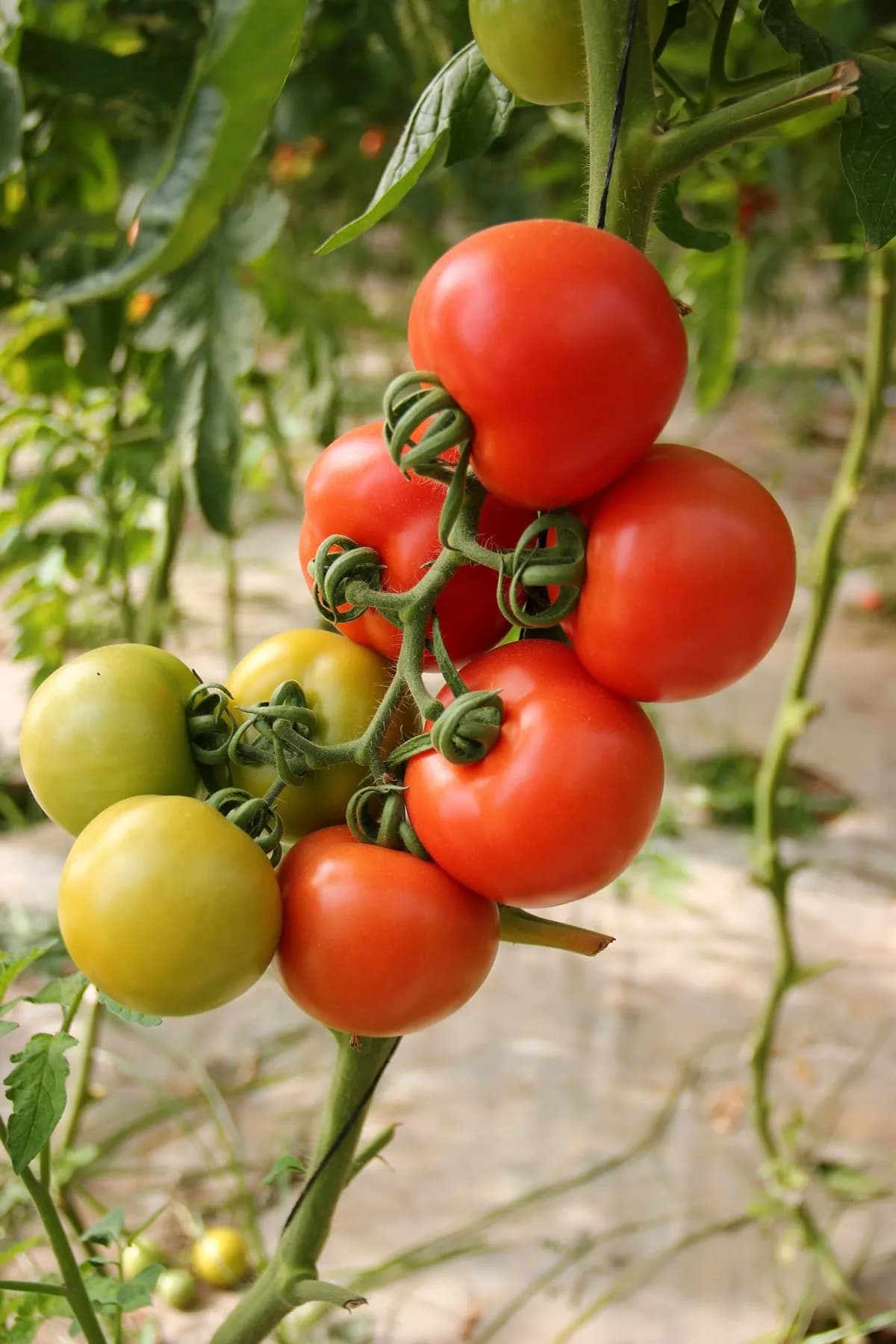
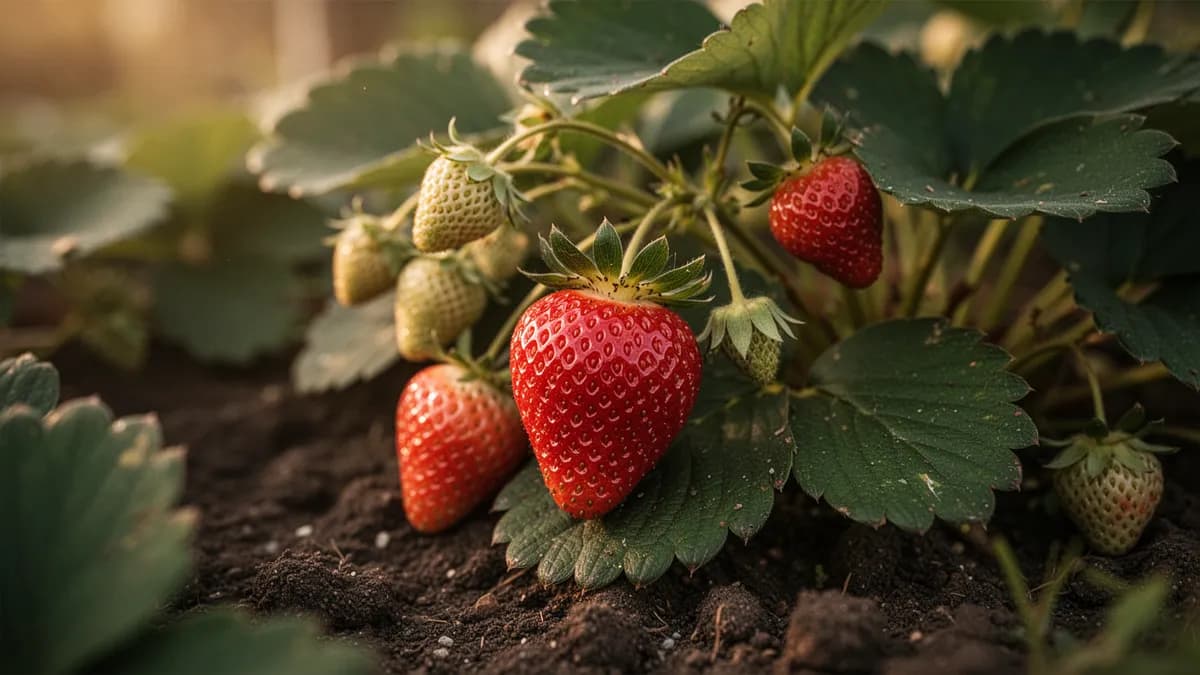
Cultiva tu mejor Coliflor Verde — y todo lo que la rodea.
Empieza un plan gratis hoy. Diseña tus bancales, coloca tu Coliflor Verde y deja que PlotMyGarden gestione el momento, el espaciado, las asociaciones y los recordatorios de la semilla a la cesta.