Cat's Claw
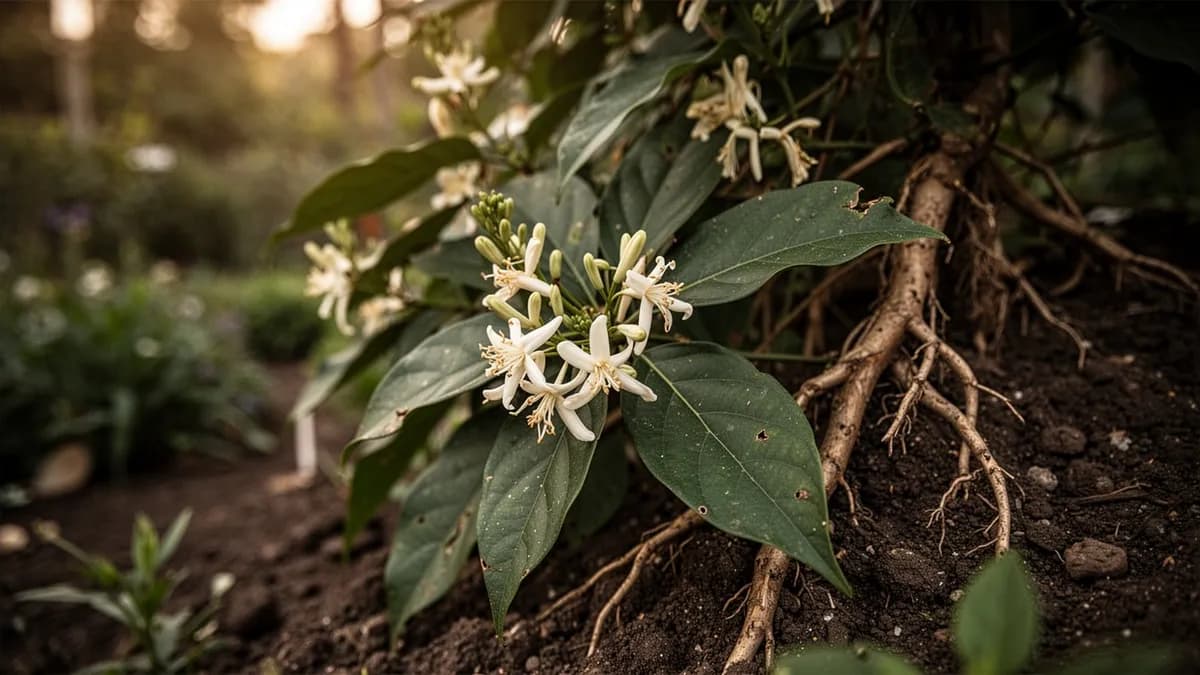
A tropical woody vine from the Amazon rainforest with hooked thorns and bark used in South American herbal medicine for inflammation and immune support.





On this pageOverview
Meet Cat's Claw
A tropical woody vine from the Amazon rainforest with hooked thorns and bark used in South American herbal medicine for inflammation and immune support. Cat's claw can only be grown outdoors in frost-free tropical climates or in a warm conservatory. The inner bark is harvested from mature vines and dried for use in teas and capsules.
When to plant Cat's Claw
Cat's claw can be propagated from fresh seed sown in warm, moist tropical conditions. Germination is slow and erratic, taking 3-8 weeks at 25-30°C. Use a rich, moist seed-starting mix and maintain high humidity. Semi-hardwood cuttings from mature vines root more reliably—take 15-20cm cuttings, apply rooting hormone, and root in a warm, humid propagation environment. Bottom heat accelerates rooting. Young plants grow slowly initially but accelerate dramatically once the root system establishes.
Your Cat's Claw Year
Composed for Zone 7 · typical seasons · frost passes Apr 2, returns Nov 1
Plant Cat's Claw Apr – Jun, pick Jan – Dec. Check the planting methods below and set your climate to personalize these windows.
How to grow Cat's Claw
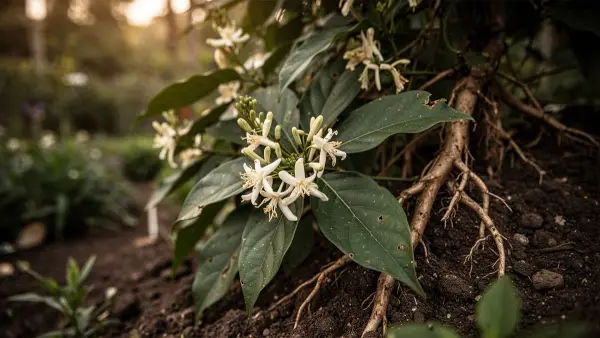
Cat's claw is a powerful tropical woody vine native to the Amazon and Central American rainforests, named for its hooked thorns that resemble cat claws and allow it to climb to the forest canopy. In the wild, vines can reach 30 meters in length. The inner bark and root bark have been used for centuries by indigenous peoples of South America for their medicinal properties. Only grow outdoors in frost-free tropical climates (zones 10-12).
In tropical gardens, plant in partial shade with moist, well-drained soil enriched with organic matter. Provide a sturdy support structure—the vigorous vine needs something substantial to climb. Space 120cm apart and expect rapid growth once established. In temperate climates, cat's claw can be grown in a warm greenhouse or conservatory with consistent temperatures above 15°C year-round.
This vine requires tropical conditions: warmth (20-30°C), high humidity, and protection from cold. It is remarkably vigorous once established and can become invasive in tropical climates. Regular pruning keeps the vine manageable and provides material for bark harvest. The plant is evergreen in tropical conditions, deciduous if exposed to cooler temperatures.

2 plants fit a 4 × 8 ft bed
Each Cat's Claw wants 120 cm of elbow room. The planner keeps that spacing for you — every plant, every bed.
Related growing guides
Feed it well
Grow in rich, well-drained, organic tropical soil with pH 5.5-7.0. Amend with compost and organic matter to mimic the fertile rainforest floor. Feed monthly with balanced fertilizer during the growing season. In containers and greenhouses, use a rich tropical potting mix. Regular watering is essential but drainage must be excellent—the vine does not tolerate waterlogged roots despite its rainforest origin. Maintain high humidity around the vine.
Ideal Temperature
Hardiness Zone Compatibility
From seed to harvest, stage by stage
Germination
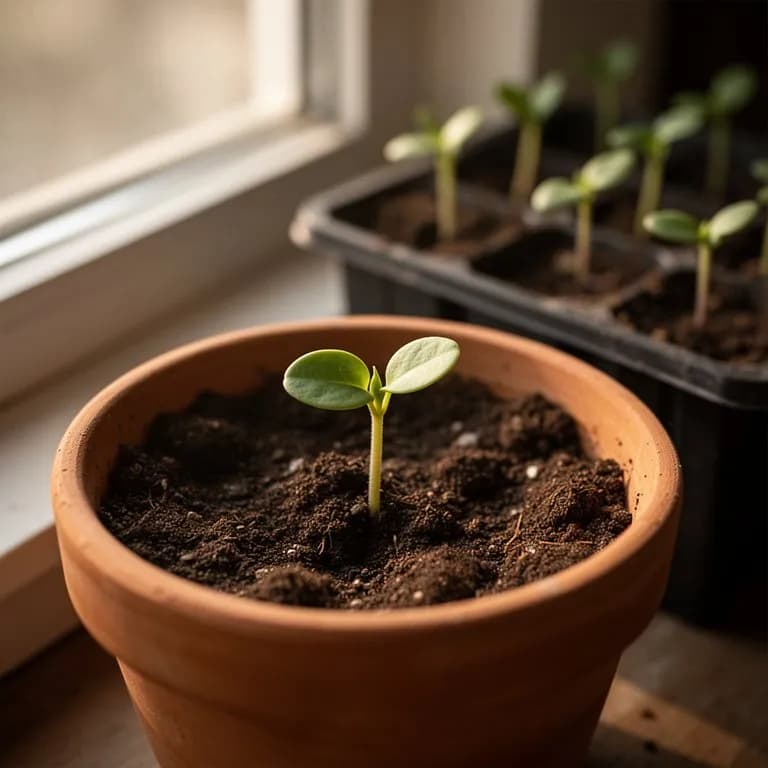
Cat's claw seeds germinate slowly in warm, humid conditions, typically taking 15-30 days to emerge. The seeds require consistent warmth of 25-30°C and high humidity to break dormancy. The first pair of small, rounded cotyledon leaves appear above the soil surface, followed within a week by the first true leaves, which are simple, oval, and glossy green with smooth edges.
Seedling Development
The young plant develops several pairs of opposite, elliptical leaves on a soft green stem. Growth is initially slow as the seedling establishes its root system. The stem begins to show a slight woodiness at the base by the end of this stage. The first tiny curved thorns may appear at the leaf axils, though they are still soft and barely visible at this young age.
Vegetative Growth
The vine enters a period of rapid vegetative growth, producing long, flexible stems that actively seek support structures to climb. The characteristic paired curved thorns become prominent and hardened at each leaf node, allowing the vine to grip surfaces. Leaves grow larger, reaching 7-15 cm in length, and the stems begin to lignify at the base. In favorable conditions, the vine can grow 2-3 meters in its first year.
Woody Vine Establishment
Over the next two to three years, the vine develops a substantial woody trunk at the base and extends its climbing stems through the canopy support structure. The bark thickens and develops the reddish-brown, fibrous texture that is valued for medicinal harvest. The root system deepens significantly, and the plant becomes more resilient to brief dry periods. Secondary vines may emerge from the base, creating a multi-stemmed structure.
Flowering and Maturity
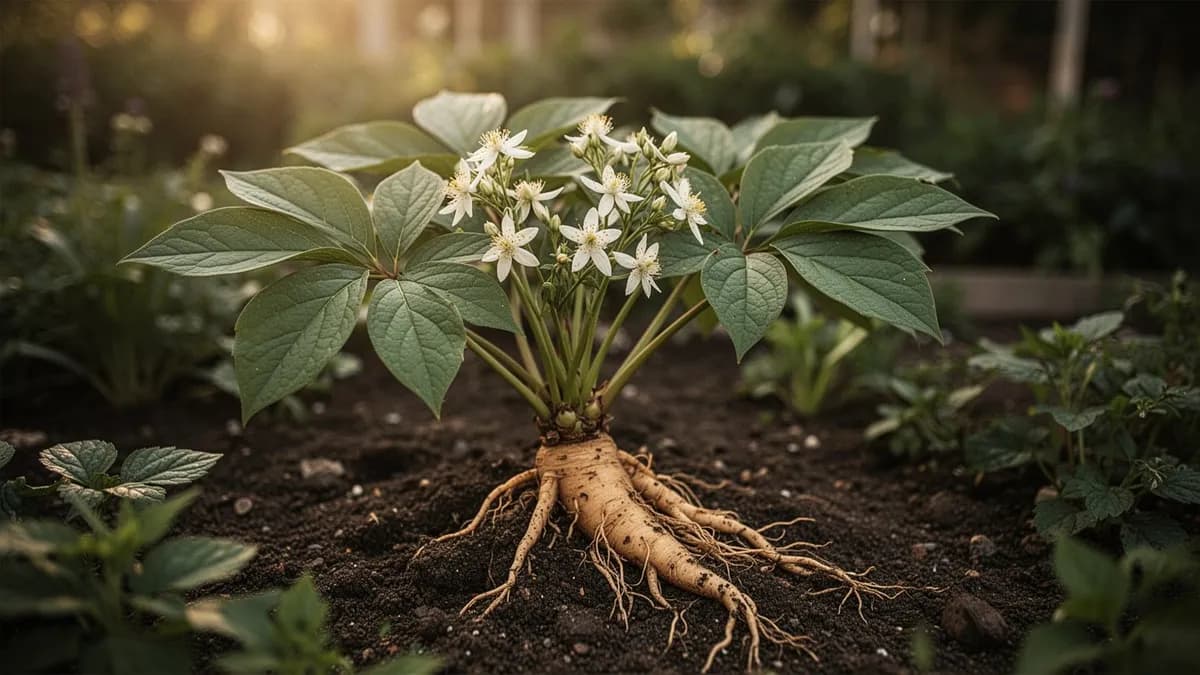
Mature cat's claw vines produce distinctive spherical flower clusters in the leaf axils, bearing numerous small yellowish-white tubular flowers. Flowering typically occurs during the rainy season in tropical climates. The flowers attract a variety of pollinators and develop into small capsular fruits containing winged seeds. A fully mature vine can reach 30 meters in length in ideal rainforest conditions, though cultivated specimens are typically maintained at 5-10 meters.
Sow seeds 1-2 cm deep in a warm, moist seed-starting mix and maintain temperatures of 25-30°C using a heat mat if necessary. Cover the tray with a humidity dome or plastic wrap to maintain high moisture levels. Do not allow the soil to dry out during germination, as the tropical seeds are sensitive to desiccation.
Caring for Cat's Claw month by month
What to do each month for your Cat's Claw
October
You are hereMove all container specimens into a heated greenhouse or bright indoor location in temperate zones. Ensure minimum temperatures of 15°C and maintain humidity with regular misting or pebble trays. In tropical areas, assess the vine structure and carry out any major pruning to control size before the next rainy season.
Know exactly what to do in your garden — every month
One email at the start of each month: what to sow, plant, and tackle right now — for your Cat's Claw and everything growing around it. Plus a short starter course that helps you dodge the classic mistakes.
- What to do, right now
- Matched to your season
- Starter course included
Harvesting Cat's Claw
Harvest cat's claw inner bark from mature vine stems at least 3cm in diameter. Strip bark in spring when sap is flowing and bark separates easily. Scrape off the outer bark to access the inner bark, which contains the highest concentration of active compounds. Root bark is also medicinally active and can be harvested from sections of the root system. Sustainable harvesting takes only a portion from each vine, allowing regrowth. Dry bark promptly in a warm, well-ventilated area.

assuming you plant when the window opens — set your real date
Pick Cat's Claw promptly and the plant keeps producing.
Storage & Preservation
Dry inner bark strips thoroughly at 35-45°C in a dehydrator or in a warm, well-ventilated area. Properly dried bark should be brittle and snap cleanly. Store in airtight jars away from light for up to 2 years. The dried bark is typically used to make tea (decoction) or tinctured in alcohol. Powder dried bark for capsule preparation. Commercial products are standardized for alkaloid content—home preparations vary in potency.
What goes wrong — and the fix
Scale Insects
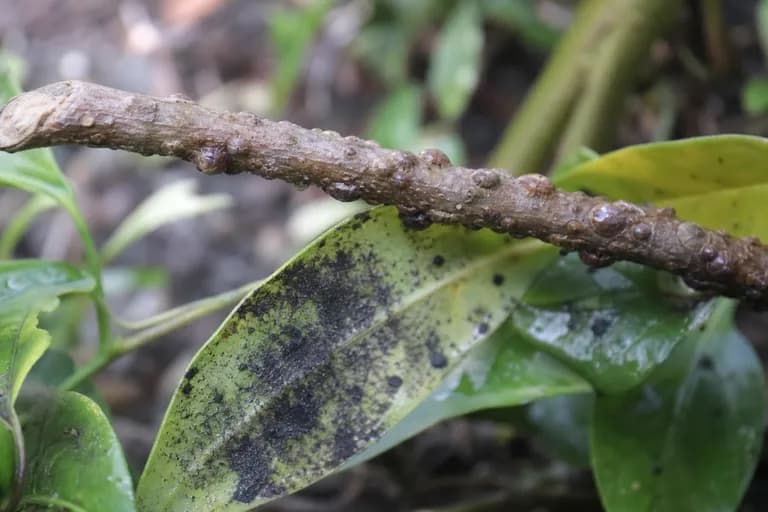
PestBrown or white bumps on stems and leaf undersides, sticky honeydew, reduced vigor.
Root Rot
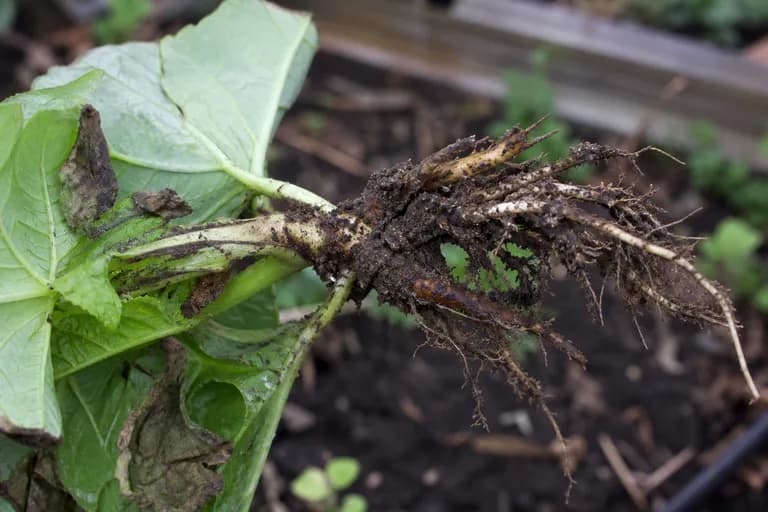
DiseaseYellowing leaves, wilting despite moisture, soft mushy roots. Usually from waterlogged soil.
Troubleshooting Common Problems
Cold is the primary limitation—cat's claw is strictly tropical and dies at temperatures below 5°C. In temperate climates, growing is only possible in heated greenhouses or conservatories. The vigorous growth can become invasive in tropical areas; prune regularly. The hooked thorns are sharp and can snag clothing and skin—wear gloves when handling. Quality control for medicinal use requires proper species identification, as there are many Uncaria species with varying chemistry.
Growing Tips
- Cat's claw is a tropical rainforest vine that requires warm temperatures year-round. In temperate climates, it must be grown in a heated greenhouse or conservatory with a minimum temperature of 15°C. Container cultivation allows you to move the plant outdoors during warm summer months and back inside before autumn frosts.
- Provide rich, well-draining soil with high organic matter content to mimic the fertile forest floor of its native habitat. A mix of quality potting compost, perlite, and coconut coir in a 3:1:1 ratio works well for container-grown plants. Maintain soil pH between 5.5 and 7.0.
- Cat's claw requires a sturdy support structure for climbing. Install a strong trellis, arbor, or set of vertical posts with horizontal wires. The curved thorns grip surfaces aggressively, so use supports you are comfortable having permanently entwined with the vine's woody stems.
- Maintain high humidity of 60-80% around the plant, especially in greenhouse or indoor settings. Regular misting, pebble trays filled with water, or a room humidifier will help replicate the humid rainforest conditions this vine naturally enjoys. Low humidity causes leaf browning and reduced vigor.
- Water consistently to keep the soil evenly moist but never waterlogged. Cat's claw does not tolerate drought well, especially when young, but root rot can develop in saturated soil. Ensure containers have excellent drainage and never allow the pot to sit in standing water.
- Feed actively growing vines every two to three weeks with a balanced organic liquid fertilizer during the growing season. Reduce feeding to once monthly during winter or dry season rest periods. Avoid excessive nitrogen, which can promote soft, leggy growth at the expense of bark development.
- Practice sustainable bark harvesting only from stems that are at least 8-10 cm in diameter and at least three years old. Remove bark strips in vertical sections covering no more than one-third of the stem circumference, which allows the exposed cambium to heal and the vine to continue growing without serious damage.
- Propagation from semi-hardwood stem cuttings is more reliable than seed for home growers. Take 15-20 cm cuttings from healthy current-season growth, dip in rooting hormone, and place in a warm, humid propagation unit with bottom heat. Cuttings typically root in 6-8 weeks under optimal conditions.
- Prune cat's claw regularly to manage its vigorous growth in cultivation settings. Without pruning, the vine will attempt to reach canopy height as it would in the rainforest. Annual pruning in late winter encourages bushier growth, more accessible stem development, and easier bark harvesting from cultivated plants.
- Watch for common greenhouse pests including spider mites, scale insects, mealybugs, and whiteflies, which can all target cat's claw in indoor growing conditions. Inspect the undersides of leaves and stem joints regularly. Treat infestations early with insecticidal soap or neem oil before they become established.
Grow your best Cat's Claw yet — and everything around it.
Start a free plan today. Lay out your beds, drop in your Cat's Claw, and let PlotMyGarden handle the timing, spacing, companions and reminders from seed to harvest basket.
Pick your Cat's Claw
Uncaria tomentosa (Cat's Claw)
The primary medicinal species from the Amazon. Inner bark is the most commonly used part. Most widely researched.
Uncaria guianensis
A closely related species with similar medicinal properties. Sometimes used interchangeably in South American herbal medicine.
Dried cat's claw bark sells for $12-25 per 100g at herbal retailers, and standardized cat's claw capsules typically cost $15-30 for a month's supply. A mature home-grown vine producing 200-400g of dried bark annually represents a value of $30-100 in raw herb each year. However, the long establishment period of 3-5 years before first harvest means that the initial investment in time and greenhouse heating (in temperate climates) should be factored in. For dedicated herbalists who use cat's claw regularly, a single productive vine can save $150-400 over a five-year harvesting period compared to purchasing commercial dried bark or supplements.
Quick recipes
Traditional Cat's Claw Bark Tea
25 minA deeply earthy decoction made by simmering dried inner bark, following the traditional Ashaninka method used for centuries in the Peruvian Amazon. This preparation extracts the beneficial alkaloids and tannins from the bark, producing a reddish-brown tea with a woody, slightly bitter flavor. It is the most common and accessible way to use cat's claw at home.
4 ingredientsCat's Claw Bark Tincture
10 min active (4-6 weeks steeping)A concentrated alcohol-based extraction that preserves the full spectrum of beneficial alkaloids, glycosides, and antioxidants from cat's claw bark. Tinctures are a convenient way to take cat's claw regularly, as small doses can be added to water or juice. This folk method produces a shelf-stable preparation that retains potency for up to two years when stored properly.
4 ingredientsCat's Claw Root Bark Decoction
45 minA strong, traditional-style decoction that simmers the bark pieces for an extended period to maximize the extraction of water-soluble compounds. This method is closer to the concentrated preparations used by traditional healers in the Amazon basin and produces a more potent brew than a simple tea infusion. The resulting liquid has a deep amber color and robust earthy taste.
4 ingredientsWhat's inside
Health Benefits
- Contains pentacyclic oxindole alkaloids that have been shown in laboratory and preliminary clinical studies to modulate immune system activity, potentially enhancing the body's natural defense mechanisms during seasonal health challenges.
- Rich in anti-inflammatory compounds including quinovic acid glycosides, which may help reduce joint stiffness and discomfort — cat's claw has been traditionally used for centuries by Amazonian peoples to address musculoskeletal complaints.
- Provides potent antioxidant protection through its high concentrations of proanthocyanidins, catechins, and other polyphenolic compounds, which help neutralize free radicals and may support cellular health and longevity.
- Contains triterpene compounds and plant sterols that may support cardiovascular health by promoting healthy circulation, maintaining blood vessel flexibility, and contributing to balanced cholesterol levels.
- Traditionally valued for digestive support, with the bark's tannins and anti-inflammatory compounds believed to help soothe the gastrointestinal tract and support healthy gut lining integrity.
- Emerging research suggests that certain alkaloids in cat's claw may support DNA repair mechanisms, an area of active scientific investigation that could have significant implications for cellular health and resilience.
Where Cat's Claw comes from
Cat's claw (Uncaria tomentosa) is a large woody vine native to the tropical rainforests of Central and South America, with its primary range extending from southern Mexico through the Amazon basin of Peru, Colombia, Ecuador, Brazil, and Bolivia. It thrives in the warm, humid understory of lowland tropical forests at elevations up to 800 meters, climbing through the canopy using its distinctive hooked thorns.
The medicinal use of cat's claw bark stretches back over two millennia among the indigenous peoples of the Amazon. The Ashaninka, Cashibo, Conibo, and Shipibo peoples have long used decoctions of the inner bark and root bark to treat inflammatory conditions, digestive disorders, infections, and as a general health tonic. The Ashaninka in particular regard cat's claw as one of their most important medicinal plants, using it for bone pain, wound cleaning, kidney ailments, and as a remedy for women recovering from childbirth.
Western scientific interest in cat's claw began in the 1970s when Austrian researcher Klaus Keplinger traveled to the Peruvian Amazon and documented the traditional uses of the plant among the Ashaninka. His subsequent laboratory work identified several oxindole alkaloids in the bark with apparent immunomodulatory properties, sparking decades of pharmacological research. By the 1990s, cat's claw had become one of the top-selling herbal supplements in both Europe and North America, with demand growing rapidly as preliminary studies suggested potential benefits for immune support, inflammation, and joint health.
The surge in global demand created both economic opportunities and conservation challenges for Peru. Wild harvesting provided income for rural Amazonian communities, but unsustainable collection practices threatened some populations. In response, the Peruvian government declared cat's claw a national patrimony species in 1999 and implemented harvesting guidelines. Today, cultivation programs and sustainable wild-harvesting initiatives aim to balance commercial demand with forest conservation, ensuring this remarkable rainforest vine remains available for future generations.
Cat's Claw: did you know?
Fascinating facts about Cat's Claw
Cat's claw gets its common name from the curved thorns at each leaf node that closely resemble the retractable claws of a cat — indigenous Amazonian peoples observed this resemblance centuries ago and named the plant 'una de gato' in Spanish, a name now used across Latin America.
Cat's Claw questions, answered
When should I plant Cat's Claw?
What hardiness zones can Cat's Claw grow in?
How much sun does Cat's Claw need?
How far apart should I space Cat's Claw?
What pests and diseases affect Cat's Claw?
How do I store Cat's Claw after harvest?
What are the best Cat's Claw varieties to grow?
What soil does Cat's Claw need?
Can cat's claw be grown outside of the tropics?
How long before I can harvest bark from a cat's claw vine?
Is cat's claw safe to take as a herbal supplement?
What is the difference between Uncaria tomentosa and Uncaria guianensis?
How do I dry and store cat's claw bark properly?
Can I grow cat's claw from seed?
You just read the theory. Now grow it on autopilot.
Everything that makes Cat's Claw fiddly — the timing, the spacing, the companions, the harvest window — is exactly what PlotMyGarden handles for you, for every plant in your garden.
A plan that knows your weather
Set your location once. Get sow, feed and harvest dates built around your real last-frost date and live forecast — no more guessing from a generic seed packet.
From the “When to plant” sectionDrag-and-drop bed planner
Design beds on a grid. Every plant snaps to its proper spacing, and you can see your whole season laid out before you spend a cent on seed.
From the “Growing guide” sectionCompanion conflicts, caught early
200+ good-and-bad pairings checked live as you plant — so a season-wrecking mistake never makes it into the ground.
From the “Companions” sectionReminders you'll actually act on
“Water the beans.” “Pick today before it turns.” Timely, specific, and tied to the plants you're really growing.
From the “Harvest” sectionSuccession, scheduled
Want a harvest for six weeks, not six days? It spaces your sowings automatically and reminds you when each new block is due.
From the “When to plant” sectionA record that gets smarter
Every harvest you log teaches it your garden. Next year's plan starts from what actually worked in your soil, not a textbook's.
From the “Overview” sectionMore Medicinal Herbs
Grow your best Cat's Claw yet — and everything around it.
Start a free plan today. Lay out your beds, drop in your Cat's Claw, and let PlotMyGarden handle the timing, spacing, companions and reminders from seed to harvest basket.