Cashew Tree
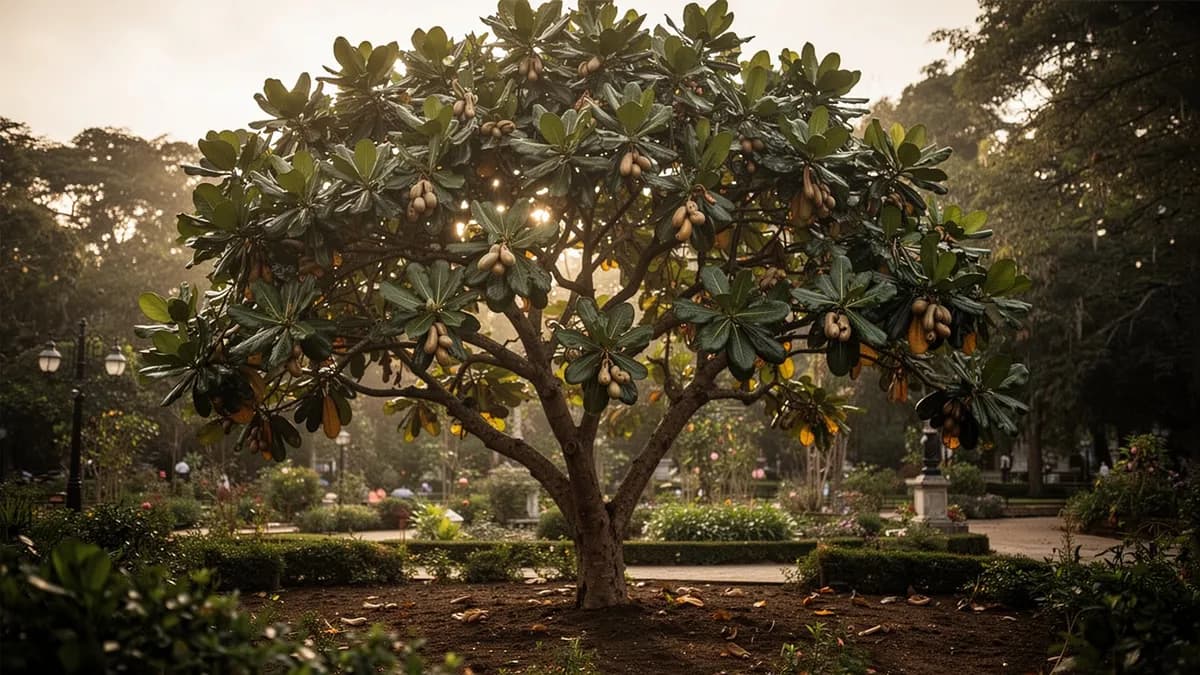
A tropical evergreen tree that produces nuts attached to the bottom of a fleshy false fruit called the cashew apple.





On this pageOverview
Meet Cashew Tree
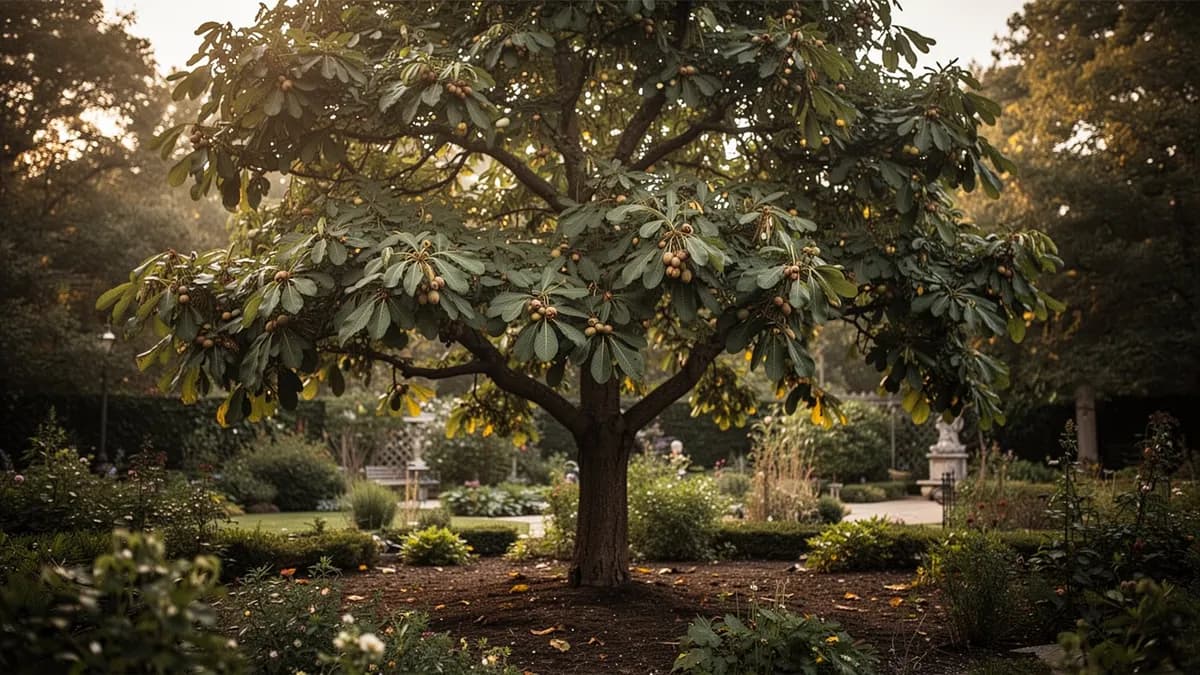
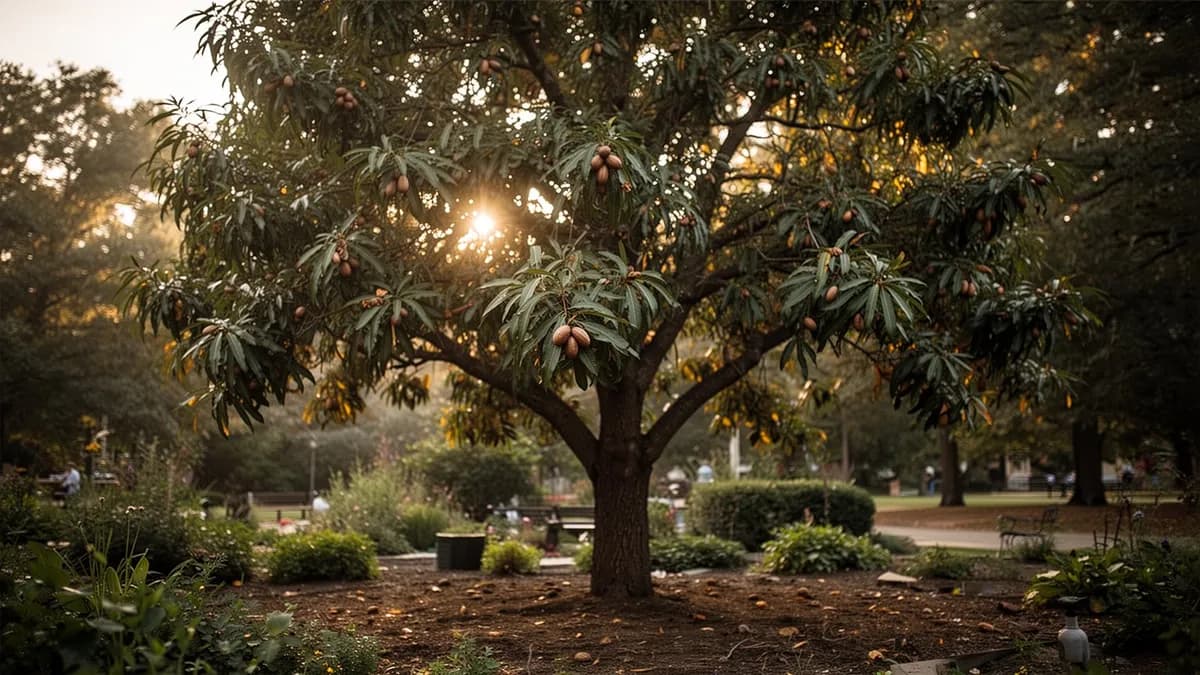
A tropical evergreen tree that produces nuts attached to the bottom of a fleshy false fruit called the cashew apple. The raw nut shell contains caustic oil related to poison ivy and must be carefully roasted before the kernel can be safely extracted. Cashew trees are drought-tolerant once established and grow well in sandy, well-drained tropical soils. They begin bearing within three years and are surprisingly low-maintenance in suitable climates.
When to plant Cashew Tree
Cashew trees are easily grown from fresh seed. Select plump, heavy nuts from productive mother trees and float-test them, discarding any that float. Sow seeds directly in large pots or in the ground, planting 2 inches deep with the curved side up. Germination occurs in 2 to 3 weeks in warm conditions. Seeds lose viability quickly, so plant within a few weeks of harvest. Transplant seedlings to their permanent location when 8 to 12 inches tall. Air layering and grafting of superior varieties is also common.
Your Cashew Tree Year
Composed for Zone 7 · typical seasons · frost passes Apr 2, returns Nov 1
Plant Cashew Tree Apr – Jun, pick Feb – May. Check the planting methods below and set your climate to personalize these windows.
How to grow Cashew Tree
Cashew trees thrive in tropical and subtropical climates with temperatures between 70 and 95 degrees Fahrenheit and a distinct dry season. Plant in full sun in sandy, well-drained soil with a pH of 5.0 to 6.5. Cashews are remarkably drought-tolerant once established and actually require a dry period to flower and fruit properly. Space trees 25 to 30 feet apart and water young trees regularly during their first year.
Cashew trees grow quickly, reaching 15 to 30 feet tall with a spreading canopy. They begin flowering and producing nuts within 3 to 5 years from planting. The trees are evergreen in consistently warm climates but may become semi-deciduous where dry seasons are more pronounced. Minimal pruning is needed beyond removing dead wood and low-hanging branches.
The most important consideration for home growers is that raw cashew shells contain urushiol, the same irritant found in poison ivy. Never attempt to crack and eat raw cashew nuts. The shells must be roasted at high temperatures to neutralize the caustic oil before the kernels can be safely extracted. Commercial processing involves specialized equipment for this reason.
Cashew Tree needs more room than a 4 × 8 ft bed gives
Each Cashew Tree wants 900 cm of elbow room. The planner keeps that spacing for you — every plant, every bed.
Cashew Tree's best neighbours
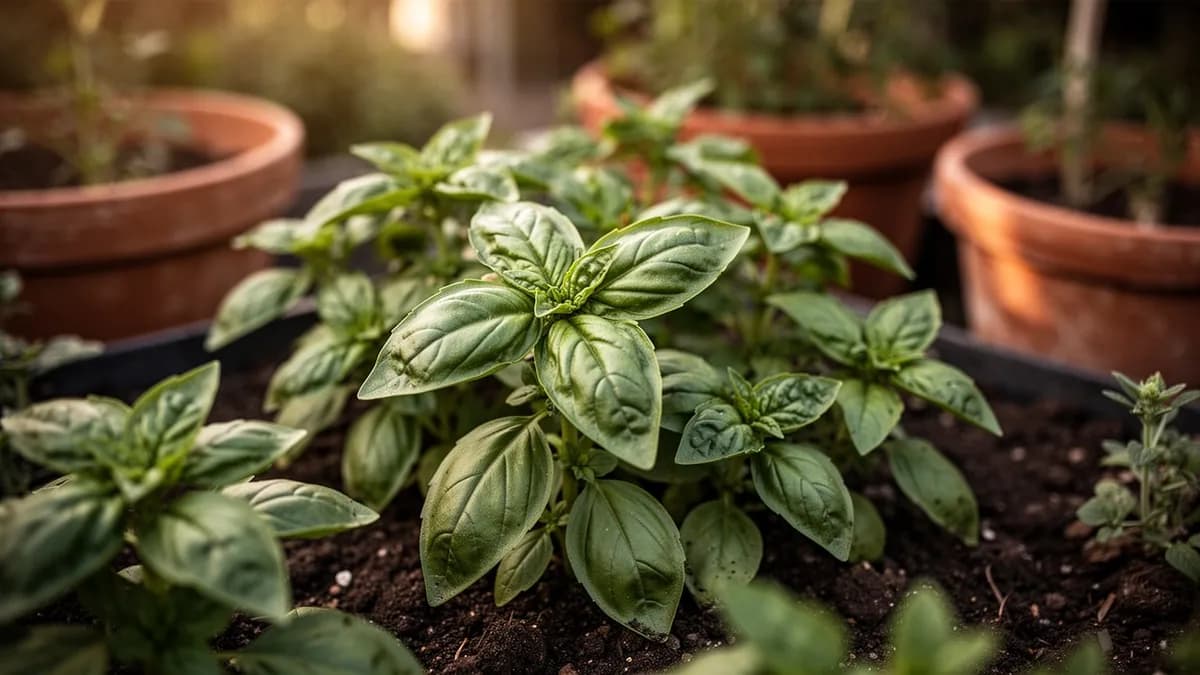
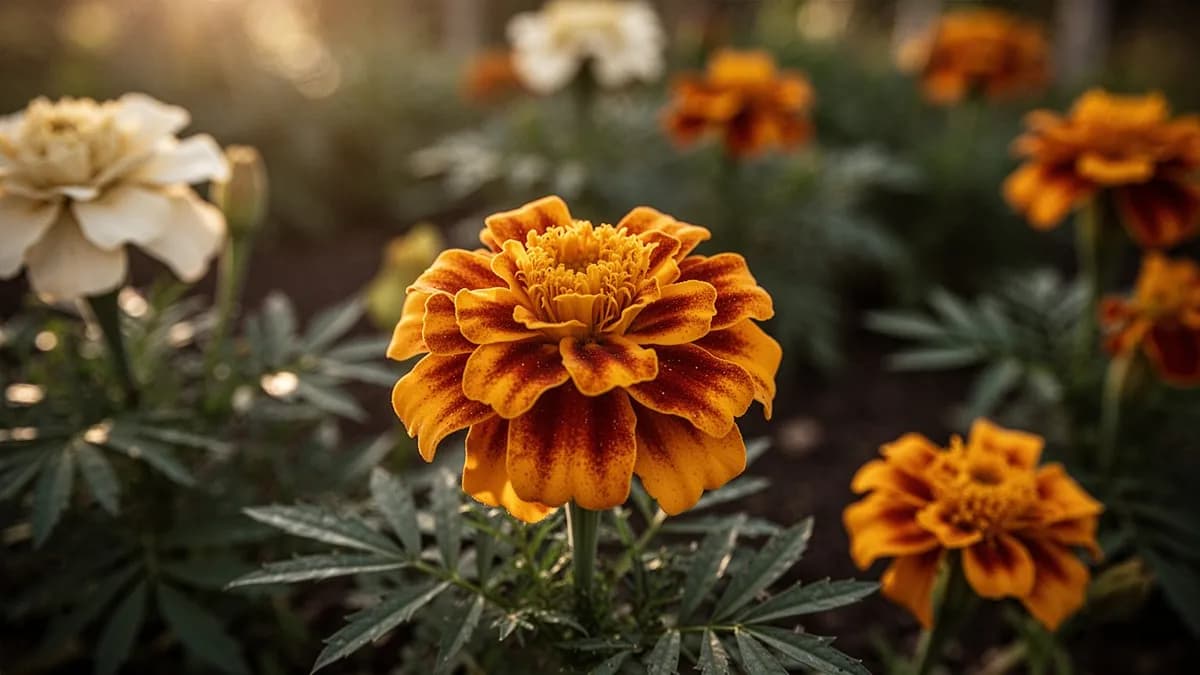
Interplant young cashew orchards with short-term crops like beans, peanuts, cassava, or sweet potatoes to generate income while trees mature. Leguminous cover crops like cowpeas and pigeon peas fix nitrogen and improve soil fertility between rows. Basil and marigolds planted around cashew trees help repel insect pests and attract pollinators. Once the canopy closes, shade-tolerant crops like ginger and turmeric can be grown beneath the trees.
Basil belongs beside it.
Old growers' knowledge, checked against Cashew Tree's real companion table below — test any plant you're growing.
Try Cashew Tree in a bed — right here
A real planner bed with Cashew Tree already in it. Tap a companion to place it and watch the pairing checks answer — green for good neighbours, red for a clash.


Related growing guides
Feed it well
Cashew trees prefer sandy, well-drained, slightly acidic soil with a pH of 5.0 to 6.5. They tolerate poor, infertile soils remarkably well but produce better with moderate fertility. Apply a balanced NPK fertilizer twice yearly, in early rainy season and after harvest. Young trees benefit from additional nitrogen to promote canopy development. Avoid waterlogged soils at all costs, as cashews are highly susceptible to root rot in wet conditions. Organic mulch helps retain moisture during dry periods.
Ideal Temperature
Hardiness Zone Compatibility
From seed to harvest, stage by stage
Germination & Seedling
Cashew seeds (whole nuts with shell) germinate within 10 to 21 days when planted in moist, warm soil. The seedling emerges with a strong taproot and develops its first set of simple, leathery leaves within the first two months.
Juvenile Vegetative Growth
The young tree focuses on building a strong trunk and branching framework. Growth can be rapid in tropical conditions, reaching 1.5 to 2 meters in the first two years. Leaves are alternate, oval, and dark green with prominent veining.
Pre-Flowering Maturation
Between years two and three, the tree develops a broader canopy and thicker bark. Branch architecture becomes more defined. The tree begins storing energy reserves for its first flowering cycle. Some grafted varieties may show early flower buds.
Flowering & Pollination
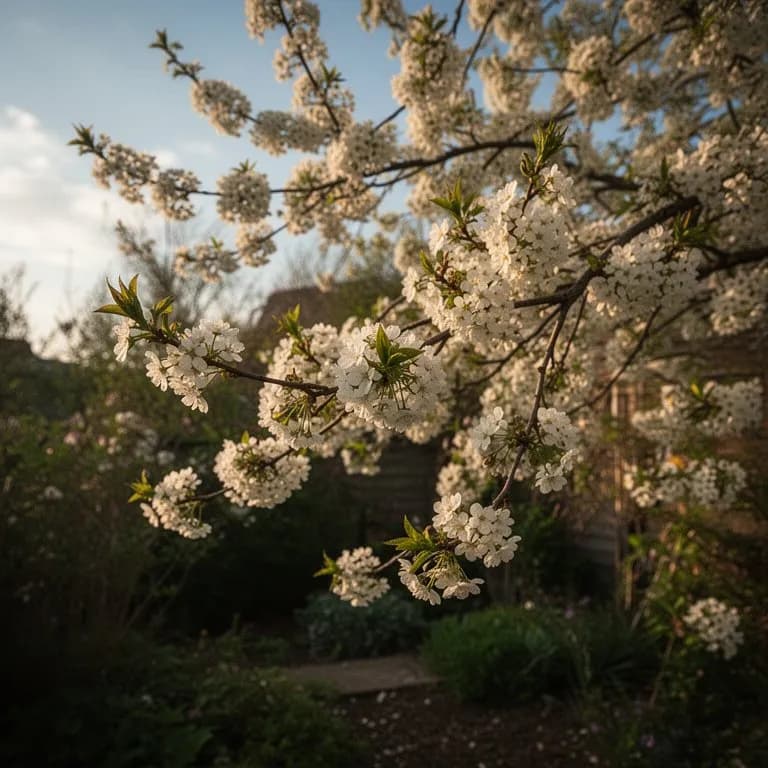
Cashew trees produce large terminal panicles containing both male and bisexual (hermaphrodite) flowers. Each panicle can hold 200 to 1,600 individual flowers, but only a small percentage set fruit. Pollination occurs primarily through insects, especially bees and ants.
Fruit & Nut Development
After successful pollination, the cashew nut (true fruit) develops first as a kidney-shaped drupe at the end of the stalk. The cashew apple (accessory fruit or pseudofruit) then swells dramatically over 6 to 8 weeks, changing color from green to yellow, orange, or red.
Harvest & Dormancy
Mature cashew apples drop naturally when ripe. The nuts are separated from the apples and sun-dried for 2 to 3 days. After harvest, the tree enters a brief rest period during the wet season before beginning a new vegetative flush and repeating the flowering cycle annually.
Plant the seed on its side about 5 cm deep in well-draining sandy loam. Keep soil consistently moist but never waterlogged. Provide partial shade until the seedling reaches 15 cm.
Caring for Cashew Tree month by month
What to do each month for your Cashew Tree
October
You are hereNew vegetative flush appears. Apply nitrogen fertilizer to support healthy leaf growth. Remove any root suckers or water sprouts.
Know exactly what to do in your garden — every month
One email at the start of each month: what to sow, plant, and tackle right now — for your Cashew Tree and everything growing around it. Plus a short starter course that helps you dodge the classic mistakes.
- What to do, right now
- Matched to your season
- Starter course included
Harvesting Cashew Tree
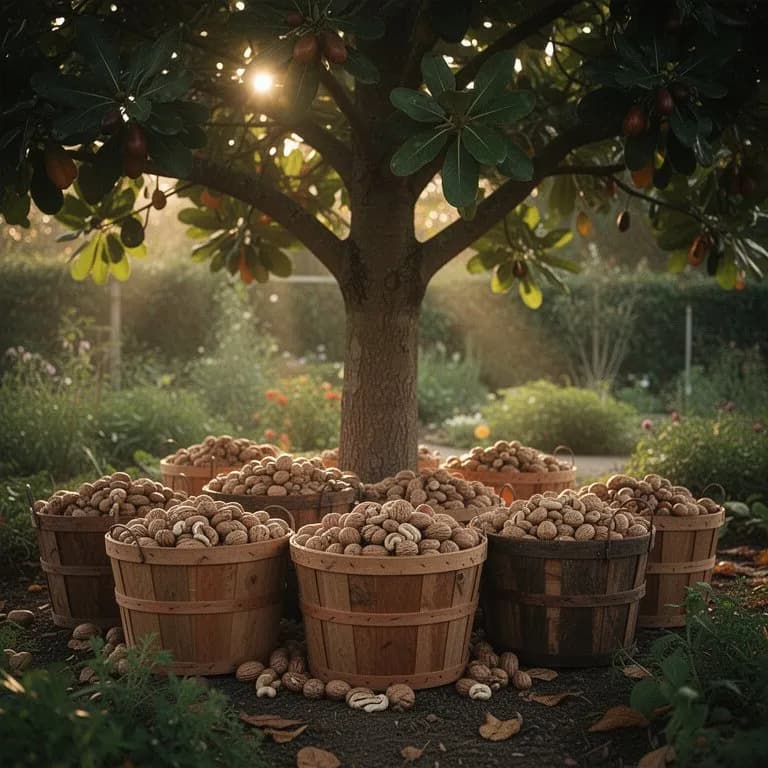
Cashew nuts are ready to harvest when the cashew apple turns bright red or yellow and the nut at the bottom is gray-green and fully developed, typically February through May. The nut and apple detach from the tree when ripe and can be gathered from the ground. Twist the nut from the apple immediately after harvest. Sun-dry the raw nuts for 2 to 3 days before processing. Remember that raw cashew shells are caustic and must be roasted by experienced processors before the edible kernel can be safely extracted.
assuming you plant when the window opens — set your real date
Pick Cashew Tree promptly and the plant keeps producing.
Storage & Preservation
Dried raw cashew nuts in their shells store for up to a year in a dry, ventilated space. Roasted and shelled cashew kernels should be stored in airtight containers at cool temperatures, keeping for 2 to 3 months at room temperature or up to 6 months refrigerated. Freeze shelled cashews for up to a year. The cashew apple is highly perishable and must be consumed fresh, juiced, or fermented into cashew wine within a day or two of harvest.
What goes wrong — and the fix
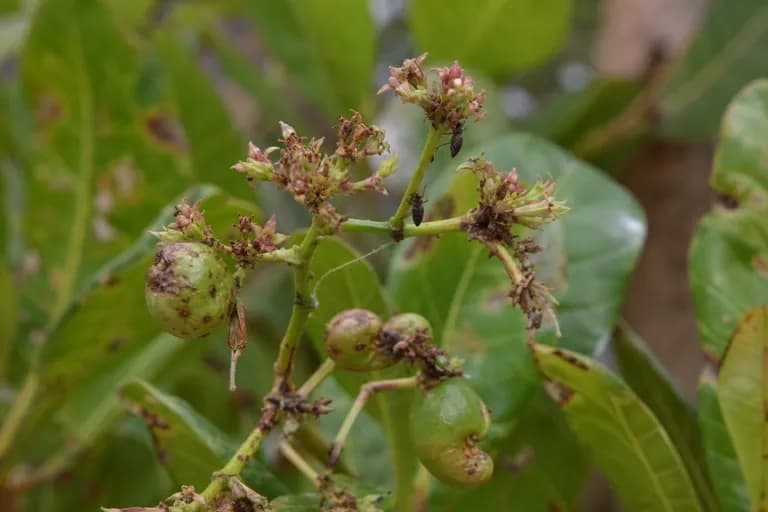
Tea Mosquito Bug
PestDark necrotic spots on young shoots, flowers, and developing nuts. Severe feeding causes shoot dieback and fruit drop.
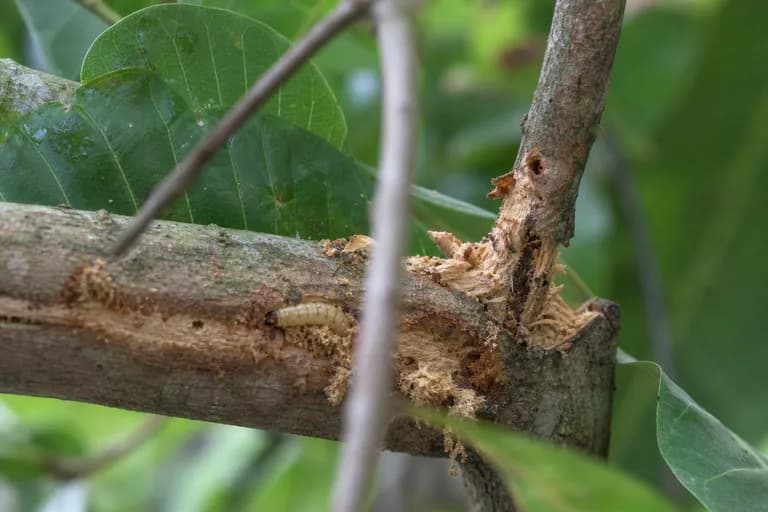
Cashew Stem Borer
PestSawdust-like frass at bore holes in trunk and main branches. Tunneling weakens branches causing breakage.
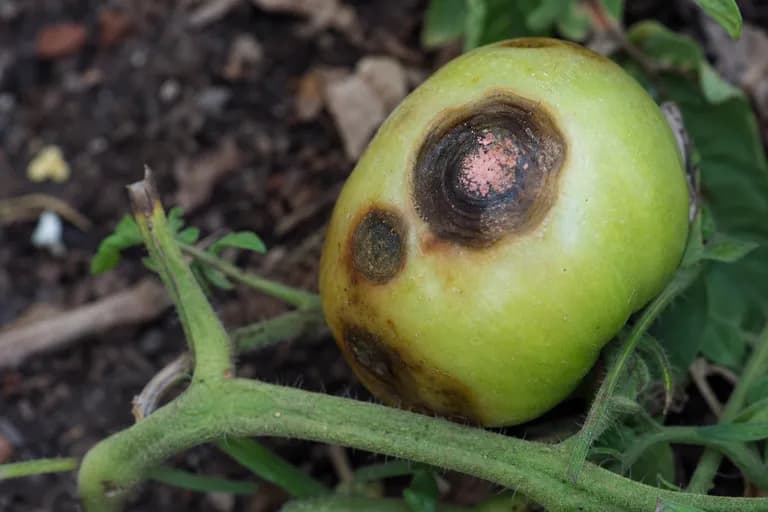
Anthracnose
DiseaseDark brown to black spots on leaves, flowers, and developing nuts. Causes premature flower and fruit drop in humid conditions.
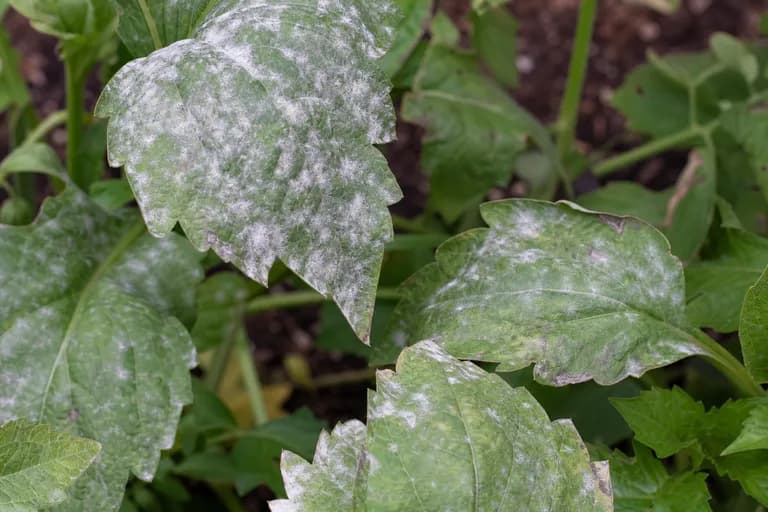
Powdery Mildew
DiseaseWhite powdery coating on young leaves and flower panicles. Affected flowers fail to set fruit.
Troubleshooting Common Problems
The caustic shell oil is the primary safety concern for home growers, as improper handling causes severe skin burns similar to poison ivy. Processing cashews requires specialized knowledge and equipment. Tea mosquito bug damage during flowering can devastate the crop. Trees are frost-intolerant and die at temperatures below 40 degrees Fahrenheit. The cashew apple is rarely utilized outside tropical regions due to its extreme perishability and astringent taste when raw.
Growing Tips
- Choose grafted or air-layered saplings of proven high-yield varieties like Vengurla-4, BPP-8, or Ullal-3 rather than seedlings, as they produce sooner (2-3 years vs 4-5 years) and have more predictable nut quality.
- Plant in well-draining sandy loam or laterite soil with a pH between 5.0 and 6.5. Cashew trees are highly sensitive to waterlogging, which can cause fatal root rot within weeks.
- Space trees 8 to 10 meters apart in an orchard setting to allow full canopy development. Closer spacing of 5 to 6 meters can be used with regular pruning in high-density planting systems.
- Provide full sun exposure — cashew trees require at least 6 to 8 hours of direct sunlight daily for optimal flowering and nut production. Shaded trees produce significantly fewer panicles.
- Water young trees regularly during the first two dry seasons to establish deep root systems, then reduce irrigation. Mature cashew trees are remarkably drought-tolerant and often perform best with a pronounced dry season to trigger flowering.
- Apply a split fertilizer program: nitrogen-heavy blends during vegetative growth flushes, then switch to phosphorus and potassium-dominant formulas before flowering to maximize nut set and kernel weight.
- Protect developing nuts from tea mosquito bug (Helopeltis antonii) by applying approved insecticides at panicle emergence and again during early nut development. This single pest can reduce yields by 30-40% if left unchecked.
- Handle raw cashew nuts with gloves during harvest and processing. The shell contains anacardic acid and cardol, which are chemically similar to urushiol in poison ivy and can cause severe contact dermatitis.
- Prune trees annually after harvest to remove dead wood, crossing branches, and water sprouts. Good airflow through the canopy reduces fungal diseases like anthracnose and powdery mildew.
- In subtropical or marginal climates (USDA zones 10-11), plant cashew trees in a sheltered south-facing location near a thermal mass such as a wall or building to protect from occasional cool nights below 15°C.
Grow your best Cashew Tree yet — and everything around it.
Start a free plan today. Lay out your beds, drop in your Cashew Tree, and let PlotMyGarden handle the timing, spacing, companions and reminders from seed to harvest basket.
Pick your Cashew Tree
Vengurla 4
High-yielding Indian cultivar with large nuts and good shelling percentage. Well-suited to coastal tropical conditions.
BPP-8
Dwarf cashew variety from Brazil that begins bearing early and is easier to harvest due to compact size. Excellent for small-scale cultivation.
Madakkathara 1
Disease-resistant variety with consistent yield and large, high-quality kernels. Adapted to humid tropical conditions.
CCP-76
Brazilian dwarf clone known for precocious bearing, often producing nuts in the second year. Highly productive in suitable climates.
Growing your own cashew tree in a suitable tropical or subtropical climate can yield 20-30 kg of raw nuts annually once mature (typically after year 3-4). With retail prices for processed cashew kernels ranging from $12 to $20 per kilogram, a single productive tree could provide $150 to $400 worth of nuts per year. The cashew apples, which are normally discarded commercially due to their fragility, add additional value as fresh fruit, juice, or fermented beverages — effectively doubling the usable harvest from each tree.
Quick recipes
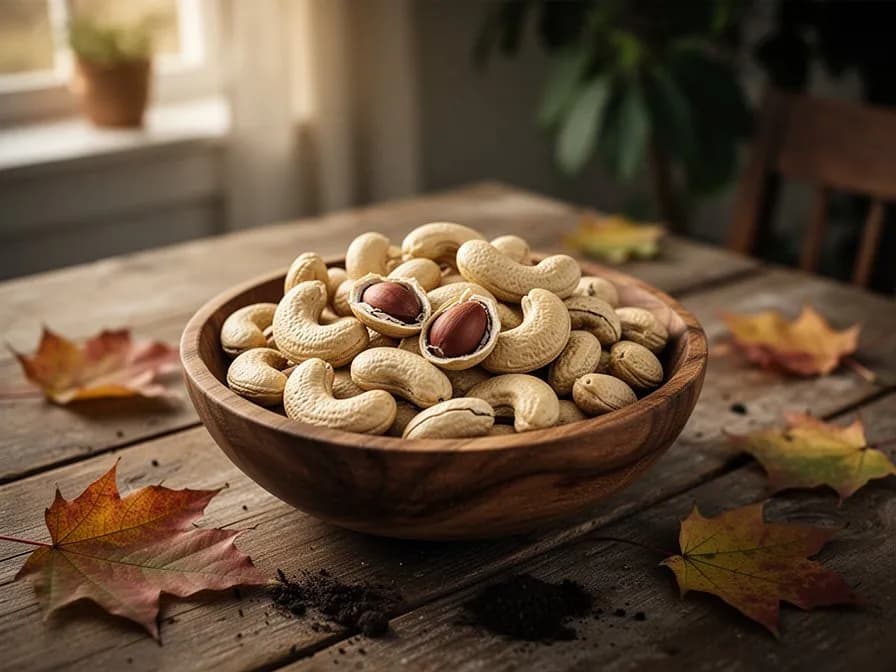
Creamy Cashew Butter
15 minutesRoasted cashews blended into a smooth, naturally sweet spread. No added oils needed — the cashews release their own fats during processing. Perfect on toast, in smoothies, or as a dip for fruit.
4 ingredients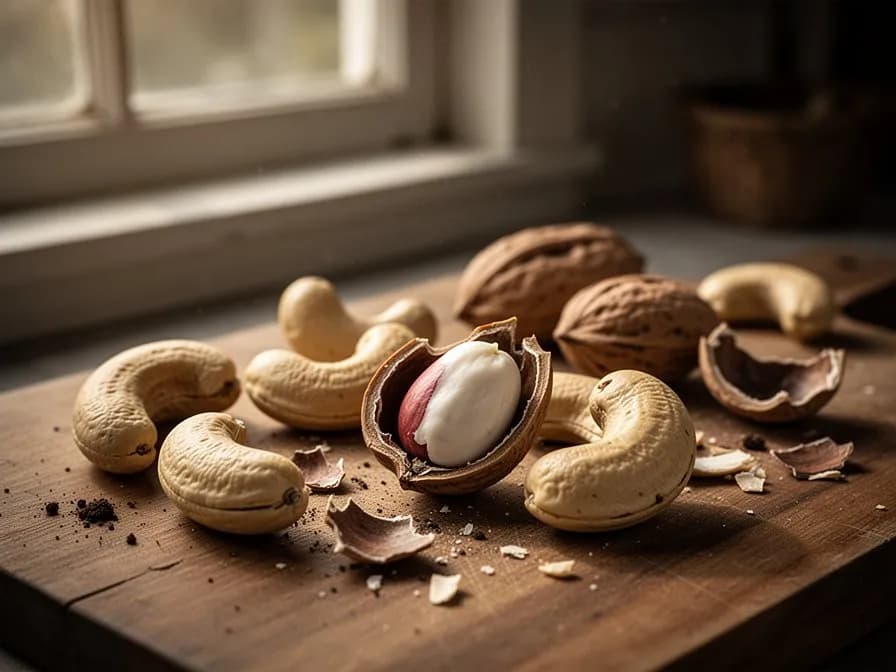
Thai Cashew Chicken Stir-Fry
25 minutesA quick weeknight stir-fry combining roasted cashews with tender chicken, bell peppers, and a savory-sweet sauce. The cashews add satisfying crunch and protein to this classic Southeast Asian dish.
9 ingredientsCashew Cream Pasta Sauce
20 minutesA dairy-free, velvety pasta sauce made from soaked cashews blended with garlic, nutritional yeast, and lemon juice. Rich and satisfying enough to replace traditional cream-based sauces.
8 ingredientsCulinary Uses
Roasted cashews are among the most popular snack nuts worldwide, with a rich, creamy, slightly sweet flavor. They are essential in many Asian stir-fries, Indian curries, and Thai dishes. Cashews blend into smooth, dairy-free cream sauces, cheese substitutes, and plant-based milk. Cashew butter is a popular alternative to peanut butter. The nuts are excellent in cookies, brittle, and energy bars.
What's inside
Health Benefits
- Cashews are rich in monounsaturated and polyunsaturated fatty acids that help lower LDL cholesterol and reduce the risk of cardiovascular disease when consumed as part of a balanced diet.
- The high magnesium content (292 mg per 100g) supports healthy blood pressure, proper muscle and nerve function, and may help reduce the frequency of migraines.
- Cashews provide substantial copper (2.2 mg per 100g), which is critical for energy production, iron absorption, and the formation of collagen and melanin.
- The combination of protein, healthy fats, and fiber in cashews promotes satiety and may help with weight management by reducing overall calorie intake at subsequent meals.
- Cashews contain proanthocyanidins, a class of flavonol antioxidants that have been shown in laboratory studies to inhibit tumor cell growth and support immune function.
- Regular cashew consumption has been associated with improved blood sugar control in several clinical studies, partly due to the nuts' favorable ratio of fat, fiber, and protein that slows glucose absorption.
Where Cashew Tree comes from
The cashew tree (Anacardium occidentale) is native to northeastern Brazil, where it grew wild in the tropical coastal lowlands and savanna woodlands long before European contact. Indigenous Tupi peoples cultivated cashew trees for both the nut and the juicy cashew apple, which they fermented into a mildly alcoholic beverage called cauim. Portuguese colonizers encountered the tree in the 16th century and recognized its commercial potential, spreading it throughout their trading empire. By the 1560s, cashew trees had been introduced to the west coast of India, particularly Goa, where the Portuguese established plantations. From India, cultivation spread to Southeast Asia, East Africa, and other tropical regions along colonial trade routes. The English word 'cashew' derives from the Portuguese 'caju,' which itself came from the Tupi word 'acaju,' meaning 'nut that produces itself.' In the 18th and 19th centuries, cashew processing remained largely artisanal, with nuts roasted over open fires to burn away the caustic shell oil. Modern mechanized processing began in India during the early 20th century, when factories in Kerala developed methods to extract kernels efficiently. The global cashew industry expanded dramatically after World War II, driven by rising demand in North America and Europe. Today, cashew is one of the most valuable tropical tree crops worldwide, with annual global production exceeding 3.5 million metric tons of raw nuts. Major producing countries include Vietnam, India, Ivory Coast, and Tanzania, while processing has increasingly shifted to Vietnam, which handles roughly half of all raw cashew processing globally.
Cashew Tree: did you know?
Fascinating facts about Cashew Tree
The cashew nut is actually a seed that grows outside the fruit — it hangs below the cashew apple, which is technically a swollen stem (peduncle), not a true fruit.
Cashew Tree questions, answered
When should I plant Cashew Tree?
What are good companion plants for Cashew Tree?
What hardiness zones can Cashew Tree grow in?
How much sun does Cashew Tree need?
How far apart should I space Cashew Tree?
What pests and diseases affect Cashew Tree?
How do I store Cashew Tree after harvest?
What are the best Cashew Tree varieties to grow?
What soil does Cashew Tree need?
Can I grow a cashew tree from a store-bought cashew nut?
Why is the cashew nut shell toxic, and how are cashews made safe to eat?
How long does it take for a cashew tree to produce nuts?
Can cashew trees grow in non-tropical climates?
Is the cashew apple edible, and what does it taste like?
What are the most common pests and diseases affecting cashew trees?
You just read the theory. Now grow it on autopilot.
Everything that makes Cashew Tree fiddly — the timing, the spacing, the companions, the harvest window — is exactly what PlotMyGarden handles for you, for every plant in your garden.
A plan that knows your weather
Set your location once. Get sow, feed and harvest dates built around your real last-frost date and live forecast — no more guessing from a generic seed packet.
From the “When to plant” sectionDrag-and-drop bed planner
Design beds on a grid. Every plant snaps to its proper spacing, and you can see your whole season laid out before you spend a cent on seed.
From the “Growing guide” sectionCompanion conflicts, caught early
200+ good-and-bad pairings checked live as you plant — so a season-wrecking mistake never makes it into the ground.
From the “Companions” sectionReminders you'll actually act on
“Water the beans.” “Pick today before it turns.” Timely, specific, and tied to the plants you're really growing.
From the “Harvest” sectionSuccession, scheduled
Want a harvest for six weeks, not six days? It spaces your sowings automatically and reminds you when each new block is due.
From the “When to plant” sectionA record that gets smarter
Every harvest you log teaches it your garden. Next year's plan starts from what actually worked in your soil, not a textbook's.
From the “Overview” sectionPlant these alongside Cashew Tree
More Nut Trees
Grow your best Cashew Tree yet — and everything around it.
Start a free plan today. Lay out your beds, drop in your Cashew Tree, and let PlotMyGarden handle the timing, spacing, companions and reminders from seed to harvest basket.