Kuroda-Karotte
Eine japanische Karottensorte mit breiten Schultern, die sich zu einer spitzen Spitze verjüngt, gut geeignet für schwere Lehm- und tropische Böden.





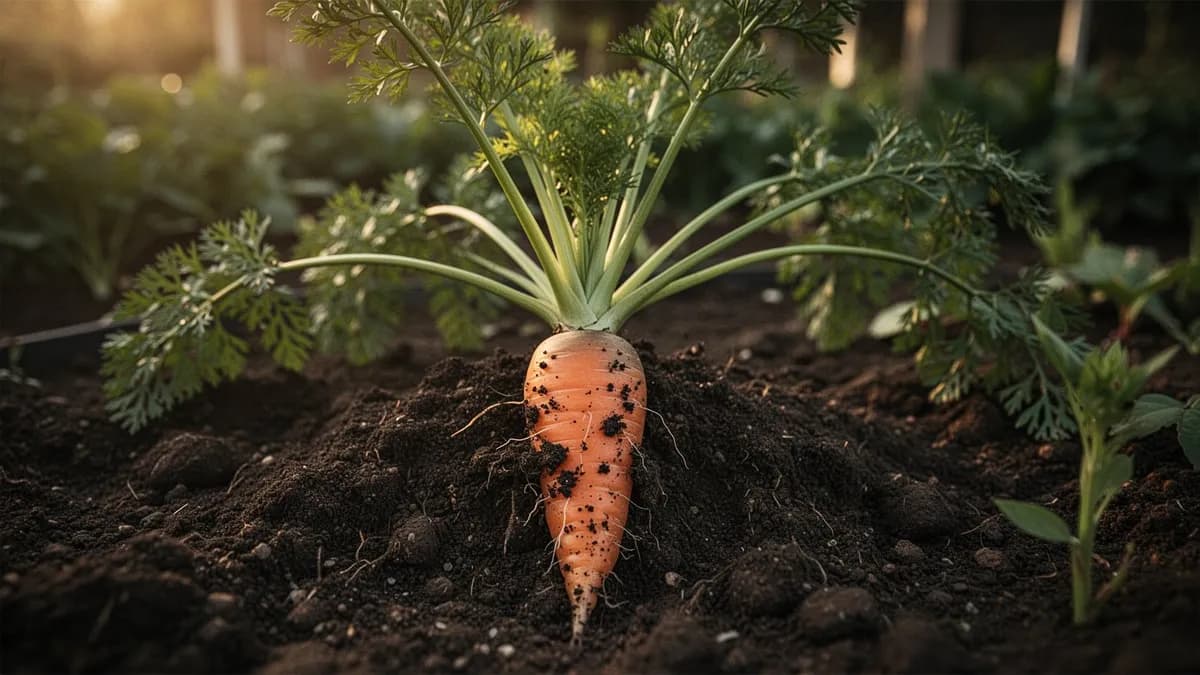
Auf dieser SeiteÜberblick
Kuroda-Karotte im Überblick
Eine japanische Karottensorte mit breiten Schultern, die sich zu einer spitzen Spitze verjüngt, gut geeignet für schwere Lehm- und tropische Böden. Die tieforgangen Wurzeln sind außergewöhnlich hitzetolerant und widerstandsfähig gegen Risse in warmen, feuchten Bedingungen. Der Geschmack ist süß und reich mit einer glatten, kernlosen Textur, die in der asiatischen Küche bevorzugt wird. Eine der besten Karottenarten für schwierige Bodenverhältnisse, wo andere Sorten Schwierigkeiten haben.
Wann Kuroda-Karotte pflanzen
Kuroda-Karottensamen direkt ins Freie aussäen, da diese Sorte das Umpflanzen nicht verträgt. In warmen Klimazonen das ganze Jahr über während der Trockenzeit für beste Ergebnisse aussäen. Samen 6 mm tief pflanzen und das Saatbeet 7–14 Tage bis zur Keimung feucht halten. Bei heißem Wetter die Reihe mit Jute oder Schattiergewebe abdecken, um die Bodentemperatur zu senken und Feuchtigkeit zu erhalten. Auf 8 cm vereinzeln. Für schwere Lehmböden erhöhte Reihen von 10–15 cm Höhe anlegen, um die Drainage um sich entwickelnde Wurzeln zu verbessern. Die Keimung ist am schnellsten bei Bodentemperaturen von 15–24 °C.
Dein Kuroda-Karotte-Jahr
Abgestimmt auf Zone 7 · typische Saison · Frost geht um den 2. Apr. und kehrt um den 1. Nov. zurück
Kuroda-Karotte Mär – Apr, Jul – Aug pflanzen, Jun – Jul, Okt – Nov ernten. Beachte die Pflanzmethoden unten und wähle dein Klima für passende Zeiträume.
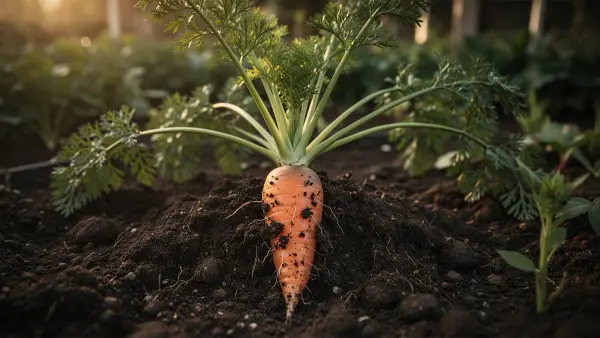
So baust du Kuroda-Karotte an
Kuroda-Karotten sind einzigartig an schwere und lehmige Böden angepasst, wo andere Karottensorten versagen. Ihre breite, sich verjüngende Form ermöglicht es ihnen, leichter durch dichten Boden zu dringen als lange, dünne Typen. Beete durch Einarbeiten von Kompost vorbereiten, um die Drainage zu verbessern, aber tiefes Umgraben ist weniger entscheidend als bei anderen Sorten. Samen direkt 6 mm tief in Reihen mit 30 cm Abstand aussäen, 2–4 Wochen vor dem letzten Frost im Frühling oder 10–12 Wochen vor dem ersten Frost für Herbstkulturen.
Diese Sorte gedeiht in warmen Klimazonen und kann in den Zonen 9–11 ganzjährig angebaut werden. Gleichmäßige Feuchtigkeit aufrechterhalten, aber Kuroda verträgt kurze Trockenperioden besser als die meisten Karotten. Auf 8 cm vereinzeln, wenn die Keimlinge 5 cm groß sind. Die breiten Schultern können über den Boden hinausragen; Erde um die Wurzelköpfe anhäufeln, um Grünfärbung zu verhindern.
Kuroda-Typen sind besonders krankheitsresistent und vertragen feuchte Bedingungen, die bei anderen Sorten zu Fäule führen. Sie reifen in warmem Boden schneller, oft innerhalb von 65–75 Tagen im Sommer gegenüber 90+ Tagen in kühlen Bedingungen. Hervorragend für tropische und subtropische Gärtner, die mit Standard-Karottensorten Schwierigkeiten haben.
450 Pflanzen passen in ein Beet von 120 × 240 cm
Kuroda-Karotte braucht 8 cm Platz pro Pflanze. Der Planer hält diesen Abstand für dich ein — jede Pflanze, jedes Beet.
Die besten Nachbarn für Kuroda-Karotte
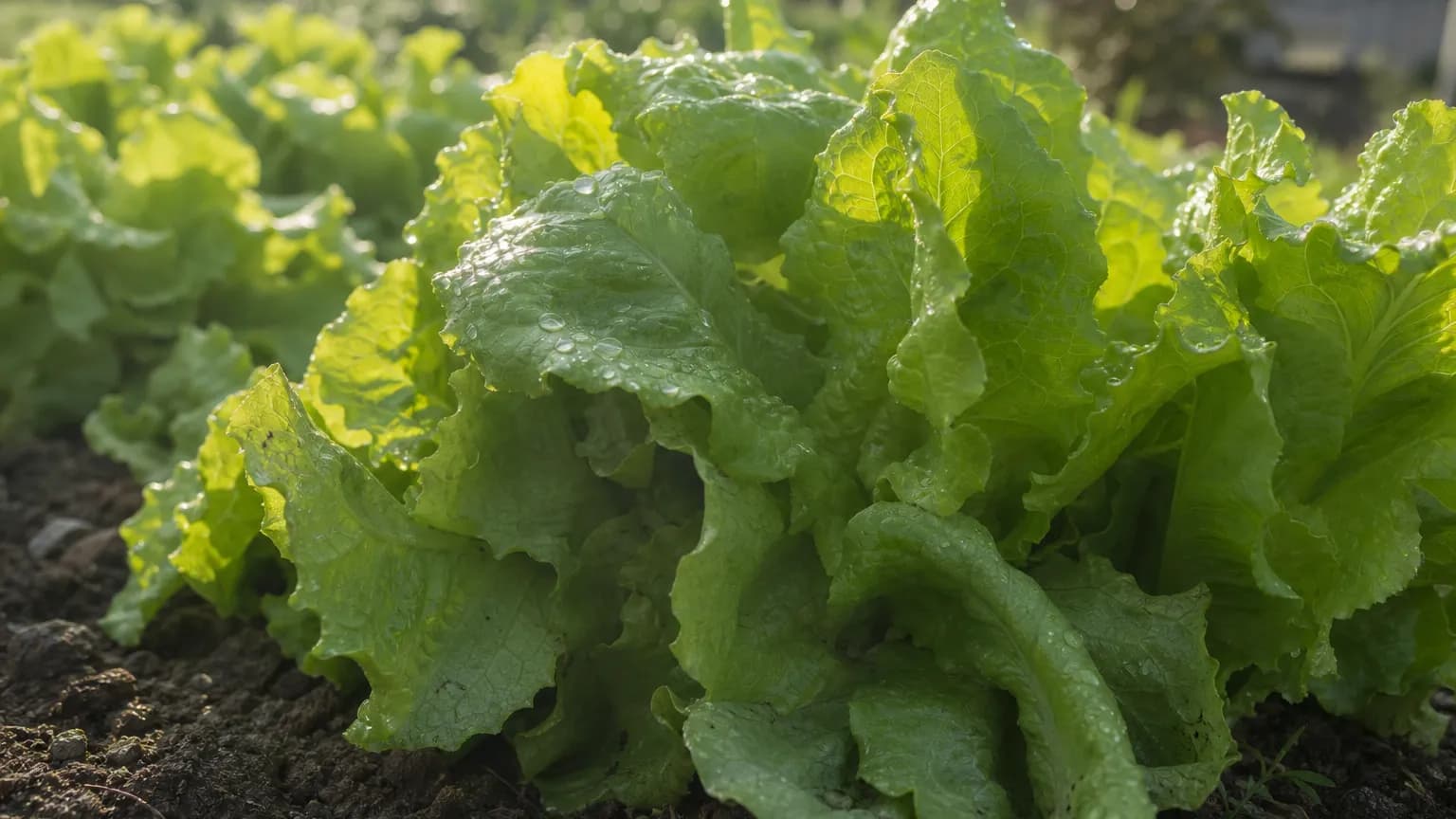
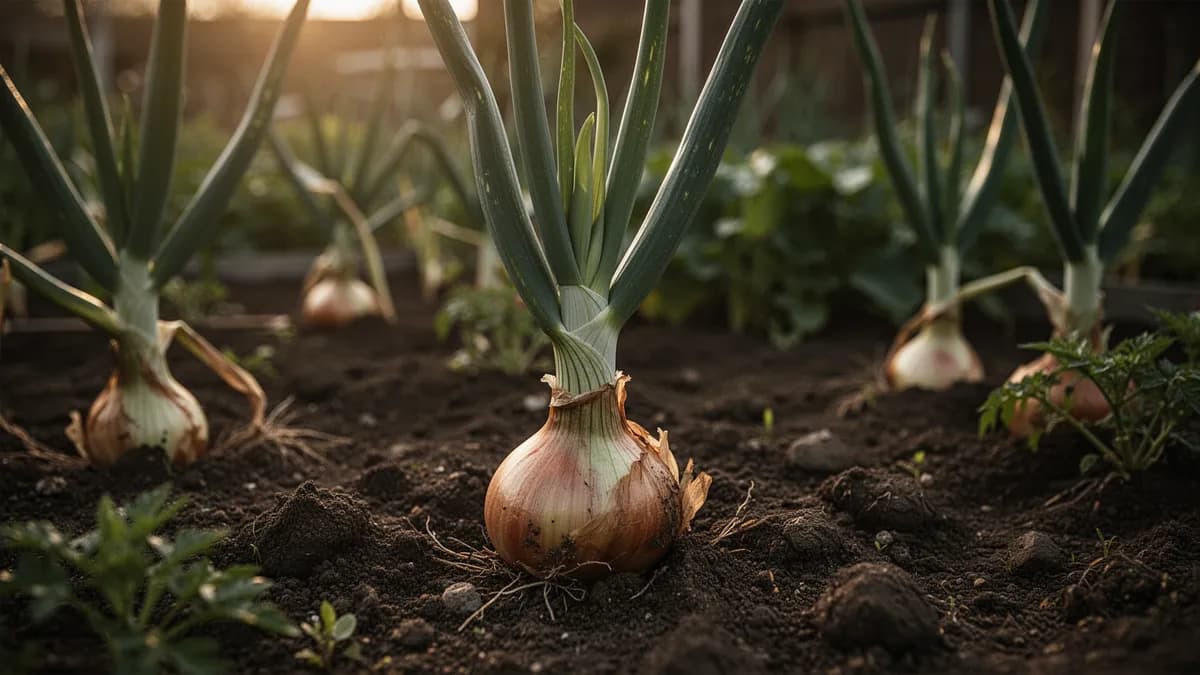
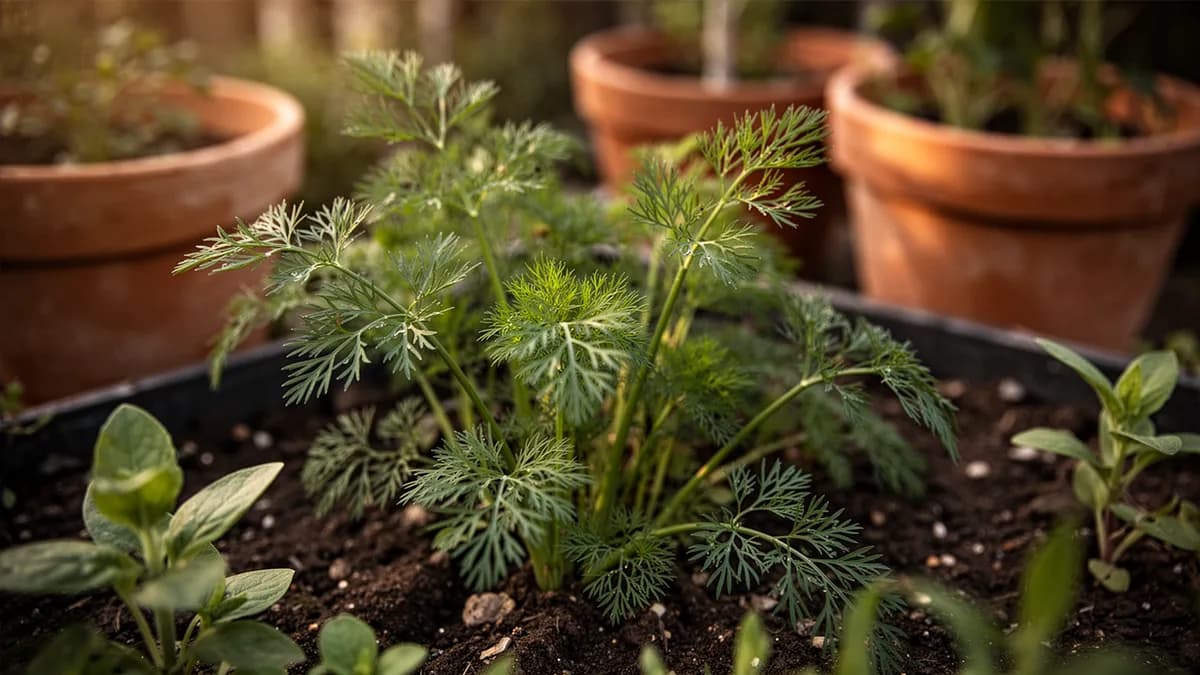
Kuroda-Karotten profitieren von Zwiebel- und Lauchbegleitern, die Möhrenfliegen mit ihrem kräftigen Duft abwehren. Salat dient als lebende Mulchschicht, die Feuchtigkeit für die sich entwickelnden Wurzeln bewahrt. Tomaten und Paprika sind verträgliche Warm-Saison-Nachbarn. Vermeiden Sie das Pflanzen in der Nähe von Dill, der sich kreuzen kann, wenn beide in Samen gehen. In tropischen Gärten mit Zitronengras und Basilikum mischpflanzen, die Schädlinge abhalten. Bohnen binden Stickstoff, der nachfolgende Karottenkulturen in der Fruchtfolge begünstigt.
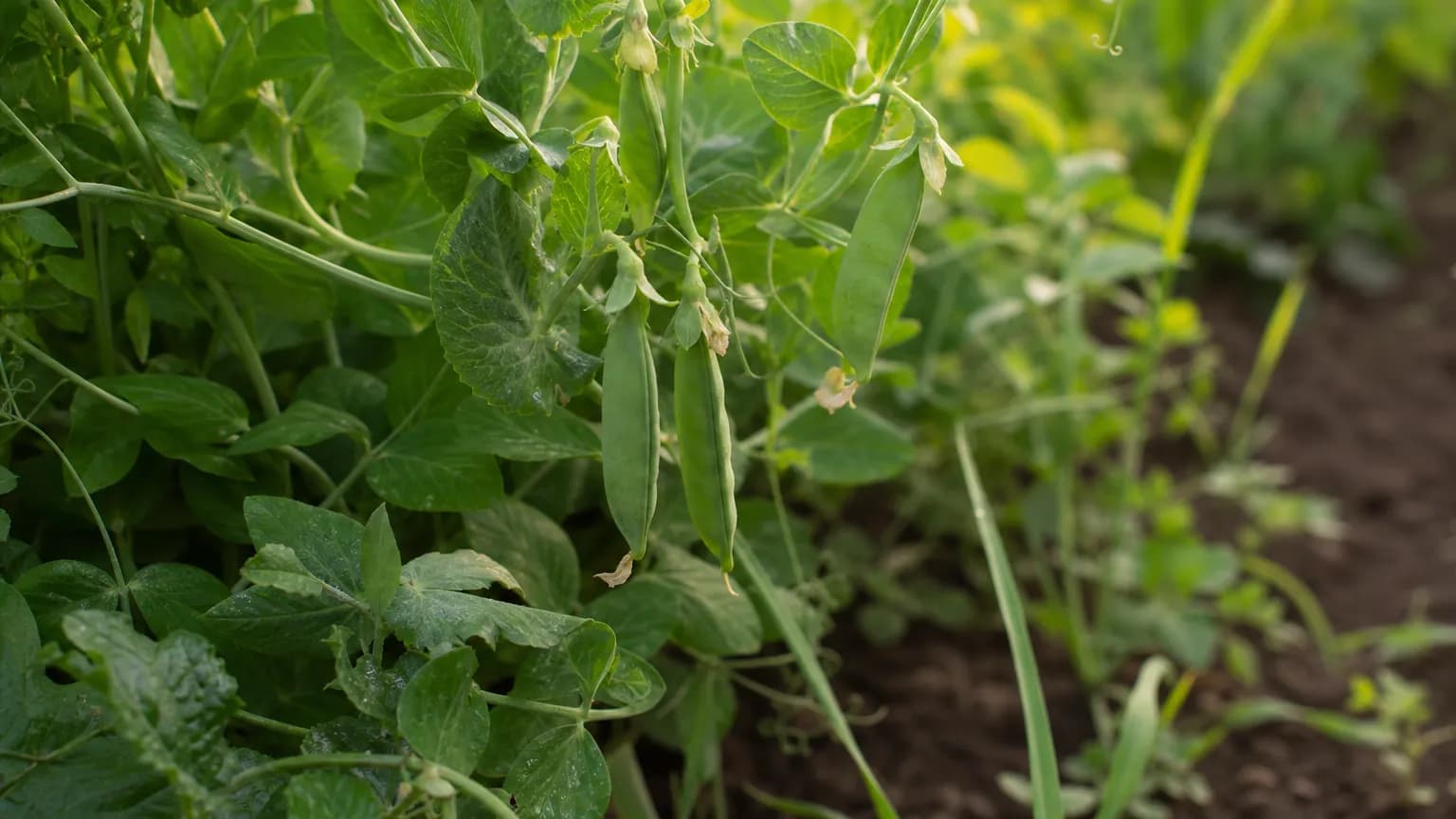
Erbsen gehört daneben. Dill nicht.
Altes Gärtnerwissen, geprüft an der echten Nachbartabelle von Kuroda-Karotte — teste jede Pflanze, die du anbaust.
Probiere Kuroda-Karotte direkt hier im Beet
Ein echtes Planer-Beet, Kuroda-Karotte steht schon drin. Tippe einen Begleiter an, platziere ihn und sieh, wie die Nachbarschaftsprüfung antwortet — grün für gute Nachbarn, rot bei Streit.


Passende Anbau-Ratgeber
Richtig düngen
Kuroda-Karotten vertragen schwerere Böden als die meisten Karottenarten, profitieren aber trotzdem von Kompostzusätzen. Ein pH-Bereich von 5,8–7,0 ist akzeptabel. Vor der Pflanzung ausgewogenen 10-10-10-Dünger mit 90 g pro 1 m² einarbeiten. Überschüssigen Stickstoff vermeiden, der das Blattwachstum auf Kosten der Wurzelentwicklung fördert. Phosphor fördert die Wurzelbildung; Knochenmehl ist eine hervorragende organische Quelle. In Lehmböden Gips hinzufügen, um die Struktur zu verbessern, ohne den pH-Wert zu verändern. Nach 6 Wochen mit kaliumreichem Dünger nachdüngen.
Ideale Temperatur
Winterhärtezone-Kompatibilität
Von der Saat zur Ernte, Schritt für Schritt
Samenkeimung
Kuroda-Karottensamen sind winzig und keimen langsam, typischerweise 10–14 Tage in kühlem Boden und nur 7 Tage in warmem Boden bei etwa 20–25 °C. Die feinen Samen werden flach auf 6 mm Tiefe gesät und müssen während dieser Zeit gleichmäßig feucht gehalten werden — sogar wenige Stunden Austrocknung der Oberfläche können aufgehende Keimwurzeln abtöten.
Keimlingsetablierung
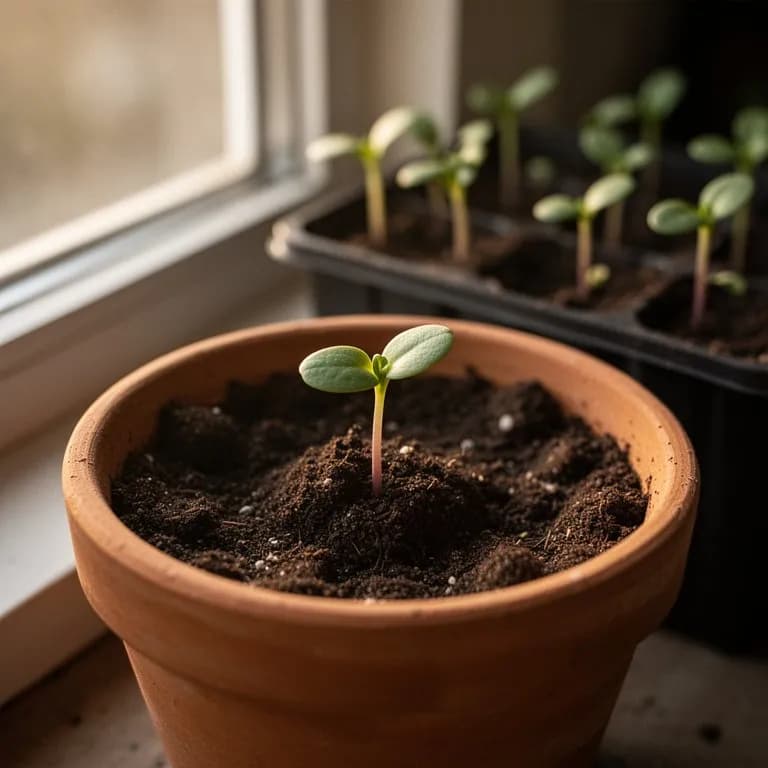
Schmale, grasähnliche Keimblätter weichen den ersten federigen echten Blättern. Keimlinge wirken täuschend zerbrechlich, entwickeln aber bereits ihre erste Pfahlwurzel unter der Oberfläche. Diese Phase ist entscheidend — Keimlinge konkurrieren schlecht mit Unkraut und müssen sorgfältig auf 5 cm Abstand vereinzelt werden, sobald sie 5 cm groß sind.
Laubentwicklung
Die farnartigen Karottenspitzen wachsen kräftig und erreichen 20–30 cm Höhe. Die Wurzel beginnt zu schwellen und nimmt ihre charakteristische Kuroda-Form an — breitschultrig und zu einer stumpfen Spitze hin verjüngt. Die tiefe Orangefarbe entwickelt sich fortschreitend von außen nach innen, während sich Beta-Carotin ansammelt.
Wurzelansatz
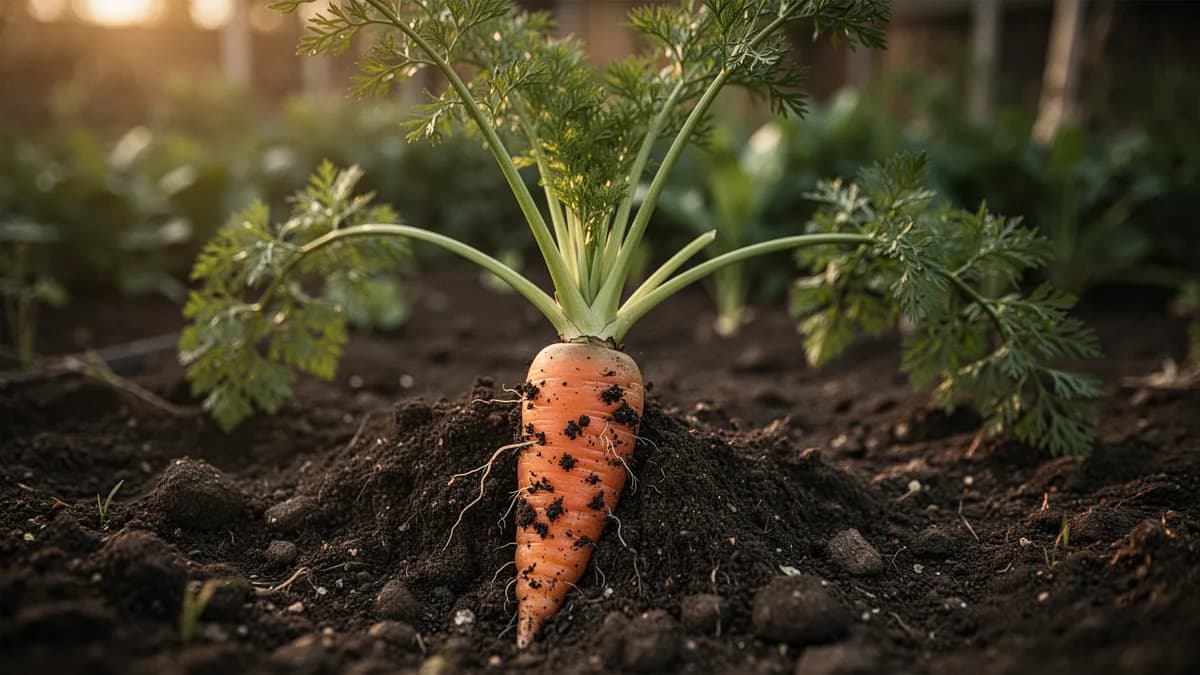
Die Wurzel tritt in ihre primäre Wachstumsphase ein, wobei Durchmesser und Länge rasch zunehmen. Kuroda-Typen entwickeln ihre charakteristische stämmige, konische Form — breiter als Nantes- oder Imperator-Typen und typischerweise 15–20 cm lang und 4–5 cm im Durchmesser an der Schulter. Der Zuckergehalt steigt stetig mit der Reife der Wurzel.
Reifung und Ernte
Wurzeln erreichen ihre volle Größe und maximale Süße. Die Schulter der Karotte ragt oft leicht über die Bodenlinie hinaus und zeigt einen Durchmesser von 4–5 cm — ein visueller Indikator für die Erntereife. Kuroda-Karotten können über ein breites Zeitfenster von 75–110 Tagen geerntet werden, wobei der Geschmack sich verbessert, wenn kühleres Wetter die Zucker konzentriert.
Gesäte Reihen mit einer dünnen Schicht Vermiculit oder Jute abdecken, um Feuchtigkeit zu erhalten. Zweimal täglich sanft mit feinem Nebel bewässern. Das Mischen von Samen mit Radieschen-Samen hilft, die Reihe zu markieren, und die Radieschen werden geerntet, bevor die Karotten den Platz benötigen.
Kuroda-Karotte Monat für Monat pflegen
Was du jeden Monat für deine Kuroda-Karotte tun solltest
Oktober
Aktueller MonatVerbleibende Karotten vor starkem Frost in Zonen 5–7 ernten. In milderen Zonen (8–10) Karotten im Boden lassen und bei Bedarf den ganzen Winter über ernten. Eine dicke Stroh-Mulchschicht über den verbleibenden Karotten im Boden auftragen, um das Erntezeitfenster zu verlängern und ein vollständiges Gefrieren des Bodens zu verhindern.
Immer wissen, was jetzt im Garten zu tun ist
Eine E-Mail zum Monatsanfang: was du jetzt säen, pflanzen und anpacken solltest — für deine Kuroda-Karotte und alles, was drumherum wächst. Dazu ein kurzer Startkurs, der dich vor den klassischen Fehlern bewahrt.
- Was jetzt zu tun ist
- Passend zu deiner Saison
- Startkurs inklusive
Kuroda-Karotte ernten
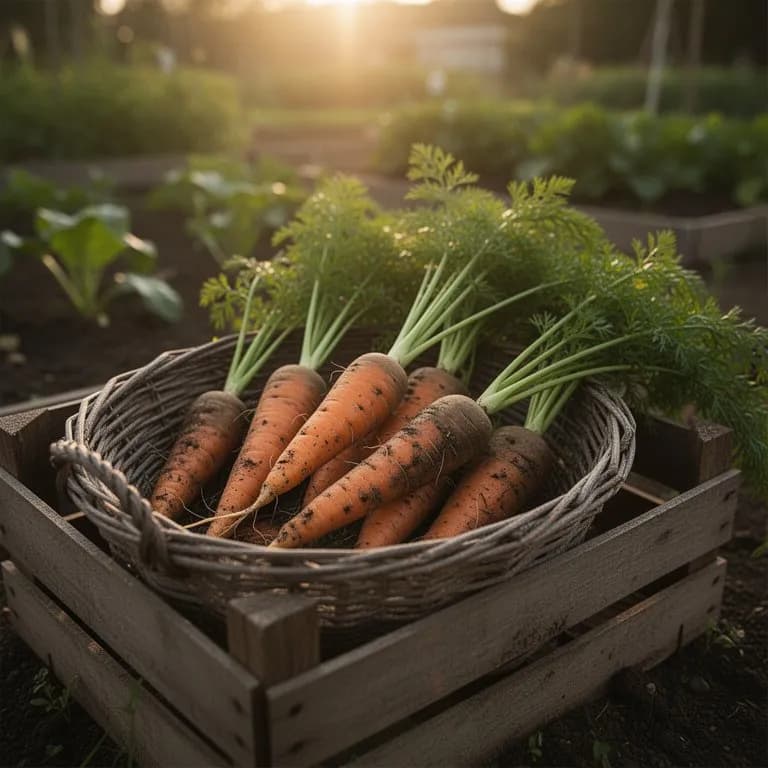
Kuroda-Karotten ernten, wenn die Wurzeln 12–18 cm lang und 5–8 cm im Durchmesser an der Schulter erreichen, typischerweise 70–80 Tage nach der Aussaat. Die breiten Schultern sind an der Bodenoberfläche sichtbar, was die Größenbestimmung erleichtert. Boden vor dem Herausziehen mit einer Gabel lockern, da die breiten Wurzeln fest sitzen. In warmen Klimazonen sofort bei Reife ernten, da Hitze Bitterkeit verursachen kann, wenn die Karotten zu lange im Boden bleiben. Die stämmige Form erleichtert die Ernte aus schwerem Boden im Vergleich zu langen Sorten. Die Lagerqualität verbessert sich mit einem leichten Frost.
angenommen, du pflanzt zu Beginn des Zeitraums — trage dein tatsächliches Datum ein
Ernte Kuroda-Karotte zügig, dann trägt die Pflanze weiter.
Lagerung & Konservierung
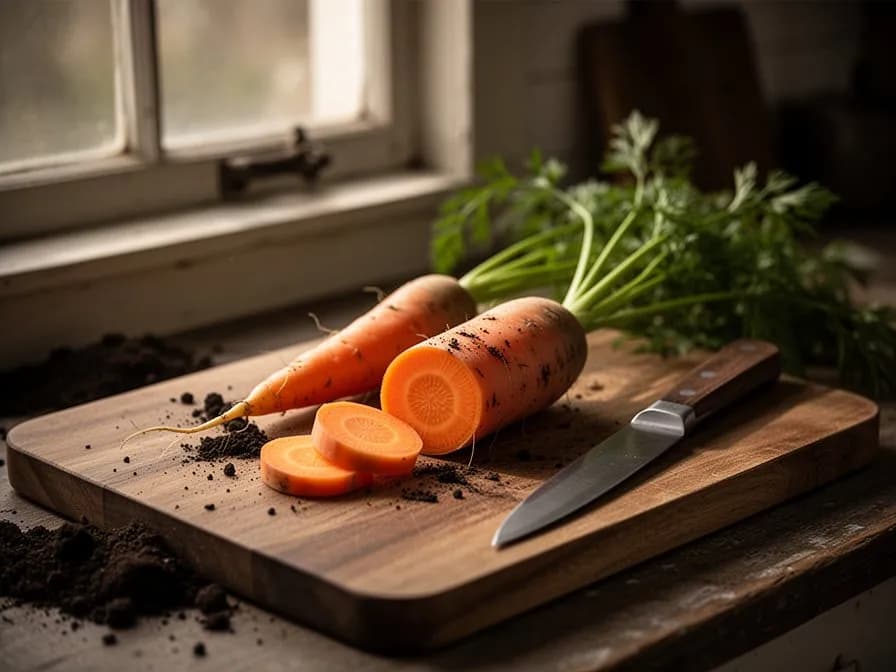
Kuroda-Karotten sind 2–3 Monate im Kühlschrank in perforierten Plastikbeuteln gut haltbar. Ihr dichtes, kernloses Fruchtfleisch macht sie hervorragend zum Einfrieren nach dem Blanchieren. In tropischen Regionen, wo Wurzelkeller unpraktisch sind, in Scheiben schneiden und dehydrieren für Langzeitlagerung. Die glatte Textur eignet sich ideal zum Pürieren und Einkochen als Babynahrung oder Suppenbasis. In Reisessig eingelegte Julienne-Streifen eignen sich als asiatische Würzsoßen. Saft friert gut ein und behält bis zu 6 Monate seine leuchtend orangefarbene Farbe.
Was schiefgeht — und die Lösung
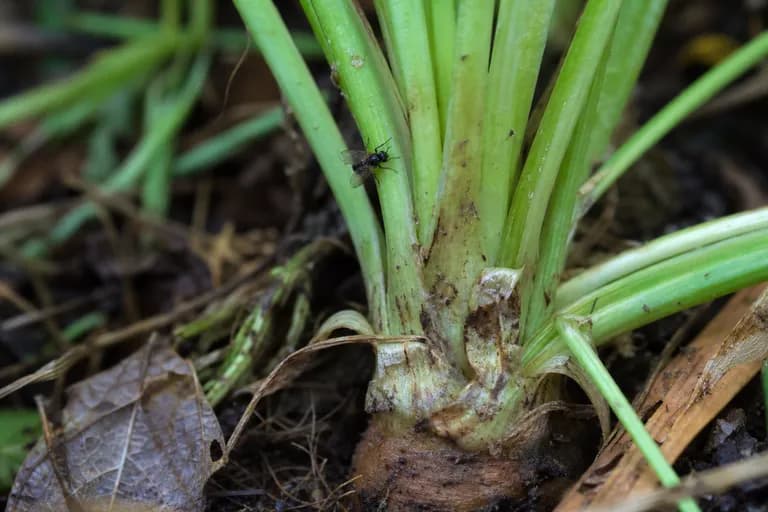
Möhrenfliege
SchädlingRostig-braune Gänge in den Wurzeln, besonders am unteren Ende, durch Larven, die sich unterhalb der Bodenoberfläche ernähren.
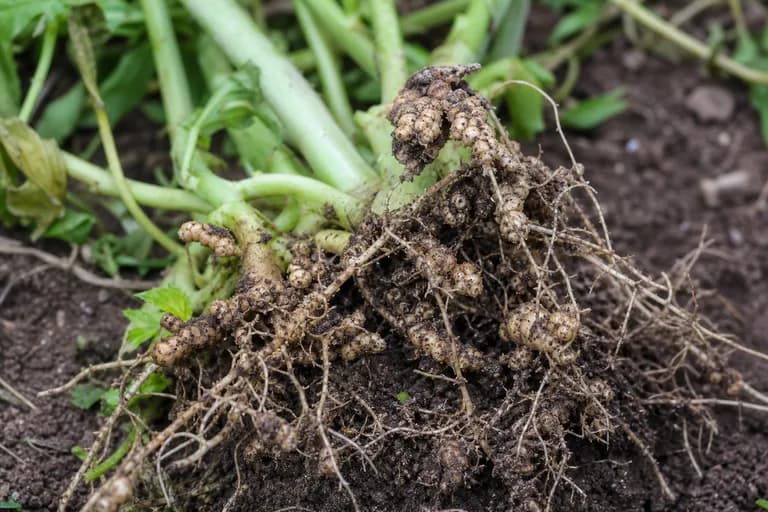
Wurzelgallennematode
SchädlingGallenbehaftete, verknotete und deformierte Wurzeln mit schlechtem Wachstum. Gegabelte Karotten mit rauen, unebenen Oberflächen.
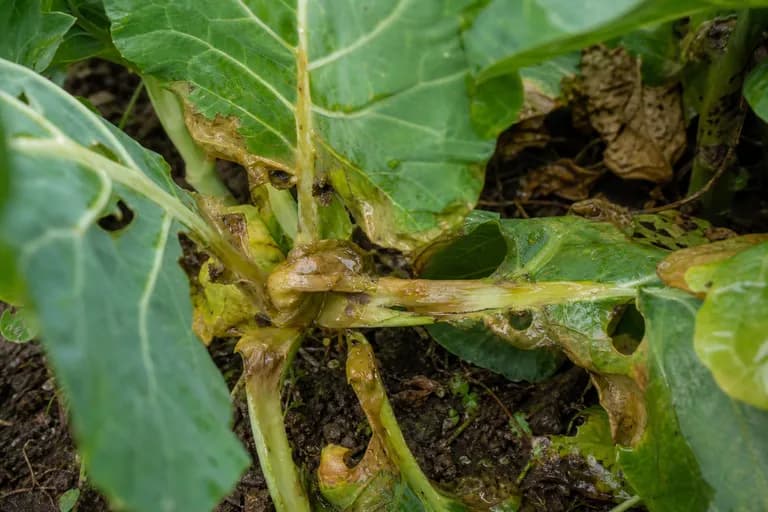
Bakterielle Nassfäule
KrankheitWassergetränkte, matschige Stellen an den Wurzeln, die einen üblen Geruch entwickeln, besonders bei warmen, feuchten Bedingungen.
Fehlerbehebung bei häufigen Problemen
Grüne Schultern sind das häufigste Problem; Erde um freiliegende Wurzelköpfe anhäufeln, während sich die Wurzeln entwickeln. Risse entstehen durch plötzlichen starken Regen nach Trockenperioden; gleichmäßige Feuchtigkeit aufrechterhalten. Das Schossen kann auftreten, wenn junge Pflanzen längere Zeit Temperaturen unter 10 °C ausgesetzt sind. Gabelbildung ist weniger häufig als bei anderen Sorten, tritt aber in sehr steinigem Boden auf. Bitterer Geschmack entwickelt sich, wenn Wurzeln bei anhaltender Hitze über 32 °C im Boden bleiben. Blasse Farbe deutet auf unzureichende Sonneneinstrahlung oder Nährstoffmangel hin.
Anbautipps
- Die Bodenvorbereitung ist alles für Karotten. Die oberen 30 cm Boden auflockern, bis er locker, fein und vollständig frei von Steinen, Klumpen und frischer organischer Masse ist. Jedes Hindernis verursacht, dass Wurzeln sich gabeln, spalten oder bizarre Formen entwickeln. Hochbeete, die mit einer sandigen Lehmerde gefüllt sind, produzieren die geradlinigsten Wurzeln.
- Kurodas größter Vorteil ist ihre Toleranz gegenüber schwereren Böden. Wenn Sie Lehmboden haben, der lange Imperator-Typen verhindert, dringt Kurodas kürzere, breitere Form viel erfolgreicher durch dichten Boden. Lehmboden mit grobem Sand und altem Kompost für beste Ergebnisse verbessern.
- Das Saatbeet während der 10–14-tägigen Keimperiode niemals austrocknen lassen. Karottensamen sind notorisch langsame und unberechenbare Keimer, und sogar wenige Stunden Austrocknung der Oberfläche können aufgehende Keimlinge abtöten. Reihen mit Jute, Vliesabdeckung oder einer leichten Vermiculit-Schicht abdecken und zweimal täglich besprühen.
- Keimlinge unnachgiebig auf 5 cm Abstand vereinzeln, wenn sie 5 cm groß sind. Überfüllte Karotten produzieren dünne, verkümmerte Wurzeln. Unerwünschte Keimlinge auf Bodenniveau abschneiden statt herausziehen — das Herausreißen stört die zarten Pfahlwurzeln benachbarter Pflanzen.
- Hochstickstoff-Dünger vermeiden, der übermäßiges blättriges Blattwachstum, gegabelte Wurzeln und haarige seitliche Wurzelentwicklung verursacht. Einen ausgewogenen oder stickstoffarmen Dünger (5-10-10) verwenden, der einmal bei der Aussaat und einmal während des mittleren Wachstums ausgebracht wird. Karotten bevorzugen Boden, der in der Vorsaison verbessert wurde, statt frisch gedüngtem Boden.
- Für den süßesten Geschmack die Ernte so terminieren, dass Karotten mehrere Nächte unter 10 °C erfahren, bevor sie gezogen werden. Diese Kälteexposition veranlasst die Pflanze, Stärkereserven in Zucker umzuwandeln, was die Süße dramatisch verbessert — im Herbst geerntete Karotten sind fast immer süßer als sommerliche.
- Erde sanft über alle Karottenschultern anhäufeln, die über die Bodenoberfläche hinausragen. Freiliegende Karottenoberteile werden durch Chlorophyllproduktion grün, was eine bittere, leicht giftige (solaninähnliche) Verbindung erzeugt. Eine dünne Mulch- oder Erdschicht verhindert diese Grünfärbung vollständig.
- Zur Lagerung grüne Spitzen unmittelbar nach der Ernte abdrehen — angebrachte Spitzen entziehen der Wurzel Feuchtigkeit und lassen sie innerhalb von Tagen schlaff werden. Ungewaschene Karotten in feuchtem Sand oder perforierten Plastikbeuteln im Kühlschrank oder Keller bei 0–4 °C für 4–6 Monate lagern.
Bau deine beste Kuroda-Karotte an — und alles drumherum.
Starte heute kostenlos. Lege deine Beete an, setze deine Kuroda-Karotte ein und lass PlotMyGarden Timing, Abstände, Begleiter und Erinnerungen von der Saat bis zum Erntekorb übernehmen.
Finde deine Kuroda-Karotte
Shin Kuroda
Verbesserte Auslese mit tieferer Orangefarbe und besserer Einheitlichkeit. Die weltweit am häufigsten angebaute Kuroda-Sorte.
Kuroda Long
Verlängerte Version, die 20–25 cm erreicht und dabei die charakteristischen breiten Schultern beibehält. Beliebt auf japanischen Märkten.
New Kuroda
Moderne Hybride mit verbesserter Krankheitsresistenz und sehr glatter Haut. Hervorragend für den Anbau in tropischen Tieflagen.
Kuroda 5-inch
Kompakte Auslese, ideal für den Anbau in Behältern und flachen Beeten. Reift etwas früher in 60–65 Tagen.
Eine Packung Kuroda-Karottensamen kostet 2–4 € und enthält 500–1000 Samen — genug, um 15–25 kg Karotten im Wert von 30–75 € zu Einzelhandelspreisen anzubauen. Das Anbauen eigener Karotten liefert viel süßere und frischere Karotten als jede im Laden erhältliche Option, da kommerzielle Karotten oft Wochen vor dem Verkauf geerntet werden und während der Kühllagerung Zuckergehalt verlieren. Kurodas Toleranz gegenüber schwereren Böden und warmem Wetter bedeutet weniger Ernteverluste als bei anspruchsvolleren Sorten, was sie zu einer der zuverlässigsten Investitionen im Gemüsegarten macht.
Schnelle Rezepte
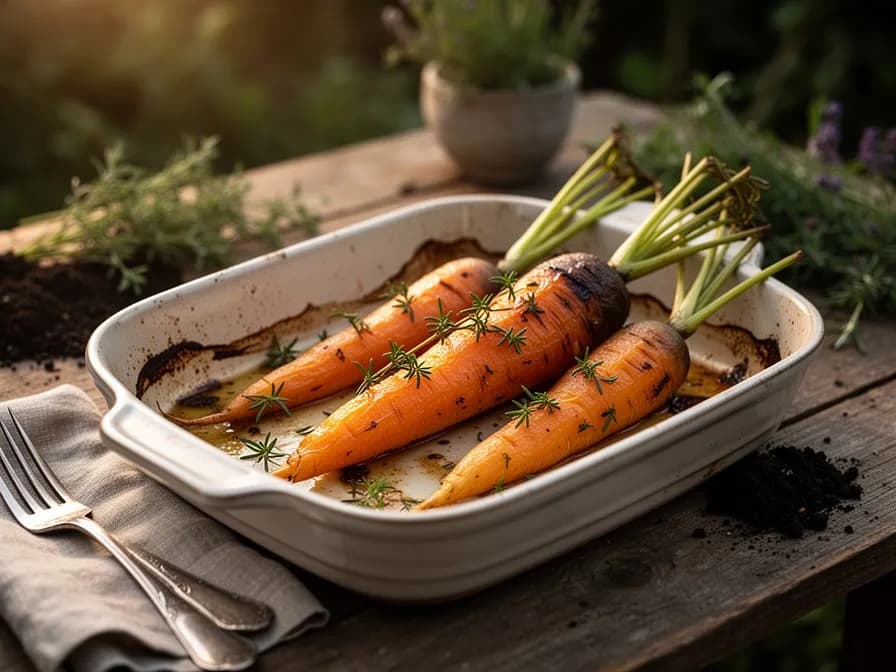
Honig-Röst-Kuroda-Karotten
35 Min.Kuroda-Karotten längs halbiert und bei hoher Hitze geröstet, bis sie karamellisiert und zart sind. Ihr natürlich hoher Zuckergehalt bedeutet, dass sie tiefgoldene Ränder und ein buttrig-süßes Inneres entwickeln, das fast wie Süßigkeiten schmeckt.
7 ZutatenJapanische Karotten-Ingwer-Suppe
40 Min.Eine samtig glatte Suppe, die Kurodas intensive Süße und tiefe Orangefarbe zur Geltung bringt. Frischer Ingwer verleiht Wärme, während Miso herzhafte Tiefe bietet — eine Hommage an das japanische Zuchtherz dieser Karotte.
9 ZutatenKarotten-Sesam-Kinpira-Pfannengericht
15 Min.Ein klassisches japanisches Hausmannskost-Beilagengericht, bei dem Karotten in Julienne geschnitten und schnell in Sesamöl mit Sojasoße und Mirin angebraten werden. Kurodas feste, aber zarte Textur hält dem kurzen Hochhitze-Kochen perfekt stand.
8 ZutatenKulinarische Verwendung
Kuroda-Karotten werden in der asiatischen Küche für ihr süßes, kernloses Fruchtfleisch geschätzt, das zu einer glatten, cremigen Textur gart. Hervorragend gerieben in Pfannengerichten, als Julienne in Salaten und in Currys und Suppen geschmort. Das dichte Fruchtfleisch behält seine Form in Eintöpfen gut. Ergibt außergewöhnlich glatten Karottensaft und Pürees. Beliebt für japanische Nimono-Schmorgerichte und chinesisches Tontopfkochen. Im Ganzen rösten für ein beeindruckendes Beilagengericht.
Was drinsteckt
Gesundheitsvorteile
- Kuroda-Karotten gehören zu den reichhaltigsten diätetischen Quellen von Beta-Carotin, das der Körper in Vitamin A umwandelt — unerlässlich für die Erhaltung einer gesunden Sehkraft, insbesondere des Nachtsehens, und zur Unterstützung der Fähigkeit des Immunsystems, Infektionen zu bekämpfen.
- Die in Kuroda-Karotten enthaltenen Carotinoide Lutein und Zeaxanthin reichern sich in der Netzhaut an und wirken als natürlicher Blaulichtfilter, der bei regelmäßigem Verzehr vor altersbedingter Makuladegeneration und Katarakten schützt.
- Enthält Falcarinol und Falcarindiol, Polyacetylen-Verbindungen, die einzigartig für Karotten und verwandte Pflanzen sind und in Laborstudien entzündungshemmende und potenzielle antitumoröse Eigenschaften gezeigt haben.
- Reich an löslichen Ballaststoffen, die sich im Verdauungstrakt an Gallensäuren binden und möglicherweise helfen, den LDL-Cholesterinspiegel zu senken und bei regelmäßigem Verzehr die Herzgesundheit zu unterstützen.
- Liefert Kalium (320 mg pro 100 g), ein essentielles Mineral, das hilft, den Blutdruck zu regulieren, indem es den Auswirkungen von Natrium entgegenwirkt und einen ordnungsgemäßen Herzrhythmus und die Muskelfunktion unterstützt.
- Die Antioxidans-Kombination aus Beta-Carotin, Vitamin C und Polyphenolen in Karotten hilft, freie Radikale zu neutralisieren und oxidativen Stress zu reduzieren, der mit chronischer Entzündung und vorzeitiger zellulärer Alterung in Verbindung gebracht wird.
Woher Kuroda-Karotte stammt
Die Kuroda-Karotte hat ihren Ursprung im Japan der Mitte des 20. Jahrhunderts, wo Pflanzenzüchter in der Kuroda-Region einen neuen Karottentyp entwickelten, der speziell an die warmen, feuchten Bedingungen tropischer und subtropischer Klimazonen angepasst ist. Während europäische Karottensorten wie Nantes und Chantenay über Jahrhunderte in den kühlen, sandigen Böden Nordeuropas verfeinert worden waren, schnitten sie in den heißen Sommern und schweren Lehmböden Asiens, Afrikas und Südamerikas schlecht ab. Japanische Züchter selektierten auf Hitzetoleranz, Widerstandsfähigkeit gegen Schossen bei warmem Wetter und die Fähigkeit, vollständig ausgebildete, wohlgeformte Wurzeln in dichtem Boden zu entwickeln — Eigenschaften, die den Kuroda-Typ für den Karottenanbau in der gesamten Entwicklungswelt transformativ machen würden.
Die weitere Geschichte der Karotte reicht Tausende von Jahren zurück bis zur Wildkarotte (Daucus carota), die in Zentralasien und dem Nahen Osten beheimatet ist. Die ersten kultivierten Karotten erschienen in Afghanistan und Persien um das 10. Jahrhundert und waren lila oder gelb — hauptsächlich wegen ihrer aromatischen Blätter und Samen angebaut, nicht wegen ihrer Wurzeln. Durch Jahrhunderte der Selektion im Nahen Osten und im Mittelmeerraum wurden die Wurzeln größer und weniger bitter. Die ikonische orangefarbene Karotte entstand in den Niederlanden im 16. und 17. Jahrhundert, möglicherweise als Tribut an das Haus Oranien, und holländische Züchter legten das Fundament für alle modernen orangefarbenen Karottentypen.
Kurodas Einfluss auf die weltweite Landwirtschaft war tiefgreifend. Nach ihrer Entwicklung in Japan wurde die Kuroda-Sorte in den 1960er und 1970er Jahren rasch in ganz Südostasien, Indien, dem tropischen Afrika sowie Mittel- und Südamerika übernommen und wurde oft zur dominanten Karotte auf lokalen Märkten. Heute werden Kuroda und seine Abkömmlinge (einschließlich Kuroda Long, New Kuroda und zahllose tropische Selektionen) auf jedem bewohnten Kontinent angebaut. Für Hobbygärtner bietet Kuroda eine zuverlässige, süße und tief gefärbte Karotte, die unter Bedingungen erfolgreich ist, unter denen anspruchsvollere europäische Typen Schwierigkeiten haben — insbesondere in warmen Klimazonen, schweren Böden und Regionen mit kurzen, milden Wintern.
Kuroda-Karotte: Schon gewusst?
Faszinierende Fakten über Kuroda-Karotte
Der Kuroda-Karottentyp wurde in Japan in den 1940er Jahren entwickelt und ist nach dem japanischen Pflanzenzüchter benannt, der ihn für tropische und subtropische Anbaubedingungen selektierte — was ihn zu einer der wenigen Karottensorten macht, die tatsächlich bei warmem Wetter und schwerem Boden gedeihen, wo europäische Typen versagen.
Kuroda-Karotte: Fragen & Antworten
Wann sollte ich Kuroda-Karotte pflanzen?
Was sind gute Begleitpflanzen für Kuroda-Karotte?
In welchen Winterhärtezonen kann Kuroda-Karotte wachsen?
Wie viel Sonne braucht Kuroda-Karotte?
Welchen Abstand sollte ich zwischen Kuroda-Karotte lassen?
Welche Schädlinge und Krankheiten befallen Kuroda-Karotte?
Wie lagere ich Kuroda-Karotte nach der Ernte?
Was sind die besten Kuroda-Karotte-Sorten zum Anbauen?
Welchen Boden braucht Kuroda-Karotte?
Warum sind meine Kuroda-Karotten gegabelt oder fehlgeformt?
Warum sind meine Karotten bitter statt süß?
Können Kuroda-Karotten in heißen Klimazonen wachsen, wo andere Sorten versagen?
Wie erkenne ich, wann Kuroda-Karotten erntereif sind?
Was ist der Unterschied zwischen Kuroda- und Chantenay-Karotten?
Kann ich Samen von meinen Kuroda-Karotten gewinnen?
Du hast die Theorie gelesen. Jetzt baue sie auf Autopilot an.
Alles, was Kuroda-Karotte knifflig macht — das Timing, die Abstände, die Begleiter, das Erntefenster — genau das übernimmt PlotMyGarden für dich, für jede Pflanze im Garten.
Ein Plan, der dein Wetter kennt
Standort einmal festlegen. Aussaat-, Dünge- und Erntedaten rund um deinen echten letzten Frosttermin und die Live-Vorhersage — kein Raten mehr nach Saattüte.
Aus dem Abschnitt „Pflanzzeit“Beetplaner per Drag & Drop
Beete auf einem Raster gestalten. Jede Pflanze rastet im richtigen Abstand ein, und du siehst die ganze Saison, bevor du einen Cent für Saatgut ausgibst.
Aus dem Abschnitt „Anbau“Begleiter-Konflikte früh erkannt
Über 200 gute und schlechte Kombinationen werden beim Pflanzen live geprüft — so landet ein saisonruinierender Fehler nie in der Erde.
Aus dem Abschnitt „Begleiter“Erinnerungen, nach denen du wirklich handelst
„Gieß die Bohnen.“ „Heute ernten, bevor's umschlägt.“ Pünktlich, konkret und auf deine echten Pflanzen bezogen.
Aus dem Abschnitt „Ernte“Staffel-Aussaat, geplant
Sechs Wochen ernten statt sechs Tage? Die App verteilt deine Aussaaten automatisch und erinnert dich, wenn der nächste Satz fällig ist.
Aus dem Abschnitt „Pflanzzeit“Ein Verlauf, der schlauer wird
Jede protokollierte Ernte bringt der App deinen Garten bei. Der Plan fürs nächste Jahr startet bei dem, was in deinem Boden wirklich funktioniert hat.
Aus dem Abschnitt „Überblick“Pflanze diese neben Kuroda-Karotte
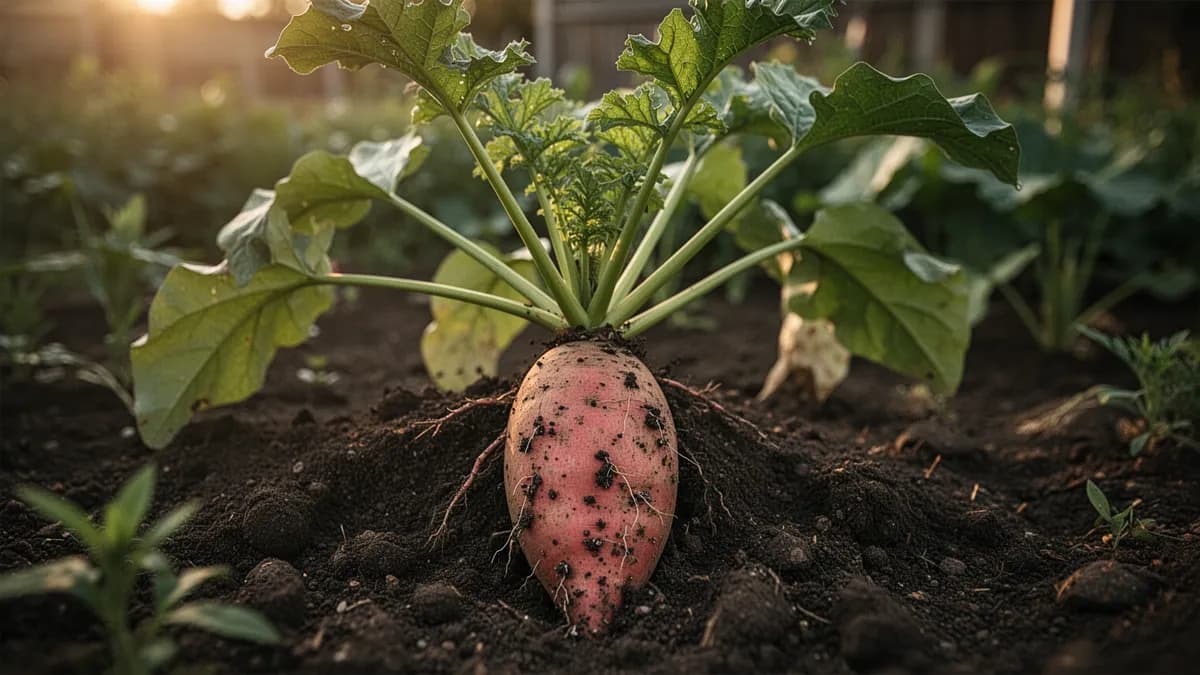
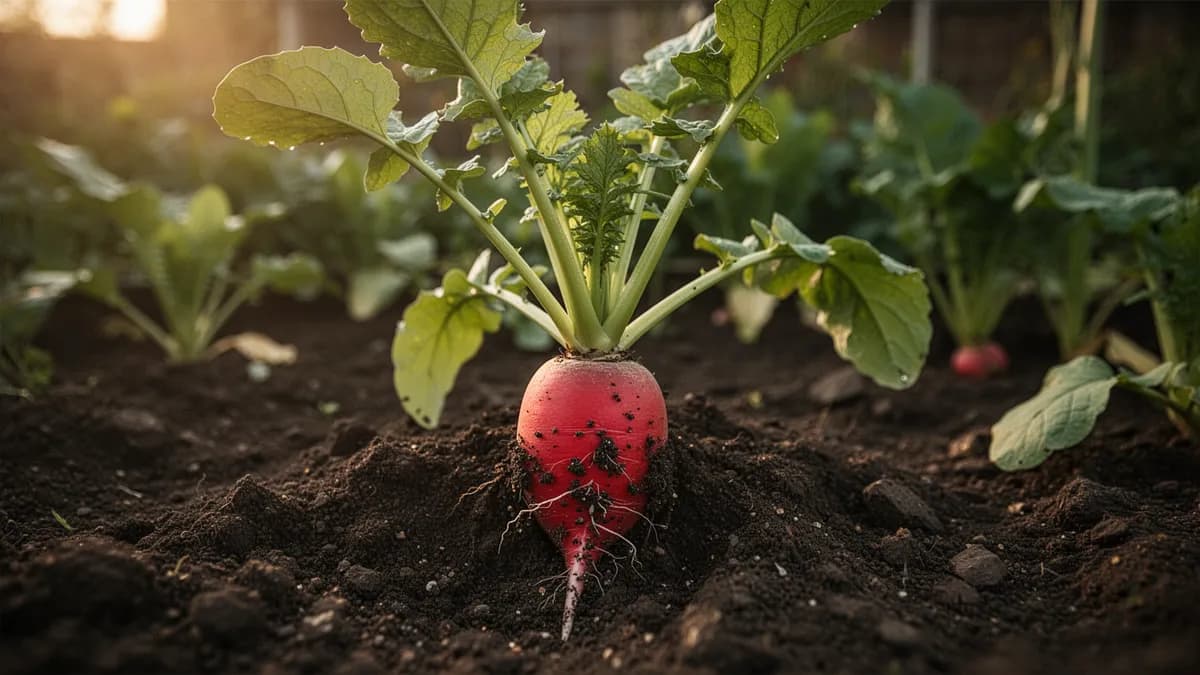
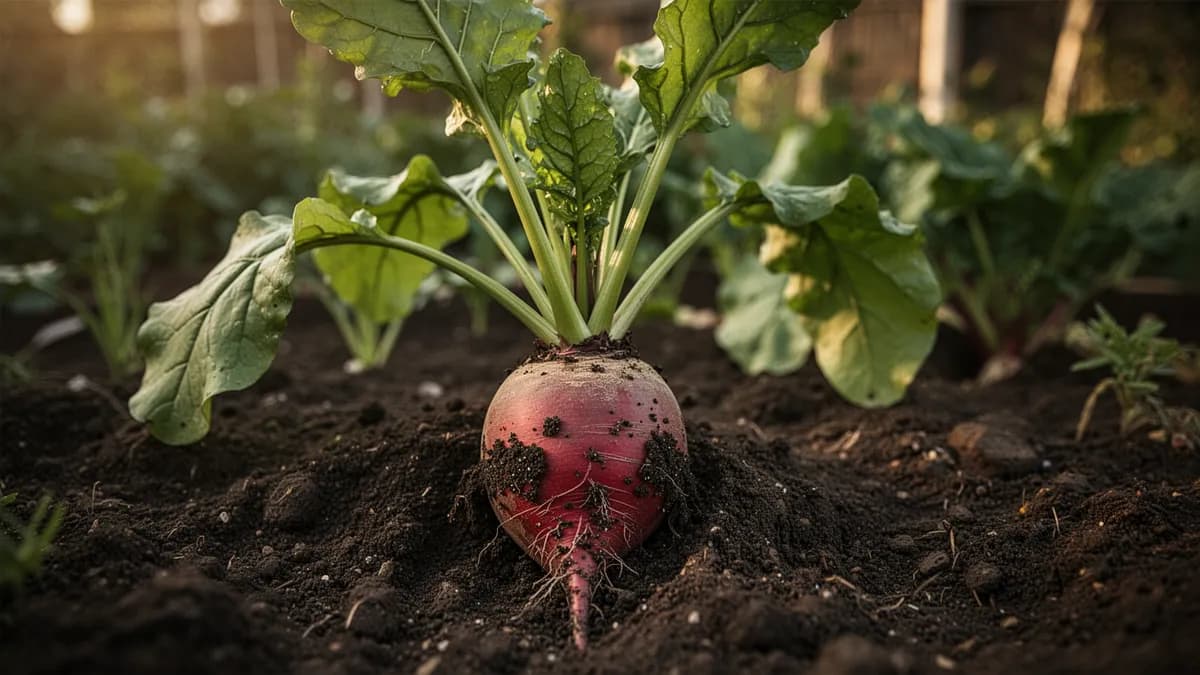
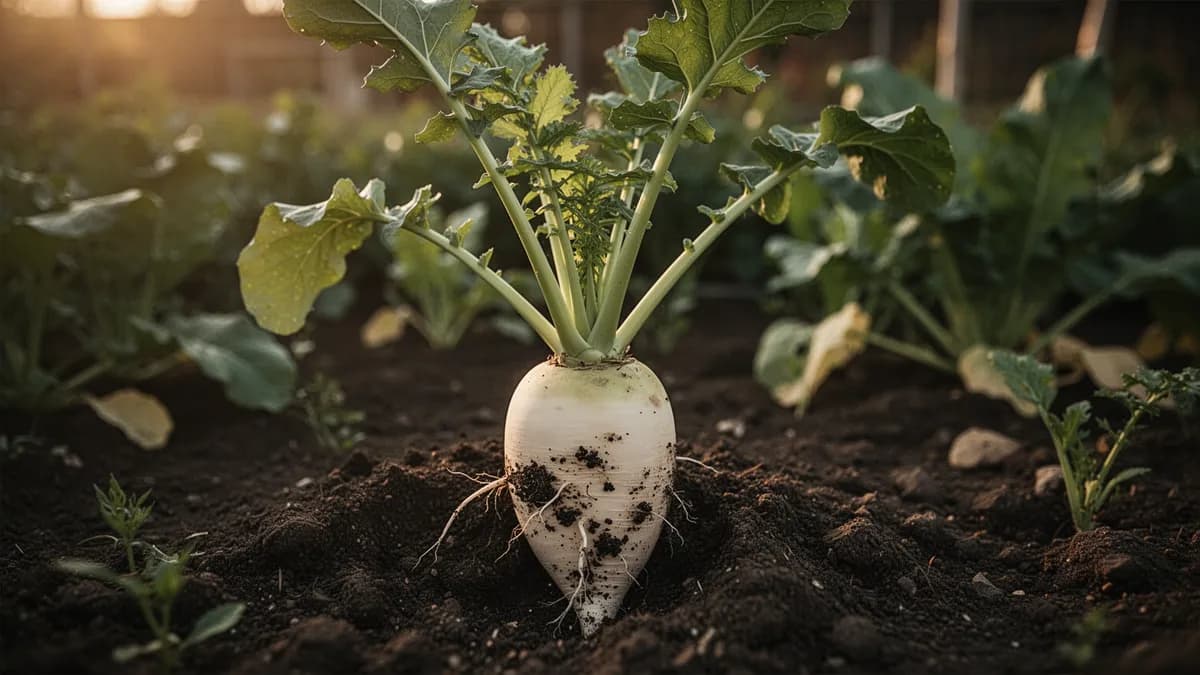
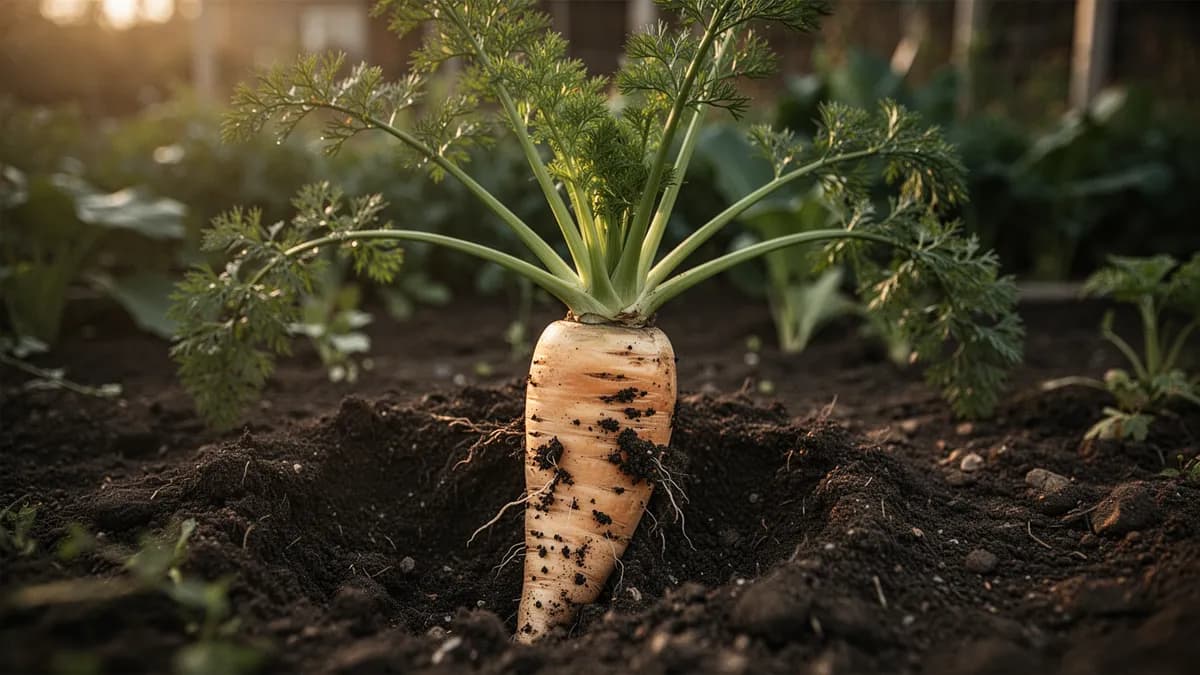
Weitere Wurzelgemüse
Halte Kuroda-Karotte von diesen fern
Bau deine beste Kuroda-Karotte an — und alles drumherum.
Starte heute kostenlos. Lege deine Beete an, setze deine Kuroda-Karotte ein und lass PlotMyGarden Timing, Abstände, Begleiter und Erinnerungen von der Saat bis zum Erntekorb übernehmen.