Cosmic Purple Carrot
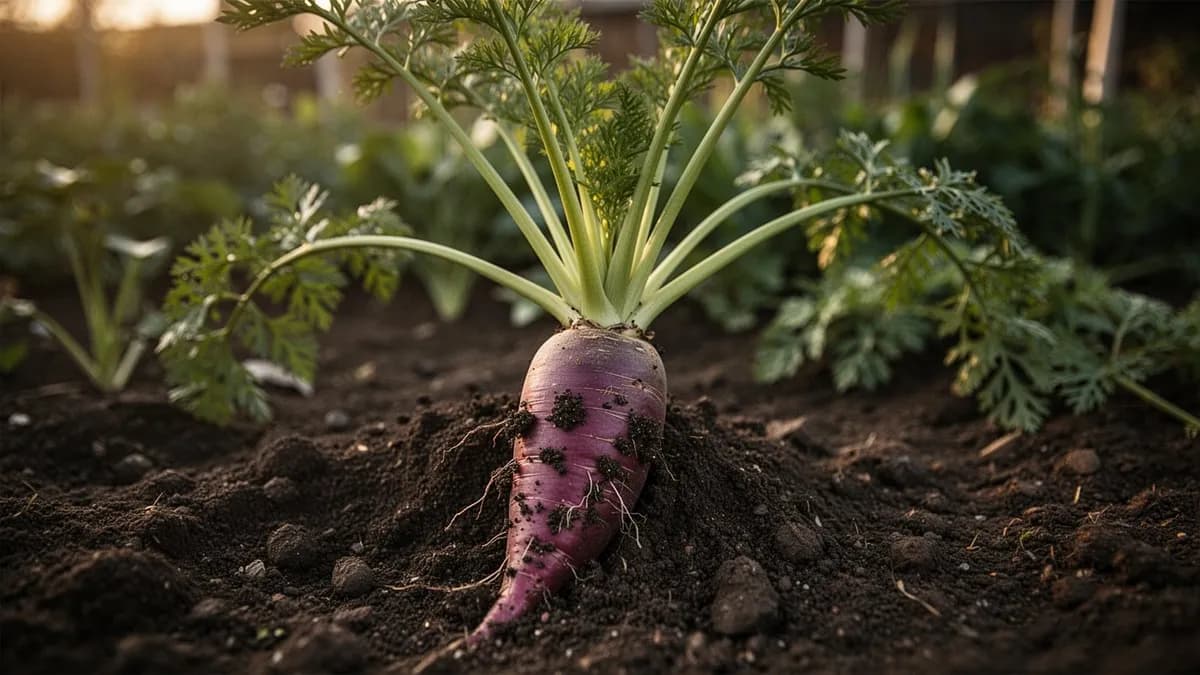
A striking carrot with deep purple skin and bright orange interior that creates a dramatic two-toned effect when sliced.





On this pageOverview
Meet Cosmic Purple Carrot
A striking carrot with deep purple skin and bright orange interior that creates a dramatic two-toned effect when sliced. The purple color comes from anthocyanin antioxidants concentrated in the outer layers. Flavor is exceptionally sweet with mild spiciness, and the color intensifies when grown in cooler weather. Adds visual excitement to raw vegetable platters and salads where the color contrast is most visible.
When to plant Cosmic Purple Carrot
Direct sow Cosmic Purple carrot seeds outdoors 2-3 weeks before the last frost date. Plant 1/4 inch deep in finely prepared soil free of clumps. Mix tiny seeds with sand for more even distribution. Cover lightly with vermiculite rather than soil to prevent crusting. Keep seedbed consistently moist for 10-21 days until germination, misting daily in dry weather. Thin to 2-3 inches apart at the 2-inch tall stage. Pelleted seeds are available for easier spacing. Indoor starting is not recommended as carrots resent transplanting.
Your Cosmic Purple Carrot Year
Composed for Zone 7 · typical seasons · frost passes Apr 2, returns Nov 1
Plant Cosmic Purple Carrot Mar – Apr, Jul – Aug, pick Jun – Jul, Oct – Nov. Check the planting methods below and set your climate to personalize these windows.
How to grow Cosmic Purple Carrot
Cosmic Purple carrots require loose, sandy loam soil worked to at least 12 inches deep for straight root development. Remove all rocks, clods, and debris that can cause forking. Sow seeds directly in the garden 2-3 weeks before the last frost, sprinkling them thinly in shallow furrows 1/4 inch deep. Keep the seedbed consistently moist during the 10-21 day germination period, as drying out is the main cause of poor stands.
Thin seedlings to 2-3 inches apart when tops reach 2 inches tall. Consistent moisture is essential for smooth, crack-free roots. Mulch with straw or fine compost to conserve moisture and prevent green shoulders from sun exposure. Avoid high-nitrogen fertilizers which cause hairy, forked roots and excessive foliage.
For the deepest purple color, time your planting so roots mature during cool weather below 70°F. Fall-planted crops typically develop more intense pigmentation than spring crops. Succession plant every 3 weeks for continuous harvest. This variety performs well in raised beds where soil quality can be precisely controlled.
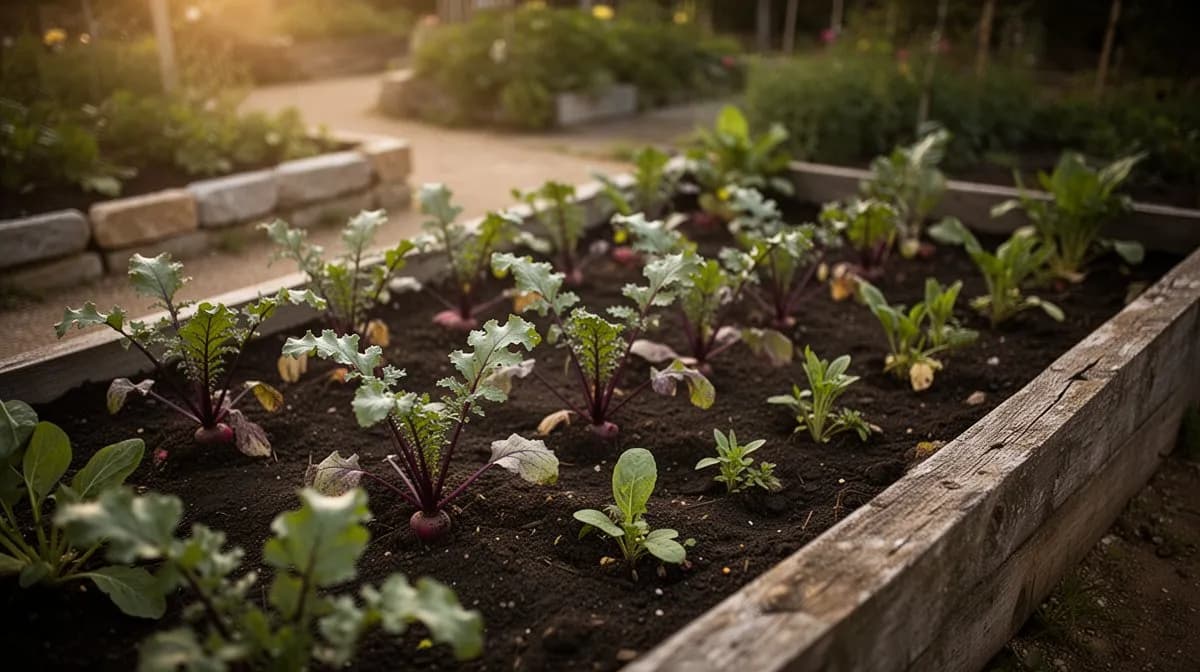
450 plants fit a 4 × 8 ft bed
Each Cosmic Purple Carrot wants 8 cm of elbow room. The planner keeps that spacing for you — every plant, every bed.
Cosmic Purple Carrot's best neighbours
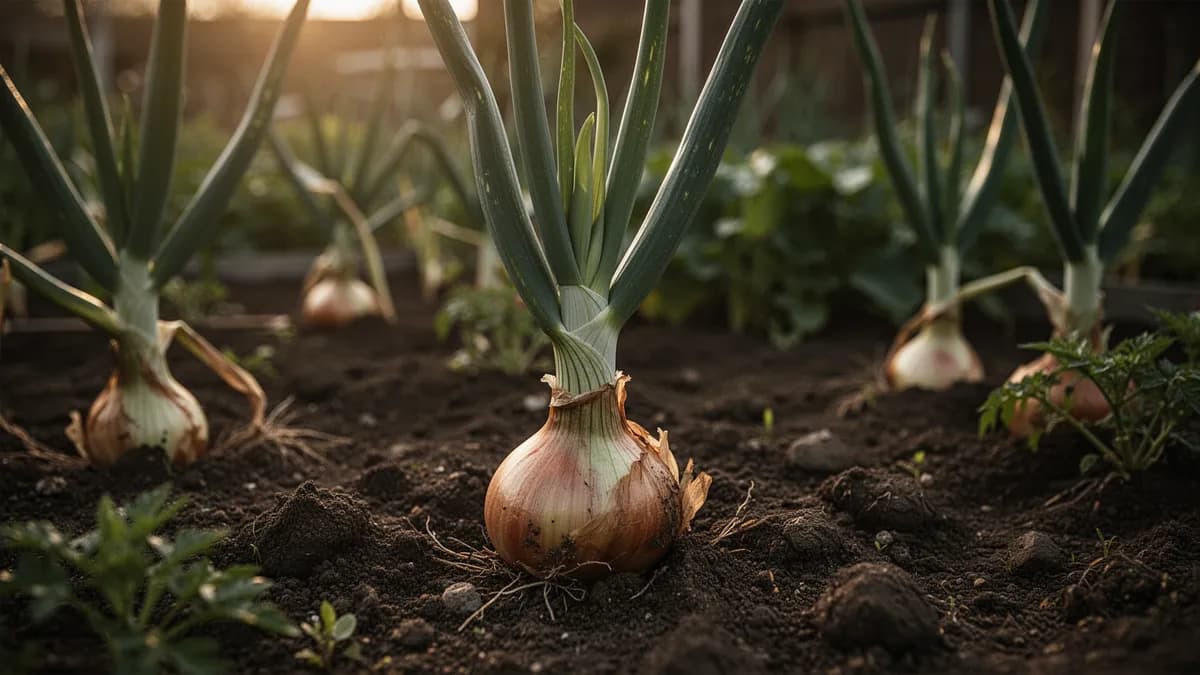
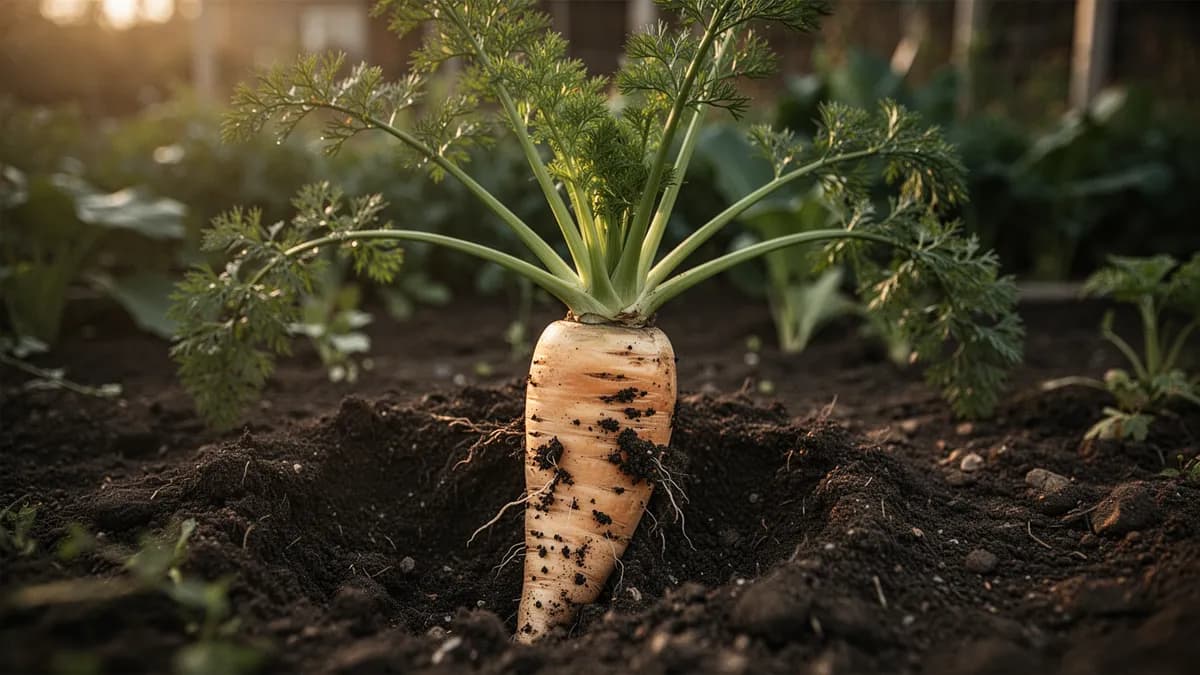
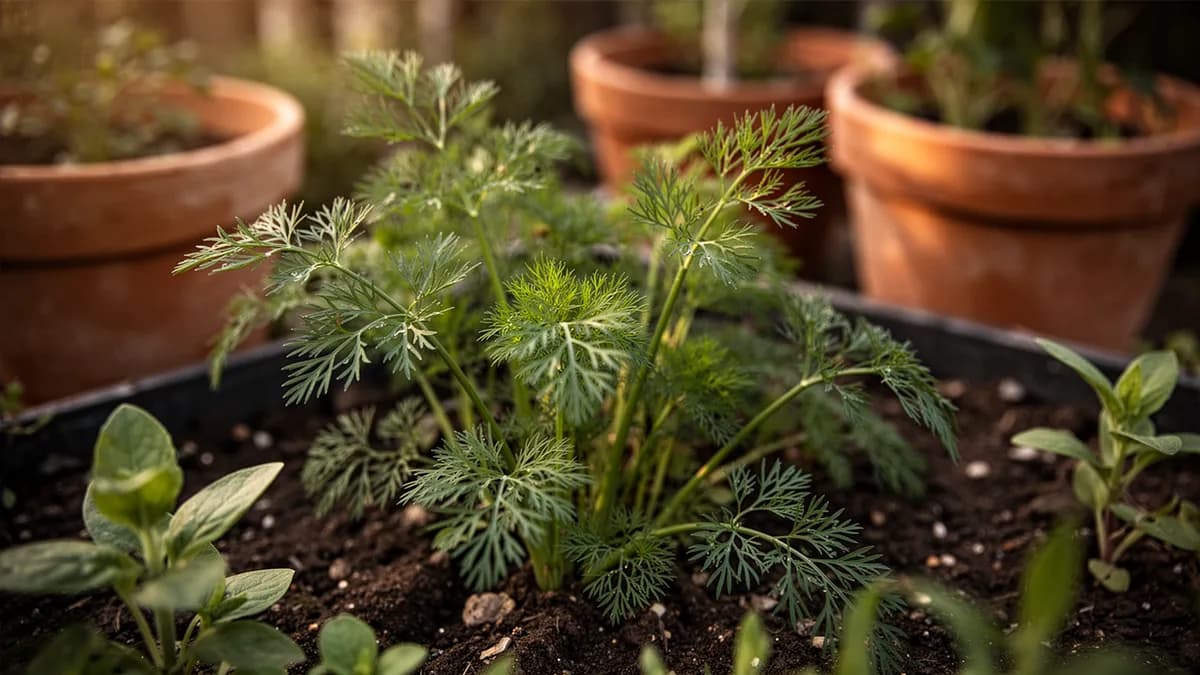
Plant Cosmic Purple carrots alongside onions, leeks, and chives, whose strong scent confuses carrot rust flies. Lettuce and radishes make good row markers since carrots germinate slowly. Tomatoes secrete solanine which repels carrot flies. Rosemary and sage also deter carrot pests. Avoid planting near dill or parsnips which can cross-pollinate if left to flower. Peas and beans fix nitrogen that benefits nearby carrots. Marigolds planted at row ends help repel nematodes.
Peas belongs beside it. Dill doesn't.
Old growers' knowledge, checked against Cosmic Purple Carrot's real companion table below — test any plant you're growing.
Try Cosmic Purple Carrot in a bed — right here
A real planner bed with Cosmic Purple Carrot already in it. Tap a companion to place it and watch the pairing checks answer — green for good neighbours, red for a clash.


Related growing guides

Feed it well
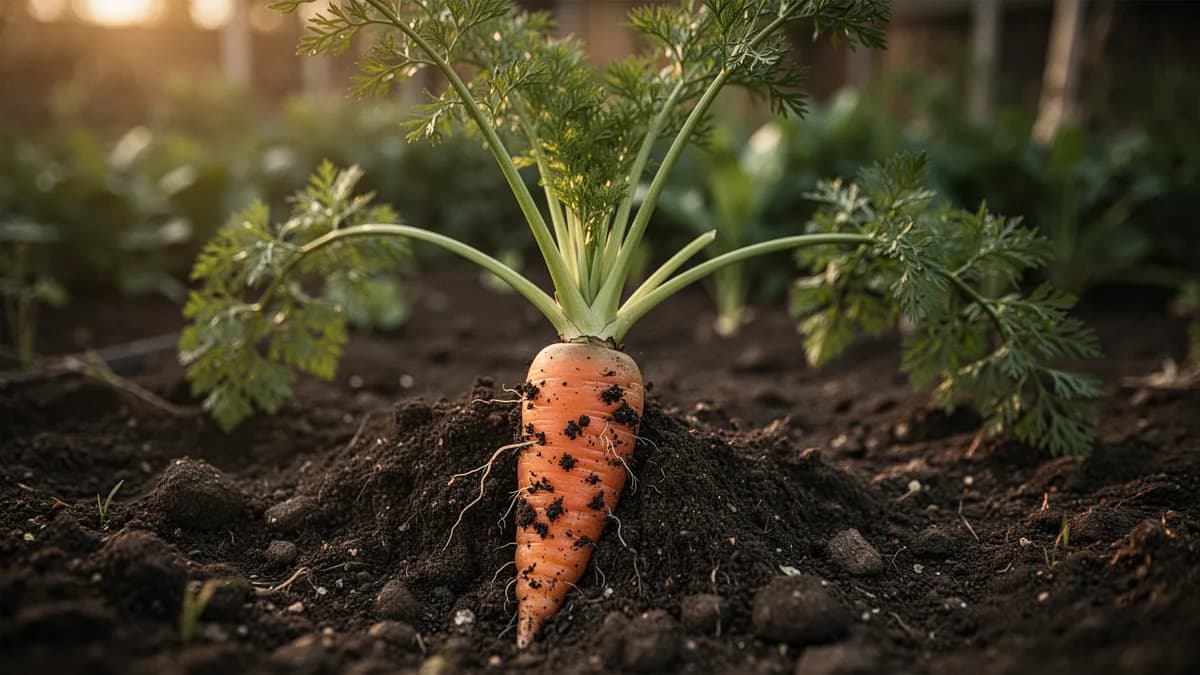
Cosmic Purple carrots need loose, well-drained sandy loam with a pH of 6.0-6.8. Heavy clay soil must be deeply amended with sand and compost or replaced with raised bed mix. Work in a low-nitrogen fertilizer like 5-10-10 before planting to promote root growth over foliage. Excess nitrogen causes forked and hairy roots. Phosphorus is critical for root development. Side-dress lightly at 6 weeks. Potassium supports color development and disease resistance. Avoid fresh manure which causes forking.
Ideal Temperature
Hardiness Zone Compatibility
From seed to harvest, stage by stage
Seed Germination
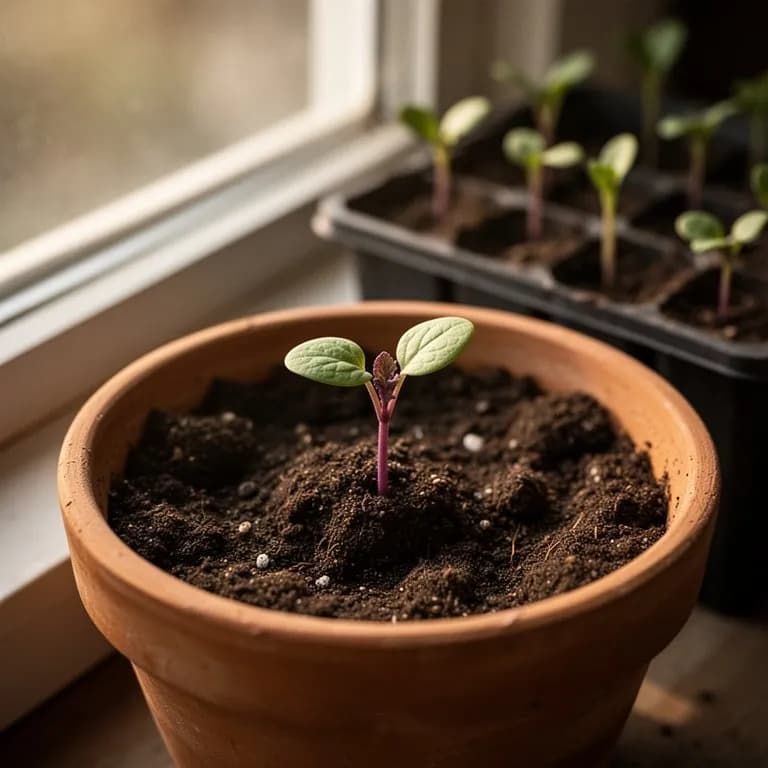
Tiny carrot seeds germinate slowly and unevenly over 14-21 days. The first sign of life is a thin, grass-like cotyledon emerging from the soil surface. Cosmic Purple seeds require consistent moisture throughout this period — even brief drying of the top centimeter of soil can kill emerging seedlings. Soil temperatures of 10-25°C (50-77°F) are suitable, with the optimum around 18°C (65°F).
Seedling Establishment
True feathery leaves develop and the seedling builds its initial root system. At this stage the young taproot is white and pencil-thin, with no purple coloration yet visible. Seedlings grow slowly and are easily overwhelmed by weeds, making careful hand weeding essential during this vulnerable phase.
Root Development
The taproot begins to swell noticeably and the characteristic purple pigmentation starts developing from the skin inward. The ferny tops grow vigorously to 20-30 cm, fueling rapid root expansion below ground. The root elongates first, then gradually thickens over the following weeks.
Color Intensification
The purple anthocyanin pigments deepen dramatically as roots reach 15-18 cm in length and 2-3 cm in diameter. The orange core becomes clearly defined in cross-section. Cooler temperatures during this phase intensify the purple coloration — carrots maturing in warm weather may be lighter in hue. Shoulders may push above the soil line.
Maturation and Harvest
Roots reach full size at 18-22 cm long and 3-4 cm at the crown. The purple skin is now intensely dark violet, almost black in direct sunlight, with the orange core at peak sweetness. Flavor is richest when harvested at this stage — leaving carrots too long past maturity causes the core to become woody and the flavor to turn bitter.
Extended Harvest and Storage
In cool climates, Cosmic Purple carrots can remain in the ground well past maturity, using the garden as a natural refrigerator. A heavy layer of straw mulch protects roots from hard freezes and extends the harvest window into early winter. Flavor often improves with cold exposure as the plant converts starches to sugars for frost protection.
Keep the soil surface consistently moist by covering with a thin layer of vermiculite or burlap until germination occurs. Water gently with a fine mist to avoid displacing the tiny seeds. Mixing seeds with radish seeds helps mark the row and break soil crusts.
Caring for Cosmic Purple Carrot month by month
What to do each month for your Cosmic Purple Carrot
October
You are hereHarvest fall carrots as they reach full size, or leave in the ground for continued sweetening as temperatures drop. Light frosts improve flavor by converting starches to sugars. Apply 15 cm of straw mulch over remaining carrots to extend the harvest window.
Know exactly what to do in your garden — every month
One email at the start of each month: what to sow, plant, and tackle right now — for your Cosmic Purple Carrot and everything growing around it. Plus a short starter course that helps you dodge the classic mistakes.
- What to do, right now
- Matched to your season
- Starter course included
Harvesting Cosmic Purple Carrot
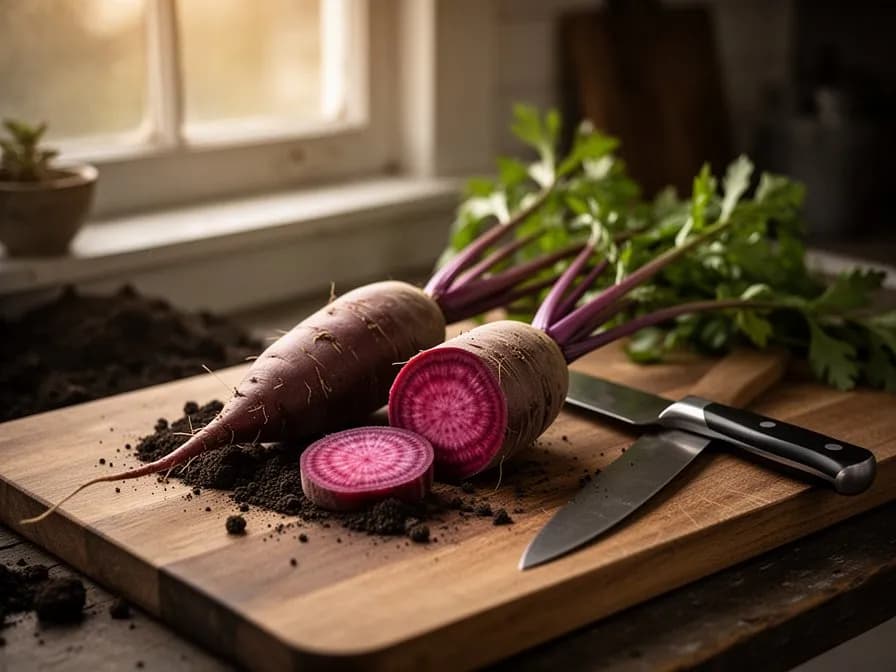
Harvest Cosmic Purple carrots at 65-75 days when roots are 7-8 inches long and shoulders are about 1 inch in diameter. The purple color is most vibrant at full maturity. Loosen soil with a garden fork beside the row before gently pulling to avoid snapping roots. Harvest in the morning for maximum crispness. For the most intense color contrast, harvest during cool weather. Twist off tops immediately, leaving 1/2 inch of stem to prevent moisture loss through the crown.
assuming you plant when the window opens — set your real date
Pick Cosmic Purple Carrot promptly and the plant keeps producing.
Storage & Preservation
Store unwashed Cosmic Purple carrots in perforated plastic bags in the refrigerator crisper drawer for 2-3 months. Note that the purple anthocyanins can bleed into cooking water, so roasting or eating raw best preserves color. For long-term storage, blanch and freeze for up to 10 months. Carrots can be left in the ground under heavy mulch through winter in zones 6-8. Ferment or pickle to preserve both color and nutrients. Dehydrate slices for shelf-stable storage up to a year.
What goes wrong — and the fix
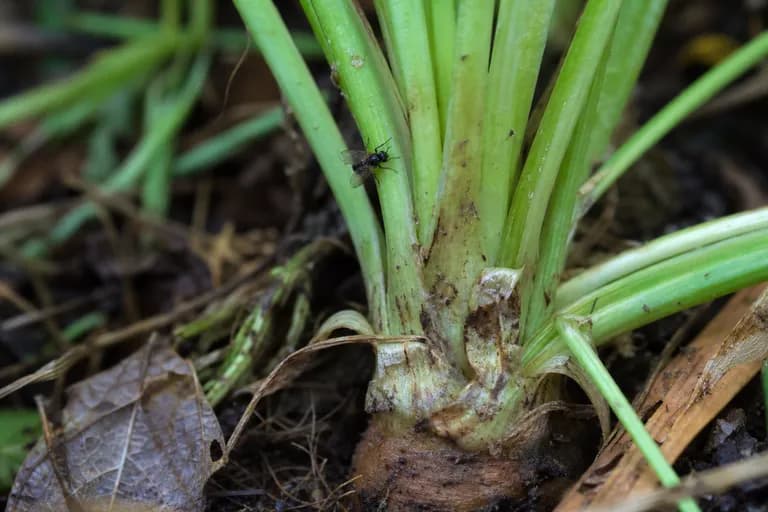
Carrot Rust Fly
PestRust-colored tunnels in lower portions of roots caused by small cream-colored larvae feeding below soil.
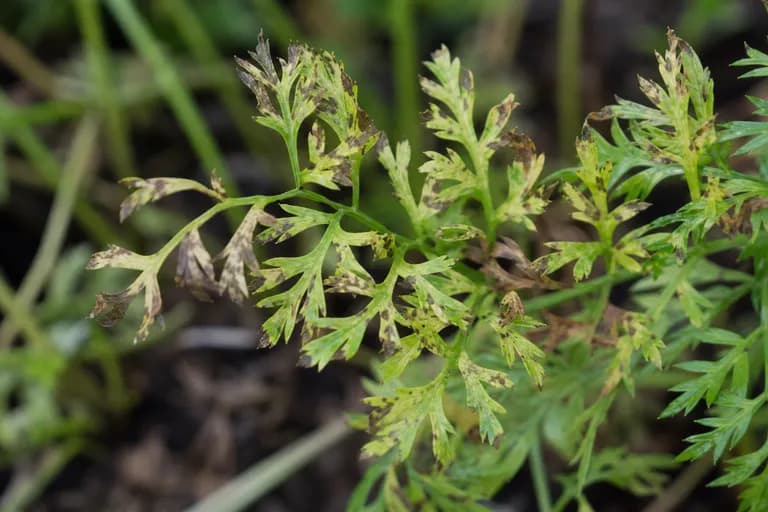
Alternaria Leaf Blight
DiseaseDark brown to black lesions on leaf margins that expand inward, causing leaves to curl and die from the edges.
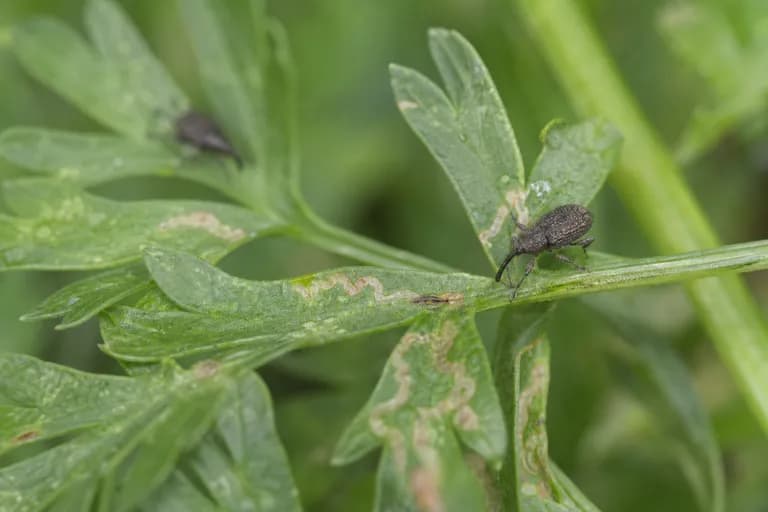
Carrot Weevil
PestZigzag feeding tunnels in the upper portion of roots and wilting foliage from larval feeding damage.
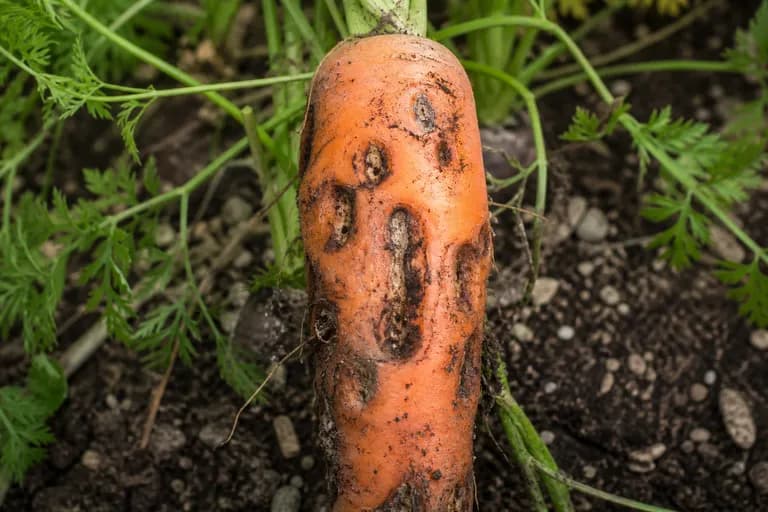
Cavity Spot
DiseaseSmall elliptical craters on root surface that darken and enlarge, often with secondary rot organisms colonizing.
Troubleshooting Common Problems
Forked or misshapen roots result from rocky soil, fresh manure, or transplant shock. Green shoulders develop when roots are exposed to sunlight; hill soil around crowns or mulch. Poor germination is common since carrot seeds are small and slow; keep seedbed consistently moist and use a vermiculite cover. Hairy roots indicate excess nitrogen. Cracking occurs from irregular watering. Bitter flavor develops in hot weather above 85°F. Purple color fading indicates the roots were harvested too early or grown in excessive heat.
Growing Tips
- Soil preparation is everything for straight, well-formed carrots. Work the soil to a depth of at least 30 cm, removing every stone, clod, and root fragment. Carrots fork and deform when their taproot hits any obstruction. Raised beds filled with loose, sandy compost mix produce the best-shaped roots.
- Do not add fresh manure or high-nitrogen compost to carrot beds — excess nitrogen causes hairy, forked roots with excessive side branching and lush tops at the expense of root quality. Use well-aged compost worked in the previous season instead.
- Sow seeds shallowly (6mm deep) and keep the soil surface consistently moist for the full 14-21 day germination period. A board or strip of burlap laid over the row retains moisture and can be removed once sprouts appear — this single trick dramatically improves germination rates.
- Thin ruthlessly and early. Carrots absolutely cannot size up properly when crowded. Thin to 3-5 cm apart when seedlings have 2-3 true leaves, using scissors to snip at soil level rather than pulling, which disturbs neighboring roots.
- For the deepest purple color, time your planting so that roots mature during cool weather — either early spring for a midsummer harvest or midsummer sowing for a fall harvest. The anthocyanin pigments intensify significantly when night temperatures drop below 15°C (60°F).
- Water deeply and consistently at 2.5 cm per week. The single most common cause of cracked, split, and bitter carrots is irregular watering — alternating between drought stress and heavy soaking causes roots to expand unevenly and split open.
- Protect against carrot rust fly, the most destructive carrot pest, by covering beds with fine insect mesh (Enviromesh or similar) immediately after sowing. The adult fly lays eggs at the base of carrot foliage, and the larvae tunnel into roots, ruining the crop.
- Harvest spring carrots promptly when mature, but allow fall carrots to experience a few light frosts before pulling. Frost triggers the plant to convert root starches into sugars as an antifreeze mechanism, noticeably improving sweetness and flavor complexity.
Grow your best Cosmic Purple Carrot yet — and everything around it.
Start a free plan today. Lay out your beds, drop in your Cosmic Purple Carrot, and let PlotMyGarden handle the timing, spacing, companions and reminders from seed to harvest basket.
Pick your Cosmic Purple Carrot
Cosmic Purple
The standard variety with deep purple exterior and orange-yellow core. Grows 7-8 inches with excellent sweetness.
Purple Haze
An All-America Selections winner with purple exterior and orange interior. Slightly shorter at 6-7 inches with very sweet flavor.
Deep Purple
Entirely purple throughout with no orange core. Extremely high in anthocyanins with an earthy, complex flavor.
Purple Sun
F1 hybrid with uniform purple color throughout the root. Better bolt resistance and more consistent sizing than open-pollinated types.
A packet of Cosmic Purple carrot seeds costs $3-5 and contains 500-1,000 seeds — enough to plant 10-15 meters of row and produce 200-400 carrots over a season. Purple and specialty carrots sell for $4-7 per bunch (5-6 carrots) at farmers markets and $5-8 per pound at specialty grocers, compared to $1-2 per pound for ordinary orange carrots. Growing your own Cosmic Purple can save $60-120 per season compared to buying specialty purple carrots, while providing a steady supply that is rarely available fresh in stores. The seeds are open-pollinated, meaning you can save seed from second-year plants for free future crops.
Quick recipes

Roasted Cosmic Purple Carrots with Honey and Thyme
35 minHalved lengthwise and roasted at high heat until caramelized and tender — the purple exterior deepens to a gorgeous near-black while the orange core turns golden. A drizzle of honey and fresh thyme elevates this simple preparation into an elegant side dish.
7 ingredientsPurple Carrot Ribbon Salad with Citrus Vinaigrette
15 minA raw preparation that showcases the dramatic purple-and-orange interior. Thin ribbons shaved with a vegetable peeler are tossed with a bright citrus dressing, toasted seeds, and fresh herbs for a stunning no-cook salad that is as beautiful as it is nutritious.
7 ingredientsCosmic Purple Carrot Soup with Ginger
40 minA silky pureed soup with a striking deep violet color that turns heads at the table. Fresh ginger and a touch of coconut milk balance the earthy sweetness of the purple carrots, creating a warming bowl that is packed with antioxidants.
8 ingredientsCulinary Uses
Best enjoyed raw to showcase the dramatic purple-orange color contrast in salads, crudité platters, and garnishes. Roasting at 425°F caramelizes sugars while partially preserving color. Note that boiling causes purple anthocyanins to leach into cooking water. Juice for vibrant purple beverages rich in antioxidants. Shred into slaws or pickle for colorful condiments. The sweet flavor pairs well with honey, ginger, and citrus.
What's inside
Health Benefits
- Rich in anthocyanins — powerful antioxidants concentrated in the purple flesh that have been shown in studies to reduce inflammation, support cardiovascular health, and protect against oxidative DNA damage linked to cancer and aging.
- Provides a dual antioxidant benefit that orange carrots cannot match: anthocyanins from the purple exterior combined with beta-carotene from the orange core, offering broader protection against oxidative stress than either pigment alone.
- Outstanding source of vitamin A as beta-carotene, essential for maintaining healthy vision, particularly night vision, and supporting the integrity of mucous membranes that form the body's first line of immune defense.
- The dietary fiber in carrots (2.8g per 100g) acts as a prebiotic, feeding beneficial Bifidobacterium and Lactobacillus species in the gut — a healthy microbiome is linked to improved immunity, mood regulation, and reduced inflammation.
- Contains falcarinol, a natural polyacetylene compound found in carrots that has demonstrated anti-cancer properties in laboratory studies, particularly against colon cancer cell lines.
- Low calorie density (41 kcal per 100g) combined with high water content (88%) and satisfying crunch makes Cosmic Purple carrots an ideal snack for weight management — they provide volume and satiety without excessive calories.
Where Cosmic Purple Carrot comes from
The story of the Cosmic Purple carrot begins with the wild carrot (Daucus carota), a plant native to Central Asia and the Mediterranean with thin, white, bitter roots bearing no resemblance to the plump sweet vegetables we know today. The earliest cultivated carrots, developed in Afghanistan and Persia around the 10th century, were purple and yellow — colored by anthocyanin and xanthophyll pigments respectively. These original purple carrots spread westward along trade routes through the Arab world, reaching Moorish Spain by the 12th century and the rest of Europe soon after.
For centuries, purple and yellow were the dominant carrot colors across Europe and Asia. The orange carrot did not appear until the 16th or 17th century, most likely developed by Dutch growers through selective breeding of yellow carrot varieties that carried a mutation for high beta-carotene content. Orange carrots rapidly displaced their purple ancestors because they did not stain cooking water, had a sweeter flavor, and — according to popular legend — honored the Dutch Royal House of Orange, though this patriotic origin story is likely apocryphal.
Cosmic Purple is a modern open-pollinated variety developed through the carrot breeding program at the University of Wisconsin-Madison, led by Dr. Philipp Simon, one of the world's foremost carrot geneticists. The variety was created by crossing anthocyanin-rich purple carrot germplasm collected from Turkey, Afghanistan, and other regions where ancient purple types persisted with high-quality modern orange breeding lines. The result is a carrot with the dramatic purple exterior of its ancient ancestors and the sweet, crisp orange core of modern varieties — a living bridge between the carrot's 1,000-year-old purple past and its present-day orange dominance. Released to home gardeners in the early 2000s, Cosmic Purple quickly became one of the most popular specialty carrot varieties, prized for its visual drama, genuine sweetness, and the nutritional bonus of anthocyanin antioxidants that ordinary orange carrots lack.
Cosmic Purple Carrot: did you know?
Fascinating facts about Cosmic Purple Carrot
Purple was actually the original color of cultivated carrots. The earliest domesticated carrots grown in Afghanistan and Persia around the 10th century were purple and yellow — the familiar orange carrot was not developed until the 16th or 17th century in the Netherlands.
Cosmic Purple Carrot questions, answered
When should I plant Cosmic Purple Carrot?
What are good companion plants for Cosmic Purple Carrot?
What hardiness zones can Cosmic Purple Carrot grow in?
How much sun does Cosmic Purple Carrot need?
How far apart should I space Cosmic Purple Carrot?
What pests and diseases affect Cosmic Purple Carrot?
How do I store Cosmic Purple Carrot after harvest?
What are the best Cosmic Purple Carrot varieties to grow?
What soil does Cosmic Purple Carrot need?
Why are my Cosmic Purple carrots not very purple?
Is the orange center of Cosmic Purple normal or a sign of a problem?
Will cooking Cosmic Purple carrots turn my food purple?
Can I save seeds from Cosmic Purple carrots?
Why are my carrots forked and misshapen instead of straight?
How long can I store harvested Cosmic Purple carrots?
You just read the theory. Now grow it on autopilot.
Everything that makes Cosmic Purple Carrot fiddly — the timing, the spacing, the companions, the harvest window — is exactly what PlotMyGarden handles for you, for every plant in your garden.
A plan that knows your weather
Set your location once. Get sow, feed and harvest dates built around your real last-frost date and live forecast — no more guessing from a generic seed packet.
From the “When to plant” sectionDrag-and-drop bed planner
Design beds on a grid. Every plant snaps to its proper spacing, and you can see your whole season laid out before you spend a cent on seed.
From the “Growing guide” sectionCompanion conflicts, caught early
200+ good-and-bad pairings checked live as you plant — so a season-wrecking mistake never makes it into the ground.
From the “Companions” sectionReminders you'll actually act on
“Water the beans.” “Pick today before it turns.” Timely, specific, and tied to the plants you're really growing.
From the “Harvest” sectionSuccession, scheduled
Want a harvest for six weeks, not six days? It spaces your sowings automatically and reminds you when each new block is due.
From the “When to plant” sectionA record that gets smarter
Every harvest you log teaches it your garden. Next year's plan starts from what actually worked in your soil, not a textbook's.
From the “Overview” sectionPlant these alongside Cosmic Purple Carrot
More Root Vegetables
Keep Cosmic Purple Carrot away from these
Garden plans featuring Cosmic Purple Carrot
Grow your best Cosmic Purple Carrot yet — and everything around it.
Start a free plan today. Lay out your beds, drop in your Cosmic Purple Carrot, and let PlotMyGarden handle the timing, spacing, companions and reminders from seed to harvest basket.