Canada Anemone
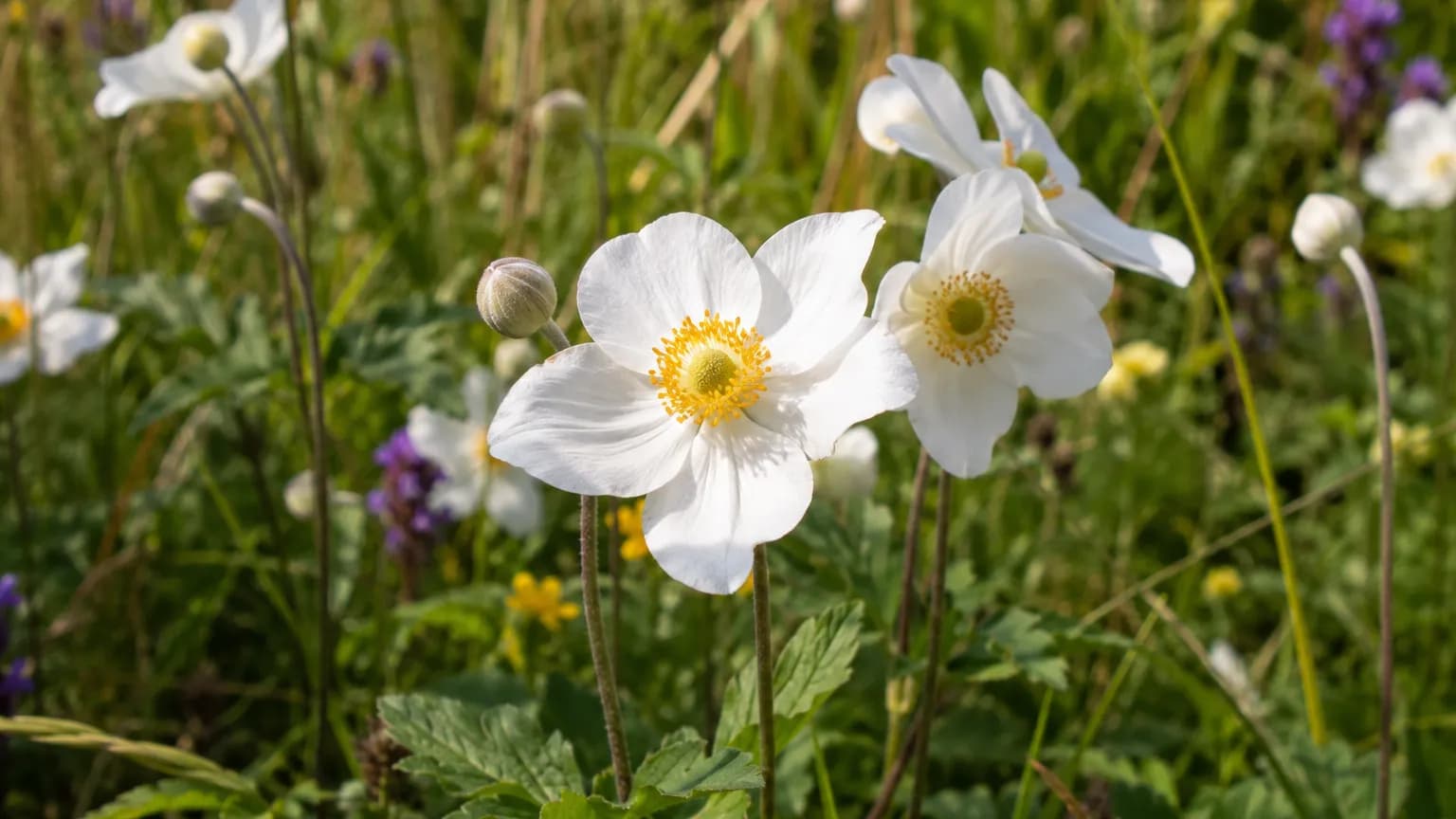
A tough native North American wildflower that carpets moist meadows with pure white, cup-shaped blooms and golden stamen centers from late spring into early summer.





On this pageOverview
Meet Canada Anemone
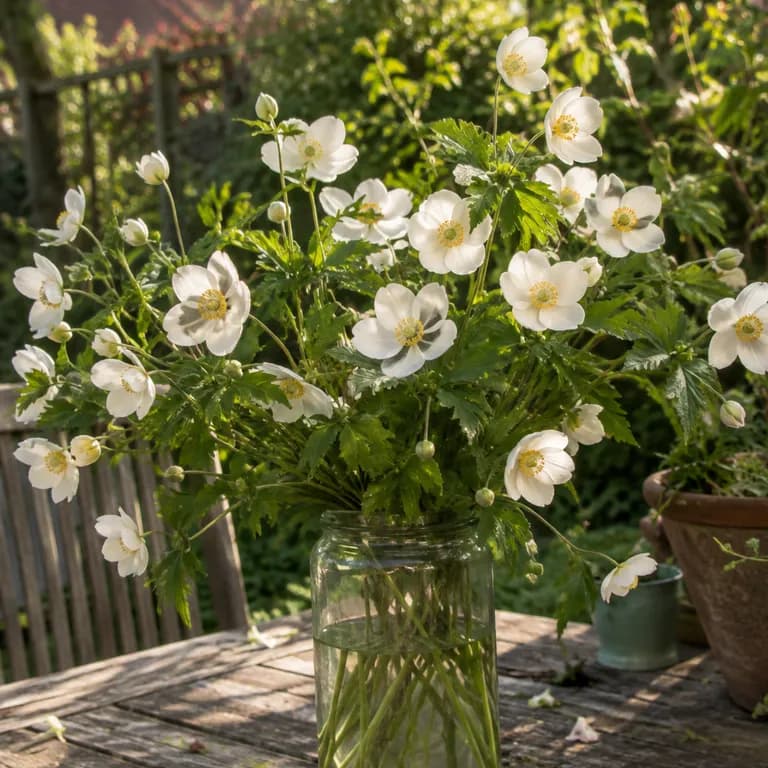
A tough native North American wildflower that carpets moist meadows with pure white, cup-shaped blooms and golden stamen centers from late spring into early summer. Canada anemone thrives in partial shade and consistently moist soil, making it one of the best natives for rain gardens, pond edges, and stream banks. Be warned: it spreads aggressively by creeping rhizomes and will overrun delicate neighbors, so give it room to roam or plan firm containment from day one. Where spreading is welcome, few perennials cover ground so quickly, bloom so generously, or ask so little in return.
When to plant Canada Anemone
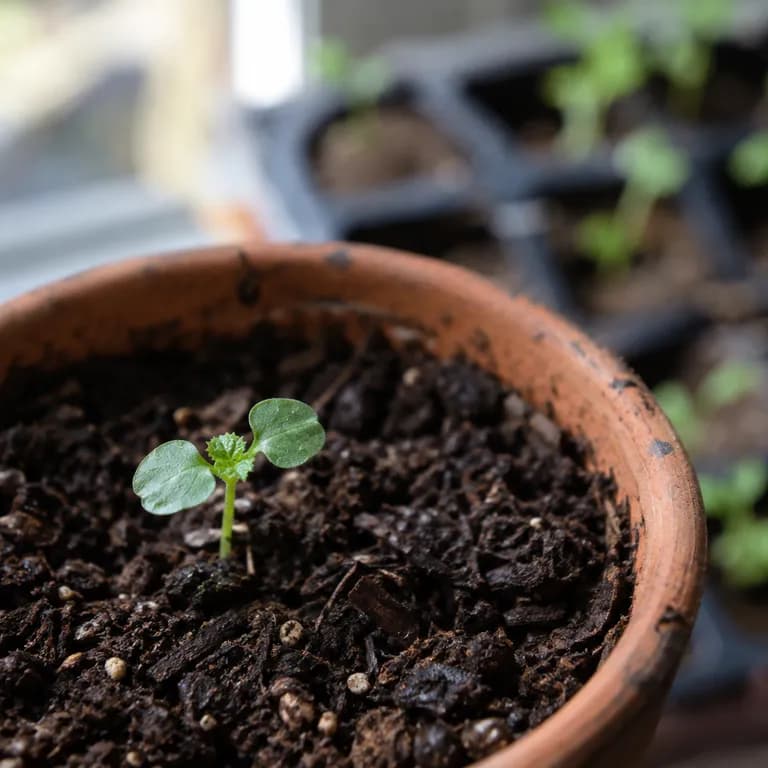
Growing Canada anemone from seed is possible but slow and erratic — division is far easier. Seeds need cold, moist stratification: sow outdoors in late autumn and let winter do the work, or refrigerate seed in damp vermiculite for 60 to 90 days before sowing indoors in late winter. Surface-sow or cover very lightly, keep evenly moist at 15 to 21 degrees Celsius, and expect patchy germination spread over several weeks. Seedlings grow slowly and usually flower in their second year. For fast, reliable results, divide established rhizomes in spring or autumn: cut firm pieces 8 to 10 cm long, replant them 2 to 3 cm deep and 30 cm apart, keep them moist, and they will root within weeks.
Your Canada Anemone Year
Composed for Zone 7 · typical seasons · frost passes Apr 2, returns Nov 1
Plant Canada Anemone Mar – Apr, Oct – Nov, pick May – Jul. Check the planting methods below and set your climate to personalize these windows.

How to grow Canada Anemone
Plant Canada anemone in spring or autumn, setting nursery-grown plants or rhizome divisions about 30 cm apart in partial shade with moist, humus-rich soil. Full sun is acceptable where the soil stays reliably damp, and deeper shade is tolerated, though flowering is heaviest with at least a few hours of direct light. This is a plant of wet meadows, ditches, and stream banks, so choose a site that does not dry out — rain gardens, pond margins, low spots, and heavy clay that defeats fussier perennials all suit it perfectly.
Water new plantings regularly through their first season; once established, the fleshy rhizomes tolerate brief dry spells but perform best with consistent moisture. Maintenance is minimal but decisive: deadhead spent flowers if you want to limit self-seeding, and shear the whole colony back to fresh basal foliage in midsummer if the leaves become shabby or mildewed — clean regrowth follows within a few weeks. Divide congested colonies every two to three years in autumn or early spring, because overcrowded patches flower noticeably less.
Plan containment before you plant. Canada anemone spreads vigorously by creeping rhizomes that can travel a metre or more per year in moist, fertile soil, invading neighboring perennials and lawns. In mixed borders, sink a rhizome barrier at least 30 cm deep around the colony, plant it in a large bottomless container buried to the rim, or confine it between hard surfaces such as a sidewalk and a driveway. Edge around the colony with a sharp spade each spring and autumn to sever escaping runners, and never tuck it among delicate alpines, small bulbs, or slow woodlanders it will smother. Drier soil and deeper shade noticeably slow its advance, which is itself a useful containment lever.
32 plants fit a 4 × 8 ft bed
Each Canada Anemone wants 30 cm of elbow room. The planner keeps that spacing for you — every plant, every bed.
Canada Anemone's best neighbours
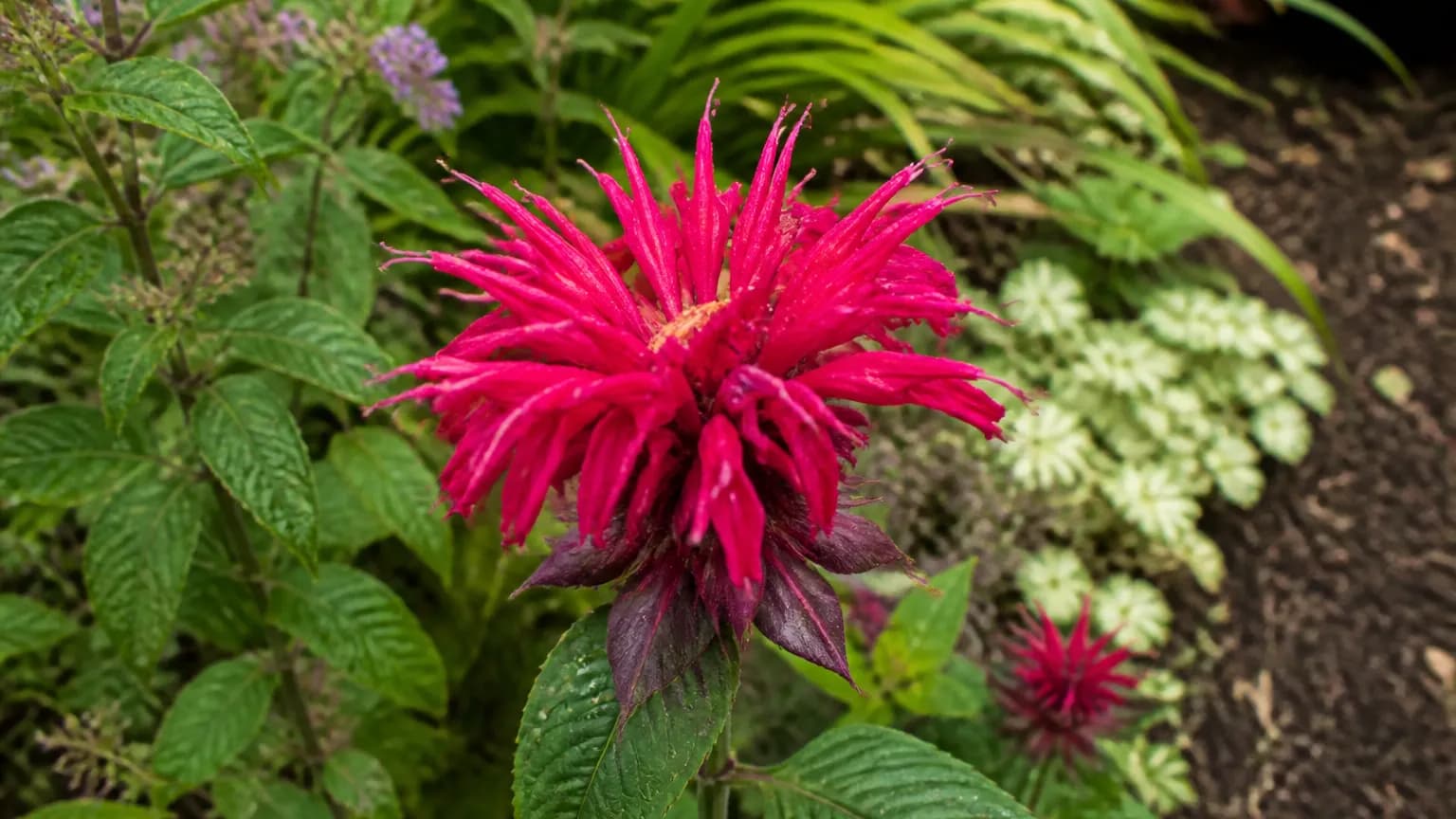
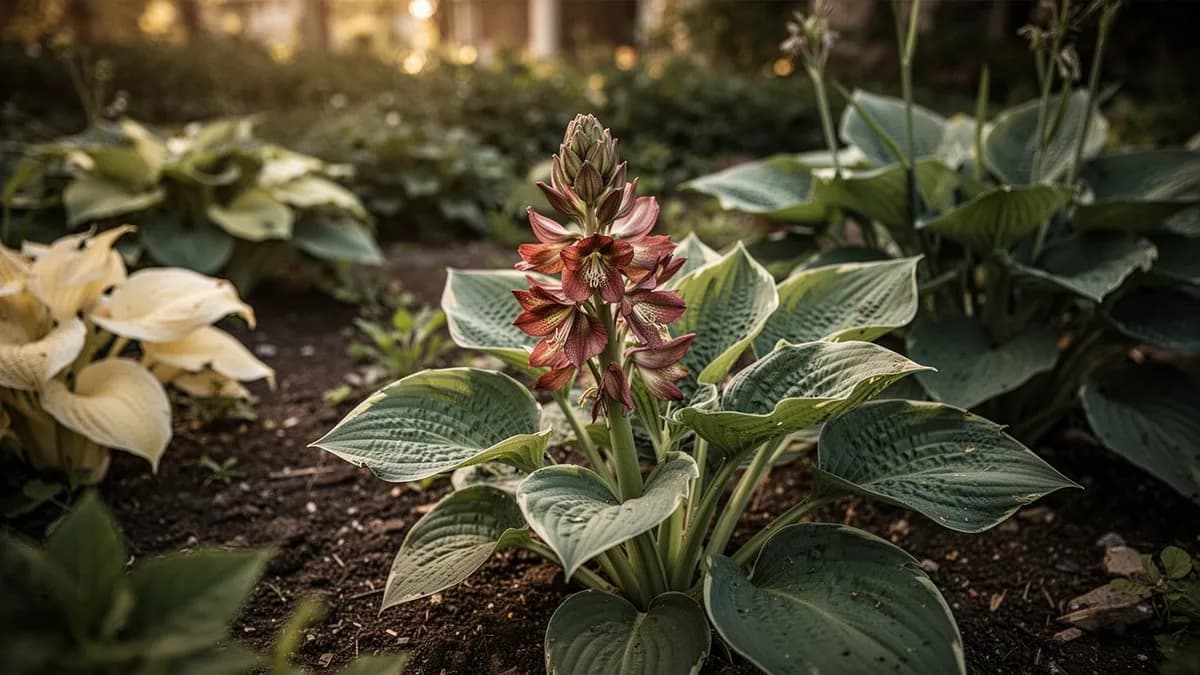
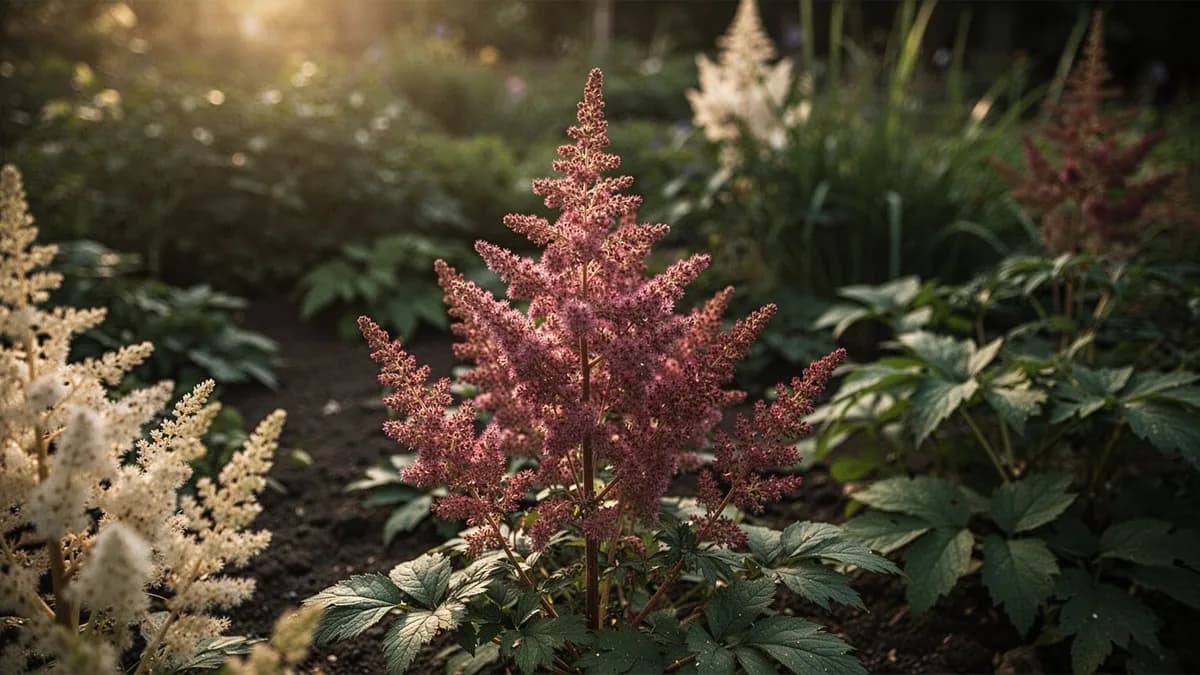
Pair Canada anemone only with companions robust enough to hold their own in moist soil. Bee balm is a natural ally — equally vigorous, equally moisture-loving, and its bold summer blooms succeed the anemone's white spring show. Astilbe contributes feathery plumes at the same moisture level in part shade, while hostas fill the shadier margins of the colony with bold foliage. Native sedges, marsh marigold, and swamp milkweed share its wet-meadow temperament in rain gardens. Avoid delicate neighbors such as small spring bulbs, alpines, and slow-growing woodland ephemerals, which the rhizomes will quickly overrun. The colony itself is a pollinator planting: the pollen-rich flowers feed native bees, syrphid flies, and beetles from late spring into early summer.
Bee Balm belongs beside it.
Old growers' knowledge, checked against Canada Anemone's real companion table below — test any plant you're growing.
Try Canada Anemone in a bed — right here
A real planner bed with Canada Anemone already in it. Tap a companion to place it and watch the pairing checks answer — green for good neighbours, red for a clash.


Related growing guides

Feed it well
Canada anemone thrives in moist, humus-rich loam with a pH anywhere from slightly acidic to alkaline, roughly 5.5 to 7.5, and tolerates heavy clay provided it never bakes dry. In its native wet-meadow habitat the soil is fertile but not pampered; a 2 to 3 cm top-dressing of compost or leaf mold each spring is ample feeding. Avoid rich, heavily fertilized beds combined with shade, which produce tall, floppy growth with fewer flowers. The one condition this plant will not forgive is drought — put your effort into moisture retention with a generous organic mulch rather than into any fertilizer program.
Ideal Temperature
Hardiness Zone Compatibility
From seed to harvest, stage by stage
Rhizome Rooting
Divisions or bare-root rhizome pieces planted in spring or autumn put down fresh roots with little visible top growth. Each 8-10 cm rhizome section planted 2-3 cm deep sends out white feeder roots into the moist soil before pushing up its first leaves.
Spring Emergence
Deeply lobed, maple-like leaves unfurl and the colony greens up, reaching 15 to 30 cm. Young plants channel most of their energy downward into the creeping rhizome network that will define the colony's footprint.
Vegetative Colony Building
Foliage reaches its full 30 to 60 cm height and the rhizomes run outward in every direction, knitting individual plants into a single colony. First-year plants from division may throw a few flowers, but most postpone blooming until their second spring.
Winter Dormancy
With the first hard frosts the foliage collapses and the plant retreats fully into its rhizomes, which are hardy to about -40°C (USDA zone 3) without any protection. The colony rests until soil temperatures rise in spring.
Flowering
In the second spring, wiry branching stems rise above the foliage carrying pure white, cup-shaped flowers 3 to 4 cm wide, each with five sepals around a dense golden puff of stamens. The display runs four to six weeks from late spring into early summer and hums with pollen-hunting native bees and syrphid flies.
Seed Set and Summer Spread
Rounded green seed heads ripen into beaked achenes that drop or blow short distances, while the rhizomes surge through warm, moist summer soil. Foliage often tires or shows mildew by midsummer, especially in crowded, shaded colonies.
Keep the soil evenly moist but never stagnant while new divisions root. Mark the planting spots so you do not dig them up by accident, and install any rhizome barrier now, before the colony exists.
Caring for Canada Anemone month by month
What to do each month for your Canada Anemone
September
You are hereDivide overcrowded or poorly flowering colonies now, replanting firm rhizome pieces and watering them in well. Share the surplus — every division you remove is containment achieved.
Know exactly what to do in your garden — every month
One email at the start of each month: what to sow, plant, and tackle right now — for your Canada Anemone and everything growing around it. Plus a short starter course that helps you dodge the classic mistakes.
- What to do, right now
- Matched to your season
- Starter course included
Harvesting Canada Anemone
Cut Canada anemone stems for informal bouquets when the outermost flowers on a stem have just opened, choosing long, wiry stems in the cool of the morning. Wear gloves when cutting — like other buttercup relatives, the sap contains protoanemonin and can irritate sensitive skin. Condition stems in deep, cool water for several hours before arranging; they typically last five to seven days in the vase. From midsummer onward the more useful harvest is seed: the rounded green heads ripen into beaked achenes that can be snipped into a paper bag for propagation, or left standing for texture and gentle self-seeding.
assuming you plant when the window opens — set your real date
Pick Canada Anemone promptly and the plant keeps producing.
What goes wrong — and the fix
Powdery Mildew
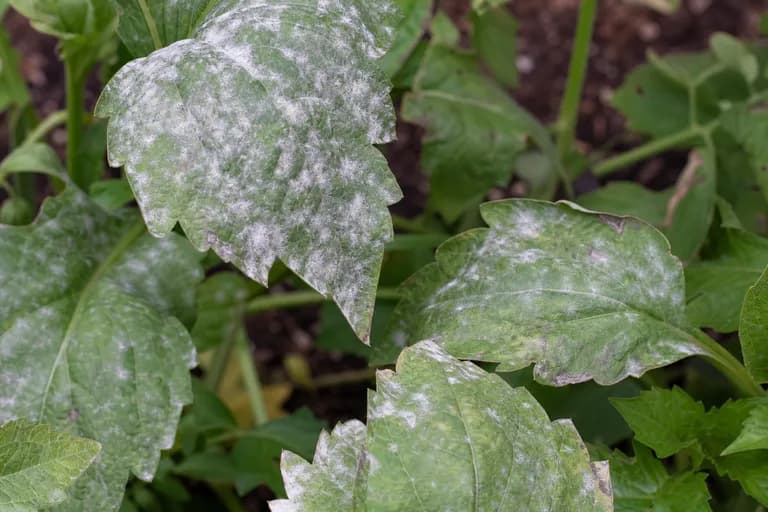
DiseaseWhite, powdery coating on leaves and stems from midsummer onward, worst in humid, shaded, crowded colonies. Heavily coated leaves curl, yellow, and die back early.

Rust
DiseaseSmall orange to cinnamon-brown pustules on leaf undersides with pale yellow spots above, appearing in cool, damp spring weather. Heavy infections distort leaves and reduce vigor.

Downy Mildew
DiseaseAngular yellow patches on upper leaf surfaces with grayish, downy fuzz on the undersides during cool, wet spells. Leaves may pucker and collapse in prolonged damp weather.

Aphids
PestClusters of small green or black insects on young shoots, buds, and leaf undersides, causing curled, distorted growth and sticky honeydew residue.
Slugs and Snails
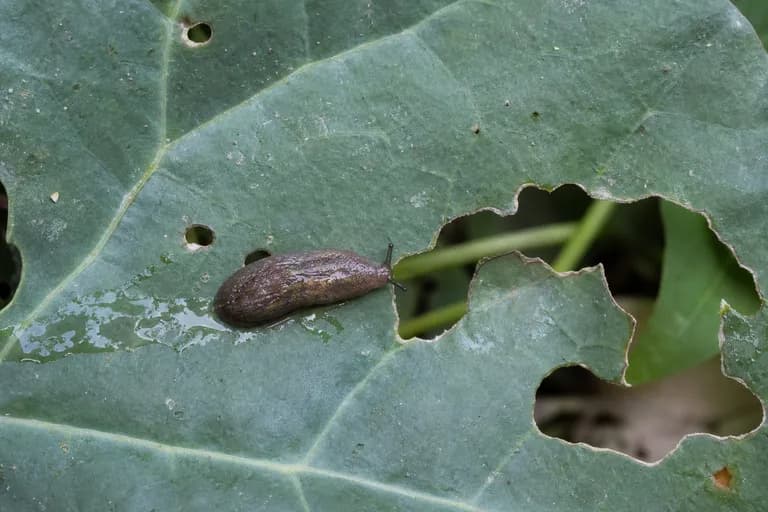
PestRagged holes chewed in young spring foliage and slime trails on leaves and soil. Damage is worst in the moist, shaded conditions this plant loves.
Troubleshooting Common Problems
The overwhelming problem with Canada anemone is its own success: aggressive creeping rhizomes colonize neighboring perennials, lawns, and paths, and the species is genuinely wrong for small, tidy borders. Contain it with a 30 cm deep rhizome barrier, a buried bottomless container, or hardscape edging, and slice around the colony with a spade each spring and autumn to sever escaping runners. Overcrowded colonies stop flowering well — divide every two to three years. In humid, stagnant shade, powdery mildew and rust coat the foliage by midsummer; shearing the colony to the ground after bloom produces clean regrowth. In dry soil the leaves scorch and the planting stalls, which confirms the golden rule: this anemone wants moisture, room, and honest intentions.
Growing Tips
- Site Canada anemone where spreading is welcome from the start: rain gardens, pond margins, drainage swales, moist slopes, and rough corners where little else thrives.
- In a mixed border, sink a rigid rhizome barrier at least 30 cm deep around the colony, or plant it in a large bottomless container buried to the rim — containment decided at planting saves years of regret.
- Exploit hardscape as a free barrier: a strip between a sidewalk and a driveway or building wall confines the rhizomes beautifully while softening the paving with white bloom.
- Divide colonies every two to three years in autumn or early spring; overcrowded patches flower poorly, and every division you remove is containment achieved.
- Shear the whole colony to the ground after flowering if the foliage looks tired or mildewed — clean, fresh leaves regrow within a few weeks and stay handsome into autumn.
- Keep the soil consistently moist with a 5 cm organic mulch; drought, not cold, is this plant's enemy, and scorched edges are the first sign the site is too dry.
- Deadhead spent flowers to curb self-seeding, but remember the rhizomes are the real engine of spread — edging the colony matters far more than snipping seed heads.
- Pair it only with equally robust moisture-lovers such as bee balm, astilbe, and hostas; small bulbs, alpines, and slow woodland ephemerals will be smothered within a few seasons.
- Use conditions as a throttle: in drier or shadier ground the rhizomes run far more slowly, so a leaner, drier site is a legitimate way to keep the colony modest.
- Wear gloves when cutting flowers or dividing rhizomes — the sap contains protoanemonin and can irritate sensitive skin.
Grow your best Canada Anemone yet — and everything around it.
Start a free plan today. Lay out your beds, drop in your Canada Anemone, and let PlotMyGarden handle the timing, spacing, companions and reminders from seed to harvest basket.
Pick your Canada Anemone
Straight Species
Anemone canadensis has no widely registered cultivars; nurseries sell the true wild species, which varies little in the garden. Buy from native-plant nurseries for locally adapted stock.
Anemone virginiana (Thimbleweed)
A taller native relative reaching up to 90 cm, with greenish-white flowers and curious thimble-shaped seed heads. More restrained in the border and better suited to average, drier soil.
Anemone sylvestris (Snowdrop Anemone)
A European spring bloomer with fragrant, nodding white flowers and the same wandering habit, but content in ordinary to fairly dry garden soil.
Anemone nemorosa (Wood Anemone)
A low, creeping European woodlander for moist shade with starry white spring flowers. Spreads far more politely than its Canadian cousin and suits small shade gardens.
Anemone x hybrida "Honorine Jobert"
The classic white Japanese anemone for late summer and autumn bloom in part shade. Clump-forming and slow to spread — the well-mannered white alternative for tidy borders.
Where Canada Anemone comes from
Canada anemone is native to a vast swath of North America, from coast to coast across Canada and the northern United States, ranging north nearly to the Arctic Circle and south along cooler corridors to Tennessee and New Mexico. Its strongholds are moist meadows, wet prairies, stream banks, lake shores, and damp roadside ditches, where established colonies can sheet the ground white for metres along the water's edge.
Carl Linnaeus formally described the species in 1753, placing it in the buttercup family, Ranunculaceae. Indigenous peoples across its range knew the plant well: ethnobotanical records document careful medicinal use of root preparations by several nations, tempered always by respect for the irritating protoanemonin it shares with its buttercup kin. Early settlers read its bloom as a marker of late spring in wet ground, and the plant slipped into cultivation both as a sentimental native and as a practical, fast groundcover.
Today Canada anemone is riding the native-plant and rain-garden movements back into prominence. Conservation landscapers prize it as one of the fastest, most reliable natives for stabilizing moist soil and feeding early-season pollinators, and native nurseries sell out of it each spring. Seasoned garden writers counsel respect: planted where its wandering rhizomes are welcome, it is a low-care treasure; tucked thoughtlessly into a polite perennial border, it becomes a memorable lesson in reading plant descriptions all the way to the end.
Canada Anemone: did you know?
Fascinating facts about Canada Anemone
Canada anemone flowers produce no nectar at all — their entire reward to pollinators is the golden puff of pollen-rich stamens, gathered by native bees, syrphid flies, and beetles.
Canada Anemone questions, answered
When should I plant Canada Anemone?
What are good companion plants for Canada Anemone?
What hardiness zones can Canada Anemone grow in?
How much sun does Canada Anemone need?
How far apart should I space Canada Anemone?
What pests and diseases affect Canada Anemone?
What are the best Canada Anemone varieties to grow?
What soil does Canada Anemone need?
How is Canada anemone different from the Japanese anemone (Anemone x hybrida) already in the catalog?
Will Canada anemone take over my garden?
Why did my Canada anemone stop blooming?
Is Canada anemone toxic to pets or children?
Can I grow Canada anemone in a container?
Does Canada anemone grow in clay soil?
You just read the theory. Now grow it on autopilot.
Everything that makes Canada Anemone fiddly — the timing, the spacing, the companions, the harvest window — is exactly what PlotMyGarden handles for you, for every plant in your garden.
A plan that knows your weather
Set your location once. Get sow, feed and harvest dates built around your real last-frost date and live forecast — no more guessing from a generic seed packet.
From the “When to plant” sectionDrag-and-drop bed planner
Design beds on a grid. Every plant snaps to its proper spacing, and you can see your whole season laid out before you spend a cent on seed.
From the “Growing guide” sectionCompanion conflicts, caught early
200+ good-and-bad pairings checked live as you plant — so a season-wrecking mistake never makes it into the ground.
From the “Companions” sectionReminders you'll actually act on
“Water the beans.” “Pick today before it turns.” Timely, specific, and tied to the plants you're really growing.
From the “Harvest” sectionSuccession, scheduled
Want a harvest for six weeks, not six days? It spaces your sowings automatically and reminds you when each new block is due.
From the “When to plant” sectionA record that gets smarter
Every harvest you log teaches it your garden. Next year's plan starts from what actually worked in your soil, not a textbook's.
From the “Overview” sectionPlant these alongside Canada Anemone
More Wildflowers





Grow your best Canada Anemone yet — and everything around it.
Start a free plan today. Lay out your beds, drop in your Canada Anemone, and let PlotMyGarden handle the timing, spacing, companions and reminders from seed to harvest basket.