Calamansi
A small citrus tree essential to Filipino cuisine, producing tiny orange-fleshed fruits with a tart, floral flavor.





On this pageOverview
Meet Calamansi
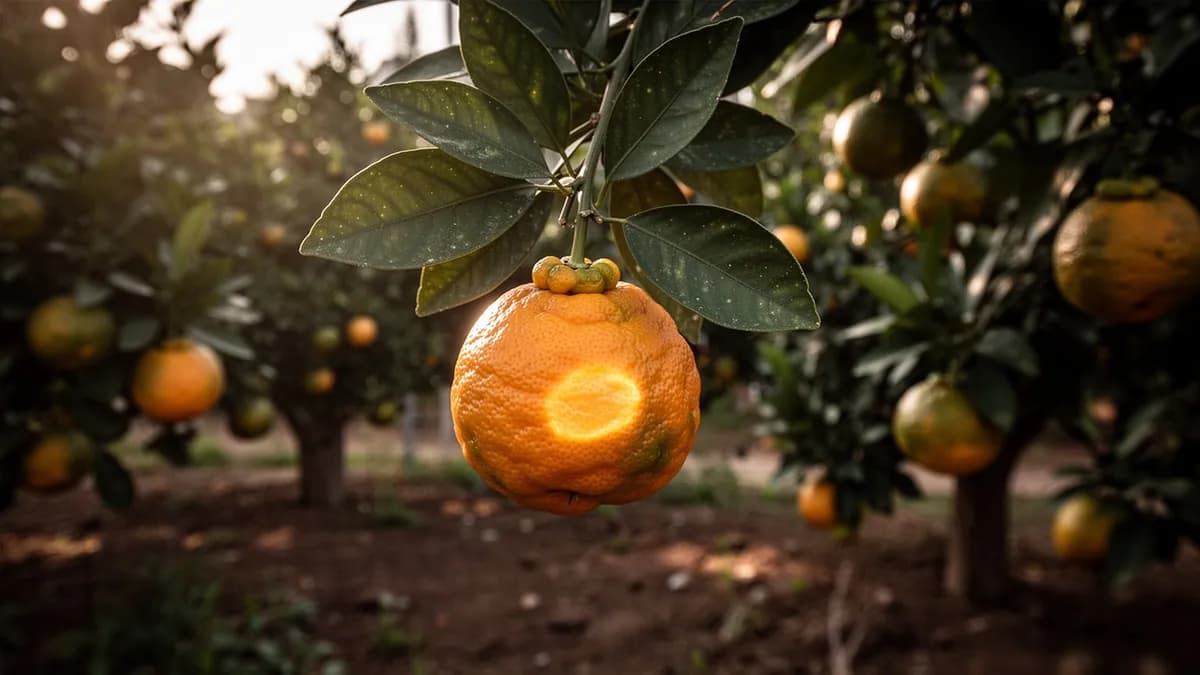
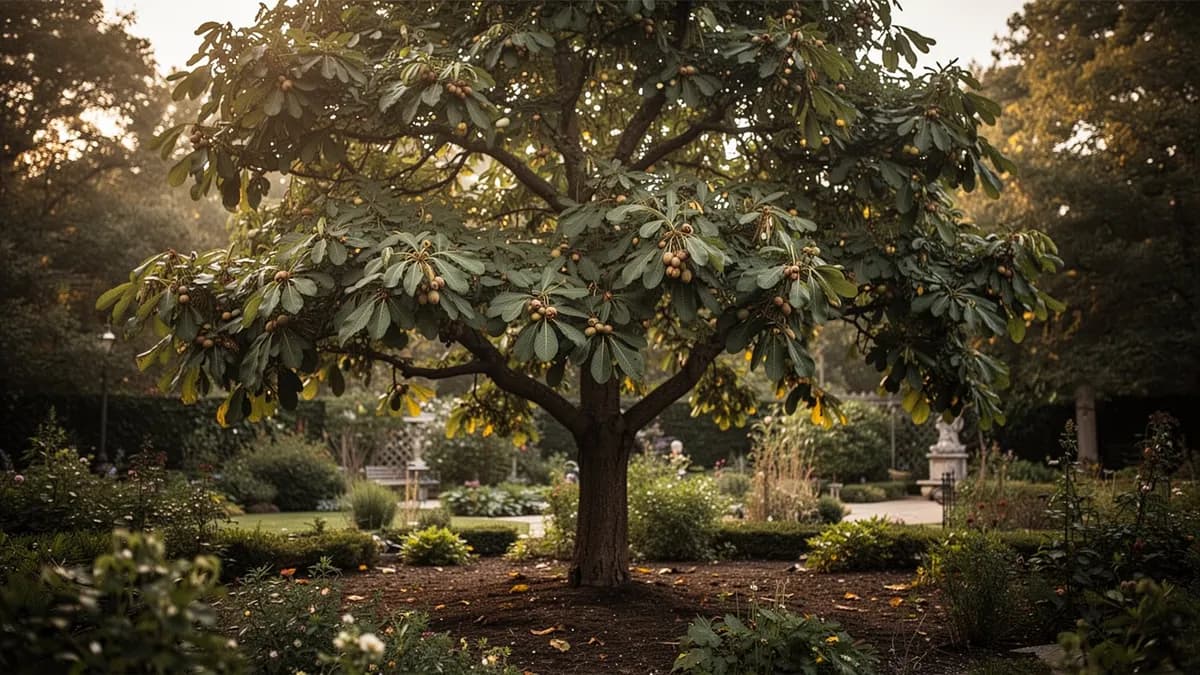
A small citrus tree essential to Filipino cuisine, producing tiny orange-fleshed fruits with a tart, floral flavor. Calamansi bears fruit prolifically year-round and makes an excellent houseplant in bright indoor conditions. Use the juice as a versatile condiment for seafood, soups, and beverages.
When to plant Calamansi
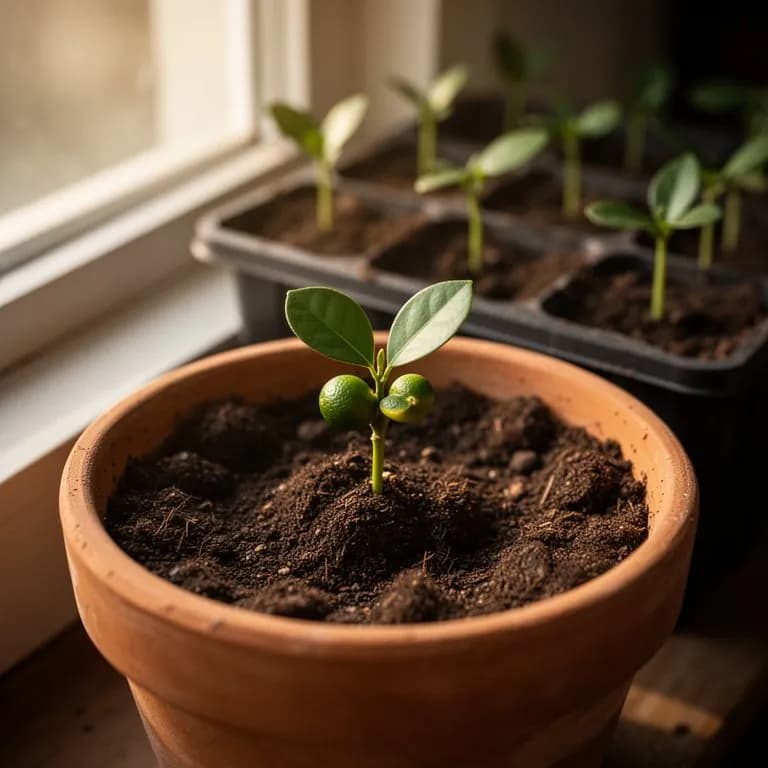
Calamansi grows readily from seed, producing plants that fruit within three to five years. Seeds are polyembryonic and produce genetic clones of the parent. Extract seeds from ripe fruit, wash off the pulp, and plant immediately half an inch deep in moist potting mix. Maintain warmth of 75 to 85 degrees. Seeds germinate in two to four weeks. Grow seedlings under bright light, potting up as they grow. Grafted trees on dwarfing rootstocks fruit faster and stay more compact, but seed-grown trees are perfectly viable for home gardens.
Your Calamansi Year
Composed for Zone 7 · typical seasons · frost passes Apr 2, returns Nov 1
Plant Calamansi Mar – May, pick Jan – Dec. Check the planting methods below and set your climate to personalize these windows.
How to grow Calamansi
Calamansi thrives as a houseplant or patio tree in most climates, growing outdoors year-round only in USDA zones 9 through 12. The compact tree reaches 10 to 15 feet outdoors but stays manageable at 3 to 6 feet in containers. Plant in full sun with well-drained soil or use a premium potting mix with perlite for containers. Space outdoor trees 8 to 10 feet apart.
One of calamansi's greatest virtues is year-round fruiting, often producing flowers and fruit simultaneously at multiple stages of development. The fragrant white blossoms perfume rooms beautifully. Indoor trees need at least six hours of direct sunlight or supplemental grow lights to fruit well. Place on a south-facing windowsill or under full-spectrum LED lights during winter.
Water when the top inch of soil is dry, reducing frequency in winter. Calamansi tolerates brief drought better than overwatering. Fertilize monthly during active growth with a diluted liquid citrus fertilizer. Reduce feeding in winter to every six weeks. Mist indoor trees occasionally to maintain humidity above 40 percent. Repot container trees every two to three years, stepping up one pot size each time.
Calamansi needs more room than a 4 × 8 ft bed gives
Each Calamansi wants 240 cm of elbow room. The planner keeps that spacing for you — every plant, every bed.
Calamansi's best neighbours
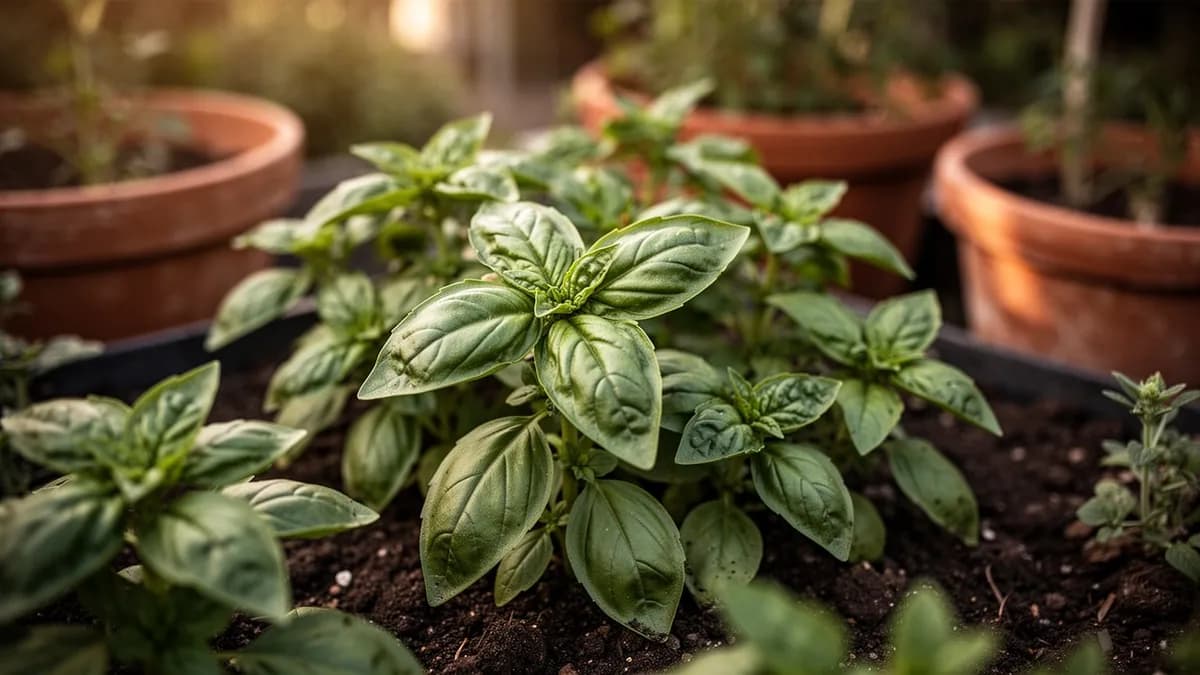
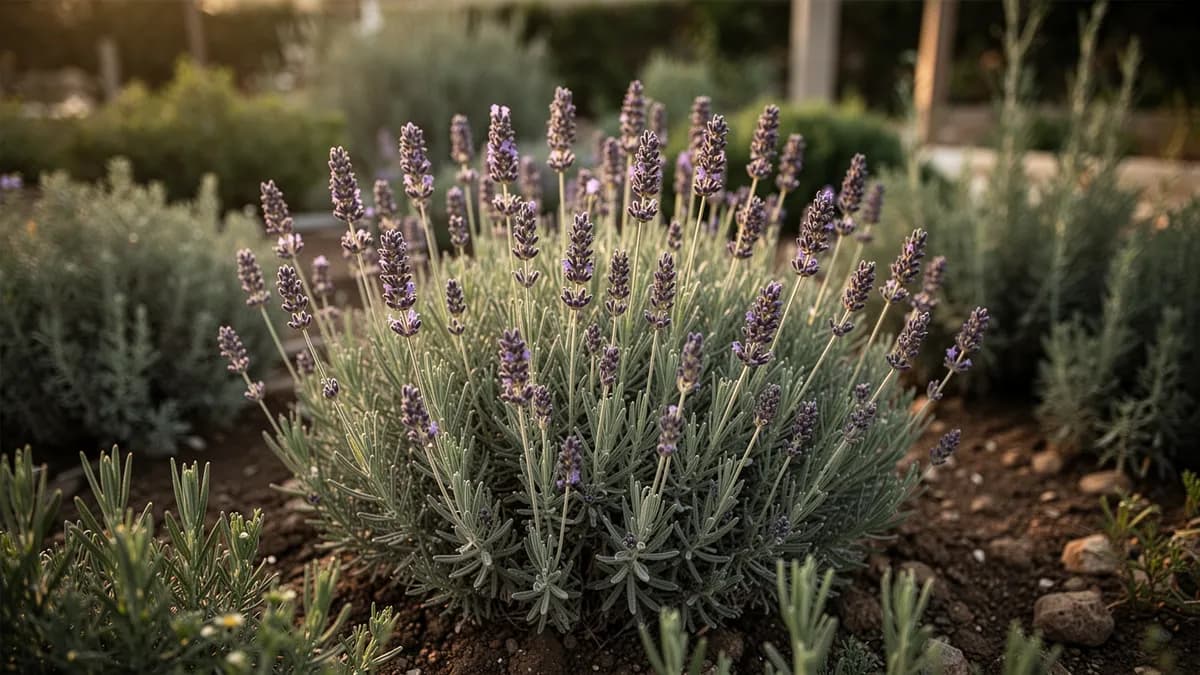
Calamansi's compact size makes it an excellent companion in mixed container gardens. Pair with basil, lemongrass, or pandan in a Southeast Asian herb garden. When grown outdoors, underplant with low-growing oregano, thyme, or sweet alyssum to attract pollinators. Nasturtiums serve as trap crops for aphids. In tropical gardens, calamansi grows well alongside other fruit trees and can serve as a hedge plant when closely spaced.
Basil belongs beside it. Walnut Tree doesn't.
Old growers' knowledge, checked against Calamansi's real companion table below — test any plant you're growing.
Try Calamansi in a bed — right here
A real planner bed with Calamansi already in it. Tap a companion to place it and watch the pairing checks answer — green for good neighbours, red for a clash.


Related growing guides
Feed it well
Calamansi grows well in any well-drained, slightly acidic soil with a pH of 5.5 to 6.5. For container growing, blend equal parts quality potting soil, perlite, and composted bark for excellent drainage and aeration. Apply liquid citrus fertilizer at half strength every two to four weeks during active growth, reducing to monthly in winter. Supplement with chelated iron if leaves yellow between veins. Epsom salt dissolved in water once monthly provides magnesium for deep green foliage. Avoid salt buildup by flushing containers with plain water every few months.
Ideal Temperature
Hardiness Zone Compatibility
From seed to harvest, stage by stage
Seed Germination or Grafting
Calamansi can be propagated from seed, cuttings, air layering, or grafting. Seeds germinate in 2-4 weeks when kept warm and moist at 24-29°C. However, grafted or cutting-grown trees are far preferred for home gardens because they begin fruiting within 1-2 years and reliably reproduce the parent plant's characteristics. Seed-grown trees may take 5 or more years to produce their first fruit.
Establishment and Early Growth
The young calamansi tree produces rapid flushes of new growth, developing its characteristic compact, rounded canopy. Leaves are small, oval, and intensely glossy, with slightly winged petioles similar to other citrus. The root system expands quickly in warm, well-draining soil. New growth emerges with a reddish-bronze tinge before maturing to deep green.
Vegetative Growth and Canopy Development
The calamansi tree fills in its naturally compact, dome-shaped canopy and the trunk begins to thicken. Multiple growth flushes occur each year in warm climates. Calamansi is notably more compact than most citrus, rarely exceeding 3-4 meters in the ground and staying well under 2 meters in containers, making it ideal for small gardens and patios. Some thorns may appear along branches.
Flowering
In warm subtropical climates, calamansi trees flower almost continuously, producing clusters of small, intensely fragrant white blossoms throughout the year with peak flushes in spring and autumn. In cooler climates the flowering is more seasonal. The flowers are self-fertile and highly attractive to bees, making pollination generally reliable outdoors. The fragrance of calamansi blossoms is exceptionally sweet and carries a notable distance.
Fruit Development
Small green fruits develop rapidly after flowering, growing to their mature size of 2-4 cm diameter over 3-4 months. Unlike larger citrus, calamansi carries exceptionally heavy fruit loads relative to its size, with mature trees simultaneously bearing dozens to hundreds of fruits at various stages of development. The fruit is ready to harvest both green (when tartness is maximized) and orange-ripe.
Ripening and Continuous Harvest
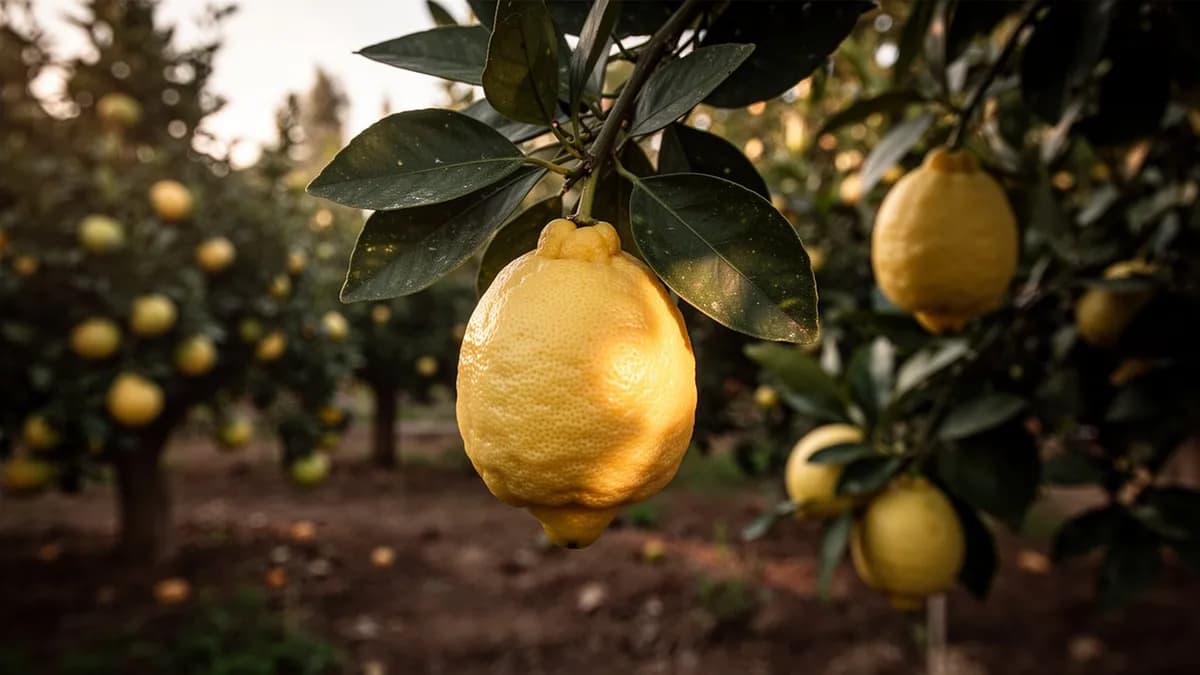
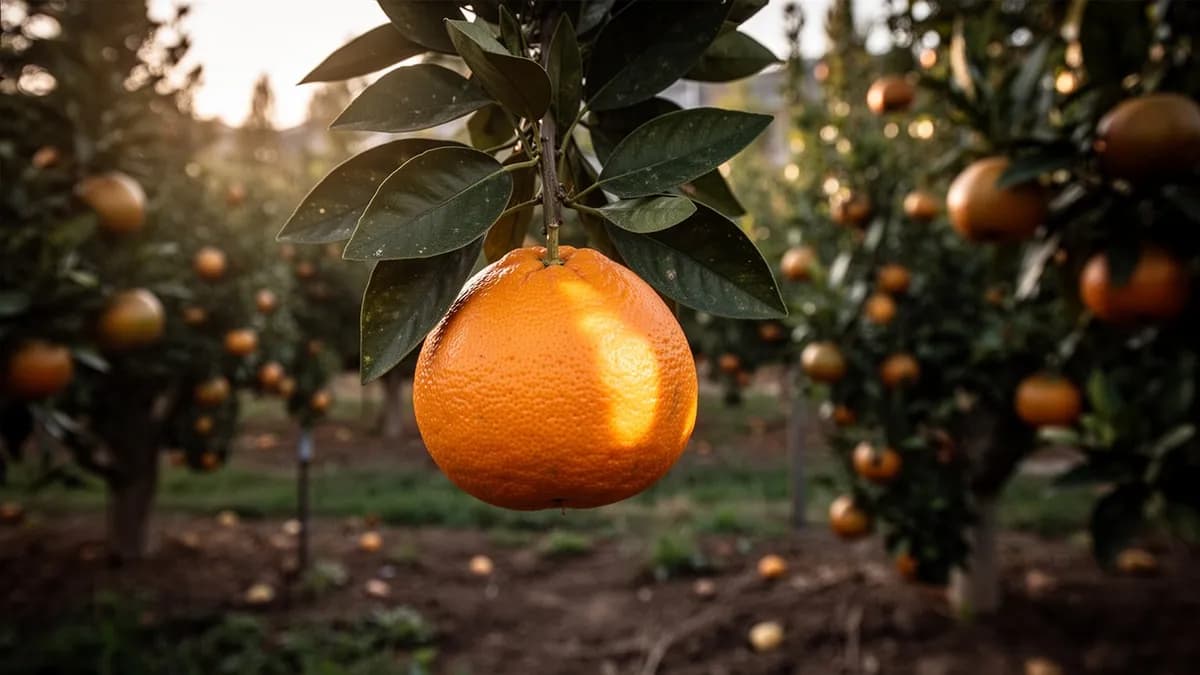
Calamansi fruits ripen from green to a bright orange-yellow color over 3-4 weeks. Unlike most citrus, the ripe orange fruits retain high acidity, making them just as useful as the unripe green ones in cooking. A well-established calamansi tree in a warm climate produces fruit nearly year-round, with a mature tree yielding 100-200 or more fruits per harvest cycle. The thin peel is edible and carries intense fragrance.
For fastest results, purchase a grafted calamansi tree from a reputable nursery. If propagating from cuttings, take semi-hardwood tip cuttings 10-15 cm long, dip in rooting hormone, and insert into moist perlite mix under a humidity dome at 24-27°C.
Caring for Calamansi month by month
What to do each month for your Calamansi
October
You are hereBring container calamansi trees indoors before the first frost warning. Set up supplemental grow lights for indoor trees. Reduce watering frequency gradually as the tree slows its growth. Harvest any remaining ripe fruits and juice and freeze surplus for winter use.
Know exactly what to do in your garden — every month
One email at the start of each month: what to sow, plant, and tackle right now — for your Calamansi and everything growing around it. Plus a short starter course that helps you dodge the classic mistakes.
- What to do, right now
- Matched to your season
- Starter course included
Harvesting Calamansi
Calamansi fruits year-round, with peak production in summer and fall. Harvest when the skin turns light orange, though many Filipino recipes call for using the fruit while still green for a more tart, limey flavor. Clip or twist fruit gently from the tree. Each small fruit yields about a teaspoon of intensely flavored juice. Harvest regularly to encourage continuous fruiting. The tiny fruits bruise easily, so handle gently.
assuming you plant when the window opens — set your real date
Pick Calamansi promptly and the plant keeps producing.
Storage & Preservation
Fresh calamansi keeps one to two weeks refrigerated. The juice freezes beautifully in ice cube trays for year-round use in Filipino and Southeast Asian cooking. Calamansi concentrate can be made by juicing and reducing with sugar. Whole fruits can be preserved in salt for a Filipino condiment. The juice also makes an excellent base for shrubs, drinking vinegars, and cocktail syrups. Calamansi marmalade uses the entire tiny fruit for a intensely flavored spread.
What goes wrong — and the fix
Spider Mites
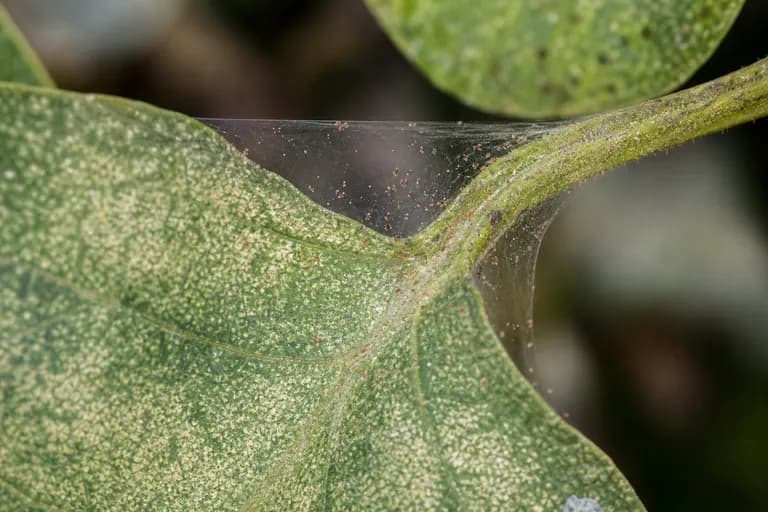
PestFine stippling on leaves, tiny webs on undersides of foliage, and gradual yellowing. Most problematic on indoor trees in dry winter air.
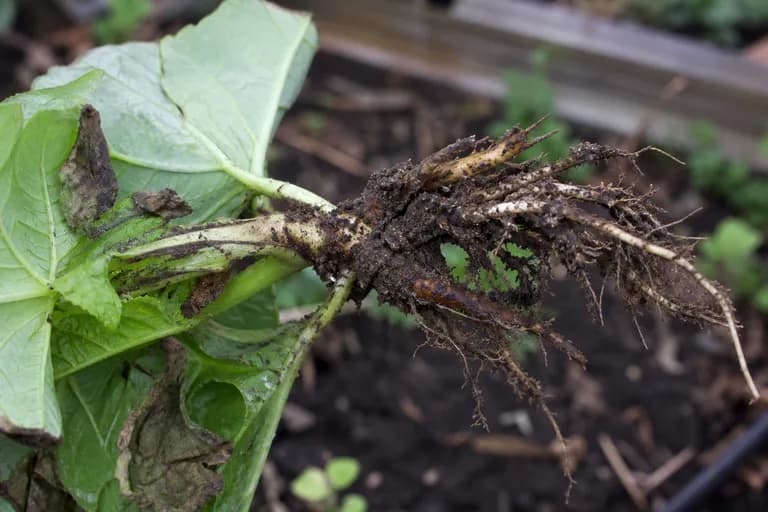
Root Rot
DiseaseYellowing lower leaves, wilting despite moist soil, mushy brown roots, and a sour smell from the soil. Most common in overwatered container trees.
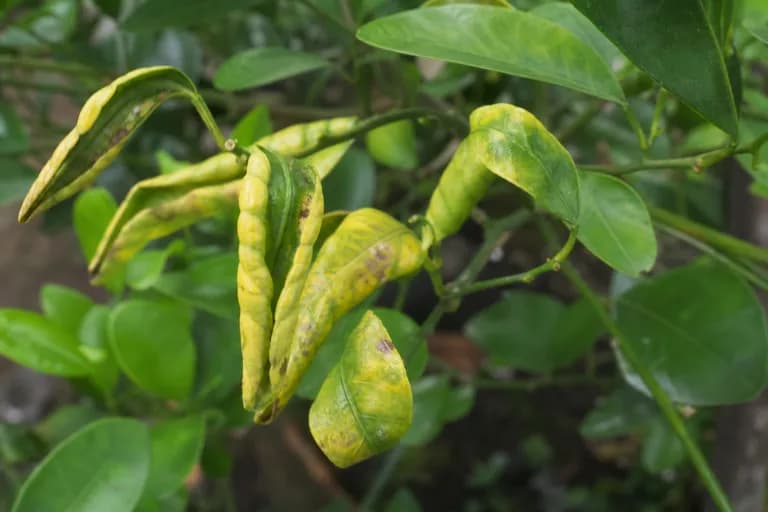
Citrus Leaf Curl
DiseaseLeaves curl downward and inward, often with yellowing edges. Can be caused by overwatering, underwatering, nutrient deficiency, or pest damage.
Troubleshooting Common Problems
The most common problem with indoor calamansi is insufficient light, resulting in leggy growth and poor fruiting. Supplement with grow lights during winter months. Leaf drop occurs from sudden temperature changes, drafts, or inconsistent watering. Overwatering is the leading cause of death for container calamansi. The tree may develop thorns, especially on vigorous shoots, which can be pruned for safety. In very dry indoor air, spider mites can become persistent problems requiring regular attention.
Growing Tips
- Purchase a grafted calamansi tree rather than growing from seed — grafted trees begin fruiting within 1-2 years, while seed-grown trees can take 5 years or more and may produce inferior fruit. Grafted trees from specialty citrus nurseries or Asian plant shops are the best starting point.
- Calamansi is one of the most container-friendly citrus trees available. A 20-30 liter pot with excellent drainage is sufficient for a productive specimen for many years. Use a well-draining citrus-specific potting mix rather than regular garden soil, which compacts and impedes drainage in containers.
- Full sun is non-negotiable for fruiting — provide at least 6-8 hours of direct sunlight daily. Indoors, place the tree in front of a large south- or southwest-facing window and supplement with a full-spectrum LED grow light during the shorter days of autumn and winter.
- Water deeply when the top 3-4 cm of soil feels dry, then allow moderate drying before the next watering. Calamansi is more drought-tolerant than many citrus once established, but consistent moisture stress during flowering and fruit development causes significant fruit drop.
- Fertilize every 4-6 weeks during the active growing season with a fertilizer formulated specifically for citrus, which includes essential micronutrients such as iron, manganese, and zinc that generic fertilizers omit. Yellowing between leaf veins usually signals a micronutrient deficiency correctable with chelated iron or a citrus micronutrient blend.
- Harvest calamansi at either the green or orange stage depending on use — green fruits are sharper and more intensely acidic, ideal for savory cooking and dipping sauces, while orange-ripe fruits have a slightly sweeter, more floral flavor better suited to juices and desserts. Both are equally valid and delicious.
- Calamansi is among the more cold-tolerant small citrus and can briefly handle temperatures near 0°C with frost protection, but consistent temperatures below 5°C cause leaf drop and fruit damage. In USDA zones 8-9, grow in containers that can be moved under cover during cold snaps.
- The fragrant blossoms attract pollinators reliably outdoors, but indoor trees require hand pollination to set fruit. Use a small artist's brush or cotton swab to transfer pollen from flower to flower during each flowering flush, particularly on newly opened blossoms.
- Juice and freeze surplus calamansi harvests in ice cube trays for year-round use. Each cube contains the juice of approximately 3-4 fruits. Frozen calamansi juice is virtually indistinguishable from fresh in cooked applications, marinades, and drinks, preventing any harvest glut from going to waste.
- Calamansi responds well to light pruning after heavy fruiting cycles. Removing about one-third of the previous season's growth encourages a fresh flush of new wood that will bear the next crop. Always sterilize pruning tools with rubbing alcohol before cutting to prevent transmitting citrus diseases.
Grow your best Calamansi yet — and everything around it.
Start a free plan today. Lay out your beds, drop in your Calamansi, and let PlotMyGarden handle the timing, spacing, companions and reminders from seed to harvest basket.
Pick your Calamansi
Philippine Calamansi
The standard variety grown throughout the Philippines with small, round fruits and bright orange flesh. Extremely productive and nearly everbearing in warm climates.
Variegated Calamansi
An ornamental variety with green and white striped leaves and fruit that matures with faint striping. Same flavor as standard but slower growing and more decorative.
Giant Calamansi
A larger-fruited selection producing fruits about twice the size of standard calamansi. Slightly less acid with more juice per fruit. Popular for home gardens.
A mature calamansi tree costing $20-40 from a nursery can produce 150-300 or more fruits per year, replacing $50-120 worth of fresh citrus juice annually given that calamansi retails for $3-6 per dozen at specialty Asian grocery stores. The tree produces for 20-30 years with basic care, representing lifetime savings of $1,000-3,000. Beyond direct fruit savings, calamansi juice replaces purchased lemon juice, lime juice, and specialty citrus concentrates in cooking, cocktails, and marinades.
Quick recipes

Calamansi Juice (Kalamansi Juice)
10 minutesThe most iconic Filipino drink — a refreshing, slightly tart citrus beverage made by squeezing fresh calamansi over ice water with a touch of sugar or honey. The flavor is brighter, more aromatic, and more complex than ordinary lemonade, with floral overtones from the kumquat heritage of the fruit. Served at practically every Filipino meal and celebration.
6 ingredients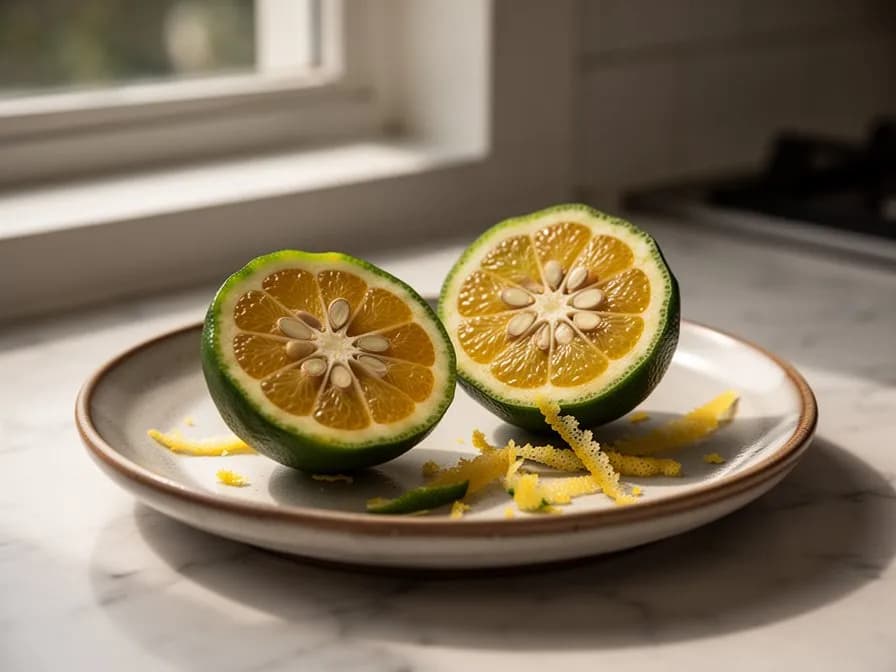
Calamansi Dipping Sauce (Sawsawan)
5 minutesA simple but essential Filipino condiment served alongside grilled meats, fried fish, dumplings, and spring rolls. The combination of fresh calamansi juice with soy sauce creates a bright, savory, umami-rich dip that is greater than the sum of its parts. This sauce is the most common table condiment in Filipino households and restaurants.
6 ingredients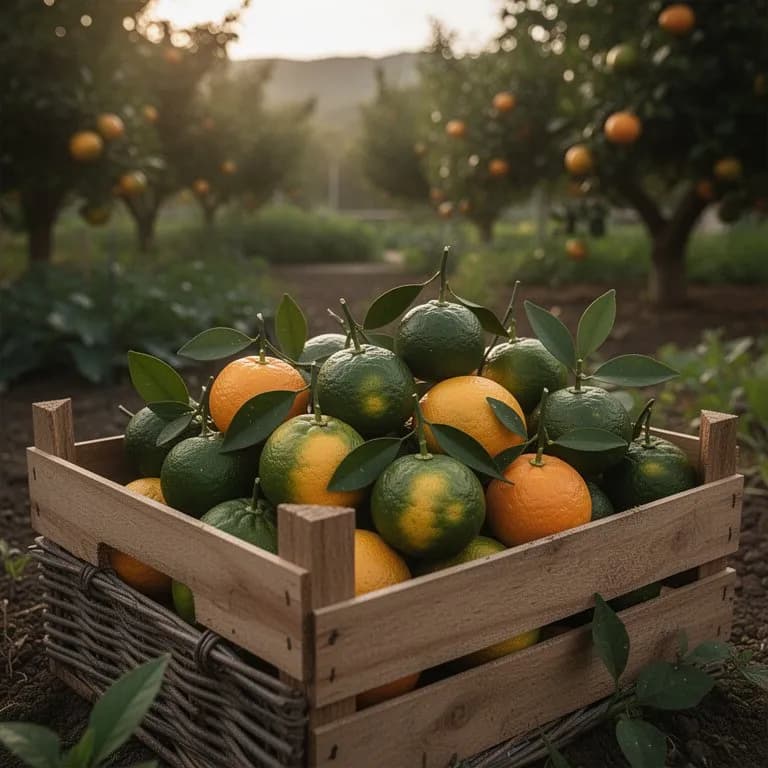
Calamansi Marinade for Chicken or Pork
10 minutes (plus 2-4 hours marinating)A bright, citrus-forward marinade inspired by Filipino adobo and inihaw traditions, using fresh calamansi juice as the primary acid to tenderize and flavor the meat. The citric acid of the calamansi breaks down muscle fibers for exceptional tenderness while the aromatic peel oils infuse deeply into the meat. Perfect for grilling or pan-frying.
8 ingredientsCulinary Uses
Calamansi is indispensable in Filipino cuisine, where the juice is squeezed over pancit noodles, sinigang soup, grilled fish, and virtually any savory dish. Mix with soy sauce for a classic dipping condiment. The juice makes outstanding calamansi lemonade and is the base for calamansi pie, the Filipino counterpart to key lime pie. Use in marinades for chicken inasal and pork adobo. The juice also adds brightness to cocktails and mocktails.
What's inside
Health Benefits
- Exceptional source of vitamin C with a concentration comparable to or exceeding standard lemon and lime, supporting immune system strength, collagen synthesis, wound healing, and the body's ability to absorb non-heme iron from plant-based meals
- The high citric acid content of calamansi juice may help prevent the formation of calcium oxalate kidney stones by binding calcium in the urine and increasing urinary citrate, a natural inhibitor of crystallization
- Rich in flavonoid antioxidants including hesperidin and naringenin, which have been shown in clinical studies to reduce markers of systemic inflammation, improve endothelial function, and support long-term cardiovascular health
- Calamansi peel is especially concentrated in limonene, a monoterpene with demonstrated antimicrobial activity against common pathogens and promising preliminary evidence of cancer-preventive properties in animal and cell studies
- Traditionally used in Filipino folk medicine as a throat soother and expectorant when mixed with warm water and honey — the combination of vitamin C, citric acid, and aromatic volatile oils provides genuine antimicrobial and anti-inflammatory benefit
- The low glycemic impact of calamansi juice, when used as a flavoring rather than a sugared beverage, means it adds bright acidity and flavor complexity to meals without meaningfully elevating blood sugar, supporting metabolic health and weight management goals
Where Calamansi comes from
Calamansi (Citrus × microcarpa), also widely known as calamondin, is a small evergreen citrus tree native to the Philippines and surrounding regions of Southeast Asia, where it has been cultivated for centuries as both a culinary staple and a medicinal plant. Botanical evidence and genetic studies indicate that calamansi is a natural hybrid between the kumquat (Citrus japonica) and the mandarin orange (Citrus reticulata), a cross that likely arose somewhere in the Philippines or the broader island Southeast Asian region. The fruit has been central to Filipino cuisine and culture for so long that it was designated the national fruit of the Philippines, appearing in nearly every traditional dish as the primary souring agent and condiment. Arab and Chinese traders spread citrus cultivation throughout maritime Southeast Asia during the medieval period, and calamansi appears in historical records of Philippine commerce dating back to the Spanish colonial period beginning in the 16th century. Spanish missionaries and colonizers in the Philippines documented the widespread use of calamansi juice in local cooking, medicine, and household cleaning, noting that the fruit grew abundantly in home gardens across the archipelago. The tree was introduced to the United States and Europe primarily as an ornamental houseplant during the early 20th century, where it was marketed under the name calamondin and prized for its attractive miniature fruits and tolerance of indoor conditions. In Southeast Asia, particularly the Philippines, Indonesia, Malaysia, and Vietnam, calamansi remains an essential pantry ingredient, with commercial production concentrated in the Philippines, which exports calamansi juice concentrate to Filipino diaspora communities worldwide. The tree has also gained popularity in Florida and California as a home garden citrus, valued for its cold hardiness relative to lime and its prolific fruit production in containers. In recent decades, rising global interest in Asian cuisine has dramatically expanded awareness of calamansi in Western markets, where the juice is now used by chefs as a more complex and aromatic alternative to lemon or lime in cocktails, dressings, marinades, and desserts.
Calamansi: did you know?
Fascinating facts about Calamansi
Calamansi is the national fruit of the Philippines, where it is used as ubiquitously as lemon is in Western cooking — squeezed over noodles, grilled meats, seafood, and used as a dipping sauce ingredient in virtually every meal.
Calamansi questions, answered
When should I plant Calamansi?
What are good companion plants for Calamansi?
What hardiness zones can Calamansi grow in?
How much sun does Calamansi need?
How far apart should I space Calamansi?
What pests and diseases affect Calamansi?
How do I store Calamansi after harvest?
What are the best Calamansi varieties to grow?
What soil does Calamansi need?
What is the difference between calamansi and calamondin?
Can calamansi survive cold winters?
Why is my calamansi tree flowering but not setting fruit?
When should I harvest calamansi — green or orange?
How is calamansi used in Filipino cooking?
How do I deal with pests on my calamansi tree?
You just read the theory. Now grow it on autopilot.
Everything that makes Calamansi fiddly — the timing, the spacing, the companions, the harvest window — is exactly what PlotMyGarden handles for you, for every plant in your garden.
A plan that knows your weather
Set your location once. Get sow, feed and harvest dates built around your real last-frost date and live forecast — no more guessing from a generic seed packet.
From the “When to plant” sectionDrag-and-drop bed planner
Design beds on a grid. Every plant snaps to its proper spacing, and you can see your whole season laid out before you spend a cent on seed.
From the “Growing guide” sectionCompanion conflicts, caught early
200+ good-and-bad pairings checked live as you plant — so a season-wrecking mistake never makes it into the ground.
From the “Companions” sectionReminders you'll actually act on
“Water the beans.” “Pick today before it turns.” Timely, specific, and tied to the plants you're really growing.
From the “Harvest” sectionSuccession, scheduled
Want a harvest for six weeks, not six days? It spaces your sowings automatically and reminds you when each new block is due.
From the “When to plant” sectionA record that gets smarter
Every harvest you log teaches it your garden. Next year's plan starts from what actually worked in your soil, not a textbook's.
From the “Overview” sectionPlant these alongside Calamansi
More Citrus
Keep Calamansi away from these
Grow your best Calamansi yet — and everything around it.
Start a free plan today. Lay out your beds, drop in your Calamansi, and let PlotMyGarden handle the timing, spacing, companions and reminders from seed to harvest basket.