Walking Stick Cabbage
An extraordinary heirloom cabbage from the Channel Islands that grows on woody stalks up to ten feet tall.





On this pageOverview
Meet Walking Stick Cabbage
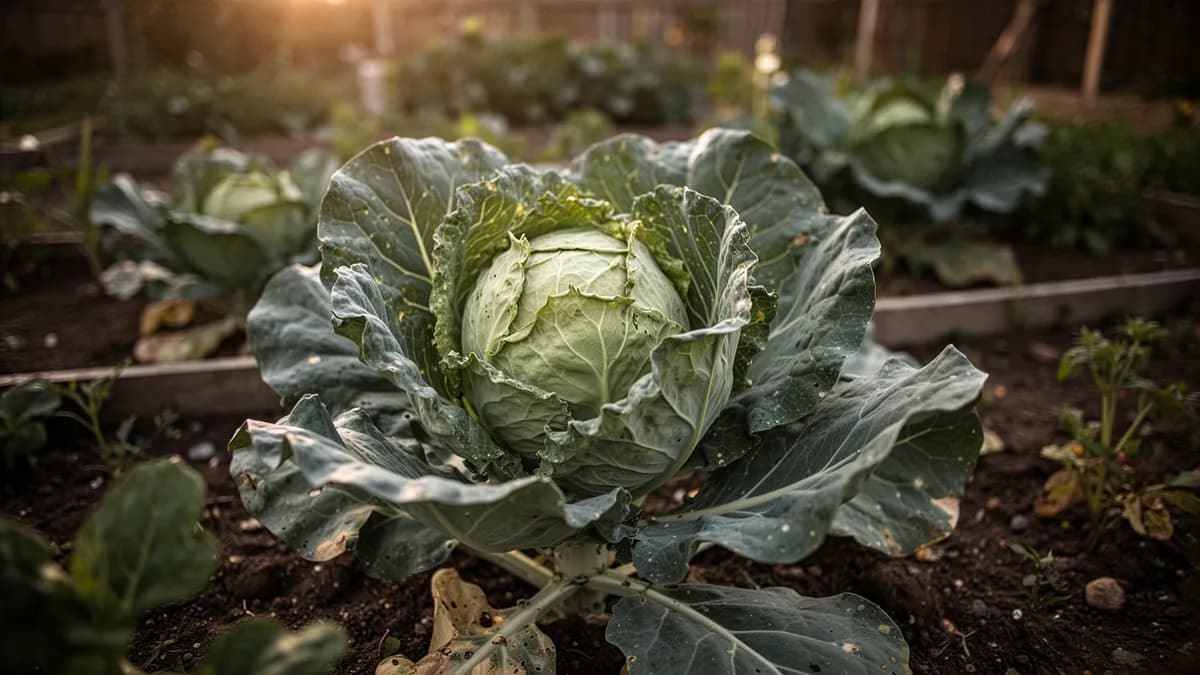
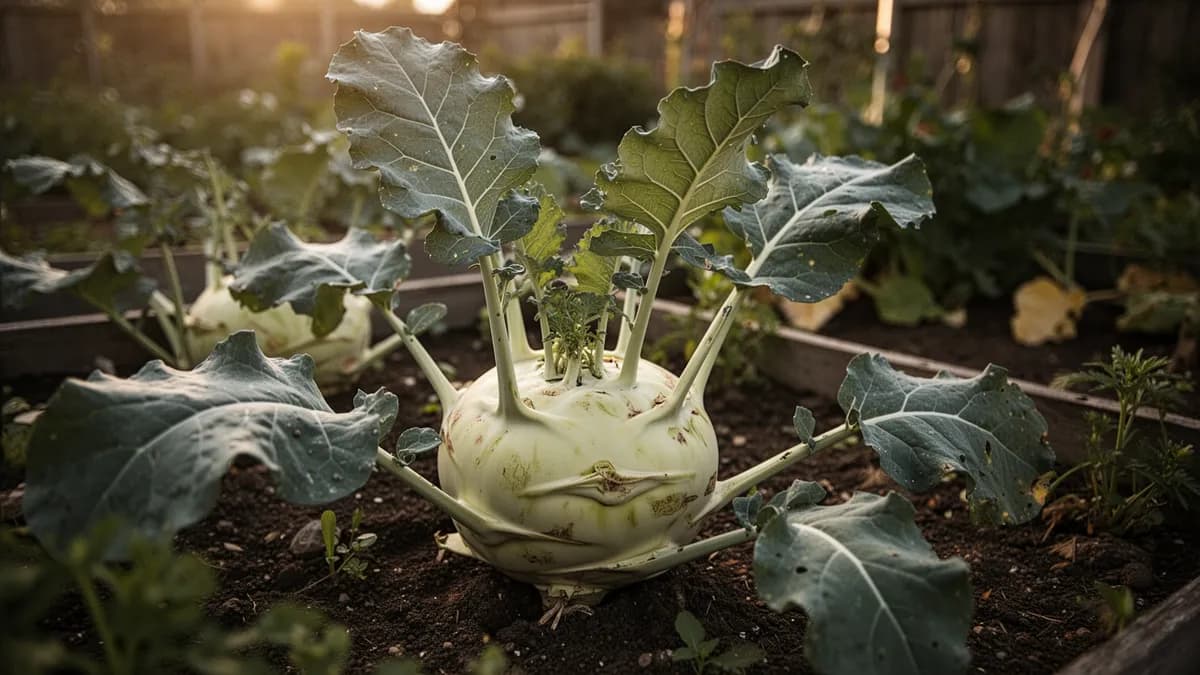
An extraordinary heirloom cabbage from the Channel Islands that grows on woody stalks up to ten feet tall. The thick stems are traditionally dried and lacquered to make walking sticks, while the leafy top is edible like regular cabbage. Plant in deep, rich soil with heavy nitrogen fertilization and stake plants as they grow taller. A dramatic conversation piece for the ornamental vegetable garden.
When to plant Walking Stick Cabbage
Sow seeds indoors in early spring, 6 to 8 weeks before the last frost. Plant one-quarter inch deep in moist seed-starting mix at 60 to 65 degrees Fahrenheit. Germination takes 7 to 12 days. Grow seedlings in bright light and transplant to individual pots when they have 2 true leaves. Harden off for 2 weeks before planting outdoors. Space transplants 24 to 36 inches apart in the sunniest, most sheltered spot available.
Your Walking Stick Cabbage Year
Composed for Zone 7 · typical seasons · frost passes Apr 2, returns Nov 1
Plant Walking Stick Cabbage Mar – May, pick Sep – Nov. Check the planting methods below and set your climate to personalize these windows.
How to grow Walking Stick Cabbage
Walking stick cabbage is a biennial brassica that grows best over two seasons to achieve its signature tall, woody stem. Start seeds indoors in early spring, sowing one-quarter inch deep in seed-starting mix. Transplant outdoors after the last frost into deeply worked, fertile soil in a sheltered location protected from strong winds.
Space plants 24 to 36 inches apart and provide a sturdy stake for support during the first season as the stem elongates. Feed heavily with nitrogen-rich fertilizer throughout the growing season, as vigorous growth is essential for producing tall, straight stems. Water consistently to maintain even moisture.
In mild climates of zones 7 to 10, plants will overwinter and continue growing in the second season. Protect the crown with mulch in borderline zones. The large rosette of edible leaves at the top can be harvested progressively from the bottom. For walking stick production, allow the stem to reach full height, then cut, strip leaves, and dry upside down for several months before varnishing.
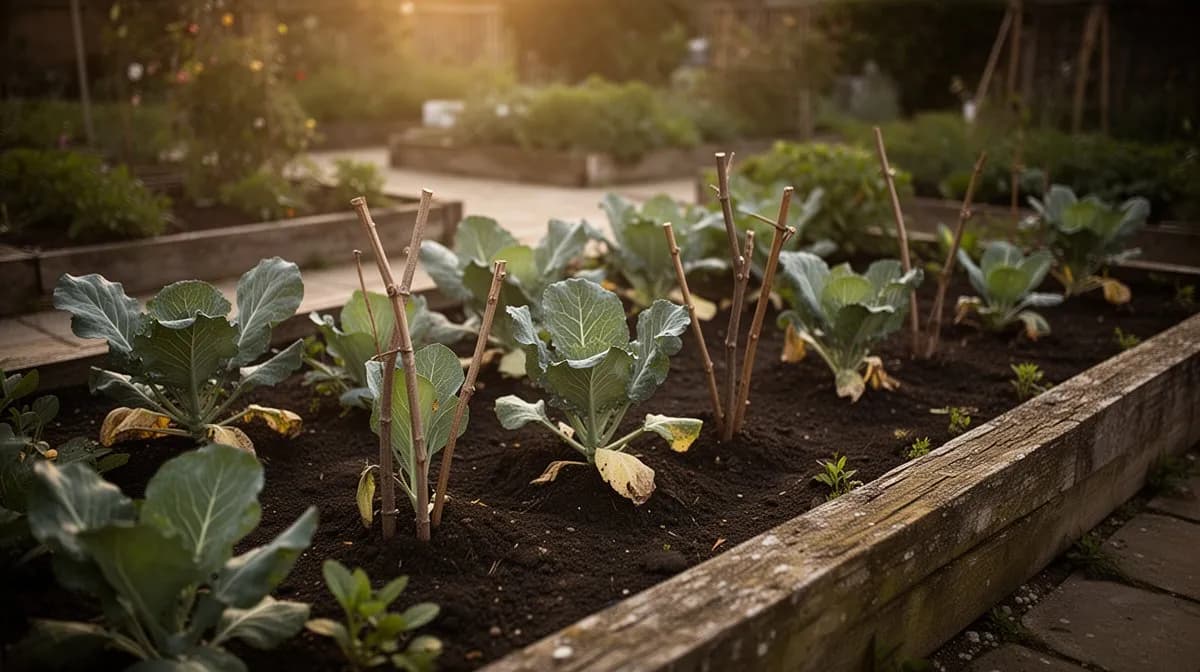
8 plants fit a 4 × 8 ft bed
Each Walking Stick Cabbage wants 60 cm of elbow room. The planner keeps that spacing for you — every plant, every bed.
Walking Stick Cabbage's best neighbours
Plant walking stick cabbage in a sheltered position near a wall or hedge for wind protection. Aromatic herbs like sage, thyme, and rosemary planted nearby help deter cabbage pests. Nasturtiums serve as trap crops for aphids. Avoid planting near other tall crops that compete for light, as this variety needs maximum sun exposure to grow tall.
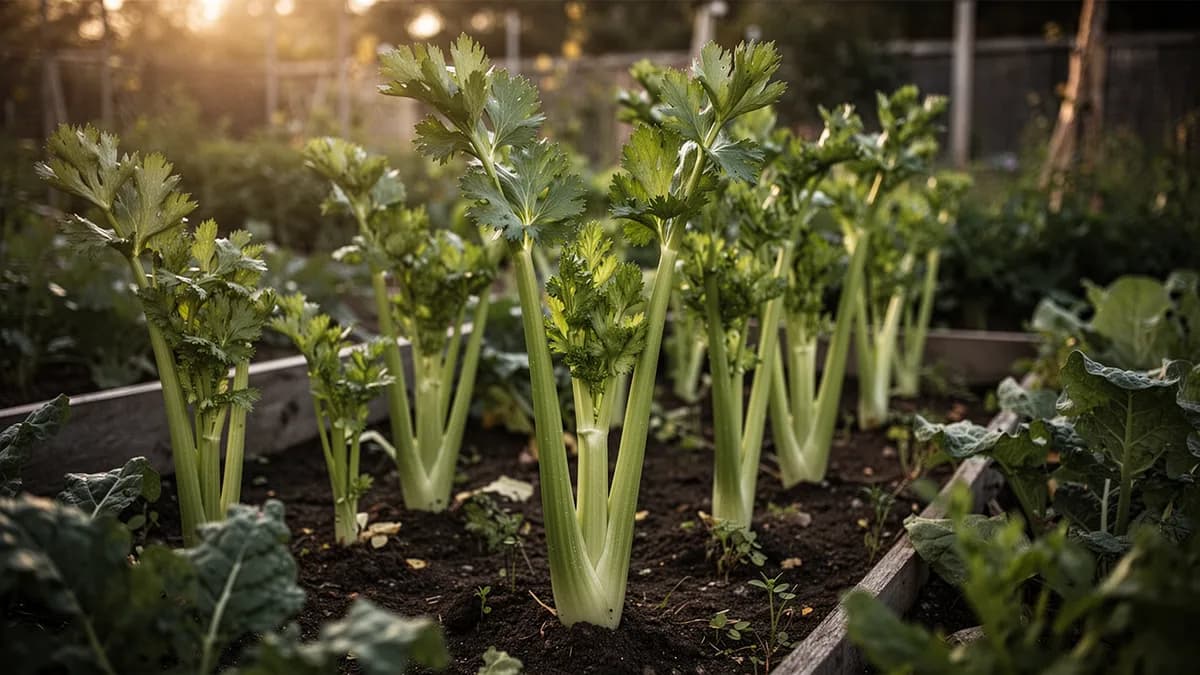
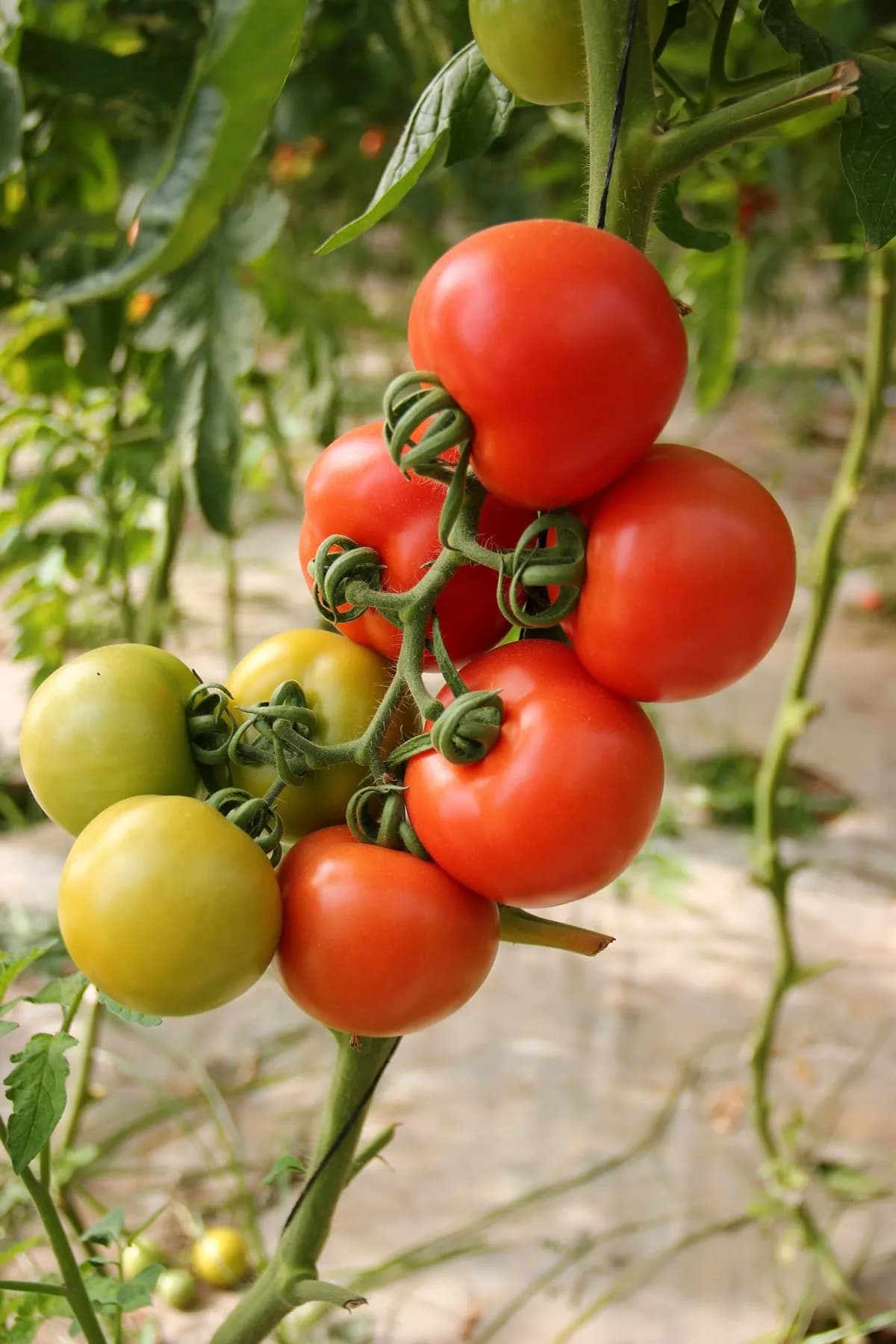
Celery belongs beside it. Tomato doesn't.
Old growers' knowledge, checked against Walking Stick Cabbage's real companion table below — test any plant you're growing.
Try Walking Stick Cabbage in a bed — right here
A real planner bed with Walking Stick Cabbage already in it. Tap a companion to place it and watch the pairing checks answer — green for good neighbours, red for a clash.


Related growing guides
Feed it well
Walking stick cabbage demands very rich, deeply worked soil with a pH between 6.5 and 7.5. Incorporate generous amounts of well-rotted manure and compost before planting. Apply high-nitrogen fertilizer every 3 to 4 weeks during the growing season to promote rapid growth needed for tall straight stems. Potassium-rich supplements help strengthen the stem. Mulch heavily to retain moisture.
Ideal Temperature
Hardiness Zone Compatibility
From seed to harvest, stage by stage
Seed Starting
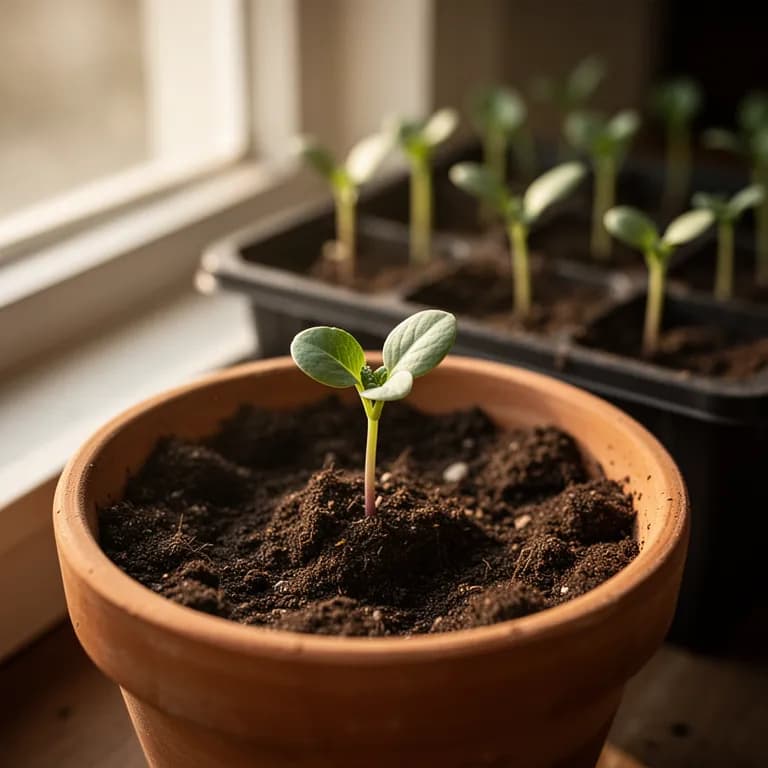
Seeds germinate in cool to moderate soil, producing broad cotyledon leaves that look identical to common cabbage. Germination takes 7-14 days at soil temperatures of 10-20°C (50-68°F). Seedlings are best started indoors or in a cold frame 6-8 weeks before the last frost.
Transplant and Establishment
Seedlings are transplanted outdoors once they have 4-6 true leaves. The plant establishes a strong root system and begins developing the characteristic thick central stem. Growth is steady but not yet dramatic during this phase.
Rapid Vertical Growth
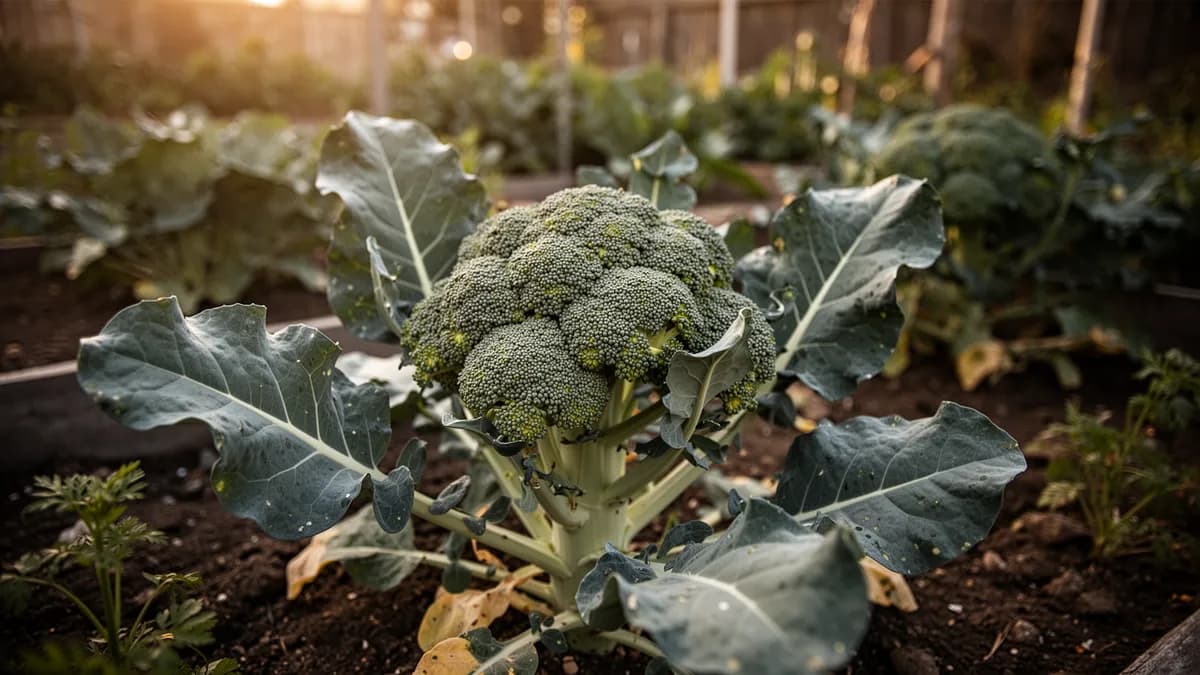
The main stem elongates rapidly, adding 2-5 cm of height per week in ideal conditions. Lower leaves gradually drop as the plant grows taller, leaving a bare woody trunk topped by a rosette of large blue-green leaves. The stem thickens and develops a hard outer bark.
Mature Growth
Plants reach their full height of 180-300 cm (6-10 feet), with some exceptional specimens exceeding 350 cm. The stem is hard and woody with a pithy interior. The leaf rosette at the top continues to produce fresh leaves that can be harvested for eating.
Overwintering
As a biennial, walking stick cabbage overwinters with its tall stem intact. In mild climates (zones 8-10) the plant survives winter outdoors. The leaf rosette may thin during cold months but the stem remains standing. Growth resumes in spring.
Flowering and Seed Set
In the second spring the plant bolts, sending a tall flower spike from the central growing point. Clusters of small yellow four-petaled flowers typical of the brassica family attract pollinators. Seed pods develop over summer and dry on the plant for collection.
Sow seeds 1 cm deep in modules filled with rich seed compost. Keep moist but not waterlogged. Walking stick cabbage germinates readily in cool conditions and does not require heat mats like many brassicas.
Caring for Walking Stick Cabbage month by month
What to do each month for your Walking Stick Cabbage
October
You are hereIn mild climates the plant continues to stand and produce leaves. In colder zones, decide whether to overwinter the plant (for second-year flowering and seed) or harvest the stem now for cane-making. Apply thick mulch around the base for winter protection.
Know exactly what to do in your garden — every month
One email at the start of each month: what to sow, plant, and tackle right now — for your Walking Stick Cabbage and everything growing around it. Plus a short starter course that helps you dodge the classic mistakes.
- What to do, right now
- Matched to your season
- Starter course included
Harvesting Walking Stick Cabbage
For edible greens, harvest outer leaves progressively from the bottom of the rosette throughout the growing season, similar to harvesting kale. Leave the top cluster intact to continue growing. For walking sticks, allow the plant to complete its second growing season, then cut the entire stem at ground level in late autumn. Strip all leaves, dry the stem upside down in a shed for 3 to 6 months, then sand smooth and varnish.
assuming you plant when the window opens — set your real date
Pick Walking Stick Cabbage promptly and the plant keeps producing.
Storage & Preservation
Fresh leaves store for up to 1 week in the refrigerator in a damp towel. Cook leaves like kale or collard greens by sauteing, steaming, or adding to soups. Dried walking stick stems last indefinitely once properly cured and varnished. For seed saving, allow flowers to develop in the second year, then dry seed pods on the plant before collecting.
What goes wrong — and the fix
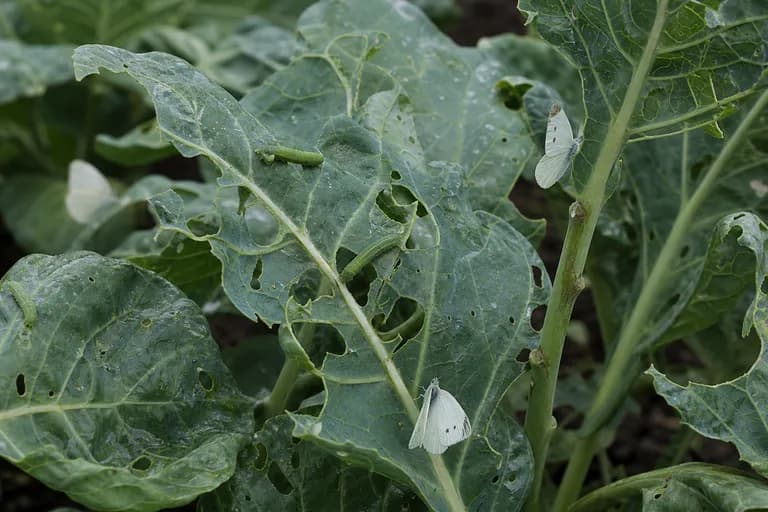
Cabbage White Butterfly
PestGreen caterpillars feeding on leaves, large ragged holes, and visible white butterflies around plants.
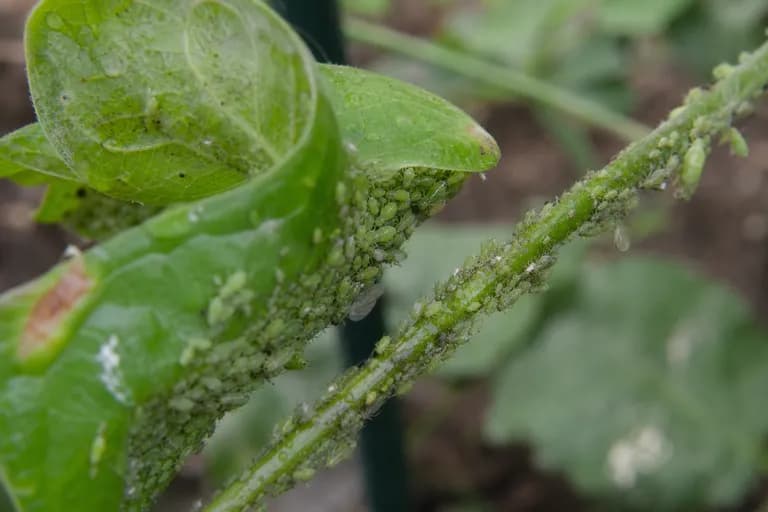
Aphids
PestClusters of gray-green insects on leaves and growing tips, curling foliage, and sticky honeydew.
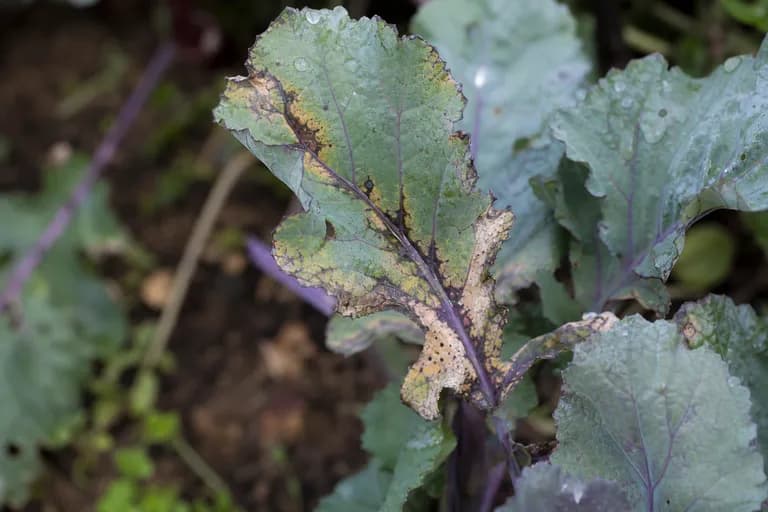
Black Rot
DiseaseV-shaped yellow lesions on leaf margins that progress inward, blackened leaf veins, and wilting.
Troubleshooting Common Problems
Wind damage is the primary challenge, as tall stems can snap or lean without adequate staking and shelter. Insufficient nitrogen results in short, thin stems unsuitable for walking sticks. Plants may bolt prematurely in the first year if exposed to cold stress. Second-year growth requires mild winters, limiting success in zones below 7 without protection.
Growing Tips
- Choose the most sheltered, fertile spot in your garden. Walking stick cabbage needs rich, moisture-retentive soil and protection from strong winds that could snap the tall stems. A south-facing wall or fence makes an ideal backdrop and windbreak.
- Feed heavily and consistently throughout the growing season. This plant is a gross feeder that converts abundant nitrogen into rapid vertical growth — skimp on fertilizer and you will get a short, disappointing specimen instead of a towering conversation piece.
- Staking is essential and must be upgraded as the plant grows. Start with a 120 cm bamboo cane at transplanting, then upgrade to a 240 cm stake or strong post by midsummer. Tie loosely with soft twine every 30-40 cm along the stem.
- Harvest leaves regularly from the lower rosette to use in the kitchen — treat them exactly as you would collard greens or kale. Regular leaf removal encourages the plant to produce fresh leaves at the top and promotes the bare-stemmed palm-tree silhouette.
- Water deeply and consistently. Walking stick cabbage is not drought-tolerant and growth stalls quickly when the soil dries out. Aim for at least 3 cm of water per week during the active growing season, and mulch thickly to retain soil moisture.
- If your goal is maximum height for cane-making, grow the plant as a biennial in a mild climate. First-year stems reach their full height and lignify through winter, then can be harvested in early spring of the second year before flowering for the strongest, hardest canes.
- To make a walking stick, cut the mature stem at ground level in autumn or early spring, strip all leaves and side shoots, and hang upside down in a dry, well-ventilated shed for 3-6 months. Once fully dry, sand smooth and apply several coats of polyurethane or marine varnish.
- Save your own seed to ensure a continued supply of this uncommon variety. Allow one or two plants to flower and set seed in their second year. Isolate from other Brassica oleracea varieties by at least 500 meters to prevent cross-pollination, or bag individual flower clusters.
Grow your best Walking Stick Cabbage yet — and everything around it.
Start a free plan today. Lay out your beds, drop in your Walking Stick Cabbage, and let PlotMyGarden handle the timing, spacing, companions and reminders from seed to harvest basket.
Pick your Walking Stick Cabbage
Jersey Walking Stick
The traditional variety from the Channel Islands, growing 6 to 10 feet tall with thick woody stems.
Thousand Head Kale
A related tall brassica producing abundant side shoots of edible greens on a tall stem.
Marrow Stem Kale
A tall kale variety with thick pithy stems and abundant tender leaves, grown for livestock and humans.
Walking stick cabbage seeds cost $3-5 per packet but are otherwise difficult to find commercially as a fresh vegetable, making home-growing the only reliable source. Each plant produces 3-5 kg of nutritious greens comparable to collards or kale (valued at $3-5 per bunch retail), providing $30-60 worth of greens per plant over a season. The dried walking stick stems have novelty and craft value — finished canes sell for $15-40 each at craft fairs and tourist shops. Growing 4-6 plants provides a full season of cooking greens plus several unique handmade walking sticks, combining practical savings with a one-of-a-kind garden conversation piece.
Quick recipes
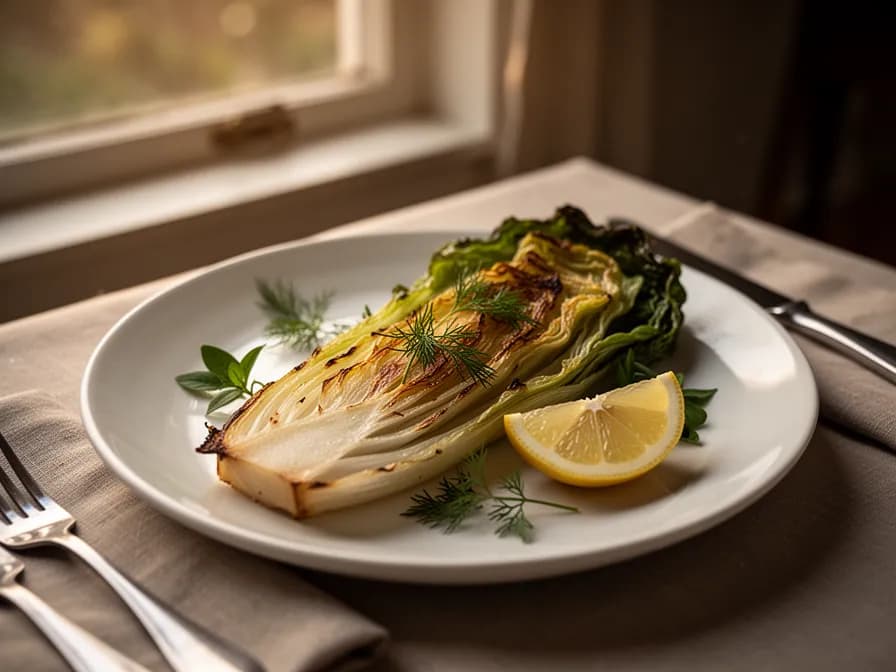
Channel Island Cabbage Leaf Stir-Fry
15 minThe classic preparation from Jersey and Guernsey where walking stick cabbage has been grown for centuries. Young leaves are quickly stir-fried with butter and garlic until just wilted, producing a side dish with the rich flavor of collard greens and the tenderness of spring cabbage.
6 ingredientsWalking Stick Cabbage and Potato Soup
35 minA hearty, warming soup that showcases the robust flavor of the large leaves. Similar to Portuguese caldo verde, this simple soup lets the earthy brassica flavor shine against a creamy potato base with a kick of black pepper.
7 ingredientsBraised Walking Stick Cabbage with Chorizo
30 minMature leaves stand up beautifully to slow braising, absorbing smoky chorizo flavors while maintaining their body. This one-pan dish transforms the sturdy leaves into a rich and satisfying meal served over crusty bread.
8 ingredientsCulinary Uses
The leaves of walking stick cabbage are prepared exactly like kale or collard greens. Saute with garlic and olive oil, add to soups and stews, or massage raw into salads. Young tender leaves from the top rosette have the mildest flavor. The thick stem is not edible but historically served as a walking aid and garden ornament.
What's inside
Health Benefits
- Exceptionally high in vitamin C at over 100% of the daily value per 100g serving, supporting immune defense, collagen formation, and iron absorption — making it one of the most vitamin-C-dense brassicas available.
- Outstanding source of vitamin A as beta-carotene, providing antioxidant protection for eye health and supporting healthy skin, mucous membranes, and immune cell development.
- Rich in glucosinolates — the sulfur-containing compounds shared by all brassicas that are broken down into isothiocyanates during chewing and digestion, compounds extensively studied for their potential to support cellular detoxification processes.
- High calcium content compared to other leafy greens, with approximately 150mg per 100g of fresh leaves, contributing to bone density and muscle function — particularly valuable for those avoiding dairy products.
- Contains significant dietary fiber that supports digestive regularity, feeds beneficial gut bacteria, and may help moderate cholesterol absorption in the intestine.
- Provides meaningful amounts of iron, folate, and manganese, supporting red blood cell production, DNA synthesis, and enzyme function — nutrients especially important during pregnancy and for those on plant-based diets.
Where Walking Stick Cabbage comes from
Walking stick cabbage (Brassica oleracea var. longata) is a remarkable tall-stemmed variety of the wild cabbage that has been cultivated for centuries on the Channel Islands — Jersey, Guernsey, Sark, and Alderney — located in the English Channel between England and France. The mild, maritime climate of these islands, with cool summers, mild winters, and abundant rainfall, provides the ideal conditions for this plant to reach its extraordinary height of 2-4 meters in a single growing season.
The origins of the variety are uncertain, but it is believed to descend from wild cabbage (Brassica oleracea var. oleracea) that grows on the coastal cliffs of the Channel Islands and the Atlantic coasts of Western Europe. Over centuries of selective cultivation, Channel Island farmers chose the tallest and strongest-stemmed plants for seed saving, gradually developing the towering variety known today. The dual-purpose nature of the plant — edible leaves for humans and livestock, plus strong dried stems for walking sticks and garden stakes — made it uniquely valuable in the island's subsistence economy.
The plant gained wider fame in the Victorian era when tourists visiting the Channel Islands discovered the novelty of walking canes made from cabbage stems. Local craftspeople would harvest mature stems, dry and cure them for several months, then varnish and fit them with handles to create lightweight but sturdy walking sticks. These became popular souvenirs, and a small cottage industry developed around their production. Seed was exported to gardeners in England, France, and eventually North America, where the plant was grown as both a curiosity and a productive leaf vegetable. Today, walking stick cabbage remains a niche heritage variety, cherished by heirloom seed savers and adventurous gardeners who appreciate its dramatic vertical presence, productive edible leaves, and the unique novelty of growing a vegetable tall enough to lean on.
Walking Stick Cabbage: did you know?
Fascinating facts about Walking Stick Cabbage
Walking stick cabbage (Brassica oleracea var. longata) has been cultivated on the Channel Islands of Jersey and Guernsey for centuries, where dried stems were harvested, varnished, and sold to Victorian-era tourists as souvenir walking sticks — a trade that persisted well into the 20th century.
Walking Stick Cabbage questions, answered
When should I plant Walking Stick Cabbage?
What are good companion plants for Walking Stick Cabbage?
What hardiness zones can Walking Stick Cabbage grow in?
How much sun does Walking Stick Cabbage need?
How far apart should I space Walking Stick Cabbage?
What pests and diseases affect Walking Stick Cabbage?
How do I store Walking Stick Cabbage after harvest?
What are the best Walking Stick Cabbage varieties to grow?
What soil does Walking Stick Cabbage need?
How tall will walking stick cabbage actually grow in my garden?
Can I actually eat walking stick cabbage or is it just ornamental?
How do I make a walking stick from the dried stem?
Does walking stick cabbage survive winter outdoors?
Where can I find walking stick cabbage seeds?
Can I grow walking stick cabbage in a hot climate?
You just read the theory. Now grow it on autopilot.
Everything that makes Walking Stick Cabbage fiddly — the timing, the spacing, the companions, the harvest window — is exactly what PlotMyGarden handles for you, for every plant in your garden.
A plan that knows your weather
Set your location once. Get sow, feed and harvest dates built around your real last-frost date and live forecast — no more guessing from a generic seed packet.
From the “When to plant” sectionDrag-and-drop bed planner
Design beds on a grid. Every plant snaps to its proper spacing, and you can see your whole season laid out before you spend a cent on seed.
From the “Growing guide” sectionCompanion conflicts, caught early
200+ good-and-bad pairings checked live as you plant — so a season-wrecking mistake never makes it into the ground.
From the “Companions” sectionReminders you'll actually act on
“Water the beans.” “Pick today before it turns.” Timely, specific, and tied to the plants you're really growing.
From the “Harvest” sectionSuccession, scheduled
Want a harvest for six weeks, not six days? It spaces your sowings automatically and reminds you when each new block is due.
From the “When to plant” sectionA record that gets smarter
Every harvest you log teaches it your garden. Next year's plan starts from what actually worked in your soil, not a textbook's.
From the “Overview” sectionPlant these alongside Walking Stick Cabbage
More Cruciferous
Keep Walking Stick Cabbage away from these
Grow your best Walking Stick Cabbage yet — and everything around it.
Start a free plan today. Lay out your beds, drop in your Walking Stick Cabbage, and let PlotMyGarden handle the timing, spacing, companions and reminders from seed to harvest basket.