Mini-Wirsing
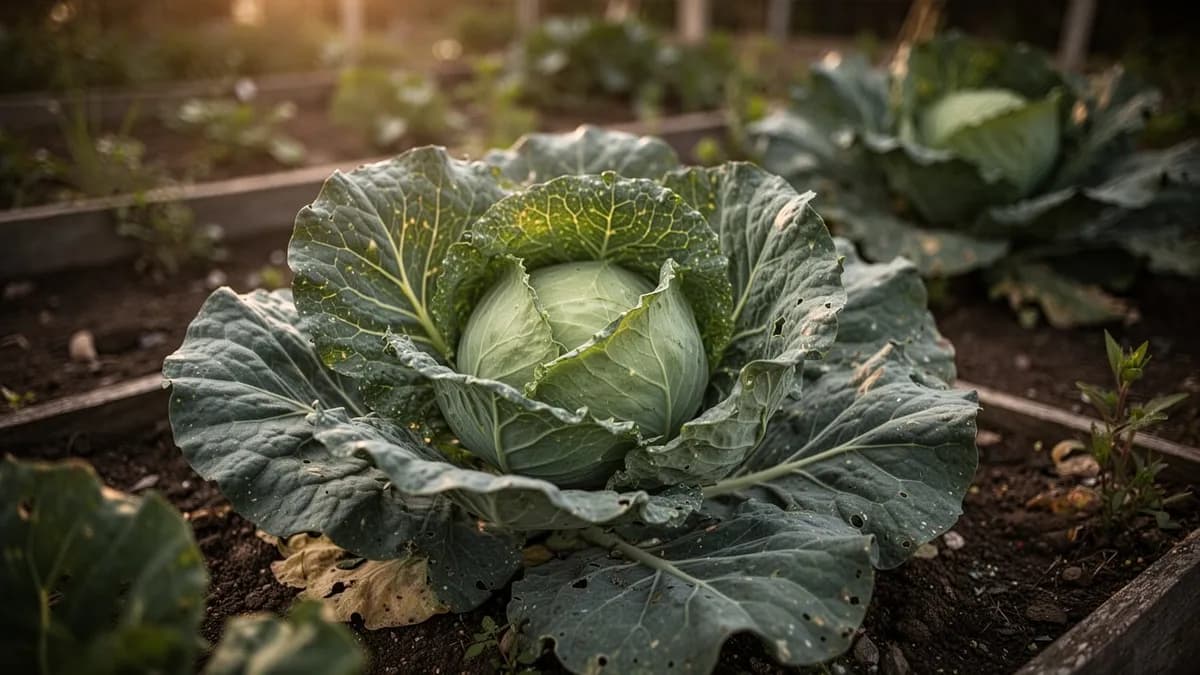
Ein kompakter Wirsing, der softball-große Köpfe mit wunderschön gekreuselten, zarten Blättern auf einem Bruchteil des Platzes produziert.





Auf dieser SeiteÜberblick
Mini-Wirsing im Überblick
Ein kompakter Wirsing, der softball-große Köpfe mit wunderschön gekreuselten, zarten Blättern auf einem Bruchteil des Platzes produziert. Die kleineren Köpfe sind ideal für Zwei-Personen-Haushalte und reduzieren den Abfall im Vergleich zu großen Sorten. Gekreuselte Blätter sind zarter als glatter Kohl und eignen sich hervorragend für Krautsalate und gefüllte Kohlgerichte. Die Pflanzen reifen schneller als normaler Kohl, was Staffelpflanzungen für eine verlängerte Ernte ermöglicht.
Wann Mini-Wirsing pflanzen
Samen 6 bis 8 Wochen vor dem letzten Frühjahrsfrost drinnen aussäen, 1 cm tief in Anzuchtzellen oder Module gefüllt mit Anzuchterde. Samen keimen in fünf bis acht Tagen bei 18 bis 22 Grad Celsius. Für ausreichend Licht sorgen, um etiolierte Sämlinge zu verhindern. Auf einen Sämling pro Zelle vereinzeln und bei kühleren Temperaturen von etwa 15 Grad weiterkultivieren. Über sieben bis zehn Tage abhärten, indem die Außenexposition schrittweise erhöht wird. In den Garten umpflanzen, wenn die Sämlinge vier bis fünf echte Blätter haben. Für Herbstkulturen Samen im Hochsommer aussäen und bis zum Spätsommer umpflanzen.
Dein Mini-Wirsing-Jahr
Abgestimmt auf Zone 7 · typische Saison · Frost geht um den 2. Apr. und kehrt um den 1. Nov. zurück
Mini-Wirsing Mär – Apr, Aug – Sep pflanzen, Jun – Jul, Okt – Nov ernten. Beachte die Pflanzmethoden unten und wähle dein Klima für passende Zeiträume.
So baust du Mini-Wirsing an
Mini-Wirsing ist ideal für kleine Gärten und Kübel und bildet dichte, gekreuselte Köpfe in nur 65 Tagen. Samen 6 bis 8 Wochen vor dem letzten Frostdatum drinnen aussäen, 1 cm tief in Anzuchtzellen. Abgehärtete Setzlinge mit 35 cm Abstand auspflanzen, wenn sie vier bis fünf echte Blätter haben. Für eine Herbsternte direkt säen oder im Spätsommer umpflanzen, da Wirsingtypen ihr bestes Aroma nach leichter Frosteinwirkung entwickeln.
Während der gesamten Wachstumsperiode gleichmäßig feucht halten, da unregelmäßiges Gießen zum Platzen der Köpfe führt. Eine Schicht organischen Mulchs um die Pflanzen auftragen, um die Bodenfeuchtigkeit zu erhalten, Unkraut zu unterdrücken und die Wurzeln bei warmen Perioden kühl zu halten. Alle drei Wochen mit einem ausgewogenen flüssigen Dünger düngen, um ein stetiges Wachstum zu gewährleisten. Mini-Sorten vertragen engere Abstände besser als großwüchsige Typen und eignen sich hervorragend für intensive Beete und Hochbeete.
Regelmäßig auf häufige Kohlschädlinge achten und wöchentlich die Unterseiten der Blätter kontrollieren. Die gekreuselten Blätter des Wirsings bieten kleinen Raupen Verstecke, daher ist eine gründliche Kontrolle wichtig. Die Köpfe sind erntereif, wenn sie sich bei leichtem Druck fest und kompakt anfühlen. Bei warmem Wetter nicht zu lange mit der Ernte warten, da die Köpfe schossen oder platzen können. In kühlen Herbstbedingungen halten sich die Köpfe nach Erreichen der Reife noch mehrere Wochen im Garten.
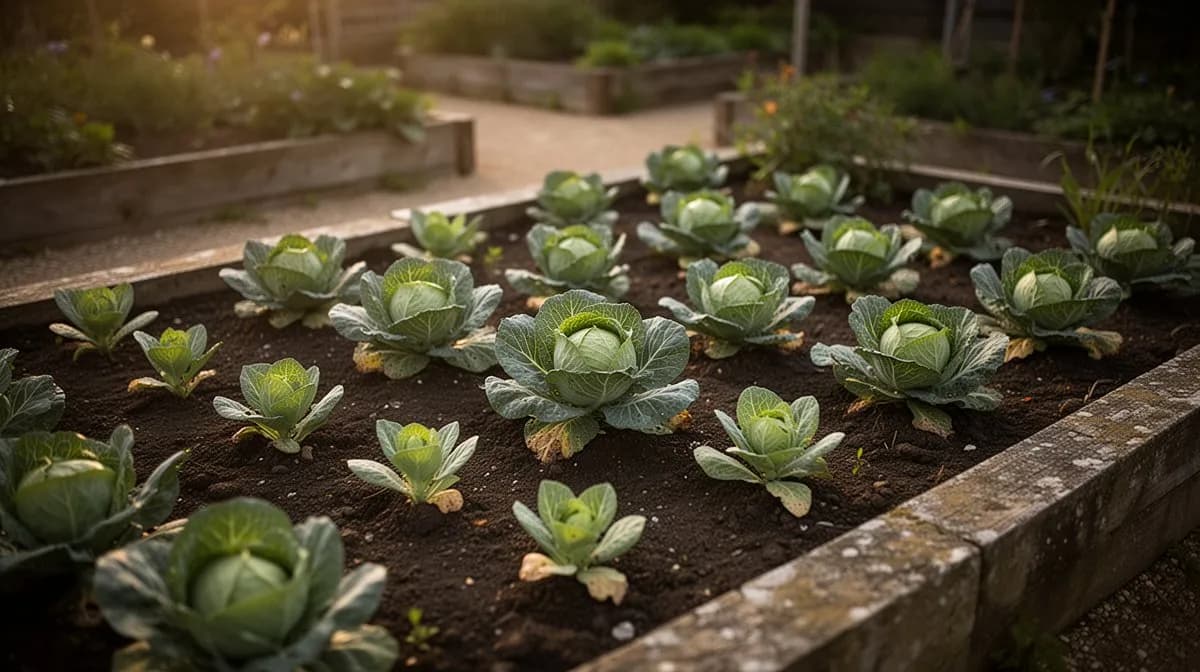
18 Pflanzen passen in ein Beet von 120 × 240 cm
Mini-Wirsing braucht 35 cm Platz pro Pflanze. Der Planer hält diesen Abstand für dich ein — jede Pflanze, jedes Beet.
Die besten Nachbarn für Mini-Wirsing
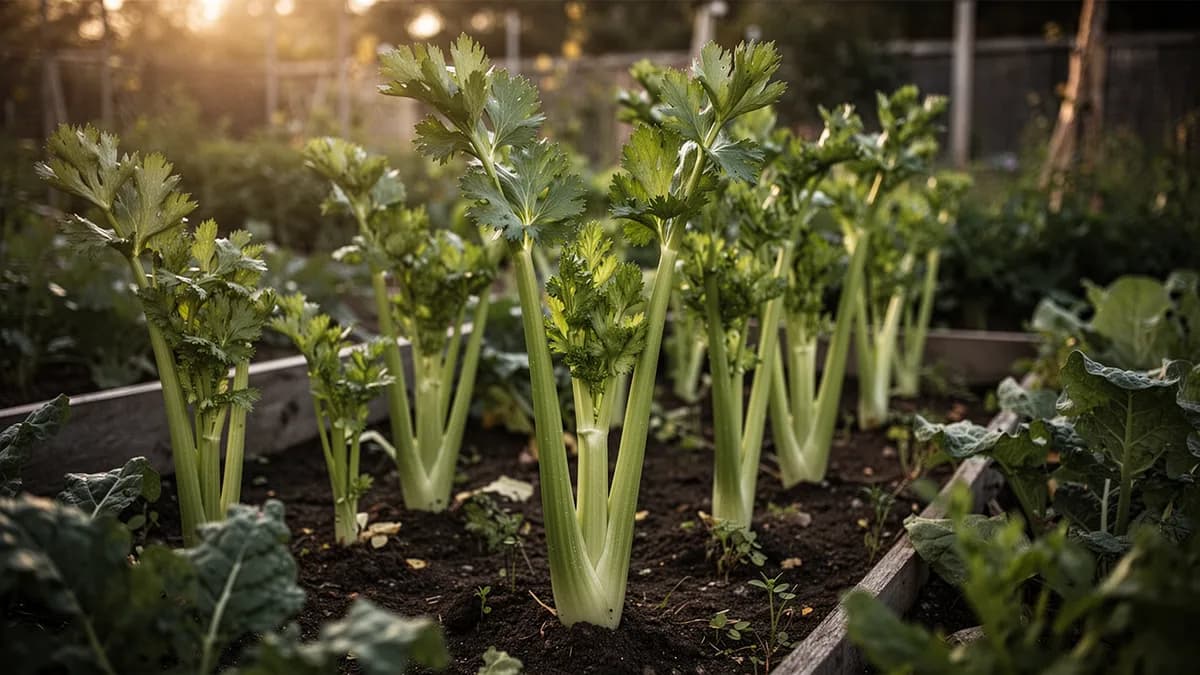
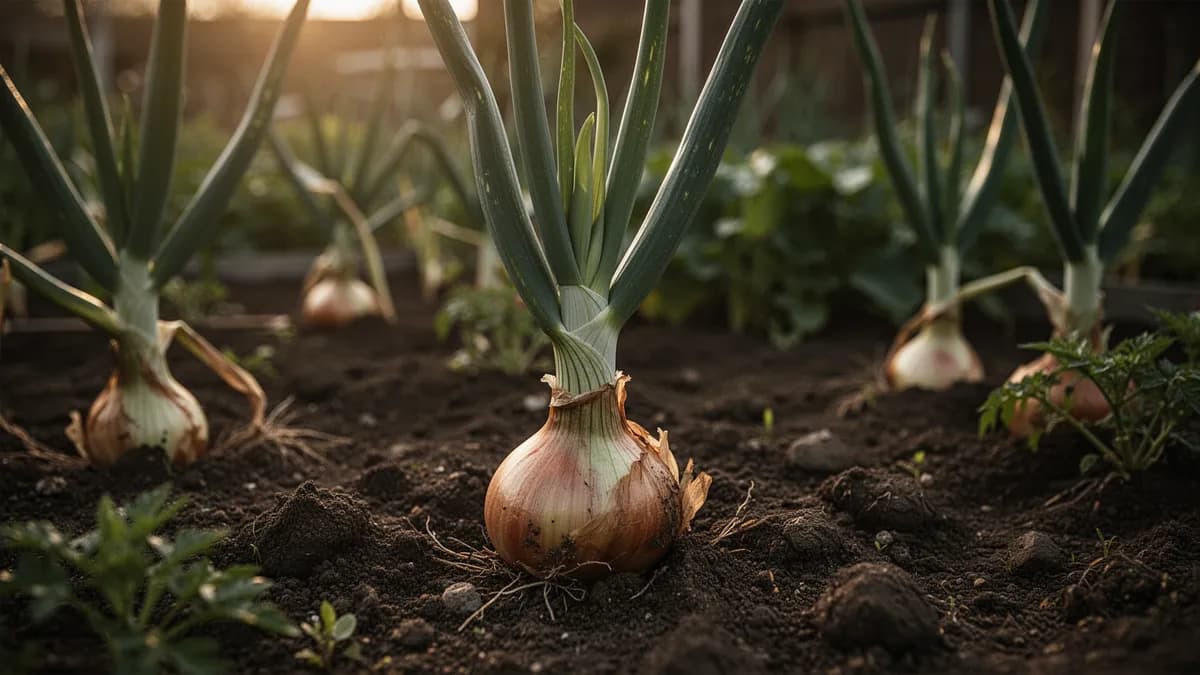
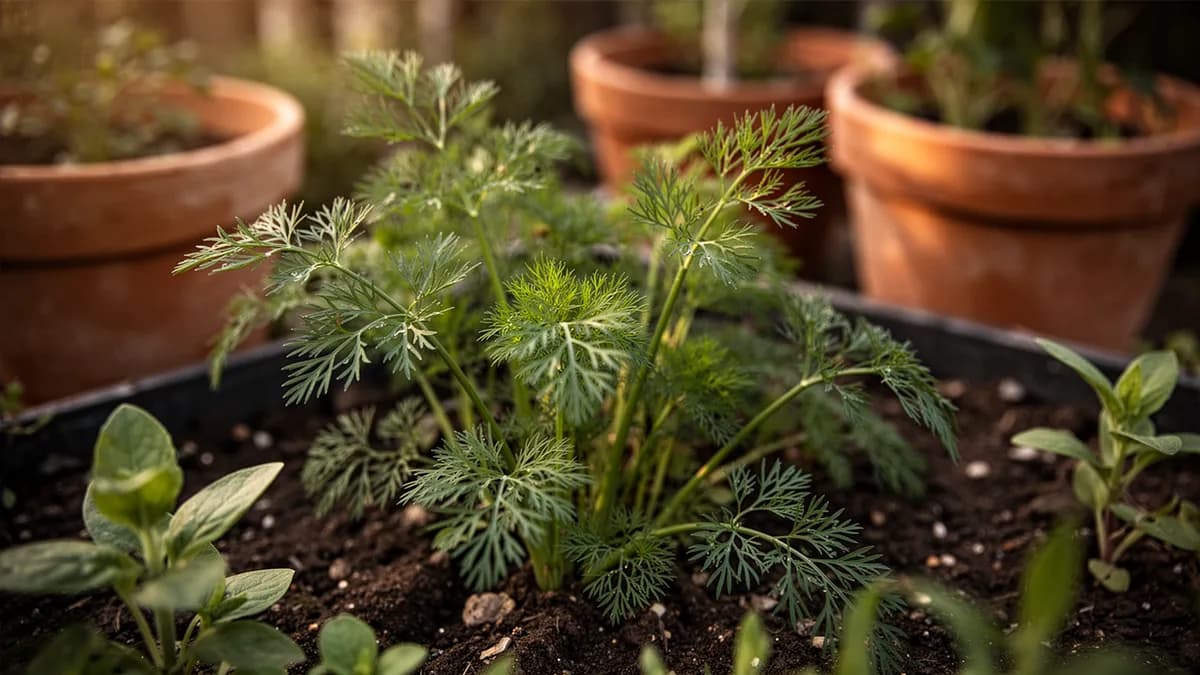
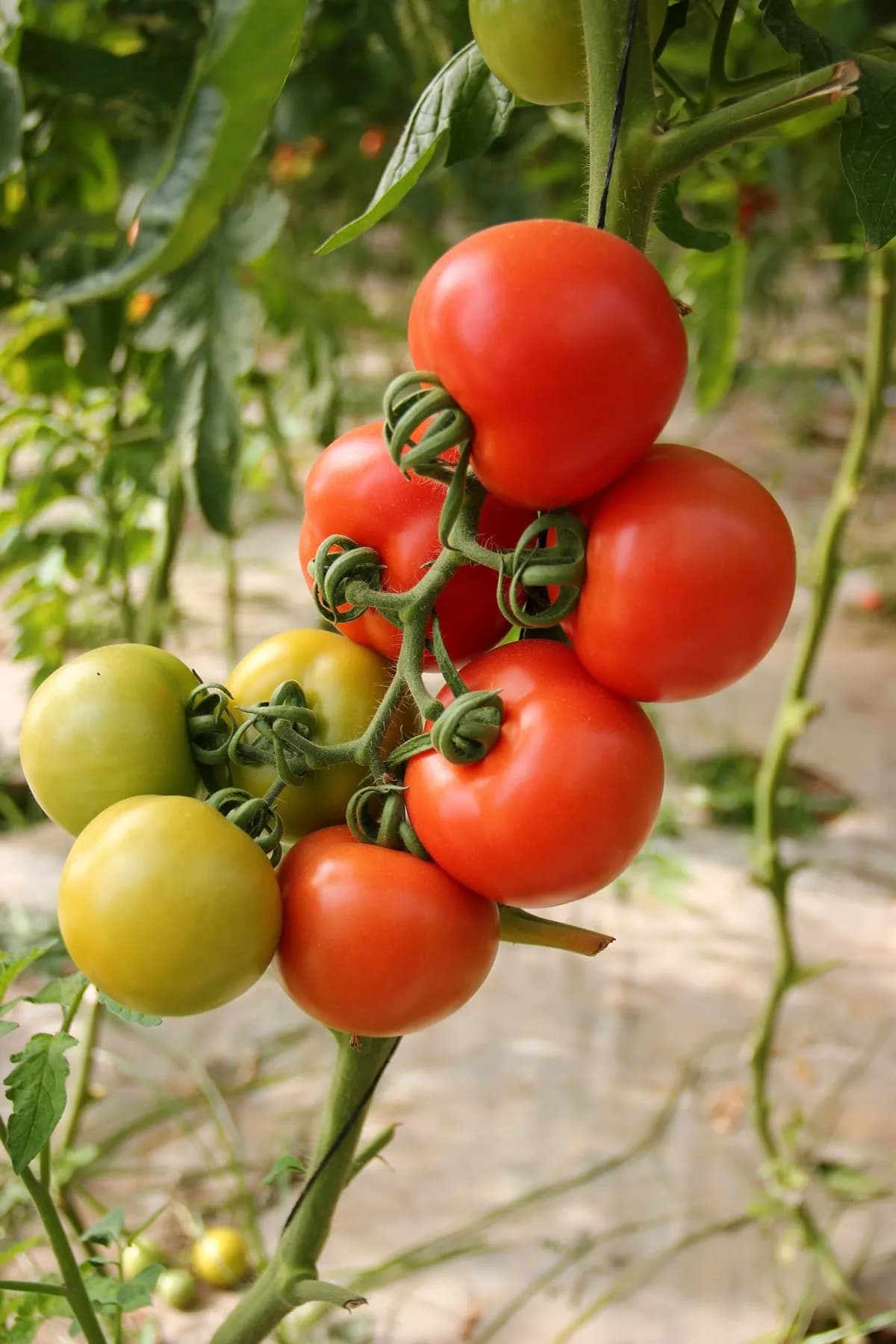
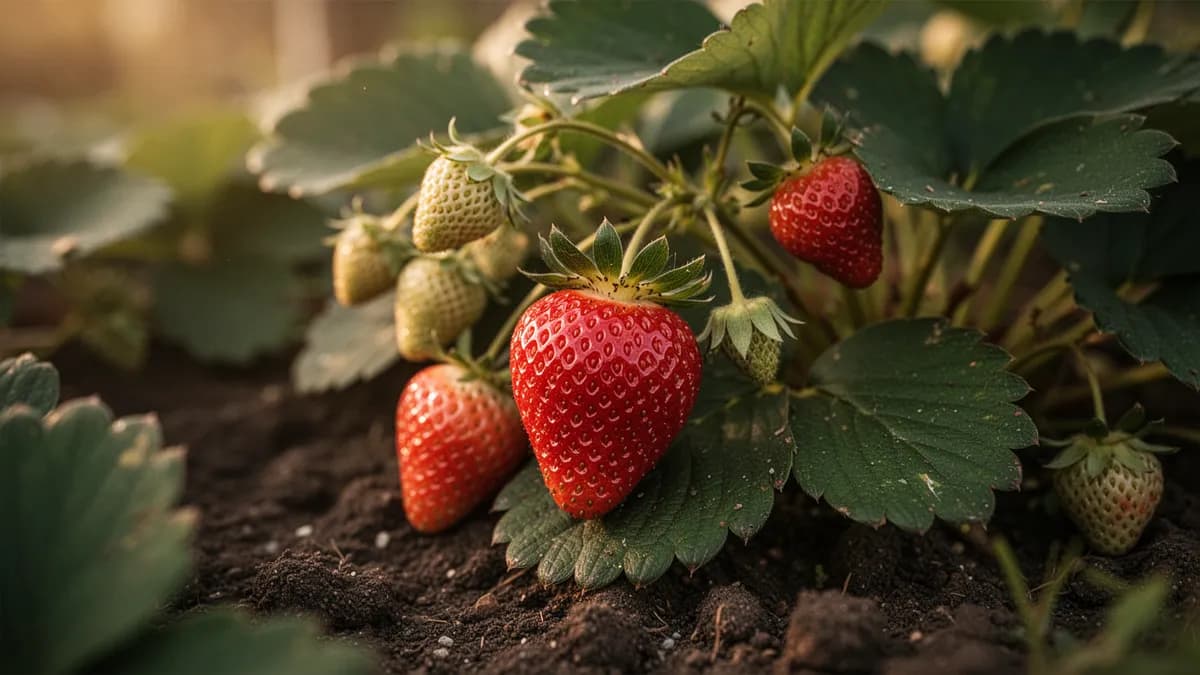
Mini-Wirsing in der Nähe von Sellerie, Zwiebeln und aromatischen Kräutern wie Dill, Salbei und Thymian anpflanzen, die mit ihrem Duft Kohlmotten und Blattläuse abwehren. In der Nähe gepflanzte Ringelblumen schrecken Weiße Fliegen ab und verbessern die Nematodenresistenz im Boden. Nicht in der Nähe von Tomaten, Paprika und Erdbeeren pflanzen, die um Nährstoffe konkurrieren und Schädlingsprobleme teilen können. Salat und Spinat sind gute Unterpflanzungen, da sie vom Halbschatten der Kohlblätter profitieren. Klee zwischen den Reihen bindet Stickstoff und sorgt für eine Bodenbedeckung.
Sellerie gehört daneben. Tomate nicht.
Altes Gärtnerwissen, geprüft an der echten Nachbartabelle von Mini-Wirsing — teste jede Pflanze, die du anbaust.
Probiere Mini-Wirsing direkt hier im Beet
Ein echtes Planer-Beet, Mini-Wirsing steht schon drin. Tippe einen Begleiter an, platziere ihn und sieh, wie die Nachbarschaftsprüfung antwortet — grün für gute Nachbarn, rot bei Streit.


Passende Anbau-Ratgeber
Richtig düngen
Mini-Wirsing gedeiht am besten in fruchtbarem, feuchtigkeitsspeicherndem Boden mit einem pH-Wert von 6,5 bis 7,5. Vor dem Pflanzen reichlich gut verrotteten Kompost oder Mist einarbeiten, um Fruchtbarkeit und Wasserhaltekapazität zu verbessern. Beim Umpflanzen einen ausgewogenen Granulardünger auftragen und drei Wochen später mit stickstoffreichem Dünger nachdüngen. Übermäßigen Stickstoff vermeiden, der lockere Köpfe produziert. Calcium ist wichtig, um Blattrandnekrose an den inneren Blättern zu verhindern. Daher saure Böden rechtzeitig mit Kalk behandeln. Gleichmäßige Bodenfeuchte ist entscheidend für die Bildung fester, gut geformter Köpfe ohne Risse.
Ideale Temperatur
Winterhärtezone-Kompatibilität
Von der Saat zur Ernte, Schritt für Schritt
Aussaat
Samen keimen schnell in kühlen, feuchten Bedingungen und bilden innerhalb von 5–10 Tagen ein Paar runder Keimblätter. Mini-Wirsing-Sorten sind auf Schnelligkeit gezüchtet und können 4–6 Wochen vor dem letzten Frost drinnen gestartet oder im frühen Frühling und Spätsommer direkt gesät werden.
Sämlingsentwicklung
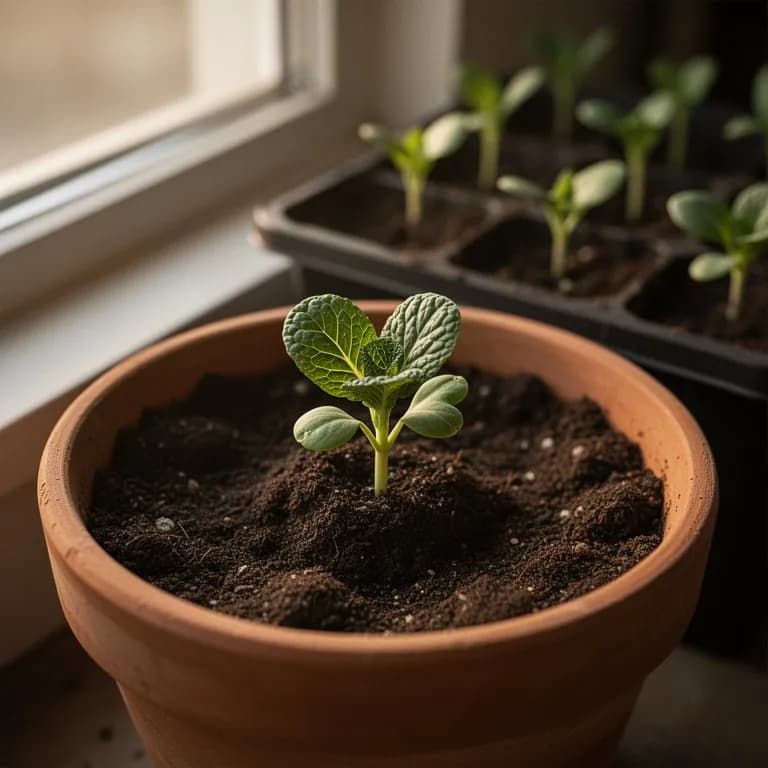
Echte Blätter erscheinen mit der charakteristischen gekreuselten und geblasenen Textur, die Wirsingkohl definiert. Die Sämlinge entwickeln einen kompakten, kräftigen Stiel und beginnen, eine kleine Rosette aus 4–6 tief strukturierten Blättern zu bilden.
Rosettenbildung
Die Pflanze entfaltet sich zu einer breiten Rosette aus 10–15 stark gekreuselten, blaugrünen Außenblättern. Die wellige Blattoberfläche fängt Tau und Regenwasser auf und hilft der Pflanze, hydratisiert zu bleiben. Die Wurzeln etablieren sich tief, um die bevorstehende Kopfbildung zu unterstützen.
Kopfbildung
Die inneren Blätter beginnen sich nach innen zu wölben und eng umeinander zu wickeln und bilden so den charakteristischen runden, kompakten Kopf. Mini-Wirsingköpfe bleiben von Natur aus klein – mit nur 10–15 cm Durchmesser – entwickeln aber dasselbe süße, milde Aroma wie großwüchsige Wirsingsorten.
Kopfreife
Köpfe werden fester und erreichen ihre reife kompakte Größe. Die äußeren Blätter entwickeln eine tiefere blaugrüne Farbe mit einem leichten Wachsüberzug, während der innere Kopf dicht und blassgelb-grün wird. Mini-Wirsing verträgt leichten Frost besser als glattblättrige Kohlsorten – ein leichter Frost verbessert tatsächlich das Aroma.
Ernte-Zeitfenster
Das verlängerte Ernte-Zeitfenster ist ein wesentlicher Vorteil des Mini-Wirsings. Einzelne Köpfe können über mehrere Wochen nach Bedarf geschnitten werden, und viele Sorten bilden kleinere Sekundärköpfe aus dem verbleibenden Stiel, wenn die Pflanze nach Entfernung des Hauptkopfes stehen gelassen wird.
Samen 6 mm tief in Module oder Anzuchtzellen bei 18–21 °C aussäen. Das Anzuchtmedium gleichmäßig feucht, aber nie durchnässt halten. Wirsingsamern keimen schneller als Sorten von normalem Kohl.
Mini-Wirsing Monat für Monat pflegen
Was du jeden Monat für deine Mini-Wirsing tun solltest
Oktober
Aktueller MonatHerbstgepflanzte Mini-Wirsingköpfe beginnen sich zu festigen. Leichte Fröste verbessern tatsächlich das Aroma, indem Stärke in Zucker umgewandelt wird. Nach Bedarf ernten – Wirsing kann noch weit in den Herbst hinein ohne Qualitätsverlust im Garten stehen.
Immer wissen, was jetzt im Garten zu tun ist
Eine E-Mail zum Monatsanfang: was du jetzt säen, pflanzen und anpacken solltest — für deine Mini-Wirsing und alles, was drumherum wächst. Dazu ein kurzer Startkurs, der dich vor den klassischen Fehlern bewahrt.
- Was jetzt zu tun ist
- Passend zu deiner Saison
- Startkurs inklusive
Mini-Wirsing ernten
Mini-Wirsing ernten, wenn die Köpfe fest und etwa 10 bis 15 cm im Durchmesser sind, typischerweise 60 bis 70 Tage nach dem Umpflanzen. Die Erntereife prüfen, indem man auf den Kopf drückt; er sollte sich fest anfühlen und dem Druck standhalten. Die Köpfe an der Basis mit einem scharfen Messer abschneiden und einige äußere Hüllblätter stehen lassen, um den Kopf bei der Lagerung zu schützen. Für eine zweite Ernte kleinerer Köpfe den Stumpf flach kreuzförmig einschneiden und im Boden belassen, da viele Mini-Sorten kleine Seitentriebe bilden. Bei warmem Wetter zügig ernten, um das Platzen der Köpfe zu verhindern.
angenommen, du pflanzt zu Beginn des Zeitraums — trage dein tatsächliches Datum ein
Ernte Mini-Wirsing zügig, dann trägt die Pflanze weiter.
Lagerung & Konservierung
Ganze, ungewaschene Köpfe im Gemüsefach des Kühlschranks aufbewahren, locker in feuchte Papiertücher gewickelt und in einer Plastiktüte, wo sie zwei bis drei Wochen haltbar sind. Wirsingkohl lässt sich gut einfrieren: Blätter in Streifen schneiden, 90 Sekunden blanchieren, in Eiswasser abkühlen und portionsweise einfrieren. Er eignet sich auch hervorragend für Sauerkraut und Kimchi, wobei die gekreuselten Blätter Lake und Gewürze wunderbar aufnehmen. Getrocknete Wirsingchips sind ein nahrhafter Snack. Äußere Blätter können einzeln blanchiert und eingefroren werden für später als Hülle für gefüllte Kohlrouladen.
Was schiefgeht — und die Lösung
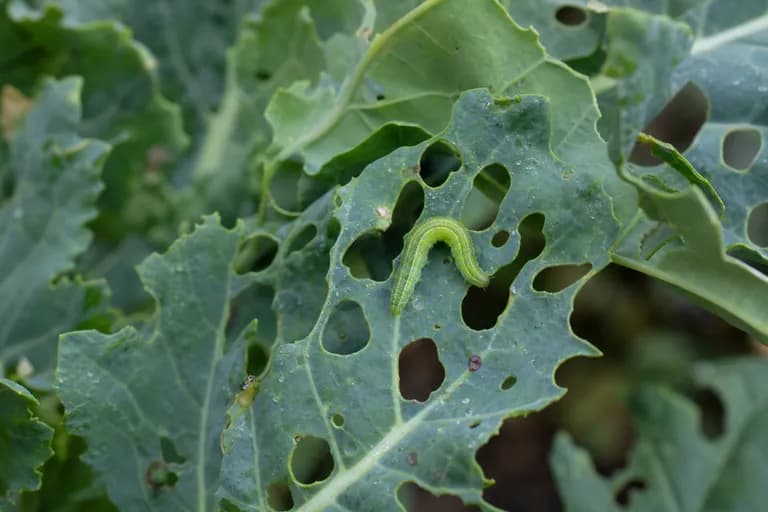
Kohlschleife
SchädlingUnregelmäßige Löcher in den Blättern, grüne Raupen, die sich in einer charakteristischen Schleifenbewegung fortbewegen und auf den Blattunterseiten zu finden sind.
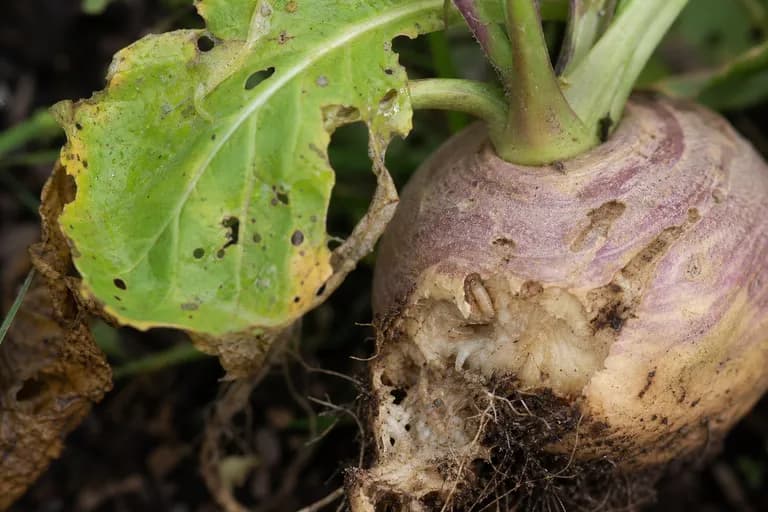
Kohlfliege
SchädlingWelken trotz ausreichender Bewässerung, Wachstumsstörungen, Maden um die Wurzeln, wenn Pflanzen herausgezogen werden.
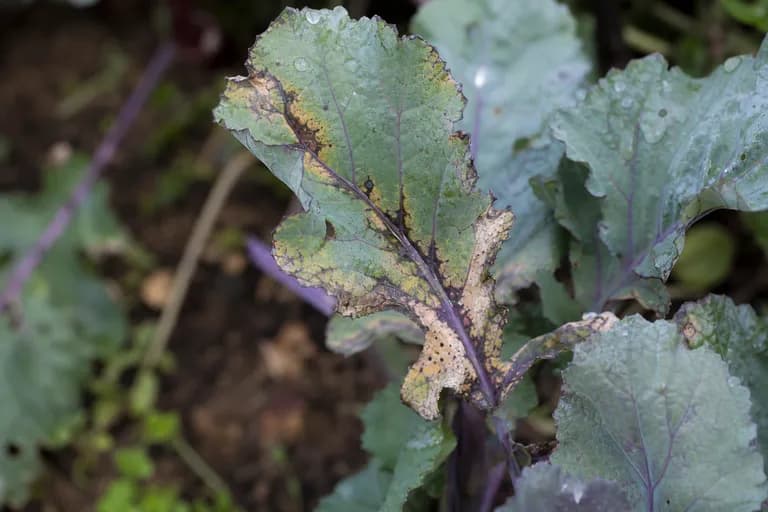
Schwarzfäule
KrankheitV-förmige gelbe Läsionen an den Blatträndern, die sich nach innen ausbreiten, Blattadern werden schwarz, Köpfe können von innen faulen.
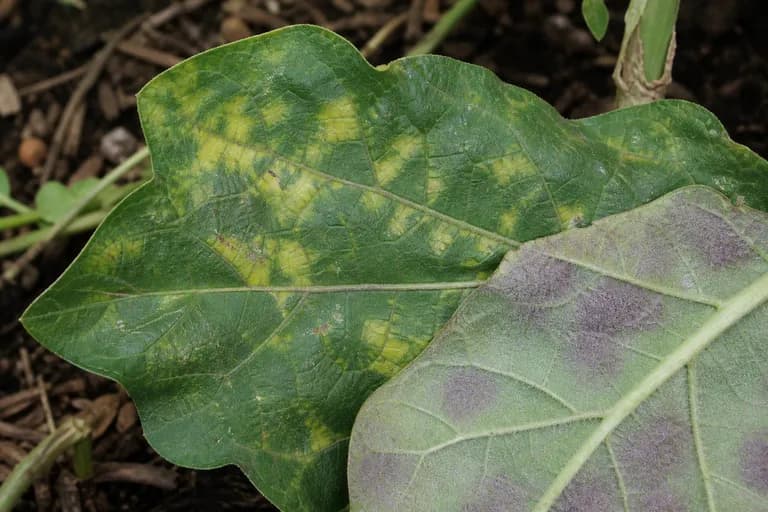
Falscher Mehltau
KrankheitGelbe Flecken auf den Blattoberseiten mit grauweißem, flaumigem Wachstum auf den Unterseiten. Blätter können sich einrollen und absterben.
Fehlerbehebung bei häufigen Problemen
Das Platzen der Köpfe ist das häufigste Problem, verursacht durch unregelmäßiges Gießen oder zu langes Belassen reifer Köpfe im Boden bei warmem Wetter. Gleichmäßig gießen und zügig ernten, um dies zu verhindern. Blattrandnekrose an den inneren Blättern entsteht durch Calciummangel oder unregelmäßige Bewässerung. Schossen tritt auf, wenn junge Pflanzen längere Zeit Temperaturen unter 10 Grad Celsius ausgesetzt sind. Daher im Frühjahr nicht zu früh auspflanzen. Lockere oder schlecht geformte Köpfe weisen meist auf unzureichende Düngung, inkonsistente Feuchtigkeit oder Überbepflanzung hin. Schnecken bevorzugen die feuchte Umgebung unter den äußeren Blättern.
Anbautipps
- Die richtige Jahreszeit wählen – Mini-Wirsing ist eine Kühlwetter-Kulturpflanze, die im Frühling und Herbst am besten gedeiht. In heißen Klimazonen Hochsommeranzucht vermeiden, da Temperaturen über 27 °C die Kopfbildung stoppen und das Schossen begünstigen.
- Pflanzen mit 25–30 cm Abstand setzen statt der 45–60 cm, die großwüchsige Wirsinge benötigen. Der kompakte Wuchs von Mini-Sorten ermöglicht intensive Bepflanzung ohne Einbußen bei der Kopfqualität.
- Pflanzen vom ersten Umpflanztag an mit feinem Insektennetz abdecken, um Kohlweißlinge, Kohlmotten und Erdflöhe fernzuhalten. Dieser eine Schritt beseitigt die häufigsten Schädlingsprobleme ohne chemische Eingriffe.
- Gleichmäßig auf Bodenhöhe gießen, um die Wurzelzone gleichmäßig feucht zu halten. Überkopfbewässerung sammelt sich in den gekreuselten Blättern und kann Pilzkrankheiten fördern. Tropfbewässerung oder Sickerschläuche sind ideal.
- Nach dem Schneiden des Hauptkopfes ein flaches X in den verbleibenden Stiel einritzen und die Pflanze stehen lassen. Die meisten Mini-Wirsing-Sorten bilden innerhalb von 4–6 Wochen 2–3 kleinere Sekundärköpfe aus dem Stiel und verlängern so die Ernte deutlich.
- Im Rosettenstadium einen stickstoffreichen Dünger auftragen (Blutmehl, Fischdünger oder verdünnter Brennnesseljauche), dann auf ausgewogenen oder kaliumreichen Dünger umstellen, sobald die Köpfe zu bilden beginnen – für die festesten, am längsten haltbaren Köpfe.
- Alle 3 Wochen vom frühen Frühling bis zum Hochsommer Folgesaaten anlegen, um eine kontinuierliche Kopfversorgung statt einer einzigen Massenernte zu gewährleisten. Umpflanzdaten staffeln, so dass jeweils nur einige wenige Pflanzen gleichzeitig reifen.
- Für das süßeste Aroma die Herbstanzucht so timen, dass die Köpfe nach den ersten leichten Frösten reifen. Frost löst die Umwandlung von Stärkereserven in Zucker als natürliches Frostschutzmittel aus und verbessert den Geschmack merklich.
Bau deine beste Mini-Wirsing an — und alles drumherum.
Starte heute kostenlos. Lege deine Beete an, setze deine Mini-Wirsing ein und lass PlotMyGarden Timing, Abstände, Begleiter und Erinnerungen von der Saat bis zum Erntekorb übernehmen.
Finde deine Mini-Wirsing
Famosa
Ein zuverlässiger Mini-Wirsing mit dunkelgrünen, stark gekreuselten Blättern. Bildet gleichmäßige softball-große Köpfe und zeigt gute Schossresistenz.
Deadon
Auffälliger rotvioletter Wirsing mit ausgezeichneter Kältetoleranz. Kompakte Köpfe mit intensiver Farbe, die sich nach Frost vertieft.
Tundra
Extrem frostfester Wirsing, gezüchtet für die Überwinterung in milden Klimazonen. Dichte, mittelgroße Köpfe mit herausragendem Aroma nach Frost.
Alcosa
Früh reifender Mini-Wirsing mit feiner Krauselung. Kompakte Pflanzen, ideal für enges Pflanzen in Hochbeeten und Kübeln.
Mini-Wirsinge werden auf Wochenmärkten und in Feinkostläden für 3–5 € pro Stück verkauft, doch ein einziges Samentütchen (3–4 €) kann 30–50 Pflanzen ergeben. Nur 10 Pflanzen aus Samen zu ziehen spart 25–45 € im Vergleich zum Einzelhandelskauf. Die Sekundärkopf-Nacherntefunktion verdoppelt den Ertrag effektiv ohne Mehrkosten. Enger Pflanzabstand bedeutet, dass selbst ein kleines 1 m × 1 m-Hochbeet 9–12 Köpfe pro Anbauzyklus produzieren kann, bei zwei Zyklen (Frühling und Herbst) in den meisten Klimazonen – potenziell Premiumgemüse im Wert von 50–100 € von einer winzigen Fläche.
Schnelle Rezepte
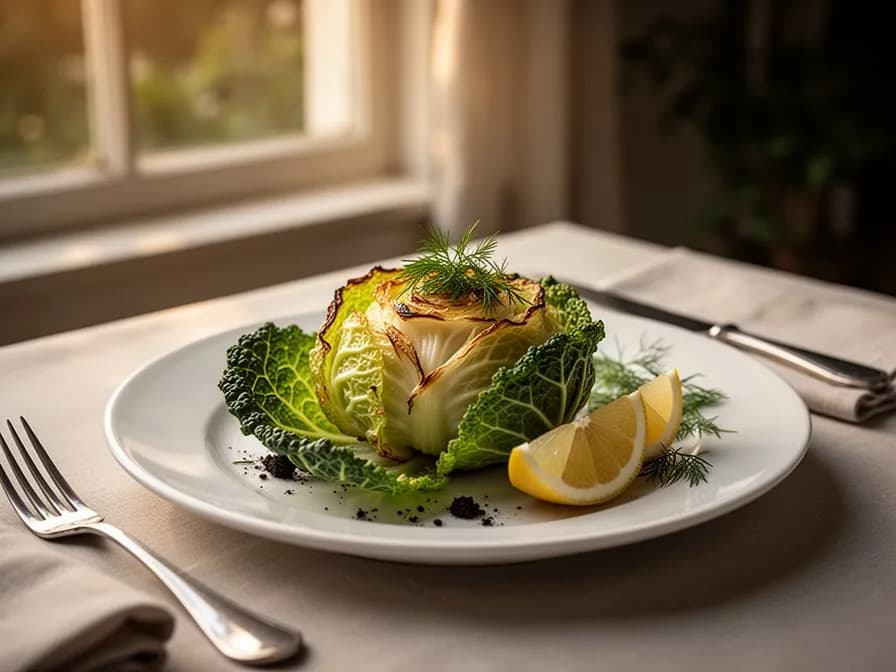
In Butter gebratene Mini-Wirsing-Hälften
15 Min.Die einfachste Art, Mini-Wirsing zu genießen – halbierte Köpfe werden auf der Schnittseite in gebräunter Butter kräftig angebraten bis tief karamellisiert, dann mit einem Spritzer Weißwein und einer Prise Kümmel fertiggestellt. Die gekreuselten Blätter werden außen knusprig, bleiben innen aber zart.
7 Zutaten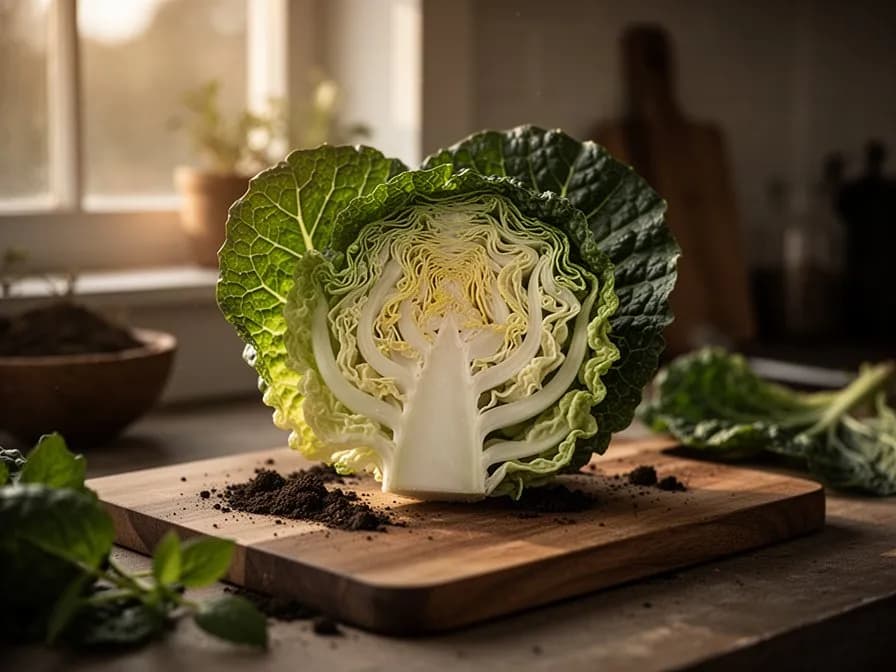
Mini-Wirsing-Kohlrouladen
45 Min.Die geschmeidigen, gekreuselten Blätter des Wirsings sind die ideale Hülle für gefüllte Kohlrouladen – sie lassen sich biegen ohne zu reißen und behalten beim Schmoren ihre Form. Gefüllt mit gewürztem Reis, Kräutern und Champignons, dann langsam in einer Tomaten-Paprika-Sauce geschmort bis butterzart.
8 ZutatenSchneller Wirsing-Apfel-Krautsalat
10 Min.Ein knackiger, erfrischender Rohkostsalat, der die zarte Textur und milde Süße des Mini-Wirsings hervorhebt. Fein geraspelter Wirsing wird mit saurem Apfel, gerösteten Walnüssen und einem leichten Apfelessig-Dressing vermengt – die gekreuselten Blätter fangen das Dressing in jedem Bissen auf.
8 ZutatenKulinarische Verwendung
Die zarten, gekreuselten Blätter des Mini-Wirsings sind delikater als glatter Kohl und eignen sich perfekt für schnelle Wokgerichte, Krautsalate und frische Wraps. Ihre geschmeidige Textur macht ausgezeichnete gefüllte Kohlrouladen. Fein schneiden für cremigen Coleslaw oder mit Butter, Kümmel und einem Spritzer Weißwein schmoren. Wirsingkohl verleiht Suppen und Eintöpfen eine schöne Textur, ohne matschig zu werden. Die kleine Kopfgröße ist praktisch für einzelne Mahlzeiten, ohne die Hälfte eines Kopfes zu verschwenden.
Was drinsteckt
Gesundheitsvorteile
- Reich an Glucosinolaten – Schwefelverbindungen, die beim Verdauen zu Isothiocyanaten abgebaut werden, die intensiv auf ihre potenzielle Unterstützung natürlicher Entgiftungsprozesse und Zellgesundheit des Körpers erforscht werden.
- Hervorragende Vitamin-C-Quelle mit 34 % des Tageswerts pro 100 g, die Immunfunktion, Kollagenproduktion und verbesserte Eisenaufnahme aus pflanzlichen Lebensmitteln beim gemeinsamen Verzehr unterstützt.
- Liefert beträchtliche Mengen an Vitamin K (68 % TW pro 100 g), essenziell für die ordnungsgemäße Blutgerinnung und Calciumregulation in den Knochen – besonders vorteilhaft für die Erhaltung der Knochendichte bei älteren Erwachsenen.
- Enthält bedeutende Mengen Folsäure (B9), entscheidend für die ordnungsgemäße Zellteilung, DNA-Synthese und besonders wichtig während der Schwangerschaft zur Vorbeugung von Neuralrohrdefekten.
- Der hohe Ballaststoffgehalt (3,1 g pro 100 g) fördert die Verdauungsregularität, ernährt nützliche Darmbakterien und kann dazu beitragen, die Cholesterinaufnahme im Darm zu regulieren.
- Entzündungshemmende Verbindungen einschließlich Kaempferol und anderer Flavonoid-Antioxidantien sind in Wirsingsorten in höheren Konzentrationen vorhanden als in glattblättrigem Kohl und unterstützen potenziell die Herzgesundheit und reduzieren chronische Entzündungen.
Woher Mini-Wirsing stammt
Wirsingkohl (Brassica oleracea var. sabauda) geht auf den Wildkohl der Mittelmeerküste zurück, doch die krausblättrige Mutation, die den Wirsingtyp definiert, wurde erstmals von Gärtnern im Herzogtum Savoyen im späten Mittelalter, etwa im 14. bis 15. Jahrhundert, ausgewählt und stabilisiert. Die Region, eingebettet zwischen den Alpen des heutigen Frankreichs und Italiens, hatte ein Klima, das kältetolerante Kohlsorten begünstigte, und Wirsingkohl erwies sich als bemerkenswert widerstandsfähig gegenüber den harten Bergwintern. Von Savoyen aus verbreitete sich der gekreuselte Kohl im 16. und 17. Jahrhundert nach Norden durch Frankreich und in die Niederlande, Deutschland und die britischen Inseln, wo er sowohl für seine überlegene Kältetoleranz als auch für seinen süßeren, delikateren Geschmack im Vergleich zu glattkopfigen Kohlsorten geschätzt wurde.
Der Mini-Wirsing ist eine viel jüngere Innovation. Ab den 1990er-Jahren begannen Züchter in den Niederlanden und Japan, kompakte Wirsingsorten speziell für moderne Bedürfnisse zu entwickeln – kleinere Haushalte, Behältergärten und Restaurantküchen. Diese Mini-Sorten reifen in 65–80 Tagen statt der für großwüchsige Wirsinge typischen 90–120 Tage und bilden dichte, softball-große Köpfe mit einem Gewicht von 300–500 g. Sorten wie Famosa, Deadon und Savoy King wurden gezüchtet, um die volle Geschmackskomplexität und gekreuselte Textur des traditionellen Wirsings zu bewahren und gleichzeitig gut in intensive Hochbeete und sogar große Kübel zu passen.
Heute erfreuen sich Mini-Wirsinge zunehmender Beliebtheit auf Wochenmärkten und in Feinkostgeschäften in Europa, Nordamerika und Ostasien. Sie sind zu einem Liebling von Kleingärtnern und Stadtgärtnern geworden, die die Kombination aus kompakter Größe, dekorativem Aussehen und außergewöhnlicher Essqualität schätzen. Der Trend zu kleineren, einzelportionsgerechten Gemüsesorten sowohl in Hausgärten als auch in professionellen Küchen stellt sicher, dass Mini-Wirsing weiter an Beliebtheit gewinnen wird, da Gartenflächen kleiner werden und die Nachfrage nach frischen, lokal angebauten Produkten steigt.
Mini-Wirsing: Schon gewusst?
Faszinierende Fakten über Mini-Wirsing
Wirsing erhält seinen Namen vom Herzogtum Savoyen, einer historischen Region zwischen dem heutigen Südostfrankreich und Nordwestitalien, wo diese krausblättrige Kohlsorte im späten Mittelalter erstmals entwickelt und verbreitet wurde.
Mini-Wirsing: Fragen & Antworten
Wann sollte ich Mini-Wirsing pflanzen?
Was sind gute Begleitpflanzen für Mini-Wirsing?
In welchen Winterhärtezonen kann Mini-Wirsing wachsen?
Wie viel Sonne braucht Mini-Wirsing?
Welchen Abstand sollte ich zwischen Mini-Wirsing lassen?
Welche Schädlinge und Krankheiten befallen Mini-Wirsing?
Wie lagere ich Mini-Wirsing nach der Ernte?
Was sind die besten Mini-Wirsing-Sorten zum Anbauen?
Welchen Boden braucht Mini-Wirsing?
Wie klein sind Mini-Wirsinge im Vergleich zu normalem Wirsing?
Kann ich Mini-Wirsing in Kübeln anbauen?
Warum bildet mein Mini-Wirsing keinen Kopf?
Ist Wirsingkohl nahrhafter als normaler Grünkohl?
Wie lange kann ich geernteten Mini-Wirsing lagern?
Kann ich Mini-Wirsing im Winter anbauen?
Du hast die Theorie gelesen. Jetzt baue sie auf Autopilot an.
Alles, was Mini-Wirsing knifflig macht — das Timing, die Abstände, die Begleiter, das Erntefenster — genau das übernimmt PlotMyGarden für dich, für jede Pflanze im Garten.
Ein Plan, der dein Wetter kennt
Standort einmal festlegen. Aussaat-, Dünge- und Erntedaten rund um deinen echten letzten Frosttermin und die Live-Vorhersage — kein Raten mehr nach Saattüte.
Aus dem Abschnitt „Pflanzzeit“Beetplaner per Drag & Drop
Beete auf einem Raster gestalten. Jede Pflanze rastet im richtigen Abstand ein, und du siehst die ganze Saison, bevor du einen Cent für Saatgut ausgibst.
Aus dem Abschnitt „Anbau“Begleiter-Konflikte früh erkannt
Über 200 gute und schlechte Kombinationen werden beim Pflanzen live geprüft — so landet ein saisonruinierender Fehler nie in der Erde.
Aus dem Abschnitt „Begleiter“Erinnerungen, nach denen du wirklich handelst
„Gieß die Bohnen.“ „Heute ernten, bevor's umschlägt.“ Pünktlich, konkret und auf deine echten Pflanzen bezogen.
Aus dem Abschnitt „Ernte“Staffel-Aussaat, geplant
Sechs Wochen ernten statt sechs Tage? Die App verteilt deine Aussaaten automatisch und erinnert dich, wenn der nächste Satz fällig ist.
Aus dem Abschnitt „Pflanzzeit“Ein Verlauf, der schlauer wird
Jede protokollierte Ernte bringt der App deinen Garten bei. Der Plan fürs nächste Jahr startet bei dem, was in deinem Boden wirklich funktioniert hat.
Aus dem Abschnitt „Überblick“Pflanze diese neben Mini-Wirsing
Weitere Kreuzblütler
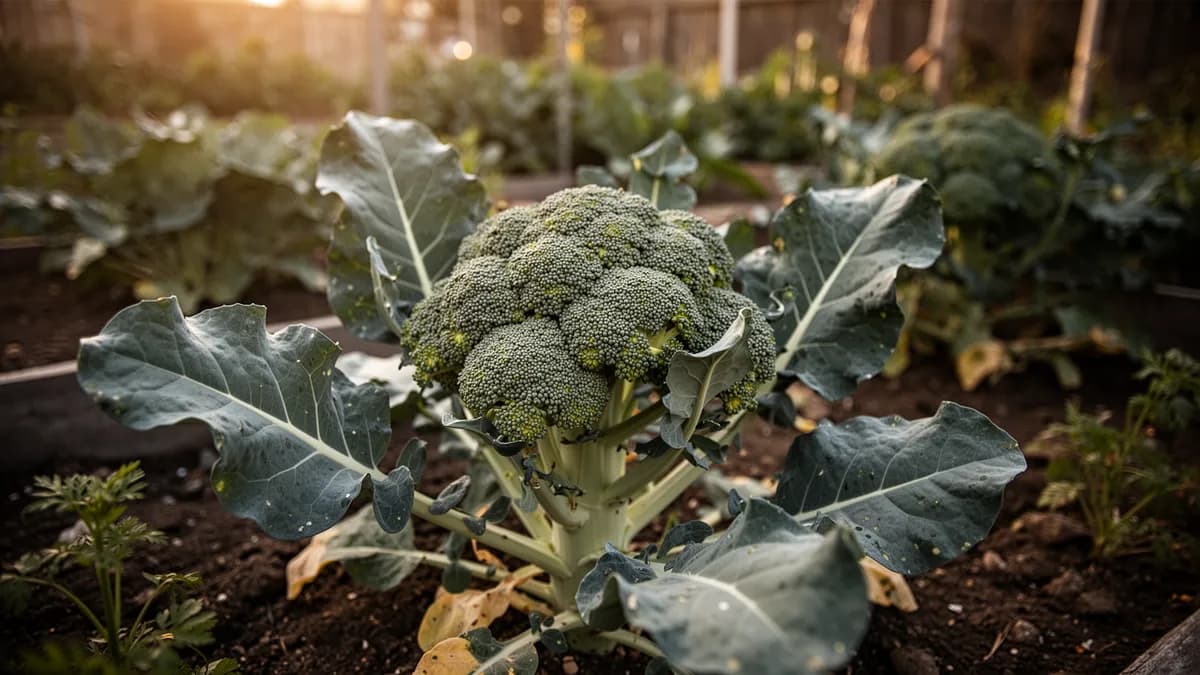
Halte Mini-Wirsing von diesen fern
Bau deine beste Mini-Wirsing an — und alles drumherum.
Starte heute kostenlos. Lege deine Beete an, setze deine Mini-Wirsing ein und lass PlotMyGarden Timing, Abstände, Begleiter und Erinnerungen von der Saat bis zum Erntekorb übernehmen.