Butternut Tree
A cold-hardy relative of the walnut producing oily, richly flavored nuts in sticky green husks.





On this pageOverview
Meet Butternut Tree
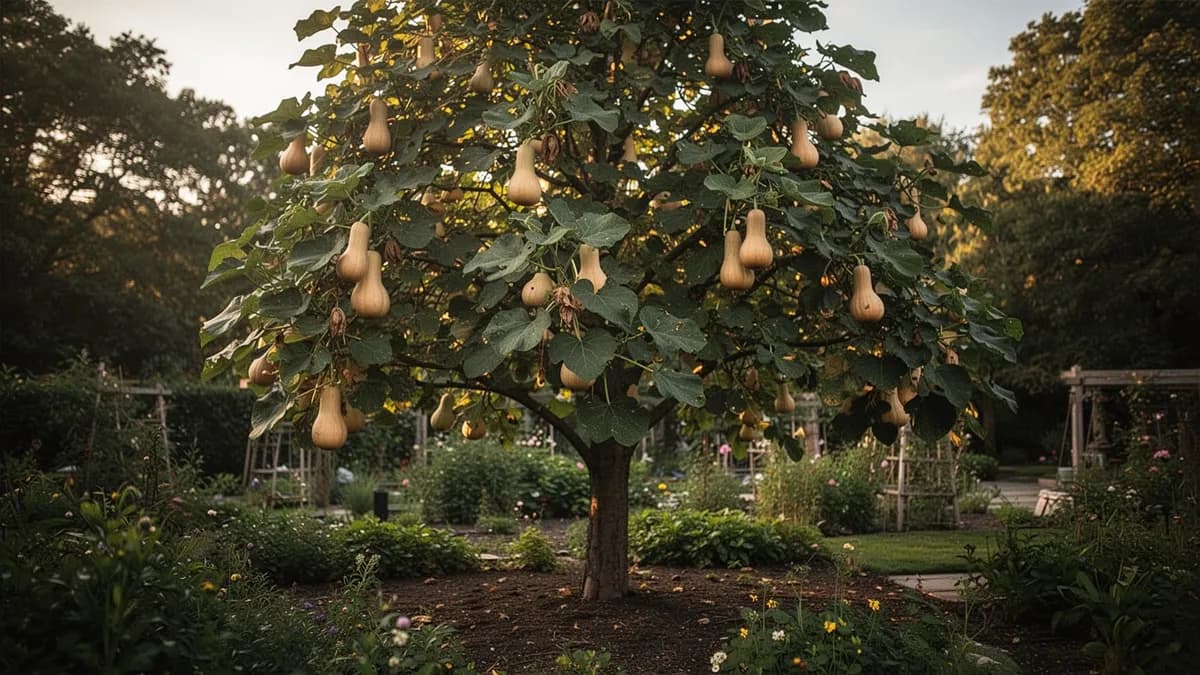
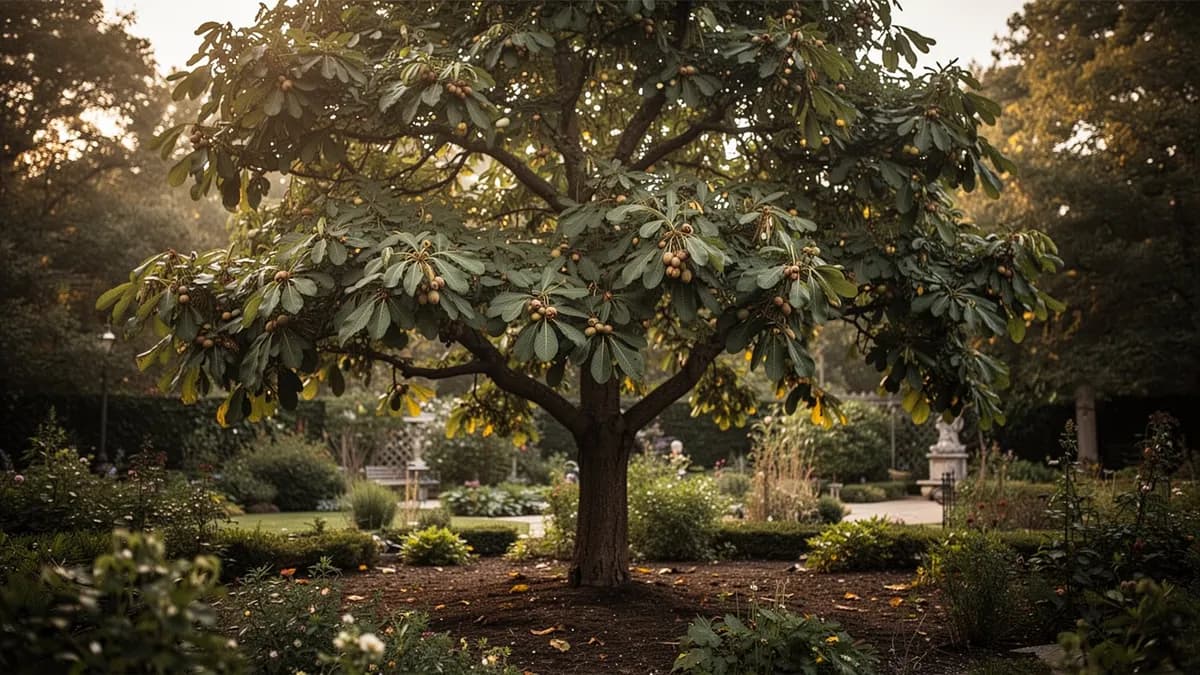
A cold-hardy relative of the walnut producing oily, richly flavored nuts in sticky green husks. Butternuts are native to eastern North America and are more cold-tolerant than English walnuts, thriving in northern climates. Like black walnuts, they produce juglone that can inhibit sensitive nearby plants. The species is threatened by butternut canker disease, so seek out canker-resistant hybrids for long-term planting success.
When to plant Butternut Tree
Butternut seeds require 90 to 120 days of cold stratification in moist sand or peat in the refrigerator. Plant stratified nuts 2 to 3 inches deep in deep containers or directly outdoors in early spring. Germination takes 3 to 5 weeks. Protect seeds from squirrels with wire mesh if direct-sowing. Seedlings develop a long taproot quickly, so transplant to permanent locations during the first dormant season. Grafted selections from specialty nurseries offer canker resistance and known nut quality.
Your Butternut Tree Year
Composed for Zone 7 · typical seasons · frost passes Apr 2, returns Nov 1
Plant Butternut Tree Mar – Apr, Oct – Nov, pick Sep – Oct. Check the planting methods below and set your climate to personalize these windows.
How to grow Butternut Tree
Plant butternut trees in deep, well-drained, fertile soil with full sun exposure. They prefer moist, rich bottomland soils but adapt to a range of conditions as long as drainage is adequate. Like all members of the walnut family, butternuts produce juglone, a chemical that inhibits the growth of many nearby plants, so choose the site with this in mind. Plant bare-root or container-grown saplings in spring, spacing trees 40 to 60 feet apart.
Water young trees deeply and regularly during their first two to three growing seasons to establish a strong root system. Apply 3 to 4 inches of organic mulch over the root zone, keeping it away from the trunk. Butternuts grow moderately fast, adding 1 to 2 feet of height per year in good conditions.
The greatest challenge facing butternut growers is butternut canker, a devastating fungal disease that has killed the majority of wild butternut trees in North America. Seek out canker-resistant selections or buartnuts, which are hybrid crosses with Japanese walnut that show improved disease resistance while retaining the distinctive rich flavor of butternut kernels. Prune in late summer to minimize sap bleeding.
Butternut Tree needs more room than a 4 × 8 ft bed gives
Each Butternut Tree wants 900 cm of elbow room. The planner keeps that spacing for you — every plant, every bed.
Butternut Tree's best neighbours
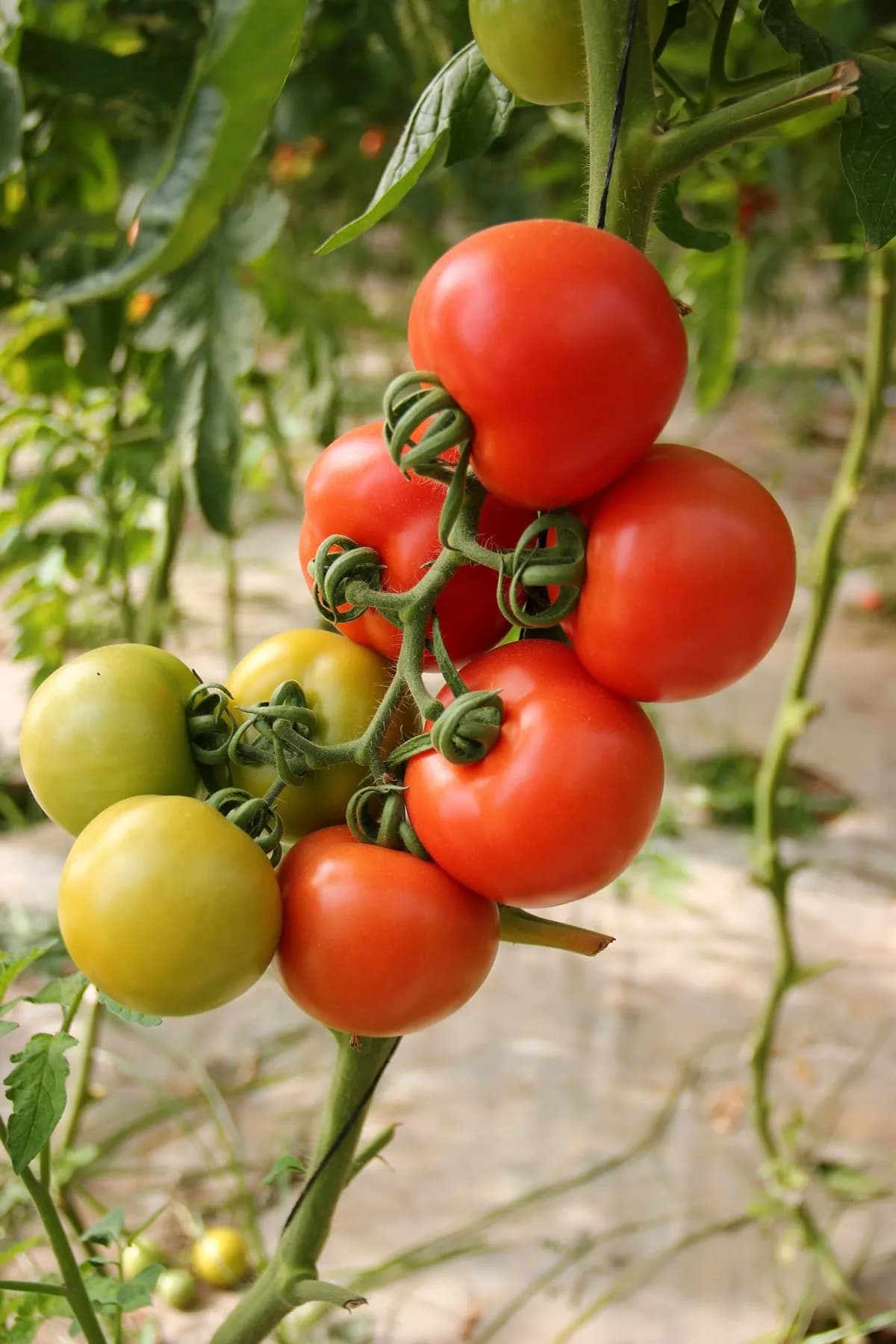
Due to juglone production, choose companion plants that are juglone-tolerant. Good options include comfrey, squash, beans, beets, carrots, and corn. Most members of the nightshade family including tomatoes, peppers, and eggplants are highly sensitive to juglone and should be planted far away. Spring-blooming bulbs, elderberry, and mulberry tolerate juglone well. Nitrogen-fixing plants like crimson clover can improve soil around butternut trees.
Keep Tomato away from it.
Old growers' knowledge, checked against Butternut Tree's real companion table below — test any plant you're growing.
Related growing guides
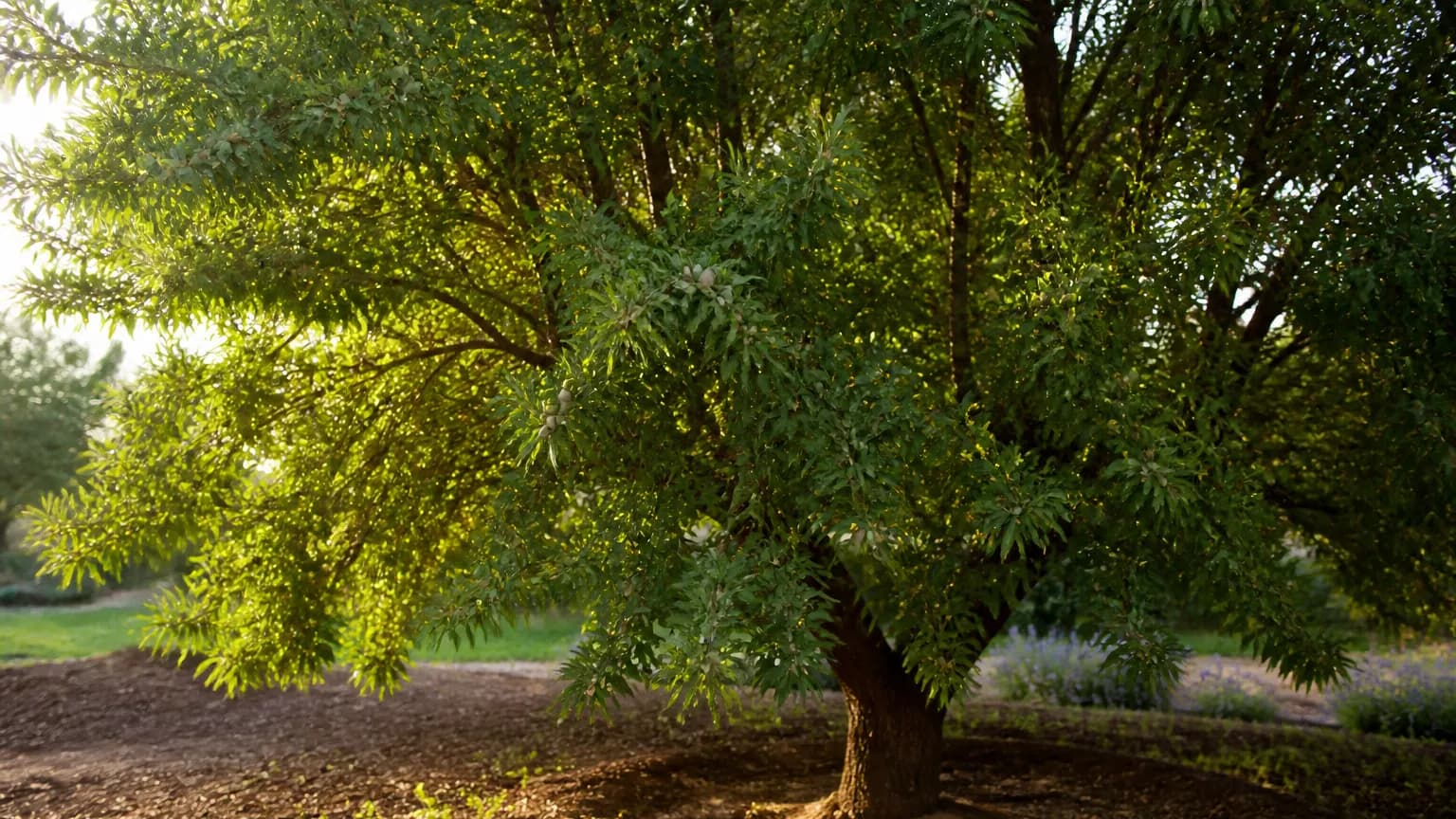
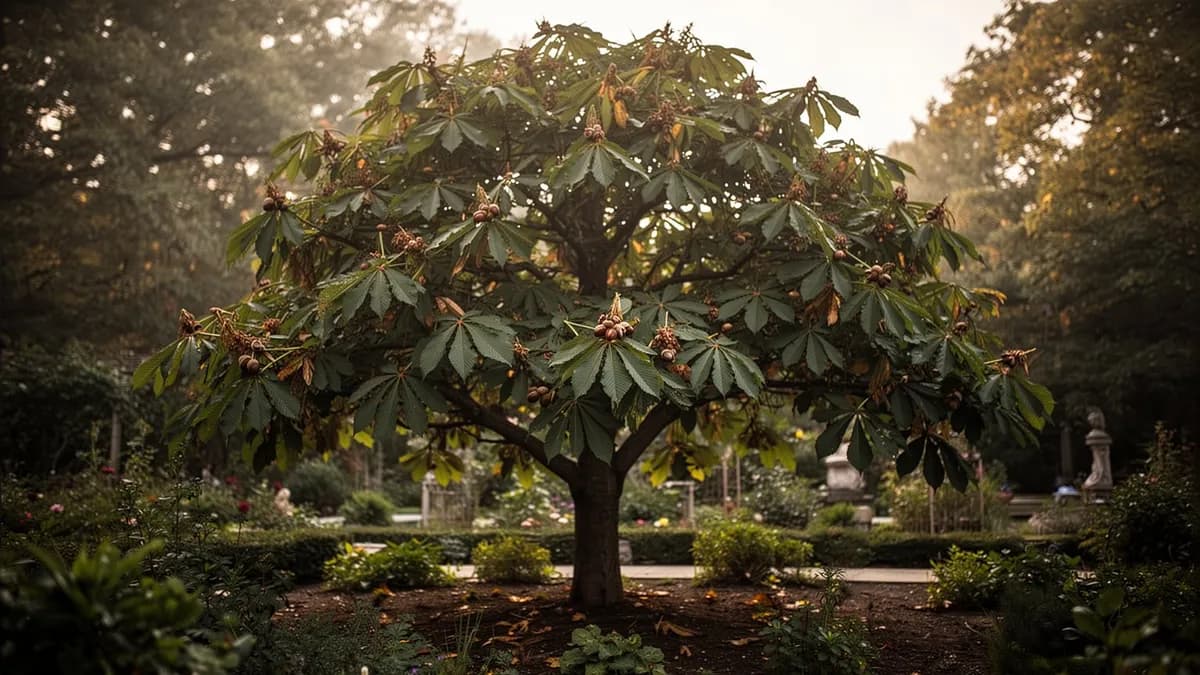
Feed it well
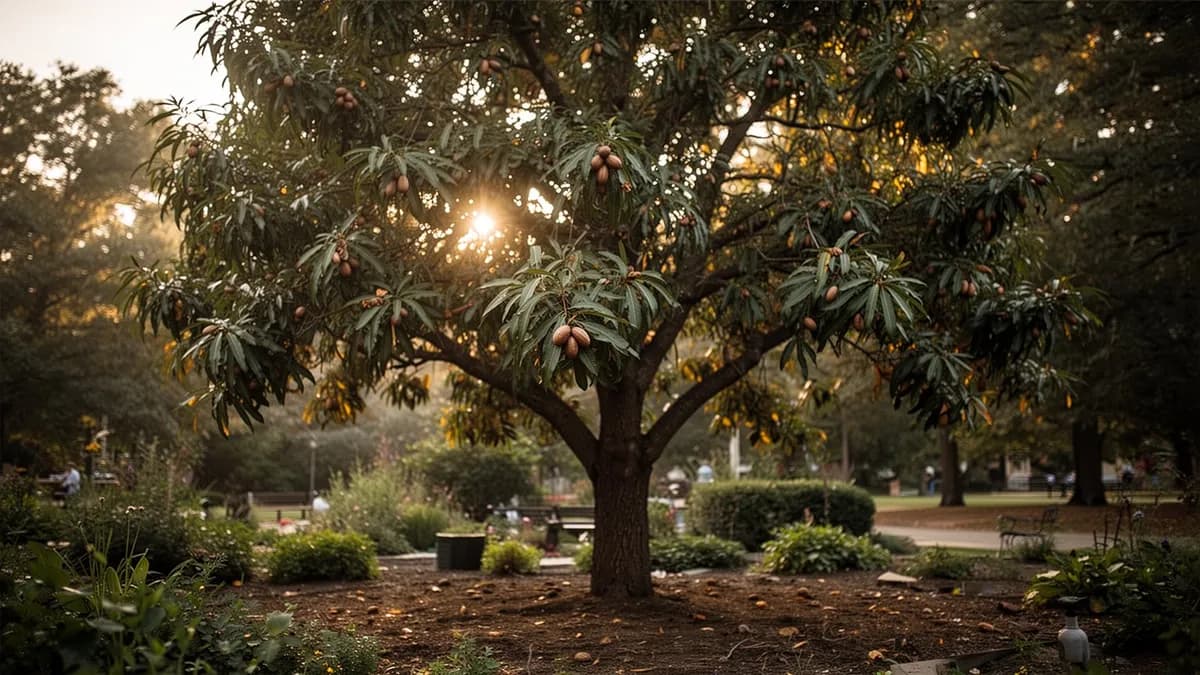
Butternuts prefer deep, fertile, well-drained loam or sandy loam with a pH of 6.0 to 7.5. They tolerate slightly alkaline conditions better than black walnuts. Amend planting holes with compost but avoid excessive nitrogen that promotes soft growth vulnerable to canker. Apply balanced fertilizer in early spring around the drip line for young trees. Mature trees in good soil rarely need supplemental fertilization. Maintain adequate calcium and potassium levels for strong nut development.
Ideal Temperature
Hardiness Zone Compatibility
From seed to harvest, stage by stage
Seed Stratification & Germination
Butternut seeds require 90 to 120 days of cold moist stratification at 1 to 5 degrees Celsius to break dormancy. Seeds are planted 5 to 8 cm deep in well-drained soil after the last frost. Germination is hypogeal, with the root emerging first followed by the shoot.
Seedling Establishment
Young seedlings develop a strong taproot in the first two years and produce compound leaves with 11 to 17 leaflets. Growth is moderate at 30 to 60 cm per year. The seedling stage is critical for establishing a healthy root system that will support the tree for decades.
Juvenile Growth
The young tree grows vigorously at 45 to 90 cm per year, developing its characteristic open crown and smooth gray bark. Lateral branching becomes pronounced. The trunk begins to show the flat-ridged bark pattern that distinguishes butternut from other walnuts.
Early Bearing
Butternut trees typically begin producing nuts between 10 and 20 years of age when grown from seed, or as early as 6 to 8 years for grafted cultivars. Initial crops are light but increase annually. Both male catkins and female flowers appear on the same tree, though cross-pollination improves yields.
Mature Production
Mature butternut trees reach 12 to 20 meters tall with a spread of 10 to 15 meters. Peak nut production occurs between 20 and 50 years of age. A healthy mature tree can produce 25 to 75 liters of nuts in a good year. Trees are relatively short-lived for a walnut species, typically living 75 to 100 years.
Nut Ripening & Harvest
Each season, nuts develop from pollinated flowers in late spring through summer. The sticky green husks begin to yellow and soften in September to October, indicating ripeness. Nuts fall naturally or can be harvested by shaking branches. The annual cycle from flowering to ripe nut takes approximately 4 to 5 months.
Protect planted seeds from squirrels and rodents using hardware cloth cages over the planting site.
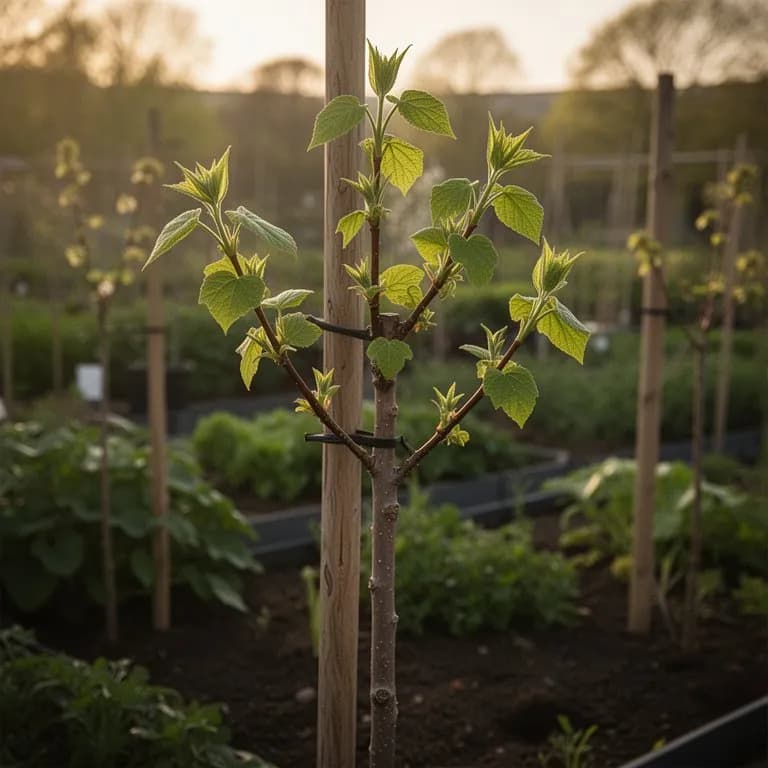
Caring for Butternut Tree month by month
What to do each month for your Butternut Tree
October
You are hereComplete nut harvest. Remove husks and wash nuts. Cure in a warm dry area with good air circulation for 2 to 4 weeks before cracking or storing.
Know exactly what to do in your garden — every month
One email at the start of each month: what to sow, plant, and tackle right now — for your Butternut Tree and everything growing around it. Plus a short starter course that helps you dodge the classic mistakes.
- What to do, right now
- Matched to your season
- Starter course included
Harvesting Butternut Tree
Butternut harvest occurs in September and October when the sticky green husks begin to soften and nuts start falling from the tree. Collect nuts promptly from the ground before they mold. Wear gloves when handling, as the husks contain a dark brown dye that stains skin and clothing permanently. Remove husks and wash nuts thoroughly, then spread in a single layer to cure for 2 to 4 weeks in a dry, airy location. The oblong nuts crack more easily than black walnuts but still require a sturdy nutcracker.
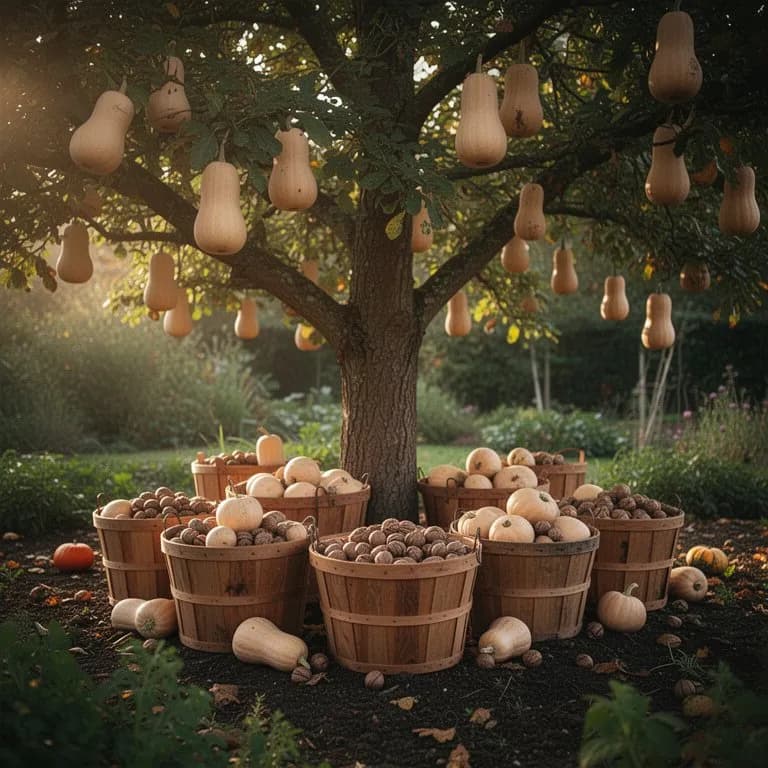
assuming you plant when the window opens — set your real date
Pick Butternut Tree promptly and the plant keeps producing.
Storage & Preservation
Store cured, unshelled butternuts in mesh bags in a cool, dry location for up to 6 months. Shelled kernels are very high in oil and turn rancid quickly, so refrigerate in airtight containers for up to 2 months or freeze for up to a year. The rich, oily flavor is similar to walnut but with a distinctive buttery sweetness. Butternuts can be pickled while still green and soft in midsummer, a traditional New England preservation method.
What goes wrong — and the fix
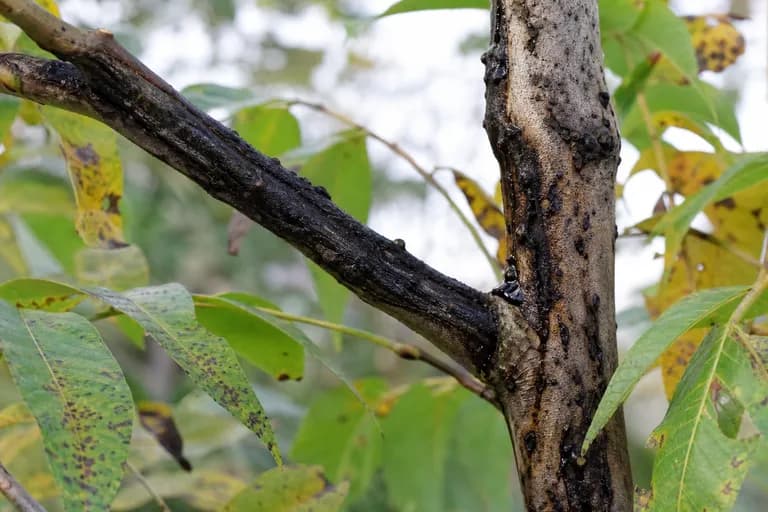
Butternut Canker
DiseaseDark, sunken, elongated cankers on branches and trunk that ooze dark liquid. Cankers girdle branches causing dieback from the top down.
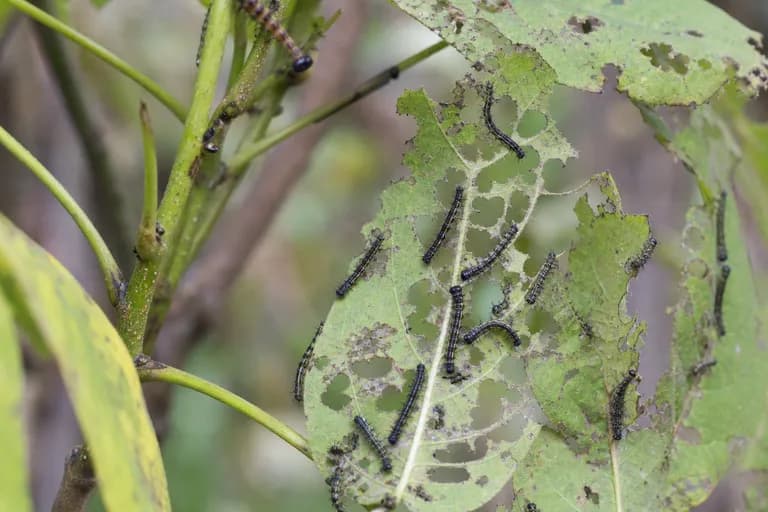
Walnut Caterpillar
PestLarge groups of dark caterpillars skeletonize leaves. Severe defoliation weakens the tree and reduces nut production.
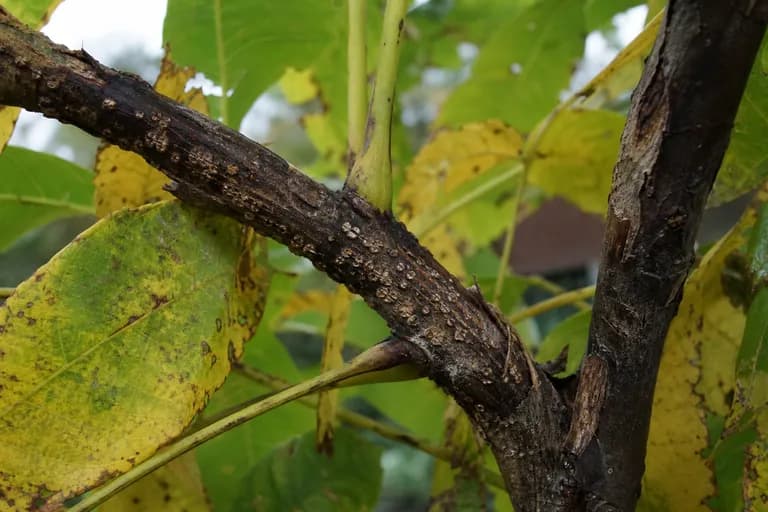
Thousand Cankers Disease
DiseaseNumerous small cankers under bark caused by walnut twig beetle carrying a fungus. Foliage yellows and branches die progressively.
Troubleshooting Common Problems
Butternut canker is by far the most serious issue, having decimated wild populations across North America. Finding disease-free planting stock is challenging. Juglone production limits what can be grown within 50 to 60 feet of the tree. Nut production is inconsistent and varies greatly from year to year. Squirrels and other wildlife compete vigorously for the harvest. The sticky husks make processing messy and stain everything they touch.
Growing Tips
- Plant butternut trees in full sun with at least 6 hours of direct light daily, as they do not tolerate heavy shade and will produce poorly in understory positions.
- Choose a site with deep, well-drained loamy soil and a pH between 6.0 and 7.0 for optimal growth. Avoid heavy clay soils that hold standing water.
- Space trees at least 12 to 15 meters apart to accommodate their wide-spreading canopy and ensure adequate air circulation which helps reduce disease pressure.
- Be aware of juglone toxicity when planning your landscape. Avoid planting tomatoes, peppers, blueberries, azaleas, and apple trees within the butternut drip line.
- Plant at least two unrelated butternut trees or one butternut and one Japanese walnut or buartnut to ensure effective cross-pollination and higher nut yields.
- Protect young trees from deer browsing with tree shelters or wire cages for the first 3 to 5 years until the bark toughens and the canopy grows above browse height.
- Water newly planted trees deeply once per week during the first two growing seasons, providing 20 to 40 liters per watering session to encourage deep root development.
- Inspect trees monthly from May through September for signs of butternut canker including elongated dark sunken areas on branches and trunk. Report findings to your local forestry agency.
- Apply a balanced slow-release fertilizer such as 10-10-10 at a rate of 500 grams per 2.5 cm of trunk diameter each spring for the first 10 years to support vigorous growth.
- Harvest nuts promptly when they fall in autumn and remove husks within 48 hours while wearing nitrile gloves to prevent deep brown staining of hands from the juglone-rich husks.
Grow your best Butternut Tree yet — and everything around it.
Start a free plan today. Lay out your beds, drop in your Butternut Tree, and let PlotMyGarden handle the timing, spacing, companions and reminders from seed to harvest basket.
Pick your Butternut Tree
Craxezy
A canker-resistant selection with improved vigor and good nut production. One of the best pure butternut cultivars for disease-prone areas.
Chamberlin
Heavy-producing variety with large nuts and relatively thin shells. Selected for excellent kernel quality and consistent bearing.
Buartnut Hybrids
Crosses between butternut and Japanese heartnut that combine disease resistance with large, easy-to-crack nuts and buttery flavor.
Mitchell
Hardy selection from northern range with good canker resistance and reliable nut production in cold climates.
A single mature butternut tree can produce 10 to 30 kg of in-shell nuts per year. With specialty shelled butternuts retailing for $30 to $60 per kilogram due to their scarcity, one productive tree could yield $150 to $900 worth of nuts annually once it reaches full bearing age. The wood also has significant value for carving and furniture making.
Quick recipes
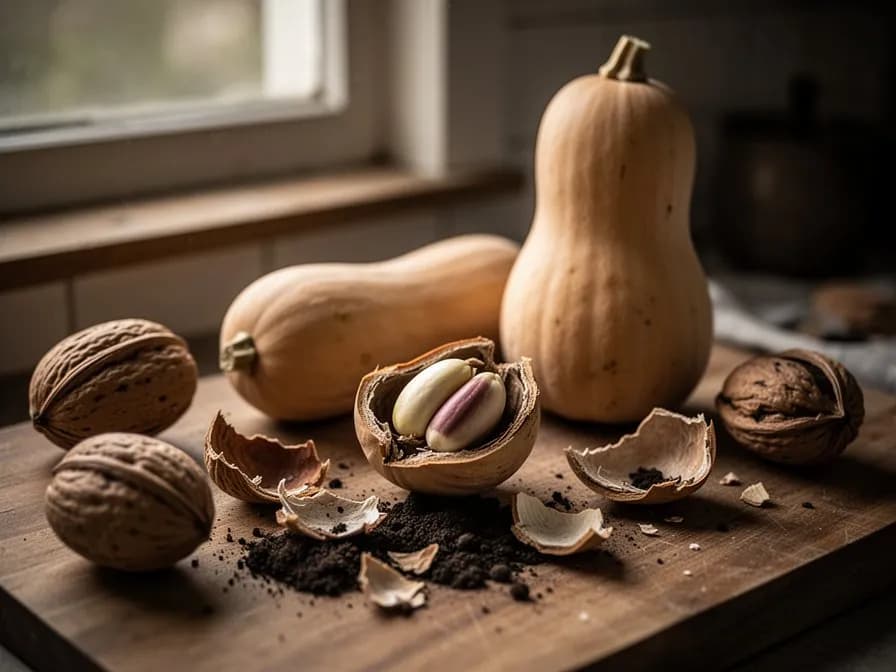
Maple Butternut Brittle
25 minutesA crunchy New England-style brittle that pairs the rich oiliness of butternuts with pure maple syrup for a sweet treat that celebrates two iconic northeastern forest products.
6 ingredients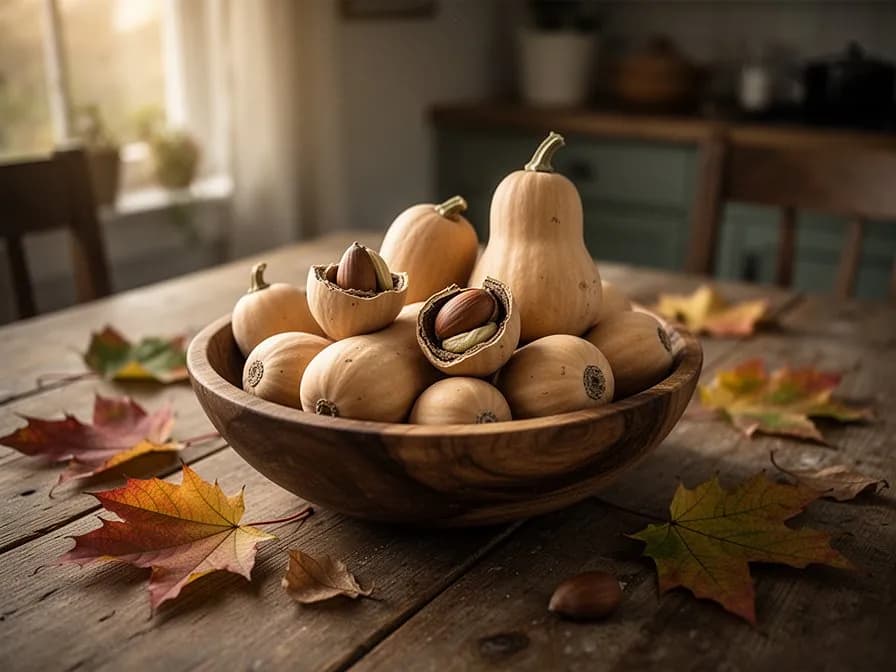
Butternut Pesto Pasta
15 minutesA rich and savory pesto made with toasted butternuts instead of pine nuts, offering a distinctly North American twist on the Italian classic with a deeper and more buttery flavor.
7 ingredientsSpiced Butternut Banana Bread
20 minutes prep plus 55 minutes bakingA moist and richly flavored quick bread that uses chopped butternuts for crunch and depth. The high oil content of the nuts keeps the bread tender for days.
10 ingredientsCulinary Uses
Butternut kernels have a distinctive rich, oily, sweet flavor prized in baking and confections. They are excellent in cookies, cakes, fudge, and maple-butternut candy, a traditional New England treat. The nuts can be used similarly to walnuts in any recipe but offer a more delicate, buttery taste. Butternut oil is flavorful for salad dressings. Green butternuts pickled in vinegar and spices are a heritage preservation.
What's inside
Health Benefits
- High omega-3 fatty acid content supports cardiovascular health by helping reduce inflammation and lower LDL cholesterol levels
- Rich magnesium content of 237 mg per 100g helps regulate blood pressure and supports over 300 enzymatic reactions in the body
- Provides substantial manganese which is essential for bone formation, blood clotting, and metabolizing carbohydrates and amino acids
- Contains plant-based protein at 24 g per 100g making butternuts valuable for supplementing vegetarian and vegan diets
- The combination of fiber and healthy fats promotes satiety and stable blood sugar levels, supporting weight management goals
- Traditional use of butternut bark as a gentle digestive aid is supported by its tannin and juglandin content which may promote healthy bowel function
Where Butternut Tree comes from
The butternut tree (Juglans cinerea), also known as white walnut, is native to the eastern United States and southeastern Canada. Its natural range stretches from New Brunswick and southern Quebec westward to Minnesota, and southward through the Appalachian Mountains to northern Georgia and Arkansas. The species thrives along stream banks, in rich mesophytic forests, and on well-drained slopes, typically at elevations below 900 meters. Butternut has been an important food source for Indigenous peoples for thousands of years. Archaeological evidence from sites across the northeastern woodlands shows that Native Americans gathered and stored butternuts in large quantities. The Iroquois, Algonquin, and other nations ate the rich kernels raw, pressed them for cooking oil, and used the oil in traditional medicines. The husks and bark provided a durable brown dye used for baskets, textiles, and body decoration. European colonists quickly adopted the butternut as a food tree and timber species. The wood, being softer and lighter than black walnut, became prized for interior trim, furniture, and especially wood carving. During the nineteenth century, butternut was widely planted on farms throughout the northeastern states as a shade and nut tree. The species suffered a devastating decline beginning in the mid-twentieth century due to butternut canker, a fungal disease caused by Ophiognomonia clavigignenti-juglandacearum. First identified in Wisconsin in 1967, the disease spread rapidly and has killed the majority of mature butternuts across much of the native range. Today, conservation efforts focus on identifying canker-resistant individuals and breeding programs that cross butternut with the closely related Japanese walnut (Juglans ailantifolia) to produce disease-tolerant hybrids known as buartnuts. Several state and provincial agencies list butternut as a species of special concern or endangered.
Butternut Tree: did you know?
Fascinating facts about Butternut Tree
Native Americans used butternut bark and husks to produce a rich brown dye, and during the American Civil War, Confederate soldiers dyed their uniforms with it, earning them the nickname 'Butternuts.'
Butternut Tree questions, answered
When should I plant Butternut Tree?
What hardiness zones can Butternut Tree grow in?
How much sun does Butternut Tree need?
How far apart should I space Butternut Tree?
What pests and diseases affect Butternut Tree?
How do I store Butternut Tree after harvest?
What are the best Butternut Tree varieties to grow?
What soil does Butternut Tree need?
What is the difference between a butternut tree and a black walnut tree?
Is butternut canker treatable, and can I save an infected tree?
How long does it take for a butternut tree to produce nuts?
Can I grow a butternut tree in a small yard?
What animals eat butternuts and how can I protect my harvest?
Are butternut trees endangered or protected?
You just read the theory. Now grow it on autopilot.
Everything that makes Butternut Tree fiddly — the timing, the spacing, the companions, the harvest window — is exactly what PlotMyGarden handles for you, for every plant in your garden.
A plan that knows your weather
Set your location once. Get sow, feed and harvest dates built around your real last-frost date and live forecast — no more guessing from a generic seed packet.
From the “When to plant” sectionDrag-and-drop bed planner
Design beds on a grid. Every plant snaps to its proper spacing, and you can see your whole season laid out before you spend a cent on seed.
From the “Growing guide” sectionCompanion conflicts, caught early
200+ good-and-bad pairings checked live as you plant — so a season-wrecking mistake never makes it into the ground.
From the “Companions” sectionReminders you'll actually act on
“Water the beans.” “Pick today before it turns.” Timely, specific, and tied to the plants you're really growing.
From the “Harvest” sectionSuccession, scheduled
Want a harvest for six weeks, not six days? It spaces your sowings automatically and reminds you when each new block is due.
From the “When to plant” sectionA record that gets smarter
Every harvest you log teaches it your garden. Next year's plan starts from what actually worked in your soil, not a textbook's.
From the “Overview” sectionMore Nut Trees
Keep Butternut Tree away from these
Grow your best Butternut Tree yet — and everything around it.
Start a free plan today. Lay out your beds, drop in your Butternut Tree, and let PlotMyGarden handle the timing, spacing, companions and reminders from seed to harvest basket.