Sprouting-Brokkoli
Ein überwinternder Brokkoli, der im Spätwinter und zeitigen Frühjahr zahlreiche kleine, zarte Röschen an verzweigten Stielen bildet.





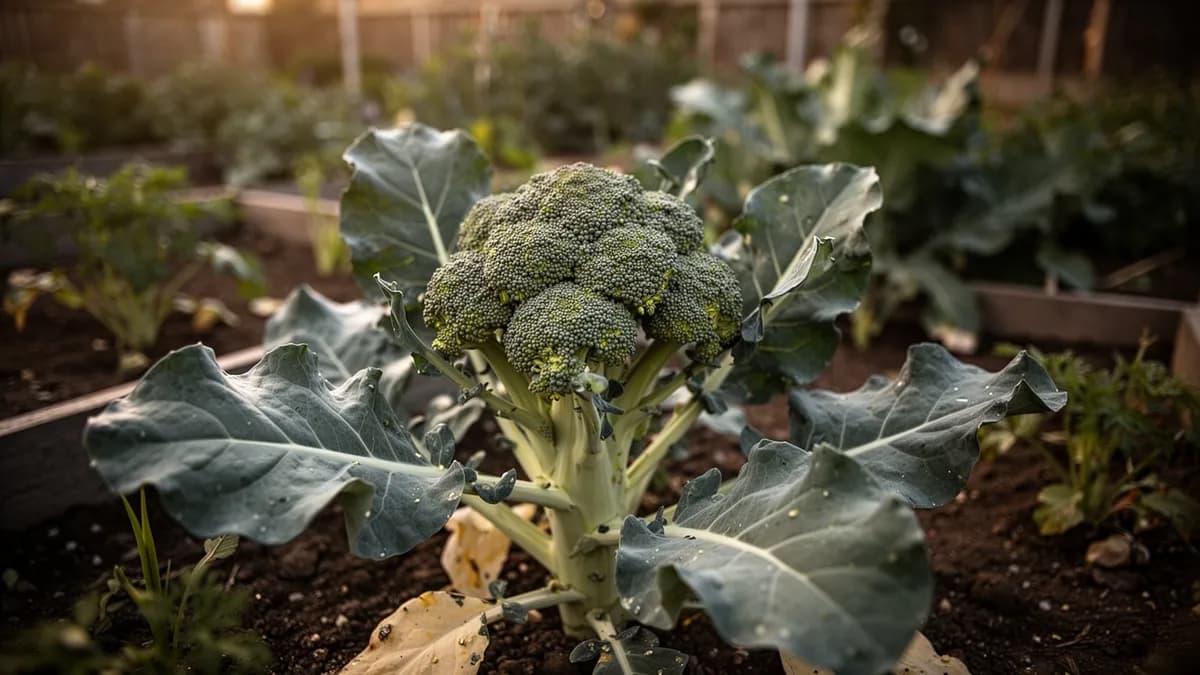
Auf dieser SeiteÜberblick
Sprouting-Brokkoli im Überblick
Ein überwinternder Brokkoli, der im Spätwinter und zeitigen Frühjahr zahlreiche kleine, zarte Röschen an verzweigten Stielen bildet. Anders als Kopfbrokkoli produzieren Sprouting-Typen über mehrere Wochen kontinuierlich zarte lila oder weiße Triebe. Die Pflanzen müssen im Boden überwintern und profitieren von Kälteeinwirkung, um die Frühjahrsblüte auszulösen. Eine der wertvollsten Wintergartenpflanzen, die frisches Grün liefert, wenn kaum etwas anderes verfügbar ist.
Wann Sprouting-Brokkoli pflanzen
Samen Ende Mai oder im Juni drinnen in Anzuchtmodulen oder kleinen Töpfen mit Anzuchterde etwa 1 cm tief säen. Die Keimung dauert sieben bis zwölf Tage bei 15 bis 20 Grad Celsius. Jungpflanzen bei gutem Licht weiterkultivieren und nach dem Erscheinen der ersten echten Blätter einmal in 9-cm-Töpfe pikieren. Über zwei Wochen schrittweise abhärten, bevor die Pflanzen im Juli oder August an den endgültigen Standort gepflanzt werden. Tief einpflanzen und den Stiel bis zu den ersten Blättern eingraben, um zusätzliche Stabilität zu gewährleisten. Gut einwässern und mit Kragen und Netz gegen Schnecken und die Kohlfliege schützen.
Dein Sprouting-Brokkoli-Jahr
Abgestimmt auf Zone 7 · typische Saison · Frost geht um den 2. Apr. und kehrt um den 1. Nov. zurück
Sprouting-Brokkoli — pflanzen, Feb – Apr ernten. Beachte die Pflanzmethoden unten und wähle dein Klima für passende Zeiträume.
So baust du Sprouting-Brokkoli an
Sprouting-Brokkoli ist eine Langzeitkulturfrucht, die Geduld mit einer reichen Ernte im Spätwinter und zeitigen Frühjahr belohnt. Samen im späten Frühjahr oder frühen Sommer drinnen anziehen und kräftige Jungpflanzen im Hochsommer ins Beet pflanzen. Pflanzen im Abstand von 60 cm in Reihen mit 75 cm Abstand setzen, da sie während ihrer langen Wachstumsperiode groß werden. Einen geschützten Standort mit fruchtbarem, gut durchlässigem Boden wählen und die Erde nach dem Einpflanzen gut andrücken, um die spätere Höhe der Pflanzen zu stützen.
Im Herbst entwickeln die Pflanzen starke Wurzeln und blattreiche Gerüste. Hochwachsende Sorten gegen Windbruch abstützen und Erde um die Stiele häufeln, um zusätzliche Standfestigkeit zu gewährleisten. Anfang Herbst stickstoffreichen Dünger geben, um das Wachstum zu fördern, dann Ende Herbst mit der Düngung aufhören, damit die Pflanzen vor dem Winter abhärten. In sehr kalten Regionen bei starkem Frost mit Vlies oder Clochen schützen, obwohl die Pflanzen Temperaturen bis etwa minus 12 Grad Celsius vertragen.
Mit zunehmender Tageslänge im Spätwinter beginnen die Pflanzen aus den Seitentrieben kleine Brokkolispargen zu bilden. Regelmäßig ernten, indem die Spargen abgebrochen oder abgeschnitten werden, wenn sie etwa 15 cm lang sind, bevor sich die gelben Blütenknospen öffnen. Konsequentes Pflücken regt weitere Seitentriebe an und verlängert die Erntesaison um sechs bis acht Wochen. Vergilbende Blätter entfernen, um die Luftzirkulation zu verbessern und den Krankheitsdruck in den feuchten Frühjahrsmonaten zu reduzieren.
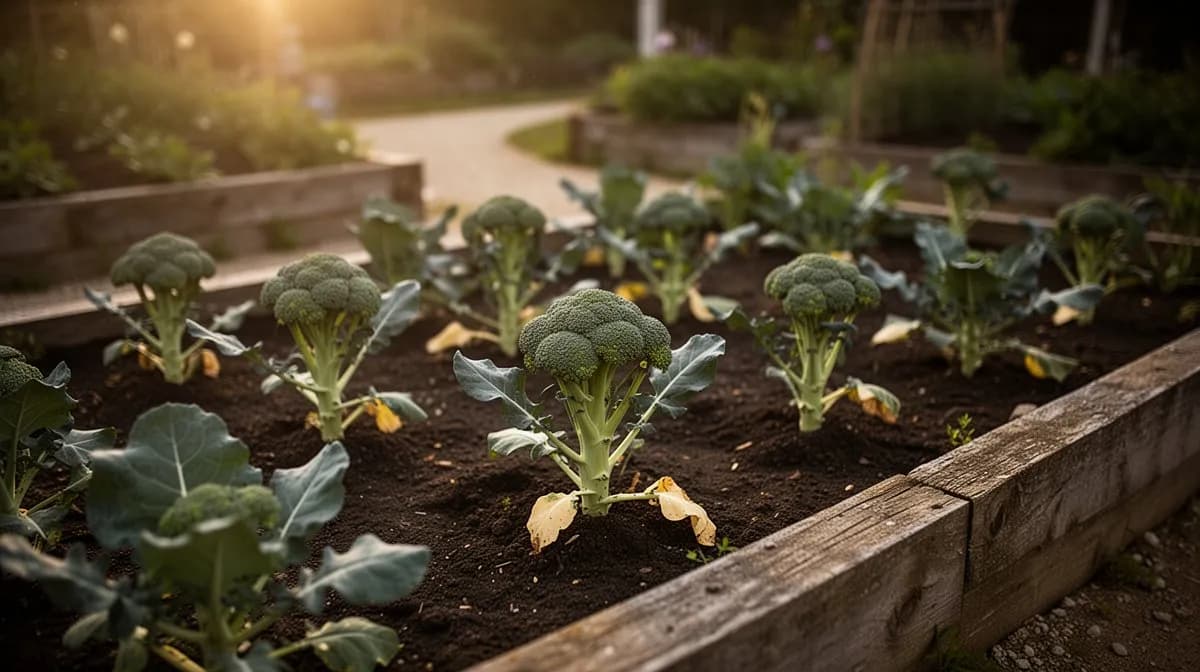
8 Pflanzen passen in ein Beet von 120 × 240 cm
Sprouting-Brokkoli braucht 60 cm Platz pro Pflanze. Der Planer hält diesen Abstand für dich ein — jede Pflanze, jedes Beet.
Die besten Nachbarn für Sprouting-Brokkoli
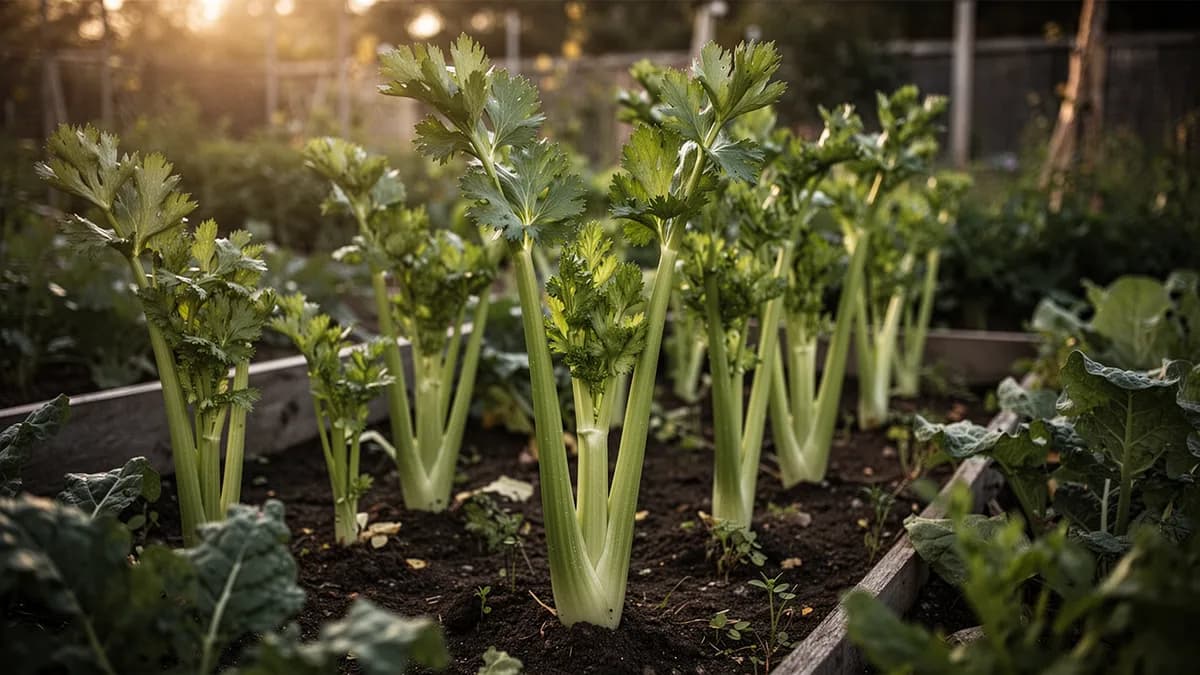
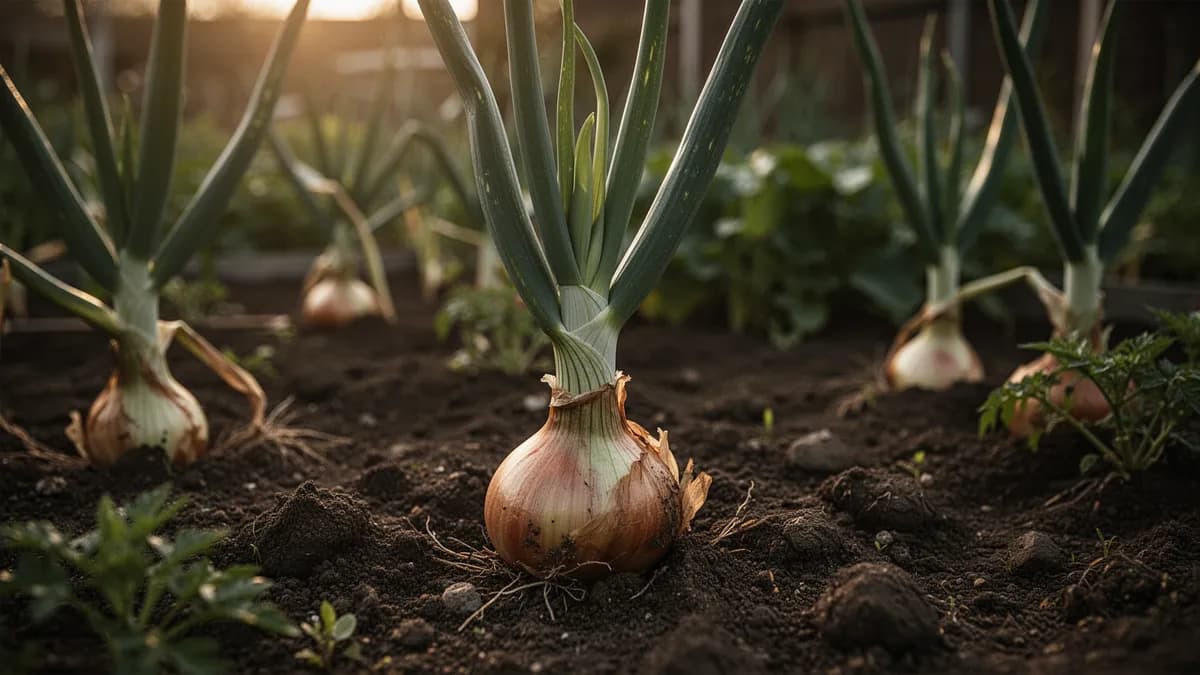
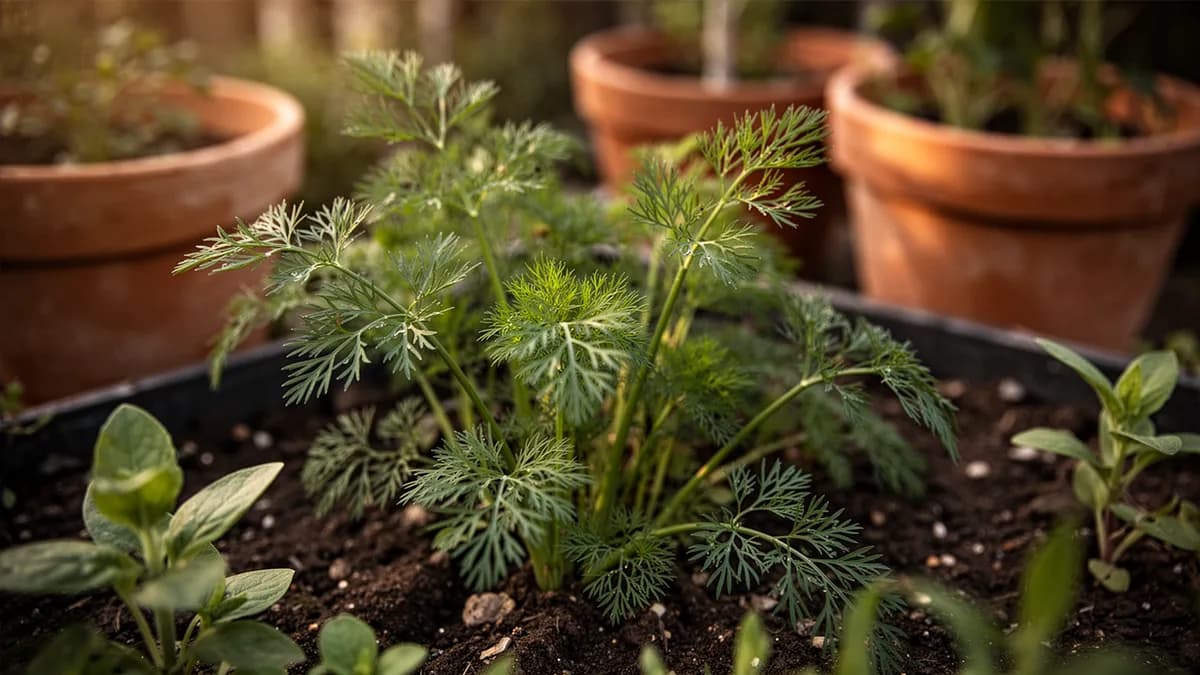
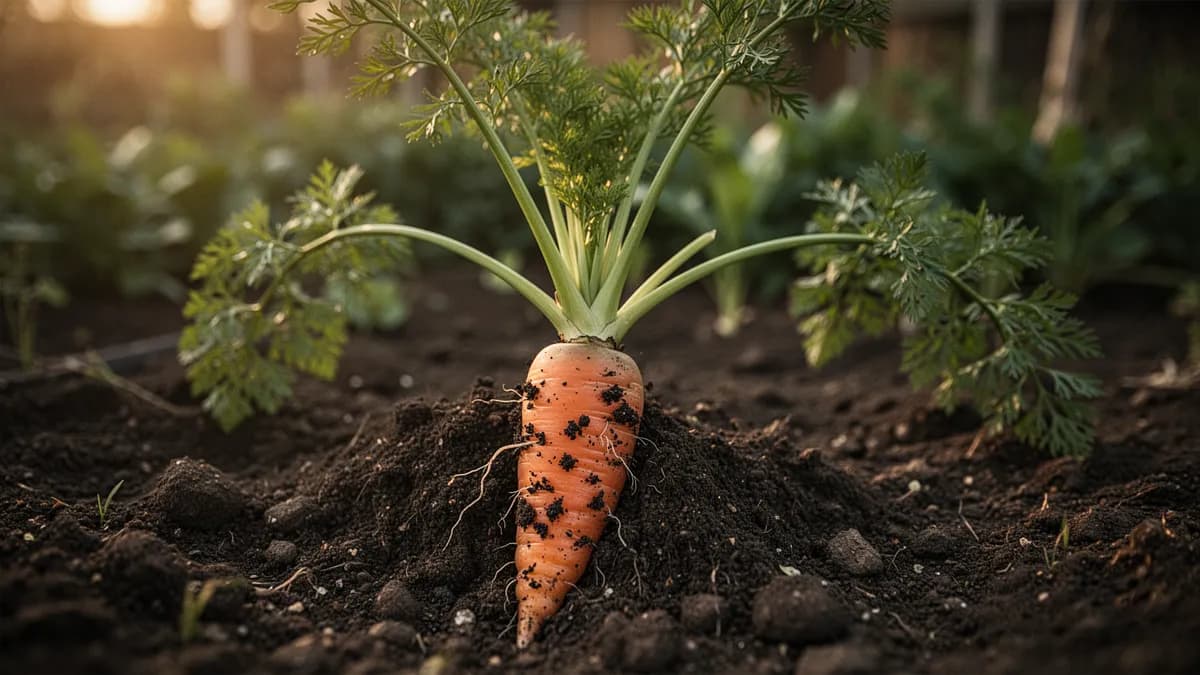
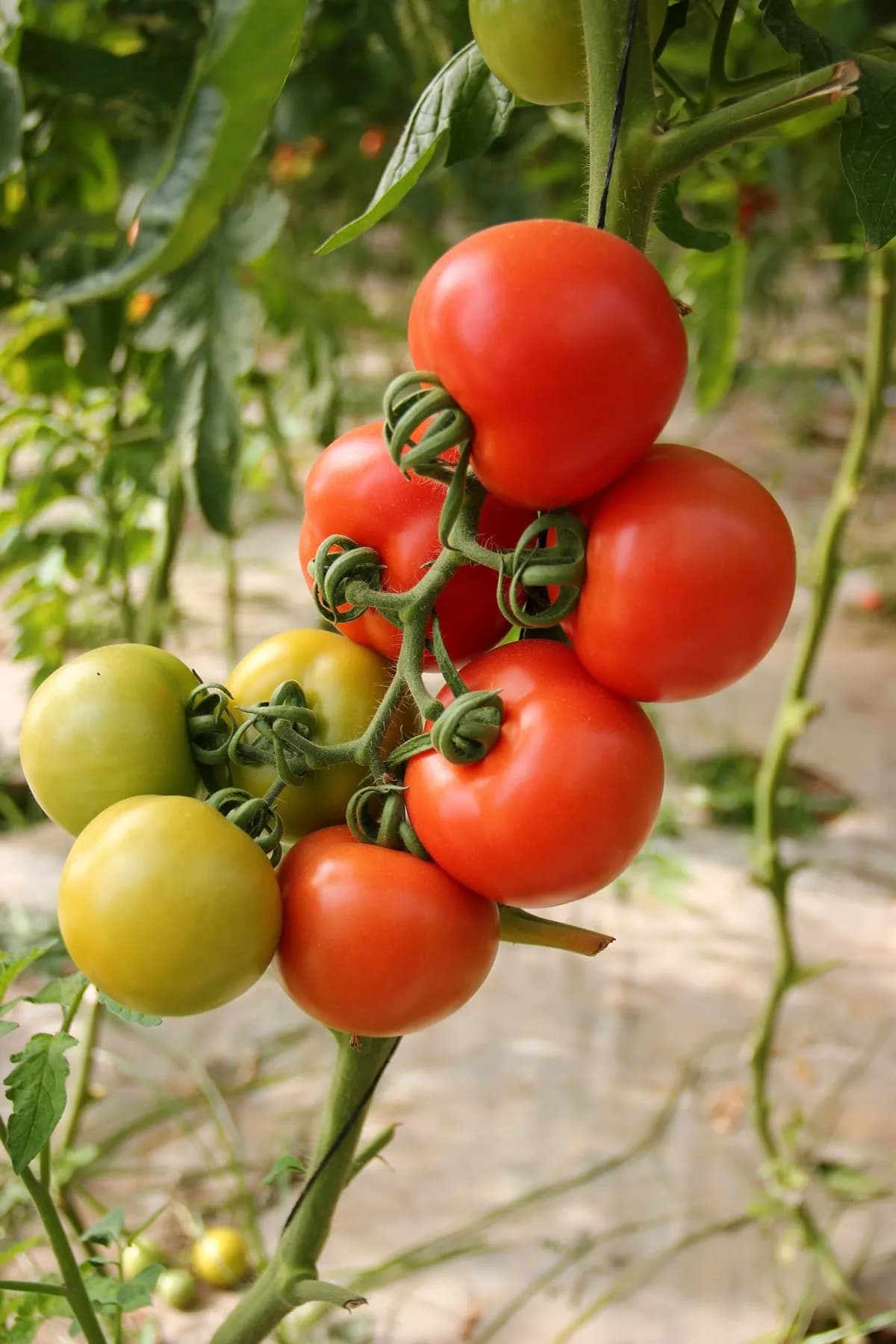
Sprouting-Brokkoli neben Sellerie, Zwiebeln und Dill pflanzen, die mit ihren starken Düften Kohlschädlinge abhalten. Kamille in der Nähe soll Geschmack und Wüchsigkeit verbessern. Tomaten, Erdbeeren und andere Kohlgewächse in der Nachbarschaft vermeiden, um gemeinsamen Schädlings- und Krankheitsdruck zu reduzieren. Kapuzinerkresse dient als hervorragende Fangpflanze und lockt Blattläuse und Raupen vom Brokkoli weg. Die Zwischenpflanzung mit niedrig wachsenden Kräutern wie Thymian bietet Bodendeckung, unterdrückt Unkraut und schafft Lebensraum für nützliche Raubinsekten.
Sellerie gehört daneben. Tomate nicht.
Altes Gärtnerwissen, geprüft an der echten Nachbartabelle von Sprouting-Brokkoli — teste jede Pflanze, die du anbaust.
Probiere Sprouting-Brokkoli direkt hier im Beet
Ein echtes Planer-Beet, Sprouting-Brokkoli steht schon drin. Tippe einen Begleiter an, platziere ihn und sieh, wie die Nachbarschaftsprüfung antwortet — grün für gute Nachbarn, rot bei Streit.


Passende Anbau-Ratgeber
Richtig düngen
Sprouting-Brokkoli gedeiht in festem, fruchtbarem Boden mit einem pH-Wert von 6,5 bis 7,5. Beete einige Wochen vor dem Pflanzen mit gut verrottetem Mist oder Kompost vorbereiten, dann den Boden durch Abtreten festigen. Lockerer Boden führt zu instabilen Pflanzen, die im Winterwind schwanken. Beim Pflanzen einen ausgewogenen Granulardünger ausbringen und Anfang Herbst mit einem stickstoffreichen Dünger nachdüngen. Übermäßigen Stickstoff gegen Ende der Saison vermeiden, da weiches Gewebe frostempfindlicher ist. Saure Böden kalken, um den pH-Wert anzuheben und der Kohlhernie vorzubeugen.
Ideale Temperatur
Winterhärtezone-Kompatibilität
Von der Saat zur Ernte, Schritt für Schritt
Aussaat
Samen keimen unter kühlen Bedingungen willig und bringen innerhalb von 7–14 Tagen kräftige Keimlinge mit runden Keimblättern hervor. Sprouting-Brokkoli wird typischerweise im späten Frühjahr oder frühen Sommer gesät, um im darauffolgenden Spätwinter und Frühjahr geerntet zu werden – dieser lange Anbauzyklus macht ihn einzigartig unter den Kohlgewächsen.
Keimlingsentwicklung
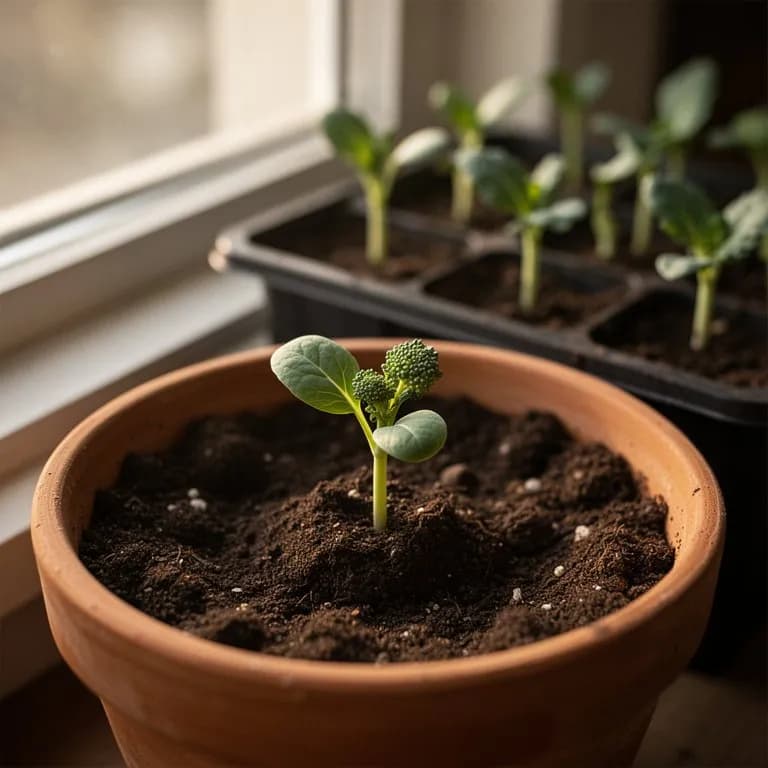
Echte Blätter entwickeln sich mit der charakteristischen blaugrünen, leicht wachsartigen Oberfläche der Kohlgewächse. Keimlinge wachsen kräftig und bilden in den Modulen ein starkes Wurzelsystem. Nach 4–6 Wochen haben die Pflanzen 4–6 echte Blätter und sind bereit zur Auspflanzung an den endgültigen Standort.
Vegetatives Wachstum
Nach der Auspflanzung etablieren sich die Pflanzen rasch und wachsen zu hohen, kräftigen Exemplaren mit dicken Stielen und großen, ausladenden Blättern heran. Im Sommer und Herbst bildet die Pflanze die Energiereserven auf, die sie im Spätwinter für die Spargenproduktion benötigt. Pflanzen können 60–90 cm hoch und 60 cm breit werden.
Überwinterung
Pflanzen überstehen die kältesten Monate und tolerieren einmal etabliert Temperaturen bis -12 °C (10 °F). Das Wachstum verlangsamt sich erheblich, aber die Pflanze bleibt am Leben, ihre Wachsblätter lassen Regen und Schnee abgleiten. Leichte Fröste lösen die Umwandlung von Stärke in Zucker aus und verbessern die Süße der zukünftigen Spargen.
Spargenproduktion
Mit zunehmender Tageslänge im Spätwinter beginnt die Pflanze, die charakteristischen Blütentriebe (Spargen) aus dem zentralen Wachstumspunkt und den Seitentrieben zu produzieren. Jede Sparge ist eine Gruppe winziger, noch geschlossener Blütenknospen an einem zarten Stiel. Lila Sorten entwickeln durch Anthocyane eine leuchtend violette Färbung.
Erweiterte Ernte
Bei regelmäßigem Pflücken produzieren die Pflanzen 6–8 Wochen lang weiterhin Seitentriebe bis in den Frühling. Eine einzige Pflanze kann im Erntezeitraum 30–50 einzelne Spargen liefern. Die Produktion lässt schließlich nach, wenn die Temperaturen steigen und die Pflanze zu schossen und Samen zu bilden versucht.
Samen 1 cm tief in Anzuchtmodulen oder Saatschalen mit hochwertiger Anzuchterde säen. Temperaturen von 15–20 °C (60–68 °F) für optimale Keimung halten. Nicht zu früh säen – Mitte April bis Mitte Juni ist für die meisten gemäßigten Klimazonen ideal.
Sprouting-Brokkoli Monat für Monat pflegen
Was du jeden Monat für deine Sprouting-Brokkoli tun solltest
Oktober
Aktueller MonatLetzte Düngung der Saison. Erde nach windigem Wetter um den Pflanzenfuß festdrücken. Untere, den Boden berührende Blätter entfernen, um Schneckenfraß und Pilzinfektionen vorzubeugen. Netze und Stützen für den Winter sichern.
Immer wissen, was jetzt im Garten zu tun ist
Eine E-Mail zum Monatsanfang: was du jetzt säen, pflanzen und anpacken solltest — für deine Sprouting-Brokkoli und alles, was drumherum wächst. Dazu ein kurzer Startkurs, der dich vor den klassischen Fehlern bewahrt.
- Was jetzt zu tun ist
- Passend zu deiner Saison
- Startkurs inklusive
Sprouting-Brokkoli ernten
Mit der Ernte beginnen, wenn der Mitteltrieb etwa 15 cm lang und die Blütenknospen noch fest geschlossen sind. Den Mitteltrieb zuerst abschneiden, um eine reiche Seitentriebbildung anzuregen. Seitentriebe alle paar Tage abbrechen oder abschneiden, mit einigen Blättern. Morgens ernten, wenn die Spargen am prallsten und vor der Sonne noch nicht welk sind. Regelmäßiges Ernten ist unverzichtbar, da offene Blüten der Pflanze signalisieren, keine neuen Triebe mehr zu produzieren. Eine einzige Pflanze kann im Erntezeitraum über ein Kilogramm Spargen liefern.
angenommen, du pflanzt zu Beginn des Zeitraums — trage dein tatsächliches Datum ein
Ernte Sprouting-Brokkoli zügig, dann trägt die Pflanze weiter.
Lagerung & Konservierung
Frisch geschnittener Sprouting-Brokkoli hält sich im Kühlschrank bis zu fünf Tage, ungewaschen in einem perforierten Plastikbeutel aufbewahrt. Für längere Lagerung Spargen zwei bis drei Minuten in kochendem Wasser blanchieren, in Eiswasser abschrecken, gut abtropfen lassen und auf Tabletts einfrieren, bevor sie in Gefrierbeutel umgefüllt werden. Tiefgefrorener Sprouting-Brokkoli bleibt bis zu zwölf Monate in guter Qualität. Er kann auch in gewürztem Essig eingelegt werden als würziges Kondiment, oder getrocknet, um ihn Suppen und Eintöpfen beizumischen.
Was schiefgeht — und die Lösung
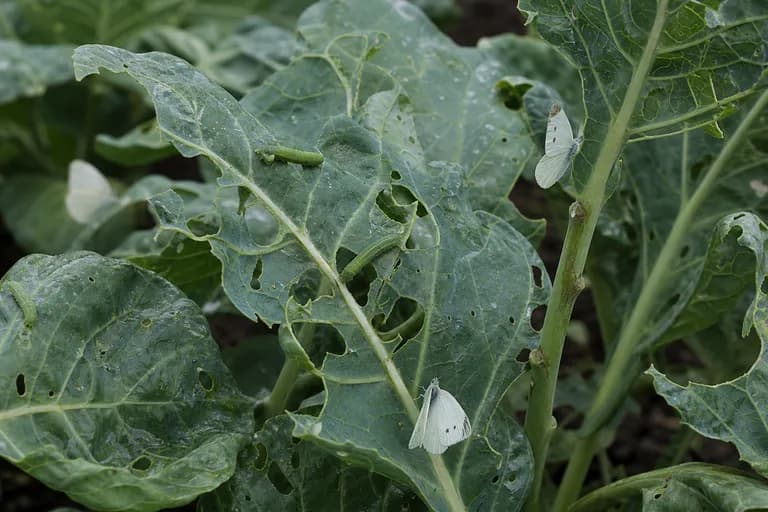
Kohlweißling
SchädlingGroße Fraßlöcher in den Blättern durch grüne Raupen, Kotspuren auf Blättern und rund um den Pflanzenfuß sichtbar.
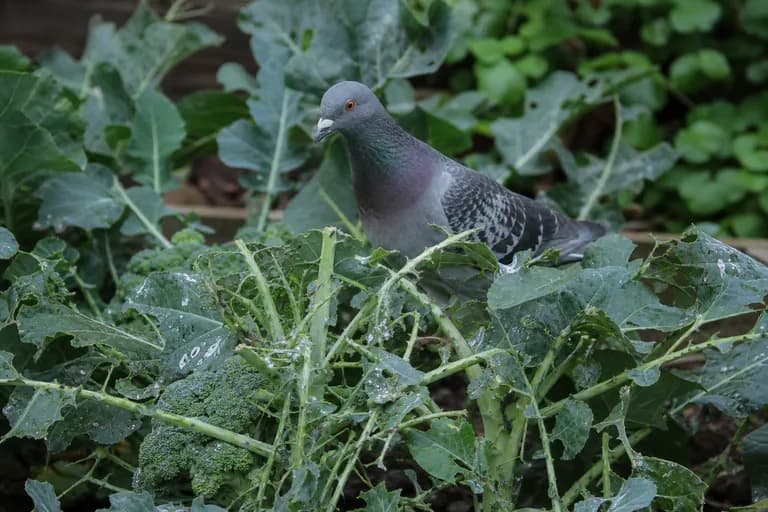
Tauben
SchädlingBlätter bis auf die Mittelrippe abgefressen, besonders im Winter, wenn andere Nahrungsquellen knapp sind. Kot auf verbliebenen Blättern.
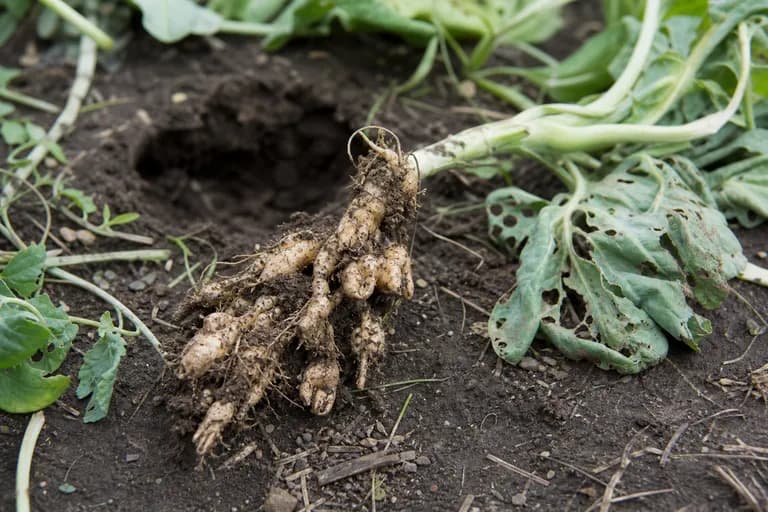
Kohlhernie
KrankheitKümmerwuchs, Welken bei warmem Wetter trotz ausreichender Bewässerung, aufgequollene und deformierte Wurzeln beim Herausziehen.
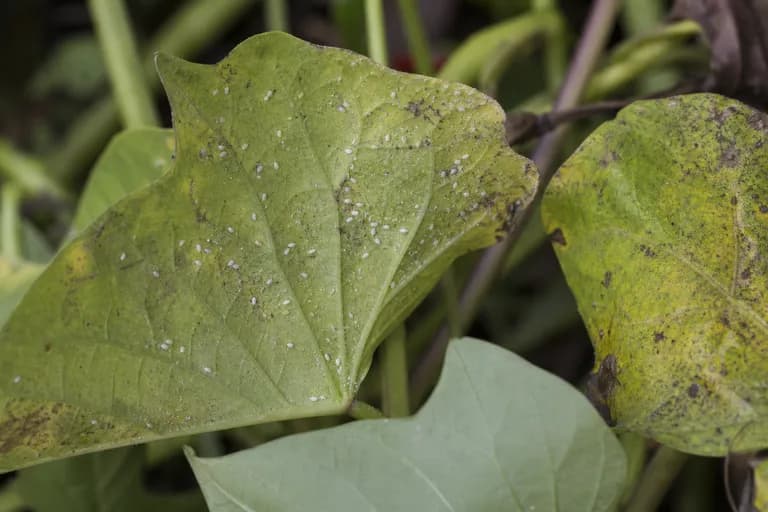
Weiße Fliege
SchädlingSchwärme winziger weißer Fliegen beim Berühren des Laubes, klebriger Honigtau auf Blättern, Rußtaupilz-Befall.
Fehlerbehebung bei häufigen Problemen
Windbruch ist ein großes Problem, da hohe Pflanzen Winterstürme einfangen, die Wurzeln lockern und in den entstehenden Löchern Staunässe verursachen. Pflanzen abstützen oder Stiele anhäufeln, um Standfestigkeit zu sichern. Schossung kann auftreten, wenn Pflanzen längerem Warmwetter gefolgt von Kälteeinbrüchen ausgesetzt sind. Nährstoffmangel zeigt sich als lilastichige oder vergilbende Blätter und wird mit Flüssigdünger behoben. Schlechte Spargenbildung ist oft die Folge unzureichender Kälteeinwirkung im Winter, die zur Blüteninduktion notwendig ist. Vögel, insbesondere Tauben, können das Laub in Wintermonaten verwüsten, wenn alternative Nahrung knapp ist.
Anbautipps
- Bei Sprouting-Brokkoli ist das Timing entscheidend. Zu früh gesät und die Pflanzen schossen vor dem Winter; zu spät gesät und sie werden nicht groß genug, um kaltes Wetter zu überstehen. Mitte April bis Mitte Juni ist für die meisten gemäßigten Klimazonen das zuverlässige Aussaatfenster, mit dem Ziel, die Jungpflanzen bis Mitte Juli ins Beet zu bringen.
- Fester Boden ist für alle Kohlgewächse entscheidend. Nach dem Einpflanzen die Erde mit dem Stiefel fest um jede Pflanze drücken – wenn Sie ein Blatt ziehen und die Pflanze herauskommt, ist sie nicht fest genug. Lockerer Boden führt zu Windbruch, der die Wurzeln beschädigt und Pflanzen im Winter abtötet.
- Ab dem Moment der Auspflanzung gegen Tauben netzen. Ringeltauben können eine Sprouting-Brokkoli-Pflanze an einem einzigen Nachmittag bis auf kahle Stiele abfressen. 50-mm-Maschengewebe verwenden, das auf ausreichend hohen Bögen aufgespannt ist, damit Vögel nicht durchdrücken und die Blätter erreichen können.
- Jede Pflanze bis zum Spätsommer abstützen. Sprouting-Brokkoli wächst hoch und kopflastig, und Herbststürme können Stiele abbrechen oder das Wurzelsystem lockern. Ein stabiler 90-cm-Stab pro Pflanze, mit weichem Bindfaden gesichert, verhindert katastrophale Verluste.
- Im Sommer und frühen Herbst großzügig mit stickstoffreichem Dünger wie granuliertem Hühnermist oder Blutmehl alle 3–4 Wochen düngen. Die Pflanze muss vor dem Winter erhebliche Reserven aufbauen, um die Spargenproduktion im Frühjahr anzutreiben. Die Düngung bis Ende Oktober einstellen.
- Den Mitteltrieb immer zuerst abschneiden, auch wenn Seitentriebe gleichzeitig erscheinen. Das Entfernen des dominanten zentralen Wachstumspunktes löst eine hormonelle Reaktion aus, die reichliches Verzweigen stimuliert und den Gesamtertrag über die Erntesaison deutlich erhöht.
- Spargen morgens ernten, wenn sie kühl und prall sind. Mit einem scharfen Messer Stiele von 10–15 cm Länge direkt oberhalb eines Blattansatzes abschneiden. Spargen nie abreißen oder losreißen, da dies die Pflanze beschädigt und Eintrittspunkte für Krankheiten schafft.
- Früh- und Spätsorten anbauen, um das Ernte-Zeitfenster von Februar bis April auszudehnen. Early Purple Sprouting produziert ab Ende Februar, während Spätsorten wie Claret oder Cardinal die Ernte bis Ende April und darüber hinaus fortsetzen.
Bau deine beste Sprouting-Brokkoli an — und alles drumherum.
Starte heute kostenlos. Lege deine Beete an, setze deine Sprouting-Brokkoli ein und lass PlotMyGarden Timing, Abstände, Begleiter und Erinnerungen von der Saat bis zum Erntekorb übernehmen.
Finde deine Sprouting-Brokkoli
Purple Sprouting Early
Reift im Spätwinter und produziert reichlich lila getönte Spargen mit hervorragendem süßem Geschmack. Sehr winterhart und zuverlässig.
Purple Sprouting Late
Verlängert die Saison, indem er einige Wochen nach frühen Sorten reift. Ebenso ertragreich mit etwas größeren Spargen.
White Sprouting
Produziert cremeweiße Spargen mit einem milderen, zarteren Geschmack als lila Sorten. Etwas weniger winterhart.
Claret
Eine kräftige F1-Hybride mit tiefvioletten Spargen und guter Einheitlichkeit. Starke Pflanzen mit ausgezeichneter Winterhärte.
Red Fire
Kompakte Pflanzen mit leuchtend rötlich-lila Spargen, die beim leichten Garen ihre Farbe gut behalten. Gut geeignet für kleinere Gärten.
Sprouting-Brokkoli erzielt auf Wochenmärkten und in Feinkostläden Premiumpreise, typischerweise 6–10 $ pro Bund während seiner kurzen Spätwinter-Saison. Eine einzige Pflanze aus einem 2–3 $ teuren Samenpaket kann den Gegenwert von 6–10 Marktbunden über die Erntesaison produzieren, was einem Wert von 35–100 $ entspricht. Der Anbau von 4–6 Pflanzen liefert reichliche Ernten für eine Familie während der Hungerlücke, wenn andere frische Gartenprodukte knapp sind, und reduziert die Abhängigkeit von teuren importierten Gemüsen in den ertragsschwächsten Monaten.
Schnelle Rezepte
Sprouting-Brokkoli mit Knoblauch und Chili
10 Min.Die einfachste und bekannteste Art, Sprouting-Brokkoli zu servieren – kurz in Olivenöl mit in Scheiben geschnittenem Knoblauch und einer Prise rotem Chili geschwenkt. Die zarten Spargen brauchen nur wenige Minuten Garzeit, um ihr süßes, nussiges Aroma zu entfalten.
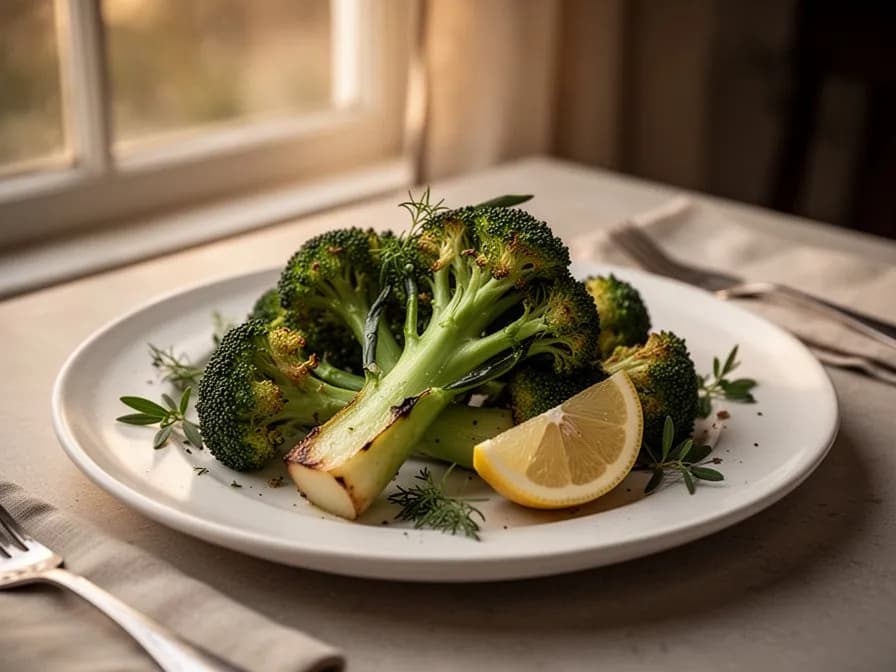
7 ZutatenGegrillter Sprouting-Brokkoli mit Zitrone und Mandeln
20 Min.Hohe Hitze beim Rösten verwandelt Sprouting-Brokkoli in etwas Außergewöhnliches – die Spitzen werden knusprig und karamellisieren, während die Stiele zart bleiben. Geröstete Mandeln sorgen für Knusprigkeit, Zitronenabrieb bringt Frische.
7 ZutatenSprouting-Brokkoli-Orecchiette mit Sardellen
25 Min.Ein rustikales, italienisch inspiriertes Pastagericht, bei dem geschmolzene Sardellen eine herzhaft-würzige Umami-Basis schaffen, die perfekt zu den süßen Kohlspargen passt. Die Röschen-Spitzen lösen sich in die Sauce auf und überziehen jedes Pasta-Stück.
8 ZutatenKulinarische Verwendung
Sprouting-Brokkoli hat einen süßeren, zarteren Geschmack als Kopfbrokkoli und benötigt nur wenig Garzeit. Spargen zwei bis drei Minuten dämpfen oder blanchieren, bis sie gerade weich sind, dann mit Olivenöl, Zitronensaft und Knoblauch anrichten. Er eignet sich hervorragend für Pfannengerichte, Pastagerichte und Frittatas. Die zarten Blätter und Stiele sind vollständig essbar. Lila Sorten werden beim Garen grün, behalten aber ihr süßes Aroma. Anrösten auf einem heißen Grillrost entfaltet köstliche nussig-rauchige Noten.
Was drinsteckt
Gesundheitsvorteile
- Außerordentlich reich an Sulforaphan, einer potenten Isothiocyanat-Verbindung, die beim Schneiden oder Kauen von Pflanzenzellen freigesetzt wird – Forschungen zeigen, dass Sulforaphan die natürlichen Entgiftungsenzyme des Körpers aktiviert und intensiv auf potenzielle krebshemmende Eigenschaften untersucht wurde.
- Hervorragende Vitamin-C-Quelle, liefert fast 100 % des Tageswertes pro 100-g-Portion – essenziell für die Immunfunktion, Kollagensynthese und die Verbesserung der Eisenaufnahme aus pflanzlichen Lebensmitteln.
- Enthält Glucosinolate, schwefelhaltige Verbindungen, die Kohlgewächsen ihren charakteristischen würzigen Geschmack verleihen und in klinischen Studien entzündungshemmende und antimikrobielle Eigenschaften gezeigt haben.
- Reich an Vitamin K, unerlässlich für die ordnungsgemäße Blutgerinnung und Kalziumregulation in den Knochen – regelmäßiger Verzehr unterstützt die Knochendichte und kann das Frakturrisiko senken, besonders wichtig für ältere Erwachsene.
- Lila Sorten liefern Anthocyane, starke antioxidative Farbstoffe, die die Blut-Hirn-Schranke überwinden und mit verbesserter kognitiver Funktion sowie reduziertem Risiko neurodegenerativer Erkrankungen in Verbindung gebracht werden.
- Reich an Ballaststoffen, die die Verdauungsgesundheit unterstützen, nützliche Darmbakterien ernähren und zum Sättigungsgefühl beitragen – die Kombination aus Ballaststoffen, Protein und Mikronährstoffen macht Sprouting-Brokkoli zu einem der ernährungsphysiologisch vollständigsten verfügbaren Gemüse.
Woher Sprouting-Brokkoli stammt
Sprouting-Brokkoli (Brassica oleracea var. italica) geht auf wilde Kohlpflanzen zurück, die an der felsigen Mittelmeerküste, insbesondere in Süditalien, wuchsen, wo die gezielte Züchtung durch römische und vorrömische Bauern allmählich verschiedene Kopf- und Sprouting-Formen hervorbrachte. Die Römer bauten eine frühe Form des Sprouting-Brokkolis an und schätzten ihn sehr – der Naturforscher Plinius der Ältere beschrieb ihn im 1. Jahrhundert n. Chr. Italienische Gärtner verfeinerten die Sprouting-Brokkoli-Sorten während des gesamten Mittelalters und entwickelten sowohl lila als auch weiße Formen, die zahlreiche kleine Blütentriebe statt eines einzigen großen Kopfes produzierten.
In Großbritannien ist Sprouting-Brokkoli seit dem frühen 18. Jahrhundert belegt, mit Anbauaufzeichnungen in der Gartenliteratur ab den 1720er Jahren. Er wurde zu einem wertvollen Winter- und Frühjahrsgemüse in britischen Küchengärten, weil er die berüchtigte 'Hungerlücke' füllte – den Zeitraum von Ende Februar bis April, wenn die gelagerten Wintergemüse erschöpft und neue Frühjahrskulturen noch nicht gereift waren. Über 200 Jahre wurde Sprouting-Brokkoli im britischen Englisch schlicht 'Broccoli' genannt, und er ist auf vielen britischen Kleingärten und in Küchengärten heute noch beliebter als Calabrese (Kopfbrokkoli).
Im 20. Jahrhundert verdrängte Calabrese (großköpfiger Brokkoli) den Sprouting-Brokkoli in kommerzieller Hinsicht aufgrund der kürzeren Wachstumszeit und einfacheren maschinellen Ernte. Sprouting-Brokkoli erlebt jedoch seit den 1990er Jahren eine dramatische Wiederbelebung, angetrieben von der Anerkennung seines überlegenen Geschmacks, seines Wertes als saisonale Delikatesse und des wachsenden Interesses an historischen und Erbsortengemüsen. Moderne Sorten wie Early Purple Sprouting und Red Fire wurden auf verbesserte Winterhärte, Krankheitsresistenz und konzentriertere Erntezeiträume gezüchtet, was Sprouting-Brokkoli für Hobbygärtner zuverlässiger und zugänglicher macht als je zuvor.
Sprouting-Brokkoli: Schon gewusst?
Faszinierende Fakten über Sprouting-Brokkoli
Sprouting-Brokkoli belegt den Garten länger als fast jedes andere Gemüse – bis zu 11 Monate von der Aussaat bis zur letzten Ernte – und ist damit der ultimative Test der Gartengeduldsprobe, aber die ersten süßen Spargen im Februar machen jeden Monat des Wartens wert.
Sprouting-Brokkoli: Fragen & Antworten
Wann sollte ich Sprouting-Brokkoli pflanzen?
Was sind gute Begleitpflanzen für Sprouting-Brokkoli?
In welchen Winterhärtezonen kann Sprouting-Brokkoli wachsen?
Wie viel Sonne braucht Sprouting-Brokkoli?
Welchen Abstand sollte ich zwischen Sprouting-Brokkoli lassen?
Welche Schädlinge und Krankheiten befallen Sprouting-Brokkoli?
Wie lagere ich Sprouting-Brokkoli nach der Ernte?
Was sind die besten Sprouting-Brokkoli-Sorten zum Anbauen?
Welchen Boden braucht Sprouting-Brokkoli?
Warum braucht Sprouting-Brokkoli so lange zum Wachsen?
Was ist der Unterschied zwischen lila und weißem Sprouting-Brokkoli?
Kann ich Sprouting-Brokkoli in einem warmen Klima anbauen?
Mein Sprouting-Brokkoli ist gelb aufgeblüht, bevor ich ernten konnte – was ist passiert?
Wie schütze ich Sprouting-Brokkoli vor Raupen?
Kann ich Sprouting-Brokkoli in Gefäßen anbauen?
Du hast die Theorie gelesen. Jetzt baue sie auf Autopilot an.
Alles, was Sprouting-Brokkoli knifflig macht — das Timing, die Abstände, die Begleiter, das Erntefenster — genau das übernimmt PlotMyGarden für dich, für jede Pflanze im Garten.
Ein Plan, der dein Wetter kennt
Standort einmal festlegen. Aussaat-, Dünge- und Erntedaten rund um deinen echten letzten Frosttermin und die Live-Vorhersage — kein Raten mehr nach Saattüte.
Aus dem Abschnitt „Pflanzzeit“Beetplaner per Drag & Drop
Beete auf einem Raster gestalten. Jede Pflanze rastet im richtigen Abstand ein, und du siehst die ganze Saison, bevor du einen Cent für Saatgut ausgibst.
Aus dem Abschnitt „Anbau“Begleiter-Konflikte früh erkannt
Über 200 gute und schlechte Kombinationen werden beim Pflanzen live geprüft — so landet ein saisonruinierender Fehler nie in der Erde.
Aus dem Abschnitt „Begleiter“Erinnerungen, nach denen du wirklich handelst
„Gieß die Bohnen.“ „Heute ernten, bevor's umschlägt.“ Pünktlich, konkret und auf deine echten Pflanzen bezogen.
Aus dem Abschnitt „Ernte“Staffel-Aussaat, geplant
Sechs Wochen ernten statt sechs Tage? Die App verteilt deine Aussaaten automatisch und erinnert dich, wenn der nächste Satz fällig ist.
Aus dem Abschnitt „Pflanzzeit“Ein Verlauf, der schlauer wird
Jede protokollierte Ernte bringt der App deinen Garten bei. Der Plan fürs nächste Jahr startet bei dem, was in deinem Boden wirklich funktioniert hat.
Aus dem Abschnitt „Überblick“Pflanze diese neben Sprouting-Brokkoli
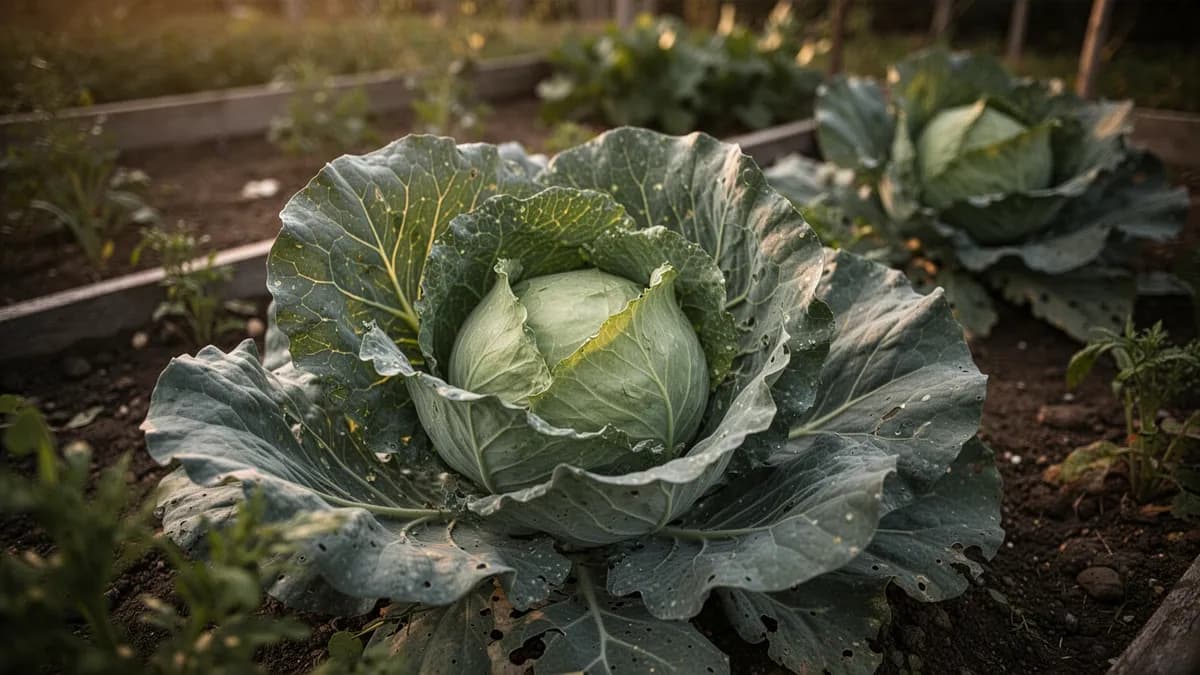
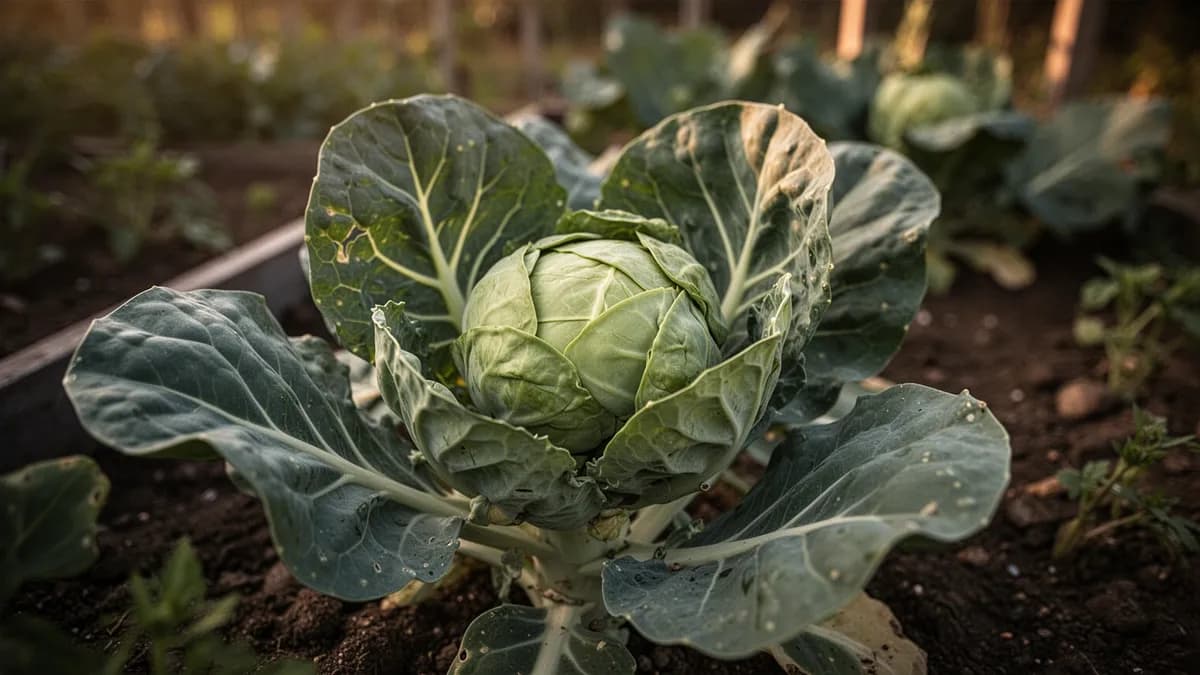
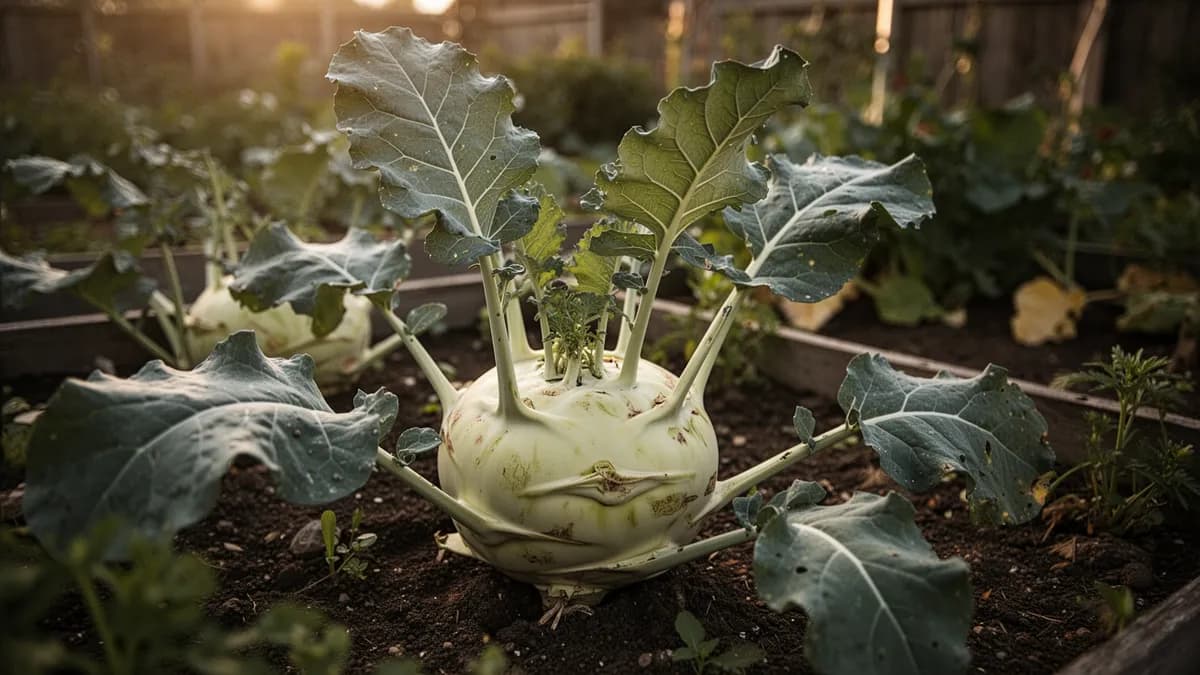
Weitere Kreuzblütler
Halte Sprouting-Brokkoli von diesen fern
Bau deine beste Sprouting-Brokkoli an — und alles drumherum.
Starte heute kostenlos. Lege deine Beete an, setze deine Sprouting-Brokkoli ein und lass PlotMyGarden Timing, Abstände, Begleiter und Erinnerungen von der Saat bis zum Erntekorb übernehmen.