Brazil Nut Tree
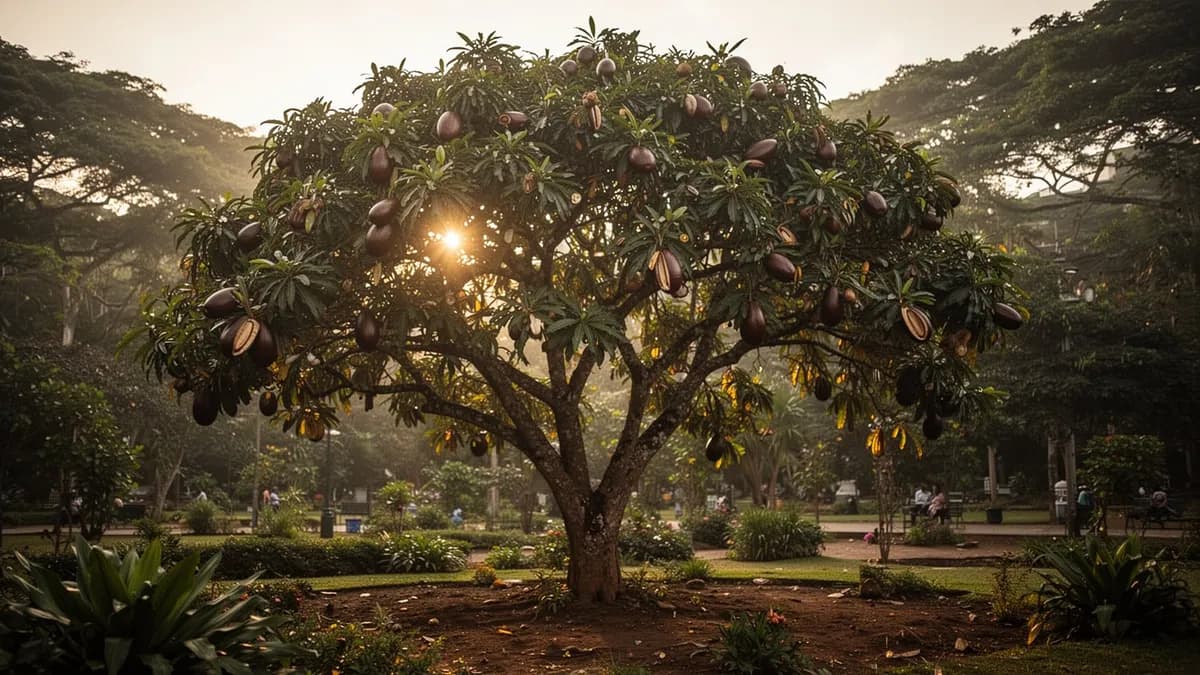
One of the tallest trees in the Amazon rainforest, reaching over 150 feet and producing large woody pods containing the familiar crescent-shaped nuts.





On this pageOverview
Meet Brazil Nut Tree
One of the tallest trees in the Amazon rainforest, reaching over 150 feet and producing large woody pods containing the familiar crescent-shaped nuts. Brazil nut trees require tropical rainforest conditions with high humidity and consistent warmth, making them impractical for most home gardeners outside the tropics. They depend on specific large-bodied bees for pollination and take decades to begin bearing. These trees are almost exclusively wild-harvested and serve as a compelling argument for rainforest conservation.
When to plant Brazil Nut Tree
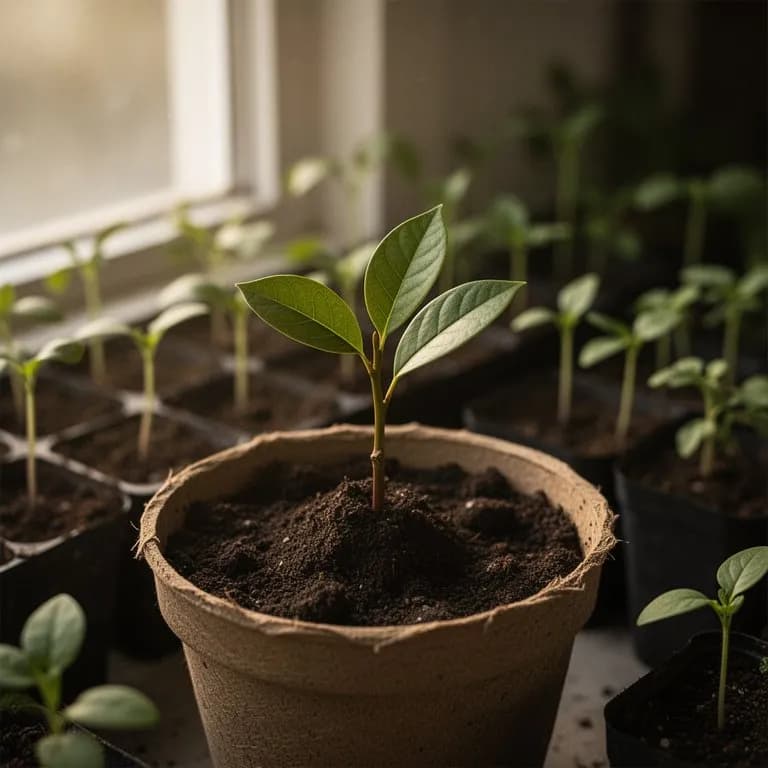
Brazil nut seeds require no cold stratification but germination is slow and erratic, taking 12 to 18 months. Use fresh seeds as viability drops rapidly. Soak seeds in warm water for 24 hours, then plant 2 inches deep in a mix of peat and perlite in deep containers. Maintain consistently warm temperatures of 80 to 90 degrees Fahrenheit and high humidity. Seedlings grow slowly, reaching only 6 to 12 inches in the first year. They may take 10 to 30 years to produce their first fruit.
Your Brazil Nut Tree Year
Composed for Zone 7 · typical seasons · frost passes Apr 2, returns Nov 1
Plant Brazil Nut Tree Jan – Mar, pick Jan – Mar. Check the planting methods below and set your climate to personalize these windows.
How to grow Brazil Nut Tree
Brazil nut trees require tropical rainforest conditions with consistent temperatures between 75 and 95 degrees Fahrenheit, high humidity above 80 percent, and annual rainfall of 60 to 80 inches. They are among the tallest trees in the Amazon, reaching heights of 150 to 200 feet, making them impractical for most home gardens. Plant only in USDA zone 11 or higher with true tropical conditions and abundant space.
If attempting to grow a brazil nut tree, start with fresh seeds and plant in rich, deep, acidic soil with excellent drainage. Water abundantly and consistently, as these trees are accustomed to heavy tropical rainfall. They grow in full sun once they reach the canopy but tolerate shade as juveniles in the forest understory.
Brazil nut trees depend on large-bodied orchid bees for pollination and require intact rainforest ecosystems to produce fruit. Isolated trees rarely set nuts even when they flower. The trees may take 10 to 30 years to begin bearing fruit, and full production takes many decades. These ecological requirements make plantation cultivation extremely challenging compared to wild harvesting.
Brazil Nut Tree needs more room than a 4 × 8 ft bed gives
Each Brazil Nut Tree wants 1200 cm of elbow room. The planner keeps that spacing for you — every plant, every bed.
Related growing guides
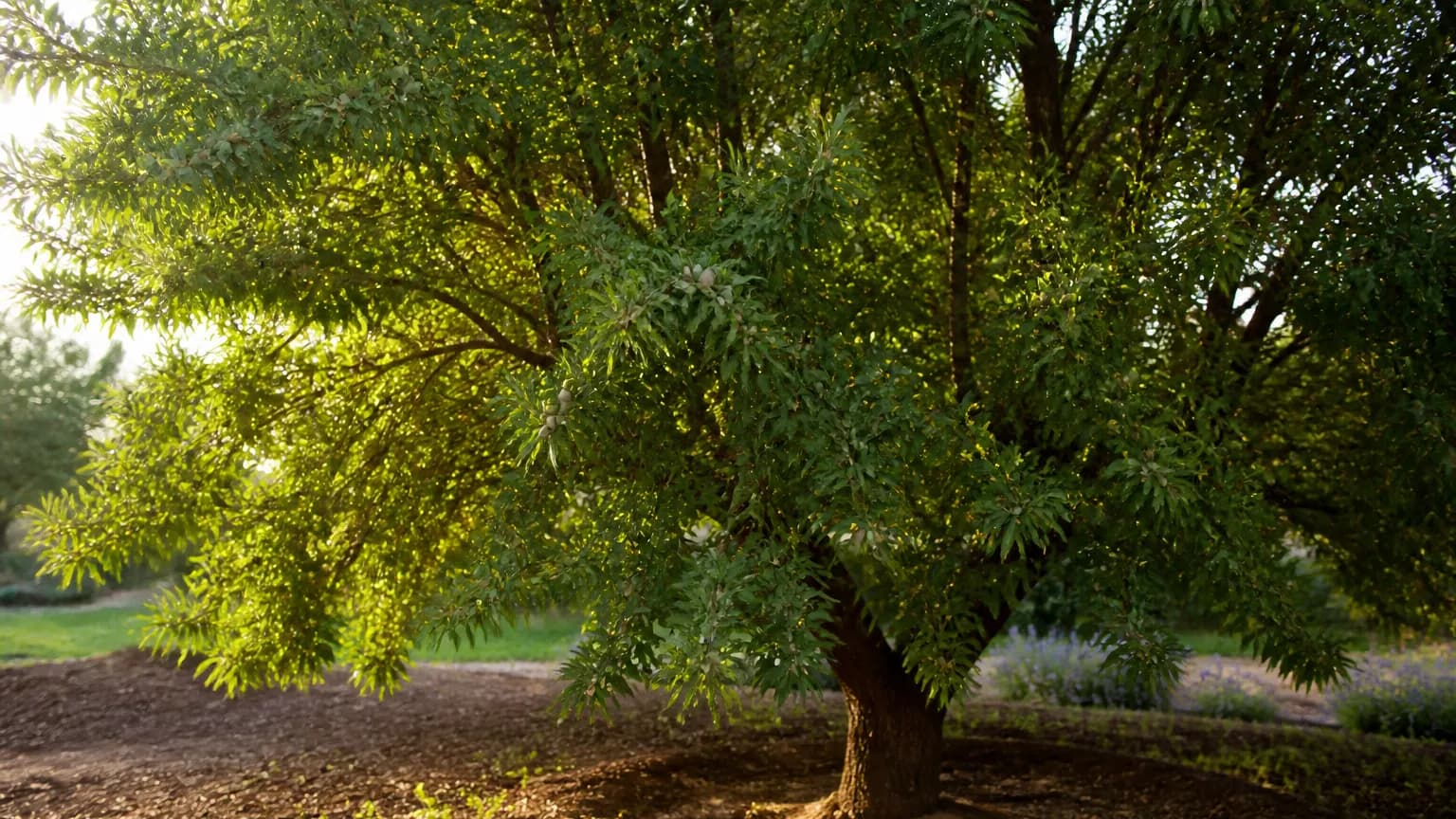
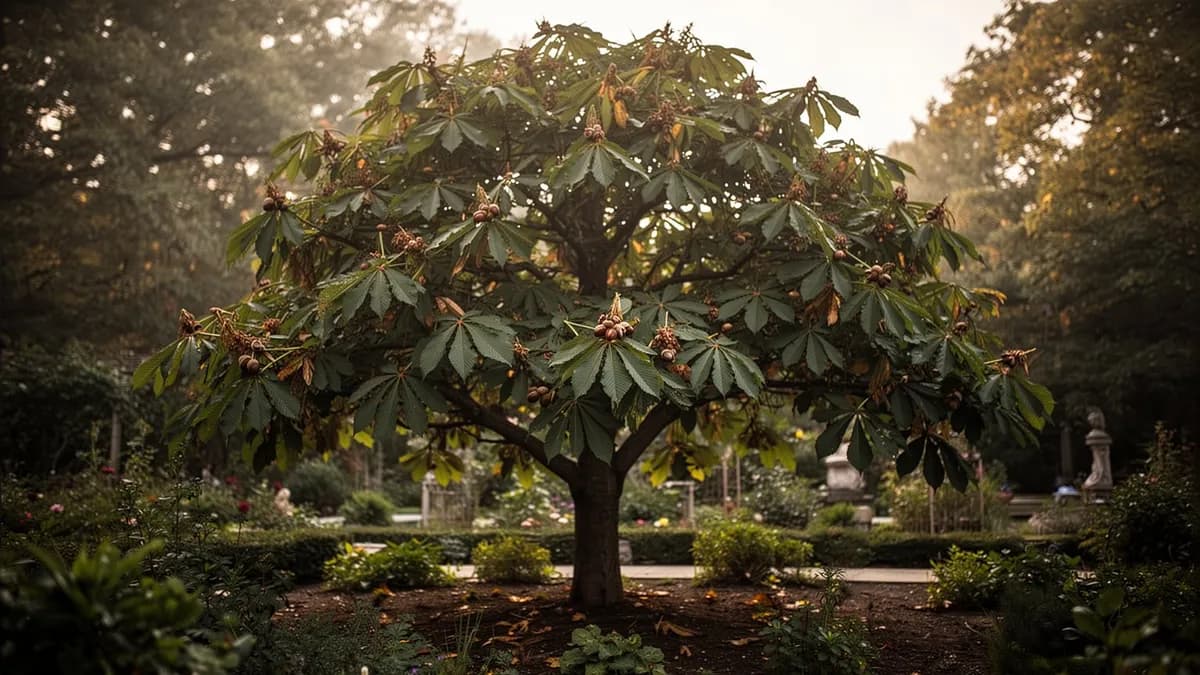
Feed it well
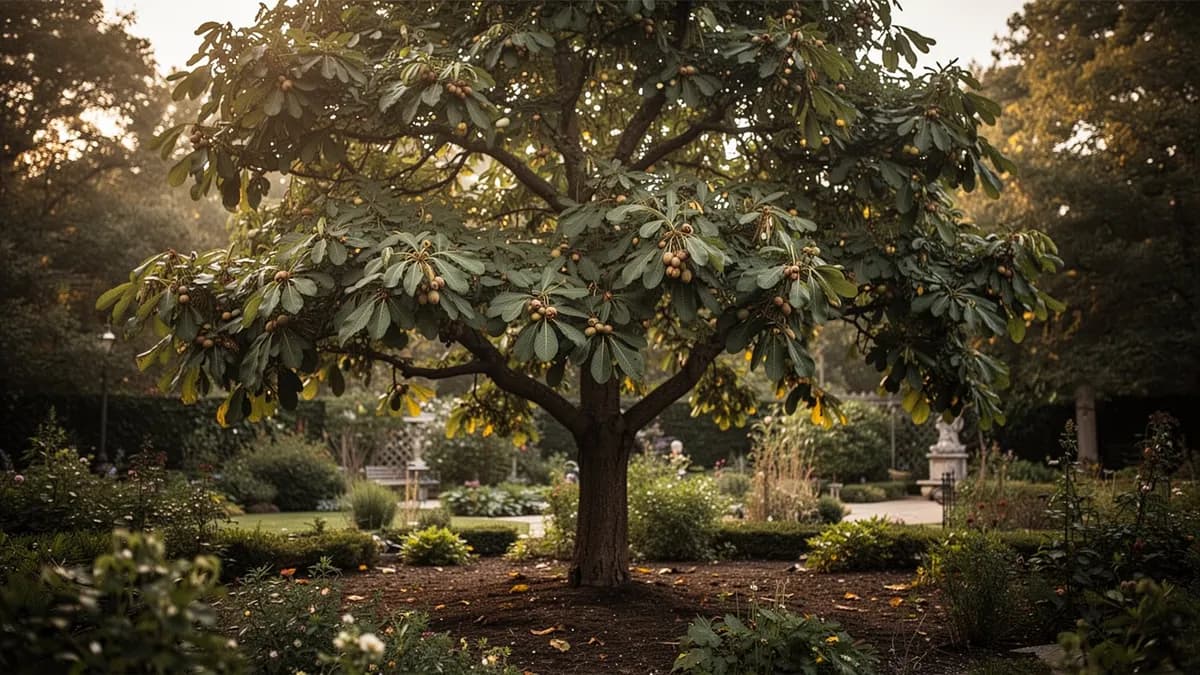
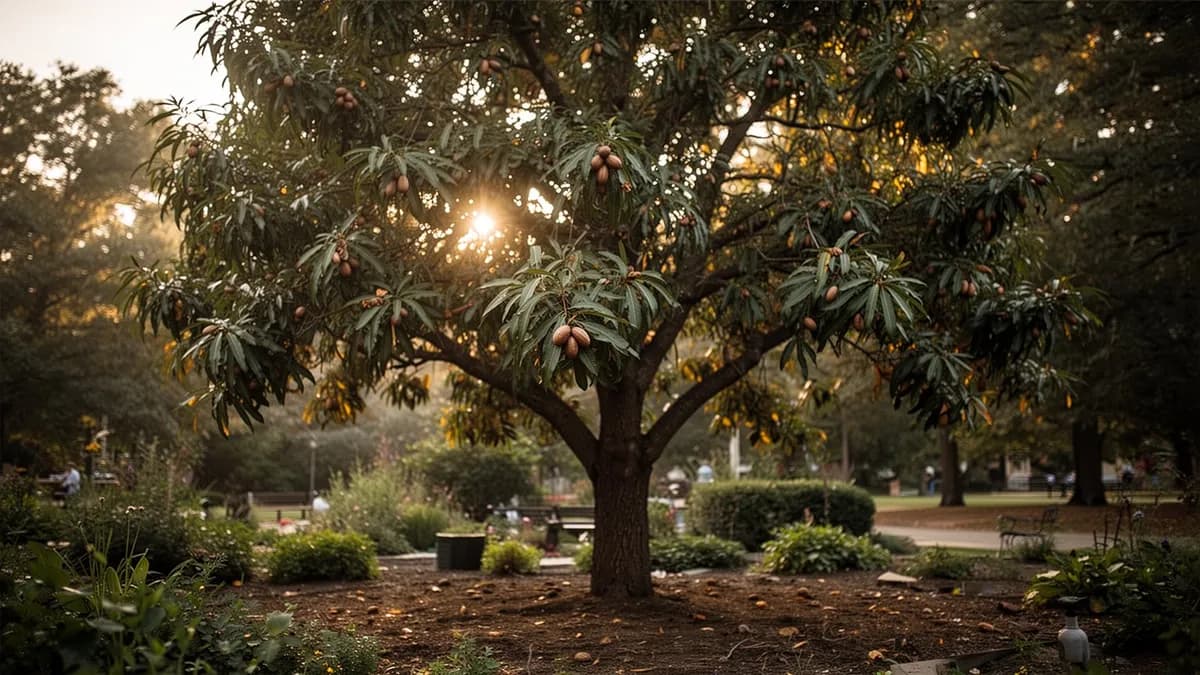
Brazil nut trees grow naturally in deep, well-drained, acidic clay-loam soils typical of the Amazon basin, with a pH of 4.5 to 6.0. They require high organic matter and naturally fertile soil rich in minerals. In cultivation, amend planting sites with abundant compost and maintain thick organic mulch. These trees are adapted to nutrient-poor tropical soils but respond well to balanced fertilization. Avoid alkaline soils entirely, as the trees cannot tolerate high pH conditions.
Ideal Temperature
Hardiness Zone Compatibility
From seed to harvest, stage by stage
Germination
Brazil nut seeds have extremely hard shells and germination is notoriously slow, often taking 12 to 18 months in the wild. In nursery conditions with scarification, germination can be accelerated to 6 to 12 months. The thick woody seed coat must soften sufficiently for the radicle to emerge.
Seedling
Seedlings develop large, leathery, oblong leaves and establish a deep taproot system. Growth is slow during this phase, typically adding 30 to 50 cm per year. The young tree requires shade protection and high humidity to mimic understory conditions of the Amazon rainforest.
Juvenile Tree
The juvenile phase lasts several years as the tree develops a sturdy trunk and extensive root system. Growth rate increases slightly, with the tree reaching 3 to 5 meters tall. The canopy begins to develop its characteristic spreading crown shape.
Pre-Reproductive Maturity
The tree continues vigorous vertical growth, adding 1 to 1.5 meters per year under ideal conditions. The trunk thickens and bark develops its characteristic deep fissures. The root system expands significantly, forming associations with mycorrhizal fungi essential for nutrient uptake in poor tropical soils.
Early Fruiting
Brazil nut trees typically begin flowering and fruiting between 10 and 20 years of age when grown from seed, though some grafted specimens may fruit earlier. The complex flowers with their coiled hoods appear during the dry season and require pollination by large-bodied bees, primarily orchid bees of the genus Eulaema.
Full Production
Mature trees can produce 200 to 400 fruit pods per year, each containing 10 to 25 nuts. The fruits take approximately 14 months to mature after pollination and fall naturally from the canopy between January and June. Peak production occurs in trees between 30 and 100 years old.
Legacy Tree
Brazil nut trees are among the longest-lived trees in the Amazon, with lifespans of 500 to 1000 years or more. Mature specimens reach 50 meters tall with trunk diameters exceeding 2 meters. They continue producing nuts for centuries and serve as critical keystone species in their ecosystem.
Scarify or file the seed coat before planting to improve germination rates. Keep seeds in warm, consistently moist soil at 25 to 30 degrees Celsius.
Caring for Brazil Nut Tree month by month
What to do each month for your Brazil Nut Tree
October
You are hereTransplant nursery seedlings as early rains begin. Resume reduced fertilization schedule for established trees. Observe for flowering initiation on mature trees
Know exactly what to do in your garden — every month
One email at the start of each month: what to sow, plant, and tackle right now — for your Brazil Nut Tree and everything growing around it. Plus a short starter course that helps you dodge the classic mistakes.
- What to do, right now
- Matched to your season
- Starter course included
Harvesting Brazil Nut Tree
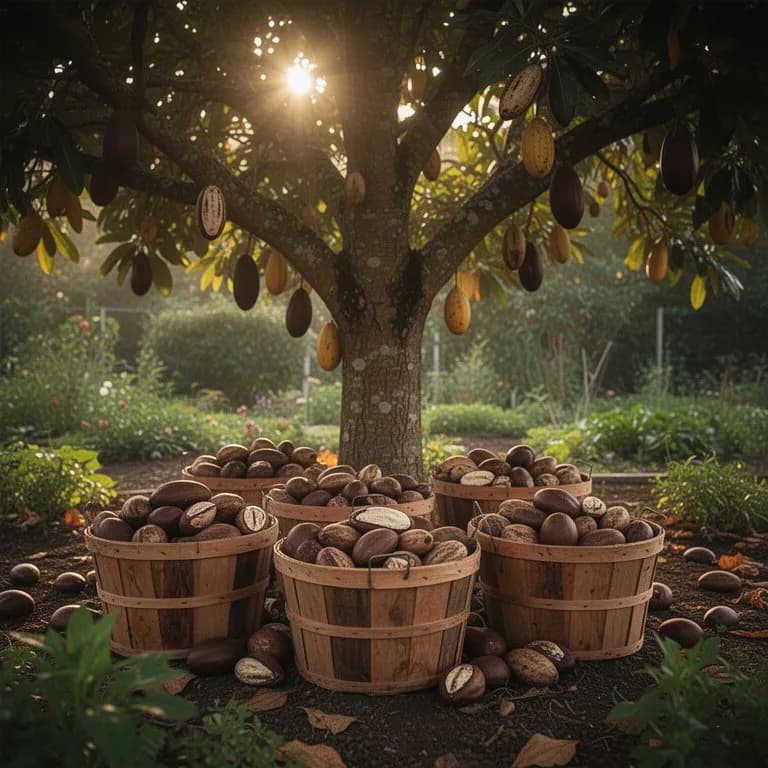
Brazil nut pods fall naturally from the tree when ripe, typically during the rainy season from January through March. The heavy woody pods, weighing up to 5 pounds each, fall from heights of over 100 feet and are dangerous. Never stand beneath a brazil nut tree during pod fall season. Collectors gather fallen pods from the forest floor, then crack the extremely hard outer shells with machetes to extract the triangular nuts arranged inside like segments of an orange. Each pod contains 12 to 24 individual nuts.
assuming you plant when the window opens — set your real date
Pick Brazil Nut Tree promptly and the plant keeps producing.
Storage & Preservation
Unshelled brazil nuts store well for up to 6 months in a cool, dry place. Once shelled, the high oil content causes rapid rancidity, so refrigerate in airtight containers for up to 3 months or freeze for up to a year. Brazil nuts are exceptionally rich in selenium and should be consumed in moderation, with 1 to 3 nuts per day providing the recommended daily intake. They can be dried, chopped for baking, or pressed for their rich oil.
What goes wrong — and the fix
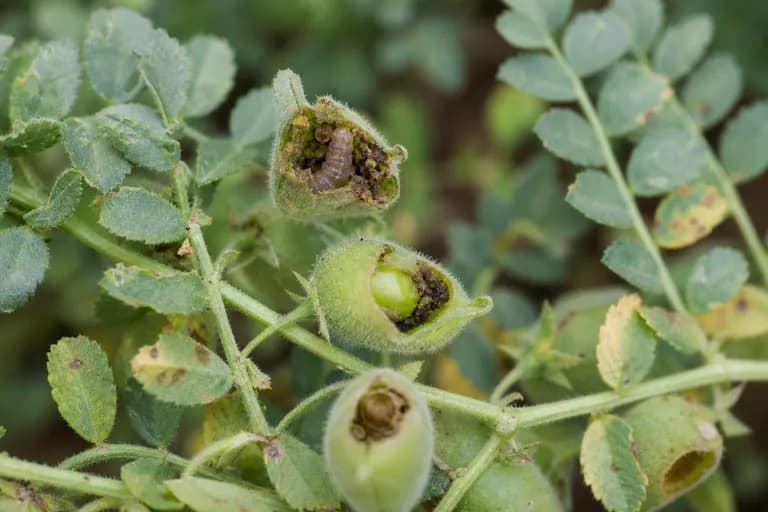
Pod Borer
PestLarvae bore into the thick woody seed pods, damaging developing nuts inside. Exit holes visible on fallen pods.
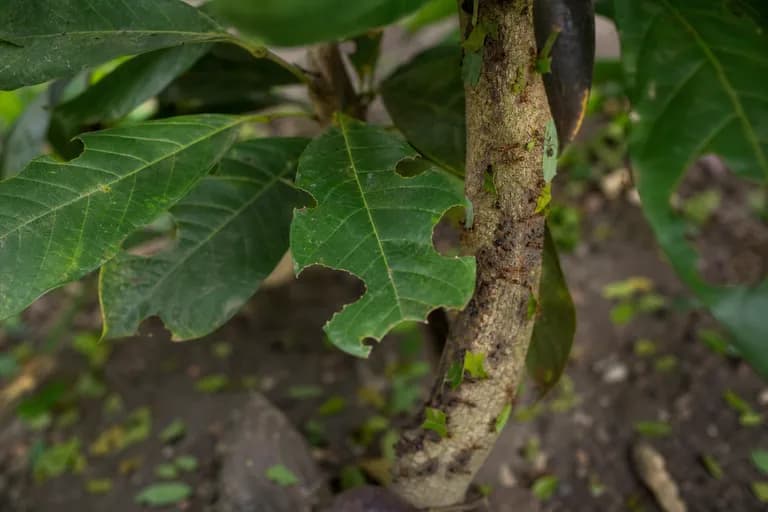
Leaf-Cutting Ants
PestLeaves stripped in circular patterns. Trails of ants carrying leaf fragments visible on trunk and ground.
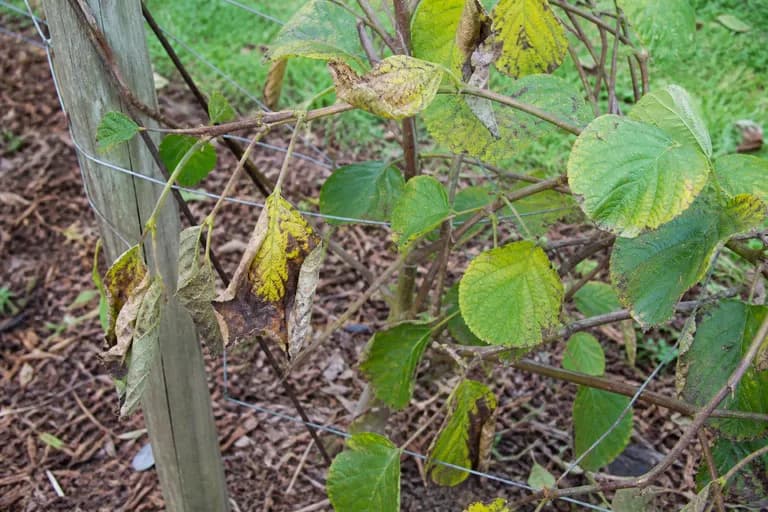
Root Rot (Phytophthora)
DiseaseYellowing and wilting of foliage despite adequate moisture. Roots appear dark and mushy when examined.
Troubleshooting Common Problems
The primary challenge is that brazil nut trees are nearly impossible to cultivate successfully outside their native Amazon habitat. They require specific orchid bee pollinators, take decades to bear, and grow to enormous sizes unsuitable for most properties. Even in tropical regions, plantation-grown trees produce far less than wild forest trees due to missing ecological relationships. The falling pods are genuinely dangerous and require careful harvest management.
Growing Tips
- Brazil nut trees require a true tropical climate with temperatures consistently above 20 degrees Celsius and cannot survive any frost exposure whatsoever.
- The trees need deep, well-drained acidic to neutral soils with a pH between 4.5 and 6.5, similar to their native Amazonian terra firme forest soils.
- Scarify seeds by filing a small notch in the hard shell before planting to dramatically improve germination rates from under 10 percent to over 50 percent.
- Young seedlings require partial shade of 50 to 70 percent for the first two to three years, gradually transitioning to full sun as the tree matures.
- Maintain high humidity above 80 percent around seedlings using misting systems or by grouping plants together in a sheltered nursery environment.
- Apply mycorrhizal inoculant to the planting hole as Brazil nut trees form critical symbiotic relationships with soil fungi for nutrient absorption.
- Never attempt plantation monoculture as Brazil nut trees require surrounding forest habitat to support their orchid bee pollinators and agouti seed dispersers.
- Provide annual applications of compost or well-rotted organic matter to mimic the nutrient cycling of the forest floor litter layer.
- Be patient with growth as these trees are inherently slow-growing in their early years and may take 12 to 18 months just to germinate from seed.
- If growing outside the Amazon, consider grafting onto established rootstock from a productive tree to potentially reduce the time to first fruiting from 20 years to 8 to 10 years.
Grow your best Brazil Nut Tree yet — and everything around it.
Start a free plan today. Lay out your beds, drop in your Brazil Nut Tree, and let PlotMyGarden handle the timing, spacing, companions and reminders from seed to harvest basket.
Pick your Brazil Nut Tree
Bertholletia excelsa
The sole species in its genus. No named cultivars exist as virtually all brazil nuts come from wild trees in the Amazon basin.
Selected Orchard Types
Research stations in Brazil have selected higher-yielding individual trees for seed orchards, but these are not available as named varieties to home growers.
Lecythis pisonis
Sometimes called sapucaia or paradise nut, a related species with similar nuts considered by some to have superior flavor. Slightly more adaptable than true brazil nut.
Brazil nut trees are not practical for home gardening cost savings due to their immense size, tropical climate requirements, and the 10 to 20 year wait before first fruiting. However, in their native range, wild-harvested Brazil nuts provide critical income for Amazonian communities, with a single productive tree yielding 30 to 50 kg of nuts annually worth $30 to $75 USD at local market prices, sustainably for centuries without any cultivation costs.
Quick recipes
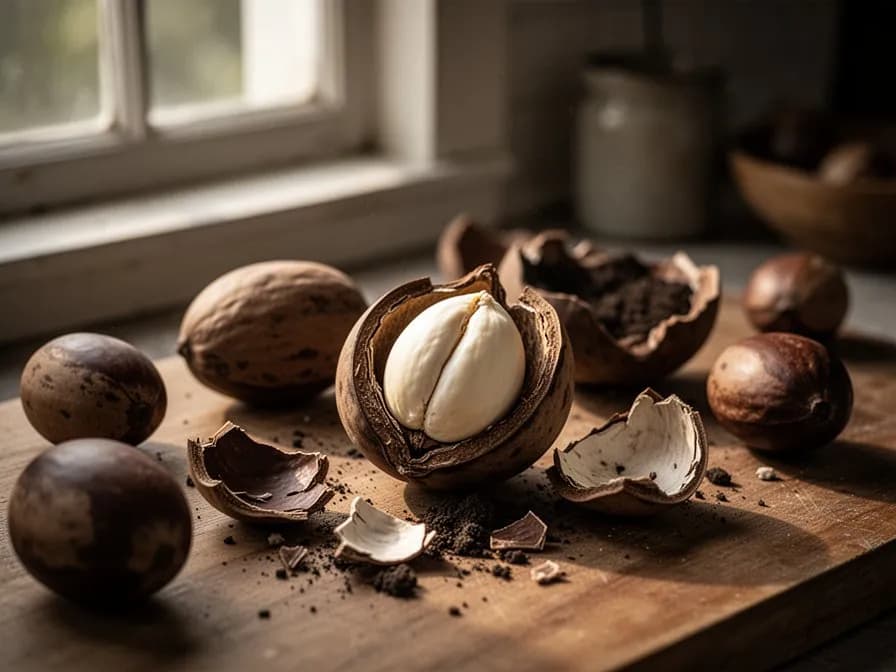
Brazil Nut Milk
10 minutes plus soakingA creamy, naturally rich plant milk with a subtle sweetness that works beautifully in coffee, smoothies, or cereal. Brazil nut milk is one of the most selenium-rich non-dairy milks you can make at home.
5 ingredients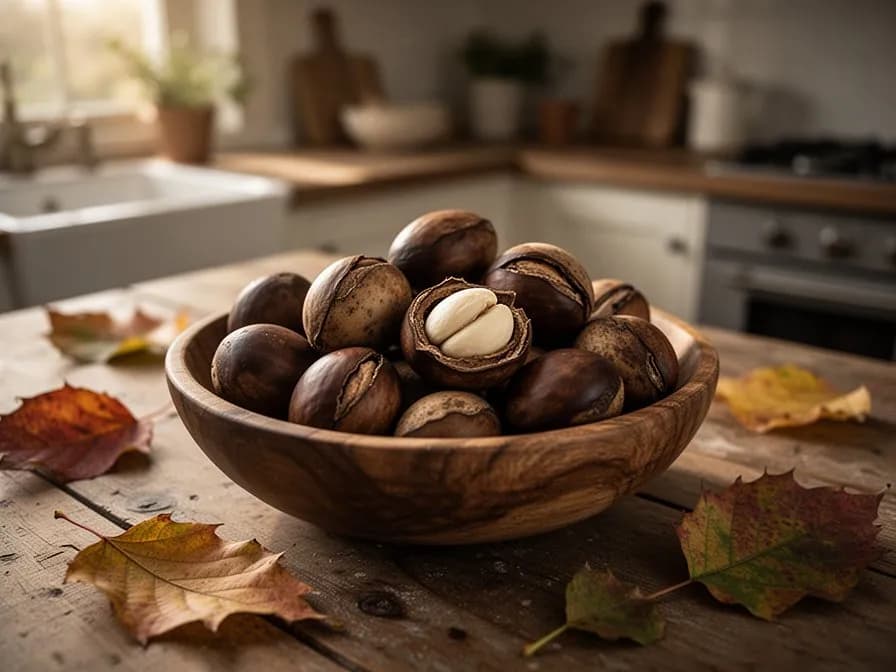
Brazil Nut Pesto
15 minutesA rich, nutty twist on classic basil pesto that pairs wonderfully with pasta, grilled vegetables, or spread on crusty bread. The Brazil nuts add a uniquely creamy texture and boost of selenium.
7 ingredientsChocolate Brazil Nut Energy Bites
20 minutes plus chillingNo-bake energy bites combining the rich flavor of Brazil nuts with dark chocolate and dates for a naturally sweet, nutrient-dense snack packed with selenium and healthy fats.
7 ingredientsCulinary Uses
Brazil nuts are eaten raw or roasted as a snack and are a key ingredient in mixed nut assortments. They have a rich, creamy, slightly sweet flavor and smooth texture. Chop them for use in chocolate truffles, biscotti, trail mixes, and granola. Brazil nut oil is used in cooking and cosmetics. They pair well with chocolate, dried fruits, and tropical flavors.
What's inside
Health Benefits
- Exceptionally high selenium content supports thyroid hormone production and metabolism regulation, with just one to two nuts daily meeting the full recommended intake.
- Rich in ellagic acid and other antioxidants that help reduce oxidative stress and inflammation throughout the body, potentially lowering risk of chronic diseases.
- High magnesium and phosphorus content contributes to strong bone density and may help reduce the risk of osteoporosis in aging populations.
- The combination of healthy fats, fiber, and protein promotes satiety and can support healthy weight management when consumed in moderate portions.
- Contains zinc and selenium which are essential for optimal immune system function and may help the body mount effective responses to infections.
- Regular moderate consumption has been associated with improved cholesterol profiles, with studies showing reductions in LDL cholesterol and increases in HDL cholesterol.
Where Brazil Nut Tree comes from
The Brazil nut tree (Bertholletia excelsa) is native to the Amazon rainforest, where it grows wild across Brazil, Bolivia, Peru, Colombia, Venezuela, and the Guianas. Archaeological evidence indicates that indigenous peoples of the Amazon have harvested and consumed Brazil nuts for at least 11,000 years, long before European contact. The tree was first scientifically described by the German naturalist Alexander von Humboldt and the French botanist Aime Bonpland in 1808, who named the genus Bertholletia in honor of the French chemist Claude Louis Berthollet. Spanish and Portuguese colonizers quickly recognized the commercial value of the nuts, and by the 17th century Brazil nuts had become an important export commodity from the Amazon basin. During the rubber boom era of the late 19th century, Brazil nut gathering became a critical supplementary income source for communities across the region. Bolivia has historically been the largest exporter of Brazil nuts despite the misleading common name, with the town of Riberalta serving as the processing capital. The trees hold a unique position in conservation economics because they demonstrate that standing forests can be more profitable than cleared land, providing a powerful incentive for habitat preservation. In Brazil, it is illegal to cut down a Brazil nut tree, and the species is listed on the IUCN Red List as vulnerable due to ongoing deforestation and habitat fragmentation across its range. Today the global Brazil nut trade supports hundreds of thousands of rural families throughout the Amazon, representing one of the most economically important non-timber forest products in the world.
Brazil Nut Tree: did you know?
Fascinating facts about Brazil Nut Tree
Brazil nut trees can live for over 1000 years, making them among the oldest trees in the Amazon rainforest and living witnesses to centuries of ecological change.
Brazil Nut Tree questions, answered
When should I plant Brazil Nut Tree?
What hardiness zones can Brazil Nut Tree grow in?
How much sun does Brazil Nut Tree need?
How far apart should I space Brazil Nut Tree?
What pests and diseases affect Brazil Nut Tree?
How do I store Brazil Nut Tree after harvest?
What are the best Brazil Nut Tree varieties to grow?
What soil does Brazil Nut Tree need?
Can I grow a Brazil nut tree outside of the tropics?
Why are Brazil nuts almost never grown on plantations?
How many Brazil nuts is it safe to eat per day?
How long does it take for a Brazil nut tree to produce nuts?
Why do Brazil nut fruit pods fall naturally and how dangerous are they?
Are Brazil nut trees endangered?
You just read the theory. Now grow it on autopilot.
Everything that makes Brazil Nut Tree fiddly — the timing, the spacing, the companions, the harvest window — is exactly what PlotMyGarden handles for you, for every plant in your garden.
A plan that knows your weather
Set your location once. Get sow, feed and harvest dates built around your real last-frost date and live forecast — no more guessing from a generic seed packet.
From the “When to plant” sectionDrag-and-drop bed planner
Design beds on a grid. Every plant snaps to its proper spacing, and you can see your whole season laid out before you spend a cent on seed.
From the “Growing guide” sectionCompanion conflicts, caught early
200+ good-and-bad pairings checked live as you plant — so a season-wrecking mistake never makes it into the ground.
From the “Companions” sectionReminders you'll actually act on
“Water the beans.” “Pick today before it turns.” Timely, specific, and tied to the plants you're really growing.
From the “Harvest” sectionSuccession, scheduled
Want a harvest for six weeks, not six days? It spaces your sowings automatically and reminds you when each new block is due.
From the “When to plant” sectionA record that gets smarter
Every harvest you log teaches it your garden. Next year's plan starts from what actually worked in your soil, not a textbook's.
From the “Overview” sectionMore Nut Trees
Grow your best Brazil Nut Tree yet — and everything around it.
Start a free plan today. Lay out your beds, drop in your Brazil Nut Tree, and let PlotMyGarden handle the timing, spacing, companions and reminders from seed to harvest basket.